Lot : 45

Stuffel Haggadah, Grenoble, 1942–1943

Images

Stuffel Haggadah, Grenoble, 1942–1943


A historical remnant of Jewish spiritual heroism from one of the darkest chapters of Jewish history.

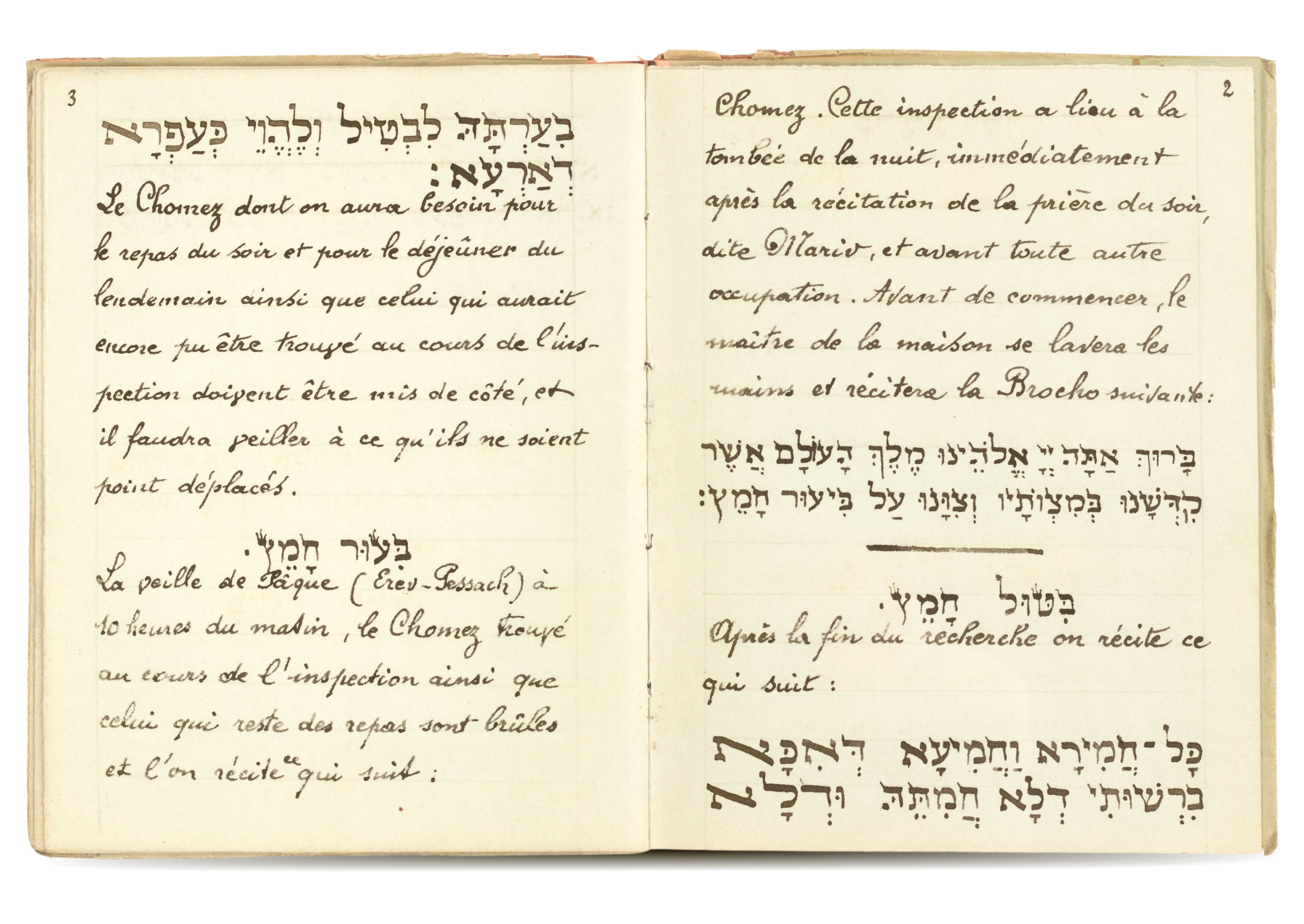
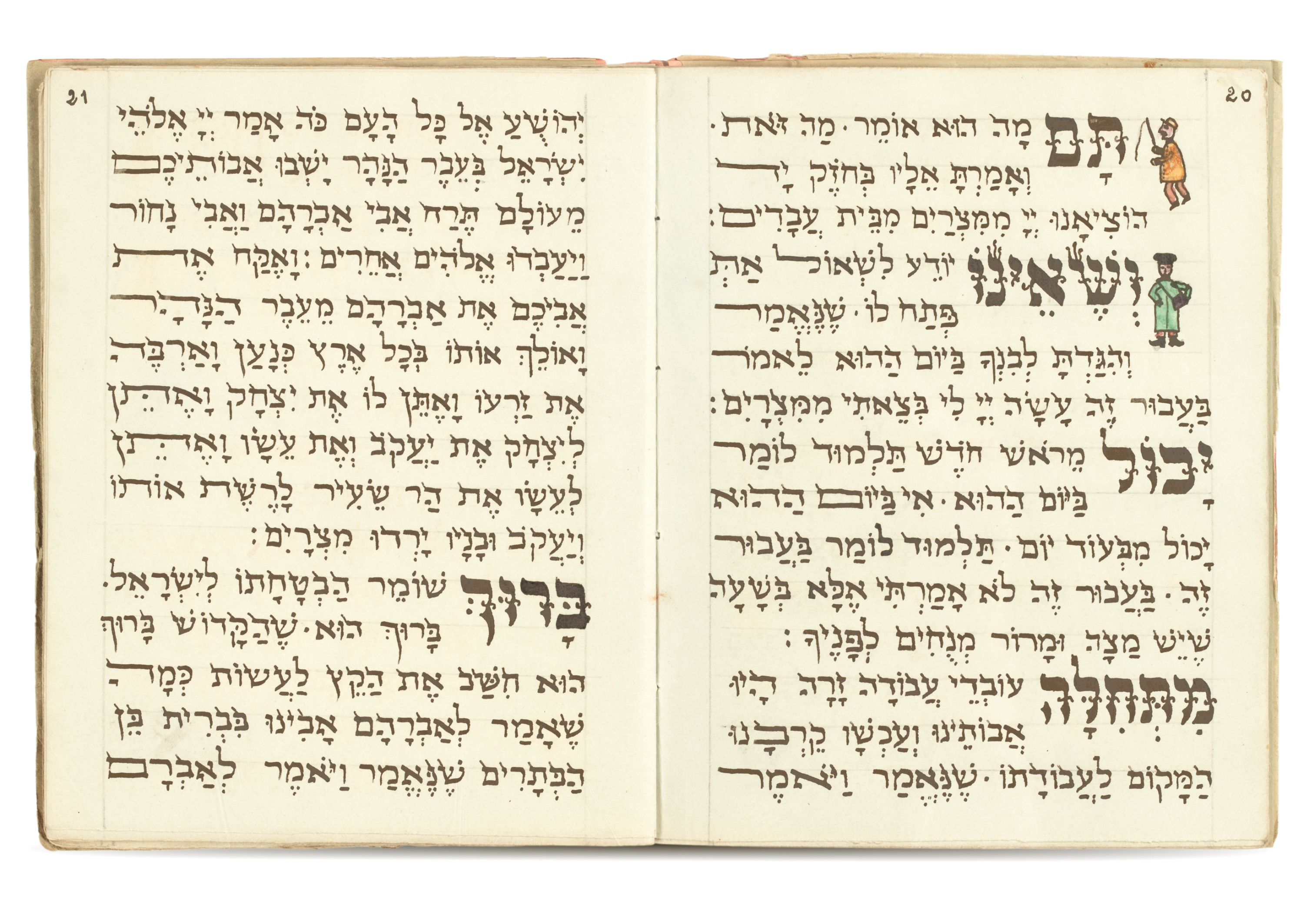
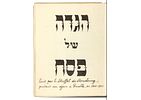
A Pesach Haggadah, handwritten and illustrated by Lucien Léon Stuffel of Strasbourg, written and drawn during the height of the Holocaust in Grenoble, southern France, where he had fled after the Nazi occupation of France. About a year later, in March 1944, Stuffel was deported to Auschwitz, where he perished in the gas chambers.

Due to the great influx of refugees who arrived in Grenoble, there was a severe shortage of basic sifrei kodesh. With no sefer and no printing press available, Stuffel sat down and wrote the entire Haggadah by hand.

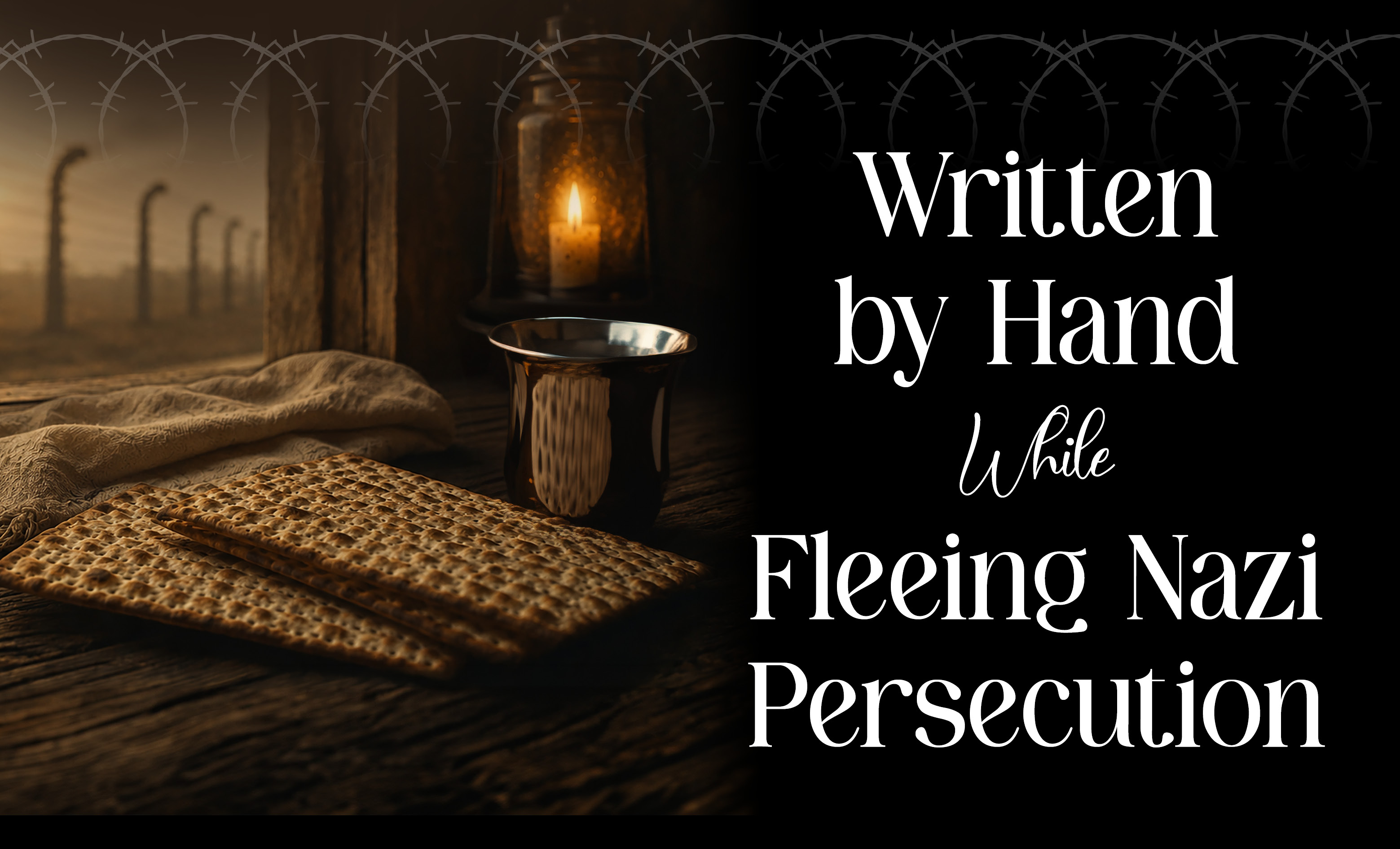
This Haggadah, written by a persecuted Jew fleeing the Nazis, is not merely a means of observing the Seder night. It is a living and poignant testimony to spiritual heroism, reflecting the incredible strength and resilience of the Jewish soul in the darkest moments.

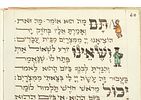
Lucien Léon Stuffel was born in 1867 in Hattstatt, in the Upper Rhine region. During his life he served as a chazzan in many cities in Alsace and Switzerland, including Bern, Lucerne, Bollwiller, Marckolsheim, Soultz, Bergheim, Molsheim, and others. (Page 57 features an illustration of a chazzan.) He is also mentioned as a shochet and teacher.

With the Nazi occupation of France, he fled to Grenoble in southern France. He was later imprisoned in the Drancy camp, and appears on the list of deportees in Transport No. 69 to Auschwitz on March 7, 1944, from which he never returned.

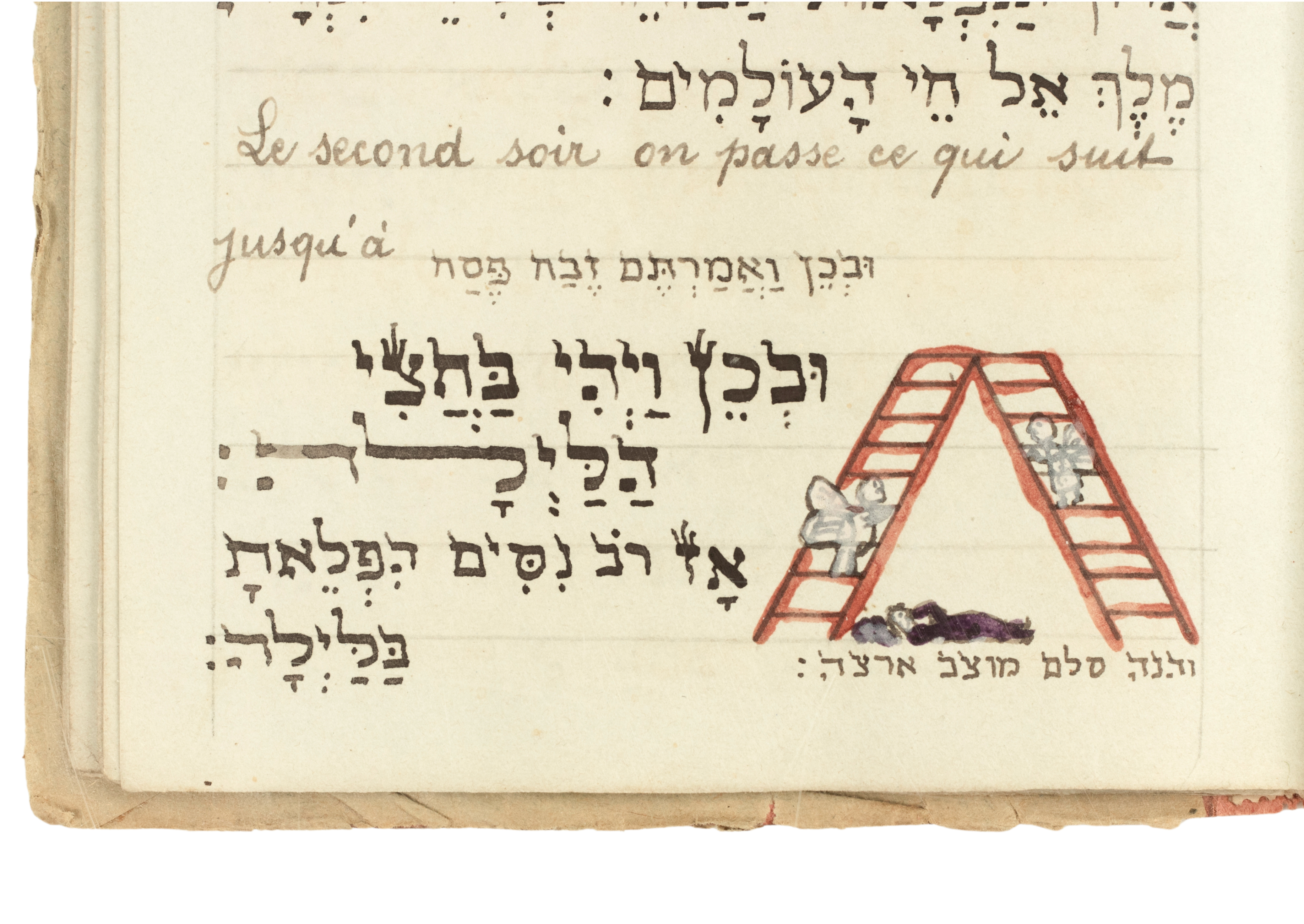
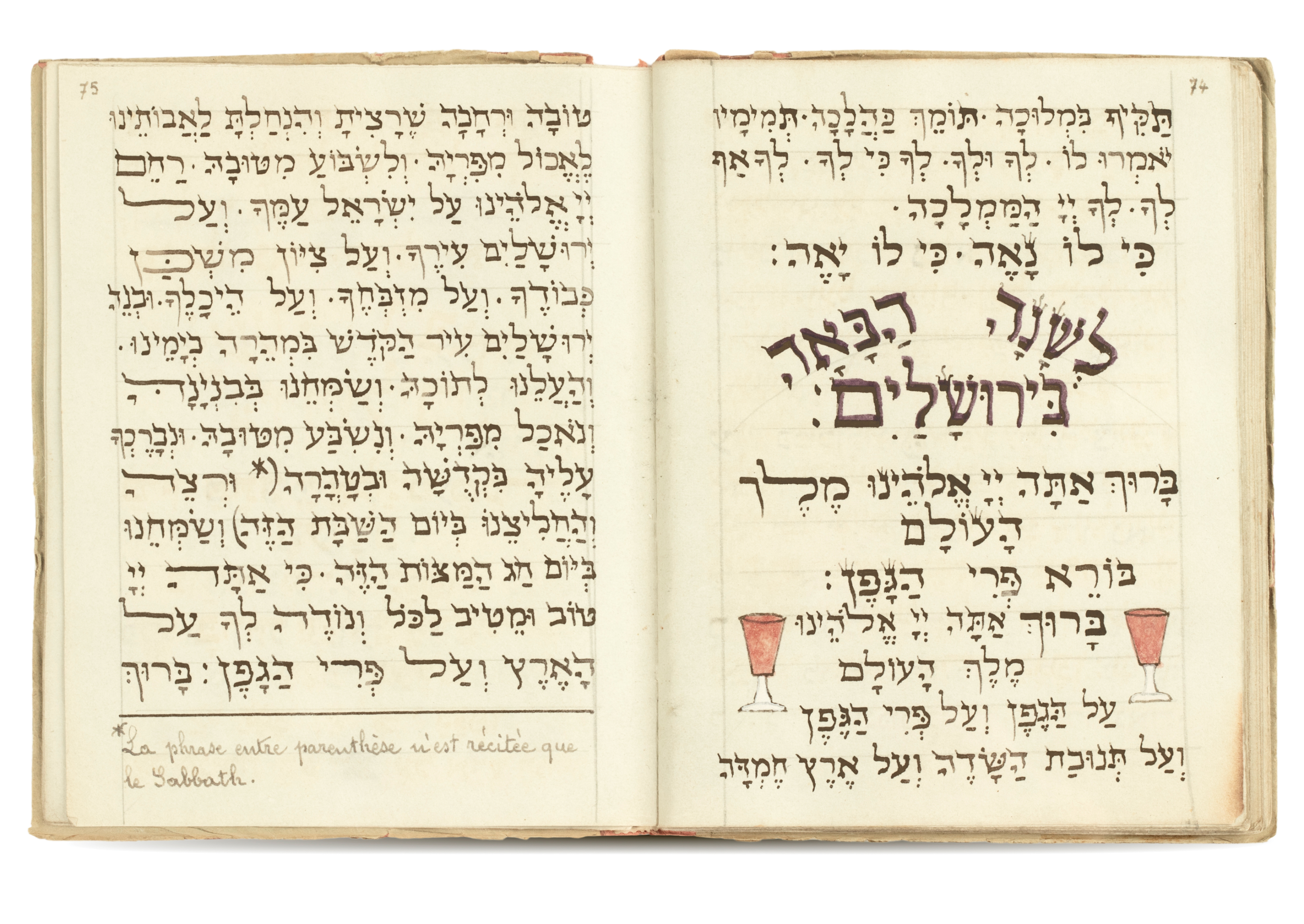
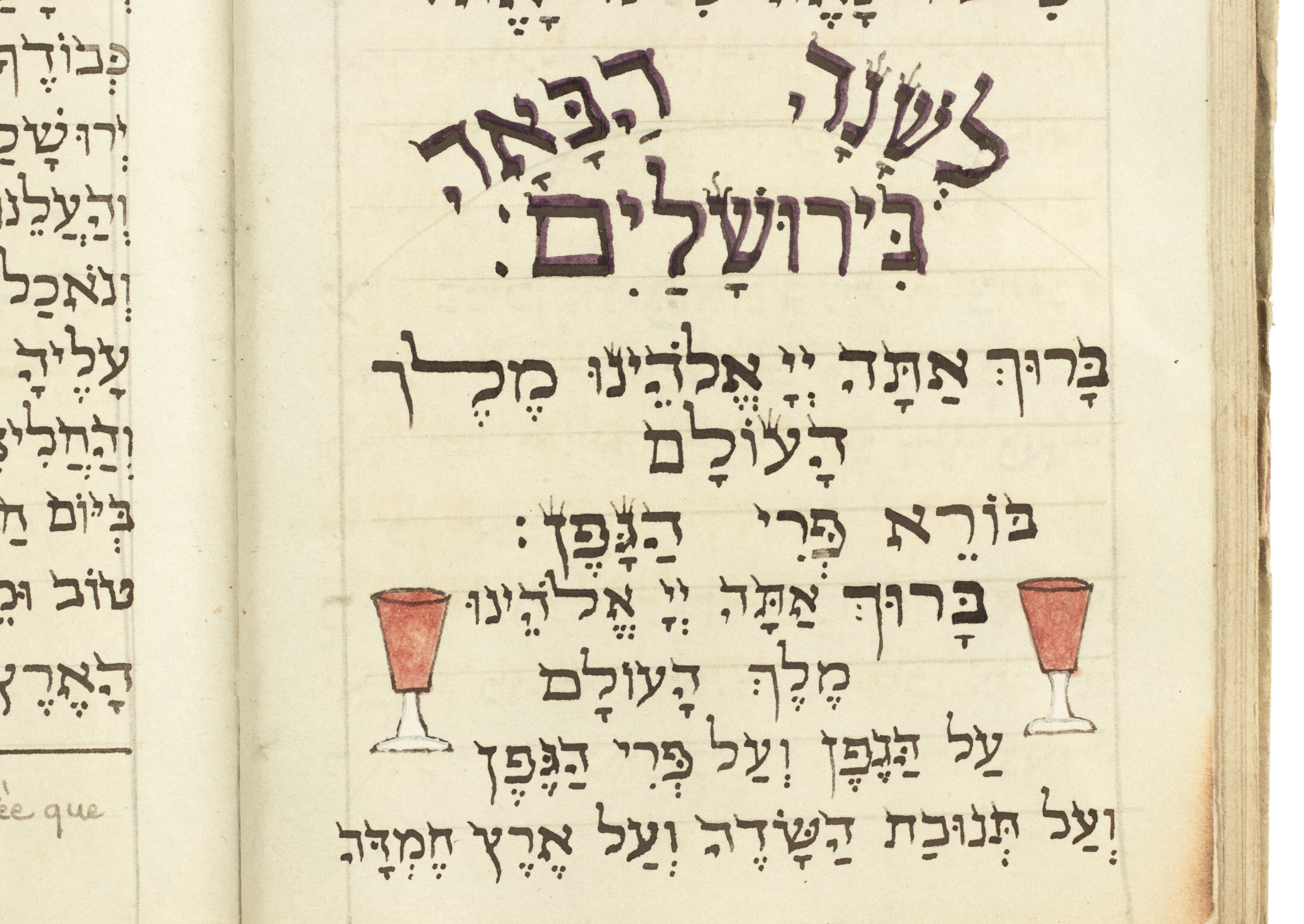
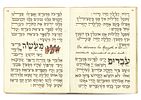
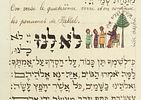
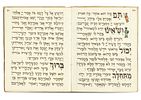
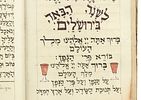
In the Haggadah (pg. 74), Stuffel emphasized in large letters the words: “Next year in Yerushalayim, ” but he did not merit to reach Yerushalayim, and instead was murdered together with his Jewish brethren in Auschwitz.

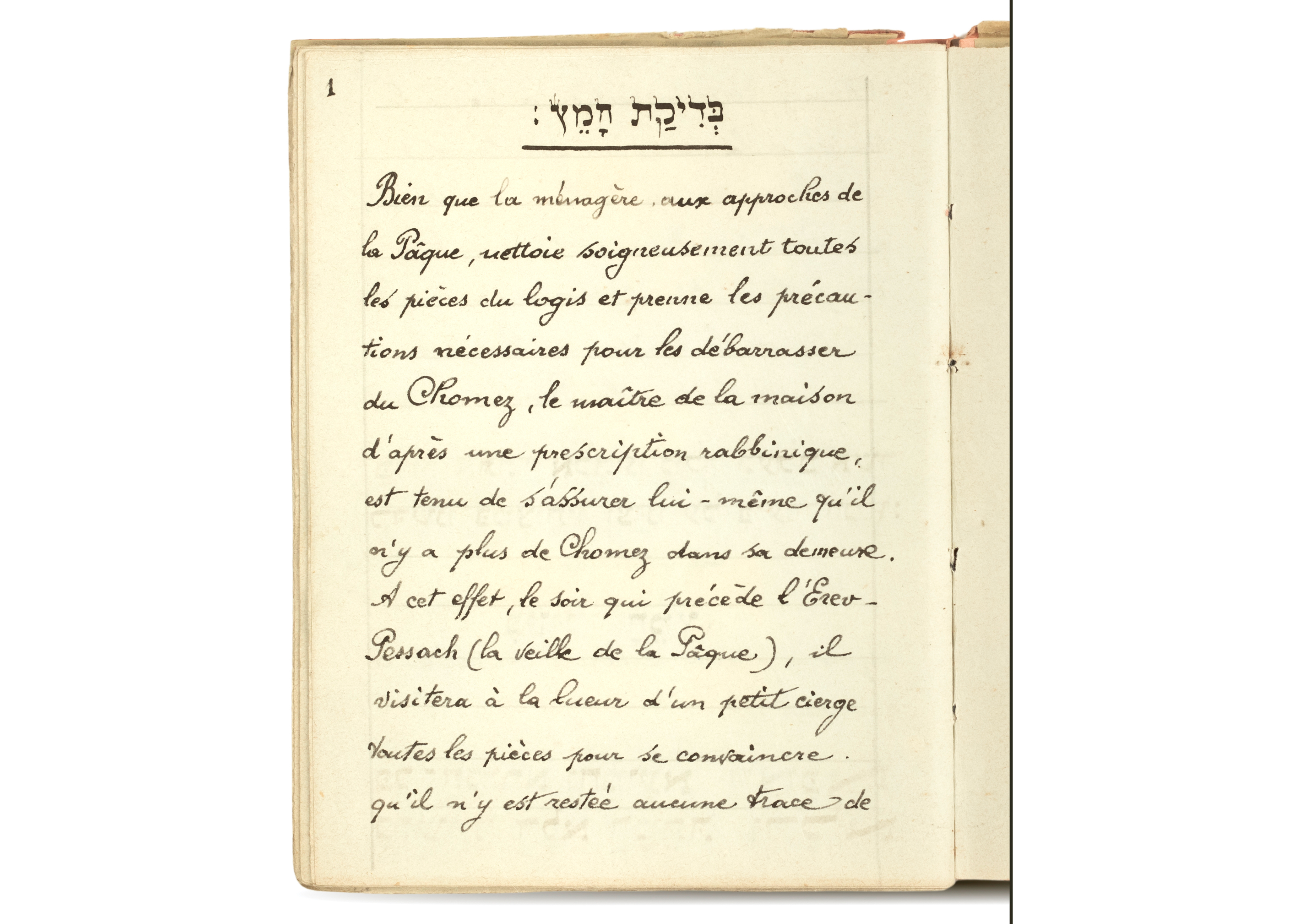
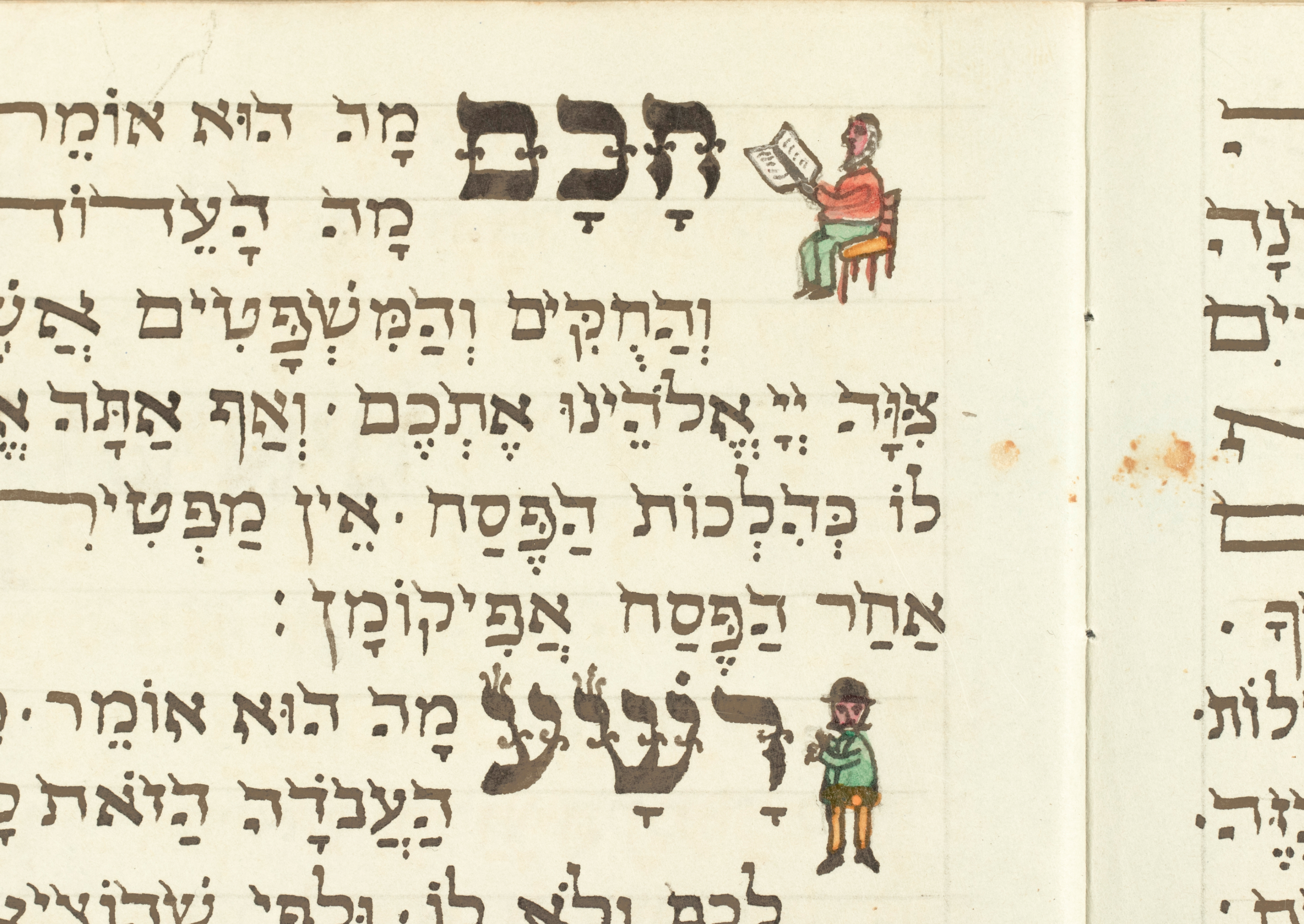
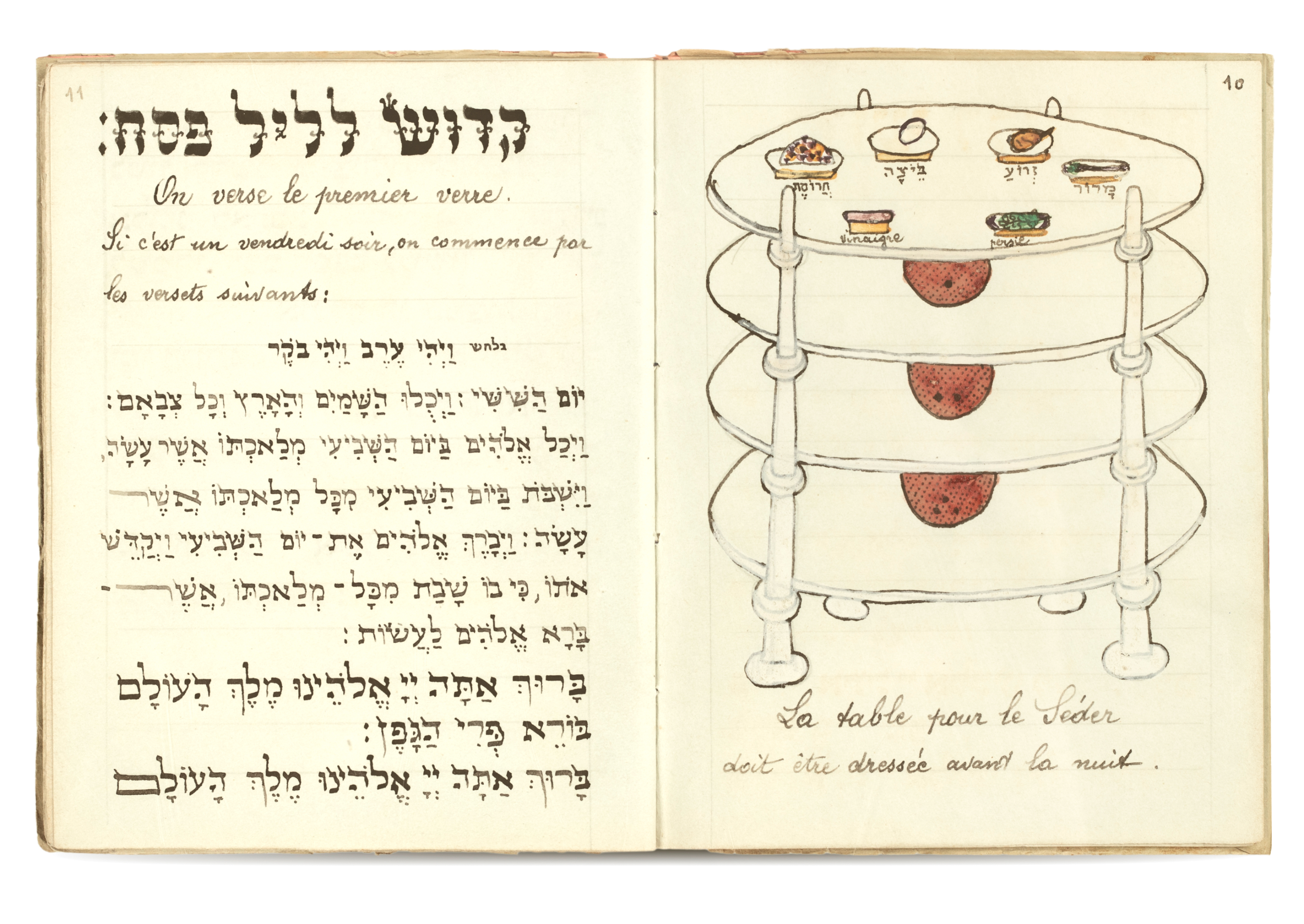
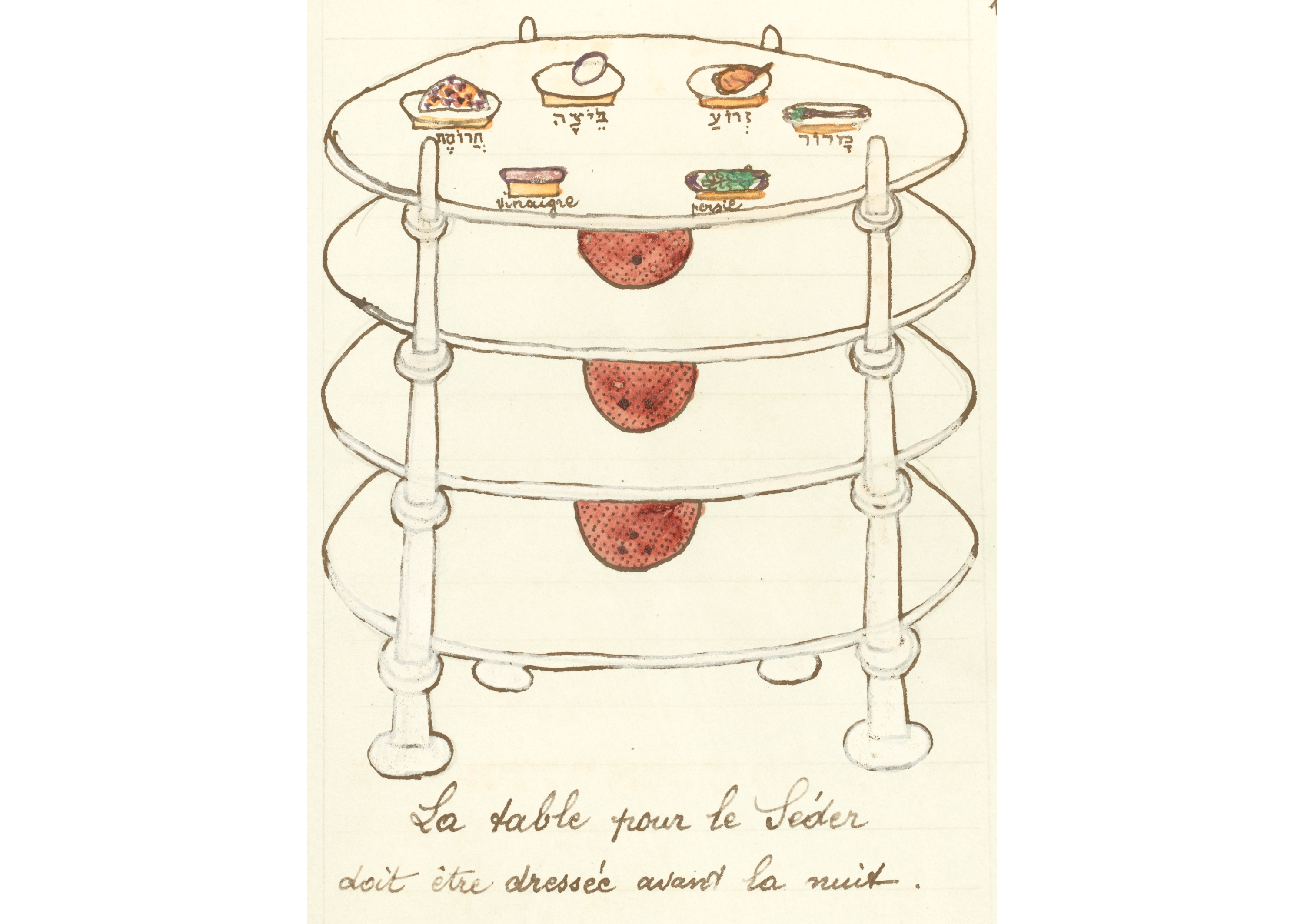
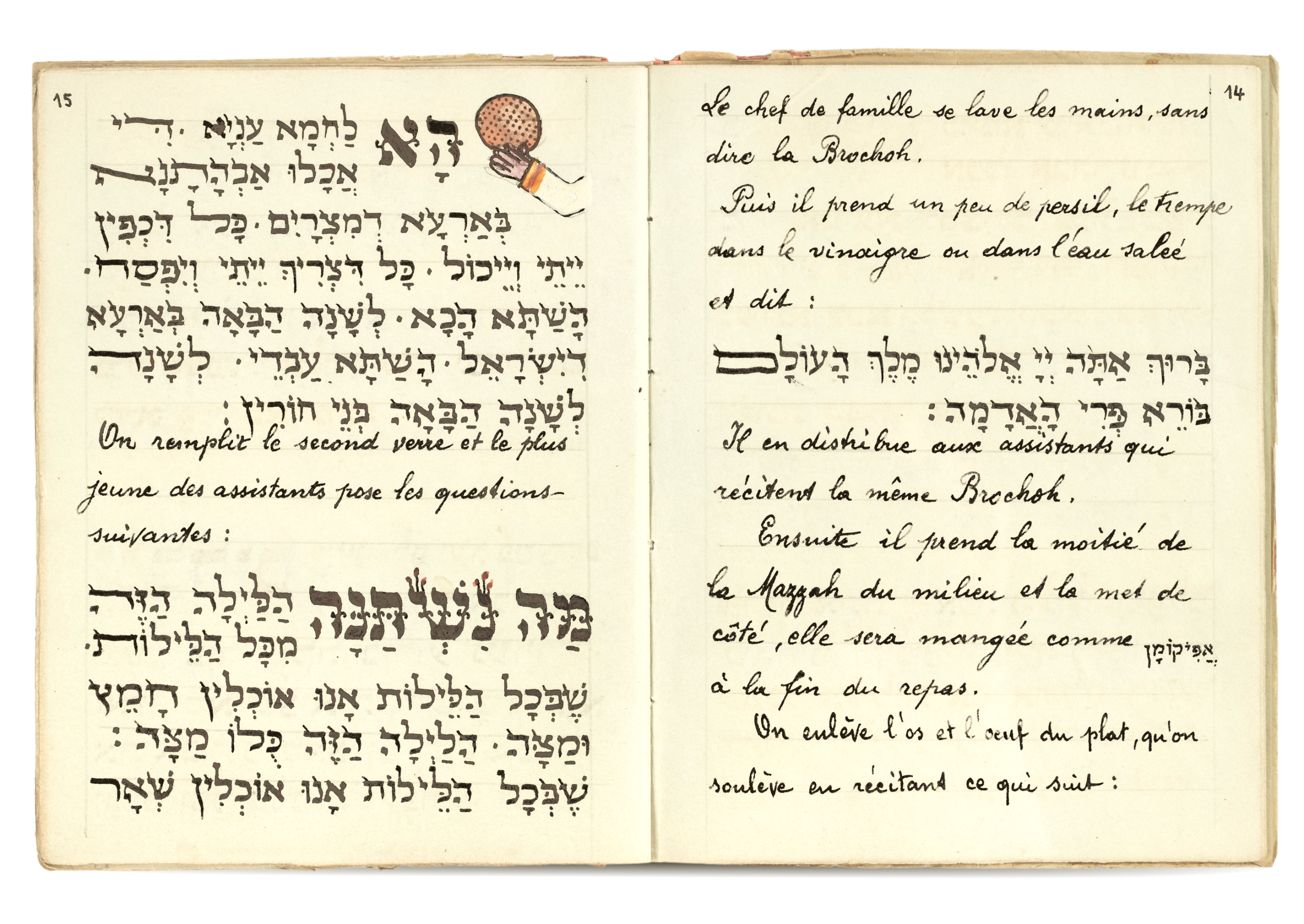
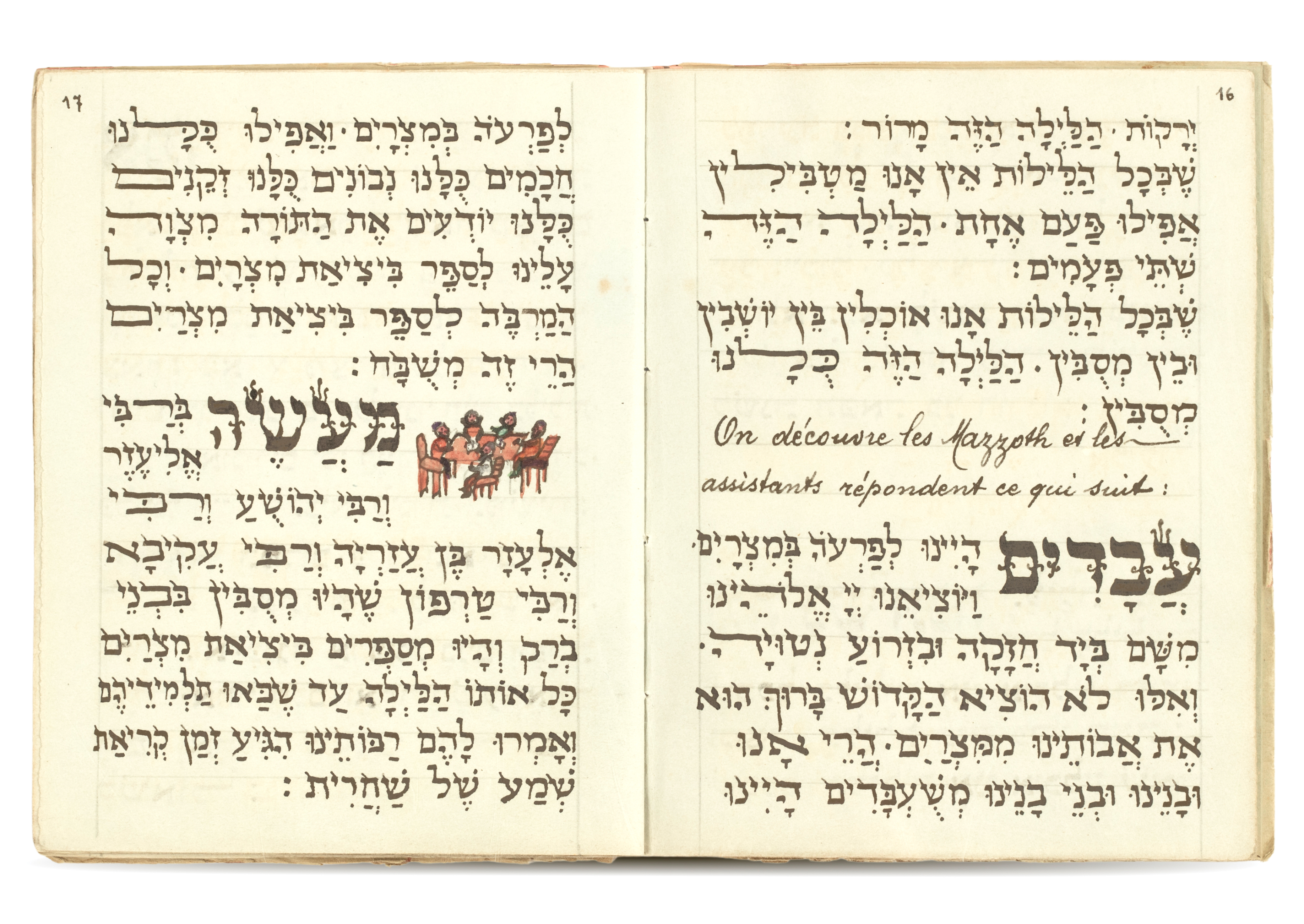
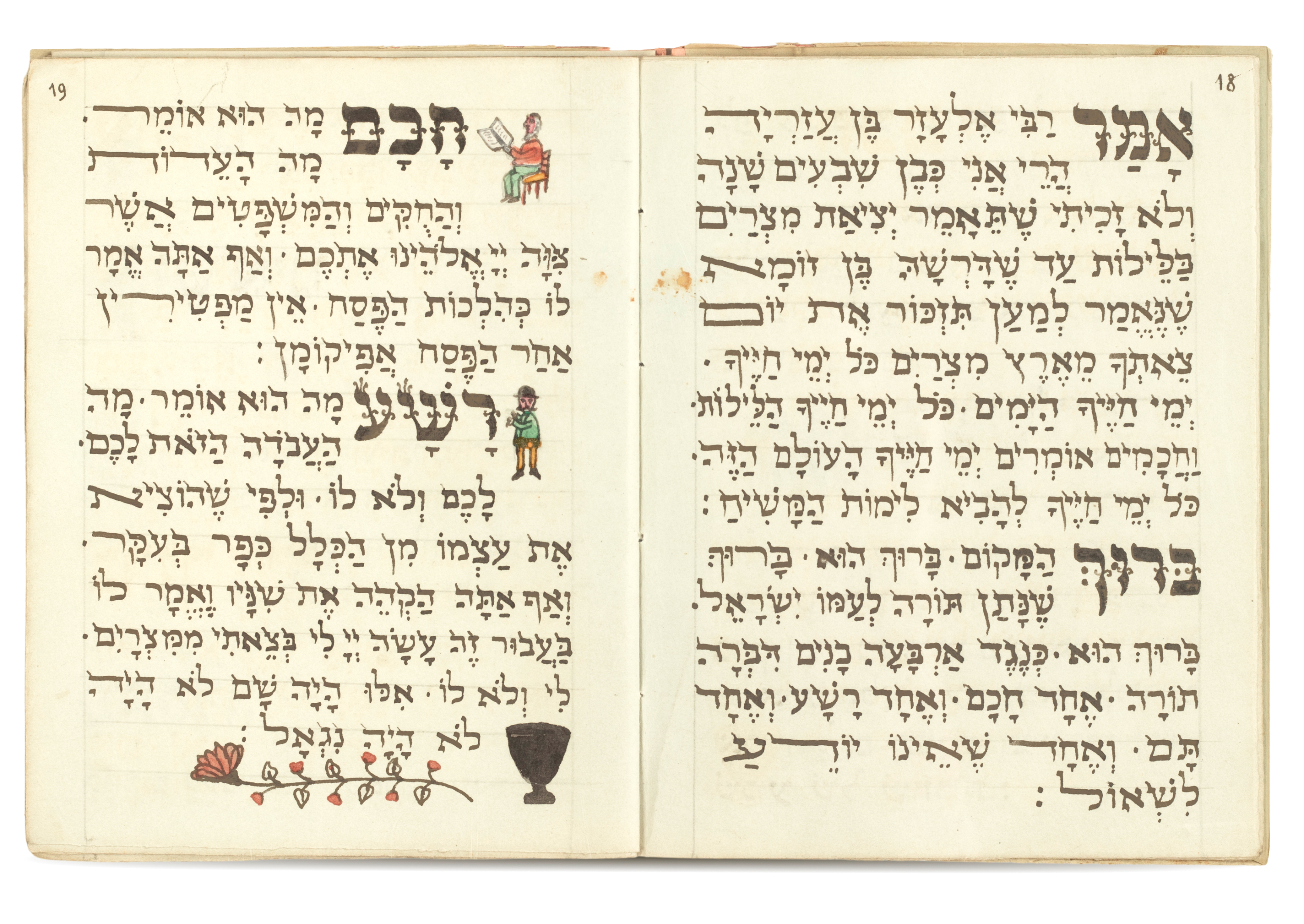
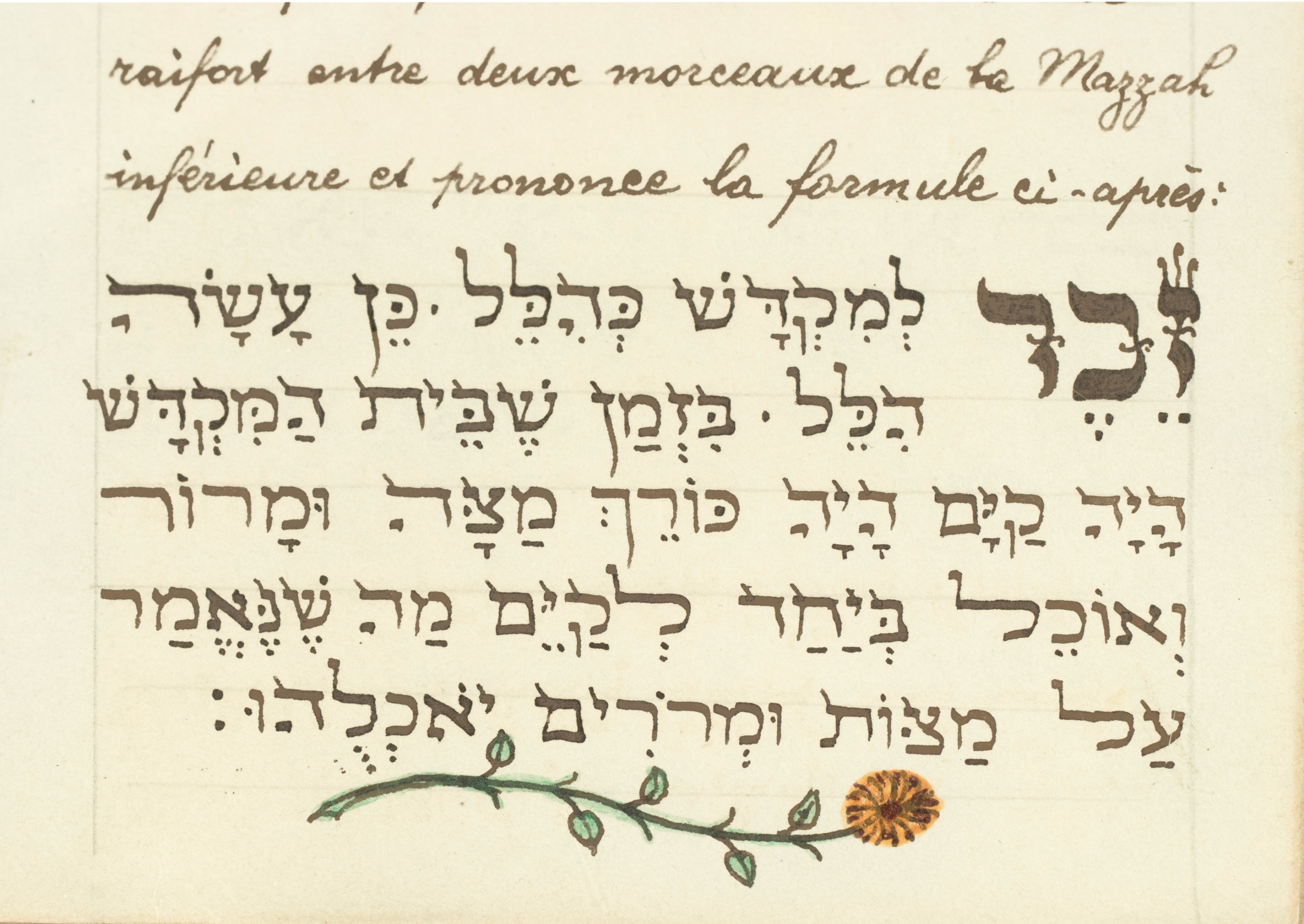
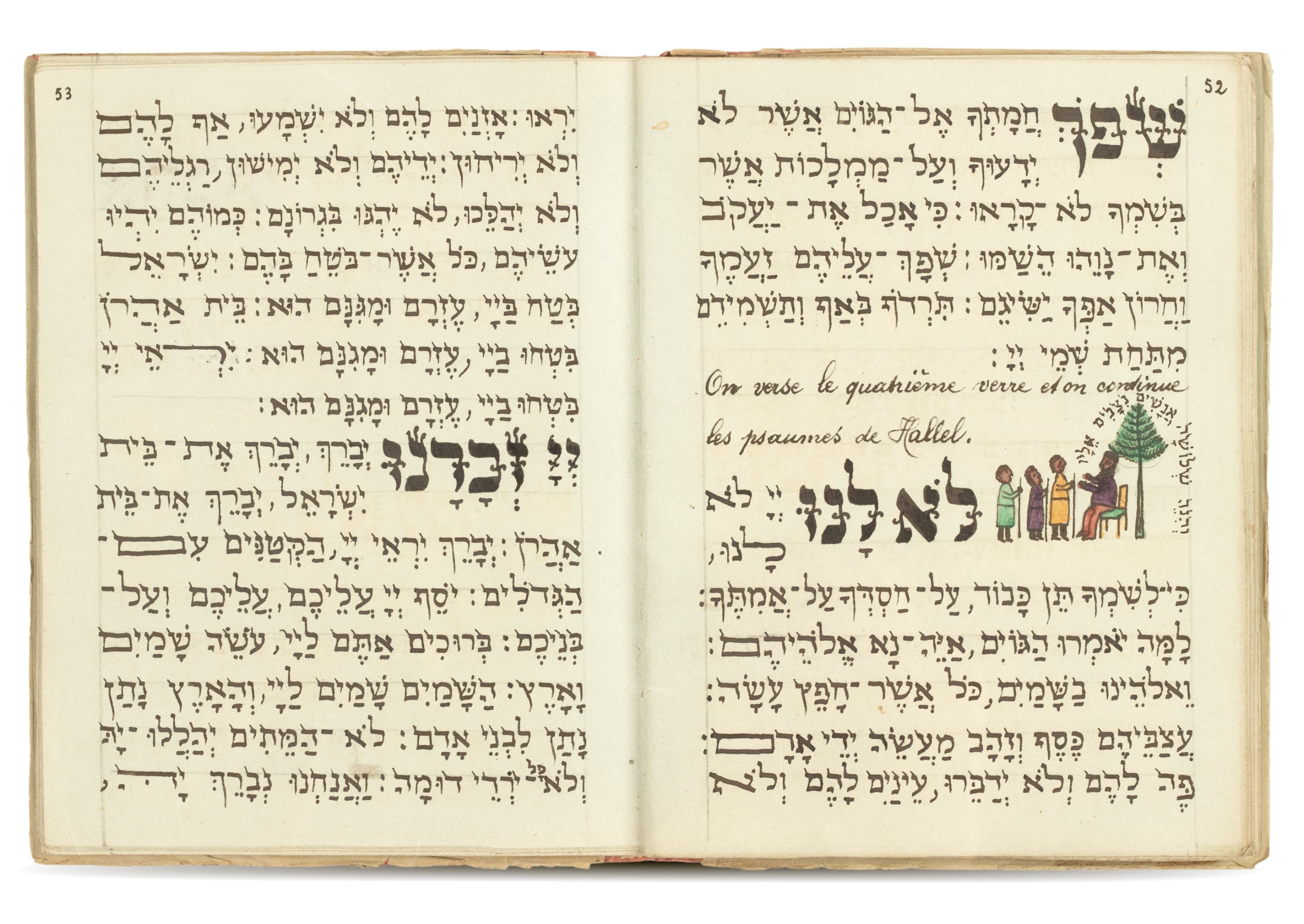
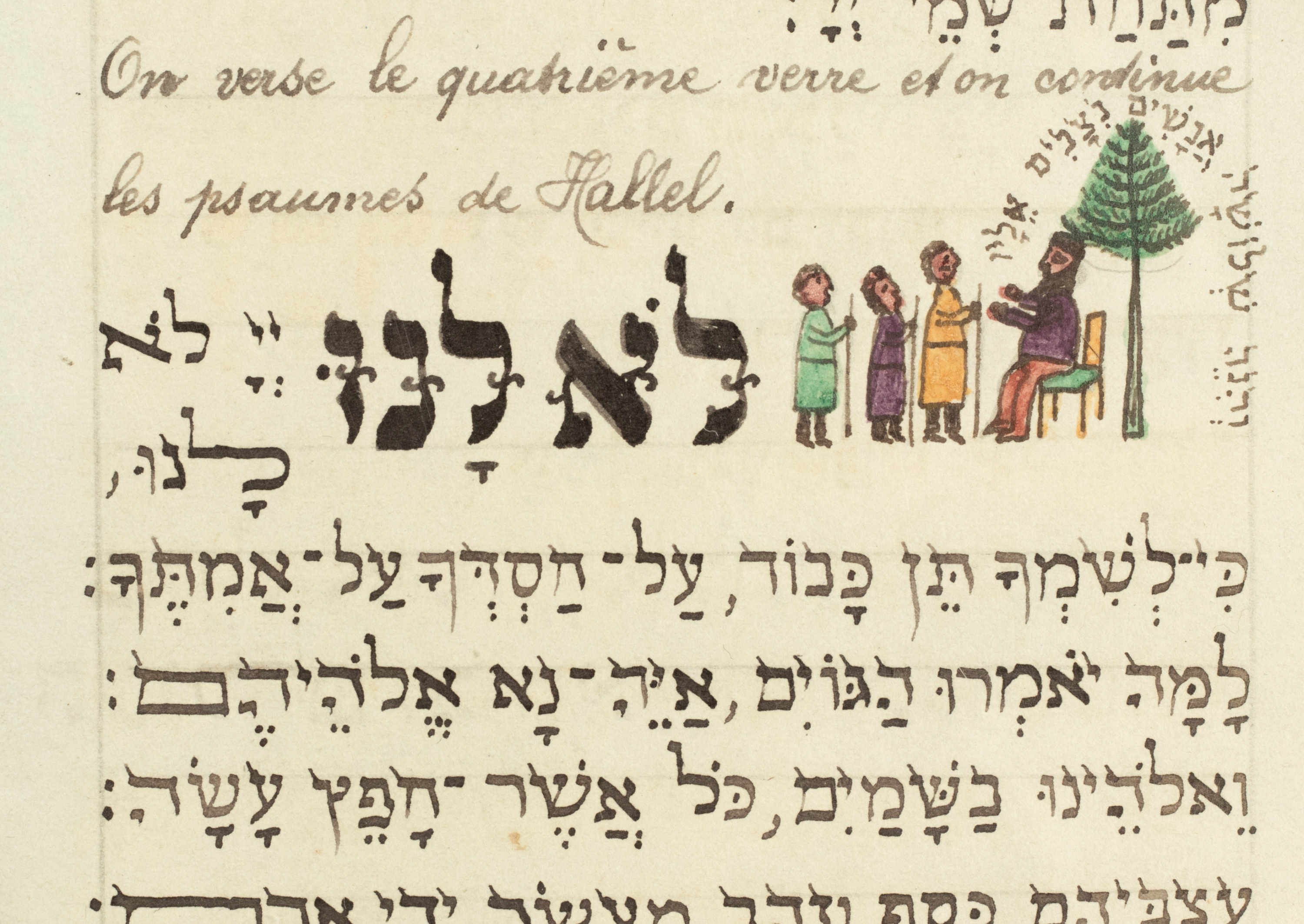
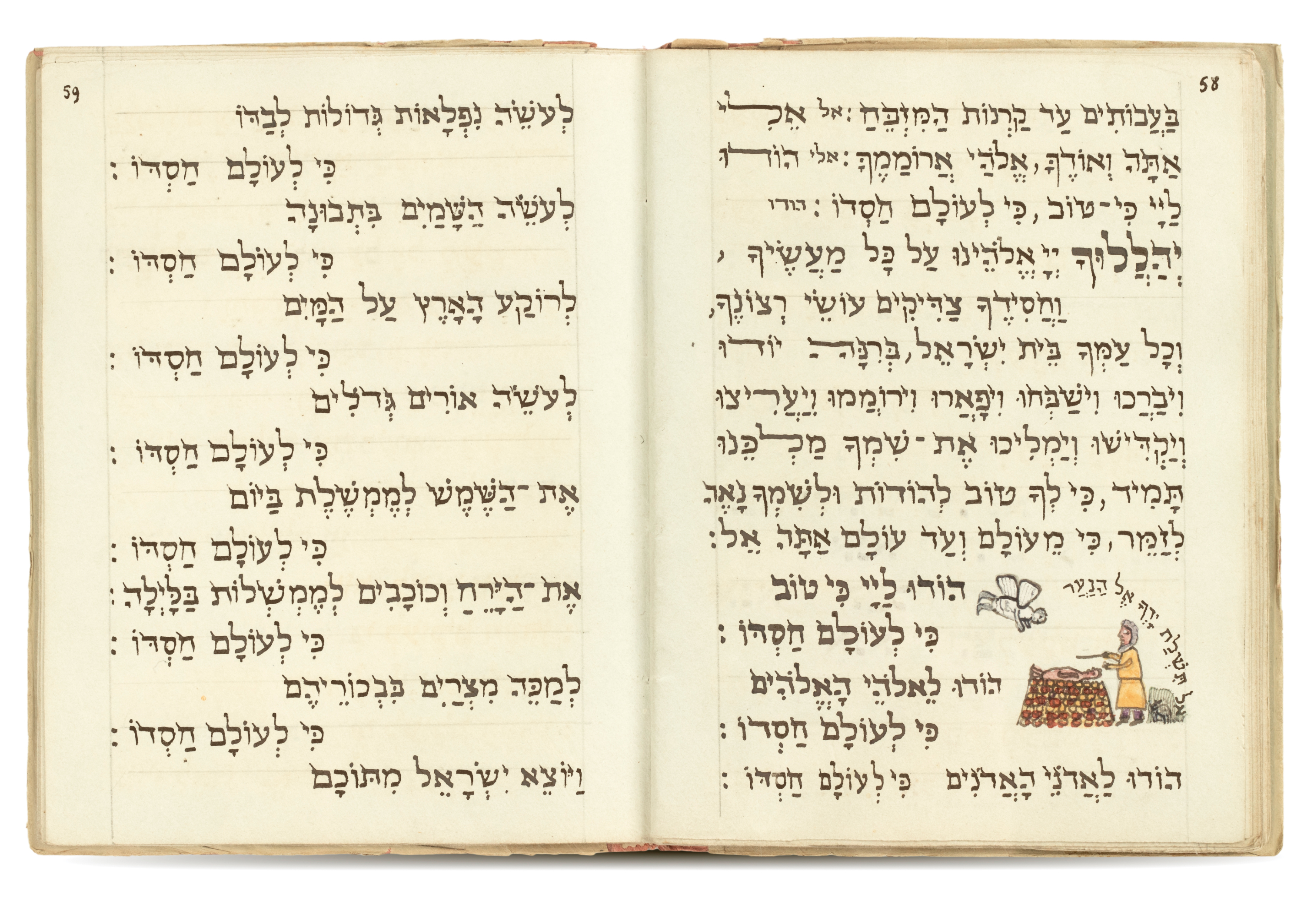
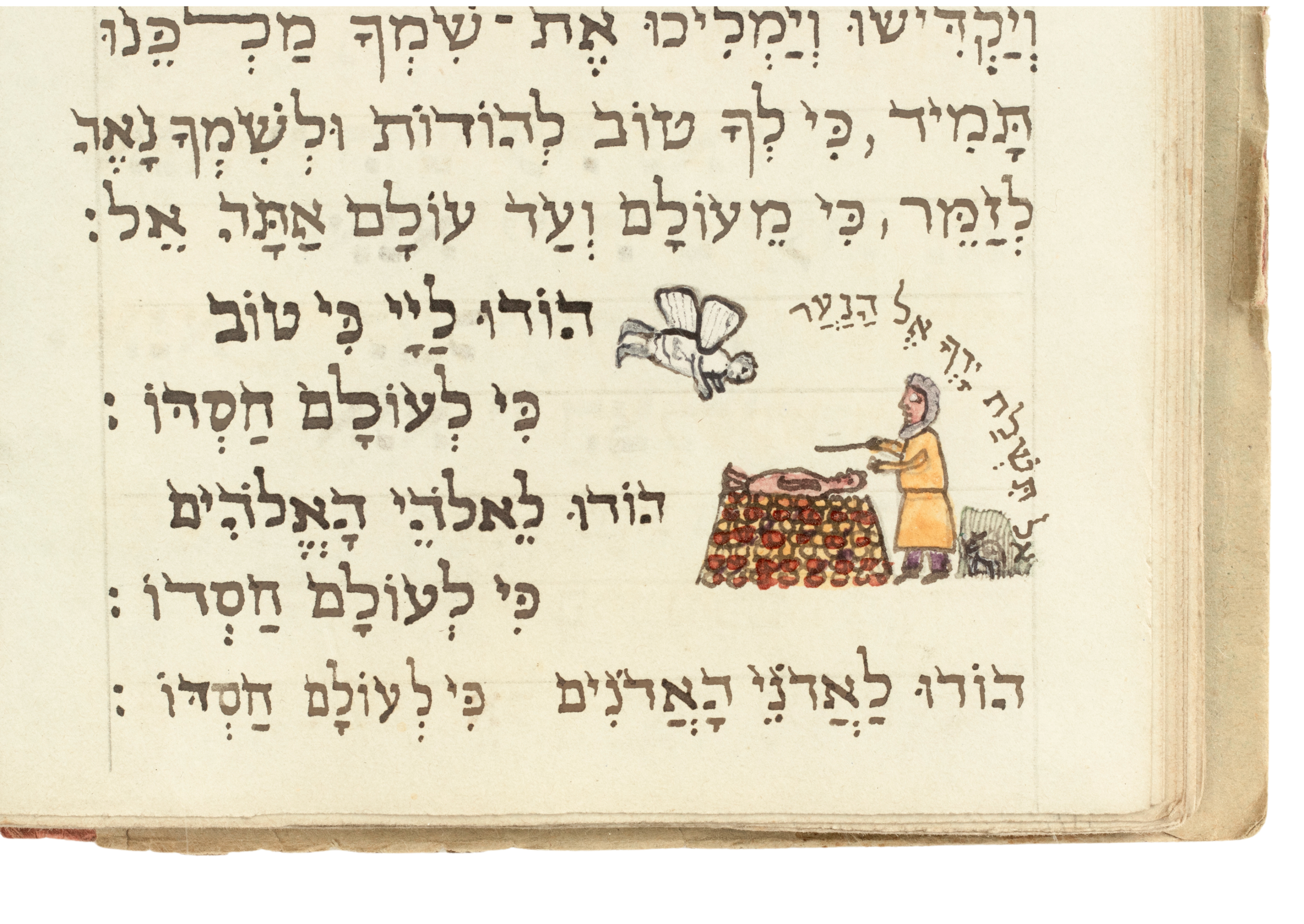
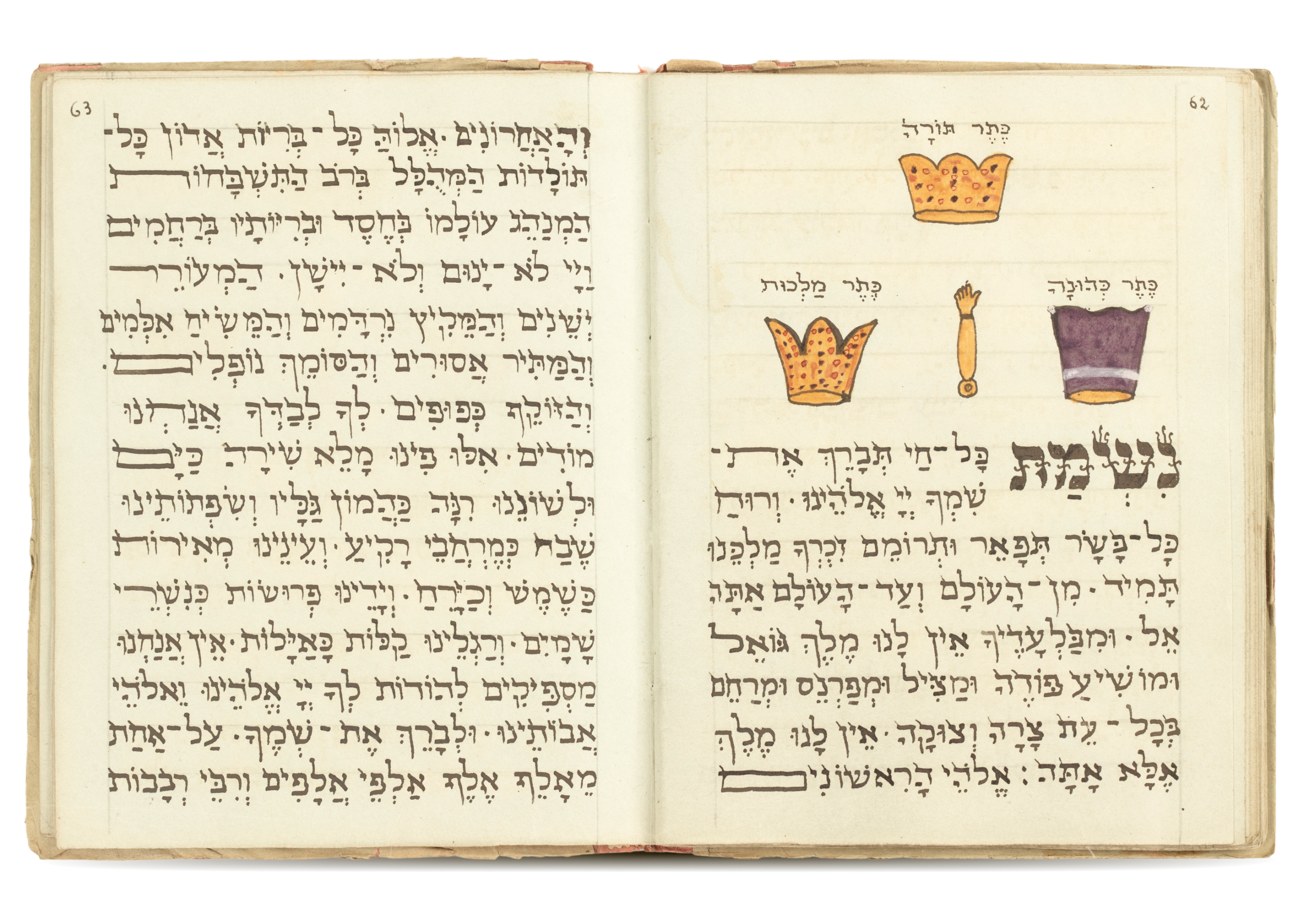
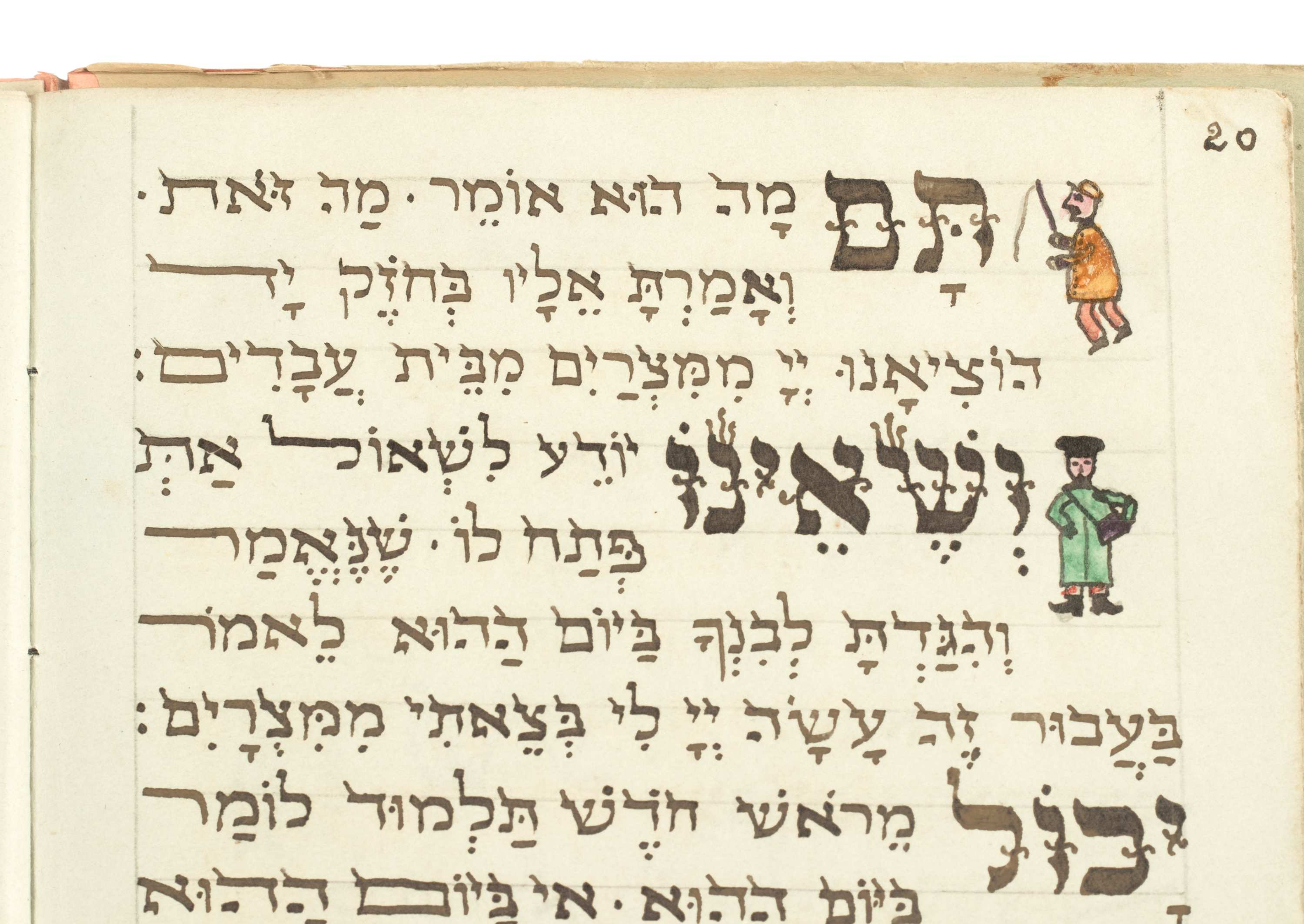
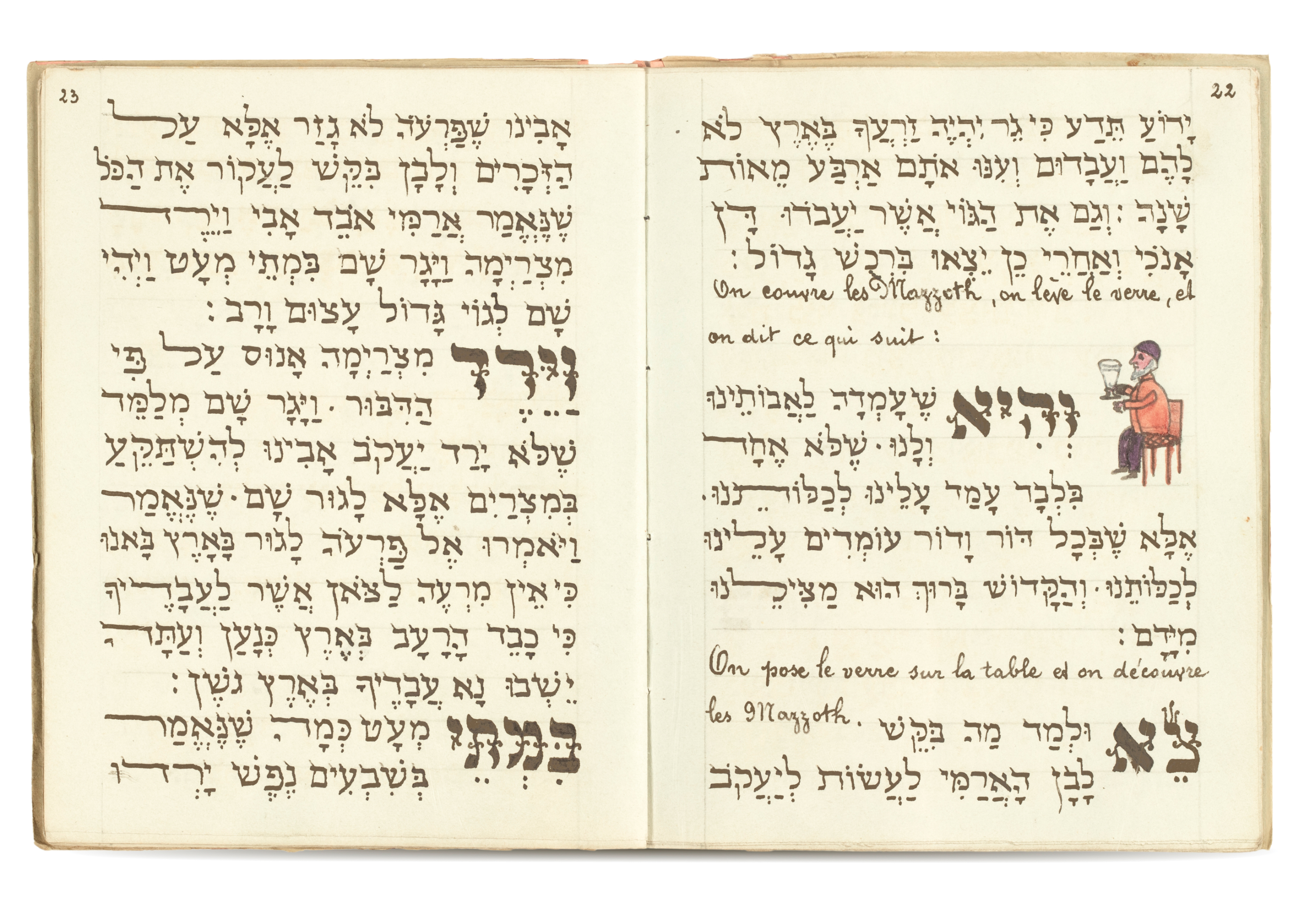
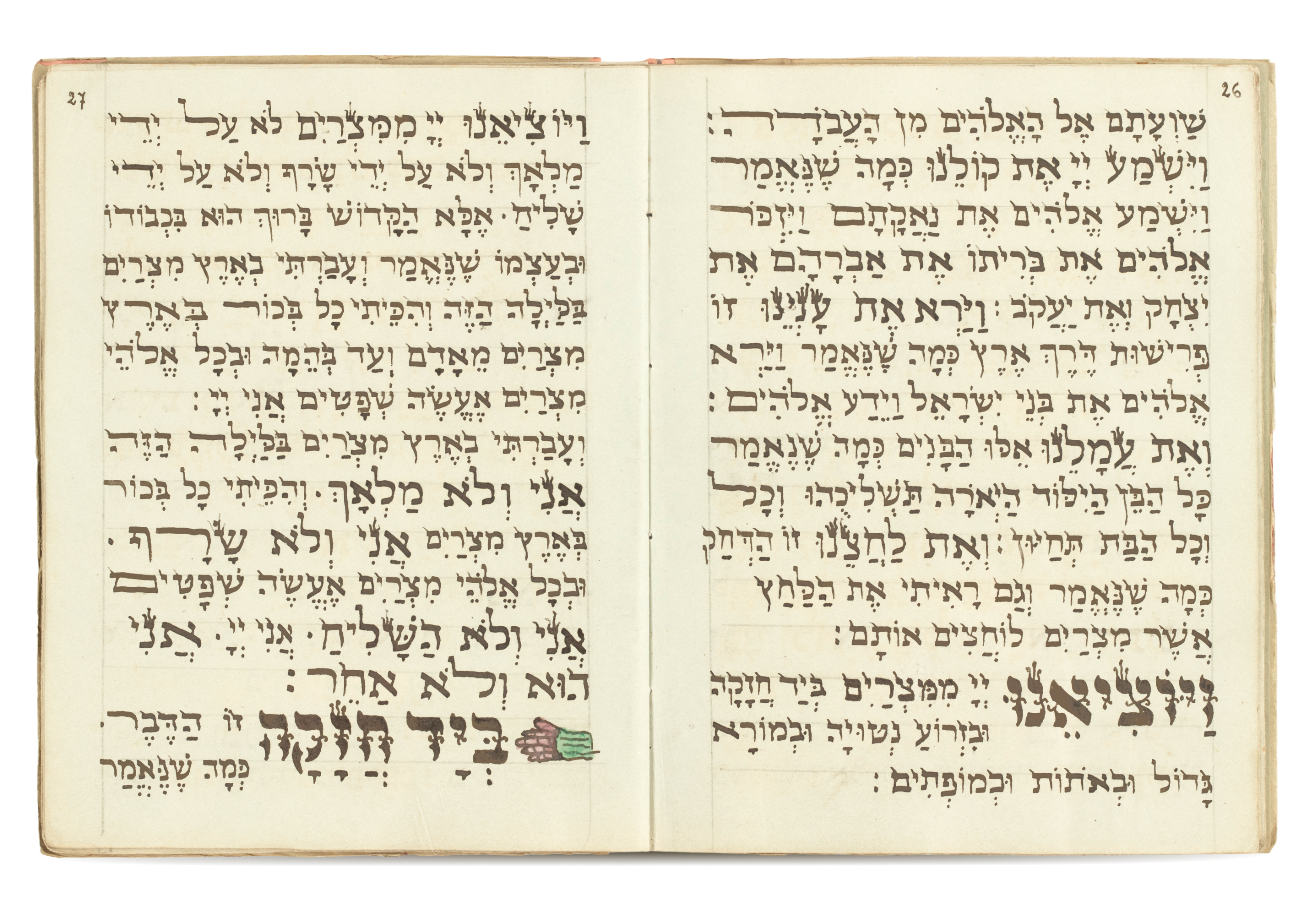
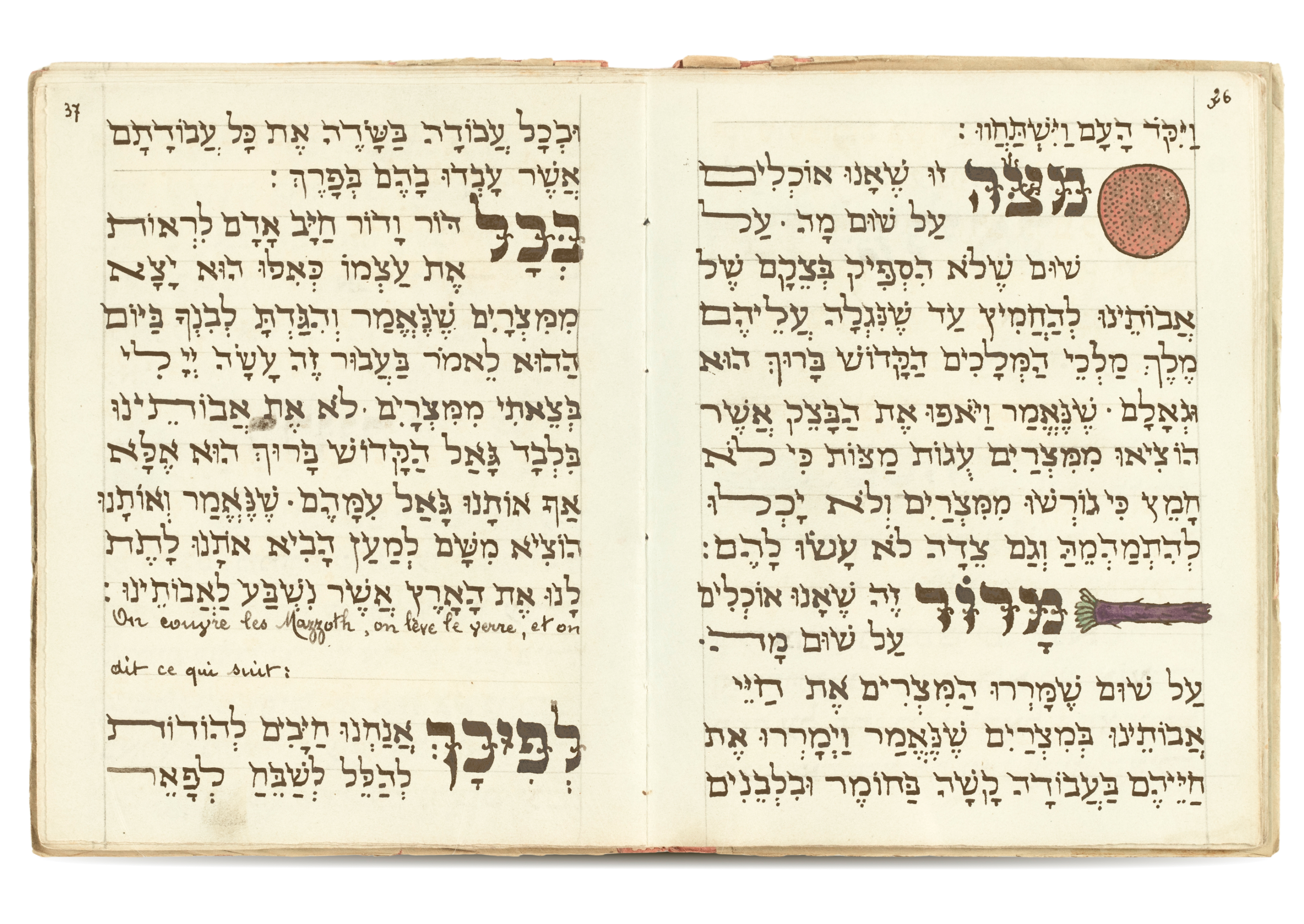
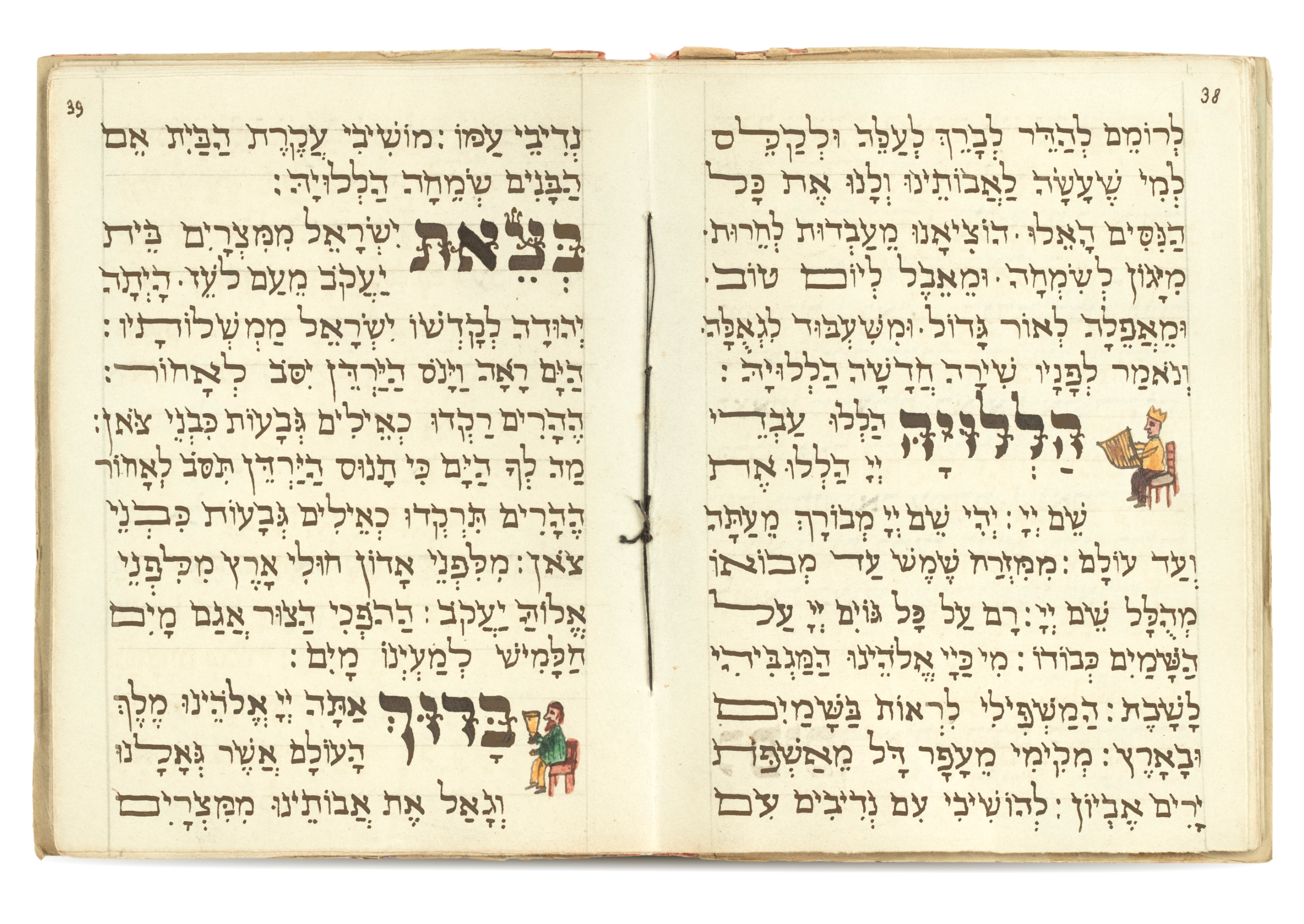
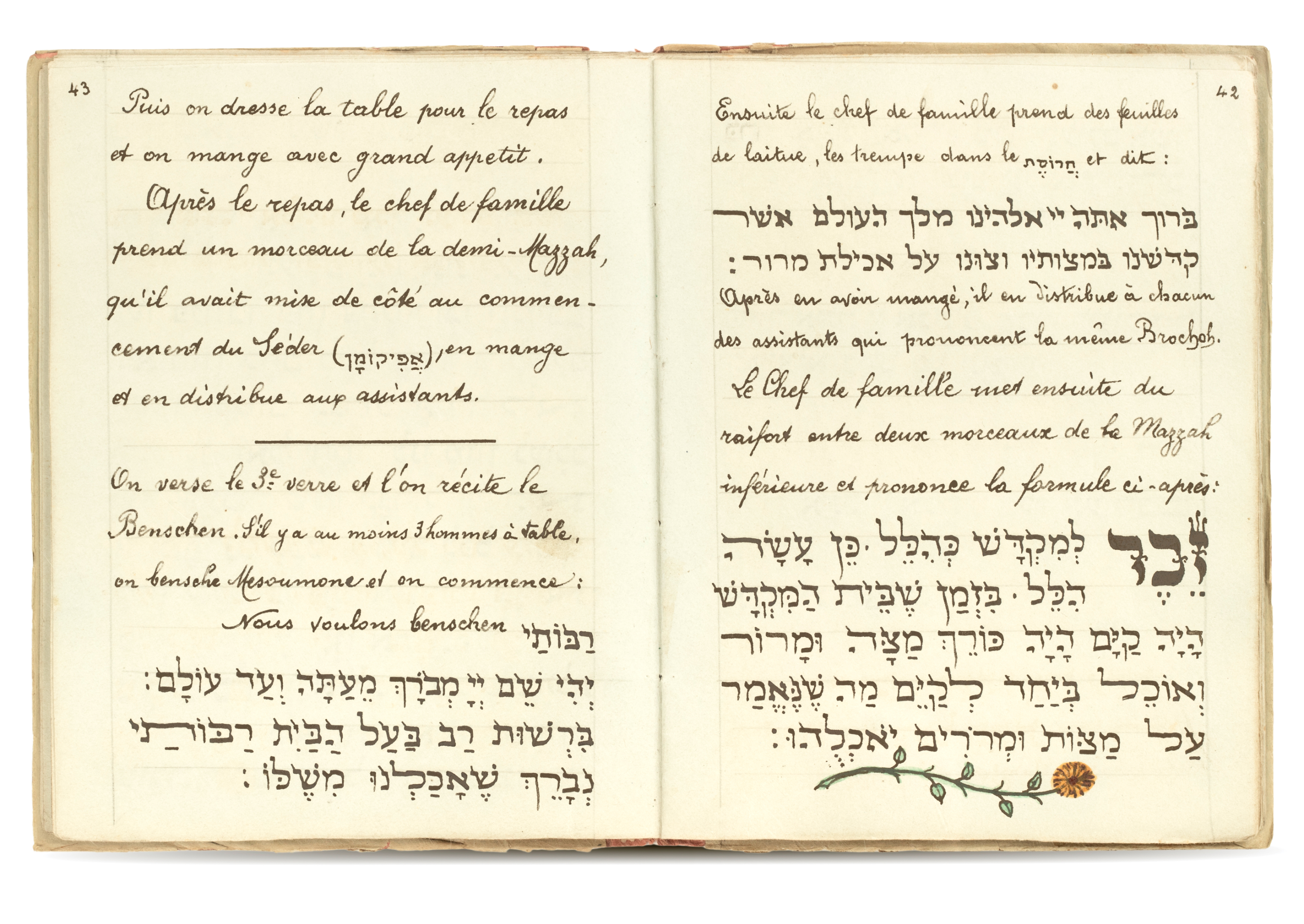
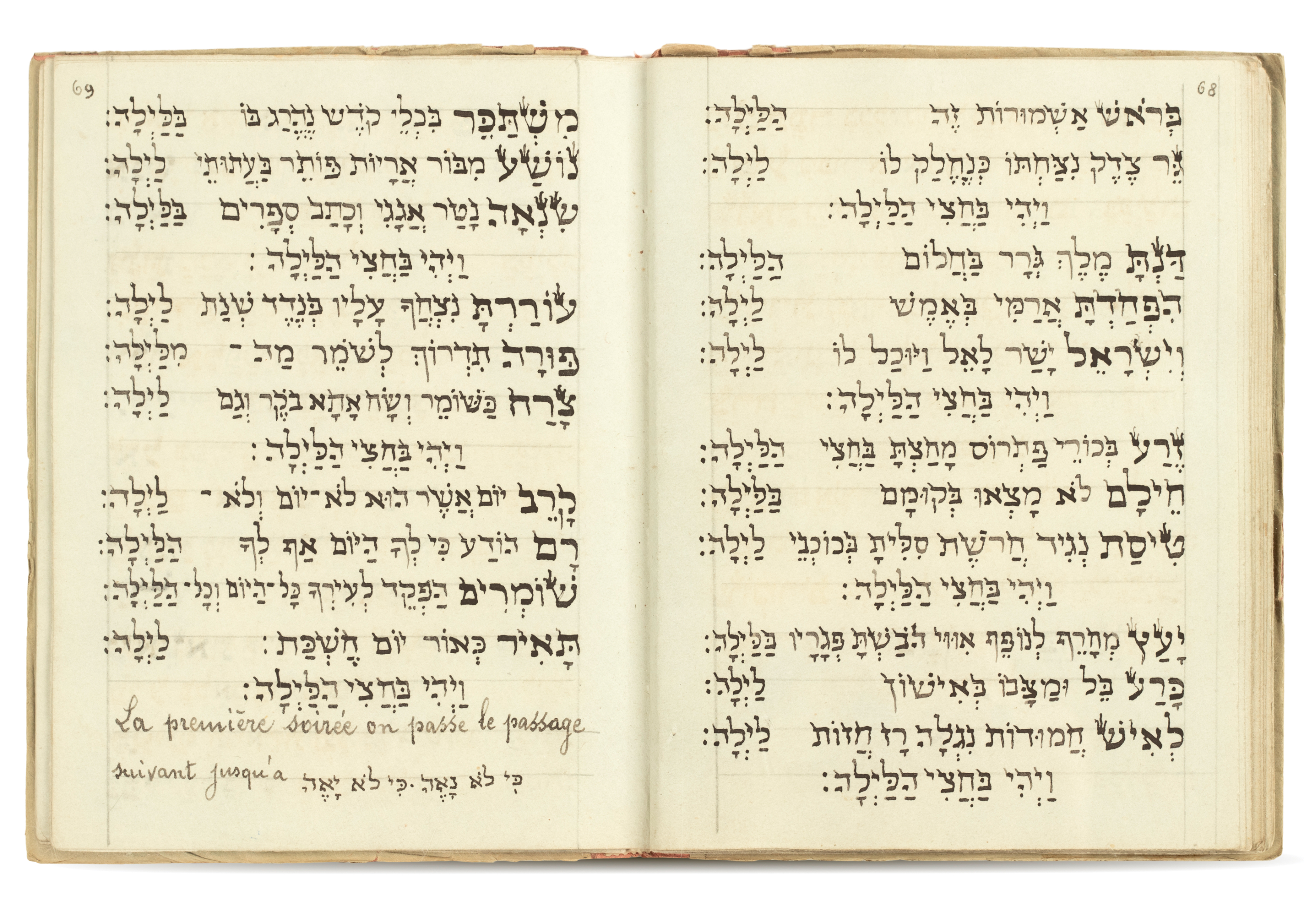
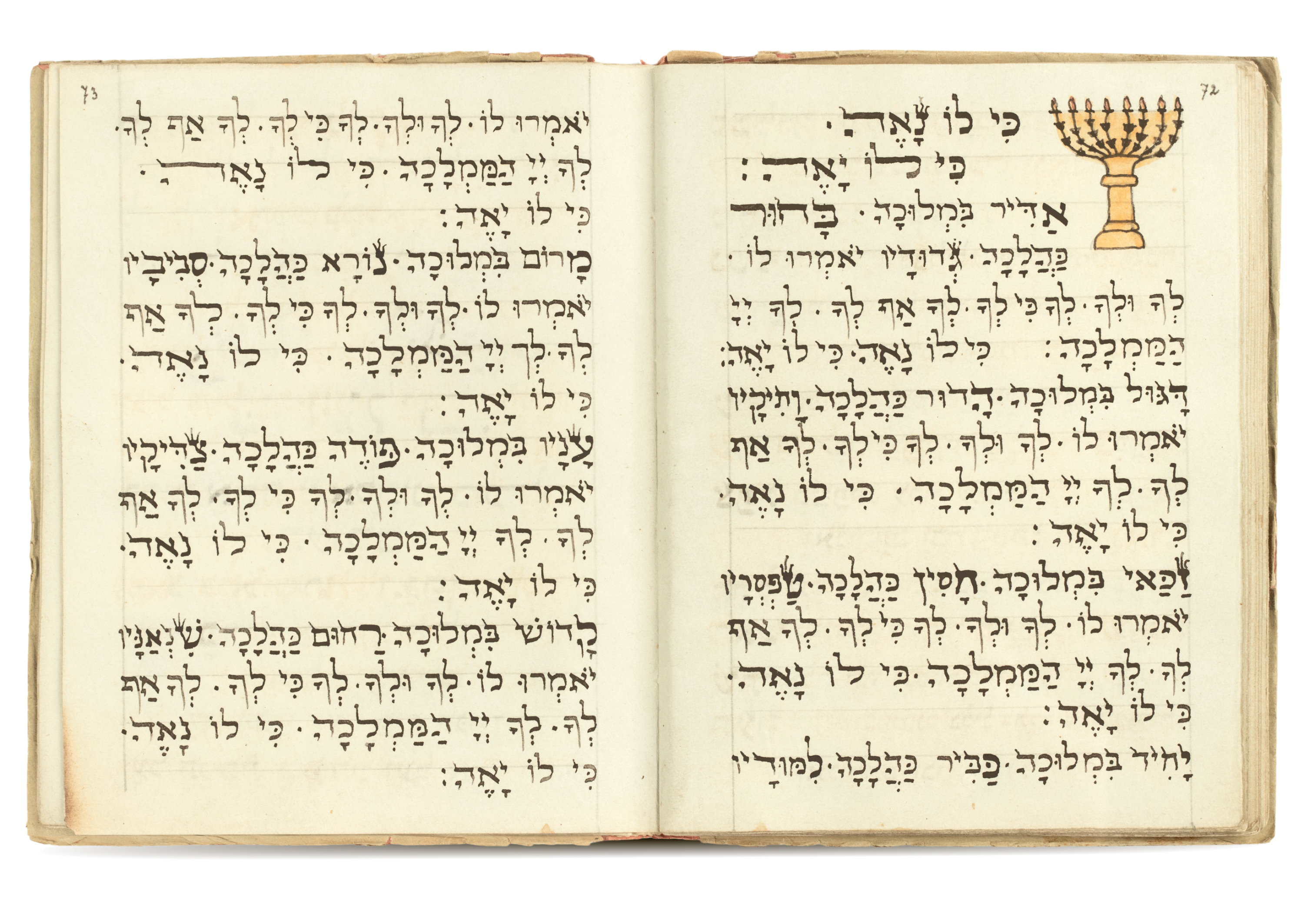
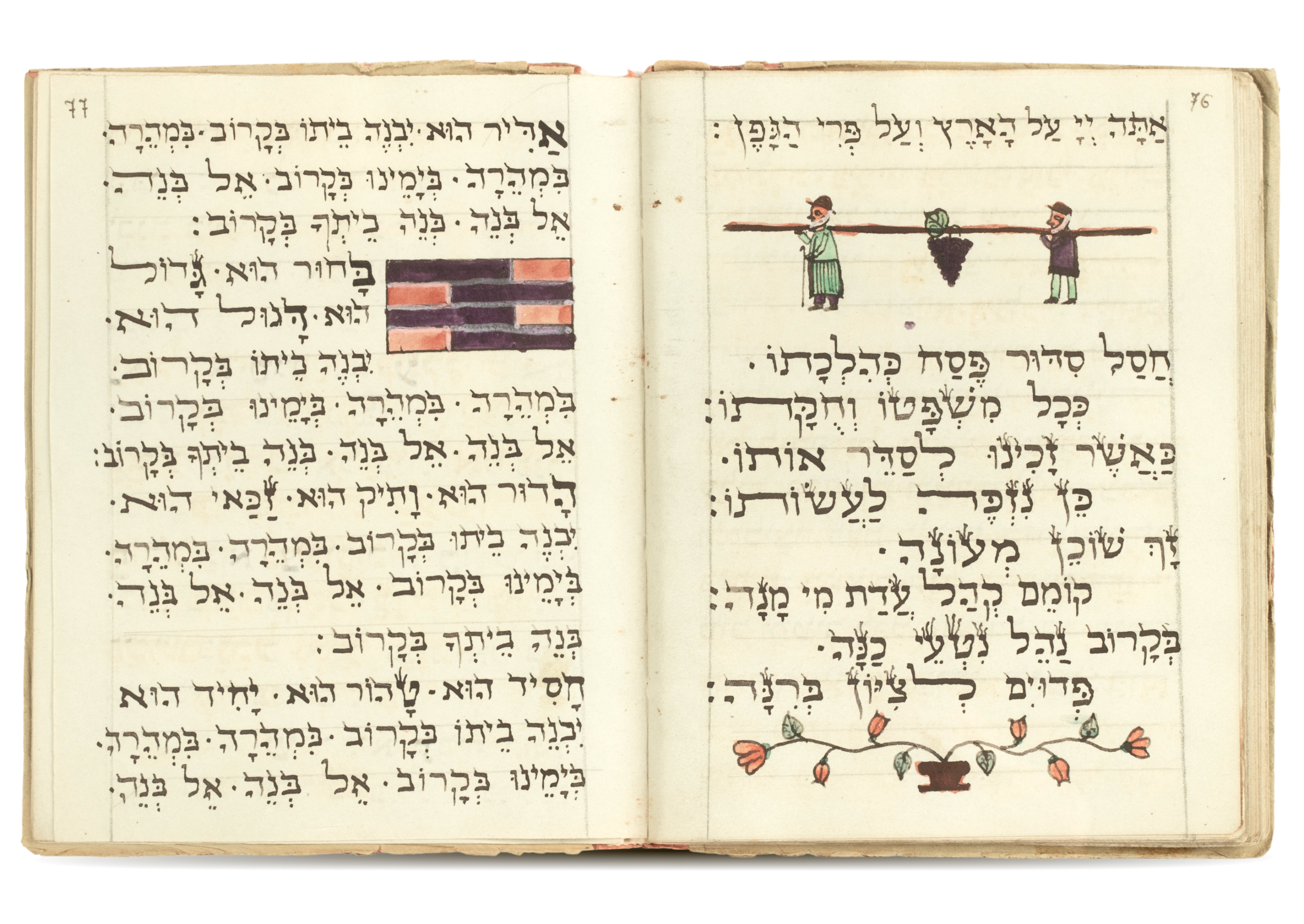
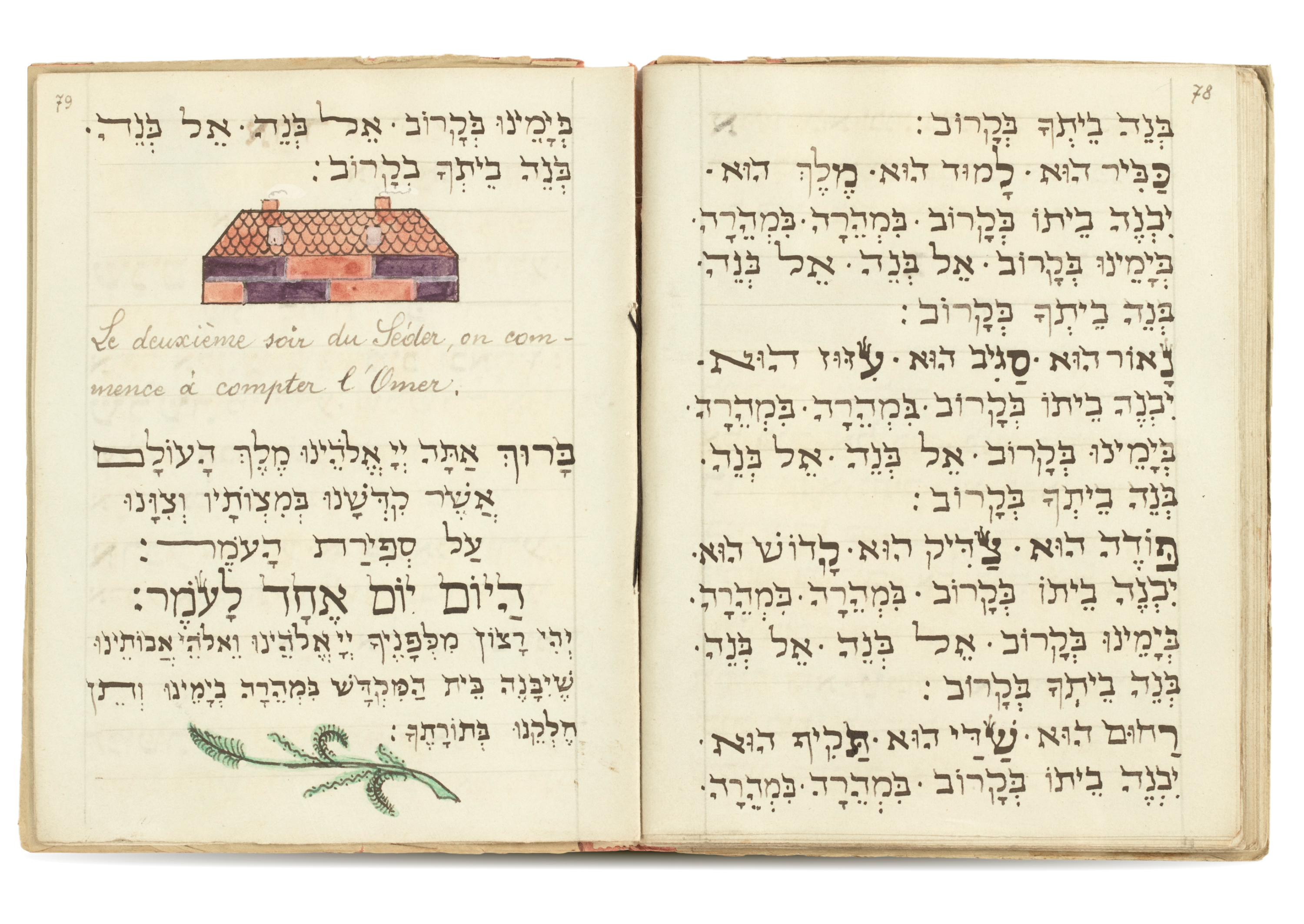
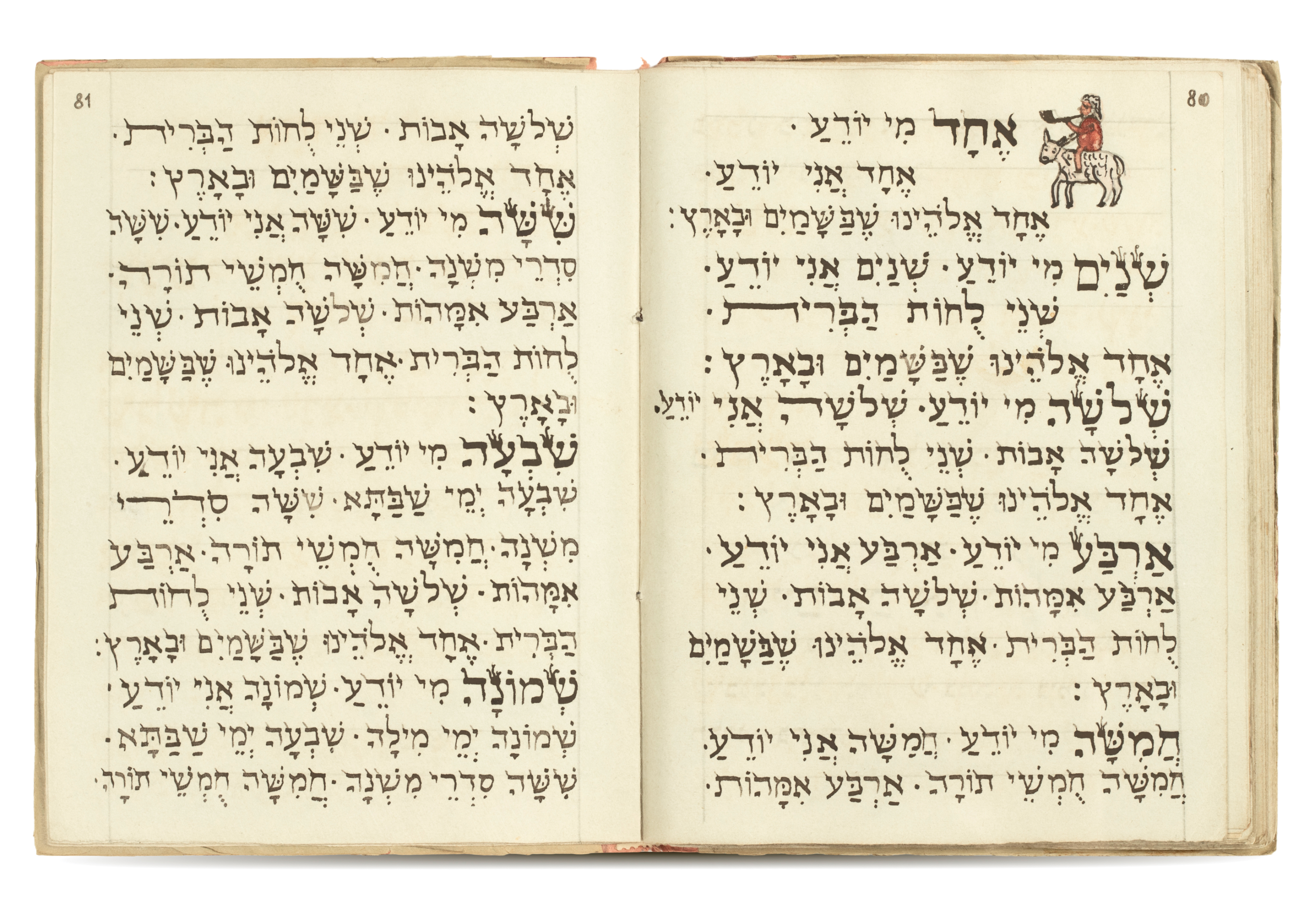
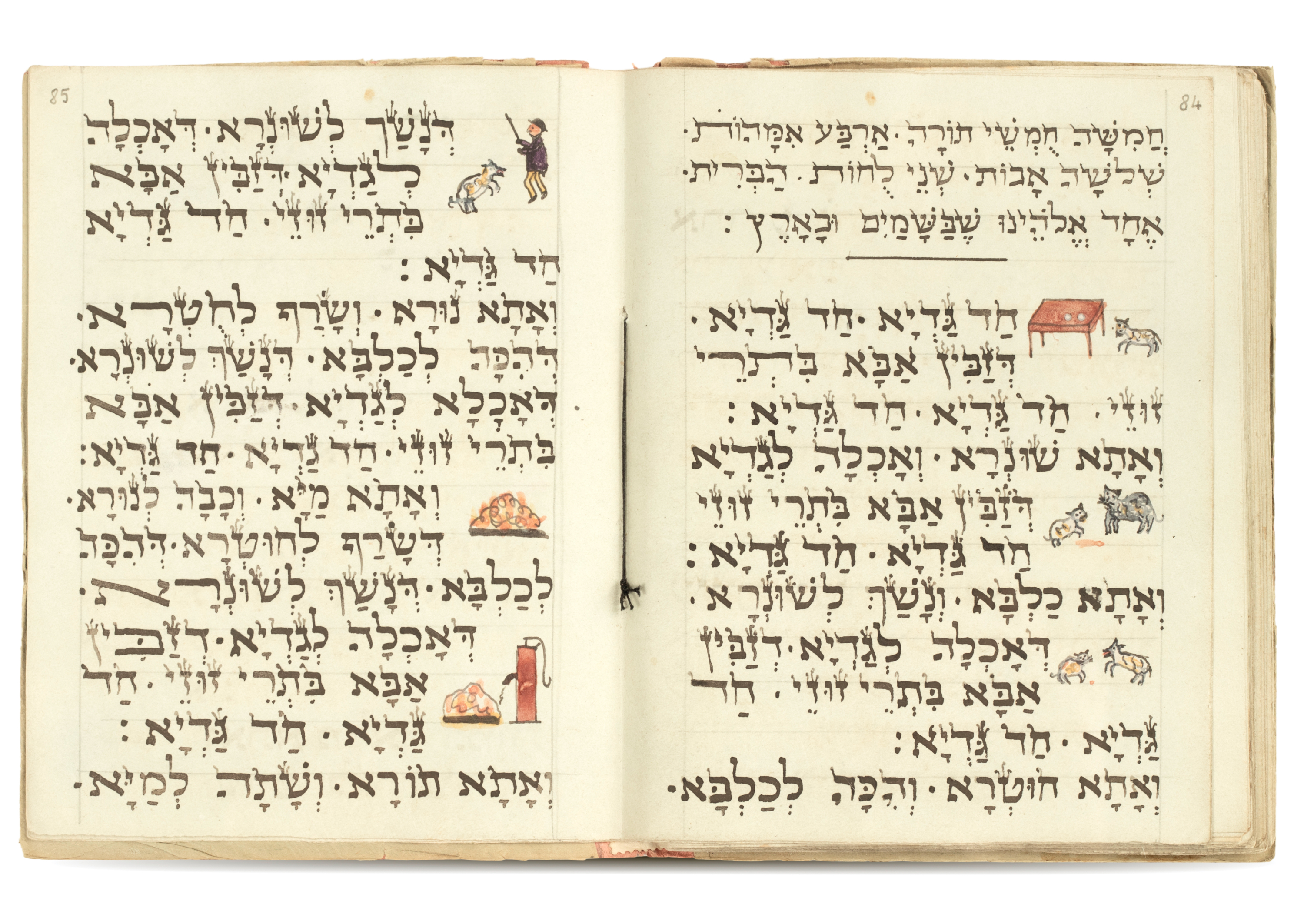
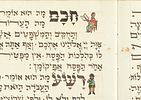
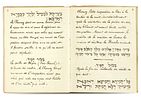
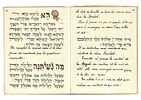
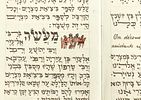
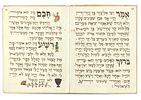
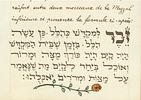
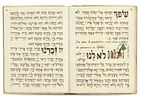
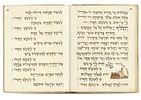
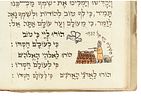
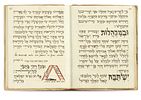
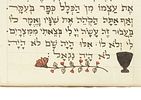
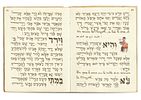
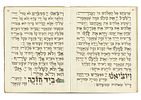
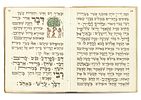
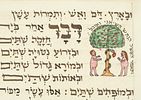
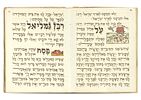
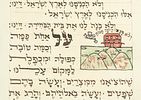
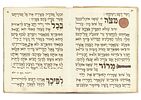
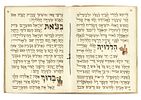
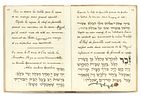
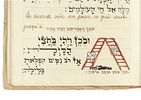
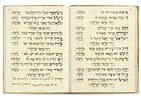
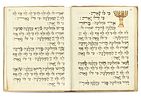
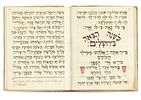
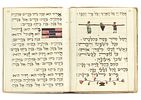
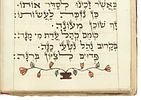
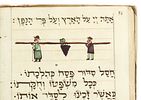
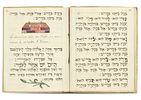
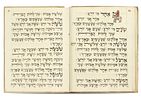
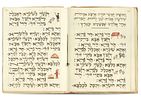
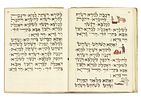
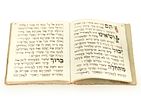
A beautiful and impressive Haggadah, beautifully arranged, with around forty-five original colorful illustrations and decorations in gouache paint on greenish paper, with instructions in French.

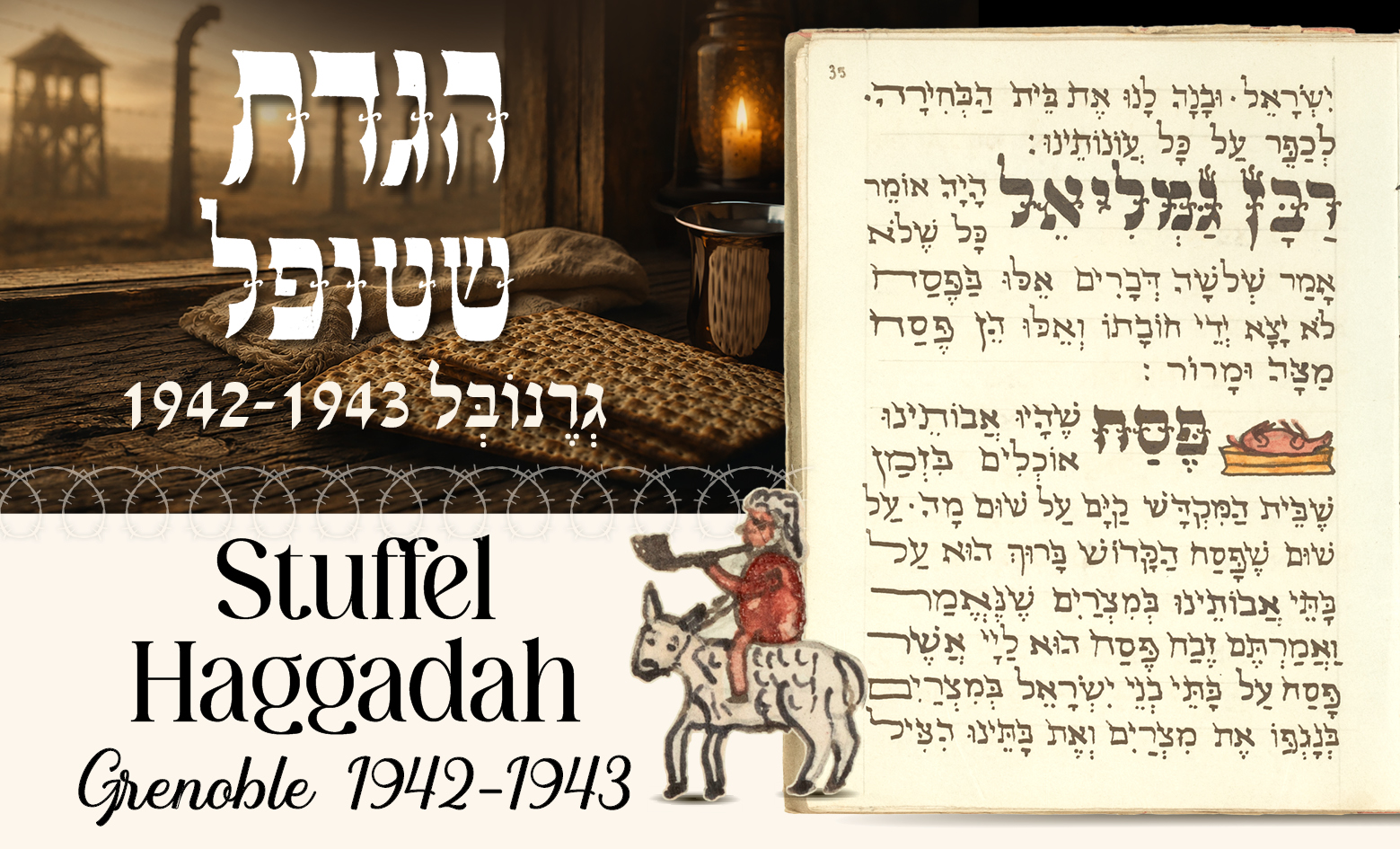
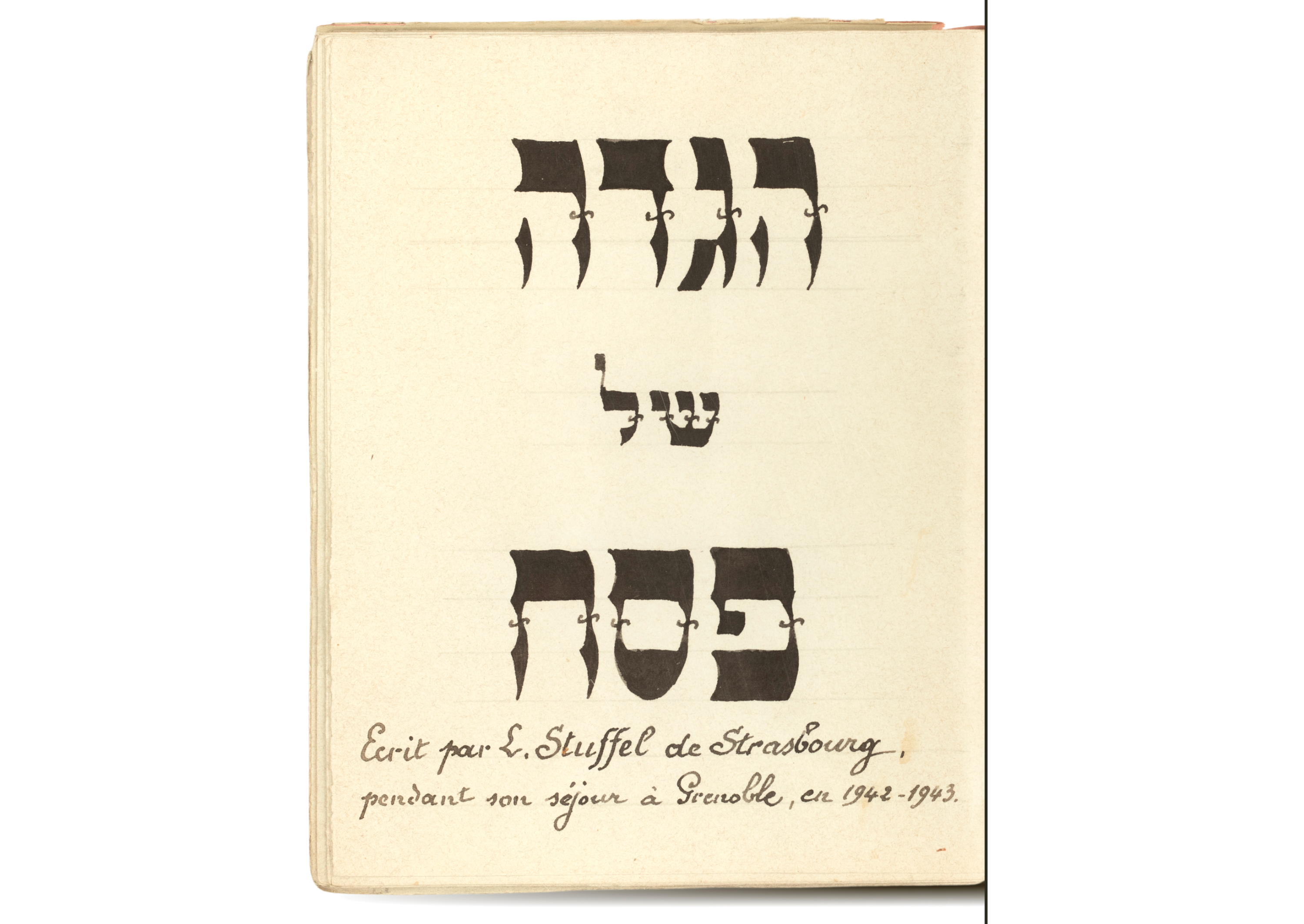
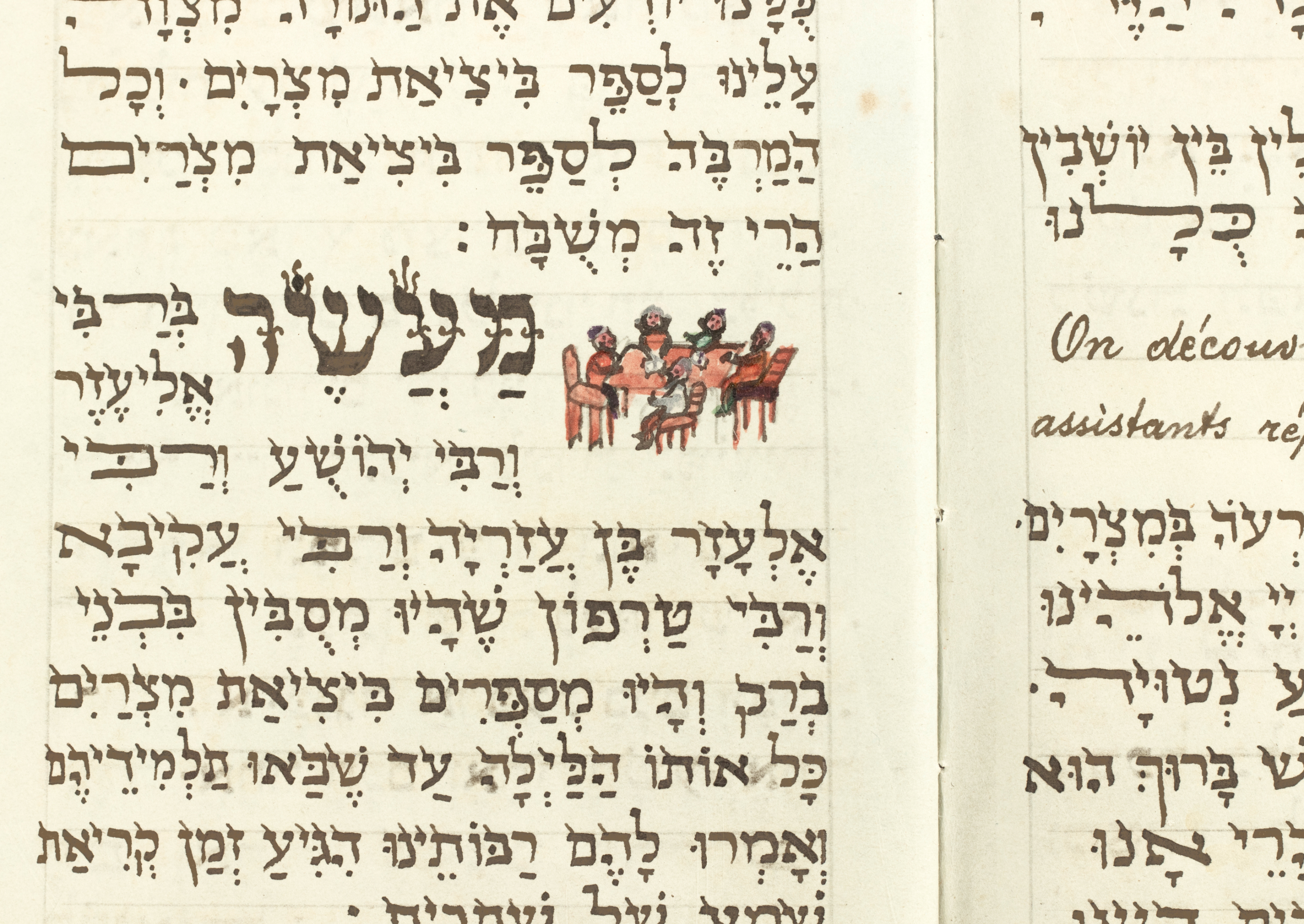
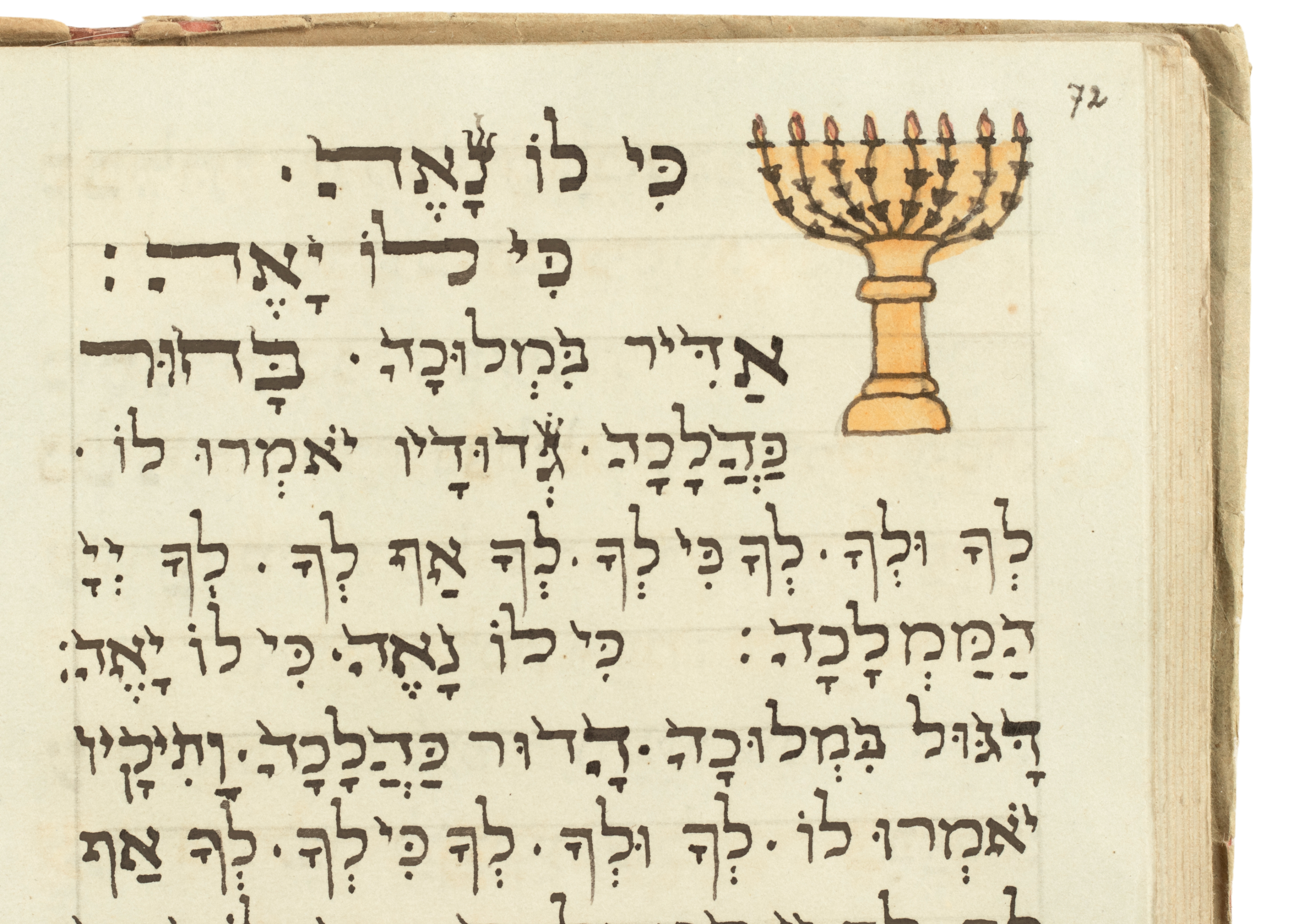
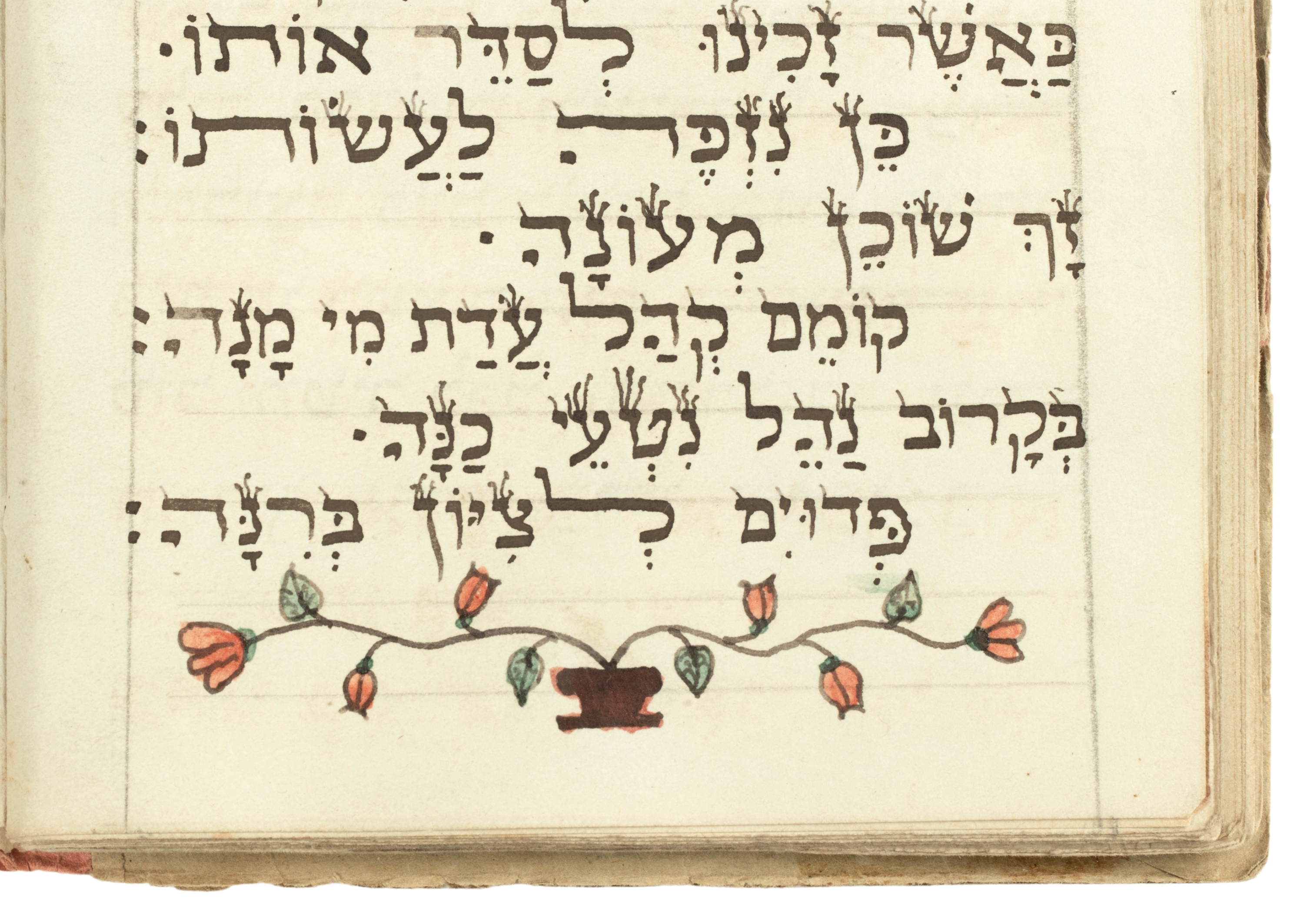
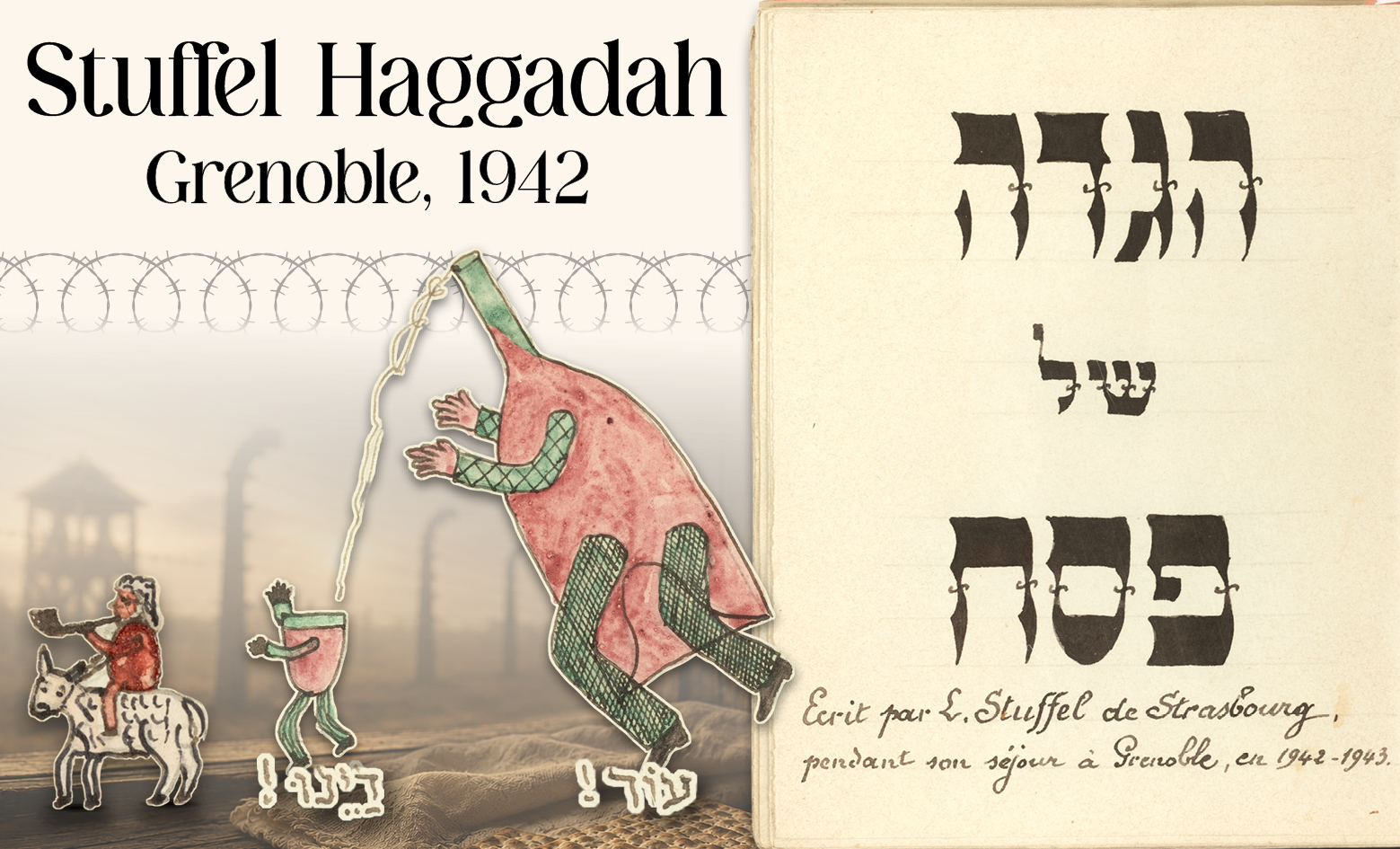
The fine vowelized lettering, large calligraphic opening words, straight and orderly script, and illustrations are characteristic of Jewish art from the Alsace region.

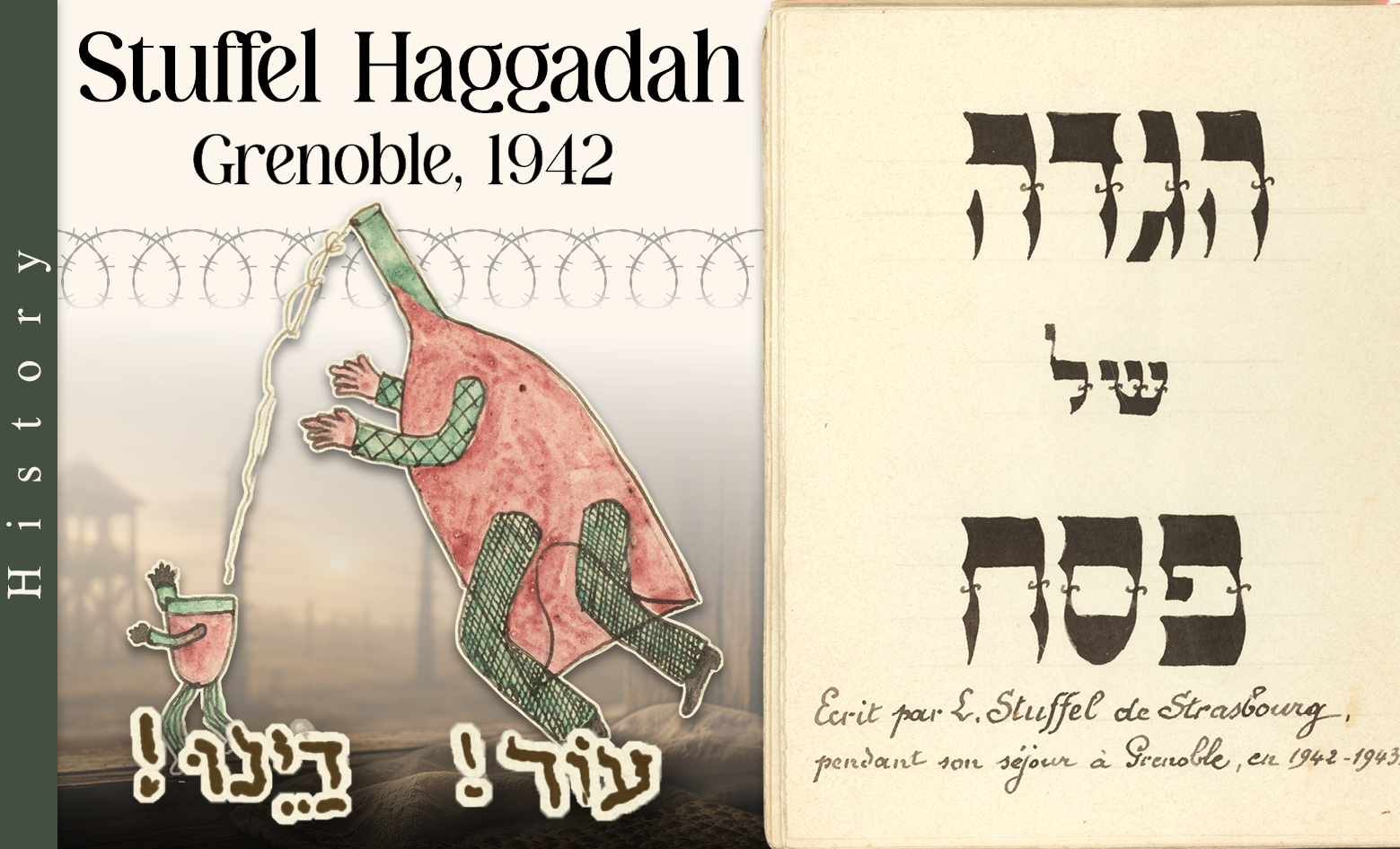
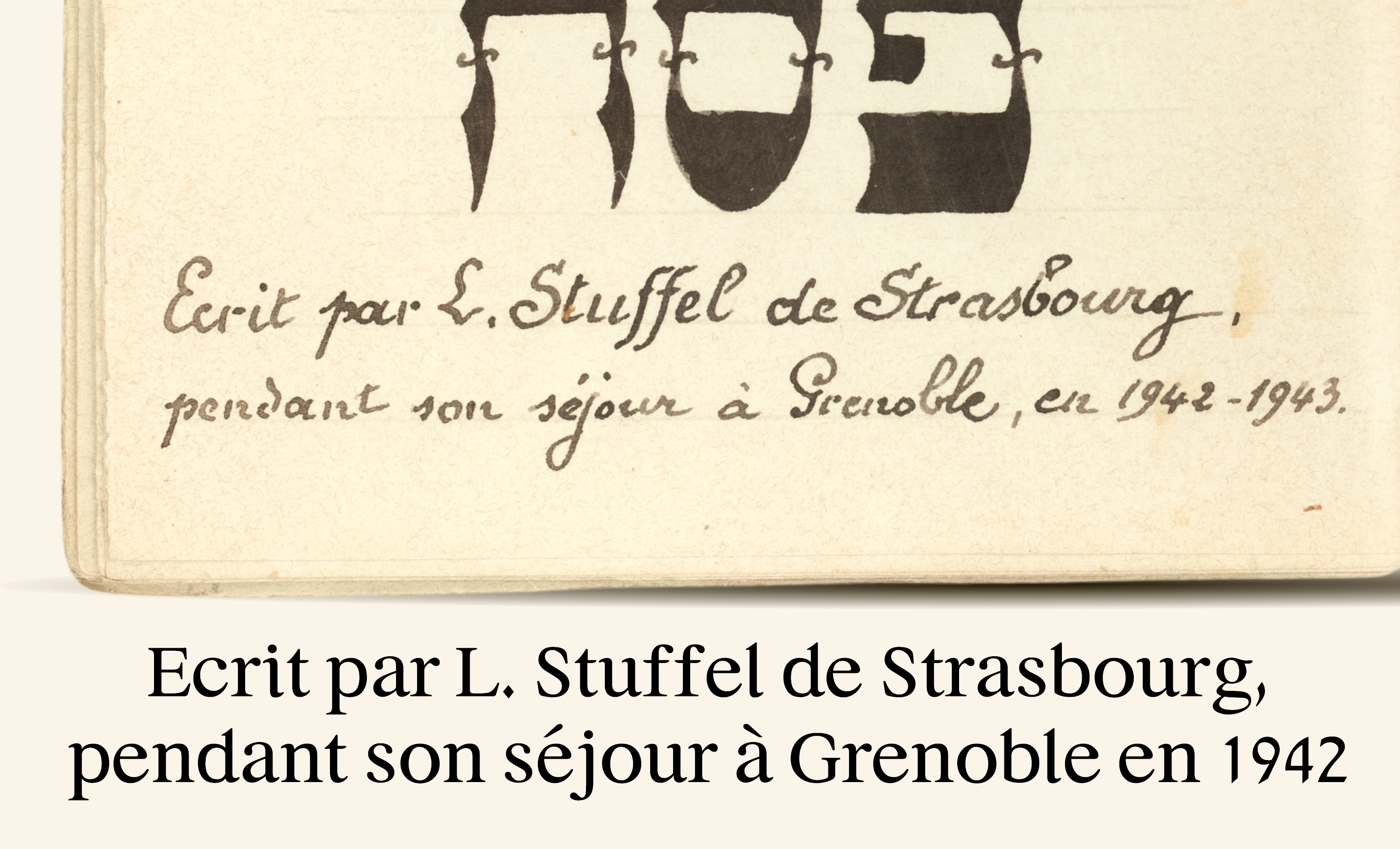
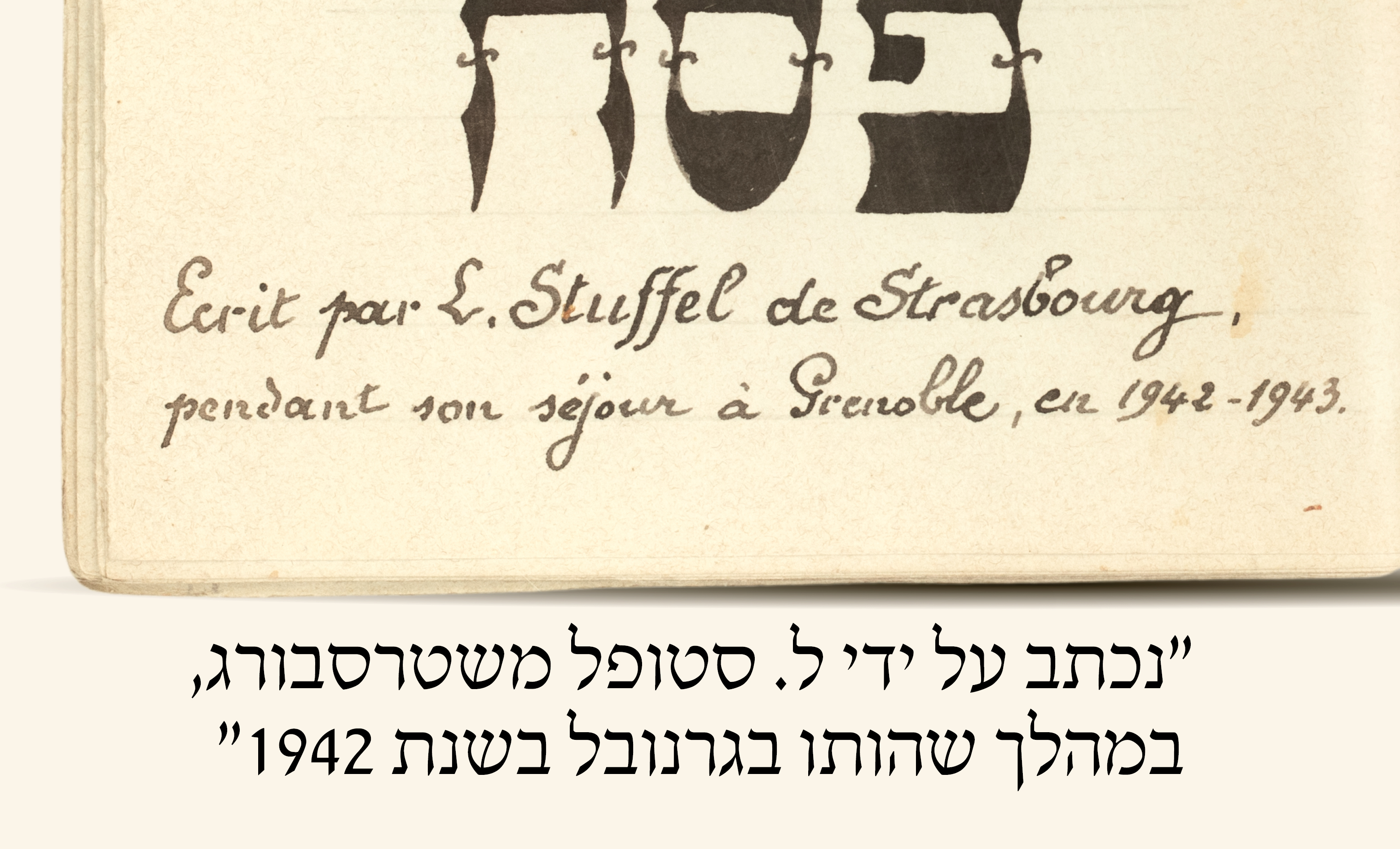
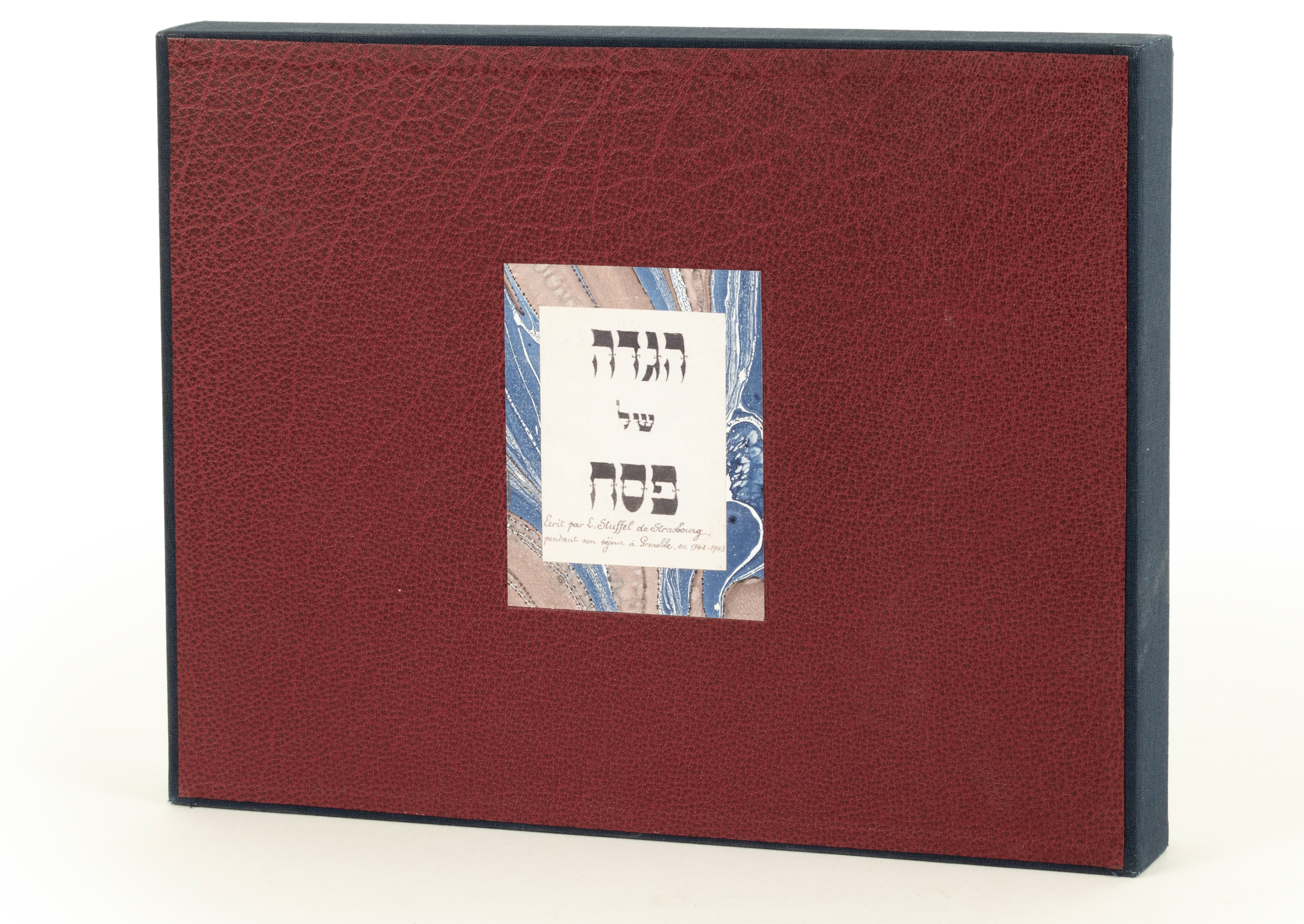
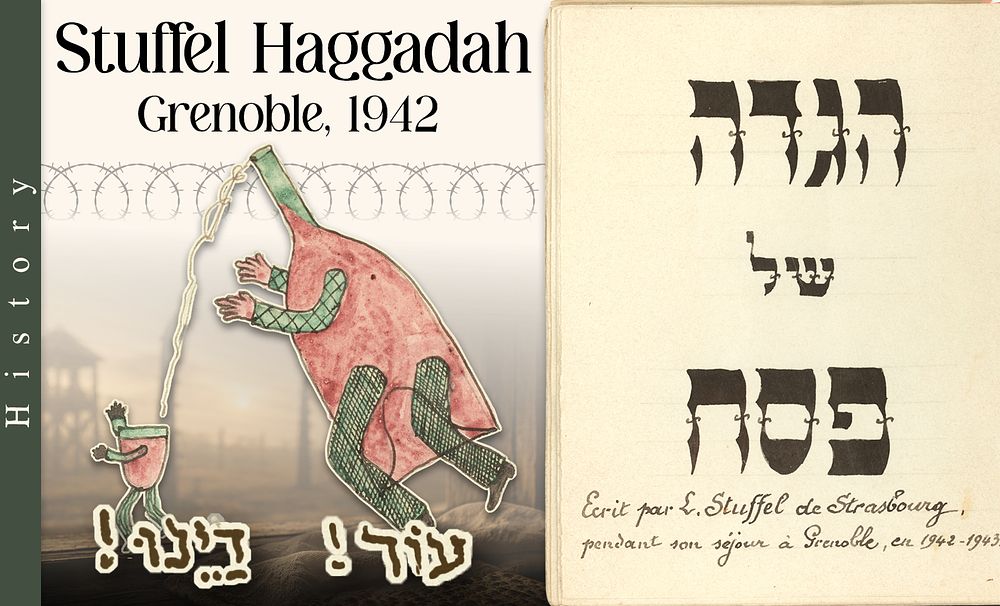
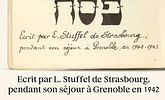
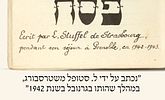
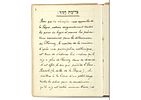
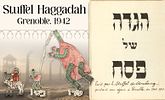
On the title page there is an inscription in French by Stuffel: “Ecrit par L. Stuffel de Strasbourg, pendant son séjour à Grenoble en 1942,” meaning: “Written by L. Stuffel of Strasbourg during his stay in Grenoble in 1942.”

A very similar, though not identical, Haggadah by Stuffel is held in Paris in the collection of the Museum of Jewish Art and History in France (M.A.H.J.), under catalog no. Inv. 2009.20.001.


Grenoble

Grenoble represents one of the dramatic chapters in the history of French Jewry during the Holocaust. After France was occupied by Nazi Germany in 1940, the city became part of Vichy France which was not under German occupation. In 1942-1943, it came under Italian occupation and the Italian authorities adopted a considerably more lenient policy toward the Jews and refused to hand them over to the Germans. As a result, Grenoble became an island of relative safety and a city of refuge for tens of thousands of Jewish refugees from across France, among them Léon Stuffel. However, with the arrival of the Germans in September 1943, it was transformed overnight into a cruel death trap, and the Nazis began raids, arrests, and deportations to Auschwitz.


Grenoble, France, 1942–1943.
Page Count: [1], 87, [1] pp.
Size: Height: 13.5 cm. Width: 10.5 cm.
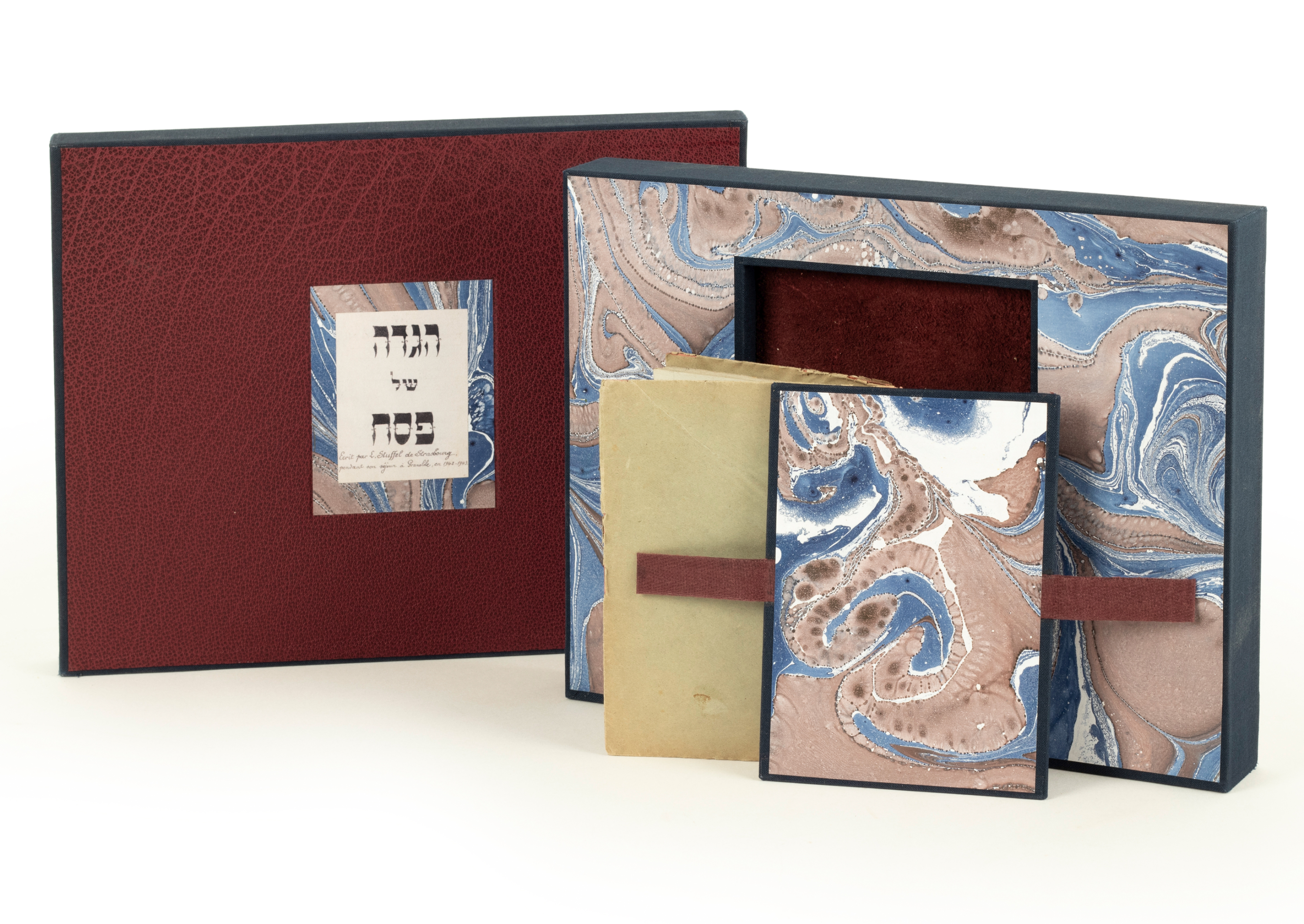
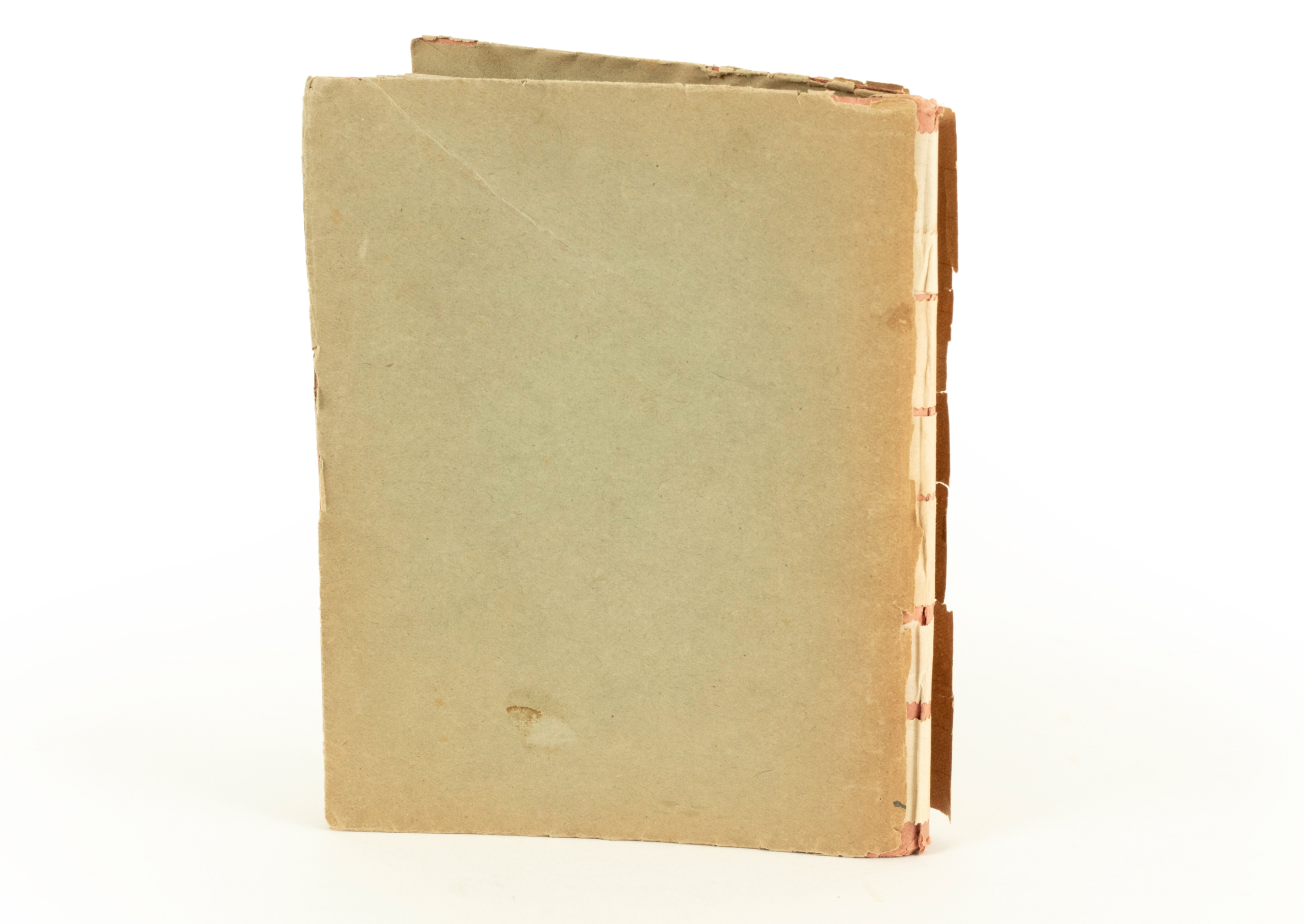
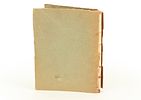
Condition: Very good. Simple original cardboard binding.

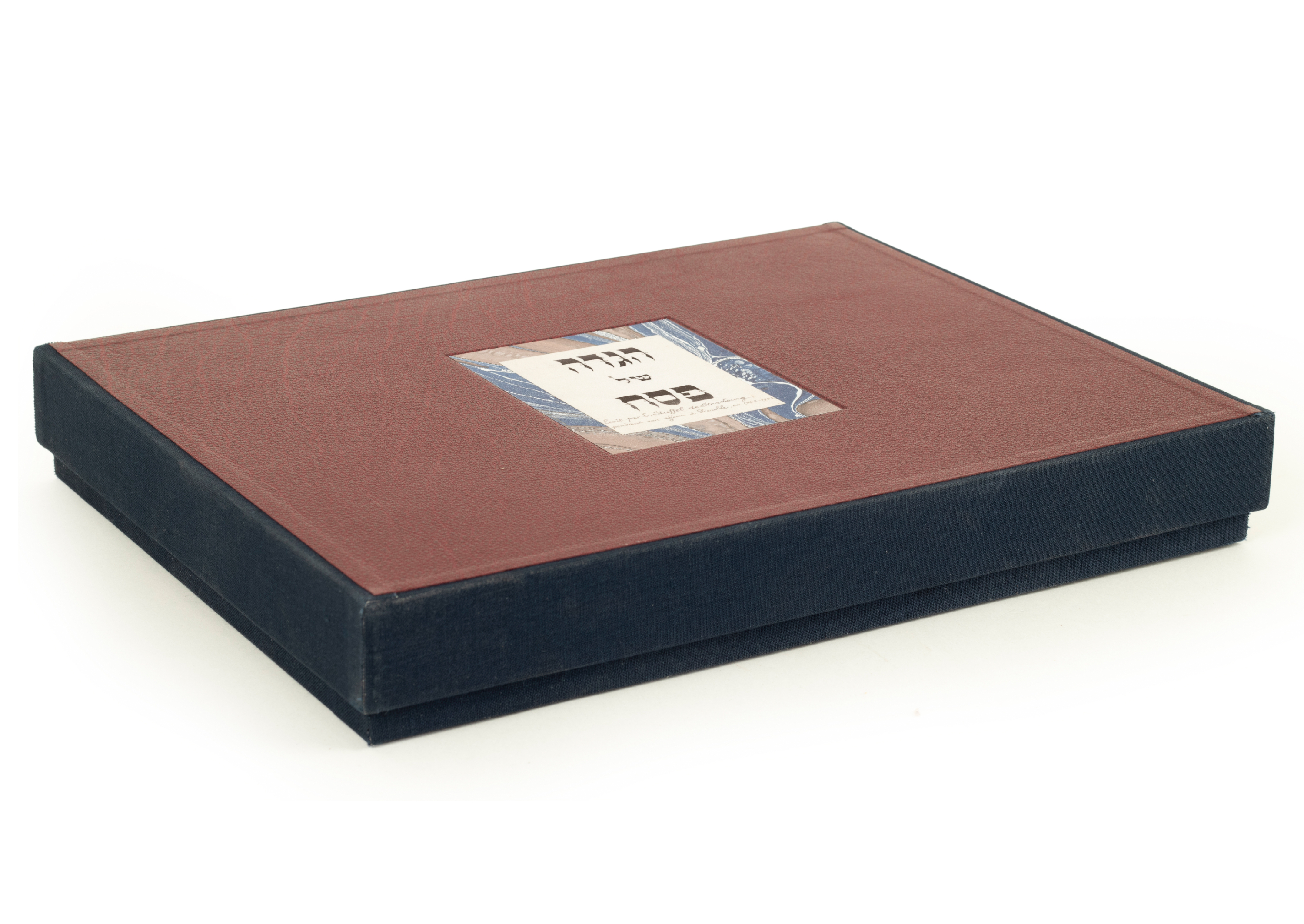
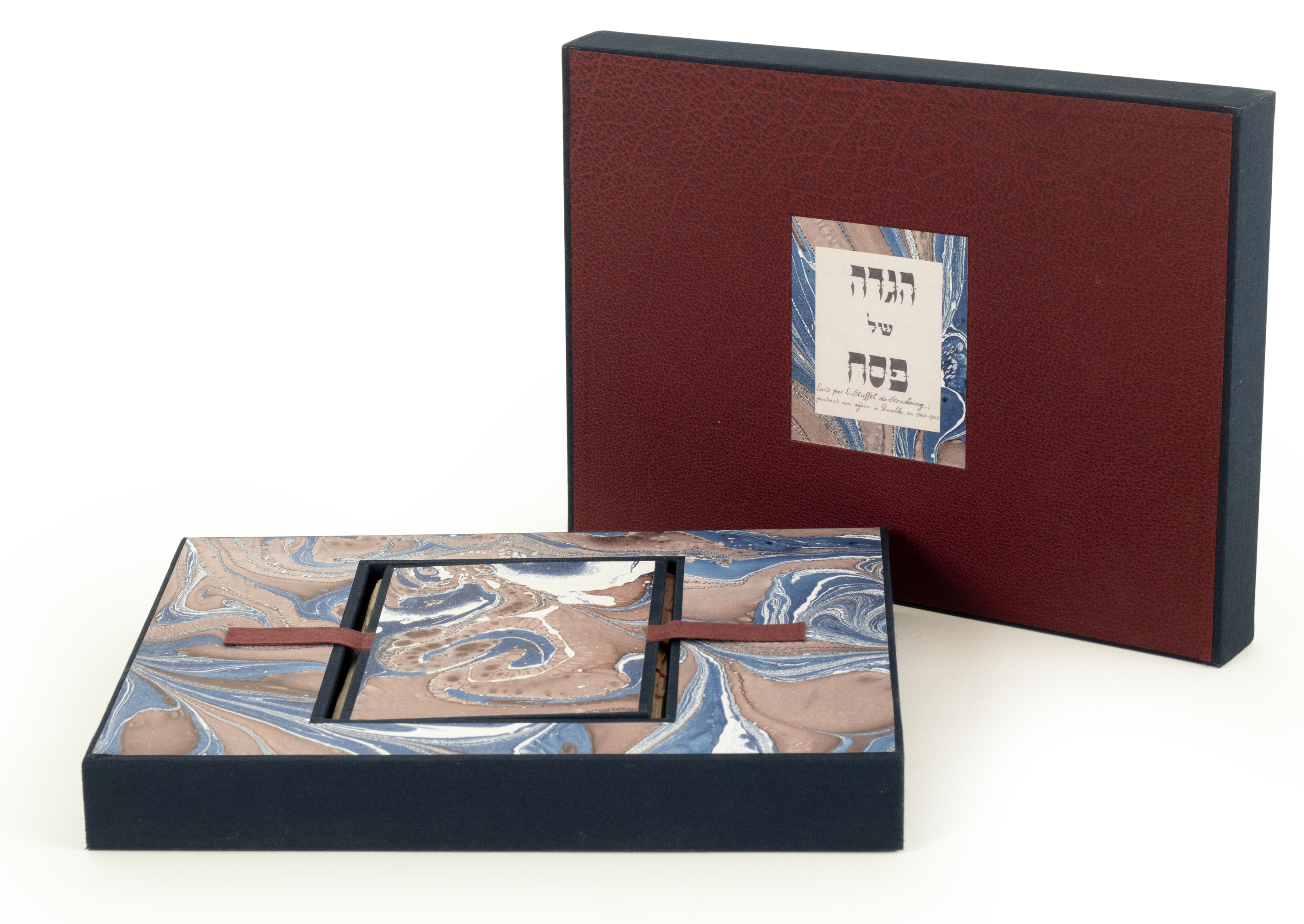
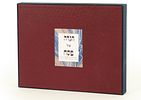
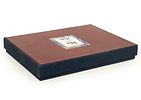
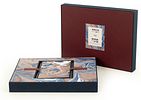
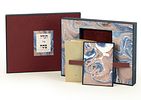
Preserved in a fine new custom-made box produced especially for the Haggadah.

List of the main illustrations in the Haggadah:


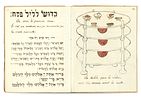
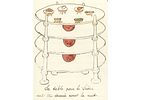
Page 10: Seder plate
Page 17: The sages in Bnei Brak
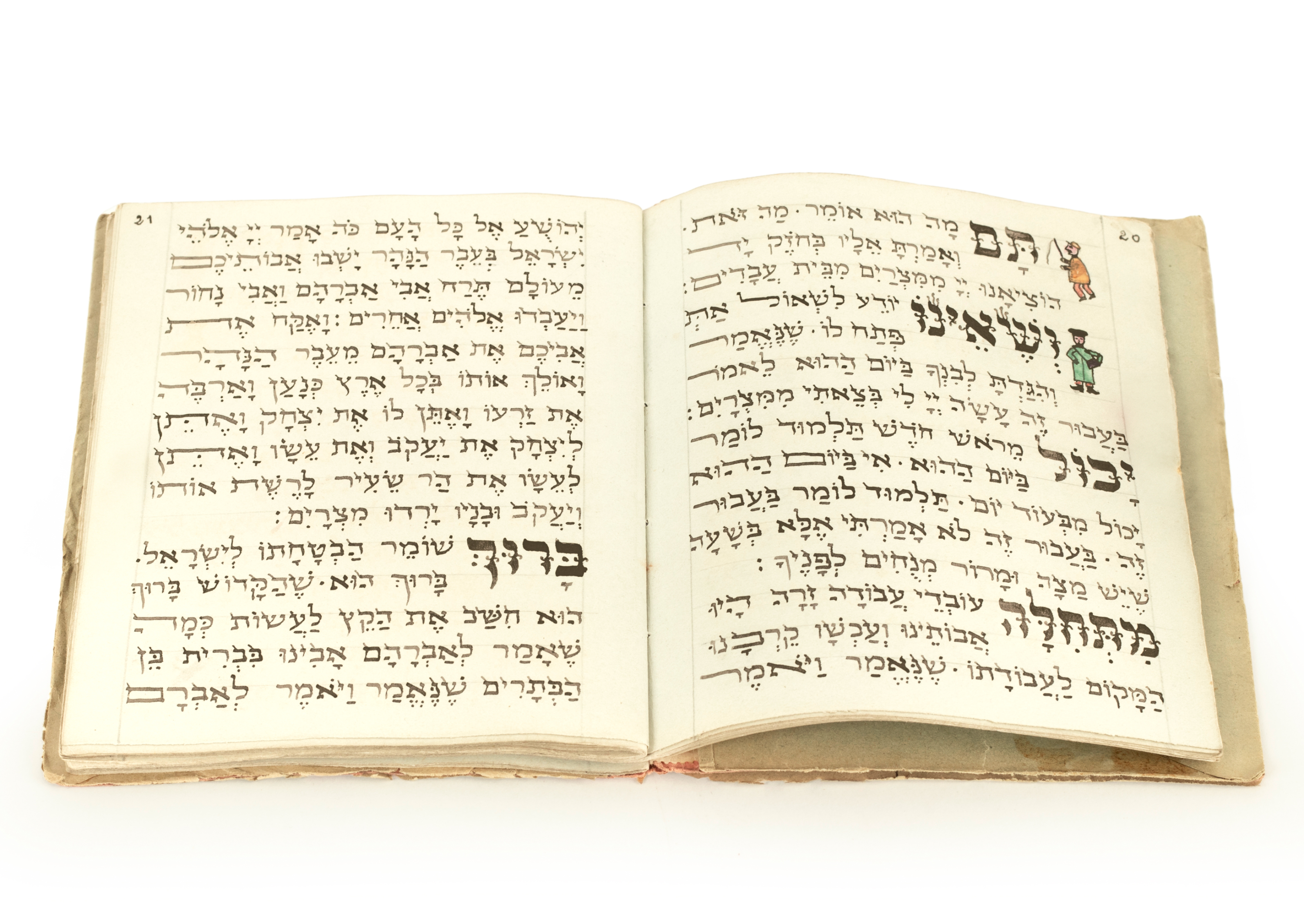
Pages 19–20: The Four Sons
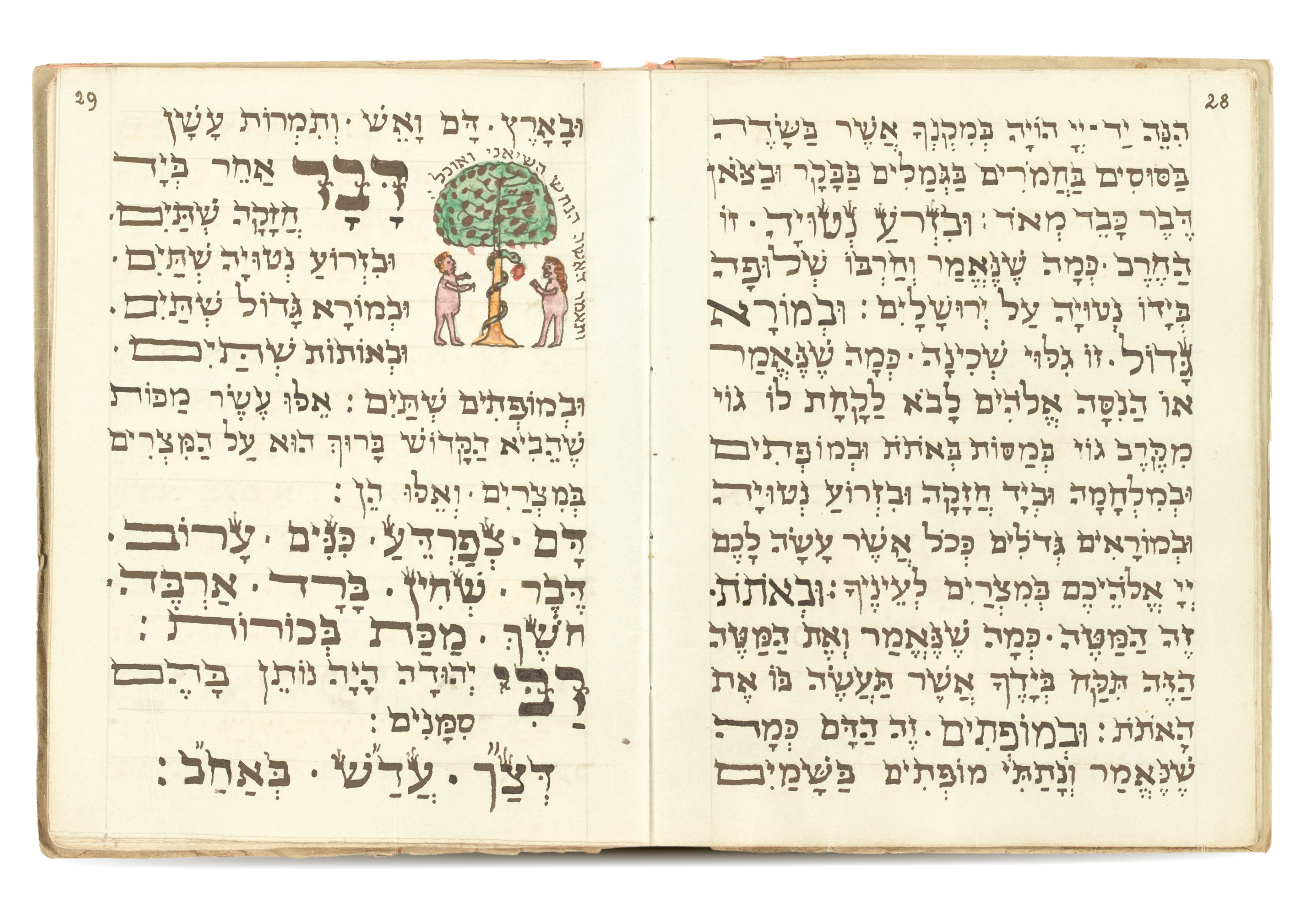
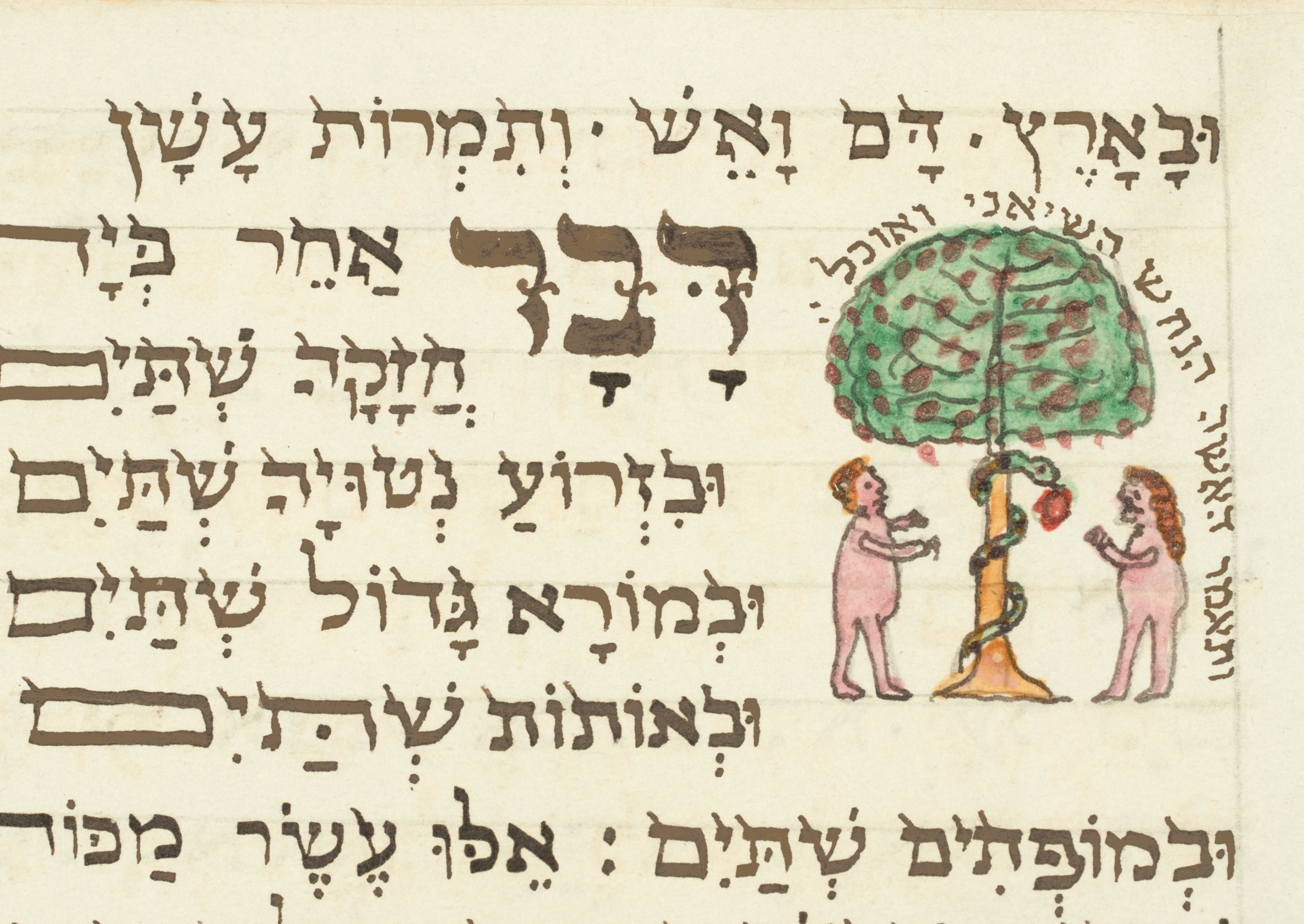
Page 29: Adam and Chava
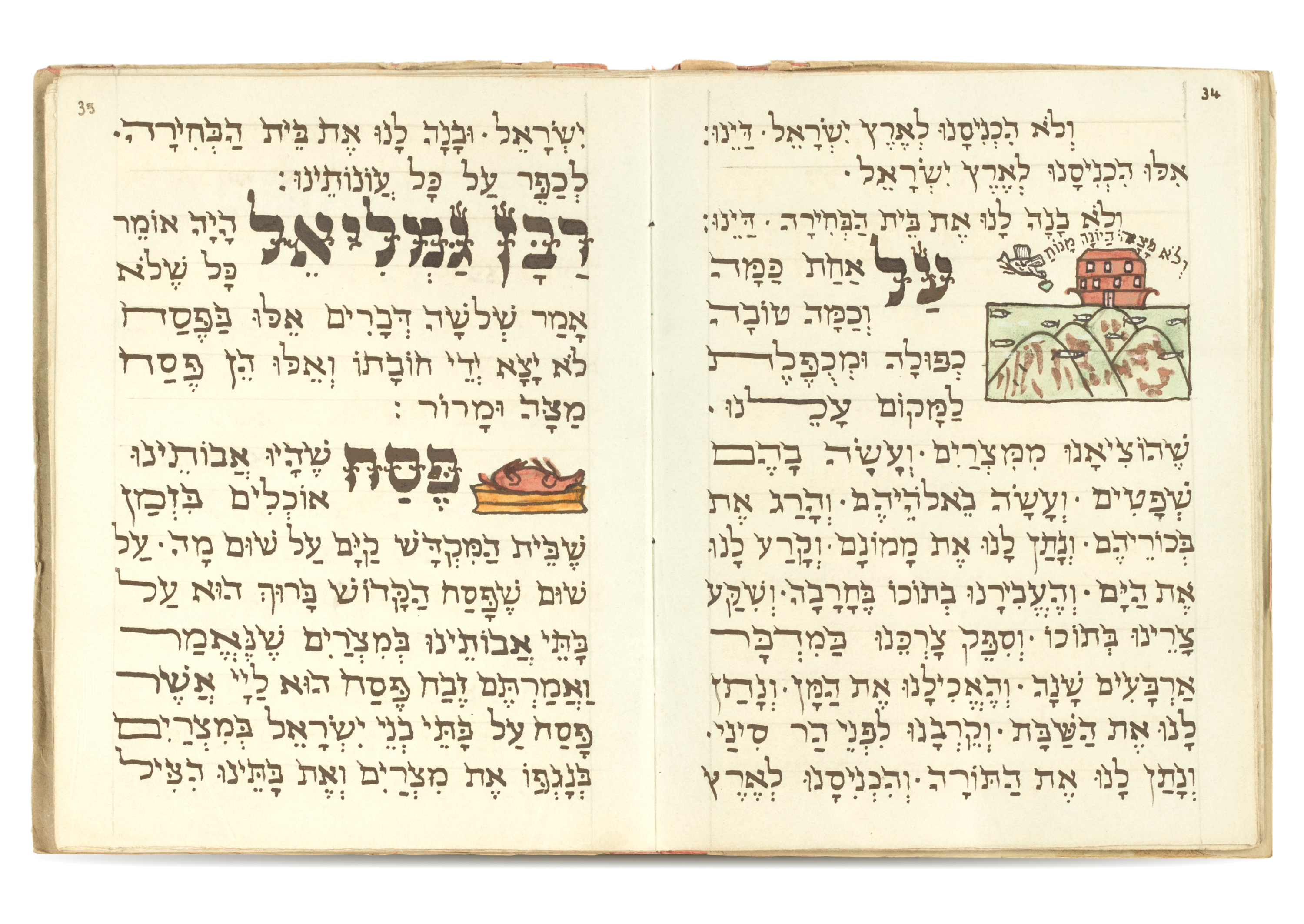
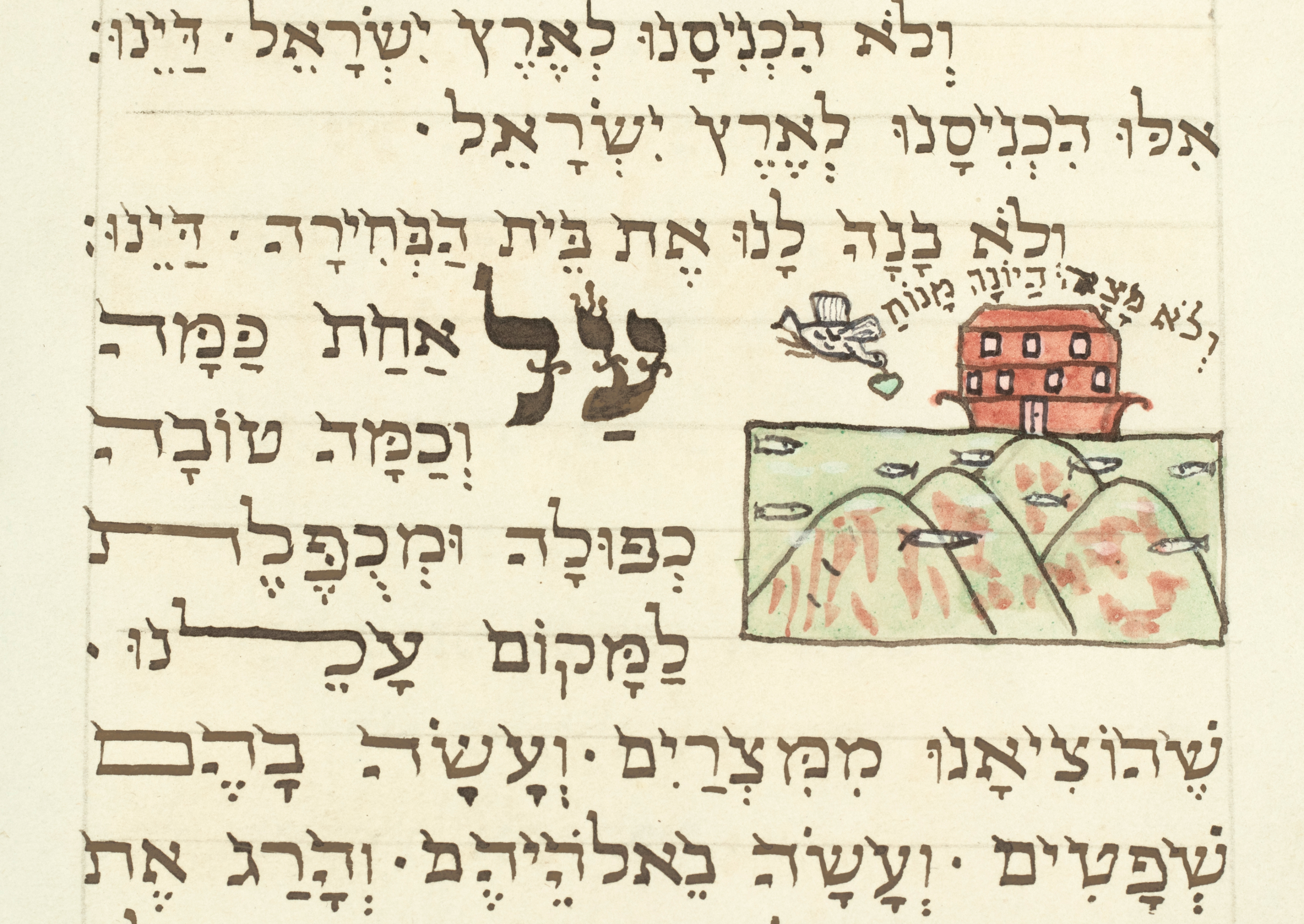
Page 34: Noach’s ark and the Dove
Page 52: Avraham and the three angels
Page 58: Akeidas Yitzchak
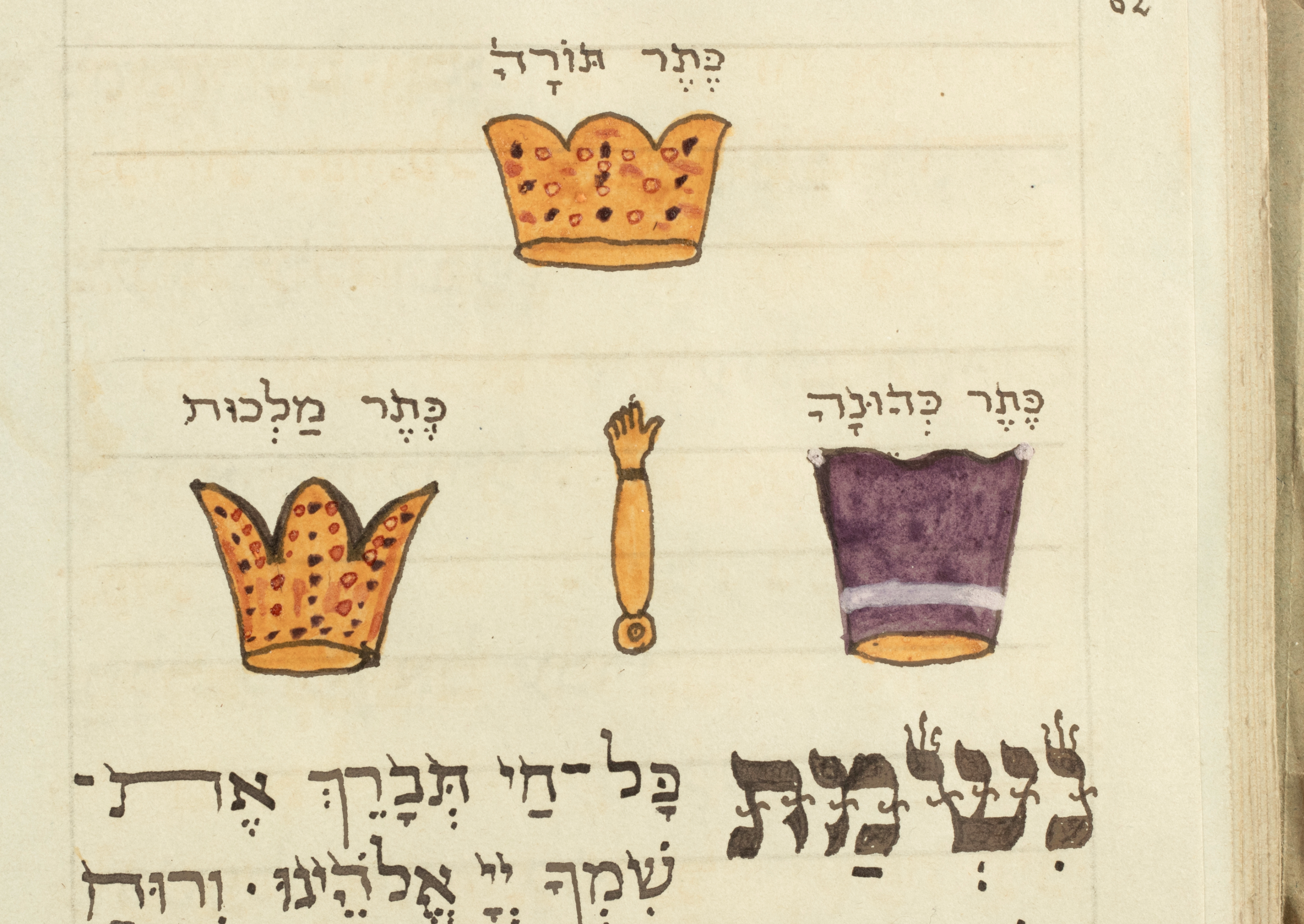
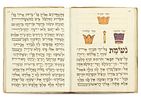
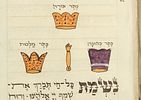
Page 62: The three crowns — Torah, kingship, and priesthood
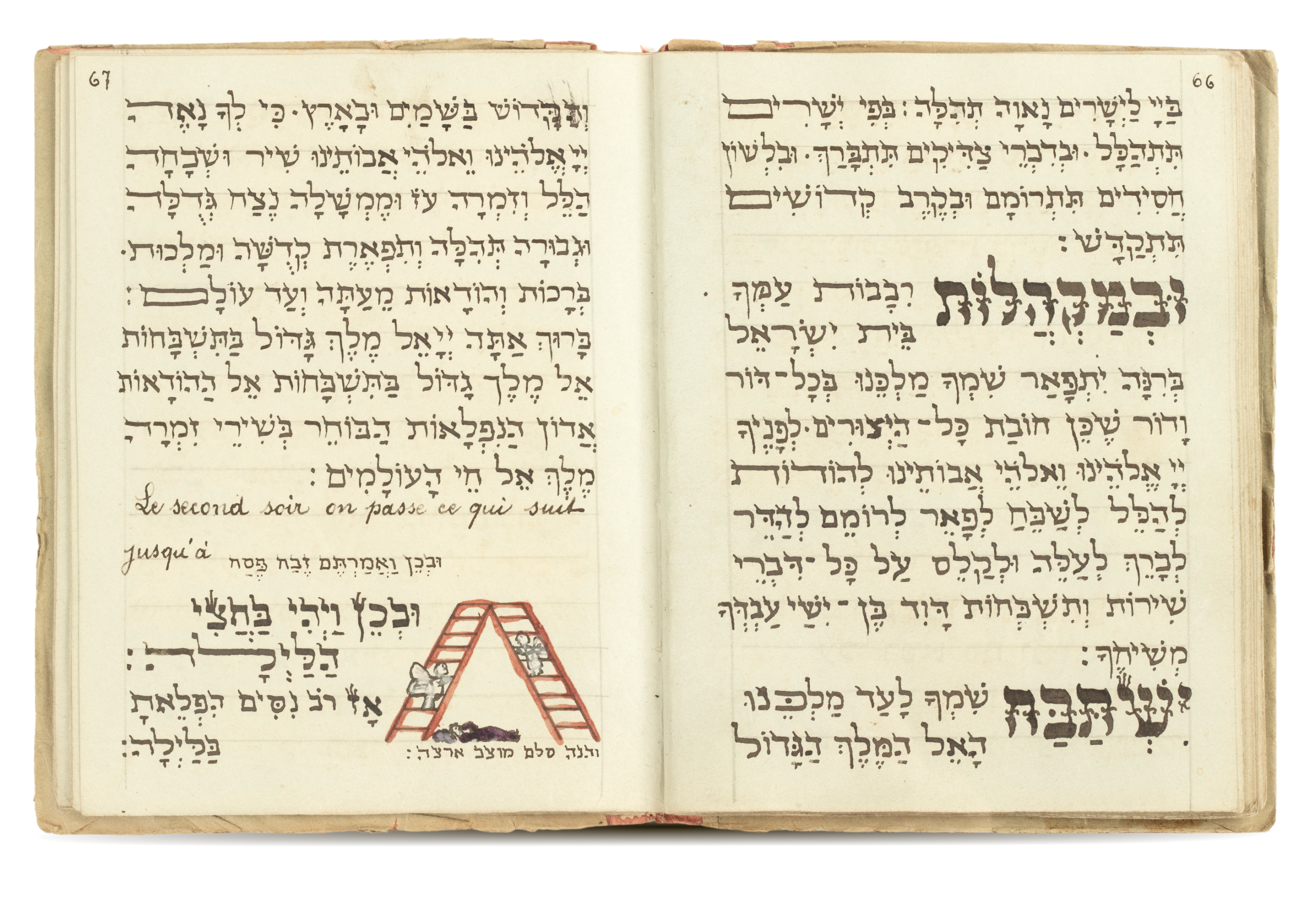
Page 67: Yaakov’s ladder
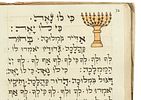
Page 72: Illustration of the menorah
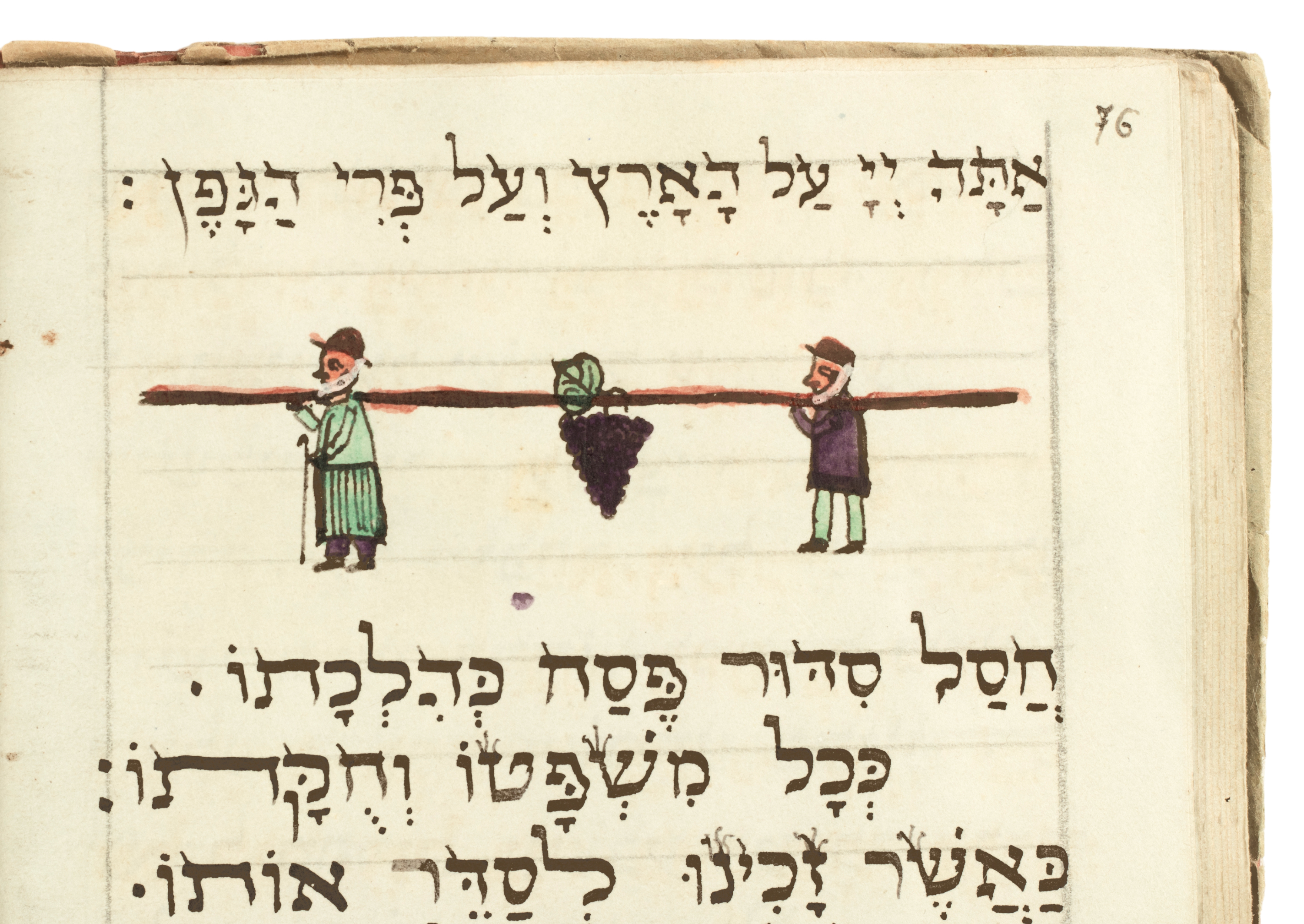
Page 76: The return of the spies
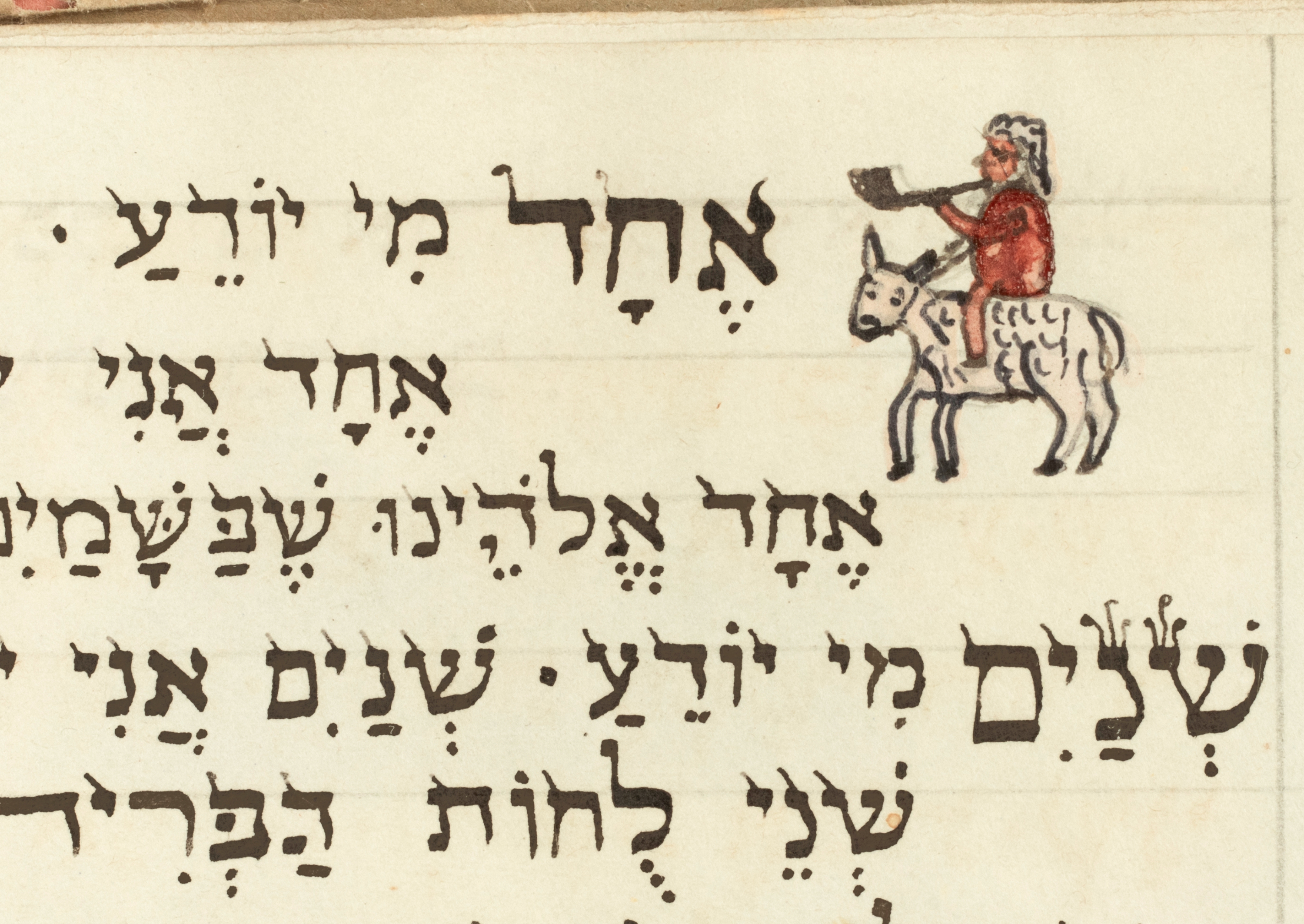
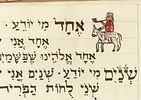
Page 80: Illustration of Mashiach riding a donkey and blowing a shofar
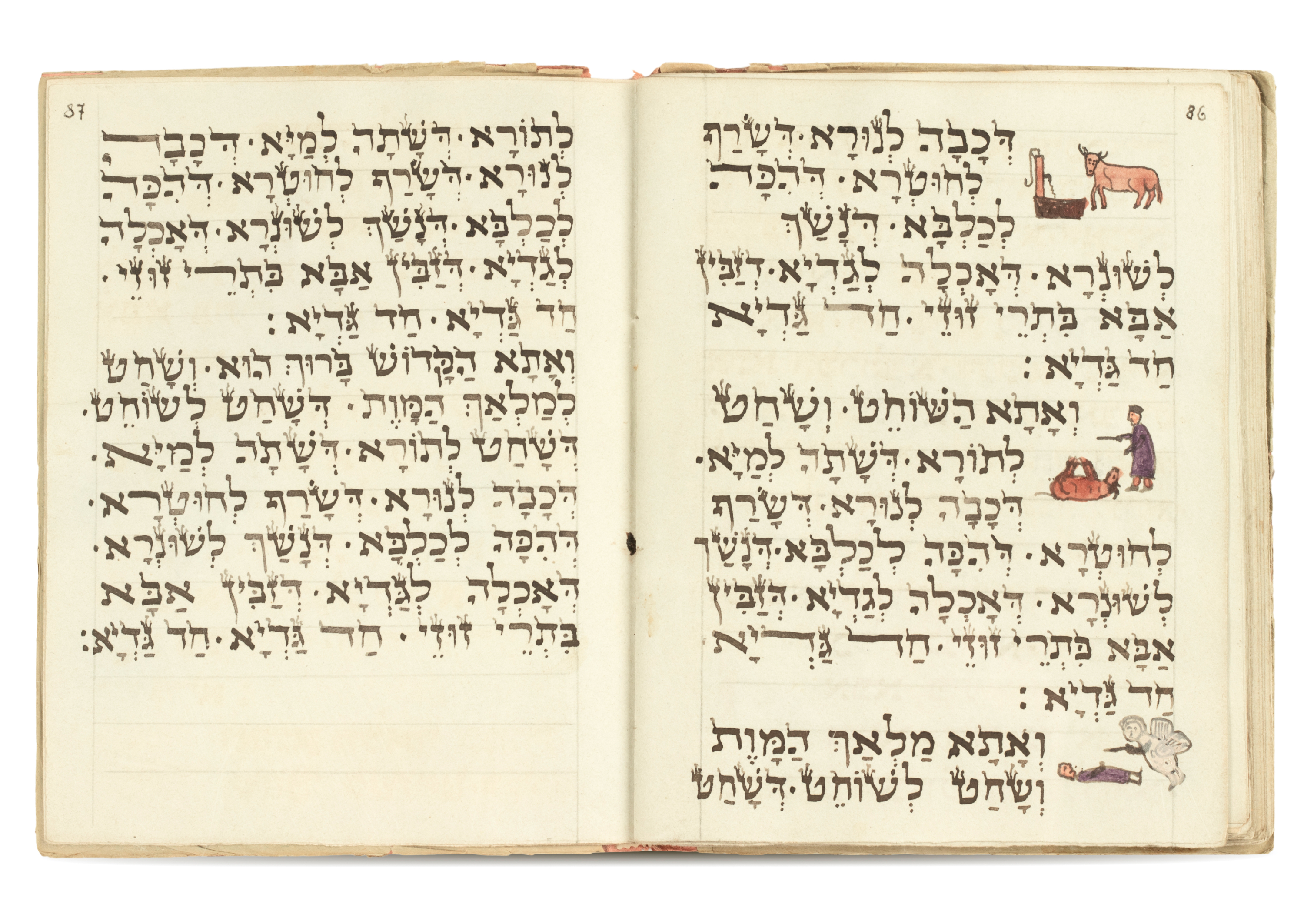
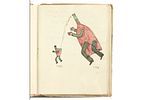
Pages 84–87: Figures appearing in Chad Gadya
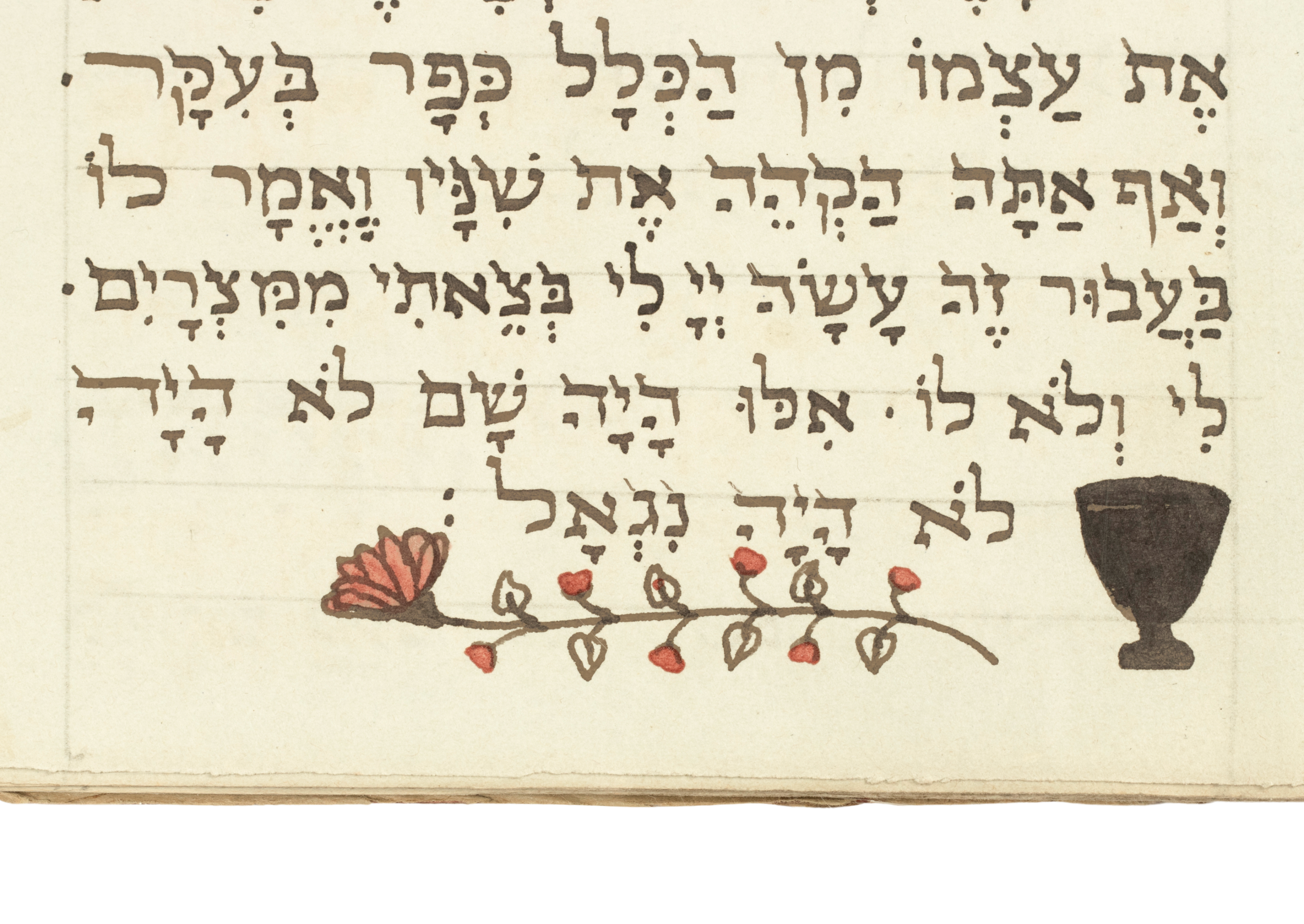
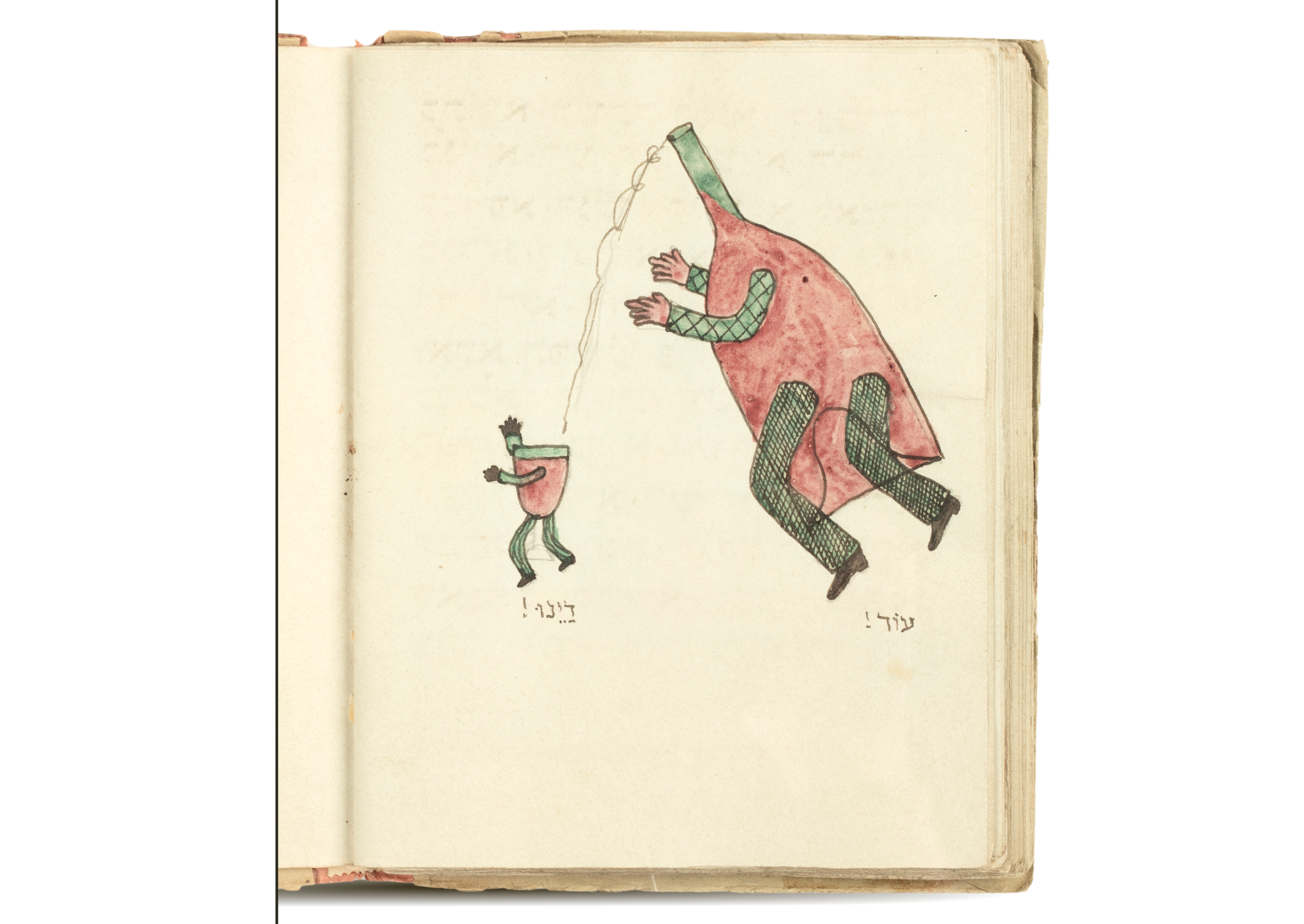
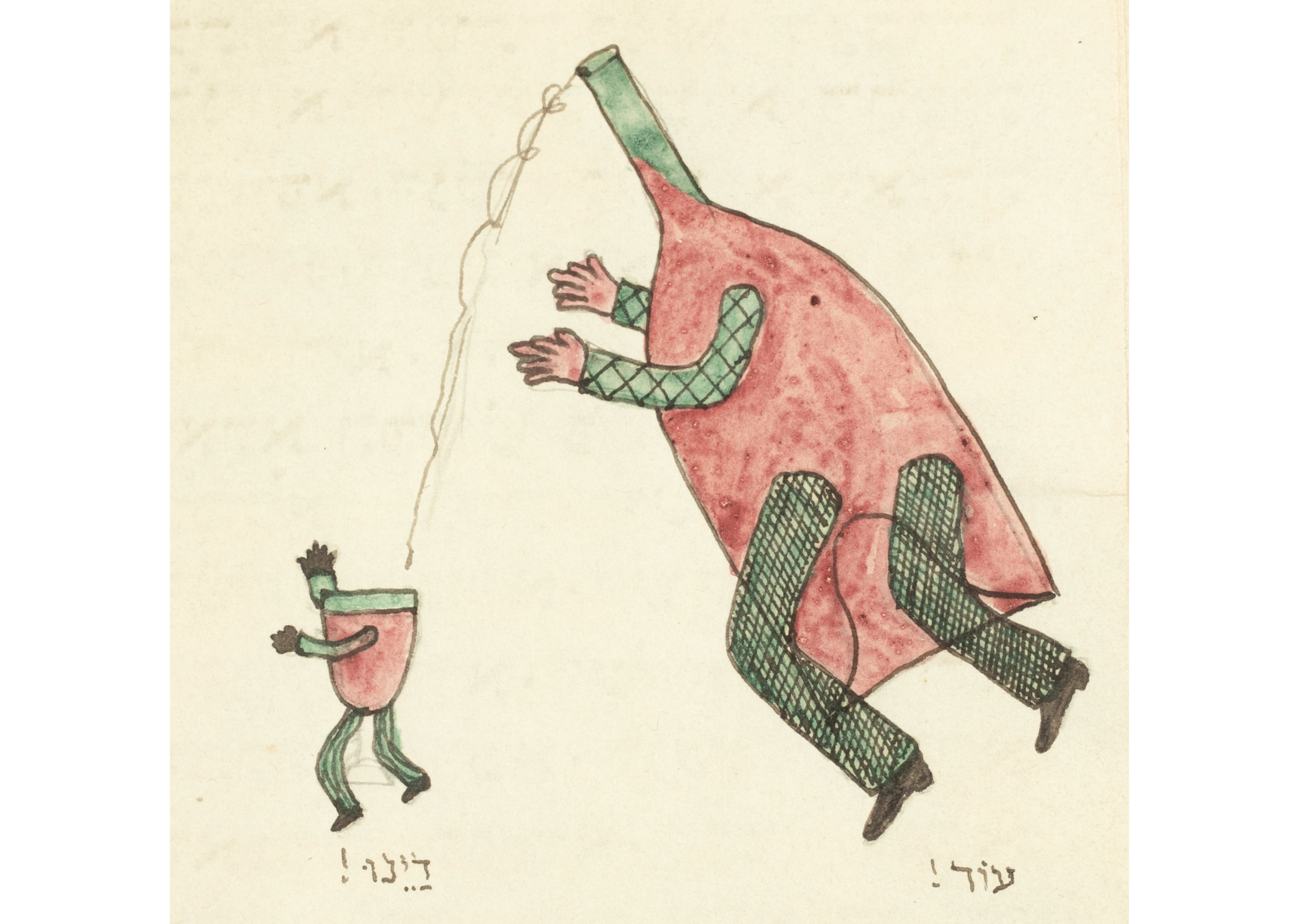
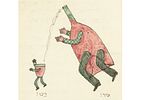
Page 88: Humorous closing illustration — a bottle chasing a cup and saying “more, ” while the cup runs away and says “Dayeinu, ” meaning: enough.


Lot : 45

Stuffel Haggadah, Grenoble, 1942–1943

Start price: $8,000
|
Est. Price: $15,000 - $20,000

Stuffel Haggadah, Grenoble, 1942–1943


A historical remnant of Jewish spiritual heroism from one of the darkest chapters of Jewish history.

A Pesach Haggadah, handwritten and illustrated by Lucien Léon Stuffel of Strasbourg, written and drawn during the height of the Holocaust in Grenoble, southern France, where he had fled after the Nazi occupation of France. About a year later, in March 1944, Stuffel was deported to Auschwitz, where he perished in the gas chambers.

Due to the great influx of refugees who arrived in Grenoble, there was a severe shortage of basic sifrei kodesh. With no sefer and no printing press available, Stuffel sat down and wrote the entire Haggadah by hand.

This Haggadah, written by a persecuted Jew fleeing the Nazis, is not merely a means of observing the Seder night. It is a living and poignant testimony to spiritual heroism, reflecting the incredible strength and resilience of the Jewish soul in the darkest moments.

Lucien Léon Stuffel was born in 1867 in Hattstatt, in the Upper Rhine region. During his life he served as a chazzan in many cities in Alsace and Switzerland, including Bern, Lucerne, Bollwiller, Marckolsheim, Soultz, Bergheim, Molsheim, and others. (Page 57 features an illustration of a chazzan.) He is also mentioned as a shochet and teacher.

With the Nazi occupation of France, he fled to Grenoble in southern France. He was later imprisoned in the Drancy camp, and appears on the list of deportees in Transport No. 69 to Auschwitz on March 7, 1944, from which he never returned.

In the Haggadah (pg. 74), Stuffel emphasized in large letters the words: “Next year in Yerushalayim, ” but he did not merit to reach Yerushalayim, and instead was murdered together with his Jewish brethren in Auschwitz.

A beautiful and impressive Haggadah, beautifully arranged, with around forty-five original colorful illustrations and decorations in gouache paint on greenish paper, with instructions in French.

The fine vowelized lettering, large calligraphic opening words, straight and orderly script, and illustrations are characteristic of Jewish art from the Alsace region.

On the title page there is an inscription in French by Stuffel: “Ecrit par L. Stuffel de Strasbourg, pendant son séjour à Grenoble en 1942,” meaning: “Written by L. Stuffel of Strasbourg during his stay in Grenoble in 1942.”

A very similar, though not identical, Haggadah by Stuffel is held in Paris in the collection of the Museum of Jewish Art and History in France (M.A.H.J.), under catalog no. Inv. 2009.20.001.


Grenoble

Grenoble represents one of the dramatic chapters in the history of French Jewry during the Holocaust. After France was occupied by Nazi Germany in 1940, the city became part of Vichy France which was not under German occupation. In 1942-1943, it came under Italian occupation and the Italian authorities adopted a considerably more lenient policy toward the Jews and refused to hand them over to the Germans. As a result, Grenoble became an island of relative safety and a city of refuge for tens of thousands of Jewish refugees from across France, among them Léon Stuffel. However, with the arrival of the Germans in September 1943, it was transformed overnight into a cruel death trap, and the Nazis began raids, arrests, and deportations to Auschwitz.


Grenoble, France, 1942–1943.
Page Count: [1], 87, [1] pp.
Size: Height: 13.5 cm. Width: 10.5 cm.
Condition: Very good. Simple original cardboard binding.

Preserved in a fine new custom-made box produced especially for the Haggadah.

List of the main illustrations in the Haggadah:


Page 10: Seder plate
Page 17: The sages in Bnei Brak
Pages 19–20: The Four Sons
Page 29: Adam and Chava
Page 34: Noach’s ark and the Dove
Page 52: Avraham and the three angels
Page 58: Akeidas Yitzchak
Page 62: The three crowns — Torah, kingship, and priesthood
Page 67: Yaakov’s ladder
Page 72: Illustration of the menorah
Page 76: The return of the spies
Page 80: Illustration of Mashiach riding a donkey and blowing a shofar
Pages 84–87: Figures appearing in Chad Gadya
Page 88: Humorous closing illustration — a bottle chasing a cup and saying “more, ” while the cup runs away and says “Dayeinu, ” meaning: enough.


Stuffel Haggadah, Grenoble, 1942–1943


A historical remnant of Jewish spiritual heroism from one of the darkest chapters of Jewish history.

A Pesach Haggadah, handwritten and illustrated by Lucien Léon Stuffel of Strasbourg, written and drawn during the height of the Holocaust in Grenoble, southern France, where he had fled after the Nazi occupation of France. About a year later, in March 1944, Stuffel was deported to Auschwitz, where he perished in the gas chambers.

Due to the great influx of refugees who arrived in Grenoble, there was a severe shortage of basic sifrei kodesh. With no sefer and no printing press available, Stuffel sat down and wrote the entire Haggadah by hand.

This Haggadah, written by a persecuted Jew fleeing the Nazis, is not merely a means of observing the Seder night. It is a living and poignant testimony to spiritual heroism, reflecting the incredible strength and resilience of the Jewish soul in the darkest moments.

Lucien Léon Stuffel was born in 1867 in Hattstatt, in the Upper Rhine region. During his life he served as a chazzan in many cities in Alsace and Switzerland, including Bern, Lucerne, Bollwiller, Marckolsheim, Soultz, Bergheim, Molsheim, and others. (Page 57 features an illustration of a chazzan.) He is also mentioned as a shochet and teacher.

With the Nazi occupation of France, he fled to Grenoble in southern France. He was later imprisoned in the Drancy camp, and appears on the list of deportees in Transport No. 69 to Auschwitz on March 7, 1944, from which he never returned.

In the Haggadah (pg. 74), Stuffel emphasized in large letters the words: “Next year in Yerushalayim, ” but he did not merit to reach Yerushalayim, and instead was murdered together with his Jewish brethren in Auschwitz.

A beautiful and impressive Haggadah, beautifully arranged, with around forty-five original colorful illustrations and decorations in gouache paint on greenish paper, with instructions in French.

The fine vowelized lettering, large calligraphic opening words, straight and orderly script, and illustrations are characteristic of Jewish art from the Alsace region.

On the title page there is an inscription in French by Stuffel: “Ecrit par L. Stuffel de Strasbourg, pendant son séjour à Grenoble en 1942,” meaning: “Written by L. Stuffel of Strasbourg during his stay in Grenoble in 1942.”

A very similar, though not identical, Haggadah by Stuffel is held in Paris in the collection of the Museum of Jewish Art and History in France (M.A.H.J.), under catalog no. Inv. 2009.20.001.

See:
https://www.mahj.org/en/decouvrir-collections-betsalel/haggadah-shel-pessah-24003

Grenoble

Grenoble represents one of the dramatic chapters in the history of French Jewry during the Holocaust. After France was occupied by Nazi Germany in 1940, the city became part of Vichy France which was not under German occupation. In 1942-1943, it came under Italian occupation and the Italian authorities adopted a considerably more lenient policy toward the Jews and refused to hand them over to the Germans. As a result, Grenoble became an island of relative safety and a city of refuge for tens of thousands of Jewish refugees from across France, among them Léon Stuffel. However, with the arrival of the Germans in September 1943, it was transformed overnight into a cruel death trap, and the Nazis began raids, arrests, and deportations to Auschwitz.


Grenoble, France, 1942–1943.
Page Count: [1], 87, [1] pp.
Size: Height: 13.5 cm. Width: 10.5 cm.
Condition: Very good. Simple original cardboard binding.

Preserved in a fine new custom-made box produced especially for the Haggadah.

List of the main illustrations in the Haggadah:


Page 10: Seder plate
Page 17: The sages in Bnei Brak
Pages 19–20: The Four Sons
Page 29: Adam and Chava
Page 34: Noach’s ark and the Dove
Page 52: Avraham and the three angels
Page 58: Akeidas Yitzchak
Page 62: The three crowns — Torah, kingship, and priesthood
Page 67: Yaakov’s ladder
Page 72: Illustration of the menorah
Page 76: The return of the spies
Page 80: Illustration of Mashiach riding a donkey and blowing a shofar
Pages 84–87: Figures appearing in Chad Gadya
Page 88: Humorous closing illustration — a bottle chasing a cup and saying “more, ” while the cup runs away and says “Dayeinu, ” meaning: enough.