
Lot : 44

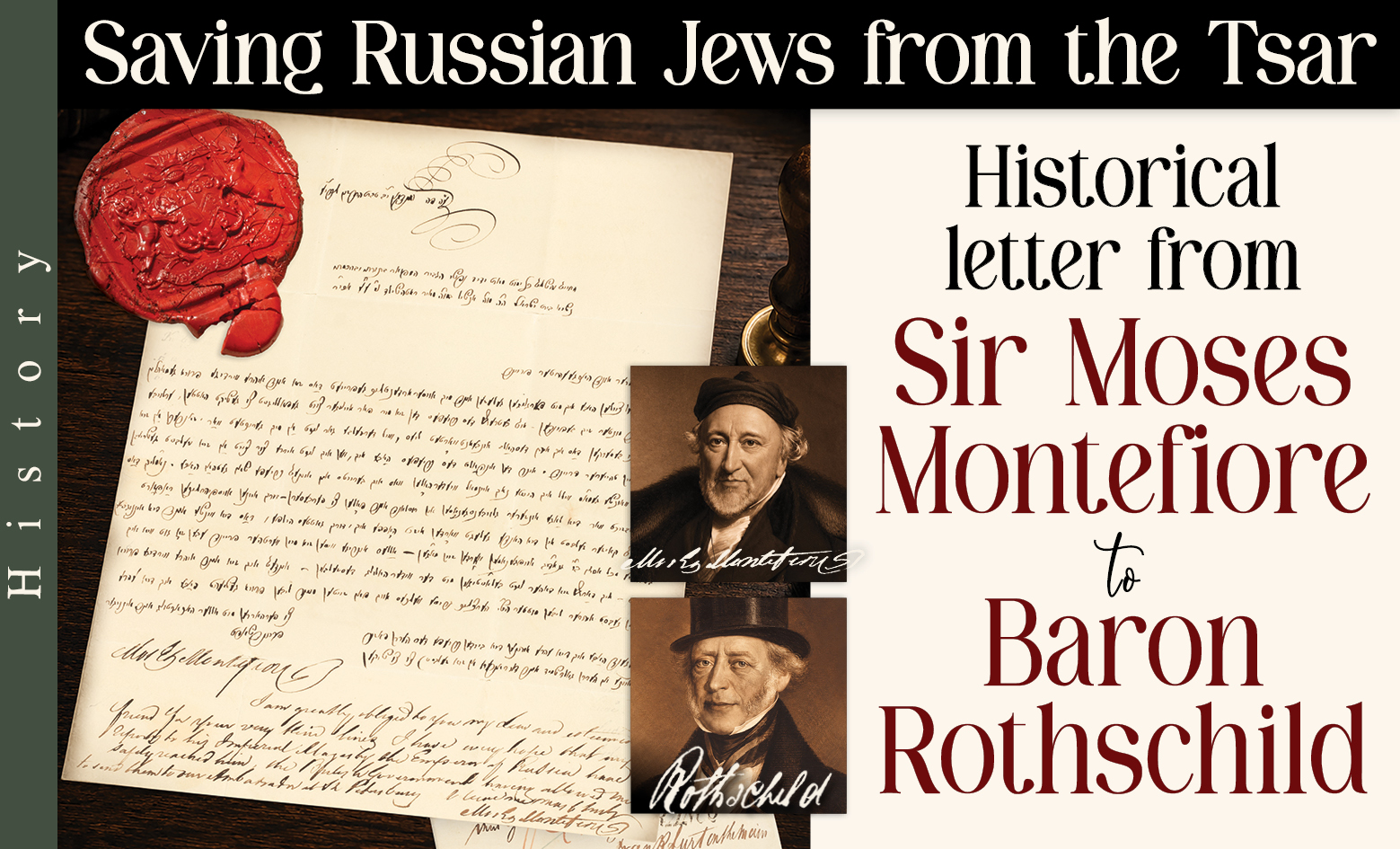
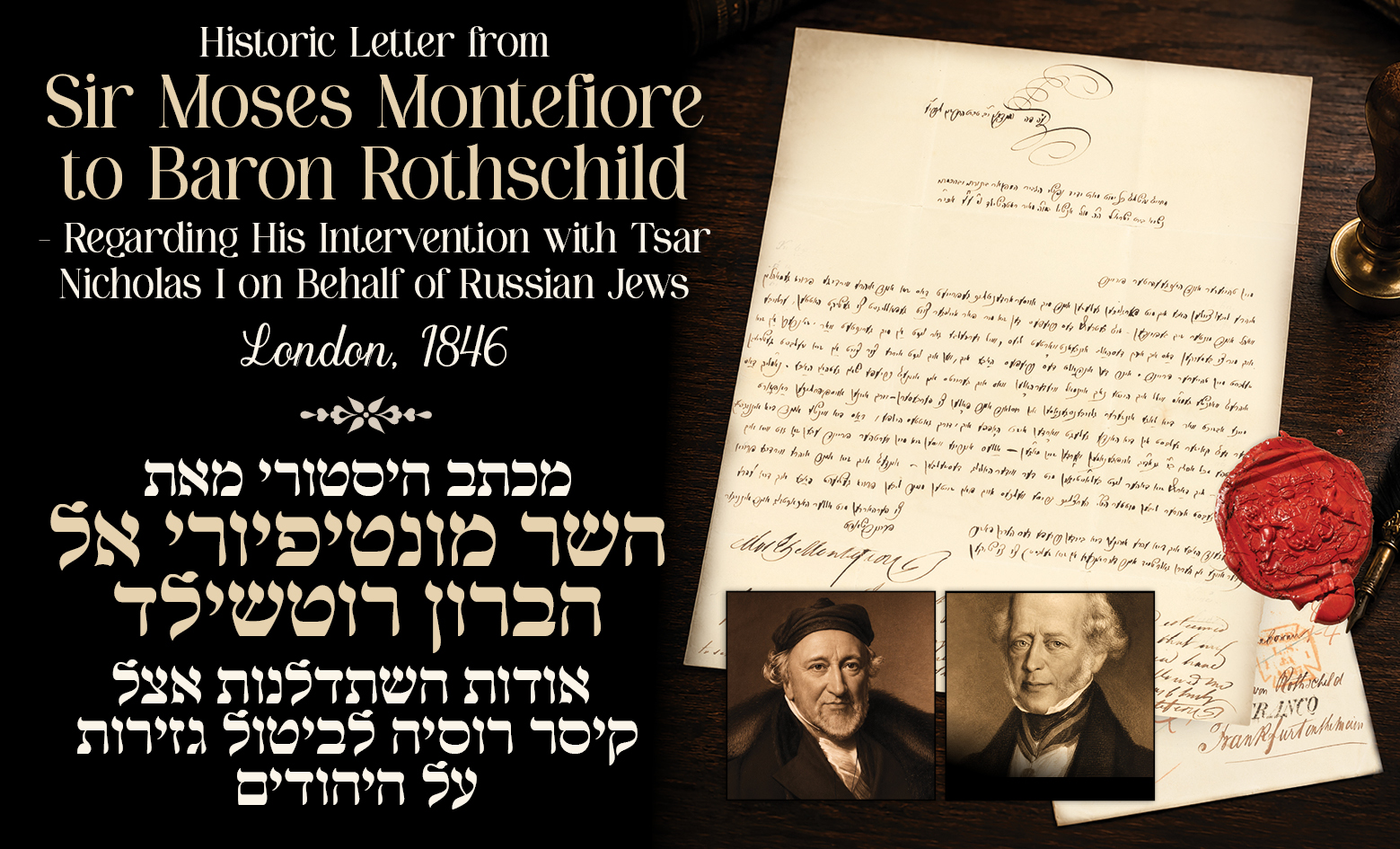
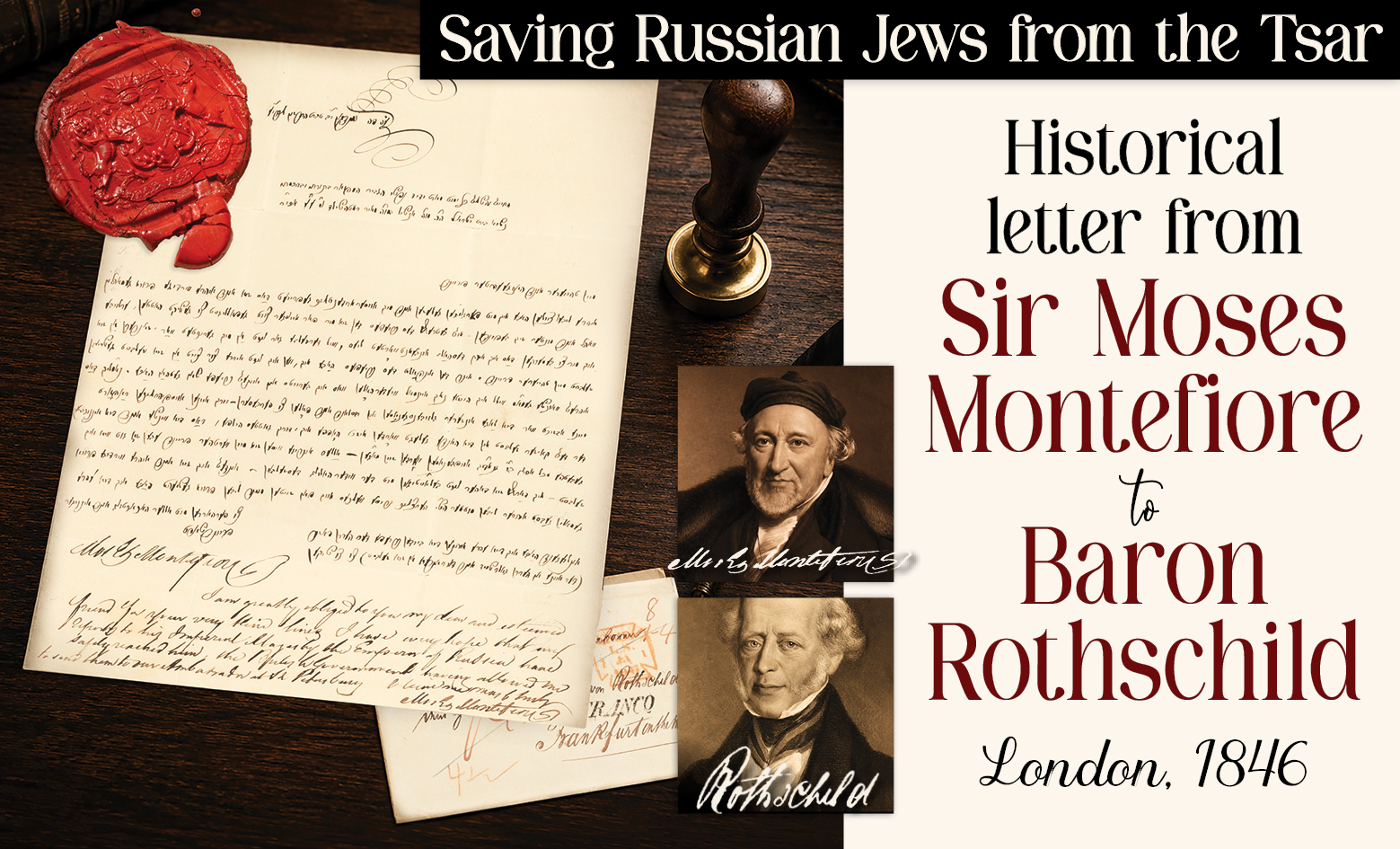
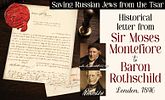
Historic Letter from Sir Moses Montefiore to Baron Rothschild – Regarding His Intervention with Tsar Nicholas I on Behalf of Russian Jews – London, 1846
The two most renowned Jewish philanthropists in the world!

Images

Historic Letter from Sir Moses Montefiore to Baron Rothschild – Regarding His Intervention with Tsar Nicholas I on Behalf of Russian Jews – London, 1846

The two most renowned Jewish philanthropists in the world!


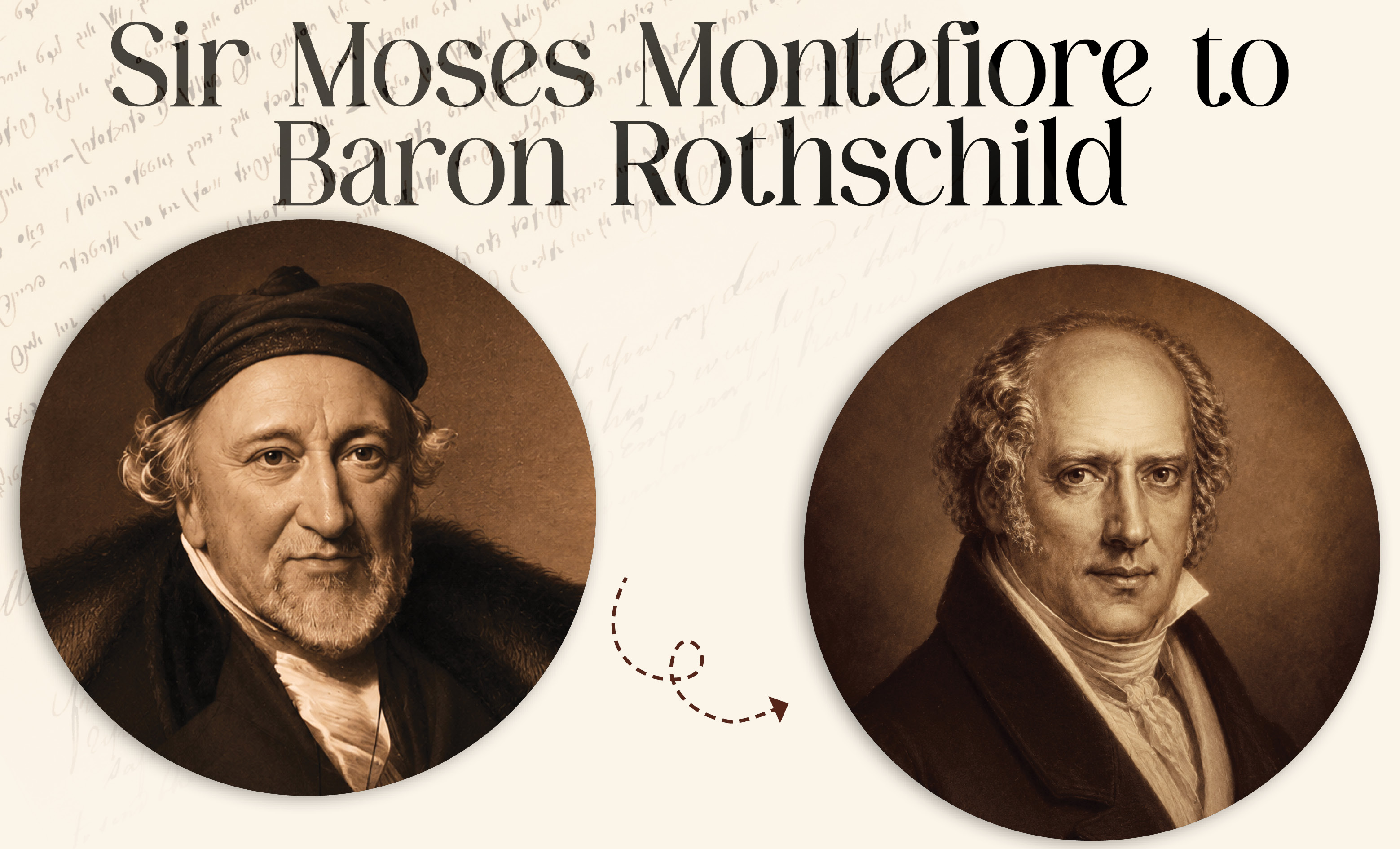
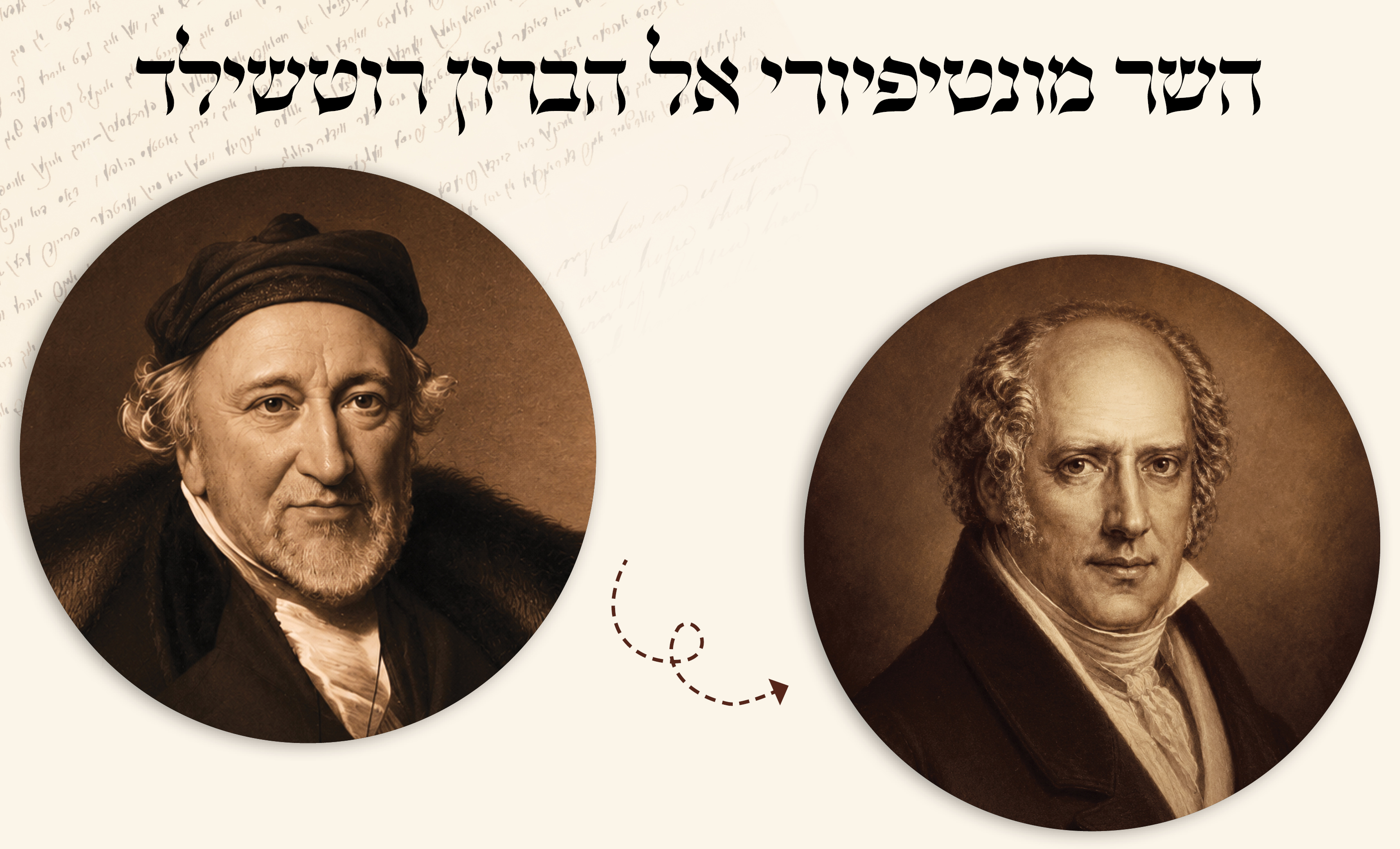
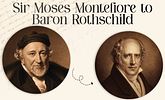
A unique letter from Sir Moses Montefiore of London, addressed to Baron Anschel Mayer Rothschild of Frankfurt, the eldest son of Mayer Anschel Rothschild, patriarch of the famous Rothschild family.

The letter concerns Montefiore’s personal efforts and diplomatic intervention with Tsar Nicholas I of Russia, seeking the repeal of the harsh decrees he had imposed upon the Jews.

As part of these efforts, Montefiore traveled from England to Russia to meet personally with the Tsar. This remarkable expedition would become one of the landmark events of his public life, earning him an enduring place of honor in the annals of Jewish history.

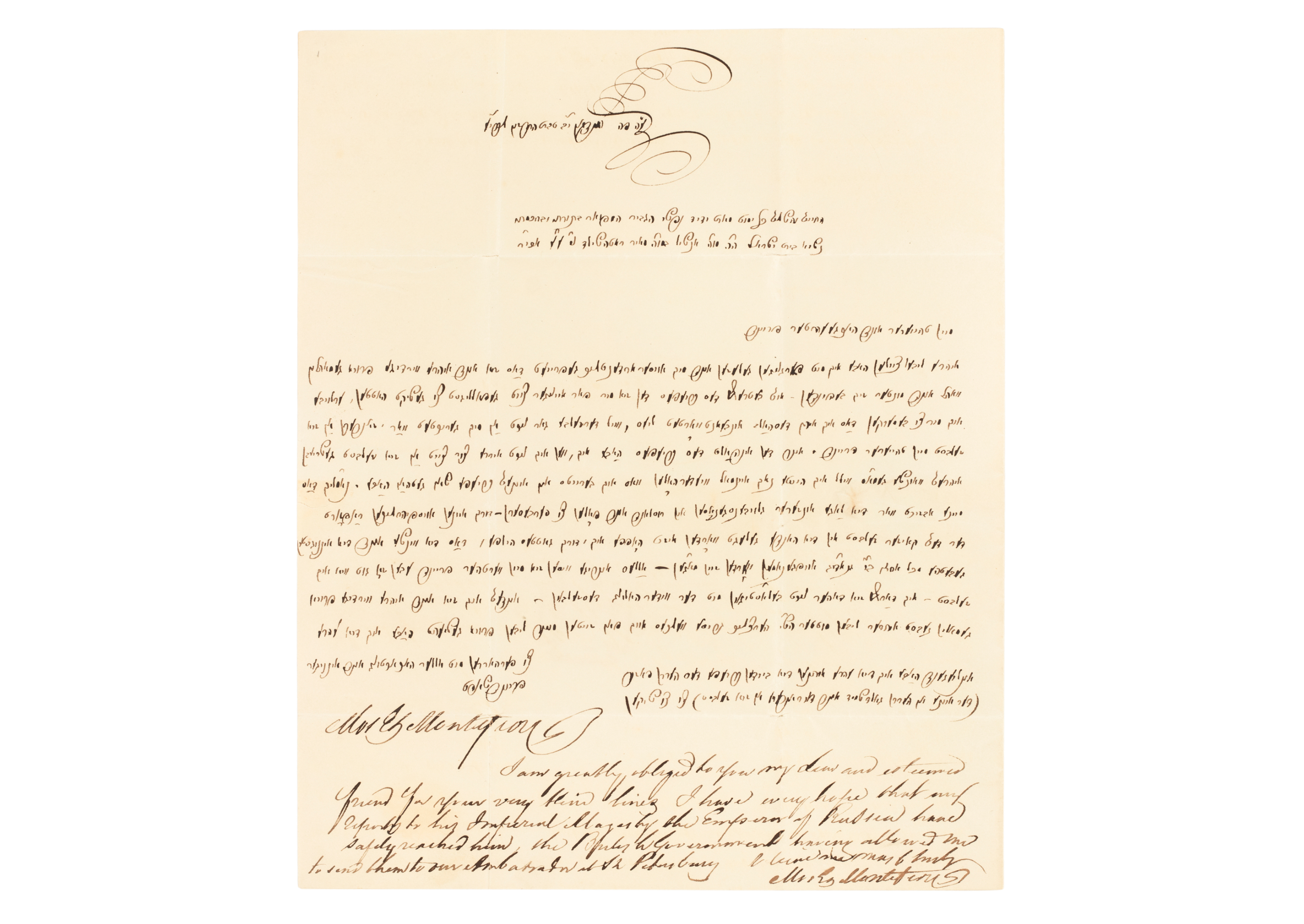
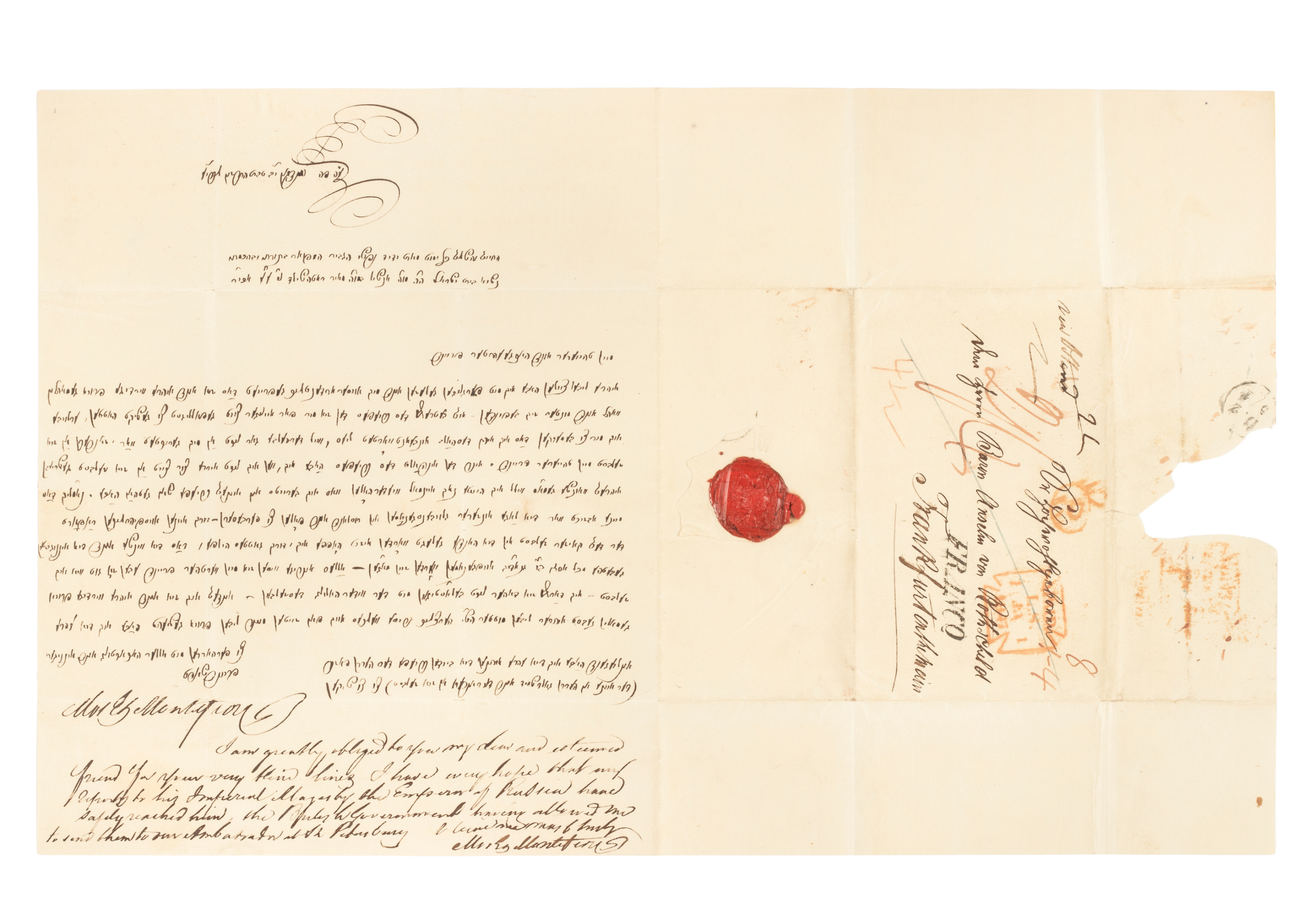
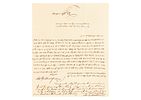
The letter bears two signatures of Montefiore and includes five additional lines in his handwriting, in English.

Background to Letter

During this period, there was a series of harsh anti-Jewish decrees enacted in Russia. Jews were forbidden from residing in many major cities and within a certain distance from the border (as Jews were accused of smuggling), Jewish children were required to attend government-established schools, and Jews were required to abandon their traditional attire.

The leading rabbanim and communal leaders of Russia and Poland, who had heard about Montefiore’s successful intervention during the Damascus Affair only a few years earlier, appealed to him to undertake the journey and plead directly with the Tsar for the repeal of these oppressive measures. Among those who turned to him to undertake this mission were the holy Rebbes Rabbi Yisrael of Ruzhin, Rabbi Yitzchak of Vorka, the Chiddushei HaRim of Ger, and other leading Torah figures.

Moved with deep concern for the suffering of his fellow Jews, Montefiore accepted the mission. During the height of the Russian winter, he spent nearly a month traveling from London through Germany and Poland, enduring great hardship until he reached St. Petersburg, then the imperial capital.

Synagogues throughout England offered special prayers for the success of his mission, and in every city through which he passed, large crowds gathered to greet him with great emotion.

At one inn along the journey, the cook refused payment for preparing his meals, declaring: “It is reward enough that I merited preparing even a simple meal for those who have come from a distant land to work for the benefit of humanity…” (Memoirs of Sir Moses Montefiore, p. 14).

During his audience with the Tsar, Montefiore spoke eloquently on behalf of the Jewish people and sought to persuade the emperor to rescind the decrees. The Tsar promised to improve the condition of Russia’s Jews.

On his return journey from St. Petersburg, Montefiore passed through Frankfurt, where the Rothschild family welcomed him with great honor.

This historic journey was described as “an event of outstanding importance in the history of our people in Russia during that period” (Zichron Yaakov by Rabbi Yaakov Lifshitz, vol. I, p. 150, where a vivid account is given of how Jews throughout the Russian Empire viewed Montefiore’s mission).

Montefiore returned to London on June 17, 1846, but his work did not end there. He immediately began preparing a comprehensive report on the condition of the Jews of Russia and Poland, with particular attention to Jewish education.
In the present letter, dated 12 Teves 5607 (December 31, 1846), Montefiore warmly thanks Rothschild for his assistance and informs him that he has completed a detailed report concerning the condition of the Jews of Russia and Poland, which he has sent to the Russian Tsar (“the Kaiser”) — Tsar Nicholas I — in the hope of improving the situation of the Jewish population and securing the repeal of the oppressive decrees.

He concludes by expressing his heartfelt hope that these efforts will bring relief to the Jews of Russia.

This is a rare historical document of great significance — a firsthand account of one of the most important acts of Jewish diplomatic advocacy of the nineteenth century, written by the man who personally led the mission.

This remarkable letter also documents the personal relationship between two of the most influential Jewish figures of that era, members of famous aristocratic families, whose names became synonymous with immense wealth, philanthropy and unwavering devotion to the welfare of the Jewish people.

Description of the Letter


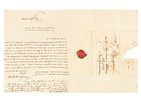
The body of the letter is written in Yiddish by Montefiore’s secretary, Dr. Eliezer HaLevi, who accompanied him on his journey to Russia. Montefiore signed the letter in English.

He then added five additional lines entirely in his own handwriting, in English, and signed it a second time as an expression of friendship and respect.

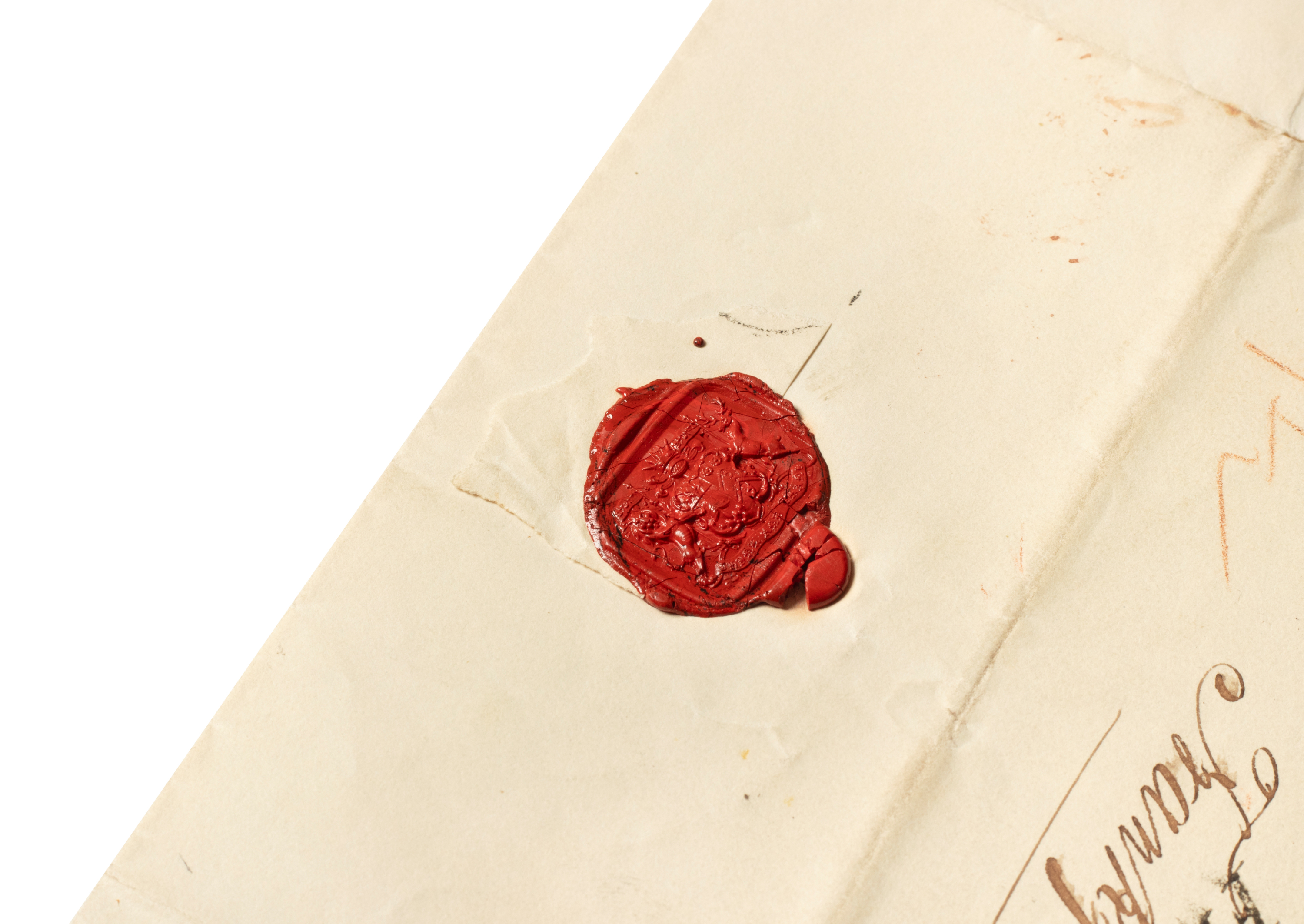
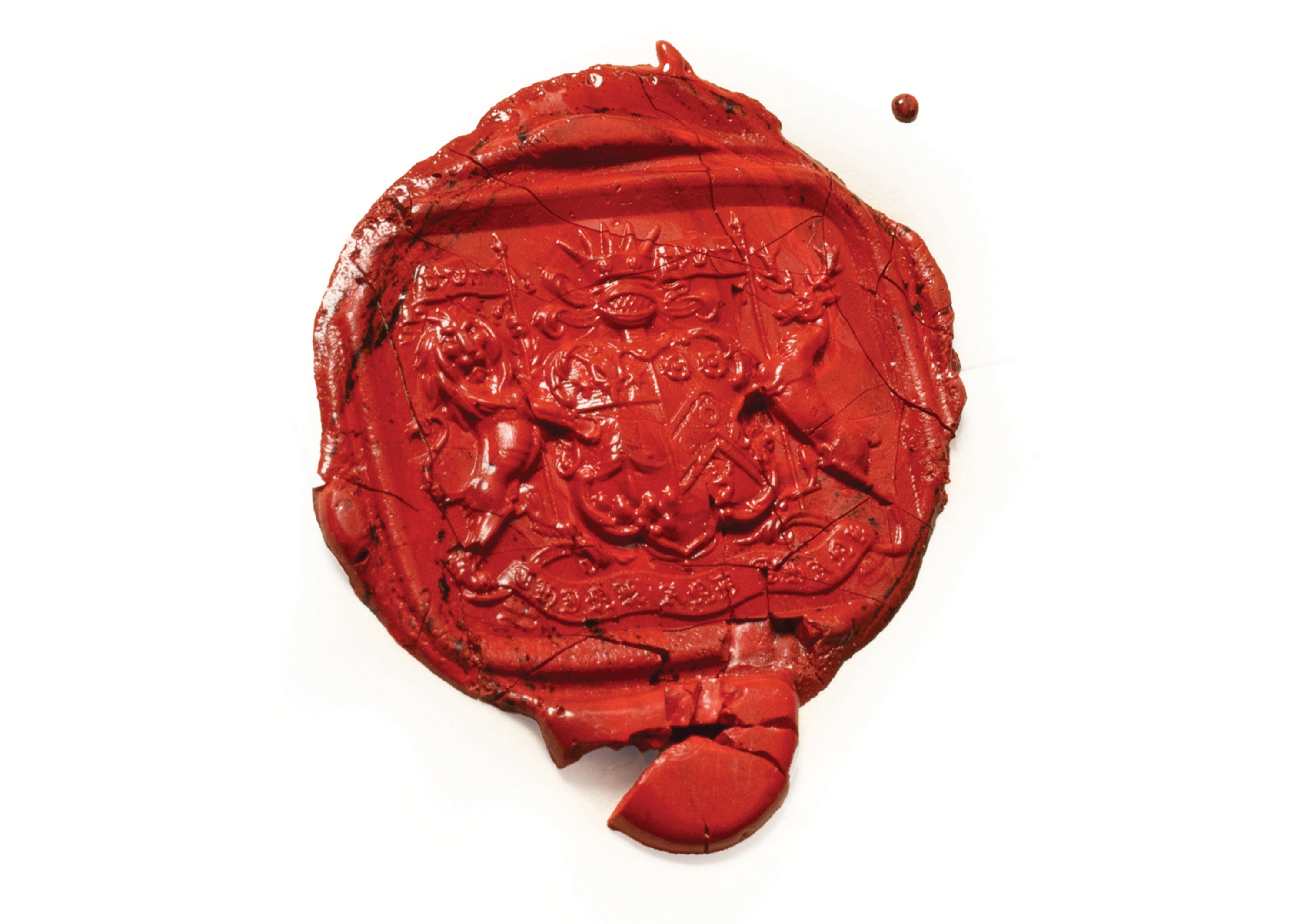
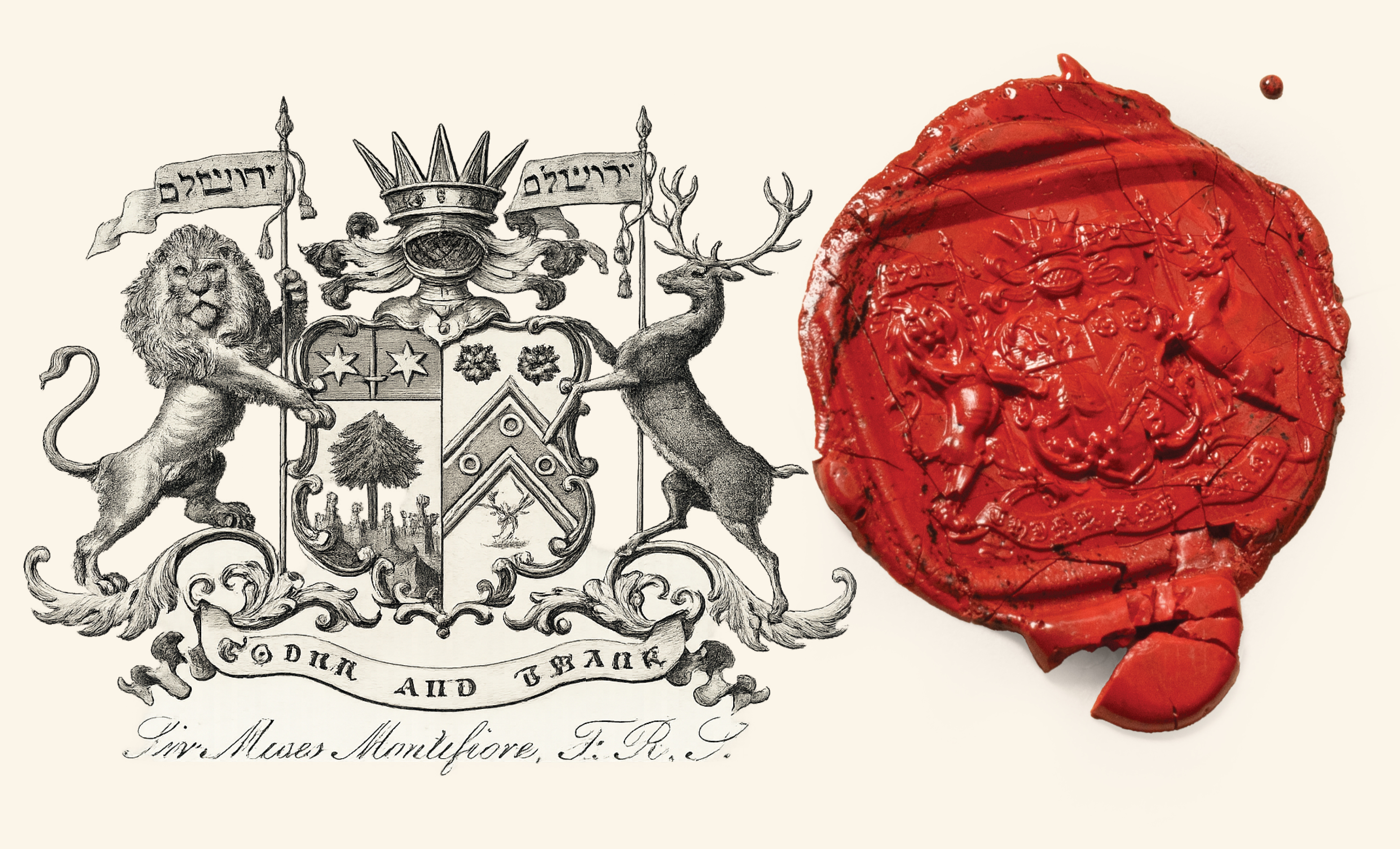
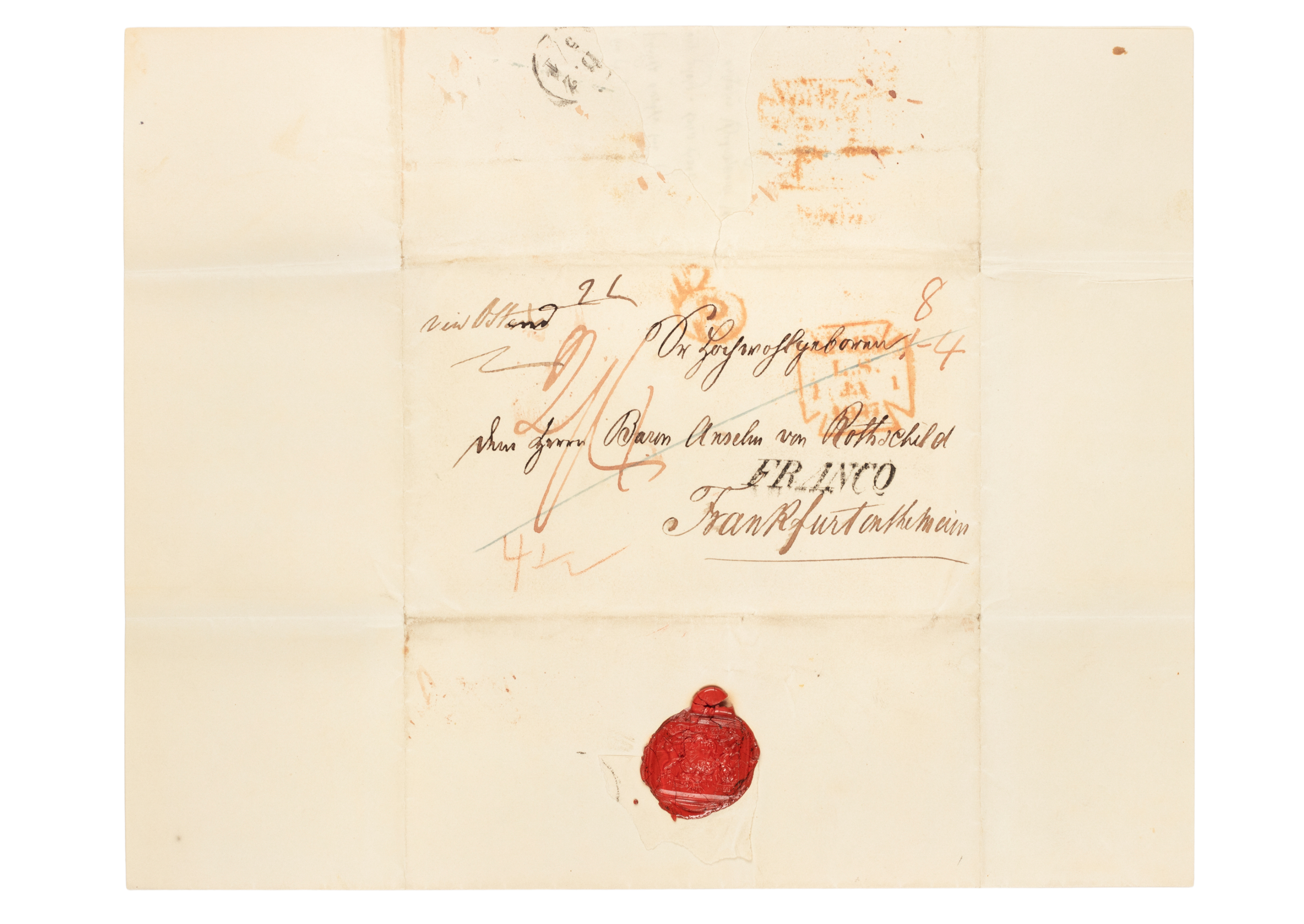
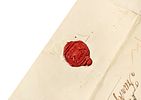
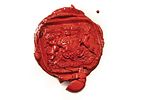
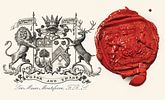
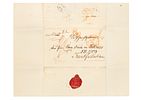
Preserved on the reverse side is Montefiore’s regal red wax seal, depicting two lions holding the family emblem. Each lion holds a waving banner, upon which the tiny inscription “Jerusalem” can still be discerned.


London, 1846. Double sheet, which was folded and mailed. One written page.


Size:
20 × 24.7 cm.
Condition: Good. Several small tears without loss of text. Tear on the reverse caused by opening the letter. Typical chipping to the wax seal

______________

Sir Moses Montefiore (1784–1885) was one of the greatest Jewish philanthropists and communal leaders of the modern era. Throughout his long life, he tirelessly championed the cause of persecuted Jewish communities, traveling numerous times — even in advanced age — to Eretz Yisrael, Russia, Morocco, and elsewhere to petition rulers on behalf of Jews suffering from blood libels, persecution, and oppressive decrees.

Baron Anschel Mayer Rothschild (1773–1855), the eldest son of Mayer Anschel Rothschild, headed the Rothschild banking house in Frankfurt am Main. Deeply committed to Torah and Jewish life, he was widely known as “the frum Rothschild” (“Der Frummer Rothschild”). He devoted enormous effort to help Jewish communities, used his influence on behalf of Jewish causes, and helped prevent the closure of the Furth Yeshiva in 1824. He contributed vast sums to charity for the poor of Frankfurt, Jerusalem, and many other communities.


Lot : 44

Historic Letter from Sir Moses Montefiore to Baron Rothschild – Regarding His Intervention with Tsar Nicholas I on Behalf of Russian Jews – London, 1846
The two most renowned Jewish philanthropists in the world!

Start price: $4,000
|
Est. Price: $7,000 - $10,000

Historic Letter from Sir Moses Montefiore to Baron Rothschild – Regarding His Intervention with Tsar Nicholas I on Behalf of Russian Jews – London, 1846

The two most renowned Jewish philanthropists in the world!


A unique letter from Sir Moses Montefiore of London, addressed to Baron Anschel Mayer Rothschild of Frankfurt, the eldest son of Mayer Anschel Rothschild, patriarch of the famous Rothschild family.

The letter concerns Montefiore’s personal efforts and diplomatic intervention with Tsar Nicholas I of Russia, seeking the repeal of the harsh decrees he had imposed upon the Jews.

As part of these efforts, Montefiore traveled from England to Russia to meet personally with the Tsar. This remarkable expedition would become one of the landmark events of his public life, earning him an enduring place of honor in the annals of Jewish history.

The letter bears two signatures of Montefiore and includes five additional lines in his handwriting, in English.

Background to Letter

During this period, there was a series of harsh anti-Jewish decrees enacted in Russia. Jews were forbidden from residing in many major cities and within a certain distance from the border (as Jews were accused of smuggling), Jewish children were required to attend government-established schools, and Jews were required to abandon their traditional attire.

The leading rabbanim and communal leaders of Russia and Poland, who had heard about Montefiore’s successful intervention during the Damascus Affair only a few years earlier, appealed to him to undertake the journey and plead directly with the Tsar for the repeal of these oppressive measures. Among those who turned to him to undertake this mission were the holy Rebbes Rabbi Yisrael of Ruzhin, Rabbi Yitzchak of Vorka, the Chiddushei HaRim of Ger, and other leading Torah figures.

Moved with deep concern for the suffering of his fellow Jews, Montefiore accepted the mission. During the height of the Russian winter, he spent nearly a month traveling from London through Germany and Poland, enduring great hardship until he reached St. Petersburg, then the imperial capital.

Synagogues throughout England offered special prayers for the success of his mission, and in every city through which he passed, large crowds gathered to greet him with great emotion.

At one inn along the journey, the cook refused payment for preparing his meals, declaring: “It is reward enough that I merited preparing even a simple meal for those who have come from a distant land to work for the benefit of humanity…” (Memoirs of Sir Moses Montefiore, p. 14).

During his audience with the Tsar, Montefiore spoke eloquently on behalf of the Jewish people and sought to persuade the emperor to rescind the decrees. The Tsar promised to improve the condition of Russia’s Jews.

On his return journey from St. Petersburg, Montefiore passed through Frankfurt, where the Rothschild family welcomed him with great honor.

This historic journey was described as “an event of outstanding importance in the history of our people in Russia during that period” (Zichron Yaakov by Rabbi Yaakov Lifshitz, vol. I, p. 150, where a vivid account is given of how Jews throughout the Russian Empire viewed Montefiore’s mission).

Montefiore returned to London on June 17, 1846, but his work did not end there. He immediately began preparing a comprehensive report on the condition of the Jews of Russia and Poland, with particular attention to Jewish education.
In the present letter, dated 12 Teves 5607 (December 31, 1846), Montefiore warmly thanks Rothschild for his assistance and informs him that he has completed a detailed report concerning the condition of the Jews of Russia and Poland, which he has sent to the Russian Tsar (“the Kaiser”) — Tsar Nicholas I — in the hope of improving the situation of the Jewish population and securing the repeal of the oppressive decrees.

He concludes by expressing his heartfelt hope that these efforts will bring relief to the Jews of Russia.

This is a rare historical document of great significance — a firsthand account of one of the most important acts of Jewish diplomatic advocacy of the nineteenth century, written by the man who personally led the mission.

This remarkable letter also documents the personal relationship between two of the most influential Jewish figures of that era, members of famous aristocratic families, whose names became synonymous with immense wealth, philanthropy and unwavering devotion to the welfare of the Jewish people.

Description of the Letter


The body of the letter is written in Yiddish by Montefiore’s secretary, Dr. Eliezer HaLevi, who accompanied him on his journey to Russia. Montefiore signed the letter in English.

He then added five additional lines entirely in his own handwriting, in English, and signed it a second time as an expression of friendship and respect.

Preserved on the reverse side is Montefiore’s regal red wax seal, depicting two lions holding the family emblem. Each lion holds a waving banner, upon which the tiny inscription “Jerusalem” can still be discerned.


London, 1846. Double sheet, which was folded and mailed. One written page.


Size:
20 × 24.7 cm.
Condition: Good. Several small tears without loss of text. Tear on the reverse caused by opening the letter. Typical chipping to the wax seal

______________

Sir Moses Montefiore (1784–1885) was one of the greatest Jewish philanthropists and communal leaders of the modern era. Throughout his long life, he tirelessly championed the cause of persecuted Jewish communities, traveling numerous times — even in advanced age — to Eretz Yisrael, Russia, Morocco, and elsewhere to petition rulers on behalf of Jews suffering from blood libels, persecution, and oppressive decrees.

Baron Anschel Mayer Rothschild (1773–1855), the eldest son of Mayer Anschel Rothschild, headed the Rothschild banking house in Frankfurt am Main. Deeply committed to Torah and Jewish life, he was widely known as “the frum Rothschild” (“Der Frummer Rothschild”). He devoted enormous effort to help Jewish communities, used his influence on behalf of Jewish causes, and helped prevent the closure of the Furth Yeshiva in 1824. He contributed vast sums to charity for the poor of Frankfurt, Jerusalem, and many other communities.


Historic Letter from Sir Moses Montefiore to Baron Rothschild – Regarding His Intervention with Tsar Nicholas I on Behalf of Russian Jews – London, 1846

The two most renowned Jewish philanthropists in the world!


A unique letter from Sir Moses Montefiore of London, addressed to Baron Anschel Mayer Rothschild of Frankfurt, the eldest son of Mayer Anschel Rothschild, patriarch of the famous Rothschild family.

The letter concerns Montefiore’s personal efforts and diplomatic intervention with Tsar Nicholas I of Russia, seeking the repeal of the harsh decrees he had imposed upon the Jews.

As part of these efforts, Montefiore traveled from England to Russia to meet personally with the Tsar. This remarkable expedition would become one of the landmark events of his public life, earning him an enduring place of honor in the annals of Jewish history.

The letter bears two signatures of Montefiore and includes five additional lines in his handwriting, in English.

Background to Letter

During this period, there was a series of harsh anti-Jewish decrees enacted in Russia. Jews were forbidden from residing in many major cities and within a certain distance from the border (as Jews were accused of smuggling), Jewish children were required to attend government-established schools, and Jews were required to abandon their traditional attire.

The leading rabbanim and communal leaders of Russia and Poland, who had heard about Montefiore’s successful intervention during the Damascus Affair only a few years earlier, appealed to him to undertake the journey and plead directly with the Tsar for the repeal of these oppressive measures. Among those who turned to him to undertake this mission were the holy Rebbes Rabbi Yisrael of Ruzhin, Rabbi Yitzchak of Vorka, the Chiddushei HaRim of Ger, and other leading Torah figures.

Moved with deep concern for the suffering of his fellow Jews, Montefiore accepted the mission. During the height of the Russian winter, he spent nearly a month traveling from London through Germany and Poland, enduring great hardship until he reached St. Petersburg, then the imperial capital.

Synagogues throughout England offered special prayers for the success of his mission, and in every city through which he passed, large crowds gathered to greet him with great emotion.

At one inn along the journey, the cook refused payment for preparing his meals, declaring: “It is reward enough that I merited preparing even a simple meal for those who have come from a distant land to work for the benefit of humanity…” (Memoirs of Sir Moses Montefiore, p. 14).

During his audience with the Tsar, Montefiore spoke eloquently on behalf of the Jewish people and sought to persuade the emperor to rescind the decrees. The Tsar promised to improve the condition of Russia’s Jews.

On his return journey from St. Petersburg, Montefiore passed through Frankfurt, where the Rothschild family welcomed him with great honor.

This historic journey was described as “an event of outstanding importance in the history of our people in Russia during that period” (Zichron Yaakov by Rabbi Yaakov Lifshitz, vol. I, p. 150, where a vivid account is given of how Jews throughout the Russian Empire viewed Montefiore’s mission).

Montefiore returned to London on June 17, 1846, but his work did not end there. He immediately began preparing a comprehensive report on the condition of the Jews of Russia and Poland, with particular attention to Jewish education.
In the present letter, dated 12 Teves 5607 (December 31, 1846), Montefiore warmly thanks Rothschild for his assistance and informs him that he has completed a detailed report concerning the condition of the Jews of Russia and Poland, which he has sent to the Russian Tsar (“the Kaiser”) — Tsar Nicholas I — in the hope of improving the situation of the Jewish population and securing the repeal of the oppressive decrees.

He concludes by expressing his heartfelt hope that these efforts will bring relief to the Jews of Russia.

This is a rare historical document of great significance — a firsthand account of one of the most important acts of Jewish diplomatic advocacy of the nineteenth century, written by the man who personally led the mission.

This remarkable letter also documents the personal relationship between two of the most influential Jewish figures of that era, members of famous aristocratic families, whose names became synonymous with immense wealth, philanthropy and unwavering devotion to the welfare of the Jewish people.

Description of the Letter


The body of the letter is written in Yiddish by Montefiore’s secretary, Dr. Eliezer HaLevi, who accompanied him on his journey to Russia. Montefiore signed the letter in English.

He then added five additional lines entirely in his own handwriting, in English, and signed it a second time as an expression of friendship and respect.

Preserved on the reverse side is Montefiore’s regal red wax seal, depicting two lions holding the family emblem. Each lion holds a waving banner, upon which the tiny inscription “Jerusalem” can still be discerned.


London, 1846. Double sheet, which was folded and mailed. One written page.


Size:
20 × 24.7 cm.
Condition: Good. Several small tears without loss of text. Tear on the reverse caused by opening the letter. Typical chipping to the wax seal

______________

Sir Moses Montefiore (1784–1885) was one of the greatest Jewish philanthropists and communal leaders of the modern era. Throughout his long life, he tirelessly championed the cause of persecuted Jewish communities, traveling numerous times — even in advanced age — to Eretz Yisrael, Russia, Morocco, and elsewhere to petition rulers on behalf of Jews suffering from blood libels, persecution, and oppressive decrees.

Baron Anschel Mayer Rothschild (1773–1855), the eldest son of Mayer Anschel Rothschild, headed the Rothschild banking house in Frankfurt am Main. Deeply committed to Torah and Jewish life, he was widely known as “the frum Rothschild” (“Der Frummer Rothschild”). He devoted enormous effort to help Jewish communities, used his influence on behalf of Jewish causes, and helped prevent the closure of the Furth Yeshiva in 1824. He contributed vast sums to charity for the poor of Frankfurt, Jerusalem, and many other communities.