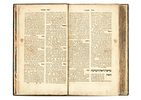
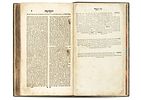
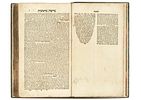
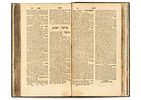
Lot : 46

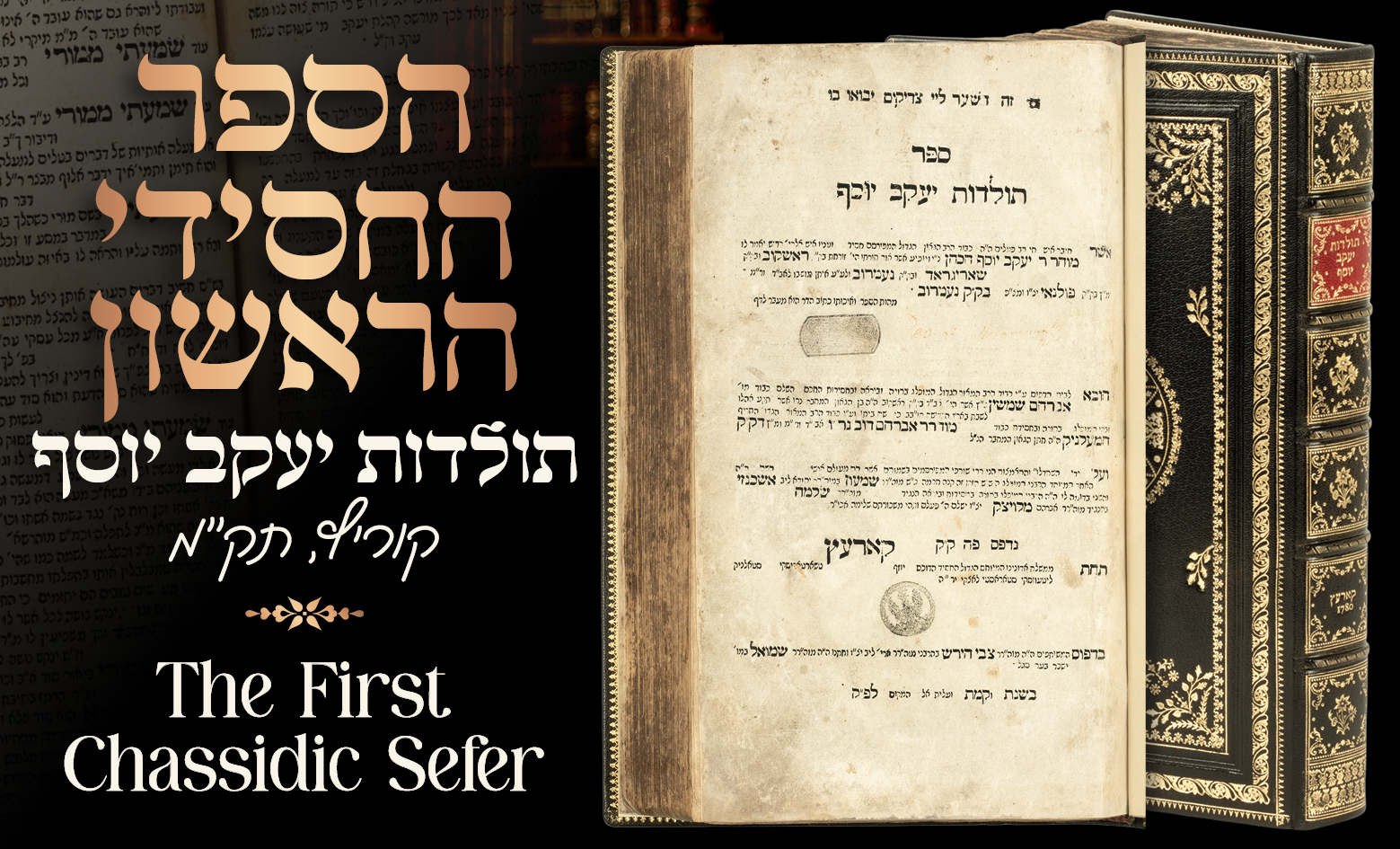
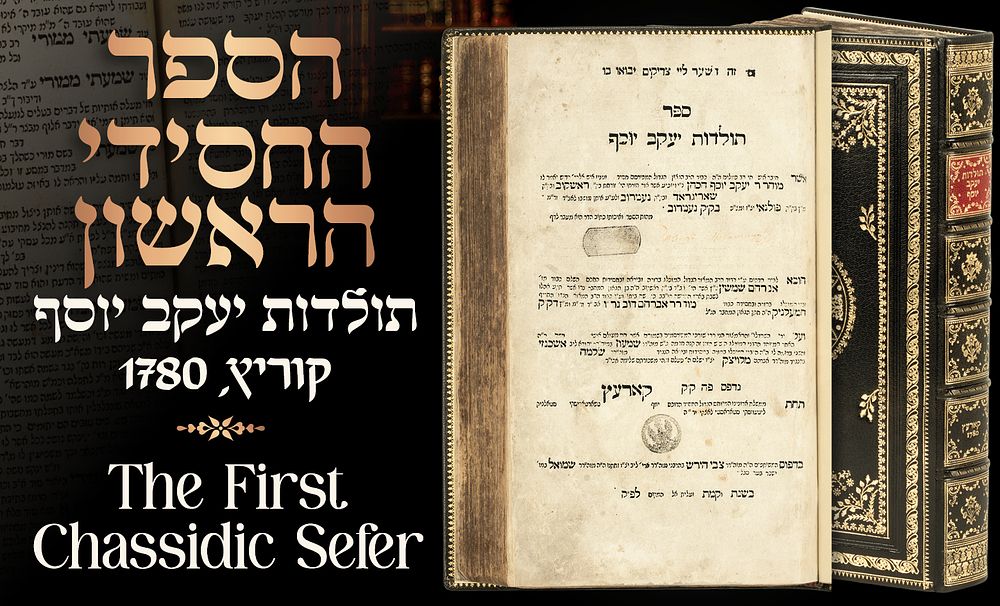
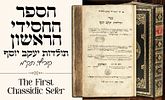
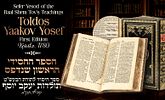
First Chassidic Sefer Ever Printed  
Sefer Yesod of the Baal Shem Tov's Teachings
Toldos Yaakov Yosef
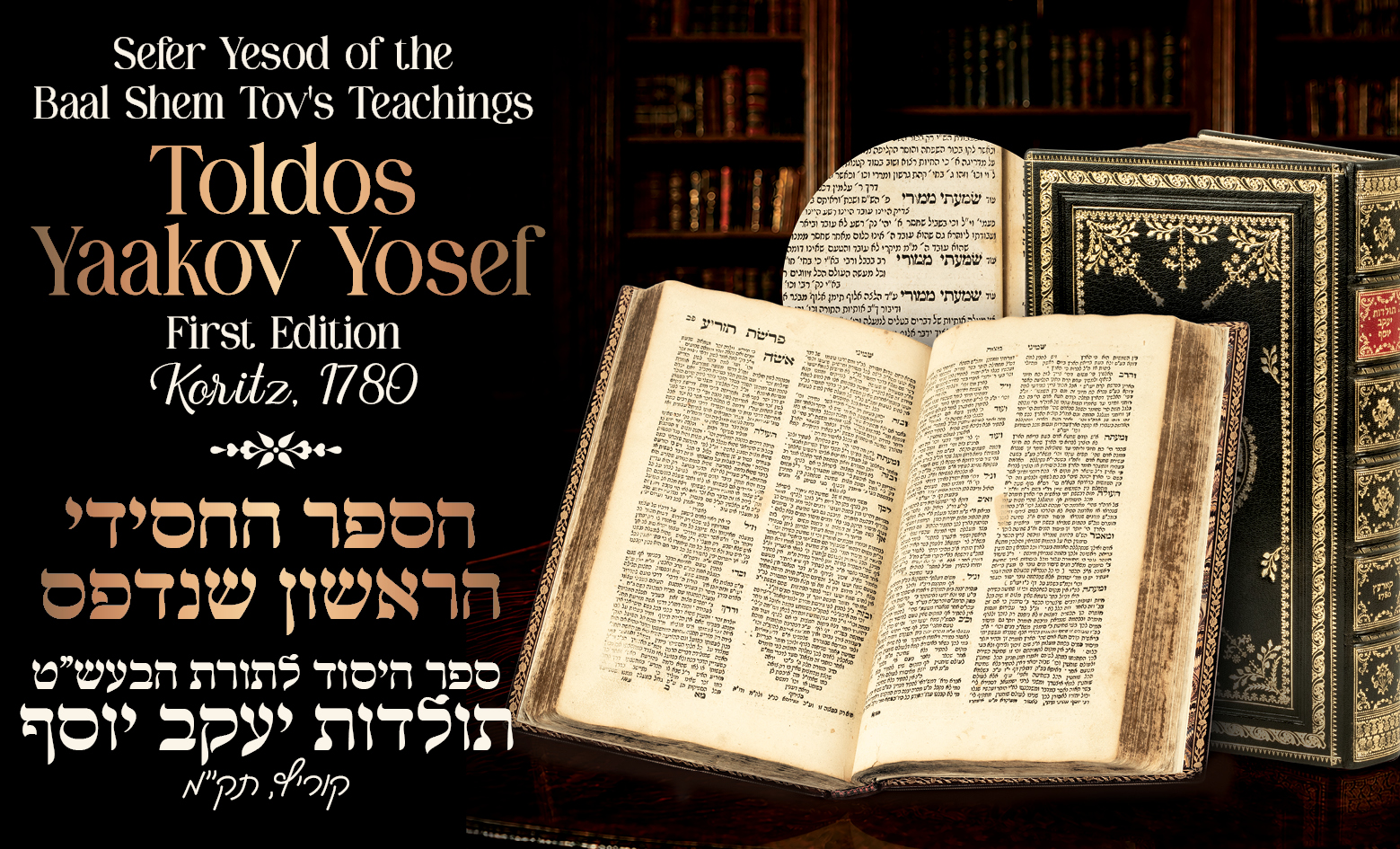
Koritz, 1780. First Edition.

Images

First Chassidic Sefer Ever Printed  

Sefer Yesod of the Baal Shem Tov’s Teachings
Toldos Yaakov Yosef
Koritz, 1780. First Edition.


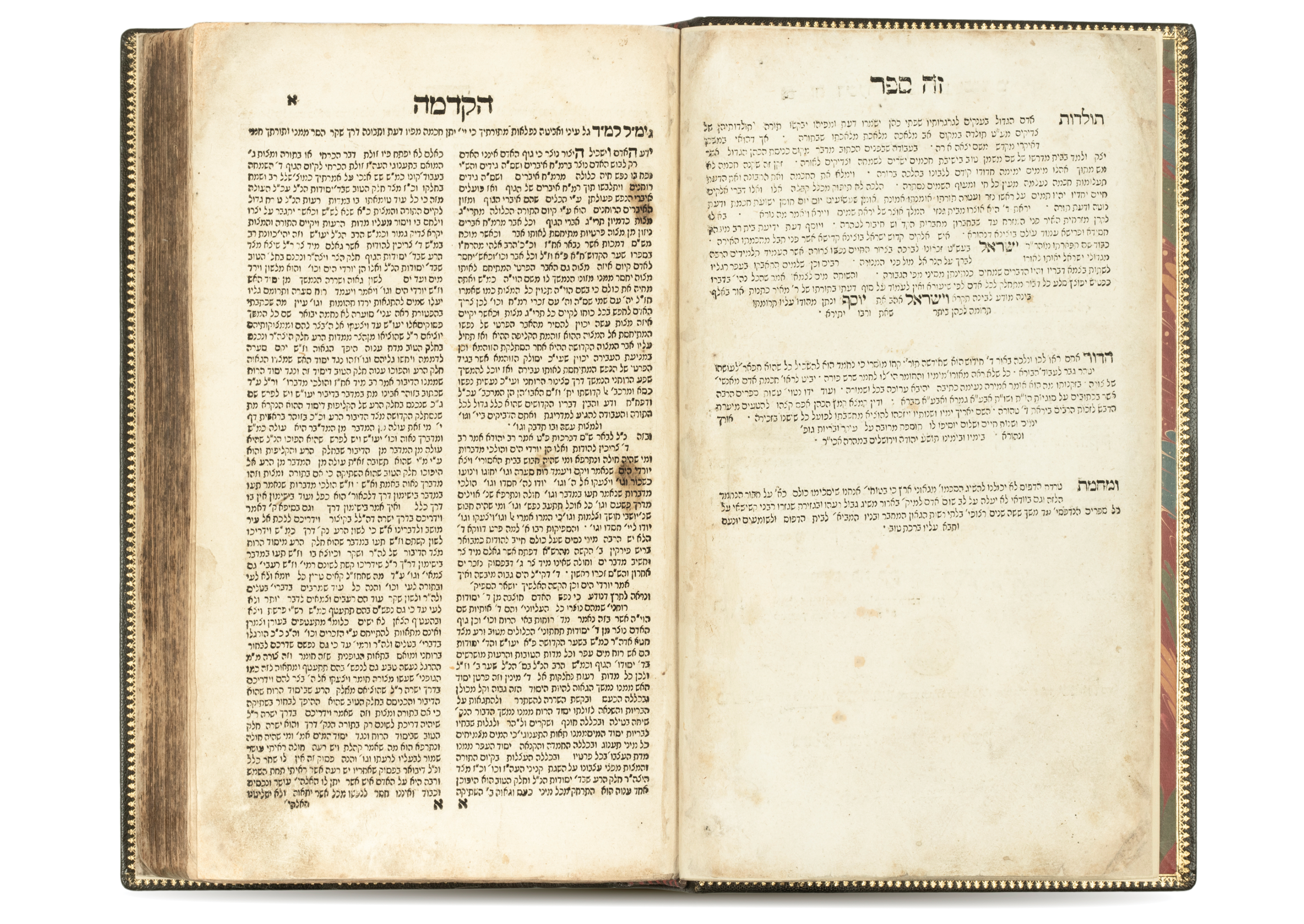
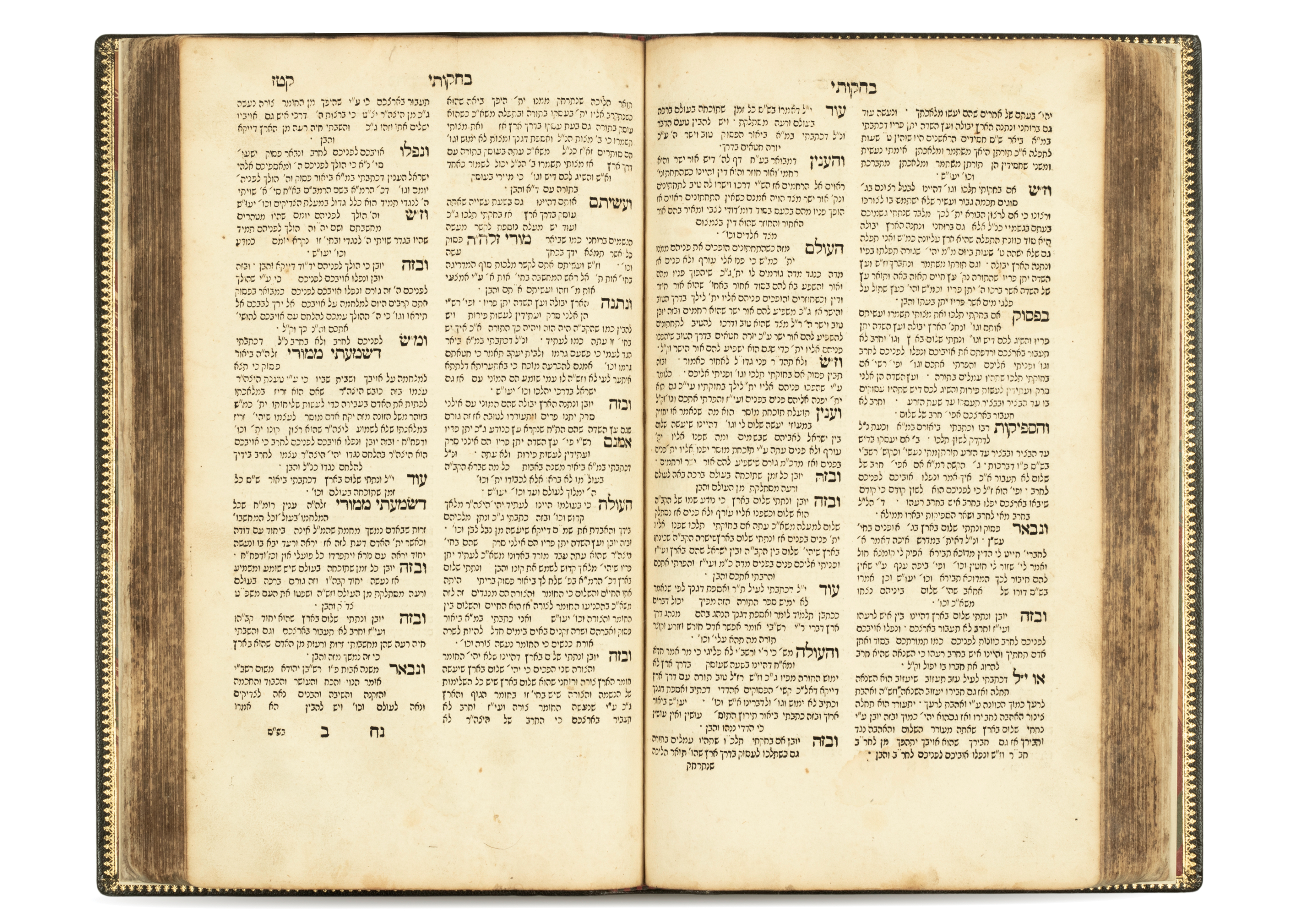
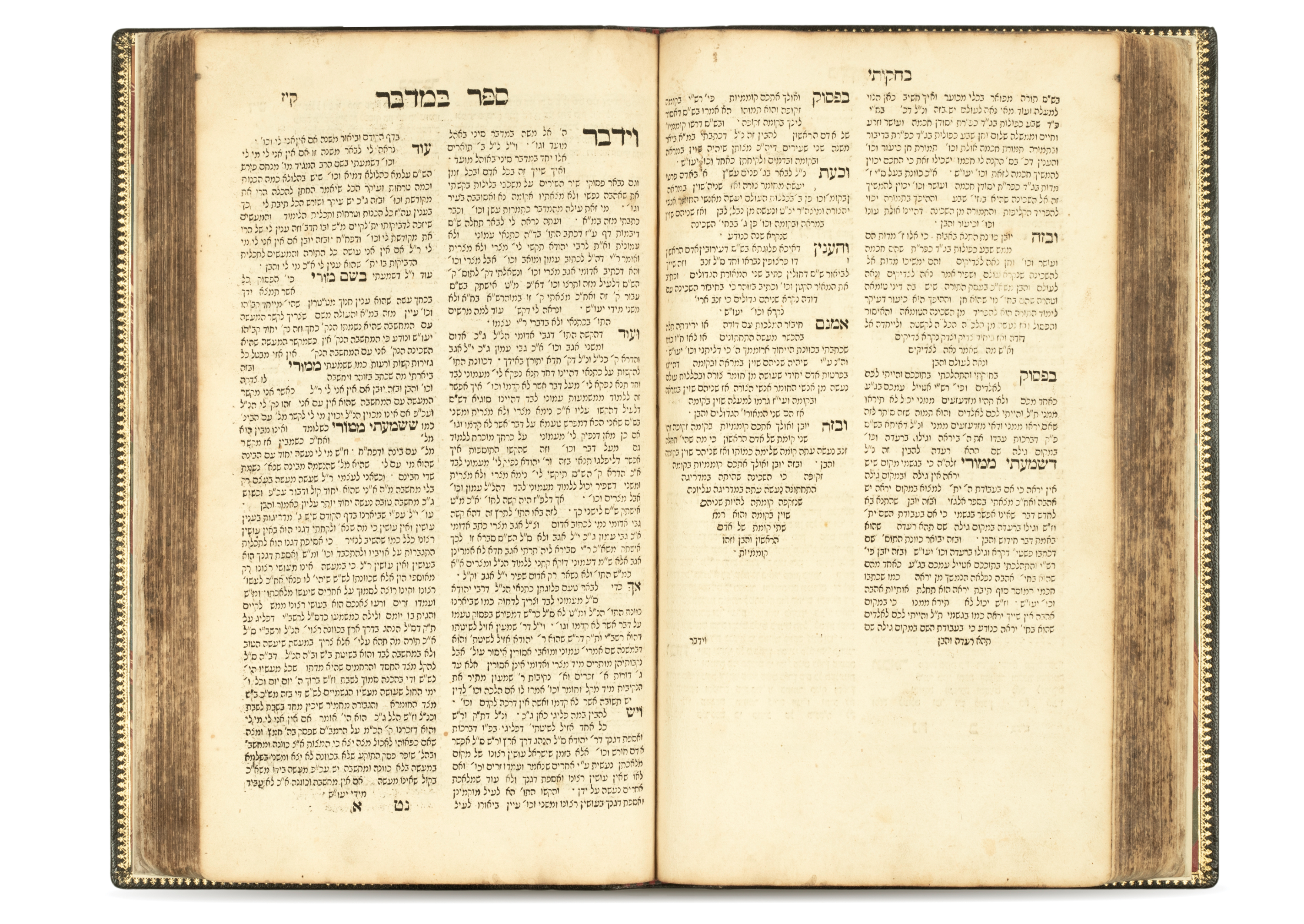
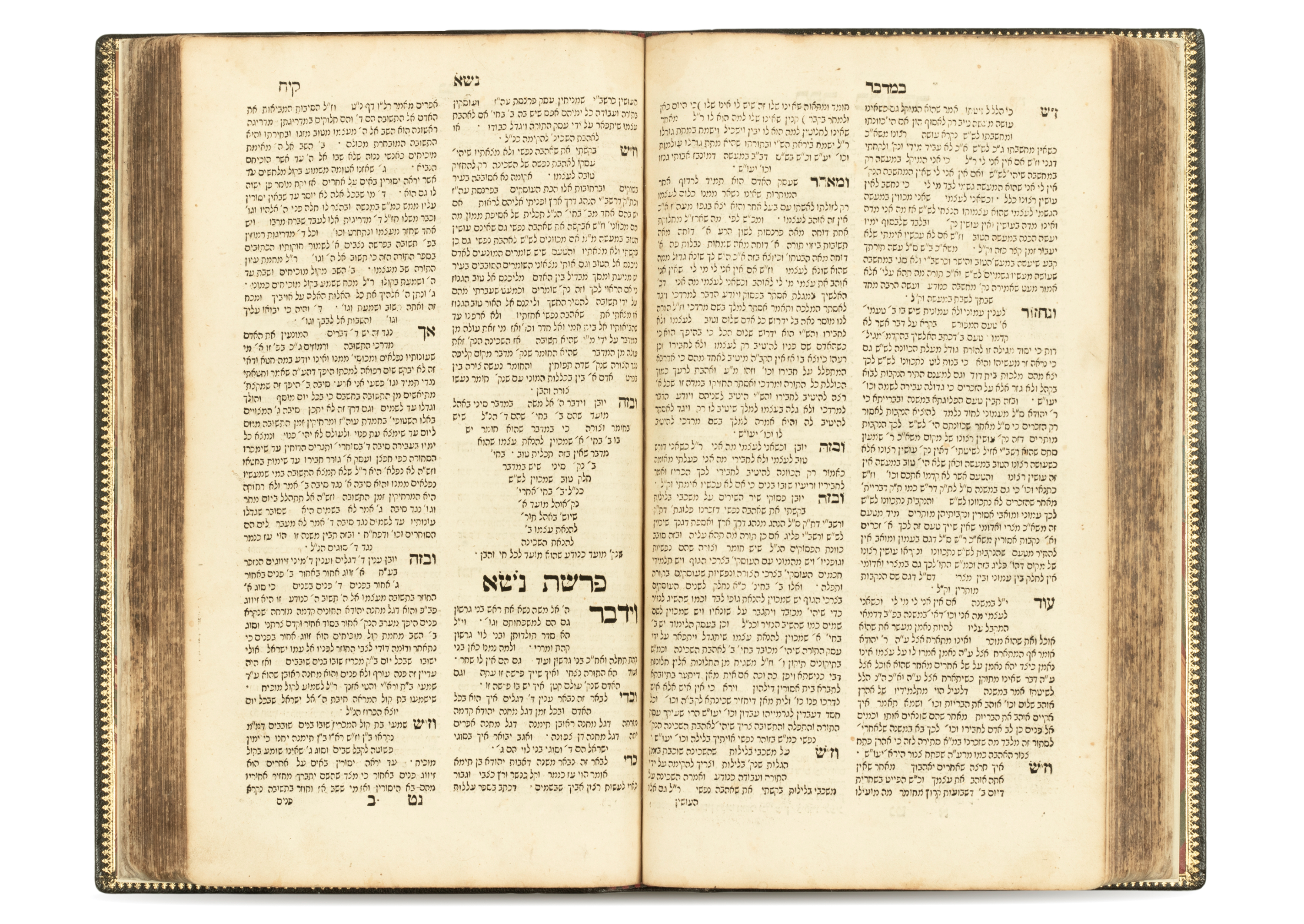
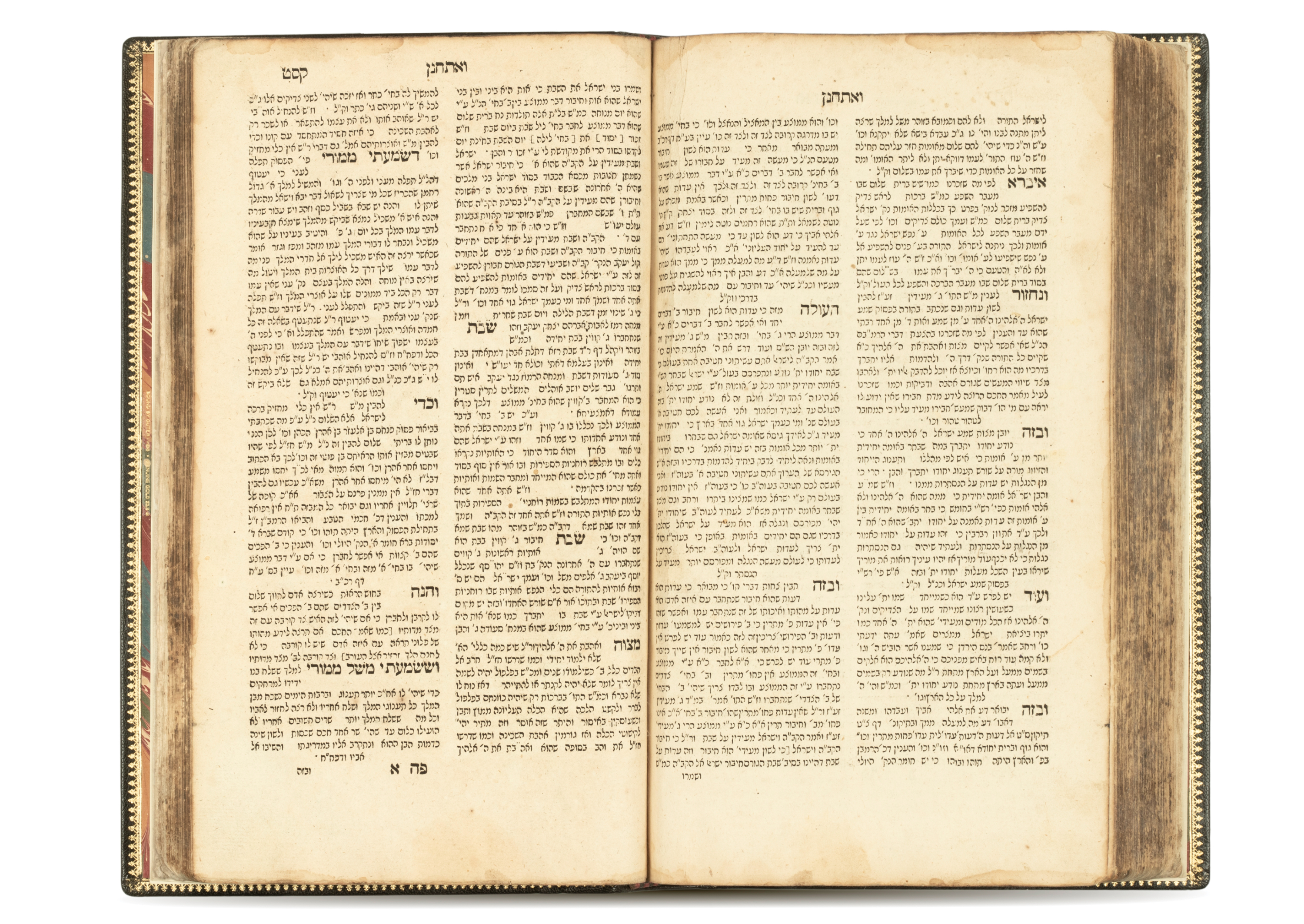
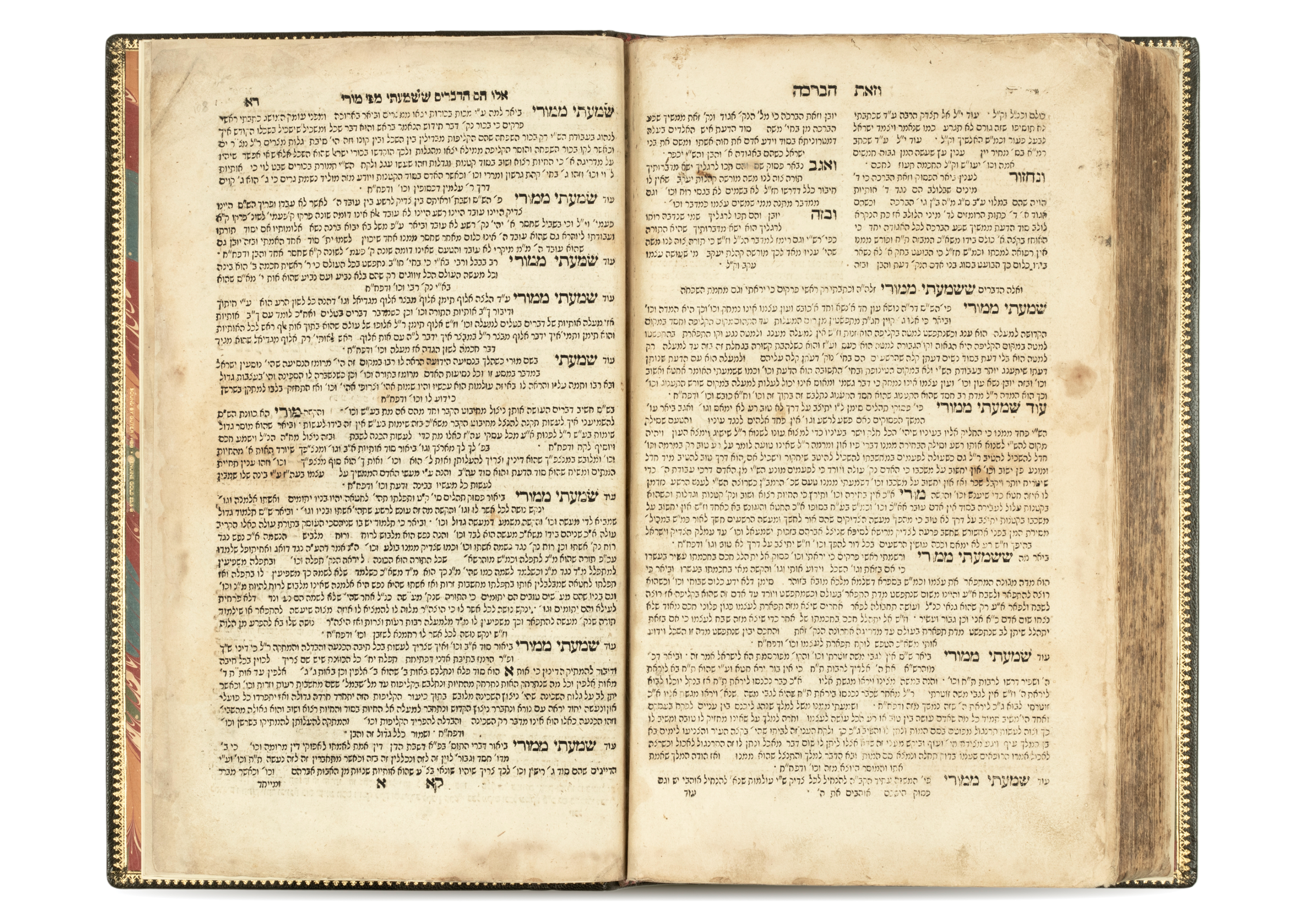
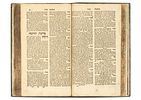
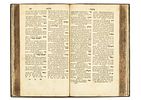
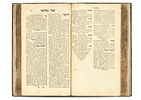
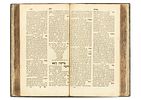
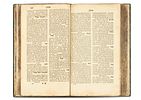
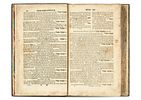
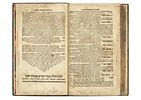
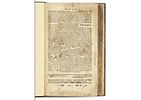
The sefer yesod of Chassidus – a commentary on the Chamisha Chumshei Torah by Rabbi Yaakov Yosef HaKohen of Polonne, the Baal Shem Tov’s closest disciple and the first and greatest disseminator of the teachings of the Baal Shem Tov.

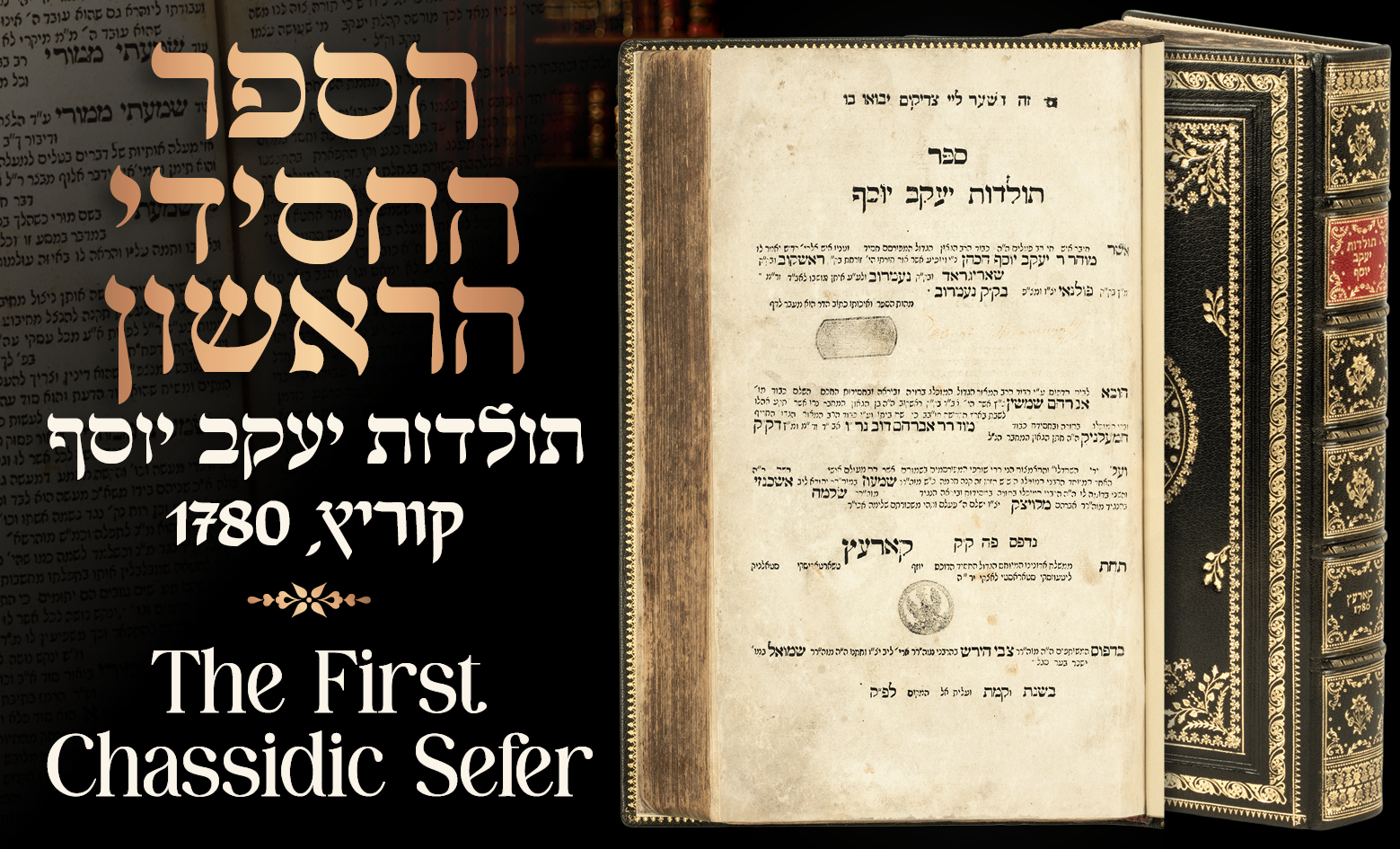
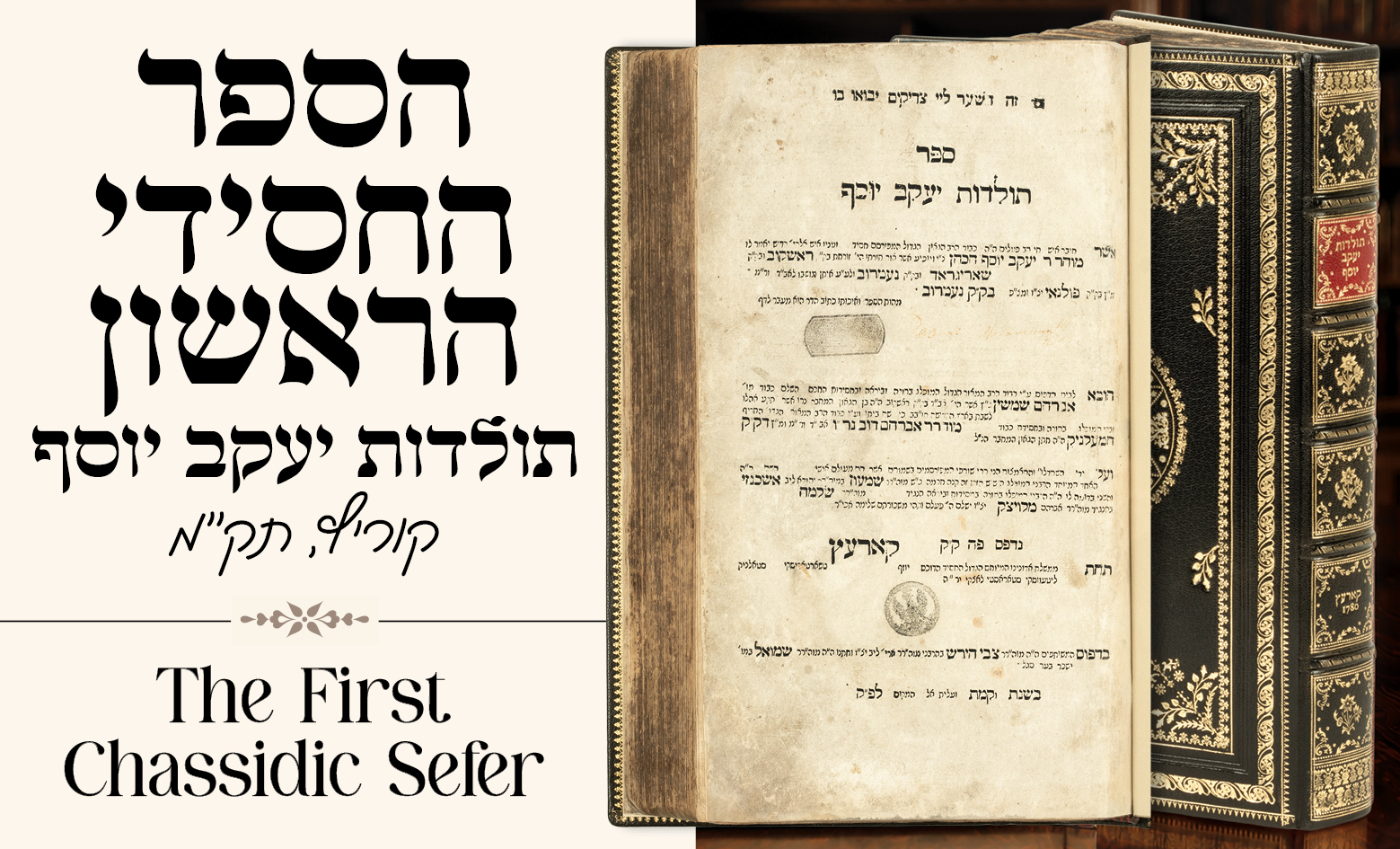
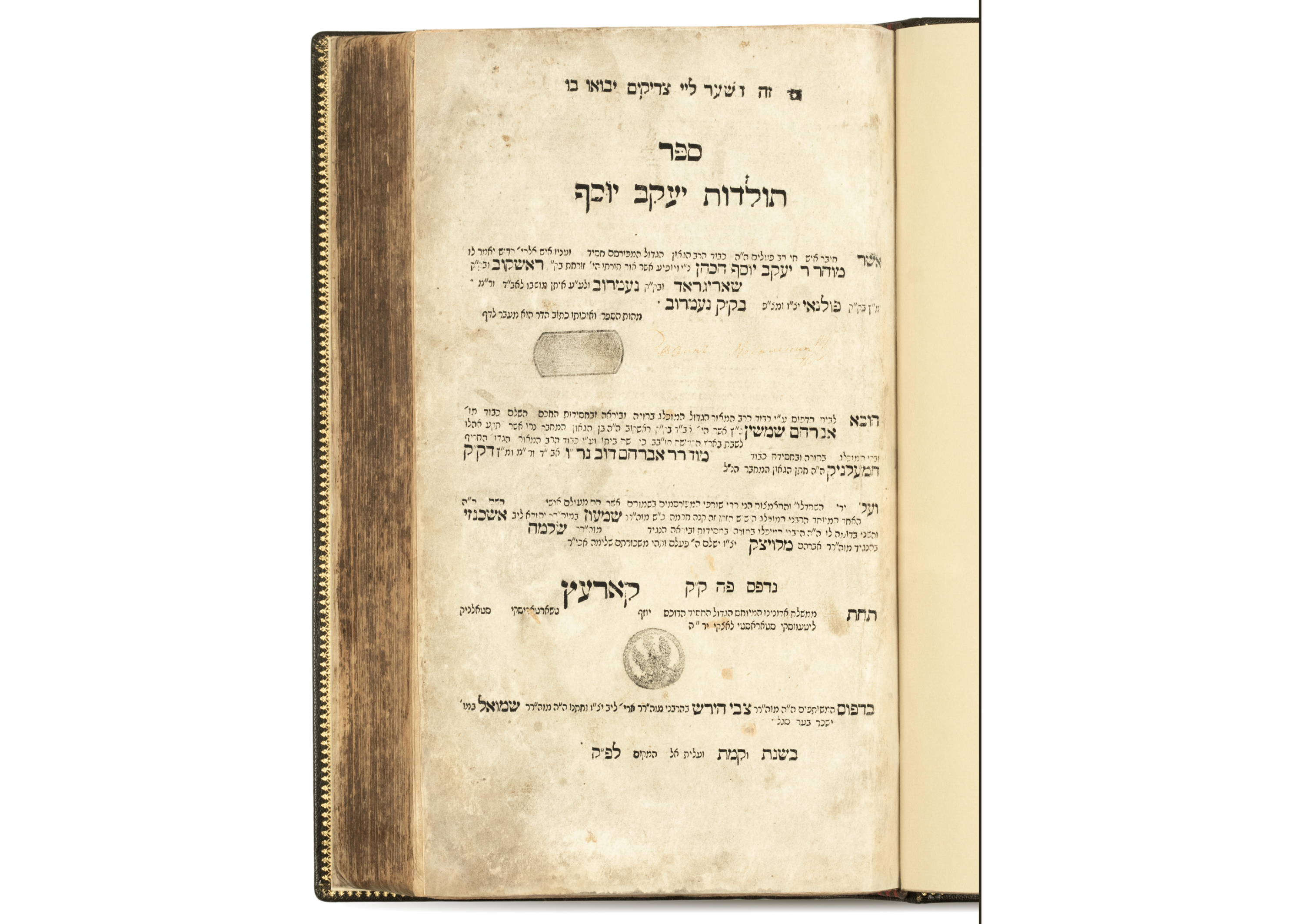
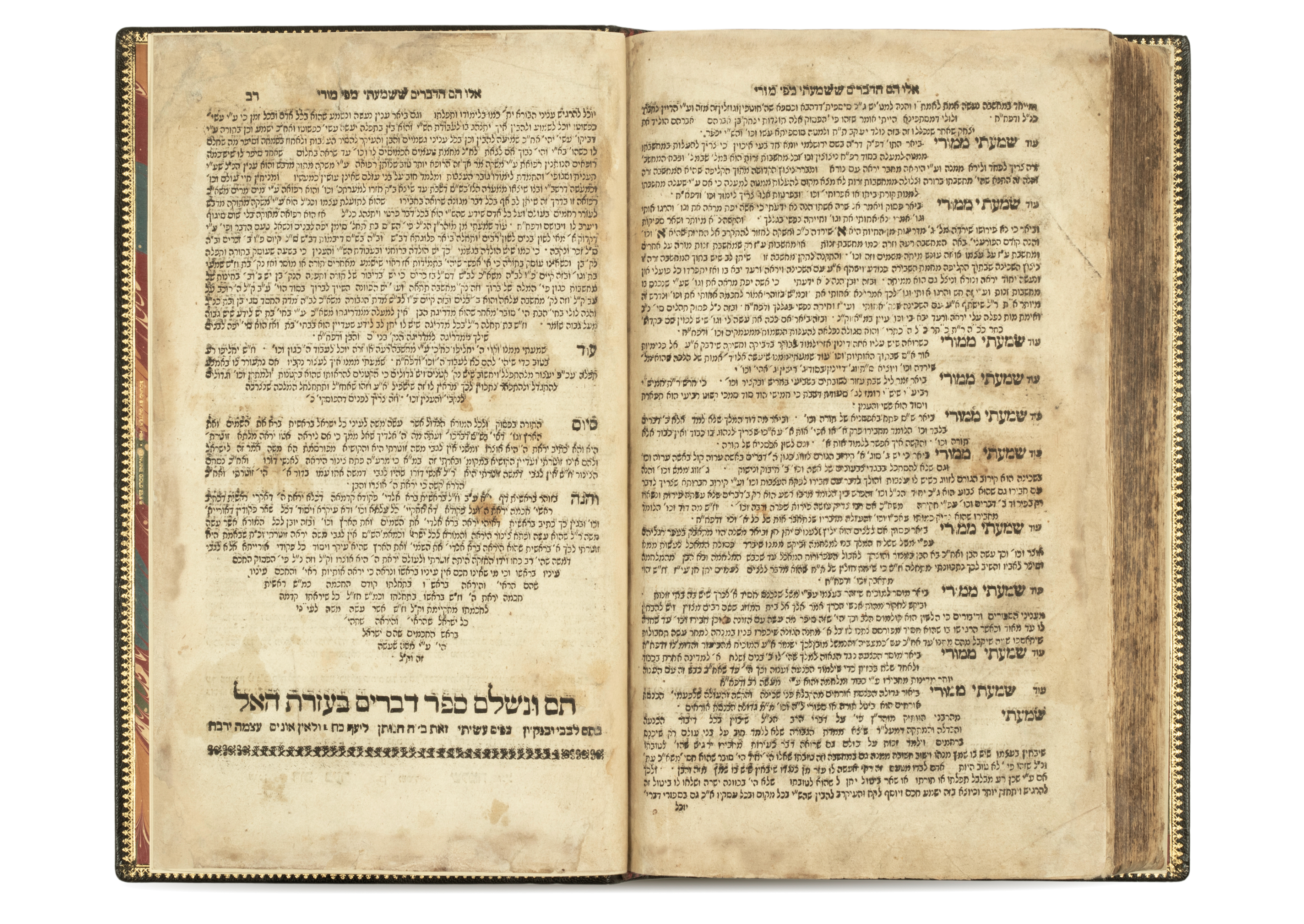
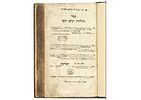
The Baal Shem Tov drew the author of Toldos Yaakov Yosef exceptionally close, with special affection, a relationship alluded to by the author’s son and son-in-law on the title page through the verse, “And Yisrael loved Yosef.” The Baal Shem Tov imparted his spiritual greatness to him and entrusted him with the greater part of his teachings.

He was the first to compose a sefer founded upon the principles and concepts revealed by the Baal Shem Tov and his work became the primary source for the Baal Shem Tov’s teachings. Just as Rabbi Chaim Vital served as the principal transmitter of the teachings of the Arizal, so too, Rabbi Yaakov Yosef of Polonne was the primary transmitter of the teachings of the Baal Shem Tov.

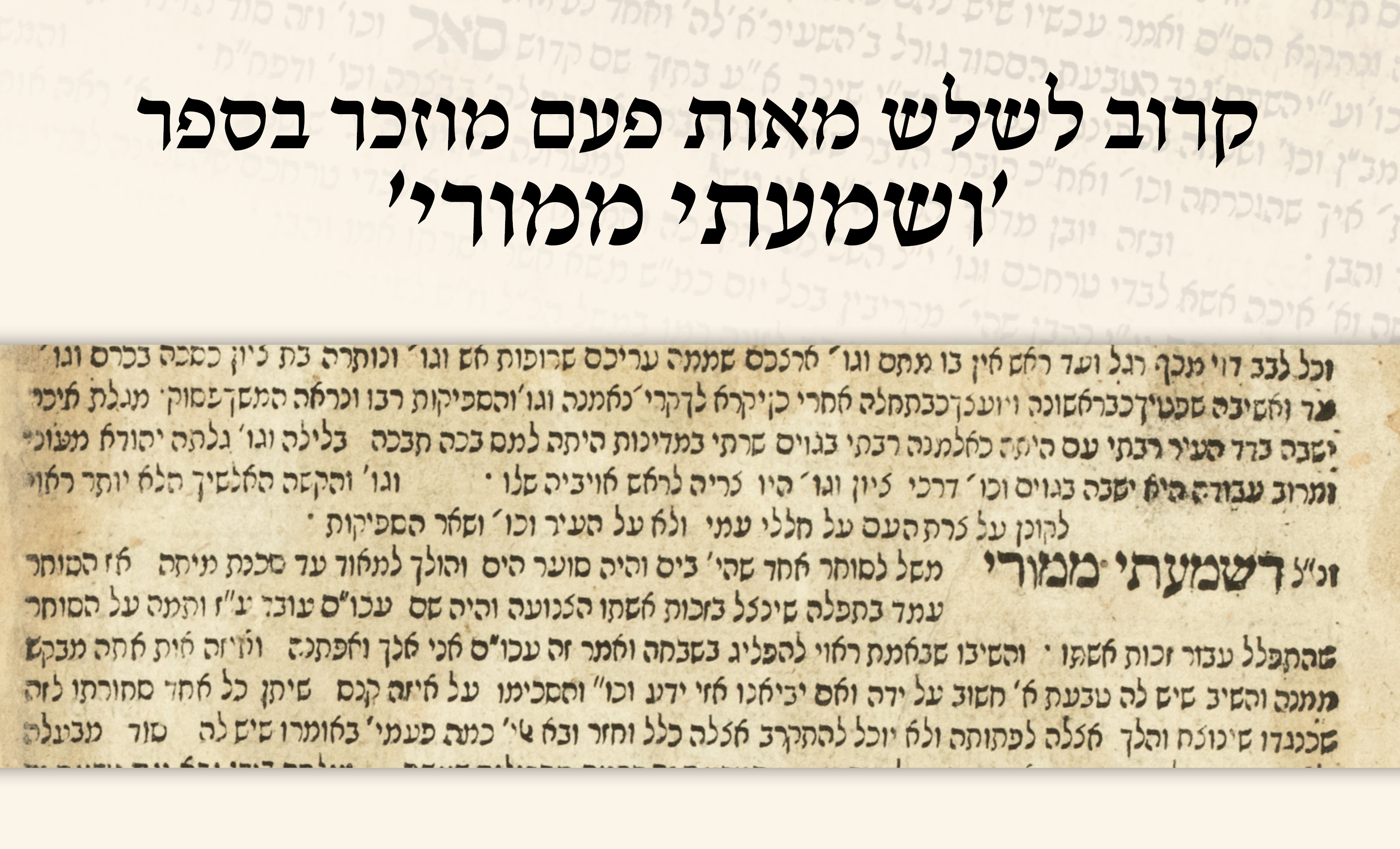
The appearance of this sefer in 1780 marked a historic turning point in the spread of the Baal Shem Tov’s teachings and of the Chassidic movement as a whole. In the sefer, the author reveals the secrets his rebbi, the Baal Shem Tov, received from Achiyah HaShiloni (Parshas Balak), describes the ascents of the soul of the Baal Shem Tov where he beheld the great angel Michael (Parshas Shoftim), and brings hundreds of teachings that he heard directly from the Baal Shem Tov.

The great tzaddikim of Chassidus testified that the sefer was written with Ruach HaKodesh, and found allusions in the Zohar to its destined appearance in that very year. Rabbi Pinchas of Koritz declared, “There has never been such a sefer in the world, for it is Torah from Heaven.” Rabbi Leib of Shpoli would place it beneath the pillow of the sick as a remedy. (See the introduction to the Toldos, Nachalas Tzvi edition, and Shufrei D’Moshe at the end of Divrei Moshe by Rabbi Moshe Shoham of Dolina, p. 256, note 18.)

The phrase “And I heard from my teacher” appears nearly three hundred times throughout the sefer. Rabbi Pinchas of Koritz remarked that from every one of these statements, “one could revive the dead” (Ibid.; see also Orchos Menachem, p. 27).

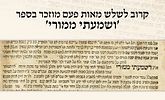
It is therefore no surprise that the publication of this sefer intensified the struggle against the emerging Chassidic movement. It is alluded to in the Vilna ban against Chassidus, fiercely attacked in the polemical works Zemir Aritzim and Shever Poshim, and was even publicly burned in the city of Brody.

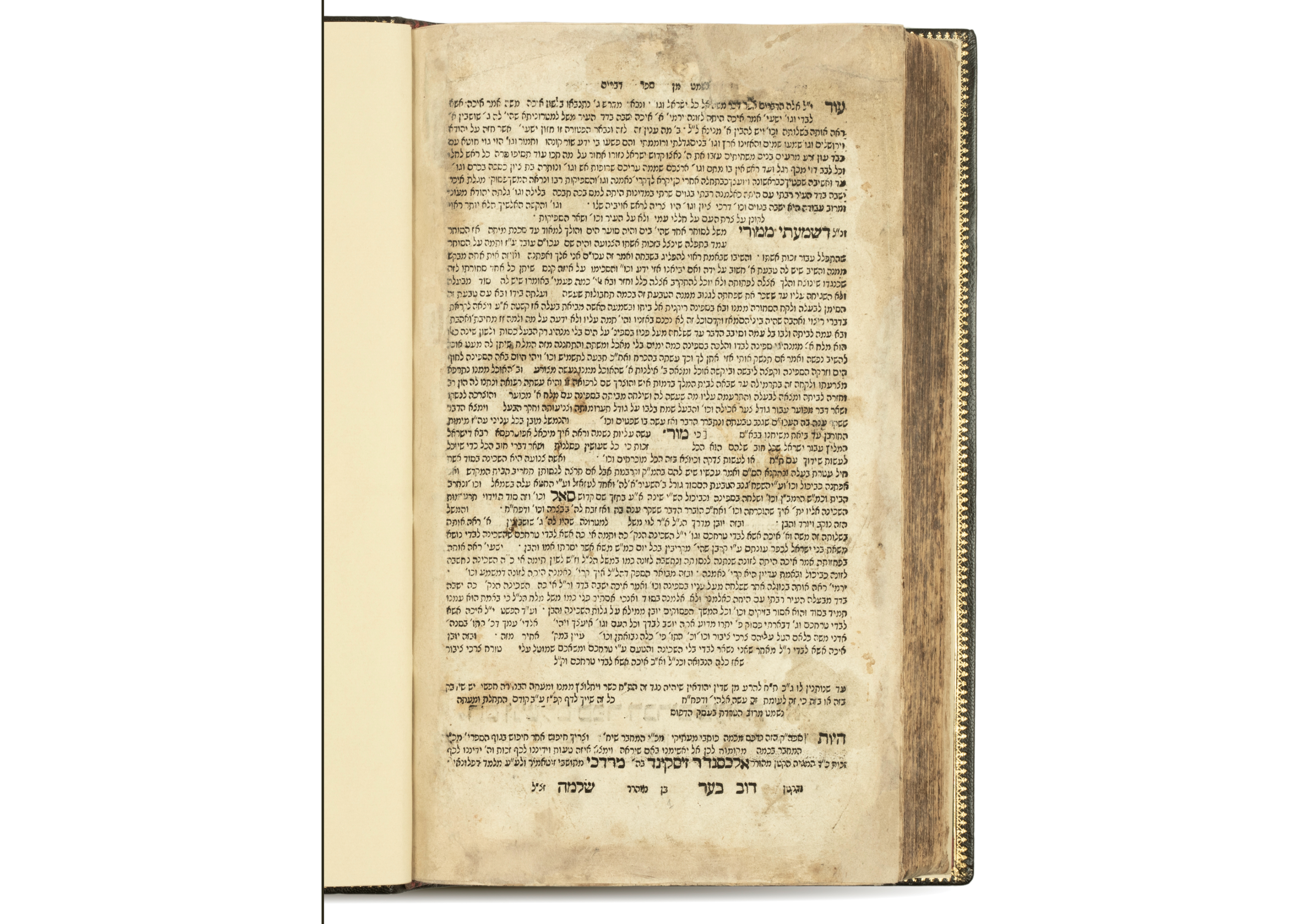
The sefer was brought to print during the author’s lifetime by his son, Rabbi Avraham Shimshon, Av Beis Din of Rashkov, together with his son-in-law, Rabbi Avraham Dov Averbuch, Av Beis Din of Chmielnik, who would later succeed his father-in-law as Av Beis Din of Polonne.


Koritz, 1780. First edition.

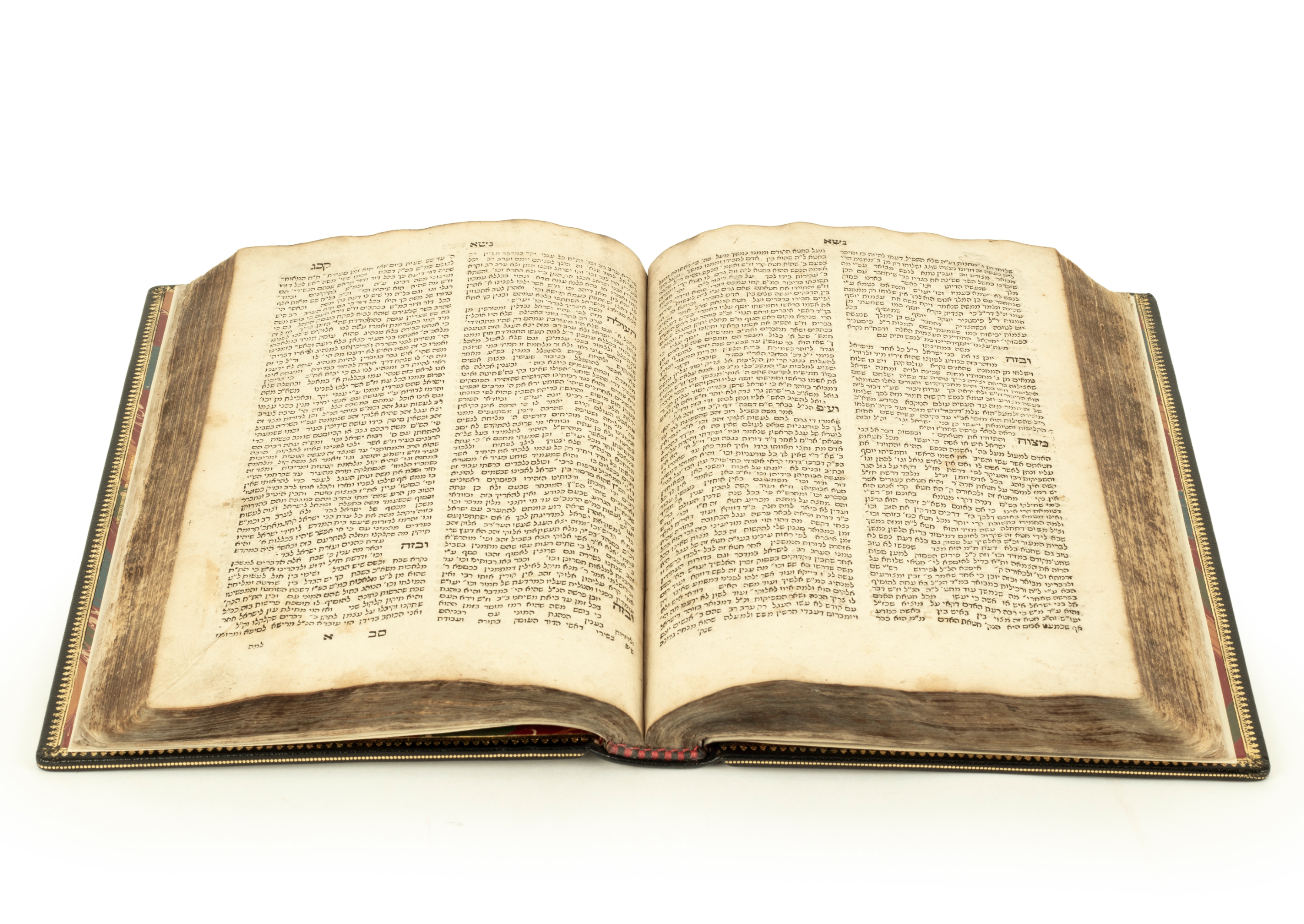
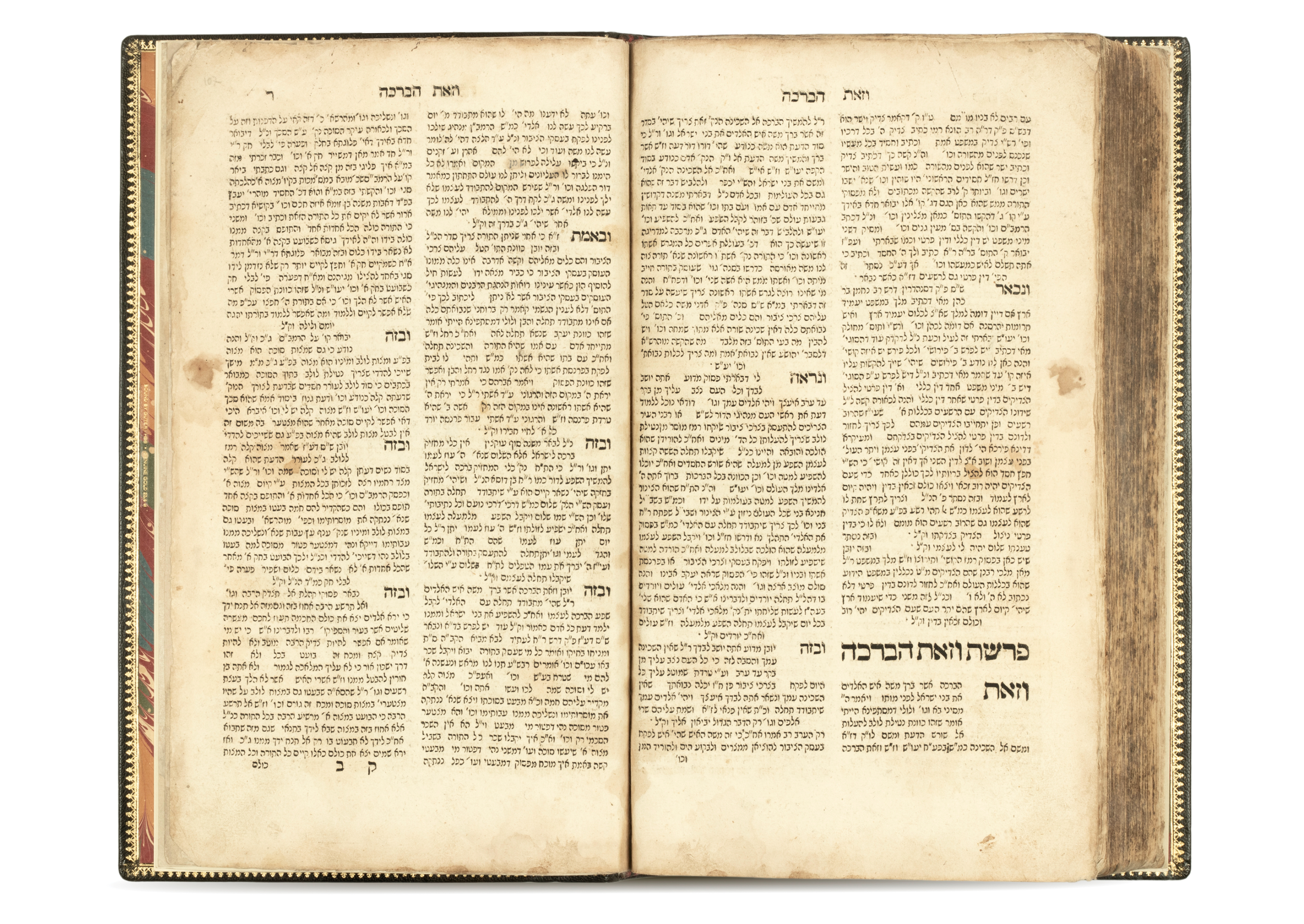
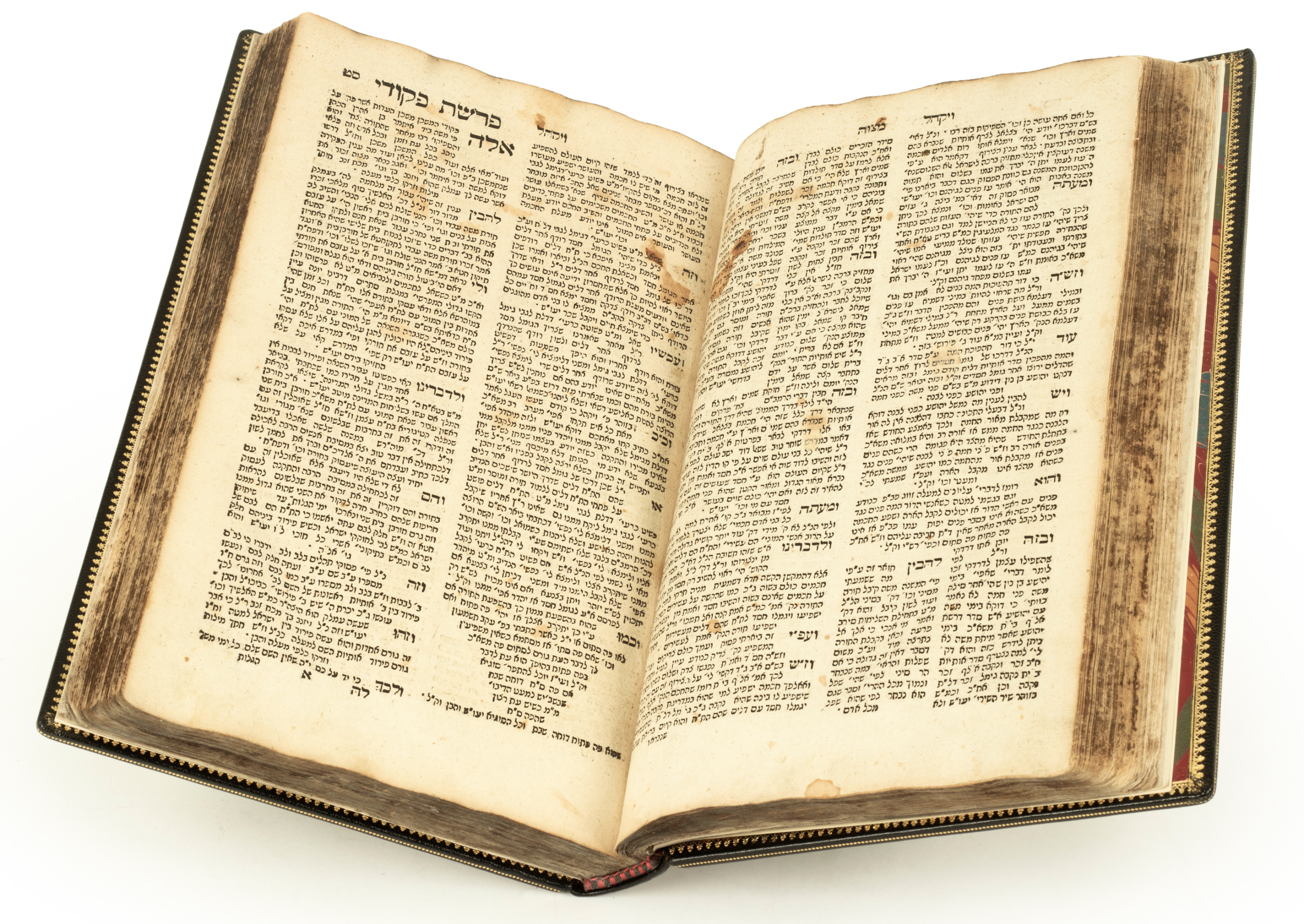
Page Count: [1], 202 leaves.
Size: 32 cm.
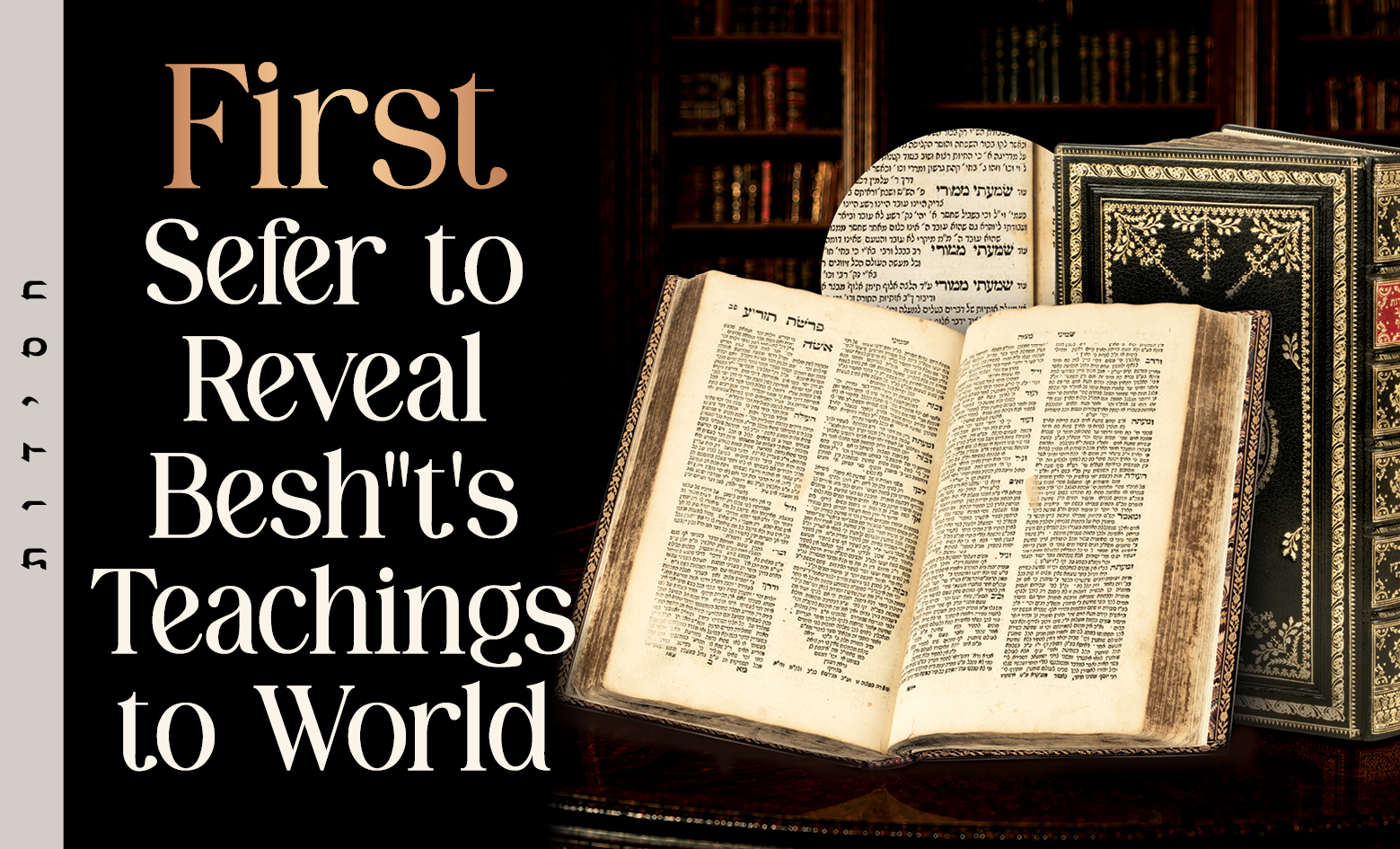
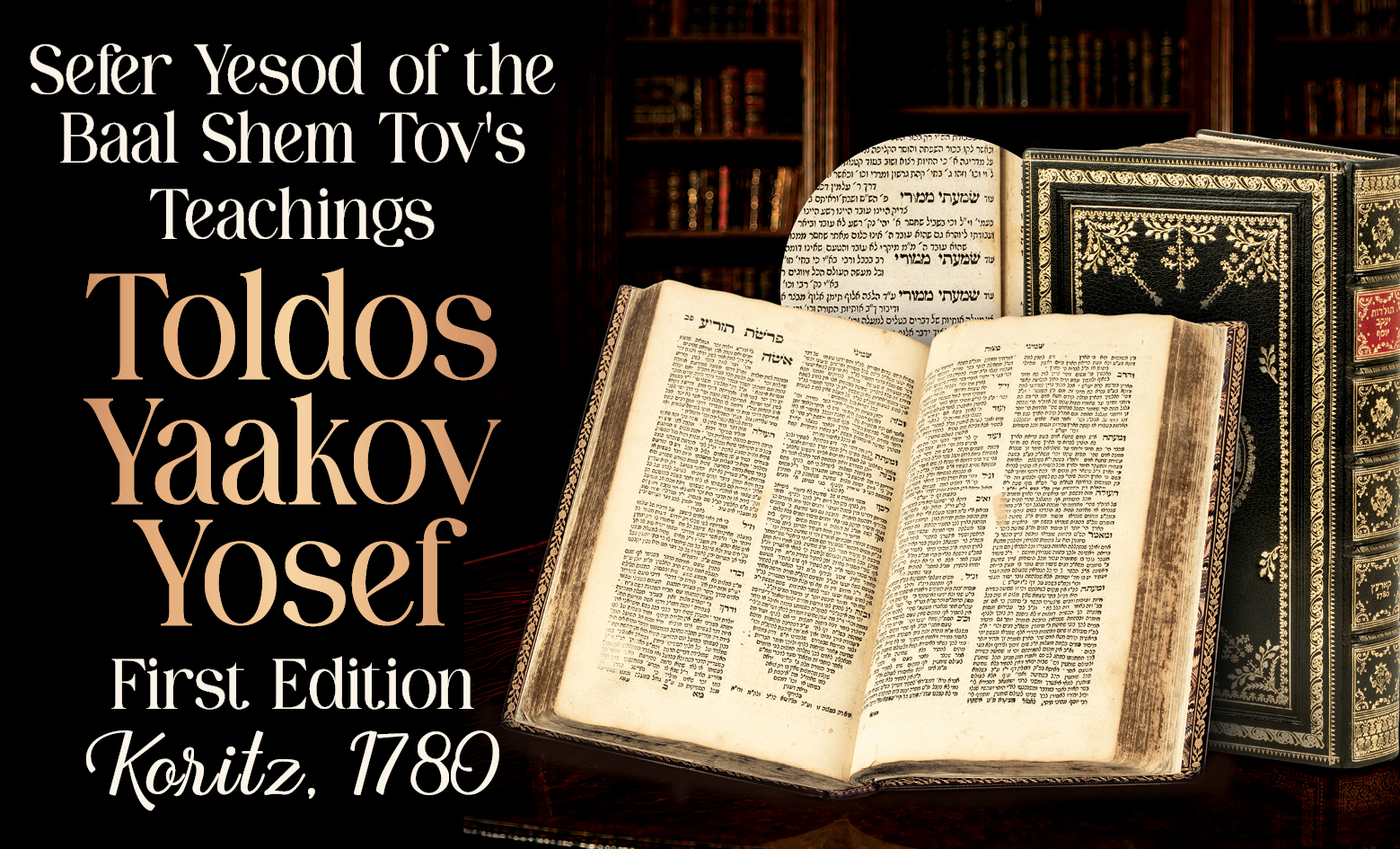
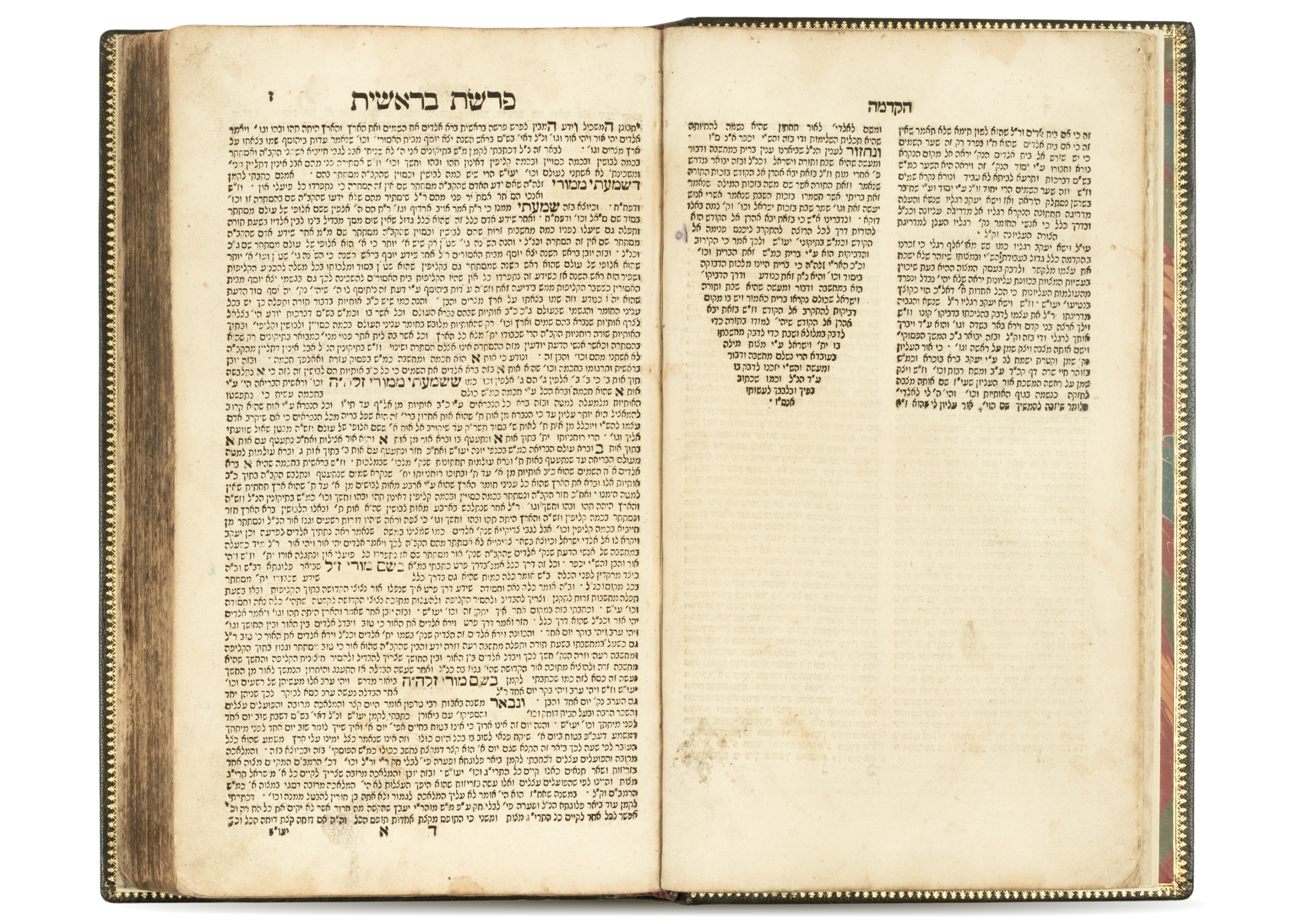
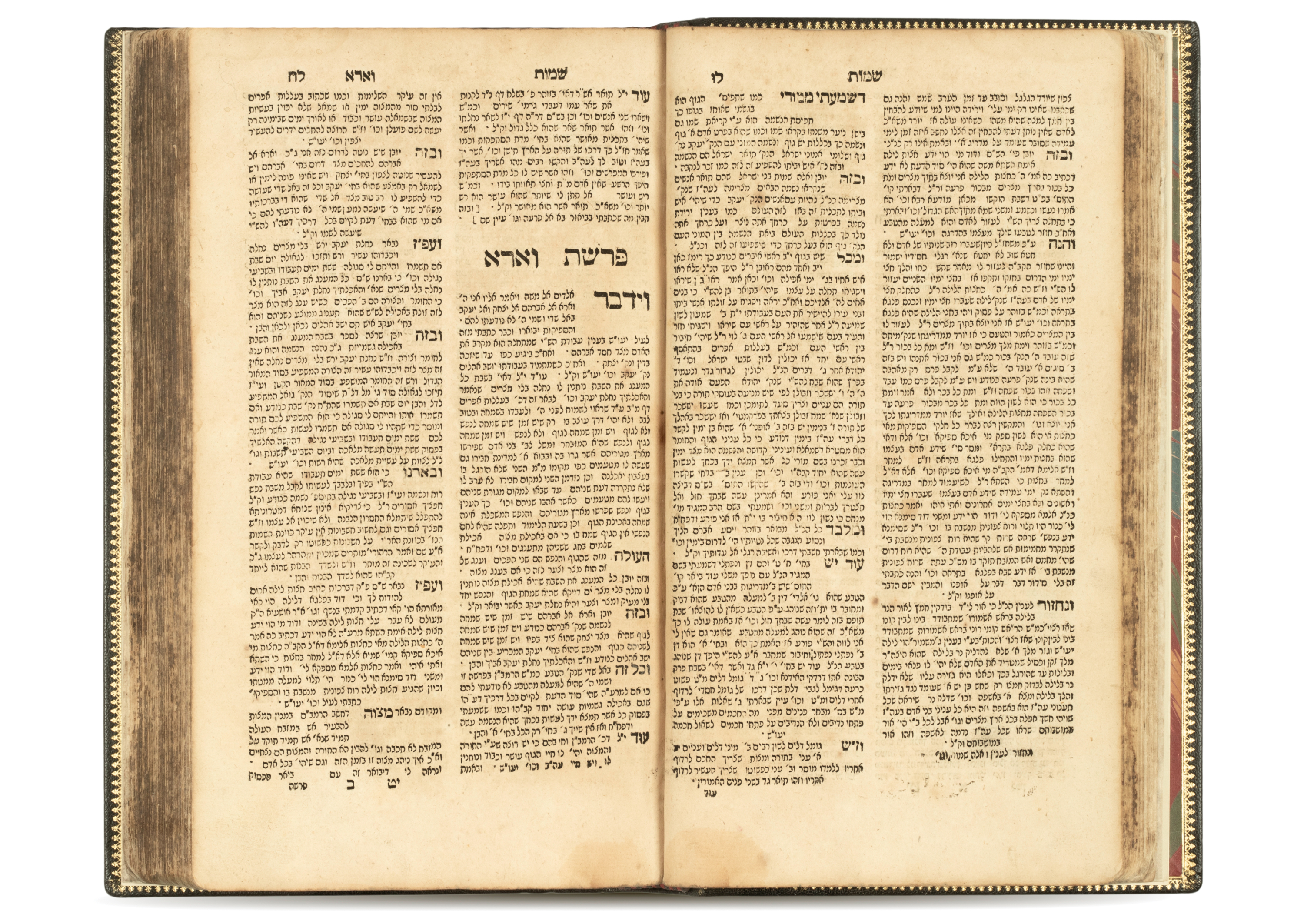
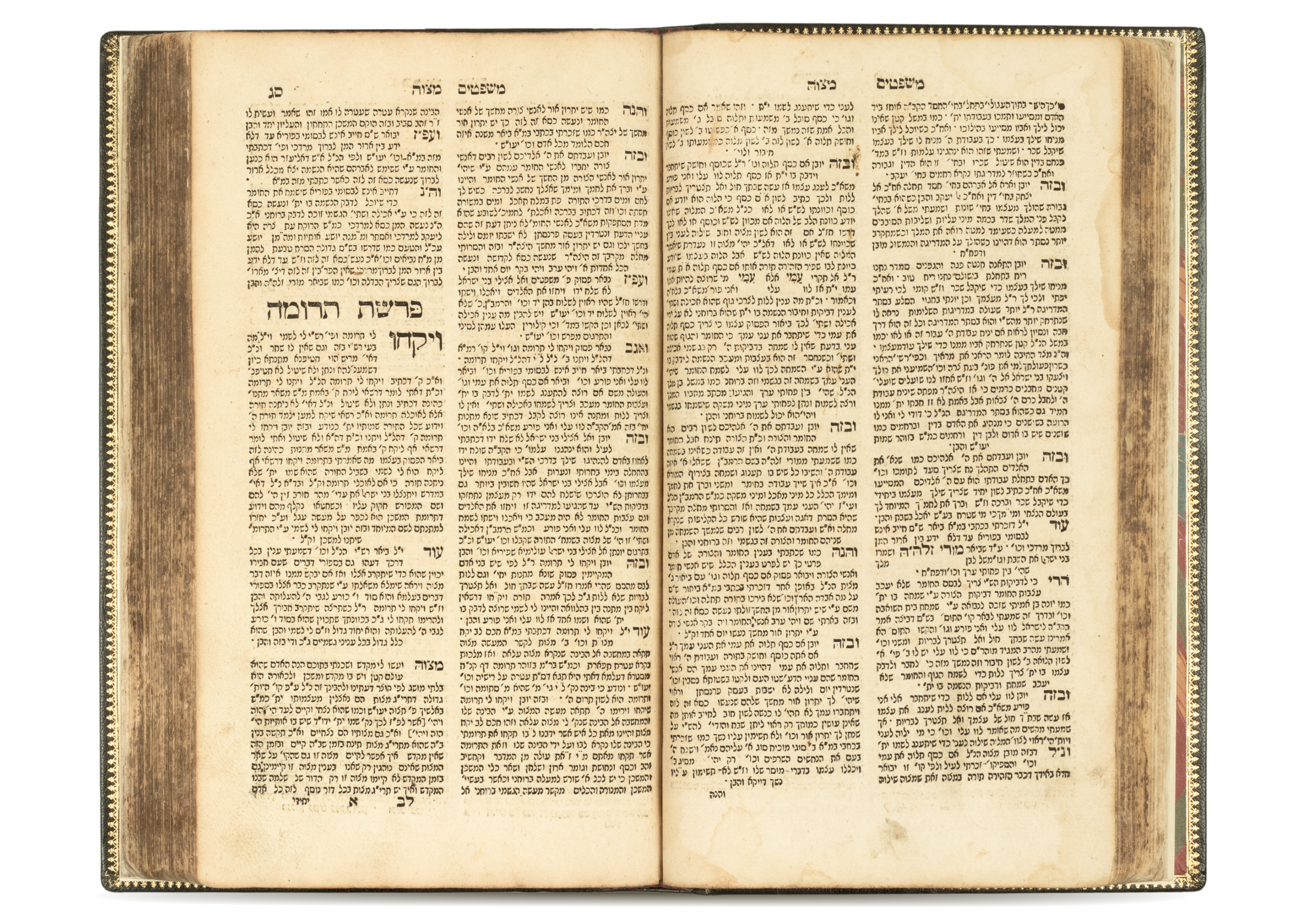
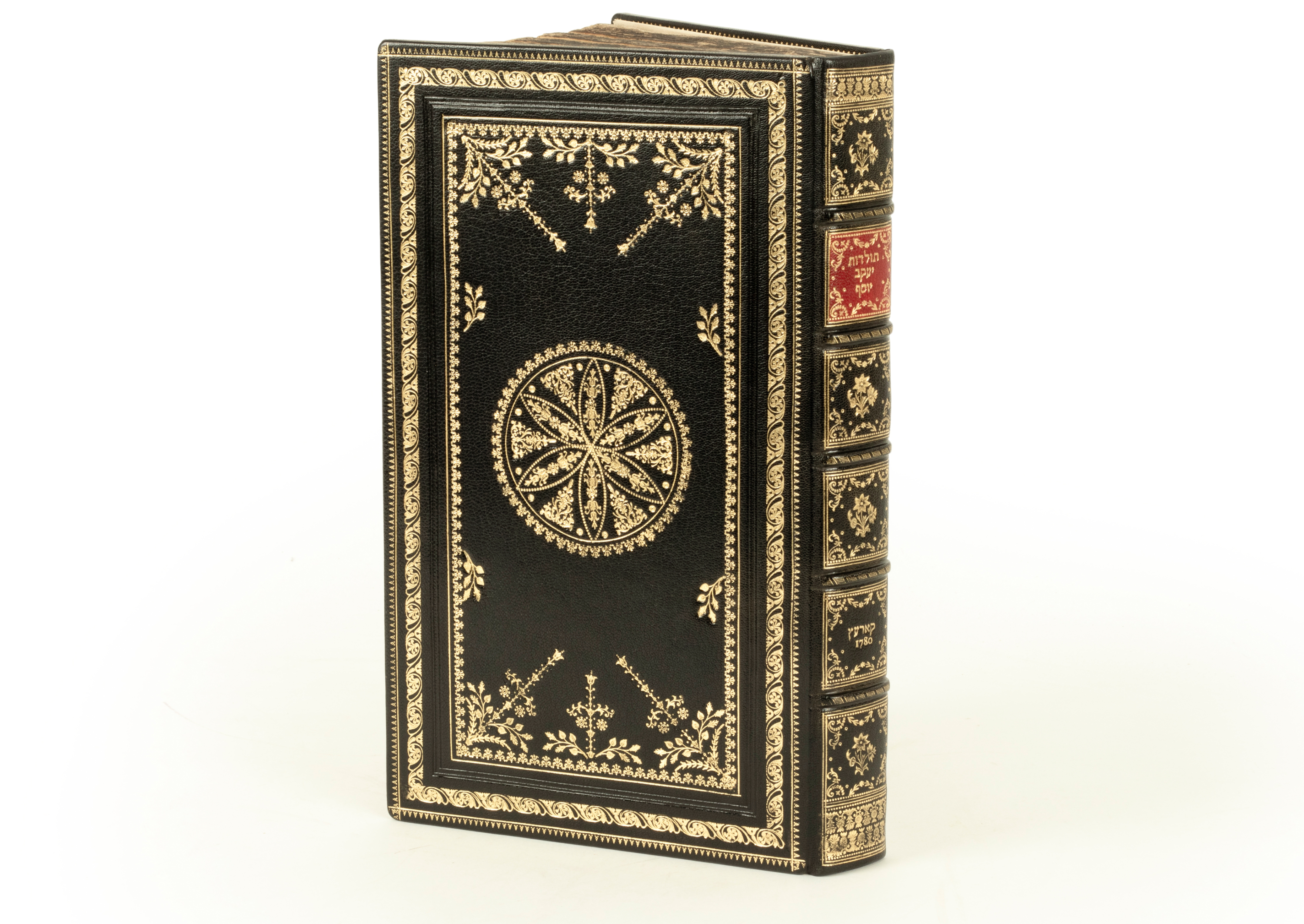
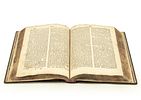
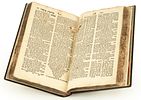
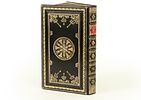
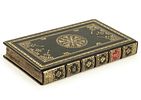
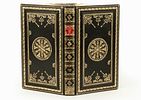
Condition: A complete, fine copy. Minimal restoration to the margins of the title page and corners of the first and final leaves. Stains, mostly light ones. Exceptionally rare in such fine condition.
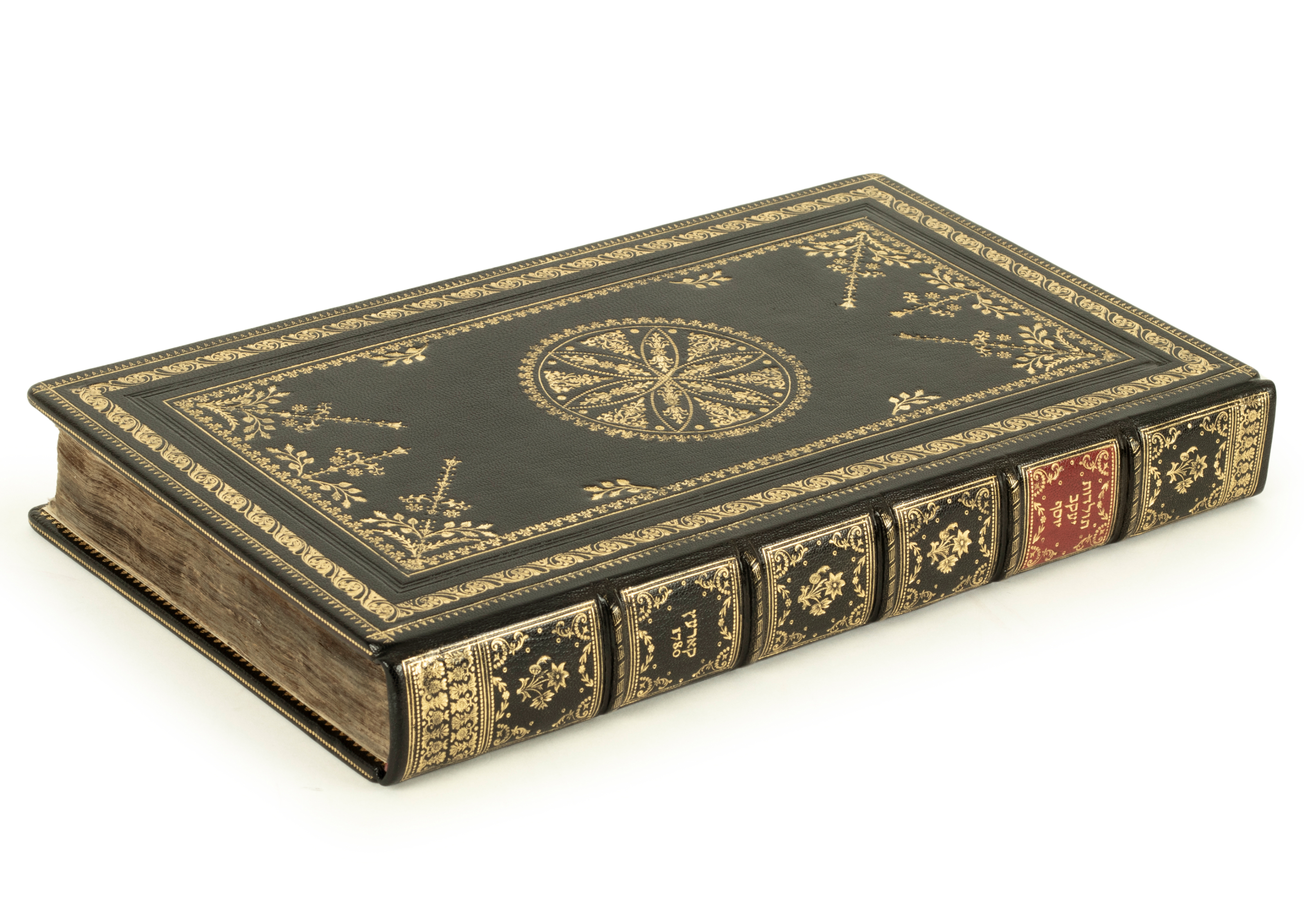
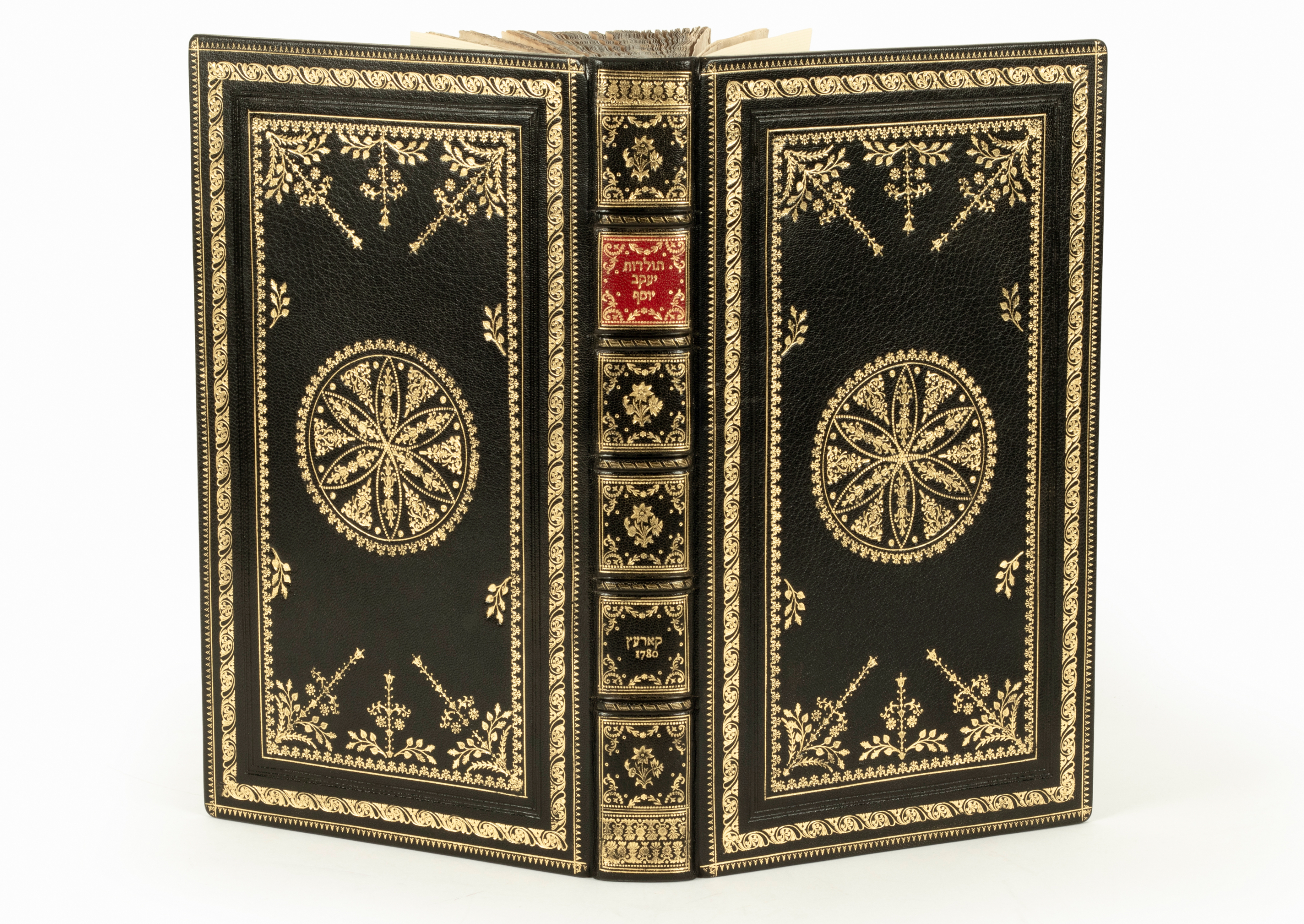
Bound in a new, elegant leather binding, befitting this important and distinguished sefer.

Bibliography: Stefansky, Chassidus, no. 605; Stefansky, Sifrei Yesod, no. 365.

____________


“The sefarim of the great Kohen are indispensable — they truly have the power to revive your soul.”

(Rabbi Yitzchak Isaac of Komarno, Netiv Mitzvosecha, Shevil HaTorah,
sec. 32)

“His Torah insights were developed and written with the approval of his holy rebbi zt”l.”

“The first among the holy disciples of the Baal Shem Tov to produce authentic Torah insights based upon the sacred principles revealed by the holy Baal Shem Tov — together with the teachings of the other great tzaddikim of his generation and earlier authorities — and to record those teachings in writing, compiling them into holy sefarim that revive the soul, awaken the hearts of the Jewish people, and guide them along the proper path with profound and inspiring counsel in the service of Hashem with love and awe, was the holy gaon Rabbi Yaakov Yosef HaKohen, author of
Toldos Yaakov Yosef, Ben Poras Yosef, Tzofnas Paneach, and Kesones Pasim. He was the first to develop Torah insights founded upon the sacred principles he had received from his revered teacher, the Baal Shem Tov, during the latter’s lifetime. It may therefore be assumed that these teachings were developed and written with the knowledge and approval of his holy teacher.”
(Rabbi Nachman Goldstein of Tcherin, introduction to Leshon Chassidim, Lvov, 1876).


Lot : 46

First Chassidic Sefer Ever Printed  
Sefer Yesod of the Baal Shem Tov's Teachings
Toldos Yaakov Yosef
Koritz, 1780. First Edition.

Start price: $100,000
|
Est. Price: $120,000 - $150,000

First Chassidic Sefer Ever Printed  

Sefer Yesod of the Baal Shem Tov’s Teachings
Toldos Yaakov Yosef
Koritz, 1780. First Edition.


The sefer yesod of Chassidus – a commentary on the Chamisha Chumshei Torah by Rabbi Yaakov Yosef HaKohen of Polonne, the Baal Shem Tov’s closest disciple and the first and greatest disseminator of the teachings of the Baal Shem Tov.

The Baal Shem Tov drew the author of Toldos Yaakov Yosef exceptionally close, with special affection, a relationship alluded to by the author’s son and son-in-law on the title page through the verse, “And Yisrael loved Yosef.” The Baal Shem Tov imparted his spiritual greatness to him and entrusted him with the greater part of his teachings.

He was the first to compose a sefer founded upon the principles and concepts revealed by the Baal Shem Tov and his work became the primary source for the Baal Shem Tov’s teachings. Just as Rabbi Chaim Vital served as the principal transmitter of the teachings of the Arizal, so too, Rabbi Yaakov Yosef of Polonne was the primary transmitter of the teachings of the Baal Shem Tov.

The appearance of this sefer in 1780 marked a historic turning point in the spread of the Baal Shem Tov’s teachings and of the Chassidic movement as a whole. In the sefer, the author reveals the secrets his rebbi, the Baal Shem Tov, received from Achiyah HaShiloni (Parshas Balak), describes the ascents of the soul of the Baal Shem Tov where he beheld the great angel Michael (Parshas Shoftim), and brings hundreds of teachings that he heard directly from the Baal Shem Tov.

The great tzaddikim of Chassidus testified that the sefer was written with Ruach HaKodesh, and found allusions in the Zohar to its destined appearance in that very year. Rabbi Pinchas of Koritz declared, “There has never been such a sefer in the world, for it is Torah from Heaven.” Rabbi Leib of Shpoli would place it beneath the pillow of the sick as a remedy. (See the introduction to the Toldos, Nachalas Tzvi edition, and Shufrei D’Moshe at the end of Divrei Moshe by Rabbi Moshe Shoham of Dolina, p. 256, note 18.)

The phrase “And I heard from my teacher” appears nearly three hundred times throughout the sefer. Rabbi Pinchas of Koritz remarked that from every one of these statements, “one could revive the dead” (Ibid.; see also Orchos Menachem, p. 27).

It is therefore no surprise that the publication of this sefer intensified the struggle against the emerging Chassidic movement. It is alluded to in the Vilna ban against Chassidus, fiercely attacked in the polemical works Zemir Aritzim and Shever Poshim, and was even publicly burned in the city of Brody.

The sefer was brought to print during the author’s lifetime by his son, Rabbi Avraham Shimshon, Av Beis Din of Rashkov, together with his son-in-law, Rabbi Avraham Dov Averbuch, Av Beis Din of Chmielnik, who would later succeed his father-in-law as Av Beis Din of Polonne.


Koritz, 1780. First edition.

Page Count: [1], 202 leaves.
Size: 32 cm.
Condition: A complete, fine copy. Minimal restoration to the margins of the title page and corners of the first and final leaves. Stains, mostly light ones. Exceptionally rare in such fine condition.
Bound in a new, elegant leather binding, befitting this important and distinguished sefer.

Bibliography: Stefansky, Chassidus, no. 605; Stefansky, Sifrei Yesod, no. 365.

____________


“The sefarim of the great Kohen are indispensable — they truly have the power to revive your soul.”

(Rabbi Yitzchak Isaac of Komarno, Netiv Mitzvosecha, Shevil HaTorah,
sec. 32)

“His Torah insights were developed and written with the approval of his holy rebbi zt”l.”

“The first among the holy disciples of the Baal Shem Tov to produce authentic Torah insights based upon the sacred principles revealed by the holy Baal Shem Tov — together with the teachings of the other great tzaddikim of his generation and earlier authorities — and to record those teachings in writing, compiling them into holy sefarim that revive the soul, awaken the hearts of the Jewish people, and guide them along the proper path with profound and inspiring counsel in the service of Hashem with love and awe, was the holy gaon Rabbi Yaakov Yosef HaKohen, author of
Toldos Yaakov Yosef, Ben Poras Yosef, Tzofnas Paneach, and Kesones Pasim. He was the first to develop Torah insights founded upon the sacred principles he had received from his revered teacher, the Baal Shem Tov, during the latter’s lifetime. It may therefore be assumed that these teachings were developed and written with the knowledge and approval of his holy teacher.”
(Rabbi Nachman Goldstein of Tcherin, introduction to Leshon Chassidim, Lvov, 1876).


First Chassidic Sefer Ever Printed  

Sefer Yesod of the Baal Shem Tov’s Teachings
Toldos Yaakov Yosef
Koritz, 1780. First Edition.


The sefer yesod of Chassidus – a commentary on the Chamisha Chumshei Torah by Rabbi Yaakov Yosef HaKohen of Polonne, the Baal Shem Tov’s closest disciple and the first and greatest disseminator of the teachings of the Baal Shem Tov.

The Baal Shem Tov drew the author of Toldos Yaakov Yosef exceptionally close, with special affection, a relationship alluded to by the author’s son and son-in-law on the title page through the verse, “And Yisrael loved Yosef.” The Baal Shem Tov imparted his spiritual greatness to him and entrusted him with the greater part of his teachings.

He was the first to compose a sefer founded upon the principles and concepts revealed by the Baal Shem Tov and his work became the primary source for the Baal Shem Tov’s teachings. Just as Rabbi Chaim Vital served as the principal transmitter of the teachings of the Arizal, so too, Rabbi Yaakov Yosef of Polonne was the primary transmitter of the teachings of the Baal Shem Tov.

The appearance of this sefer in 1780 marked a historic turning point in the spread of the Baal Shem Tov’s teachings and of the Chassidic movement as a whole. In the sefer, the author reveals the secrets his rebbi, the Baal Shem Tov, received from Achiyah HaShiloni (Parshas Balak), describes the ascents of the soul of the Baal Shem Tov where he beheld the great angel Michael (Parshas Shoftim), and brings hundreds of teachings that he heard directly from the Baal Shem Tov.

The great tzaddikim of Chassidus testified that the sefer was written with Ruach HaKodesh, and found allusions in the Zohar to its destined appearance in that very year. Rabbi Pinchas of Koritz declared, “There has never been such a sefer in the world, for it is Torah from Heaven.” Rabbi Leib of Shpoli would place it beneath the pillow of the sick as a remedy. (See the introduction to the Toldos, Nachalas Tzvi edition, and Shufrei D’Moshe at the end of Divrei Moshe by Rabbi Moshe Shoham of Dolina, p. 256, note 18.)

The phrase “And I heard from my teacher” appears nearly three hundred times throughout the sefer. Rabbi Pinchas of Koritz remarked that from every one of these statements, “one could revive the dead” (Ibid.; see also Orchos Menachem, p. 27).

It is therefore no surprise that the publication of this sefer intensified the struggle against the emerging Chassidic movement. It is alluded to in the Vilna ban against Chassidus, fiercely attacked in the polemical works Zemir Aritzim and Shever Poshim, and was even publicly burned in the city of Brody.

The sefer was brought to print during the author’s lifetime by his son, Rabbi Avraham Shimshon, Av Beis Din of Rashkov, together with his son-in-law, Rabbi Avraham Dov Averbuch, Av Beis Din of Chmielnik, who would later succeed his father-in-law as Av Beis Din of Polonne.


Koritz, 1780. First edition.

Page Count: [1], 202 leaves.
Size: 32 cm.
Condition: A complete, fine copy. Minimal restoration to the margins of the title page and corners of the first and final leaves. Stains, mostly light ones. Exceptionally rare in such fine condition.
Bound in a new, elegant leather binding, befitting this important and distinguished sefer.

Bibliography: Stefansky, Chassidus, no. 605; Stefansky, Sifrei Yesod, no. 365.

____________


“The sefarim of the great Kohen are indispensable — they truly have the power to revive your soul.”

(Rabbi Yitzchak Isaac of Komarno, Netiv Mitzvosecha, Shevil HaTorah,
sec. 32)

“His Torah insights were developed and written with the approval of his holy rebbi zt”l.”

“The first among the holy disciples of the Baal Shem Tov to produce authentic Torah insights based upon the sacred principles revealed by the holy Baal Shem Tov — together with the teachings of the other great tzaddikim of his generation and earlier authorities — and to record those teachings in writing, compiling them into holy sefarim that revive the soul, awaken the hearts of the Jewish people, and guide them along the proper path with profound and inspiring counsel in the service of Hashem with love and awe, was the holy gaon Rabbi Yaakov Yosef HaKohen, author of
Toldos Yaakov Yosef, Ben Poras Yosef, Tzofnas Paneach, and Kesones Pasim. He was the first to develop Torah insights founded upon the sacred principles he had received from his revered teacher, the Baal Shem Tov, during the latter’s lifetime. It may therefore be assumed that these teachings were developed and written with the knowledge and approval of his holy teacher.”
(Rabbi Nachman Goldstein of Tcherin, introduction to Leshon Chassidim, Lvov, 1876).