Lot : 32

Never Published!
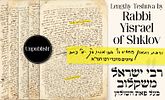
Lengthy Halachic Teshuva in the Handwriting of Rabbi Yisrael of Shklov, Author of Pe’as HaShulchan

Images

Never Published!

Lengthy Halachic Teshuva in the Handwriting of Rabbi Yisrael of Shklov, Author of Pe’as HaShulchan


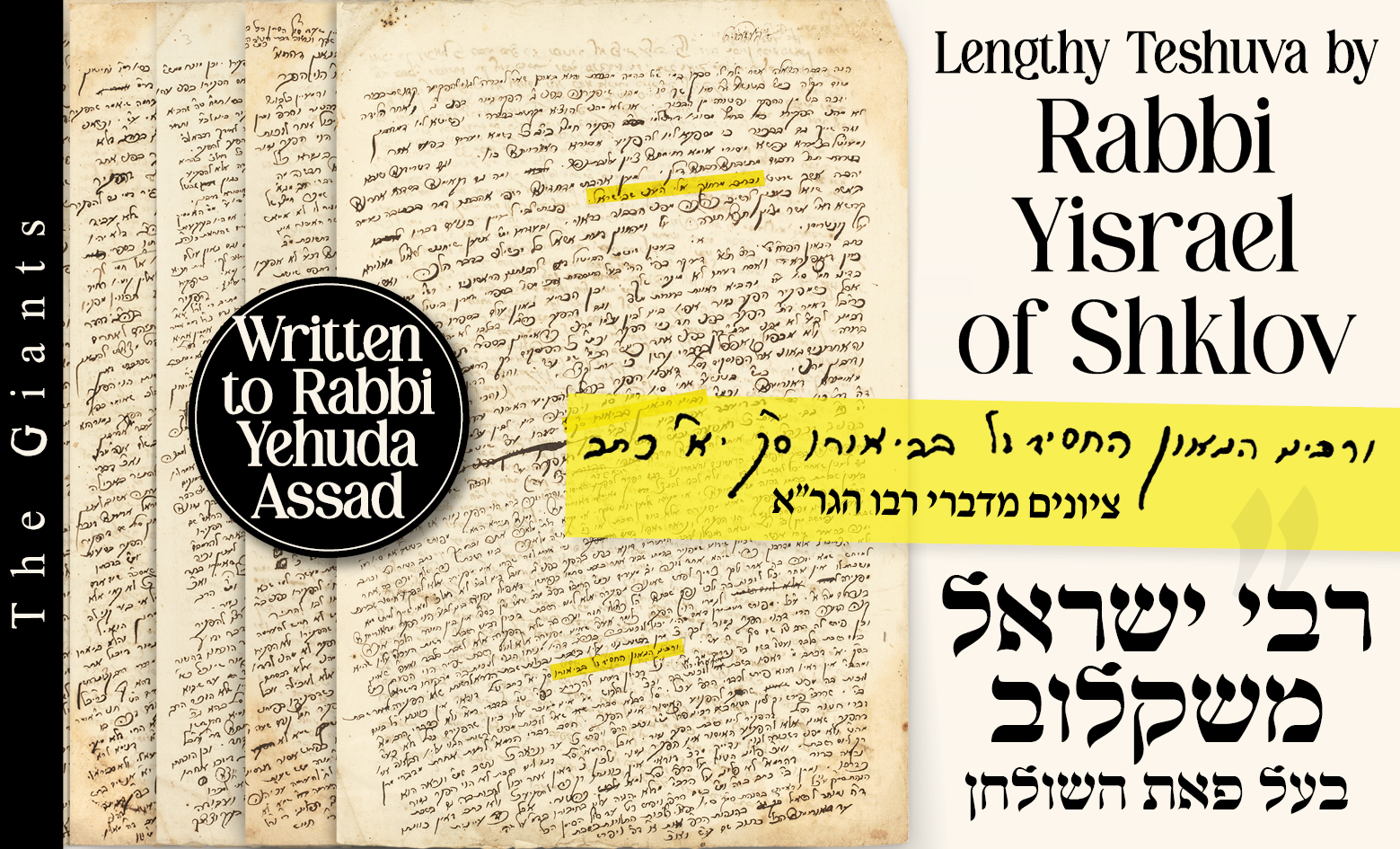
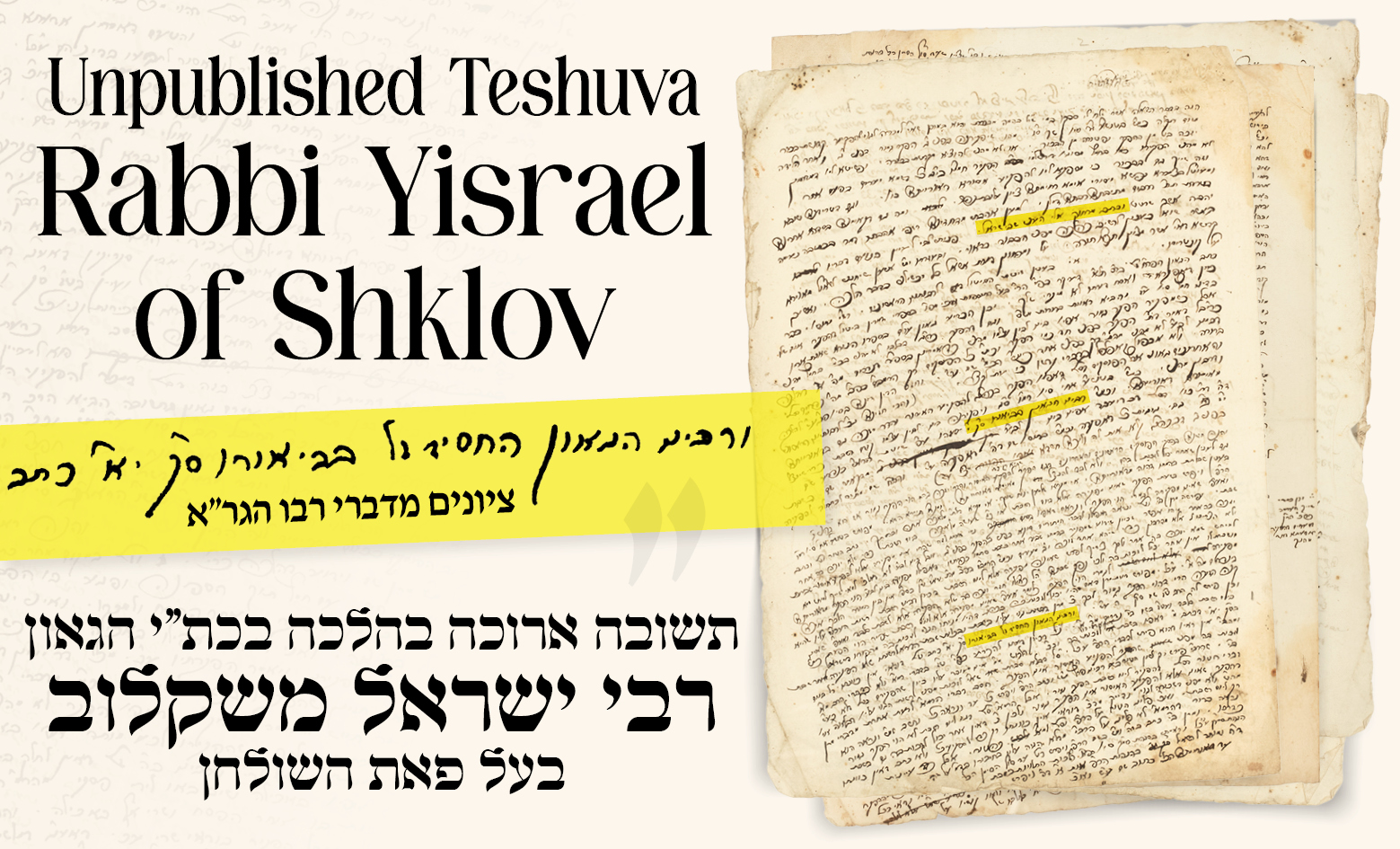
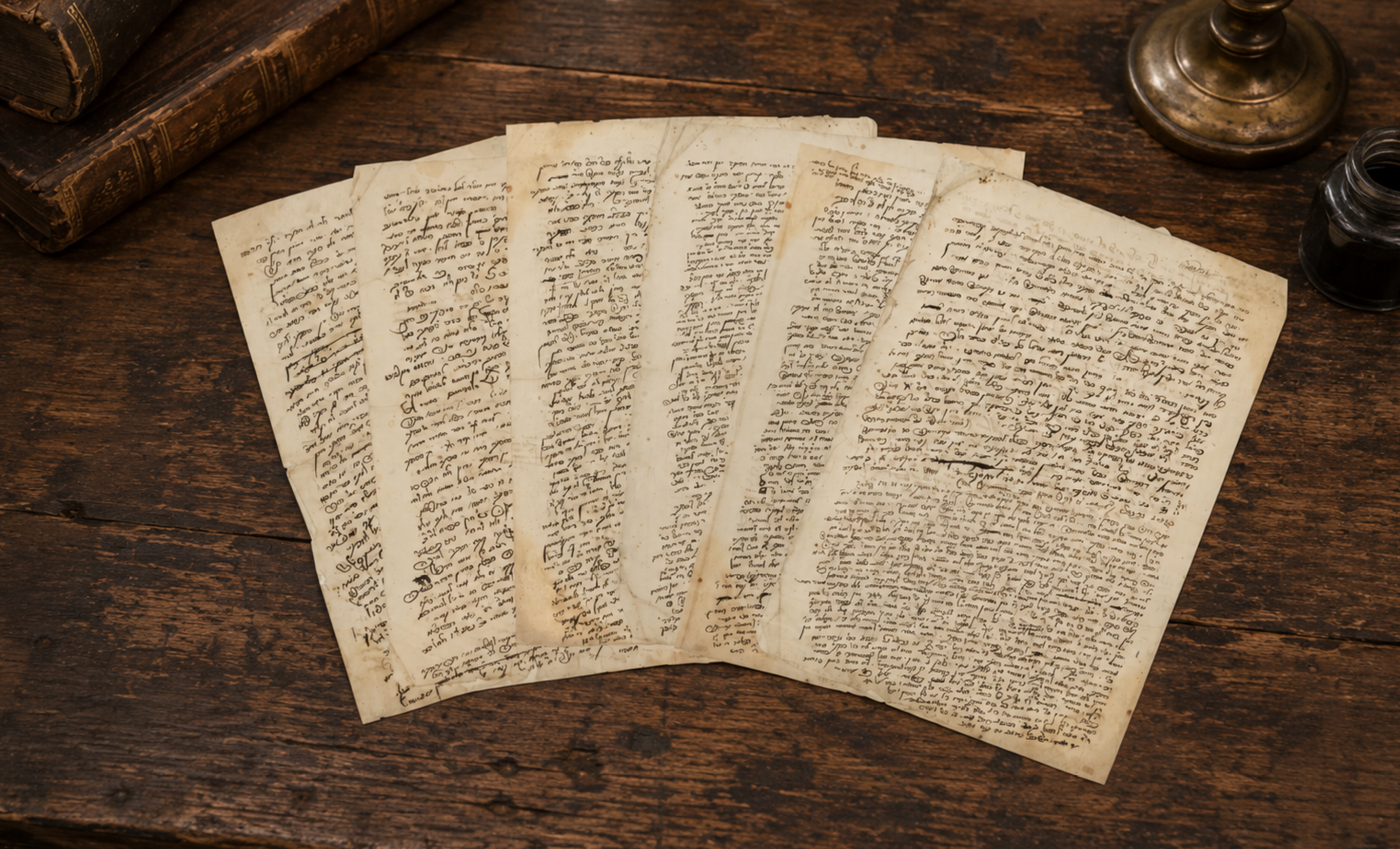
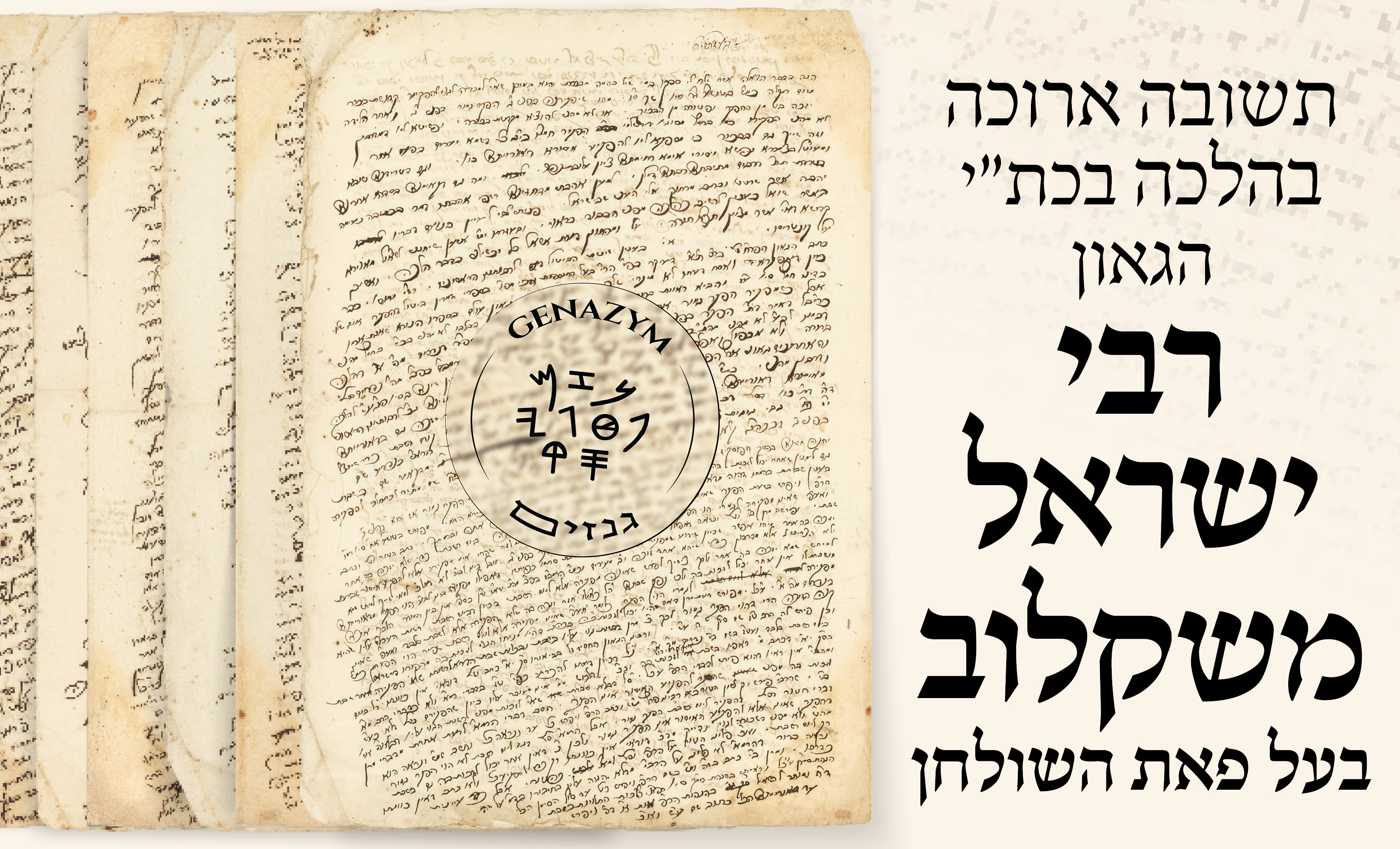
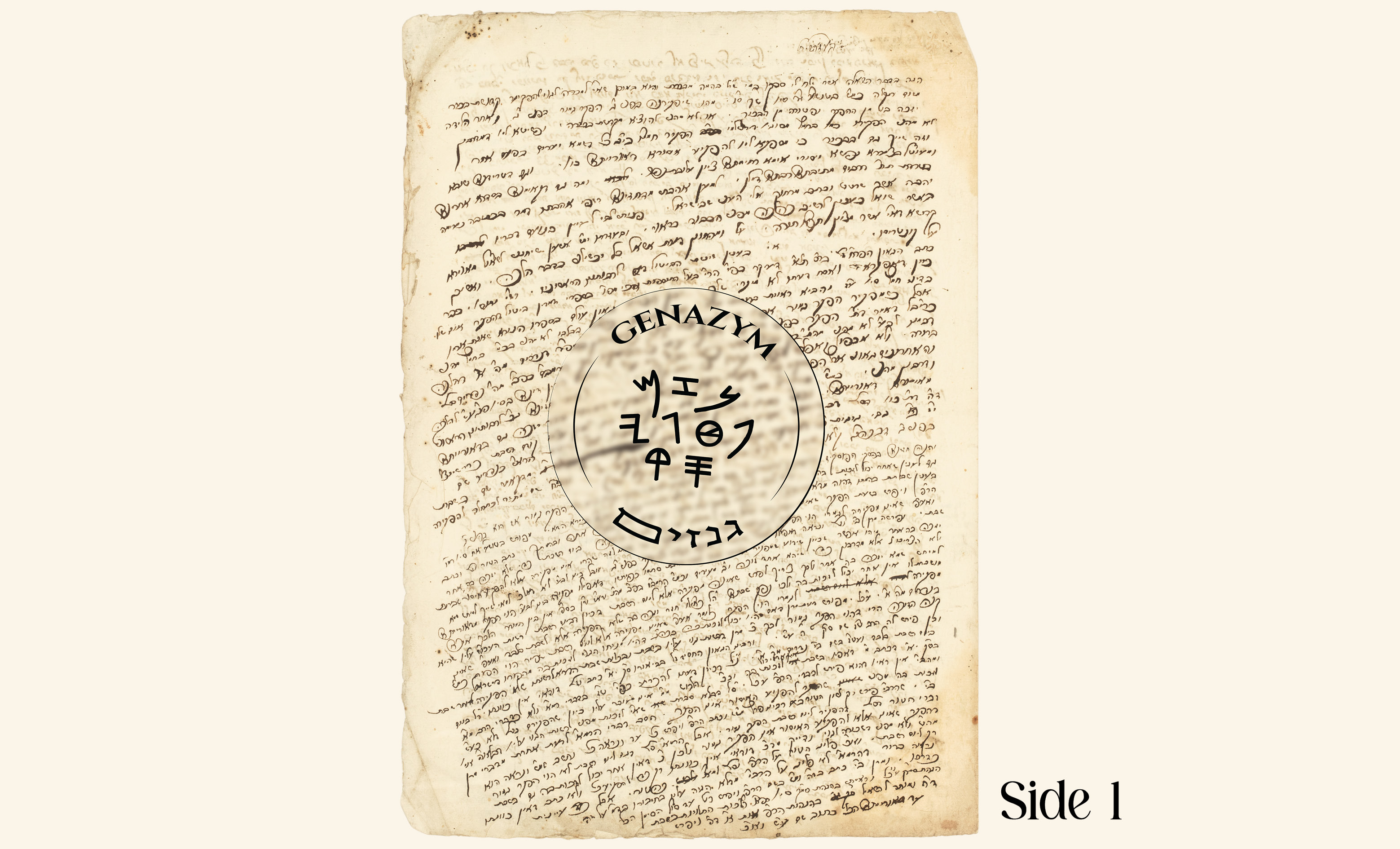
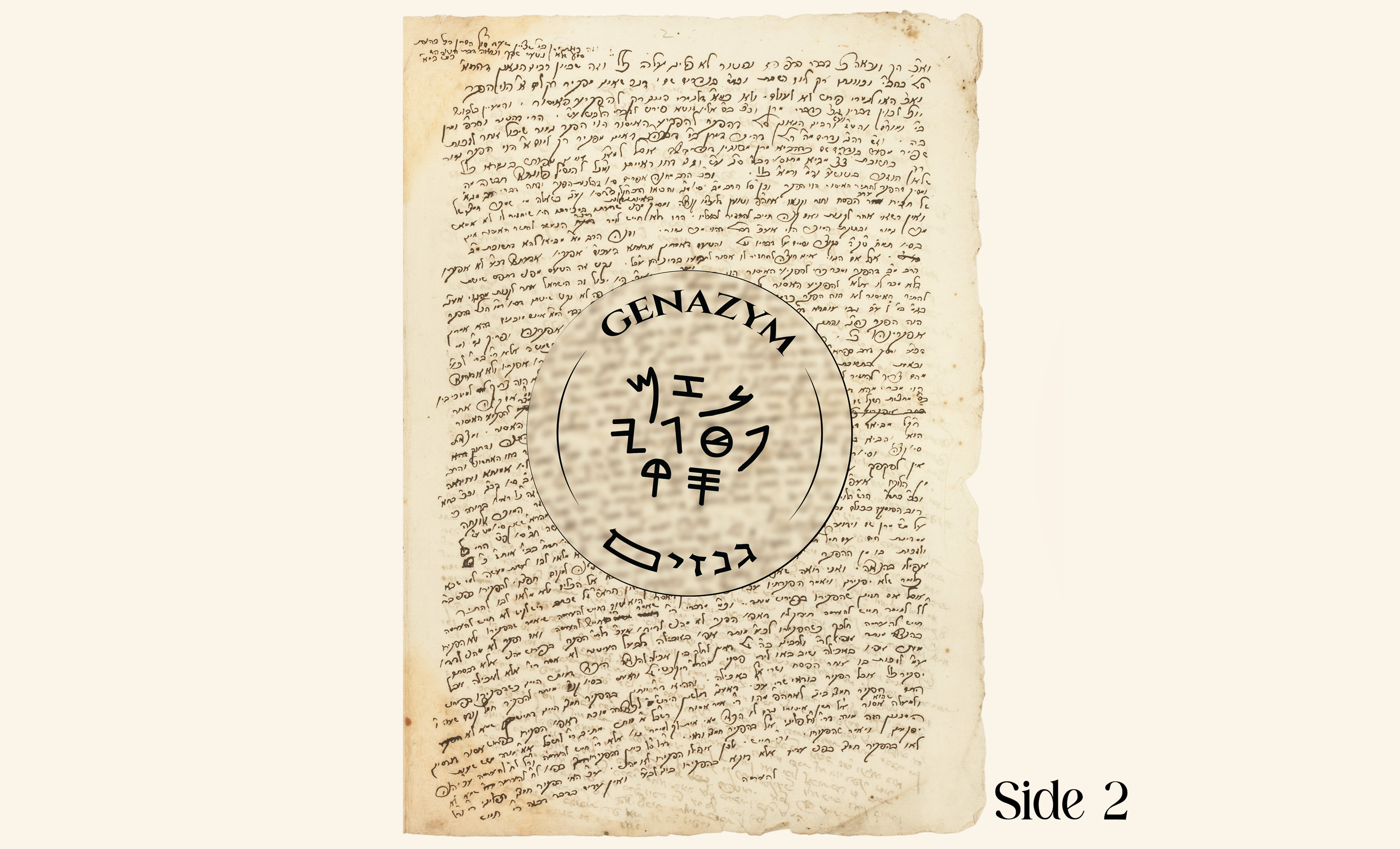
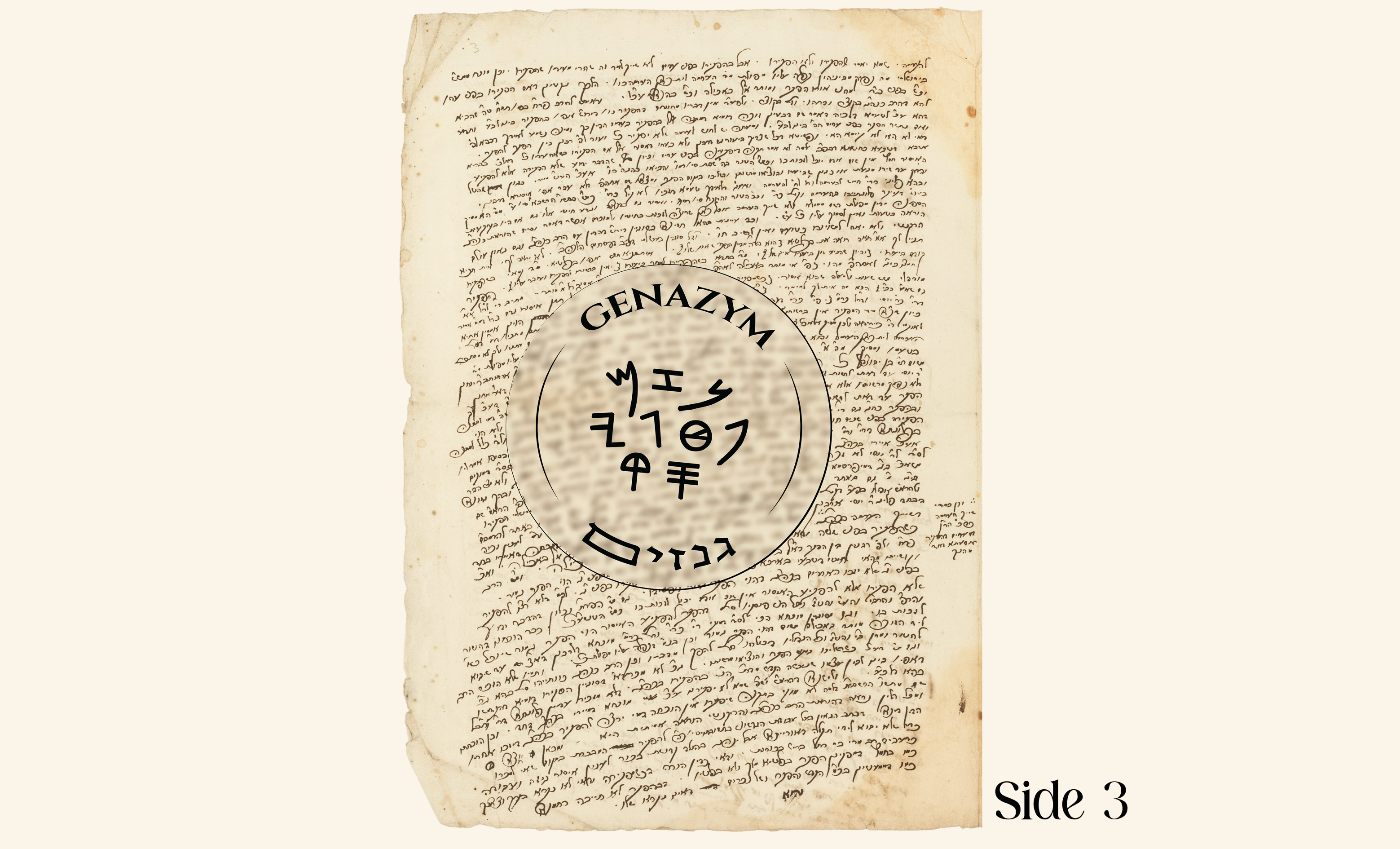
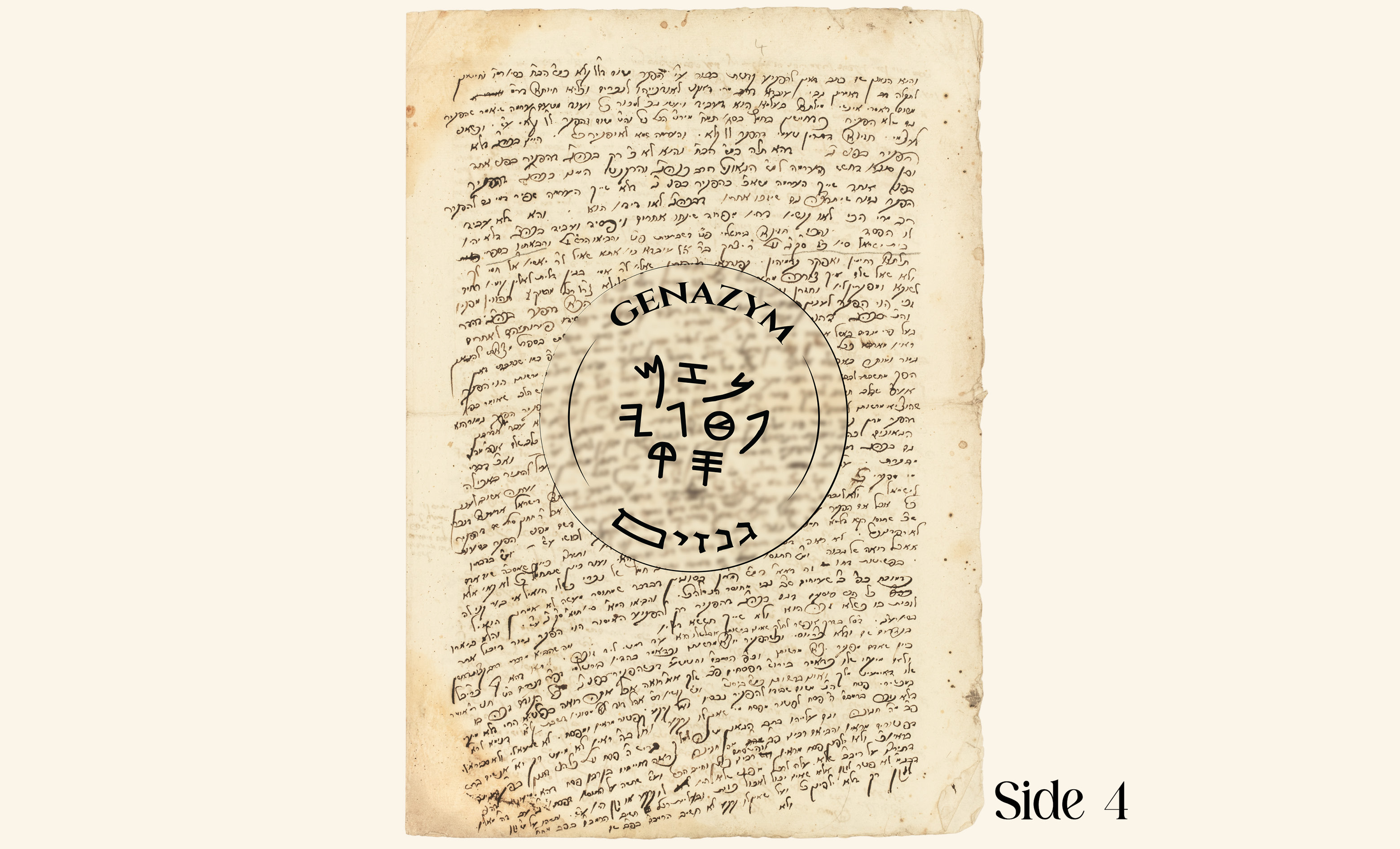
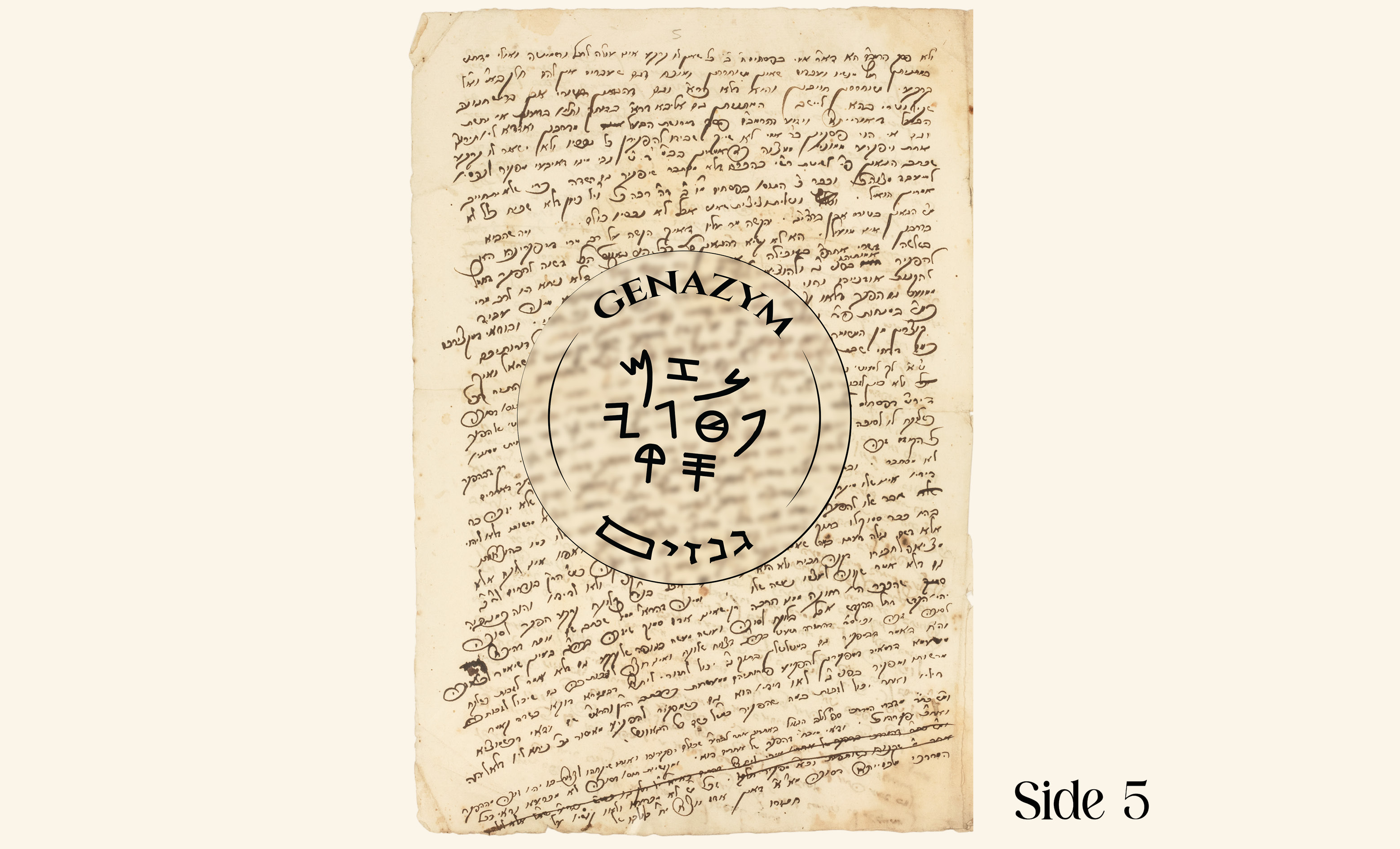
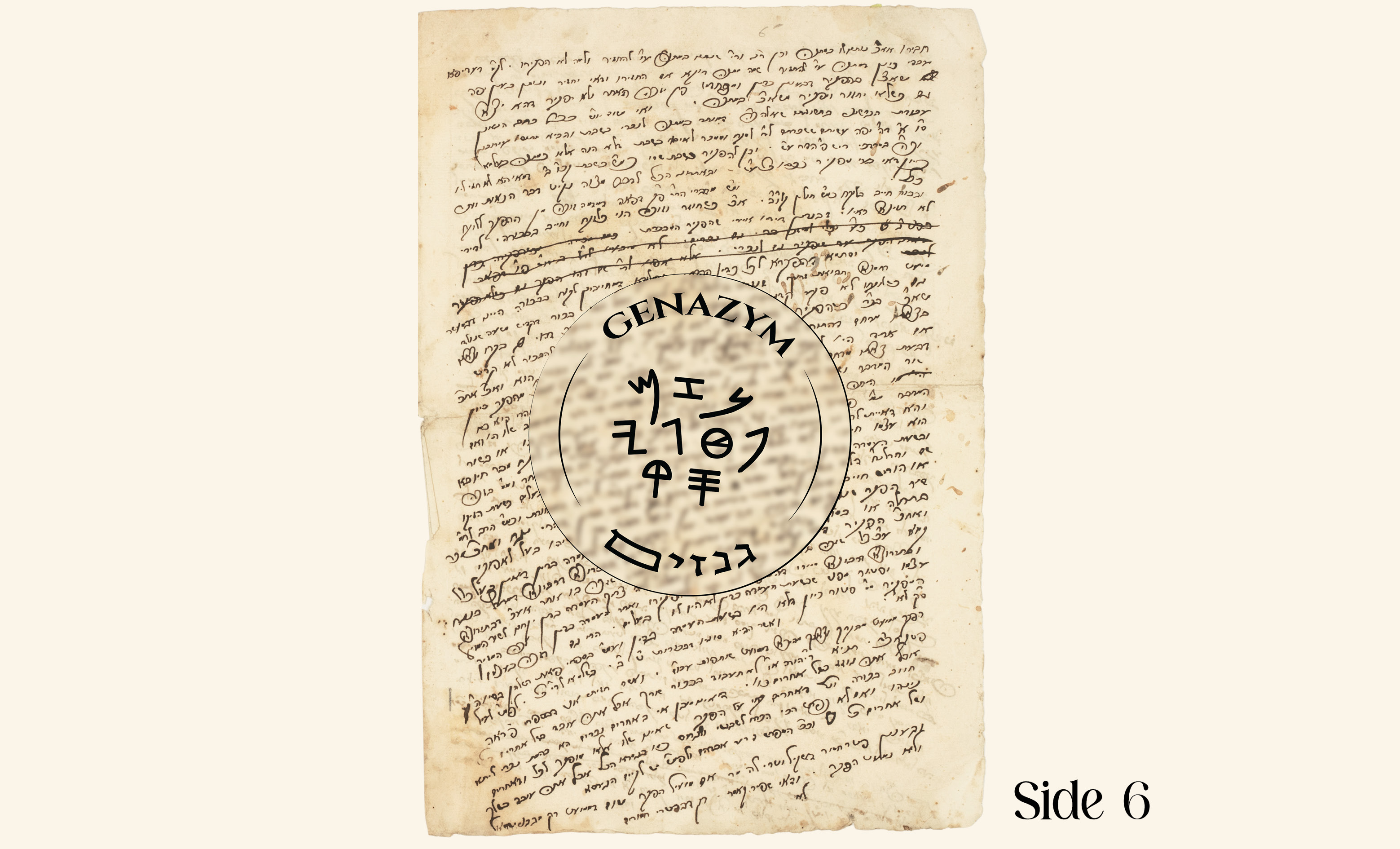
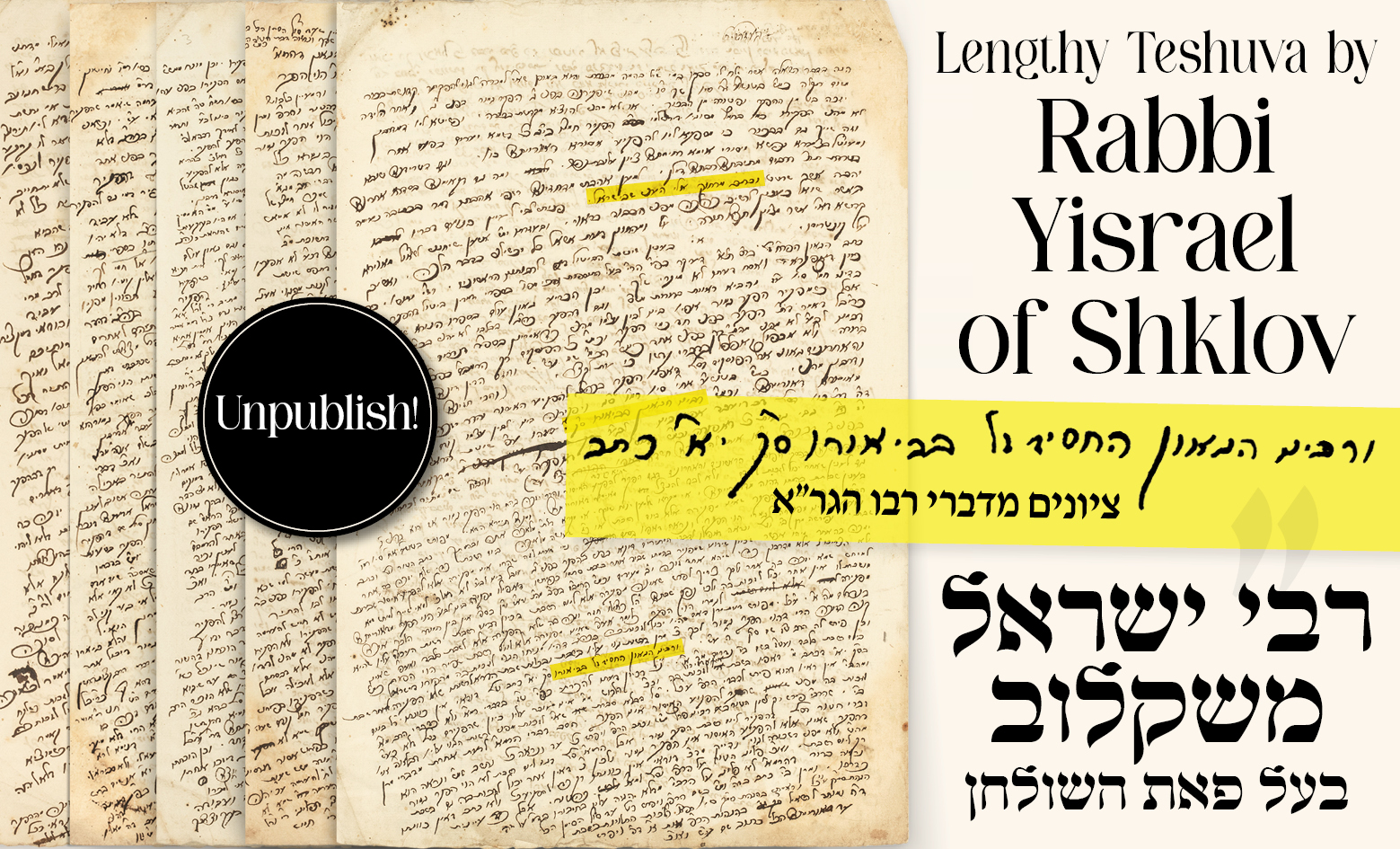
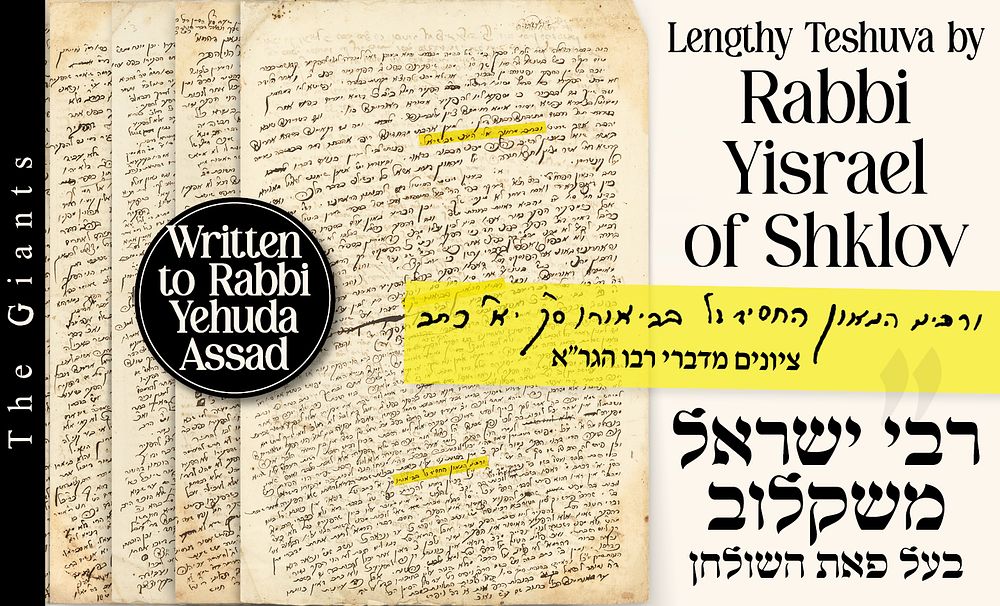
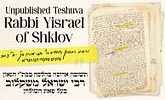
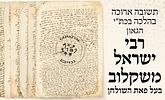
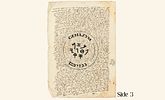
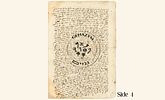
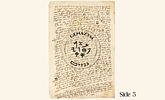
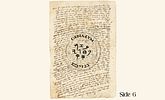
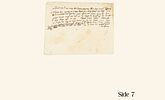
A lengthy halachic teshuva, spanning six full pages, in the handwriting of the gaon Rabbi Yisrael of Shklov, one of the primary disciples of the Vilna Gaon.

It was sent to the gaon Rabbi Yehuda Asad (see below).

To the best of Genazym’s knowledge, this teshuva has never been printed or publicized!

The teshuva addresses a practical halachic question: whether declaring ownerless (hefker) an animal shortly before it gives birth to a firstborn exempts the newborn calf from the sanctity of the firstborn (kedushas bechor). 

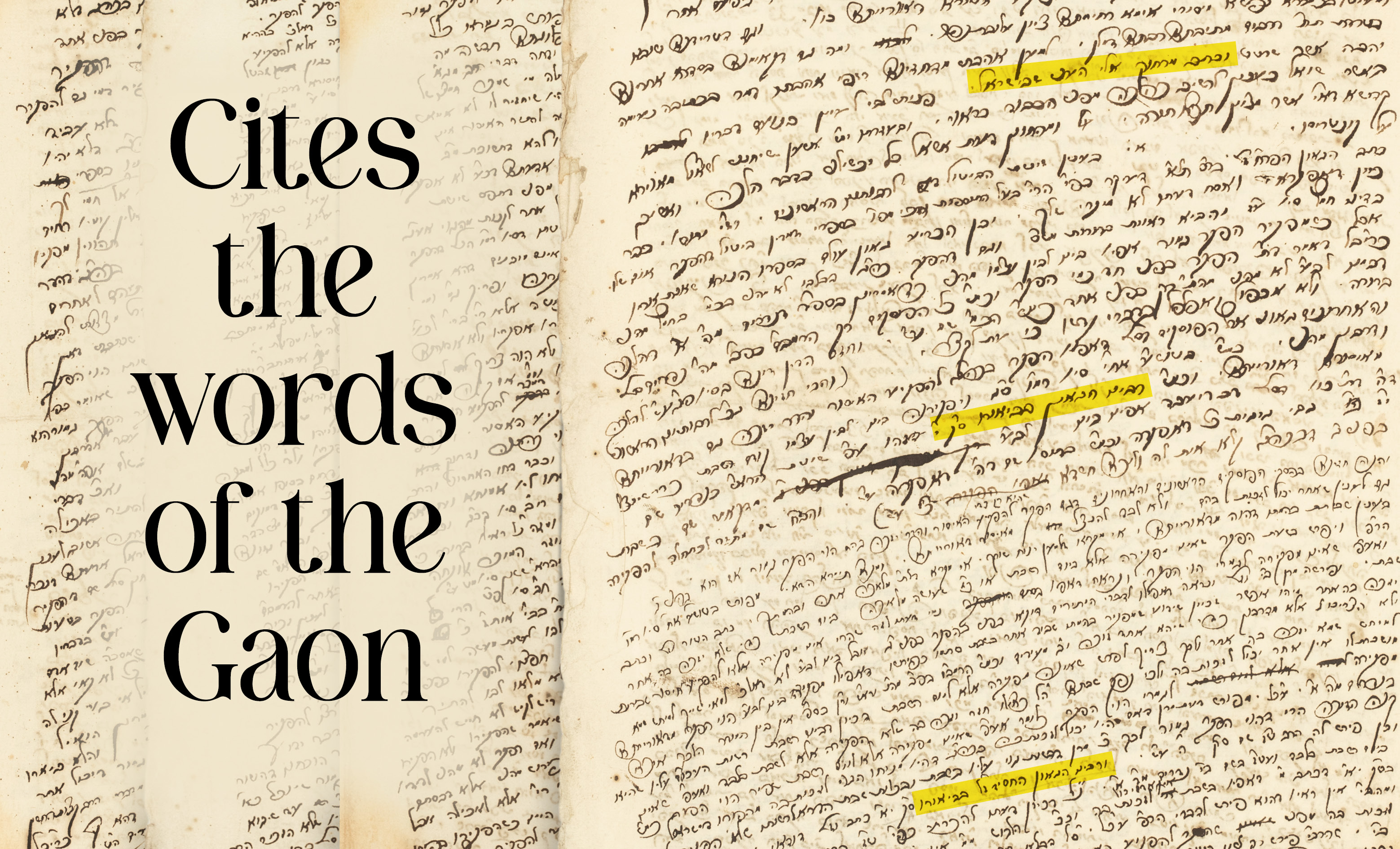
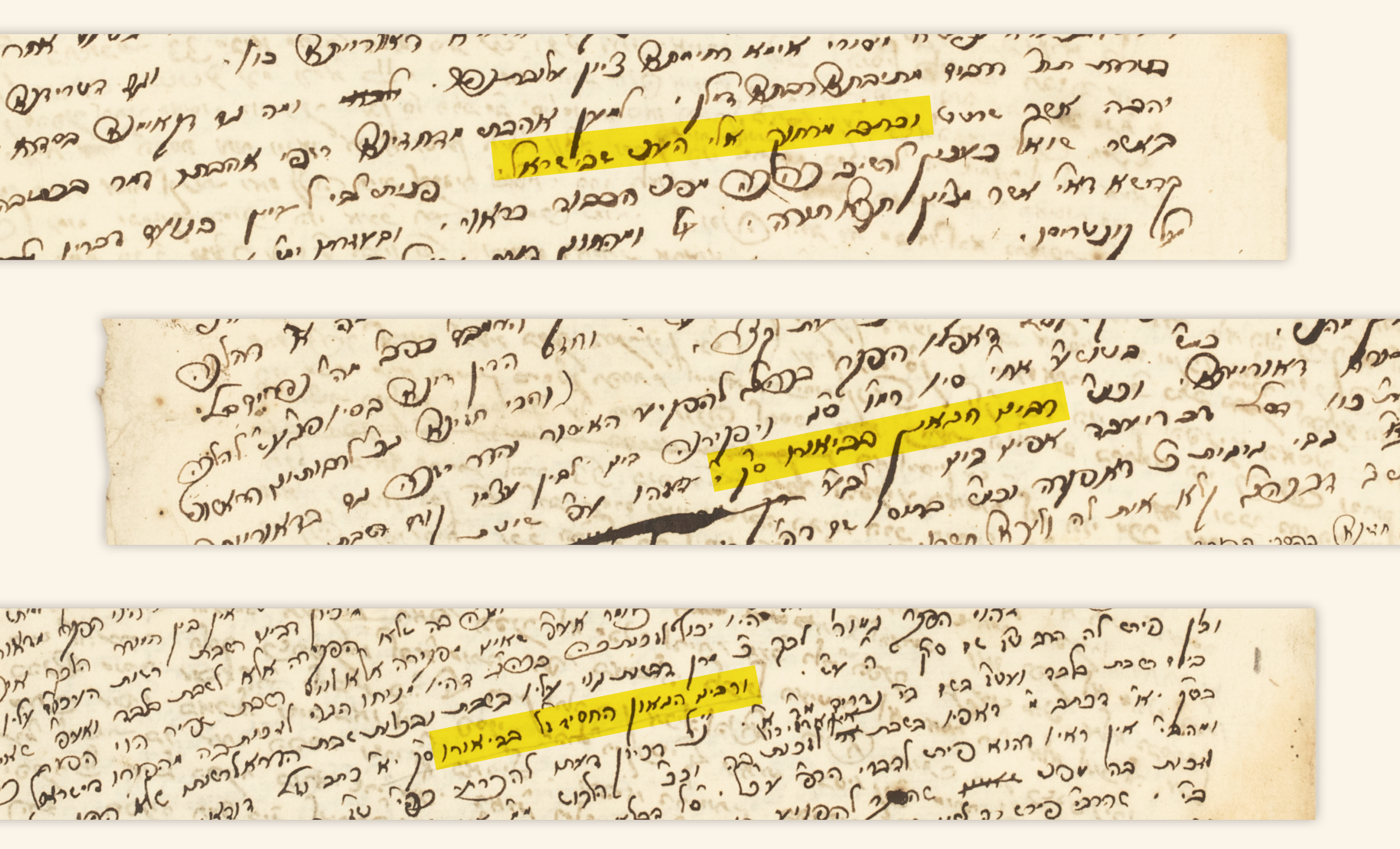
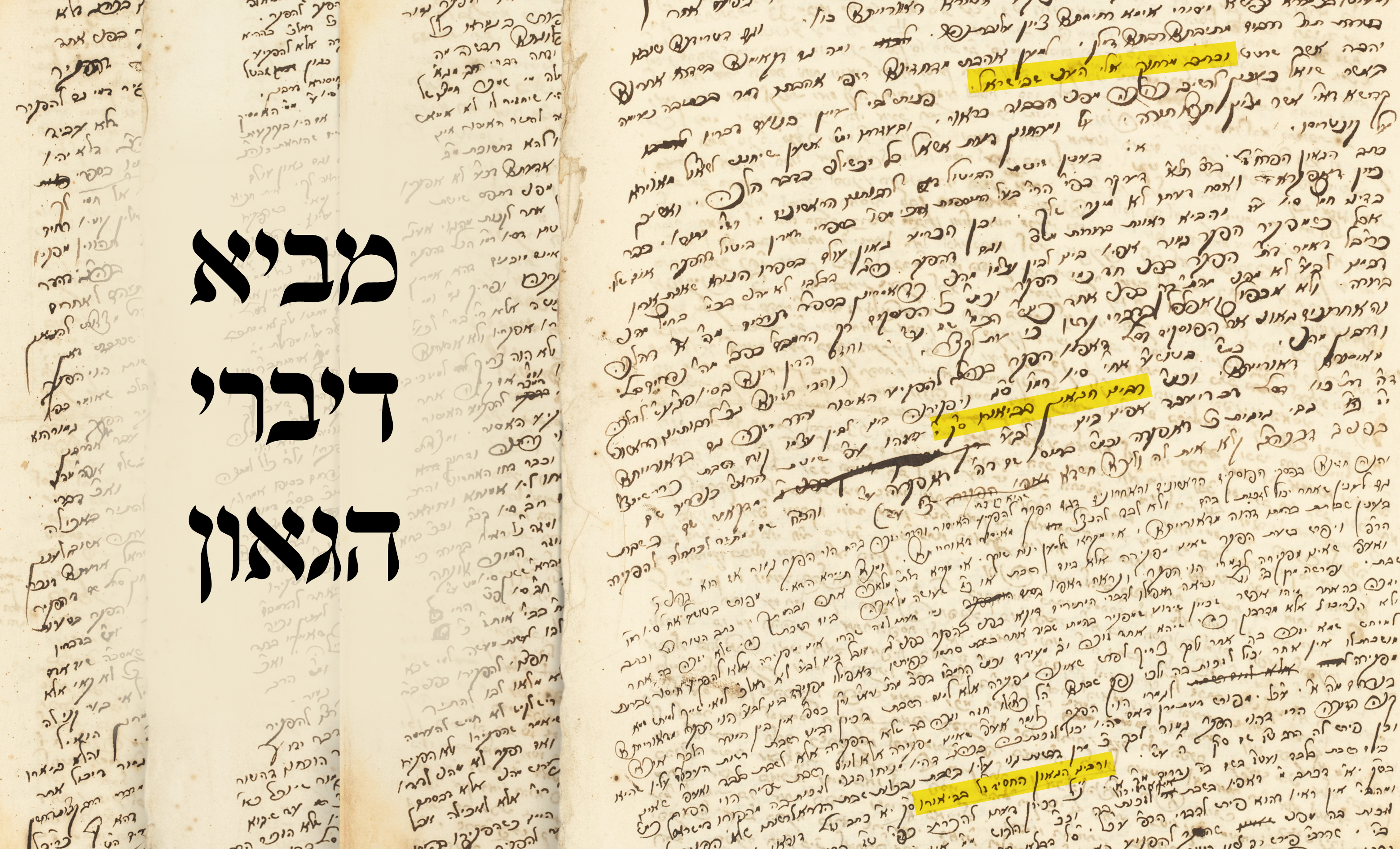
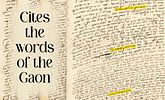
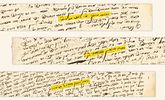
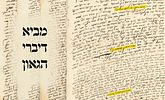
The manuscript matches the known handwriting of Rabbi Yisrael of Shklov. In his words (page 6), he refers to his sefer Pe’as HaShulchan and to the commentary Beis Yisrael surrounding it (page 4). He also twice cites the teachings of his teacher, the Vilna Gaon, from his commentary on Shulchan Aruch Orach Chaim, using the expressions “Rabbeinu HaGaon in his commentary” and “Rabbeinu HaGaon, the chassid, of blessed memory, in his commentary, ” and proceeds to explain his words, which were written very briefly. (The Vilna Gaon’s commentary mentioned here was edited by Rabbi Yisrael of Shklov.)

At the beginning of the teshuva, Rabbi Yisrael alludes to his own name in the phrase “and the poor one of Yisrael wrote to me, ” and notes that he is responding despite his many burdens — “I am occupied with teaching Torah publicly in our great mesivta” — and while enveloped in deep distress over the situation in Eretz Yisrael and “the suffering of the compassionate mother [a reference to the Shechinah], Zion, of downtrodden spirit.” He concludes with a prayer to Hashem “to grant me the merit to breathe the holy air of Eretz Yisrael, from which Torah shall go forth.”


Rabbi Yisrael of Shklov, author of Pe’as HaShulchan (1770–1839),
was one of the leaders of the Perushim community in Eretz Yisrael and served as Rav of the Ashkenazic community in Jerusalem. He was one of the most renowned disciples of the Vilna Gaon, and merited to attend to him during the last six months of his life. The Vilna Gaon regarded him with special affection and drew him close. He also edited his teacher’s commentaries on Shulchan Aruch Orach Chaim and Yoreh De’ah.

In 1810, he led a group of the Vilna Gaon’s disciples to Tzfat, to establish a Jewish settlement there. They endured tremendous hardships and suffering and Rabbi Yisrael dedicated himself with extraordinary self-sacrifice to establishing the Ashkenazic community in Tzfat and Jerusalem.

Approximately half a year after his arrival, he traveled abroad as an emissary of the community and remained there for about three years; during that time, he printed his sefer Taklin Chadatin (Minsk, 1812, later included in the Vilna Shas). In 1836 he printed in Tzfat his renowned sefer Pe’as HaShulchan, a sefer yesod on the halachos of mitzvos pertaining to the land of Eretz Yisrael.

After the earthquake of 1837, he moved to Jerusalem, where he was appointed Rav of the Ashkenazic community. In the summer of 1839, he passed away on the 9th of Sivan while he was in Teveria, and was laid to rest there.

The Chasam Sofer referred to him as “Mara d’Ara d’Yisrael” and “Gaon of Yisrael, ” and in his eulogy said: “The prince of Eretz Yisrael, the gaon Rabbi Yisrael, author of Taklin Chadatin and Pe’as HaShulchan, has departed… woe for the tzaddik, woe for the humble one; he was among the disciples of the gaon Rabbi Eliyahu of Vilna” (Drashos Chasam Sofer, leaf 370b).

Based on the quotations and references cited from the inquirer, it is clear that this teshuva was sent to Rabbi Yehuda Asad, as all the cited passages appear in his own teshuva on the very same question, printed in Shu”t Mahar”i Asad, Yoreh De’ah, siman 341.

It appears that the present manuscript is a draft, as it was initially written by Rabbi Yisrael of Shklov, with revisions and additions, and it therefore does not include the recipient’s name, nor is it signed at the end.

The teshuva is not dated, but its time of writing may be limited to between the latter half of 1836 — when Pe’as HaShulchan, mentioned in the letter, was printed — and Sivan 1839, the time of his passing.

Page Count:
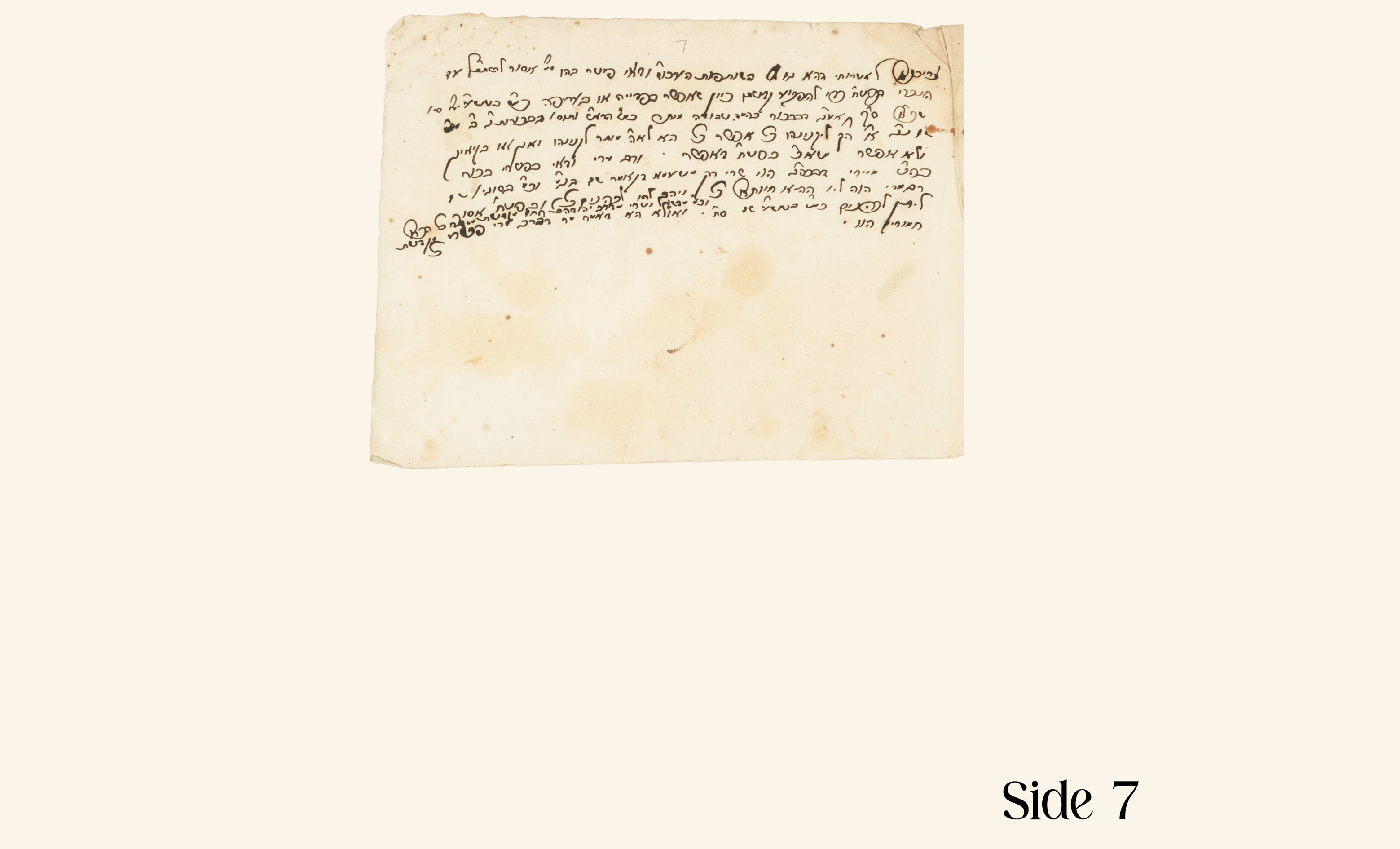
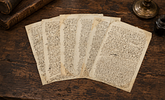
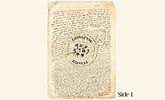
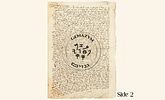
[4] large leaves, comprising six and one-third written pages.
Size: 22 × 32 cm.
Condition: Some stains and fold marks.


Lot : 32

Never Published!
Lengthy Halachic Teshuva in the Handwriting of Rabbi Yisrael of Shklov, Author of Pe’as HaShulchan

Start price: $5,000
|
Est. Price: $8,000 - $12,000

Never Published!

Lengthy Halachic Teshuva in the Handwriting of Rabbi Yisrael of Shklov, Author of Pe’as HaShulchan


A lengthy halachic teshuva, spanning six full pages, in the handwriting of the gaon Rabbi Yisrael of Shklov, one of the primary disciples of the Vilna Gaon.

It was sent to the gaon Rabbi Yehuda Asad (see below).

To the best of Genazym’s knowledge, this teshuva has never been printed or publicized!

The teshuva addresses a practical halachic question: whether declaring ownerless (hefker) an animal shortly before it gives birth to a firstborn exempts the newborn calf from the sanctity of the firstborn (kedushas bechor). 

The manuscript matches the known handwriting of Rabbi Yisrael of Shklov. In his words (page 6), he refers to his sefer Pe’as HaShulchan and to the commentary Beis Yisrael surrounding it (page 4). He also twice cites the teachings of his teacher, the Vilna Gaon, from his commentary on Shulchan Aruch Orach Chaim, using the expressions “Rabbeinu HaGaon in his commentary” and “Rabbeinu HaGaon, the chassid, of blessed memory, in his commentary, ” and proceeds to explain his words, which were written very briefly. (The Vilna Gaon’s commentary mentioned here was edited by Rabbi Yisrael of Shklov.)

At the beginning of the teshuva, Rabbi Yisrael alludes to his own name in the phrase “and the poor one of Yisrael wrote to me, ” and notes that he is responding despite his many burdens — “I am occupied with teaching Torah publicly in our great mesivta” — and while enveloped in deep distress over the situation in Eretz Yisrael and “the suffering of the compassionate mother [a reference to the Shechinah], Zion, of downtrodden spirit.” He concludes with a prayer to Hashem “to grant me the merit to breathe the holy air of Eretz Yisrael, from which Torah shall go forth.”


Rabbi Yisrael of Shklov, author of Pe’as HaShulchan (1770–1839),
was one of the leaders of the Perushim community in Eretz Yisrael and served as Rav of the Ashkenazic community in Jerusalem. He was one of the most renowned disciples of the Vilna Gaon, and merited to attend to him during the last six months of his life. The Vilna Gaon regarded him with special affection and drew him close. He also edited his teacher’s commentaries on Shulchan Aruch Orach Chaim and Yoreh De’ah.

In 1810, he led a group of the Vilna Gaon’s disciples to Tzfat, to establish a Jewish settlement there. They endured tremendous hardships and suffering and Rabbi Yisrael dedicated himself with extraordinary self-sacrifice to establishing the Ashkenazic community in Tzfat and Jerusalem.

Approximately half a year after his arrival, he traveled abroad as an emissary of the community and remained there for about three years; during that time, he printed his sefer Taklin Chadatin (Minsk, 1812, later included in the Vilna Shas). In 1836 he printed in Tzfat his renowned sefer Pe’as HaShulchan, a sefer yesod on the halachos of mitzvos pertaining to the land of Eretz Yisrael.

After the earthquake of 1837, he moved to Jerusalem, where he was appointed Rav of the Ashkenazic community. In the summer of 1839, he passed away on the 9th of Sivan while he was in Teveria, and was laid to rest there.

The Chasam Sofer referred to him as “Mara d’Ara d’Yisrael” and “Gaon of Yisrael, ” and in his eulogy said: “The prince of Eretz Yisrael, the gaon Rabbi Yisrael, author of Taklin Chadatin and Pe’as HaShulchan, has departed… woe for the tzaddik, woe for the humble one; he was among the disciples of the gaon Rabbi Eliyahu of Vilna” (Drashos Chasam Sofer, leaf 370b).

Based on the quotations and references cited from the inquirer, it is clear that this teshuva was sent to Rabbi Yehuda Asad, as all the cited passages appear in his own teshuva on the very same question, printed in Shu”t Mahar”i Asad, Yoreh De’ah, siman 341.

It appears that the present manuscript is a draft, as it was initially written by Rabbi Yisrael of Shklov, with revisions and additions, and it therefore does not include the recipient’s name, nor is it signed at the end.

The teshuva is not dated, but its time of writing may be limited to between the latter half of 1836 — when Pe’as HaShulchan, mentioned in the letter, was printed — and Sivan 1839, the time of his passing.

Page Count:
[4] large leaves, comprising six and one-third written pages.
Size: 22 × 32 cm.
Condition: Some stains and fold marks.


Never Published!

Lengthy Halachic Teshuva in the Handwriting of Rabbi Yisrael of Shklov, Author of Pe’as HaShulchan


A lengthy halachic teshuva, spanning six full pages, in the handwriting of the gaon Rabbi Yisrael of Shklov, one of the primary disciples of the Vilna Gaon.

It was sent to the gaon Rabbi Yehuda Asad (see below).

To the best of Genazym’s knowledge, this teshuva has never been printed or publicized!

The teshuva addresses a practical halachic question: whether declaring ownerless (hefker) an animal shortly before it gives birth to a firstborn exempts the newborn calf from the sanctity of the firstborn (kedushas bechor). 

The manuscript matches the known handwriting of Rabbi Yisrael of Shklov. In his words (page 6), he refers to his sefer Pe’as HaShulchan and to the commentary Beis Yisrael surrounding it (page 4). He also twice cites the teachings of his teacher, the Vilna Gaon, from his commentary on Shulchan Aruch Orach Chaim, using the expressions “Rabbeinu HaGaon in his commentary” and “Rabbeinu HaGaon, the chassid, of blessed memory, in his commentary, ” and proceeds to explain his words, which were written very briefly. (The Vilna Gaon’s commentary mentioned here was edited by Rabbi Yisrael of Shklov.)

At the beginning of the teshuva, Rabbi Yisrael alludes to his own name in the phrase “and the poor one of Yisrael wrote to me, ” and notes that he is responding despite his many burdens — “I am occupied with teaching Torah publicly in our great mesivta” — and while enveloped in deep distress over the situation in Eretz Yisrael and “the suffering of the compassionate mother [a reference to the Shechinah], Zion, of downtrodden spirit.” He concludes with a prayer to Hashem “to grant me the merit to breathe the holy air of Eretz Yisrael, from which Torah shall go forth.”


Rabbi Yisrael of Shklov, author of Pe’as HaShulchan (1770–1839),
was one of the leaders of the Perushim community in Eretz Yisrael and served as Rav of the Ashkenazic community in Jerusalem. He was one of the most renowned disciples of the Vilna Gaon, and merited to attend to him during the last six months of his life. The Vilna Gaon regarded him with special affection and drew him close. He also edited his teacher’s commentaries on Shulchan Aruch Orach Chaim and Yoreh De’ah.

In 1810, he led a group of the Vilna Gaon’s disciples to Tzfat, to establish a Jewish settlement there. They endured tremendous hardships and suffering and Rabbi Yisrael dedicated himself with extraordinary self-sacrifice to establishing the Ashkenazic community in Tzfat and Jerusalem.

Approximately half a year after his arrival, he traveled abroad as an emissary of the community and remained there for about three years; during that time, he printed his sefer Taklin Chadatin (Minsk, 1812, later included in the Vilna Shas). In 1836 he printed in Tzfat his renowned sefer Pe’as HaShulchan, a sefer yesod on the halachos of mitzvos pertaining to the land of Eretz Yisrael.

After the earthquake of 1837, he moved to Jerusalem, where he was appointed Rav of the Ashkenazic community. In the summer of 1839, he passed away on the 9th of Sivan while he was in Teveria, and was laid to rest there.

The Chasam Sofer referred to him as “Mara d’Ara d’Yisrael” and “Gaon of Yisrael, ” and in his eulogy said: “The prince of Eretz Yisrael, the gaon Rabbi Yisrael, author of Taklin Chadatin and Pe’as HaShulchan, has departed… woe for the tzaddik, woe for the humble one; he was among the disciples of the gaon Rabbi Eliyahu of Vilna” (Drashos Chasam Sofer, leaf 370b).

Based on the quotations and references cited from the inquirer, it is clear that this teshuva was sent to Rabbi Yehuda Asad, as all the cited passages appear in his own teshuva on the very same question, printed in Shu”t Mahar”i Asad, Yoreh De’ah, siman 341.

It appears that the present manuscript is a draft, as it was initially written by Rabbi Yisrael of Shklov, with revisions and additions, and it therefore does not include the recipient’s name, nor is it signed at the end.

The teshuva is not dated, but its time of writing may be limited to between the latter half of 1836 — when Pe’as HaShulchan, mentioned in the letter, was printed — and Sivan 1839, the time of his passing.

Page Count:
[4] large leaves, comprising six and one-third written pages.
Size: 22 × 32 cm.
Condition: Some stains and fold marks.