


Lot : 31

Impressive Document from the

Community of Lvov

Approved and Signed by the
Rav of Lvov, the Yeshuos Yaakov, 1808

Images

Impressive Document from the

Community of Lvov

Approved and Signed by the
Rav of Lvov, the Yeshuos Yaakov, 1808


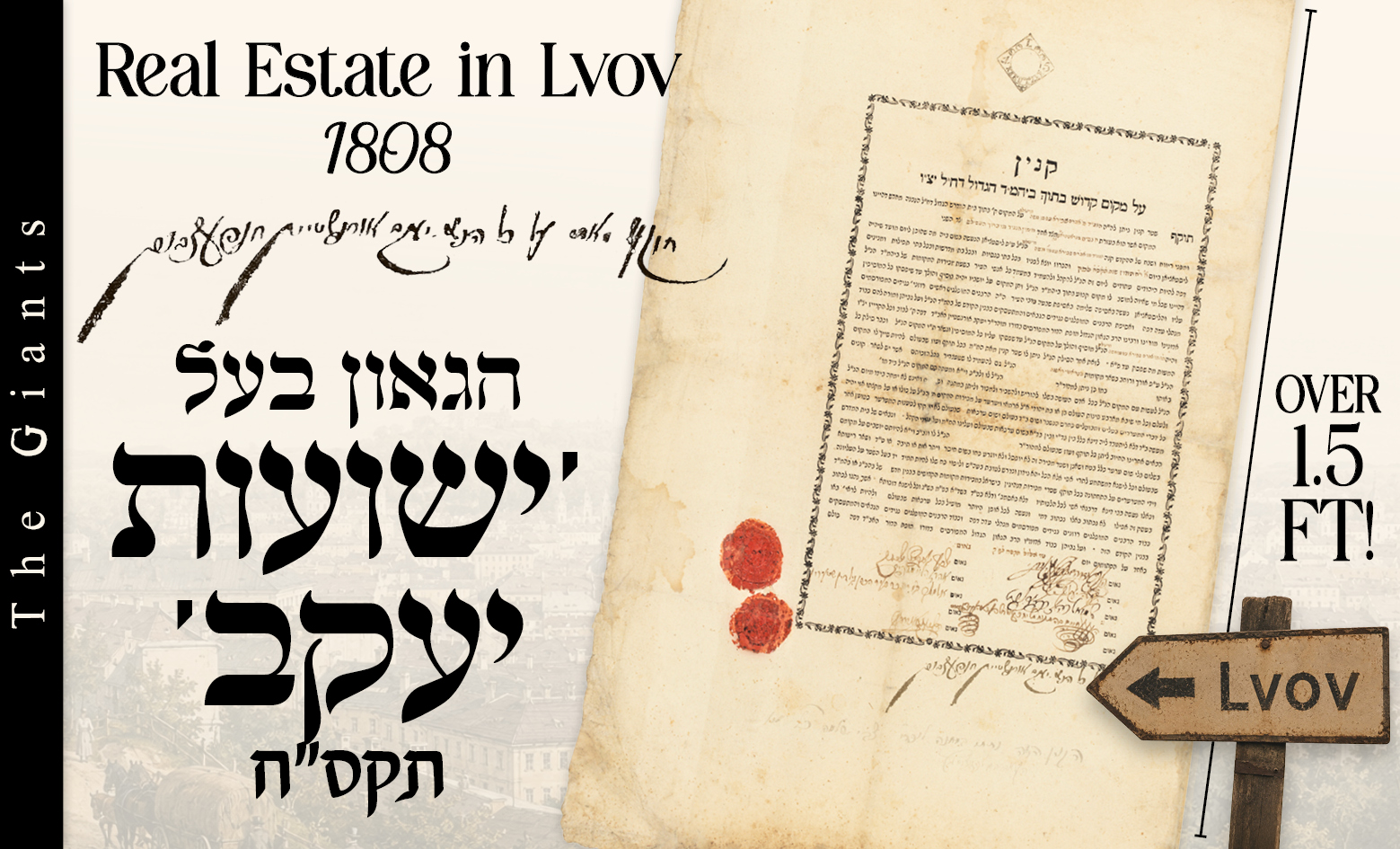
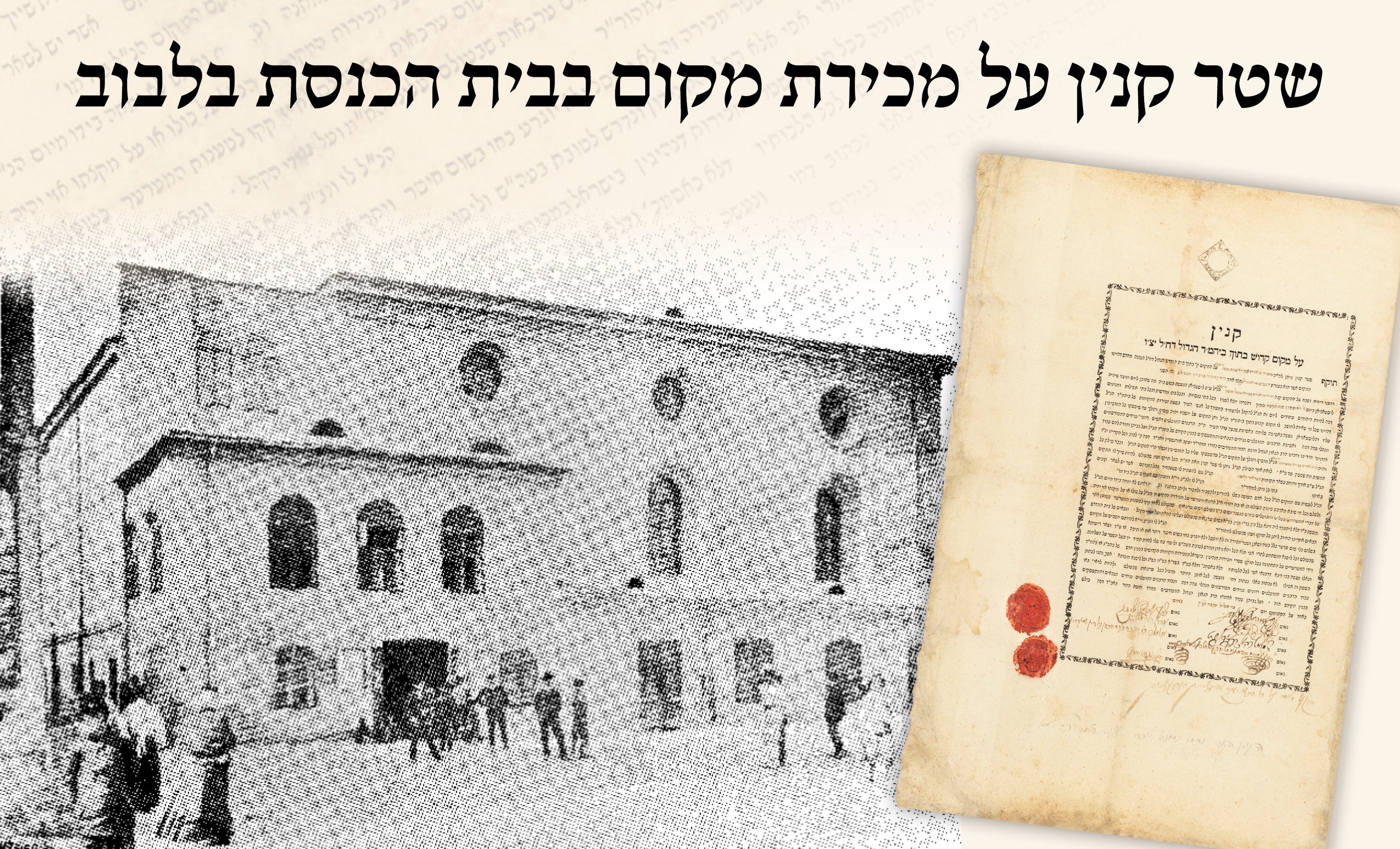
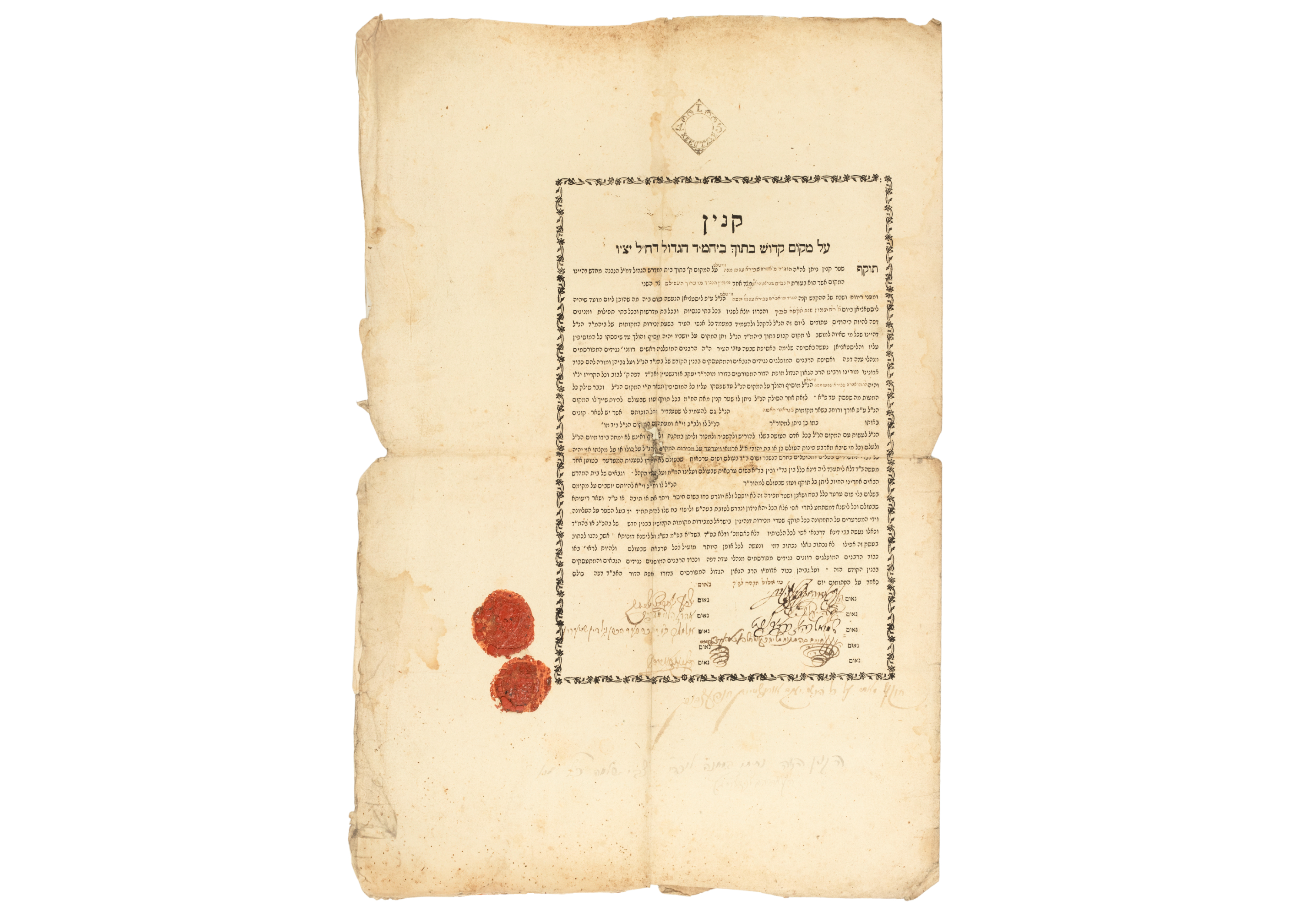
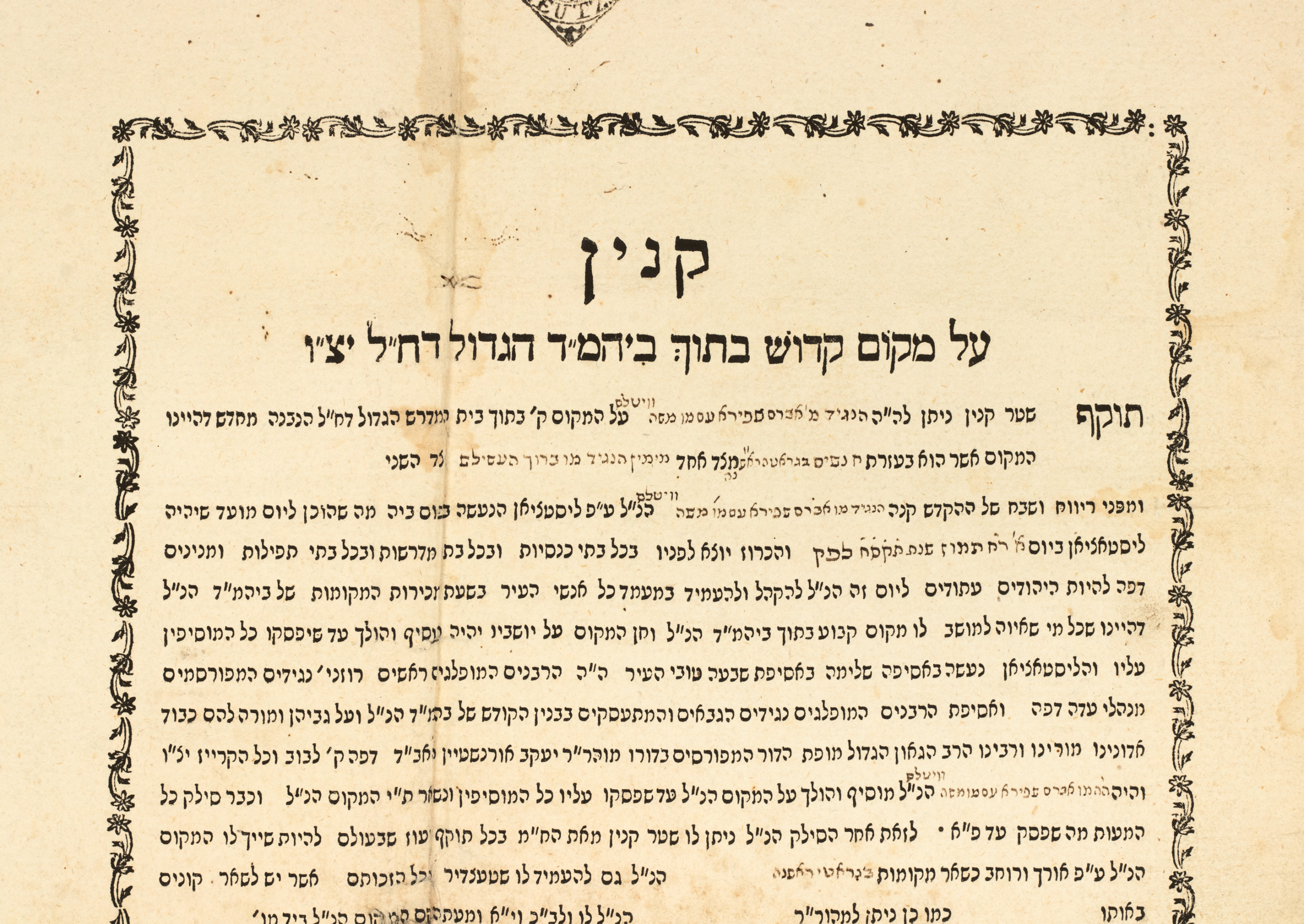
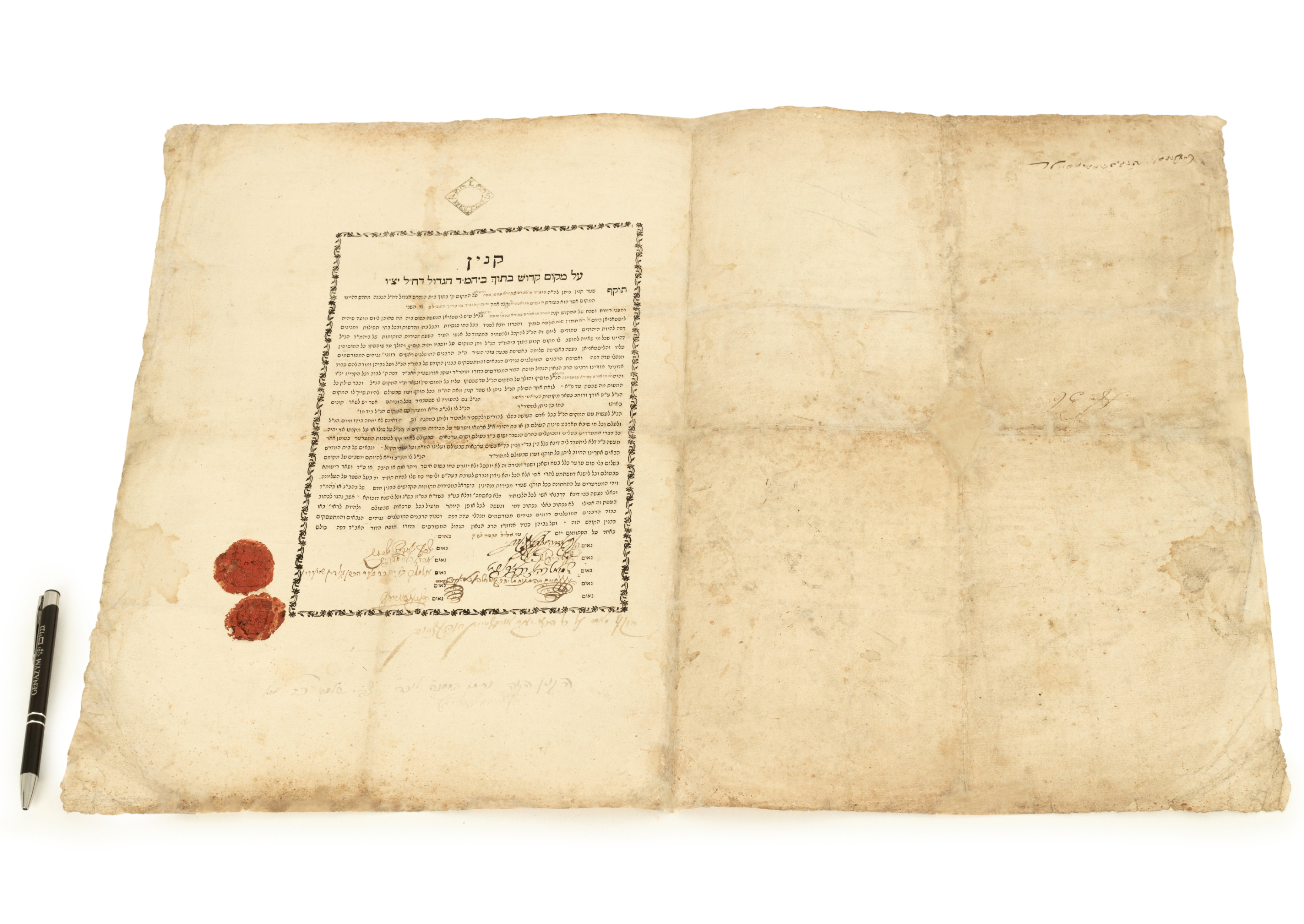
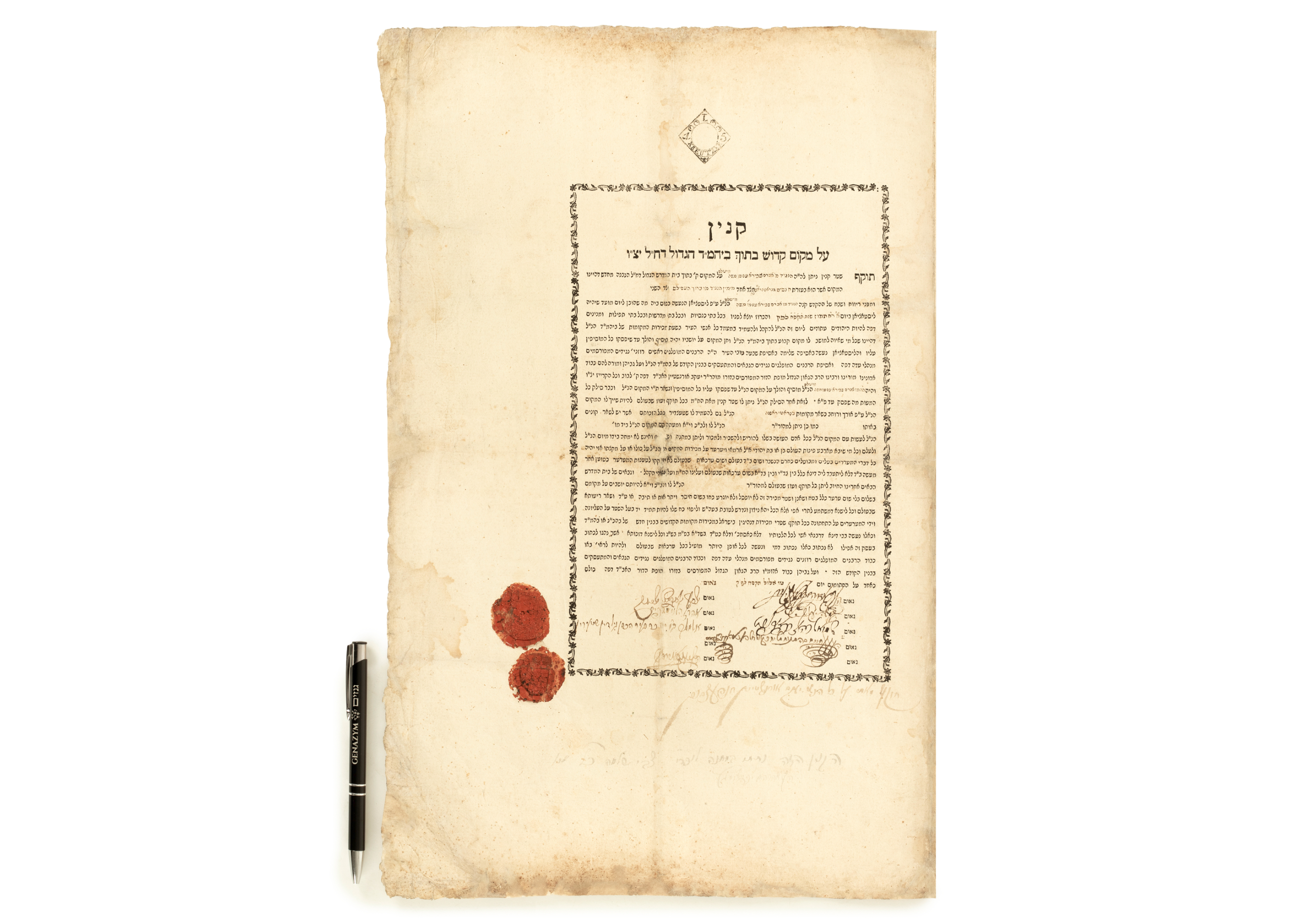
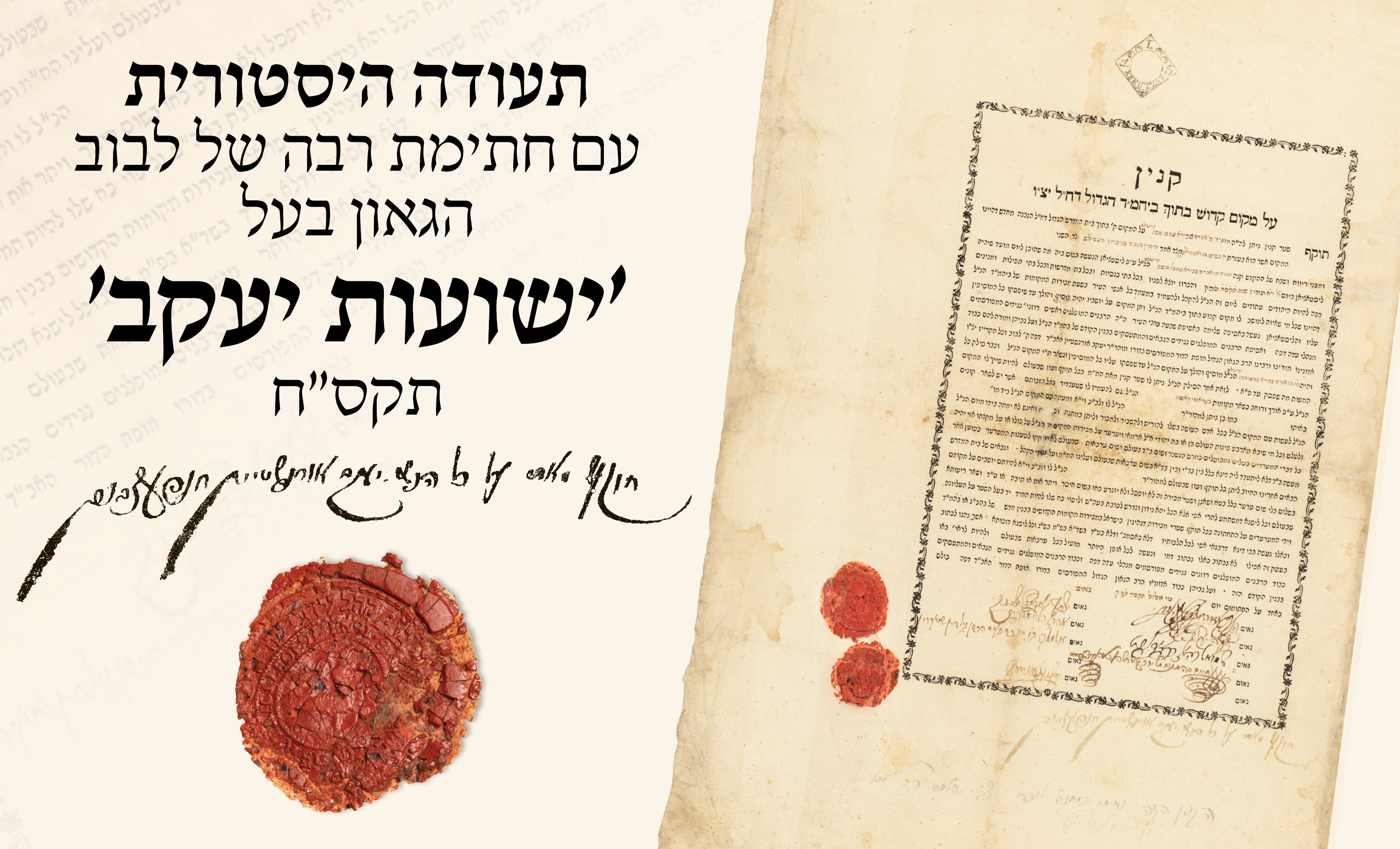
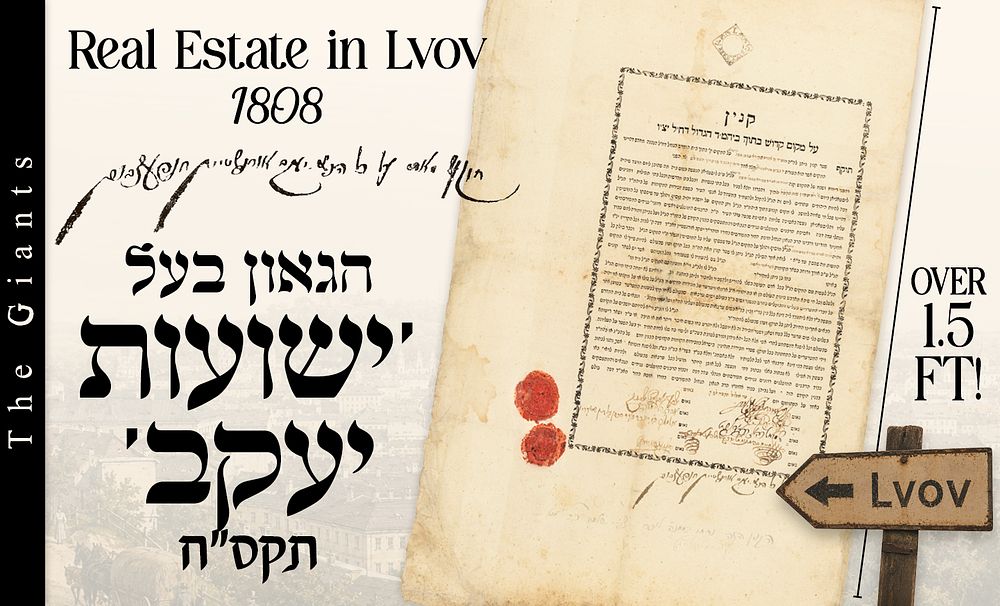
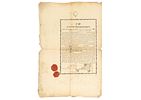
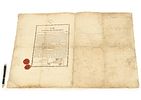
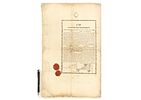
A deed of acquisition for the sale of a seat in the Great Synagogue of Lvov, with handwritten confirmation of the transaction and the signature of the gaon Rabbi Yaakov Meshulam Orenstein, Av Beis Din of Lvov and author of Yeshuos Yaakov.

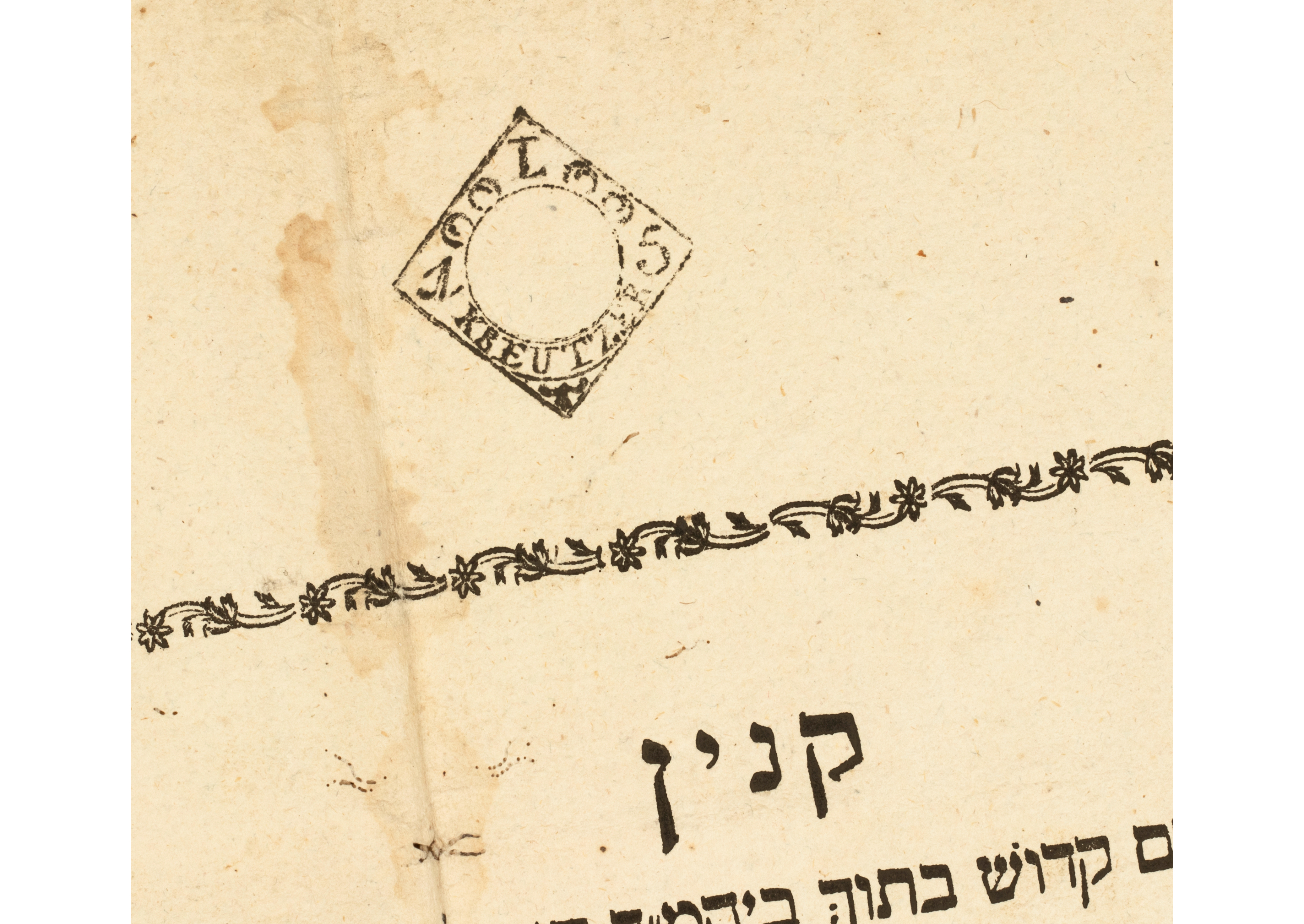
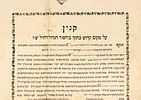
A large and beautiful print with a decorated border, a rare in-house printing of the Great Synagogue of Lvov.

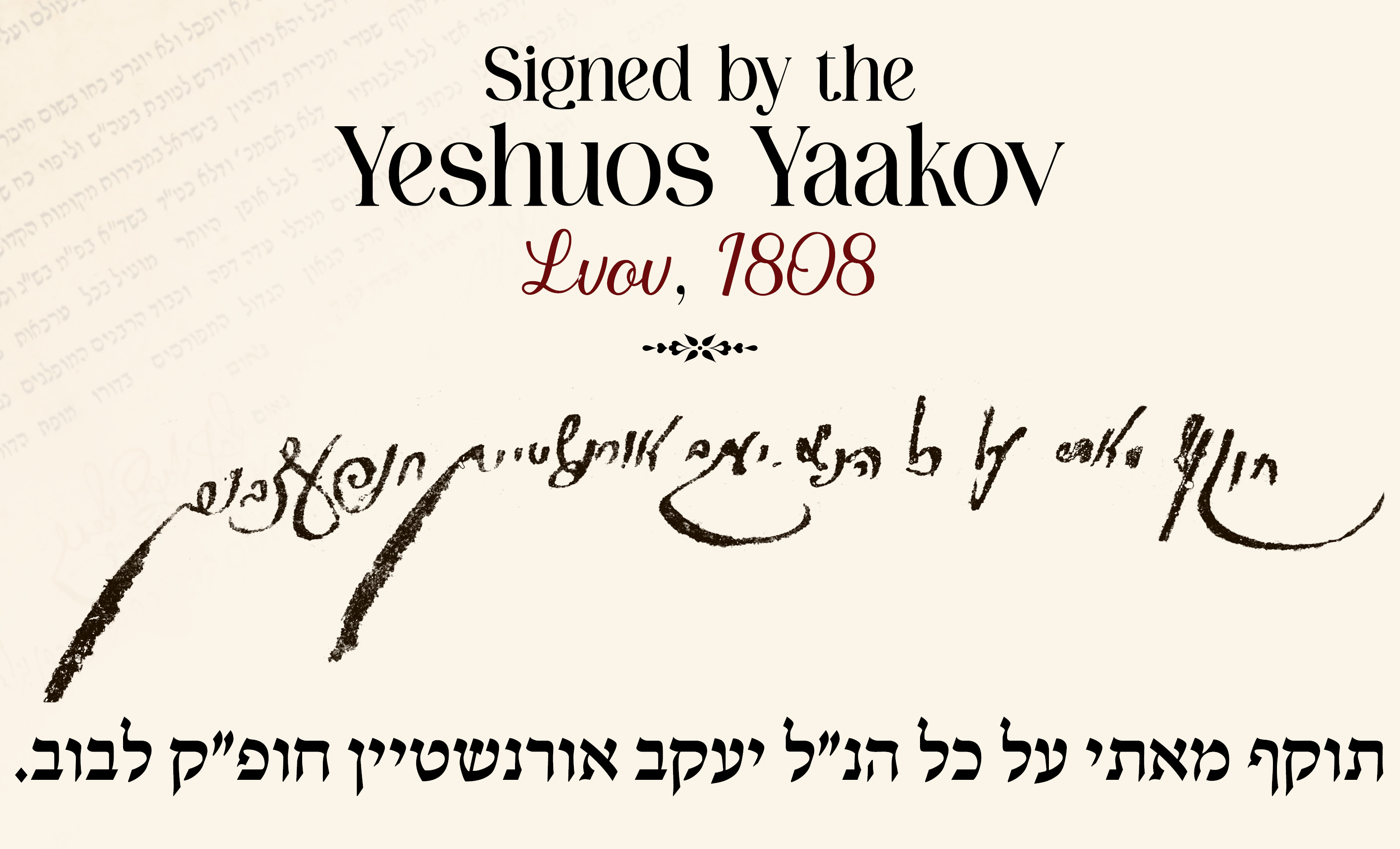
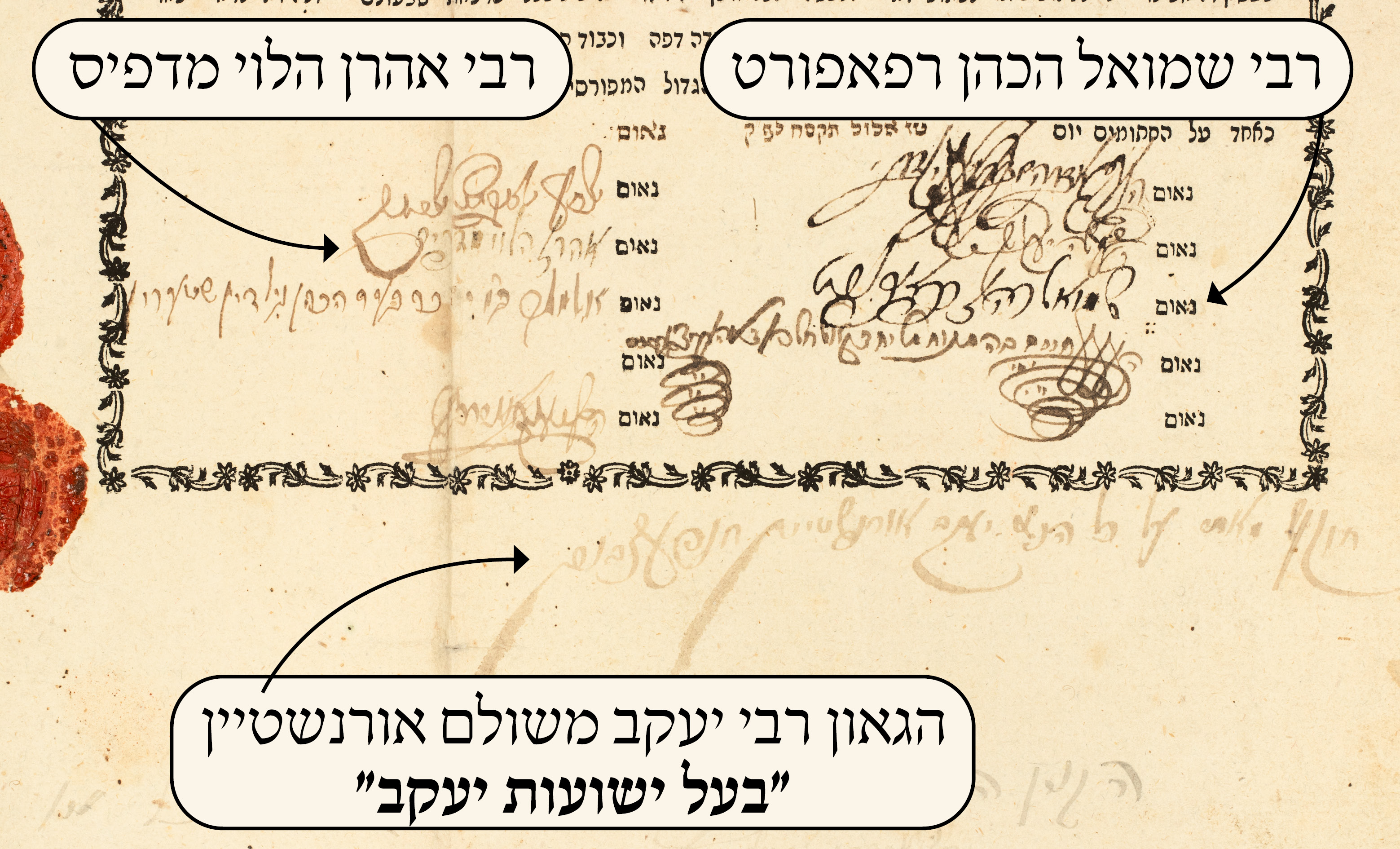
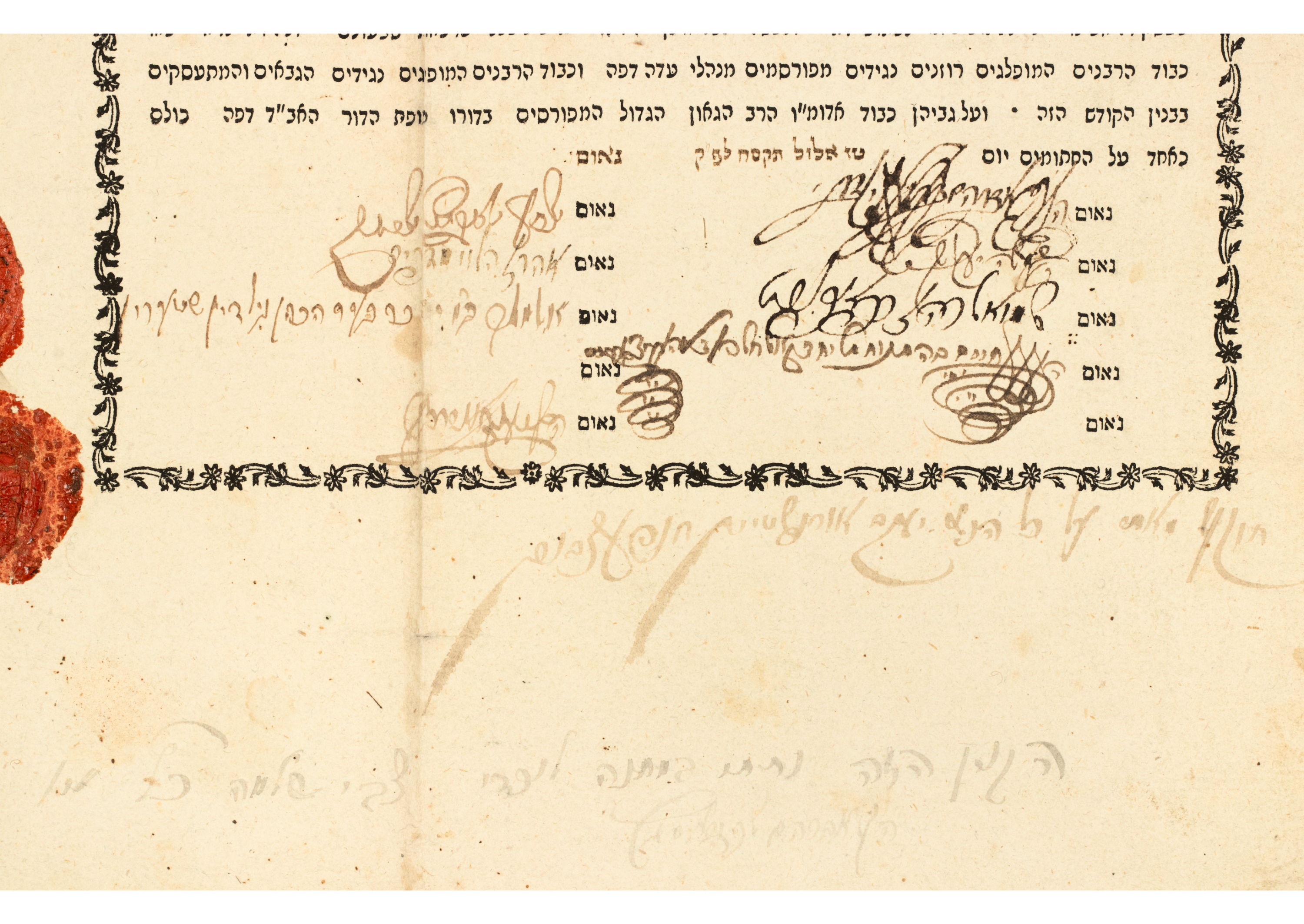
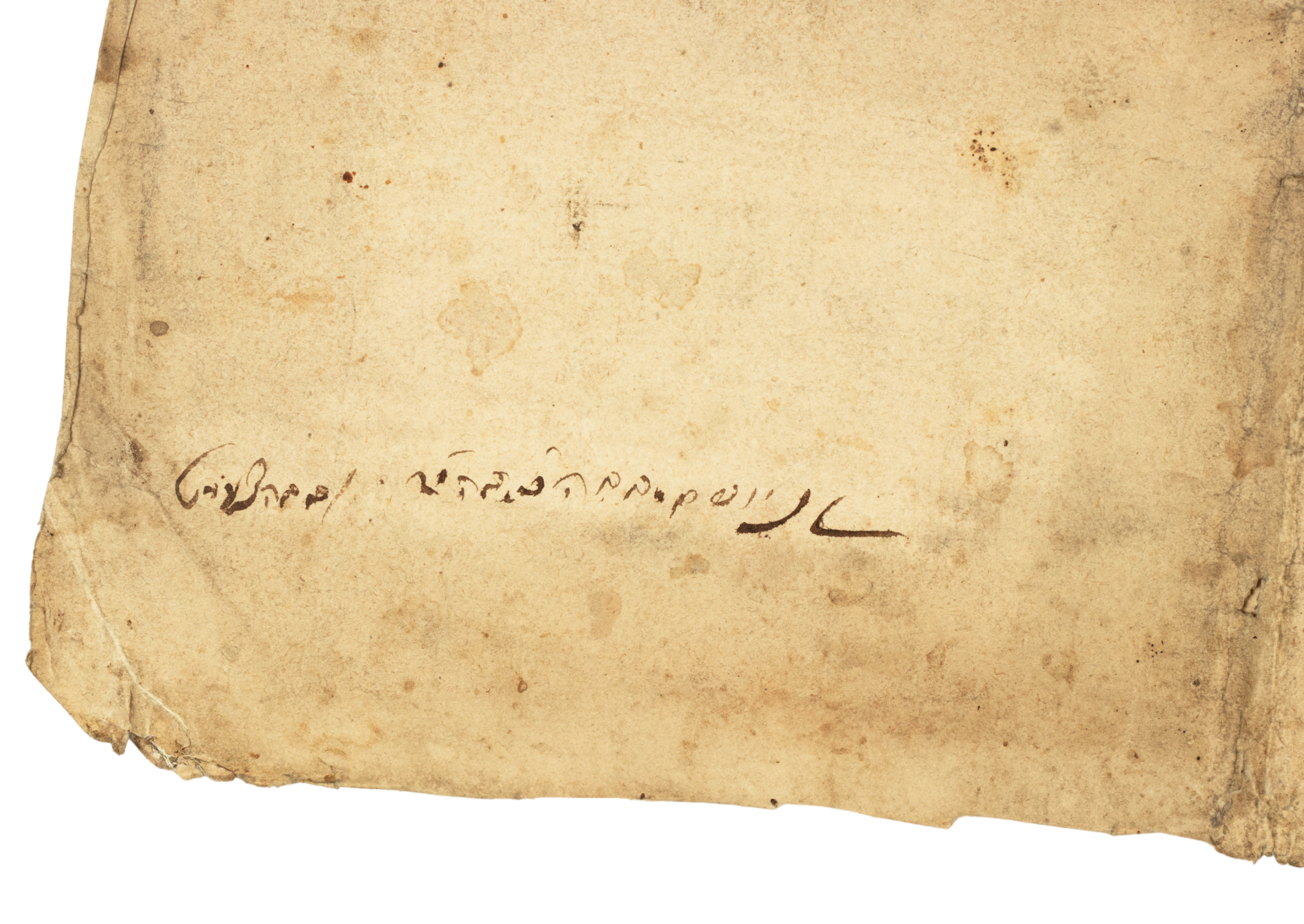
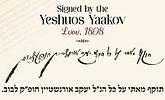
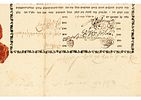
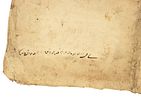
At the end, the Yeshuos Yaakov wrote: “I affirm the validity of all the above, Yaakov Orenstein, here in the community of Lvov.”

The Yeshuos Yaakov:

Rabbi Yaakov Meshulam Orenstein, Av Beis Din of Lvov 
(1775–1839), embodied a rare blend of Torah scholarship, distinguished lineage, refinement, and noble bearing. 

He reached the height of his influence, both spiritual and communal, when he assumed the rabbinate of the great city of Lvov. There, he introduced structure and enacted regulations in all matters of communal life, synagogues and charitable institutions. He led the community with great distinction, yet never accepted payment from the communal treasury.

He served as Rav of Lvov for more than thirty years, from 1808 until his passing in 1839.

His sefer Yeshuos Yaakov is regarded as one of the sifrei yesod on the four sections of the Shulchan Aruch.

The Great Beis Medrash of Lvov:

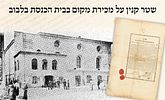
The city of Lvov was divided into two separate communities: “Lvov within the city, ” the section built within the walls of the old city, and “Lvov outside the city, ” where the large and central community was located.

The Great Beis Medrash outside the city of Lvov was one of the earliest and most impressive synagogues in Poland in general and in Lvov in particular. It was built in the seventeenth century, though it underwent periodic renovations, expansions, and restorations.

Ownership of a Seat:

In earlier times, a place in the synagogue was considered a full-fledged real estate asset! It was sold by public auction (see below), and the sale was carried out in accordance with all the laws of acquisition. The purchaser had the right to sell, rent out, or bequeath the place to whomever he wished.

The place in this deed was purchased by two partners: the dignitary Avraham Shapira Segal, together with Moshe Weitels. In the margin of the deed, Rabbi Avraham Shapira Segal recorded that he was giving it as a gift to his grandson.

Distinguished Signatures:

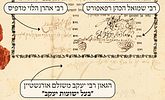
In addition to the Yeshuos Yaakov, eight additional leaders and parnasim of the community signed this document.
The best known among them are:

Rabbi Shmuel HaKohen Rappaport, one of the most illustrious figures of Poland, grandson of the gaon Rabbi Chaim HaKohen Rappaport. The Gedolim of his generation testified that his Yiras Shamayim and brilliance burned within him like a flaming torch (introduction of his son Rabbi Dov Berish Rappaport to his sefer Derech HaMelech).

Also signed is
Rabbi Aharon HaLevi Madpis, one of the printers of Lvov (see Friedberg, History of Hebrew Printing in Poland, p. 83).

Lvov, 16 Elul 1808 [September 8, 1808].

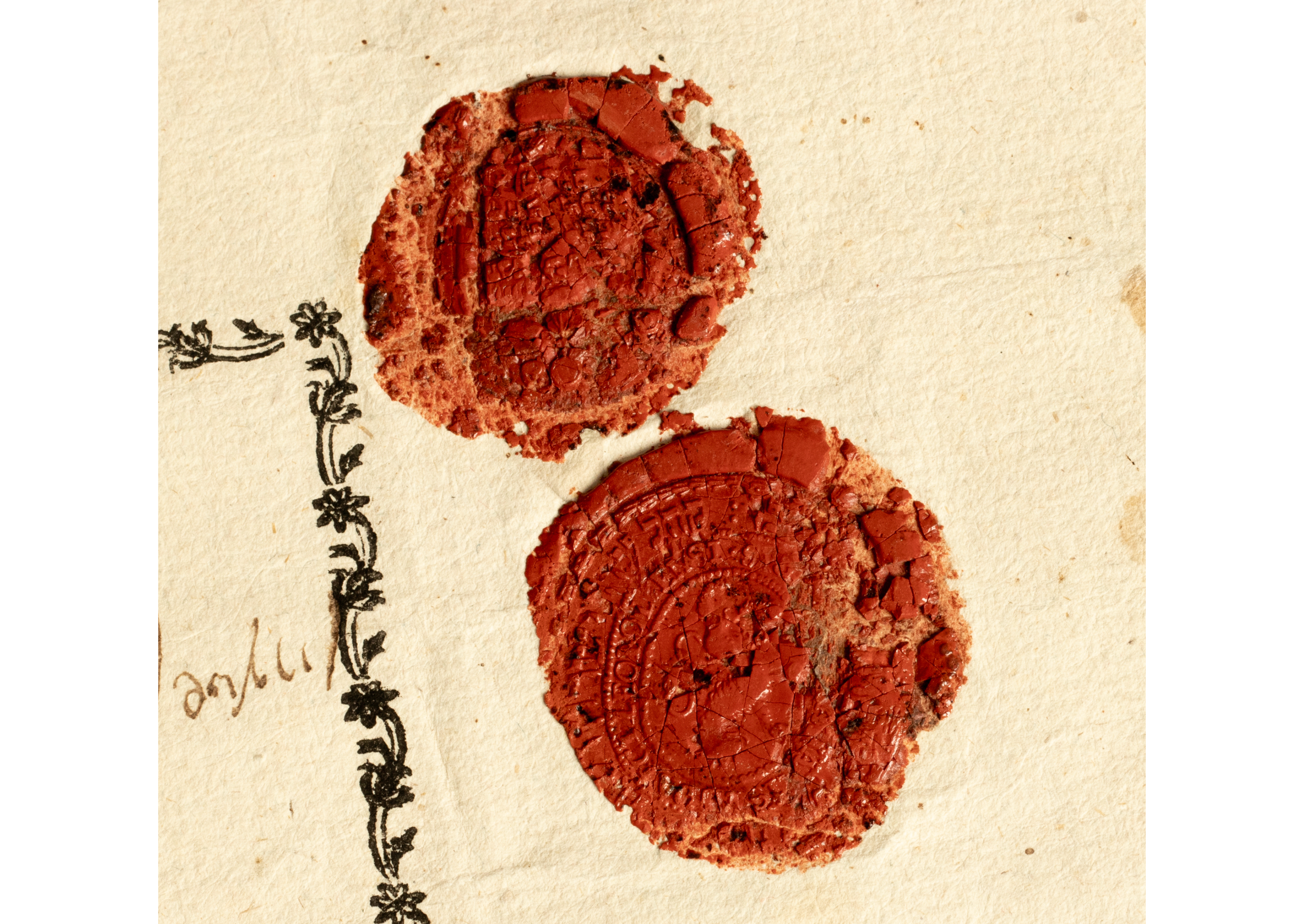
Large folded leaf, 32 × 46 cm, surrounded by a border with wide margins. With remains of the community’s wax seals.
Condition: In the center of the leaf there is a stain and a small restored blemish, with loss of a few individual letters.

The Public Auction of Seats


As noted, the seats were sold at a publicly announced licitation (public auction) held before a large gathering, as stated in detail in the deed: 
“The proclamation was issued in advance throughout all the synagogues, batei midrash, and prayer gatherings of the community, calling upon all the Jews to assemble on the appointed day [Rosh Chodesh Tammuz, 1808] and stand together with the townspeople at the time of the sale of the seats in the aforementioned beis medrash. Anyone wishing to acquire a fixed seat therein would continue bidding higher, one after another, until no further bids were offered.

The licitation (public auction) was conducted in a full public assembly, in the presence of prominent rabbanim, community leaders, distinguished dignitaries, and the heads of the congregation, together with the leading rabbanim, gabbaim, and those involved in the sacred work of building the beis medrash.


Presiding over them and directing the proceedings was our master, teacher, and Rav — the great gaon, the leading authority of the generation, widely renowned in his time — Rabbi Yaakov Orenstein, Av Beis Din of the holy community of Lvov and its entire district…”

For the Jewish people, the name “Lvov” is far more than merely the name of a city. It evokes the grandeur of a bygone era — “a city filled with sages and scholars, the source of wisdom and wellspring of understanding, a cornerstone and foundation of faith” (in the words of the Bach in his teshuvos, no. 72).

For centuries, Lvov was home to a vibrant and flourishing spiritual life, with magnificent synagogues and bustling batei medrash where Torah was studied day and night.

The city served as one of the principal centers of the ‘Council of Four Lands’ and wielded enormous influence over the leadership and communal affairs of Polish Jewry.

The title “Rav of Lvov” was regarded as one of the most distinguished positions in the rabbinic world. Some of the illustrious rabbanim who served the city were the Sma, the Taz, the Maginei Shlomo, the Chacham Tzvi, the Merkavas HaMishneh, the Pri Megadim, who was a native of Lvov and served there as a maggid meisharim, the Shu”t Shoel U’Meishiv and the Beis Yitzchak.


Lot : 31

Impressive Document from the

Community of Lvov

Approved and Signed by the
Rav of Lvov, the Yeshuos Yaakov, 1808

Start price: $8,000
|
Est. Price: $12,000 - $18,000

Impressive Document from the

Community of Lvov

Approved and Signed by the
Rav of Lvov, the Yeshuos Yaakov, 1808


A deed of acquisition for the sale of a seat in the Great Synagogue of Lvov, with handwritten confirmation of the transaction and the signature of the gaon Rabbi Yaakov Meshulam Orenstein, Av Beis Din of Lvov and author of Yeshuos Yaakov.

A large and beautiful print with a decorated border, a rare in-house printing of the Great Synagogue of Lvov.

At the end, the Yeshuos Yaakov wrote: “I affirm the validity of all the above, Yaakov Orenstein, here in the community of Lvov.”

The Yeshuos Yaakov:

Rabbi Yaakov Meshulam Orenstein, Av Beis Din of Lvov 
(1775–1839), embodied a rare blend of Torah scholarship, distinguished lineage, refinement, and noble bearing. 

He reached the height of his influence, both spiritual and communal, when he assumed the rabbinate of the great city of Lvov. There, he introduced structure and enacted regulations in all matters of communal life, synagogues and charitable institutions. He led the community with great distinction, yet never accepted payment from the communal treasury.

He served as Rav of Lvov for more than thirty years, from 1808 until his passing in 1839.

His sefer Yeshuos Yaakov is regarded as one of the sifrei yesod on the four sections of the Shulchan Aruch.

The Great Beis Medrash of Lvov:

The city of Lvov was divided into two separate communities: “Lvov within the city, ” the section built within the walls of the old city, and “Lvov outside the city, ” where the large and central community was located.

The Great Beis Medrash outside the city of Lvov was one of the earliest and most impressive synagogues in Poland in general and in Lvov in particular. It was built in the seventeenth century, though it underwent periodic renovations, expansions, and restorations.

Ownership of a Seat:

In earlier times, a place in the synagogue was considered a full-fledged real estate asset! It was sold by public auction (see below), and the sale was carried out in accordance with all the laws of acquisition. The purchaser had the right to sell, rent out, or bequeath the place to whomever he wished.

The place in this deed was purchased by two partners: the dignitary Avraham Shapira Segal, together with Moshe Weitels. In the margin of the deed, Rabbi Avraham Shapira Segal recorded that he was giving it as a gift to his grandson.

Distinguished Signatures:

In addition to the Yeshuos Yaakov, eight additional leaders and parnasim of the community signed this document.
The best known among them are:

Rabbi Shmuel HaKohen Rappaport, one of the most illustrious figures of Poland, grandson of the gaon Rabbi Chaim HaKohen Rappaport. The Gedolim of his generation testified that his Yiras Shamayim and brilliance burned within him like a flaming torch (introduction of his son Rabbi Dov Berish Rappaport to his sefer Derech HaMelech).

Also signed is
Rabbi Aharon HaLevi Madpis, one of the printers of Lvov (see Friedberg, History of Hebrew Printing in Poland, p. 83).

Lvov, 16 Elul 1808 [September 8, 1808].

Large folded leaf, 32 × 46 cm, surrounded by a border with wide margins. With remains of the community’s wax seals.
Condition: In the center of the leaf there is a stain and a small restored blemish, with loss of a few individual letters.

The Public Auction of Seats


As noted, the seats were sold at a publicly announced licitation (public auction) held before a large gathering, as stated in detail in the deed: 
“The proclamation was issued in advance throughout all the synagogues, batei midrash, and prayer gatherings of the community, calling upon all the Jews to assemble on the appointed day [Rosh Chodesh Tammuz, 1808] and stand together with the townspeople at the time of the sale of the seats in the aforementioned beis medrash. Anyone wishing to acquire a fixed seat therein would continue bidding higher, one after another, until no further bids were offered.

The licitation (public auction) was conducted in a full public assembly, in the presence of prominent rabbanim, community leaders, distinguished dignitaries, and the heads of the congregation, together with the leading rabbanim, gabbaim, and those involved in the sacred work of building the beis medrash.


Presiding over them and directing the proceedings was our master, teacher, and Rav — the great gaon, the leading authority of the generation, widely renowned in his time — Rabbi Yaakov Orenstein, Av Beis Din of the holy community of Lvov and its entire district…”

For the Jewish people, the name “Lvov” is far more than merely the name of a city. It evokes the grandeur of a bygone era — “a city filled with sages and scholars, the source of wisdom and wellspring of understanding, a cornerstone and foundation of faith” (in the words of the Bach in his teshuvos, no. 72).

For centuries, Lvov was home to a vibrant and flourishing spiritual life, with magnificent synagogues and bustling batei medrash where Torah was studied day and night.

The city served as one of the principal centers of the ‘Council of Four Lands’ and wielded enormous influence over the leadership and communal affairs of Polish Jewry.

The title “Rav of Lvov” was regarded as one of the most distinguished positions in the rabbinic world. Some of the illustrious rabbanim who served the city were the Sma, the Taz, the Maginei Shlomo, the Chacham Tzvi, the Merkavas HaMishneh, the Pri Megadim, who was a native of Lvov and served there as a maggid meisharim, the Shu”t Shoel U’Meishiv and the Beis Yitzchak.


Impressive Document from the

Community of Lvov

Approved and Signed by the
Rav of Lvov, the Yeshuos Yaakov, 1808


A deed of acquisition for the sale of a seat in the Great Synagogue of Lvov, with handwritten confirmation of the transaction and the signature of the gaon Rabbi Yaakov Meshulam Orenstein, Av Beis Din of Lvov and author of Yeshuos Yaakov.

A large and beautiful print with a decorated border, a rare in-house printing of the Great Synagogue of Lvov.

At the end, the Yeshuos Yaakov wrote: “I affirm the validity of all the above, Yaakov Orenstein, here in the community of Lvov.”

The Yeshuos Yaakov:

Rabbi Yaakov Meshulam Orenstein, Av Beis Din of Lvov 
(1775–1839), embodied a rare blend of Torah scholarship, distinguished lineage, refinement, and noble bearing. 

He reached the height of his influence, both spiritual and communal, when he assumed the rabbinate of the great city of Lvov. There, he introduced structure and enacted regulations in all matters of communal life, synagogues and charitable institutions. He led the community with great distinction, yet never accepted payment from the communal treasury.

He served as Rav of Lvov for more than thirty years, from 1808 until his passing in 1839.

His sefer Yeshuos Yaakov is regarded as one of the sifrei yesod on the four sections of the Shulchan Aruch.

The Great Beis Medrash of Lvov:

The city of Lvov was divided into two separate communities: “Lvov within the city, ” the section built within the walls of the old city, and “Lvov outside the city, ” where the large and central community was located.

The Great Beis Medrash outside the city of Lvov was one of the earliest and most impressive synagogues in Poland in general and in Lvov in particular. It was built in the seventeenth century, though it underwent periodic renovations, expansions, and restorations.

Ownership of a Seat:

In earlier times, a place in the synagogue was considered a full-fledged real estate asset! It was sold by public auction (see below), and the sale was carried out in accordance with all the laws of acquisition. The purchaser had the right to sell, rent out, or bequeath the place to whomever he wished.

The place in this deed was purchased by two partners: the dignitary Avraham Shapira Segal, together with Moshe Weitels. In the margin of the deed, Rabbi Avraham Shapira Segal recorded that he was giving it as a gift to his grandson.

Distinguished Signatures:

In addition to the Yeshuos Yaakov, eight additional leaders and parnasim of the community signed this document.
The best known among them are:

Rabbi Shmuel HaKohen Rappaport, one of the most illustrious figures of Poland, grandson of the gaon Rabbi Chaim HaKohen Rappaport. The Gedolim of his generation testified that his Yiras Shamayim and brilliance burned within him like a flaming torch (introduction of his son Rabbi Dov Berish Rappaport to his sefer Derech HaMelech).

Also signed is
Rabbi Aharon HaLevi Madpis, one of the printers of Lvov (see Friedberg, History of Hebrew Printing in Poland, p. 83).

Lvov, 16 Elul 1808 [September 8, 1808].

Large folded leaf, 32 × 46 cm, surrounded by a border with wide margins. With remains of the community’s wax seals.
Condition: In the center of the leaf there is a stain and a small restored blemish, with loss of a few individual letters.

The Public Auction of Seats


As noted, the seats were sold at a publicly announced licitation (public auction) held before a large gathering, as stated in detail in the deed: 
“The proclamation was issued in advance throughout all the synagogues, batei midrash, and prayer gatherings of the community, calling upon all the Jews to assemble on the appointed day [Rosh Chodesh Tammuz, 1808] and stand together with the townspeople at the time of the sale of the seats in the aforementioned beis medrash. Anyone wishing to acquire a fixed seat therein would continue bidding higher, one after another, until no further bids were offered.

The licitation (public auction) was conducted in a full public assembly, in the presence of prominent rabbanim, community leaders, distinguished dignitaries, and the heads of the congregation, together with the leading rabbanim, gabbaim, and those involved in the sacred work of building the beis medrash.


Presiding over them and directing the proceedings was our master, teacher, and Rav — the great gaon, the leading authority of the generation, widely renowned in his time — Rabbi Yaakov Orenstein, Av Beis Din of the holy community of Lvov and its entire district…”

For the Jewish people, the name “Lvov” is far more than merely the name of a city. It evokes the grandeur of a bygone era — “a city filled with sages and scholars, the source of wisdom and wellspring of understanding, a cornerstone and foundation of faith” (in the words of the Bach in his teshuvos, no. 72).

For centuries, Lvov was home to a vibrant and flourishing spiritual life, with magnificent synagogues and bustling batei medrash where Torah was studied day and night.

The city served as one of the principal centers of the ‘Council of Four Lands’ and wielded enormous influence over the leadership and communal affairs of Polish Jewry.

The title “Rav of Lvov” was regarded as one of the most distinguished positions in the rabbinic world. Some of the illustrious rabbanim who served the city were the Sma, the Taz, the Maginei Shlomo, the Chacham Tzvi, the Merkavas HaMishneh, the Pri Megadim, who was a native of Lvov and served there as a maggid meisharim, the Shu”t Shoel U’Meishiv and the Beis Yitzchak.