


To attend this auction live or leave absentee bids
Lot : 33
Fascinating Discovery!
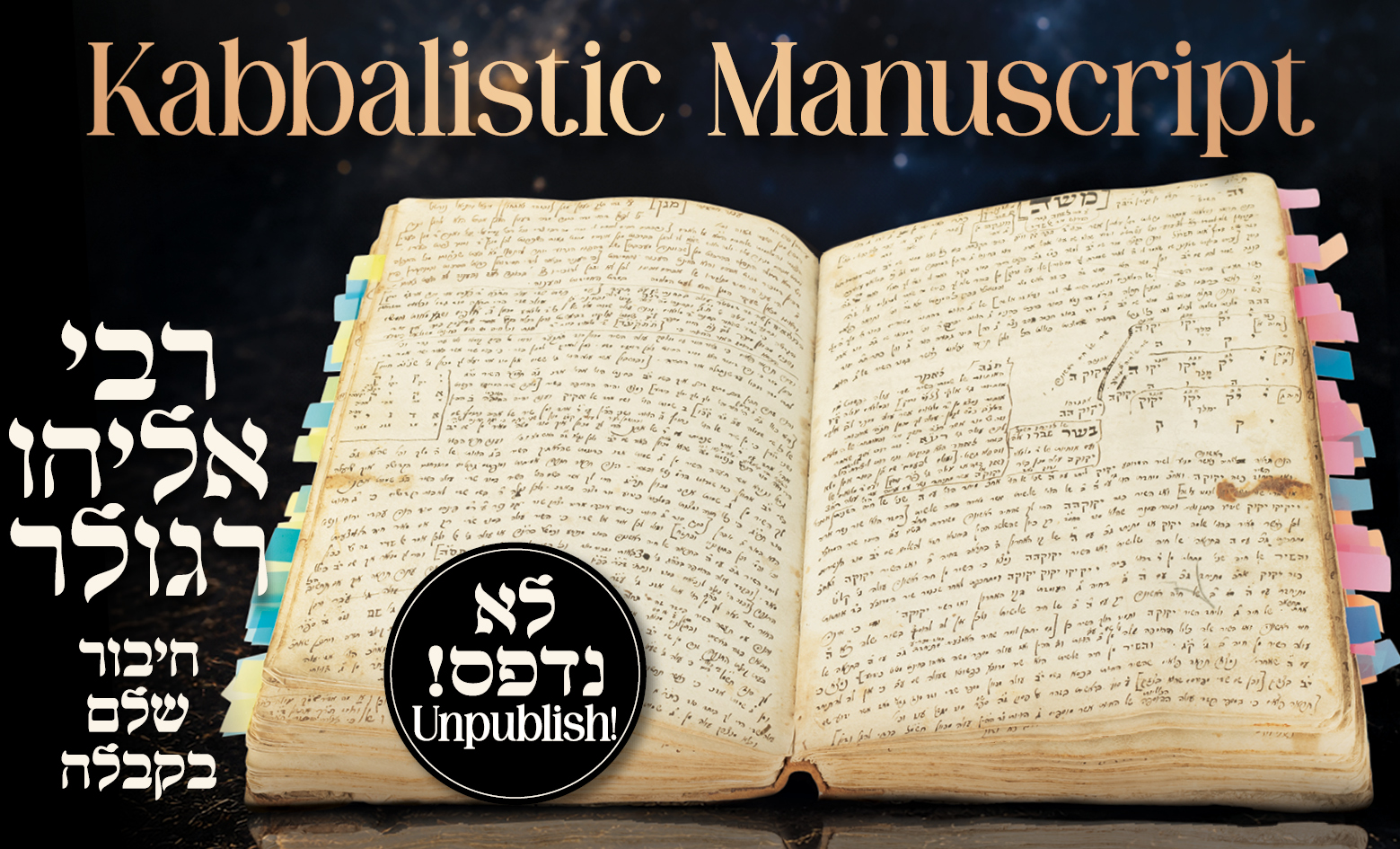
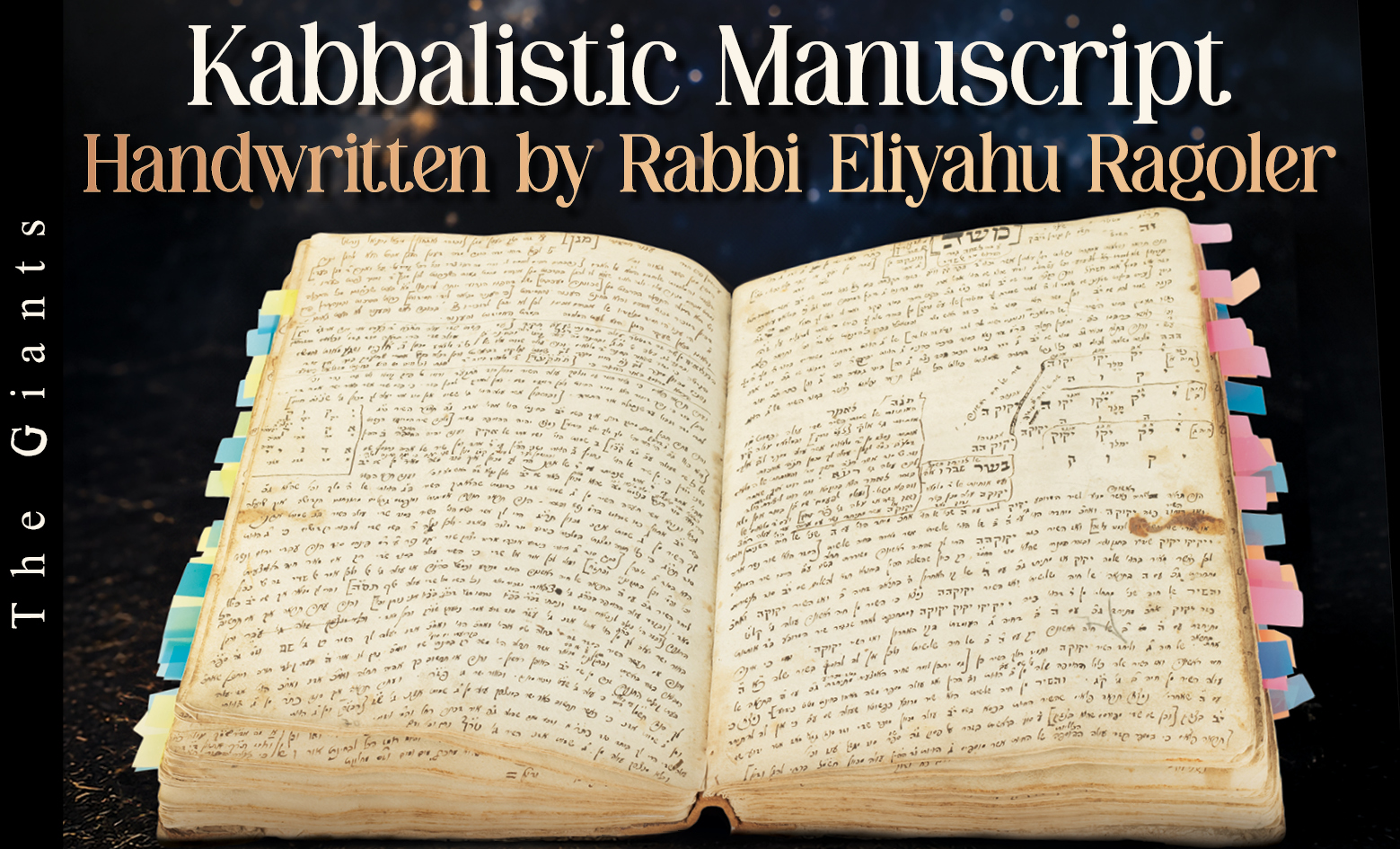
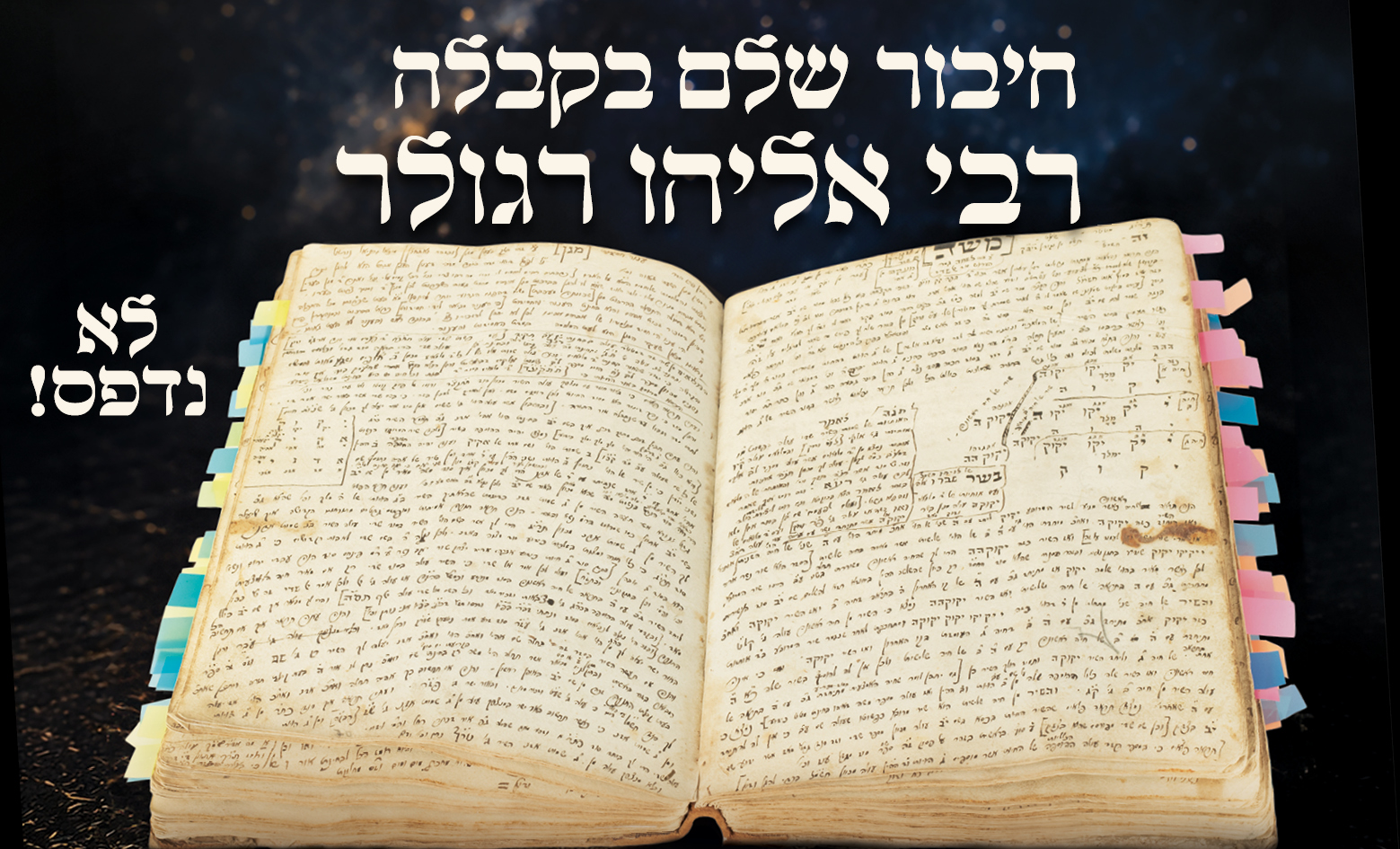
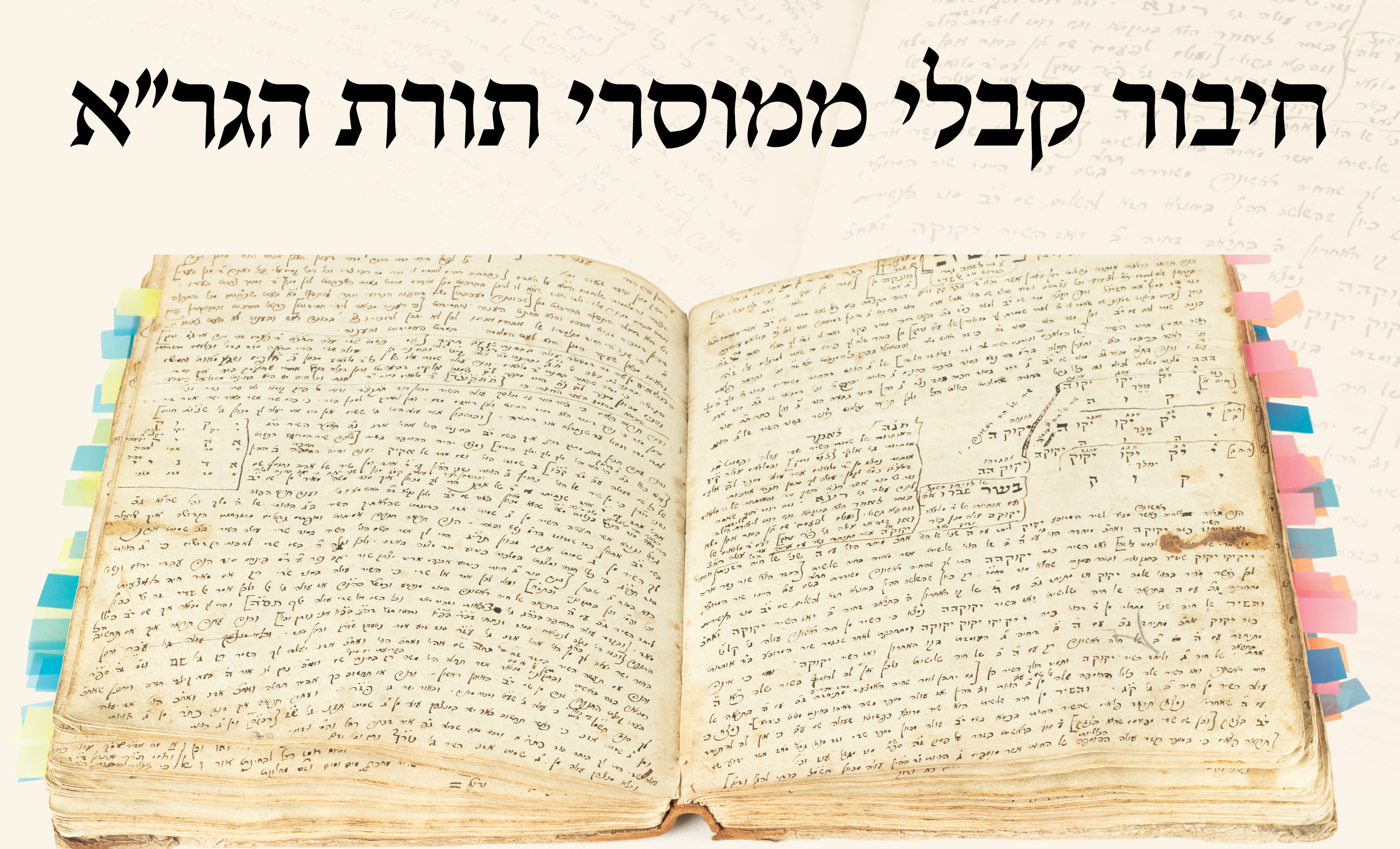
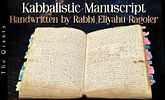
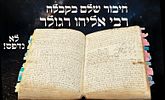
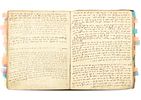
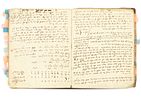
Unknown Manuscript of Kabbalistic Teachings in the Handwriting of Rabbi Eliyahu Ragoler, c.1835
Fascinating Discovery!
Unknown Manuscript of Kabbalistic Teachings in the Handwriting of Rabbi Eliyahu Ragoler, c.1835
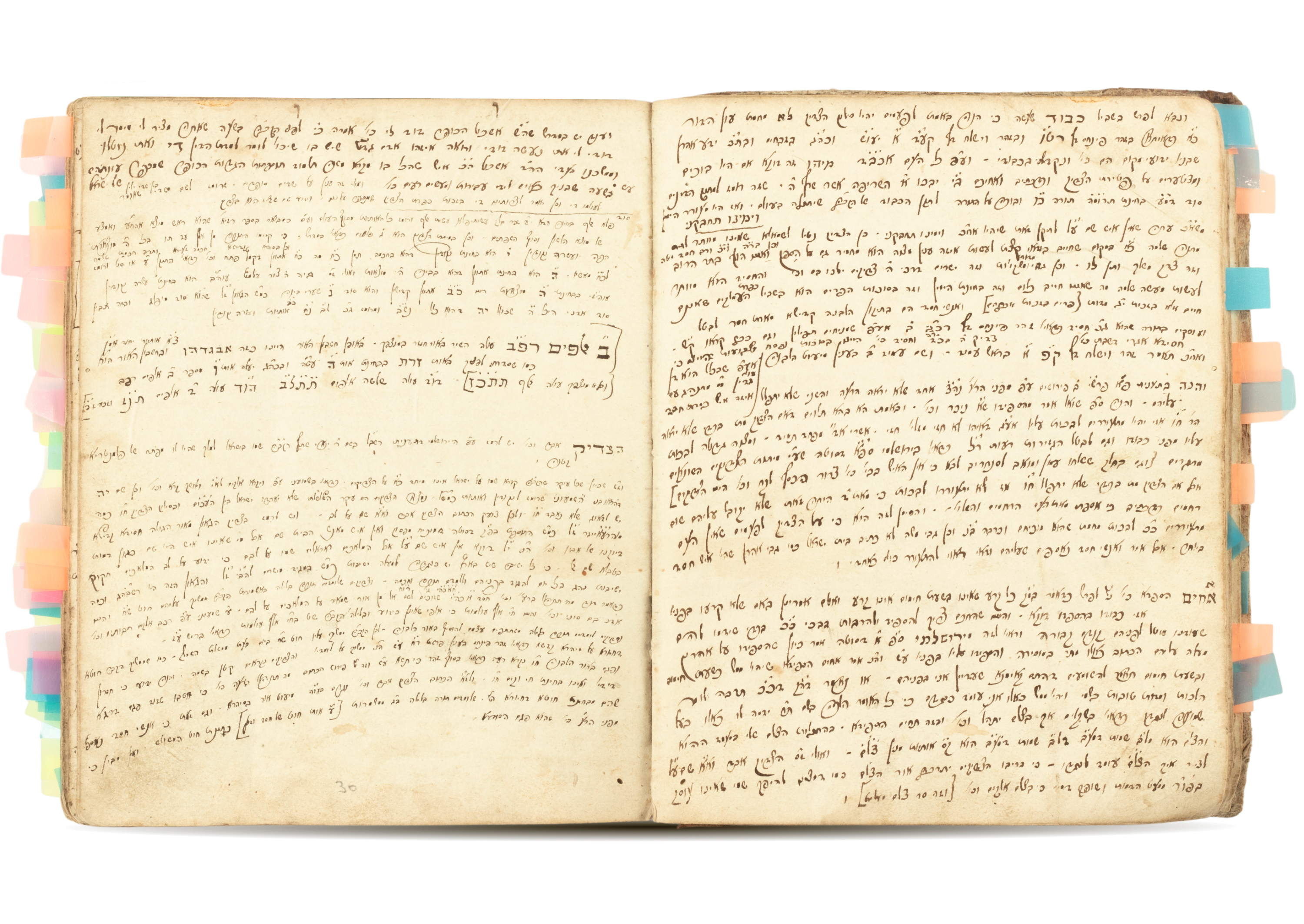
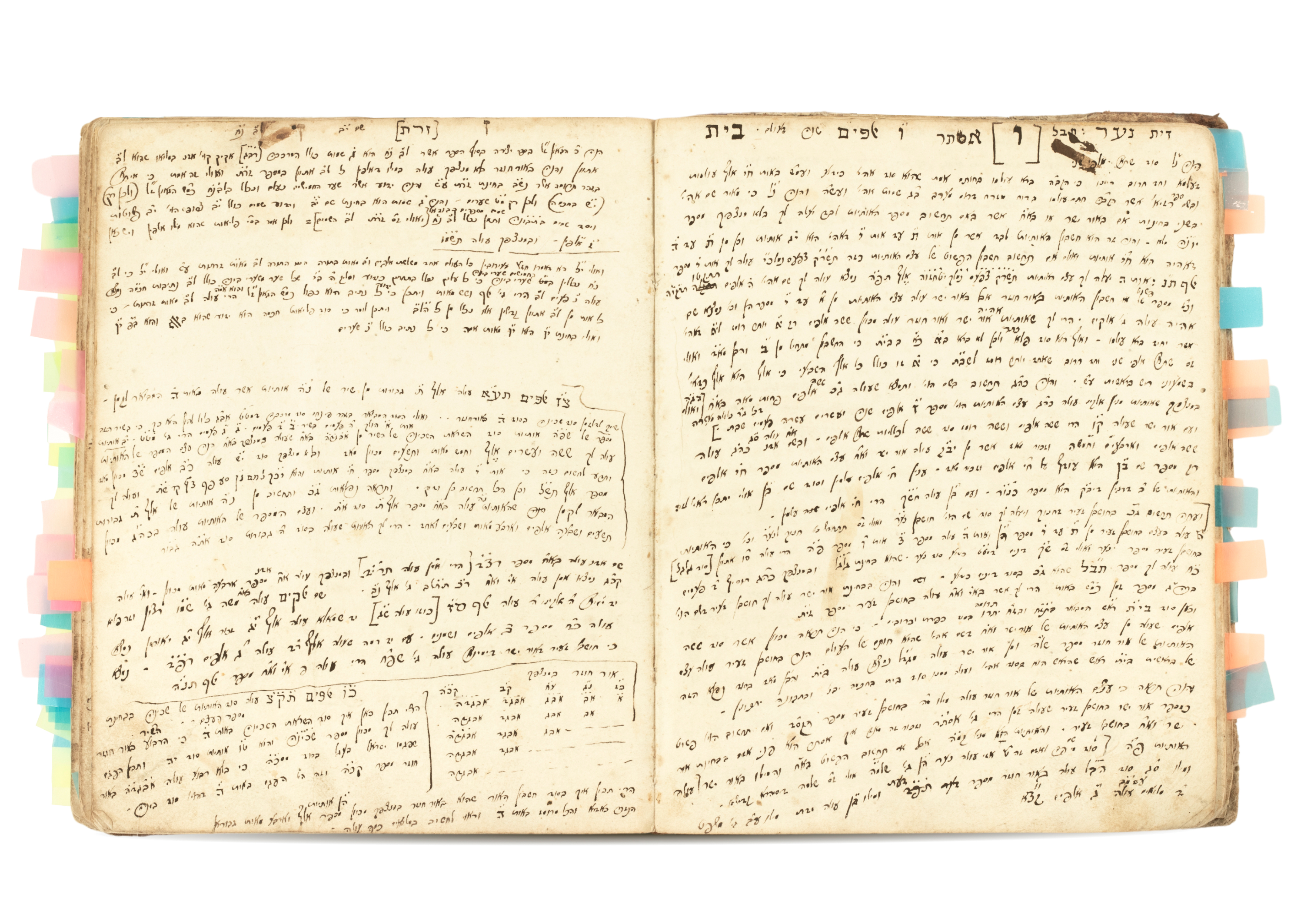
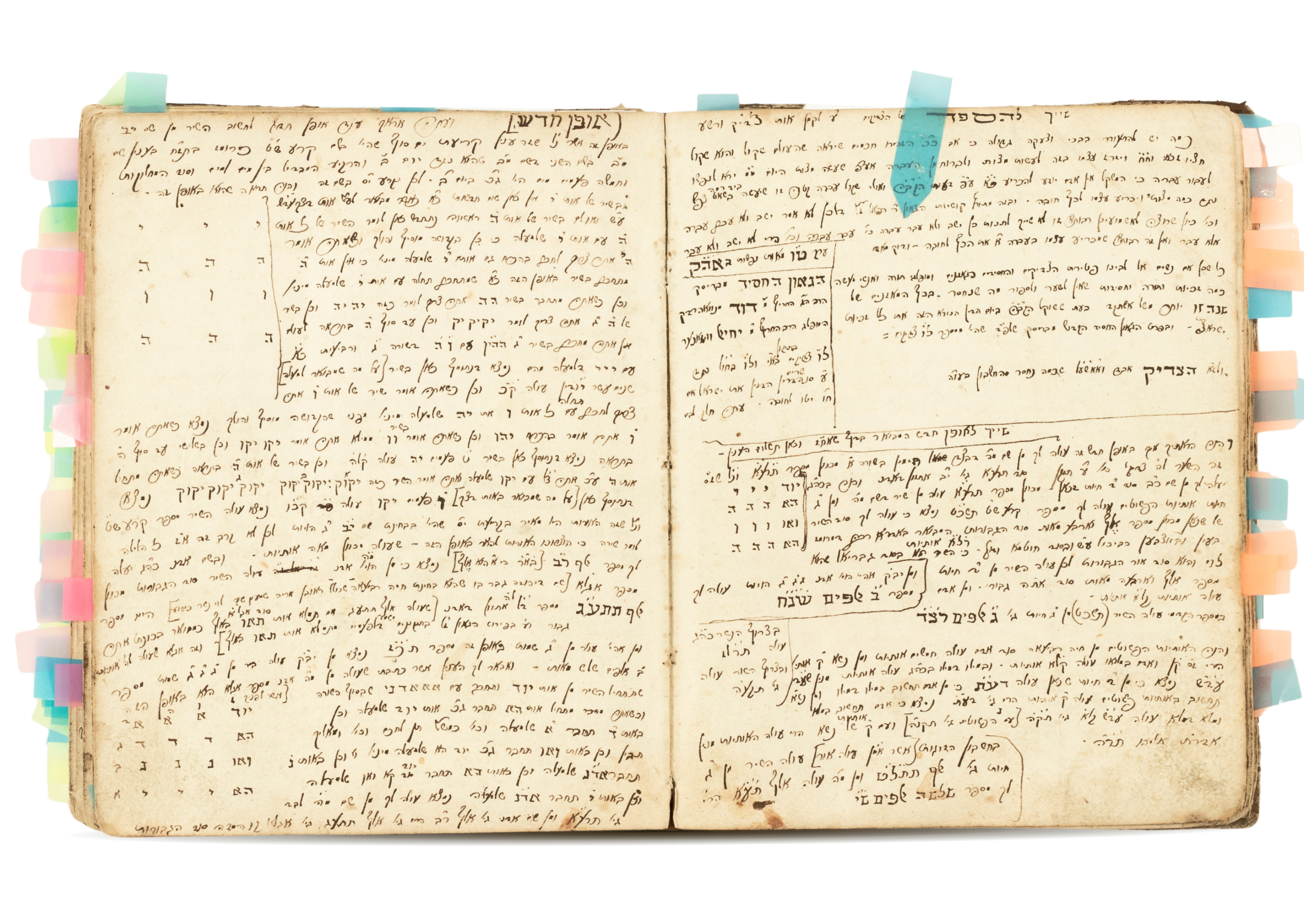
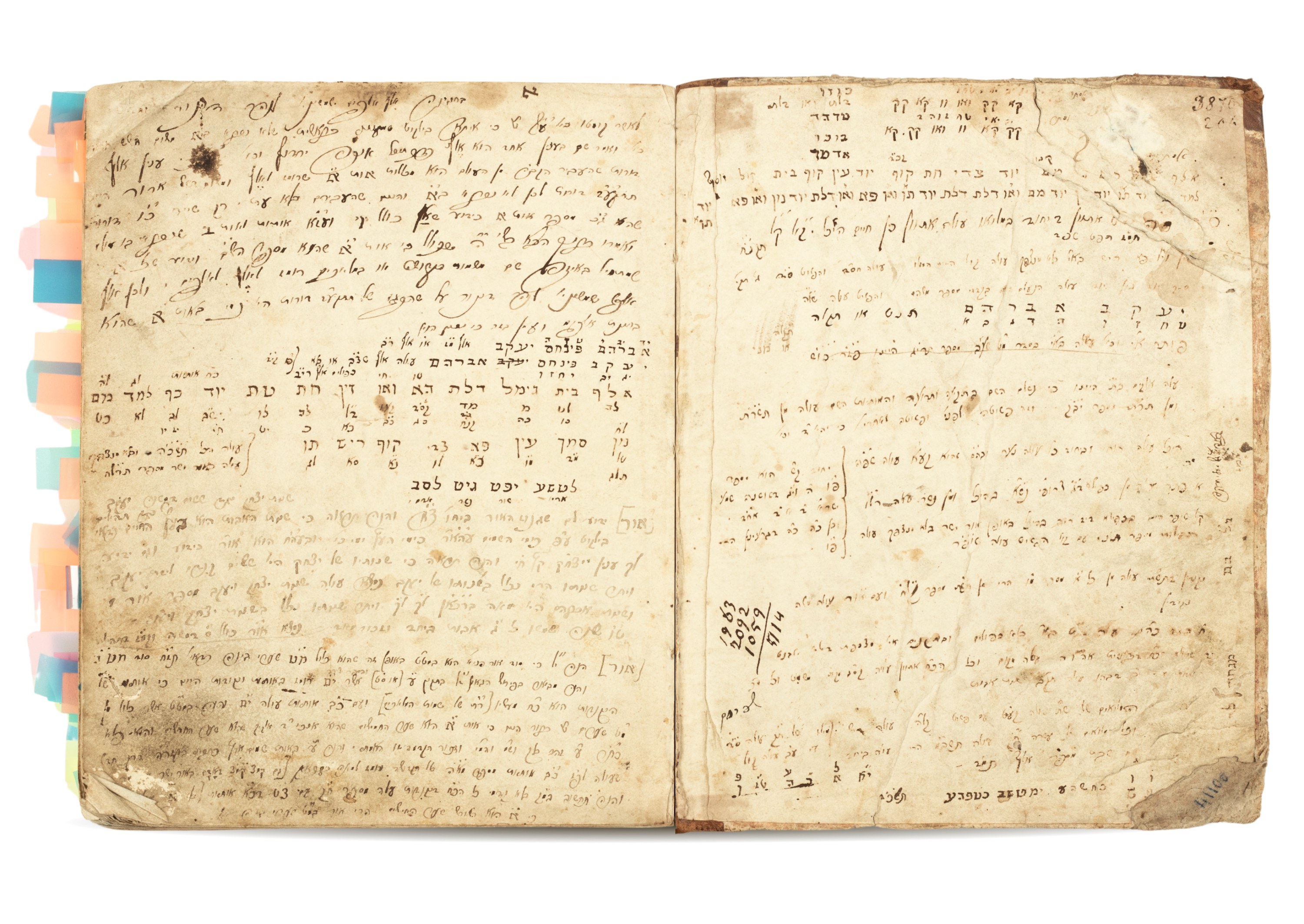
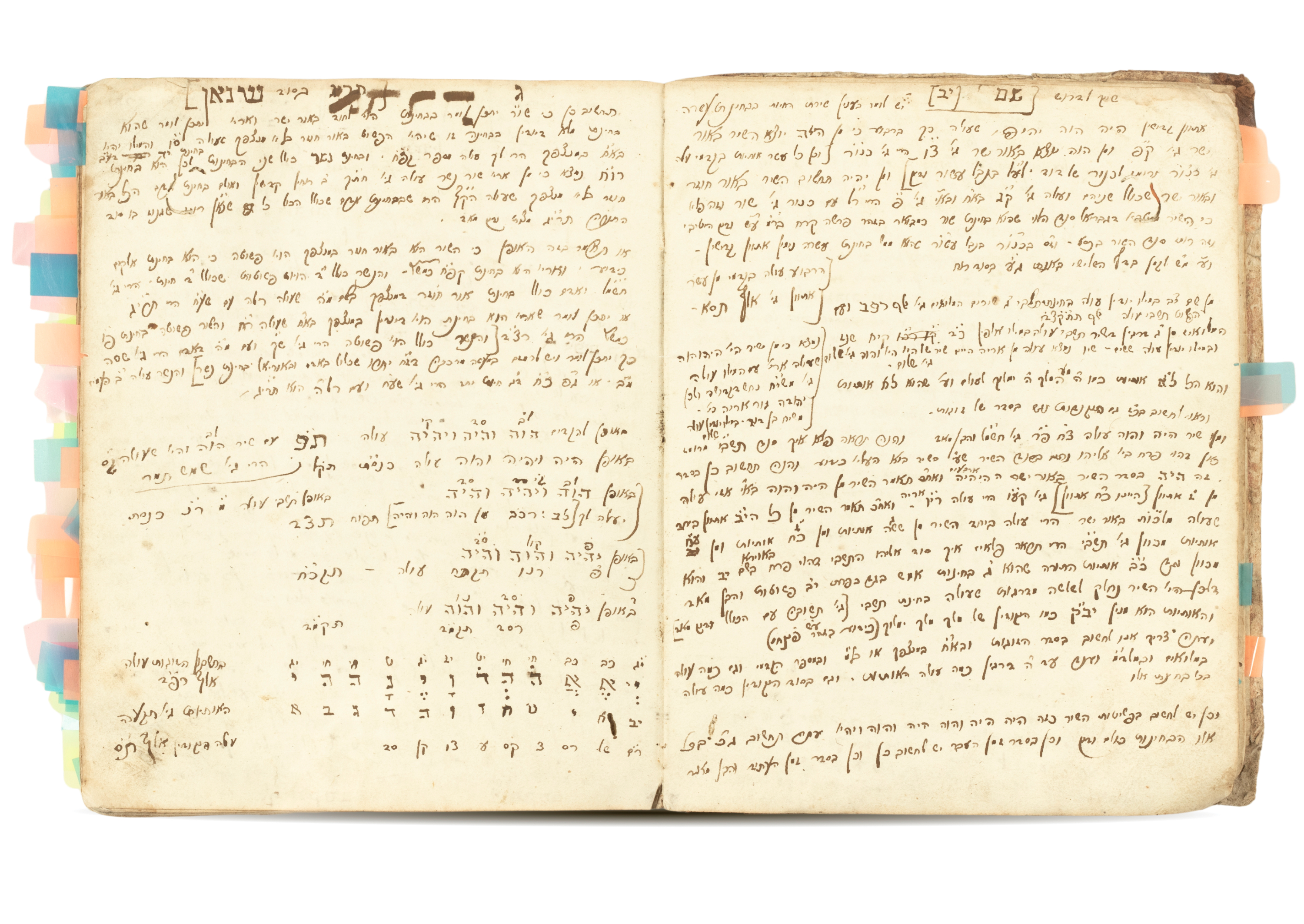
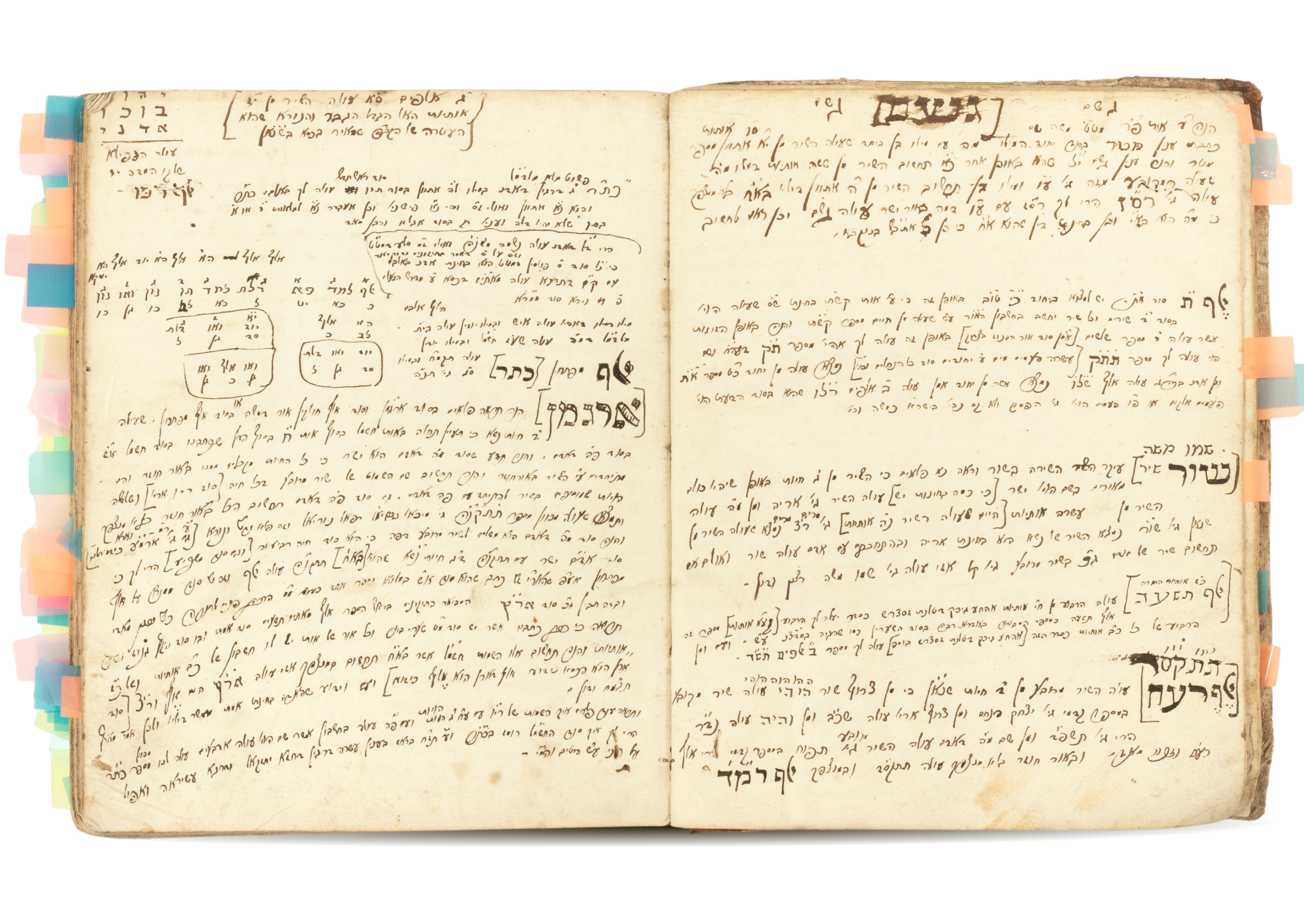
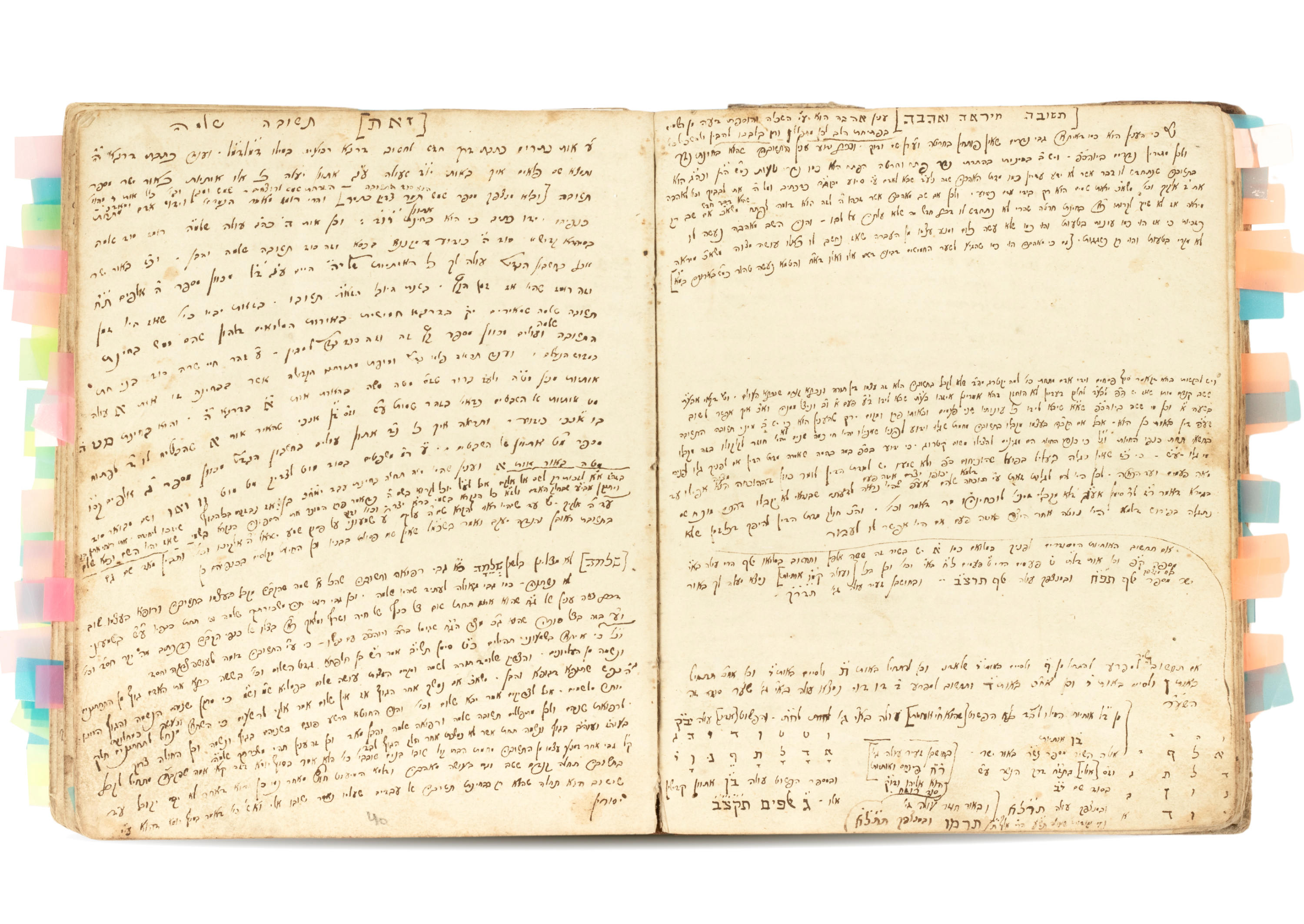
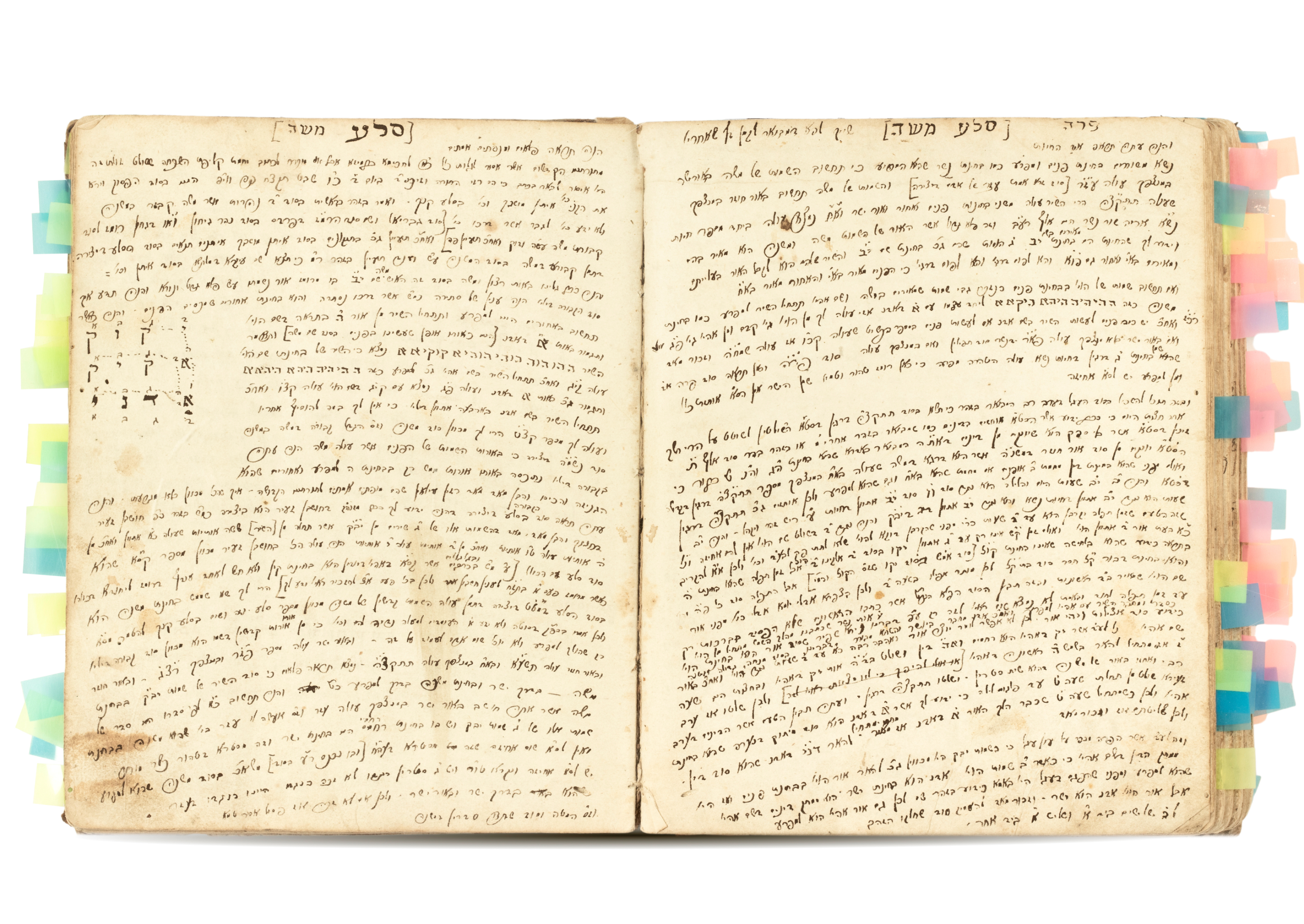
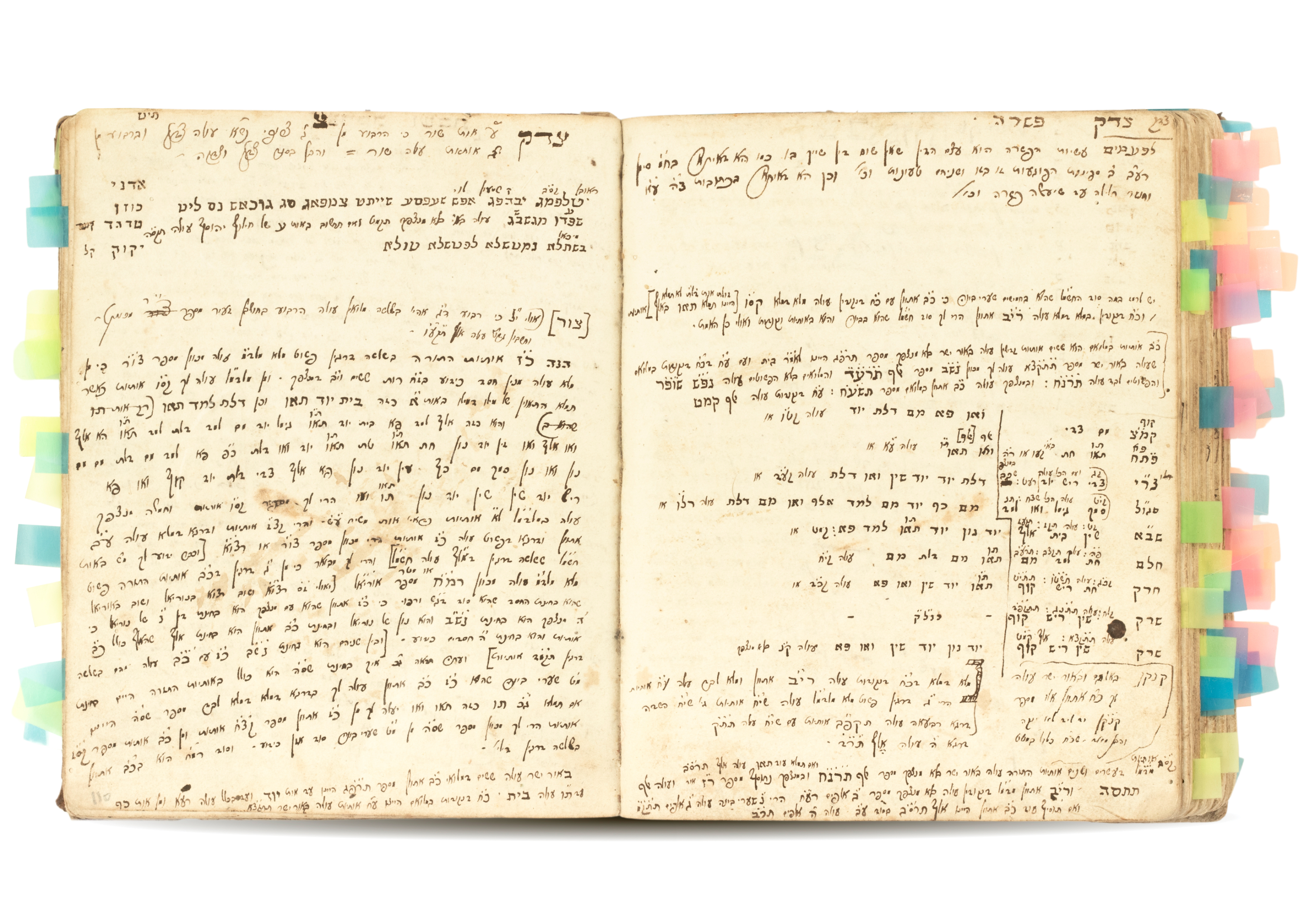
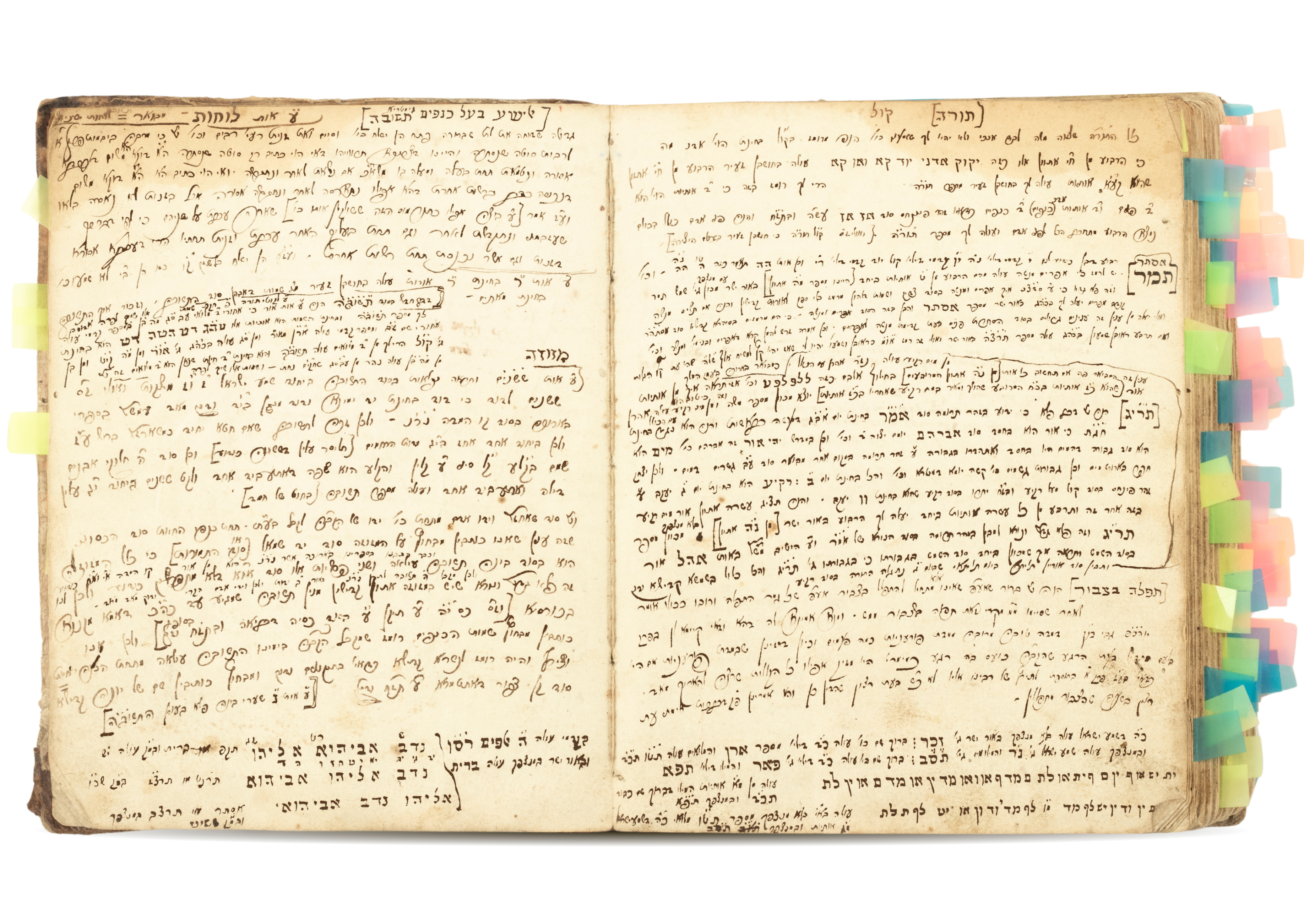
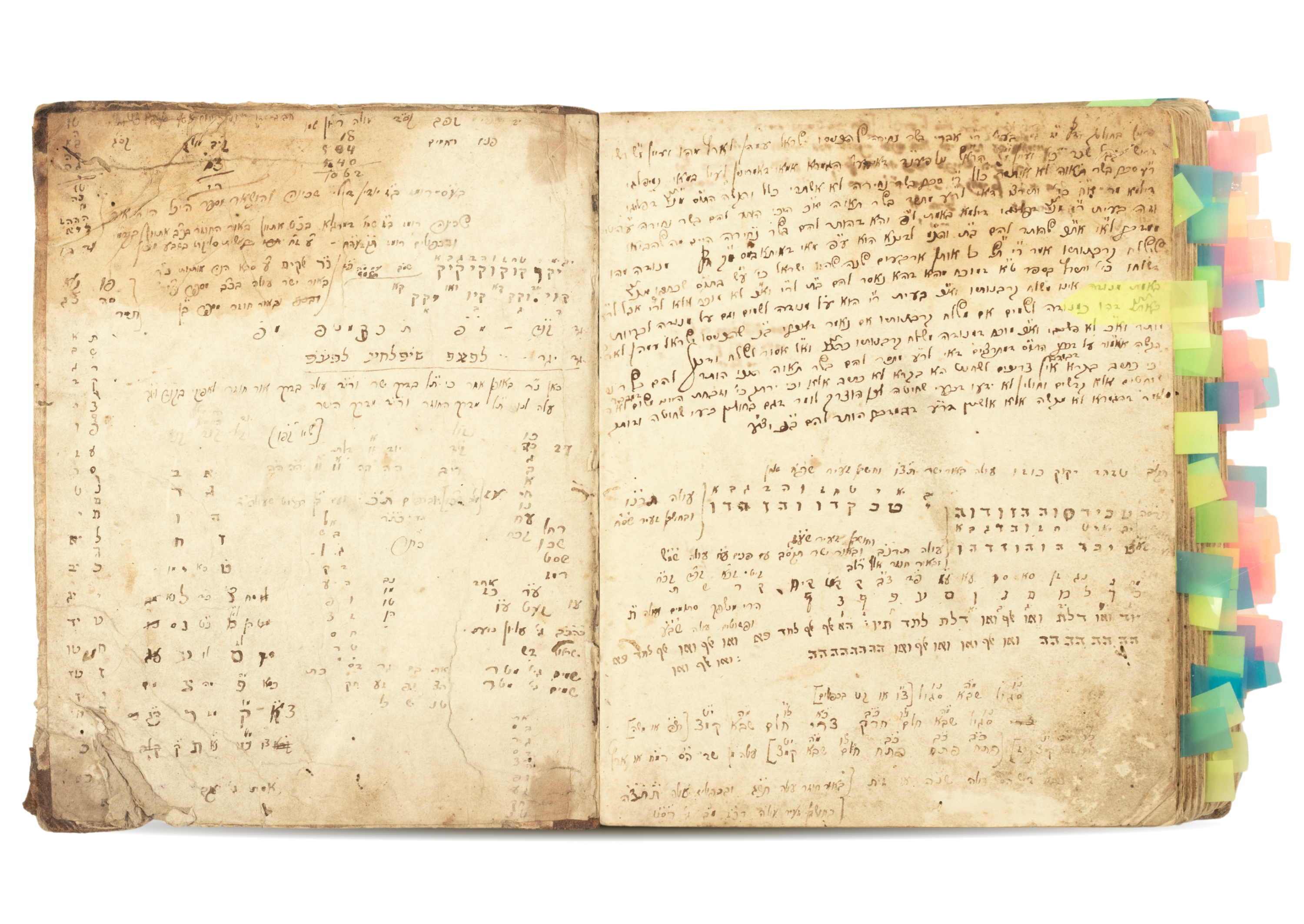
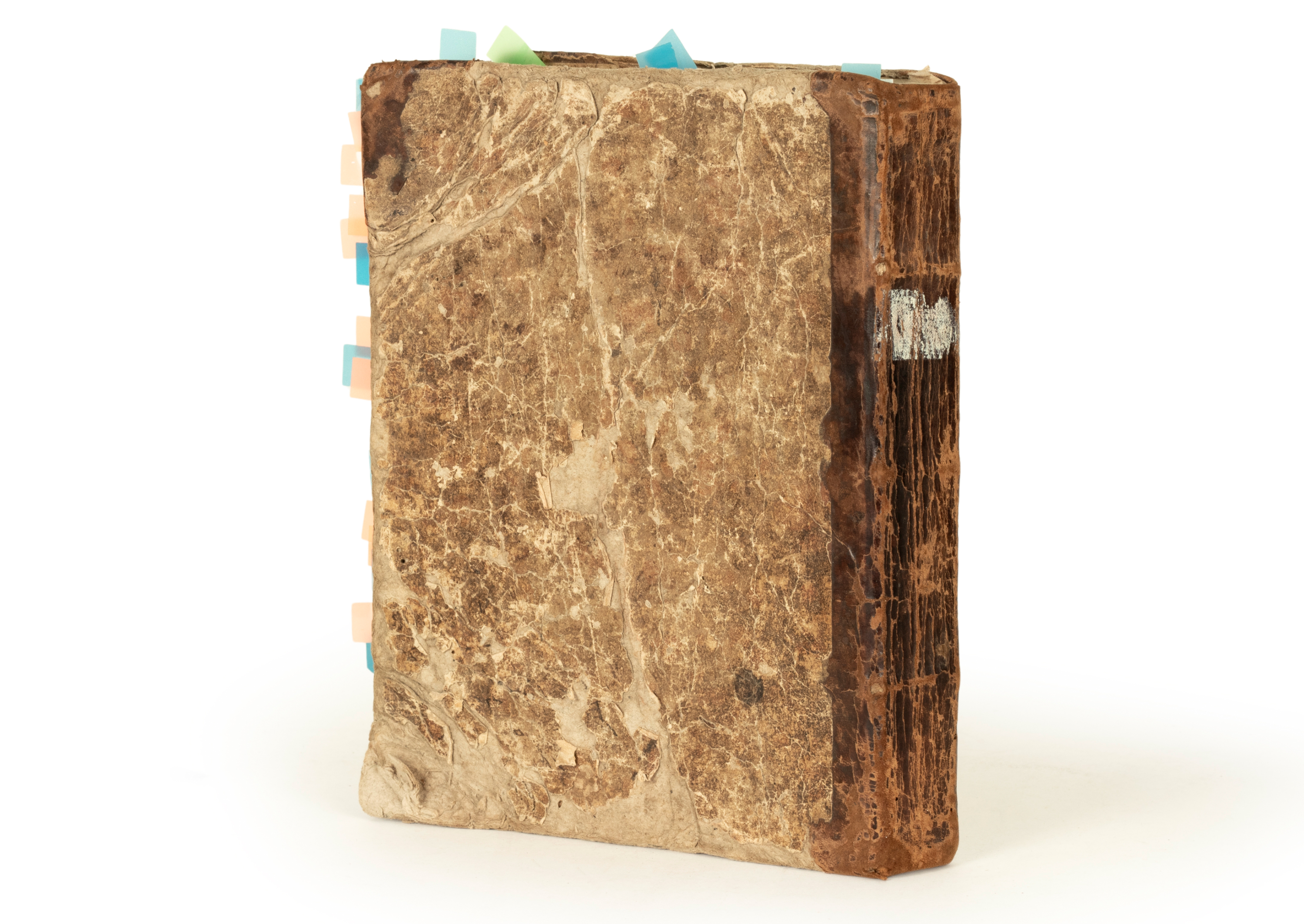
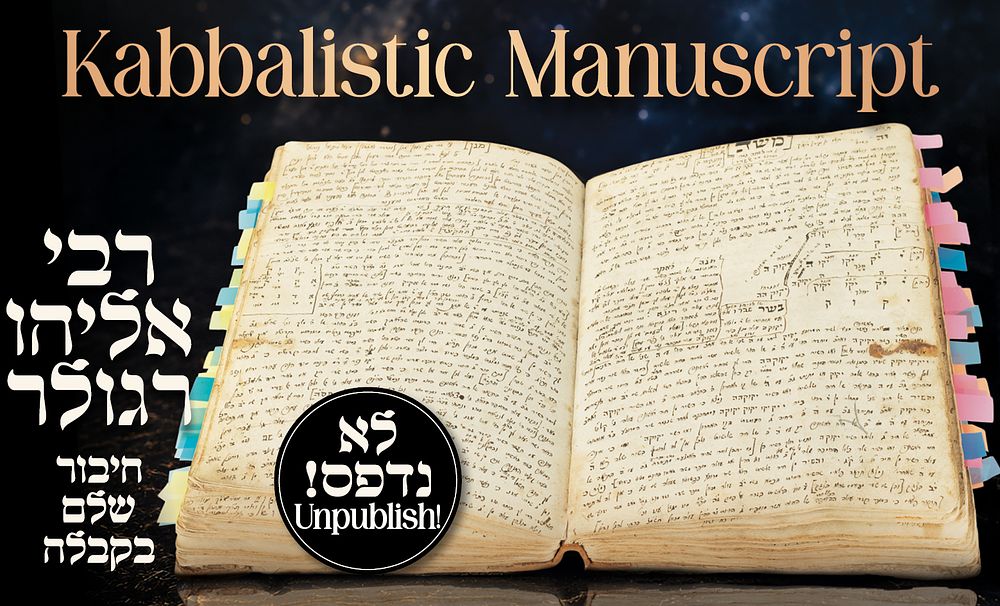
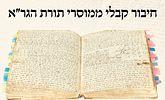
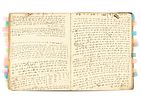
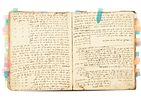
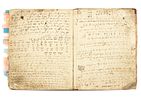
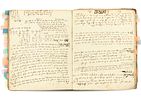
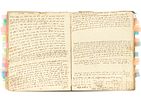
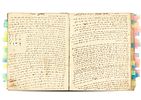
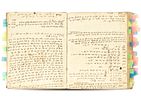
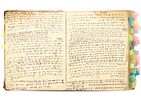
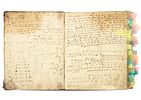
A complete volume of profound and remarkable chiddushim in Kabbalah, written in the holy handwriting of the renowned gaon Rabbi Eliyahu Ragoler, Av Beis Din of Kalish.
A truly exceptional manuscript — an entire work by an extraordinary gaon, known primarily for his brilliant sefarim in halacha and Talmudic analysis, but in this manuscript, his immense greatness in Kabbalah and the hidden teachings of the Torah is revealed.
A truly exceptional manuscript — an entire work by an extraordinary gaon, known primarily for his brilliant sefarim in halacha and Talmudic analysis, but in this manuscript, his immense greatness in Kabbalah and the hidden teachings of the Torah is revealed.
This work has never been printed and, to the best of Genazym’s knowledge, has remained entirely unknown until now.
The manuscript was once in the possession of the gaon and bibliophile Rabbi Yitzchak Yosef Chazan of Lubavitch, owner of an important collection of sefarim and manuscripts. He published seven brief excerpts from it — short aggadic insights based on revealed Torah — in Knesses HaGedolah (Subalski), vol. 4, Warsaw, 1891, pp. 133–134, under the title Dvar Eliyahu. At the conclusion, he wrote: “Thus far I have copied, letter for letter, these holy words from the manuscript written in his sacred handwriting.” However, he published none of the Kabbalistic material contained in the manuscript.
(Rabbi Yitzchak Yosef personally visited Rabbi Eliyahu Ragoler, and in his own work, which remains in manuscript and is preserved in the National Library of Israel, he records teachings heard directly from him.)
The work is arranged alphabetically by entry, from Aleph through Taf — similar to the arrangement of the Kesavim section in the author’s sefer Yad Eliyahu — and contains hundreds of subjects encompassing profound explanations, esoteric teachings, mystical letter combinations, and extraordinary gematrios.
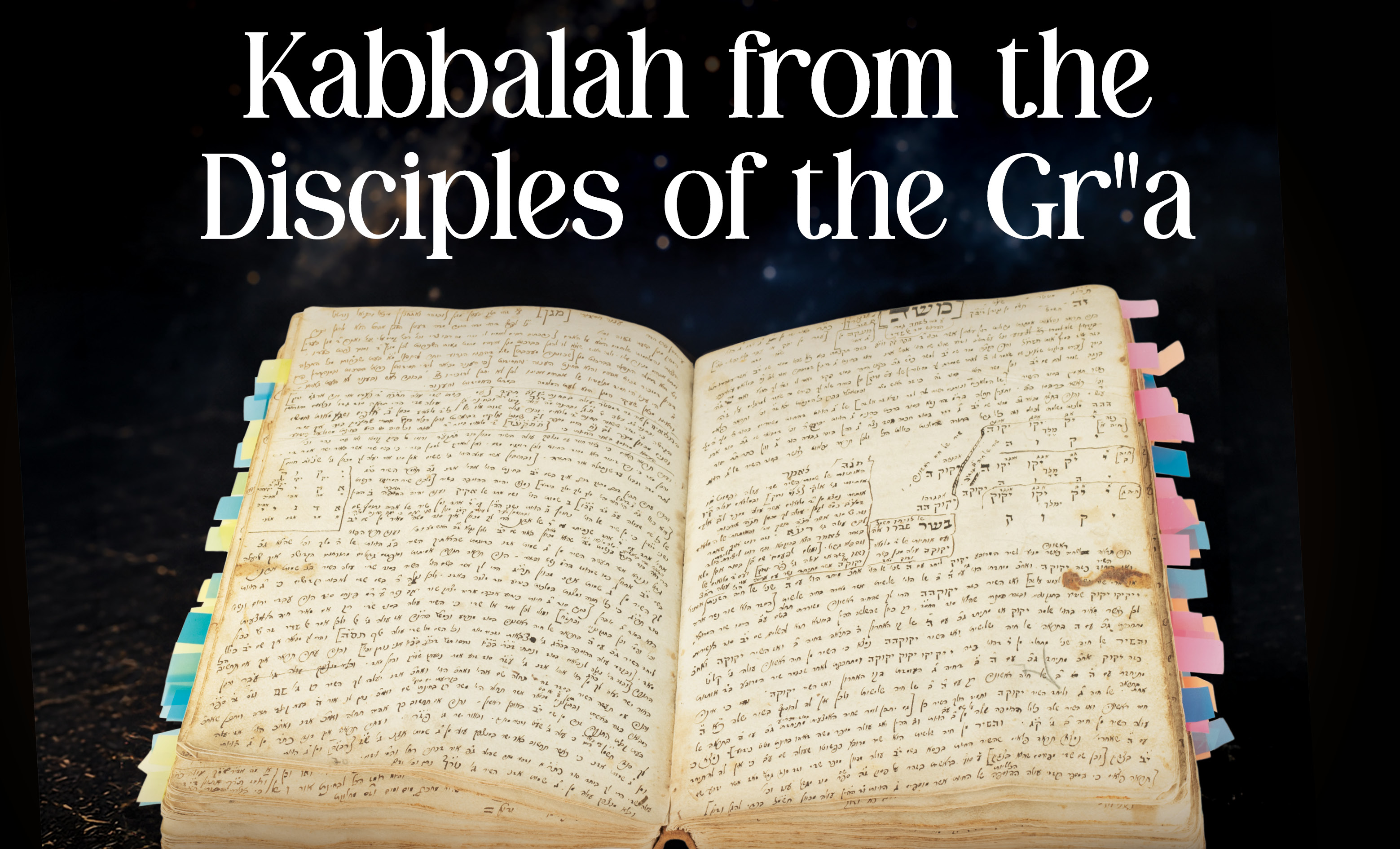
The Kabbalah of the Vilna Gaon serves as the foundation of the work, and the author cites his sefarim and manuscripts dozens of times.
The gaon and tzaddik
Rabbi Eliyahu Ragoler, Av Beis Din of Kalish and author of Yad Eliyahu (1794–1850), was revered in his generation as a holy and saintly man. By the age of eighteen he had already attained extraordinary mastery of the entire Talmud, and at that time began studying Kabbalah. To pursue the study of Kabbalah, he traveled to Rabbi Chaim of Volozhin, who studied with him daily for several months and introduced him to the deepest teachings of Kabbalah as transmitted to him from the Vilna Gaon.
Indeed, the teachings and customs of the Vilna Gaon served as Rabbi Eliyahu’s guiding light, and he remained devoted to them throughout his life. He achieved exceptional mastery of the Vilna Gaon’s teachings after devoting many years to the study of his manuscripts. As the kabbalist Rabbi Yitzchak Kahana testified in the introduction to Toldos Yitzchak (Jerusalem, 1875): “As I know with certainty from the gaon Rabbi Eliyahu, Av Beis Din of Kalish, who studied the hidden teachings of the Vilna Gaon on a regular basis for thirteen years.”
He possessed numerous manuscripts of the Vilna Gaon, as is evident from the present manuscript. (See also the printer’s remarks in the edition of Tikkunei HaZohar with the commentary of the Vilna Gaon, cited by Rabbi Dovid Kamenetsky in Toras HaGra, p. 579.)
Likewise, in his sefer Yad Eliyahu (Part I, siman 25), he writes regarding the Vilna Gaon: “He merited a revelation of Eliyahu HaNavi, and was taught the secrets of the Torah by Yaakov Avinu and by the leaders of the yeshivos of the World Above every night, as is attested in his holy writings which are in our possession.”
His writings in the revealed areas of Torah were published in the sefer Yad Eliyahu, a three-volume work of teshuvos and halachic discussions.
Of his teachings in Kabbalah, only glosses on the Vilna Gaon’s commentary to Sifra DiTzniusa (Vilna, 1882) have been printed until now. These glosses are written in the same style as the chiddushim found in the present manuscript.
A detailed account of his life appears in the sefer Toldos Eliyahu, written by his nephew Rabbi Aryeh Leib Frumkin.
The handwriting, additions, and revisions throughout the manuscript demonstrate that it was composed over many years and that Rabbi Eliyahu invested tremendous effort in its preparation. On leaf 88a, for example, he explicitly writes: “After several years I returned to calculate the Name of Seventy-Two, and found it to correspond with great precision.”
Several passages record the place and date of composition:
“This chiddush occurred to me, with Hashem’s help, on the 11th of Teves, 1835, here in Vilijampolė [Slabodka]” (leaf 126b), where he served as Rav from 1824.
“Here you will encounter true wonders and marvels from our holy Torah, matters that may not be revealed openly and may be conveyed only by way of subtle hints to the wise. Yet I am compelled to record them because of the frailty of human memory; otherwise, it would be forbidden to commit them to writing, for they are among the secrets of the Torah. Hashem granted me these insights on Wednesday, the 26th of Shevat, 1838, here in Vilijampolė” (leaf 87a).
“Here you will behold great and genuine wonders — exalted secrets with which Hashem favored me here in the holy community of Vilijampolė on the 21st of Shevat, 1838” (leaf 69b).
Likewise, on leaf 47a: “And now, with Hashem’s help, I shall explain wondrous matters of our holy Torah that Hashem, in His great mercy, granted me on Erev Shabbos Kodesh, the 8th of Teves, 1838, here in Vilijampolė.”
From the manuscript, we learn that he authored additional works in Kabbalah, to which he refers with expressions such as “in my first sefer, ” “in my new sefer, ” “in our large work, ” and “in my large work on the letters, ” among others.
The final two leaves contain chiddushim on masechtos Zevachim and Menachos.
Elsewhere in the manuscript, he interweaves insights in the revealed Torah, including a drasha for the blowing of the shofar and various eulogies. (See leaf 30a for part of a eulogy on Rabbi Akiva Eiger together with words of praise for him; a eulogy on “the holy and saintly gaon [Rabbi Aryeh Leib Katzenellenbogen] of Brisk, who in my opinion was among the thirty-six hidden tzaddikim”; and a reference to “fifteen hundred souls in the Holy Land, ” clearly alluding to the devastating earthquake that struck Tzfat in 1837 [leaf 40b].)
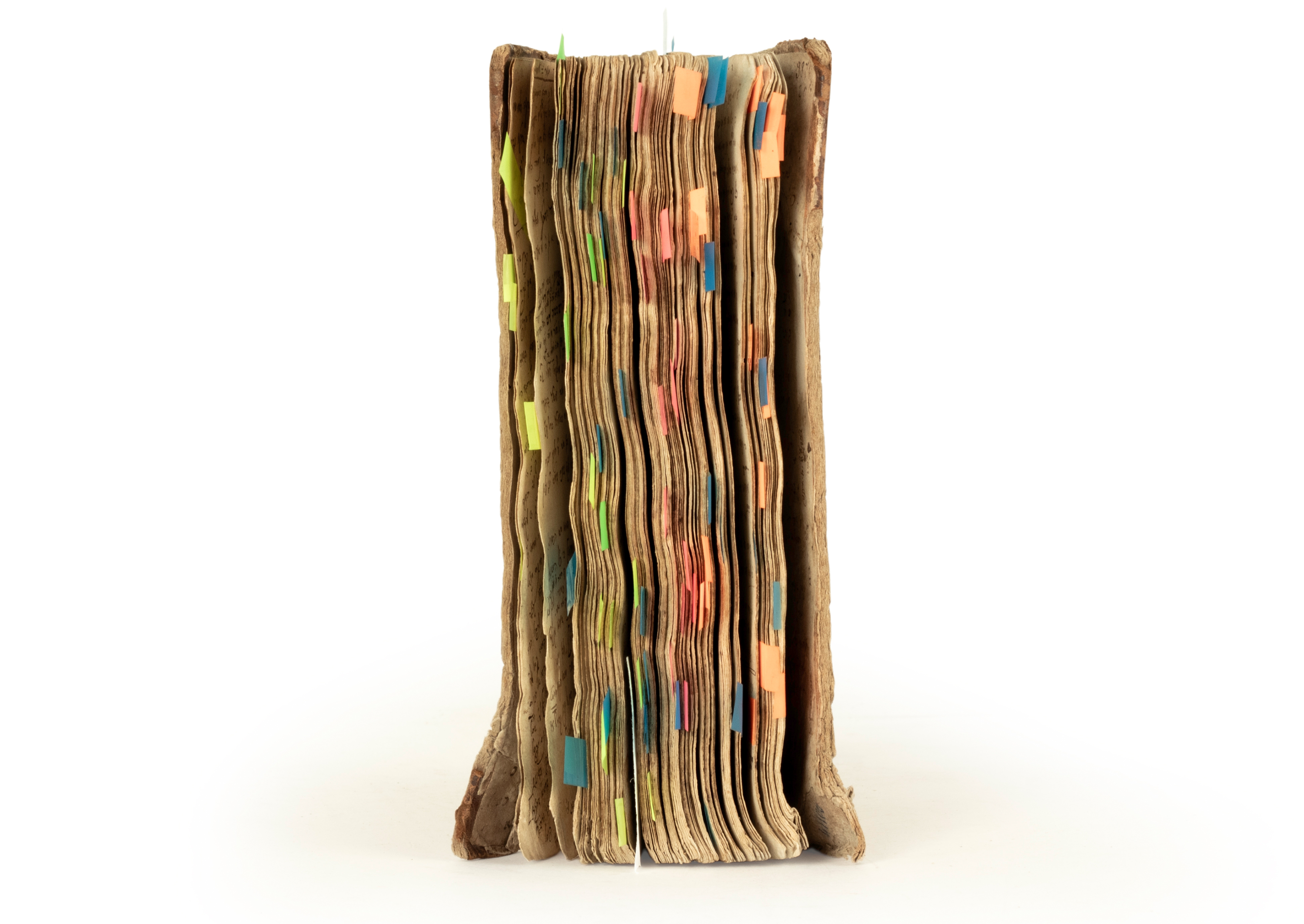
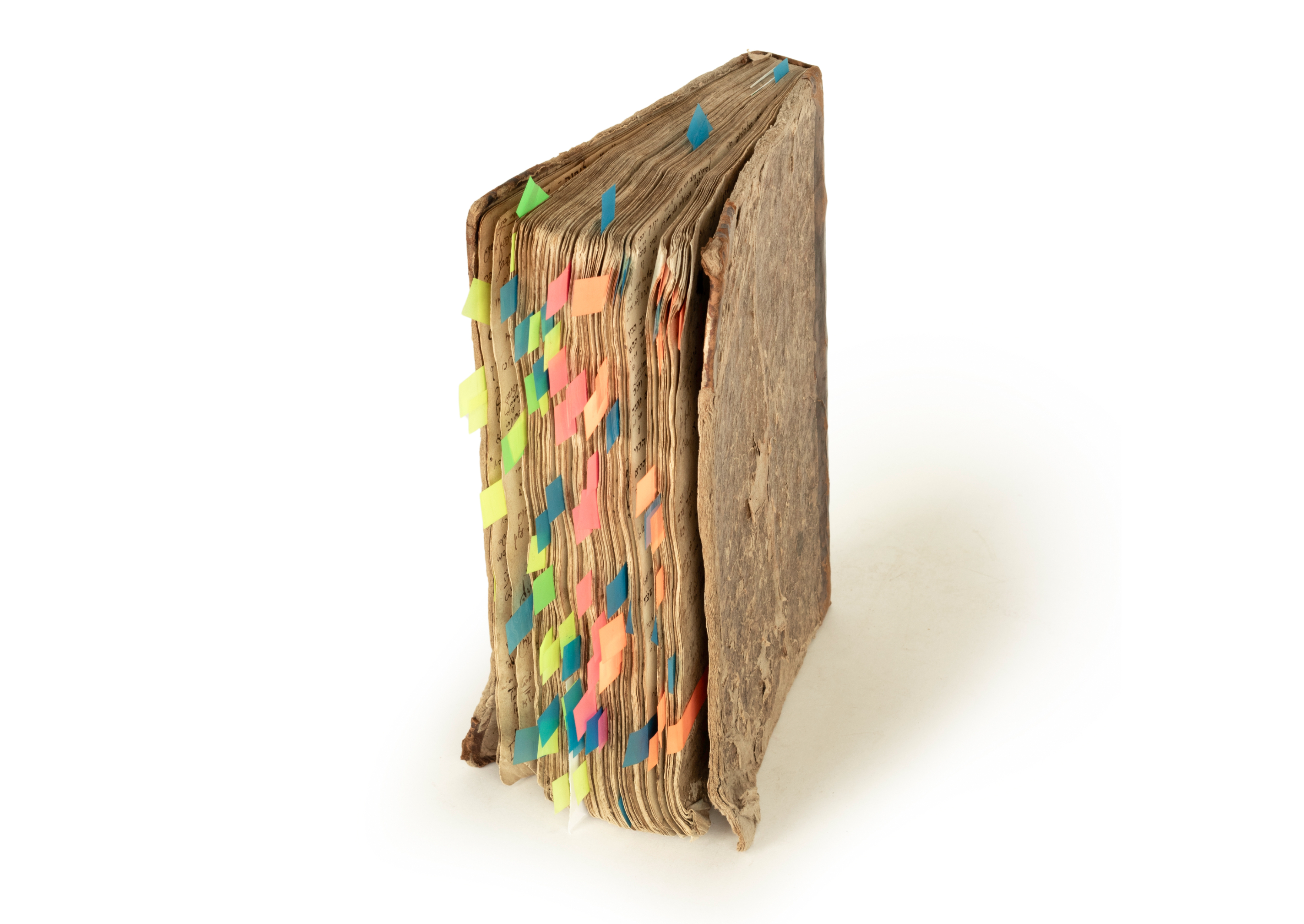
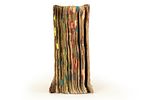
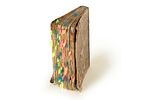
Page Count: [135] leaves (270 written pages).
Size: 17 × 21 cm.
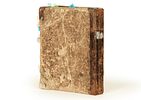
Condition: Signs of use, wax stains, and holes on some leaves. Original binding.
___________________
The Revealed and Hidden Torah
Even a brief examination of the manuscript reveals the author’s unique approach, seamlessly weaving together the revealed and hidden dimensions of Torah. Aggadic insights and Kabbalistic teachings are closely intertwined through his writings. Even while discussing the deepest mystical subjects, he draws extensively on Midrashim and the teachings of Chazal with remarkable mastery, while at times incorporating original aggadic interpretations and Talmudic analyses. Such a synthesis is undoubtedly rare among Lithuanian geonim.
The author also reveals his opinion on committing Kabbalistic teachings to writing. In two separate passages, while discussing the burial place of Moshe Rabbeinu, he writes:
“These are lofty secrets, and it is forbidden to reveal them at all. Only the fear that they may be forgotten has led me to write them down; otherwise, such hidden teachings ought not be committed to writing” (leaf 57a).
Elsewhere he writes:
“Here you will encounter true wonders and marvels from our holy Torah, matters that may not be revealed openly and may be conveyed only by way of subtle hints to the wise. Yet I am compelled to record them because of the frailty of human memory; otherwise, it would be forbidden to commit them to writing, for they are among the secrets of the Torah” (87a).
