
Lot : 2

Pirkei Avos with Rambam’s Commentary

Venice, 1546

Images

Pirkei Avos with Rambam’s Commentary

Venice, 1546


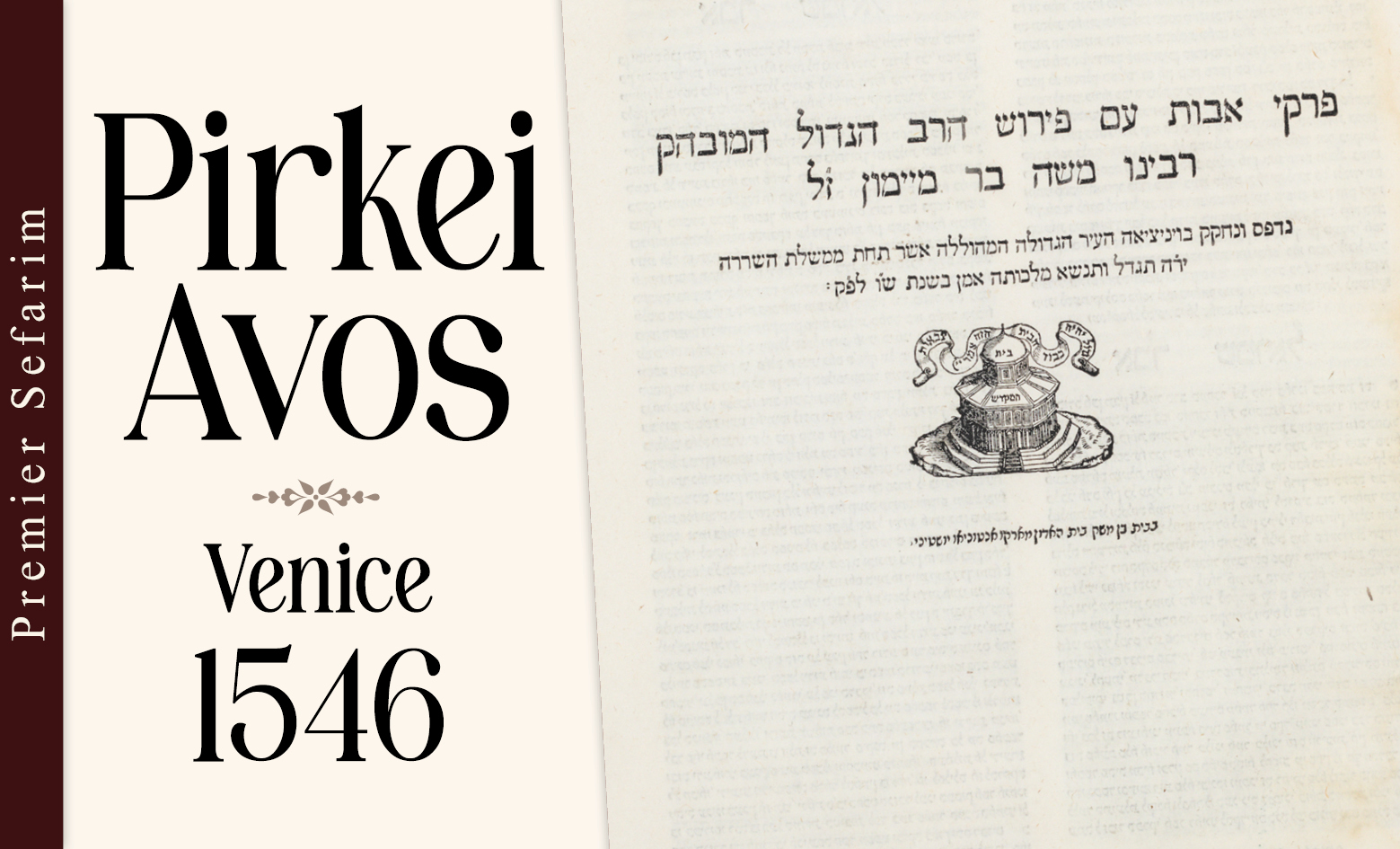
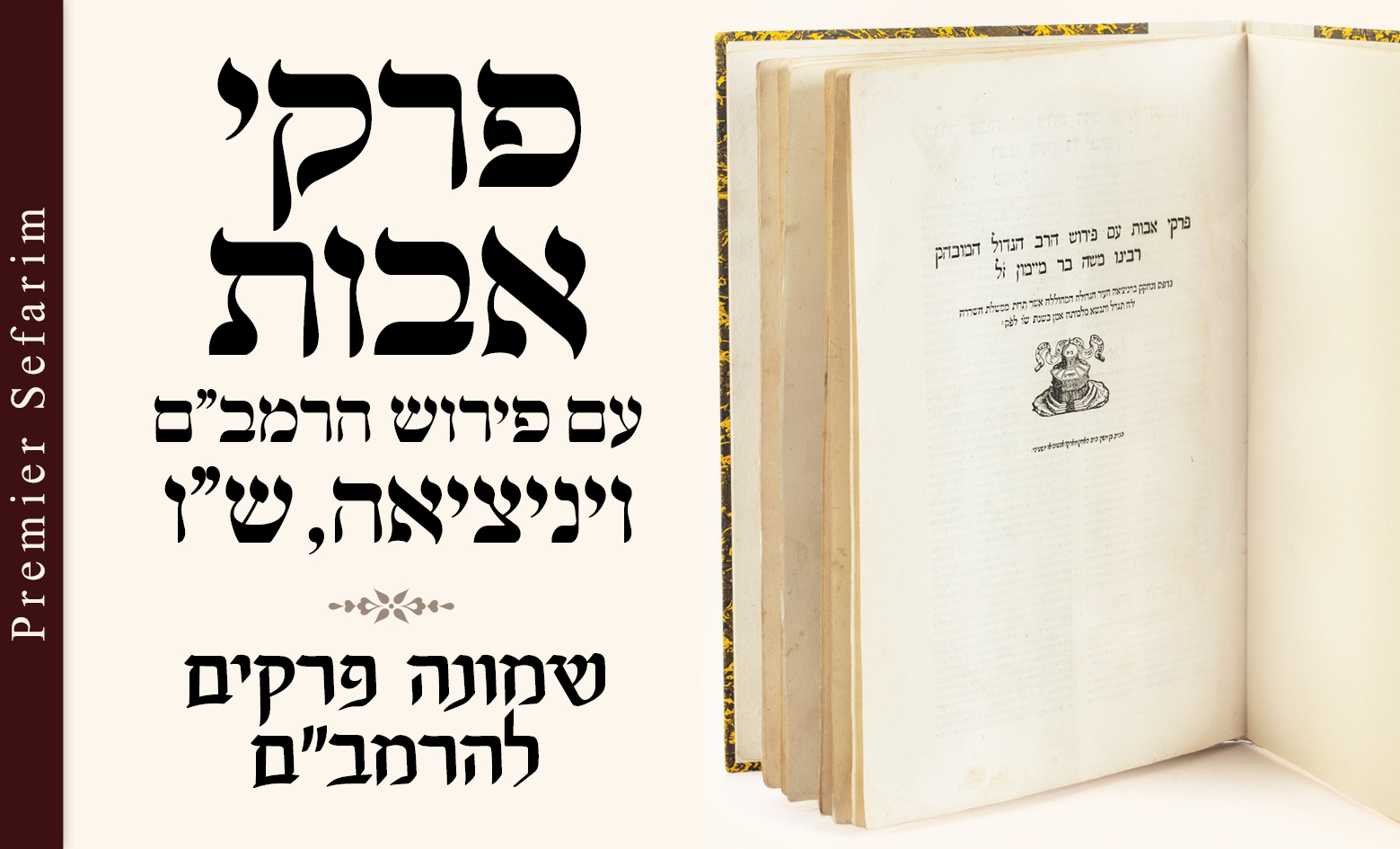
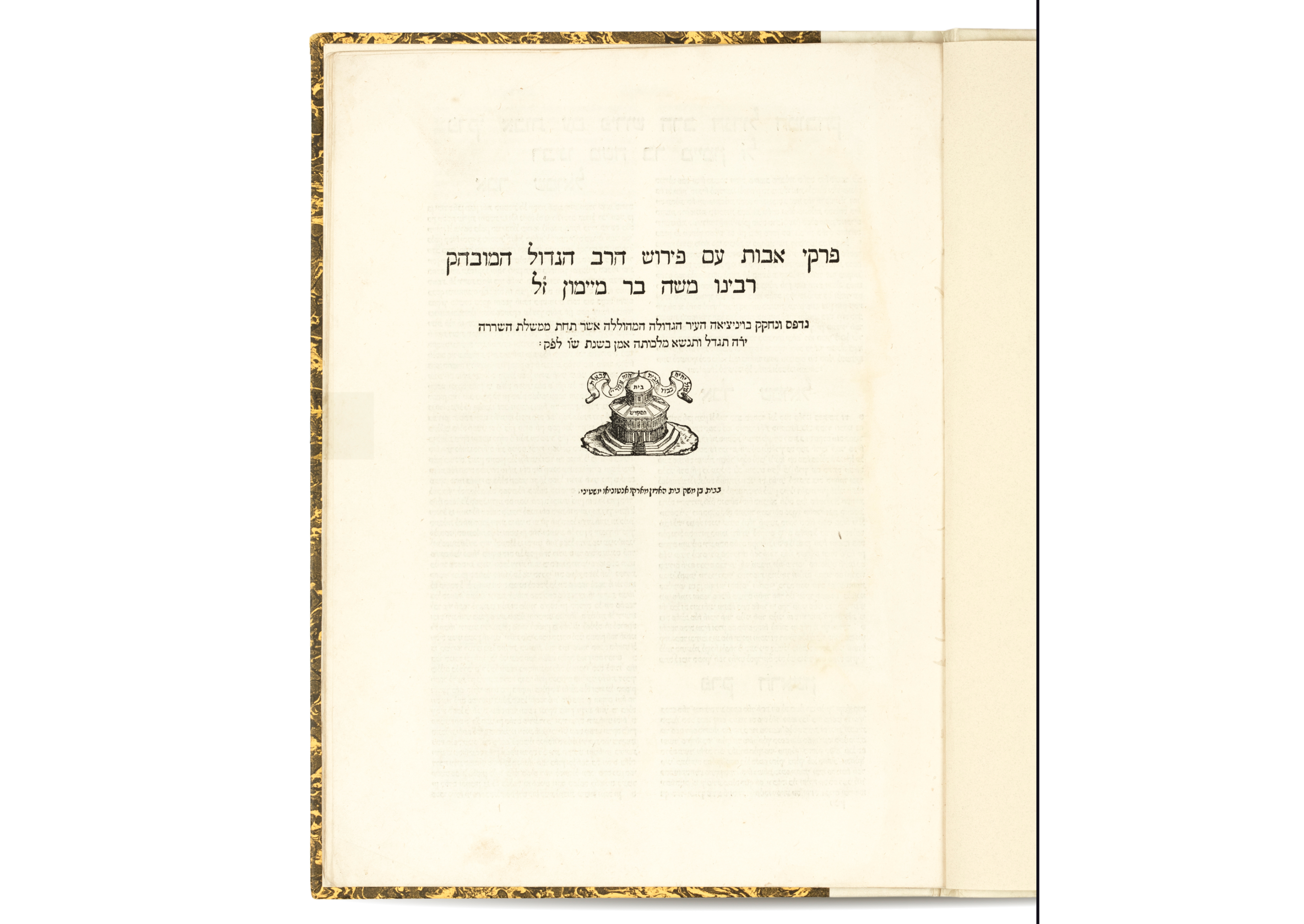
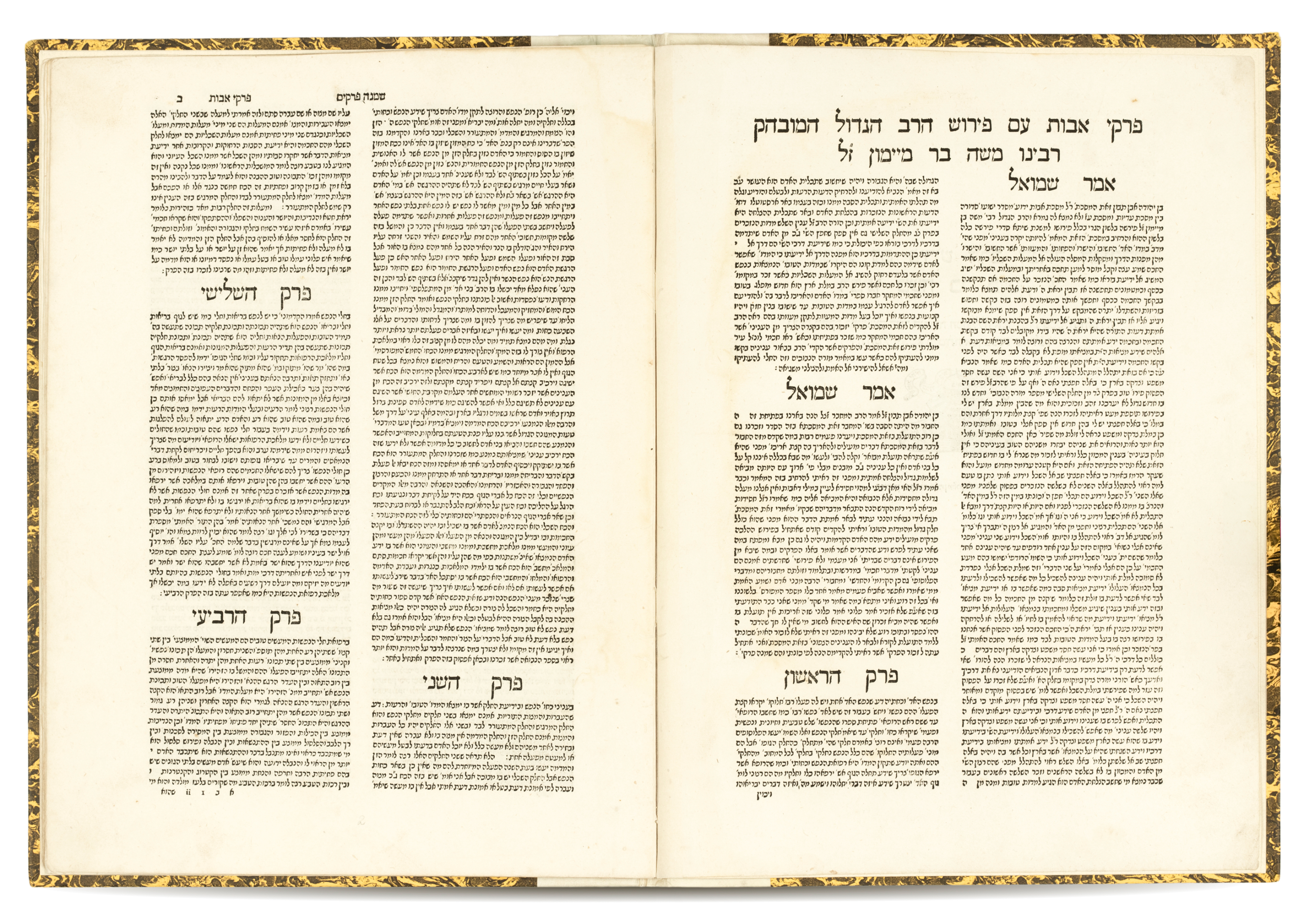
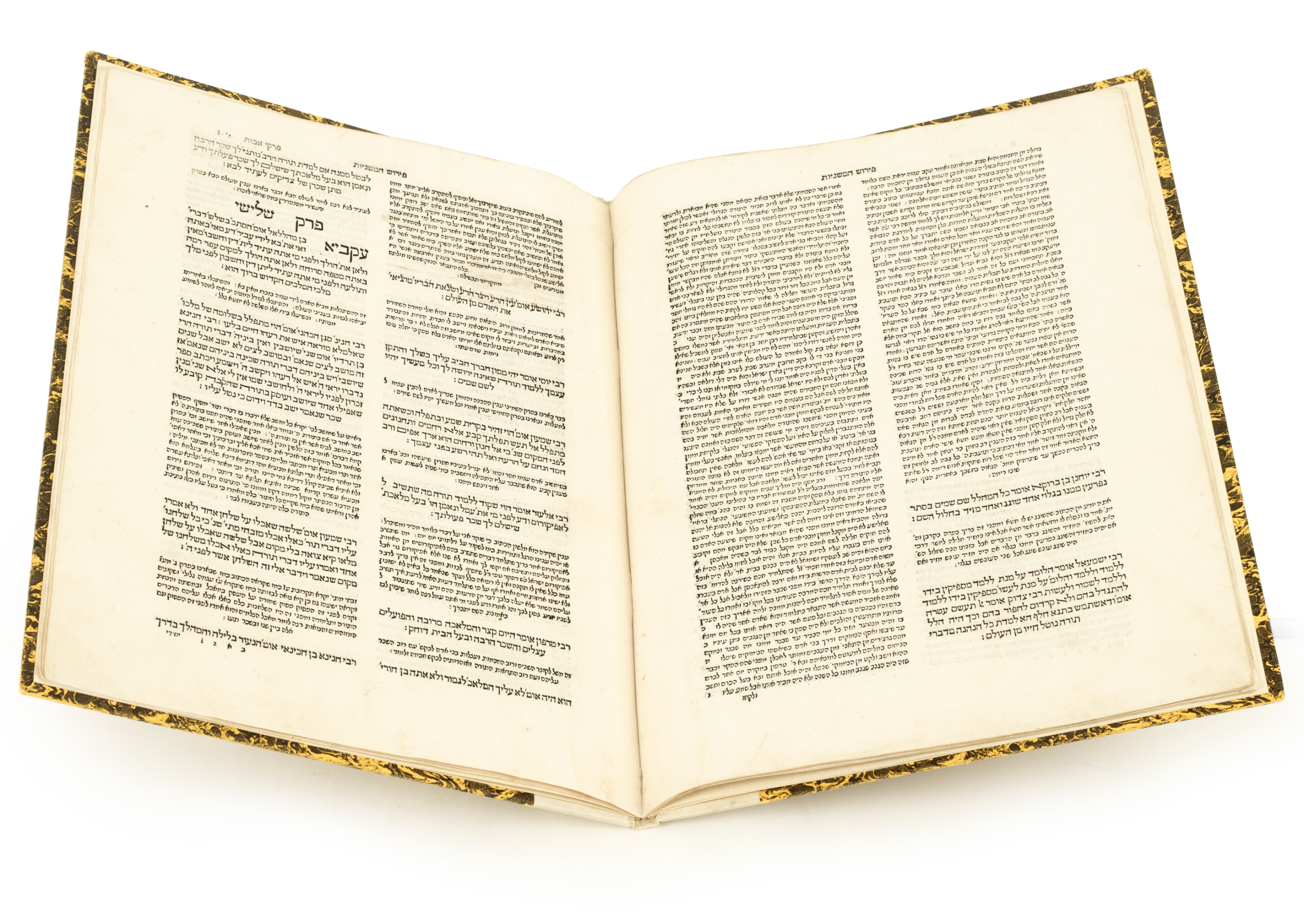
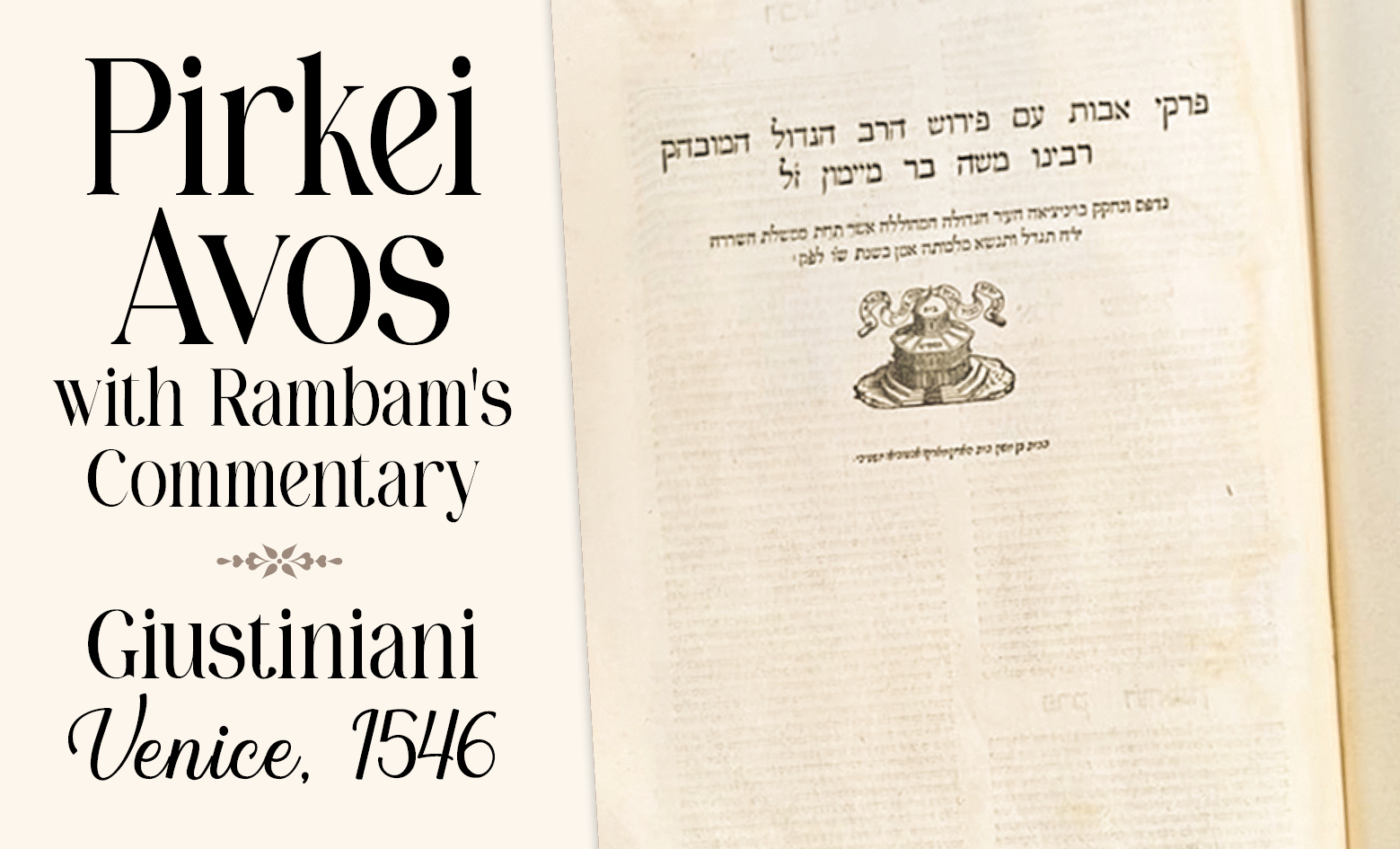
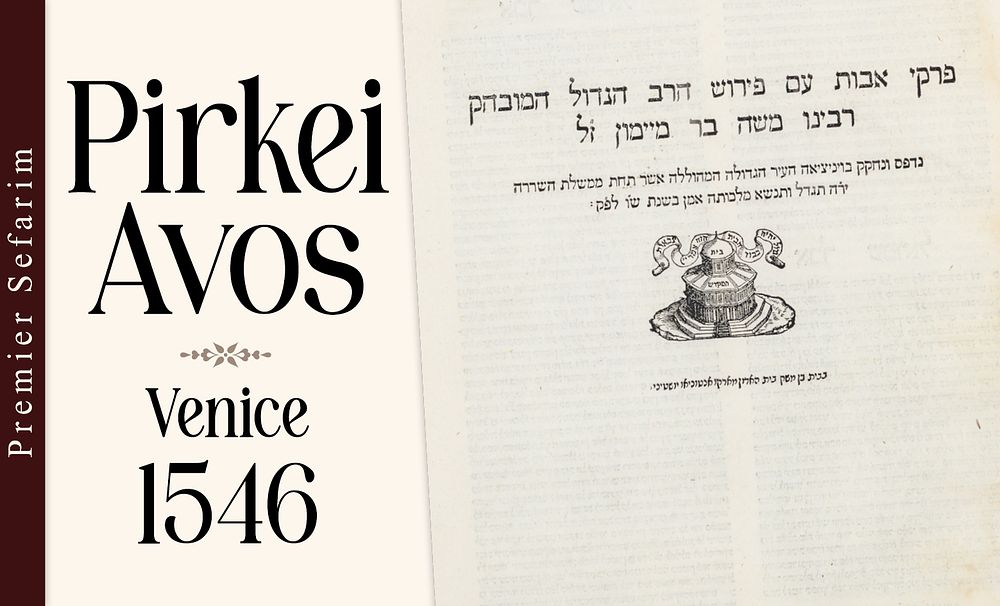
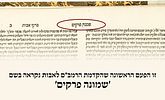
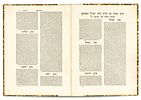
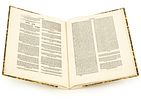
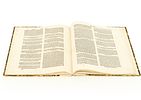
“Pirkei Avos with the commentary of the great and distinguished Rabbeinu Moshe ben Maimon, zt”l, printed and engraved in Venice, the great capital city.”

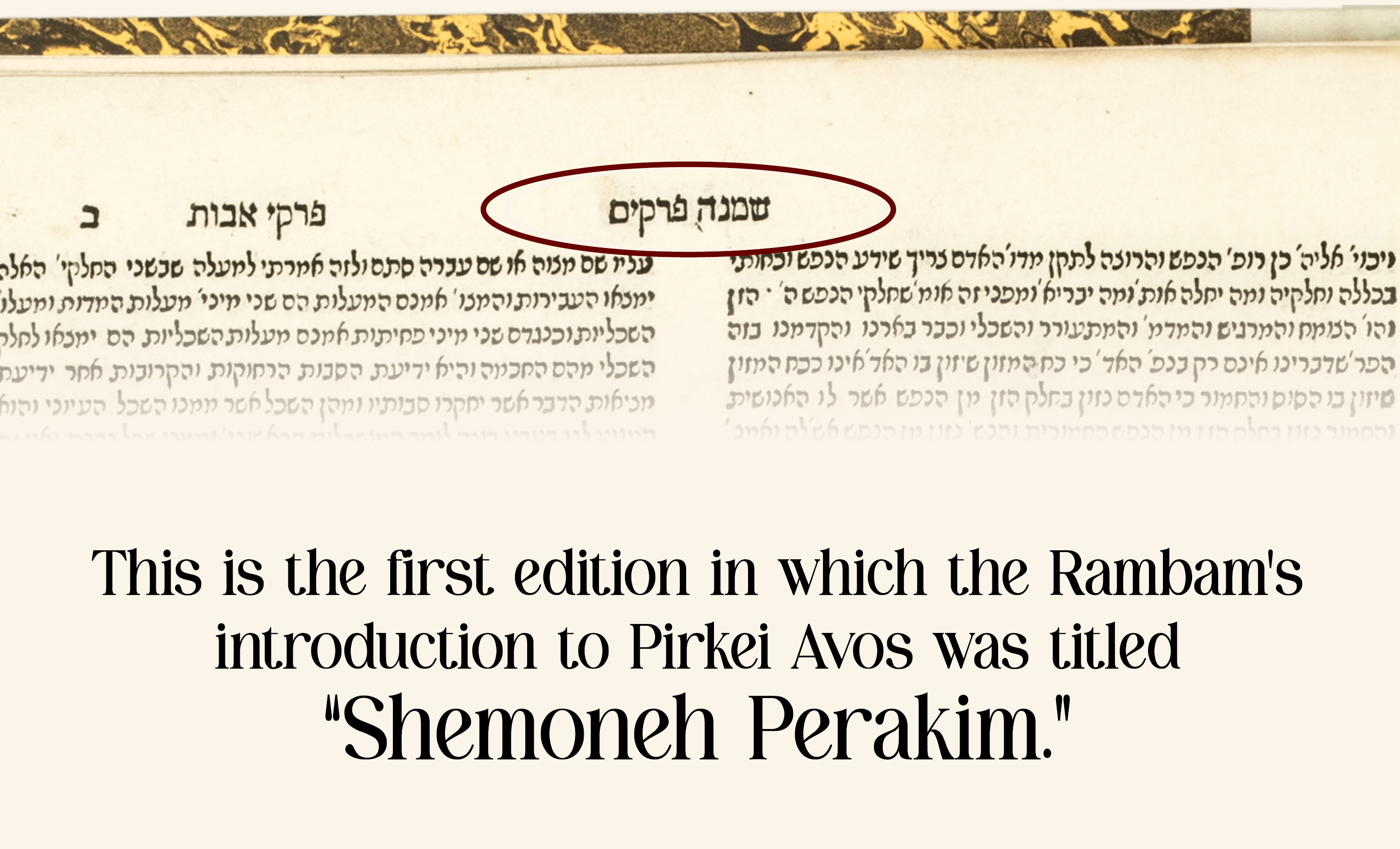
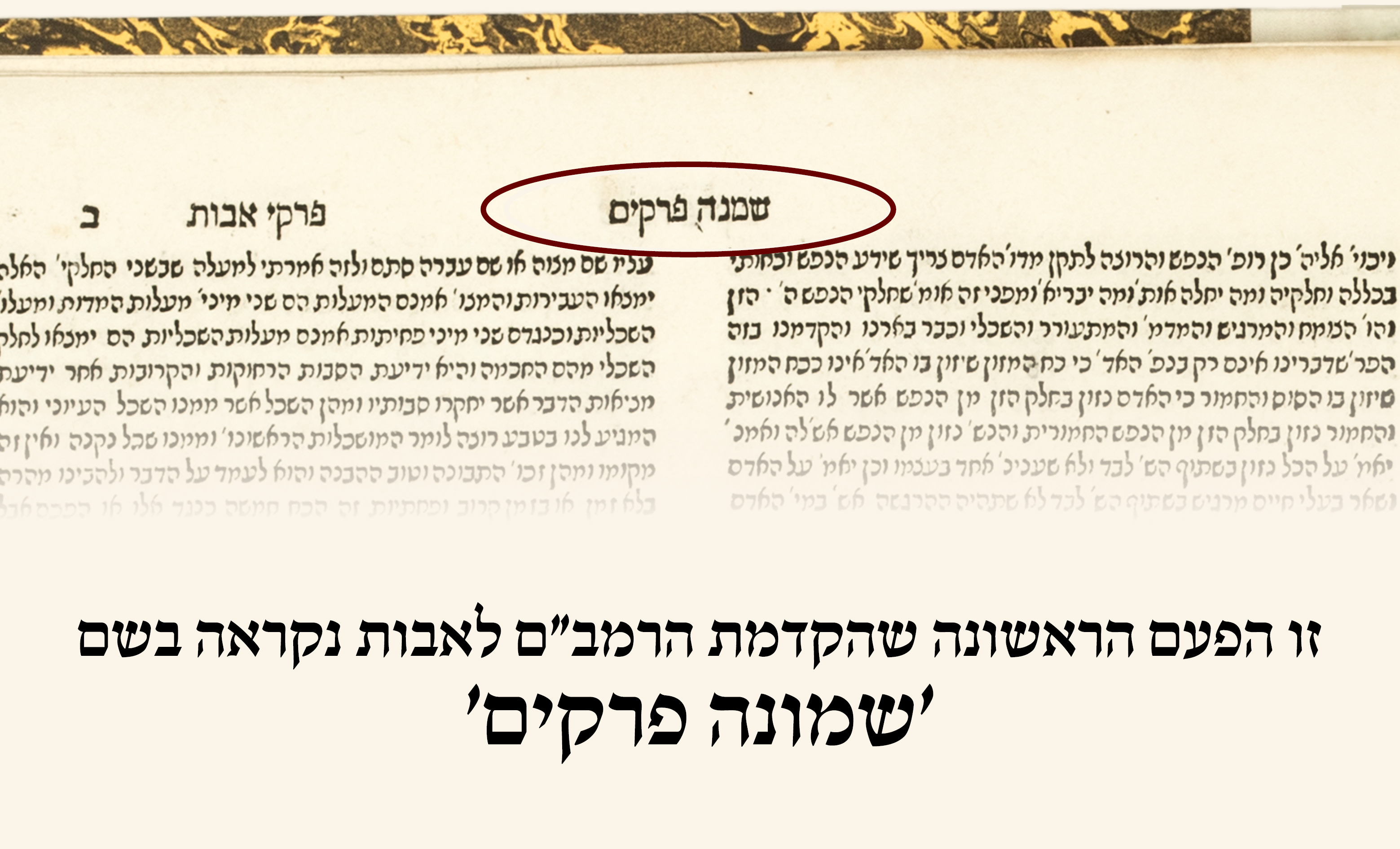
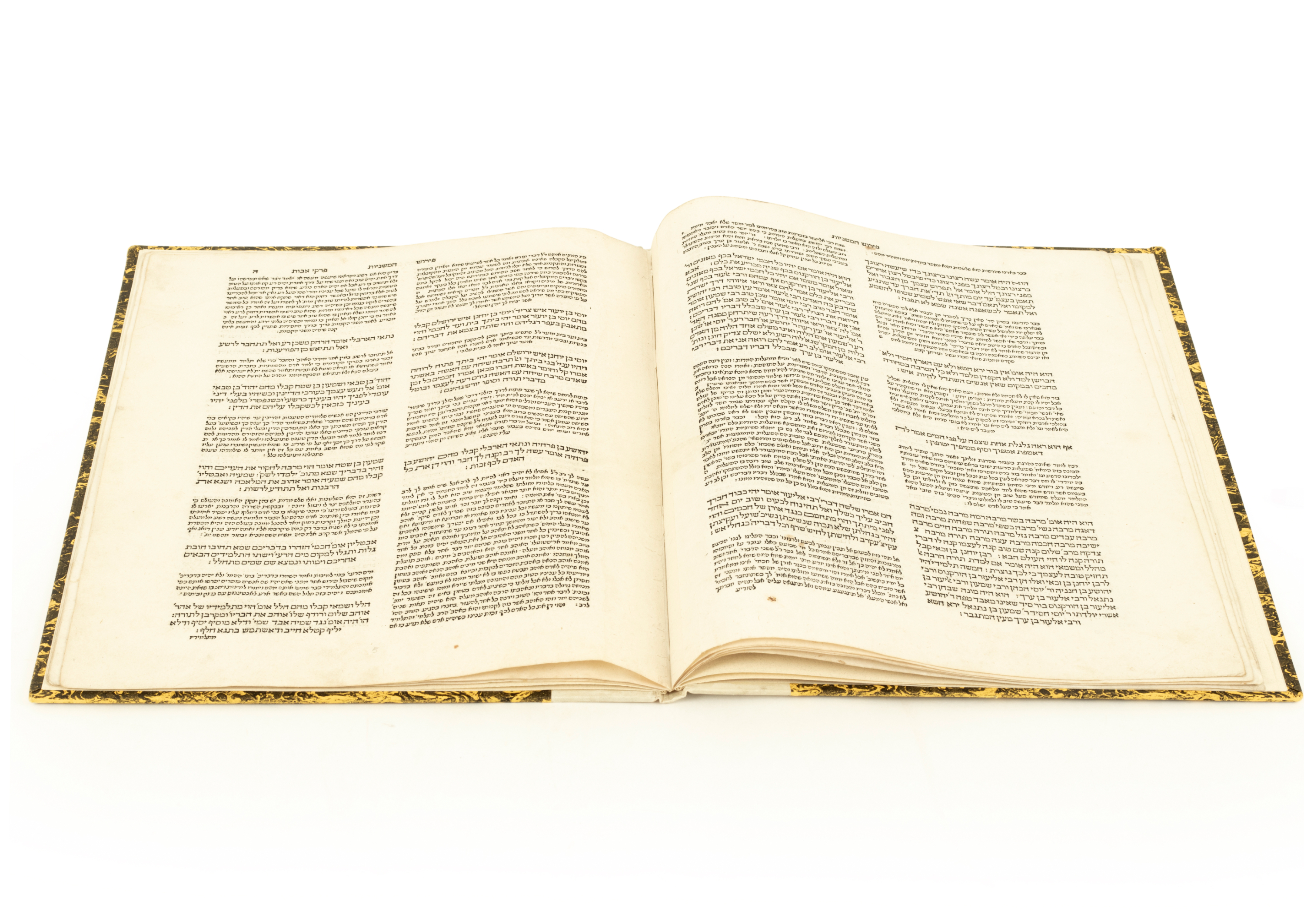
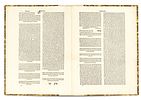
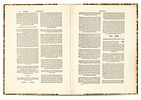
Leaves 1b–4b contain the Rambam’s introduction to Pirkei Avos, known as Shemonah Perakim (Eight Chapters of Ethics).

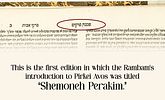
This is the first edition in which the Rambam’s introduction to Pirkei Avos was given the title “Shemonah Perakim.”

Printed as part of the Talmud edition issued by Marco Antonio Giustiniani in Venice between 1546 and 1551, it was also printed and distributed separately as an independent sefer (see Ginzei Yisrael, no. 106).

The Rambam’s Commentary on Pirkei Avos and Shemonah Perakim

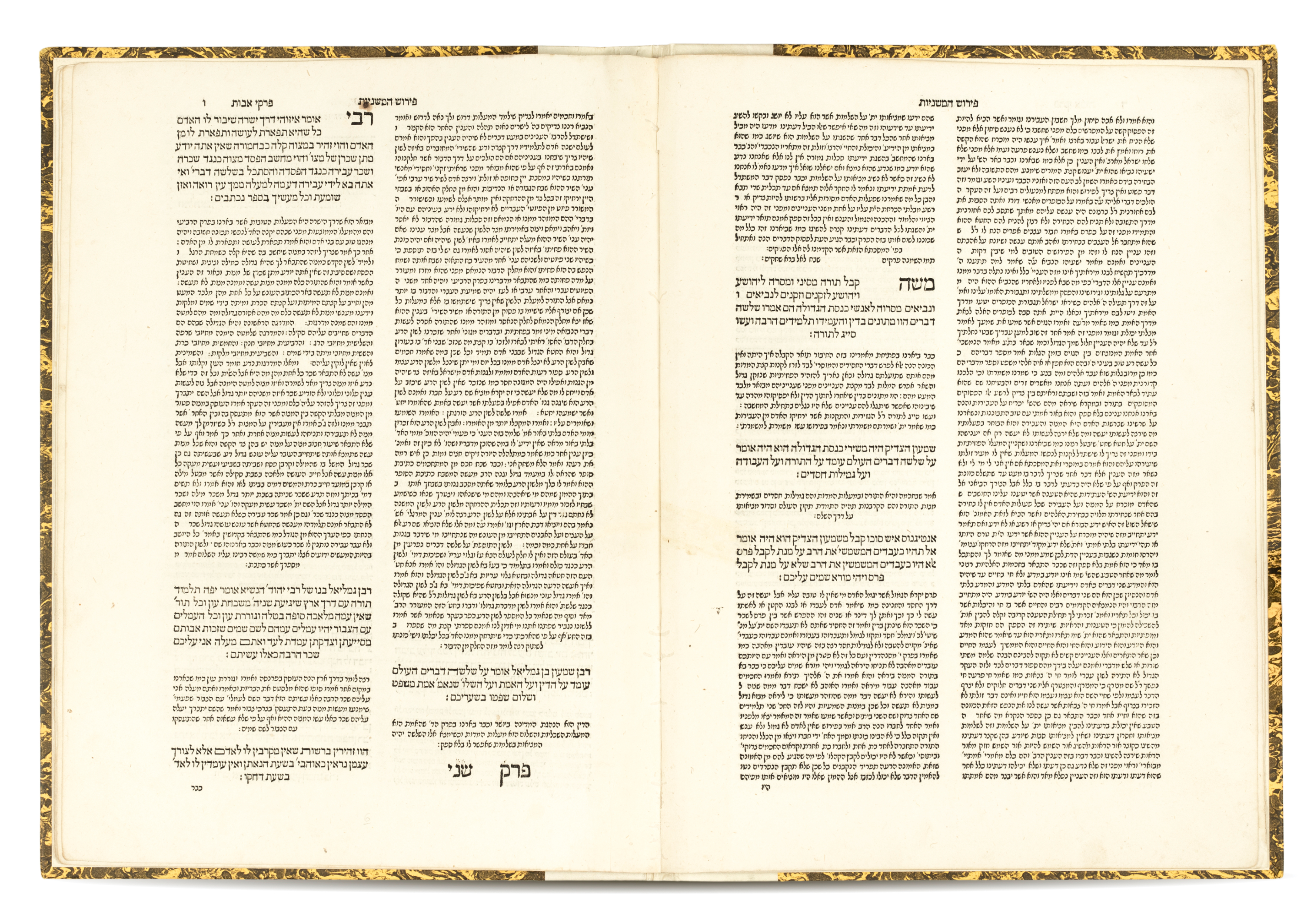
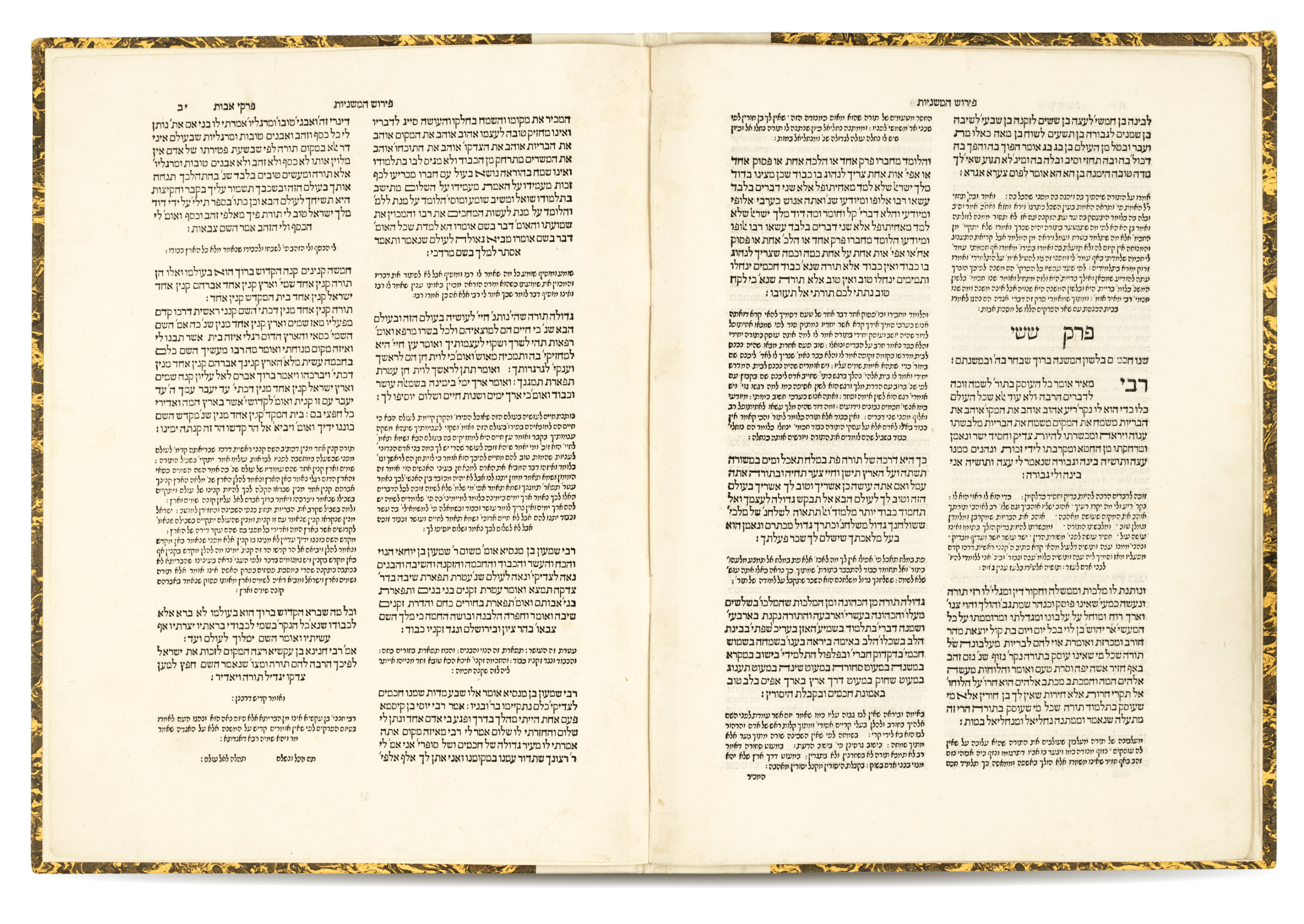
The Rambam regarded his commentary on Pirkei Avos almost as a work unto itself, elaborating on it at considerably greater length than on the other tractates in his commentary on the Mishnah. As he explains in his introduction, “although Pirkei Avos is simple and easy to understand on a straightforward level, putting its teachings into practice is not easy for everyone. Moreover, it leads to great perfection and true happiness. Therefore, I saw fit to elaborate upon it at greater length.” 

At the beginning of the work, the Rambam wrote a fundamental introduction, Shemonah Perakim, one of the most important works of Jewish thought. Here, he explains man’s purpose in this world and the stages through which a person perfects his character and soul.

The Rambam articulates his views on the human soul with exceptional clarity, concentrating on two central themes: the refinement of character traits and the attainment of prophecy—the loftiest spiritual state a person can achieve.

Here he establishes his famous principle that the proper path in developing one’s character is the middle path — the “Golden Path” — rather than going to the extreme in either direction. He also sets forth fundamental principles concerning free will and prophecy.

Regarding the Rambam’s commentary on Pirkei Avos, the Tashbetz wrote in the introduction to his sefer Magen Avos: “The commentary of Rabbeinu Moshe, of blessed memory, is unparalleled in bringing these concepts within the grasp of the intellect.”


Venice, 1546.
Marco Antonio Giustiniani printing press.

Page Count: 12 leaves.
Size: 38 x 27.5 cm.

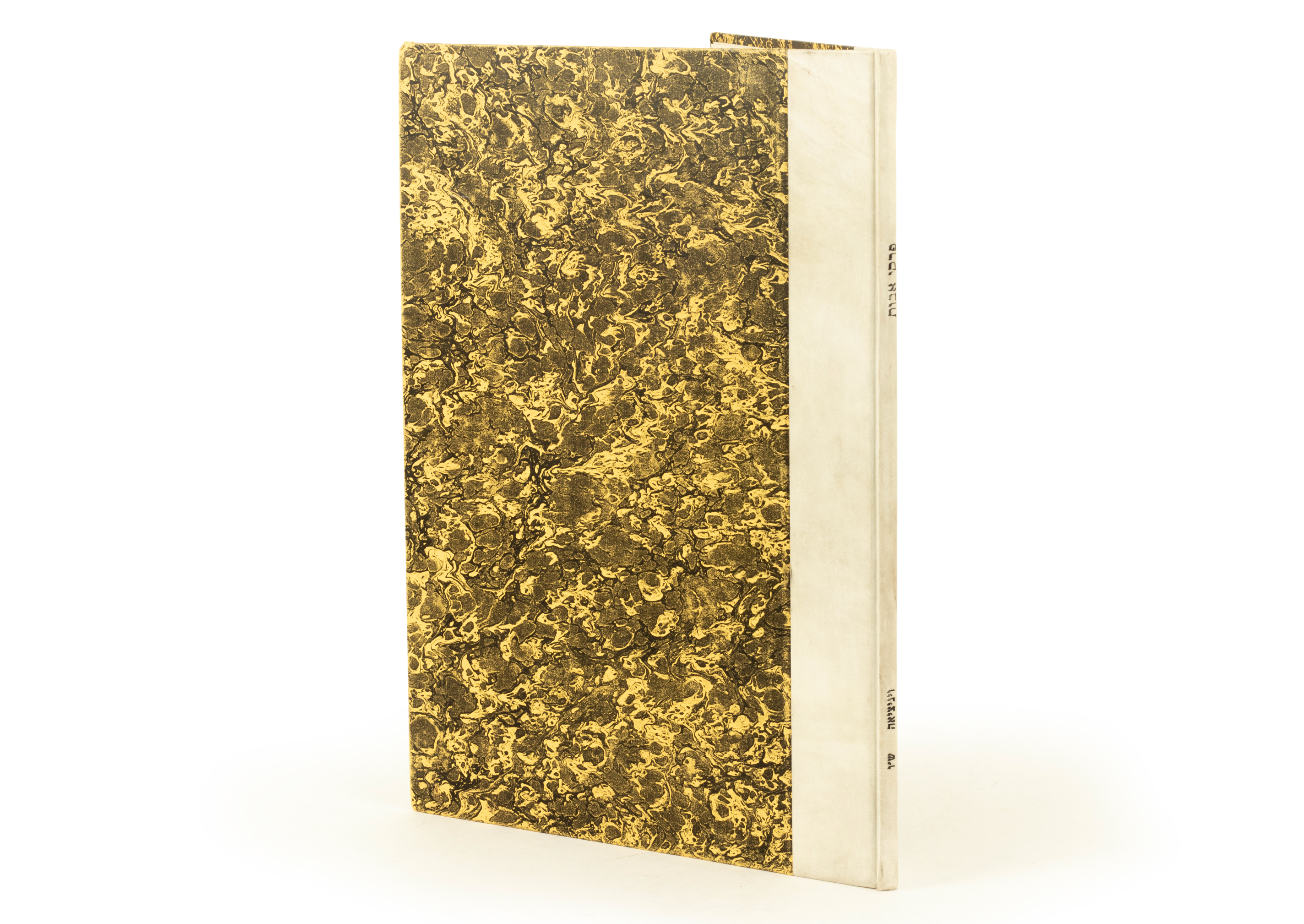
Condition: Good. New binding.

Bibliography: Otzar Pirkei Avos, no. 11.


Lot : 2

Pirkei Avos with Rambam’s Commentary

Venice, 1546

Start price: $15,000
|
Est. Price: $20,000 - $25,000

Pirkei Avos with Rambam’s Commentary

Venice, 1546


“Pirkei Avos with the commentary of the great and distinguished Rabbeinu Moshe ben Maimon, zt”l, printed and engraved in Venice, the great capital city.”

Leaves 1b–4b contain the Rambam’s introduction to Pirkei Avos, known as Shemonah Perakim (Eight Chapters of Ethics).

This is the first edition in which the Rambam’s introduction to Pirkei Avos was given the title “Shemonah Perakim.”

Printed as part of the Talmud edition issued by Marco Antonio Giustiniani in Venice between 1546 and 1551, it was also printed and distributed separately as an independent sefer (see Ginzei Yisrael, no. 106).

The Rambam’s Commentary on Pirkei Avos and Shemonah Perakim

The Rambam regarded his commentary on Pirkei Avos almost as a work unto itself, elaborating on it at considerably greater length than on the other tractates in his commentary on the Mishnah. As he explains in his introduction, “although Pirkei Avos is simple and easy to understand on a straightforward level, putting its teachings into practice is not easy for everyone. Moreover, it leads to great perfection and true happiness. Therefore, I saw fit to elaborate upon it at greater length.” 

At the beginning of the work, the Rambam wrote a fundamental introduction, Shemonah Perakim, one of the most important works of Jewish thought. Here, he explains man’s purpose in this world and the stages through which a person perfects his character and soul.

The Rambam articulates his views on the human soul with exceptional clarity, concentrating on two central themes: the refinement of character traits and the attainment of prophecy—the loftiest spiritual state a person can achieve.

Here he establishes his famous principle that the proper path in developing one’s character is the middle path — the “Golden Path” — rather than going to the extreme in either direction. He also sets forth fundamental principles concerning free will and prophecy.

Regarding the Rambam’s commentary on Pirkei Avos, the Tashbetz wrote in the introduction to his sefer Magen Avos: “The commentary of Rabbeinu Moshe, of blessed memory, is unparalleled in bringing these concepts within the grasp of the intellect.”


Venice, 1546.
Marco Antonio Giustiniani printing press.

Page Count: 12 leaves.
Size: 38 x 27.5 cm.

Condition: Good. New binding.

Bibliography: Otzar Pirkei Avos, no. 11.


Pirkei Avos with Rambam’s Commentary

Venice, 1546


“Pirkei Avos with the commentary of the great and distinguished Rabbeinu Moshe ben Maimon, zt”l, printed and engraved in Venice, the great capital city.”

Leaves 1b–4b contain the Rambam’s introduction to Pirkei Avos, known as Shemonah Perakim (Eight Chapters of Ethics).

This is the first edition in which the Rambam’s introduction to Pirkei Avos was given the title “Shemonah Perakim.”

Printed as part of the Talmud edition issued by Marco Antonio Giustiniani in Venice between 1546 and 1551, it was also printed and distributed separately as an independent sefer (see Ginzei Yisrael, no. 106).

The Rambam’s Commentary on Pirkei Avos and Shemonah Perakim

The Rambam regarded his commentary on Pirkei Avos almost as a work unto itself, elaborating on it at considerably greater length than on the other tractates in his commentary on the Mishnah. As he explains in his introduction, “although Pirkei Avos is simple and easy to understand on a straightforward level, putting its teachings into practice is not easy for everyone. Moreover, it leads to great perfection and true happiness. Therefore, I saw fit to elaborate upon it at greater length.” 

At the beginning of the work, the Rambam wrote a fundamental introduction, Shemonah Perakim, one of the most important works of Jewish thought. Here, he explains man’s purpose in this world and the stages through which a person perfects his character and soul.

The Rambam articulates his views on the human soul with exceptional clarity, concentrating on two central themes: the refinement of character traits and the attainment of prophecy—the loftiest spiritual state a person can achieve.

Here he establishes his famous principle that the proper path in developing one’s character is the middle path — the “Golden Path” — rather than going to the extreme in either direction. He also sets forth fundamental principles concerning free will and prophecy.

Regarding the Rambam’s commentary on Pirkei Avos, the Tashbetz wrote in the introduction to his sefer Magen Avos: “The commentary of Rabbeinu Moshe, of blessed memory, is unparalleled in bringing these concepts within the grasp of the intellect.”


Venice, 1546.
Marco Antonio Giustiniani printing press.

Page Count: 12 leaves.
Size: 38 x 27.5 cm.

Condition: Good. New binding.

Bibliography: Otzar Pirkei Avos, no. 11.