




To attend this auction live or leave absentee bids
Lot : 1
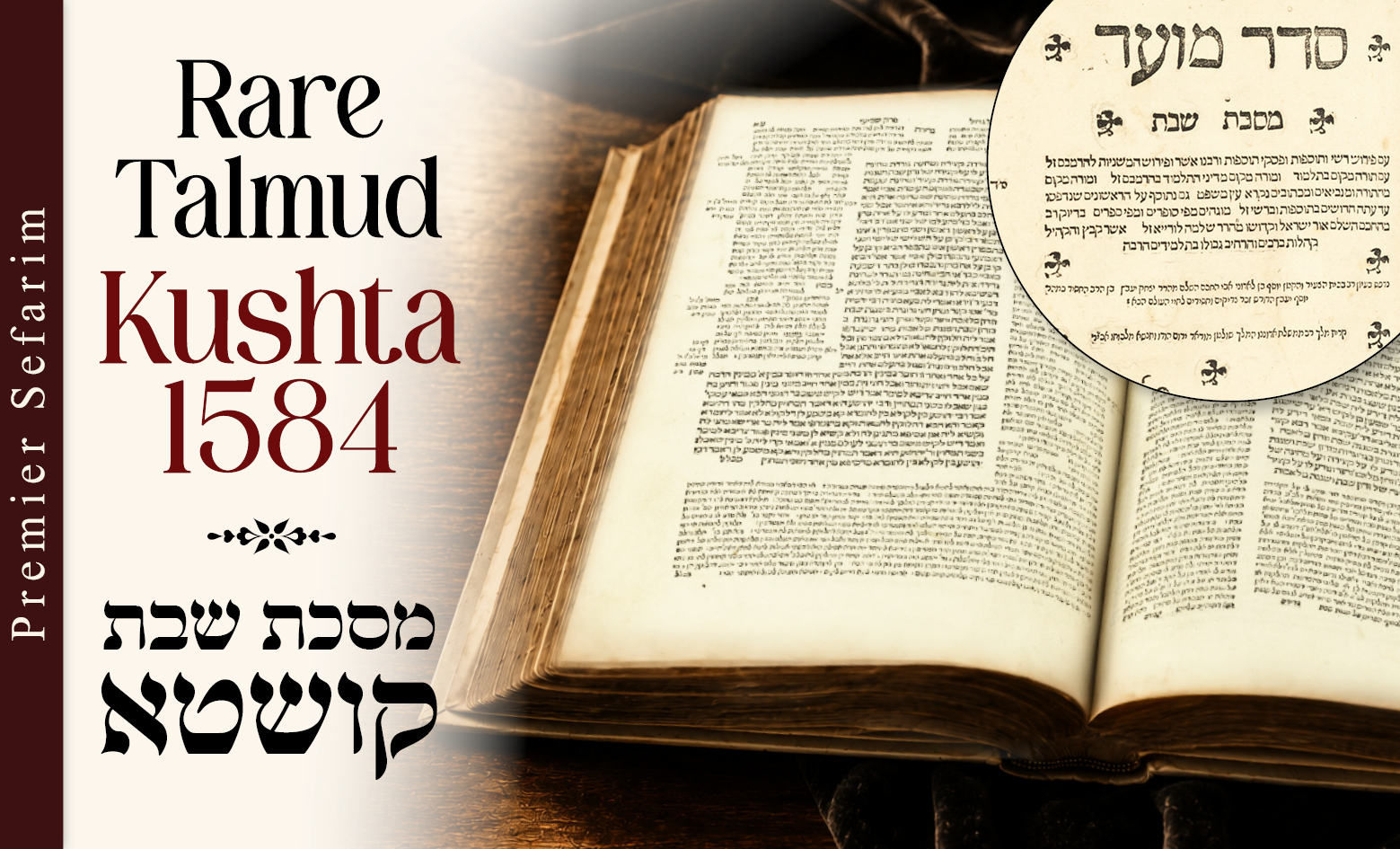
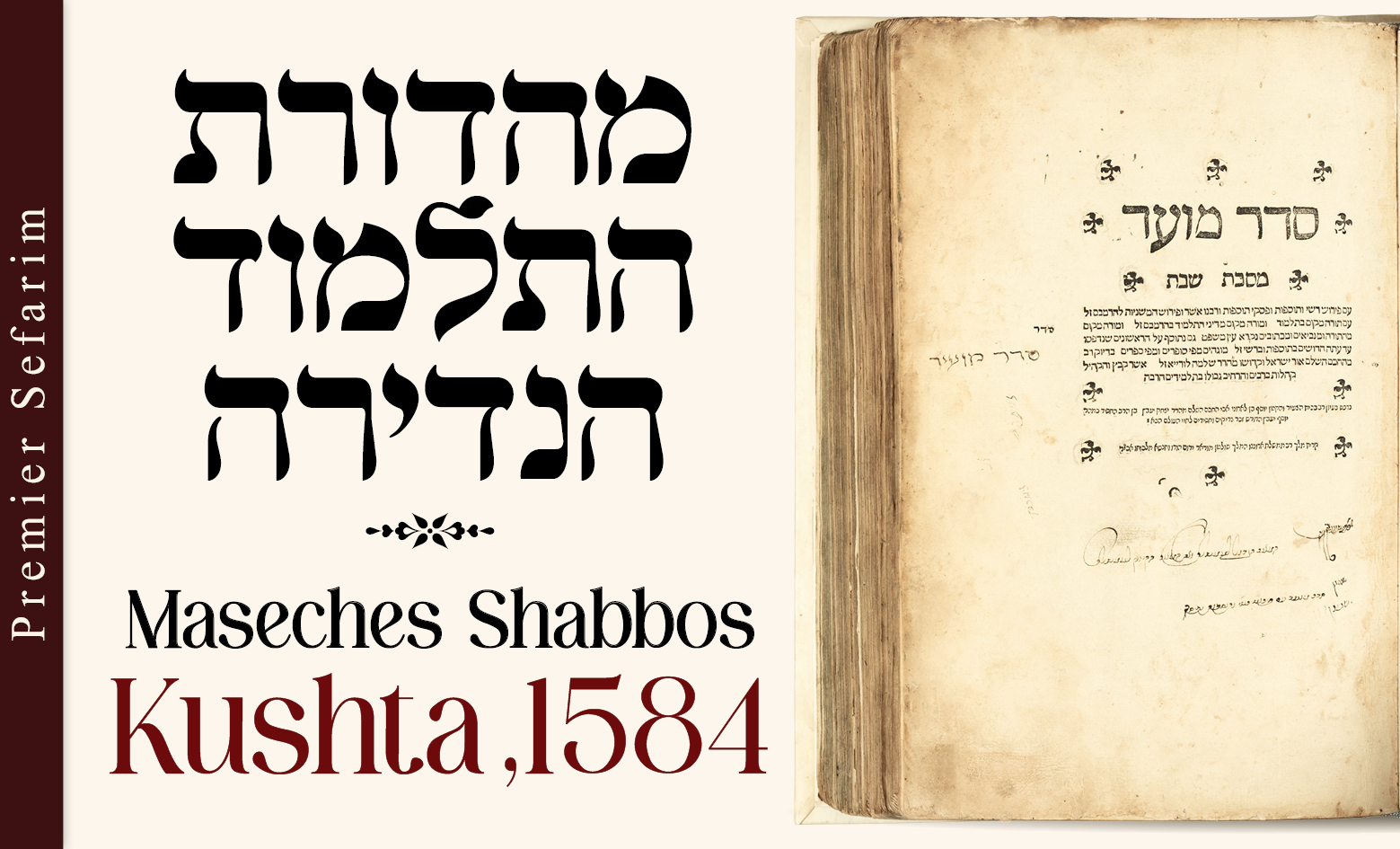
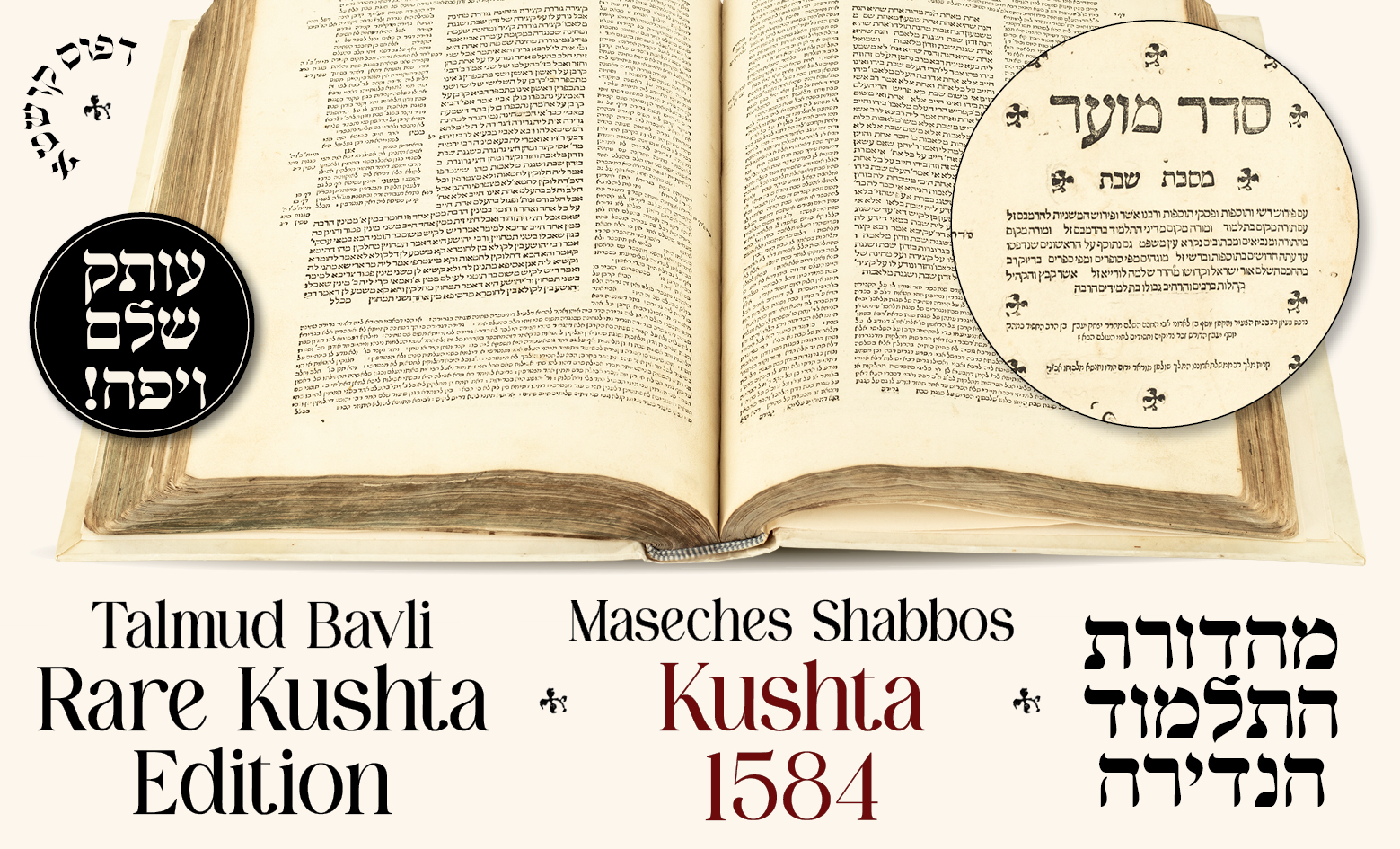
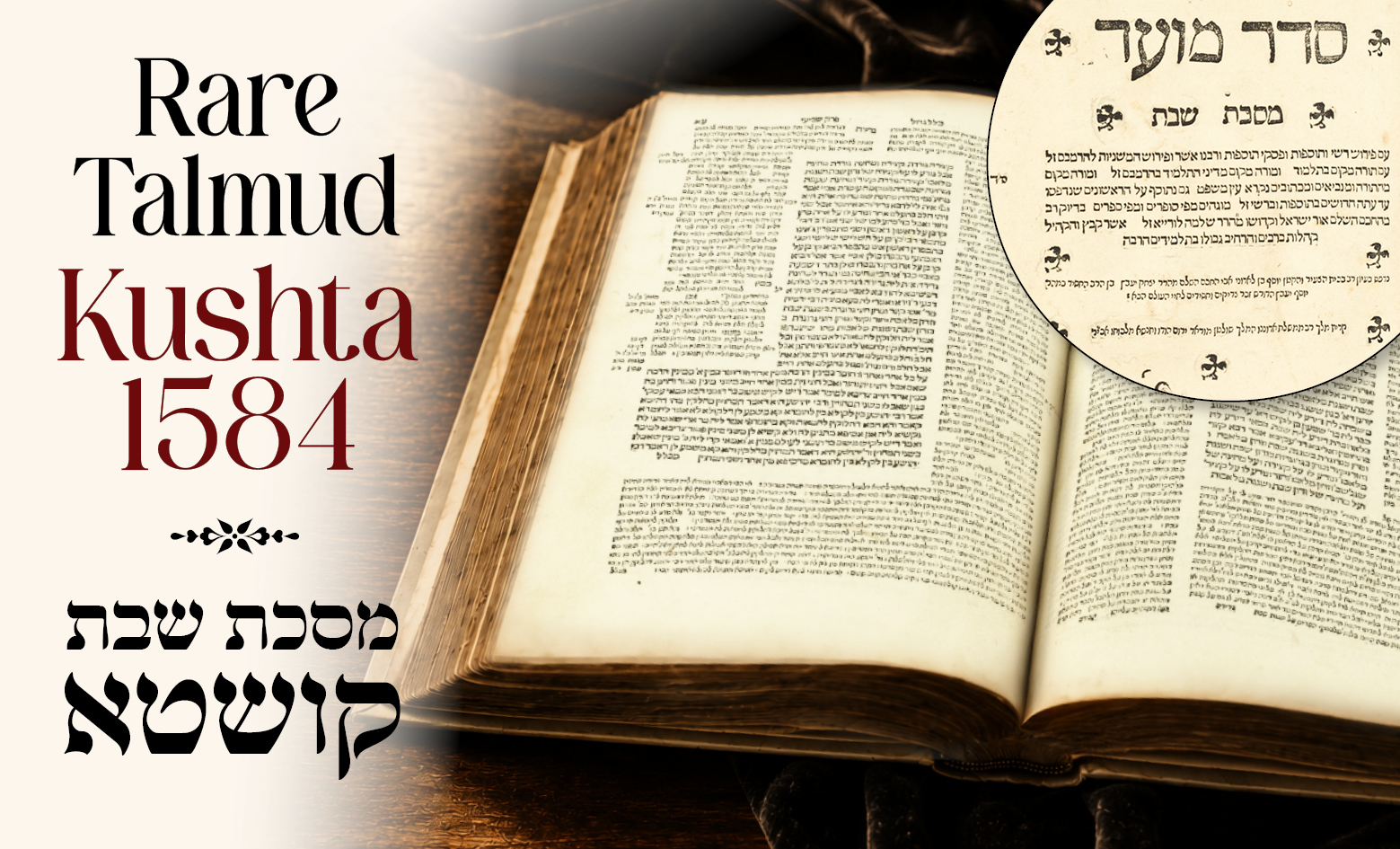
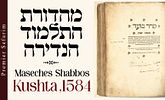
Maseches Shabbos
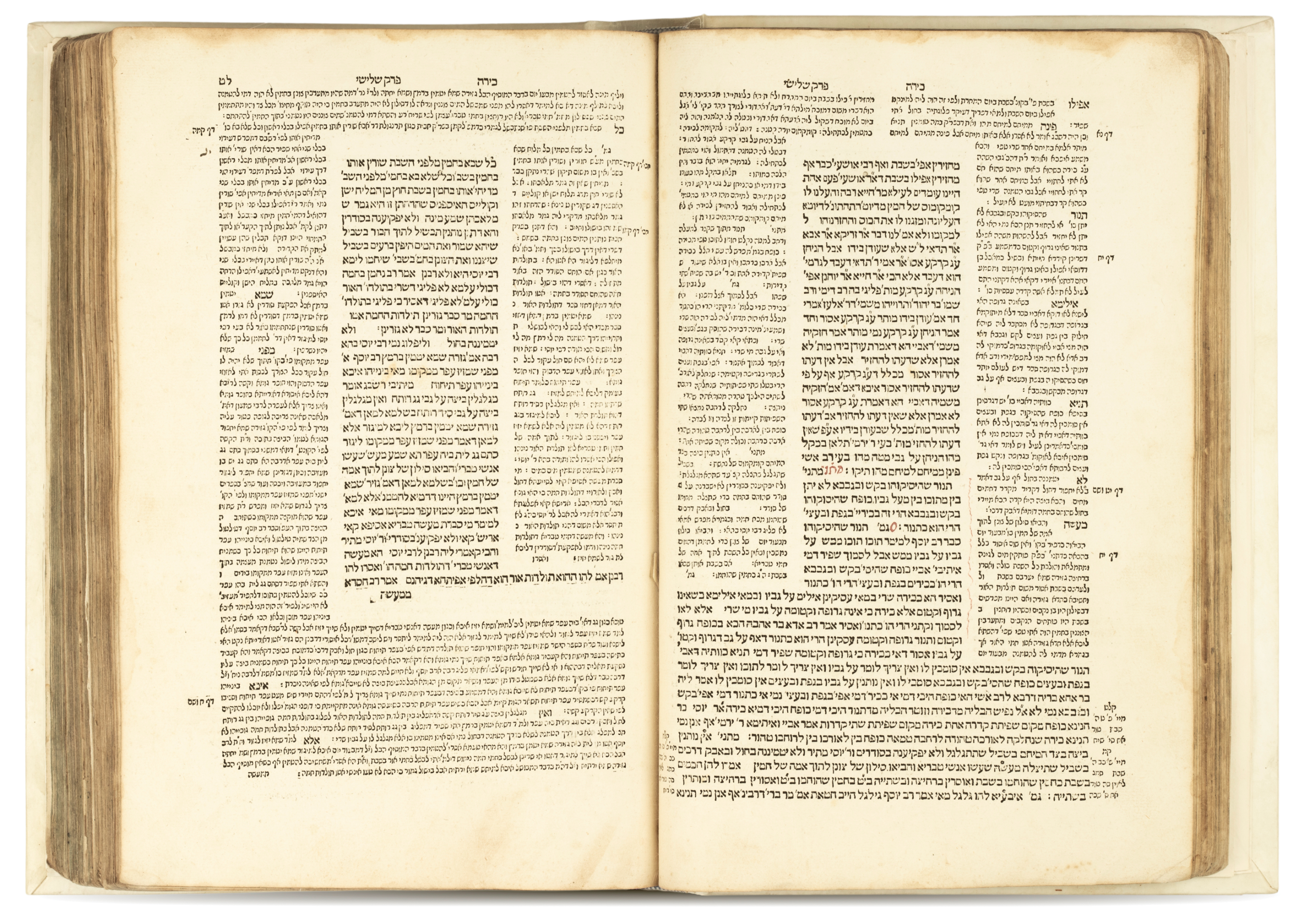
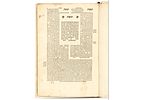
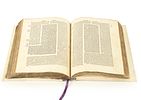
Kushta, 1584
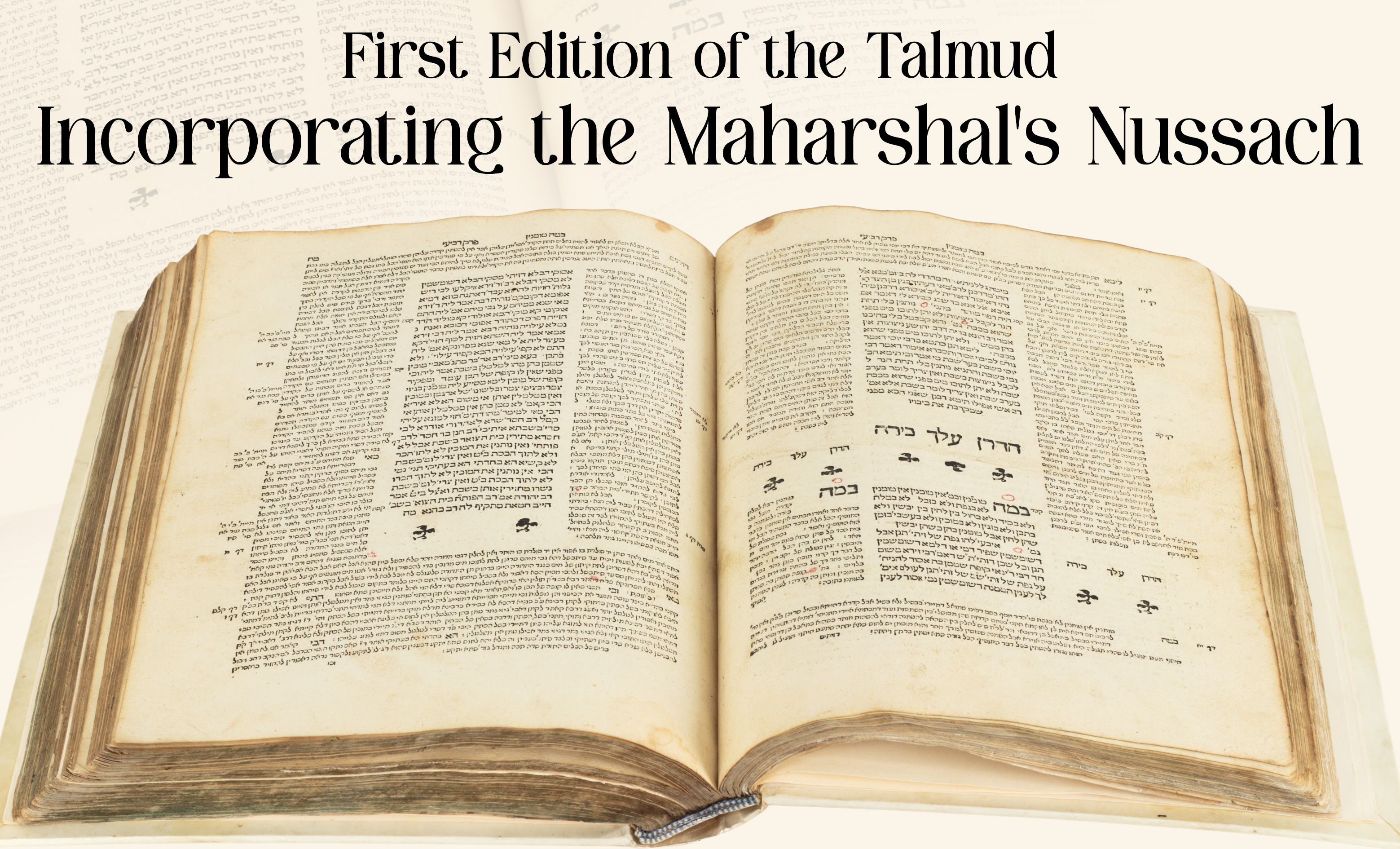
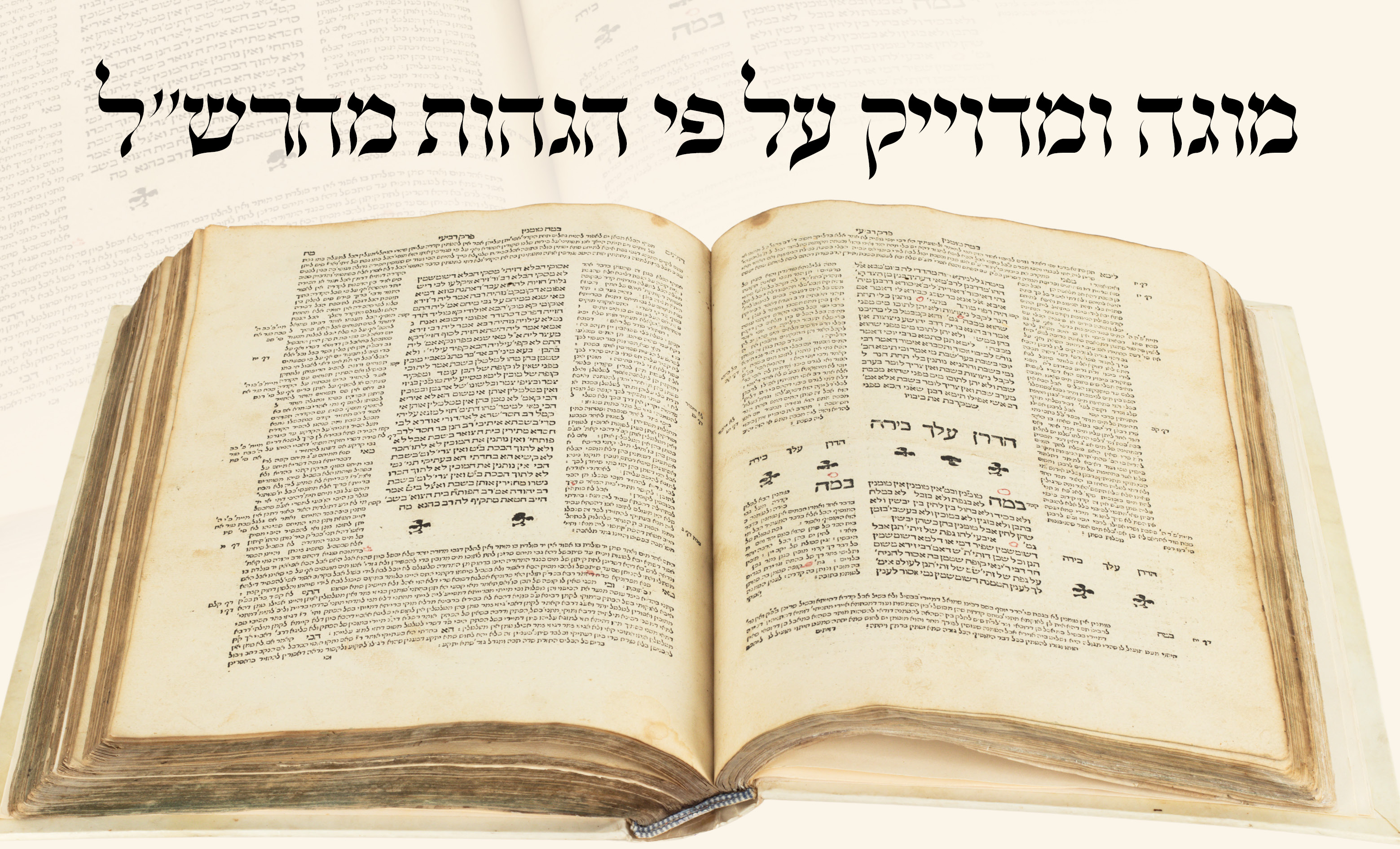
First Edition of the Talmud Incorporating the Maharshal's Nussach
Maseches Shabbos
Kushta, 1584
First Edition of the Talmud Incorporating the Maharshal’s Nussach
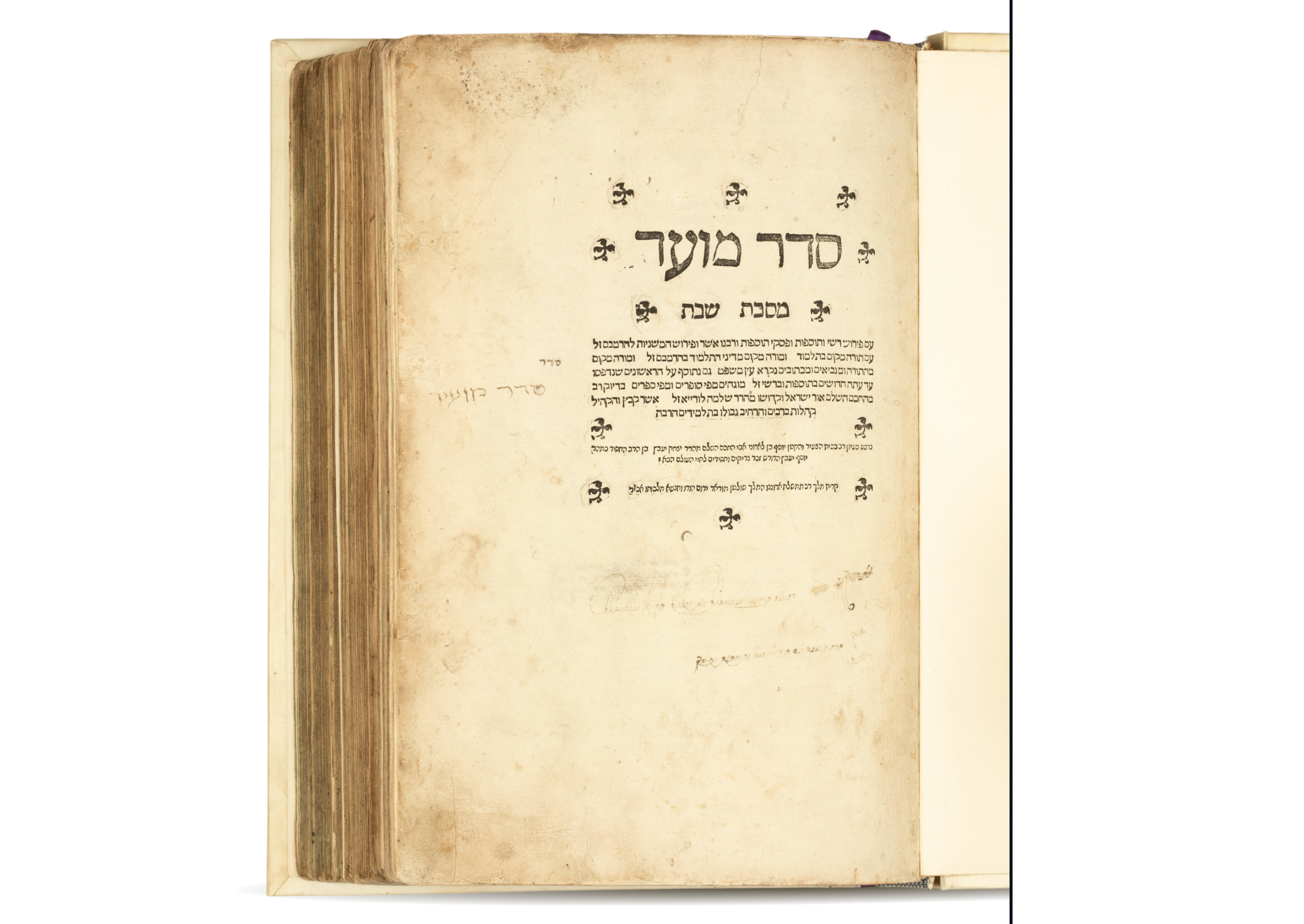
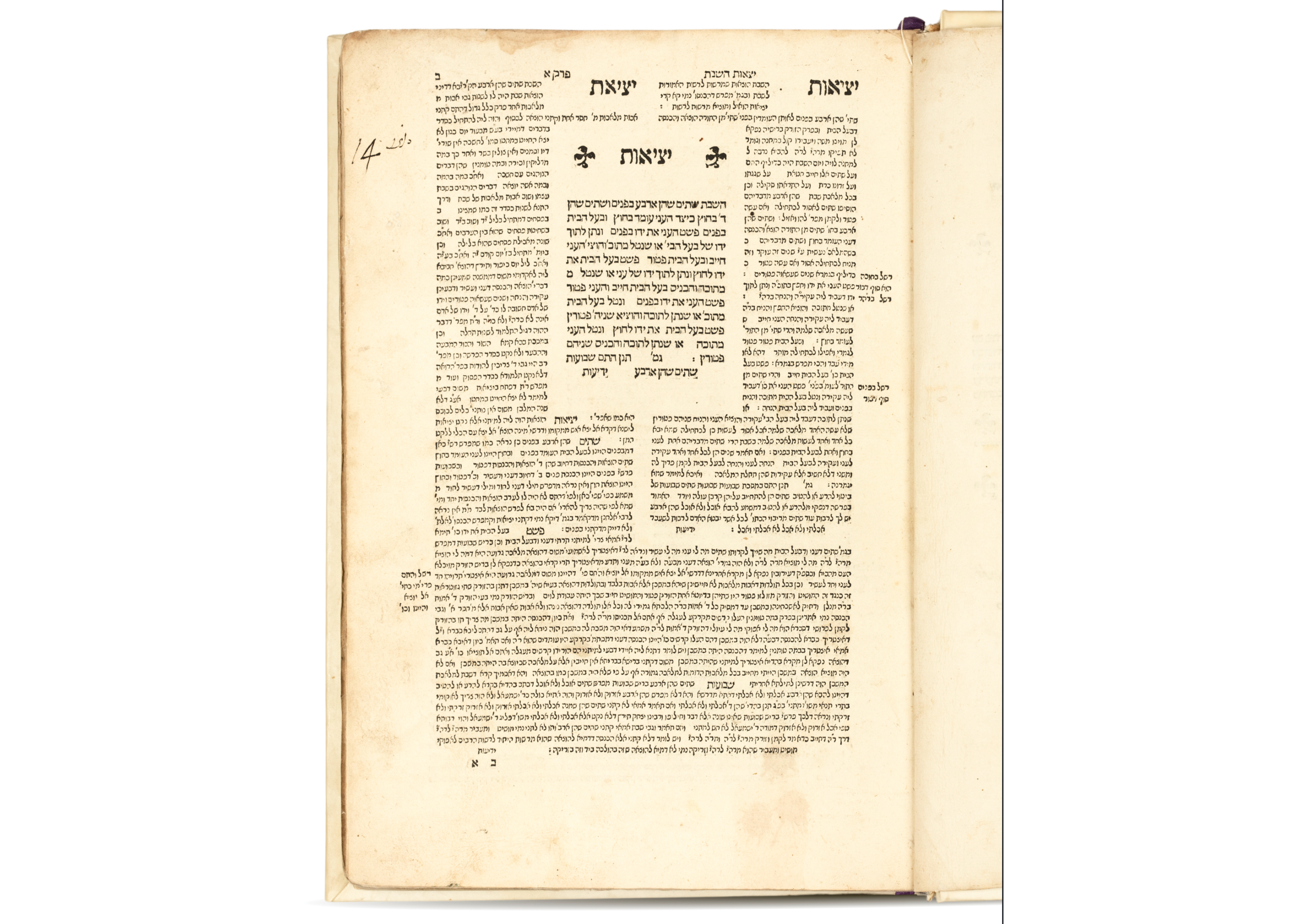
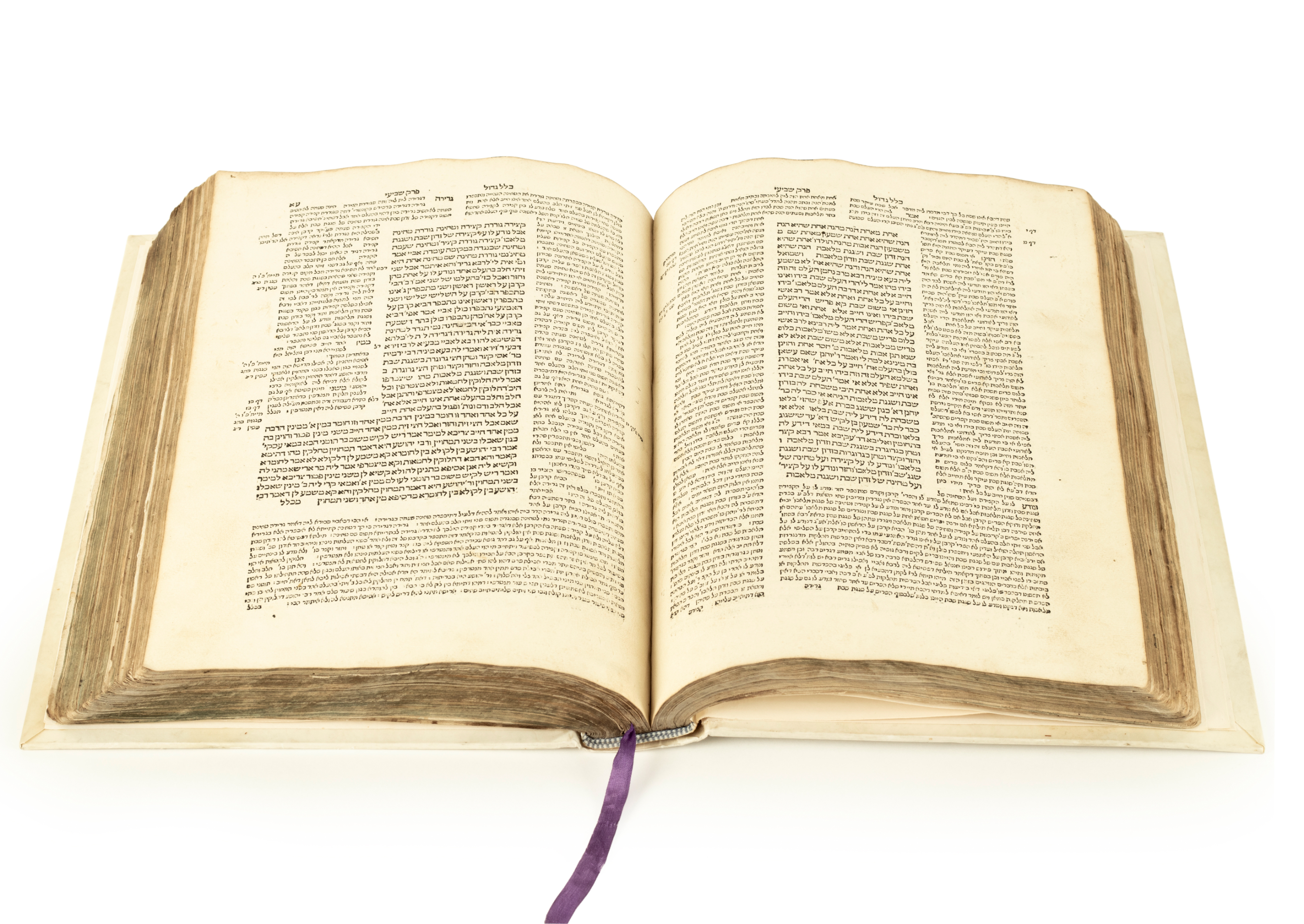
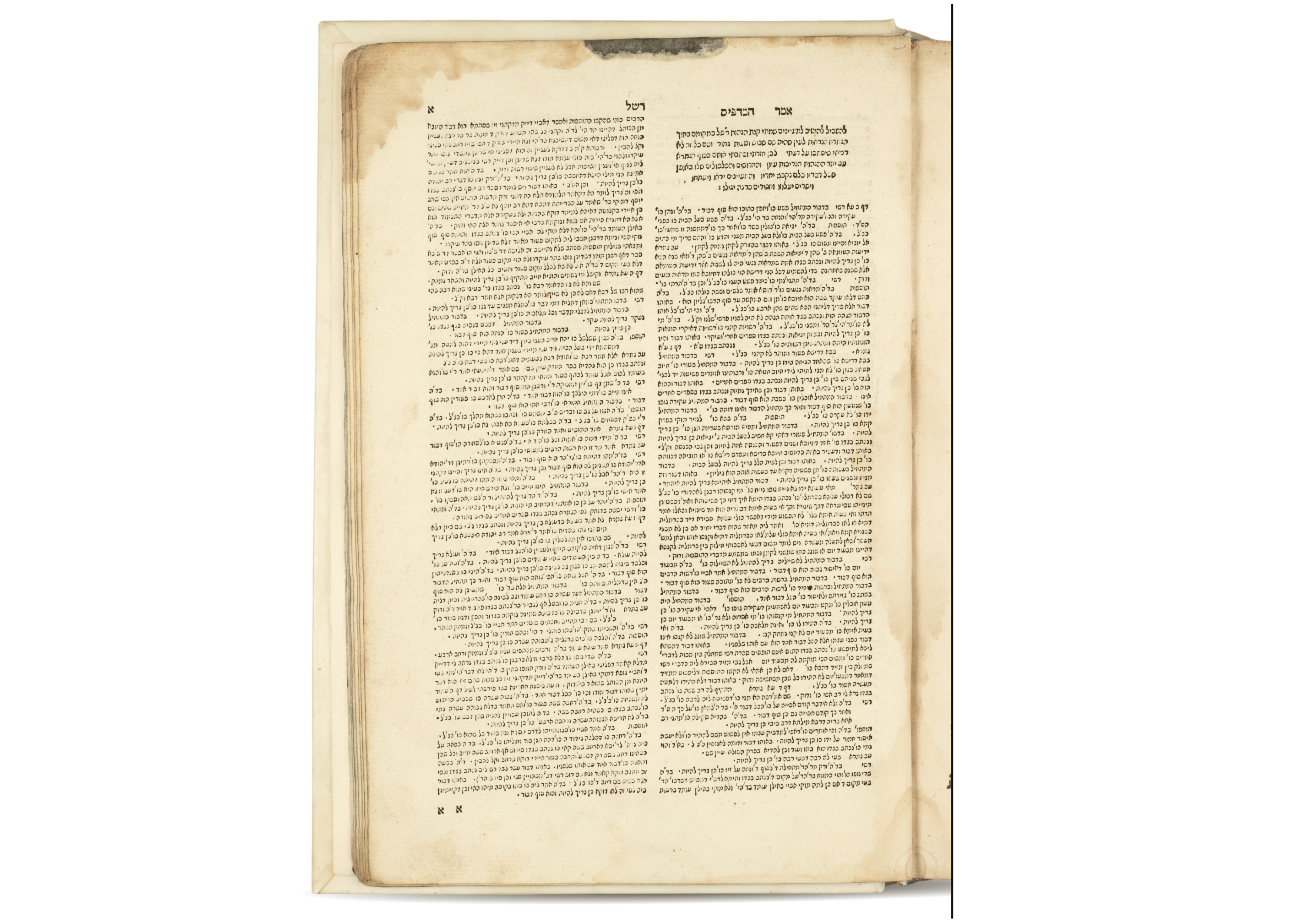
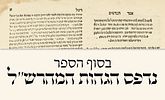
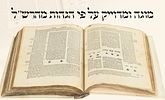
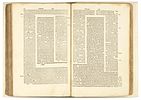
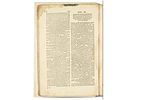
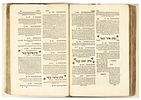
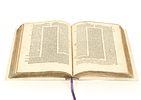
Maseches Shabbos with Rashi and Tosfos, Piskei Tosafos and the Rosh, the Rambam’s commentary on the Mishnah, references to verses in Tanach and rulings of the Rambam, corrected and edited according to the glosses of the Maharshal. The complete text of Chochmas Shlomo by the Maharshal on Maseches Shabbos appears at the end.
An exceptionally rare, complete copy.
The author of Dikdukei Sofrim had not seen a copy of this tractate and records only the copy preserved at Oxford (Ma’amar al Hadpasat HaTalmud, p. 70). Even the National Library of Israel does not hold a complete copy of Tractate Shabbos.
The printing of this Talmud began around 1584 but was never brought to completion. After more than a decade of printing, production ceased in the middle of Seder Nezikin, around 1595.
The Maharshal’s Glosses
This was the first edition of the Talmud printed according to the glosses of the Maharshal’s Chochmas Shlomo, and many printers subsequently followed this format.
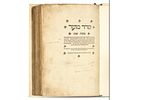
The title page states that this volume includes “new corrections to Tosfos and Rashi, carefully reviewed and amended with great precision from manuscripts and sefarim, by the illustrious and holy sage, the light of Klal Yisrael, Rabbi Shlomo Luria.”
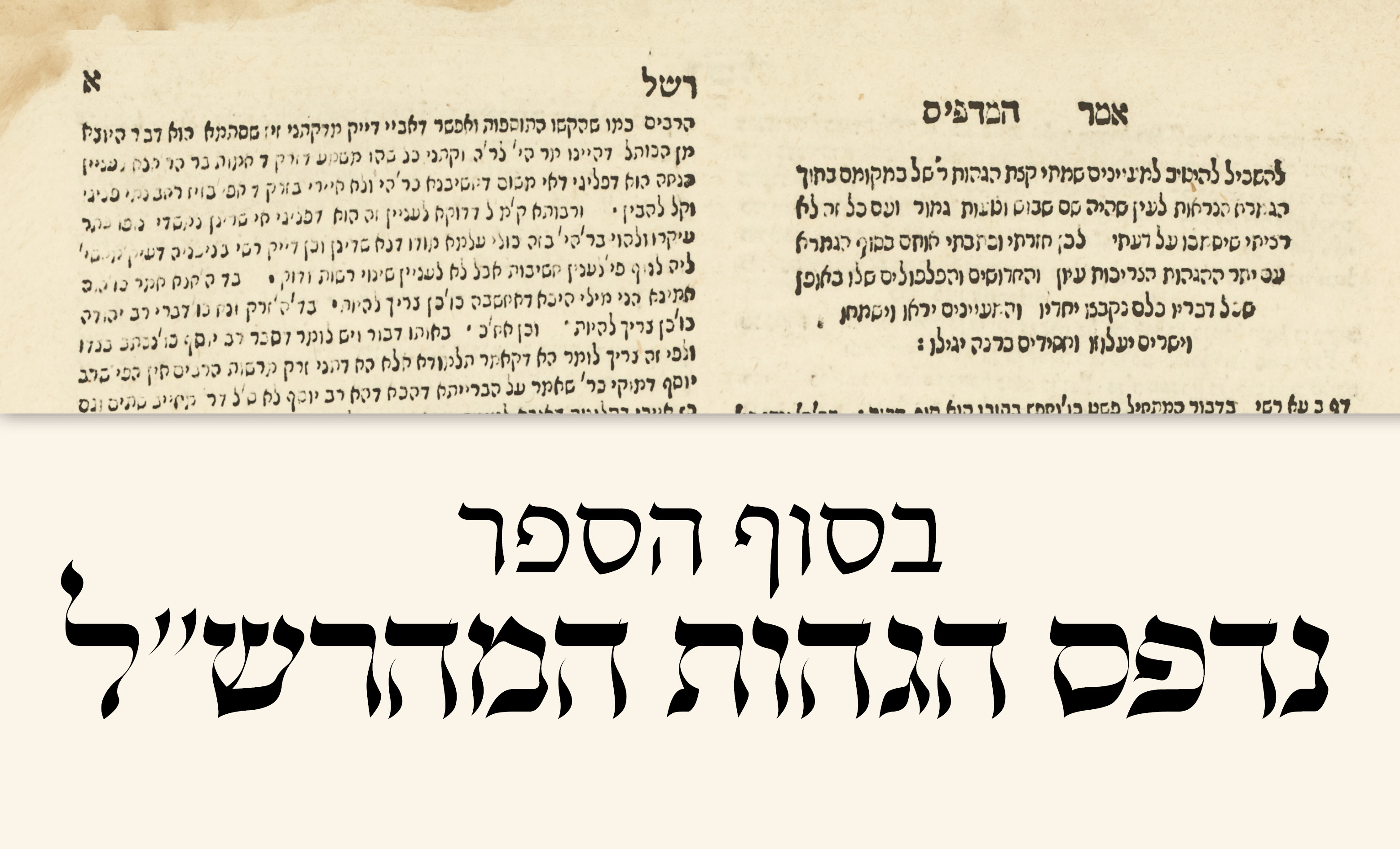
The Maharshal wrote his corrections in the margins of Talmud Bomberg editions printed in Venice, usually the second edition. Alongside each correction, the printers noted its source as “Rashal.” In addition, they printed the complete text of the Maharshal’s glosses at the end of the volume (twelve leaves).
The Maharshal’s glosses, published in his sefer Chochmas Shlomo (Cracow, 1582), became one of the sifrei yesod for establishing the correct text of the Talmud.
The Chasam Sofer wrote of the glosses: “This gaon labored tirelessly and corrected many of the errors throughout the Talmud, refining its text and removing its stumbling blocks” (approbation to the sefer Tzohar Livnin)
The Printing of Talmud Kushta
In the years following the burning of the Talmud in Italy, a severe shortage of Talmud volumes was felt throughout the Jewish world. About seven years after the burnings, in 1561, the printer Shlomo Yaabetz (grandson of the chassid Rabbi Yosef Yaabetz), who lived in Muslim Constantinople which was unaffected by the papal ban on printing the Talmud, announced his intention to reprint the entire Talmud. In his words: “I was consumed with zeal for Hashem, the G-d of Israel, for the volumes of Talmud had been burned. I said, ‘It is a time to act for Hashem, ’ and I resolved to begin printing the Talmud” (see the introduction to Shu”t Mahariva”l, Part I).
However, for lack of sufficient resources, he was unable to realize this vision until approximately 1584.
The brothers Shlomo and Yosef Yaabetz regarded the printing of the Talmud as the crowning achievement of their work as printers, undertaken to restore the fallen world of Torah “and restore the Talmud to its rightful place.”
They describe how volumes of the Talmud in the Ottoman Empire were becoming increasingly worn and scarcer, both through constant use and repeated fires. This led them to undertake the monumental task of printing the entire Talmud anew.
To help finance the enormous expense and make the set affordable, the printers sold the tractates in installments as they came off the press. Subscribers committed in advance to purchase the entire set and received new sections every week, later binding them together into complete volumes (see the introduction to Maseches Brachos).
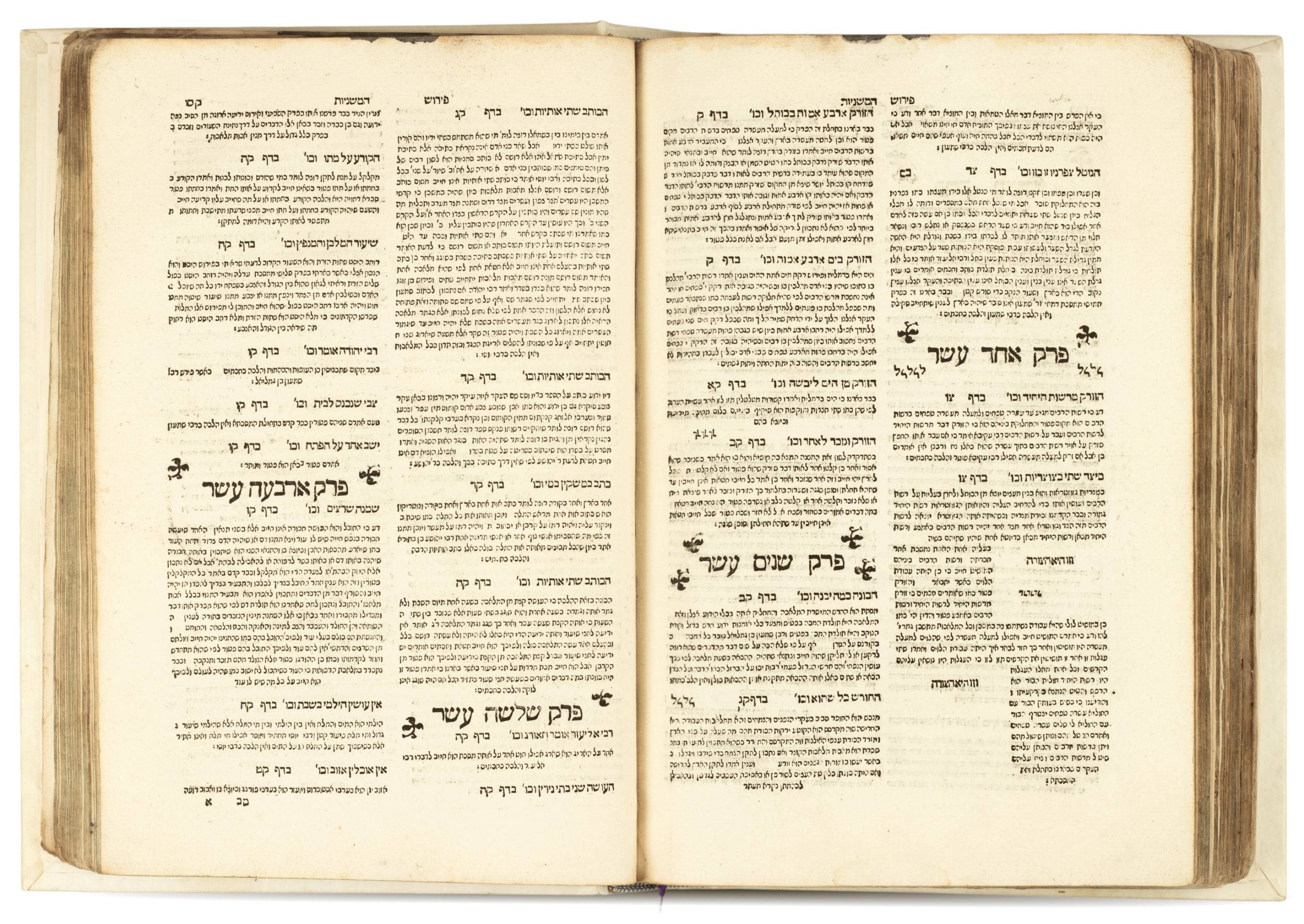
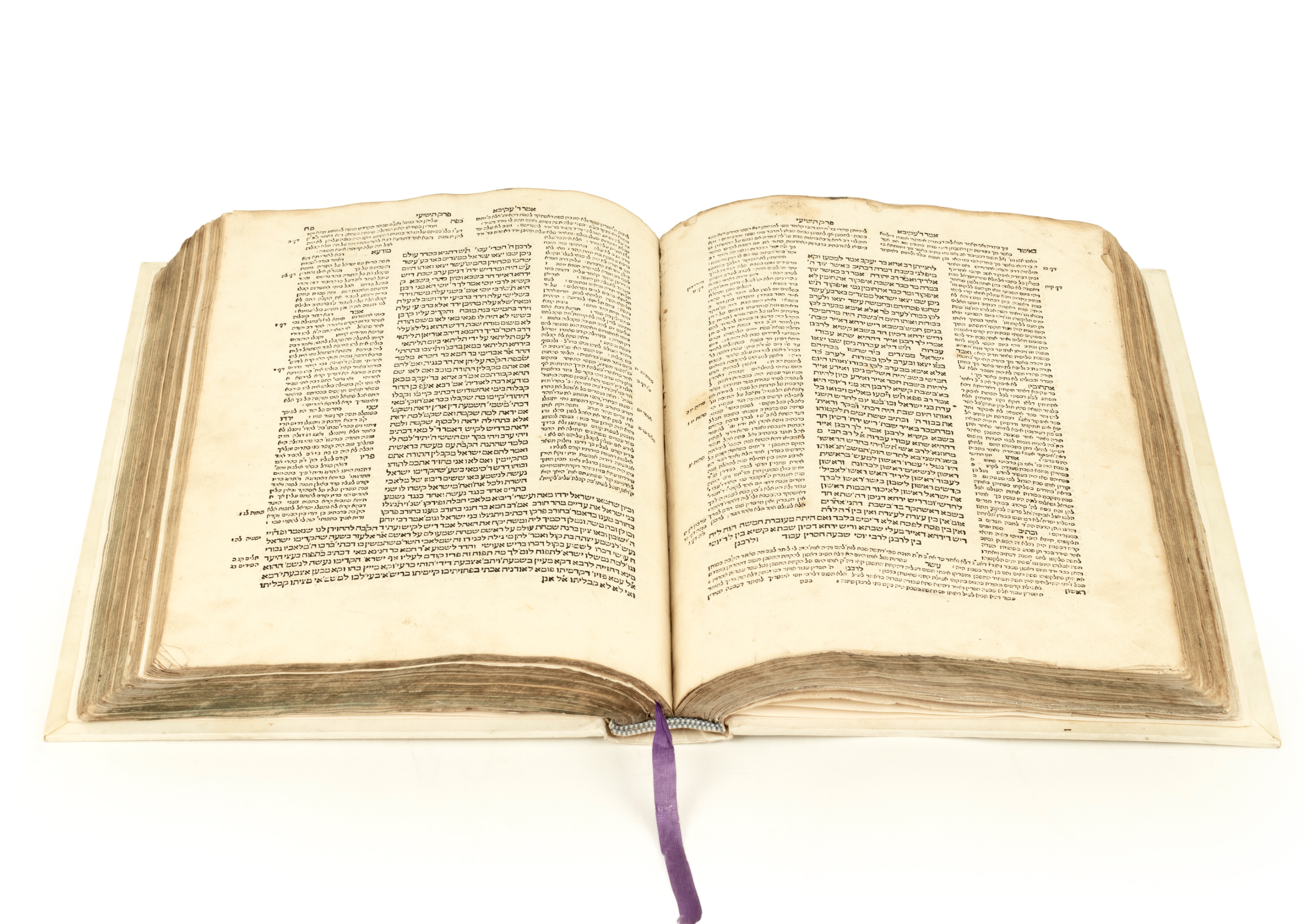
In their introduction, the printers promise to print the Gemaras “with the utmost beauty, on high-quality white paper, in clear black type, on bright white sheets, ” produced by skilled craftsmen experienced in the art of printing.
Indeed, they fulfilled that promise: the masechtos were printed on thick, high-quality white paper, with bold black type and an elegant, orderly layout.
Although they did not succeed in completing the printing of the entire Talmud, even its partial printing breathed new life into the study of the Talmud.
Constantinople, circa 1584. Printed by the Yaabetz brothers (in some masechtos, for example Shabbos, only Yosef Yaabetz is named).
Constantinople, circa 1584. Printed by the Yaabetz brothers (in some masechtos, for example Shabbos, only Yosef Yaabetz is named).
Page Count: 188; 12 leaves.
Size: 34.5 cm.
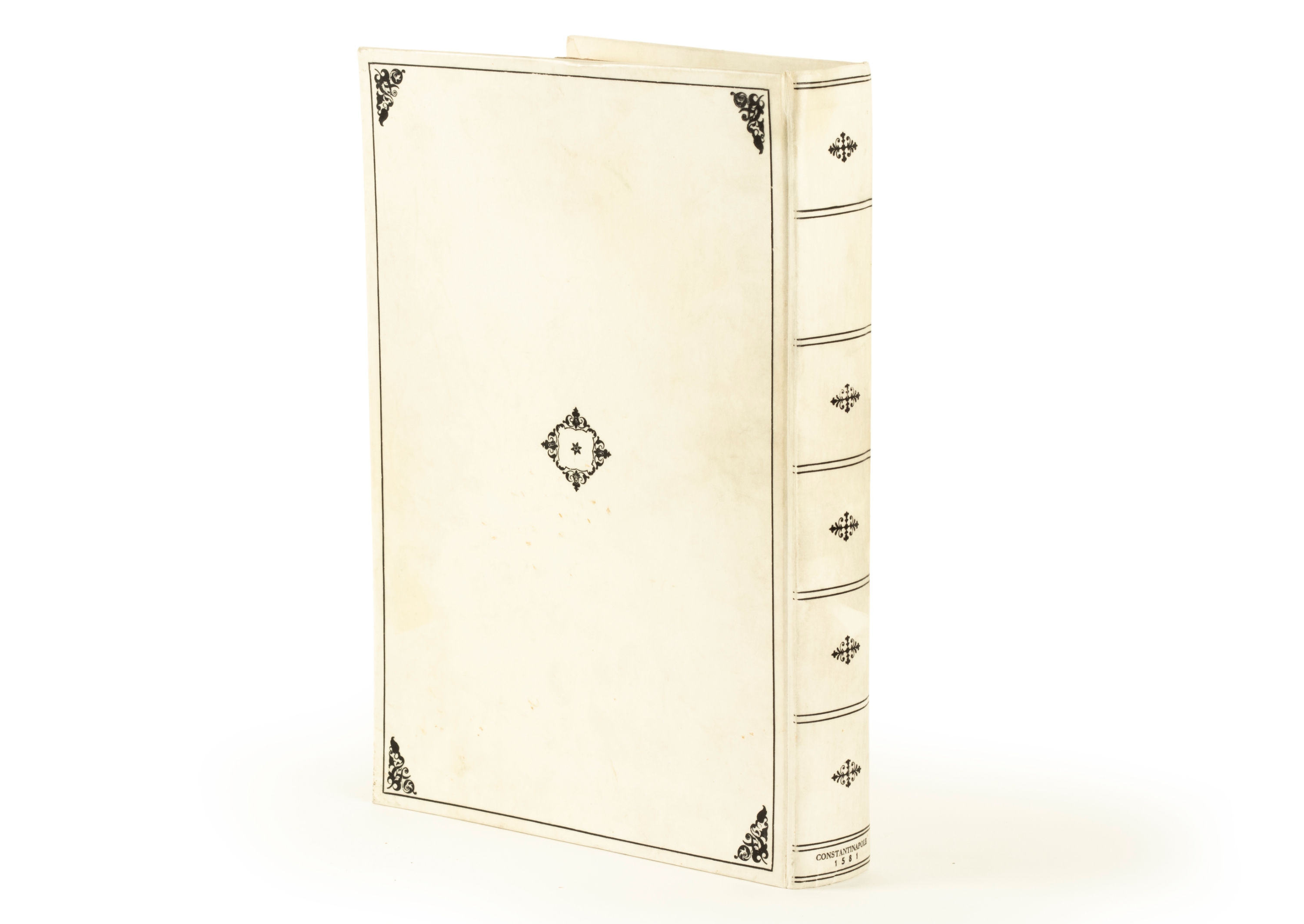
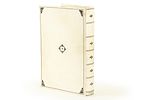
Condition: Some leaves have a few holes; marginal stains, generally light. The final leaves have darker stains, some affecting the text. Leaves 102–103 have narrower margins. Impressive new vellum binding.
Bibliography: Maamar al Hadpasat HaTalmud, pp. 70–73; Yaari, Kushta, no. 207, and introduction, pp. 26–29.
_____________________
The Date of Publication
Regarding the date of this Talmud edition, the author of Dikdukei Sofrim writes:
“In all the masechtos printed by them, no year of publication is recorded; all merely state ‘under the rule of Sultan Murad, ’ who reigned from 1574 until 1595. However, since the Maharshal’s glosses were only printed in 1582, it is not possible that these volumes were printed before that year.”
Following this observation, later bibliographers generally dated the Talmud Kushta edition to the period between 1584 and 1595.
