Lot : 3

First and Singular Edition
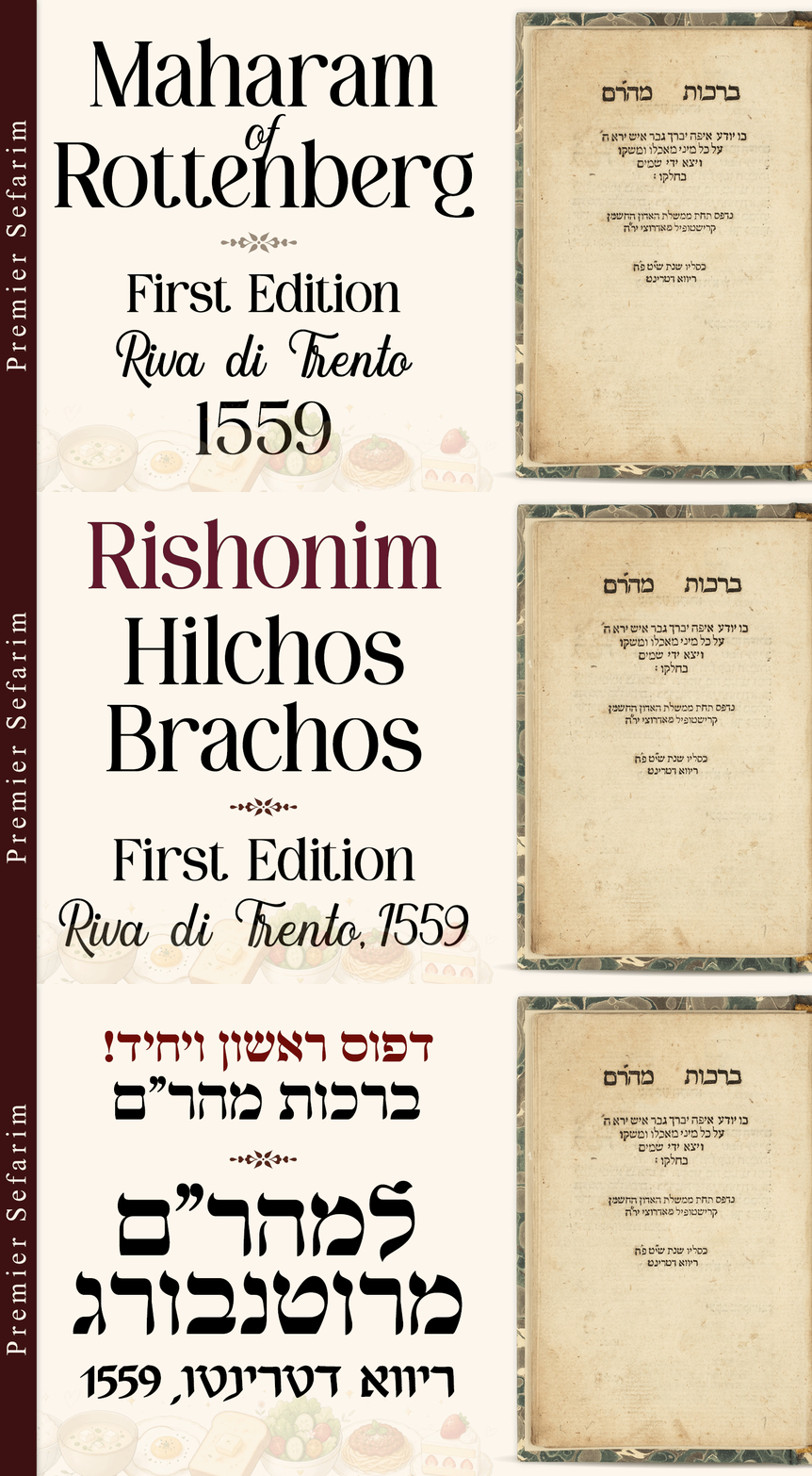
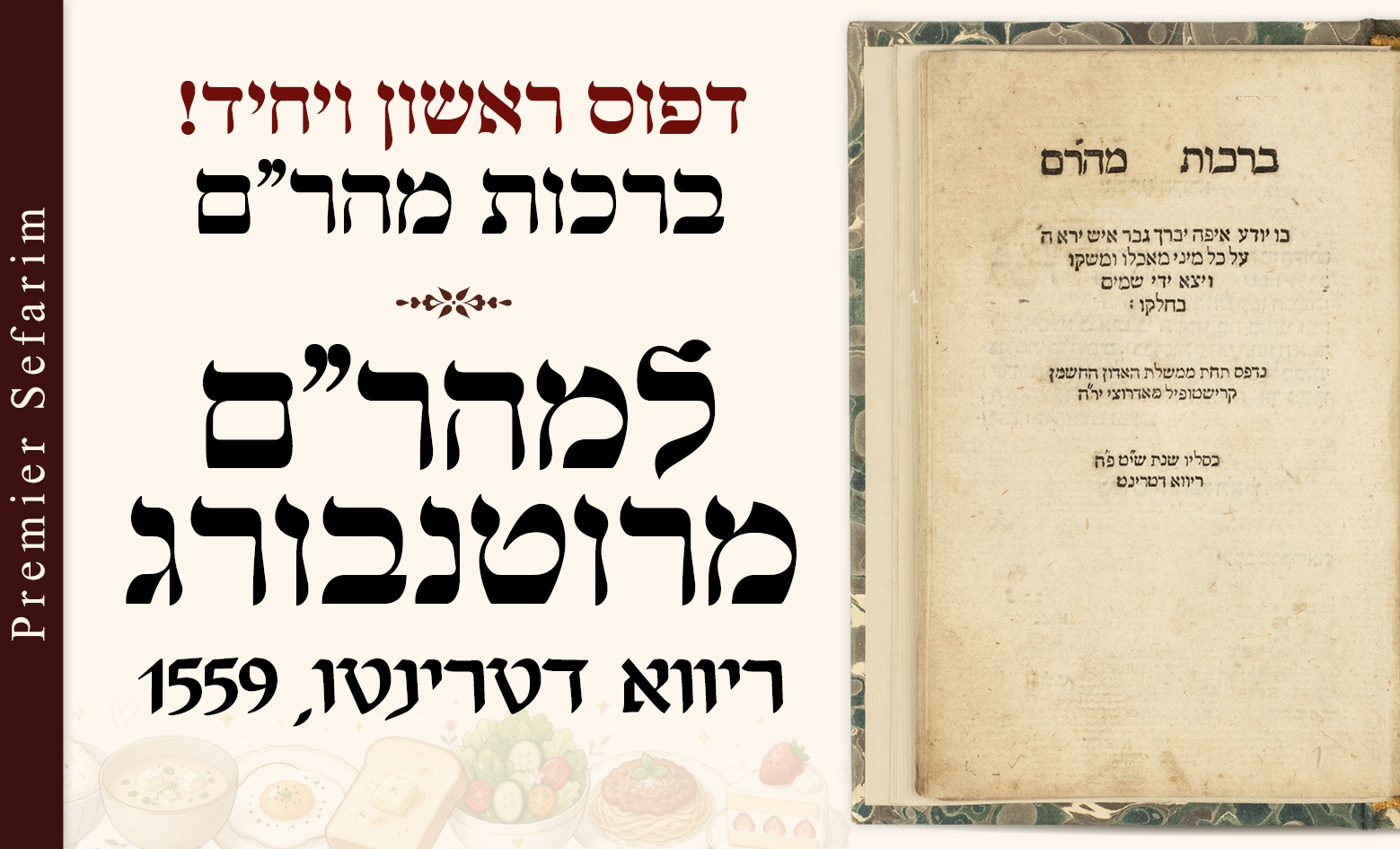
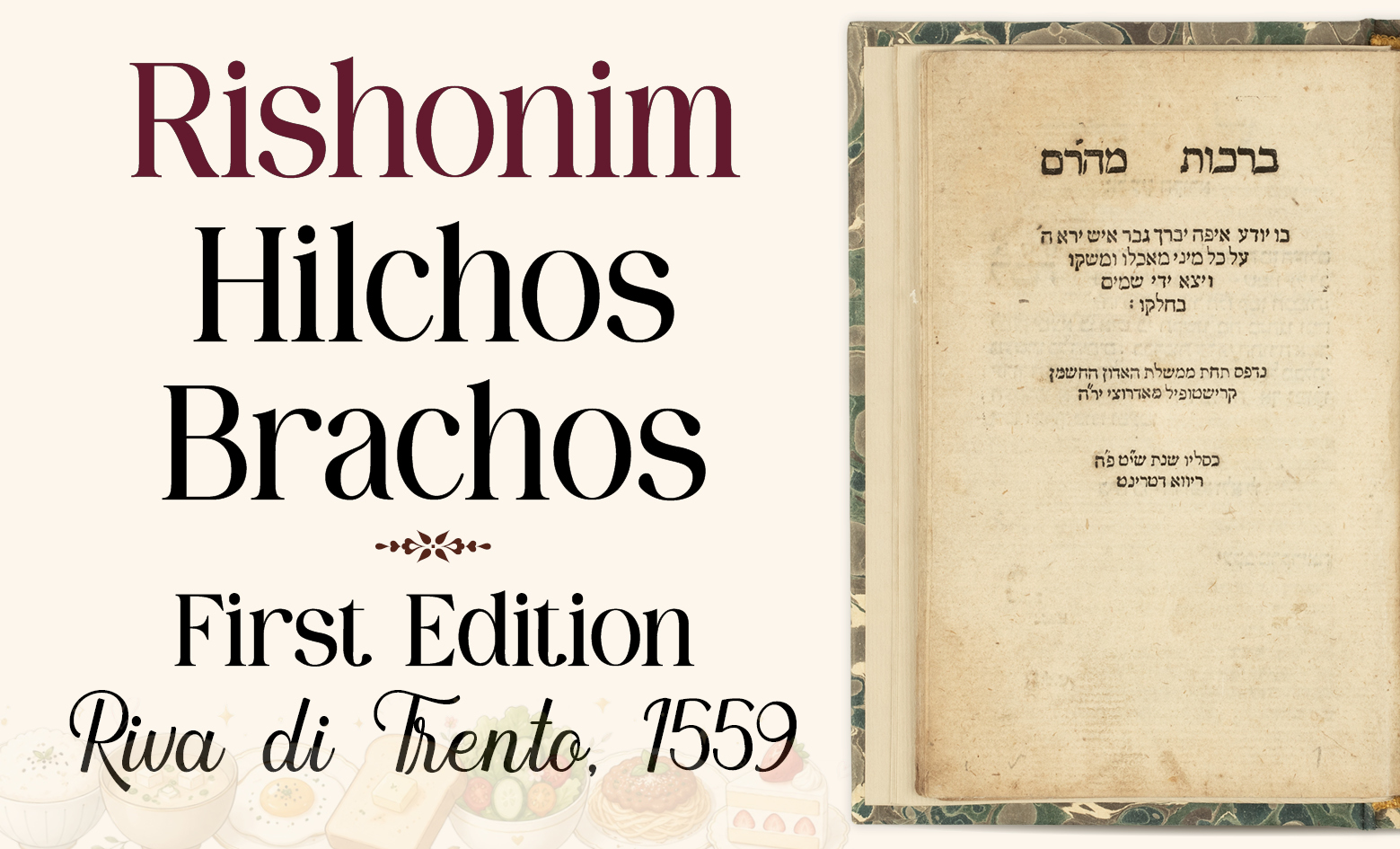
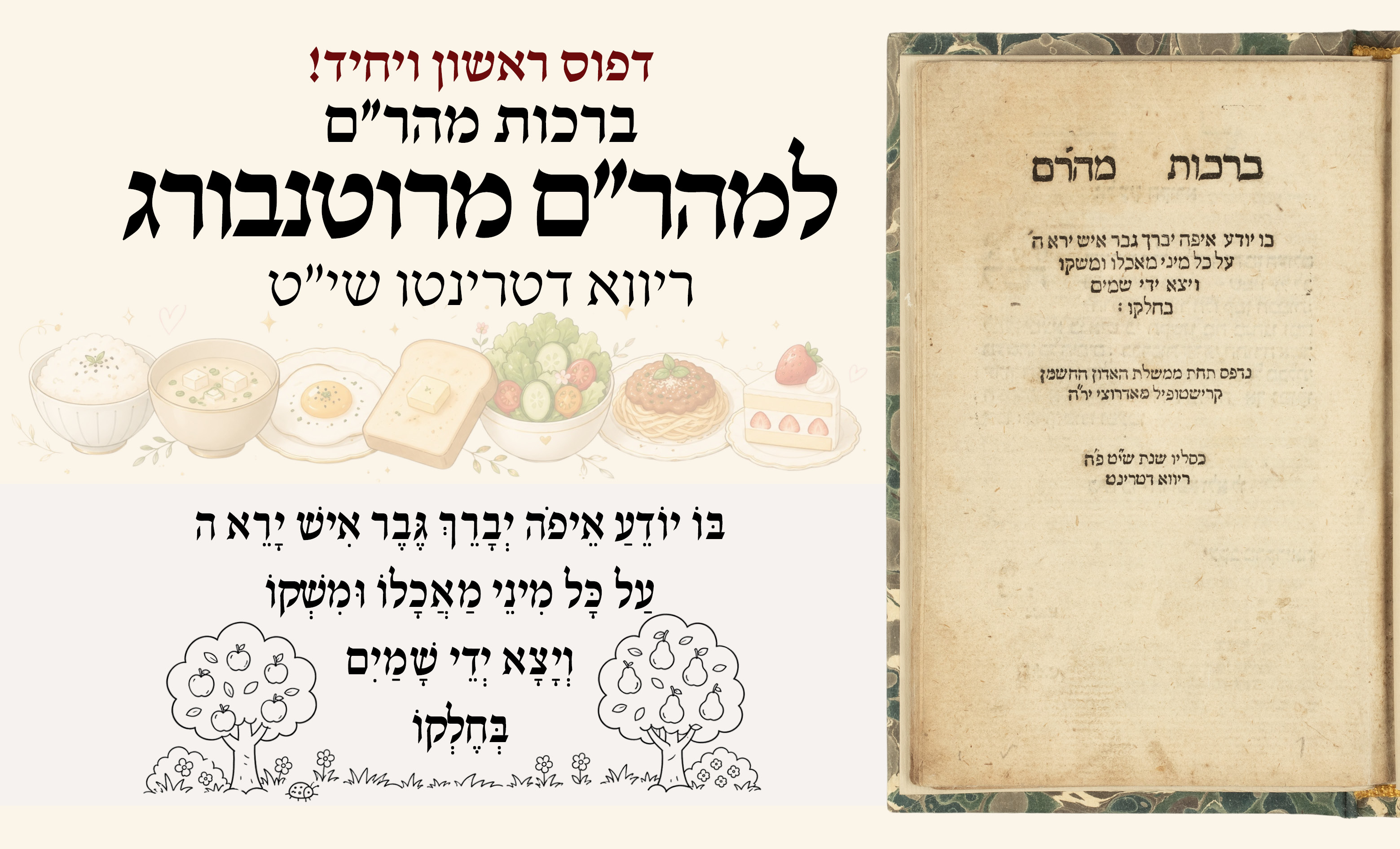
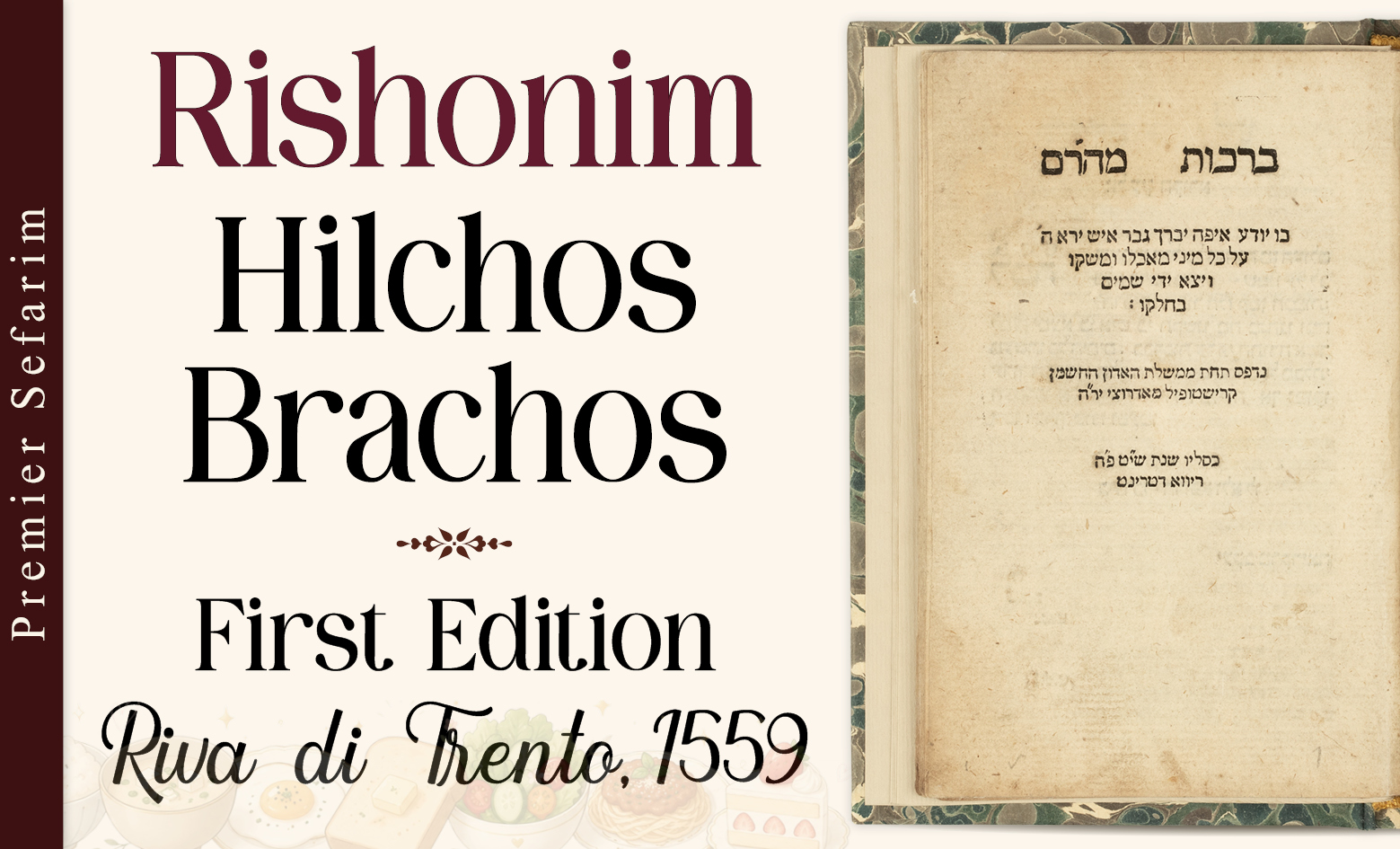
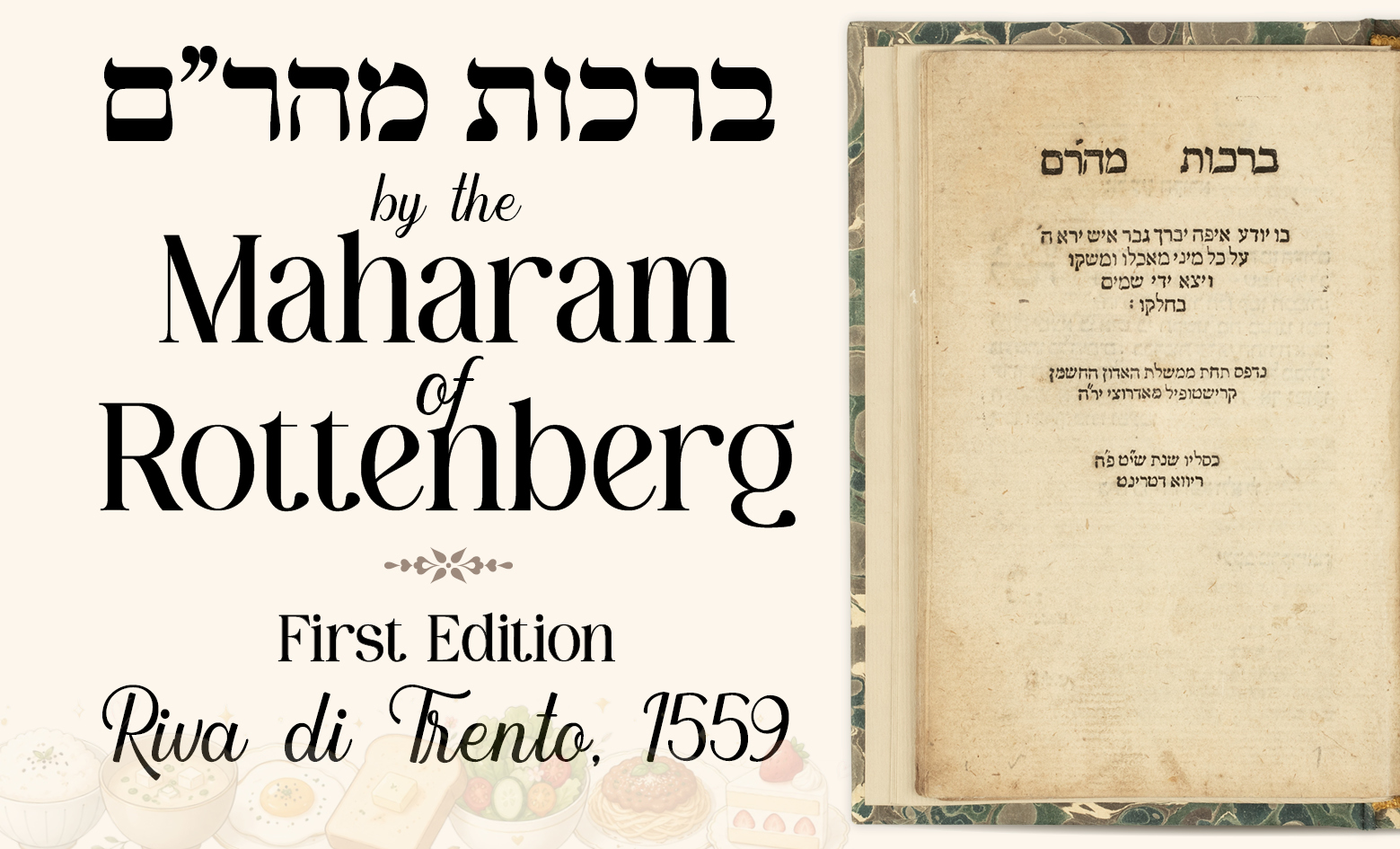
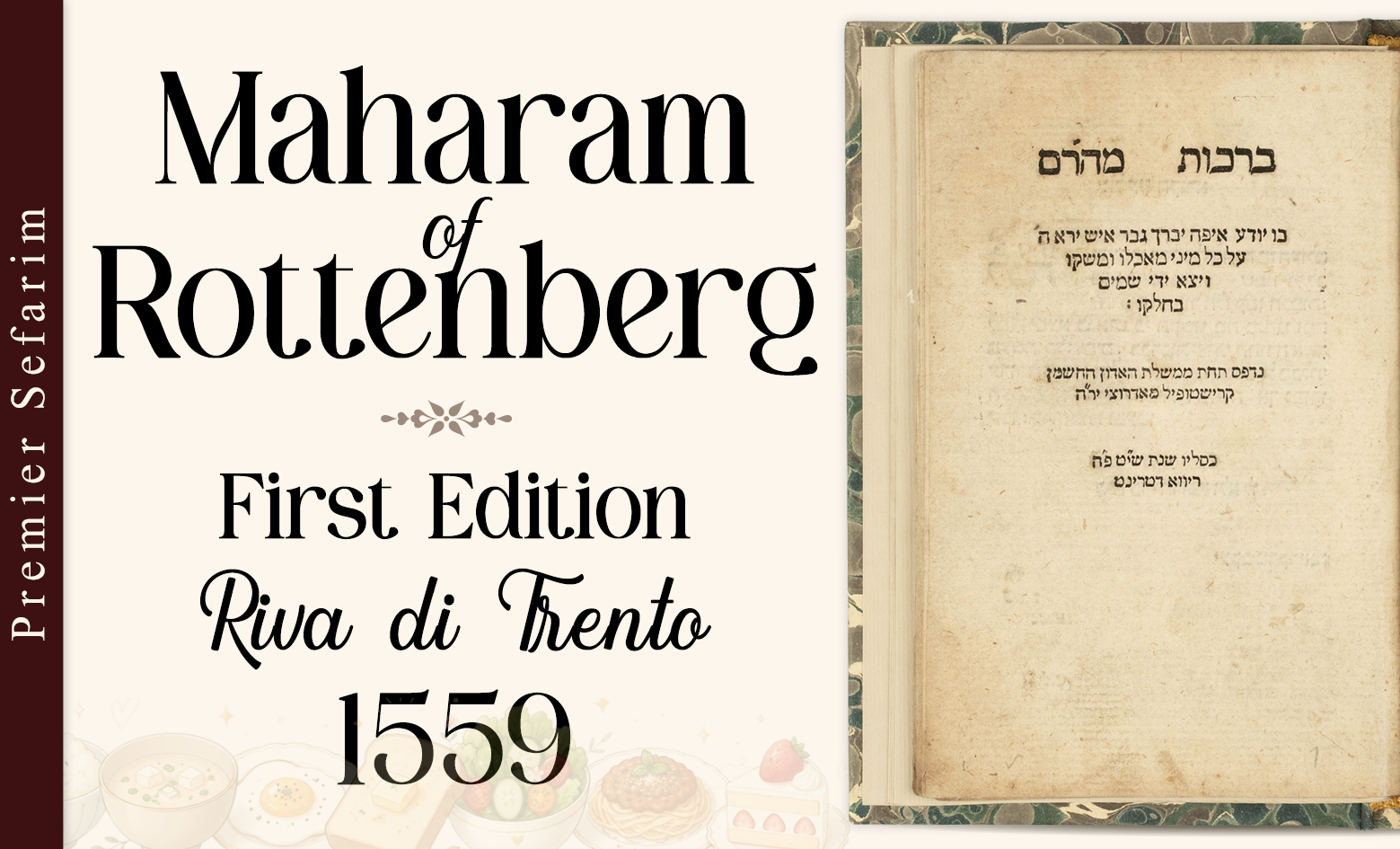
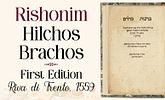
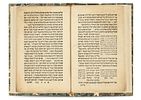
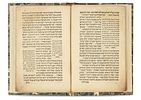
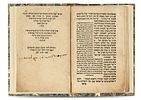
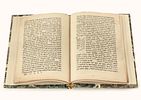
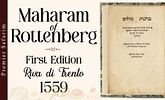
Principles of Brachos by the Maharam of Rottenberg – Riva di Trento, 1559

Images

First and Singular Edition

Principles of Brachos by the Maharam of Rottenberg – Riva di Trento, 1559


Halachic rulings on the laws of blessings by Rabbi Meir of Rottenberg, the Maharam of Rottenberg.

An exceedingly rare sefer. For nearly 430 years, the sefer was never reprinted, until its modern reissue by Machon Yerushalayim in 1988.

This is a foundational sefer on the halachos of brachos.

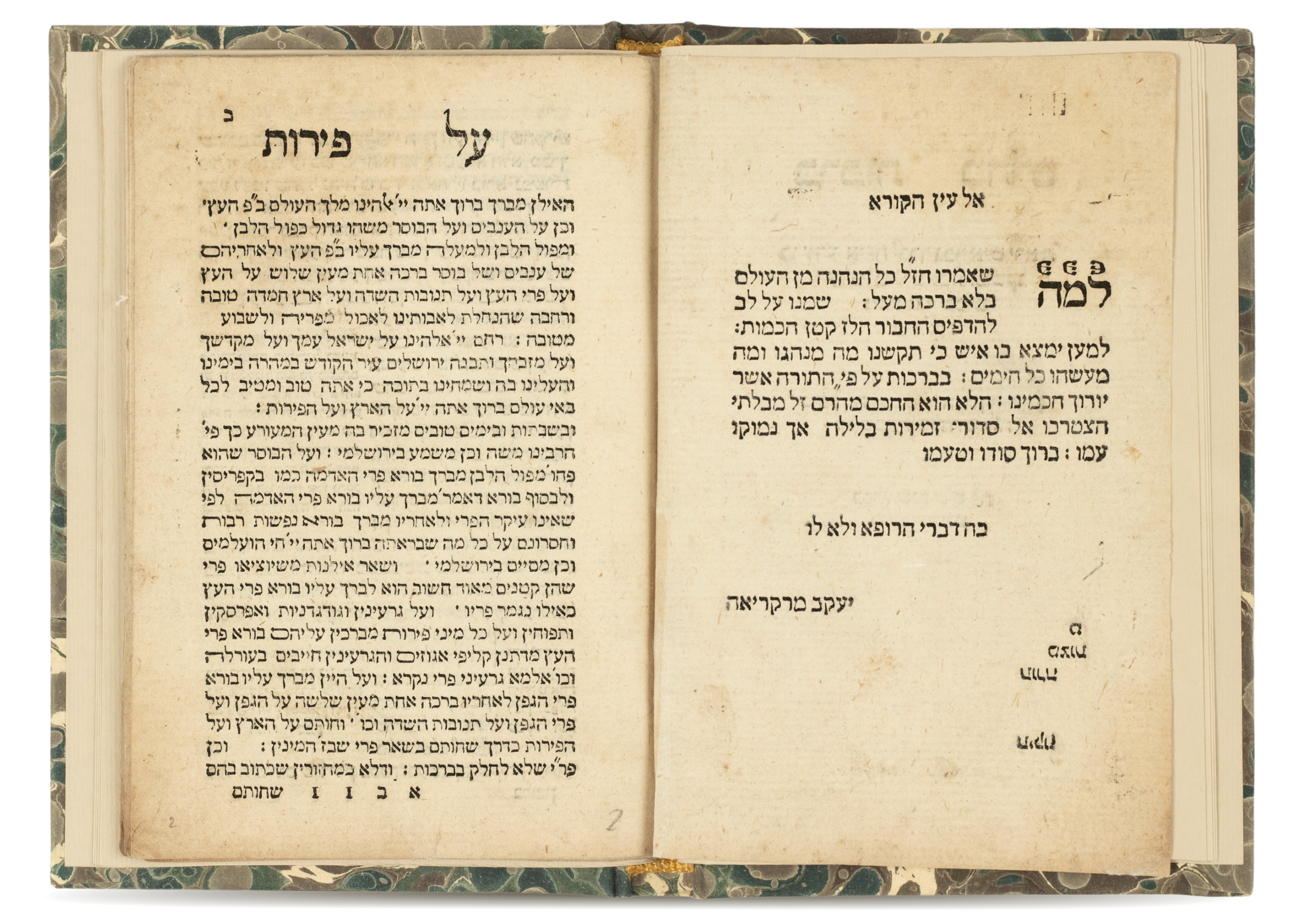
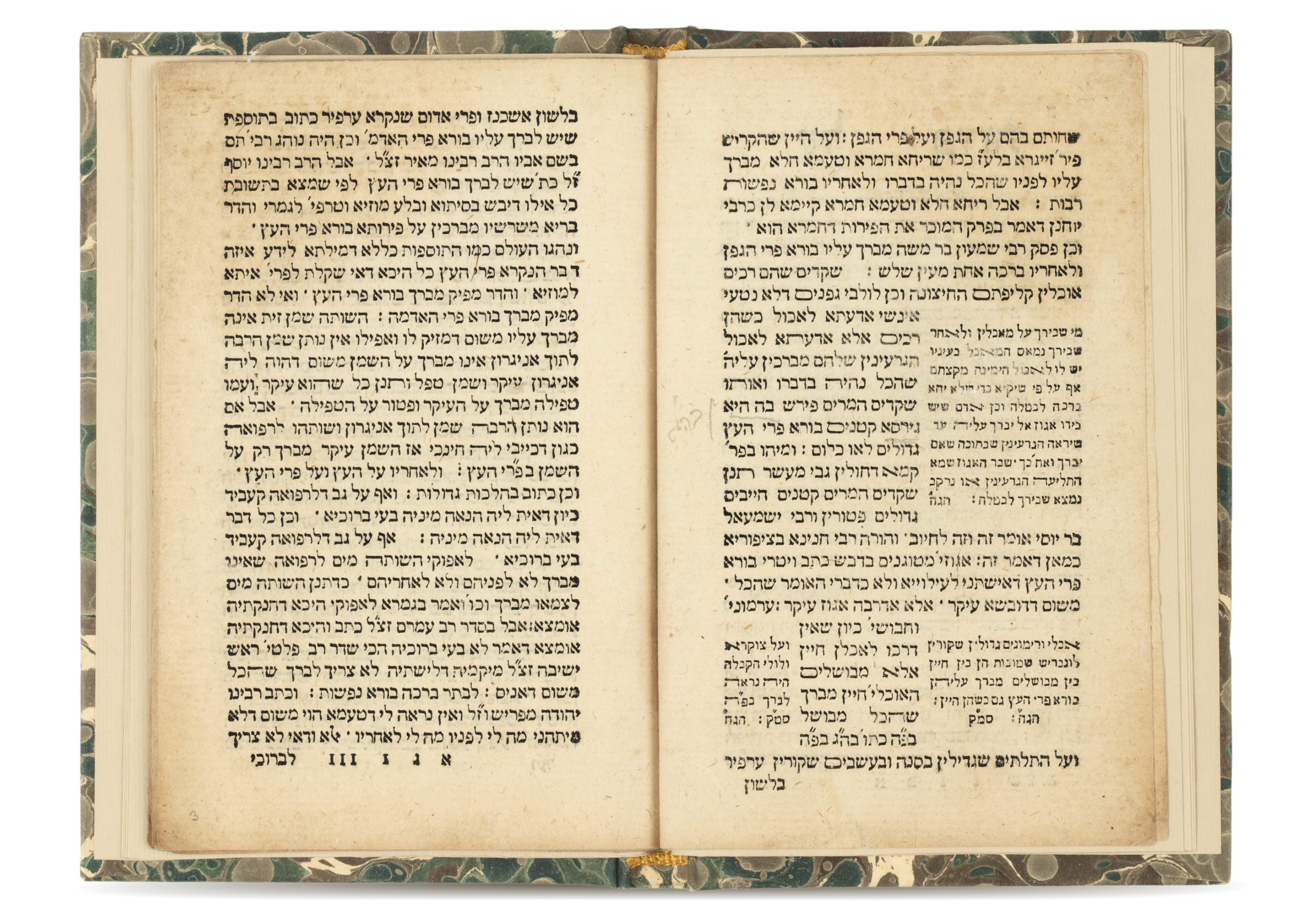
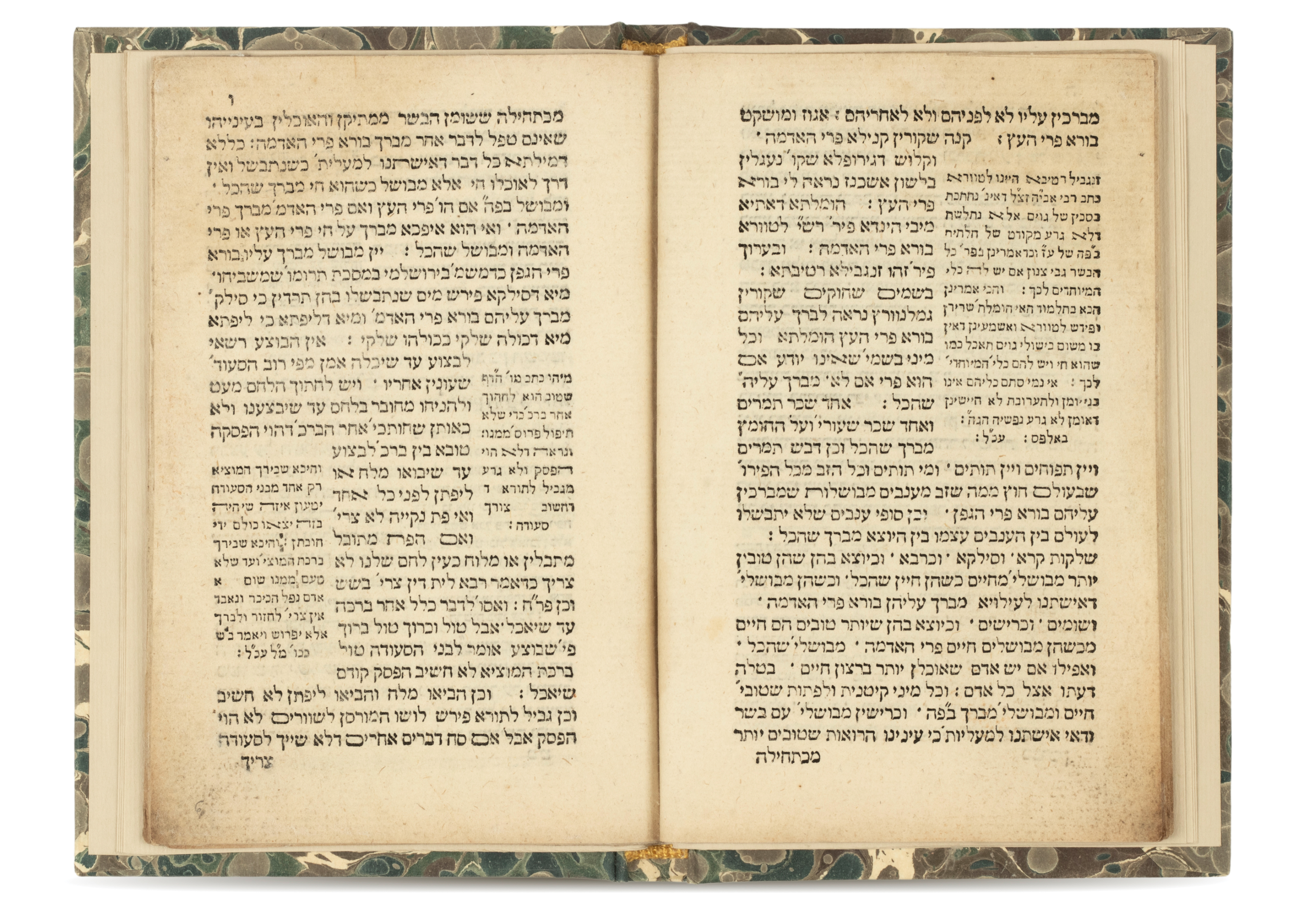
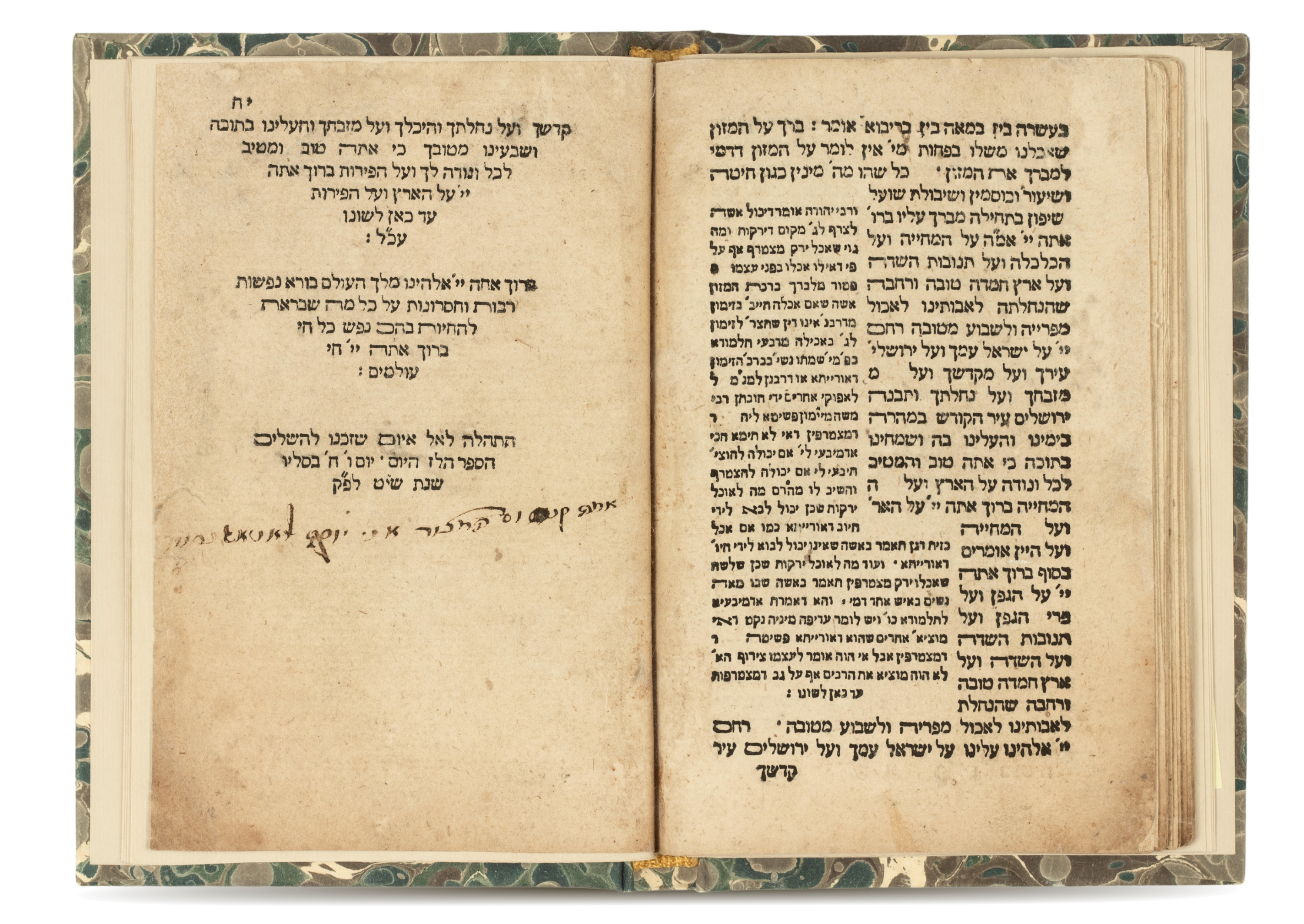
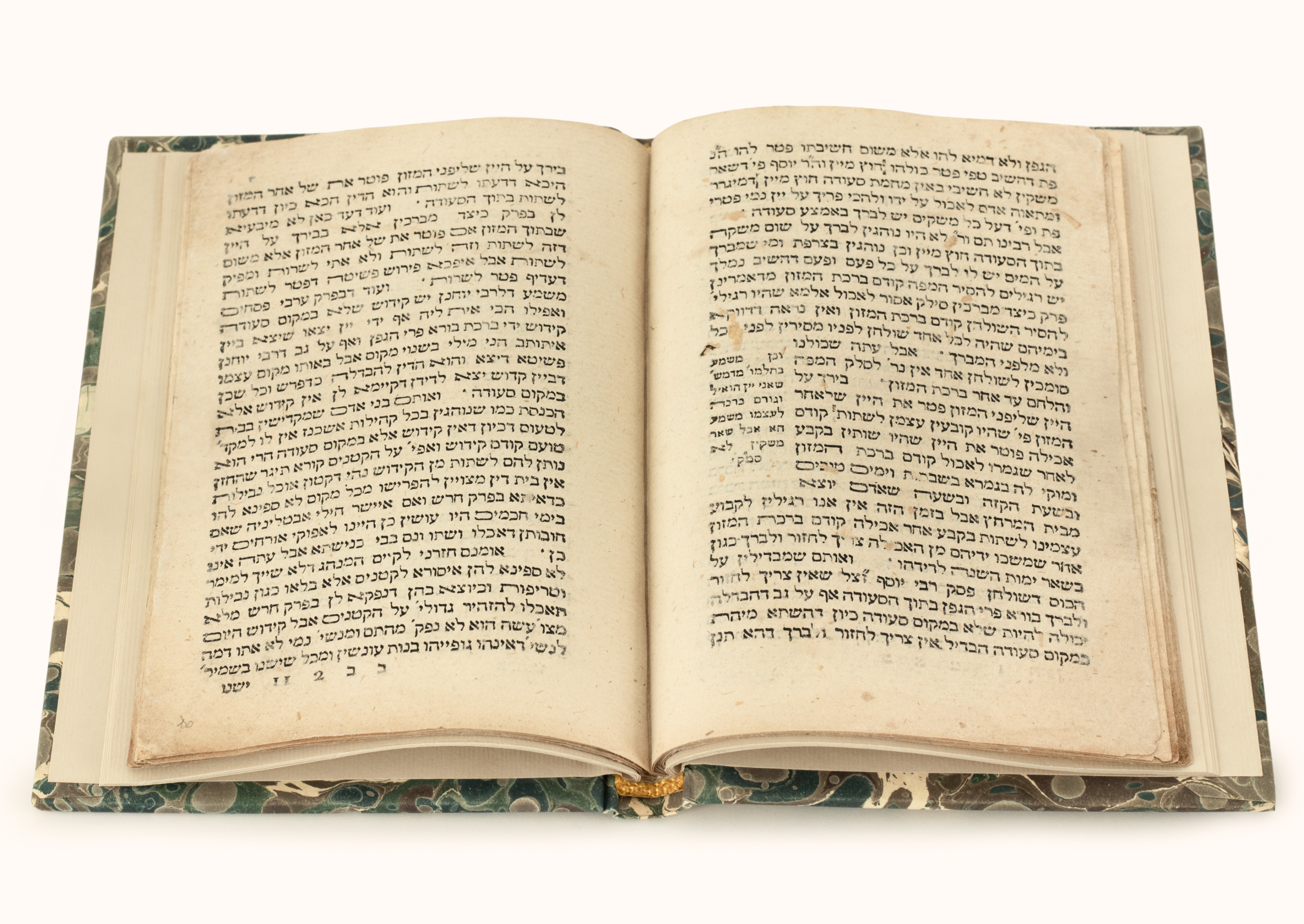
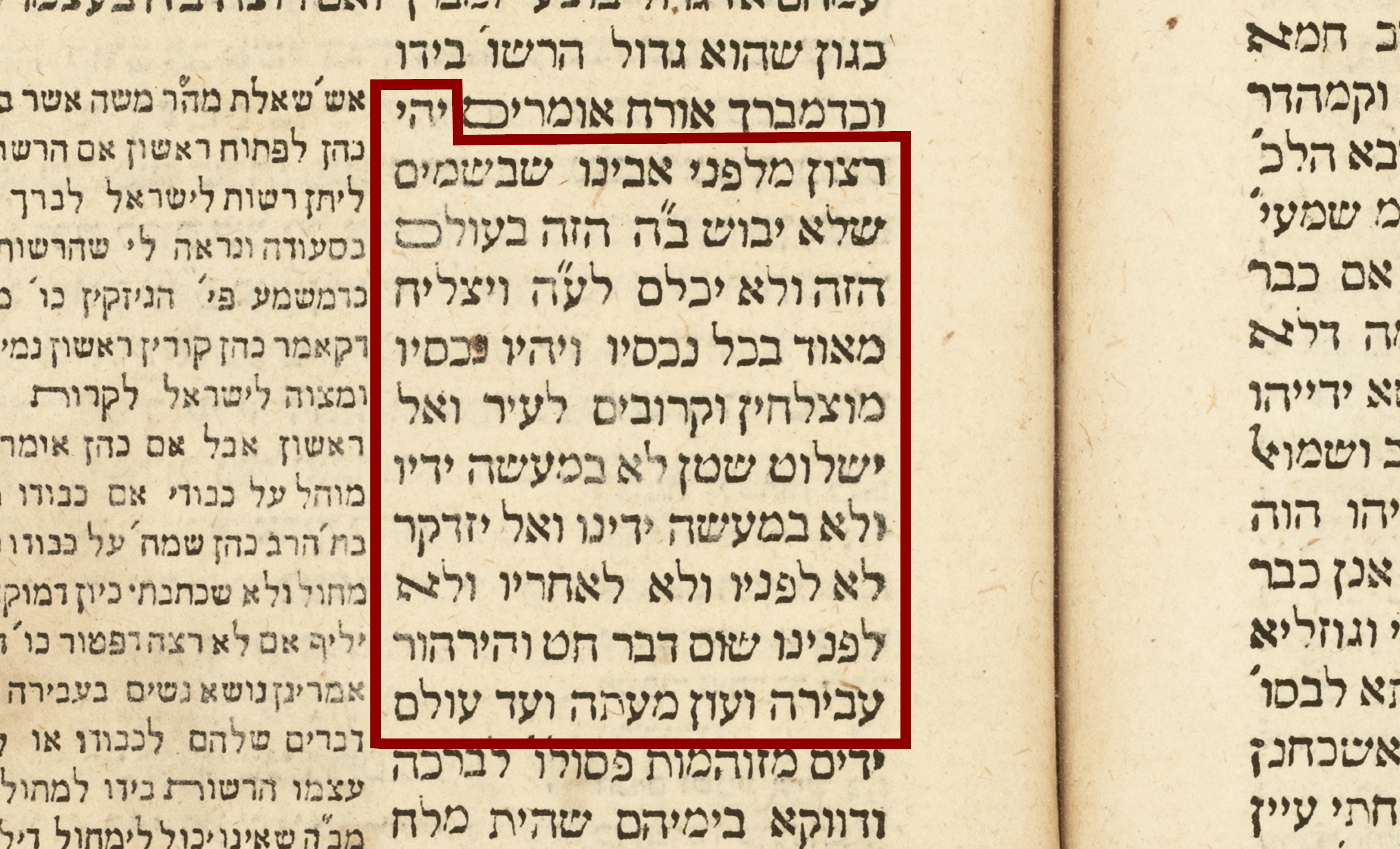
It is cited by his foremost disciples — the Mordechai, Hagahos Maimoniyos, Tashbetz Katan and the Parnas — and by leading poskim, including the Tur, Bach, Prishah, Taz and Magen Avraham. The sefer includes the laws of Birkos HaNehenin, Birkas HaMazon and zimun, together with glosses printed in separate boxes, which were referred to by the poskim as “Hagahos Brachos Maharam.”

The Maharam of Rottenberg (d. 1293), one of the greatest sages of Ashkenaz, was born in Germany, where he studied Torah from the Ohr Zaruah, and later traveled to learn in the yeshivos of the Ba’alei Tosfos in France. In his generation, he was regarded as the foremost halachic authority in Ashkenaz, and through his works, explanations and teshuvos, he left an enduring imprint for all generations.

He taught many disciples, among them the Rosh, the Mordechai, the author of Hagahos Maimoniyos, the author of Sha’arei Dura, the author of the Tashbetz Katan and many others.

In the later years of his life, he was imprisoned, and when the ruler demanded an immense ransom for his release, he refused to allow the community to bear such a heavy burden. Yet, even while being in prison, he continued to disseminate Torah to his disciples.


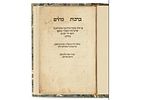
Riva di Trento, 1559. A singular edition.

Page Count: 18 leaves.
Size: 13.5 cm.
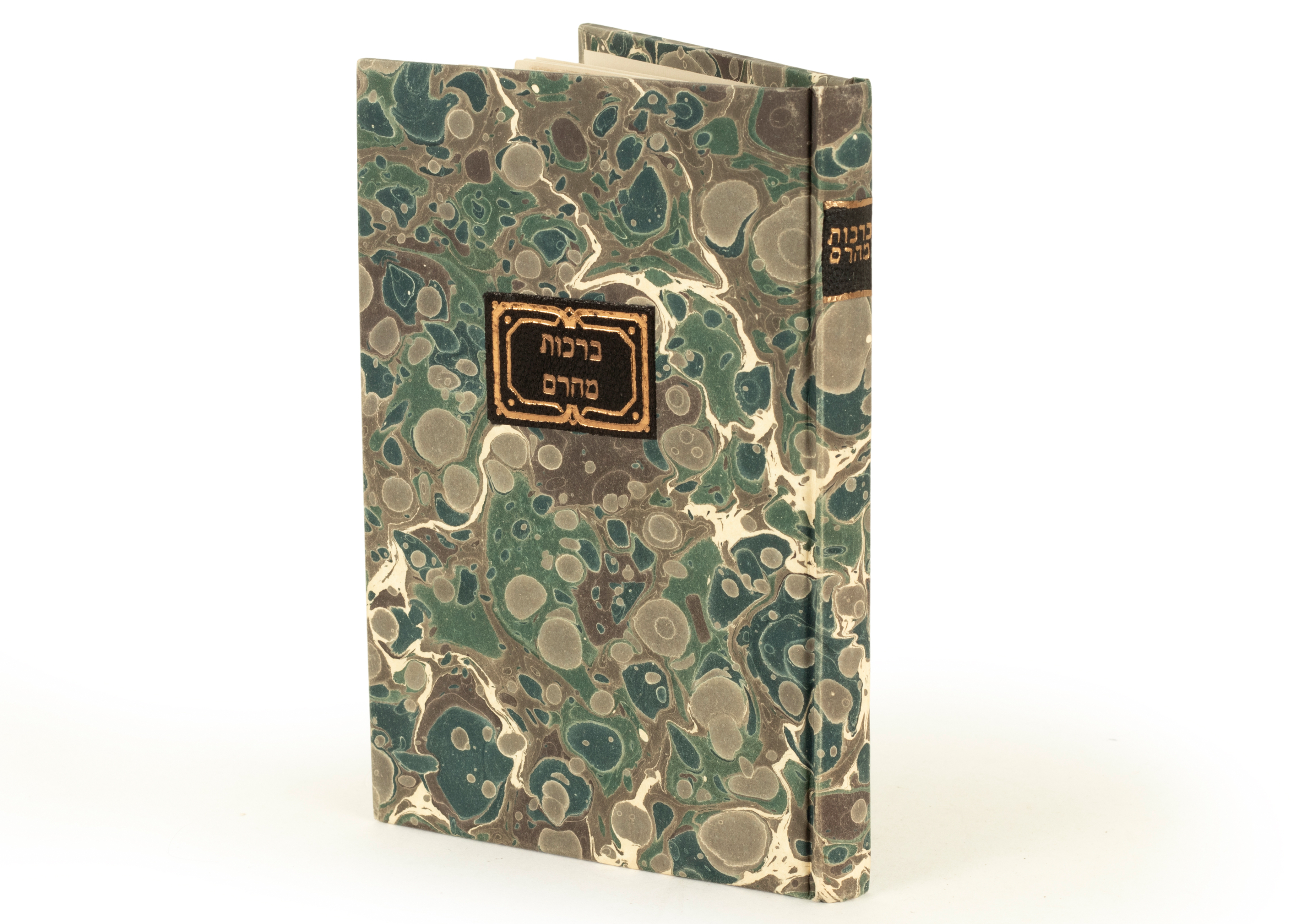
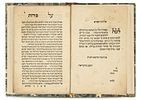
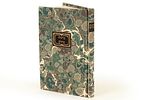
Condition: Good; light restorative repairs on the final leaves; a few stains on two pages; new binding.

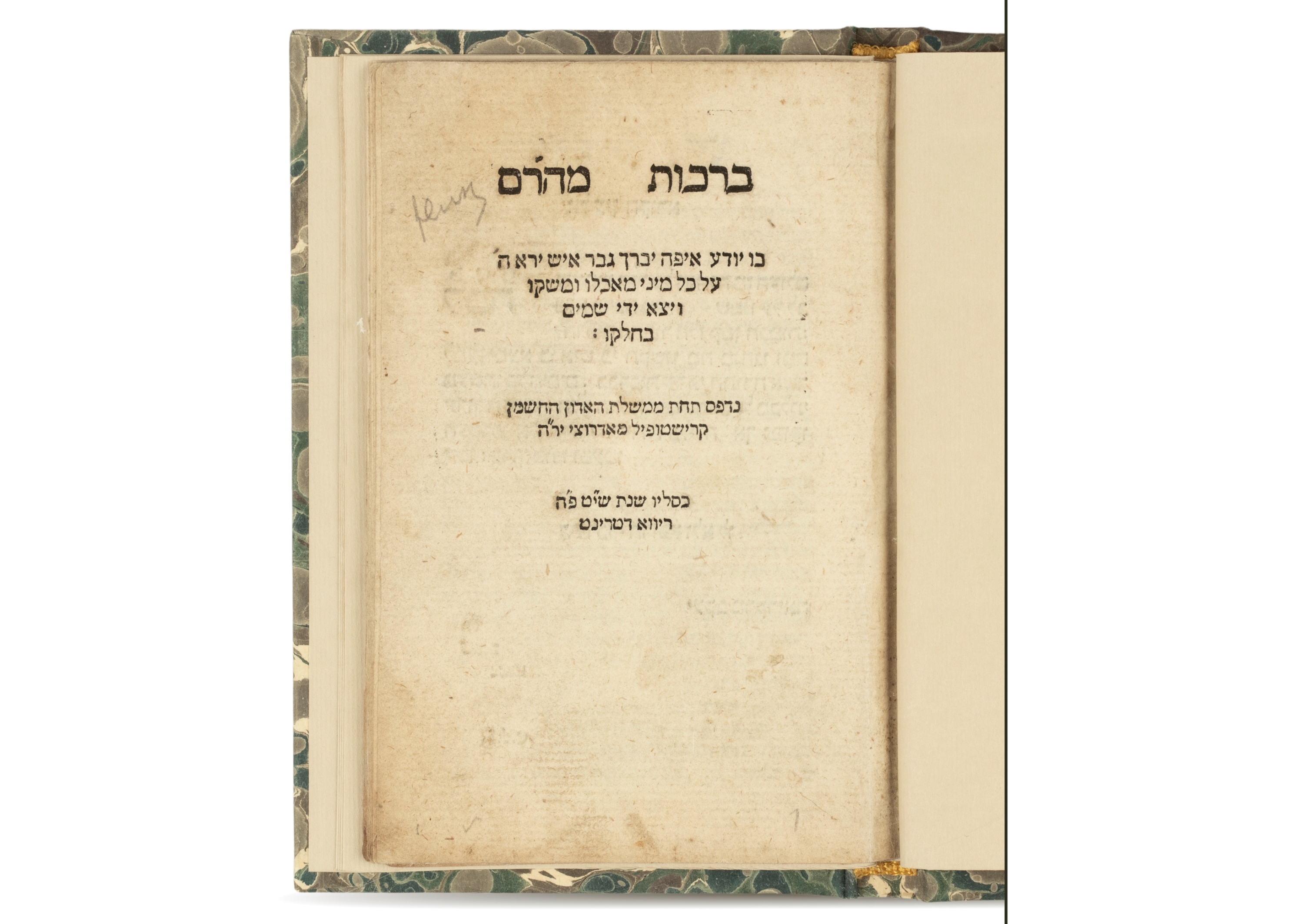
Regarding the printing and the printer, Rabbi Yaakov Marcaria, and the cardinal mentioned on the title page, Cristoforo Madruzzo, under whose patronage the printing press operated, see: Dr. Yehoshua Bloch, Alim LeBibliographia VeKorot Yisrael, Year 2, Issue 1 (Vienna 1938), pp. 2–8.

____________________

“One who seeks to become a chassid should be meticulous in the laws of blessings” (Bava Kama 30b).

“What blessing does one recite over this?” is a question asked daily by many.

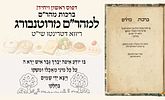
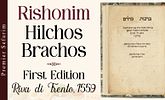
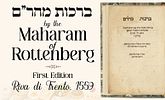
This sefer comes to answer these questions, as stated on the title page: “Through it, a G-d-fearing man will know what blessing he should recite over every type of food and drink, and thereby fulfill his obligation before Heaven in all that concerns him.”

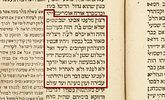
Many foods in the sefer are mentioned in German, and it is an important and foundational source for all the halachos of brachos.


Lot : 3

First and Singular Edition
Principles of Brachos by the Maharam of Rottenberg – Riva di Trento, 1559

Start price: $8,000
|
Est. Price: $12,000 - $18,000

First and Singular Edition

Principles of Brachos by the Maharam of Rottenberg – Riva di Trento, 1559


Halachic rulings on the laws of blessings by Rabbi Meir of Rottenberg, the Maharam of Rottenberg.

An exceedingly rare sefer. For nearly 430 years, the sefer was never reprinted, until its modern reissue by Machon Yerushalayim in 1988.

This is a foundational sefer on the halachos of brachos.

It is cited by his foremost disciples — the Mordechai, Hagahos Maimoniyos, Tashbetz Katan and the Parnas — and by leading poskim, including the Tur, Bach, Prishah, Taz and Magen Avraham. The sefer includes the laws of Birkos HaNehenin, Birkas HaMazon and zimun, together with glosses printed in separate boxes, which were referred to by the poskim as “Hagahos Brachos Maharam.”

The Maharam of Rottenberg (d. 1293), one of the greatest sages of Ashkenaz, was born in Germany, where he studied Torah from the Ohr Zaruah, and later traveled to learn in the yeshivos of the Ba’alei Tosfos in France. In his generation, he was regarded as the foremost halachic authority in Ashkenaz, and through his works, explanations and teshuvos, he left an enduring imprint for all generations.

He taught many disciples, among them the Rosh, the Mordechai, the author of Hagahos Maimoniyos, the author of Sha’arei Dura, the author of the Tashbetz Katan and many others.

In the later years of his life, he was imprisoned, and when the ruler demanded an immense ransom for his release, he refused to allow the community to bear such a heavy burden. Yet, even while being in prison, he continued to disseminate Torah to his disciples.


Riva di Trento, 1559. A singular edition.

Page Count: 18 leaves.
Size: 13.5 cm.
Condition: Good; light restorative repairs on the final leaves; a few stains on two pages; new binding.

Regarding the printing and the printer, Rabbi Yaakov Marcaria, and the cardinal mentioned on the title page, Cristoforo Madruzzo, under whose patronage the printing press operated, see: Dr. Yehoshua Bloch, Alim LeBibliographia VeKorot Yisrael, Year 2, Issue 1 (Vienna 1938), pp. 2–8.

____________________

“One who seeks to become a chassid should be meticulous in the laws of blessings” (Bava Kama 30b).

“What blessing does one recite over this?” is a question asked daily by many.

This sefer comes to answer these questions, as stated on the title page: “Through it, a G-d-fearing man will know what blessing he should recite over every type of food and drink, and thereby fulfill his obligation before Heaven in all that concerns him.”

Many foods in the sefer are mentioned in German, and it is an important and foundational source for all the halachos of brachos.


First and Singular Edition

Principles of Brachos by the Maharam of Rottenberg – Riva di Trento, 1559


Halachic rulings on the laws of blessings by Rabbi Meir of Rottenberg, the Maharam of Rottenberg.

An exceedingly rare sefer. For nearly 430 years, the sefer was never reprinted, until its modern reissue by Machon Yerushalayim in 1988.

This is a foundational sefer on the halachos of brachos.

It is cited by his foremost disciples — the Mordechai, Hagahos Maimoniyos, Tashbetz Katan and the Parnas — and by leading poskim, including the Tur, Bach, Prishah, Taz and Magen Avraham. The sefer includes the laws of Birkos HaNehenin, Birkas HaMazon and zimun, together with glosses printed in separate boxes, which were referred to by the poskim as “Hagahos Brachos Maharam.”

The Maharam of Rottenberg (d. 1293), one of the greatest sages of Ashkenaz, was born in Germany, where he studied Torah from the Ohr Zaruah, and later traveled to learn in the yeshivos of the Ba’alei Tosfos in France. In his generation, he was regarded as the foremost halachic authority in Ashkenaz, and through his works, explanations and teshuvos, he left an enduring imprint for all generations.

He taught many disciples, among them the Rosh, the Mordechai, the author of Hagahos Maimoniyos, the author of Sha’arei Dura, the author of the Tashbetz Katan and many others.

In the later years of his life, he was imprisoned, and when the ruler demanded an immense ransom for his release, he refused to allow the community to bear such a heavy burden. Yet, even while being in prison, he continued to disseminate Torah to his disciples.


Riva di Trento, 1559. A singular edition.

Page Count: 18 leaves.
Size: 13.5 cm.
Condition: Good; light restorative repairs on the final leaves; a few stains on two pages; new binding.

Regarding the printing and the printer, Rabbi Yaakov Marcaria, and the cardinal mentioned on the title page, Cristoforo Madruzzo, under whose patronage the printing press operated, see: Dr. Yehoshua Bloch, Alim LeBibliographia VeKorot Yisrael, Year 2, Issue 1 (Vienna 1938), pp. 2–8.

____________________

“One who seeks to become a chassid should be meticulous in the laws of blessings” (Bava Kama 30b).

“What blessing does one recite over this?” is a question asked daily by many.

This sefer comes to answer these questions, as stated on the title page: “Through it, a G-d-fearing man will know what blessing he should recite over every type of food and drink, and thereby fulfill his obligation before Heaven in all that concerns him.”

Many foods in the sefer are mentioned in German, and it is an important and foundational source for all the halachos of brachos.