Lot : 58

Manuscript of Yismach Moshe on Megillas Esther

and Koheles

With Handwritten Glosses of his Grandson the Yetev Lev and Handwritten Additions by
Rabbi Moshe Dovid Teitelbaum of Lapush

Images

Manuscript of Yismach Moshe on Megillas Esther

and Koheles

With Handwritten Glosses of his Grandson the Yetev Lev and Handwritten Additions by
Rabbi Moshe Dovid Teitelbaum of Lapush


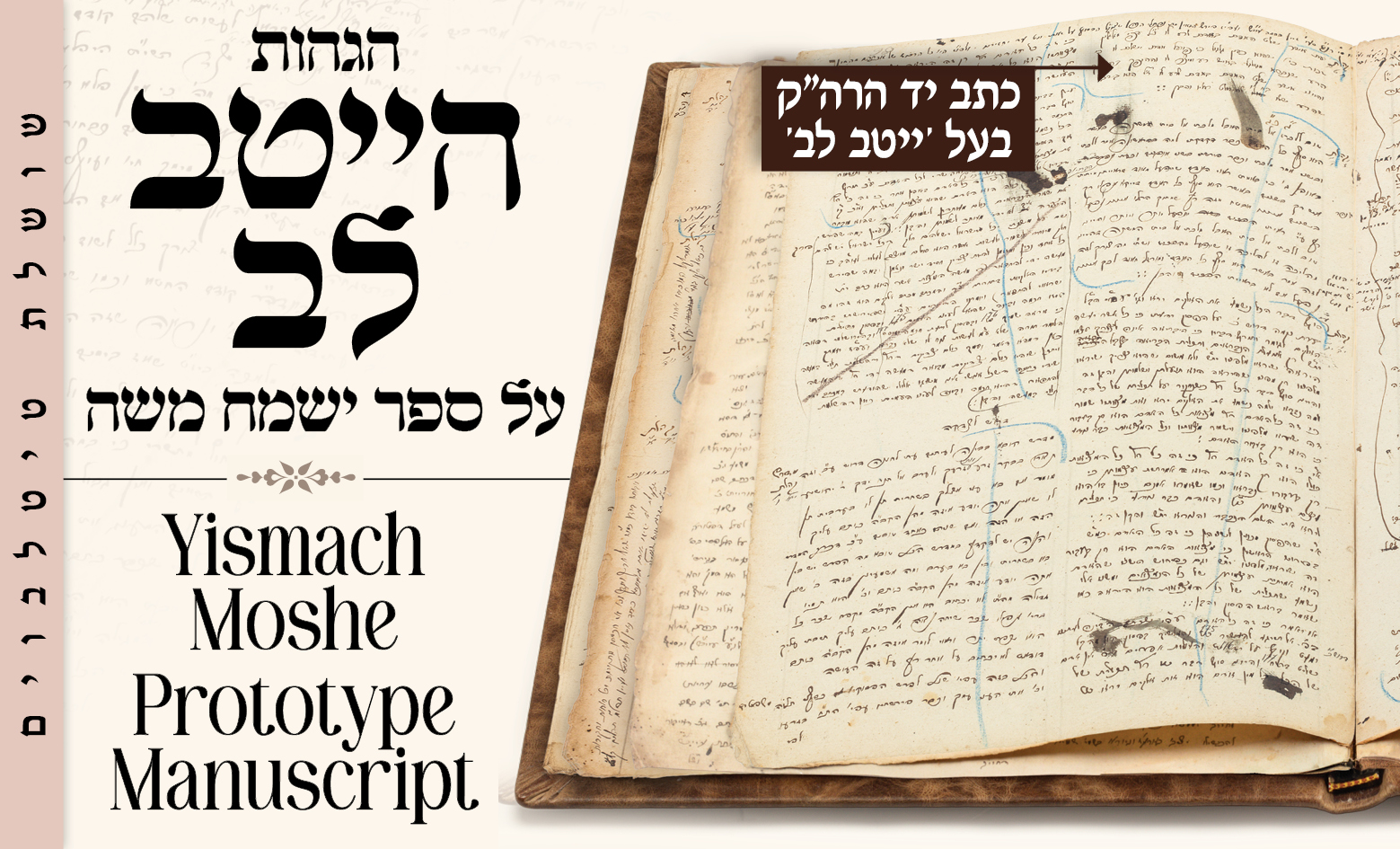
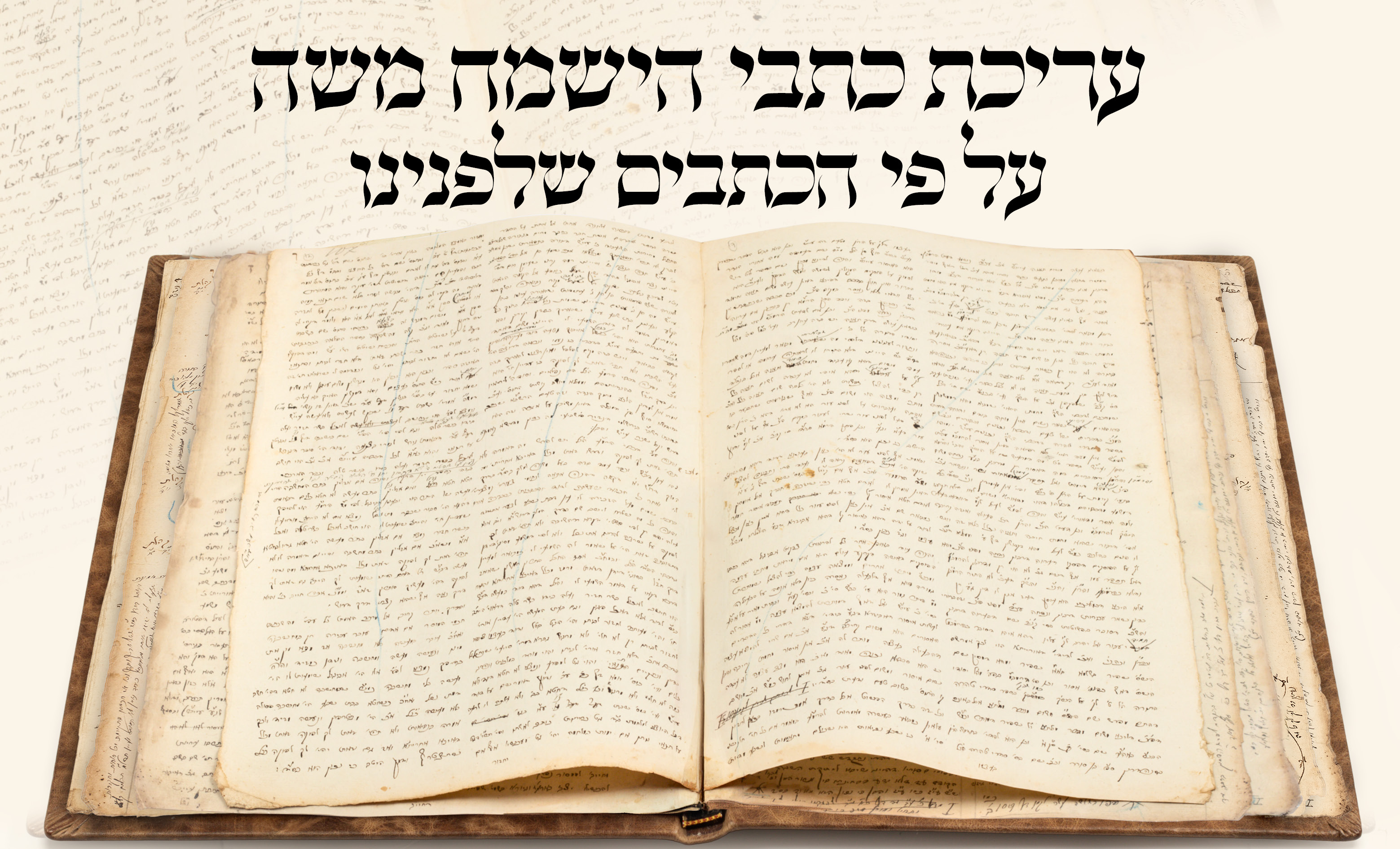
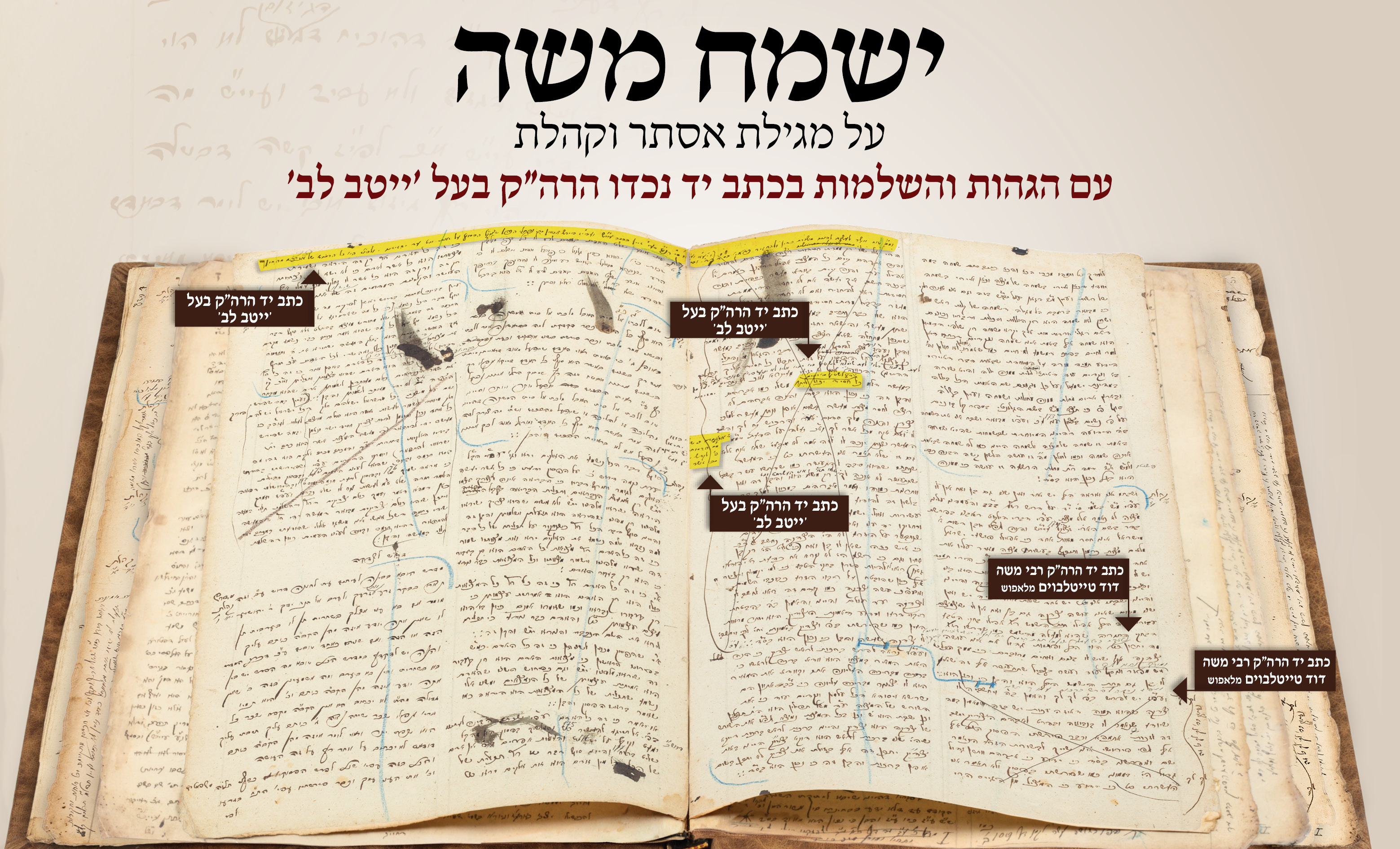
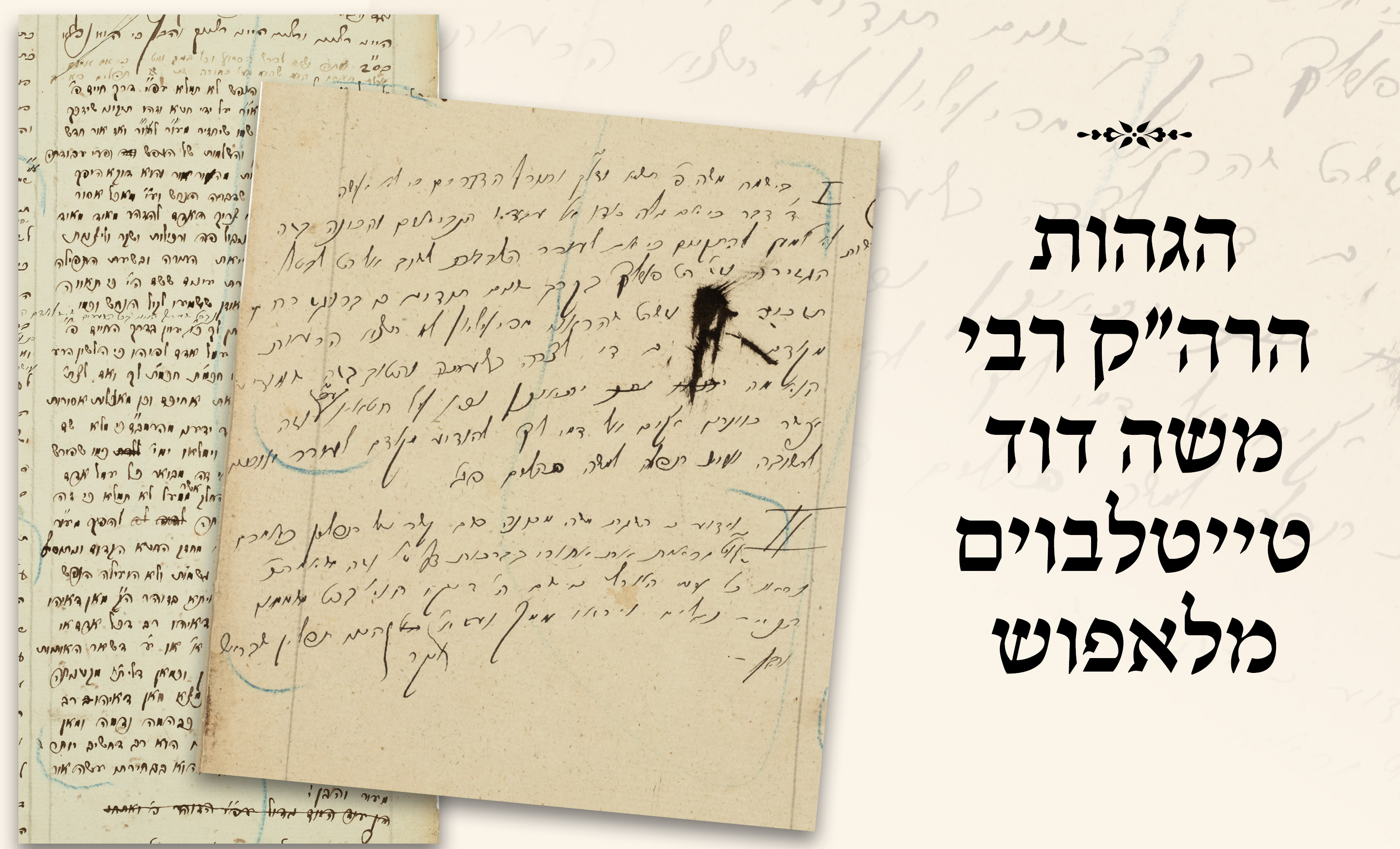
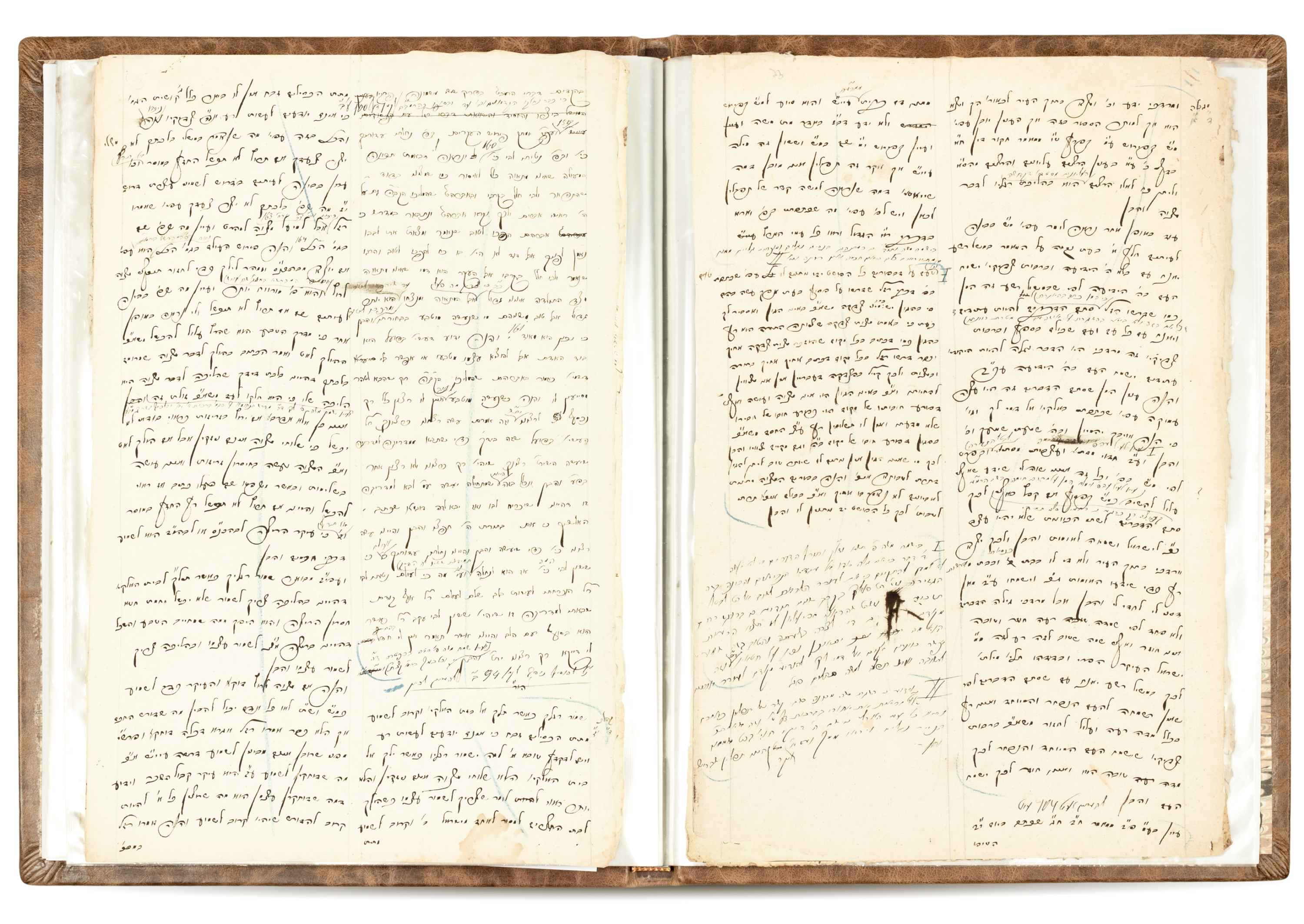
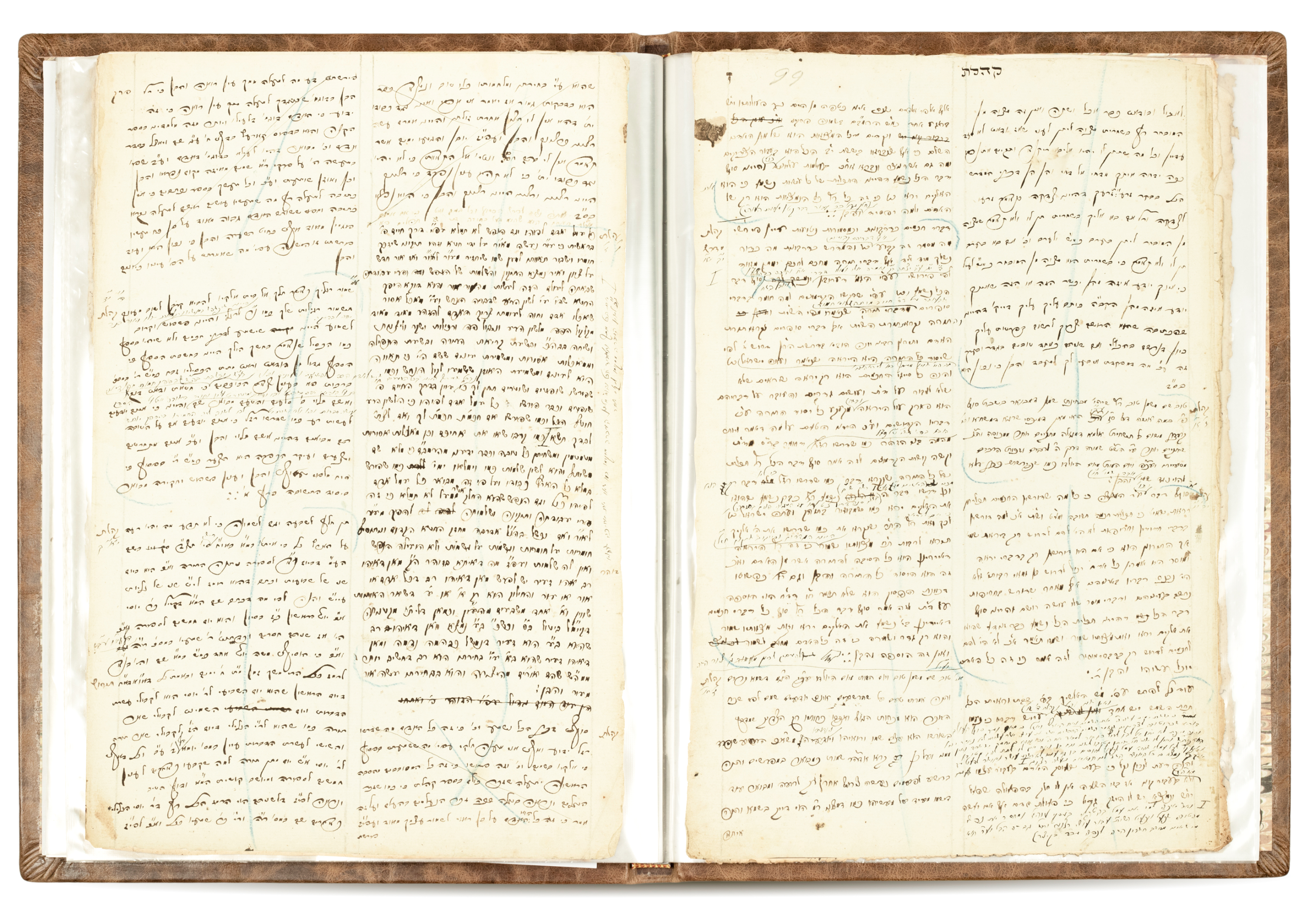
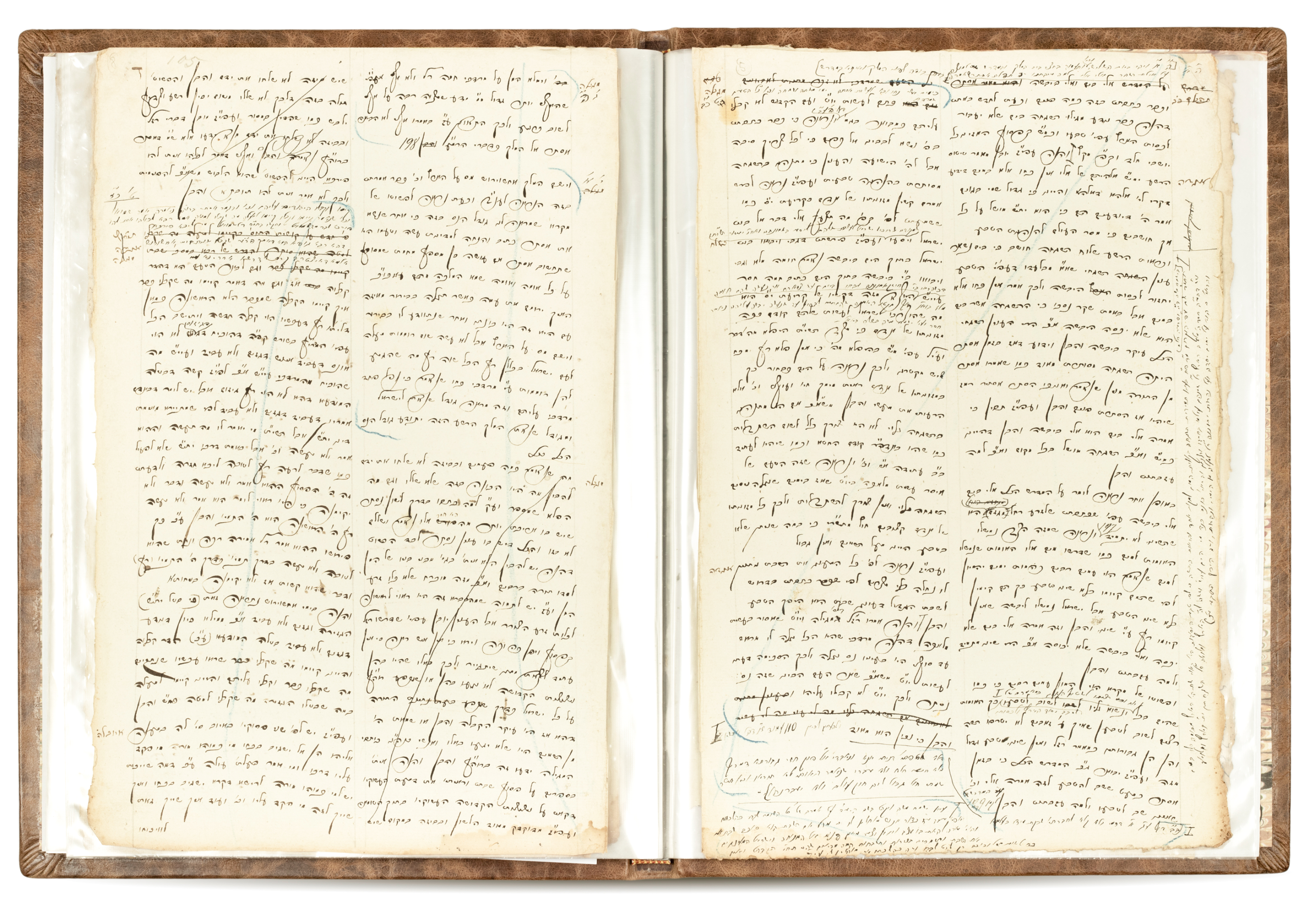
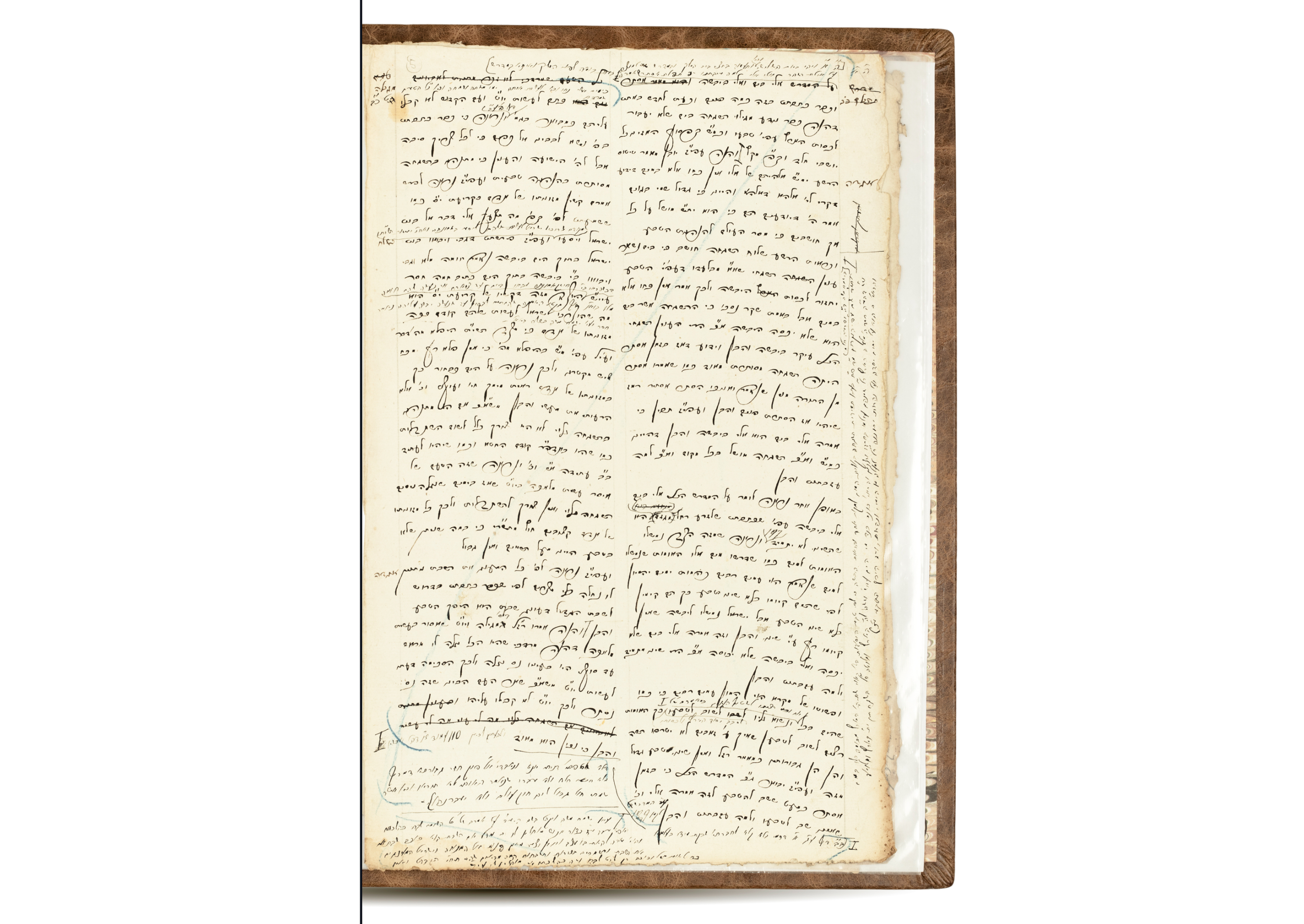
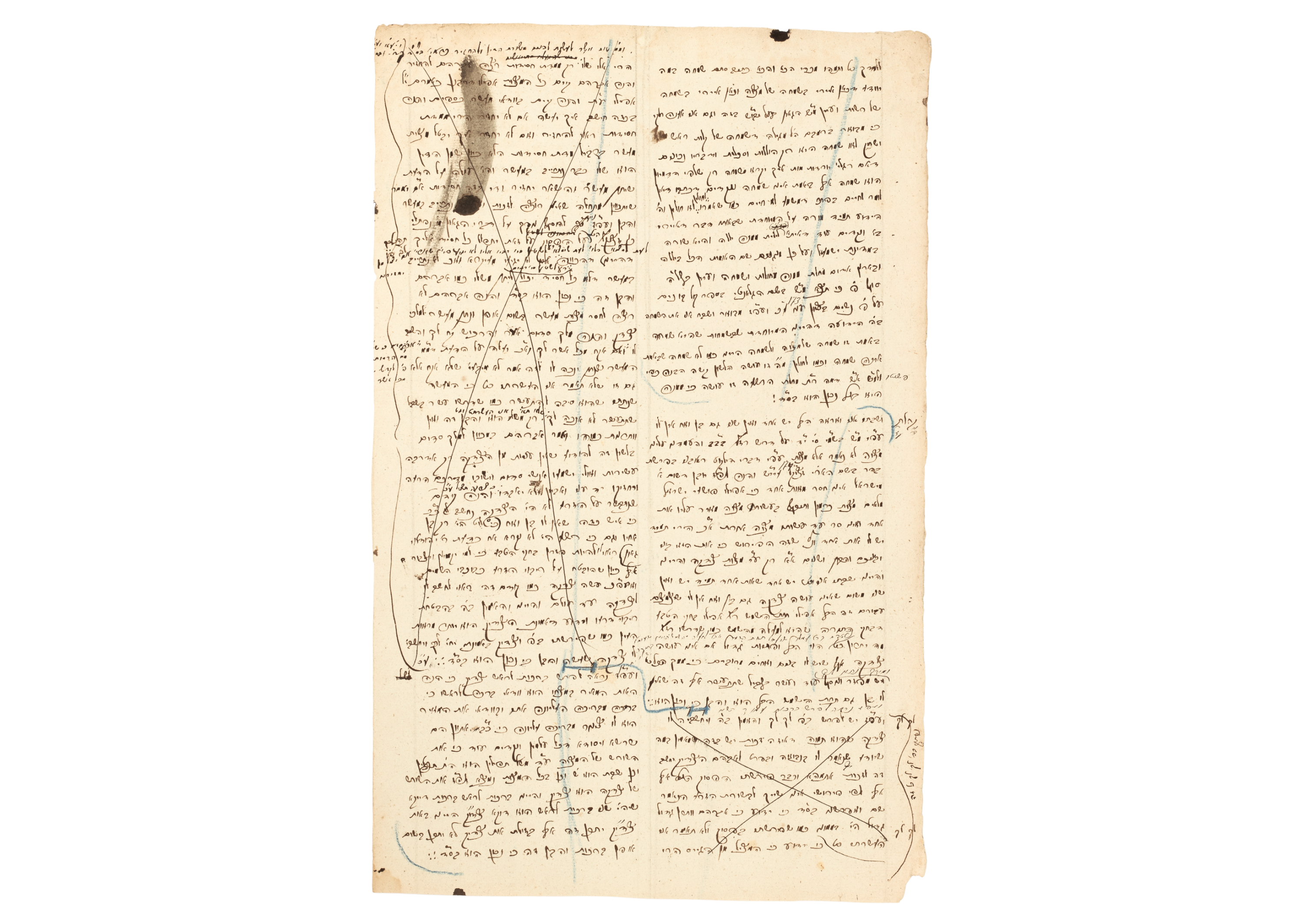
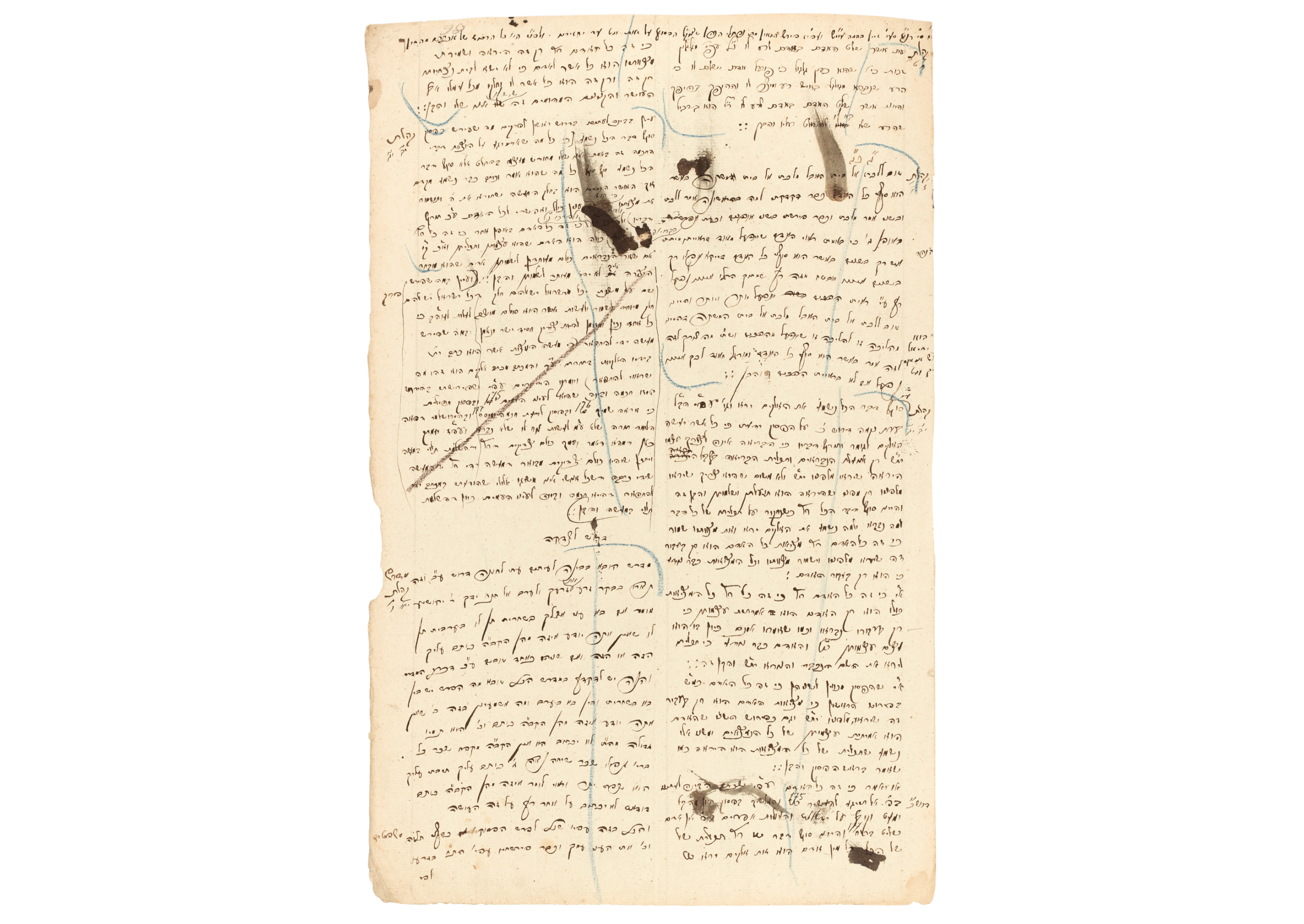
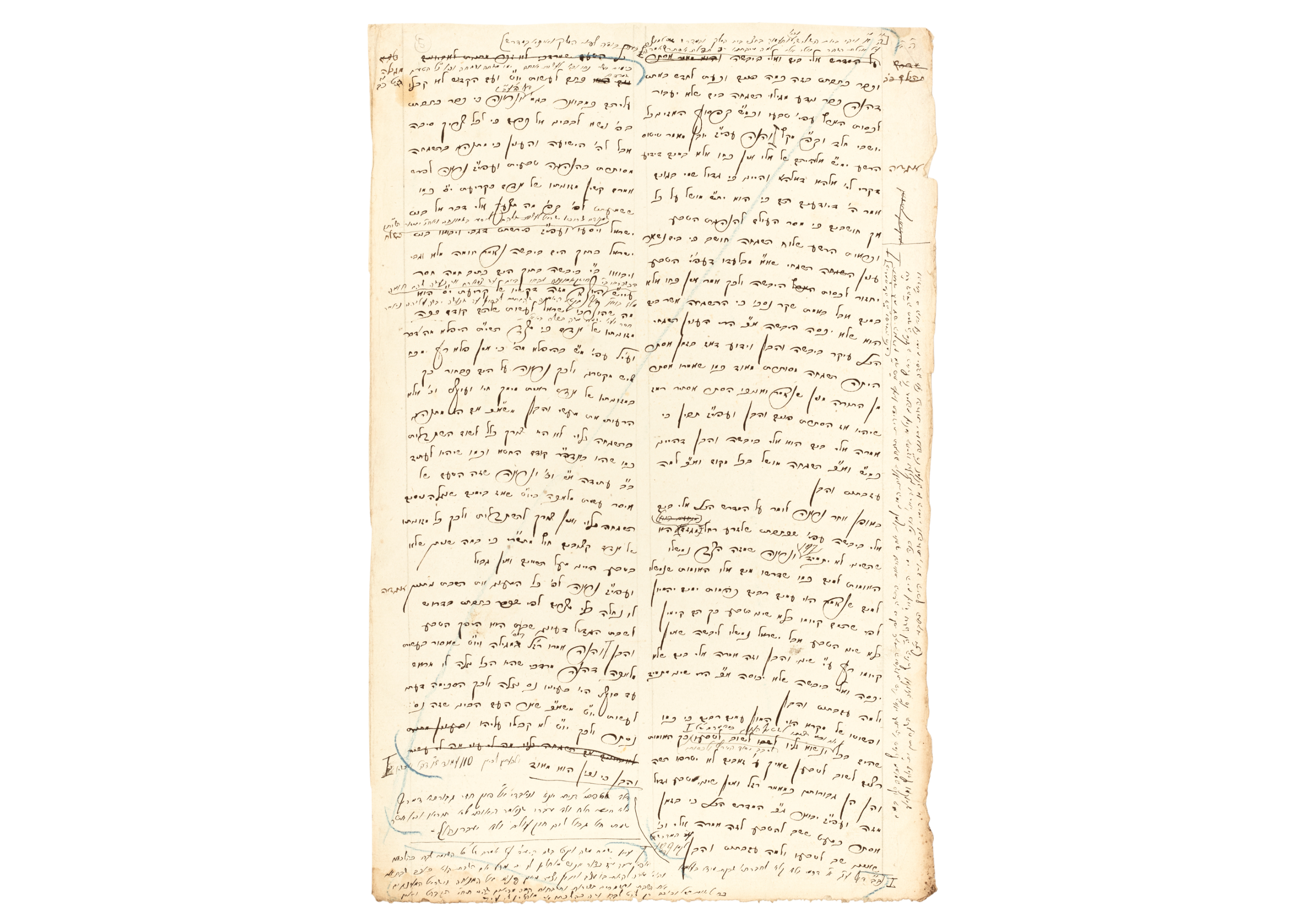
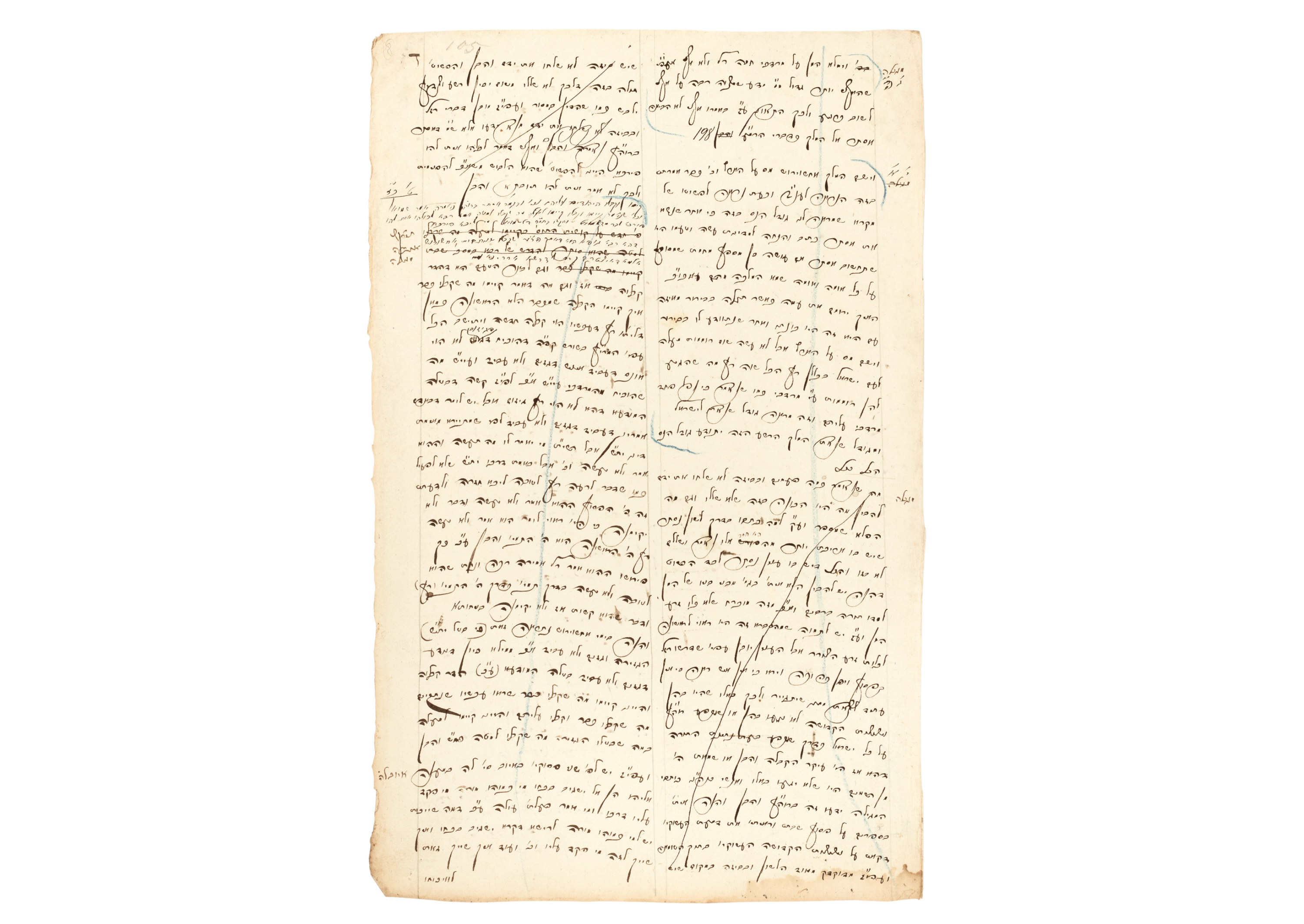
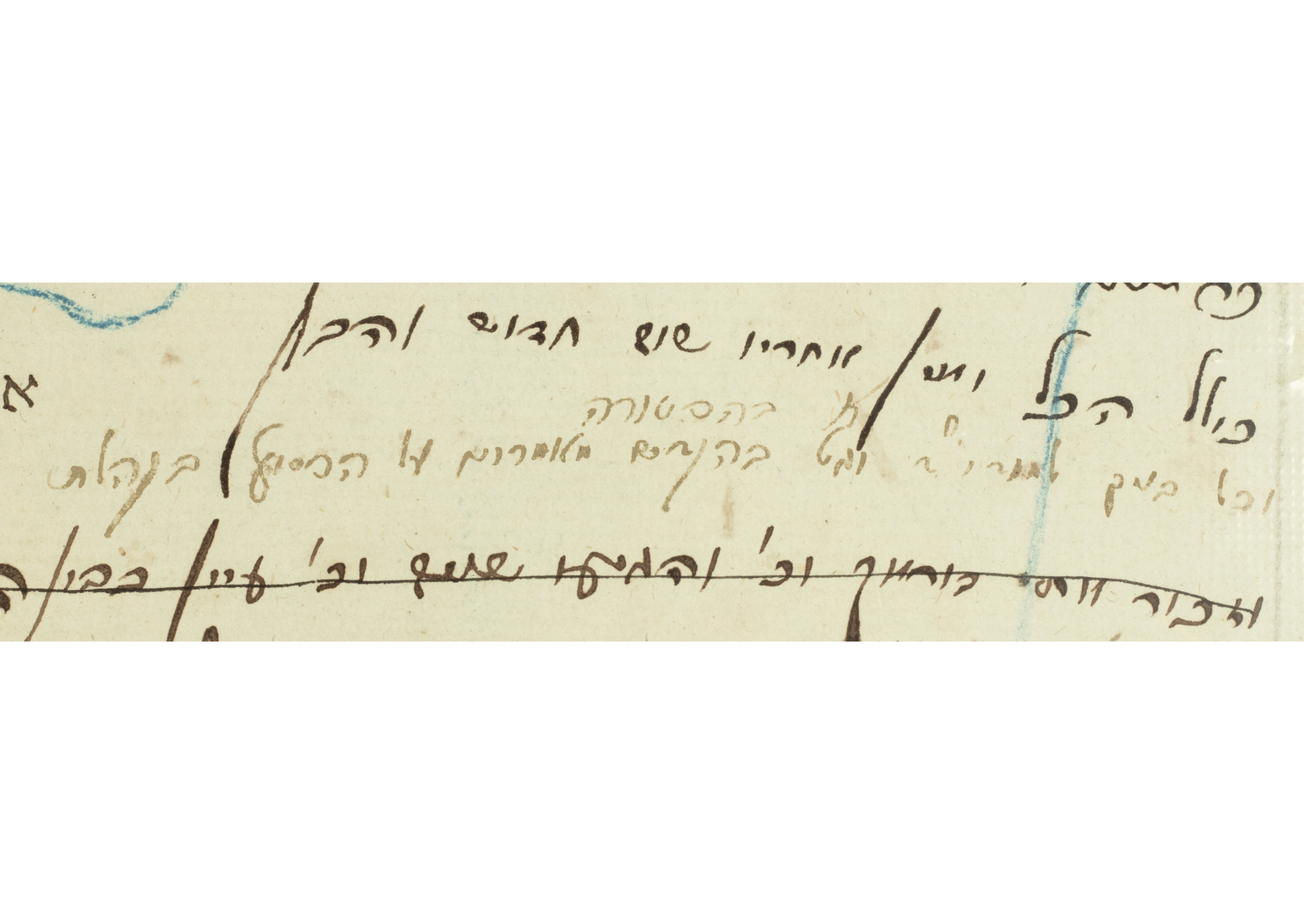
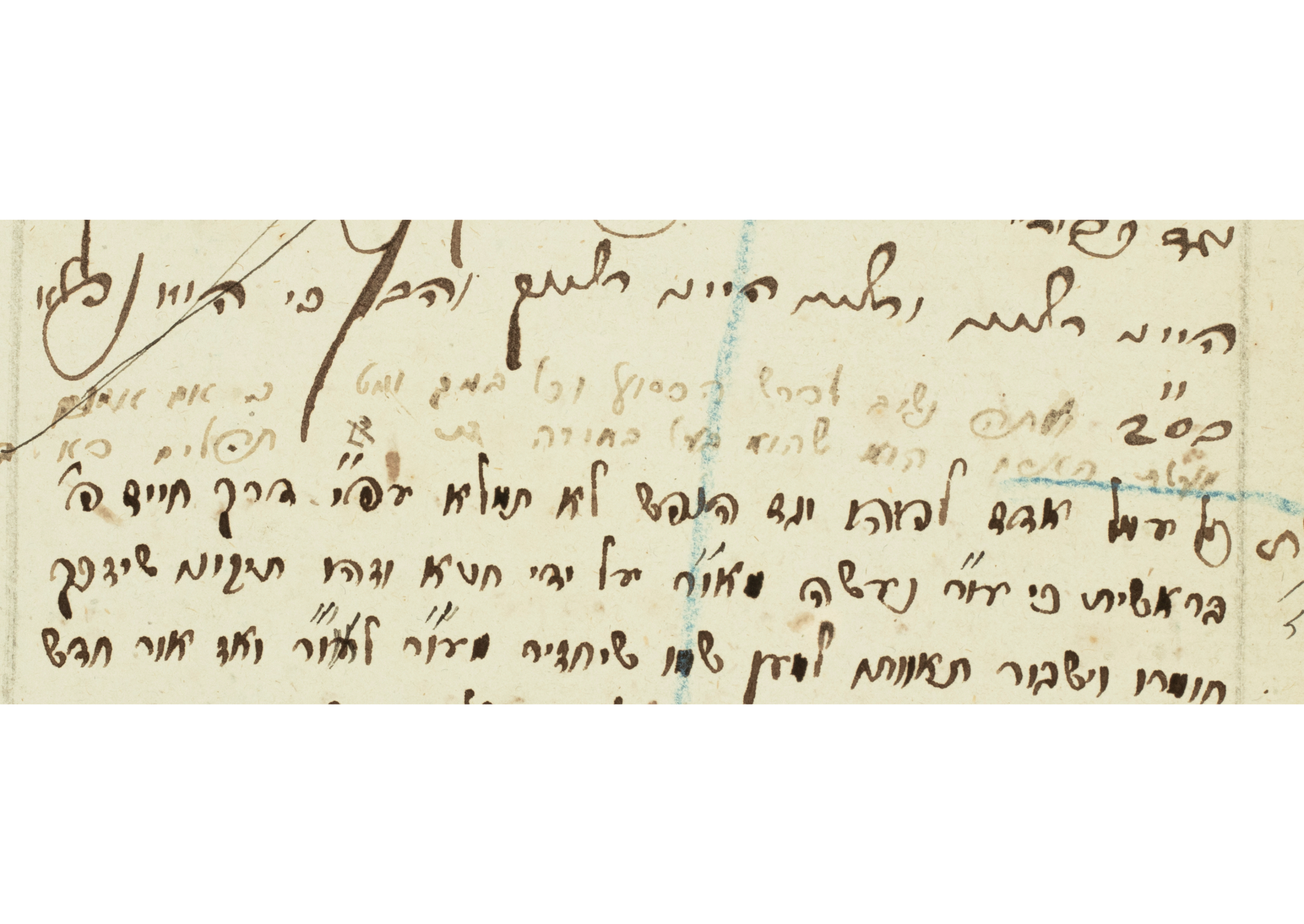
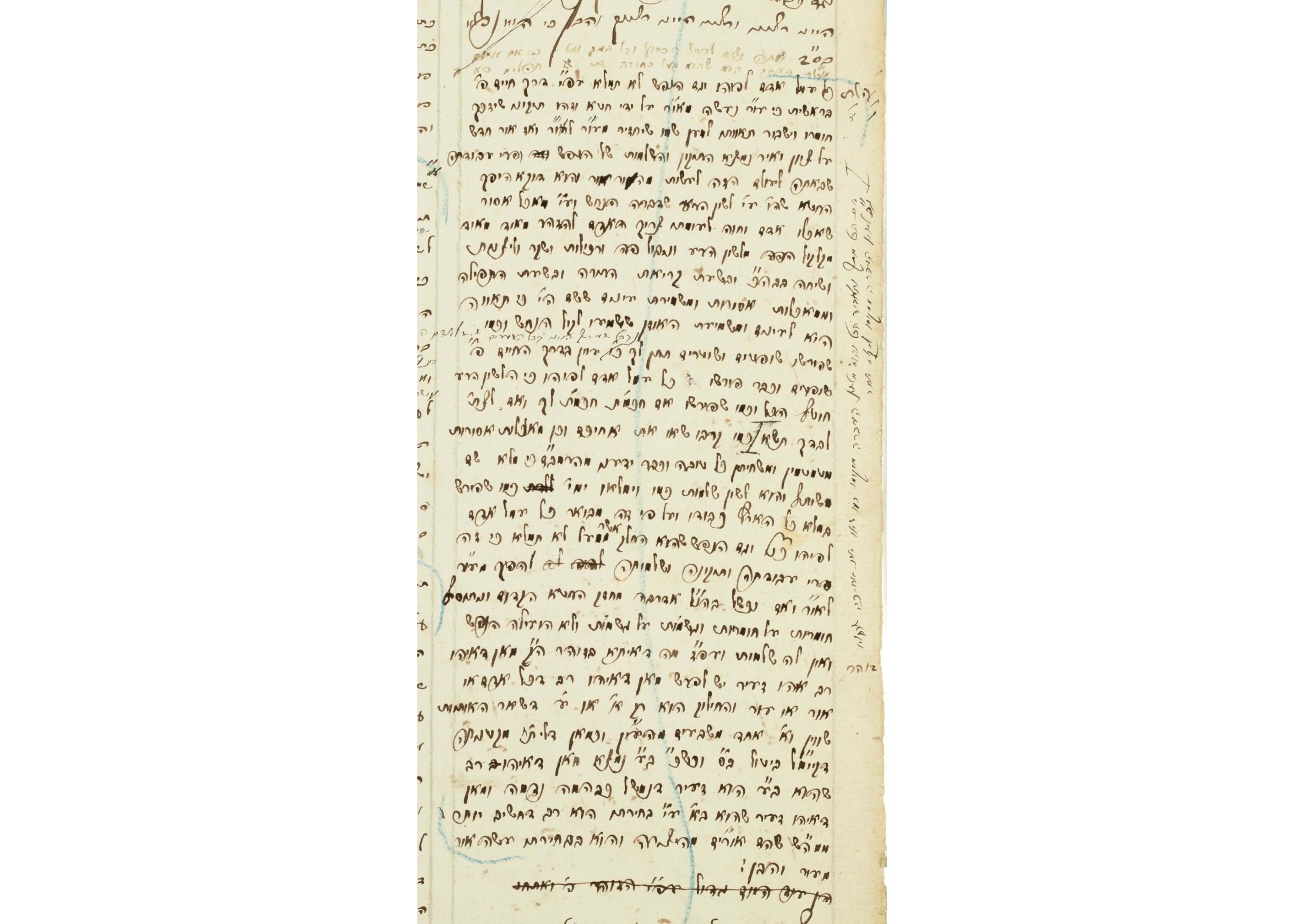
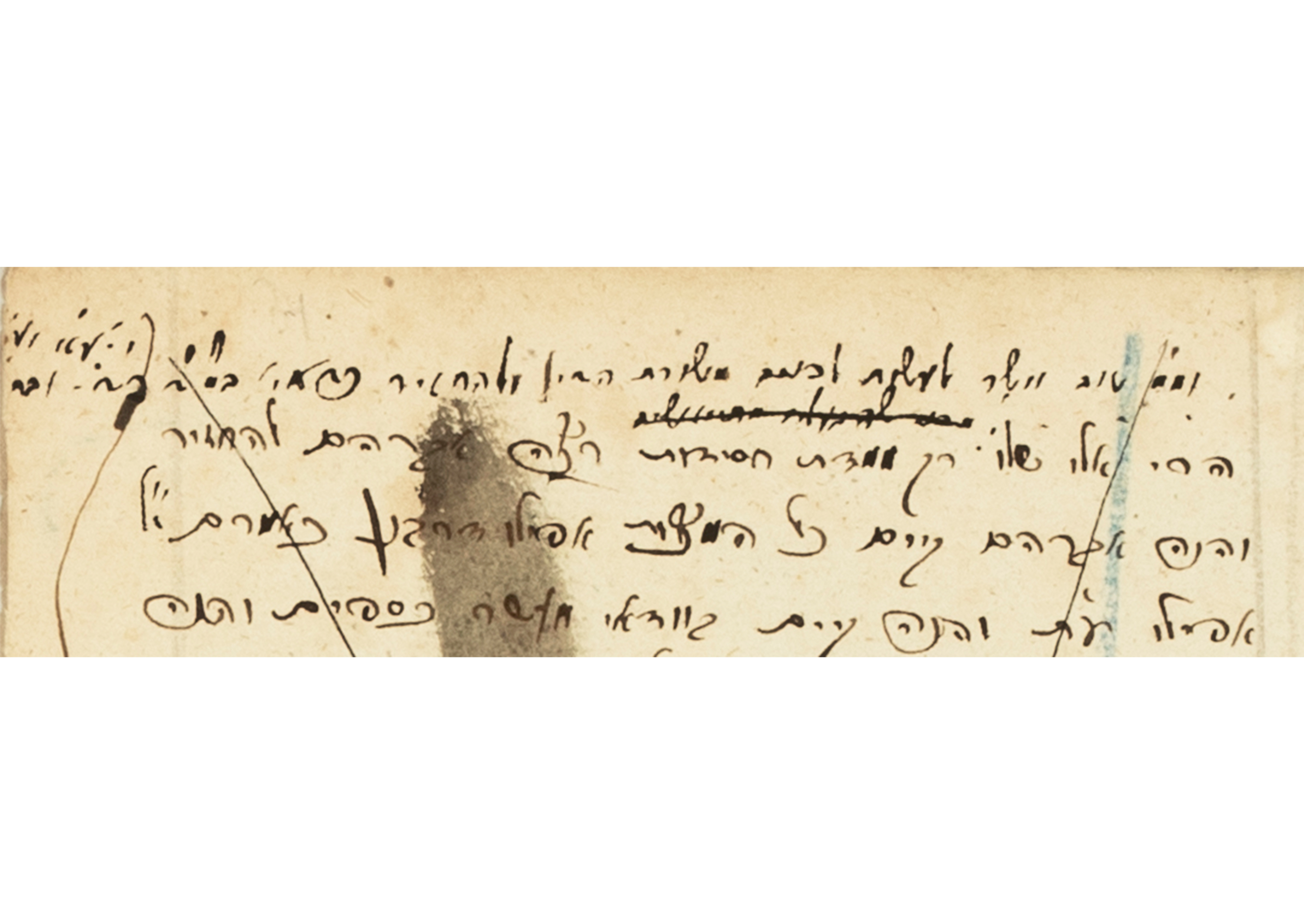
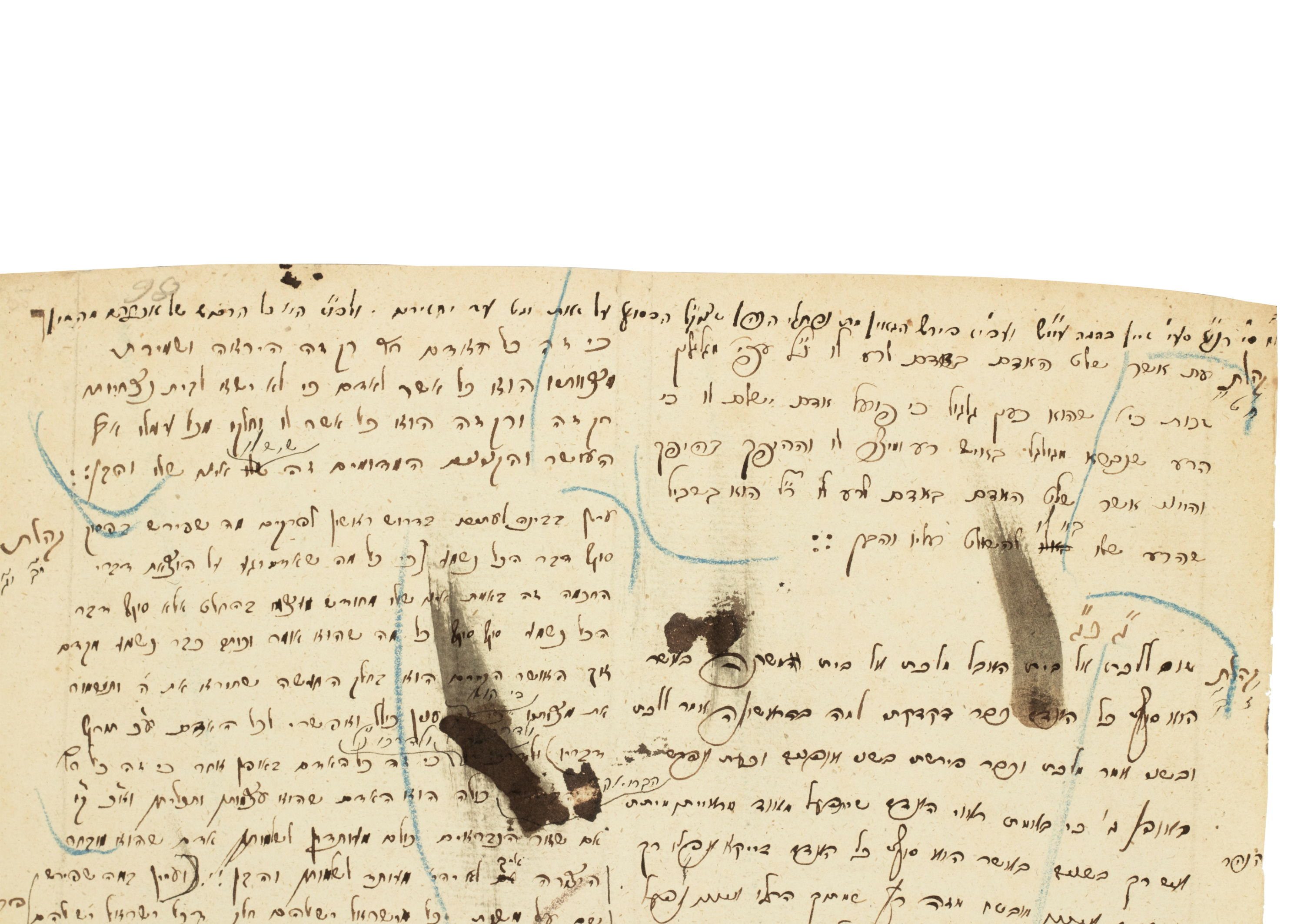
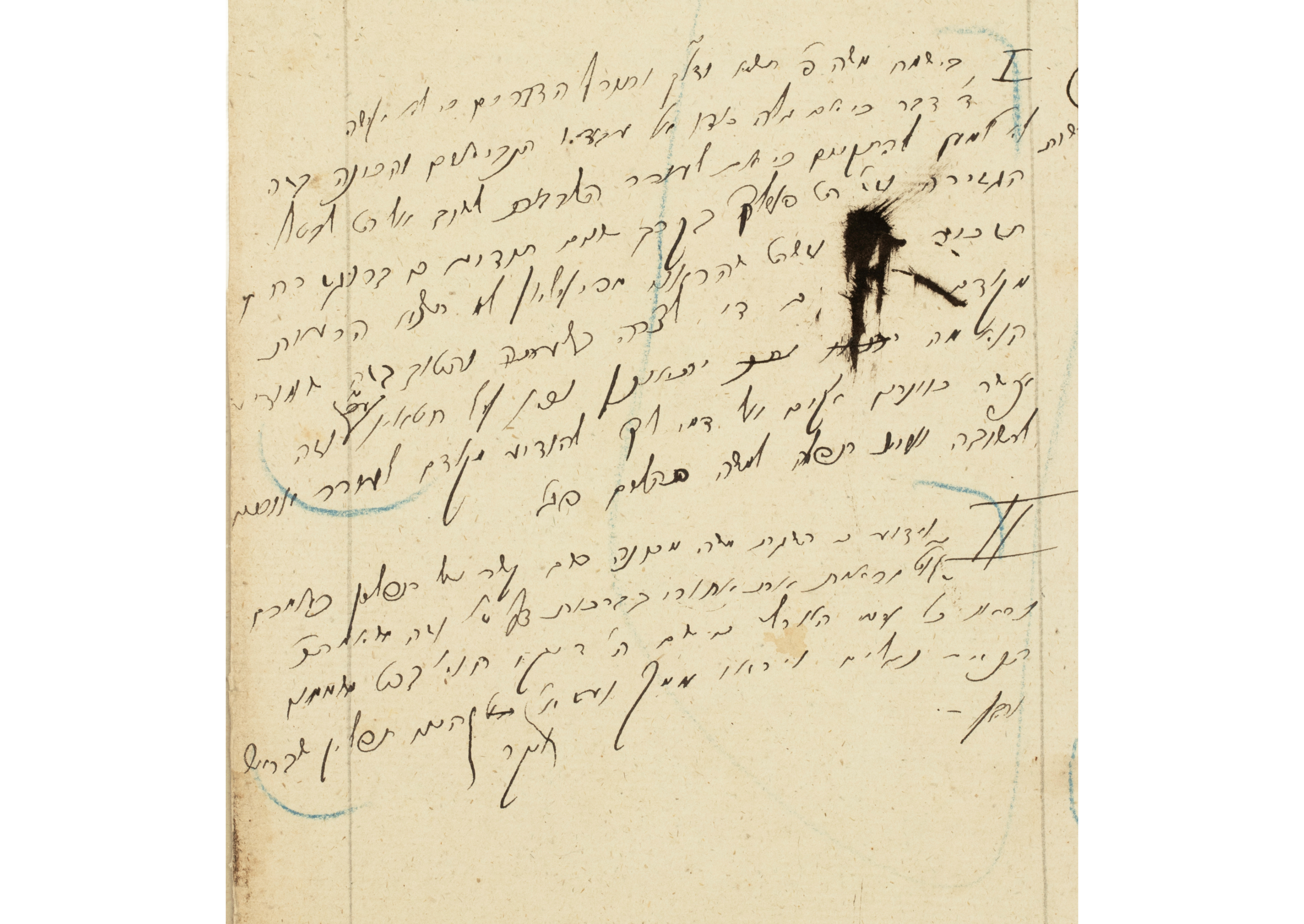
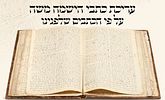
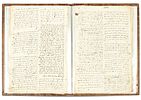
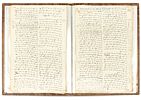
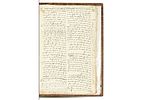
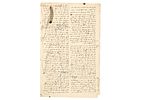
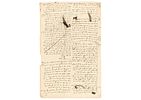
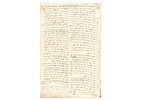
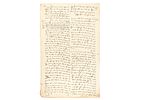
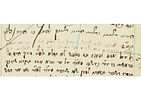
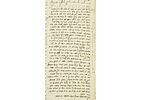
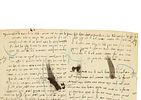
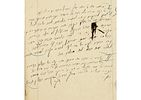
The original manuscripts from which the works of the holy Admor Rabbi Moshe Teitelbaum, Av Beis Din of Ujhely and author of Yismach Moshe, were printed, with glosses, additions and completions in the sacred autograph handwriting of his grandson, the holy Admor Rabbi Yekusiel Yehuda Teitelbaum, Av Beis Din of Sighet and author of Yetev Lev, as well as numerous additions in the handwriting of the holy Admor Rabbi Moshe David Teitelbaum, Av Beis Din of Magyar-Lápos, grandson of the Yitav Lev.

The manuscripts were copied by a scribe from the sacred autograph writings of the Yismach Moshe, at the instruction of the Yetev Lev. It was from these manuscripts that the Yetev Lev and his grandson, following extensive editorial work, prepared the works Yismach Moshe on the Torah, Nach and Megillos for publication.

From the leaves present here, his commentary Yismach Moshe on Koheles was printed under the title Mor U’Levonah, and his commentary on Esther under the title Asis Rimoni. Even before the commentary on the Megillos was printed, however, the Yetev Lev selected several passages containing interpretations relevant to the Torah. After editing them and adding connecting passages, he incorporated them into the sefer Yismach Moshe on the Torah. (See, for example, leaf 3b, a passage incorporated into Yismach Moshe, Parshas Shoftim; leaf 5b, Parshas Lech Lecha; and leaves 8a–8b, Parshas Re’eh.)

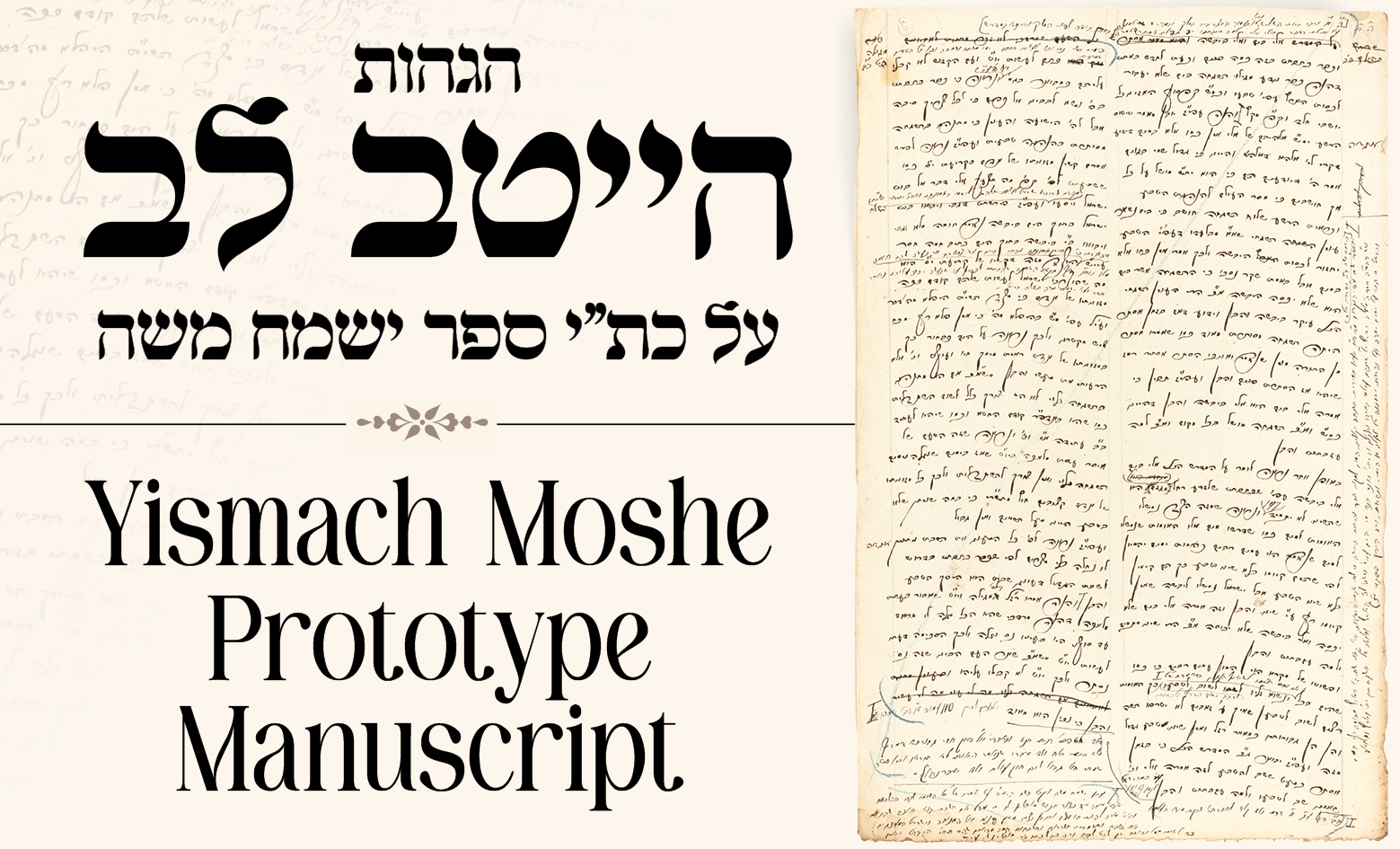
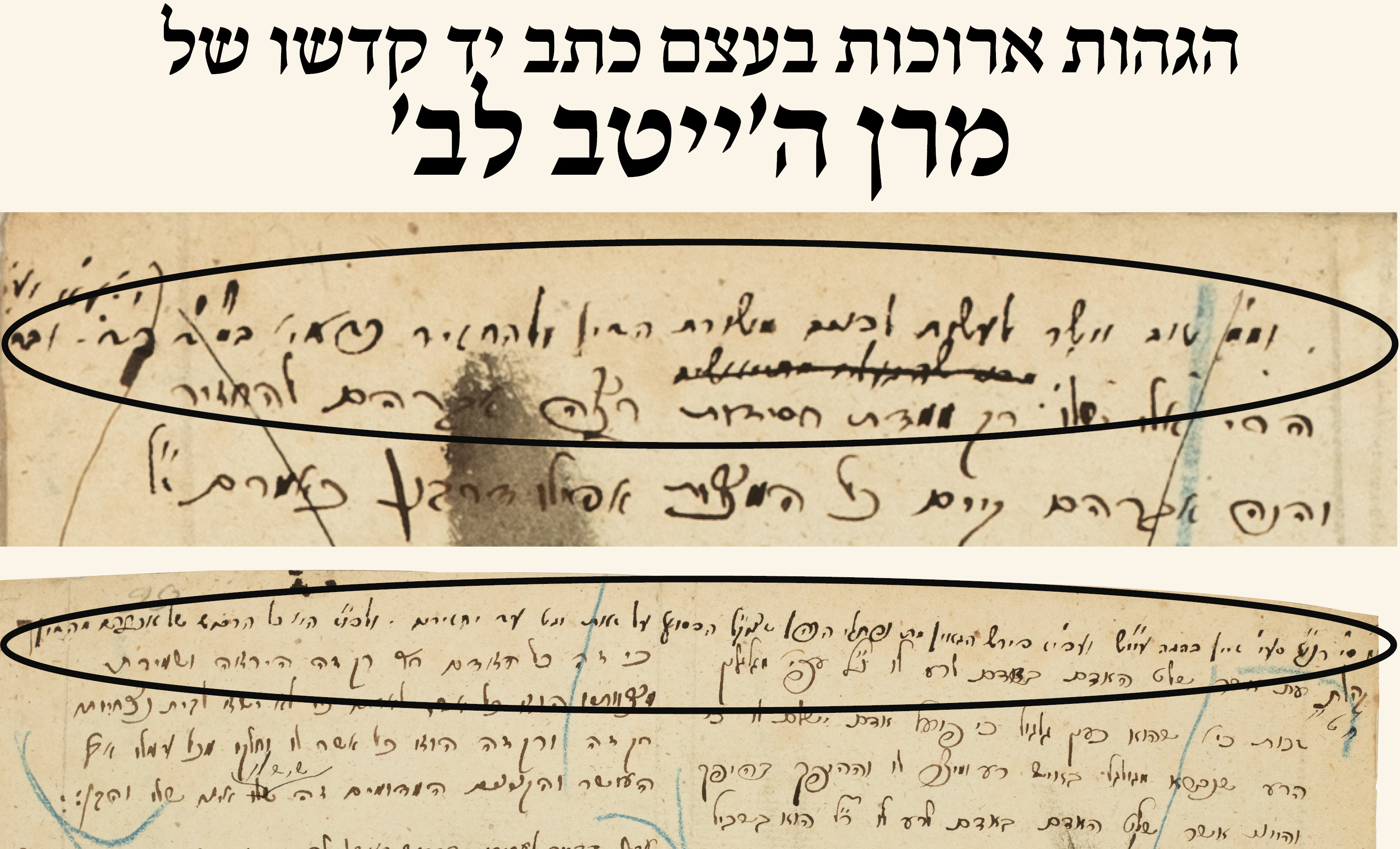
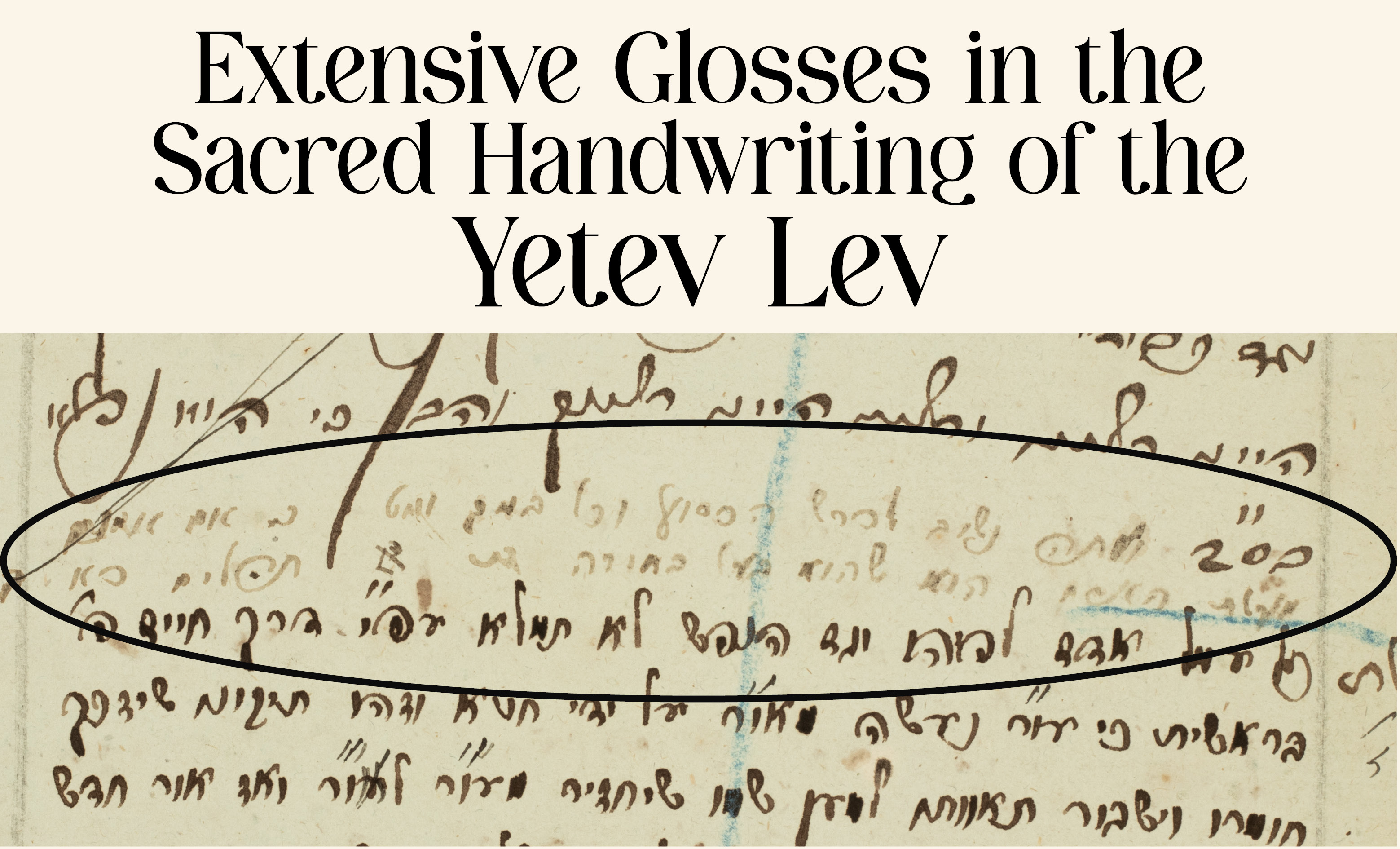
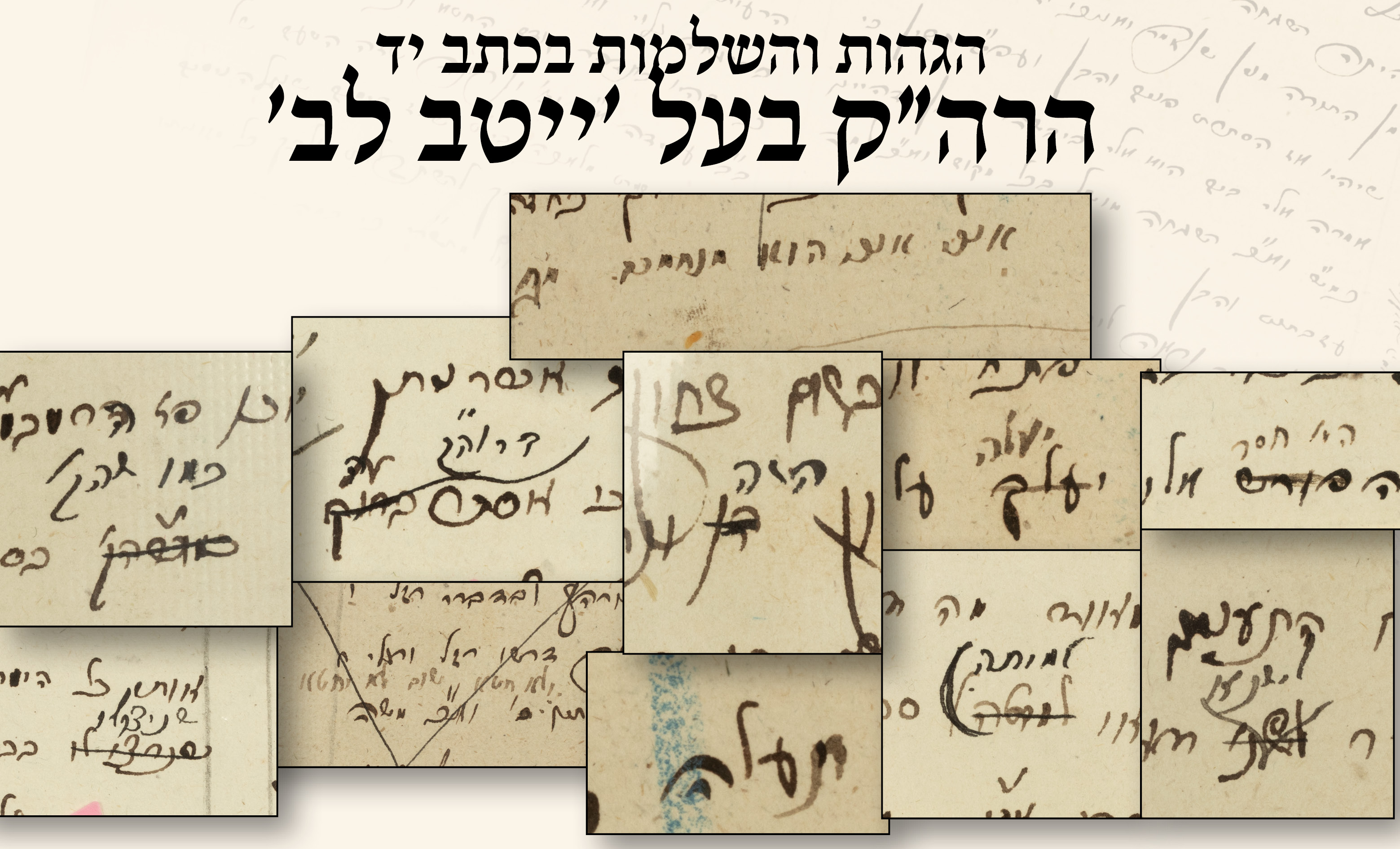
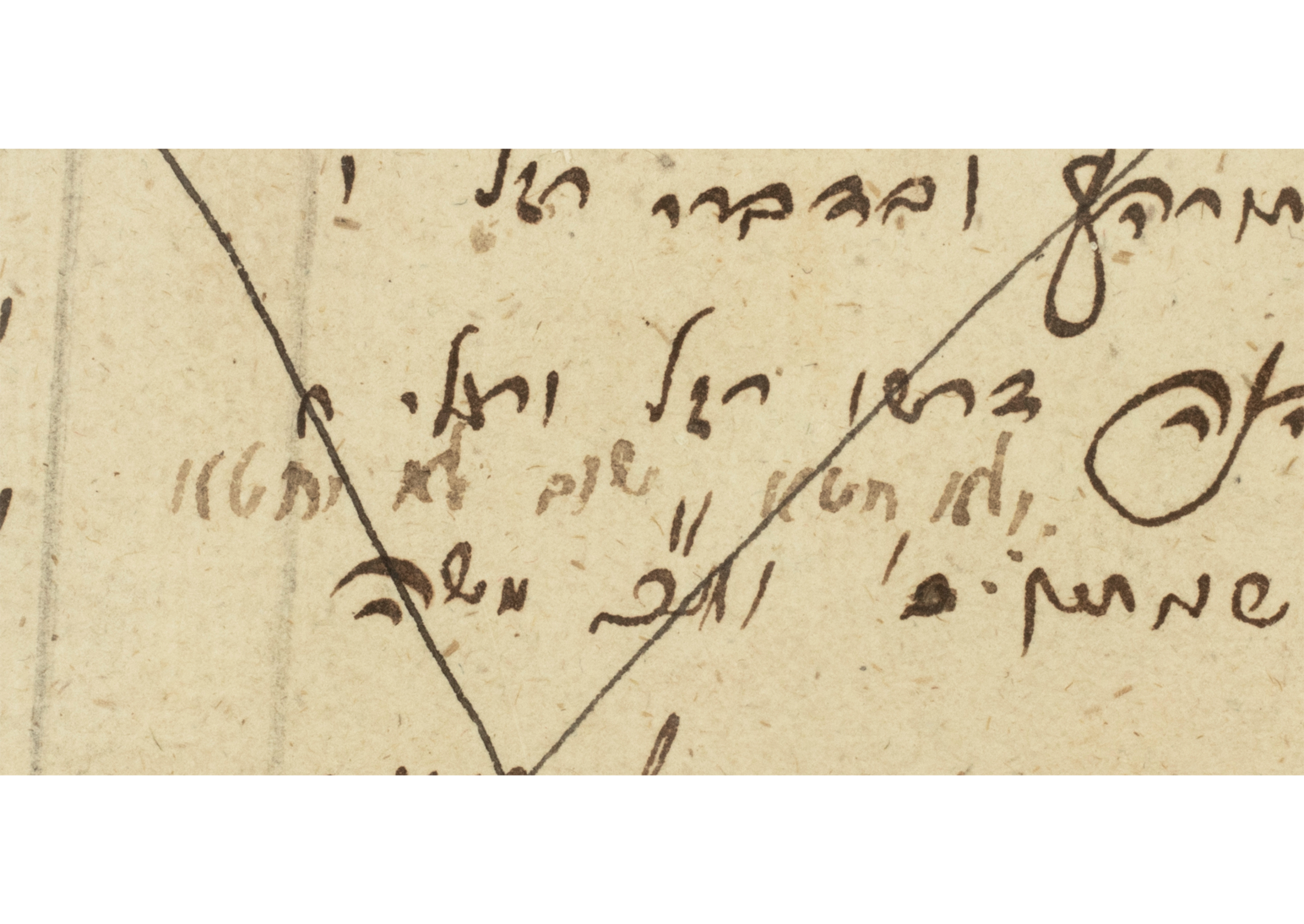
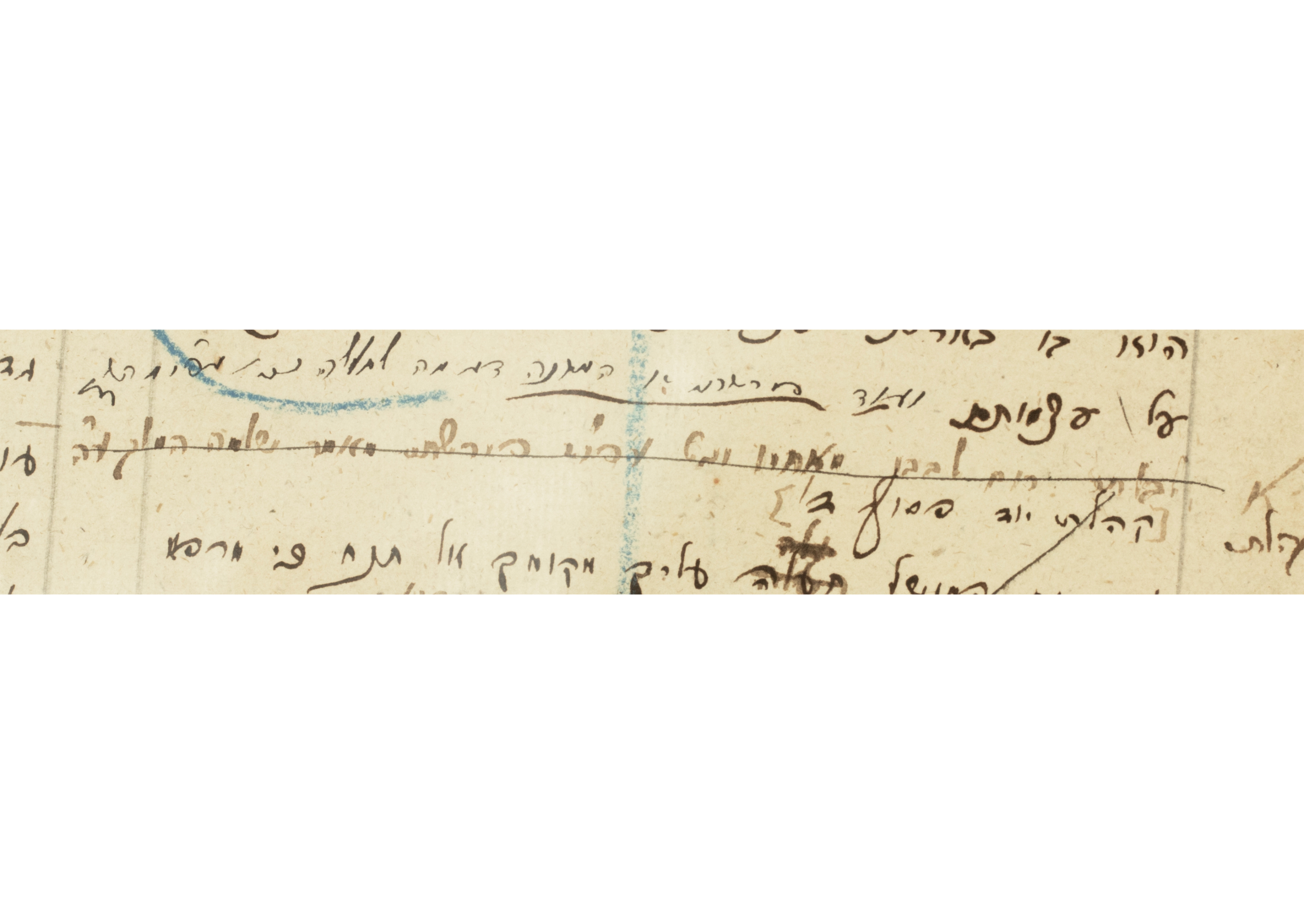
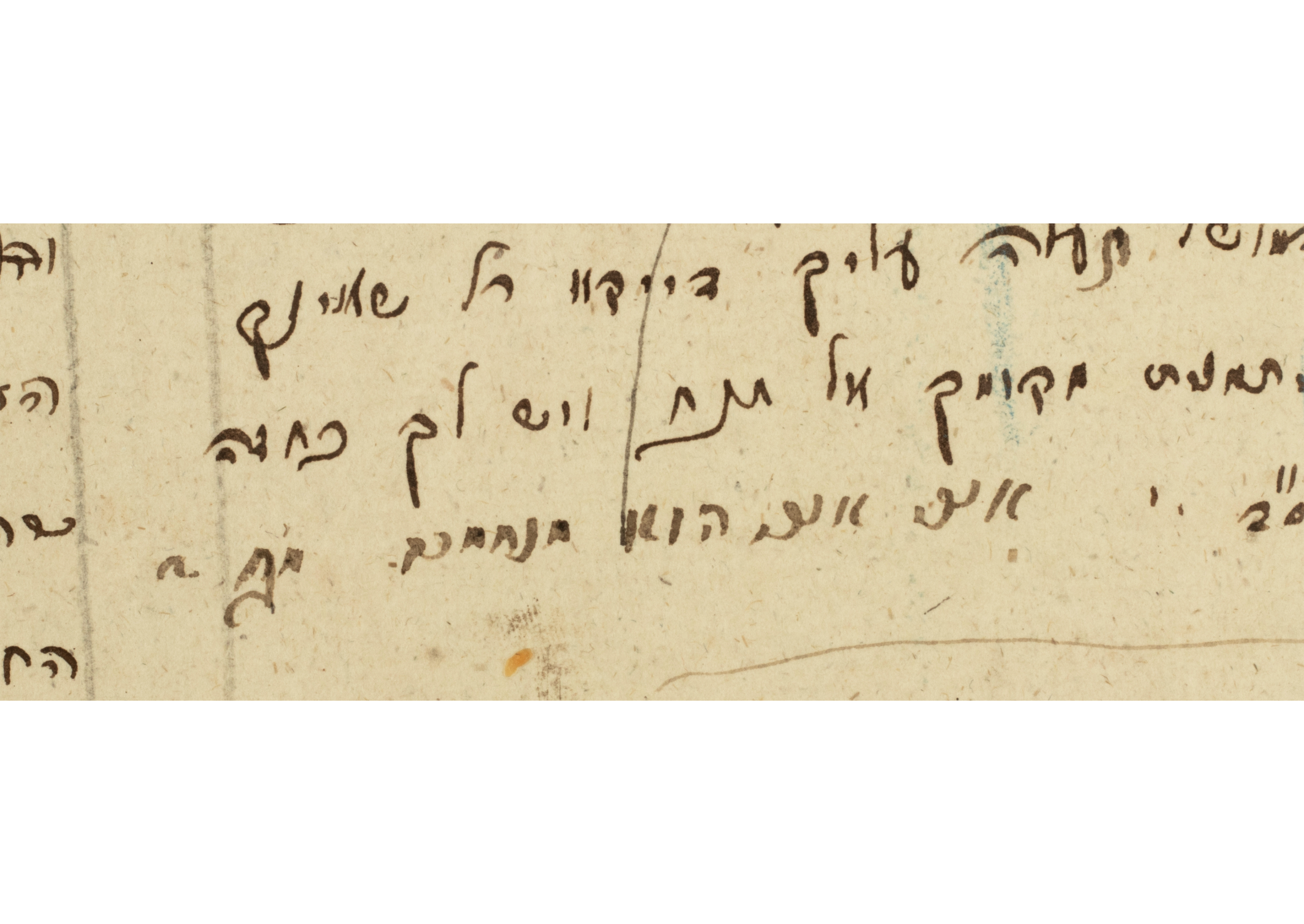
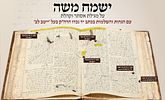
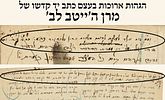
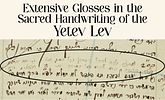
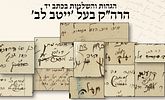
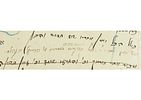
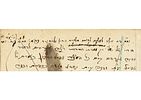
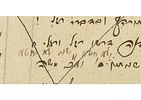
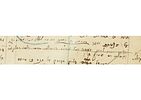
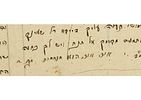
Throughout the manuscript are additions and corrections in the holy handwriting of the Yetev Lev himself. Some consist of a single word, while others are considerably longer — for example, the gloss on leaves 5b–6a, which occupies seven lines in print.


In addition, the leaves contain
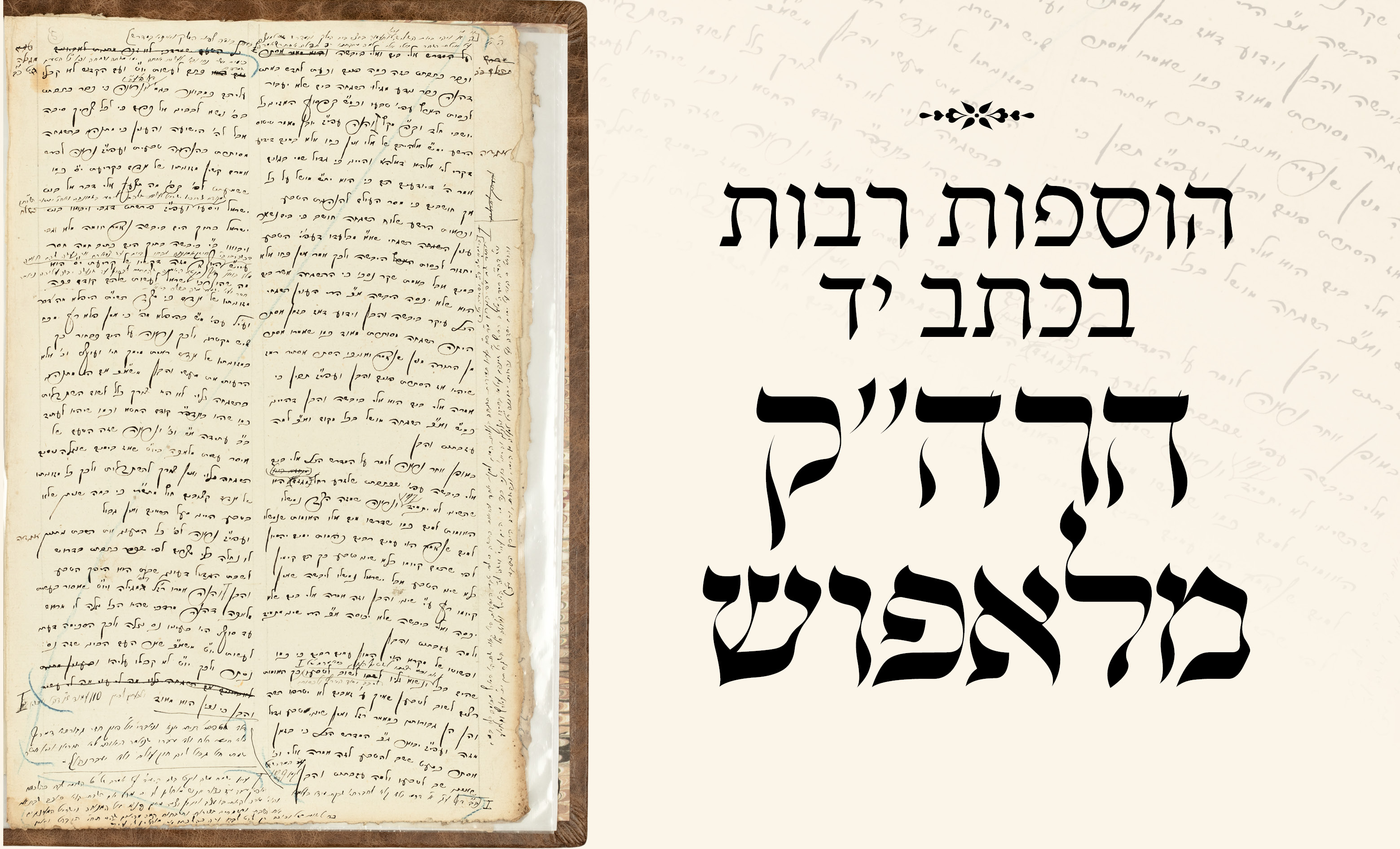
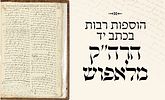
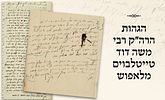
hundreds of glosses, corrections and additions in the handwriting of the holy Admor Rabbi Moshe David of Lapish.

Contents of the manuscripts: Commentaries on Megillas Esther, Koheles. See detailed description below.


The Editing of the Writings of the Yismach Moshe According to the Present Manuscript:

The Yismach Moshe left behind extensive writings on Torah, Nevi’im and Kesuvim, Chassidus, aggadah, and halacha, yet he did not write his teachings in an organized form, but rather in “a bundle of scattered writings, without sequence in the Torah, ” as his grandson, the Yetev Lev, describes. The Yetev Lev’s grandson Rabbi Moshe Dovid Teitelbaum of Lapush likewise writes that “his method was to write his chiddushim on small scraps of paper, whenever they came to hand.”

The first to edit his writings was his beloved grandson, Rabbi Yekusiel Yehuda Teitelbaum, Av Beis Din of Sighet, and author of Yetev Lev, who inherited the treasured collection of his grandfather’s manuscripts. He instructed a scribe to copy them and then undertook the monumental task of compiling Yismach Moshe on the Torah. As he worked, he reviewed the manuscript, adding glosses, additions, and completions — linking passages and clarifications that were essential for shaping the sefer and for understanding the words of the holy Yismach Moshe.

The Yismach Moshe often wrote briefly and sometimes only in hints. The Yetev Lev, who was deeply versed in his grandfather’s teachings and allusions, explained and expanded many of these passages — based both on what he had heard personally and on what he understood on his own.

Rabbi Moshe Dovid relates in his introduction to Tefillah LeMoshe:

“I wish to make known to Klal Yisrael that the sefer I present before you today does not appear as it did when first composed, nor do I present it exactly as it left the hands of its author. Rather, it is the product of his thoughts as they first came to him… much of what he wished to convey he concealed in brief allusions… And who could better decipher the author’s intentions, his allusions and riddles, his hidden and profound meanings, than my revered grandfather and teacher, the holy gaon, Rabbi Yekusiel Yehudah Teitelbaum, Av Beis Din of this city and region? He was both his disciple and grandson, beloved by him, and scarcely ever left his side…  

He was fluent in the Torah of Moshe, his teacher and grandfather, and it was engraved in his memory, and whenever I encountered a passage whose meaning was distant and obscure to me, I asked my grandfather and teacher. With his profound wisdom and breadth of understanding, he discerned the author’s intent, connected the ideas… and explained everything…”


See also the Yetev Lev’s approbation there, where he attests that he himself arranged, explained, and elaborated wherever necessary.

This manuscript is the very one used in preparing the printed editions, bearing marginal glosses, corrections, and additions in the handwriting of both the Yetev Lev and his grandson Rabbi Moshe Dovid. The holy writings of the Yismach Moshe on Megillos Esther and Koheles and selections on the Torah were later published based on this manuscript.

Page Count:


Esther – Asis Rimoni: 12 leaves

Koheles – Mor U’Levana: 10 leaves

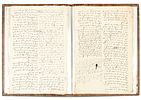
Total: 22 leaves, 43 written pages.

Large leaves: 41 cm.
Condition: Good.

Yismach Moshe on Megillas Koheles was printed by Rabbi Moshe Dovid Teitelbaum in Sighet in 1906 under the title Mor U’Levona (whose gematria equals "Moshe, " the author’s name).

***


The Yismach Moshe

Rabbi Moshe Teitelbaum (1759-1841), known by the name of his magnum opus Yismach Moshe, was a brilliant and divine Kabbalist, Av Beis Din of Ujhely and progenitor of the Sighet-Satmar dynasty. One of the foremost disseminators of Chassidus in Hungary, he became famous for his amulets and segulas that brought salvations to many.

“And the wonders and miracles wrought through the amulets he made are too numerous for the pen to recount” (introduction to Tehillah LeMoshe).

The Yetev Lev

Rabbi Yekusiel Yehuda Teitelbaum, Av Beis Din of Sighet (1808–1883) and author of Yetev Lev, was the beloved grandson of the Yismach Moshe. He was raised with his grandfather’s guidance and learned from him a great amount of Torah, Yiras Shamayim, hidden teachings and paths of holiness. He became the preeminent Rebbe of Hungary, and his influence spread throughout the entire region. Already at age four, the Chozeh MiLublin predicted that he would one day “illuminate the world.”

He was entirely kodesh kodashim, a miracle-worker endowed with Ruach HaKodesh, with broad mastery of all areas of Torah, both revealed and hidden. Through his drashos, he drew the hearts of the Jews to their Father in Heaven. He taught Torah in the Yeshiva Gedola of Sighet, and responded to halachic queries from across the world.

Of his writings, Yetev Lev, Yetev Panim, Rav Tov, and Shu"t Avnei Tzedek were published. In 1858, he became Rav of Sighet, a position that stayed in the Teitelbaum family until the Holocaust. He was the founder of the illustrious Sighet-Satmar Chassidic dynasty.


Rabbi Moshe Dovid Teitelbaum of Lapush (1856–1935) was a son of Rabbi Yisrael Yaakov Yokel of Volove, son of Rabbi Shmuel of Gorelitz, son of Rabbi Eliezer Nissan of Drobitch, son of the Yismach Moshe. His father, Rabbi Yisrael Yokel, was the son-in-law of his uncle, Rabbi Yekusiel Yehuda Teitelbaum, Av Beis Din of Sighet, author of the Yetev Lev, and thus Rabbi Moshe Dovid grew up with the guidance of the Yetev Lev.

His grandfather, the Yetev Lev, loved him greatly and entrusted him with the manuscripts of the Yismach Moshe to arrange and bring to print. Indeed, he published many of the Yismach Moshe’s works on Torah, Nevi’im, Kesuvim, Tehillim, Aggadah, and drashos. In addition to his greatness and righteousness, he was one of the leading rabbanim of Transylvania, an eminent posek and rosh yeshiva, and his father-in-law was Rabbi Aryeh Leib Halberstam of Torna, son of Rabbi Dovid of Kashinov, son of the Divrei Chaim.

___________________


Lot : 58

Manuscript of Yismach Moshe on Megillas Esther

and Koheles

With Handwritten Glosses of his Grandson the Yetev Lev and Handwritten Additions by
Rabbi Moshe Dovid Teitelbaum of Lapush

Start price: $50,000
|
Est. Price: $60,000 - $80,000

Manuscript of Yismach Moshe on Megillas Esther

and Koheles

With Handwritten Glosses of his Grandson the Yetev Lev and Handwritten Additions by
Rabbi Moshe Dovid Teitelbaum of Lapush


The original manuscripts from which the works of the holy Admor Rabbi Moshe Teitelbaum, Av Beis Din of Ujhely and author of Yismach Moshe, were printed, with glosses, additions and completions in the sacred autograph handwriting of his grandson, the holy Admor Rabbi Yekusiel Yehuda Teitelbaum, Av Beis Din of Sighet and author of Yetev Lev, as well as numerous additions in the handwriting of the holy Admor Rabbi Moshe David Teitelbaum, Av Beis Din of Magyar-Lápos, grandson of the Yitav Lev.

The manuscripts were copied by a scribe from the sacred autograph writings of the Yismach Moshe, at the instruction of the Yetev Lev. It was from these manuscripts that the Yetev Lev and his grandson, following extensive editorial work, prepared the works Yismach Moshe on the Torah, Nach and Megillos for publication.

From the leaves present here, his commentary Yismach Moshe on Koheles was printed under the title Mor U’Levonah, and his commentary on Esther under the title Asis Rimoni. Even before the commentary on the Megillos was printed, however, the Yetev Lev selected several passages containing interpretations relevant to the Torah. After editing them and adding connecting passages, he incorporated them into the sefer Yismach Moshe on the Torah. (See, for example, leaf 3b, a passage incorporated into Yismach Moshe, Parshas Shoftim; leaf 5b, Parshas Lech Lecha; and leaves 8a–8b, Parshas Re’eh.)

Throughout the manuscript are additions and corrections in the holy handwriting of the Yetev Lev himself. Some consist of a single word, while others are considerably longer — for example, the gloss on leaves 5b–6a, which occupies seven lines in print.


In addition, the leaves contain
hundreds of glosses, corrections and additions in the handwriting of the holy Admor Rabbi Moshe David of Lapish.

Contents of the manuscripts: Commentaries on Megillas Esther, Koheles. See detailed description below.


The Editing of the Writings of the Yismach Moshe According to the Present Manuscript:

The Yismach Moshe left behind extensive writings on Torah, Nevi’im and Kesuvim, Chassidus, aggadah, and halacha, yet he did not write his teachings in an organized form, but rather in “a bundle of scattered writings, without sequence in the Torah, ” as his grandson, the Yetev Lev, describes. The Yetev Lev’s grandson Rabbi Moshe Dovid Teitelbaum of Lapush likewise writes that “his method was to write his chiddushim on small scraps of paper, whenever they came to hand.”

The first to edit his writings was his beloved grandson, Rabbi Yekusiel Yehuda Teitelbaum, Av Beis Din of Sighet, and author of Yetev Lev, who inherited the treasured collection of his grandfather’s manuscripts. He instructed a scribe to copy them and then undertook the monumental task of compiling Yismach Moshe on the Torah. As he worked, he reviewed the manuscript, adding glosses, additions, and completions — linking passages and clarifications that were essential for shaping the sefer and for understanding the words of the holy Yismach Moshe.

The Yismach Moshe often wrote briefly and sometimes only in hints. The Yetev Lev, who was deeply versed in his grandfather’s teachings and allusions, explained and expanded many of these passages — based both on what he had heard personally and on what he understood on his own.

Rabbi Moshe Dovid relates in his introduction to Tefillah LeMoshe:

“I wish to make known to Klal Yisrael that the sefer I present before you today does not appear as it did when first composed, nor do I present it exactly as it left the hands of its author. Rather, it is the product of his thoughts as they first came to him… much of what he wished to convey he concealed in brief allusions… And who could better decipher the author’s intentions, his allusions and riddles, his hidden and profound meanings, than my revered grandfather and teacher, the holy gaon, Rabbi Yekusiel Yehudah Teitelbaum, Av Beis Din of this city and region? He was both his disciple and grandson, beloved by him, and scarcely ever left his side…  

He was fluent in the Torah of Moshe, his teacher and grandfather, and it was engraved in his memory, and whenever I encountered a passage whose meaning was distant and obscure to me, I asked my grandfather and teacher. With his profound wisdom and breadth of understanding, he discerned the author’s intent, connected the ideas… and explained everything…”


See also the Yetev Lev’s approbation there, where he attests that he himself arranged, explained, and elaborated wherever necessary.

This manuscript is the very one used in preparing the printed editions, bearing marginal glosses, corrections, and additions in the handwriting of both the Yetev Lev and his grandson Rabbi Moshe Dovid. The holy writings of the Yismach Moshe on Megillos Esther and Koheles and selections on the Torah were later published based on this manuscript.

Page Count:


Esther – Asis Rimoni: 12 leaves

Koheles – Mor U’Levana: 10 leaves

Total: 22 leaves, 43 written pages.

Large leaves: 41 cm.
Condition: Good.

Yismach Moshe on Megillas Koheles was printed by Rabbi Moshe Dovid Teitelbaum in Sighet in 1906 under the title Mor U’Levona (whose gematria equals "Moshe, " the author’s name).

***


The Yismach Moshe

Rabbi Moshe Teitelbaum (1759-1841), known by the name of his magnum opus Yismach Moshe, was a brilliant and divine Kabbalist, Av Beis Din of Ujhely and progenitor of the Sighet-Satmar dynasty. One of the foremost disseminators of Chassidus in Hungary, he became famous for his amulets and segulas that brought salvations to many.

“And the wonders and miracles wrought through the amulets he made are too numerous for the pen to recount” (introduction to Tehillah LeMoshe).

The Yetev Lev

Rabbi Yekusiel Yehuda Teitelbaum, Av Beis Din of Sighet (1808–1883) and author of Yetev Lev, was the beloved grandson of the Yismach Moshe. He was raised with his grandfather’s guidance and learned from him a great amount of Torah, Yiras Shamayim, hidden teachings and paths of holiness. He became the preeminent Rebbe of Hungary, and his influence spread throughout the entire region. Already at age four, the Chozeh MiLublin predicted that he would one day “illuminate the world.”

He was entirely kodesh kodashim, a miracle-worker endowed with Ruach HaKodesh, with broad mastery of all areas of Torah, both revealed and hidden. Through his drashos, he drew the hearts of the Jews to their Father in Heaven. He taught Torah in the Yeshiva Gedola of Sighet, and responded to halachic queries from across the world.

Of his writings, Yetev Lev, Yetev Panim, Rav Tov, and Shu"t Avnei Tzedek were published. In 1858, he became Rav of Sighet, a position that stayed in the Teitelbaum family until the Holocaust. He was the founder of the illustrious Sighet-Satmar Chassidic dynasty.


Rabbi Moshe Dovid Teitelbaum of Lapush (1856–1935) was a son of Rabbi Yisrael Yaakov Yokel of Volove, son of Rabbi Shmuel of Gorelitz, son of Rabbi Eliezer Nissan of Drobitch, son of the Yismach Moshe. His father, Rabbi Yisrael Yokel, was the son-in-law of his uncle, Rabbi Yekusiel Yehuda Teitelbaum, Av Beis Din of Sighet, author of the Yetev Lev, and thus Rabbi Moshe Dovid grew up with the guidance of the Yetev Lev.

His grandfather, the Yetev Lev, loved him greatly and entrusted him with the manuscripts of the Yismach Moshe to arrange and bring to print. Indeed, he published many of the Yismach Moshe’s works on Torah, Nevi’im, Kesuvim, Tehillim, Aggadah, and drashos. In addition to his greatness and righteousness, he was one of the leading rabbanim of Transylvania, an eminent posek and rosh yeshiva, and his father-in-law was Rabbi Aryeh Leib Halberstam of Torna, son of Rabbi Dovid of Kashinov, son of the Divrei Chaim.

___________________


Manuscript of Yismach Moshe on Megillas Esther

and Koheles

With Handwritten Glosses of his Grandson the Yetev Lev and Handwritten Additions by
Rabbi Moshe Dovid Teitelbaum of Lapush


The original manuscripts from which the works of the holy Admor Rabbi Moshe Teitelbaum, Av Beis Din of Ujhely and author of Yismach Moshe, were printed, with glosses, additions and completions in the sacred autograph handwriting of his grandson, the holy Admor Rabbi Yekusiel Yehuda Teitelbaum, Av Beis Din of Sighet and author of Yetev Lev, as well as numerous additions in the handwriting of the holy Admor Rabbi Moshe David Teitelbaum, Av Beis Din of Magyar-Lápos, grandson of the Yitav Lev.

The manuscripts were copied by a scribe from the sacred autograph writings of the Yismach Moshe, at the instruction of the Yetev Lev. It was from these manuscripts that the Yetev Lev and his grandson, following extensive editorial work, prepared the works Yismach Moshe on the Torah, Nach and Megillos for publication.

From the leaves present here, his commentary Yismach Moshe on Koheles was printed under the title Mor U’Levonah, and his commentary on Esther under the title Asis Rimoni. Even before the commentary on the Megillos was printed, however, the Yetev Lev selected several passages containing interpretations relevant to the Torah. After editing them and adding connecting passages, he incorporated them into the sefer Yismach Moshe on the Torah. (See, for example, leaf 3b, a passage incorporated into Yismach Moshe, Parshas Shoftim; leaf 5b, Parshas Lech Lecha; and leaves 8a–8b, Parshas Re’eh.)

Throughout the manuscript are additions and corrections in the holy handwriting of the Yetev Lev himself. Some consist of a single word, while others are considerably longer — for example, the gloss on leaves 5b–6a, which occupies seven lines in print.


In addition, the leaves contain
hundreds of glosses, corrections and additions in the handwriting of the holy Admor Rabbi Moshe David of Lapish.

Contents of the manuscripts: Commentaries on Megillas Esther, Koheles. See detailed description below.


The Editing of the Writings of the Yismach Moshe According to the Present Manuscript:

The Yismach Moshe left behind extensive writings on Torah, Nevi’im and Kesuvim, Chassidus, aggadah, and halacha, yet he did not write his teachings in an organized form, but rather in “a bundle of scattered writings, without sequence in the Torah, ” as his grandson, the Yetev Lev, describes. The Yetev Lev’s grandson Rabbi Moshe Dovid Teitelbaum of Lapush likewise writes that “his method was to write his chiddushim on small scraps of paper, whenever they came to hand.”

The first to edit his writings was his beloved grandson, Rabbi Yekusiel Yehuda Teitelbaum, Av Beis Din of Sighet, and author of Yetev Lev, who inherited the treasured collection of his grandfather’s manuscripts. He instructed a scribe to copy them and then undertook the monumental task of compiling Yismach Moshe on the Torah. As he worked, he reviewed the manuscript, adding glosses, additions, and completions — linking passages and clarifications that were essential for shaping the sefer and for understanding the words of the holy Yismach Moshe.

The Yismach Moshe often wrote briefly and sometimes only in hints. The Yetev Lev, who was deeply versed in his grandfather’s teachings and allusions, explained and expanded many of these passages — based both on what he had heard personally and on what he understood on his own.

Rabbi Moshe Dovid relates in his introduction to Tefillah LeMoshe:

“I wish to make known to Klal Yisrael that the sefer I present before you today does not appear as it did when first composed, nor do I present it exactly as it left the hands of its author. Rather, it is the product of his thoughts as they first came to him… much of what he wished to convey he concealed in brief allusions… And who could better decipher the author’s intentions, his allusions and riddles, his hidden and profound meanings, than my revered grandfather and teacher, the holy gaon, Rabbi Yekusiel Yehudah Teitelbaum, Av Beis Din of this city and region? He was both his disciple and grandson, beloved by him, and scarcely ever left his side…  

He was fluent in the Torah of Moshe, his teacher and grandfather, and it was engraved in his memory, and whenever I encountered a passage whose meaning was distant and obscure to me, I asked my grandfather and teacher. With his profound wisdom and breadth of understanding, he discerned the author’s intent, connected the ideas… and explained everything…”


See also the Yetev Lev’s approbation there, where he attests that he himself arranged, explained, and elaborated wherever necessary.

This manuscript is the very one used in preparing the printed editions, bearing marginal glosses, corrections, and additions in the handwriting of both the Yetev Lev and his grandson Rabbi Moshe Dovid. The holy writings of the Yismach Moshe on Megillos Esther and Koheles and selections on the Torah were later published based on this manuscript.

Page Count:


Esther – Asis Rimoni: 12 leaves

Koheles – Mor U’Levana: 10 leaves

Total: 22 leaves, 43 written pages.

Large leaves: 41 cm.
Condition: Good.

Yismach Moshe on Megillas Koheles was printed by Rabbi Moshe Dovid Teitelbaum in Sighet in 1906 under the title Mor U’Levona (whose gematria equals "Moshe, " the author’s name).

***


The Yismach Moshe

Rabbi Moshe Teitelbaum (1759-1841), known by the name of his magnum opus Yismach Moshe, was a brilliant and divine Kabbalist, Av Beis Din of Ujhely and progenitor of the Sighet-Satmar dynasty. One of the foremost disseminators of Chassidus in Hungary, he became famous for his amulets and segulas that brought salvations to many.

“And the wonders and miracles wrought through the amulets he made are too numerous for the pen to recount” (introduction to Tehillah LeMoshe).

The Yetev Lev

Rabbi Yekusiel Yehuda Teitelbaum, Av Beis Din of Sighet (1808–1883) and author of Yetev Lev, was the beloved grandson of the Yismach Moshe. He was raised with his grandfather’s guidance and learned from him a great amount of Torah, Yiras Shamayim, hidden teachings and paths of holiness. He became the preeminent Rebbe of Hungary, and his influence spread throughout the entire region. Already at age four, the Chozeh MiLublin predicted that he would one day “illuminate the world.”

He was entirely kodesh kodashim, a miracle-worker endowed with Ruach HaKodesh, with broad mastery of all areas of Torah, both revealed and hidden. Through his drashos, he drew the hearts of the Jews to their Father in Heaven. He taught Torah in the Yeshiva Gedola of Sighet, and responded to halachic queries from across the world.

Of his writings, Yetev Lev, Yetev Panim, Rav Tov, and Shu"t Avnei Tzedek were published. In 1858, he became Rav of Sighet, a position that stayed in the Teitelbaum family until the Holocaust. He was the founder of the illustrious Sighet-Satmar Chassidic dynasty.


Rabbi Moshe Dovid Teitelbaum of Lapush (1856–1935) was a son of Rabbi Yisrael Yaakov Yokel of Volove, son of Rabbi Shmuel of Gorelitz, son of Rabbi Eliezer Nissan of Drobitch, son of the Yismach Moshe. His father, Rabbi Yisrael Yokel, was the son-in-law of his uncle, Rabbi Yekusiel Yehuda Teitelbaum, Av Beis Din of Sighet, author of the Yetev Lev, and thus Rabbi Moshe Dovid grew up with the guidance of the Yetev Lev.

His grandfather, the Yetev Lev, loved him greatly and entrusted him with the manuscripts of the Yismach Moshe to arrange and bring to print. Indeed, he published many of the Yismach Moshe’s works on Torah, Nevi’im, Kesuvim, Tehillim, Aggadah, and drashos. In addition to his greatness and righteousness, he was one of the leading rabbanim of Transylvania, an eminent posek and rosh yeshiva, and his father-in-law was Rabbi Aryeh Leib Halberstam of Torna, son of Rabbi Dovid of Kashinov, son of the Divrei Chaim.

___________________