Lot : 5

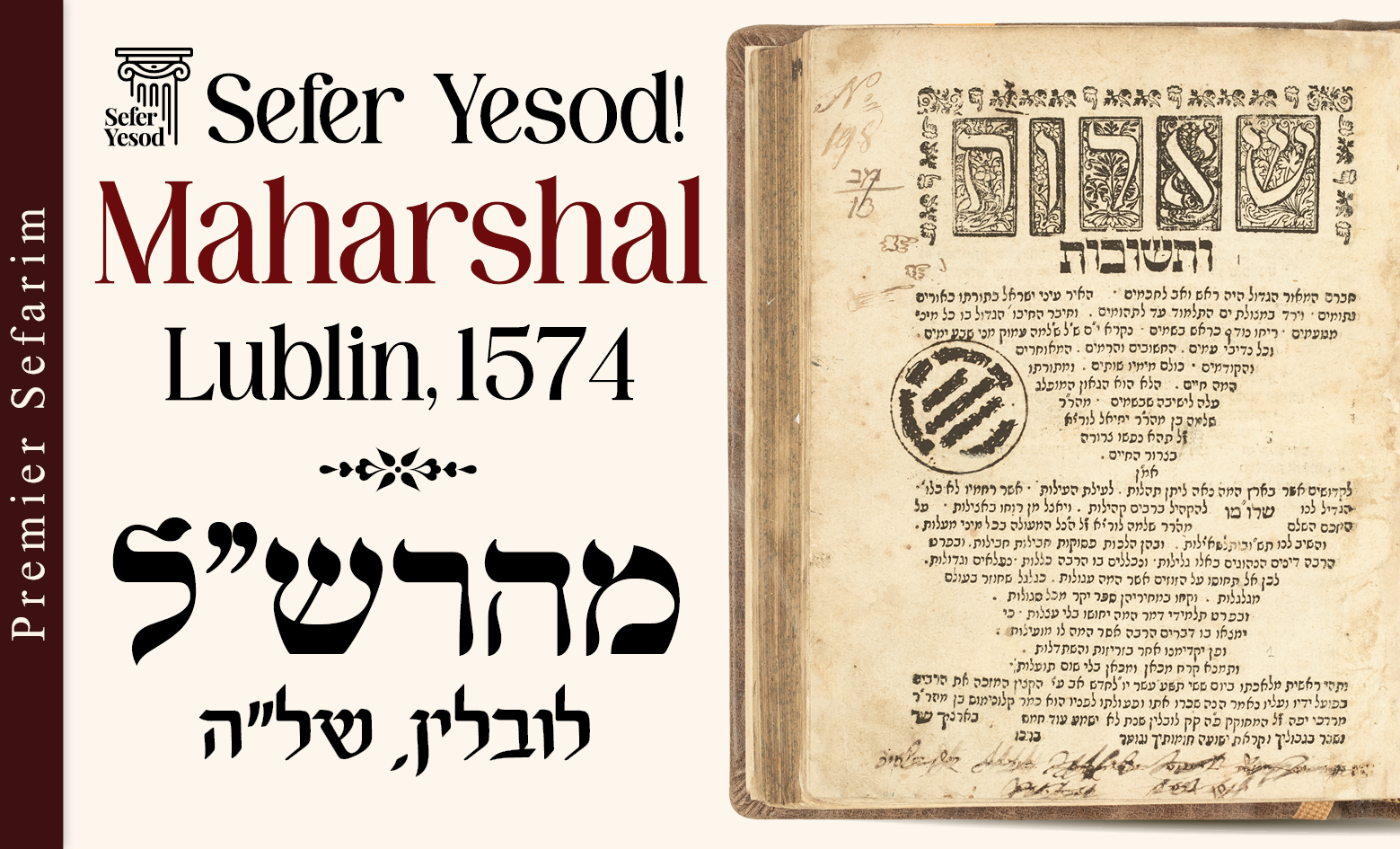
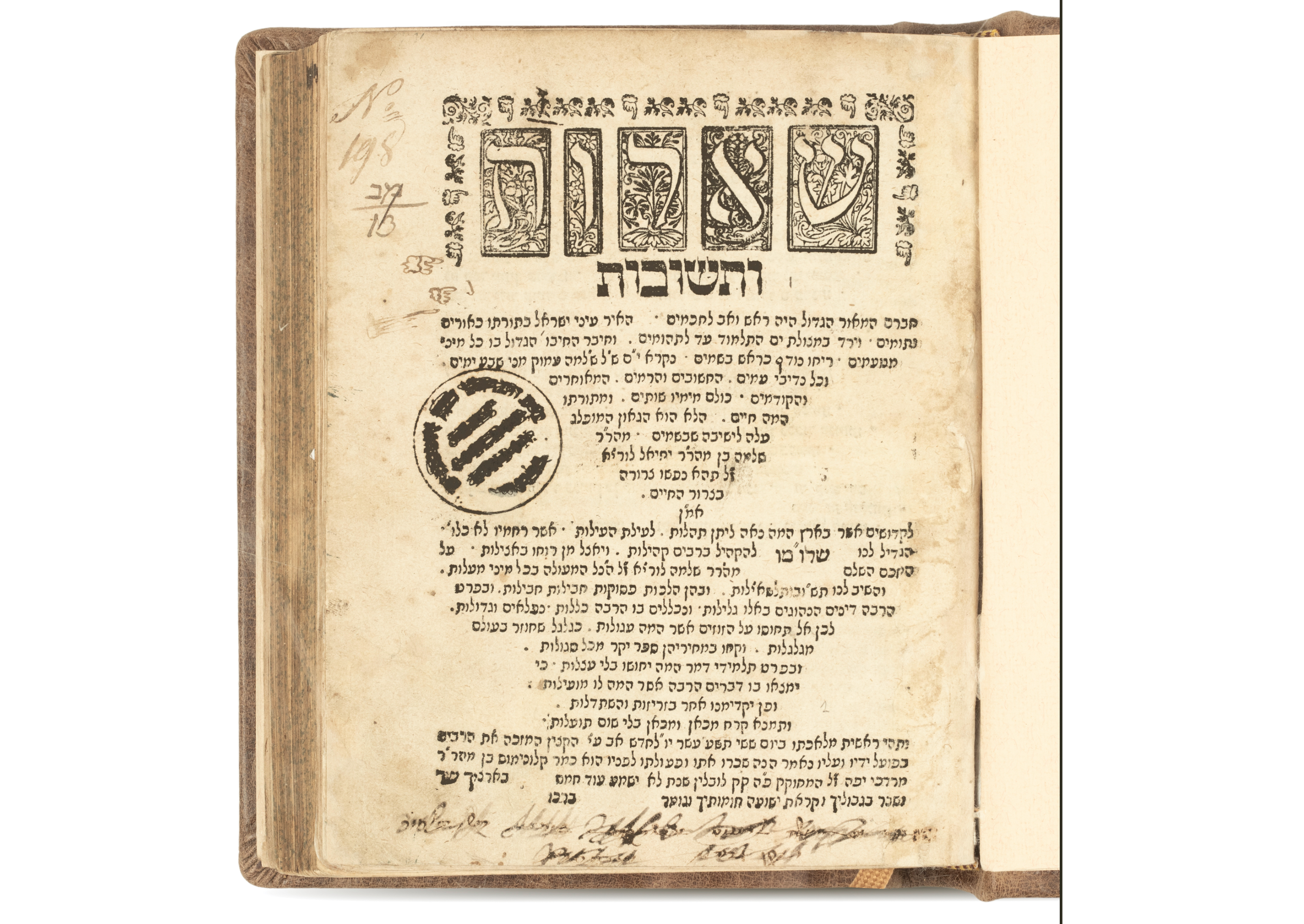
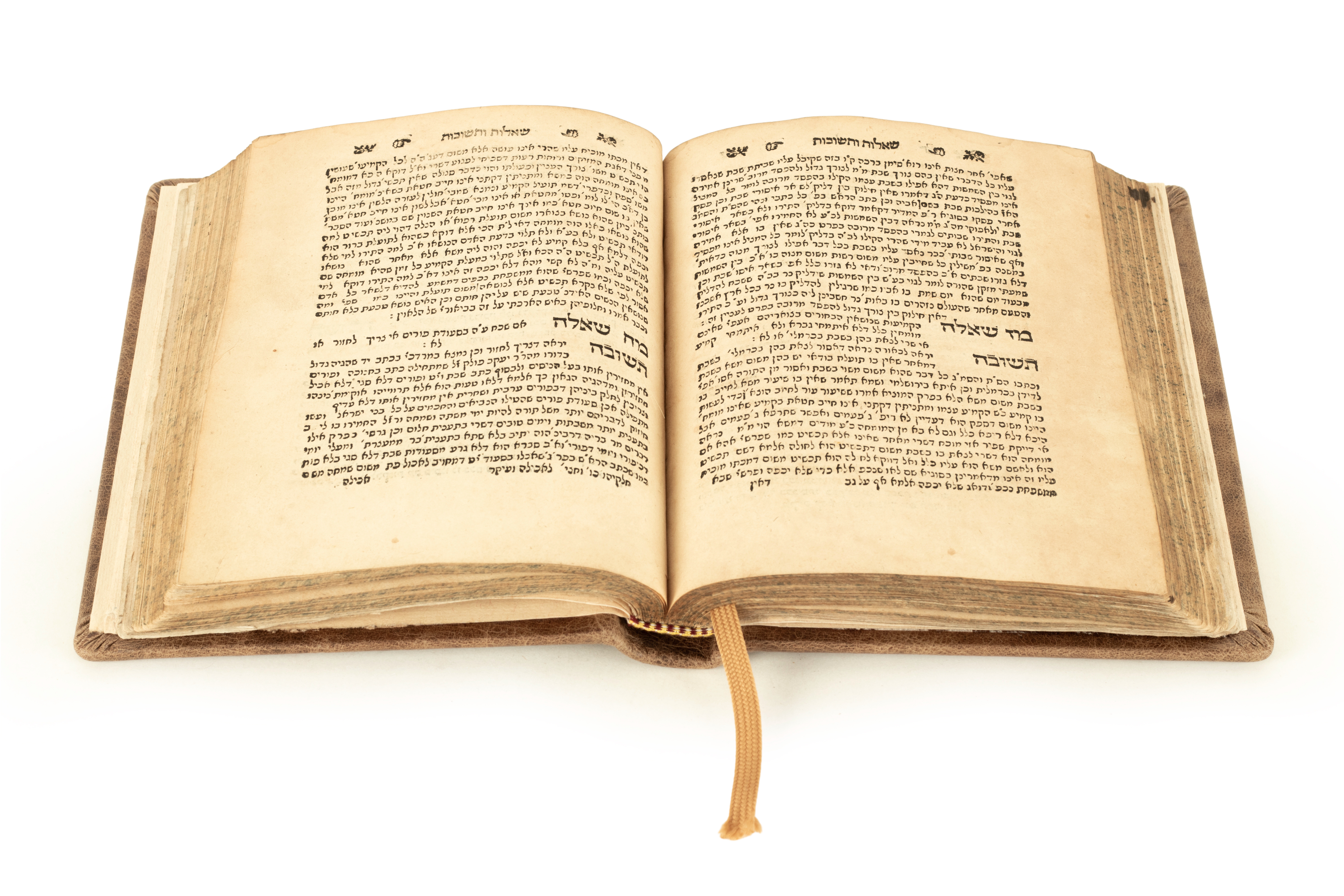
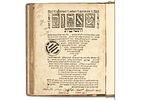
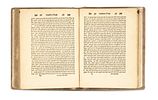
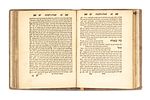
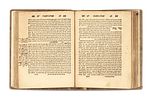
Exceptionally Rare Sefer Yesod: Shu”t Maharshal. 
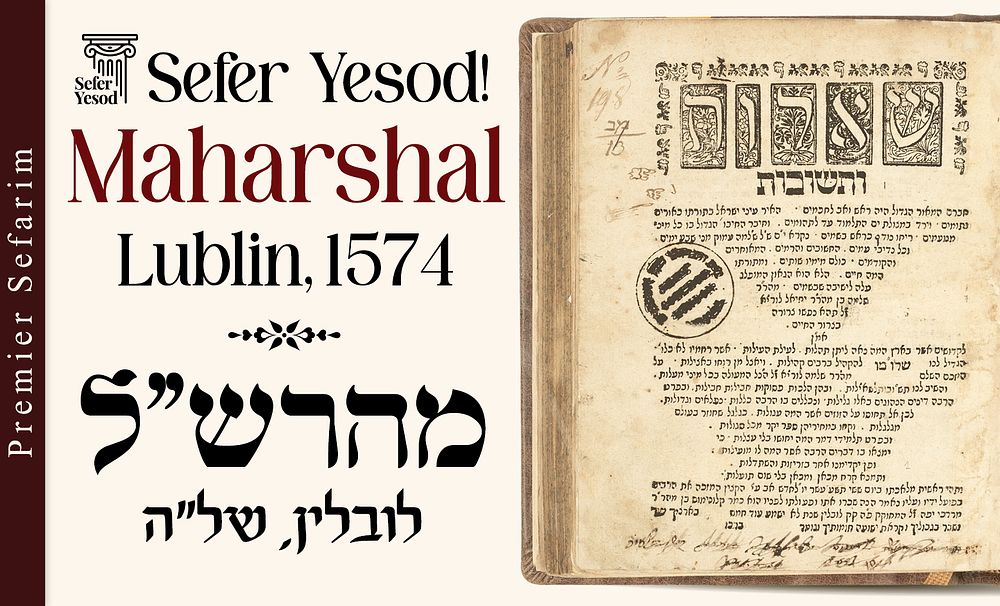
First Edition. Lublin 1574.

Images

Exceptionally Rare Sefer Yesod: Shu”t Maharshal. 

First Edition. Lublin 1574.


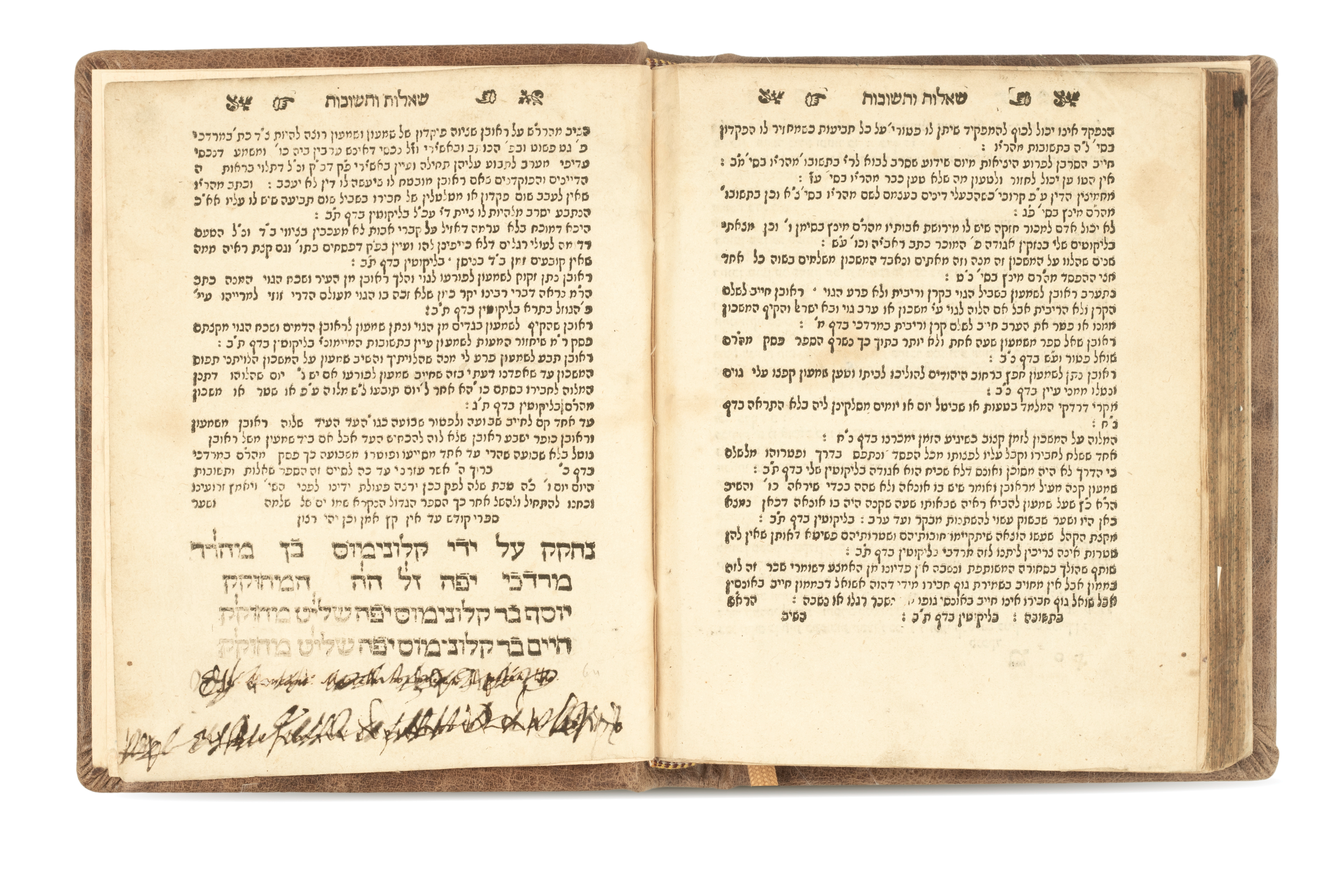
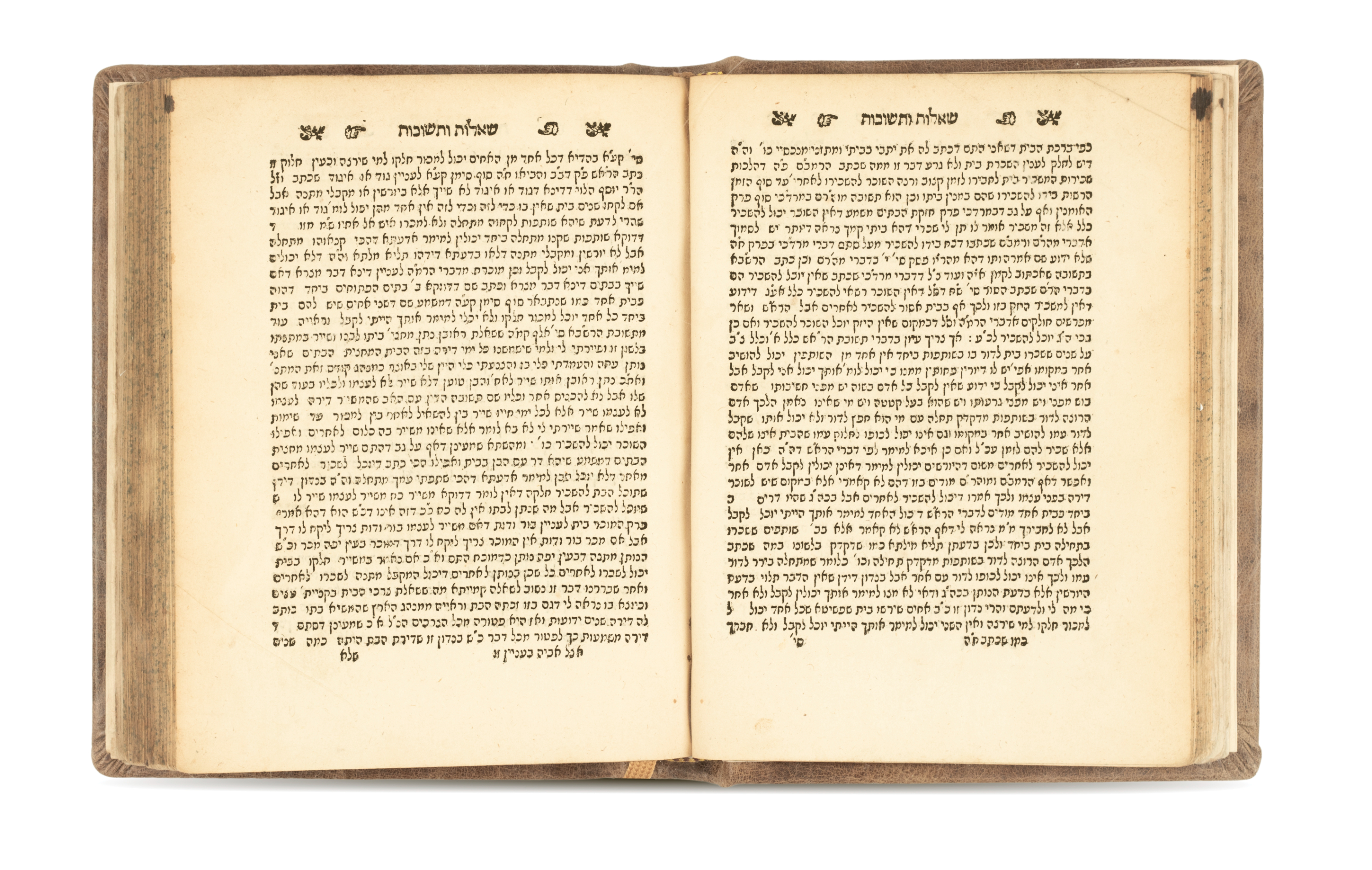
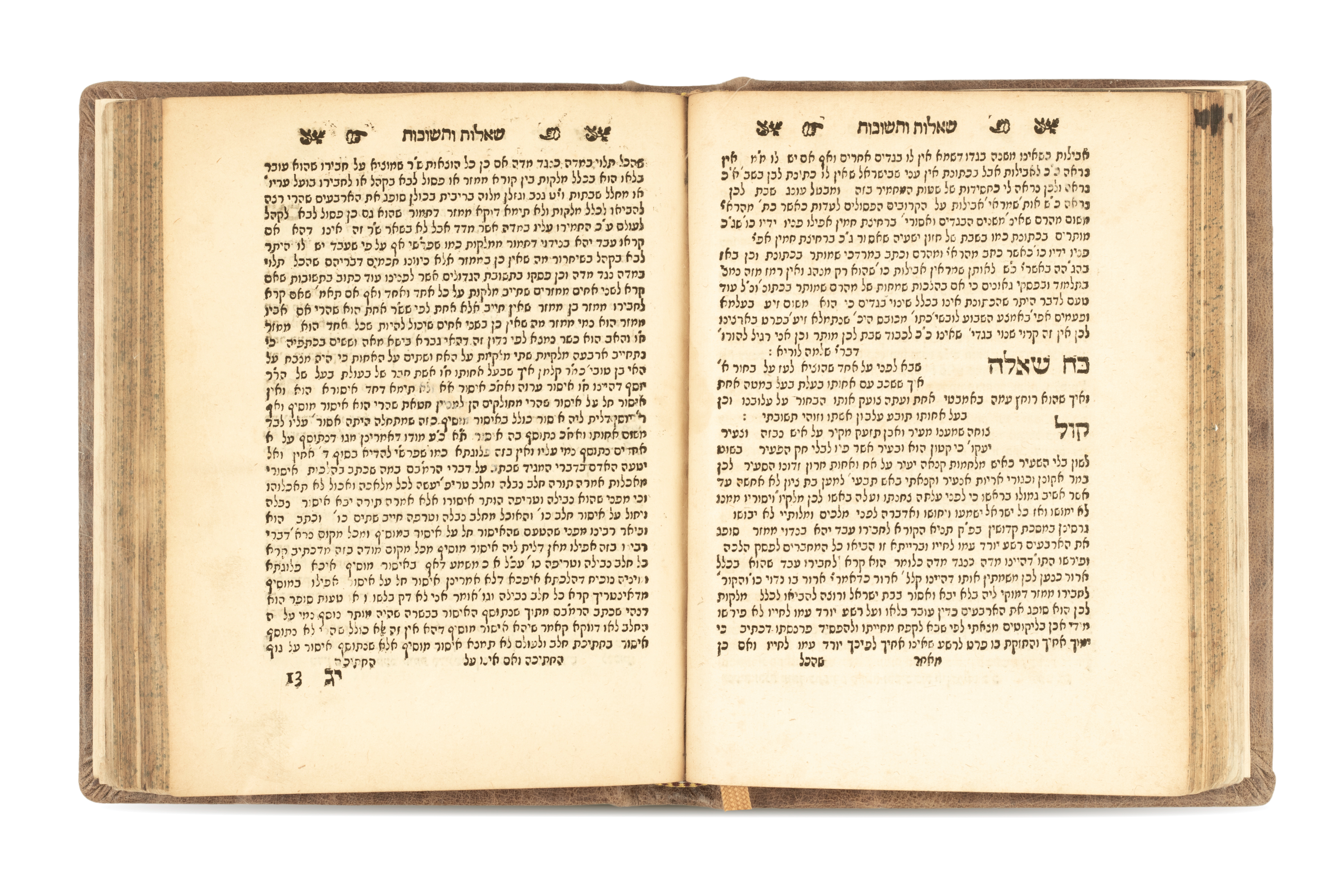
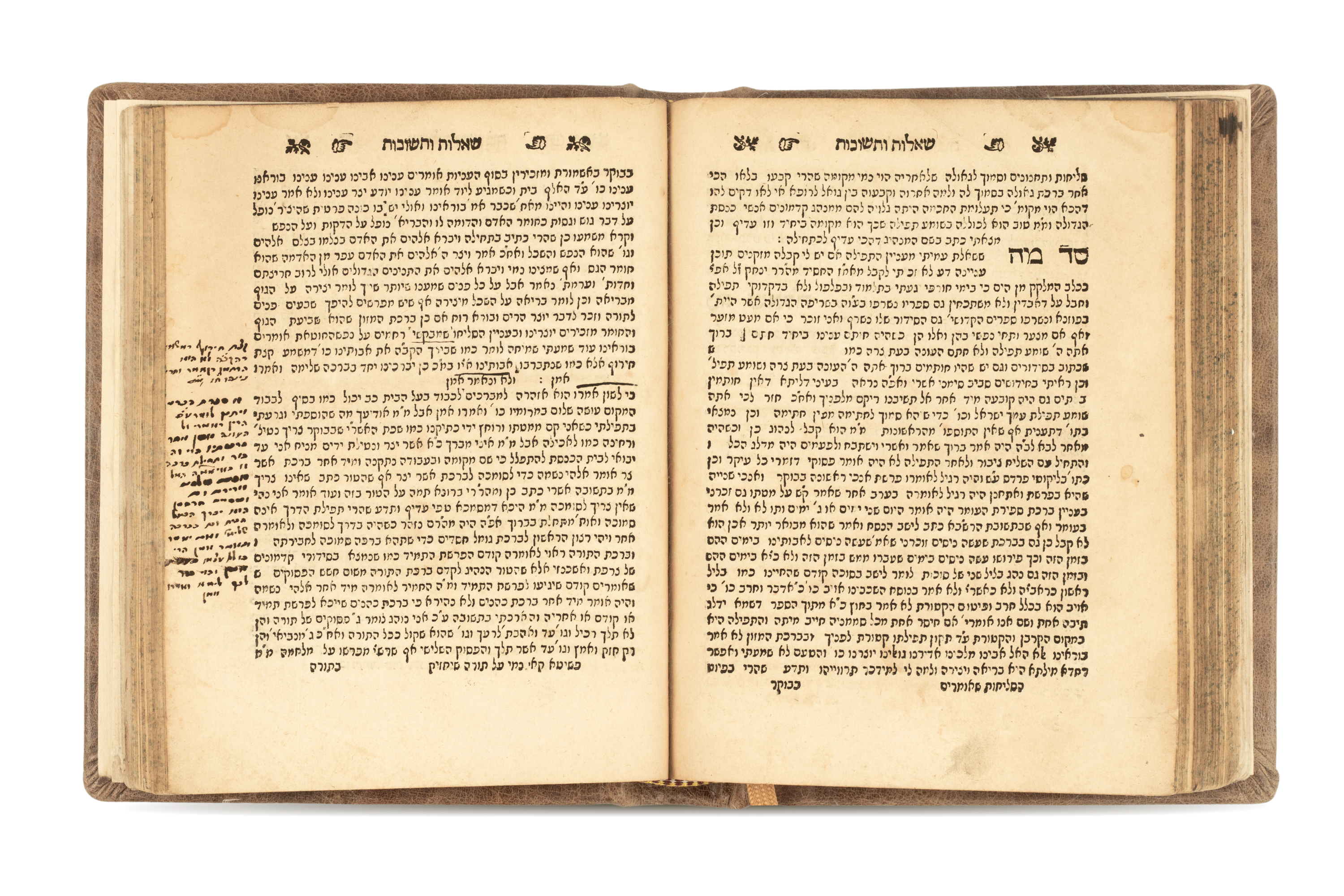
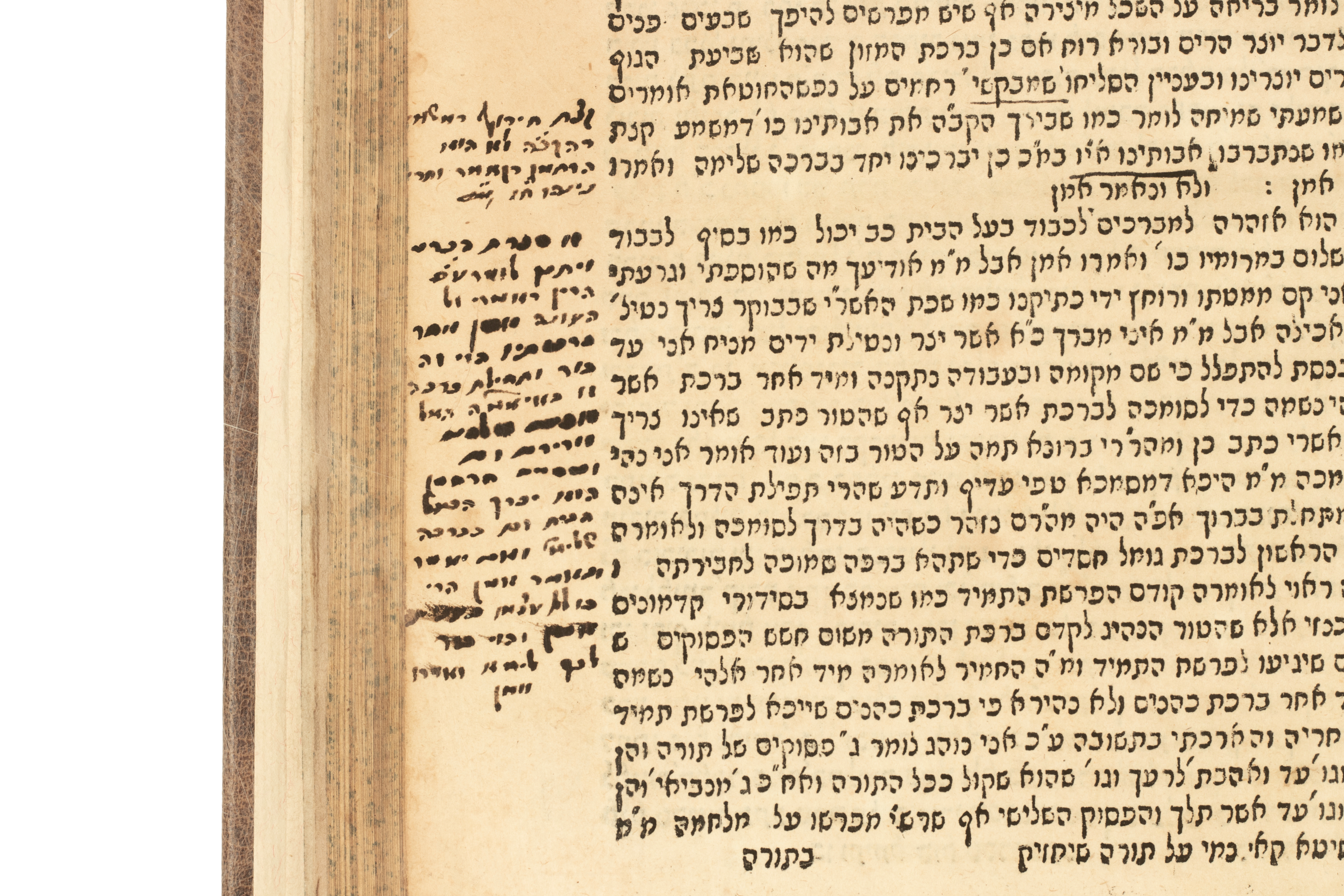
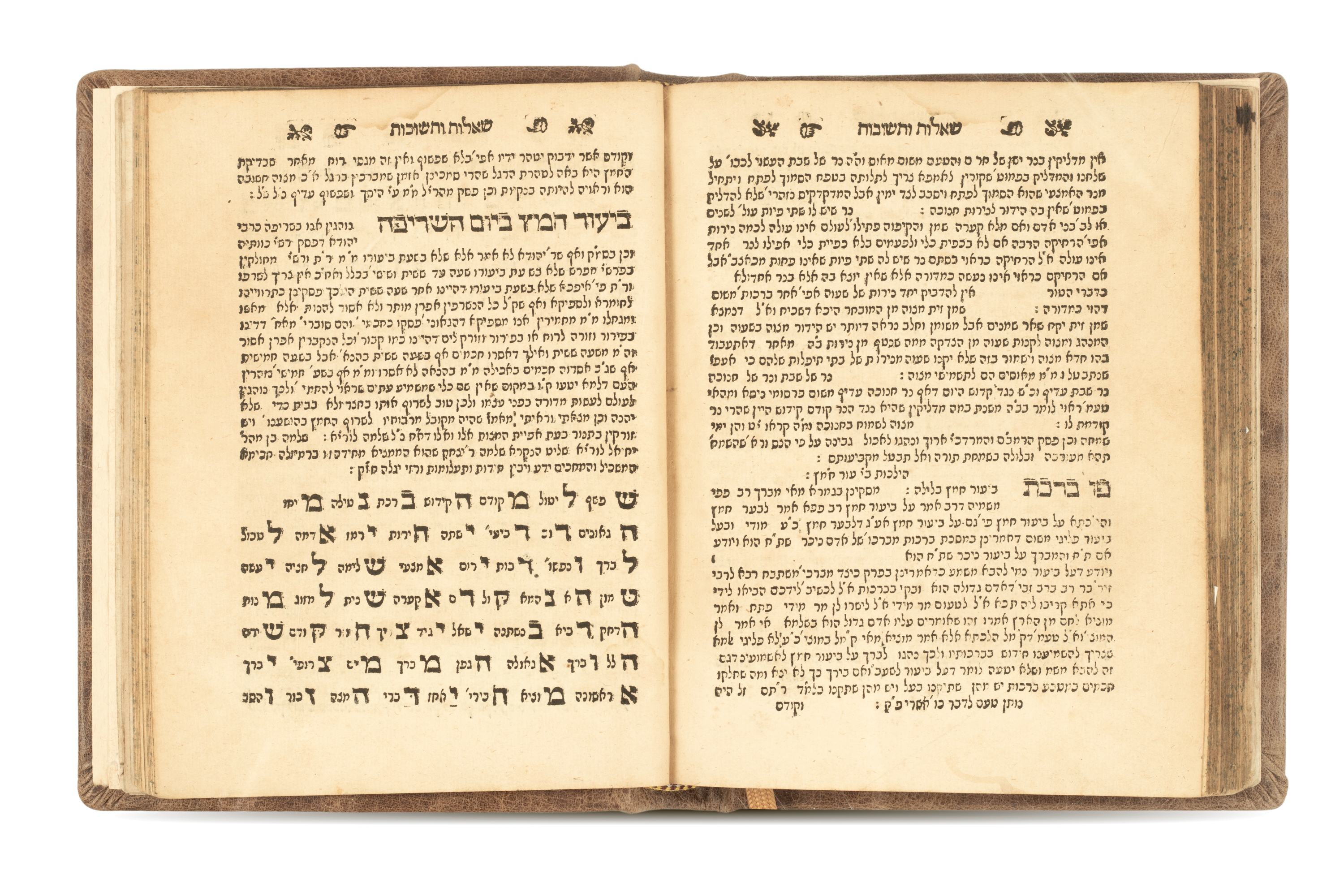
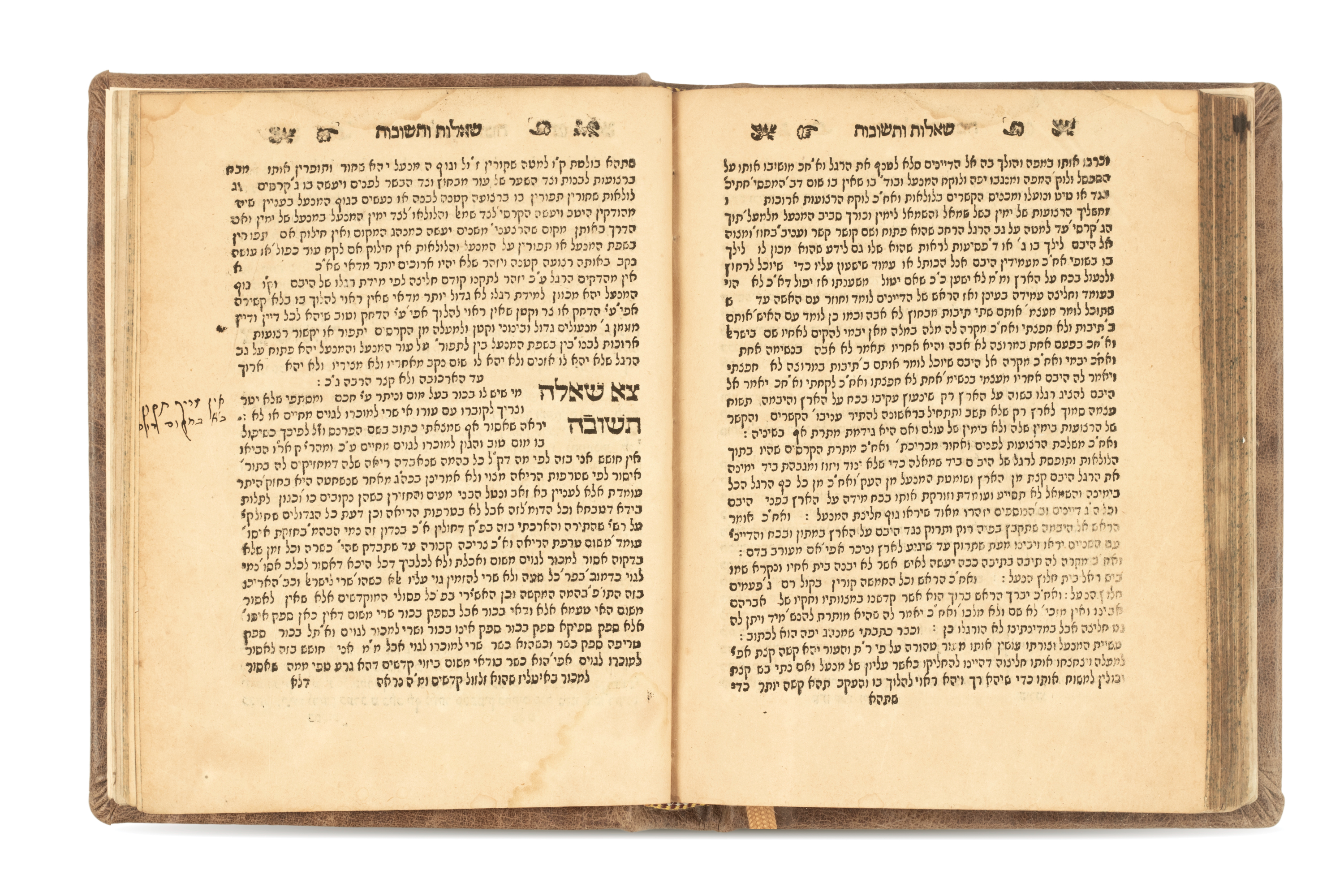
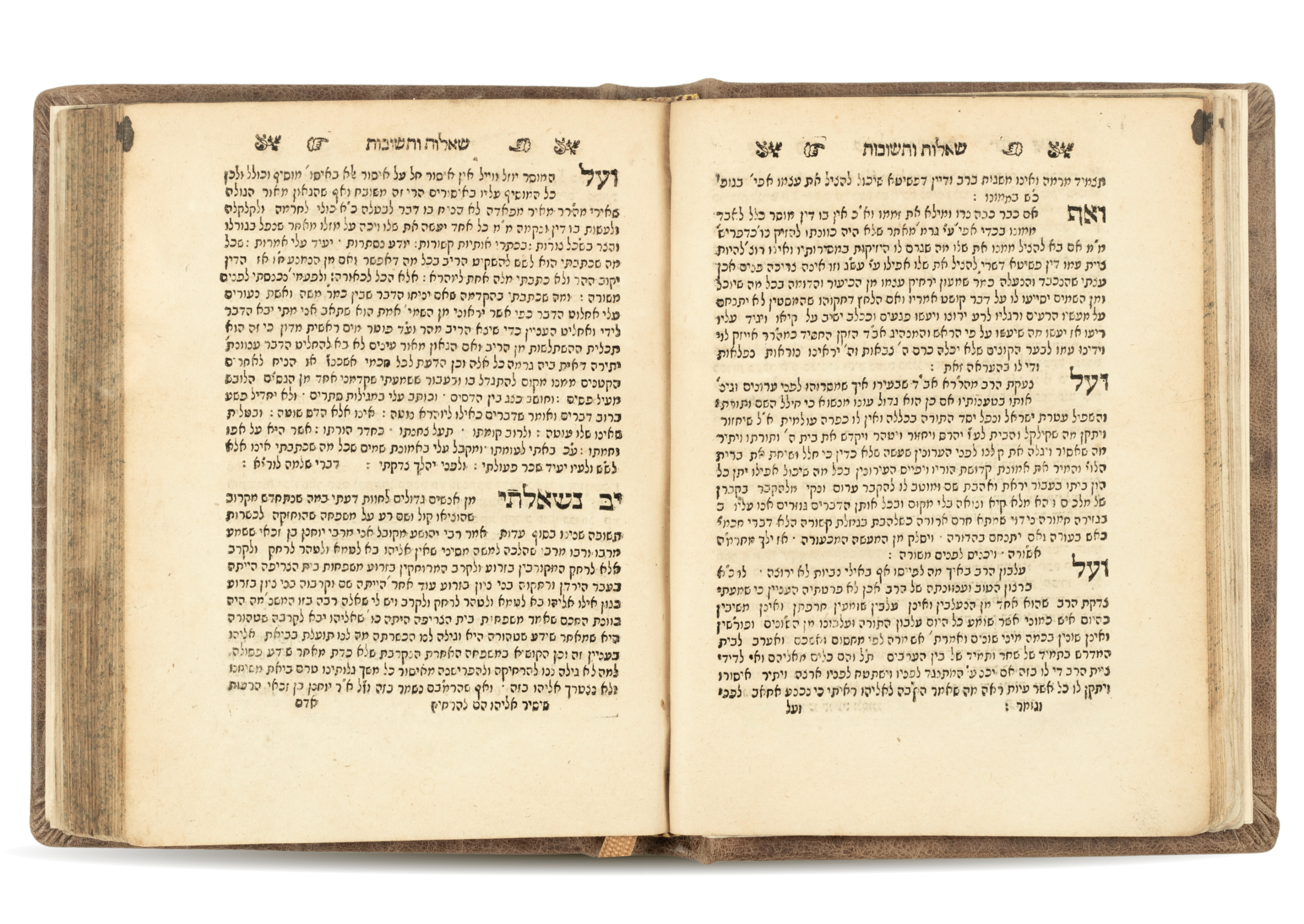
Shu”t by Rabbi Shlomo Luria, the Maharshal, presented here in a complete, uncensored copy.

Shu”t Maharshal was the very first of the Maharshal’s works to appear in print, published shortly after his passing.

This first edition is exceedingly rare.


Already by 1599 a second edition had appeared, and in 1767, the author of Zichron Yosef, in his approbation to the Fürth edition of Shu”t Maharshal, wrote:

“The original copies have long since disappeared, leaving not even worn copies behind, and scholars searched for them in vain.”

Beyond its wealth of halachic rulings, this collection of teshuvos is an invaluable historical source for the period. One of the sefer’s remarkable teshuvos is Siman 29, which is devoted entirely to the lineage and chronology of the Rishonim, and contains historical information not known from any other known source.     

The Maharshal, Rabbi Shlomo Luria, Av Beis Din of Ostroh and Lublin (1510-1574), was one of the towering Torah authorities of his generation. The inscription on his tombstone describes him as “the mightiest of the mighty, king over all the halachic sages… whose name became world-famous through his sefer Yam Shel Shlomo and other works.”

The Taz referred to him as “truly one of a kind among our people, ” while his relative, the Rema, wrote that his rulings could be relied upon “as though received by Moshe from the Divine Presence.” The Chavos Yair declared, “From [King] Shlomo to Shlomo [the Maharshal], there was no one like Shlomo.” Among his distinguished disciples were the Sma, the Matteh Moshe, the Kli Yakar, and Rabbi Avraham Horowitz, father of the Shelah HaKadosh.

A Rare Surviving Uncensored Copy


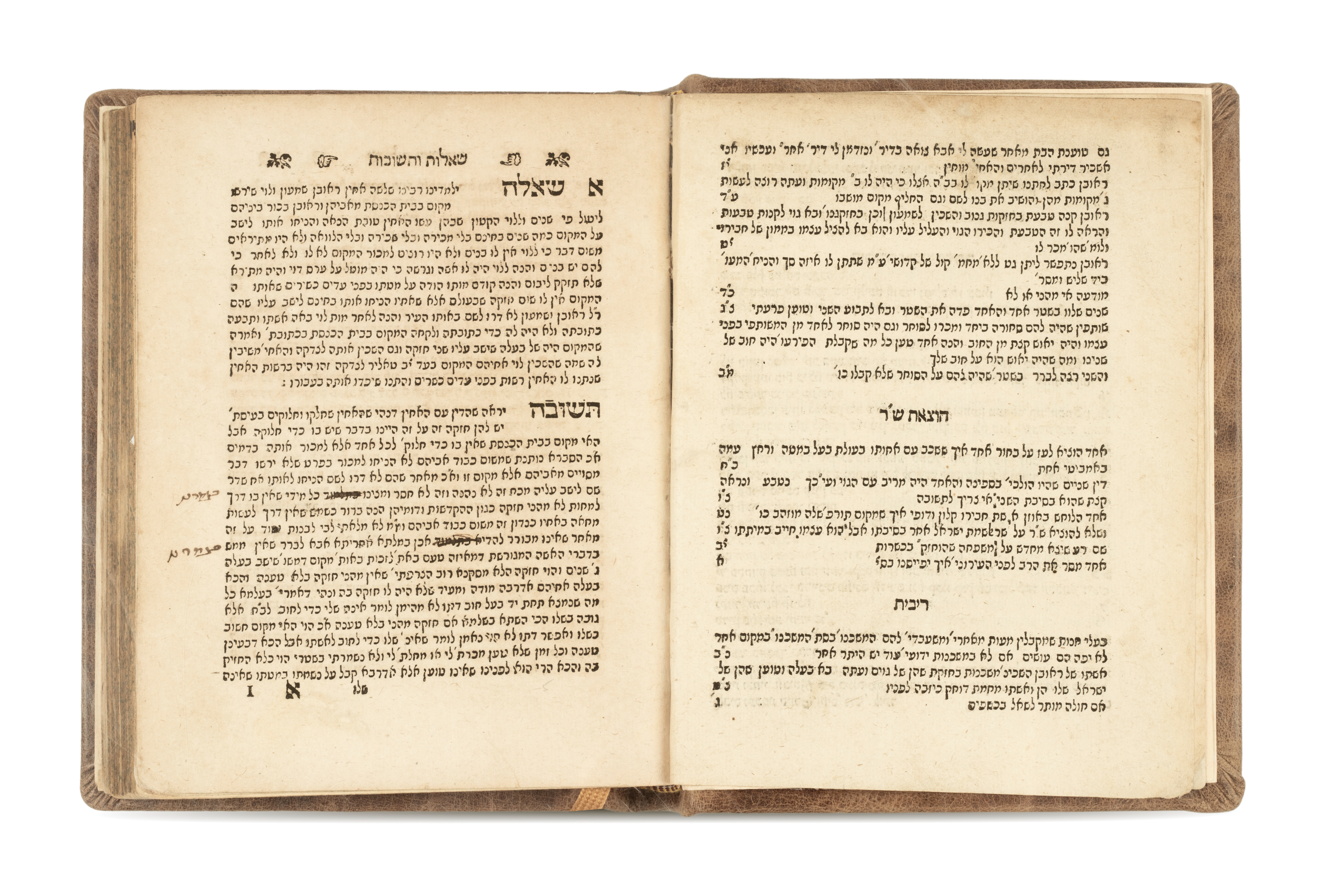
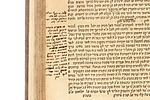
Siman 11 concerns a marital dispute that led one of the parties to commit mesirah by turning to the non-Jewish courts. The Maharshal pours out his indignation against the moser and names him explicitly: Yuzel Weil.

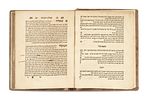
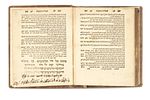
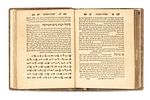
In the vast majority of known copies—few as they are—the name of the informer whom the Maharshal sharply condemned was not printed; instead, it was replaced with the name “Geniva.” In the present copy, however, the original name remains intact.

Likewise, most known copies omit the entirety of Siman 12. That teshuva addresses defamatory claims concerning the lineage of the Maharal of Prague, alleging a flaw in his maternal ancestry. Although the Maharshal forcefully rejects these accusations, the teshuva was likely omitted out of respect for the Maharal’s family. The present copy, however, retains the original responsum. (See Rivkind, Dikdukei Sefarim, Kiryat Sefer 4, pp. 278–279; Meir Rafeld, HaMaharshal VeSifro Yam Shel Shlomo, pp. 249–250.)


Lublin, 1574. First Edition.

Page Count: 4, [158] leaves.
Size: 19 cm.
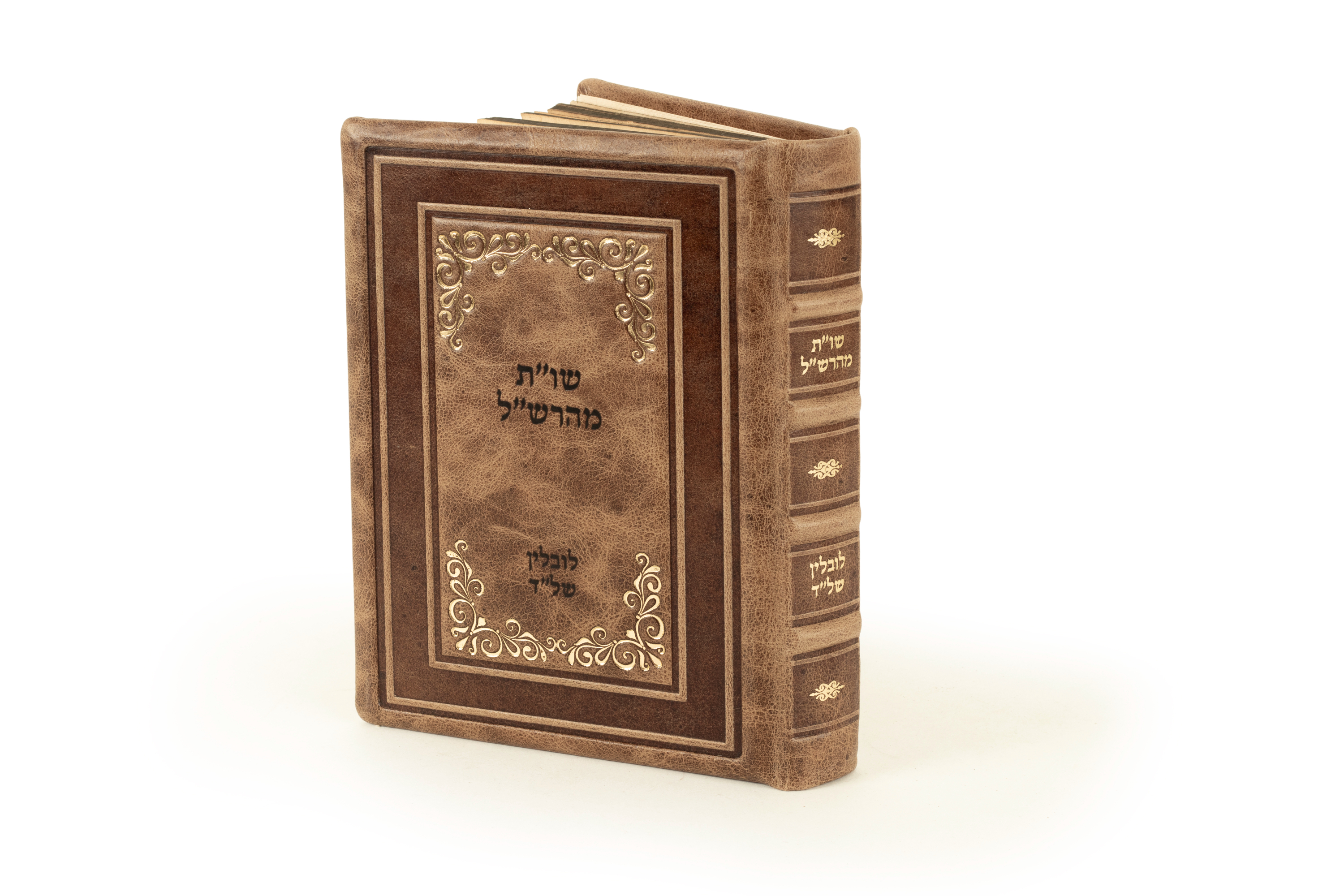
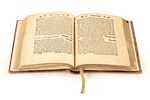
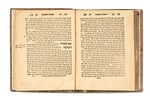
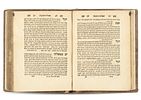
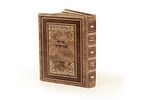
Condition: Good. A few stains in the margins. New binding.

Bibliography: Stefansky, Sifrei Yesod, no. 287.


Lot : 5

Exceptionally Rare Sefer Yesod: Shu”t Maharshal. 
First Edition. Lublin 1574.

Start price: $12,000
|
Est. Price: $18,000 - $20,000

Exceptionally Rare Sefer Yesod: Shu”t Maharshal. 

First Edition. Lublin 1574.


Shu”t by Rabbi Shlomo Luria, the Maharshal, presented here in a complete, uncensored copy.

Shu”t Maharshal was the very first of the Maharshal’s works to appear in print, published shortly after his passing.

This first edition is exceedingly rare.


Already by 1599 a second edition had appeared, and in 1767, the author of Zichron Yosef, in his approbation to the Fürth edition of Shu”t Maharshal, wrote:

“The original copies have long since disappeared, leaving not even worn copies behind, and scholars searched for them in vain.”

Beyond its wealth of halachic rulings, this collection of teshuvos is an invaluable historical source for the period. One of the sefer’s remarkable teshuvos is Siman 29, which is devoted entirely to the lineage and chronology of the Rishonim, and contains historical information not known from any other known source.     

The Maharshal, Rabbi Shlomo Luria, Av Beis Din of Ostroh and Lublin (1510-1574), was one of the towering Torah authorities of his generation. The inscription on his tombstone describes him as “the mightiest of the mighty, king over all the halachic sages… whose name became world-famous through his sefer Yam Shel Shlomo and other works.”

The Taz referred to him as “truly one of a kind among our people, ” while his relative, the Rema, wrote that his rulings could be relied upon “as though received by Moshe from the Divine Presence.” The Chavos Yair declared, “From [King] Shlomo to Shlomo [the Maharshal], there was no one like Shlomo.” Among his distinguished disciples were the Sma, the Matteh Moshe, the Kli Yakar, and Rabbi Avraham Horowitz, father of the Shelah HaKadosh.

A Rare Surviving Uncensored Copy


Siman 11 concerns a marital dispute that led one of the parties to commit mesirah by turning to the non-Jewish courts. The Maharshal pours out his indignation against the moser and names him explicitly: Yuzel Weil.

In the vast majority of known copies—few as they are—the name of the informer whom the Maharshal sharply condemned was not printed; instead, it was replaced with the name “Geniva.” In the present copy, however, the original name remains intact.

Likewise, most known copies omit the entirety of Siman 12. That teshuva addresses defamatory claims concerning the lineage of the Maharal of Prague, alleging a flaw in his maternal ancestry. Although the Maharshal forcefully rejects these accusations, the teshuva was likely omitted out of respect for the Maharal’s family. The present copy, however, retains the original responsum. (See Rivkind, Dikdukei Sefarim, Kiryat Sefer 4, pp. 278–279; Meir Rafeld, HaMaharshal VeSifro Yam Shel Shlomo, pp. 249–250.)


Lublin, 1574. First Edition.

Page Count: 4, [158] leaves.
Size: 19 cm.
Condition: Good. A few stains in the margins. New binding.

Bibliography: Stefansky, Sifrei Yesod, no. 287.


Exceptionally Rare Sefer Yesod: Shu”t Maharshal. 

First Edition. Lublin 1574.


Shu”t by Rabbi Shlomo Luria, the Maharshal, presented here in a complete, uncensored copy.

Shu”t Maharshal was the very first of the Maharshal’s works to appear in print, published shortly after his passing.

This first edition is exceedingly rare.


Already by 1599 a second edition had appeared, and in 1767, the author of Zichron Yosef, in his approbation to the Fürth edition of Shu”t Maharshal, wrote:

“The original copies have long since disappeared, leaving not even worn copies behind, and scholars searched for them in vain.”

Beyond its wealth of halachic rulings, this collection of teshuvos is an invaluable historical source for the period. One of the sefer’s remarkable teshuvos is Siman 29, which is devoted entirely to the lineage and chronology of the Rishonim, and contains historical information not known from any other known source.     

The Maharshal, Rabbi Shlomo Luria, Av Beis Din of Ostroh and Lublin (1510-1574), was one of the towering Torah authorities of his generation. The inscription on his tombstone describes him as “the mightiest of the mighty, king over all the halachic sages… whose name became world-famous through his sefer Yam Shel Shlomo and other works.”

The Taz referred to him as “truly one of a kind among our people, ” while his relative, the Rema, wrote that his rulings could be relied upon “as though received by Moshe from the Divine Presence.” The Chavos Yair declared, “From [King] Shlomo to Shlomo [the Maharshal], there was no one like Shlomo.” Among his distinguished disciples were the Sma, the Matteh Moshe, the Kli Yakar, and Rabbi Avraham Horowitz, father of the Shelah HaKadosh.

A Rare Surviving Uncensored Copy


Siman 11 concerns a marital dispute that led one of the parties to commit mesirah by turning to the non-Jewish courts. The Maharshal pours out his indignation against the moser and names him explicitly: Yuzel Weil.

In the vast majority of known copies—few as they are—the name of the informer whom the Maharshal sharply condemned was not printed; instead, it was replaced with the name “Geniva.” In the present copy, however, the original name remains intact.

Likewise, most known copies omit the entirety of Siman 12. That teshuva addresses defamatory claims concerning the lineage of the Maharal of Prague, alleging a flaw in his maternal ancestry. Although the Maharshal forcefully rejects these accusations, the teshuva was likely omitted out of respect for the Maharal’s family. The present copy, however, retains the original responsum. (See Rivkind, Dikdukei Sefarim, Kiryat Sefer 4, pp. 278–279; Meir Rafeld, HaMaharshal VeSifro Yam Shel Shlomo, pp. 249–250.)


Lublin, 1574. First Edition.

Page Count: 4, [158] leaves.
Size: 19 cm.
Condition: Good. A few stains in the margins. New binding.

Bibliography: Stefansky, Sifrei Yesod, no. 287.