Lot : 39

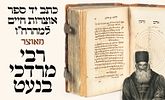
Kabbalistic Manuscript of Otzros Chaim –
Personal Copy of Rabbi Mordechai Benet with His Autograph Signatures – Nikolsburg, 1724

Images

Kabbalistic Manuscript of Otzros Chaim –

Personal Copy of Rabbi Mordechai Benet with His Autograph Signatures – Nikolsburg, 1724


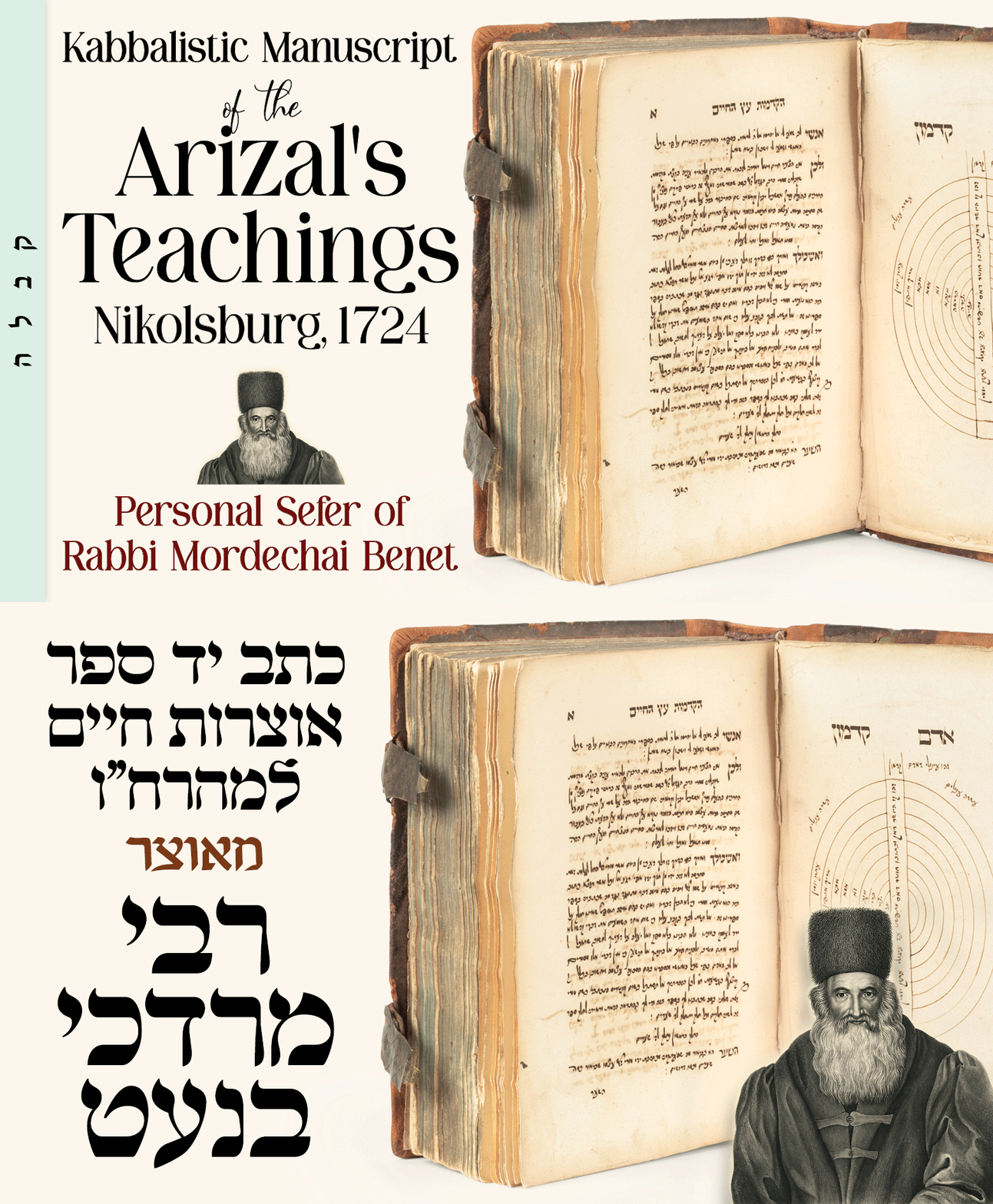
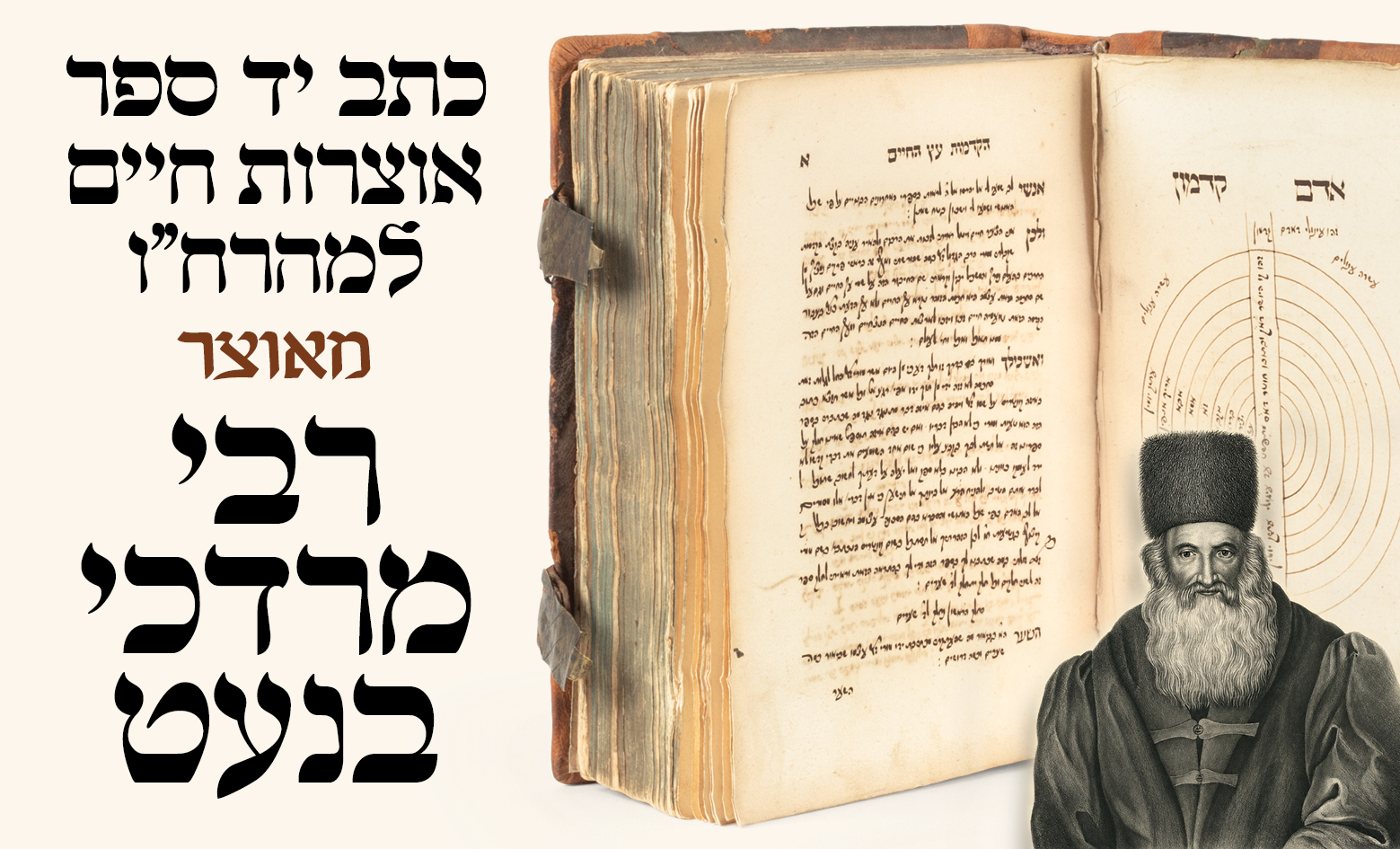
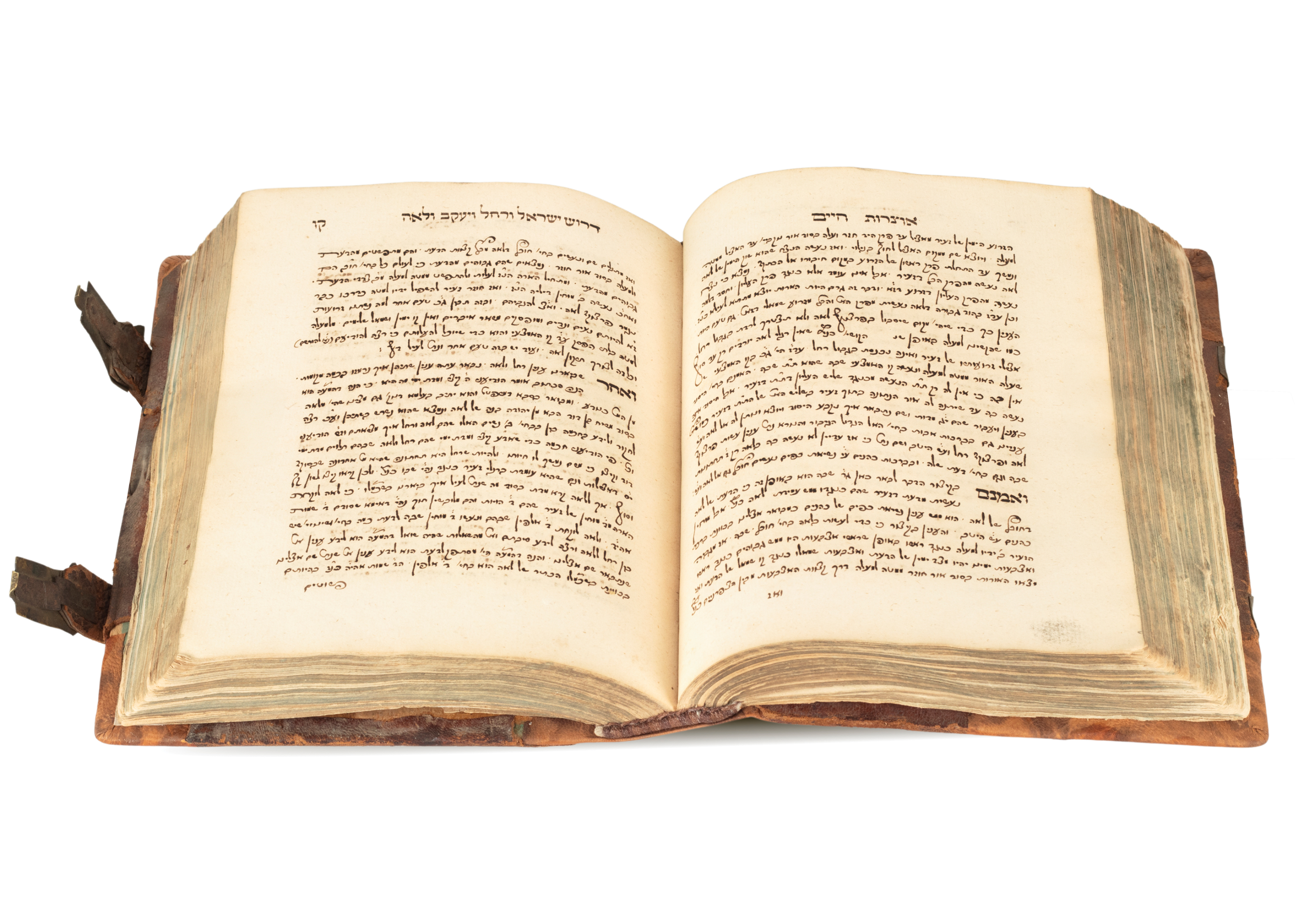
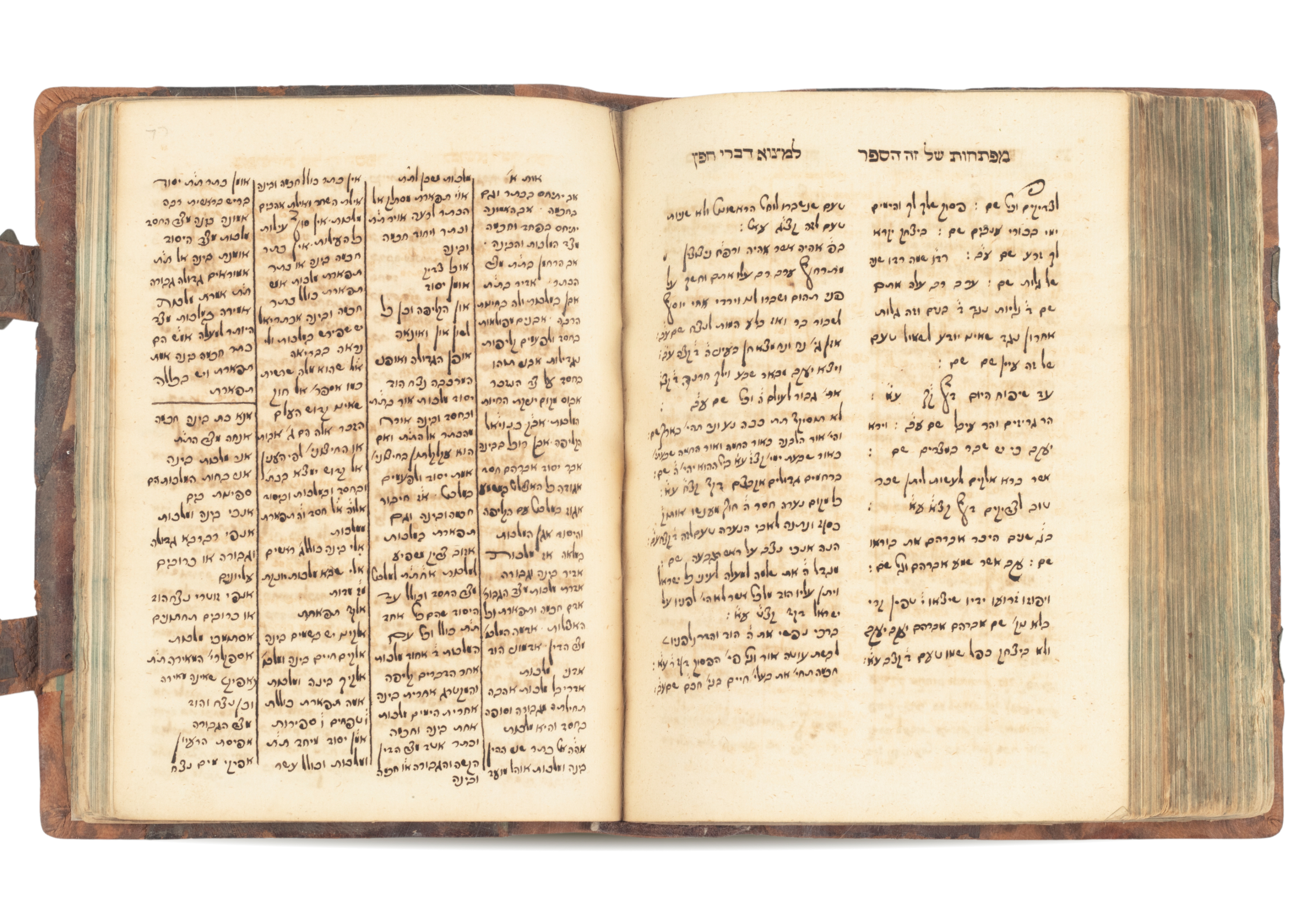
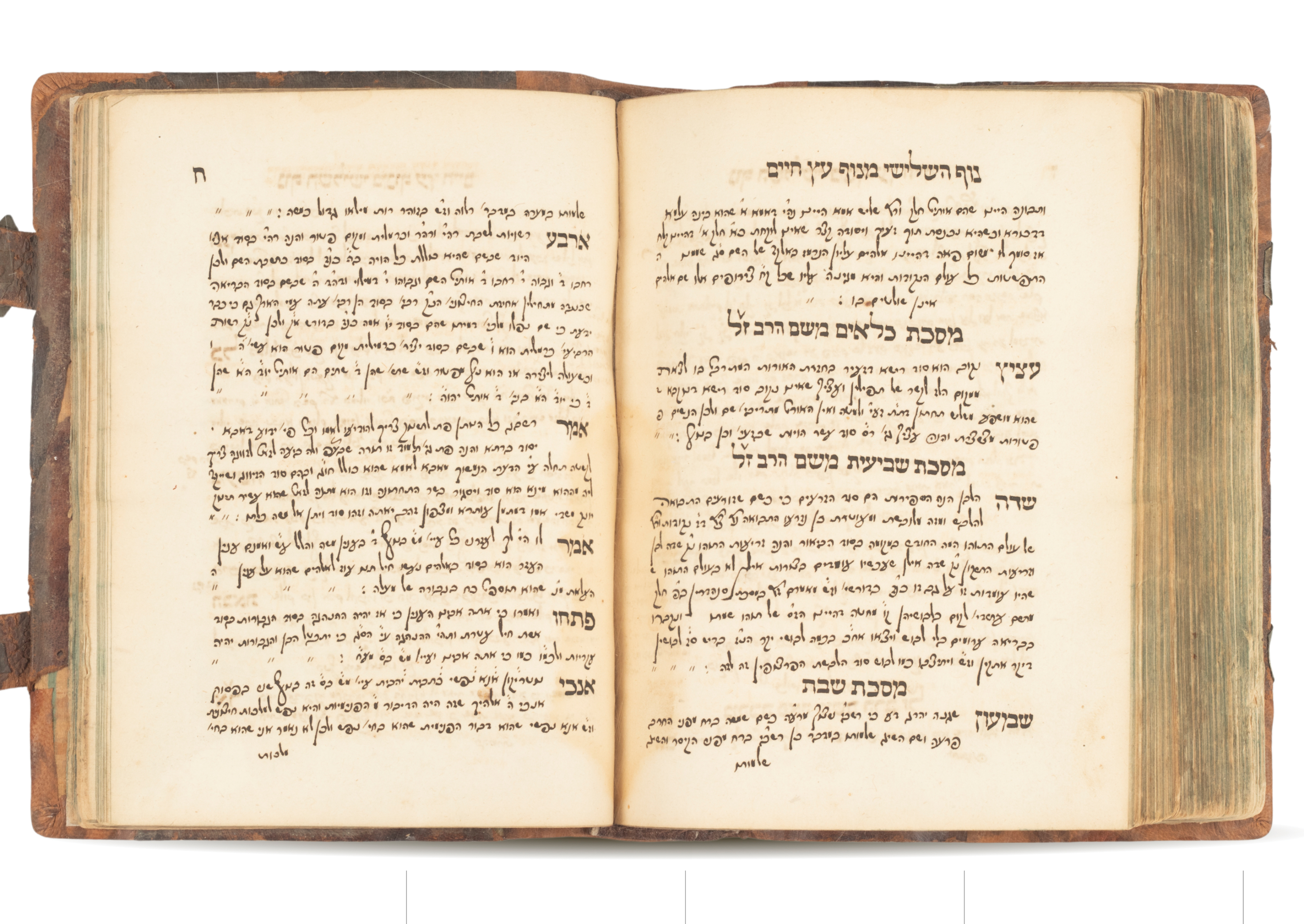
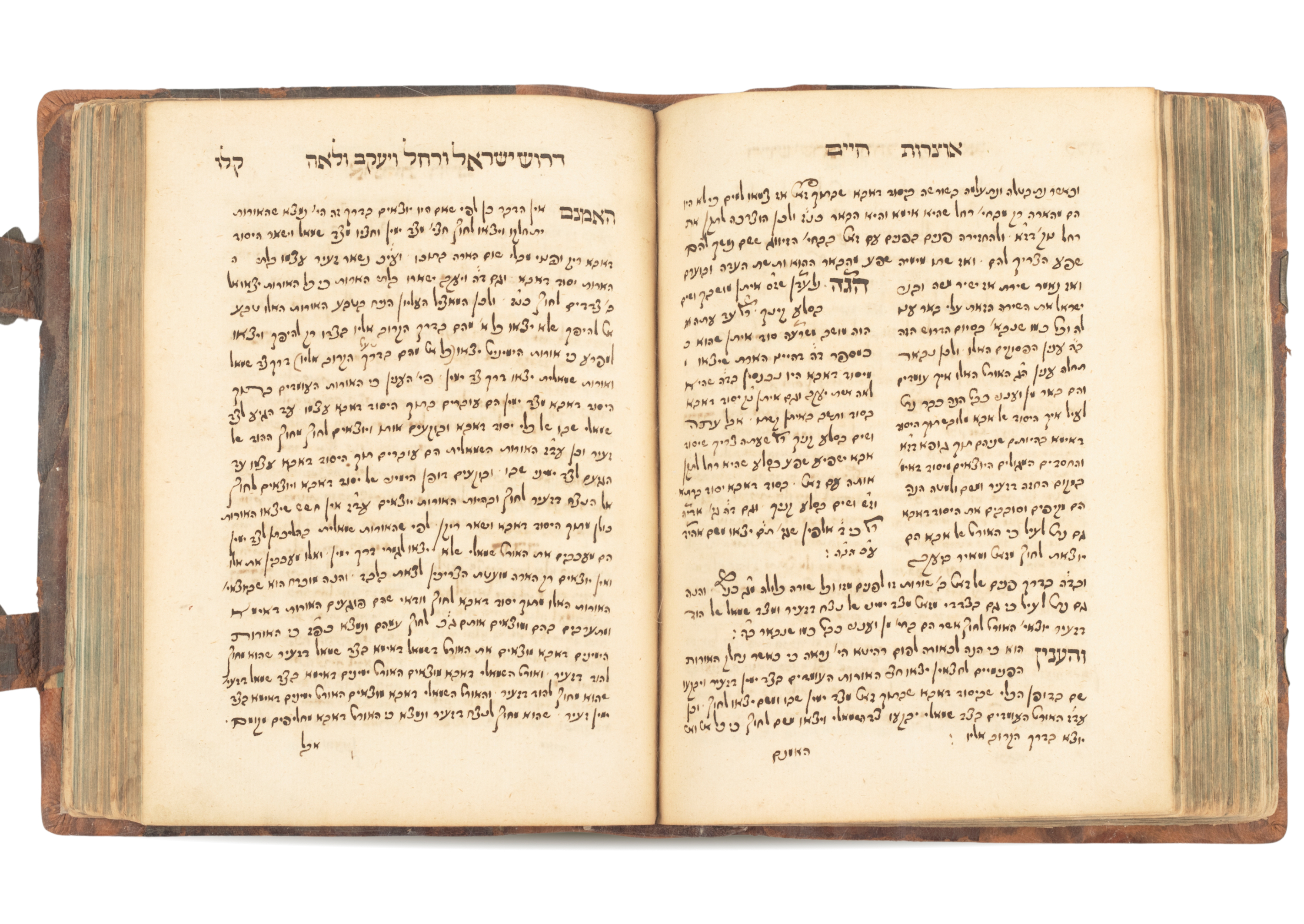
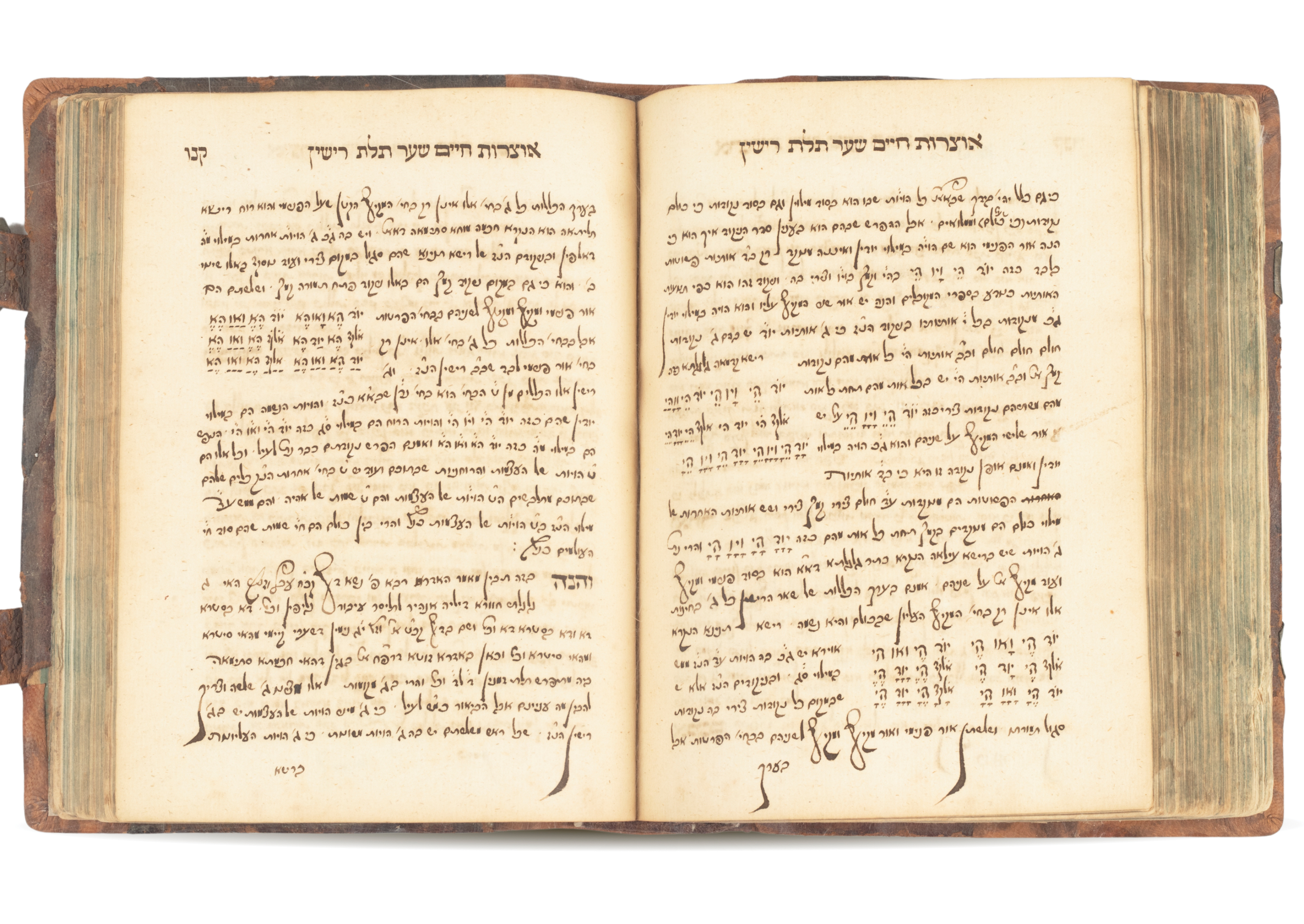
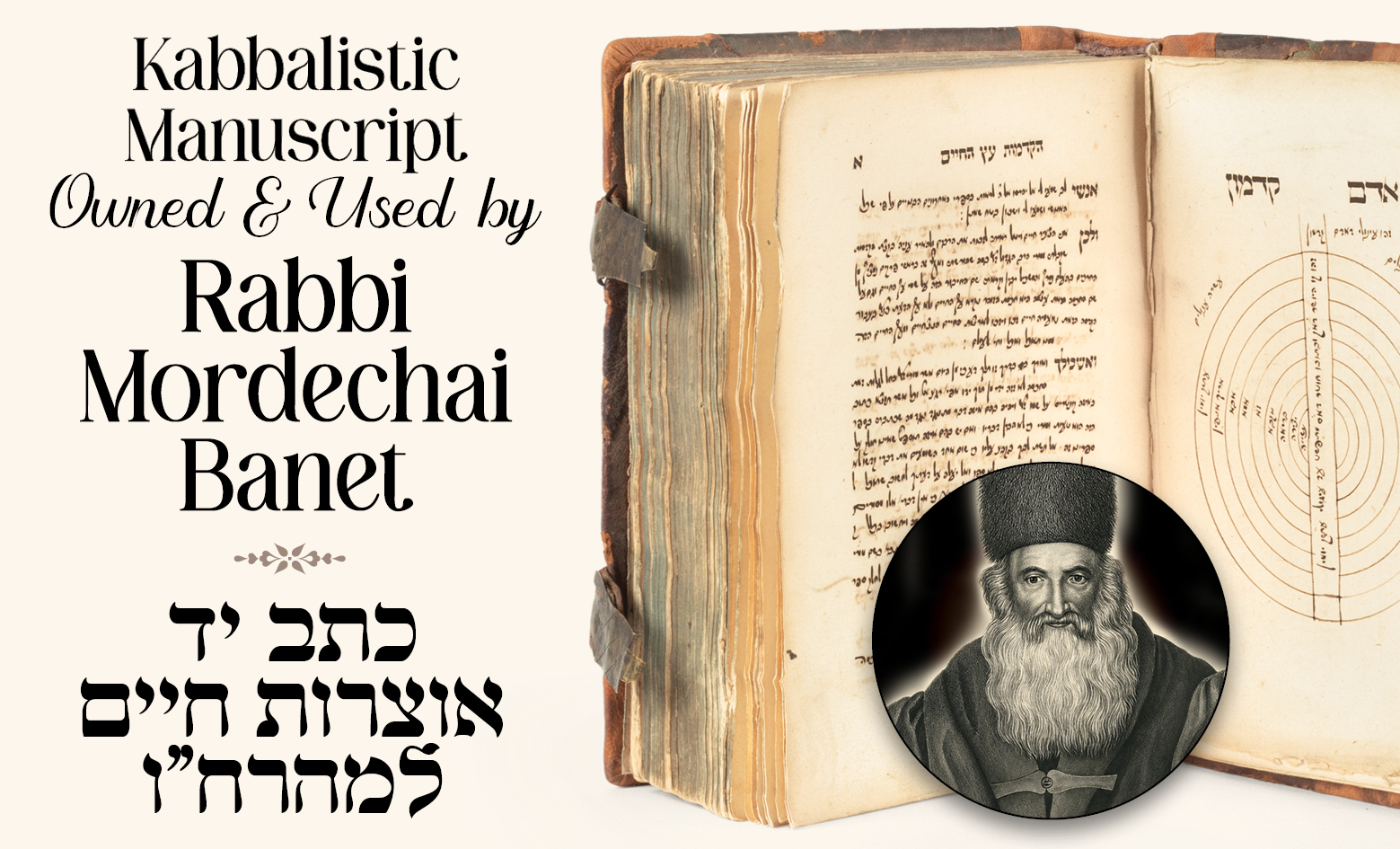
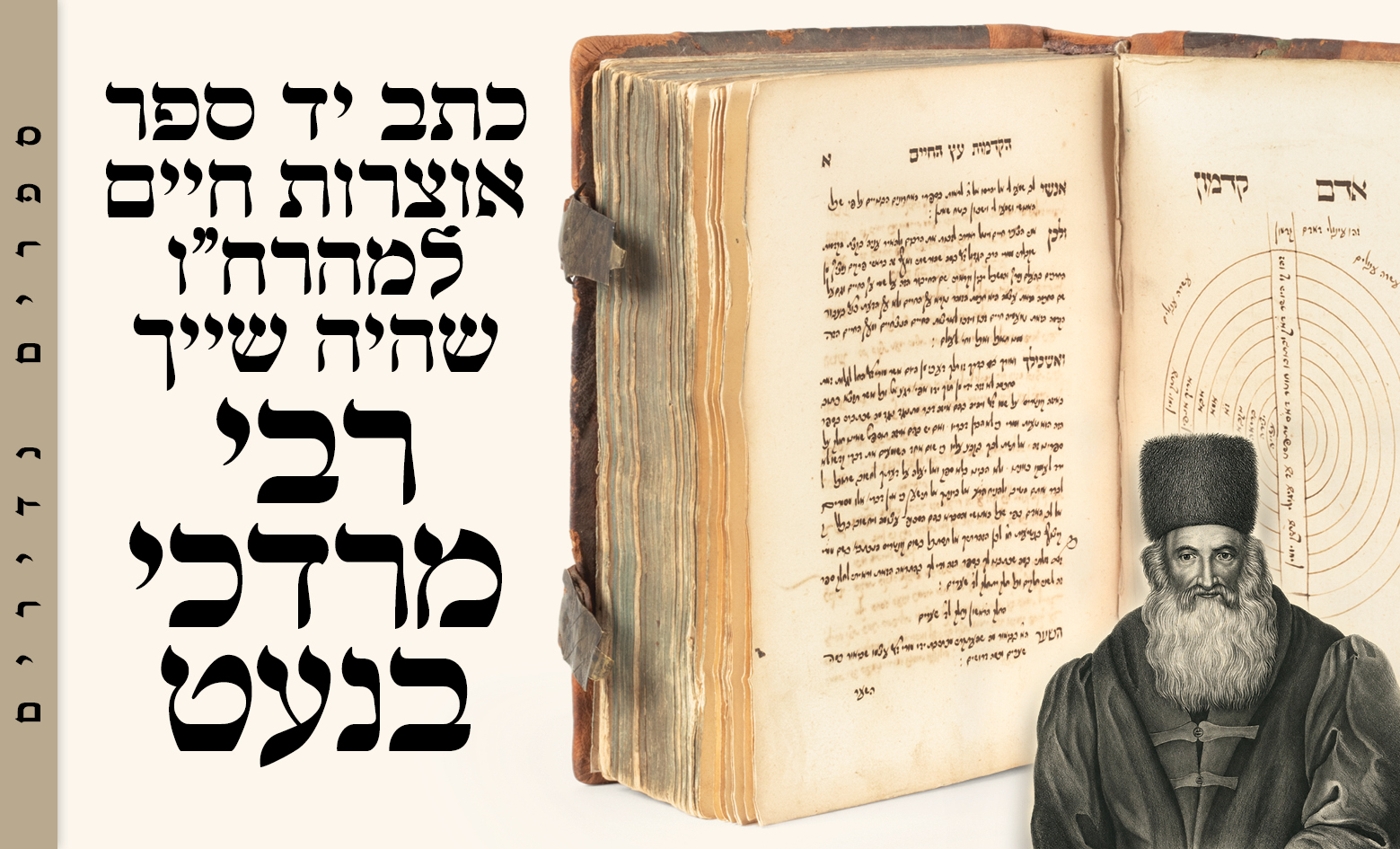
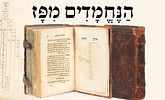
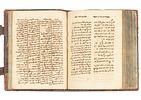
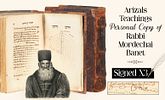
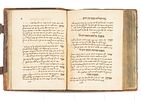
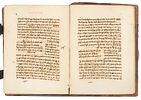
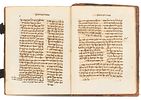
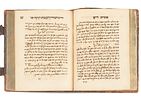
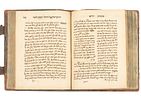
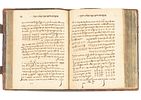
A manuscript of Sefer Otzros Chaim and Nof Etz Chaim by Rabbi Chaim Vital, studied by the renowned gaon and kabbalist, Rabbi Mordechai Benet, Av Beis Din of Nikolsburg.

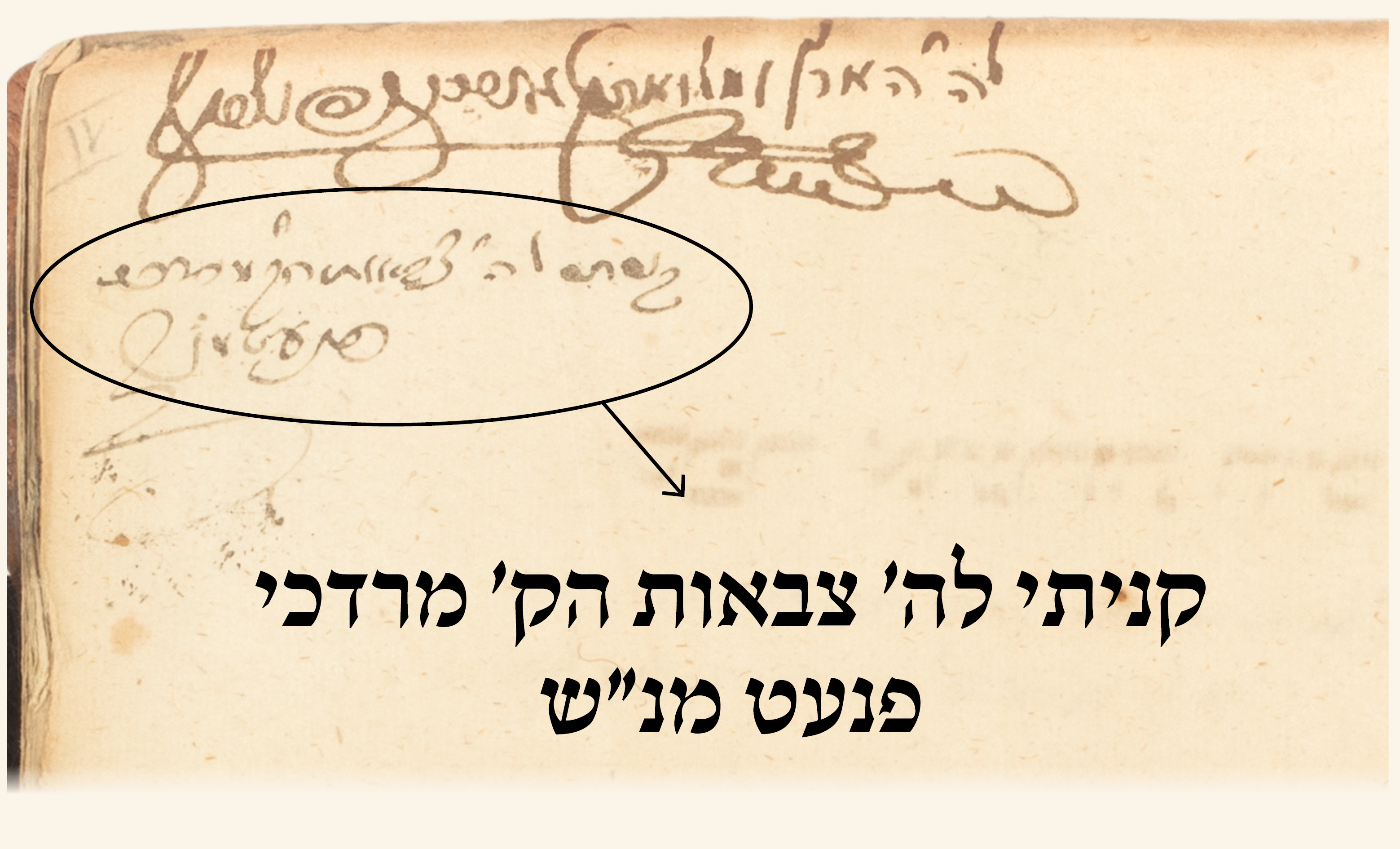
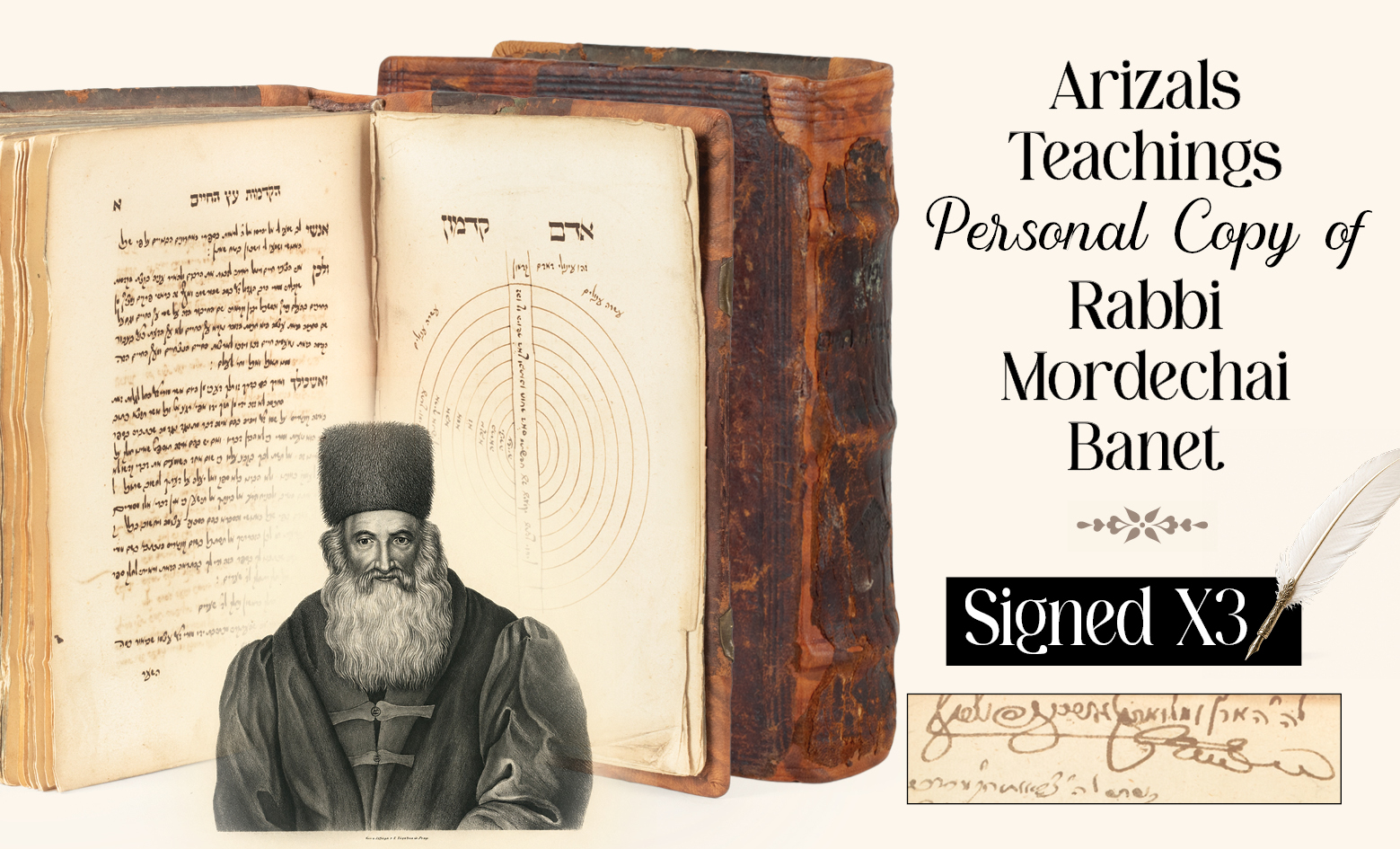
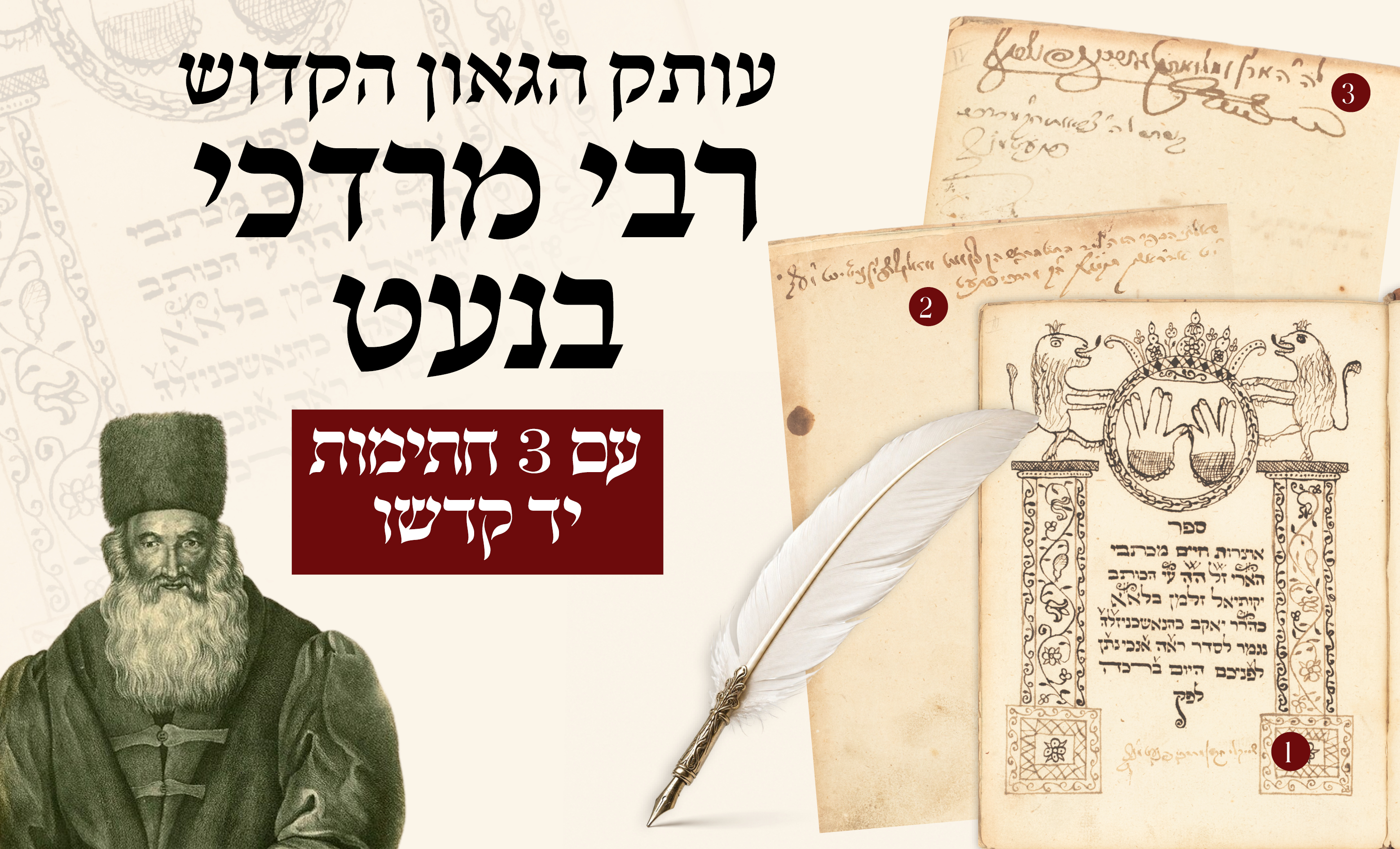
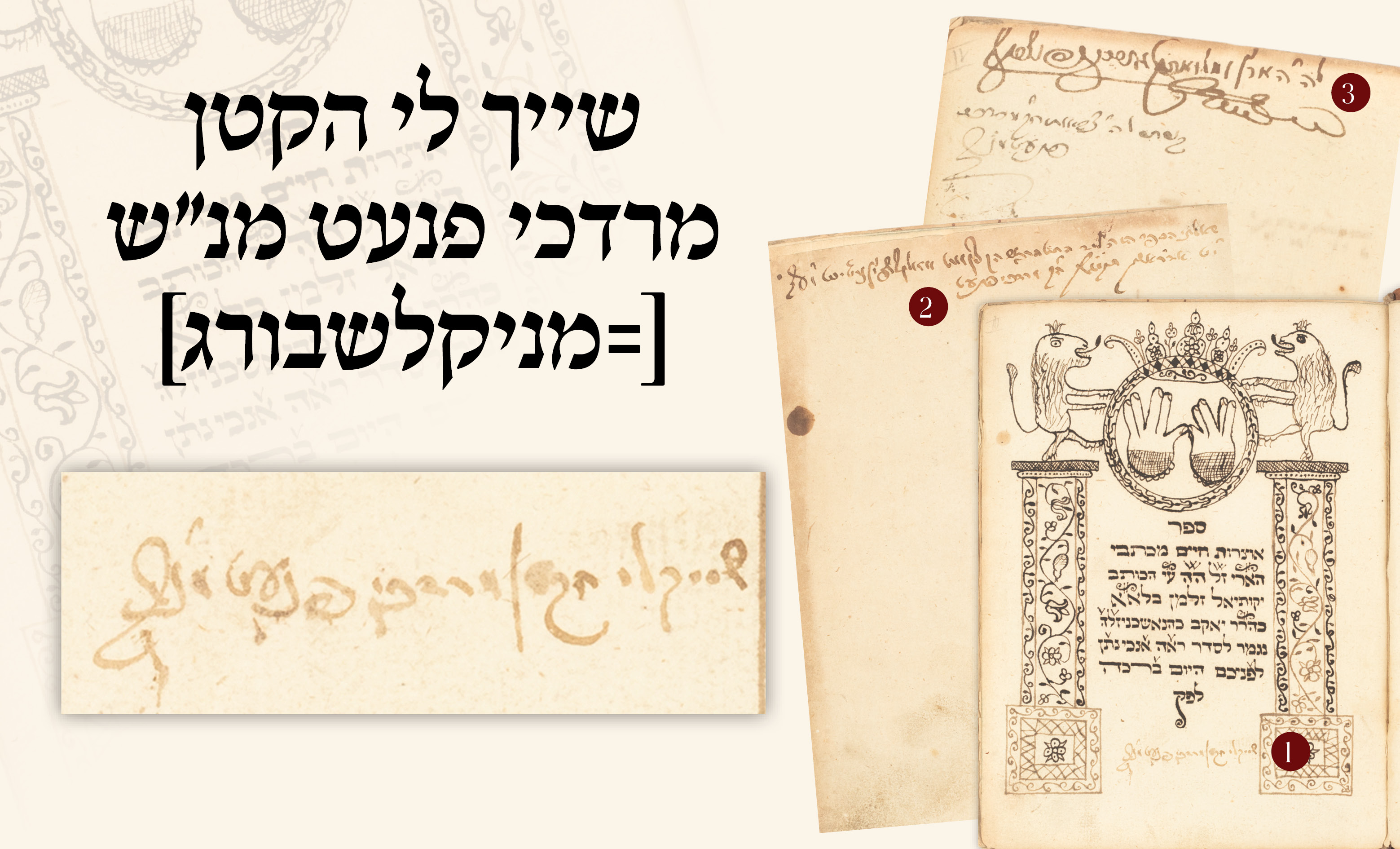
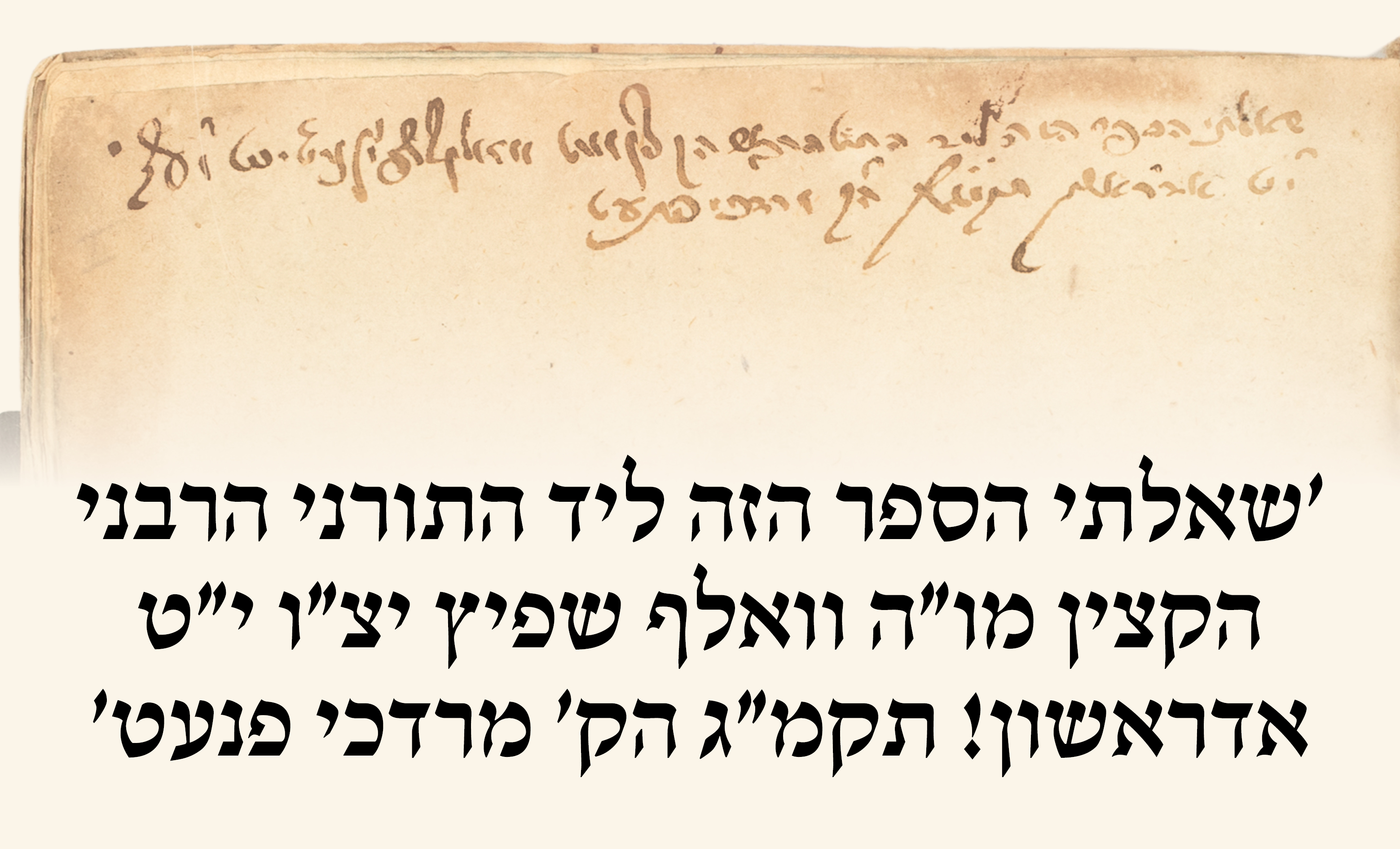
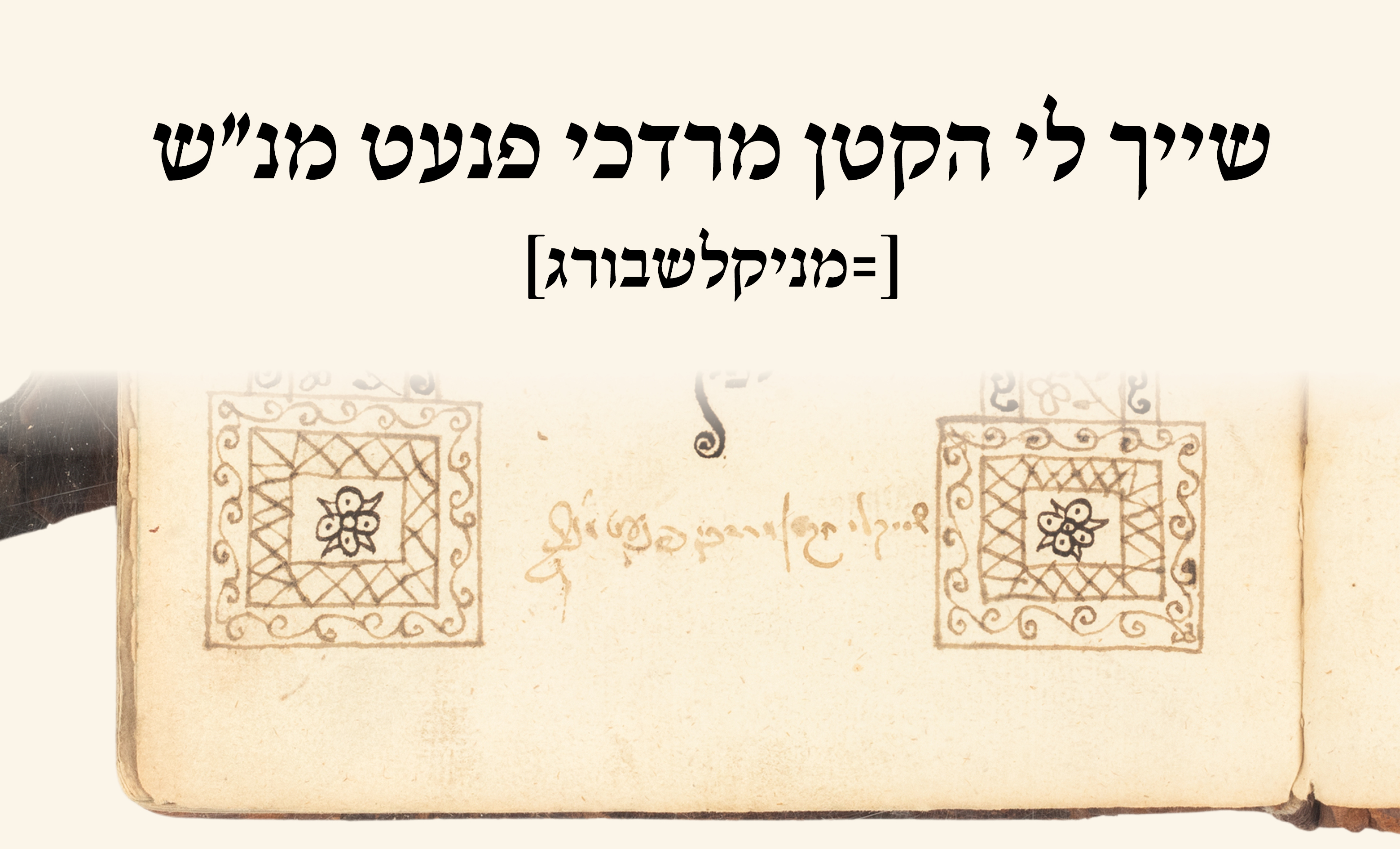
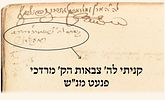
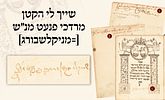
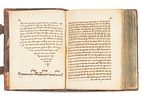
At the beginning of the manuscript there are three ownership inscriptions and signatures in Rabbi Mordechai Benet’s holy handwriting:

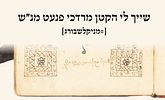
“Belongs to me, Hakatan Mordechai Panet of Nikolsburg.”

“I acquired this for the sake of Hashem, Master of Legions. Mordechai Panet of Nikolsburg.”

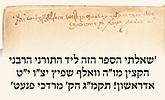
“I have lent this sefer to the distinguished Torah scholar, the officer Rabbi Wolf Spitz… 19th of Adar I, 1783. Hakatan Mordechai Panet.”

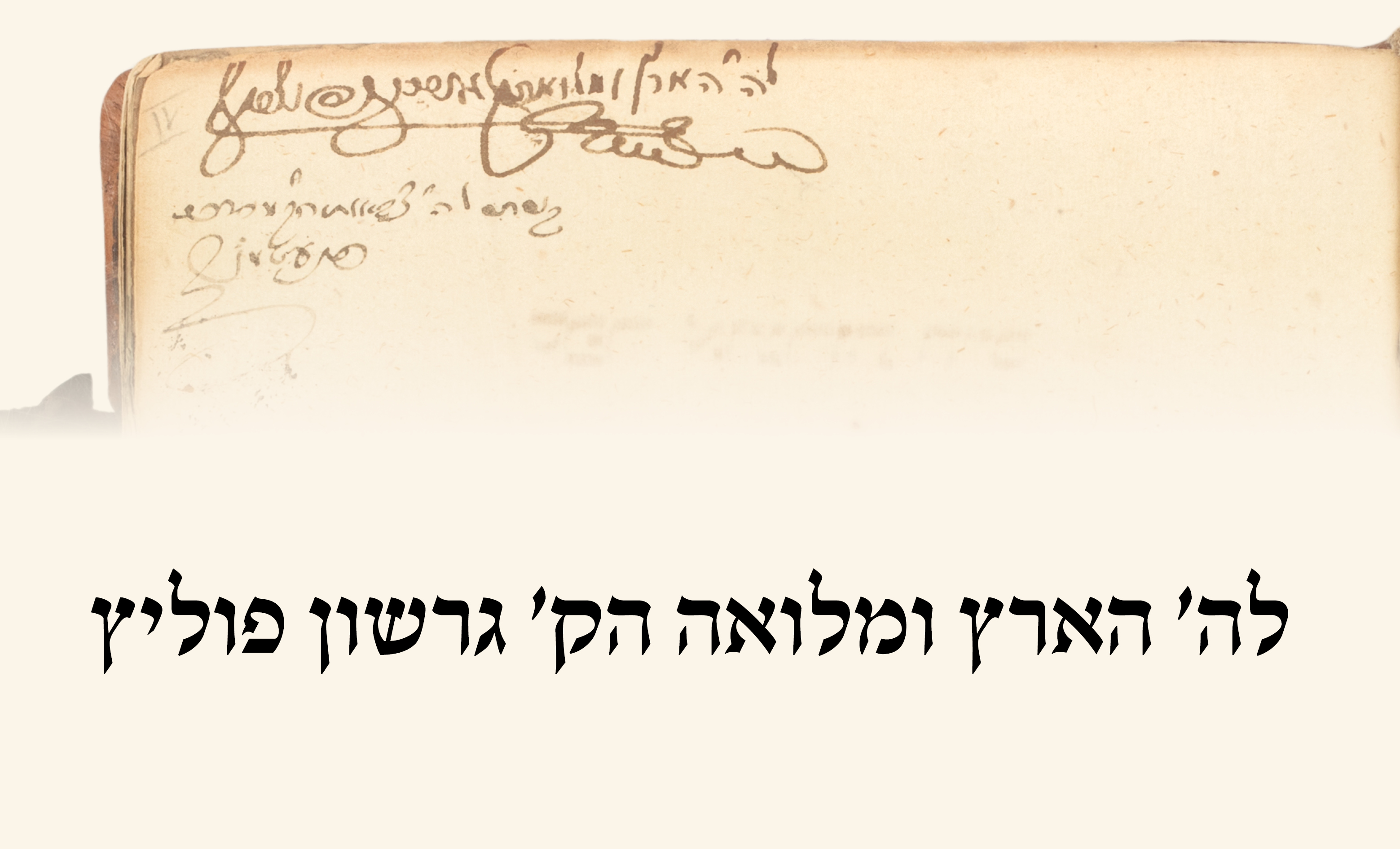
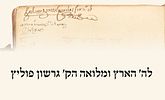
There is an additional signature in the handwriting of Rabbi Gershon Politz, the previous Rav of Nikolsburg (see more on him below): “The earth and all it contains belongs to Hashem. Hakatan Gershon Politz.”

The illustrious gaon
Rabbi Mordechai Benet (1753–1829), Rav of Nikolsburg and its surroundings, was renowned not only for the extraordinary breadth of his Torah scholarship and saintliness — so much so that, in the words of the Maharsham, “all the sages of his generation unanimously testified that he stood in his generation as Rabbeinu Tam had in his own” — but also for his profound mastery of the hidden wisdom of Kabbalah. In his drashos and writings, he cites teachings from the Arizal’s manuscripts.

According to tradition, he studied Kabbalah under the saintly Rabbi Shmelke of Nikolsburg (see Machsheves Mordechai, New York, 1985, p. 8).

His son, Rabbi Yaakov Avriel Benet, writes of him: “He was proficient in the entire Talmud Bavli and Yerushalmi… no secret was hidden from him in the practical mystical disciplines; he possessed equal mastery of both the revealed and hidden Torah. I knew that his spiritual attainments were extraordinary — he was a man of action and of wonders — yet, out of profound humility, he concealed his greatness…” (Toldos Rabbi Mordechai Benet, Ofen, 1832, p. 44).
Elsewhere he adds, “His command of the Zohar and the other works of Kabbalah surpassed that of almost anyone else” (ibid., p. 23). He further relates (p. 50) that during the final year of his life, Rabbi Mordechai secluded himself in his room, devoting himself entirely to “the hidden mysteries and profound secrets” of the Torah.

His son, Rabbi Naftali Benet, writes that his father could expound every detail of Torah according to both the revealed and mystical traditions, for “the pathways of heaven were illuminated before him, and no secret was hidden from him.”
In his eulogy for him, the Chasam Sofer described him as “a tzaddik, the Gadol Hador, Rabban shel Yisrael… master of the entire Talmud, who left no matter, great or small, unexplored… a father to Israel and the beloved son of the Holy Shechinah.” His reference to “great matters” clearly alludes to the Gemara (Sukkah 28a), where “great matters” refers to Ma’aseh Merkavah, the deepest mysteries of Kabbalah.

His grandson, Rabbi Shlomo Sofer, records that the Chasam Sofer related how he spent several weeks together with Maharam Benet in Baden, during which they went through Talmud Bavli and Yerushalmi, and the writings of the Arizal.

In his early years as a dayan in Nikolsburg, Rabbi Mordechai Benet participated in an exorcism of a dibbuk from a young man in the city, as recounted in Ruach Chaim (Brünn, 1785).

Regarding Rabbi Mordechai Benet’s writings of the Arizal, Rabbi Yechezkel Benet, Av Beis Din of Vrahov, wrote: “I, Yechezkel, was privileged to obtain, as a treasured keepsake, the writings of the Arizal — holy vessels used by my revered grandfather-in-law [Maharam Benet]” (Yechabed Av, Piotrków, 1923, p. 35).

*******

Rabbi Gershon Politz, Av Beis Din of Nikolsburg, was the son of Rabbi Yaakov Moshe, dayan of Nikolsburg and Av Beis Din of Lundenburg. He was named after his maternal grandfather, the Avodas HaGershuni. He passed away in 1772 and was succeeded in Nikolsburg by Rabbi Shmelke of Nikolsburg.

Rabbi Gershon was one of the leading Torah scholars of his generation and engaged with them in halachic discourse. The Noda B’Yehuda writes: “I do not wish to permit [the agunah] until my mechutan, the gaon Rabbi Gershon, Av Beis Din of the province, likewise rules accordingly” (Shu”t Noda B’Yehuda, Even HaEzer, end of siman 69).
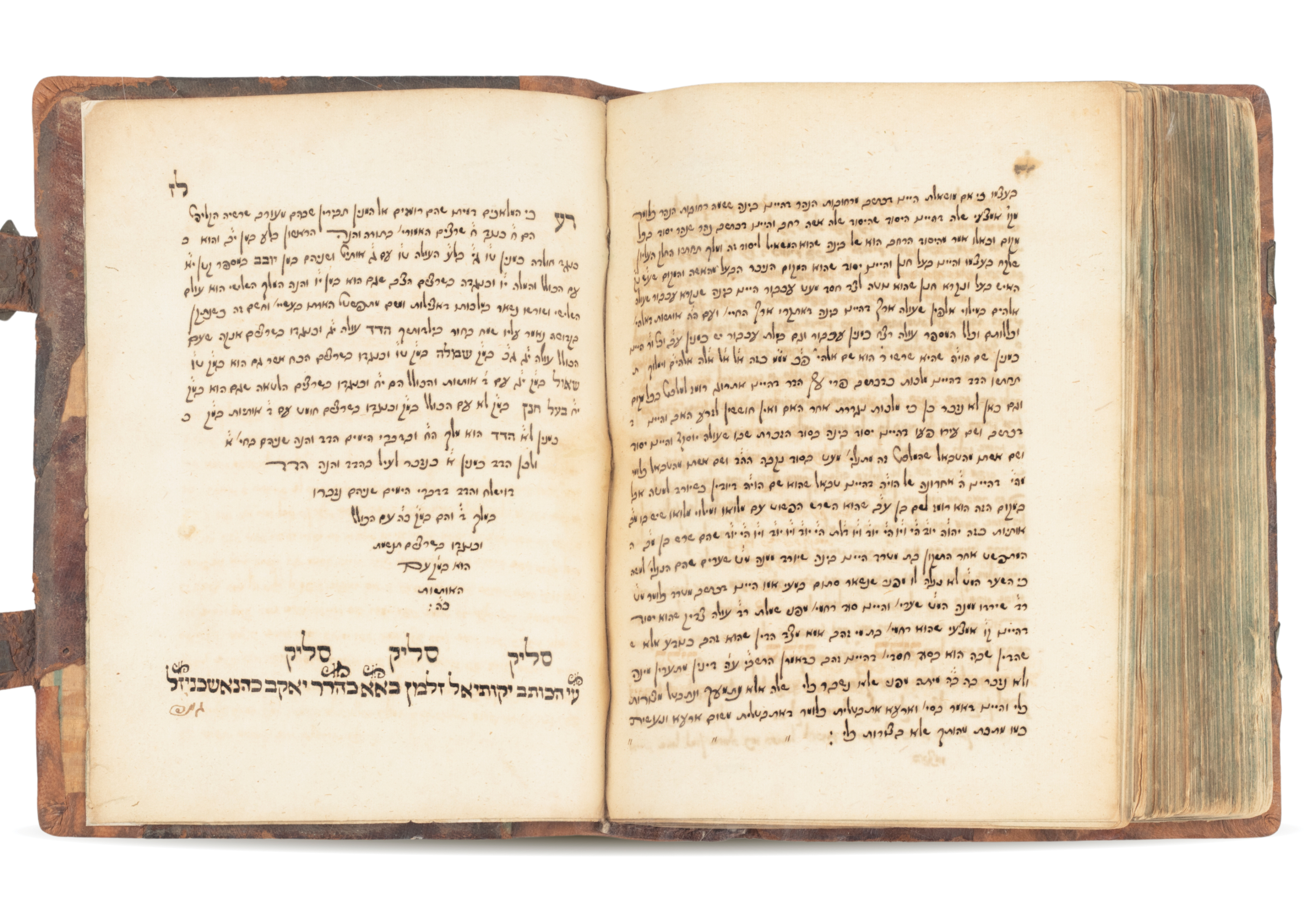
In addition to his full signature at the beginning of the manuscript, he also signed the colophon with the initials “גמ"פ” — an abbreviation for Gershon of Politz, named after the town of Politz (today in the Czech Republic).

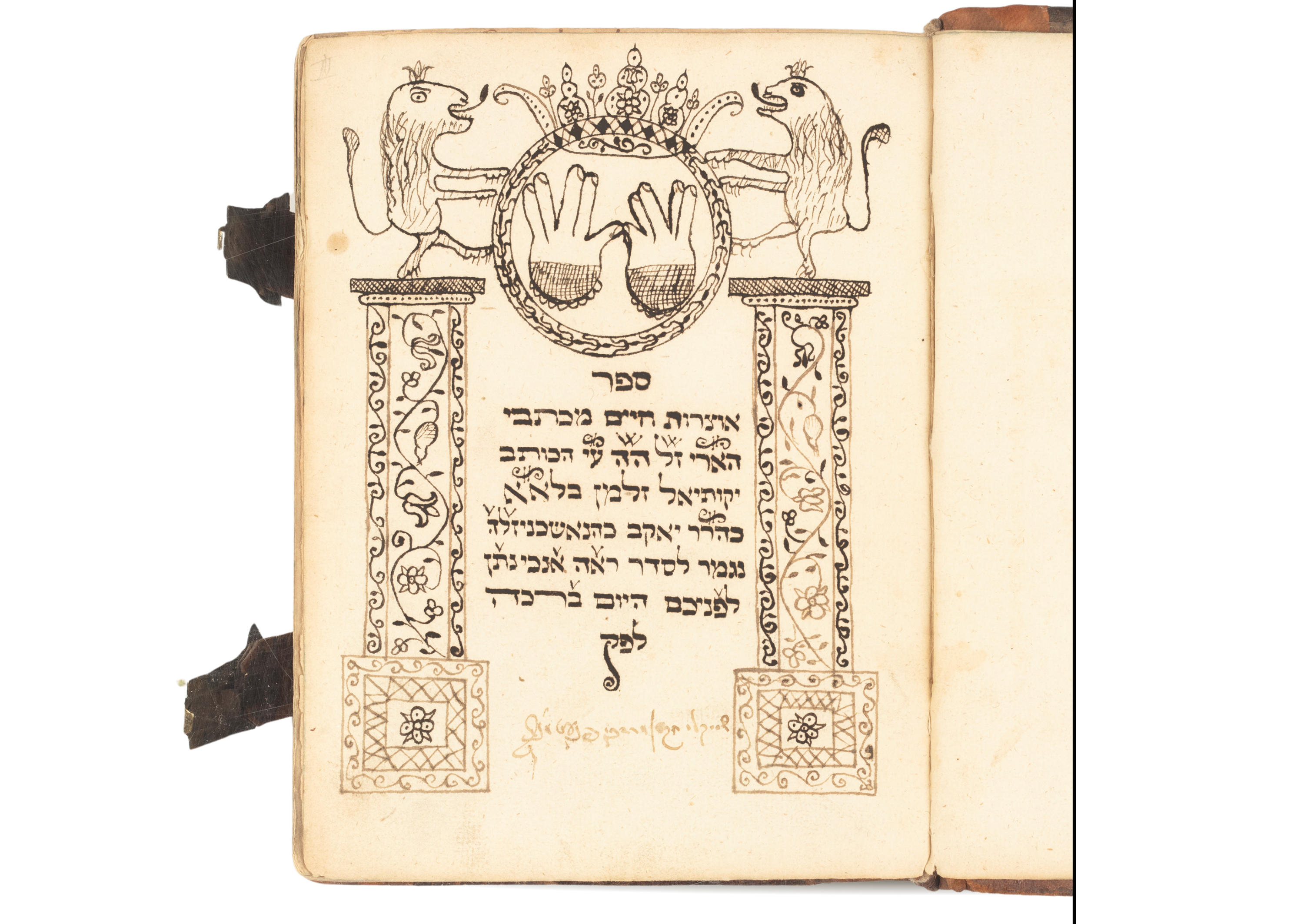
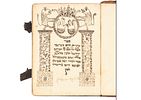
The title page reads: “Sefer Otzros Chaim, from the writings of the Arizal, copied by Yekusiel Zalman, son of Rabbi Yaakov Kahana Ashkenazi. Completed in…….1724.”

Illustrated title page, framed by two architectural columns, surmounted by an impressive crown flanked by two lions. It also includes an illustration of the outstretched hands of the Kohanim, alluding to the scribe’s Kahana family name. The scribe also signed his name in the colophon.

The manuscript contains:
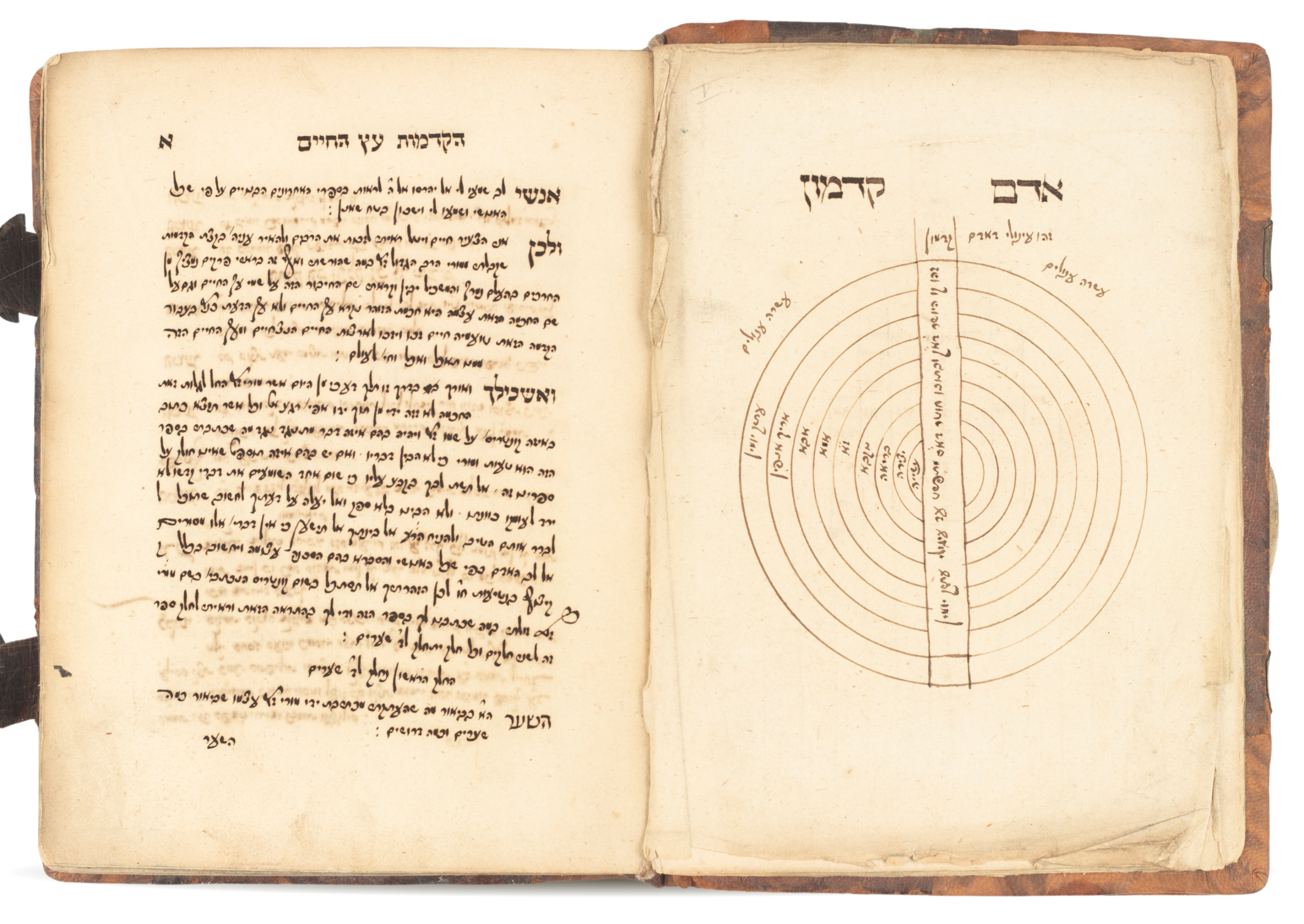
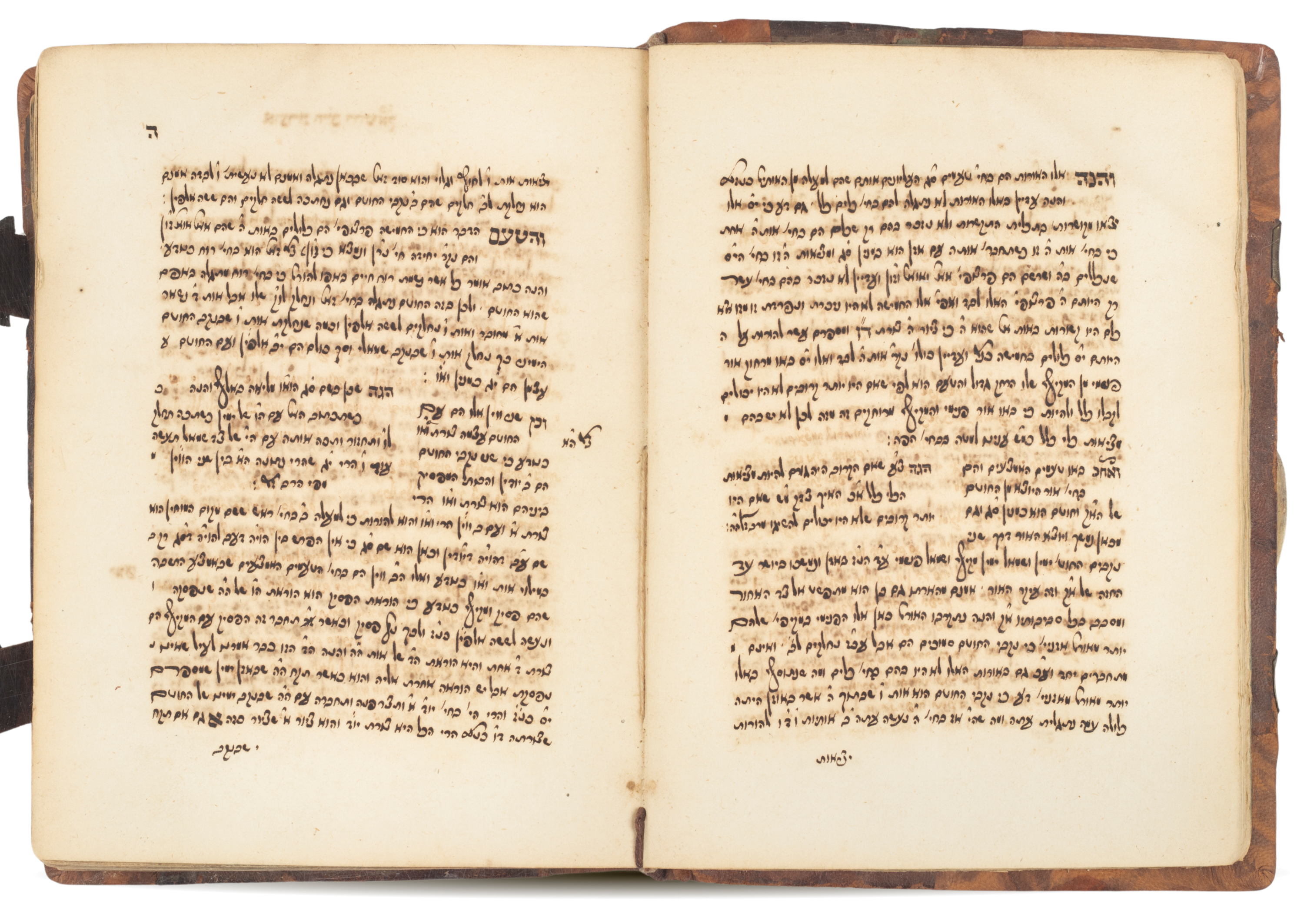
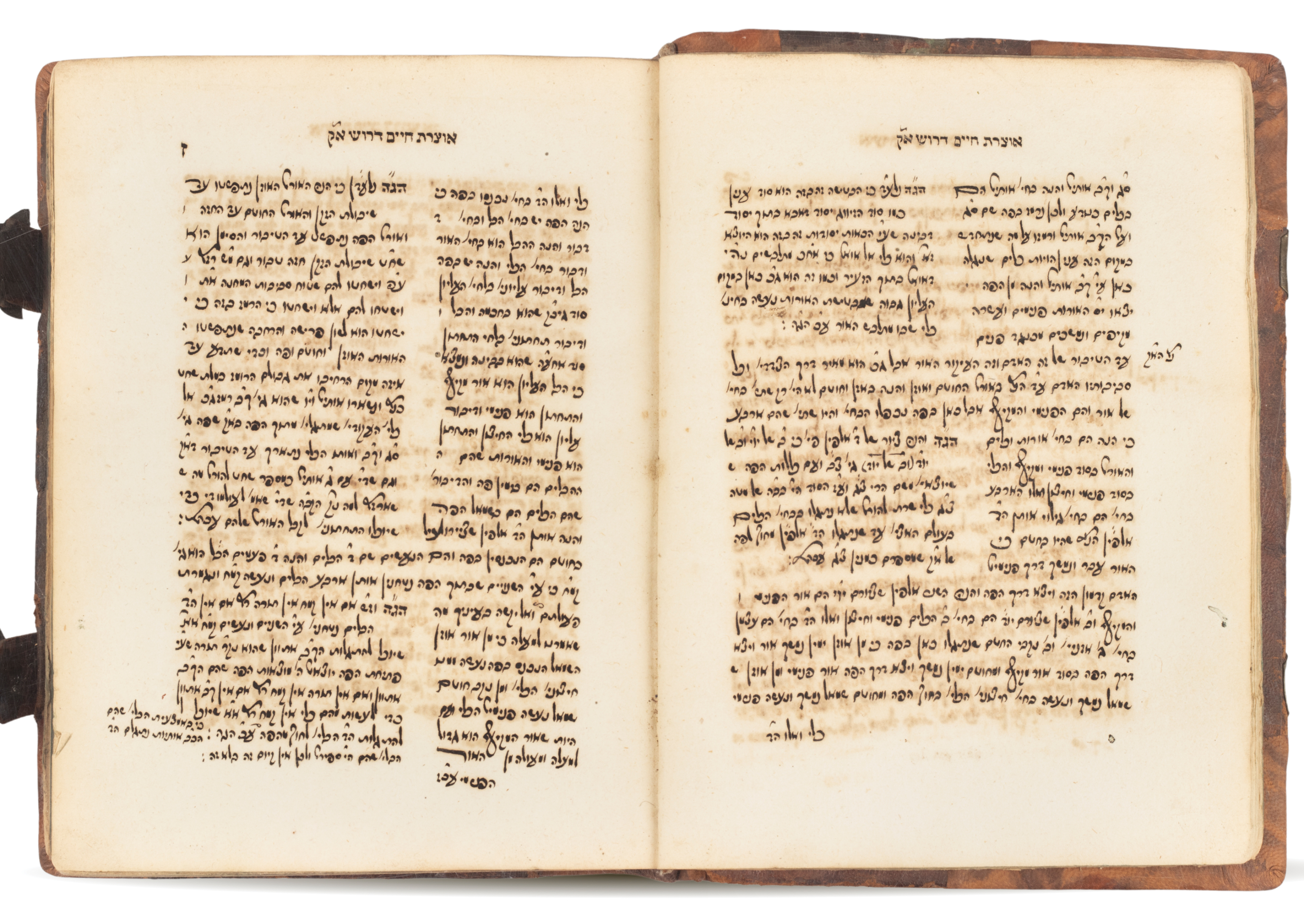
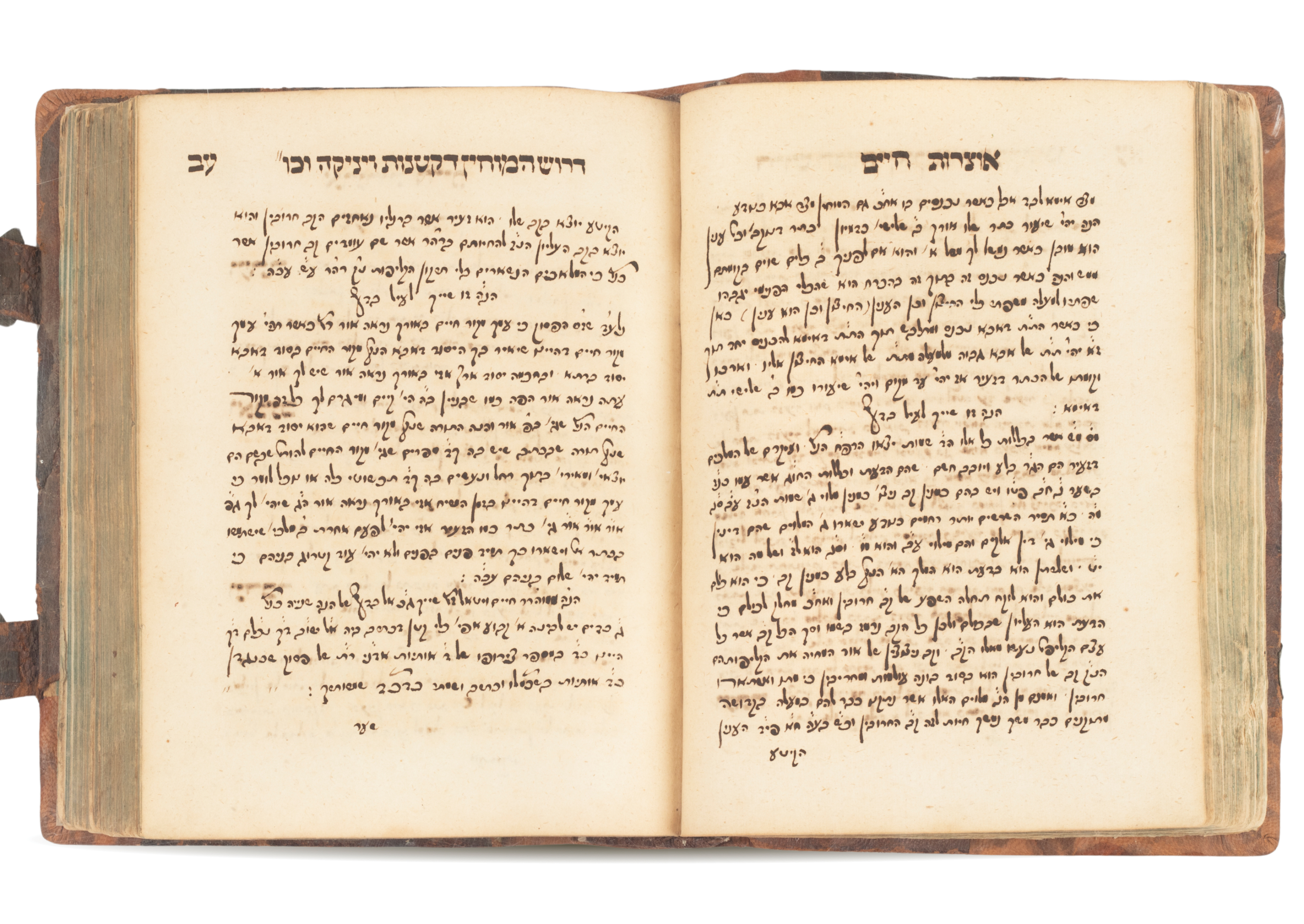
Otzros Chaim by Rabbi Chaim Vital (203 leaves, [6] leaves).
Nof Etz Chaim – explanations of Aggadic passages according to the Arizal (37 leaves).

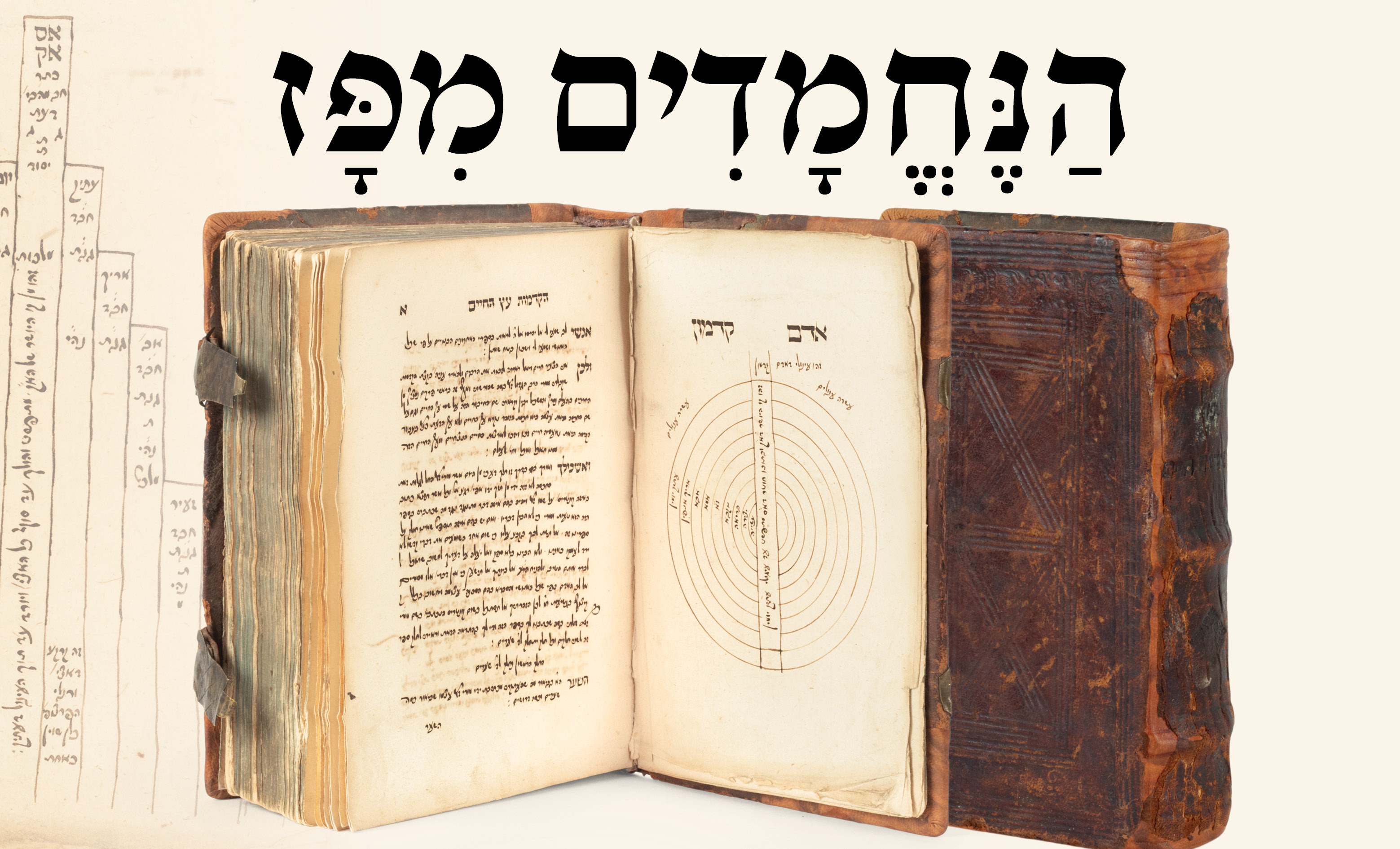
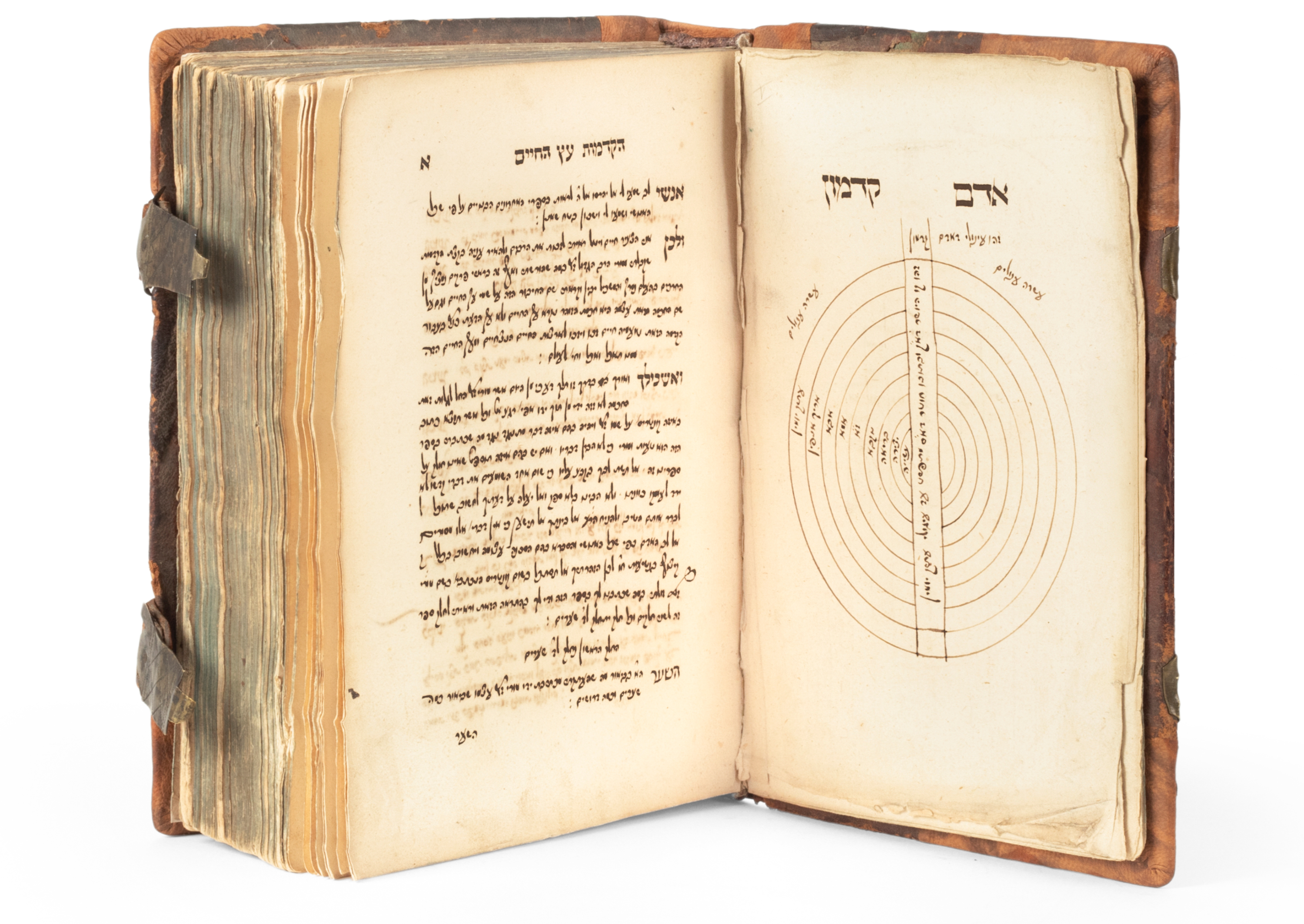
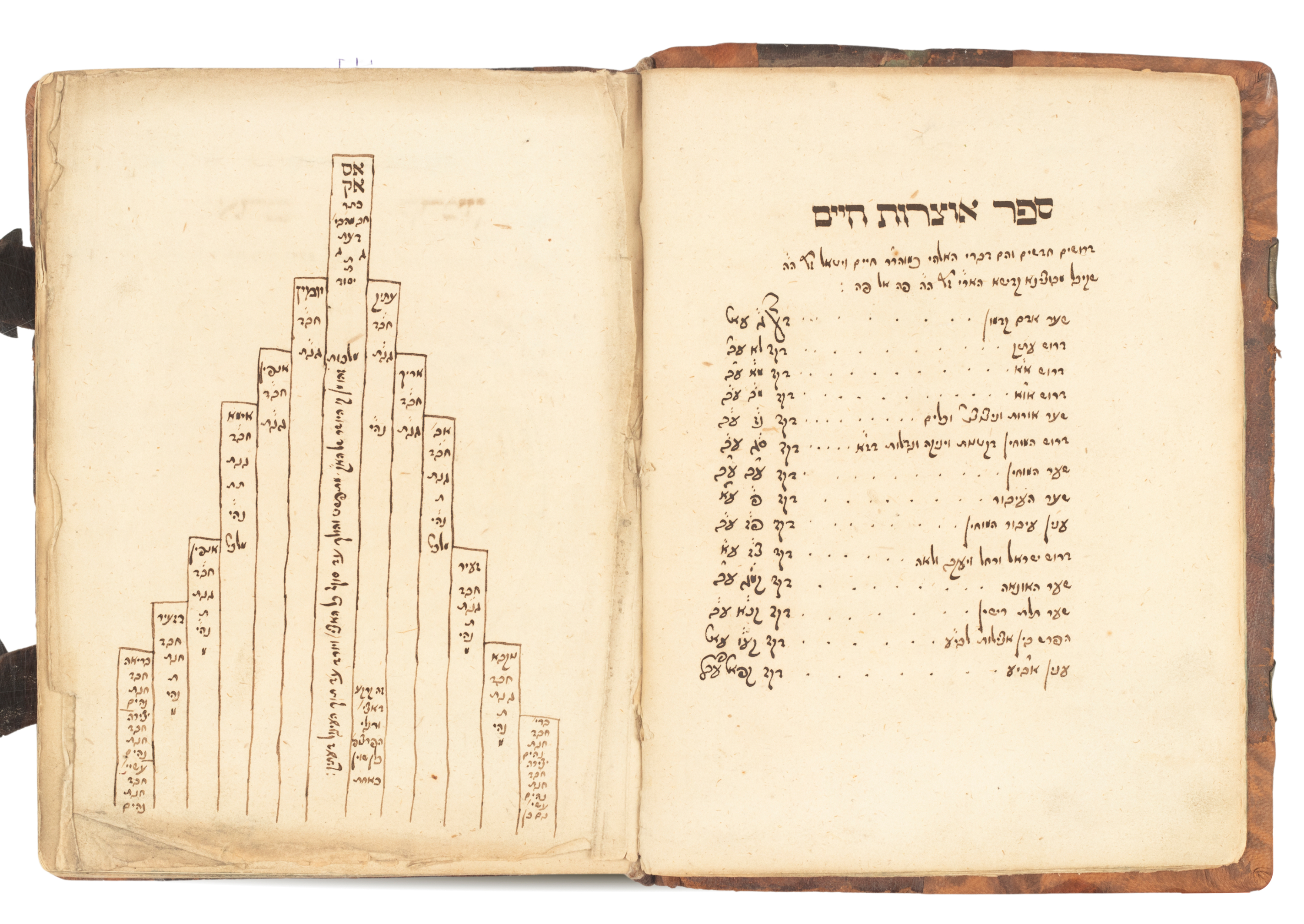
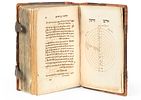
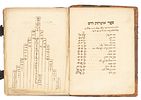
At the beginning of the manuscript there is an exceptionally rare Kabbalistic diagram (ilan), which, according to expert opinion, is known from only one other manuscript, preserved at the Jewish Theological Seminary in New York.

Nikolsburg, 1724.
Page Count: [4], 203, [6], 37 leaves.
Size: 15.5 × 20.5 cm.
Condition: Fine, thick white paper, all in good condition.
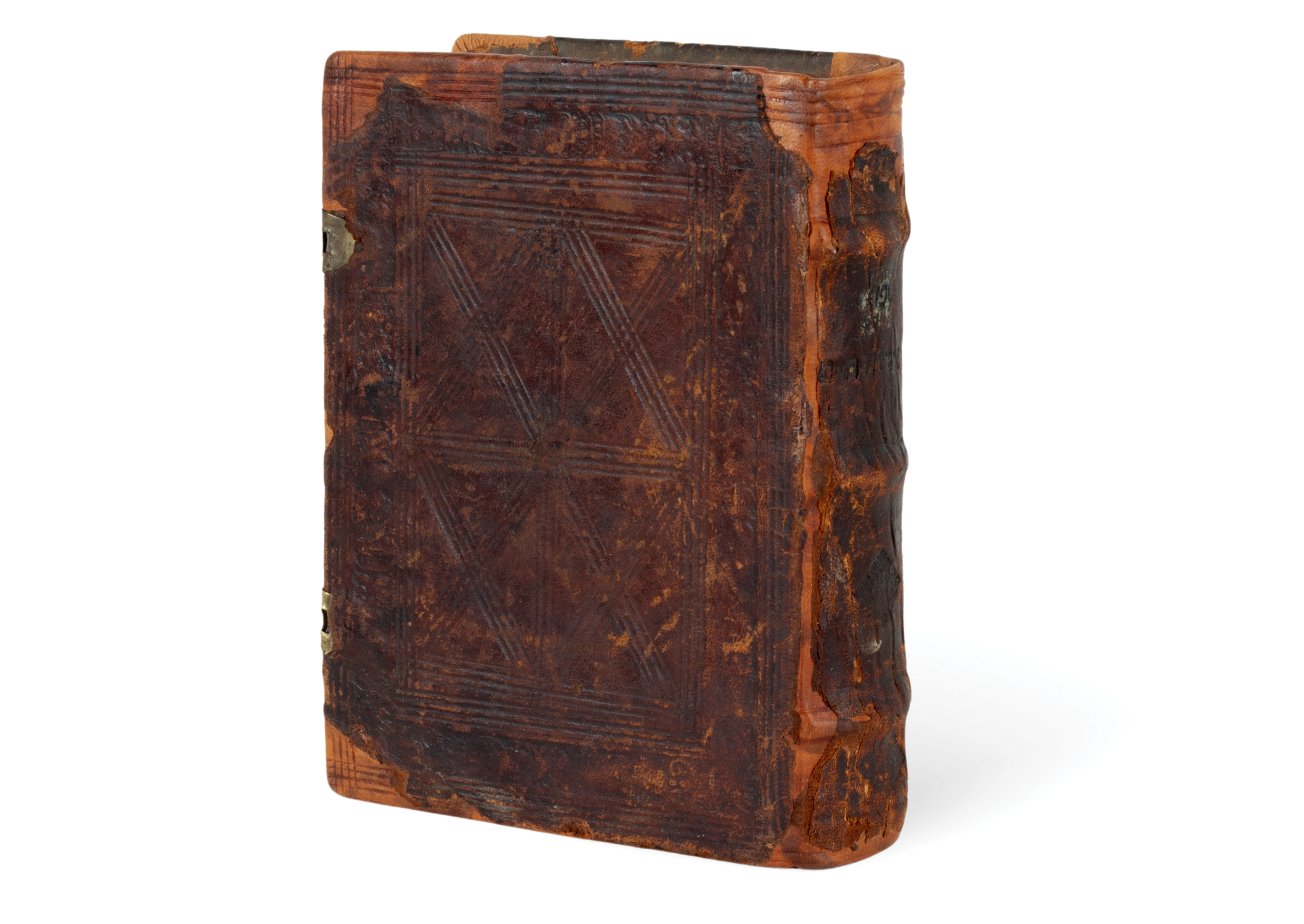
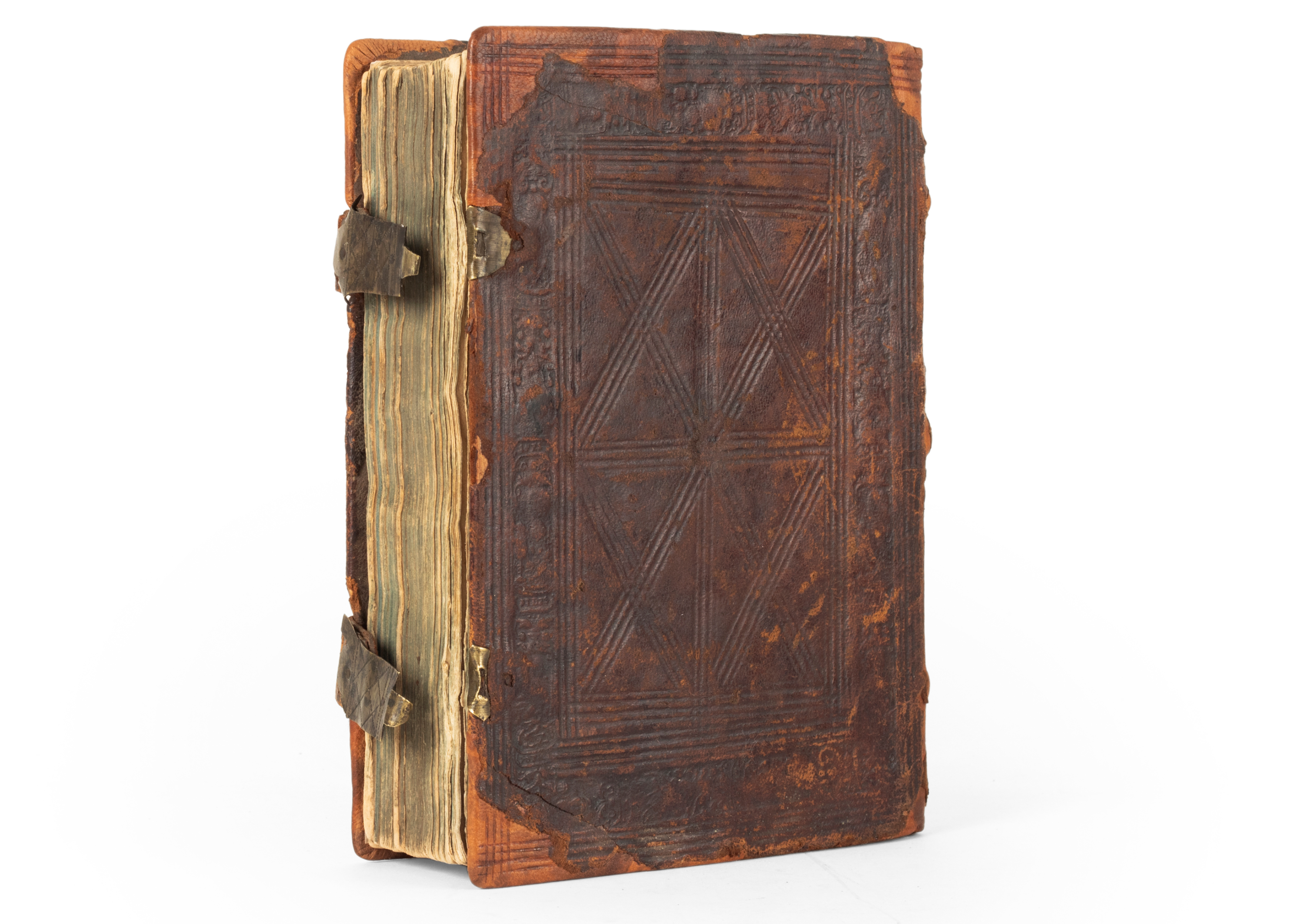
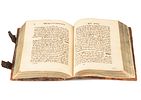
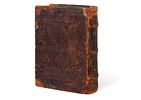
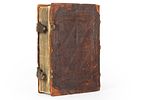
Original leather-covered wooden binding with clasps.

                                                               *******

Rabbi Mordechai Panet / Benet

In several places, Rabbi Mordechai Benet’s surname appears as Panet, spelled with the Hebrew letter pei rather than beis. It appears that in his younger years, he signed his name with a pei, reflecting the well-known interchangeability of the Hebrew letters beis, vav, mem, and pei in pronunciation. In Ruach Chaim (Nikolsburg, 1785), his approbation is signed “Mordechai Panet” (
see here).

His name also appears in a contemporary list of subscribers to the sefer Kanfei Yonah (
see here).
We also found his actual signature, identical to the one before us, together with the signature of his son, Rabbi Avril
(see here)
.

One of the well-known members of the Benet rabbinical family, who was one of Nikolsburg’s earliest rabbanim, was Rabbi Eliezer Mendel Panet, whose surname likewise preserves this earlier form!

Lot : 39

Kabbalistic Manuscript of Otzros Chaim –
Personal Copy of Rabbi Mordechai Benet with His Autograph Signatures – Nikolsburg, 1724

Start price: $15,000
|
Est. Price: $25,000 - $30,000

Kabbalistic Manuscript of Otzros Chaim –

Personal Copy of Rabbi Mordechai Benet with His Autograph Signatures – Nikolsburg, 1724


A manuscript of Sefer Otzros Chaim and Nof Etz Chaim by Rabbi Chaim Vital, studied by the renowned gaon and kabbalist, Rabbi Mordechai Benet, Av Beis Din of Nikolsburg.

At the beginning of the manuscript there are three ownership inscriptions and signatures in Rabbi Mordechai Benet’s holy handwriting:

“Belongs to me, Hakatan Mordechai Panet of Nikolsburg.”

“I acquired this for the sake of Hashem, Master of Legions. Mordechai Panet of Nikolsburg.”

“I have lent this sefer to the distinguished Torah scholar, the officer Rabbi Wolf Spitz… 19th of Adar I, 1783. Hakatan Mordechai Panet.”

There is an additional signature in the handwriting of Rabbi Gershon Politz, the previous Rav of Nikolsburg (see more on him below): “The earth and all it contains belongs to Hashem. Hakatan Gershon Politz.”

The illustrious gaon
Rabbi Mordechai Benet (1753–1829), Rav of Nikolsburg and its surroundings, was renowned not only for the extraordinary breadth of his Torah scholarship and saintliness — so much so that, in the words of the Maharsham, “all the sages of his generation unanimously testified that he stood in his generation as Rabbeinu Tam had in his own” — but also for his profound mastery of the hidden wisdom of Kabbalah. In his drashos and writings, he cites teachings from the Arizal’s manuscripts.

According to tradition, he studied Kabbalah under the saintly Rabbi Shmelke of Nikolsburg (see Machsheves Mordechai, New York, 1985, p. 8).

His son, Rabbi Yaakov Avriel Benet, writes of him: “He was proficient in the entire Talmud Bavli and Yerushalmi… no secret was hidden from him in the practical mystical disciplines; he possessed equal mastery of both the revealed and hidden Torah. I knew that his spiritual attainments were extraordinary — he was a man of action and of wonders — yet, out of profound humility, he concealed his greatness…” (Toldos Rabbi Mordechai Benet, Ofen, 1832, p. 44).
Elsewhere he adds, “His command of the Zohar and the other works of Kabbalah surpassed that of almost anyone else” (ibid., p. 23). He further relates (p. 50) that during the final year of his life, Rabbi Mordechai secluded himself in his room, devoting himself entirely to “the hidden mysteries and profound secrets” of the Torah.

His son, Rabbi Naftali Benet, writes that his father could expound every detail of Torah according to both the revealed and mystical traditions, for “the pathways of heaven were illuminated before him, and no secret was hidden from him.”
In his eulogy for him, the Chasam Sofer described him as “a tzaddik, the Gadol Hador, Rabban shel Yisrael… master of the entire Talmud, who left no matter, great or small, unexplored… a father to Israel and the beloved son of the Holy Shechinah.” His reference to “great matters” clearly alludes to the Gemara (Sukkah 28a), where “great matters” refers to Ma’aseh Merkavah, the deepest mysteries of Kabbalah.

His grandson, Rabbi Shlomo Sofer, records that the Chasam Sofer related how he spent several weeks together with Maharam Benet in Baden, during which they went through Talmud Bavli and Yerushalmi, and the writings of the Arizal.

In his early years as a dayan in Nikolsburg, Rabbi Mordechai Benet participated in an exorcism of a dibbuk from a young man in the city, as recounted in Ruach Chaim (Brünn, 1785).

Regarding Rabbi Mordechai Benet’s writings of the Arizal, Rabbi Yechezkel Benet, Av Beis Din of Vrahov, wrote: “I, Yechezkel, was privileged to obtain, as a treasured keepsake, the writings of the Arizal — holy vessels used by my revered grandfather-in-law [Maharam Benet]” (Yechabed Av, Piotrków, 1923, p. 35).

*******

Rabbi Gershon Politz, Av Beis Din of Nikolsburg, was the son of Rabbi Yaakov Moshe, dayan of Nikolsburg and Av Beis Din of Lundenburg. He was named after his maternal grandfather, the Avodas HaGershuni. He passed away in 1772 and was succeeded in Nikolsburg by Rabbi Shmelke of Nikolsburg.

Rabbi Gershon was one of the leading Torah scholars of his generation and engaged with them in halachic discourse. The Noda B’Yehuda writes: “I do not wish to permit [the agunah] until my mechutan, the gaon Rabbi Gershon, Av Beis Din of the province, likewise rules accordingly” (Shu”t Noda B’Yehuda, Even HaEzer, end of siman 69).
In addition to his full signature at the beginning of the manuscript, he also signed the colophon with the initials “גמ"פ” — an abbreviation for Gershon of Politz, named after the town of Politz (today in the Czech Republic).

The title page reads: “Sefer Otzros Chaim, from the writings of the Arizal, copied by Yekusiel Zalman, son of Rabbi Yaakov Kahana Ashkenazi. Completed in…….1724.”

Illustrated title page, framed by two architectural columns, surmounted by an impressive crown flanked by two lions. It also includes an illustration of the outstretched hands of the Kohanim, alluding to the scribe’s Kahana family name. The scribe also signed his name in the colophon.

The manuscript contains:
Otzros Chaim by Rabbi Chaim Vital (203 leaves, [6] leaves).
Nof Etz Chaim – explanations of Aggadic passages according to the Arizal (37 leaves).

At the beginning of the manuscript there is an exceptionally rare Kabbalistic diagram (ilan), which, according to expert opinion, is known from only one other manuscript, preserved at the Jewish Theological Seminary in New York.

Nikolsburg, 1724.
Page Count: [4], 203, [6], 37 leaves.
Size: 15.5 × 20.5 cm.
Condition: Fine, thick white paper, all in good condition.
Original leather-covered wooden binding with clasps.

                                                               *******

Rabbi Mordechai Panet / Benet

In several places, Rabbi Mordechai Benet’s surname appears as Panet, spelled with the Hebrew letter pei rather than beis. It appears that in his younger years, he signed his name with a pei, reflecting the well-known interchangeability of the Hebrew letters beis, vav, mem, and pei in pronunciation. In Ruach Chaim (Nikolsburg, 1785), his approbation is signed “Mordechai Panet” (
see here).

His name also appears in a contemporary list of subscribers to the sefer Kanfei Yonah (
see here).
We also found his actual signature, identical to the one before us, together with the signature of his son, Rabbi Avril
(see here)
.

One of the well-known members of the Benet rabbinical family, who was one of Nikolsburg’s earliest rabbanim, was Rabbi Eliezer Mendel Panet, whose surname likewise preserves this earlier form!

Kabbalistic Manuscript of Otzros Chaim –

Personal Copy of Rabbi Mordechai Benet with His Autograph Signatures – Nikolsburg, 1724


A manuscript of Sefer Otzros Chaim and Nof Etz Chaim by Rabbi Chaim Vital, studied by the renowned gaon and kabbalist, Rabbi Mordechai Benet, Av Beis Din of Nikolsburg.

At the beginning of the manuscript there are three ownership inscriptions and signatures in Rabbi Mordechai Benet’s holy handwriting:

“Belongs to me, Hakatan Mordechai Panet of Nikolsburg.”

“I acquired this for the sake of Hashem, Master of Legions. Mordechai Panet of Nikolsburg.”

“I have lent this sefer to the distinguished Torah scholar, the officer Rabbi Wolf Spitz… 19th of Adar I, 1783. Hakatan Mordechai Panet.”

There is an additional signature in the handwriting of Rabbi Gershon Politz, the previous Rav of Nikolsburg (see more on him below): “The earth and all it contains belongs to Hashem. Hakatan Gershon Politz.”

The illustrious gaon
Rabbi Mordechai Benet (1753–1829), Rav of Nikolsburg and its surroundings, was renowned not only for the extraordinary breadth of his Torah scholarship and saintliness — so much so that, in the words of the Maharsham, “all the sages of his generation unanimously testified that he stood in his generation as Rabbeinu Tam had in his own” — but also for his profound mastery of the hidden wisdom of Kabbalah. In his drashos and writings, he cites teachings from the Arizal’s manuscripts.

According to tradition, he studied Kabbalah under the saintly Rabbi Shmelke of Nikolsburg (see Machsheves Mordechai, New York, 1985, p. 8).

His son, Rabbi Yaakov Avriel Benet, writes of him: “He was proficient in the entire Talmud Bavli and Yerushalmi… no secret was hidden from him in the practical mystical disciplines; he possessed equal mastery of both the revealed and hidden Torah. I knew that his spiritual attainments were extraordinary — he was a man of action and of wonders — yet, out of profound humility, he concealed his greatness…” (Toldos Rabbi Mordechai Benet, Ofen, 1832, p. 44).
Elsewhere he adds, “His command of the Zohar and the other works of Kabbalah surpassed that of almost anyone else” (ibid., p. 23). He further relates (p. 50) that during the final year of his life, Rabbi Mordechai secluded himself in his room, devoting himself entirely to “the hidden mysteries and profound secrets” of the Torah.

His son, Rabbi Naftali Benet, writes that his father could expound every detail of Torah according to both the revealed and mystical traditions, for “the pathways of heaven were illuminated before him, and no secret was hidden from him.”
In his eulogy for him, the Chasam Sofer described him as “a tzaddik, the Gadol Hador, Rabban shel Yisrael… master of the entire Talmud, who left no matter, great or small, unexplored… a father to Israel and the beloved son of the Holy Shechinah.” His reference to “great matters” clearly alludes to the Gemara (Sukkah 28a), where “great matters” refers to Ma’aseh Merkavah, the deepest mysteries of Kabbalah.

His grandson, Rabbi Shlomo Sofer, records that the Chasam Sofer related how he spent several weeks together with Maharam Benet in Baden, during which they went through Talmud Bavli and Yerushalmi, and the writings of the Arizal.

In his early years as a dayan in Nikolsburg, Rabbi Mordechai Benet participated in an exorcism of a dibbuk from a young man in the city, as recounted in Ruach Chaim (Brünn, 1785).

Regarding Rabbi Mordechai Benet’s writings of the Arizal, Rabbi Yechezkel Benet, Av Beis Din of Vrahov, wrote: “I, Yechezkel, was privileged to obtain, as a treasured keepsake, the writings of the Arizal — holy vessels used by my revered grandfather-in-law [Maharam Benet]” (Yechabed Av, Piotrków, 1923, p. 35).

*******

Rabbi Gershon Politz, Av Beis Din of Nikolsburg, was the son of Rabbi Yaakov Moshe, dayan of Nikolsburg and Av Beis Din of Lundenburg. He was named after his maternal grandfather, the Avodas HaGershuni. He passed away in 1772 and was succeeded in Nikolsburg by Rabbi Shmelke of Nikolsburg.

Rabbi Gershon was one of the leading Torah scholars of his generation and engaged with them in halachic discourse. The Noda B’Yehuda writes: “I do not wish to permit [the agunah] until my mechutan, the gaon Rabbi Gershon, Av Beis Din of the province, likewise rules accordingly” (Shu”t Noda B’Yehuda, Even HaEzer, end of siman 69).
In addition to his full signature at the beginning of the manuscript, he also signed the colophon with the initials “גמ"פ” — an abbreviation for Gershon of Politz, named after the town of Politz (today in the Czech Republic).

The title page reads: “Sefer Otzros Chaim, from the writings of the Arizal, copied by Yekusiel Zalman, son of Rabbi Yaakov Kahana Ashkenazi. Completed in…….1724.”

Illustrated title page, framed by two architectural columns, surmounted by an impressive crown flanked by two lions. It also includes an illustration of the outstretched hands of the Kohanim, alluding to the scribe’s Kahana family name. The scribe also signed his name in the colophon.

The manuscript contains:
Otzros Chaim by Rabbi Chaim Vital (203 leaves, [6] leaves).
Nof Etz Chaim – explanations of Aggadic passages according to the Arizal (37 leaves).

At the beginning of the manuscript there is an exceptionally rare Kabbalistic diagram (ilan), which, according to expert opinion, is known from only one other manuscript, preserved at the Jewish Theological Seminary in New York.

Nikolsburg, 1724.
Page Count: [4], 203, [6], 37 leaves.
Size: 15.5 × 20.5 cm.
Condition: Fine, thick white paper, all in good condition.
Original leather-covered wooden binding with clasps.

                                                               *******

Rabbi Mordechai Panet / Benet

In several places, Rabbi Mordechai Benet’s surname appears as Panet, spelled with the Hebrew letter pei rather than beis. It appears that in his younger years, he signed his name with a pei, reflecting the well-known interchangeability of the Hebrew letters beis, vav, mem, and pei in pronunciation. In Ruach Chaim (Nikolsburg, 1785), his approbation is signed “Mordechai Panet” (
see here).

His name also appears in a contemporary list of subscribers to the sefer Kanfei Yonah (
see here).
We also found his actual signature, identical to the one before us, together with the signature of his son, Rabbi Avril
(see here)
.

One of the well-known members of the Benet rabbinical family, who was one of Nikolsburg’s earliest rabbanim, was Rabbi Eliezer Mendel Panet, whose surname likewise preserves this earlier form!