




Lot : 16

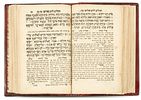
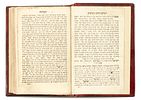
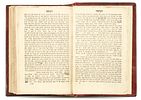
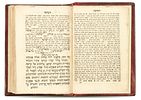
Tzfat Tehillim. 1833

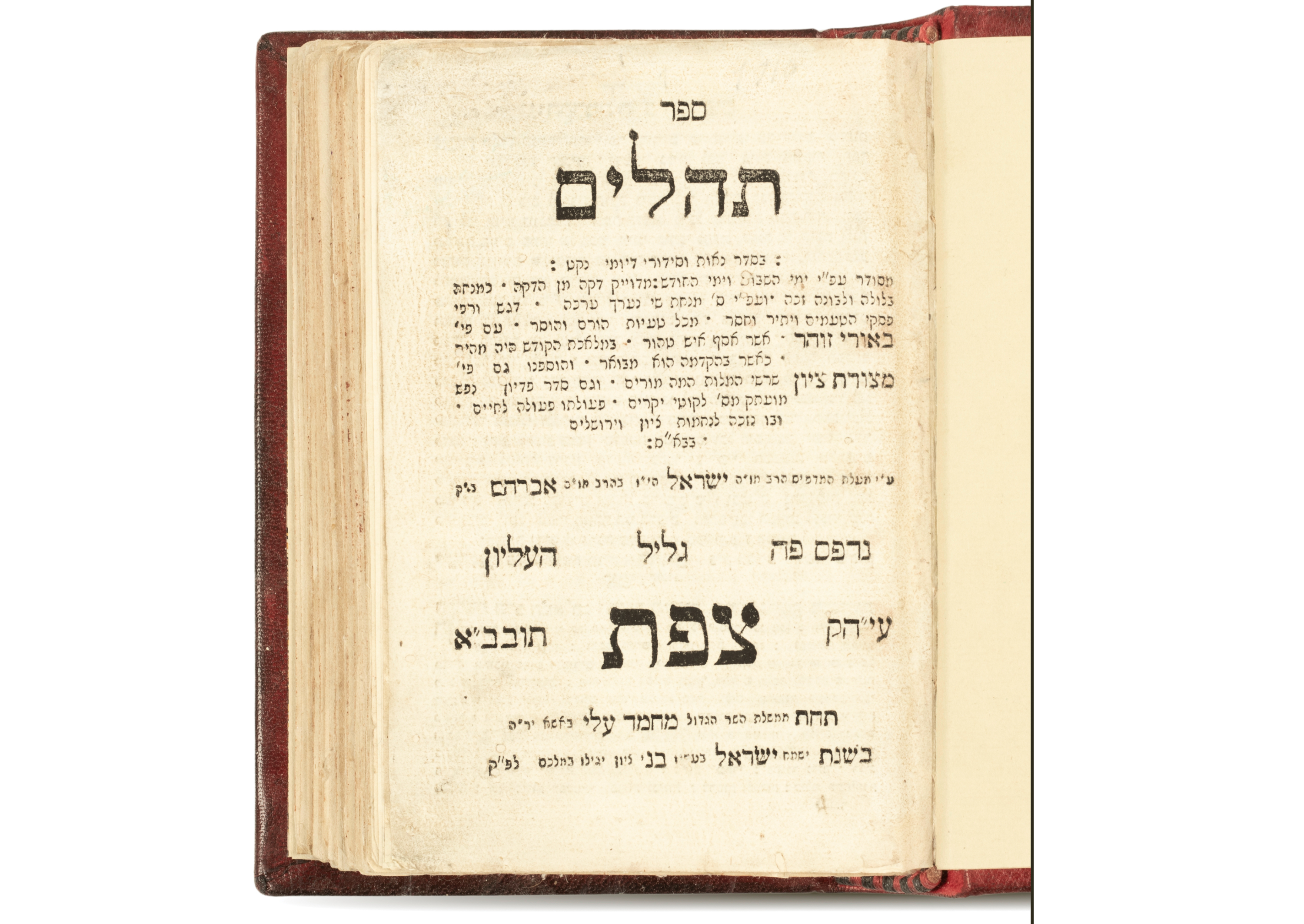
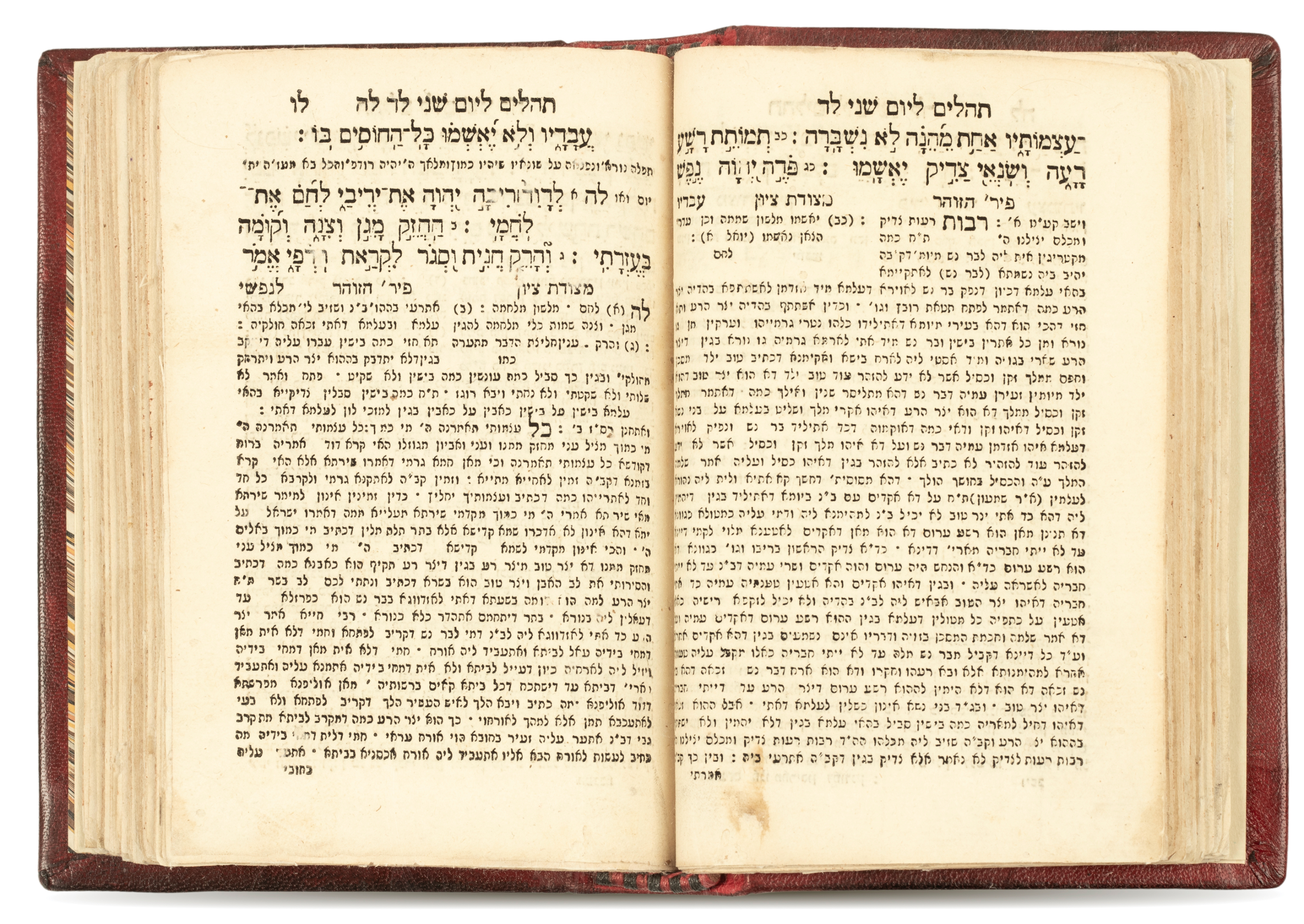
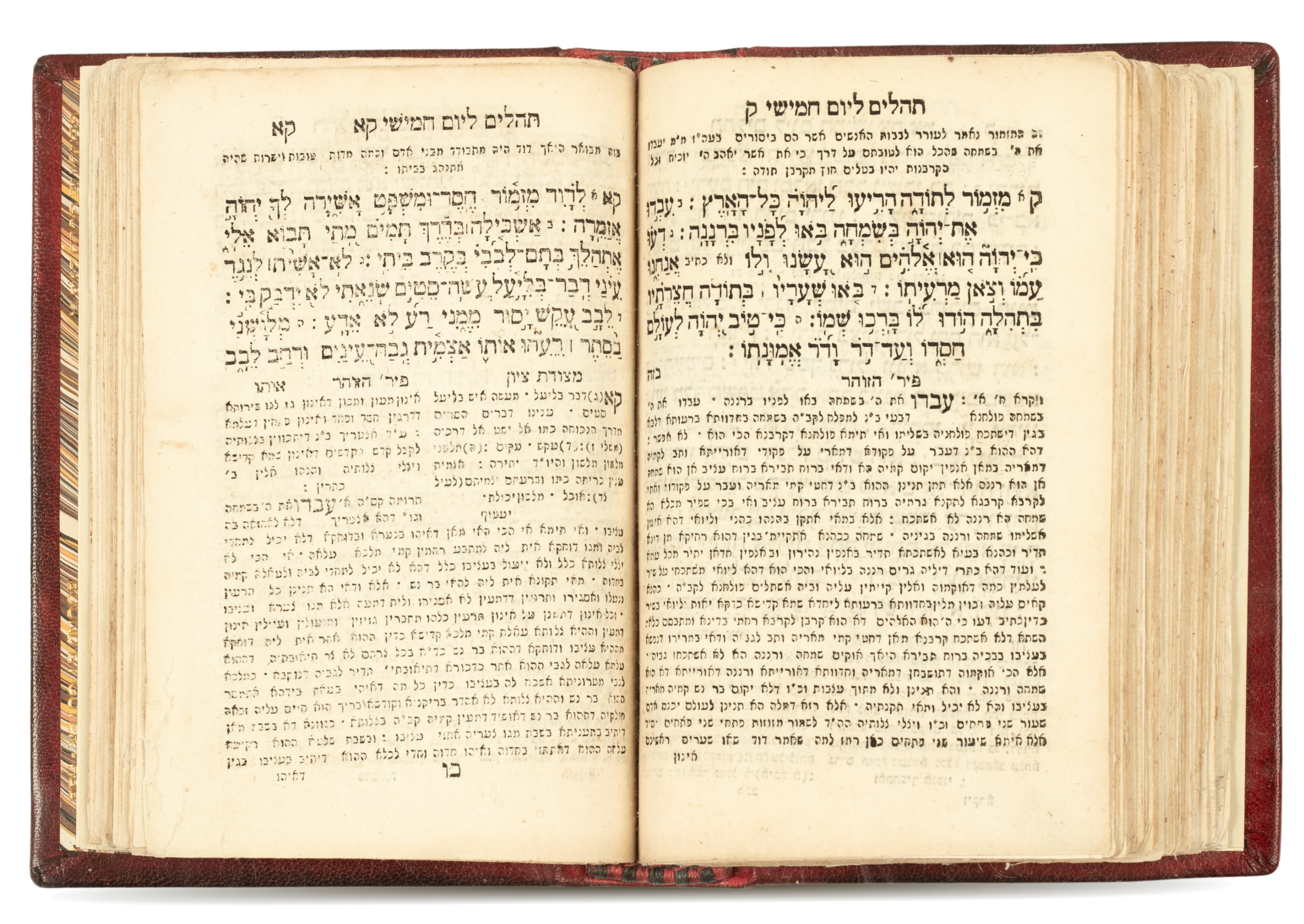
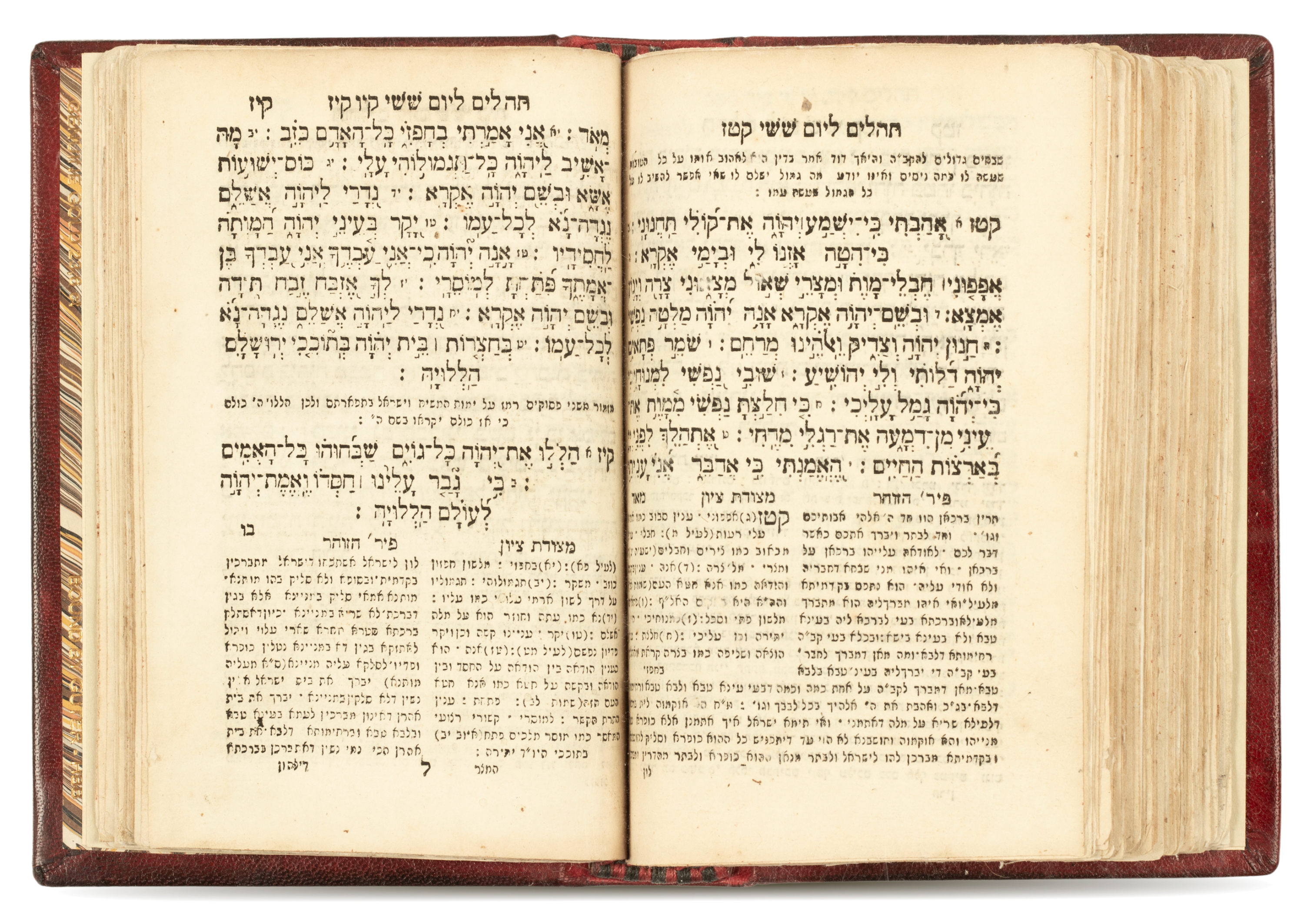
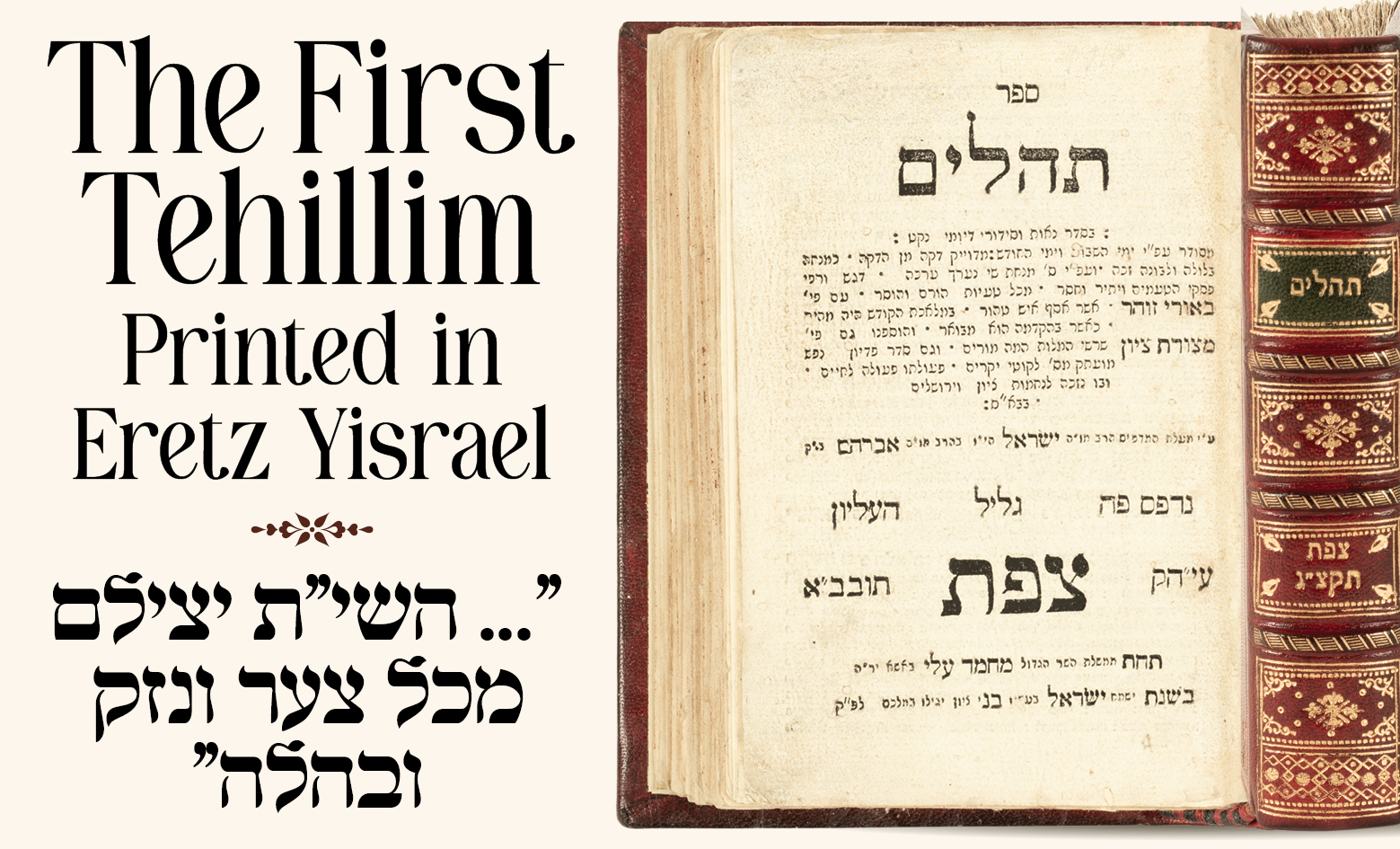
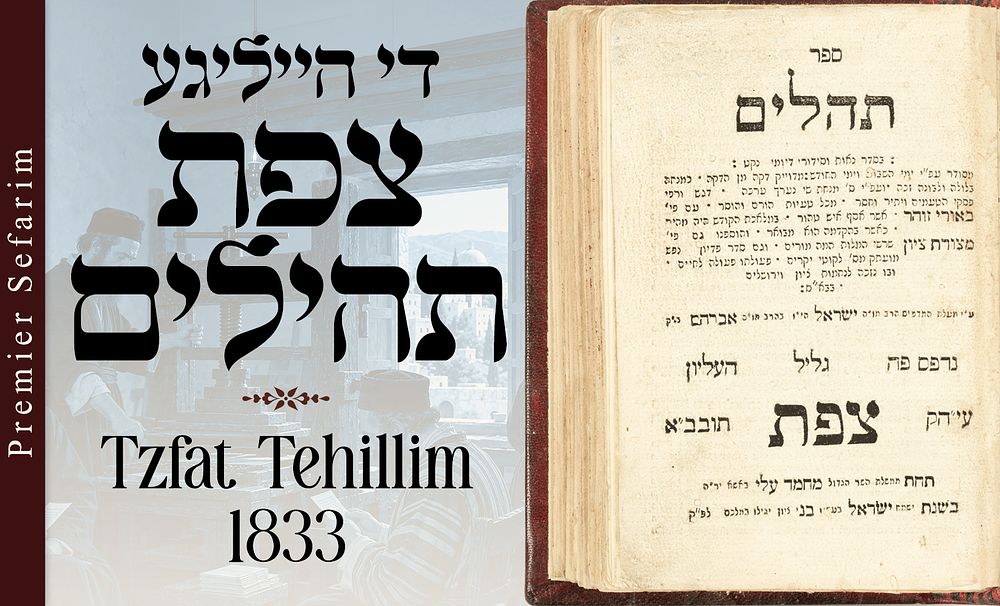
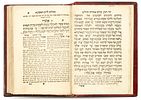
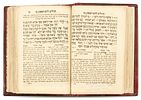
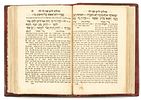
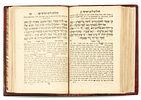
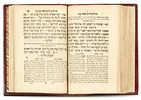
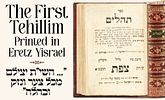
The first Sefer Tehillim printed in Eretz Yisrael, and the first sefer printed in Eretz Yisrael to contain teachings of Chassidut .

“Those who carry it with them — Hashem will protect them from all distress, harm, and danger” (Printer’s Introduction)

Images
Tzfat Tehillim.
1833

The first Sefer Tehillim printed in Eretz Yisrael, and the first sefer printed in Eretz Yisrael to contain teachings of Chassidut .

“Those who carry it with them — Hashem will protect them from all distress, harm, and danger” (Printer’s Introduction)
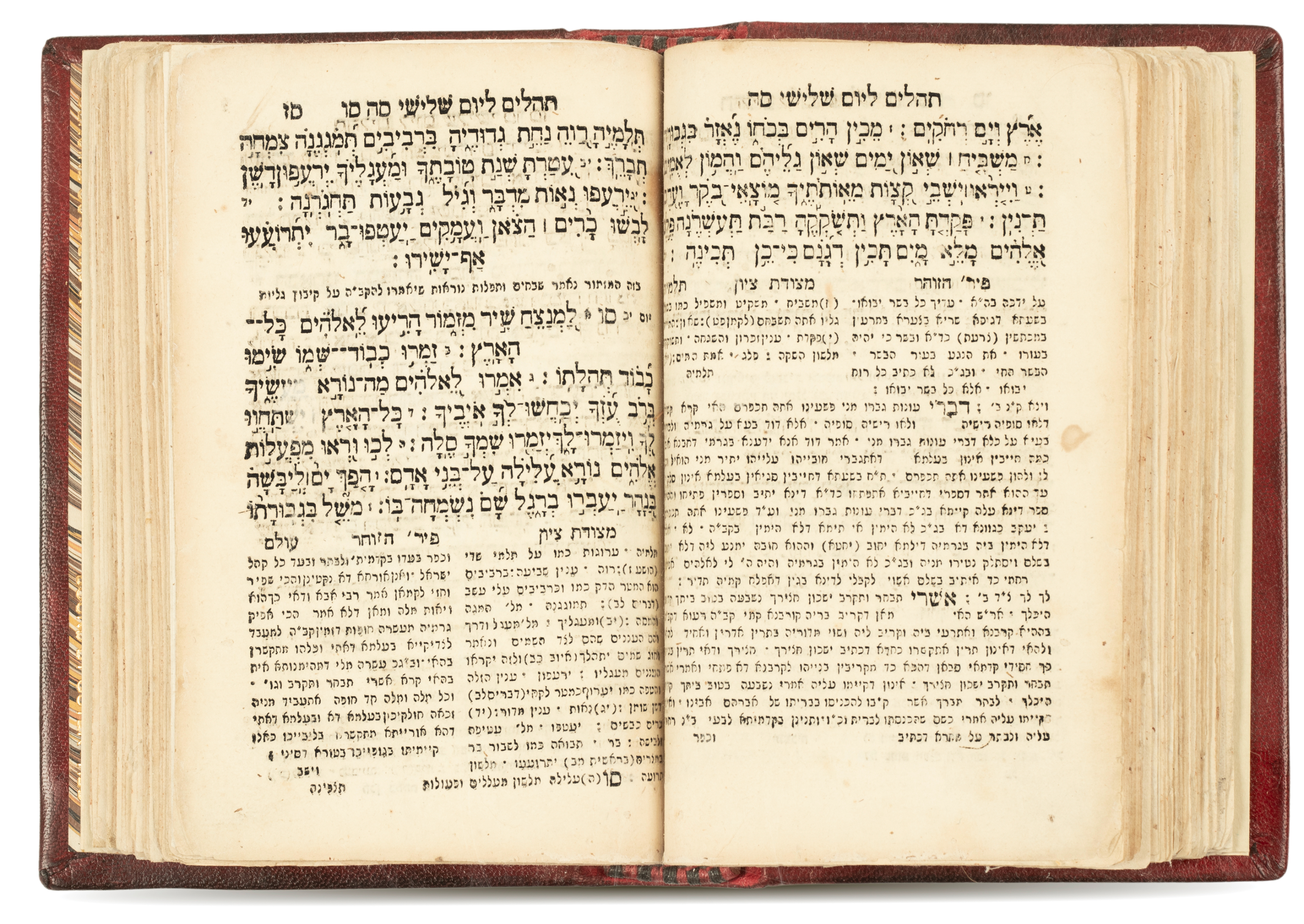
Sefer Tehillim with commentaries compiled from the holy Zohar, brought to print by Rabbi Gershon Margolios, son-in-law of Rabbi Yissachar Ber of Zlotchov, in fulfillment of the fervent wish of Rabbi Levi Yitzchak of Berditchev.


Tehillim Tzfat

“Tehillim Tzfat”
 was printed in Eretz Yisrael; its commentary was drawn from the Zohar; and it was printed in holiness exclusively by Jewish workers, from among the poor of Eretz Yisrael. As Rabbi Gershon emphasizes in his introduction, everything was produced “in the Upper Galilee, in complete sanctity.”

Moreover, Rabbi Levi Yitzchak of Berditchev had an intense desire to see these selections from the Zohar on Tehillim republished.

Rabbi Levi Yitzchak of Berditchev

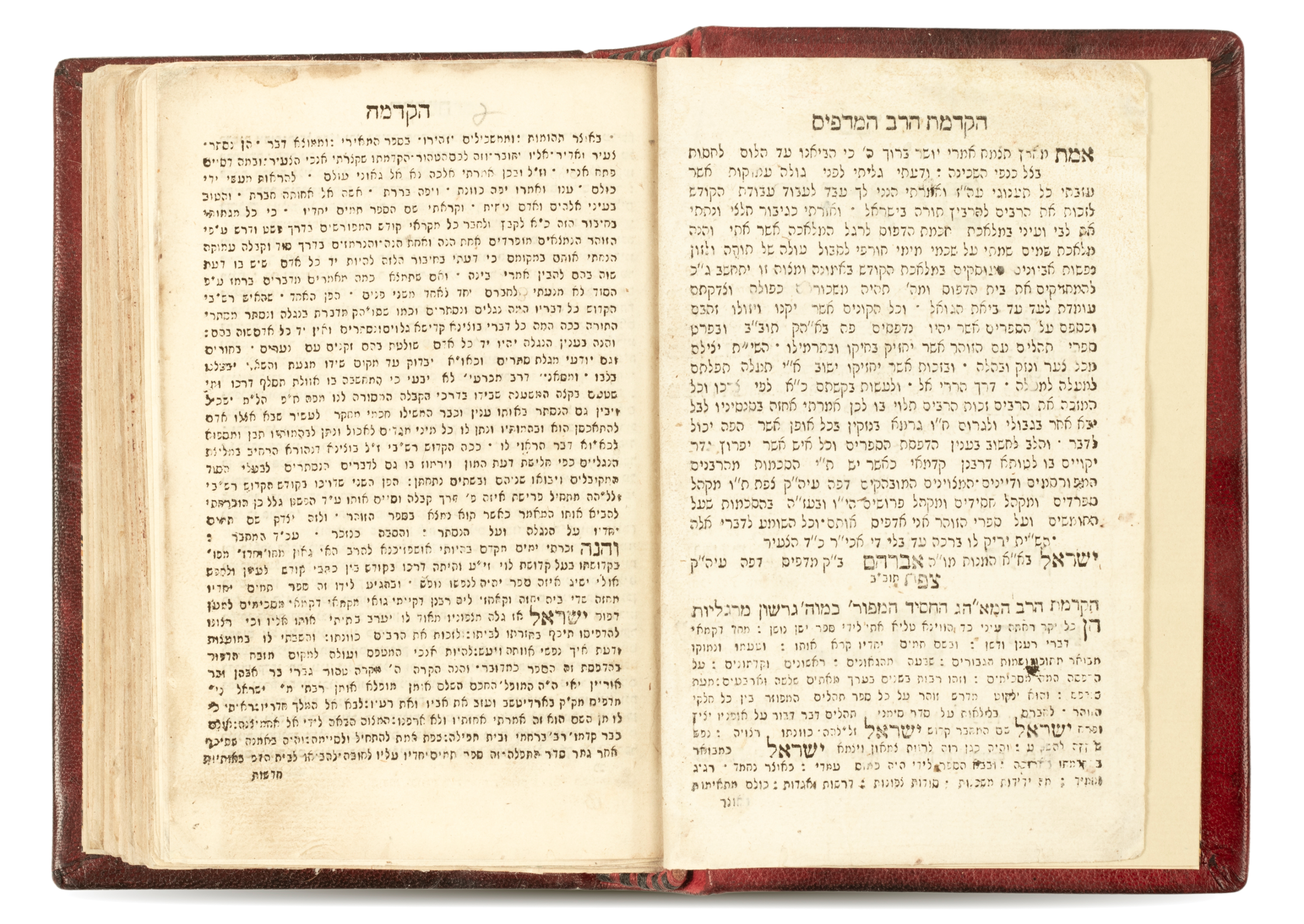
In his introduction, Rabbi Gershon Margolios relates the circumstances that led him to print Tehillim with the commentaries of the Zohar. When his mechutan, Rabbi Levi Yitzchak of Berditchev, was staying in his home, he approached the bookcase, as was his custom, “hoping to find a sefer that would inspire him.” There, he found the sefer Tamim Yachdav, containing selections from the holy Zohar on Sefer Tehillim, and saw that leading Torah authorities of earlier generations, including the Levush and the Sema, had given their approbations to the work.

Rabbi Levi Yitzchak asked Rabbi Gershon to lend him the sefer, as he wished to reprint it upon returning home. Rabbi Gershon replied that it was his own wish and desire to be the one to print the sefer. Thus, twenty-three years after the passing of Rabbi Levi Yitzchak, his wish was fulfilled and the sefer was printed anew.

(Regarding the activities of the Kedushas Levi in publishing sefarim, see Kovetz Ohr Yisrael [Monsey], Year 7, Issue 3, p. 192 onward.)

The Publisher, Rabbi Gershon Margolios of Skalit


The publisher, Rabbi Gershon Margolios, Av Beis Din of Skalit, a descendant of the Bach and the Maharal of Prague, was one of the leading figures of the chassidic community in Tzfat.

He was a disciple of the Be’er Mayim Chaim and of his mechutan, Rabbi Levi Yitzchak of Berditchev, who, as noted above, stayed as a guest in his home.

He moved to Tzfat following his father-in-law, Rabbi Yissachar Ber of Zlotchov. Even before then, he had published the works of his father-in-law, Mevaser Tzedek and Bas Eini (Dubno, 1798).

Rabbi Gershon was one of the distinguished personalities of Tzfat. He headed the chassidic community there, served as a representative of the Pekidim VeAmarkalim, and was responsible on their behalf for the distribution of funds.

During the uprising of 1834, his friendship with the local qadi provided some measure of relief for the Jews. He survived the devastating earthquake of 1837, as recorded in a letter by Rabbi Yisrael of Shklov, and passed away in Tzfat on 1 Tammuz 1838.

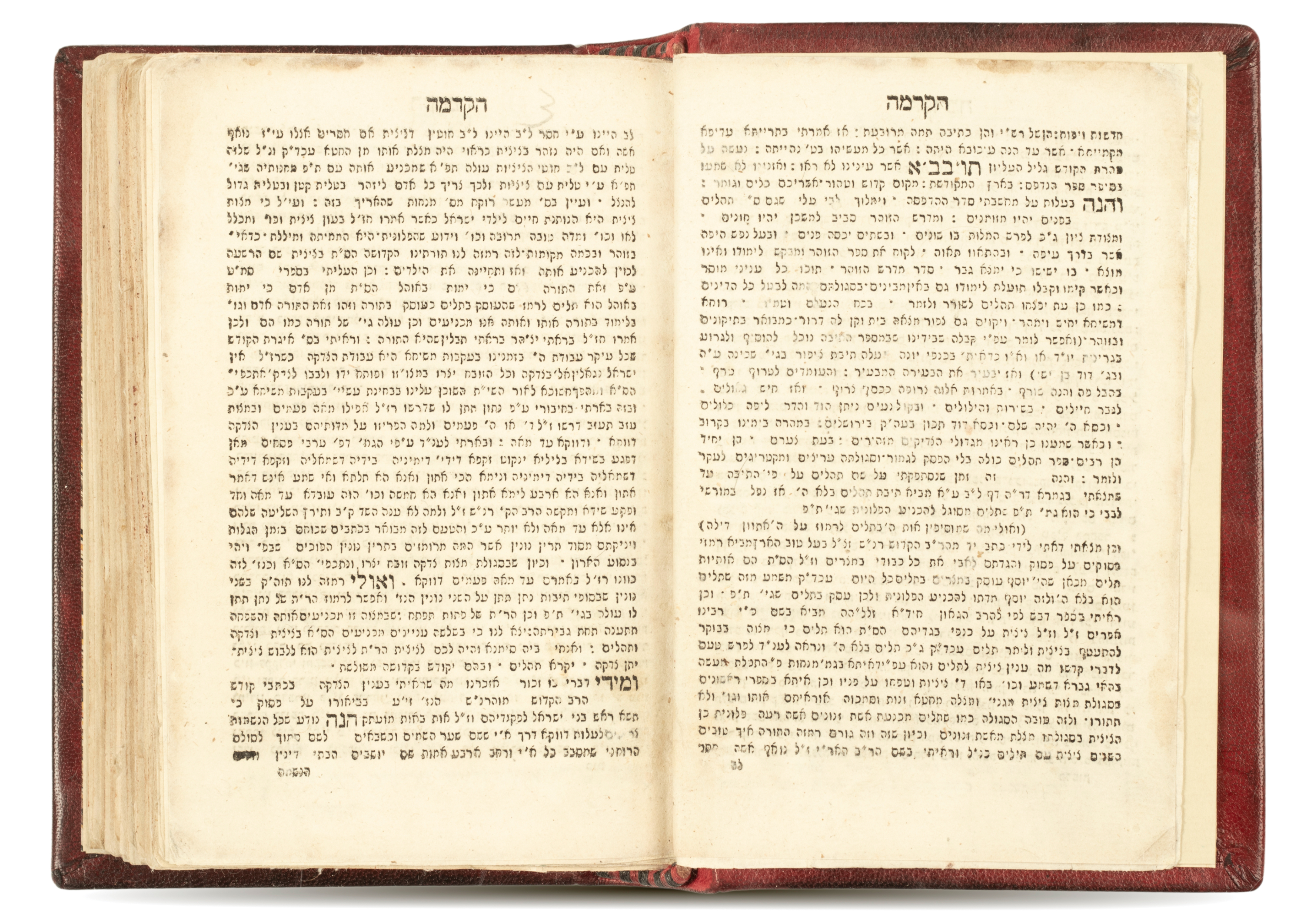
At the beginning of the sefer there is an important introduction by Rabbi Gershon discussing the great virtue of reciting Tehillim and related subjects. He cites teachings from works of Chassidus as well as manuscripts in his possession by the kabbalist Rabbi Nosson Shapiro, author of Matzas Shimurim.


The Printer, Rabbi Yisrael Beck, and His Printing Press in Tzfat

Rabbi Yisrael Beck (1797–1874) was a chassid of Rabbi Yisrael of Ruzhin and was his trusted representative in Eretz Yisrael.

Born in Berditchev, he established a printing press there while still a young man. In 1831, he moved to Eretz Yisrael and, despite the difficult conditions, established a printing press there. The present Tehillim was printed at his press in 1833, along with only five other sefarim.

On 8 Sivan 1834, fellahin (local Arab peasants) attacked the Jewish quarter of Tzfat and destroyed the printing press, including burning the sefarim it contained. Rabbi Yisrael subsequently succeeded in partially rebuilding the press, only for a second calamity to strike the city: the earthquake of 1837, which devastated almost the entire Jewish community of Tzfat.

He later moved to Yerushalayim, where in 1841 he established the first printing press in the holy city.

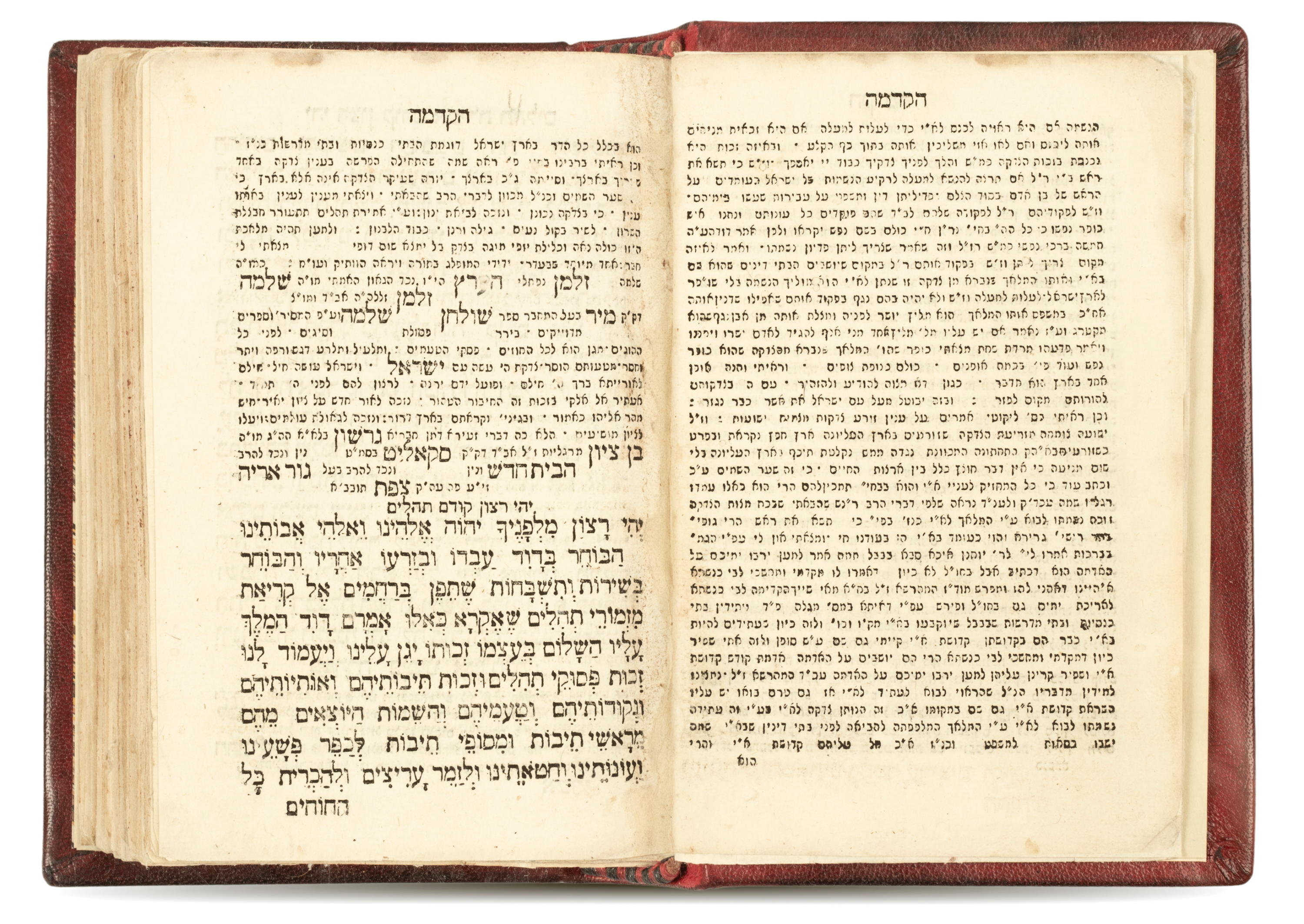
At the beginning of this Tehillim is an introduction by Rabbi Yisrael Beck in which he thanks Hashem for meriting to move to Eretz Yisrael, “to take refuge beneath the wings of the Shechinah.”

He continues by explaining that those who purchase the Tehillim are thereby supporting the workers at the printing press, all of whom were impoverished residents of Eretz Yisrael, and concludes with a remarkable promise of segulah:

“All those who spend their gold and silver to purchase the sefarim printed here in Eretz Yisrael, particularly Sifrei Tehillim with the Zohar, and carry them with them — Hashem will protect them from all distress, harm, and danger. And in the merit of supporting the yishuv in Eretz Yisrael, their prayers will ascend on high… and their requests will be fulfilled, each according to his needs.”

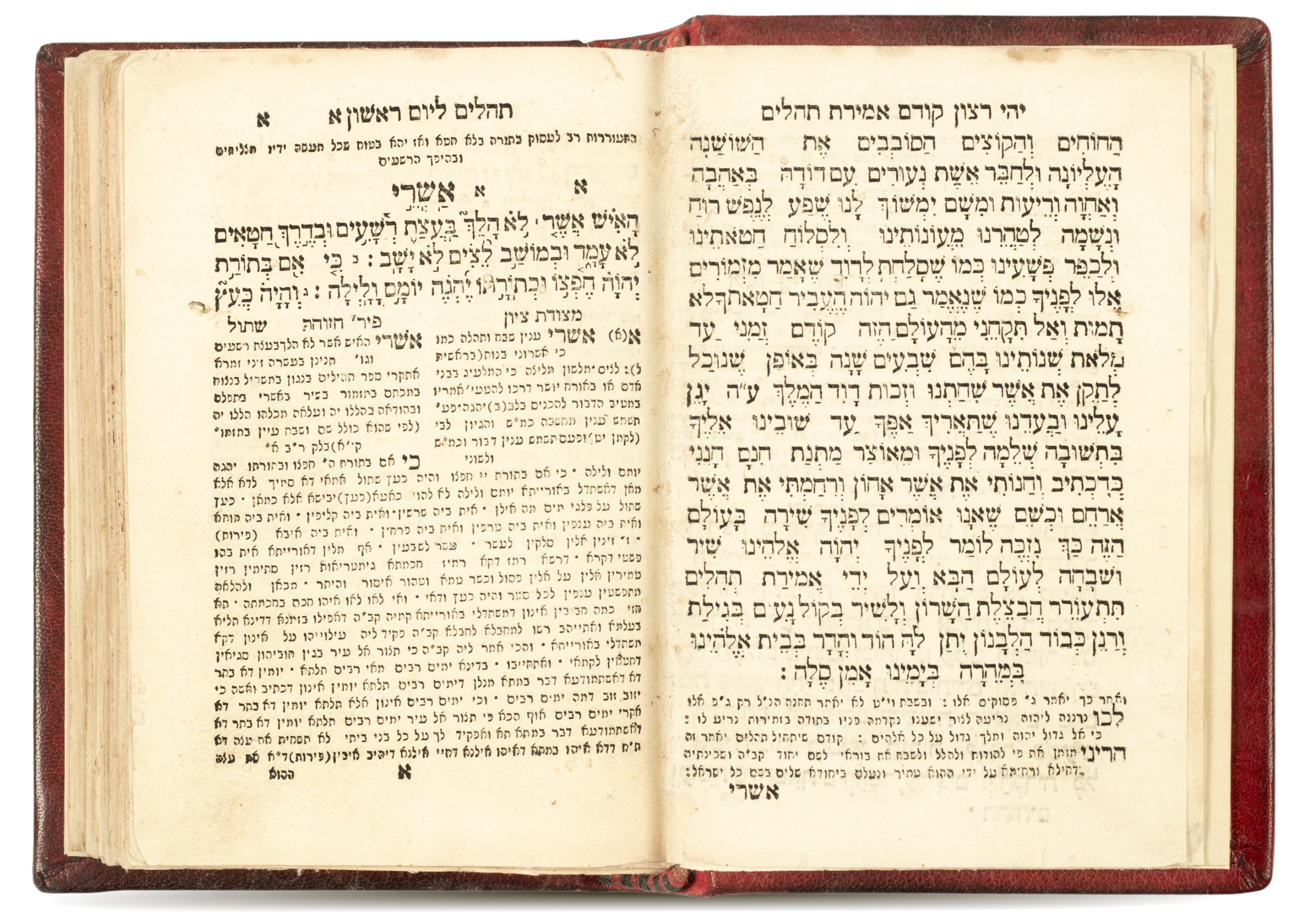
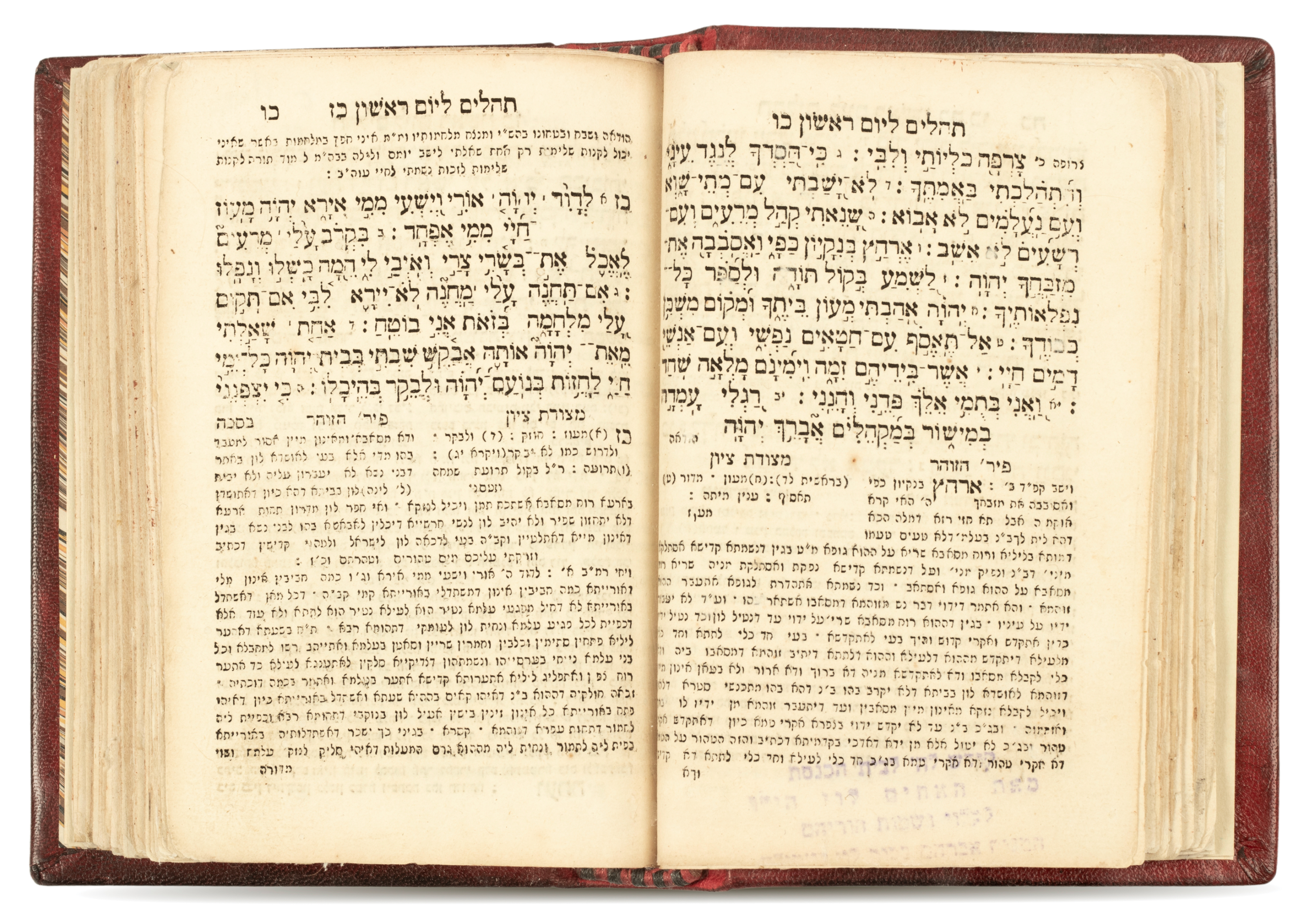
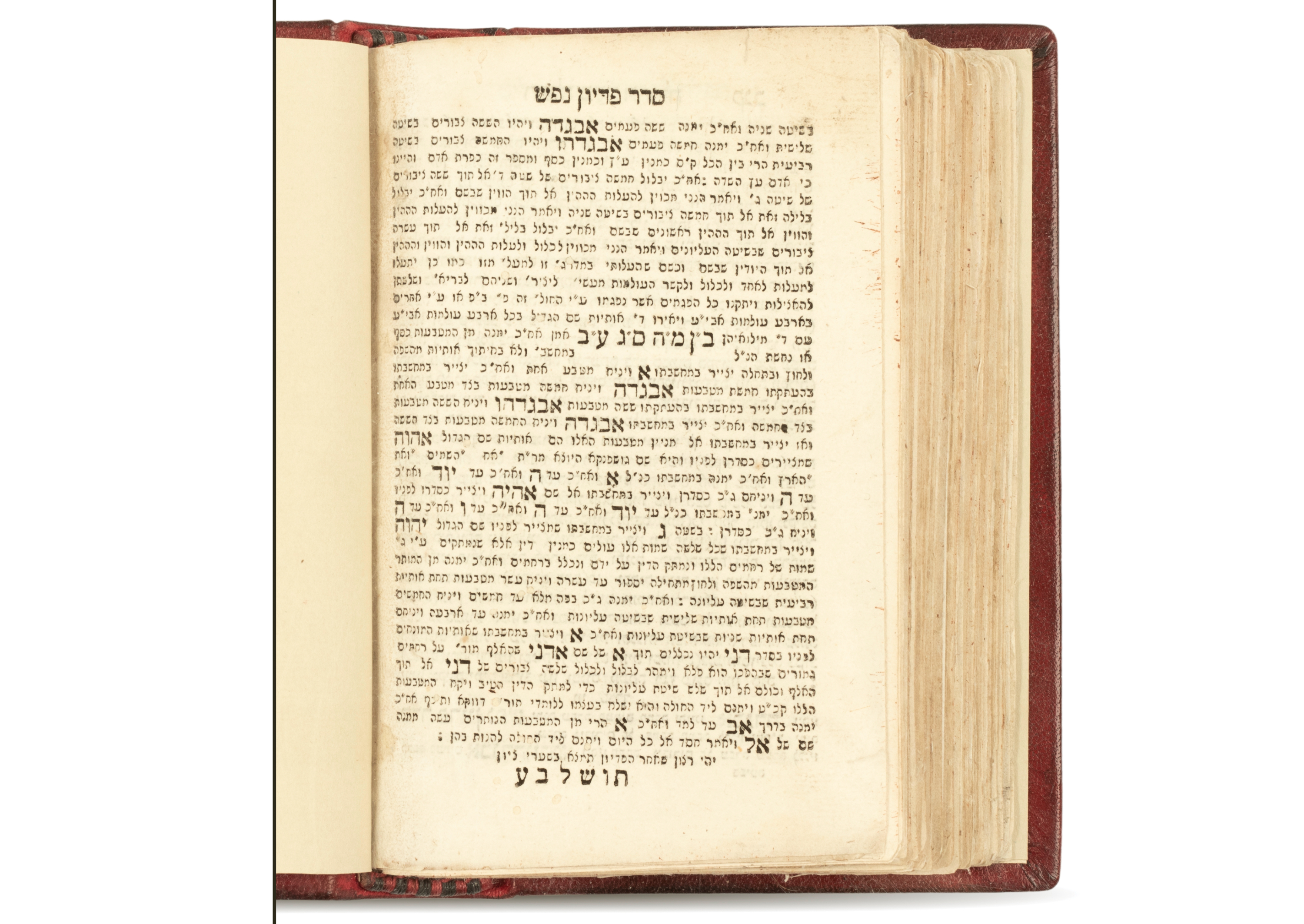
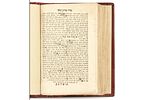
Contents: An edited and carefully corrected text of Sefer Tehillim based on Minchas Shai; Metzudas Tzion; selections from the Zohar on Sefer Tehillim (the work Tamim Yachdav by Rabbi Yisrael son of Moshe, Lublin 1592); a Yehi Ratzon before and after the recitation of Tehillim; prayers for the ill; and the order of Pidyon Nefesh from Likutim Yekarim (Lemberg, 1792), one of the early works of Chassidus.

Tzfat, 1833. First edition of the commentary Biurei Zohar printed together with Tehillim.
Printing press of Yisrael Beck.

Page Count: [4], 152 leaves.
Size: Small format, 14.7 cm.
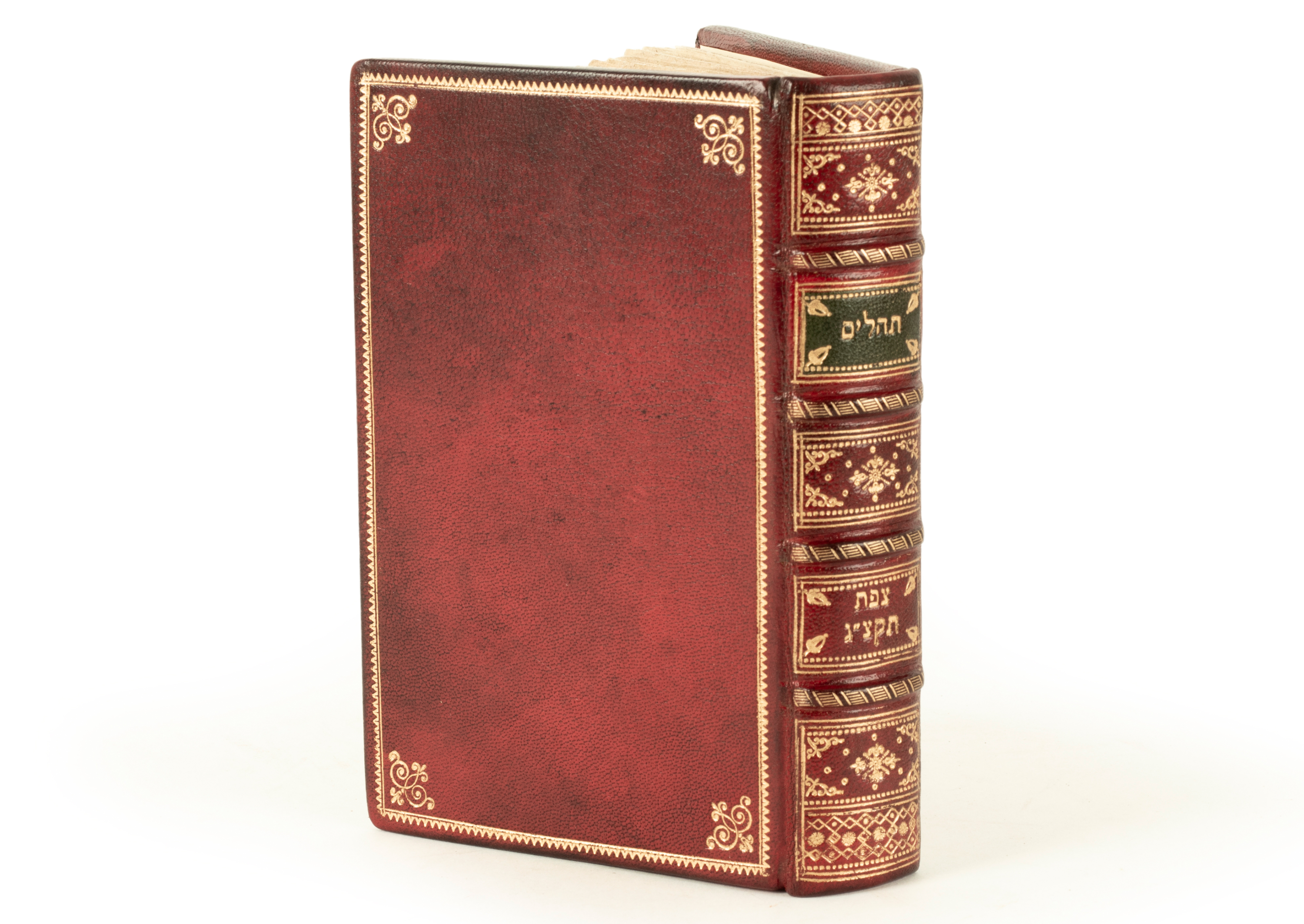
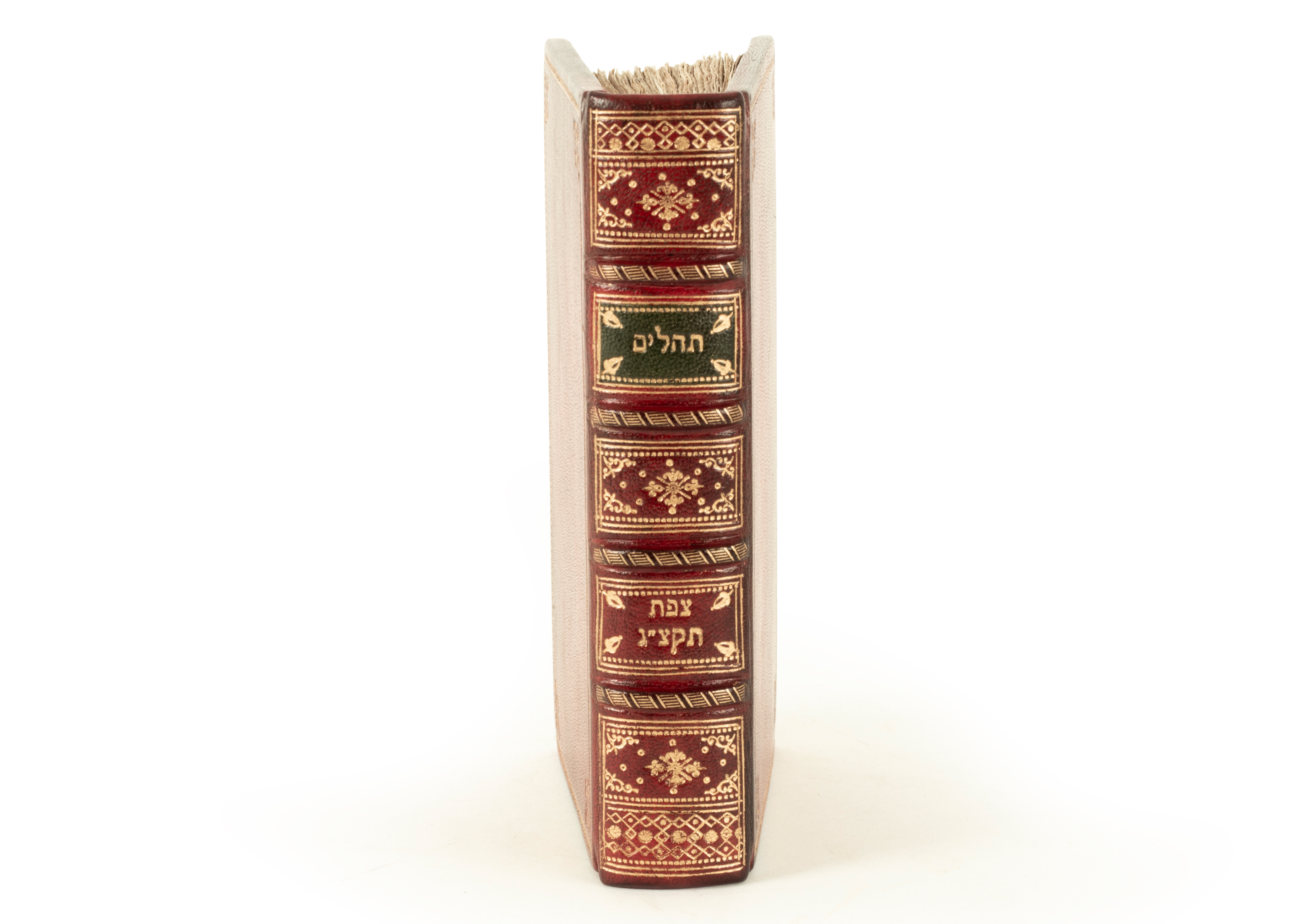
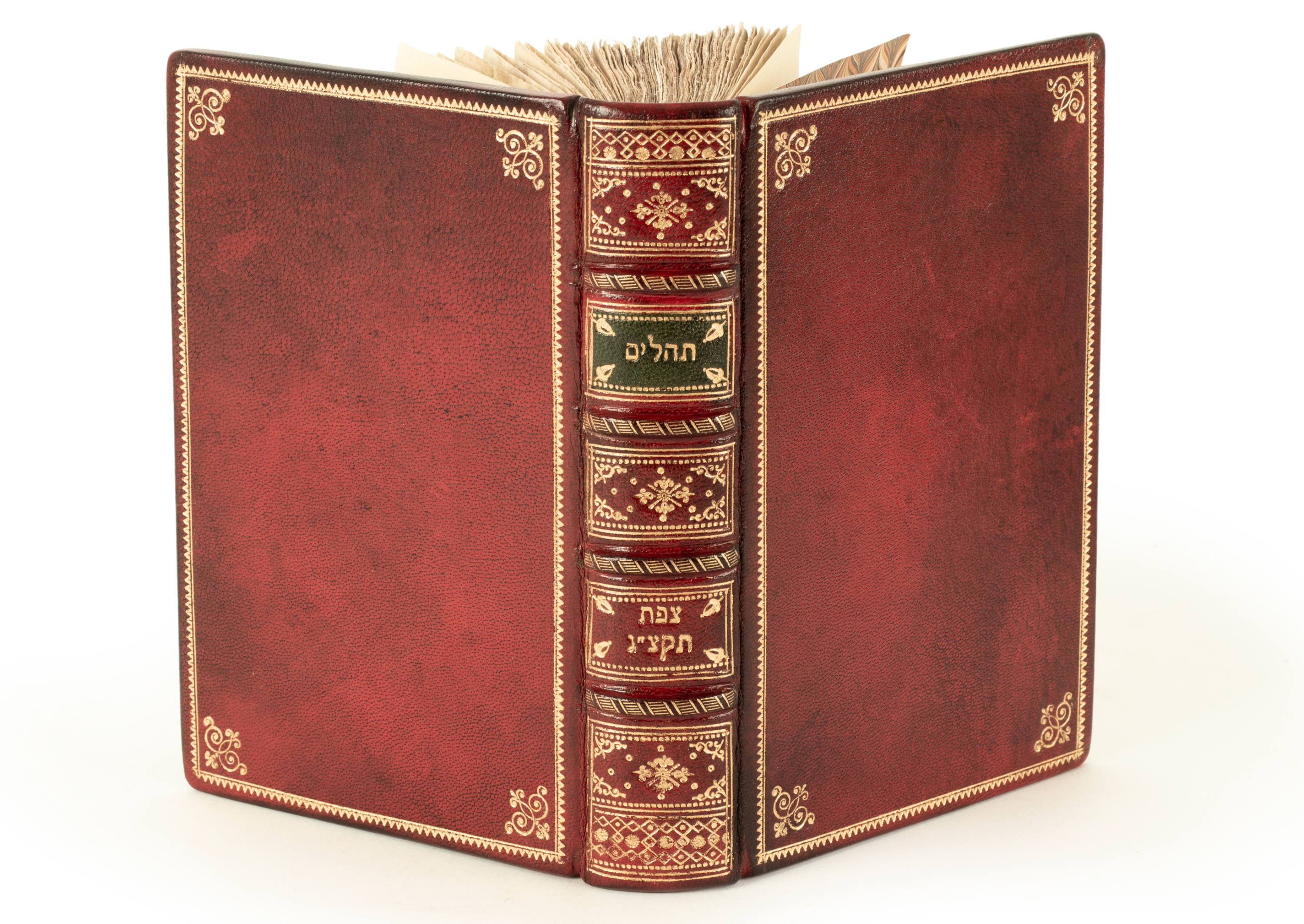
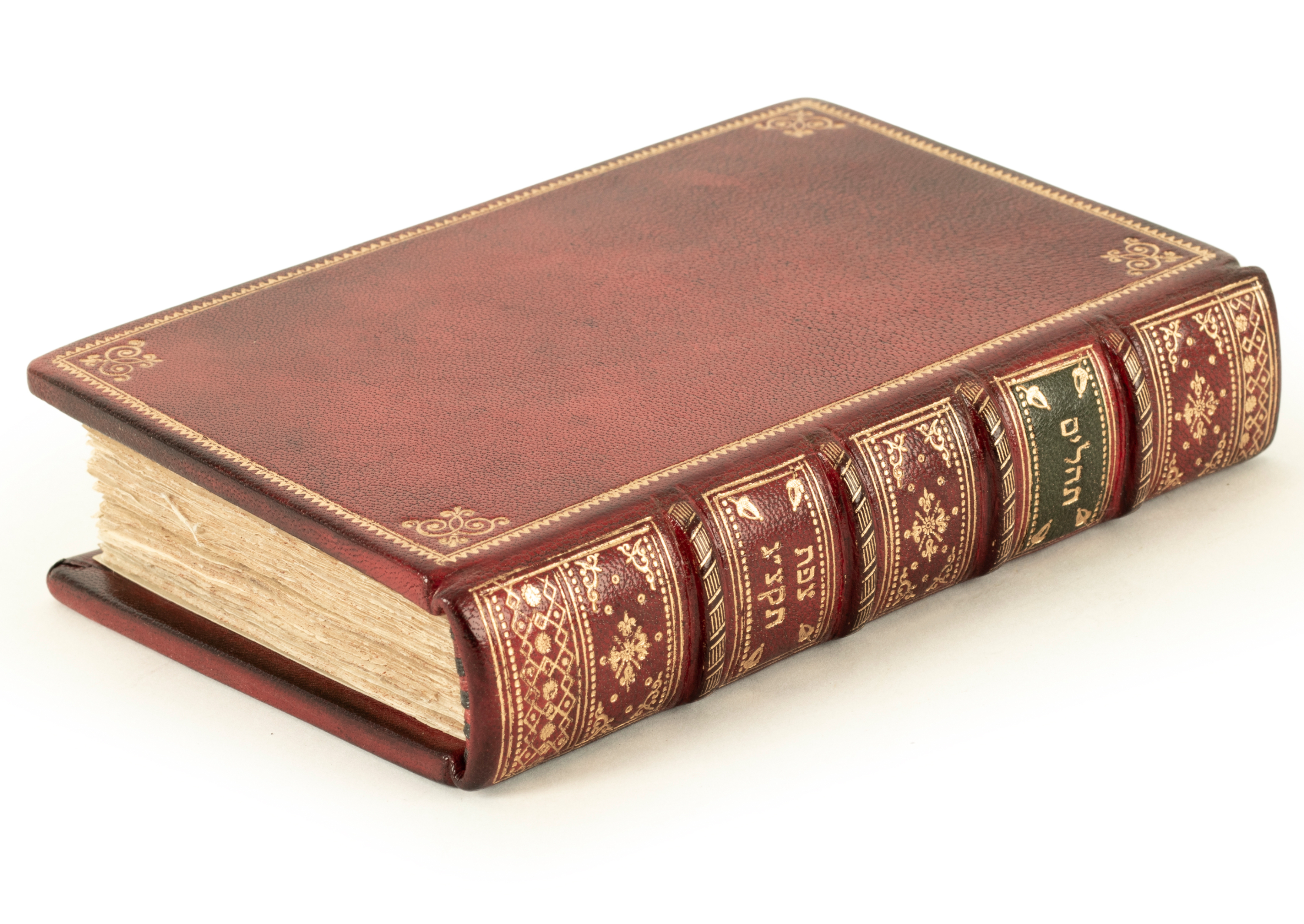
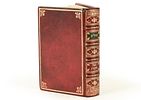
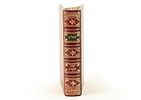
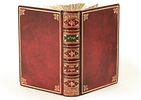
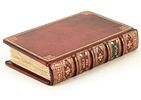
Condition: Good. Restoration to tiny holes. Fine new leather binding.

Bibliography: Stefansky, Chassidus, no. 596.

***

The Earliest Source for the Segulah of Reciting the Entire Sefer Tehillim Continuously

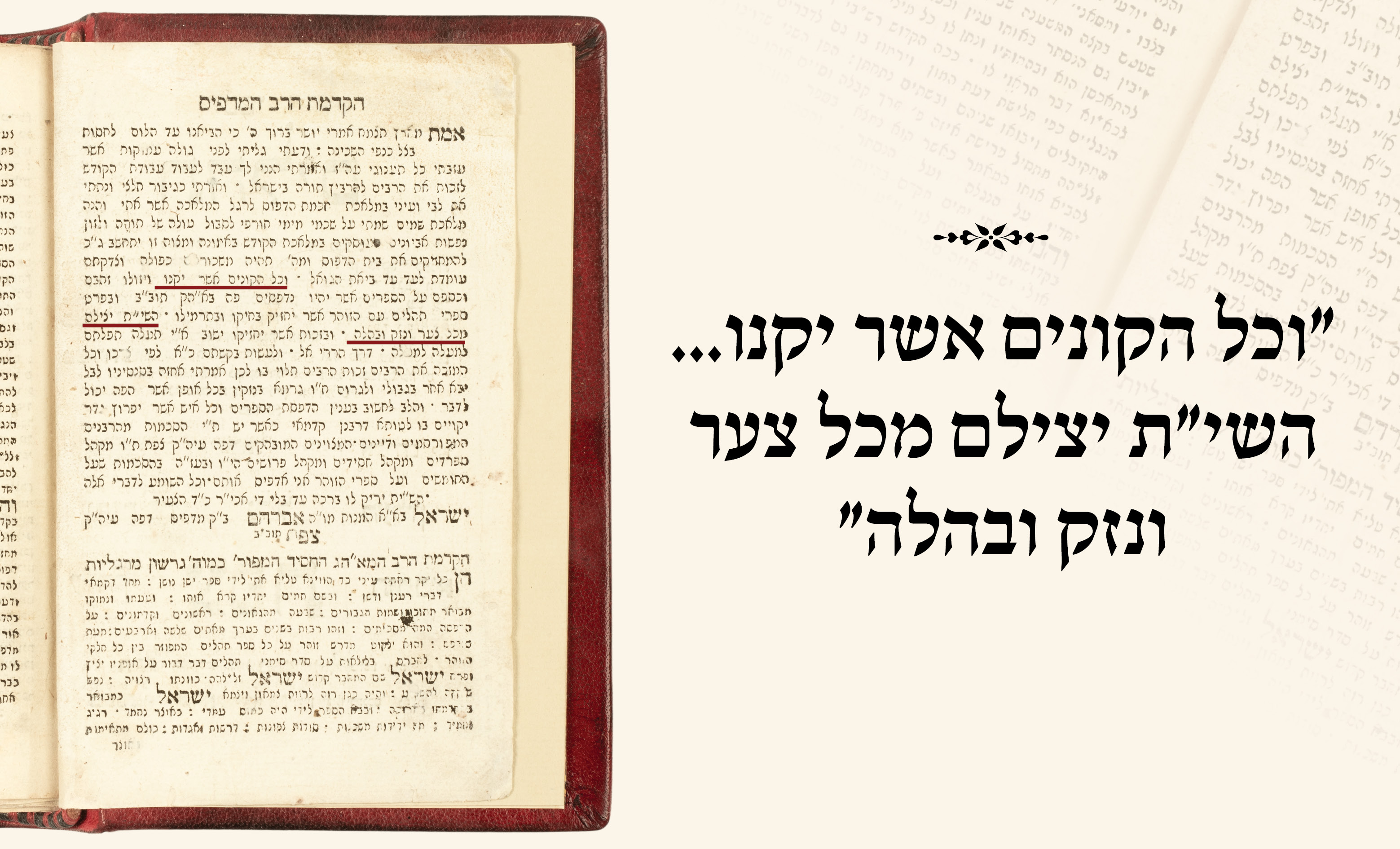
It is well known in the name of the Baal Shem Tov and the great tzaddikim of Chassidus that there is a special segulah and great virtue in reciting the entire Sefer Tehillim continuously, without interruption. It appears that the earliest printed source for this practice is found in Rabbi Gershon’s introduction.

He writes:

“As we have heard, so have we seen: great tzaddikim would instruct that in times of distress, whether affecting an individual or the community, the entire Sefer Tehillim should be completed without interruption. Its segulah is to uproot and cut down oppressors and accusing forces.”


Lot : 16

Tzfat Tehillim. 1833

The first Sefer Tehillim printed in Eretz Yisrael, and the first sefer printed in Eretz Yisrael to contain teachings of Chassidut .

“Those who carry it with them — Hashem will protect them from all distress, harm, and danger” (Printer’s Introduction)

Start price: $8,000
|
Est. Price: $12,000 - $18,000
Tzfat Tehillim.
1833

The first Sefer Tehillim printed in Eretz Yisrael, and the first sefer printed in Eretz Yisrael to contain teachings of Chassidut .

“Those who carry it with them — Hashem will protect them from all distress, harm, and danger” (Printer’s Introduction)
Sefer Tehillim with commentaries compiled from the holy Zohar, brought to print by Rabbi Gershon Margolios, son-in-law of Rabbi Yissachar Ber of Zlotchov, in fulfillment of the fervent wish of Rabbi Levi Yitzchak of Berditchev.


Tehillim Tzfat

“Tehillim Tzfat”
 was printed in Eretz Yisrael; its commentary was drawn from the Zohar; and it was printed in holiness exclusively by Jewish workers, from among the poor of Eretz Yisrael. As Rabbi Gershon emphasizes in his introduction, everything was produced “in the Upper Galilee, in complete sanctity.”

Moreover, Rabbi Levi Yitzchak of Berditchev had an intense desire to see these selections from the Zohar on Tehillim republished.

Rabbi Levi Yitzchak of Berditchev

In his introduction, Rabbi Gershon Margolios relates the circumstances that led him to print Tehillim with the commentaries of the Zohar. When his mechutan, Rabbi Levi Yitzchak of Berditchev, was staying in his home, he approached the bookcase, as was his custom, “hoping to find a sefer that would inspire him.” There, he found the sefer Tamim Yachdav, containing selections from the holy Zohar on Sefer Tehillim, and saw that leading Torah authorities of earlier generations, including the Levush and the Sema, had given their approbations to the work.

Rabbi Levi Yitzchak asked Rabbi Gershon to lend him the sefer, as he wished to reprint it upon returning home. Rabbi Gershon replied that it was his own wish and desire to be the one to print the sefer. Thus, twenty-three years after the passing of Rabbi Levi Yitzchak, his wish was fulfilled and the sefer was printed anew.

(Regarding the activities of the Kedushas Levi in publishing sefarim, see Kovetz Ohr Yisrael [Monsey], Year 7, Issue 3, p. 192 onward.)

The Publisher, Rabbi Gershon Margolios of Skalit


The publisher, Rabbi Gershon Margolios, Av Beis Din of Skalit, a descendant of the Bach and the Maharal of Prague, was one of the leading figures of the chassidic community in Tzfat.

He was a disciple of the Be’er Mayim Chaim and of his mechutan, Rabbi Levi Yitzchak of Berditchev, who, as noted above, stayed as a guest in his home.

He moved to Tzfat following his father-in-law, Rabbi Yissachar Ber of Zlotchov. Even before then, he had published the works of his father-in-law, Mevaser Tzedek and Bas Eini (Dubno, 1798).

Rabbi Gershon was one of the distinguished personalities of Tzfat. He headed the chassidic community there, served as a representative of the Pekidim VeAmarkalim, and was responsible on their behalf for the distribution of funds.

During the uprising of 1834, his friendship with the local qadi provided some measure of relief for the Jews. He survived the devastating earthquake of 1837, as recorded in a letter by Rabbi Yisrael of Shklov, and passed away in Tzfat on 1 Tammuz 1838.

At the beginning of the sefer there is an important introduction by Rabbi Gershon discussing the great virtue of reciting Tehillim and related subjects. He cites teachings from works of Chassidus as well as manuscripts in his possession by the kabbalist Rabbi Nosson Shapiro, author of Matzas Shimurim.


The Printer, Rabbi Yisrael Beck, and His Printing Press in Tzfat

Rabbi Yisrael Beck (1797–1874) was a chassid of Rabbi Yisrael of Ruzhin and was his trusted representative in Eretz Yisrael.

Born in Berditchev, he established a printing press there while still a young man. In 1831, he moved to Eretz Yisrael and, despite the difficult conditions, established a printing press there. The present Tehillim was printed at his press in 1833, along with only five other sefarim.

On 8 Sivan 1834, fellahin (local Arab peasants) attacked the Jewish quarter of Tzfat and destroyed the printing press, including burning the sefarim it contained. Rabbi Yisrael subsequently succeeded in partially rebuilding the press, only for a second calamity to strike the city: the earthquake of 1837, which devastated almost the entire Jewish community of Tzfat.

He later moved to Yerushalayim, where in 1841 he established the first printing press in the holy city.

At the beginning of this Tehillim is an introduction by Rabbi Yisrael Beck in which he thanks Hashem for meriting to move to Eretz Yisrael, “to take refuge beneath the wings of the Shechinah.”

He continues by explaining that those who purchase the Tehillim are thereby supporting the workers at the printing press, all of whom were impoverished residents of Eretz Yisrael, and concludes with a remarkable promise of segulah:

“All those who spend their gold and silver to purchase the sefarim printed here in Eretz Yisrael, particularly Sifrei Tehillim with the Zohar, and carry them with them — Hashem will protect them from all distress, harm, and danger. And in the merit of supporting the yishuv in Eretz Yisrael, their prayers will ascend on high… and their requests will be fulfilled, each according to his needs.”

Contents: An edited and carefully corrected text of Sefer Tehillim based on Minchas Shai; Metzudas Tzion; selections from the Zohar on Sefer Tehillim (the work Tamim Yachdav by Rabbi Yisrael son of Moshe, Lublin 1592); a Yehi Ratzon before and after the recitation of Tehillim; prayers for the ill; and the order of Pidyon Nefesh from Likutim Yekarim (Lemberg, 1792), one of the early works of Chassidus.

Tzfat, 1833. First edition of the commentary Biurei Zohar printed together with Tehillim.
Printing press of Yisrael Beck.

Page Count: [4], 152 leaves.
Size: Small format, 14.7 cm.
Condition: Good. Restoration to tiny holes. Fine new leather binding.

Bibliography: Stefansky, Chassidus, no. 596.

***

The Earliest Source for the Segulah of Reciting the Entire Sefer Tehillim Continuously

It is well known in the name of the Baal Shem Tov and the great tzaddikim of Chassidus that there is a special segulah and great virtue in reciting the entire Sefer Tehillim continuously, without interruption. It appears that the earliest printed source for this practice is found in Rabbi Gershon’s introduction.

He writes:

“As we have heard, so have we seen: great tzaddikim would instruct that in times of distress, whether affecting an individual or the community, the entire Sefer Tehillim should be completed without interruption. Its segulah is to uproot and cut down oppressors and accusing forces.”


Tzfat Tehillim.
1833

The first Sefer Tehillim printed in Eretz Yisrael, and the first sefer printed in Eretz Yisrael to contain teachings of Chassidut .

“Those who carry it with them — Hashem will protect them from all distress, harm, and danger” (Printer’s Introduction)
Sefer Tehillim with commentaries compiled from the holy Zohar, brought to print by Rabbi Gershon Margolios, son-in-law of Rabbi Yissachar Ber of Zlotchov, in fulfillment of the fervent wish of Rabbi Levi Yitzchak of Berditchev.


Tehillim Tzfat

“Tehillim Tzfat”
 was printed in Eretz Yisrael; its commentary was drawn from the Zohar; and it was printed in holiness exclusively by Jewish workers, from among the poor of Eretz Yisrael. As Rabbi Gershon emphasizes in his introduction, everything was produced “in the Upper Galilee, in complete sanctity.”

Moreover, Rabbi Levi Yitzchak of Berditchev had an intense desire to see these selections from the Zohar on Tehillim republished.

Rabbi Levi Yitzchak of Berditchev

In his introduction, Rabbi Gershon Margolios relates the circumstances that led him to print Tehillim with the commentaries of the Zohar. When his mechutan, Rabbi Levi Yitzchak of Berditchev, was staying in his home, he approached the bookcase, as was his custom, “hoping to find a sefer that would inspire him.” There, he found the sefer Tamim Yachdav, containing selections from the holy Zohar on Sefer Tehillim, and saw that leading Torah authorities of earlier generations, including the Levush and the Sema, had given their approbations to the work.

Rabbi Levi Yitzchak asked Rabbi Gershon to lend him the sefer, as he wished to reprint it upon returning home. Rabbi Gershon replied that it was his own wish and desire to be the one to print the sefer. Thus, twenty-three years after the passing of Rabbi Levi Yitzchak, his wish was fulfilled and the sefer was printed anew.

(Regarding the activities of the Kedushas Levi in publishing sefarim, see Kovetz Ohr Yisrael [Monsey], Year 7, Issue 3, p. 192 onward.)

The Publisher, Rabbi Gershon Margolios of Skalit


The publisher, Rabbi Gershon Margolios, Av Beis Din of Skalit, a descendant of the Bach and the Maharal of Prague, was one of the leading figures of the chassidic community in Tzfat.

He was a disciple of the Be’er Mayim Chaim and of his mechutan, Rabbi Levi Yitzchak of Berditchev, who, as noted above, stayed as a guest in his home.

He moved to Tzfat following his father-in-law, Rabbi Yissachar Ber of Zlotchov. Even before then, he had published the works of his father-in-law, Mevaser Tzedek and Bas Eini (Dubno, 1798).

Rabbi Gershon was one of the distinguished personalities of Tzfat. He headed the chassidic community there, served as a representative of the Pekidim VeAmarkalim, and was responsible on their behalf for the distribution of funds.

During the uprising of 1834, his friendship with the local qadi provided some measure of relief for the Jews. He survived the devastating earthquake of 1837, as recorded in a letter by Rabbi Yisrael of Shklov, and passed away in Tzfat on 1 Tammuz 1838.

At the beginning of the sefer there is an important introduction by Rabbi Gershon discussing the great virtue of reciting Tehillim and related subjects. He cites teachings from works of Chassidus as well as manuscripts in his possession by the kabbalist Rabbi Nosson Shapiro, author of Matzas Shimurim.


The Printer, Rabbi Yisrael Beck, and His Printing Press in Tzfat

Rabbi Yisrael Beck (1797–1874) was a chassid of Rabbi Yisrael of Ruzhin and was his trusted representative in Eretz Yisrael.

Born in Berditchev, he established a printing press there while still a young man. In 1831, he moved to Eretz Yisrael and, despite the difficult conditions, established a printing press there. The present Tehillim was printed at his press in 1833, along with only five other sefarim.

On 8 Sivan 1834, fellahin (local Arab peasants) attacked the Jewish quarter of Tzfat and destroyed the printing press, including burning the sefarim it contained. Rabbi Yisrael subsequently succeeded in partially rebuilding the press, only for a second calamity to strike the city: the earthquake of 1837, which devastated almost the entire Jewish community of Tzfat.

He later moved to Yerushalayim, where in 1841 he established the first printing press in the holy city.

At the beginning of this Tehillim is an introduction by Rabbi Yisrael Beck in which he thanks Hashem for meriting to move to Eretz Yisrael, “to take refuge beneath the wings of the Shechinah.”

He continues by explaining that those who purchase the Tehillim are thereby supporting the workers at the printing press, all of whom were impoverished residents of Eretz Yisrael, and concludes with a remarkable promise of segulah:

“All those who spend their gold and silver to purchase the sefarim printed here in Eretz Yisrael, particularly Sifrei Tehillim with the Zohar, and carry them with them — Hashem will protect them from all distress, harm, and danger. And in the merit of supporting the yishuv in Eretz Yisrael, their prayers will ascend on high… and their requests will be fulfilled, each according to his needs.”

Contents: An edited and carefully corrected text of Sefer Tehillim based on Minchas Shai; Metzudas Tzion; selections from the Zohar on Sefer Tehillim (the work Tamim Yachdav by Rabbi Yisrael son of Moshe, Lublin 1592); a Yehi Ratzon before and after the recitation of Tehillim; prayers for the ill; and the order of Pidyon Nefesh from Likutim Yekarim (Lemberg, 1792), one of the early works of Chassidus.

Tzfat, 1833. First edition of the commentary Biurei Zohar printed together with Tehillim.
Printing press of Yisrael Beck.

Page Count: [4], 152 leaves.
Size: Small format, 14.7 cm.
Condition: Good. Restoration to tiny holes. Fine new leather binding.

Bibliography: Stefansky, Chassidus, no. 596.

***

The Earliest Source for the Segulah of Reciting the Entire Sefer Tehillim Continuously

It is well known in the name of the Baal Shem Tov and the great tzaddikim of Chassidus that there is a special segulah and great virtue in reciting the entire Sefer Tehillim continuously, without interruption. It appears that the earliest printed source for this practice is found in Rabbi Gershon’s introduction.

He writes:

“As we have heard, so have we seen: great tzaddikim would instruct that in times of distress, whether affecting an individual or the community, the entire Sefer Tehillim should be completed without interruption. Its segulah is to uproot and cut down oppressors and accusing forces.”