








Lot : 14

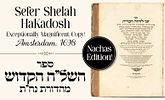
Sefer Shelah HaKadosh 
Exceptionally Magnificent Copy!
Nachas Edition – Amsterdam, 1698

Images

Sefer Shelah HaKadosh 

Exceptionally Magnificent Copy!
Nachas Edition – Amsterdam, 1698


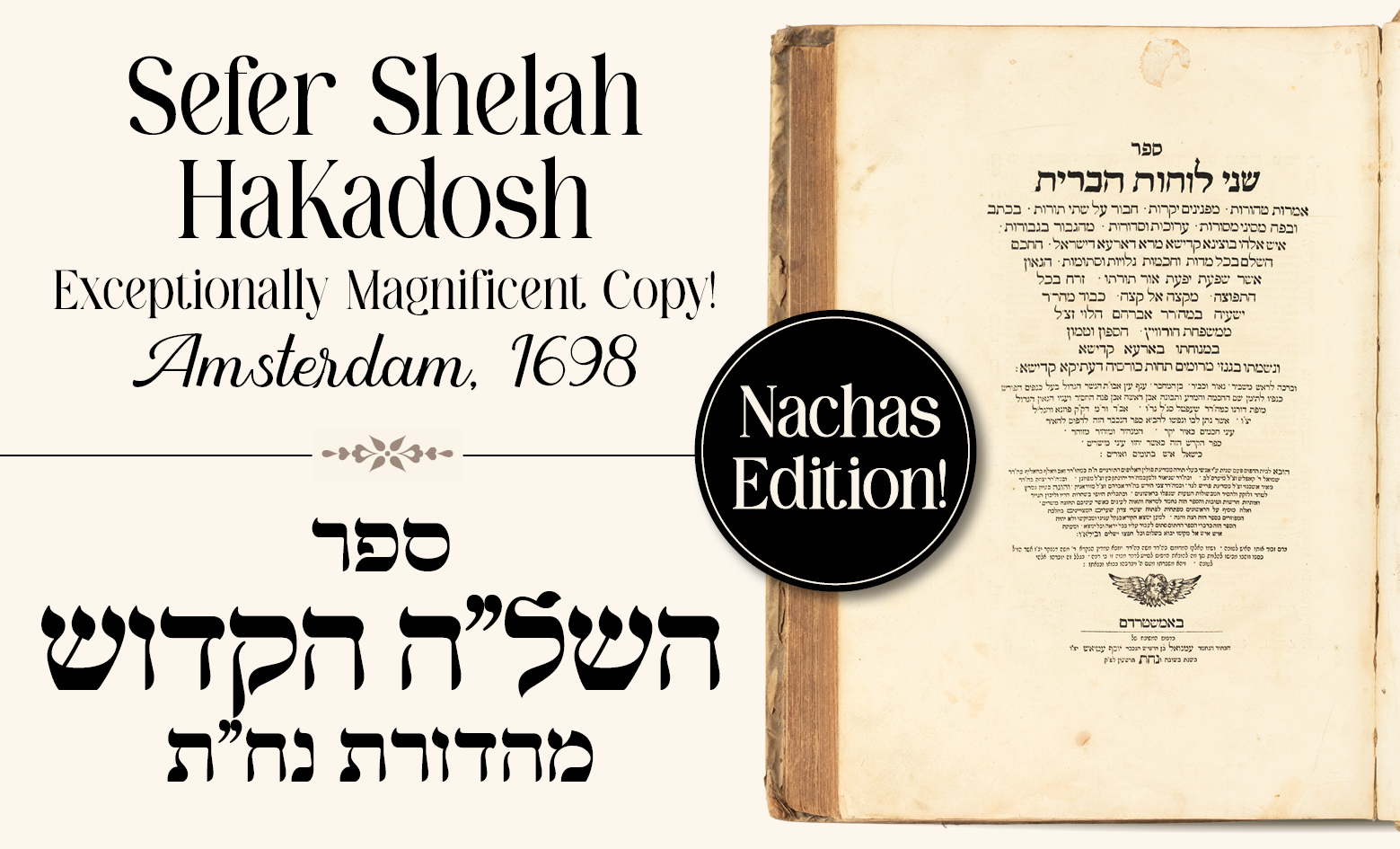
Pure and precious teachings encompassing all four levels of Torah interpretation (פרד"ס), by the holy luminary and kabbalist Rabbi Yeshaya HaLevi Horowitz, known as the Shelah HaKadosh.

A monumental, exceptionally beautiful and magnificent copy — a truly unparalleled treasure.

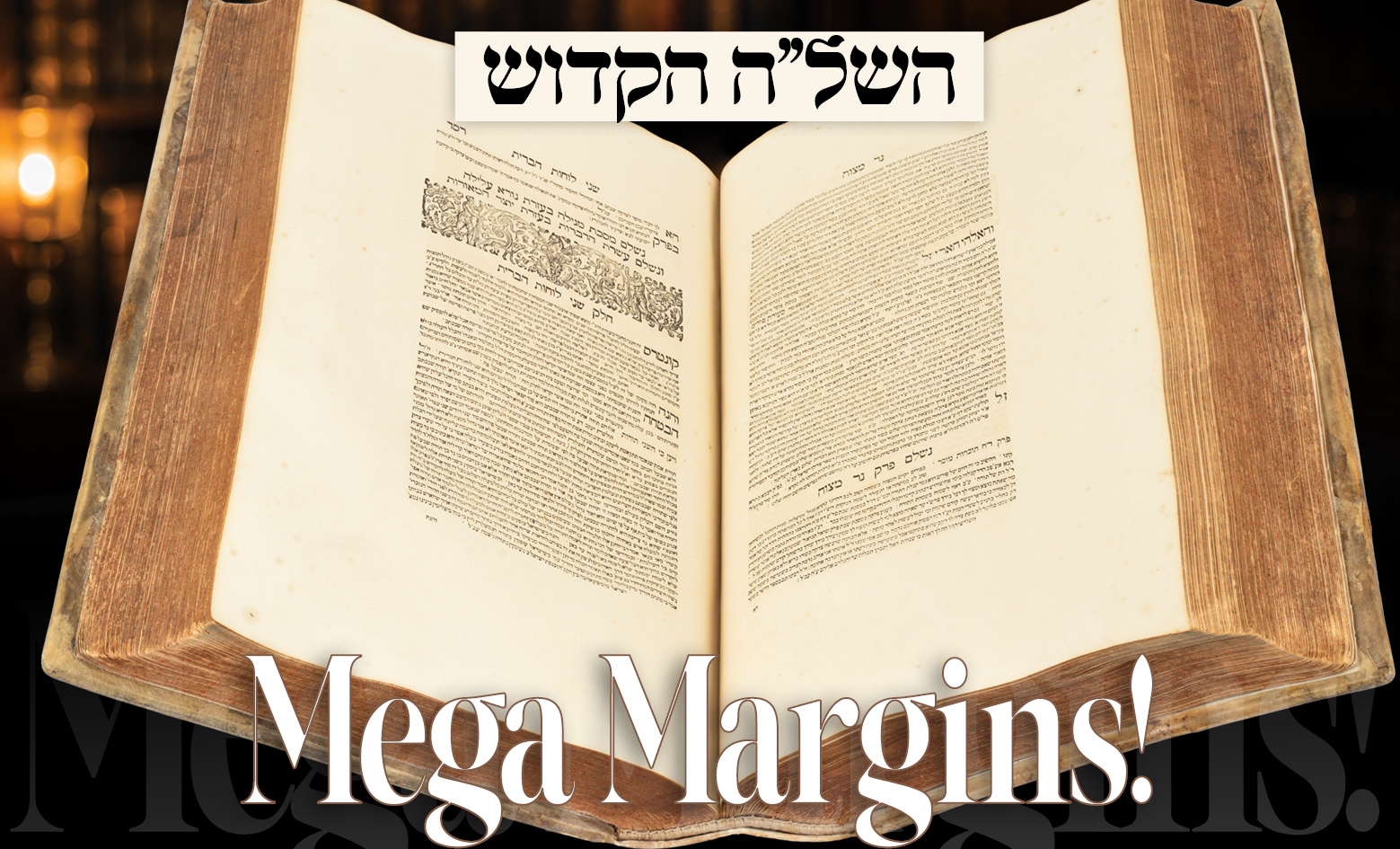
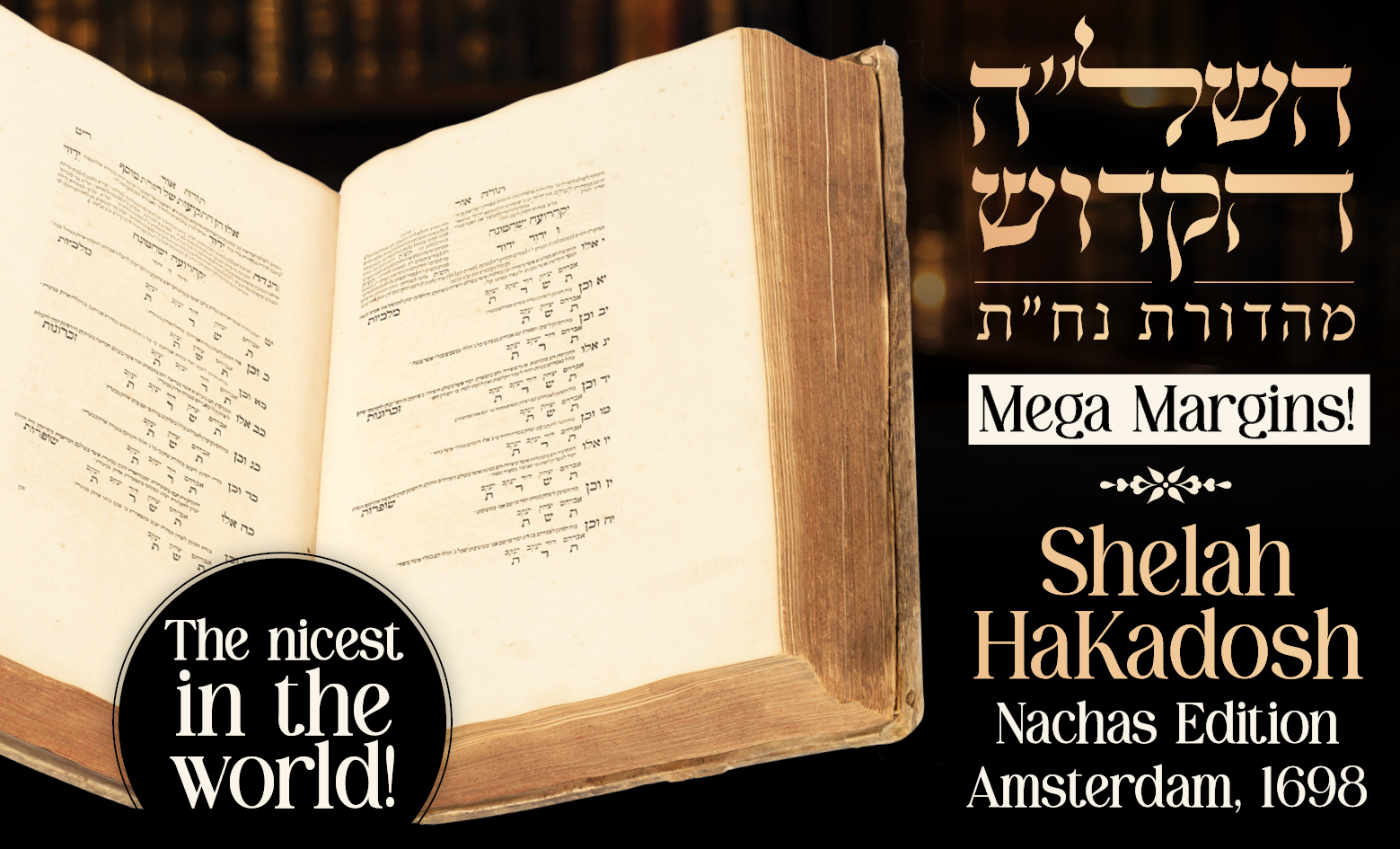
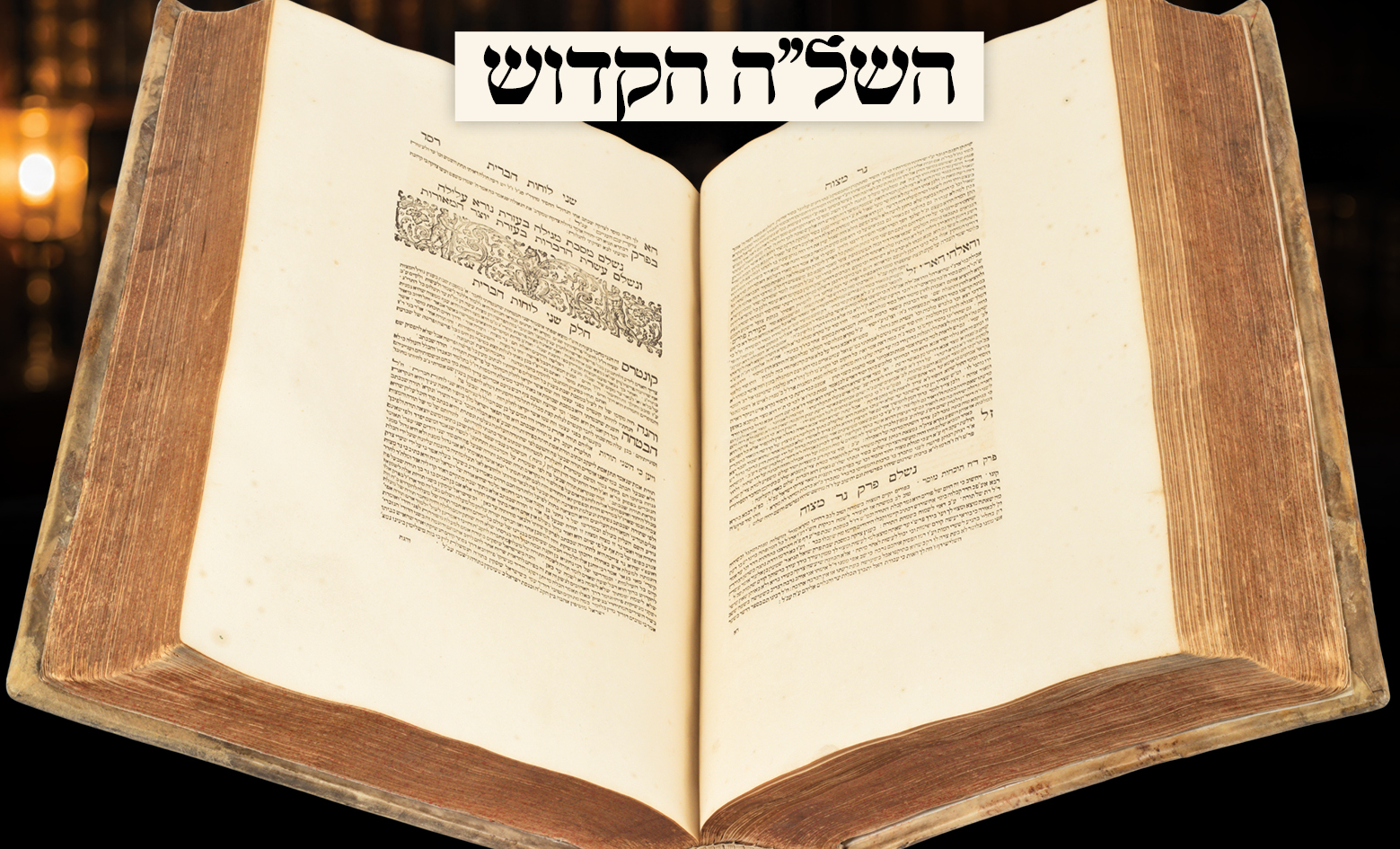
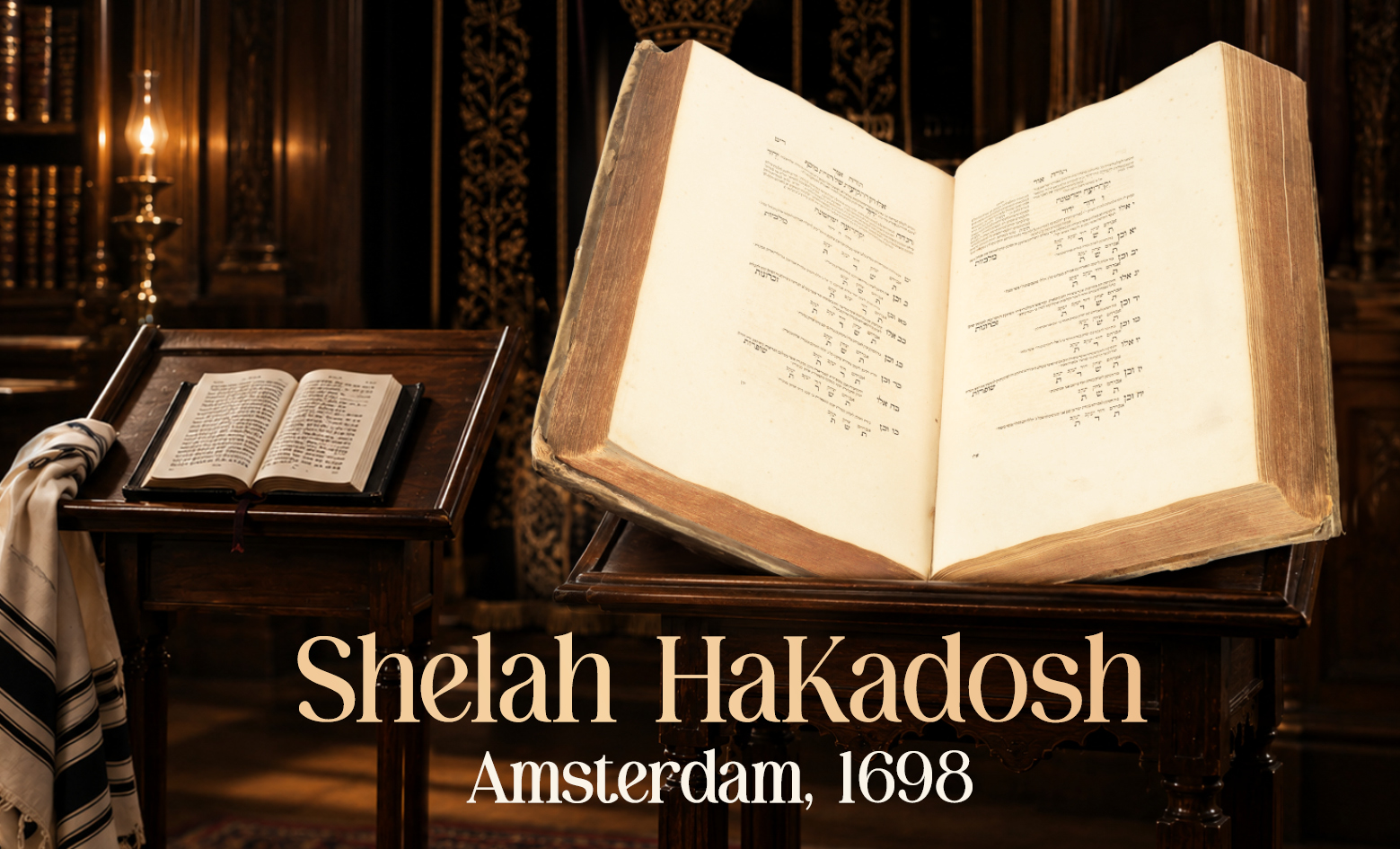
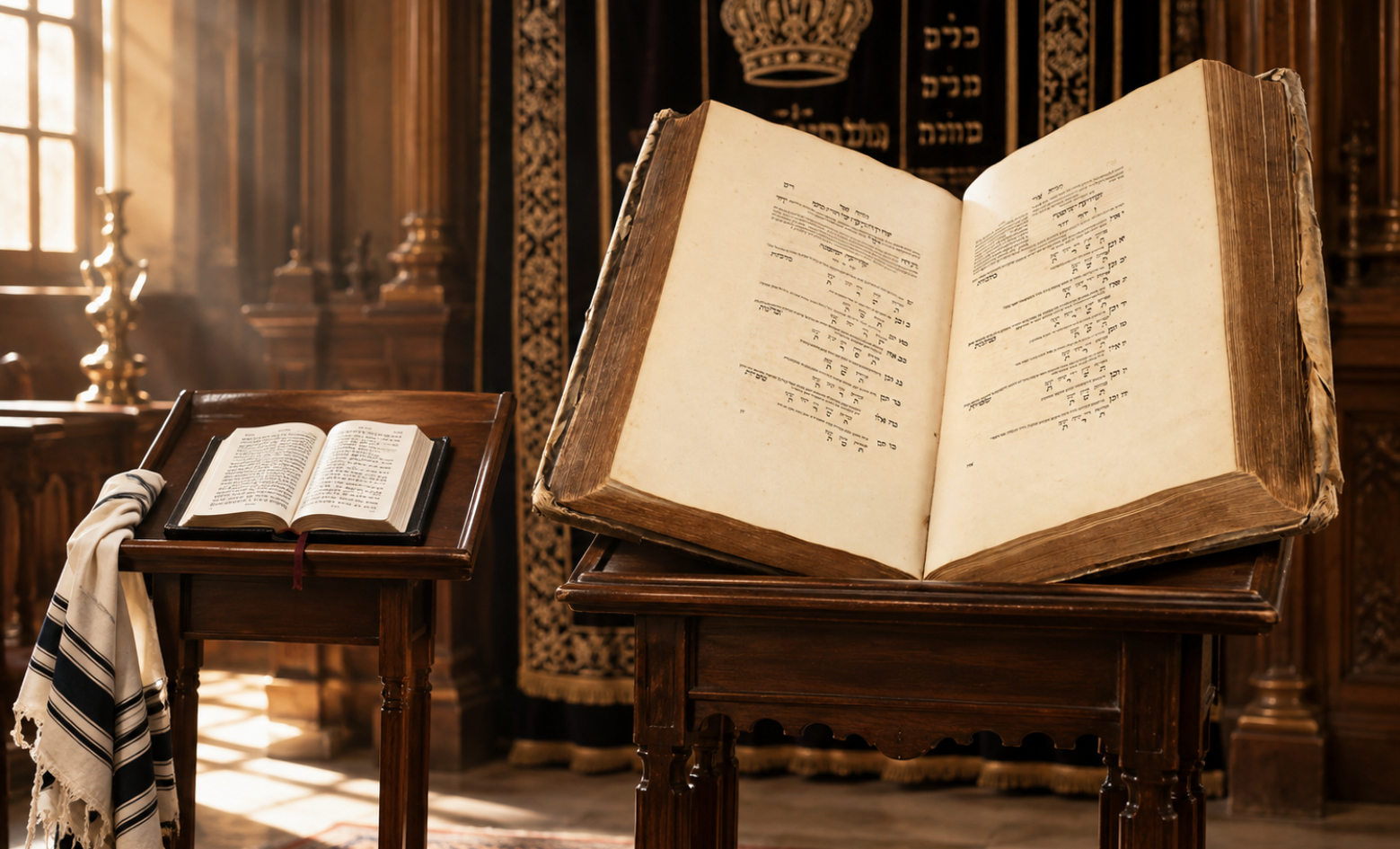
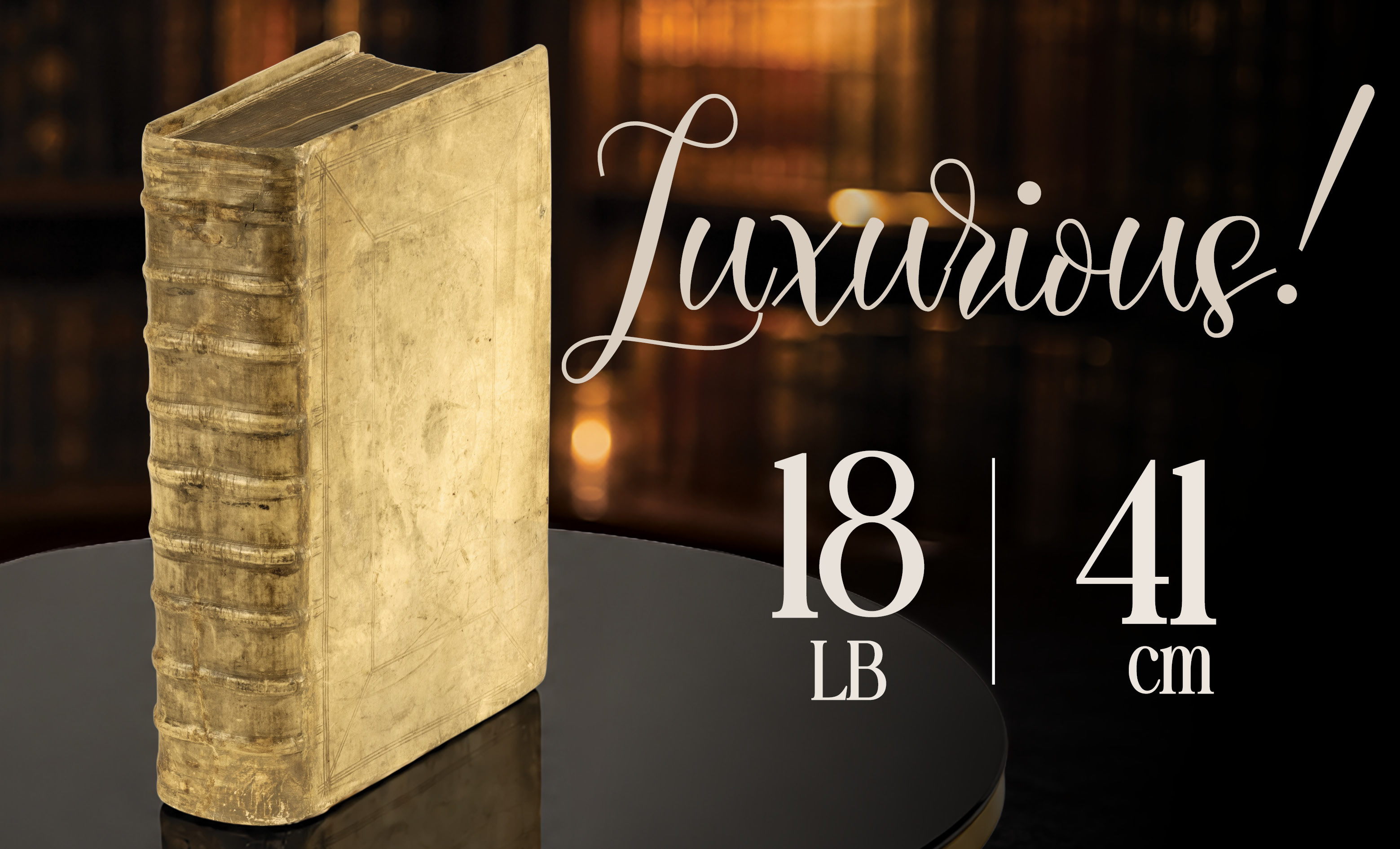
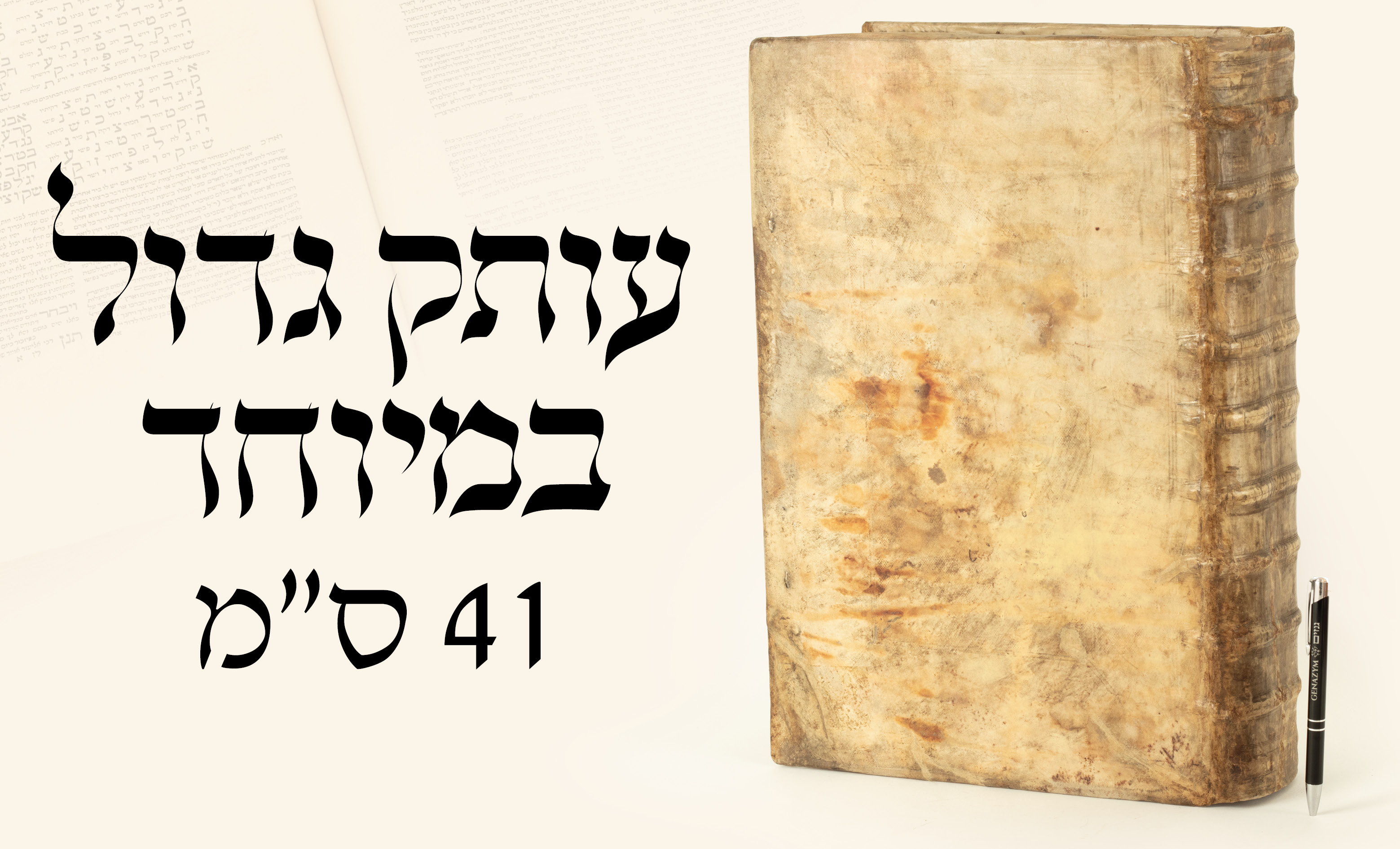
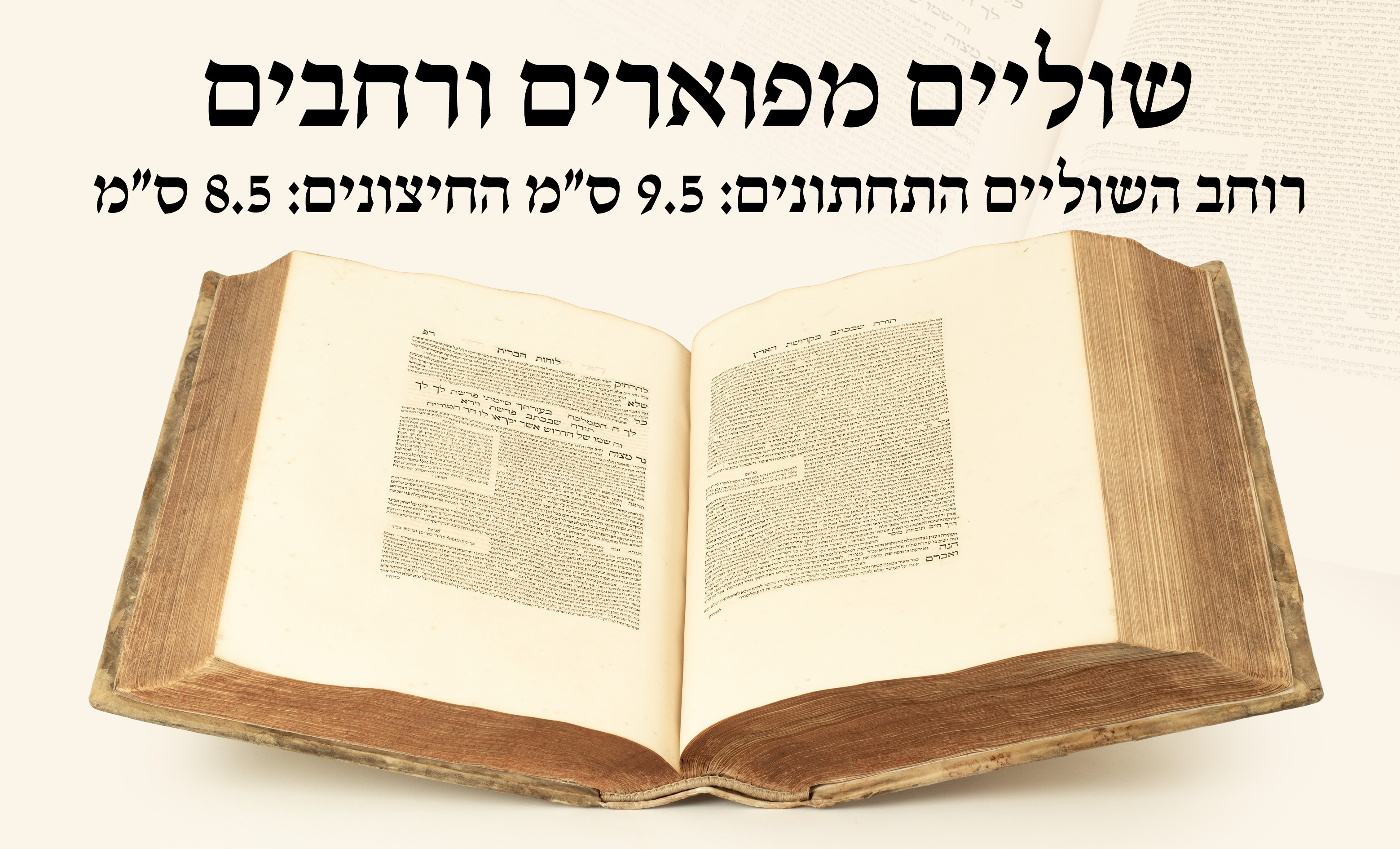
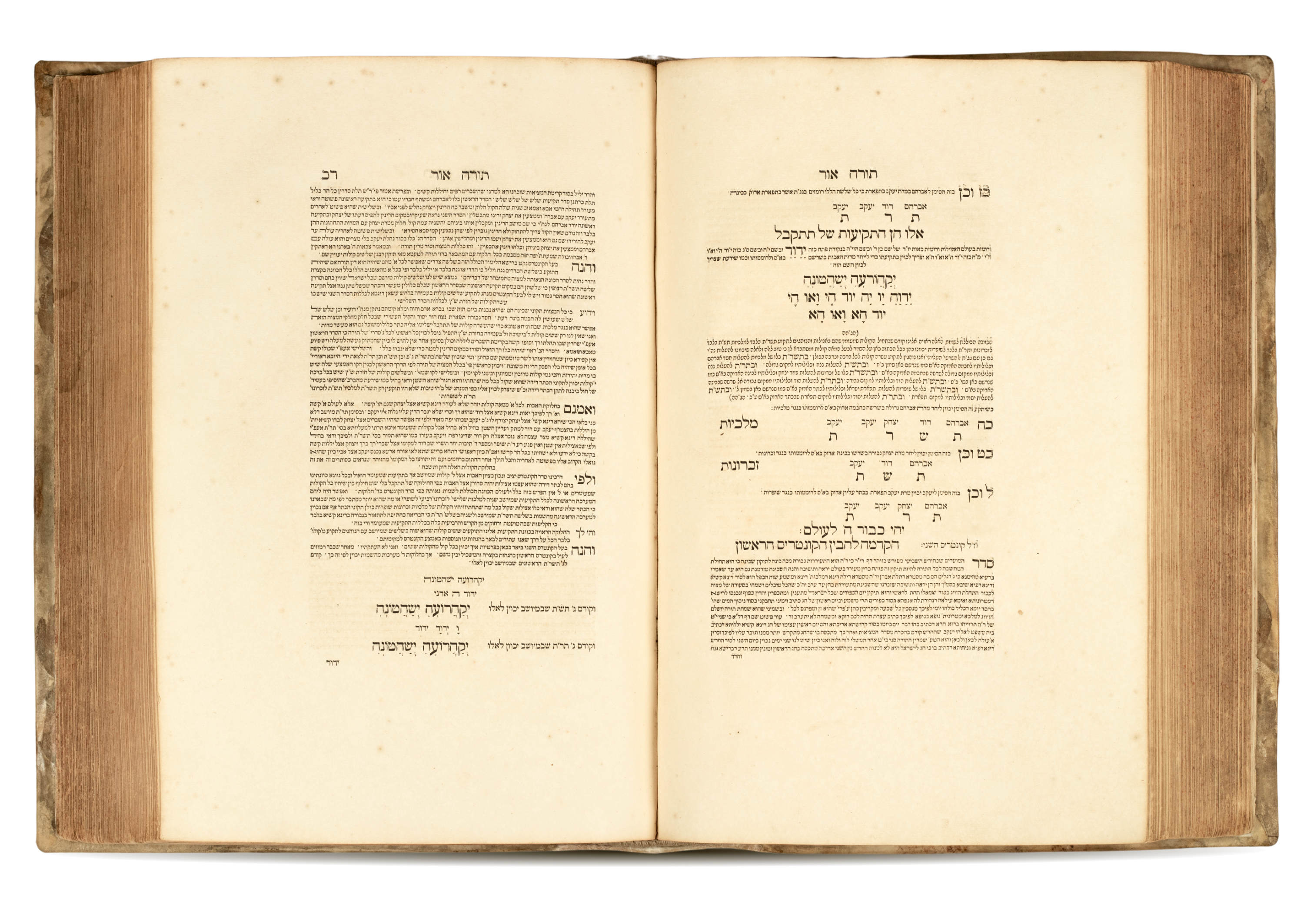
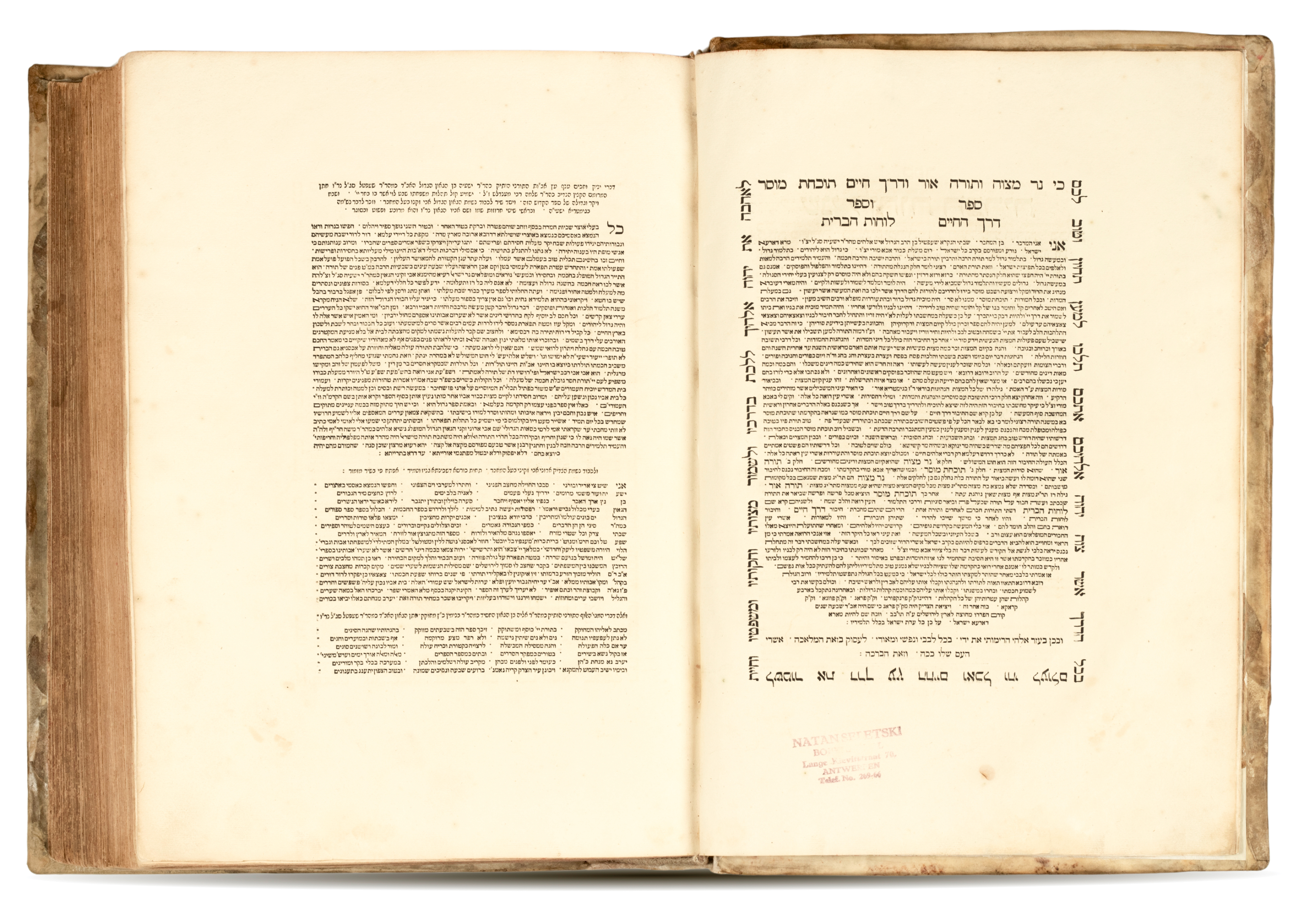
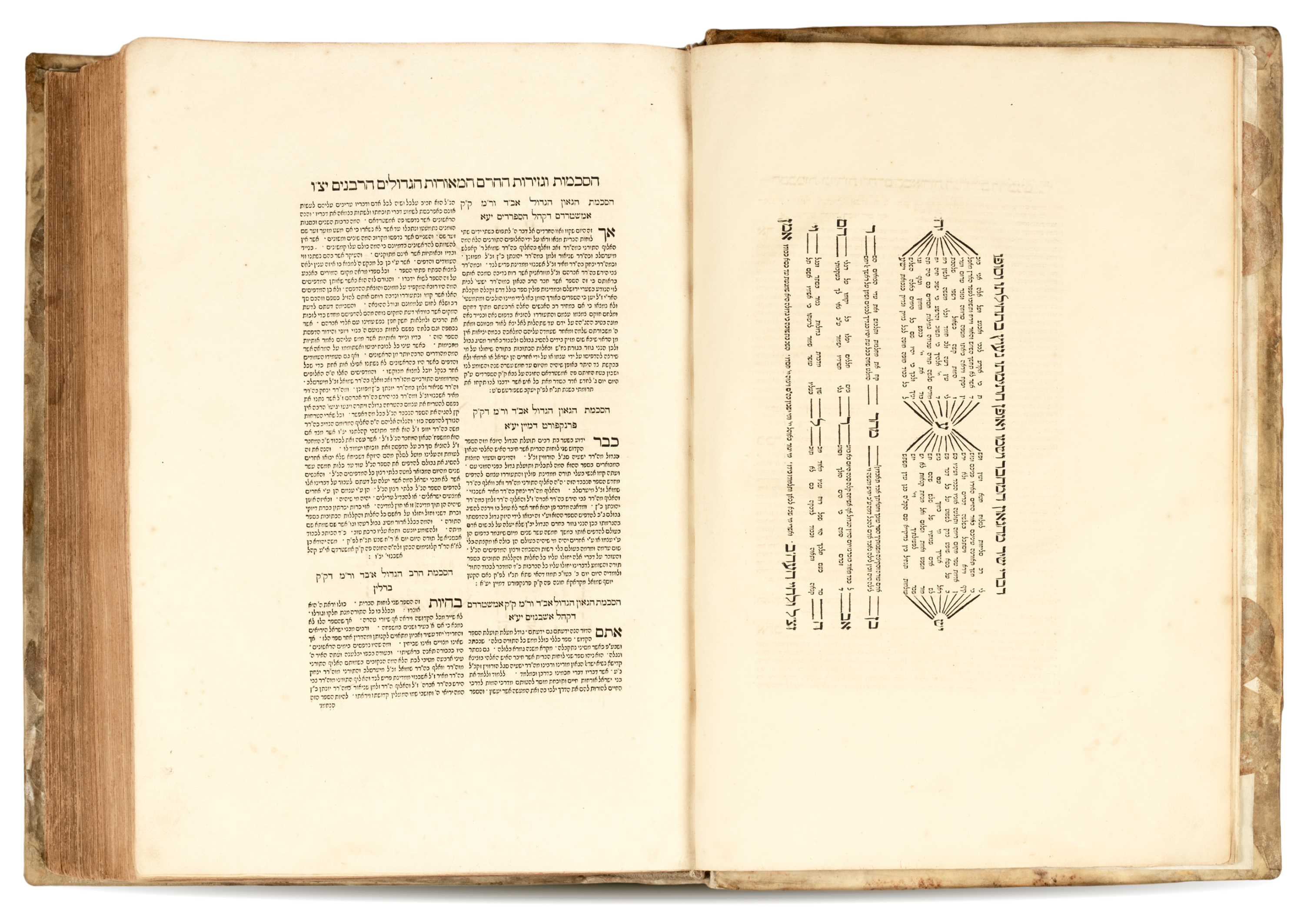
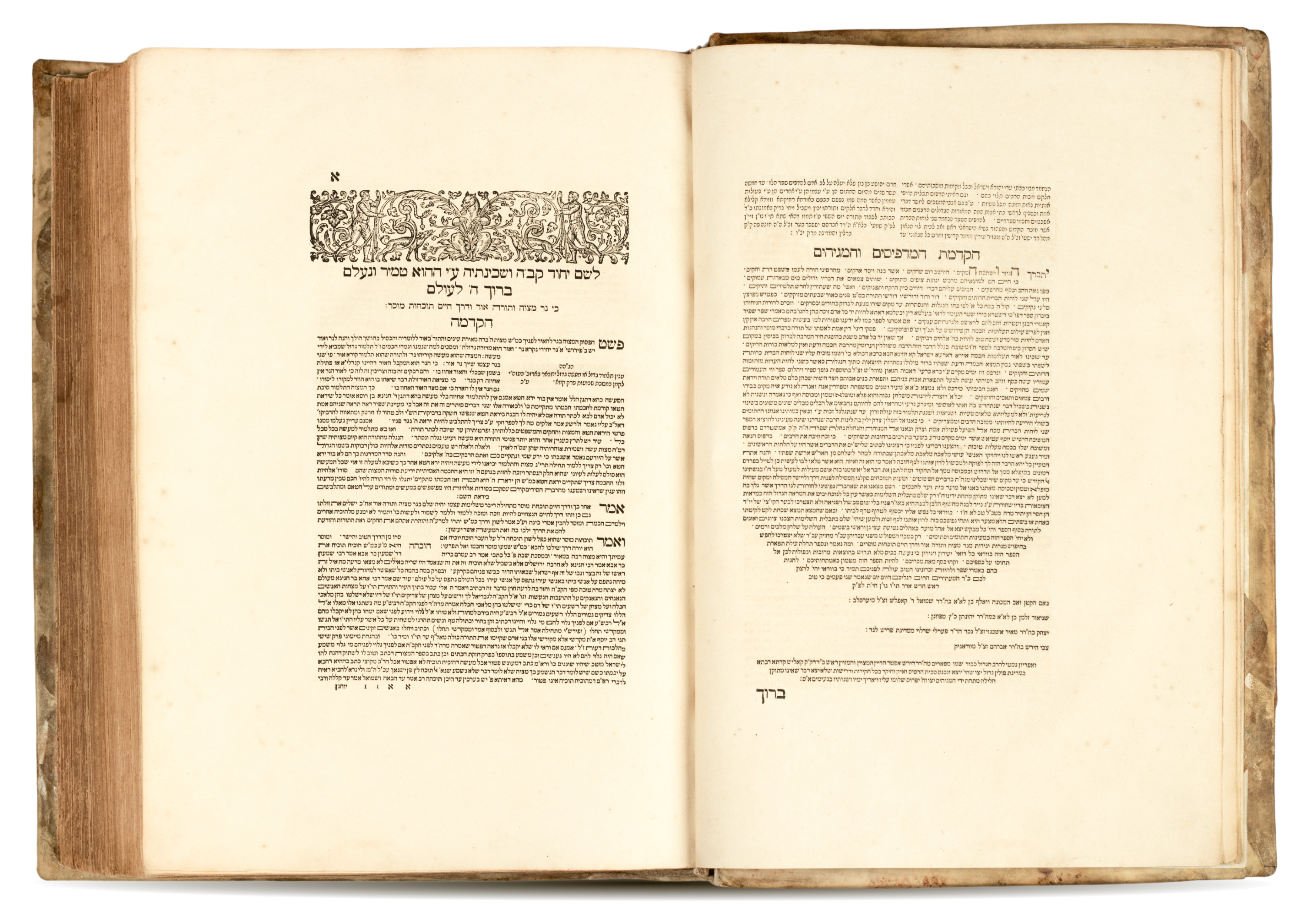
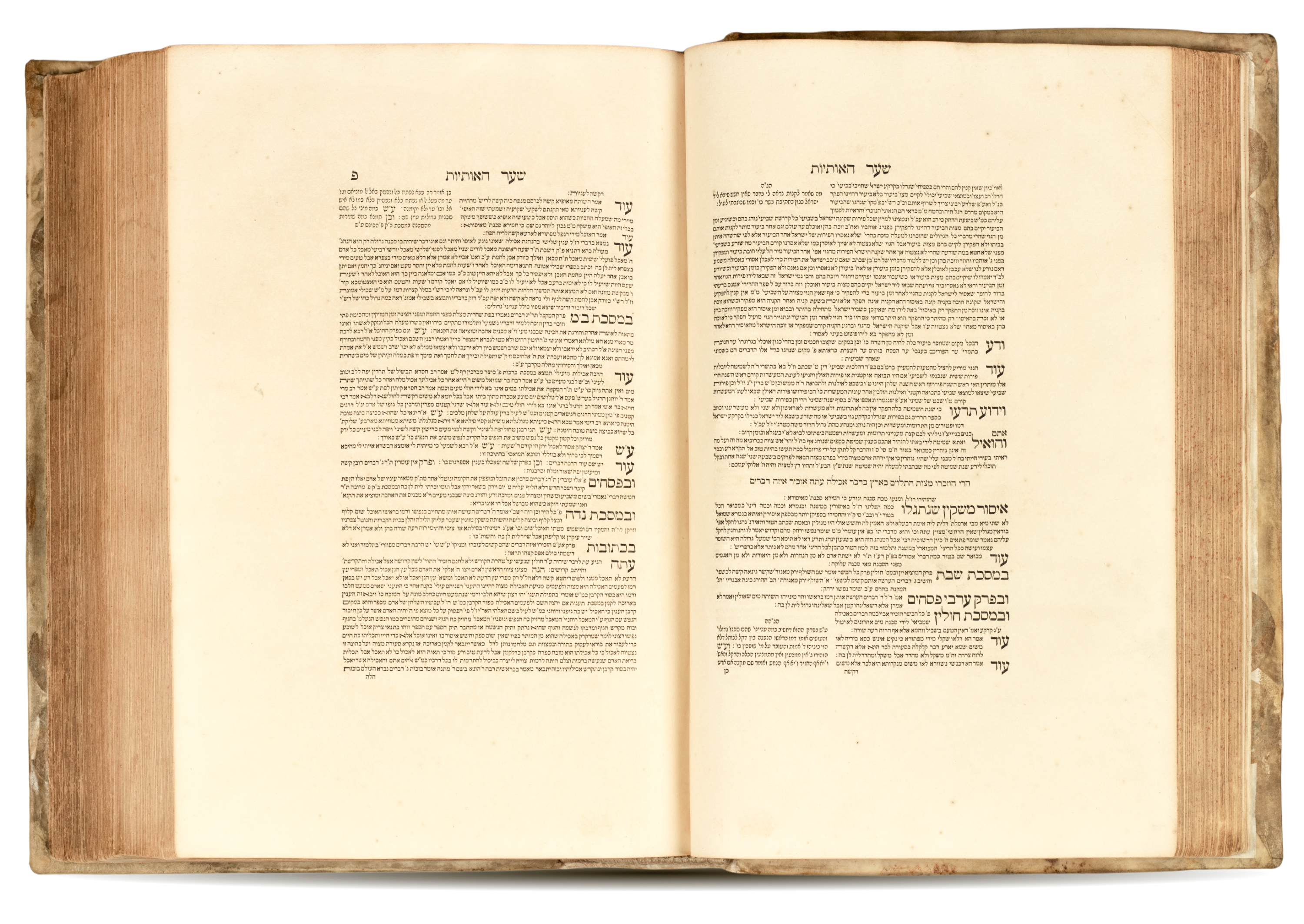
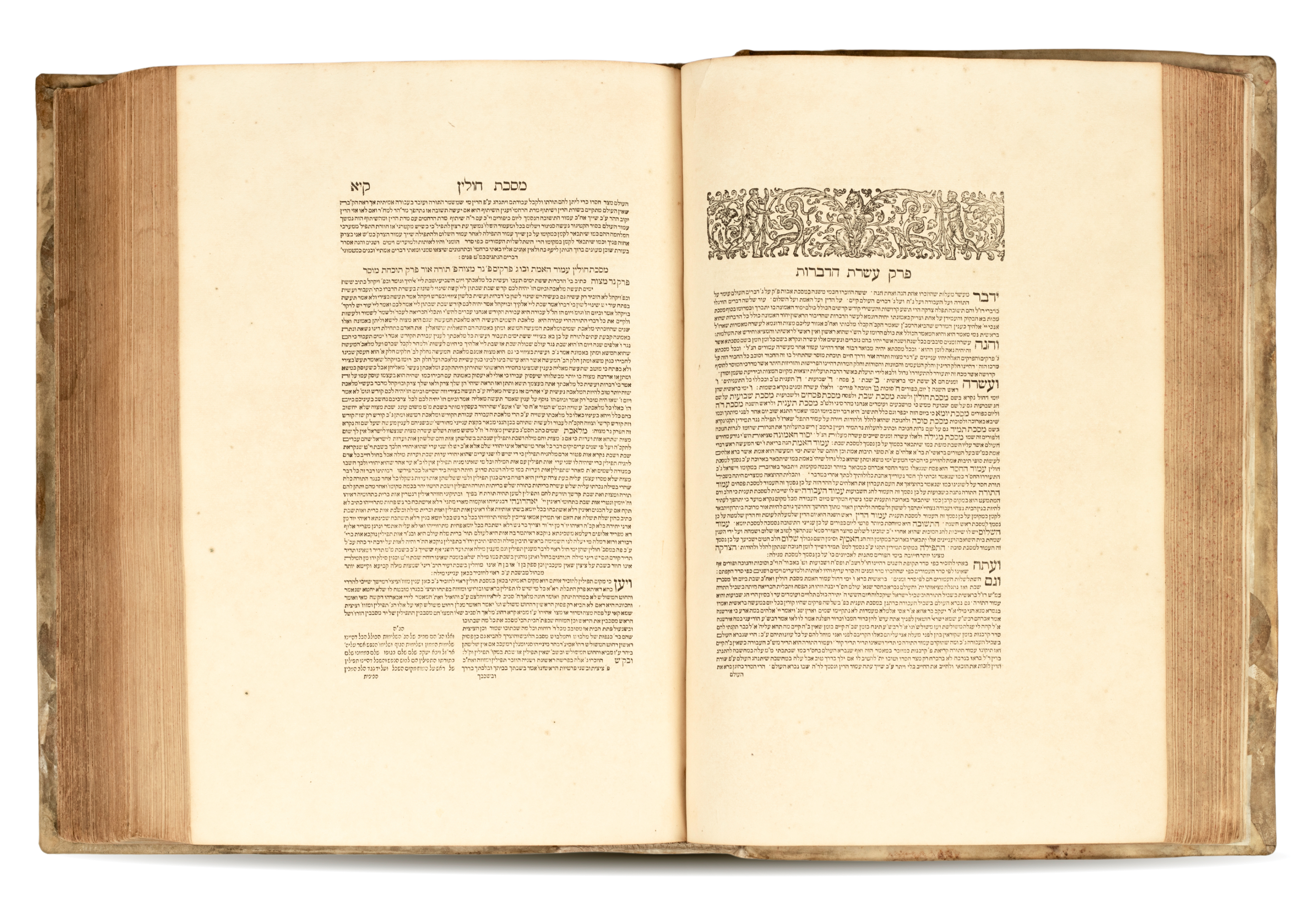
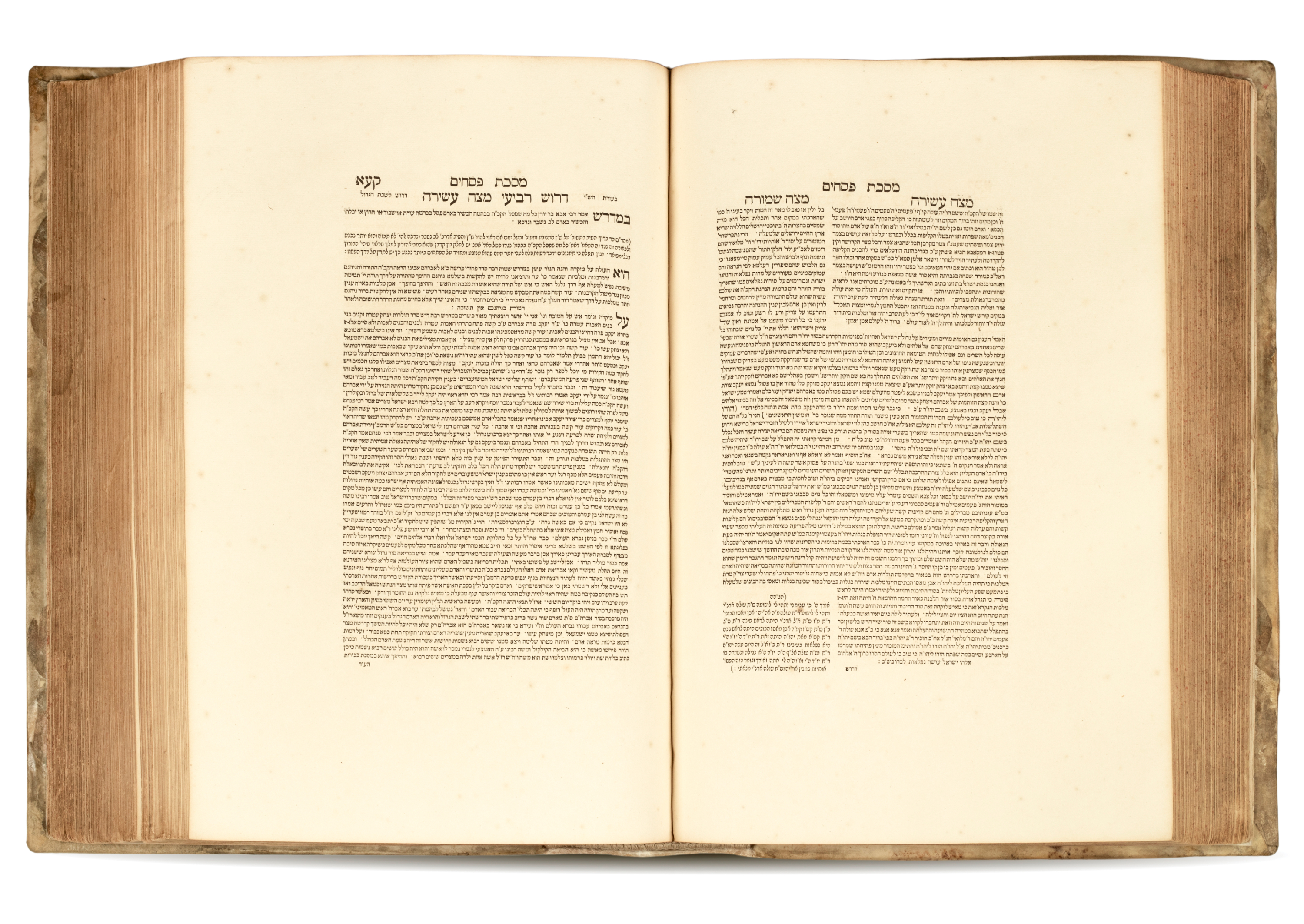
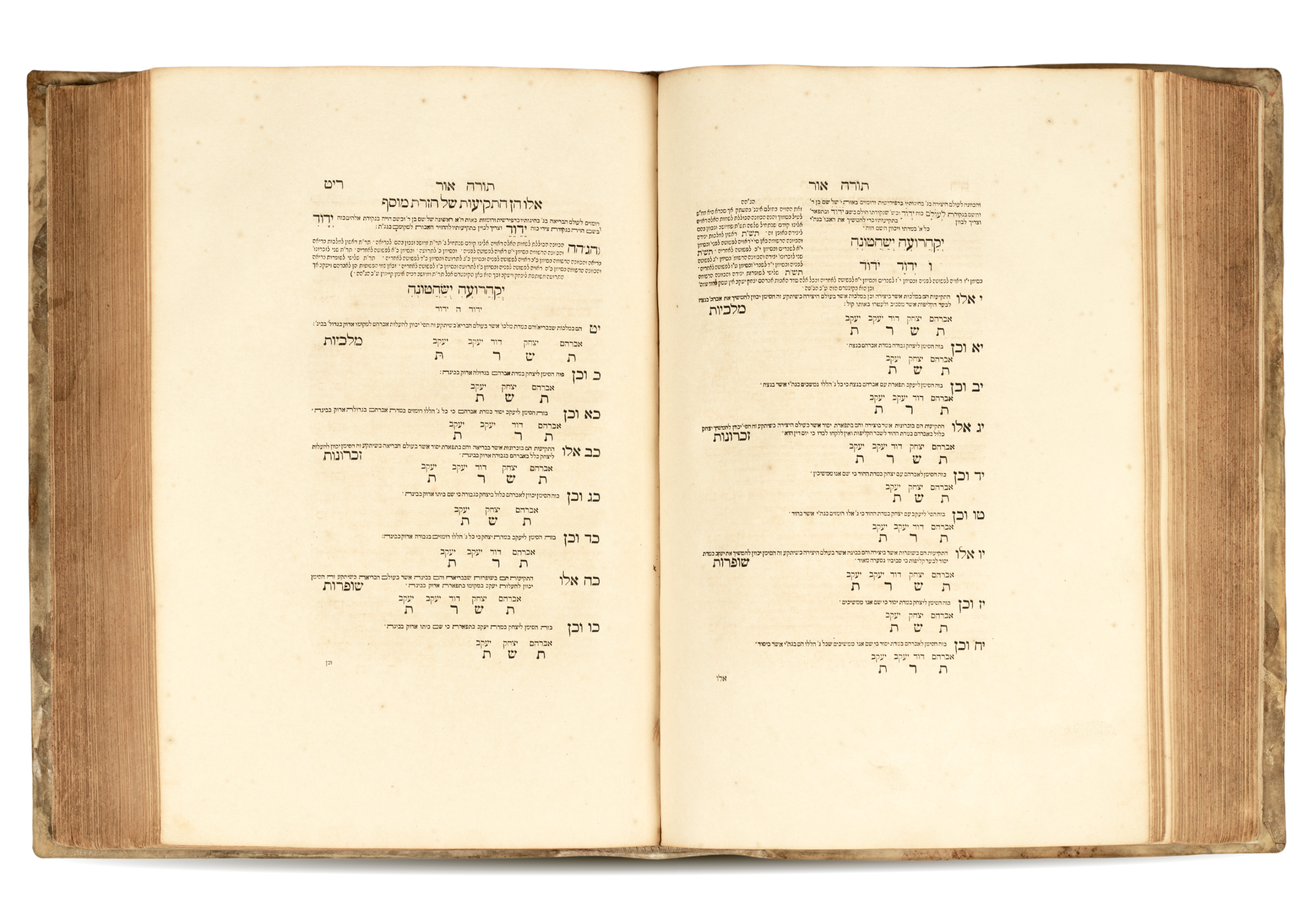
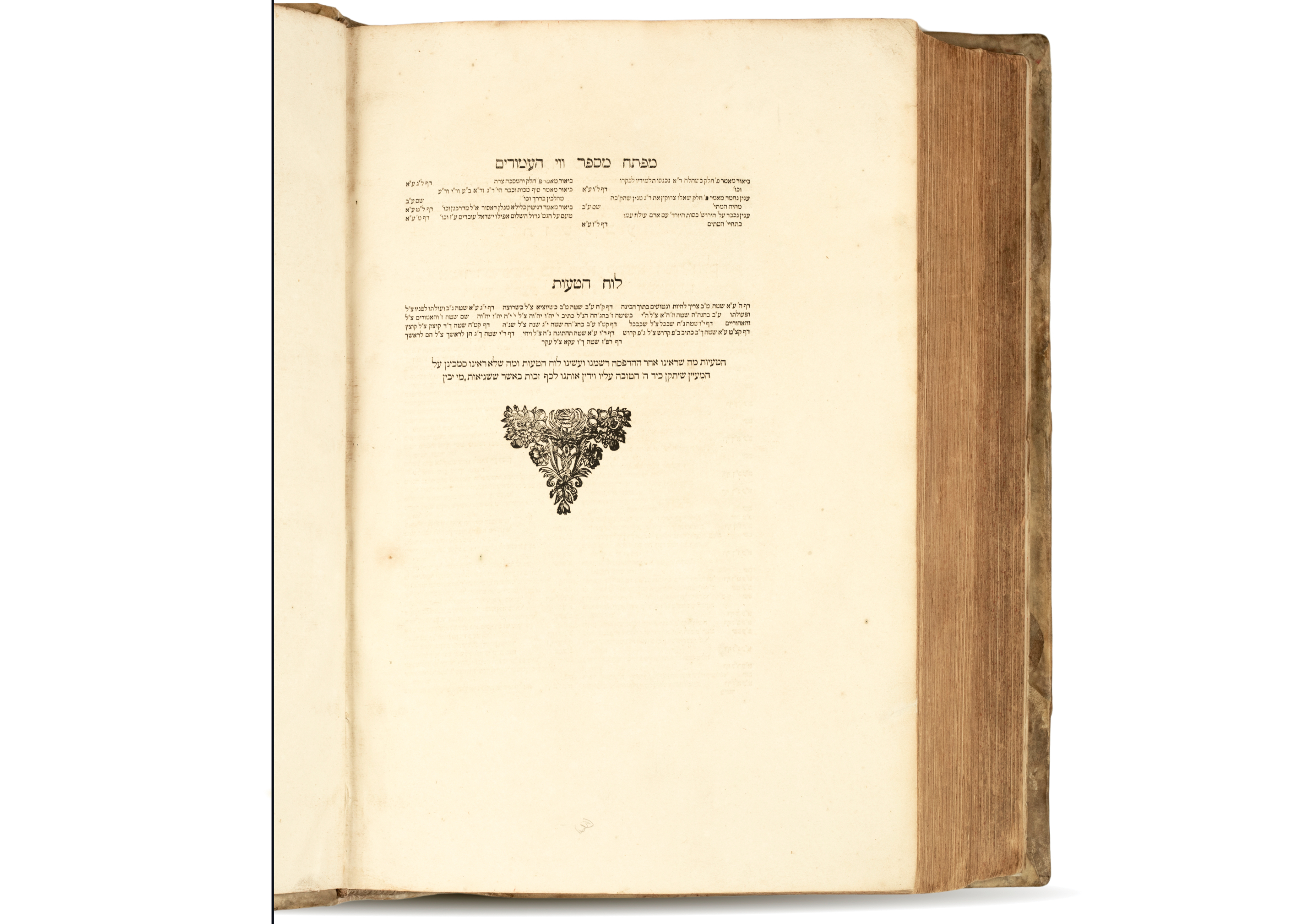
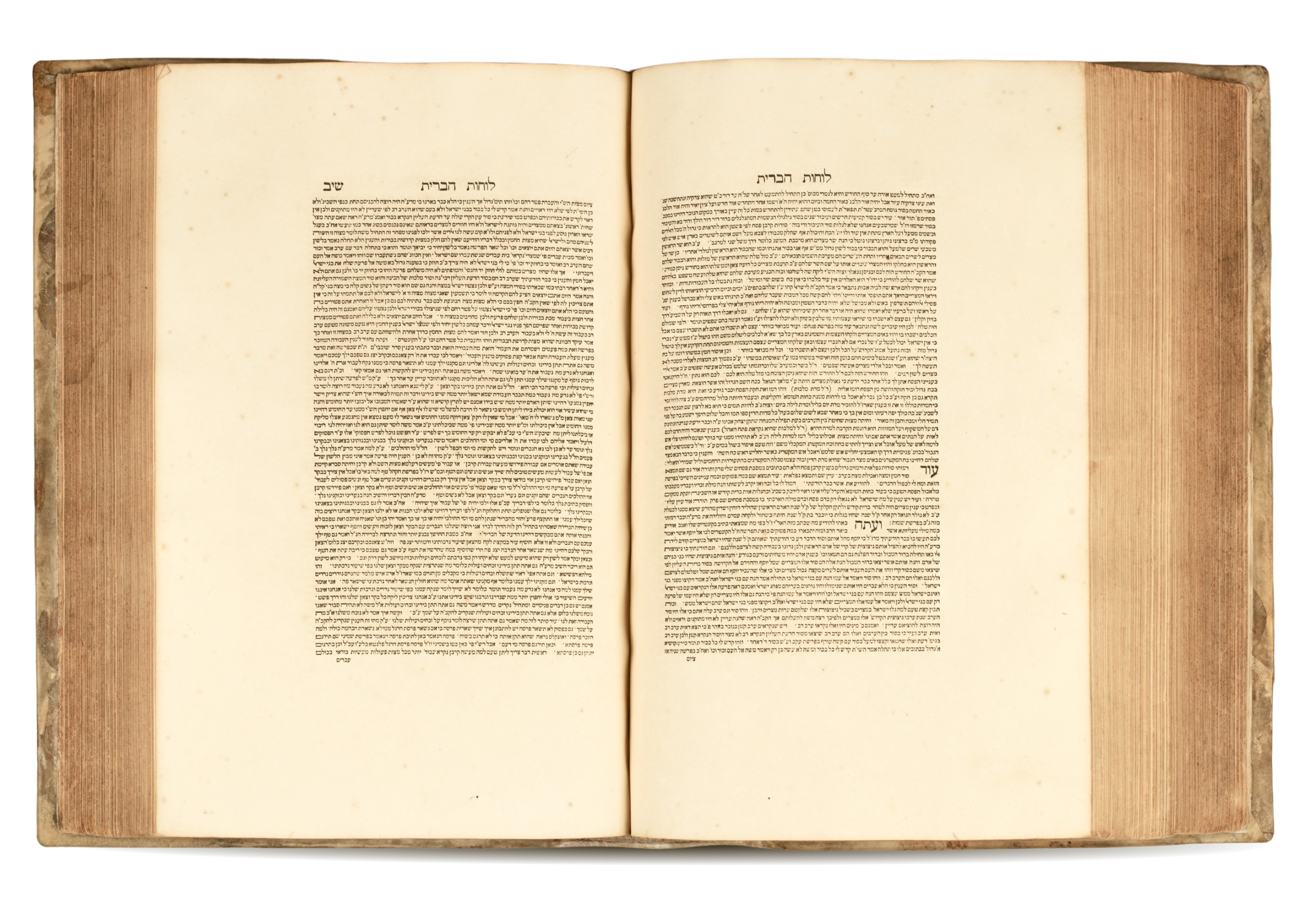
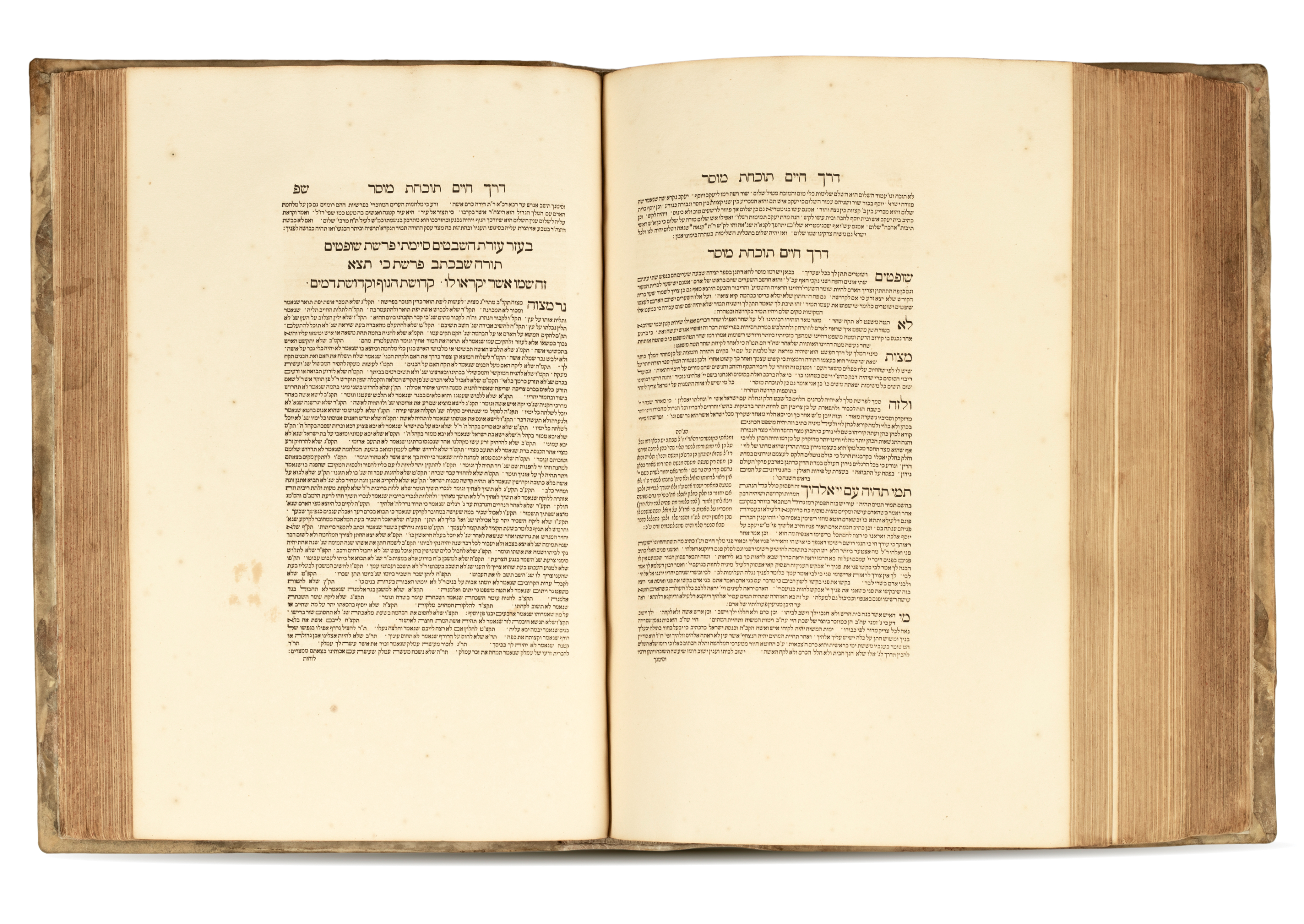
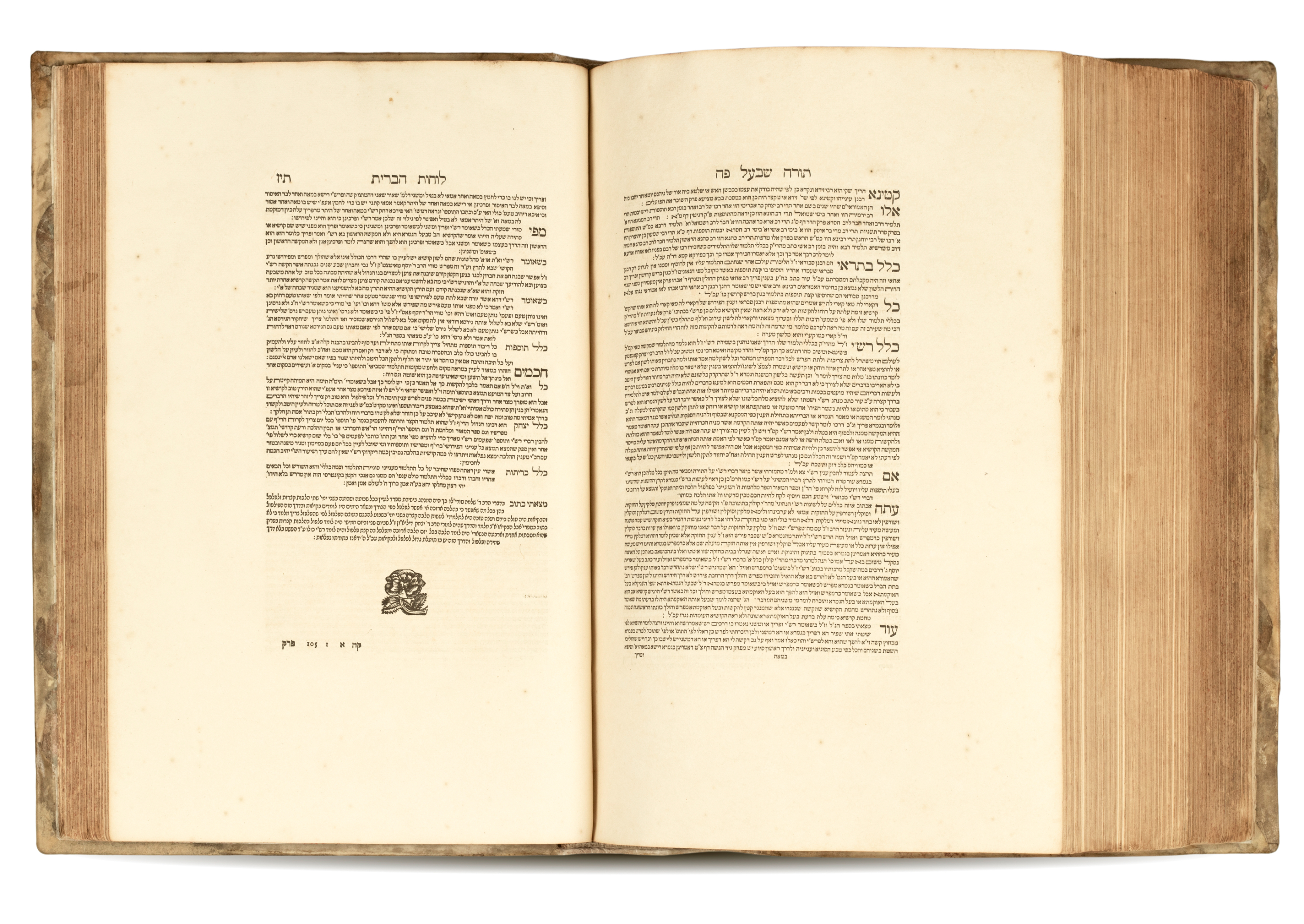
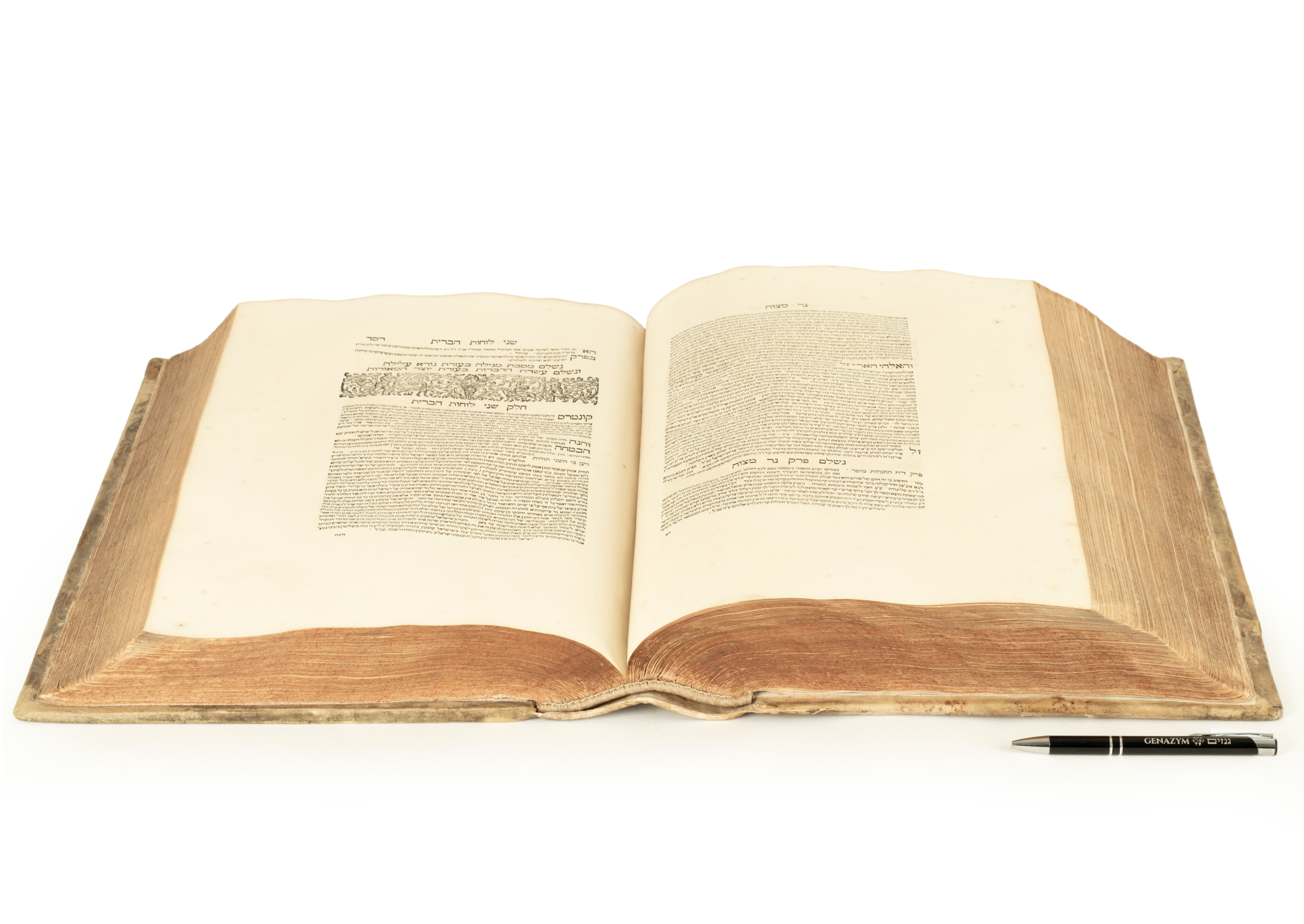
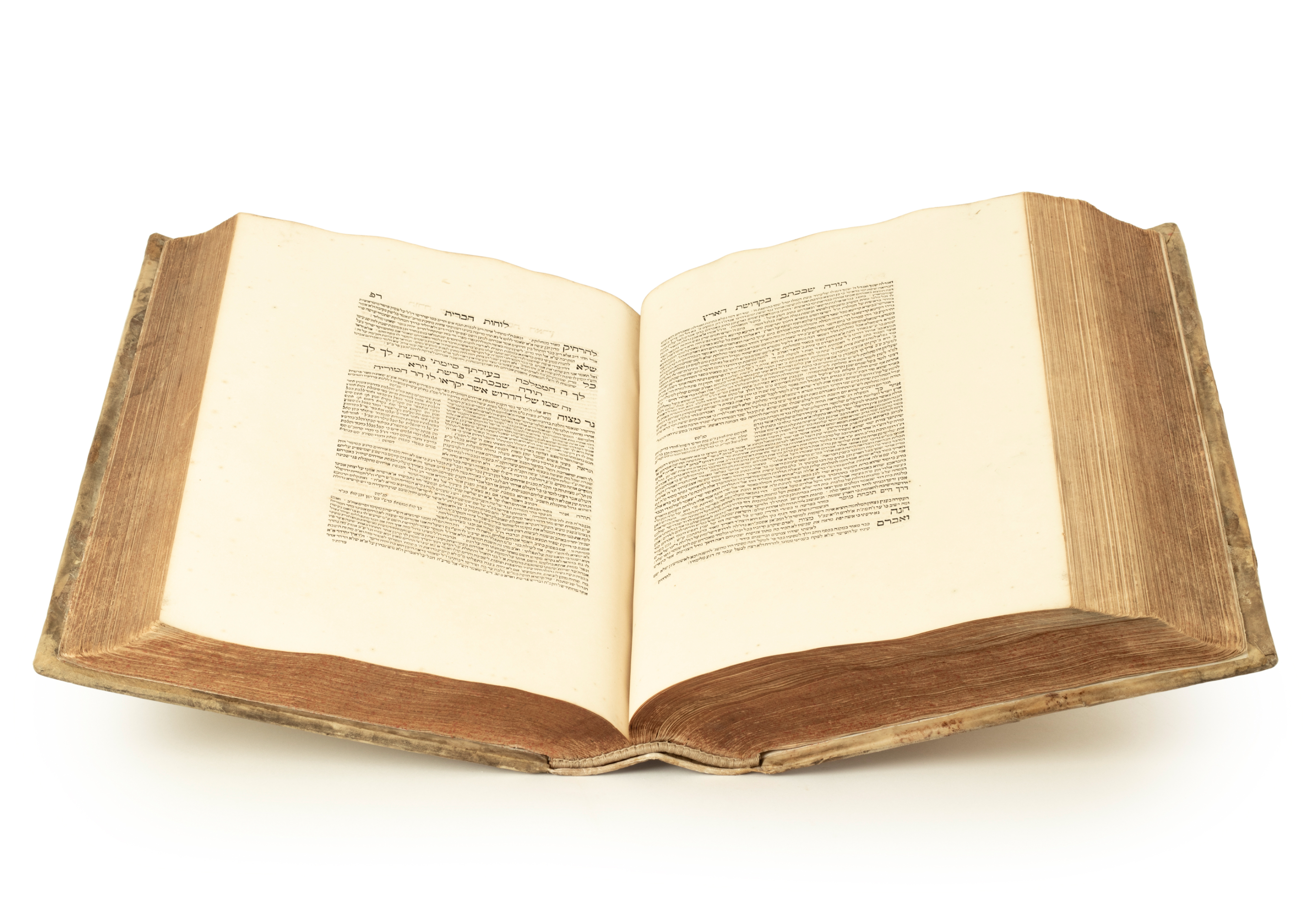
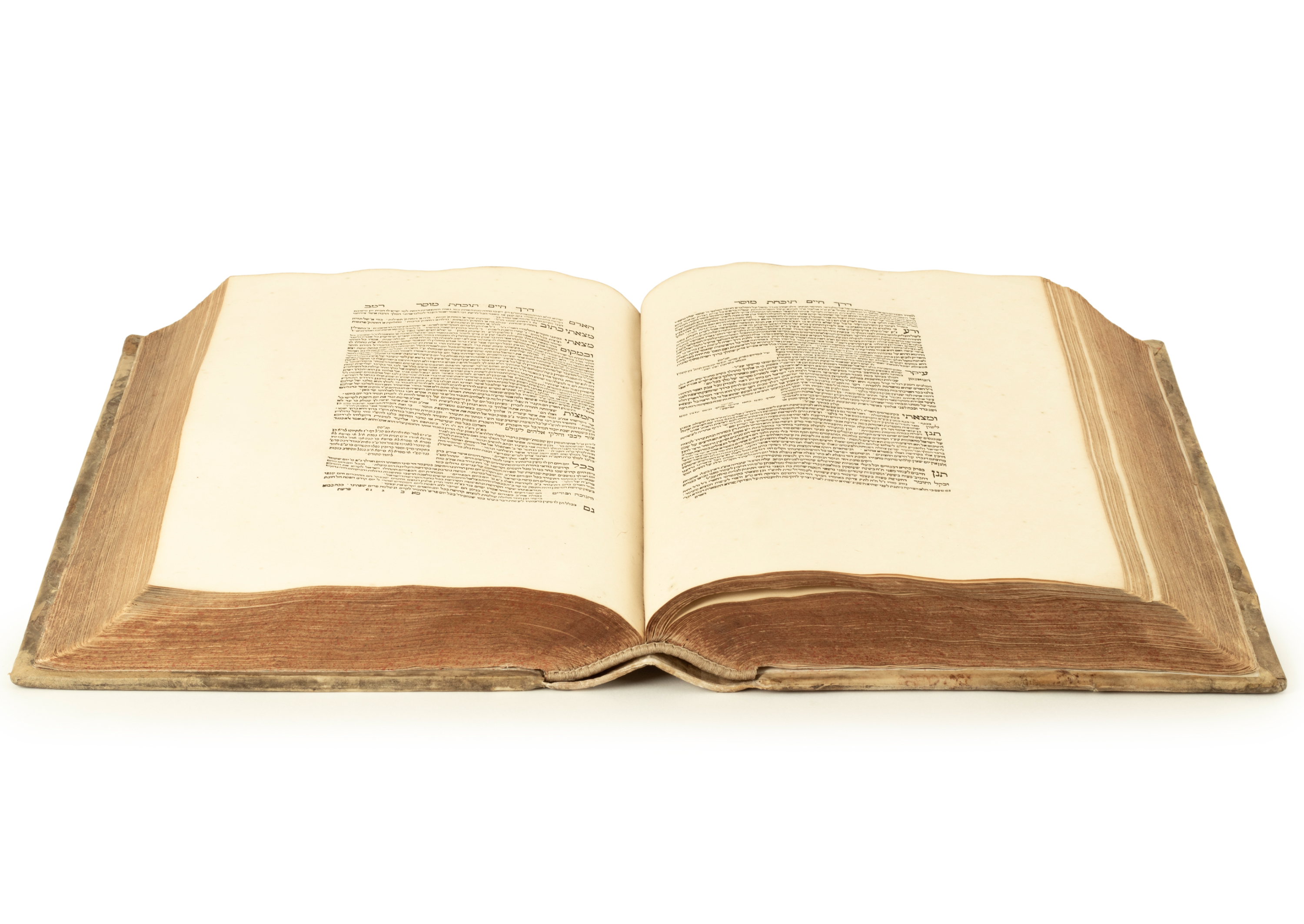
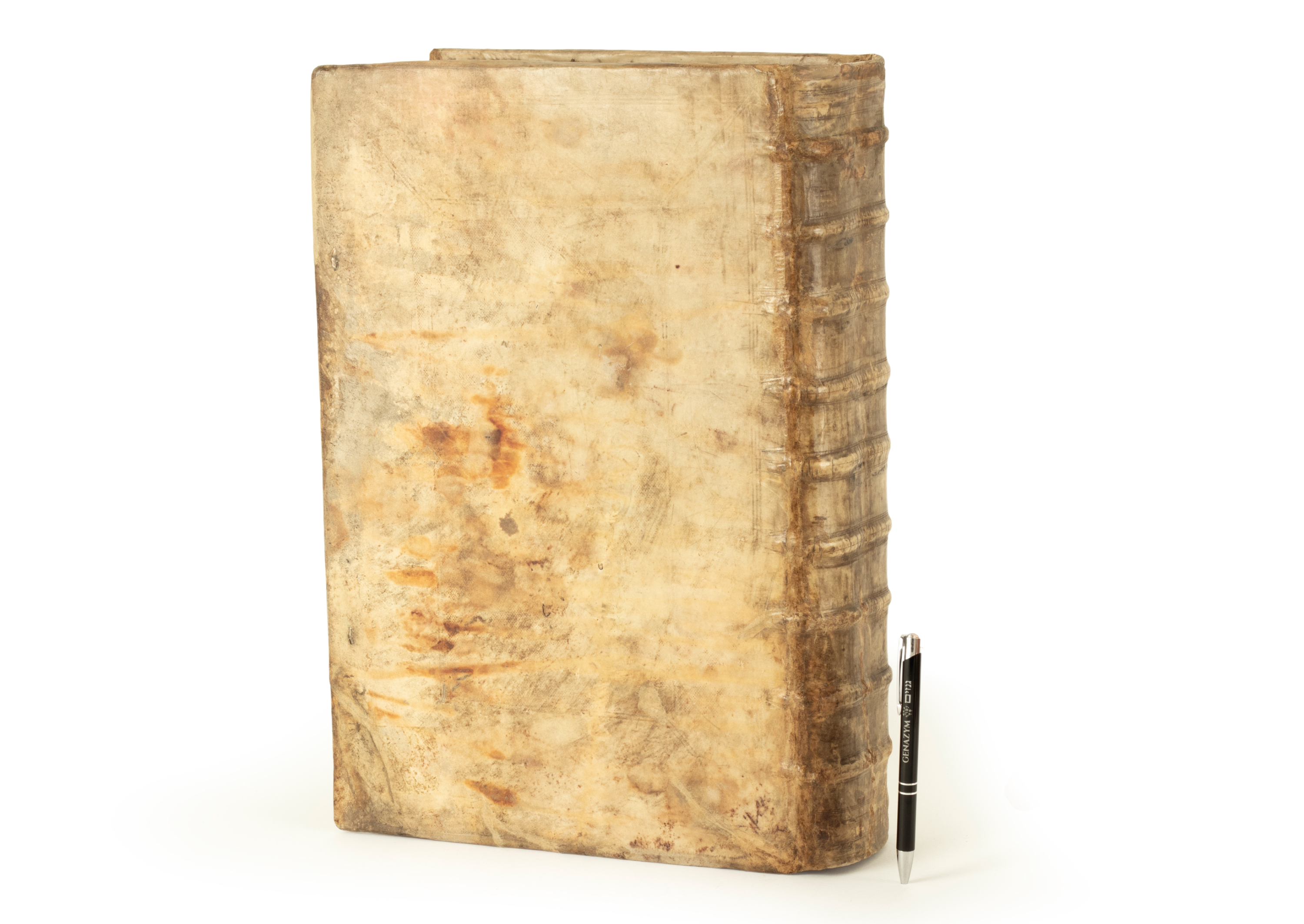
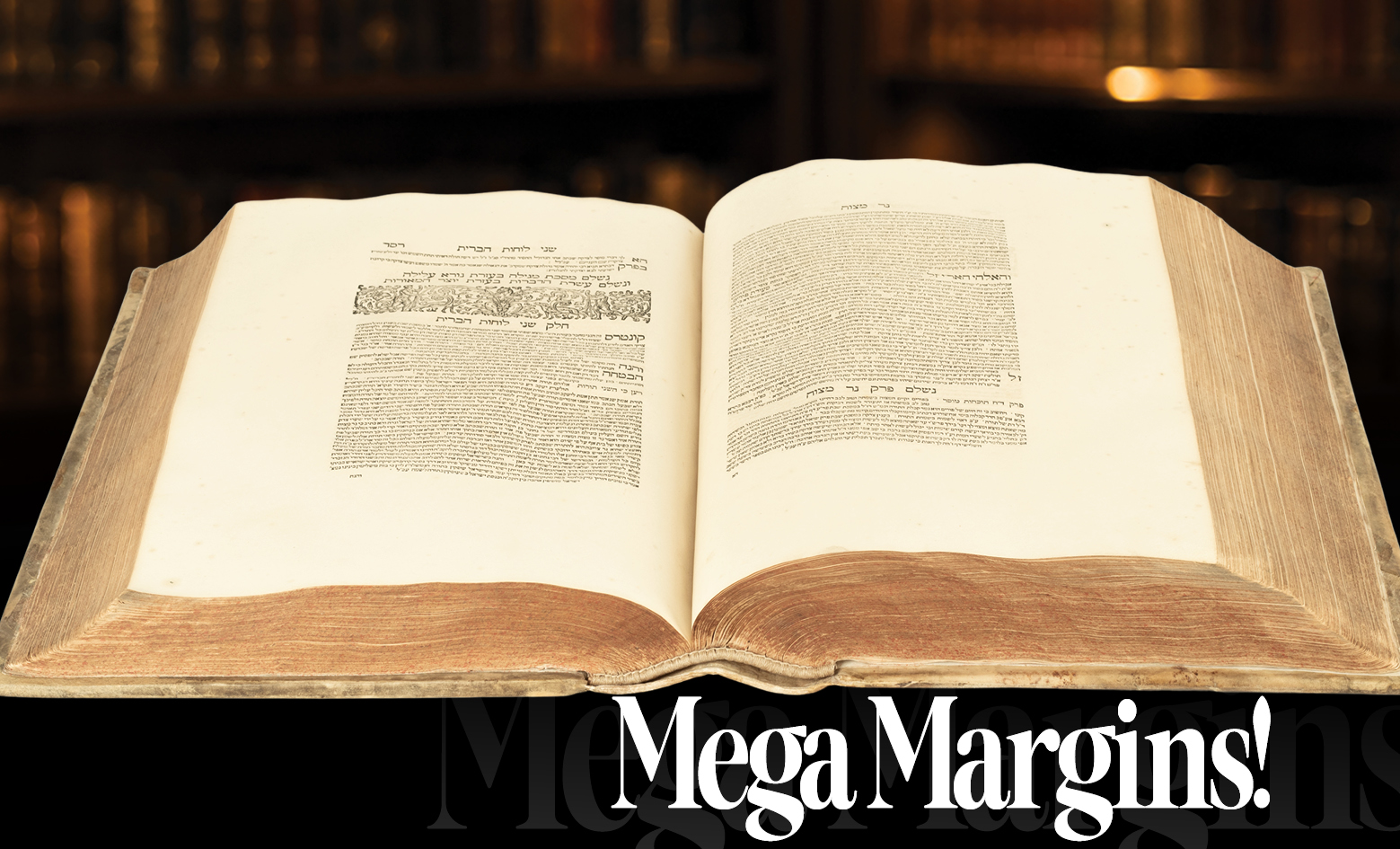
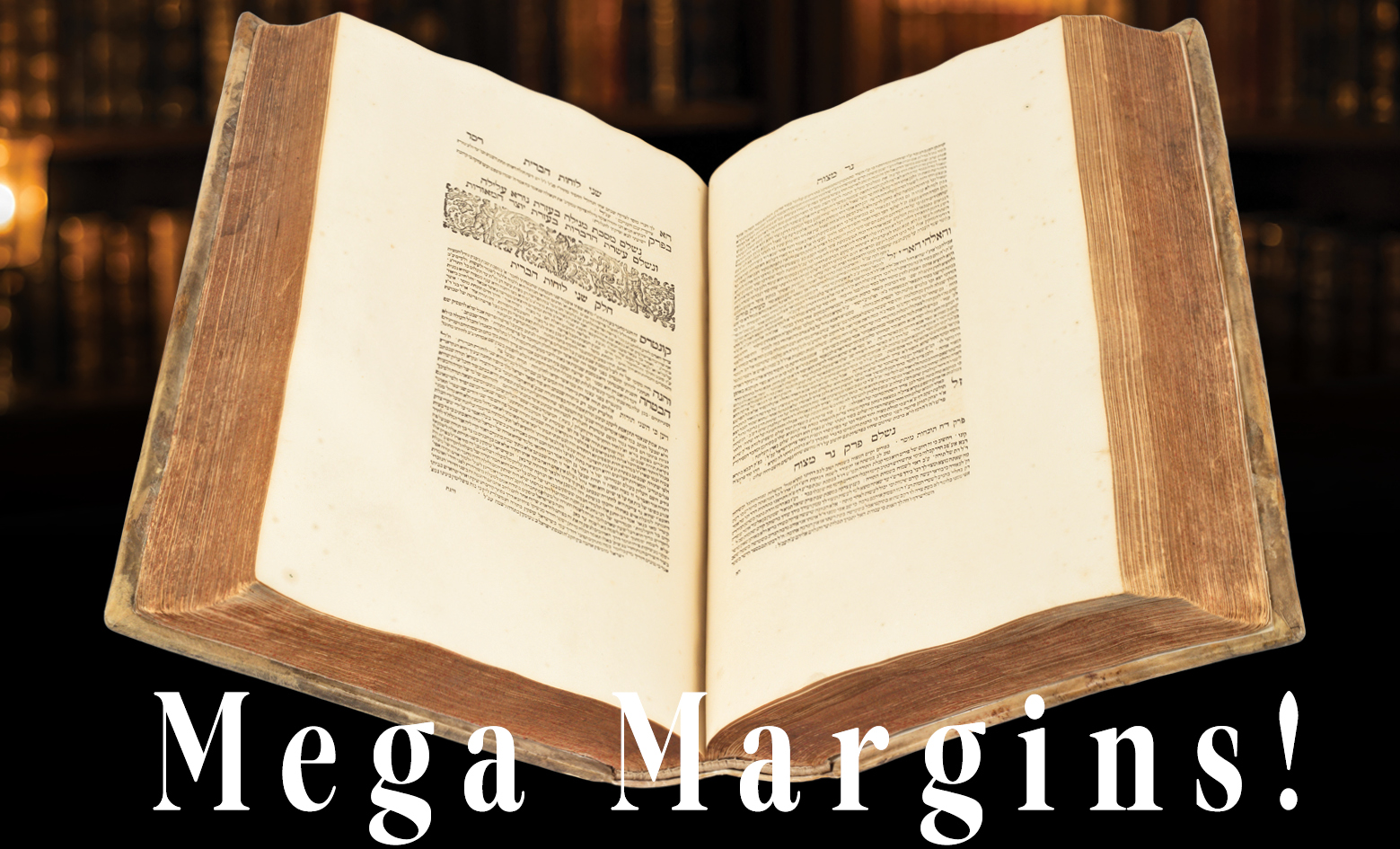
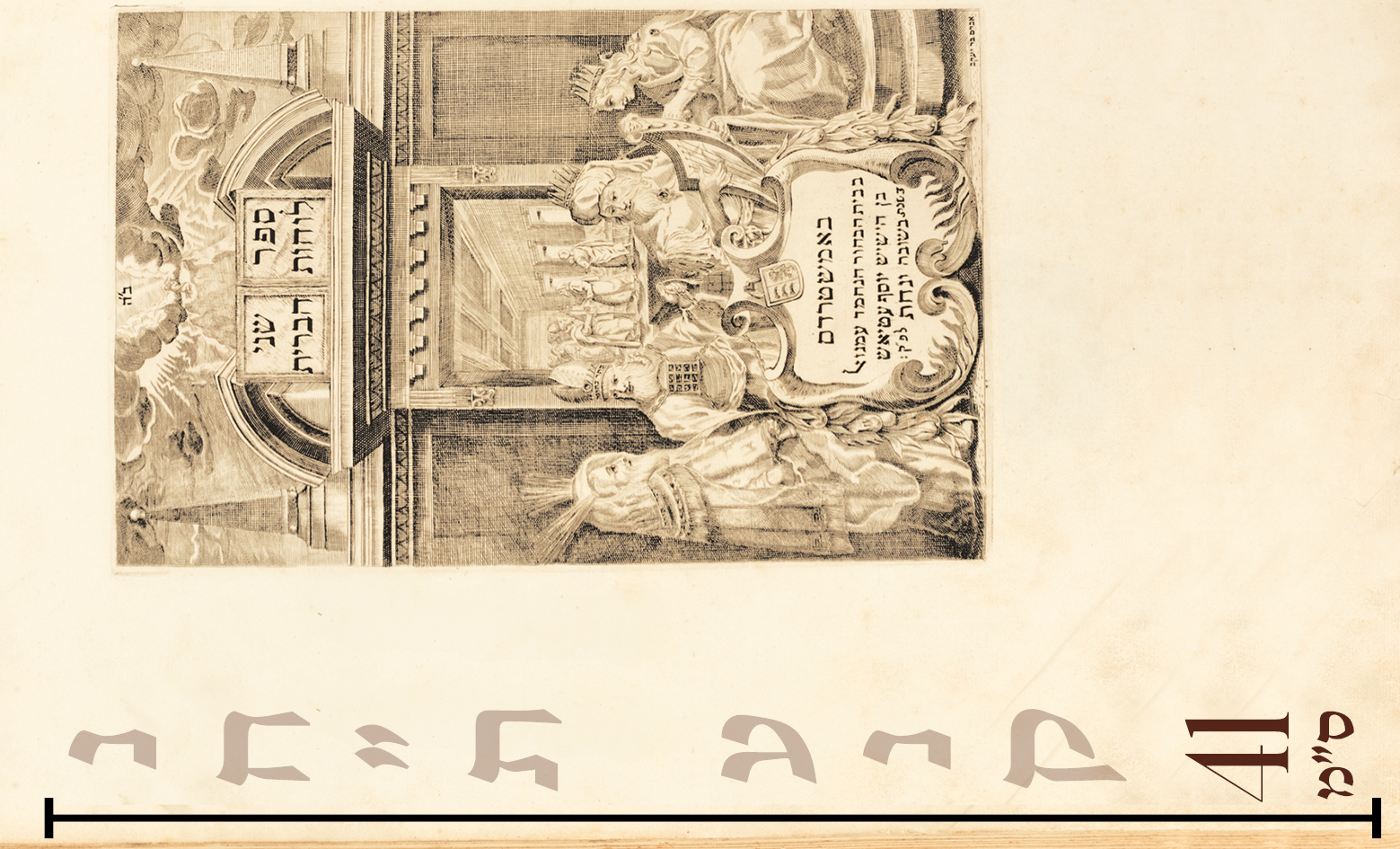
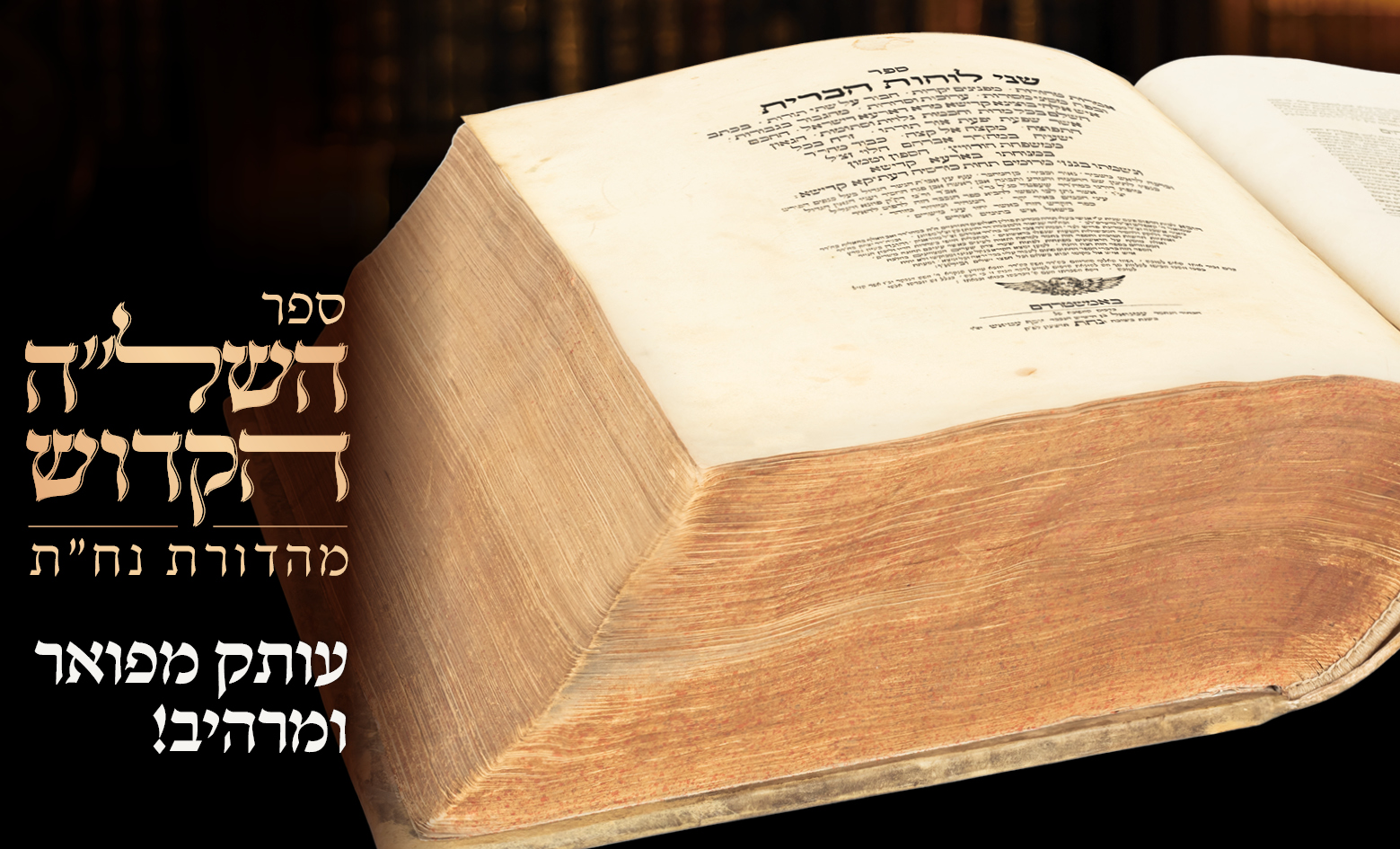
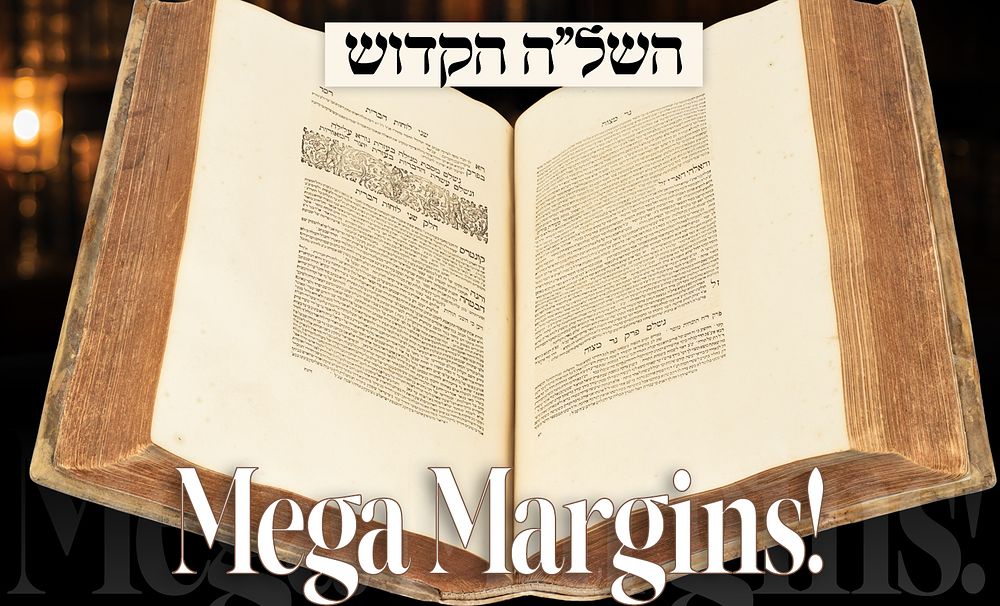
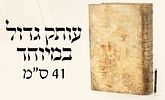
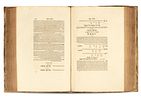
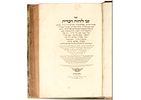
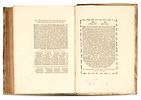
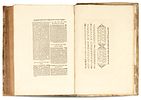
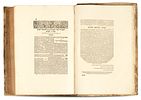
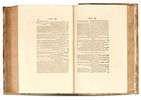
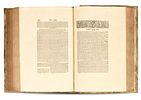
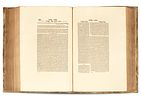
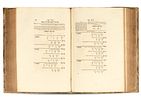
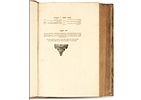
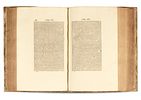
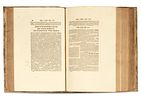
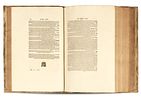
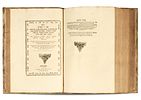
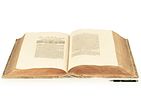
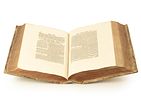
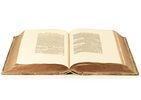
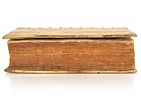
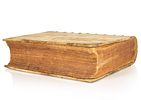
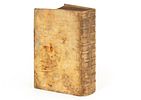
This is an unusually large copy measuring 41 cm (the vast majority of copies we have examined are between  30 cm), with extraordinarily broad and impressive margins (width of lower margins: 9.5 cm; outer margins: 8.5 cm).

The Nachas edition of the Shelah is undoubtedly one of the crowning achievements of the Amsterdam printing press, yet this copy is truly one of a kind — an embodiment of beauty and perfection.

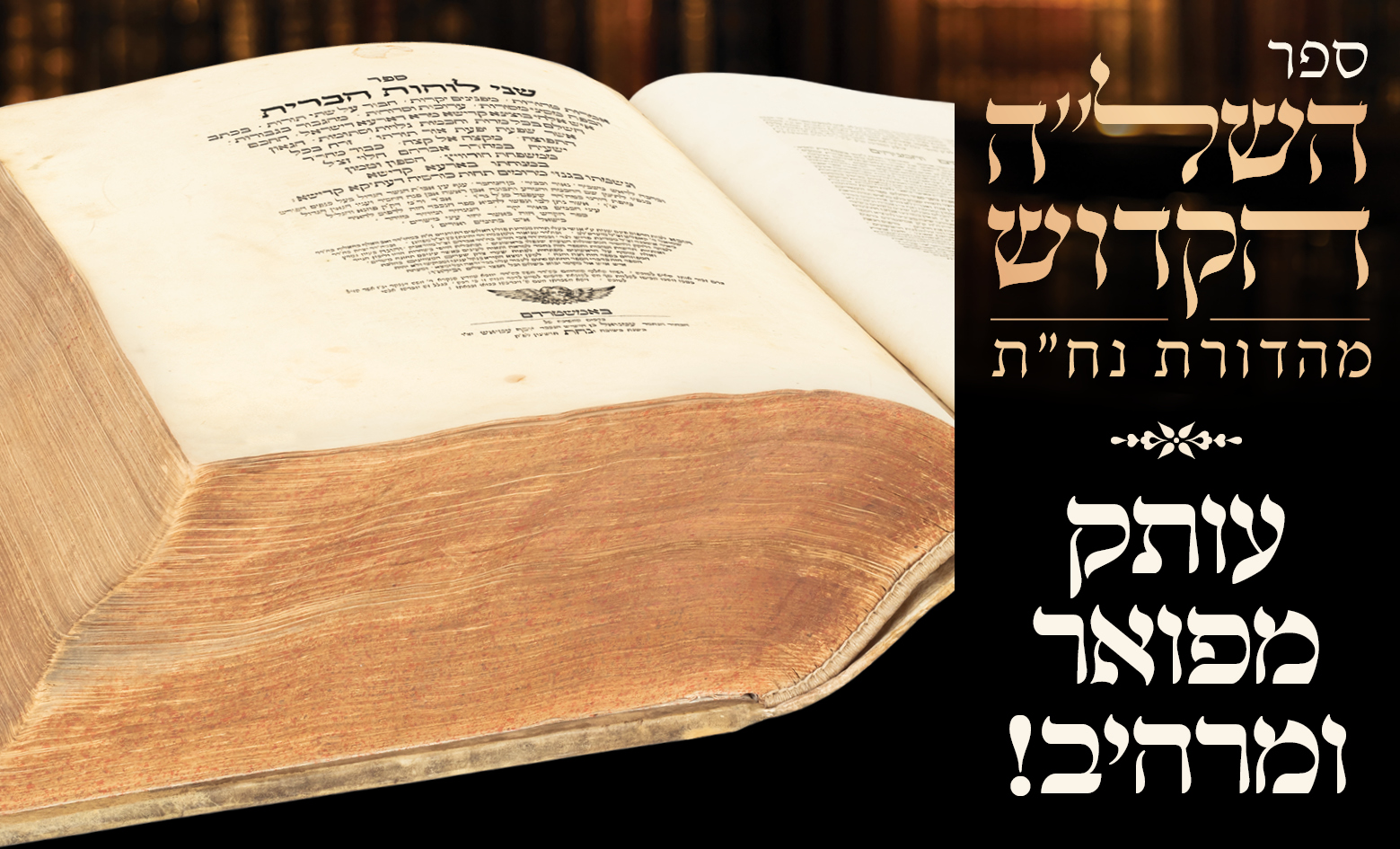
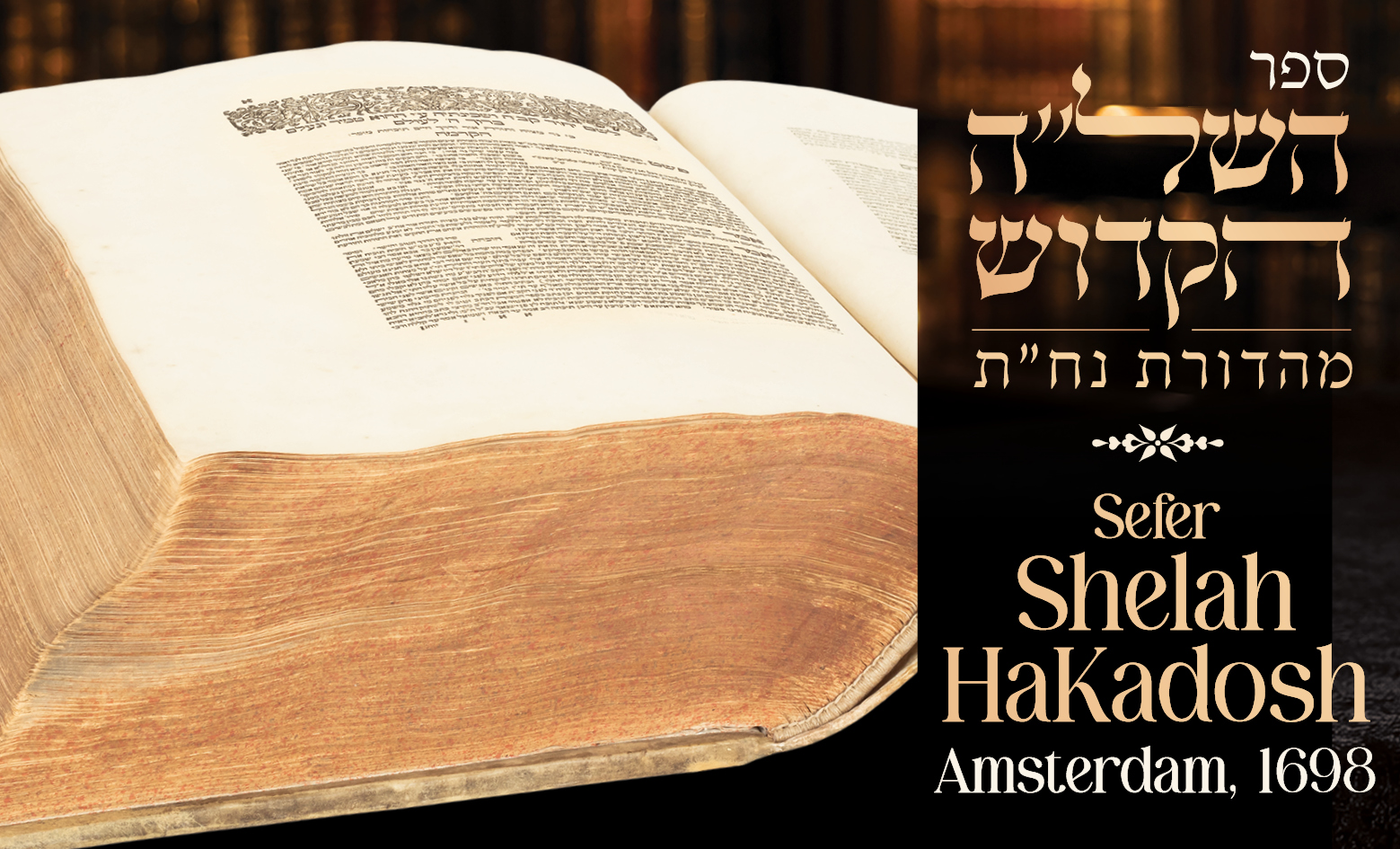
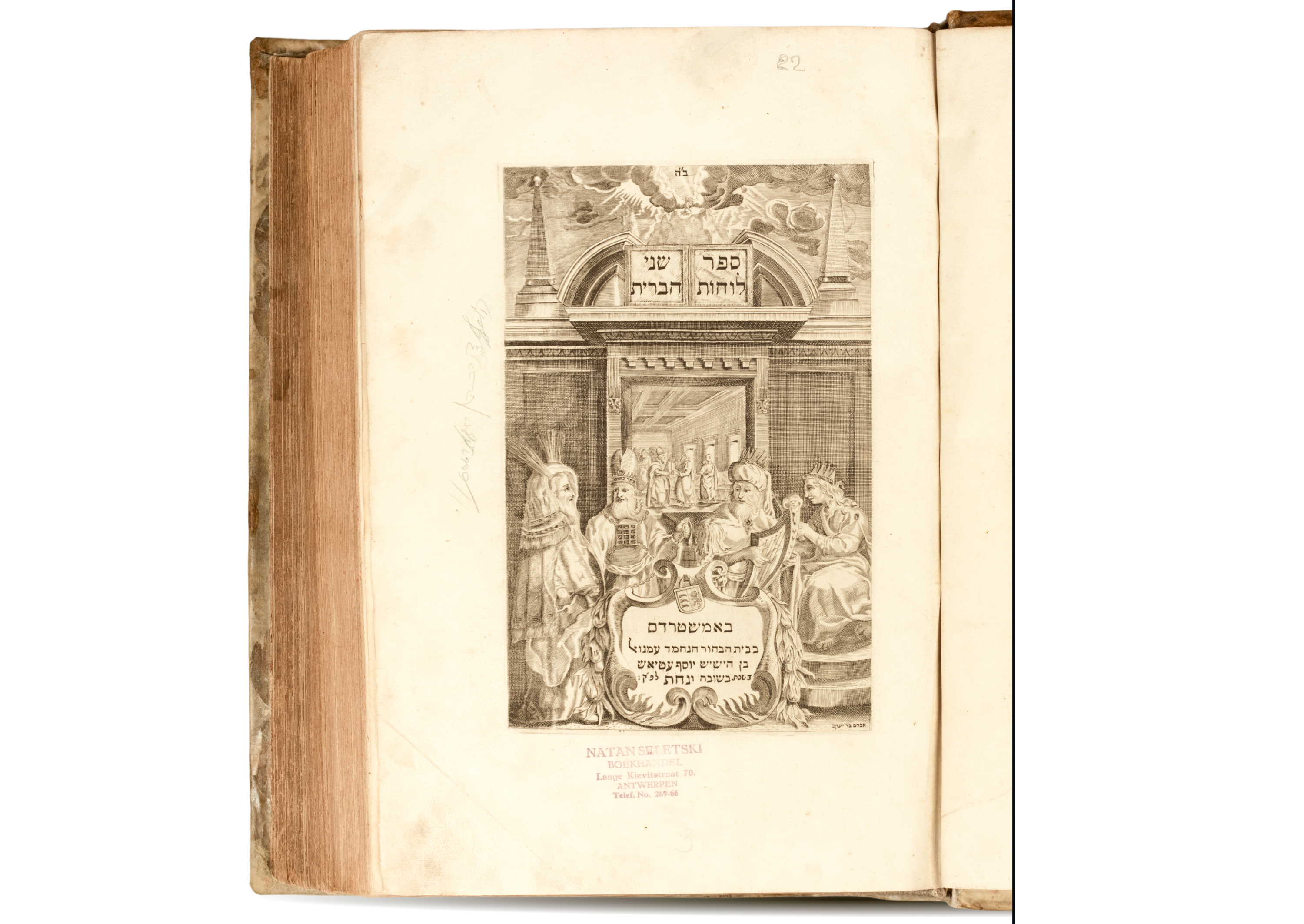
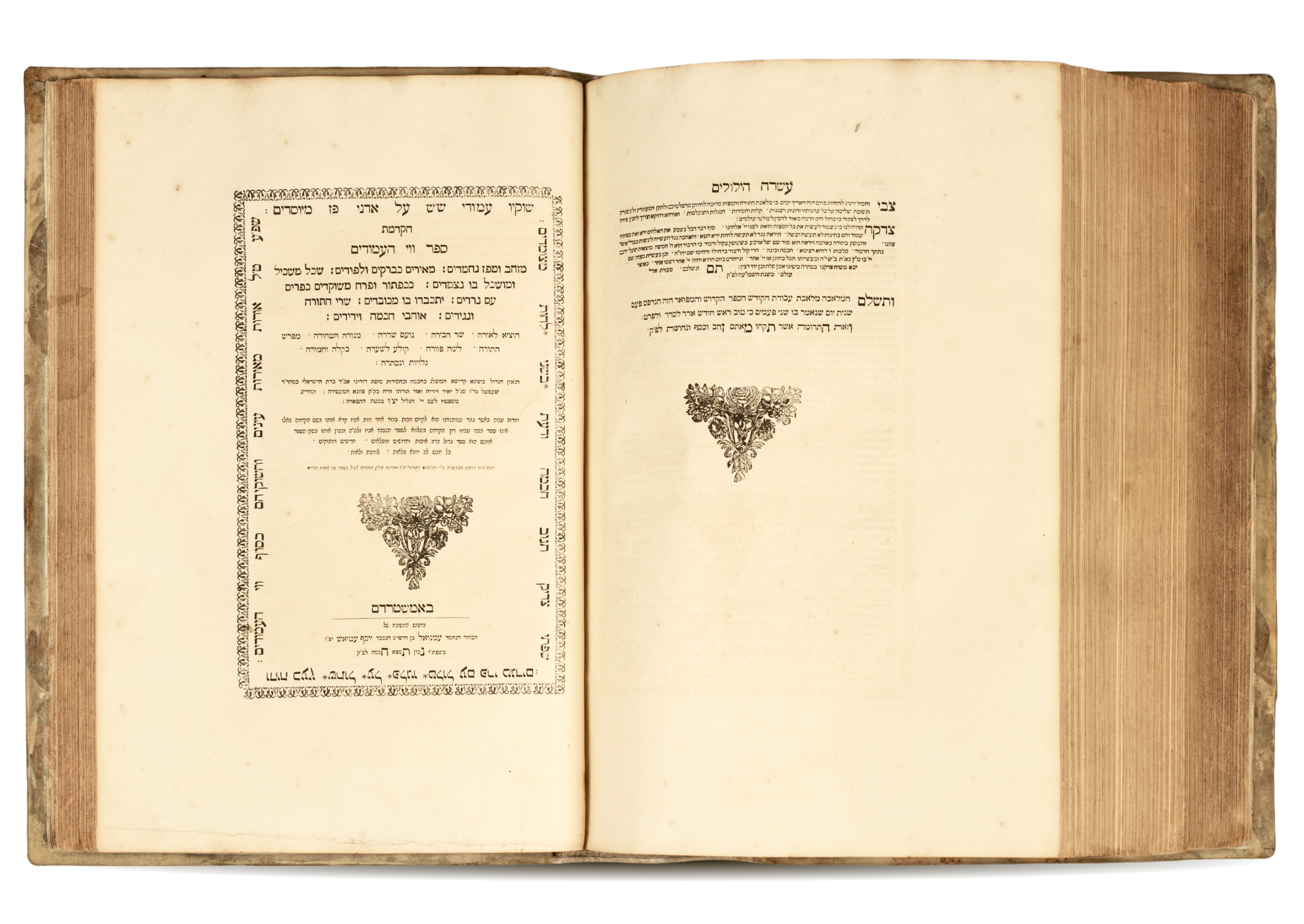
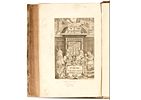
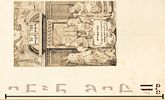
The Shelah Nachas edition was printed with exceptional splendor. It opens with an engraved copperplate title page created by the expert artist Avraham Hager, illustrator of the famous Amsterdam Haggadah. This copy was printed on bright, thick white paper and, as noted, with magnificent wide margins.

The first edition of the Shelah was printed in Amsterdam in 1648, but the Nachas edition became especially popular throughout the Jewish world.

In Chassidic tradition, the appearance of this edition in the year 1698 was associated with the year the Baal Shem Tov was born. The Rebbe Rayatz writes in his letters (Iggeres no. 2453): “The year נח"ת was one of particular significance, for the appearance of this holy sefer brought ‘nachas’ in Heaven, and in that same year, the Baal Shem Tov was born. The Baal Shem Tov would often say that he was born in the year when the Shelah HaKadosh was printed, to illuminate the world with the light of Torah and Yiras Shamayim.”

Rabbi Yeshayah Segal Horowitz, known as the Shelah HaKadosh (c. 1558–c. 1630), is famous throughout the Jewish world for his greatness and sanctity, as well as for his distinguished lineage. In Jerusalem, he authored Shaar HaShamayim on the mystical intentions of prayer and Shnei Luchos HaBris, “a remarkable and monumental work encompassing all the interpretations of Torah, together with novel halachic rulings, mussar, and kedushah” (Chida, Shem HaGedolim). 

The sefer Shelah was embraced throughout the Jewish world as a sefer yesod of mussar, Yiras Shamayim, Avodas Hashem, and character refinement. Rabbi Yehonasan Eibischitz wrote in Ya’aros Dvash (Part II, Drasha 12): “Every member of Klal Yisrael is obligated to study regularly every day, morning and evening, from sefarim of mussar — and foremost among them, the holy work Shelah, dedicated to Hashem…”

The volume includes Vavei HaAmudim, by the author’s son, Rabbi Sheftel HaLevi Horowitz, Av Beis Din of Frankfurt, Vienna, and Posen. Vavei HaAmudim is an important work in its own right, structured on the three pillars upon which the world stands. Yet, out of deference to his father, he titled it merely an “introduction” and printed it at the end of the Shelah.


Amsterdam, 1698. Printed by Emmanuel Athias.

Page Count: [4], 422; 44; [12] leaves.
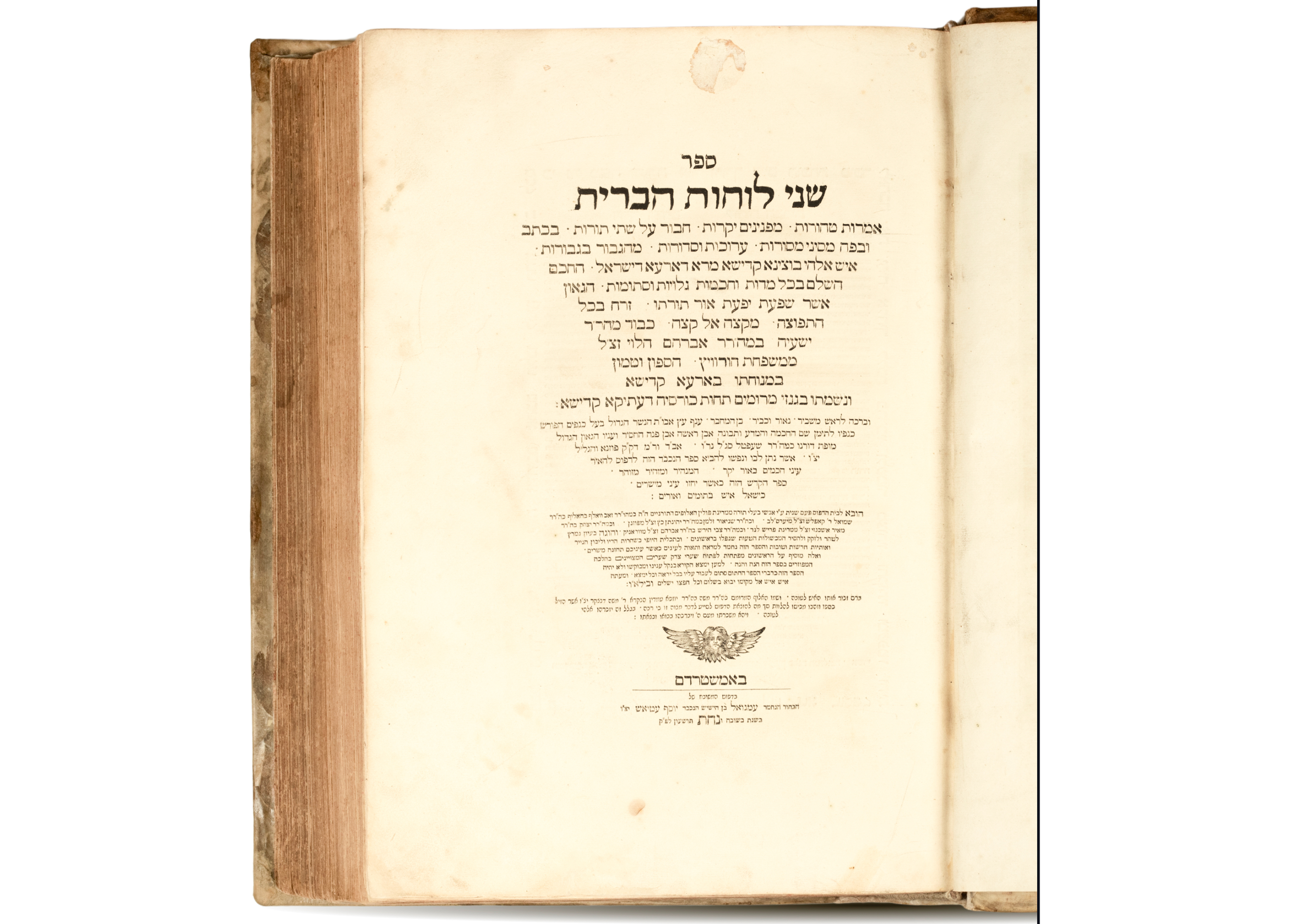
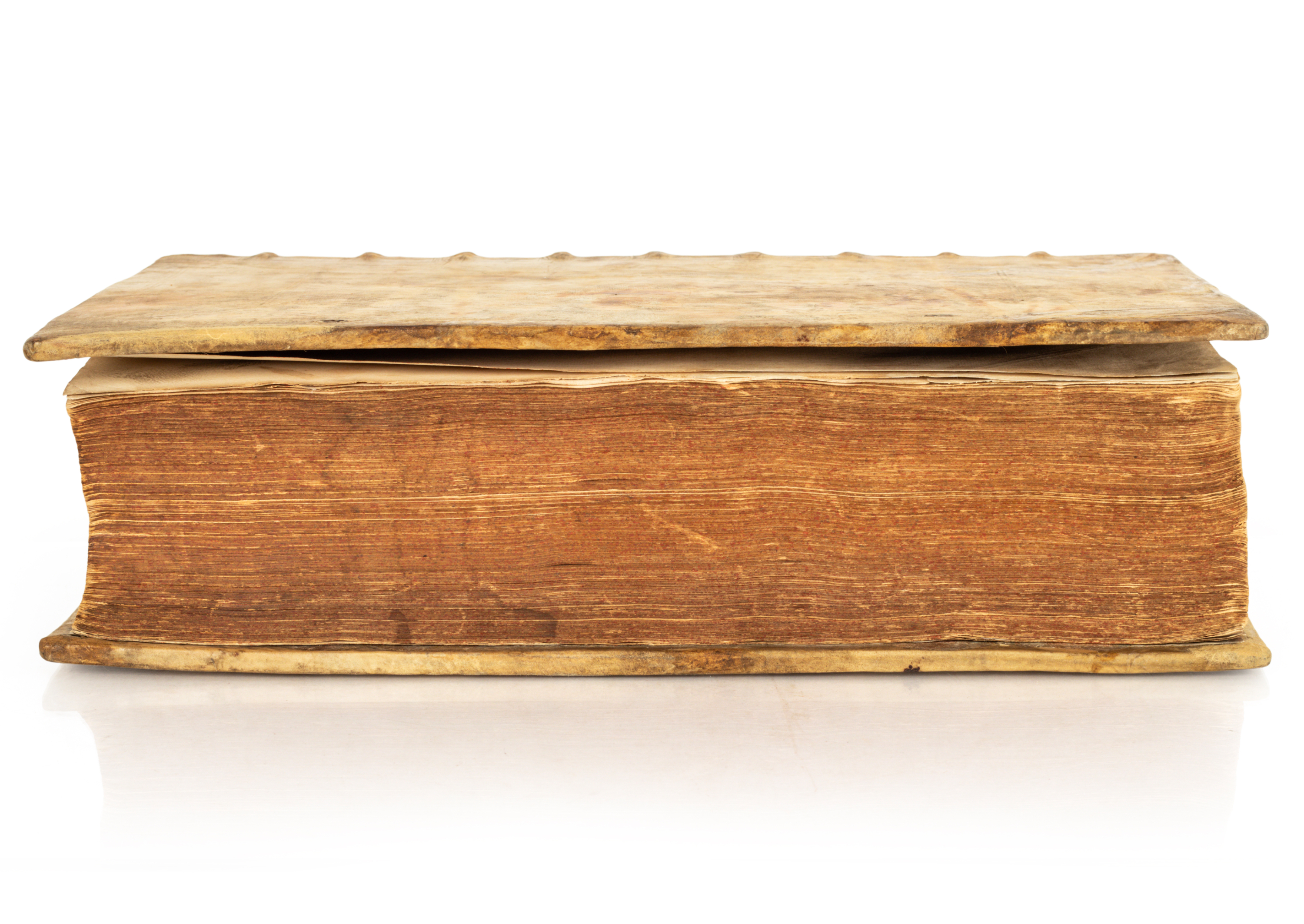
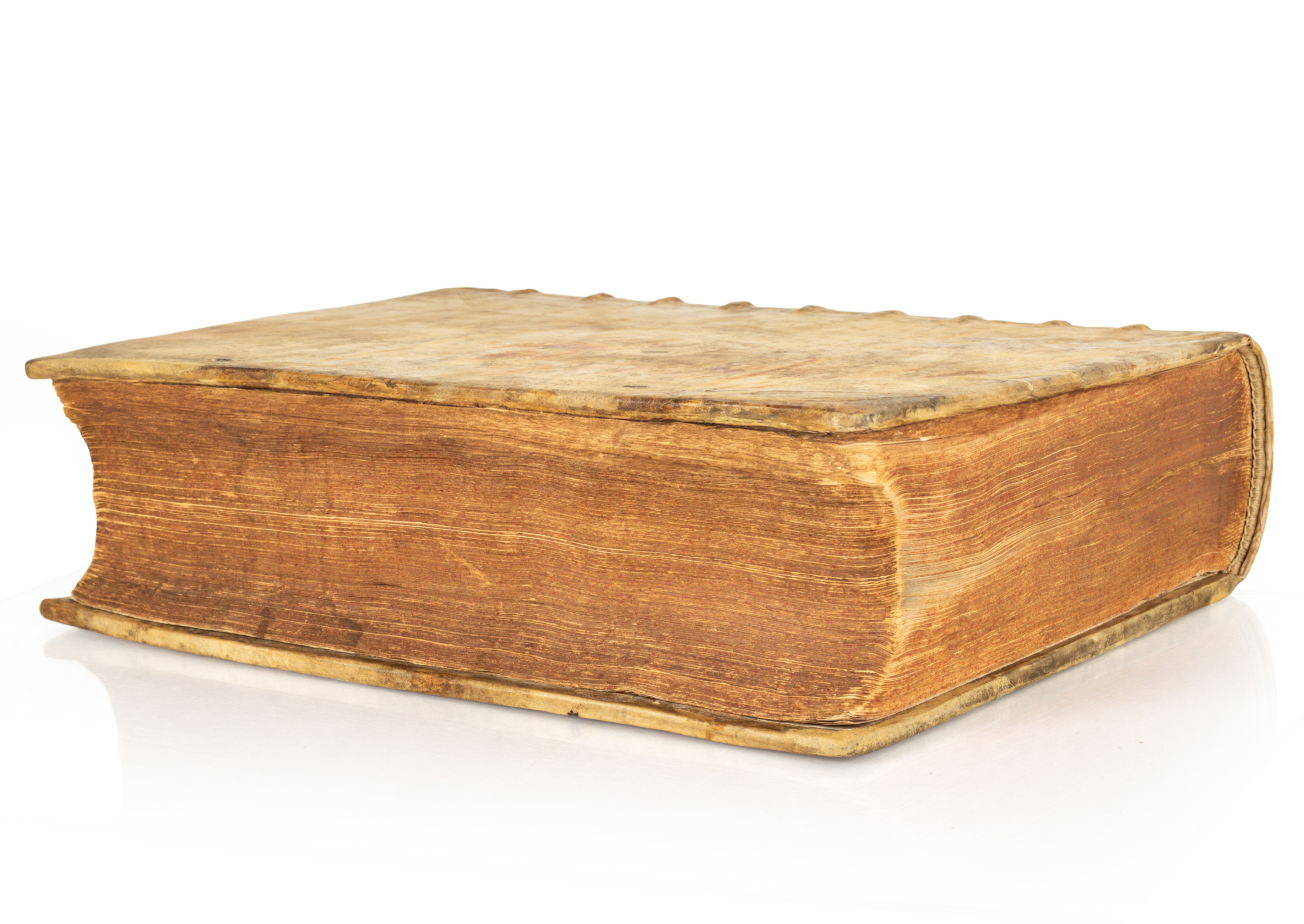
Size: 41 cm. Two title pages at the beginning of the volume and an additional title page for Vavei HaAmudim at the end.
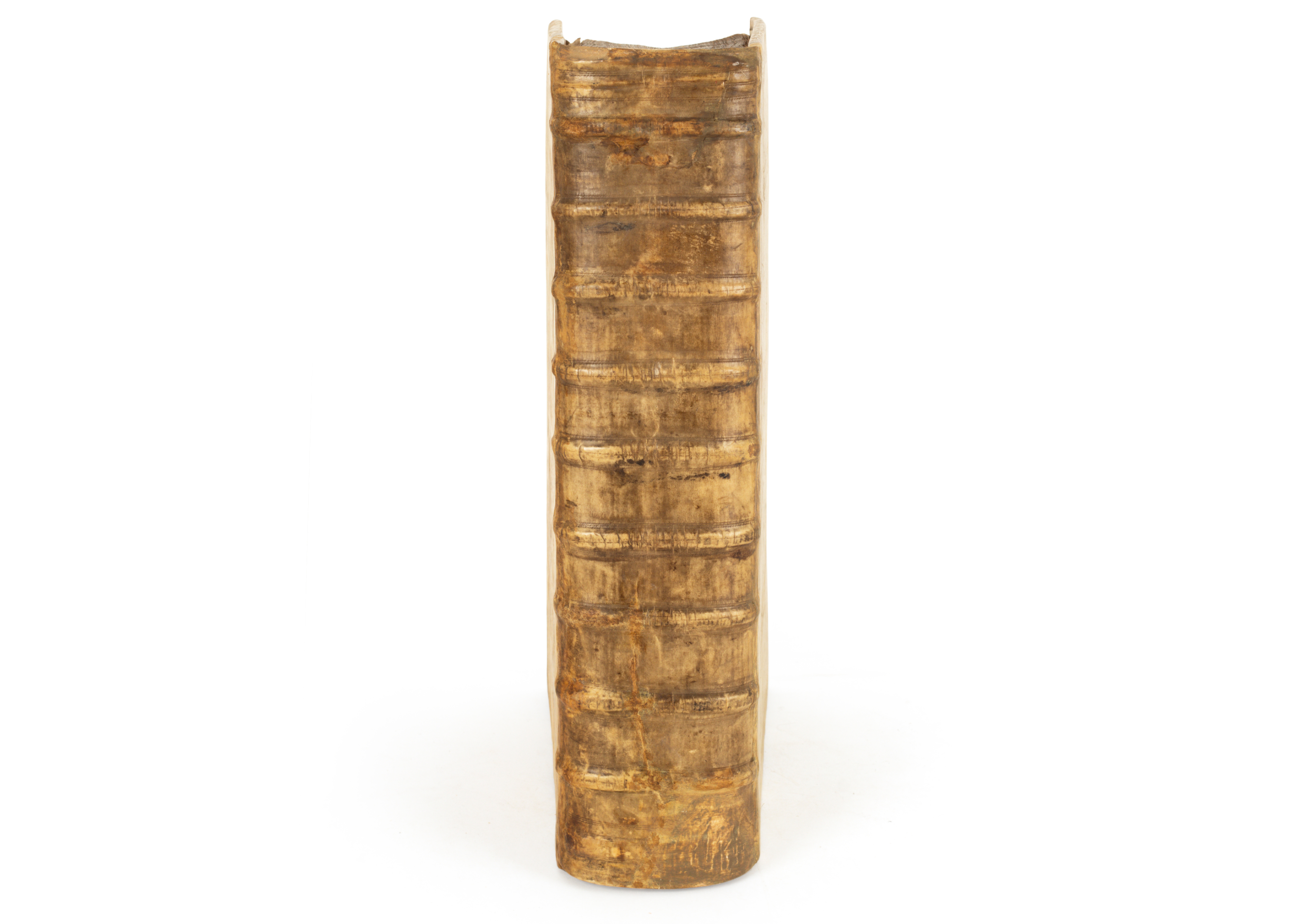
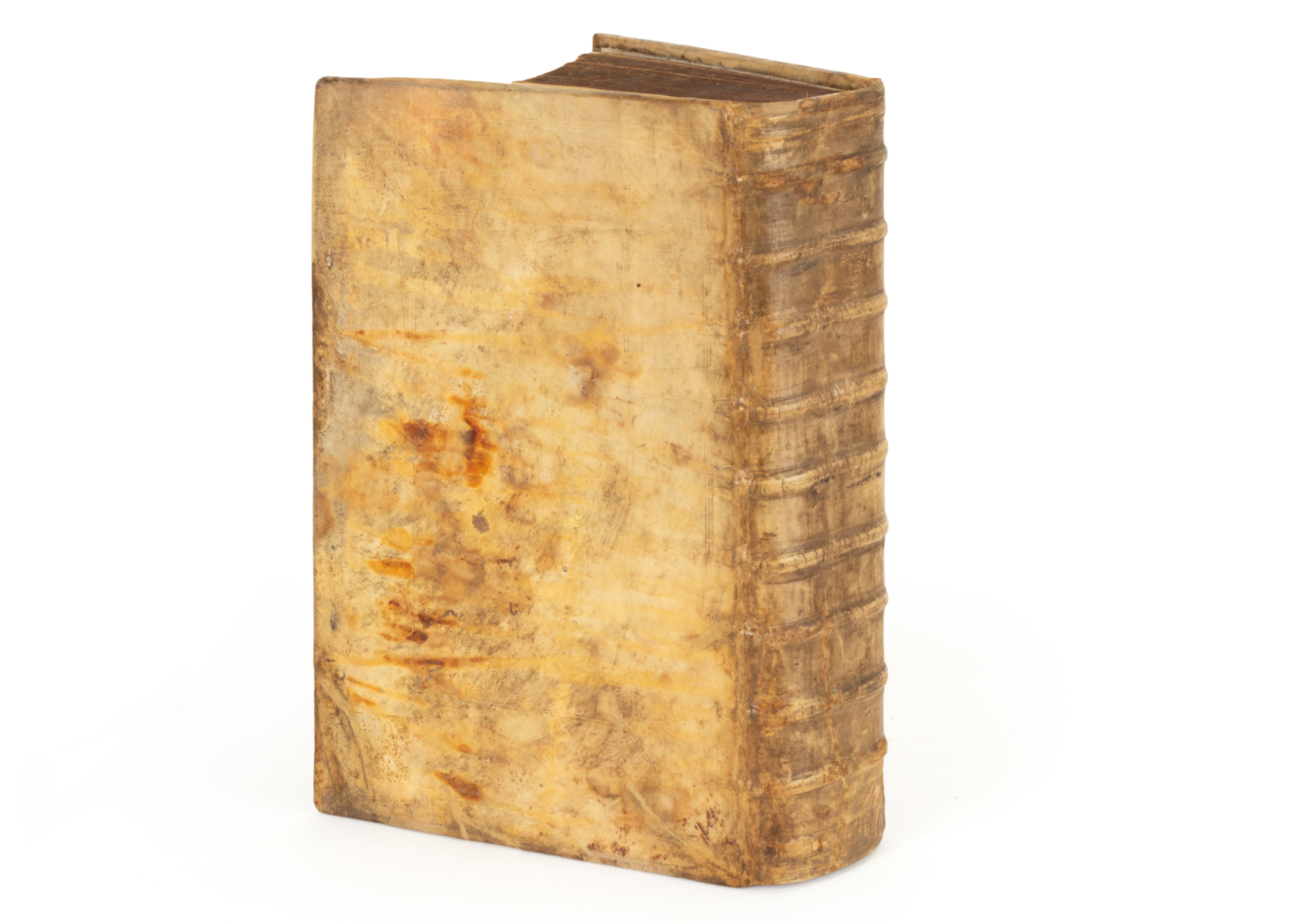
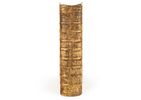
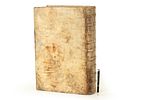
Condition: Excellent. Antique cardboard binding covered in vellum. Binding has undergone professional restoration for preservation.


Lot : 14

Sefer Shelah HaKadosh 
Exceptionally Magnificent Copy!
Nachas Edition – Amsterdam, 1698

Start price: $30,000
|
Est. Price: $50,000 - $80,000

Sefer Shelah HaKadosh 

Exceptionally Magnificent Copy!
Nachas Edition – Amsterdam, 1698


Pure and precious teachings encompassing all four levels of Torah interpretation (פרד"ס), by the holy luminary and kabbalist Rabbi Yeshaya HaLevi Horowitz, known as the Shelah HaKadosh.

A monumental, exceptionally beautiful and magnificent copy — a truly unparalleled treasure.

This is an unusually large copy measuring 41 cm (the vast majority of copies we have examined are between  30 cm), with extraordinarily broad and impressive margins (width of lower margins: 9.5 cm; outer margins: 8.5 cm).

The Nachas edition of the Shelah is undoubtedly one of the crowning achievements of the Amsterdam printing press, yet this copy is truly one of a kind — an embodiment of beauty and perfection.

The Shelah Nachas edition was printed with exceptional splendor. It opens with an engraved copperplate title page created by the expert artist Avraham Hager, illustrator of the famous Amsterdam Haggadah. This copy was printed on bright, thick white paper and, as noted, with magnificent wide margins.

The first edition of the Shelah was printed in Amsterdam in 1648, but the Nachas edition became especially popular throughout the Jewish world.

In Chassidic tradition, the appearance of this edition in the year 1698 was associated with the year the Baal Shem Tov was born. The Rebbe Rayatz writes in his letters (Iggeres no. 2453): “The year נח"ת was one of particular significance, for the appearance of this holy sefer brought ‘nachas’ in Heaven, and in that same year, the Baal Shem Tov was born. The Baal Shem Tov would often say that he was born in the year when the Shelah HaKadosh was printed, to illuminate the world with the light of Torah and Yiras Shamayim.”

Rabbi Yeshayah Segal Horowitz, known as the Shelah HaKadosh (c. 1558–c. 1630), is famous throughout the Jewish world for his greatness and sanctity, as well as for his distinguished lineage. In Jerusalem, he authored Shaar HaShamayim on the mystical intentions of prayer and Shnei Luchos HaBris, “a remarkable and monumental work encompassing all the interpretations of Torah, together with novel halachic rulings, mussar, and kedushah” (Chida, Shem HaGedolim). 

The sefer Shelah was embraced throughout the Jewish world as a sefer yesod of mussar, Yiras Shamayim, Avodas Hashem, and character refinement. Rabbi Yehonasan Eibischitz wrote in Ya’aros Dvash (Part II, Drasha 12): “Every member of Klal Yisrael is obligated to study regularly every day, morning and evening, from sefarim of mussar — and foremost among them, the holy work Shelah, dedicated to Hashem…”

The volume includes Vavei HaAmudim, by the author’s son, Rabbi Sheftel HaLevi Horowitz, Av Beis Din of Frankfurt, Vienna, and Posen. Vavei HaAmudim is an important work in its own right, structured on the three pillars upon which the world stands. Yet, out of deference to his father, he titled it merely an “introduction” and printed it at the end of the Shelah.


Amsterdam, 1698. Printed by Emmanuel Athias.

Page Count: [4], 422; 44; [12] leaves.
Size: 41 cm. Two title pages at the beginning of the volume and an additional title page for Vavei HaAmudim at the end.
Condition: Excellent. Antique cardboard binding covered in vellum. Binding has undergone professional restoration for preservation.


Sefer Shelah HaKadosh 

Exceptionally Magnificent Copy!
Nachas Edition – Amsterdam, 1698


Pure and precious teachings encompassing all four levels of Torah interpretation (פרד"ס), by the holy luminary and kabbalist Rabbi Yeshaya HaLevi Horowitz, known as the Shelah HaKadosh.

A monumental, exceptionally beautiful and magnificent copy — a truly unparalleled treasure.

This is an unusually large copy measuring 41 cm (the vast majority of copies we have examined are between  30 cm), with extraordinarily broad and impressive margins (width of lower margins: 9.5 cm; outer margins: 8.5 cm).

The Nachas edition of the Shelah is undoubtedly one of the crowning achievements of the Amsterdam printing press, yet this copy is truly one of a kind — an embodiment of beauty and perfection.

The Shelah Nachas edition was printed with exceptional splendor. It opens with an engraved copperplate title page created by the expert artist Avraham Hager, illustrator of the famous Amsterdam Haggadah. This copy was printed on bright, thick white paper and, as noted, with magnificent wide margins.

The first edition of the Shelah was printed in Amsterdam in 1648, but the Nachas edition became especially popular throughout the Jewish world.

In Chassidic tradition, the appearance of this edition in the year 1698 was associated with the year the Baal Shem Tov was born. The Rebbe Rayatz writes in his letters (Iggeres no. 2453): “The year נח"ת was one of particular significance, for the appearance of this holy sefer brought ‘nachas’ in Heaven, and in that same year, the Baal Shem Tov was born. The Baal Shem Tov would often say that he was born in the year when the Shelah HaKadosh was printed, to illuminate the world with the light of Torah and Yiras Shamayim.”

Rabbi Yeshayah Segal Horowitz, known as the Shelah HaKadosh (c. 1558–c. 1630), is famous throughout the Jewish world for his greatness and sanctity, as well as for his distinguished lineage. In Jerusalem, he authored Shaar HaShamayim on the mystical intentions of prayer and Shnei Luchos HaBris, “a remarkable and monumental work encompassing all the interpretations of Torah, together with novel halachic rulings, mussar, and kedushah” (Chida, Shem HaGedolim). 

The sefer Shelah was embraced throughout the Jewish world as a sefer yesod of mussar, Yiras Shamayim, Avodas Hashem, and character refinement. Rabbi Yehonasan Eibischitz wrote in Ya’aros Dvash (Part II, Drasha 12): “Every member of Klal Yisrael is obligated to study regularly every day, morning and evening, from sefarim of mussar — and foremost among them, the holy work Shelah, dedicated to Hashem…”

The volume includes Vavei HaAmudim, by the author’s son, Rabbi Sheftel HaLevi Horowitz, Av Beis Din of Frankfurt, Vienna, and Posen. Vavei HaAmudim is an important work in its own right, structured on the three pillars upon which the world stands. Yet, out of deference to his father, he titled it merely an “introduction” and printed it at the end of the Shelah.


Amsterdam, 1698. Printed by Emmanuel Athias.

Page Count: [4], 422; 44; [12] leaves.
Size: 41 cm. Two title pages at the beginning of the volume and an additional title page for Vavei HaAmudim at the end.
Condition: Excellent. Antique cardboard binding covered in vellum. Binding has undergone professional restoration for preservation.