




To attend this auction live or leave absentee bids
Lot : 9
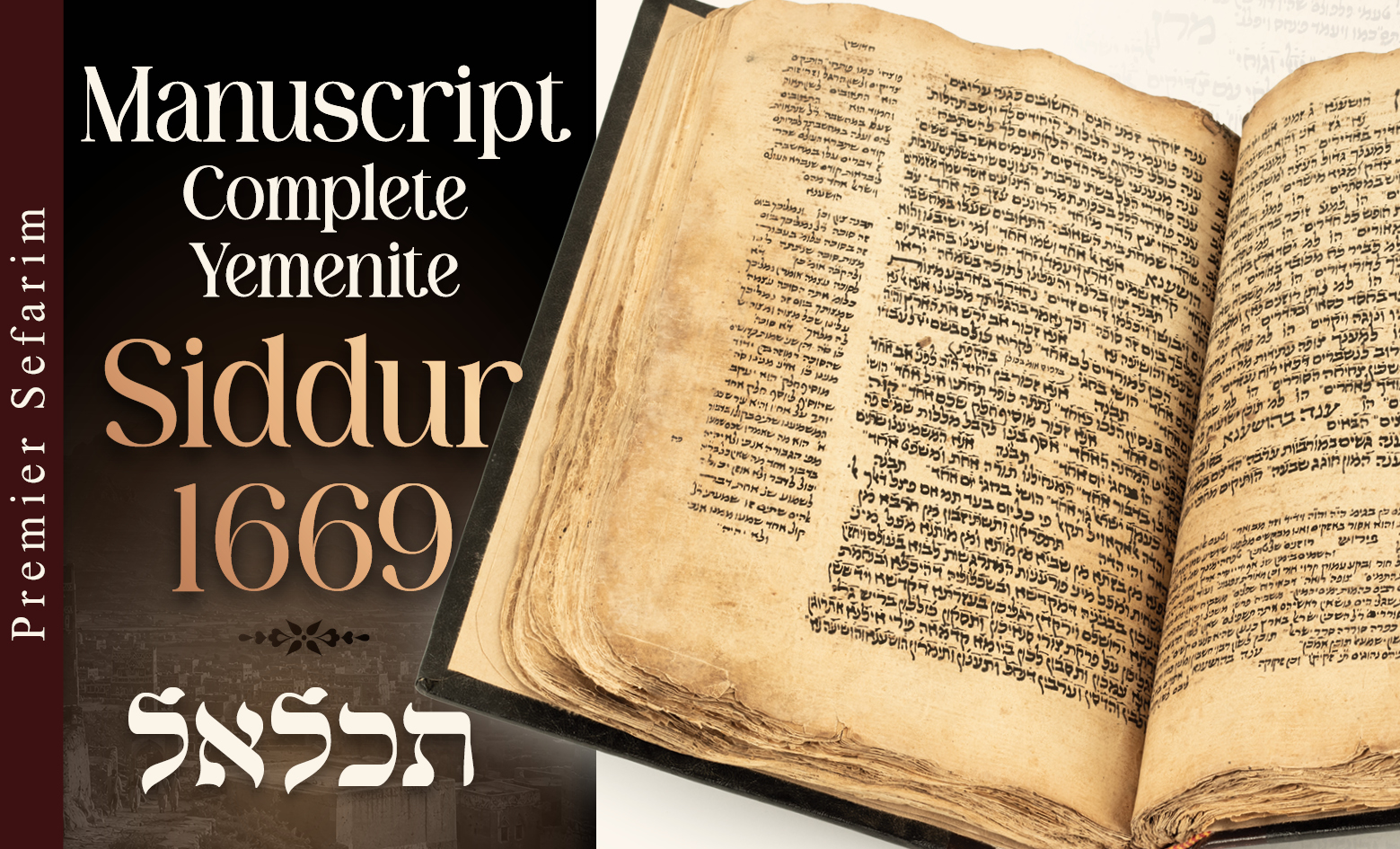
Large Impressive Manuscript.
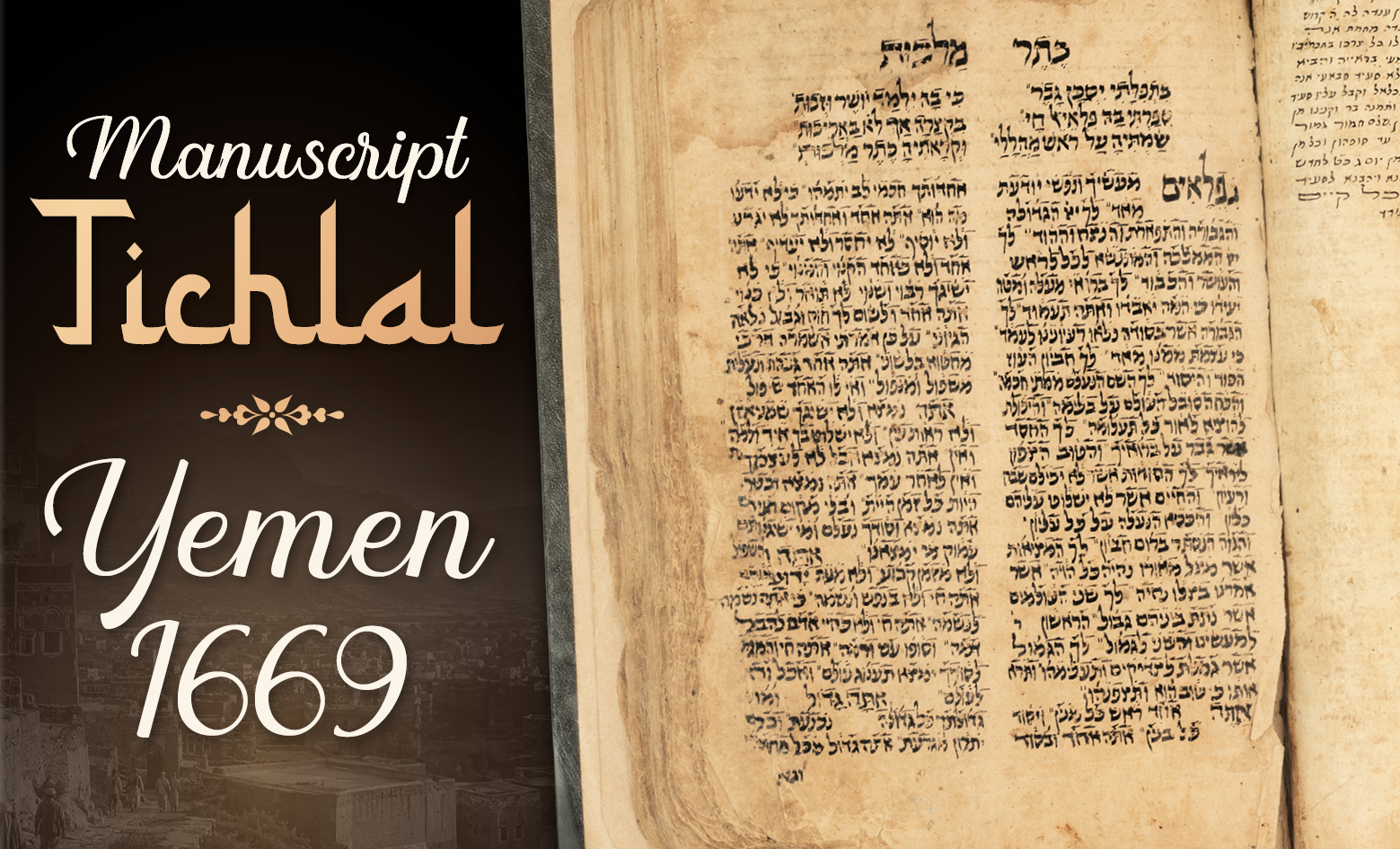
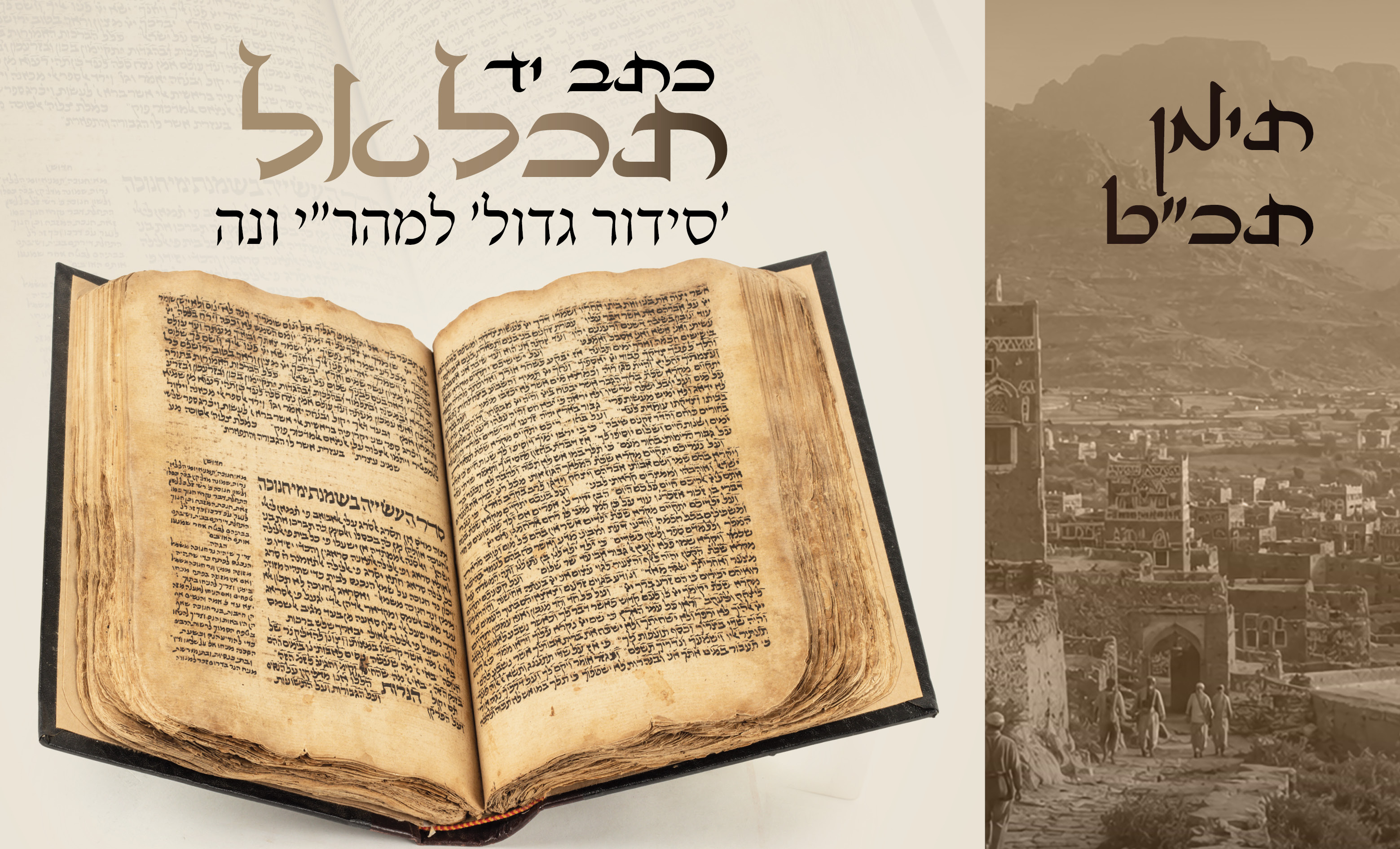
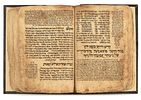
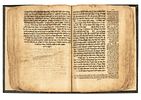
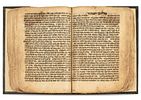
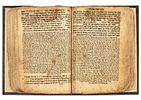
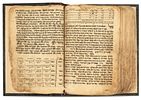
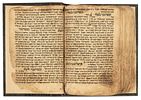
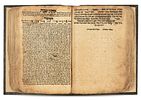
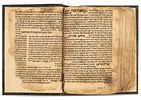
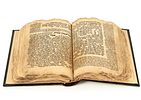
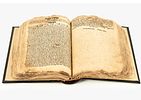
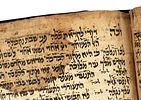
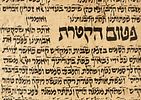
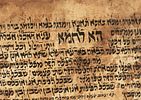
Tichlal Manuscript – Large Yemenite Prayer Book Yemen, 1669
Large Impressive Manuscript.
Tichlal Manuscript – Large Yemenite Prayer Book
Yemen, 1669
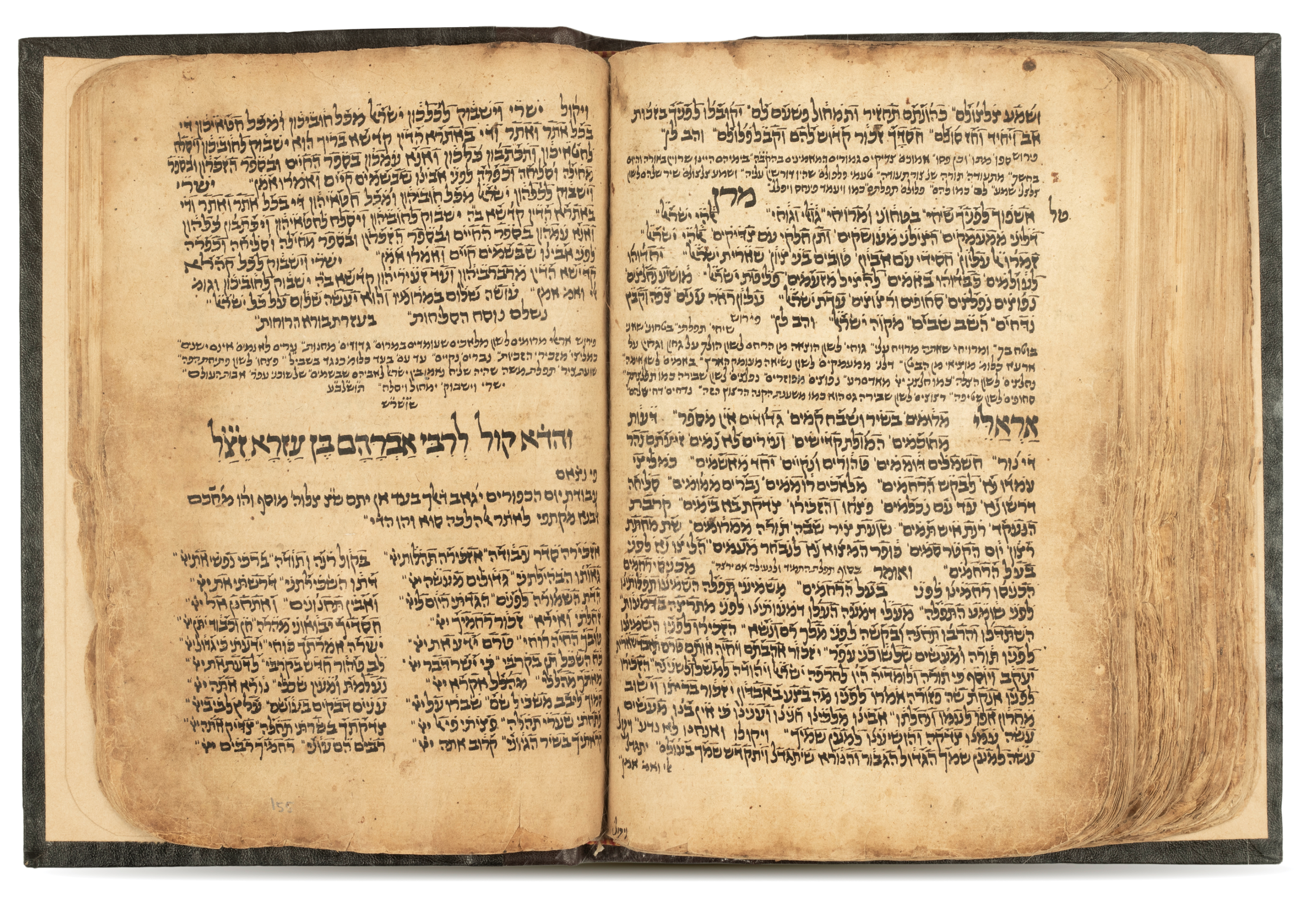
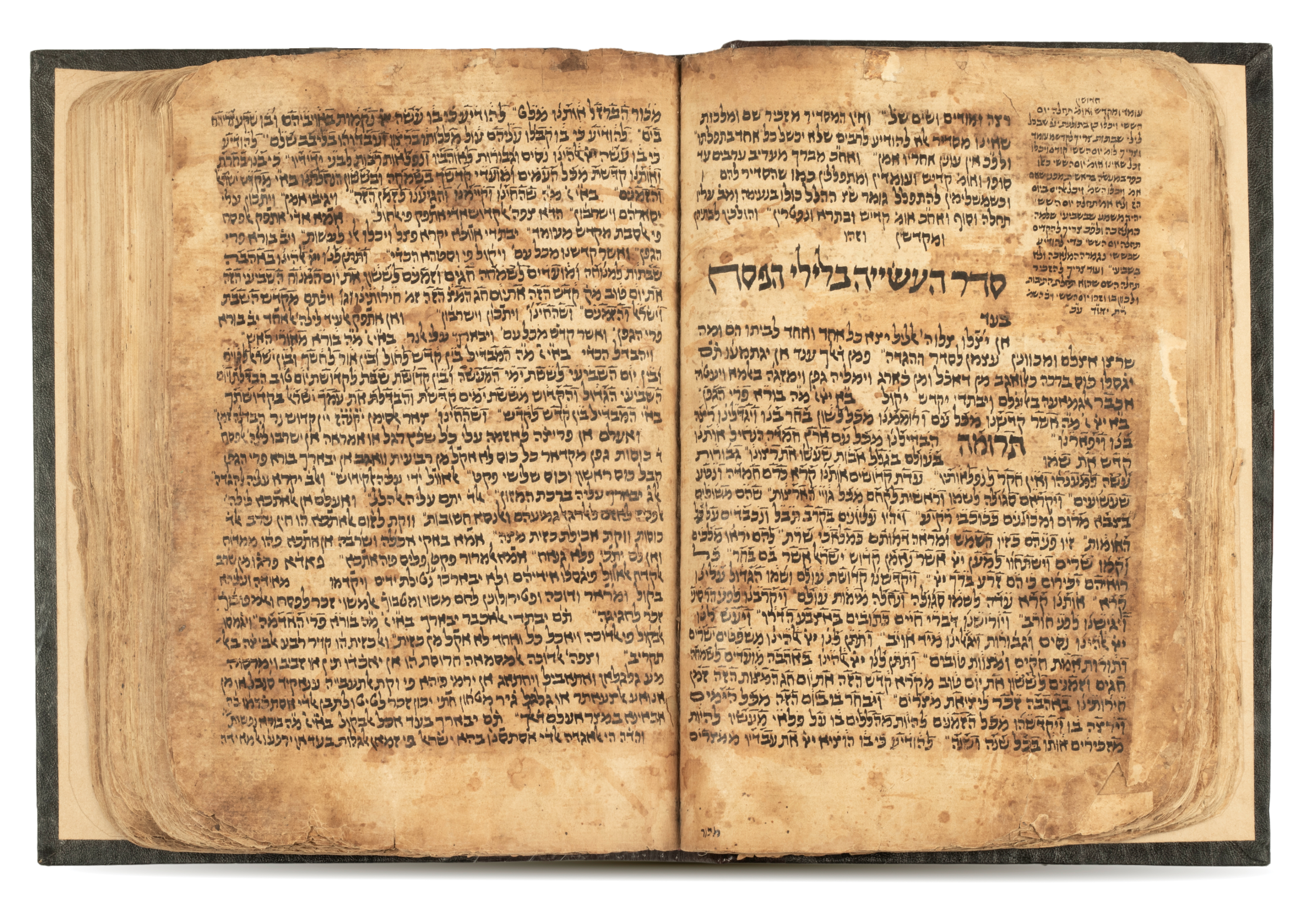
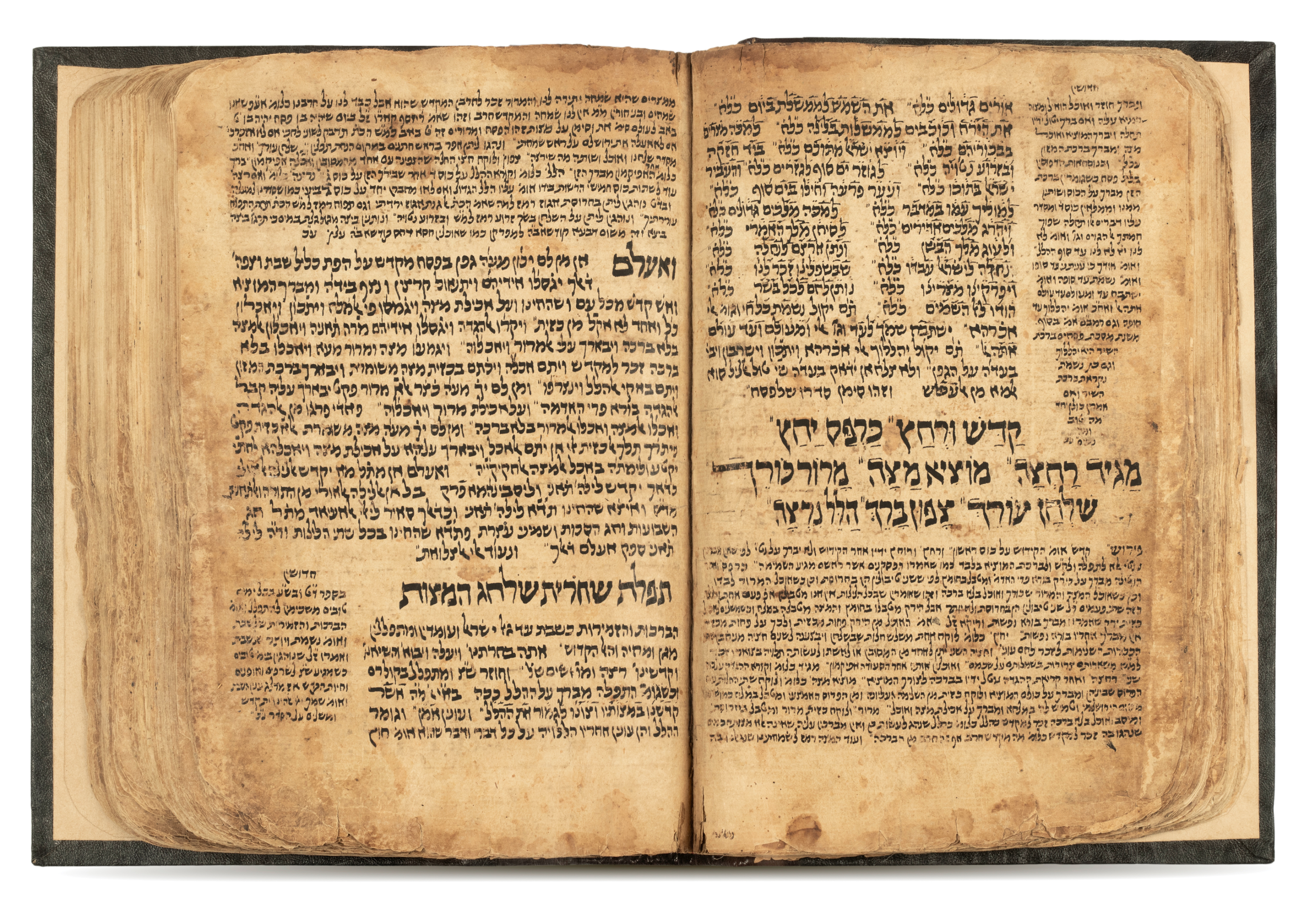
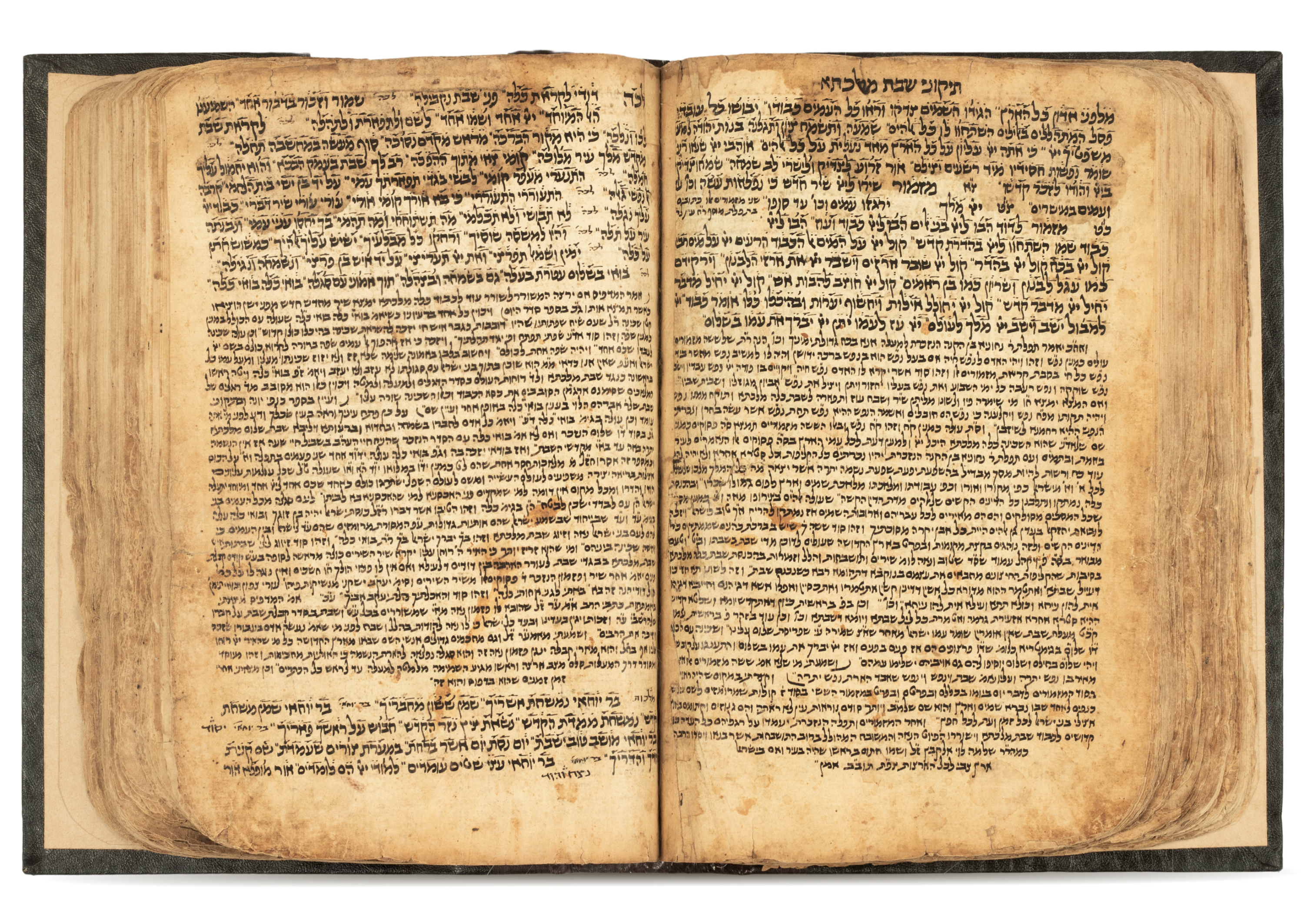
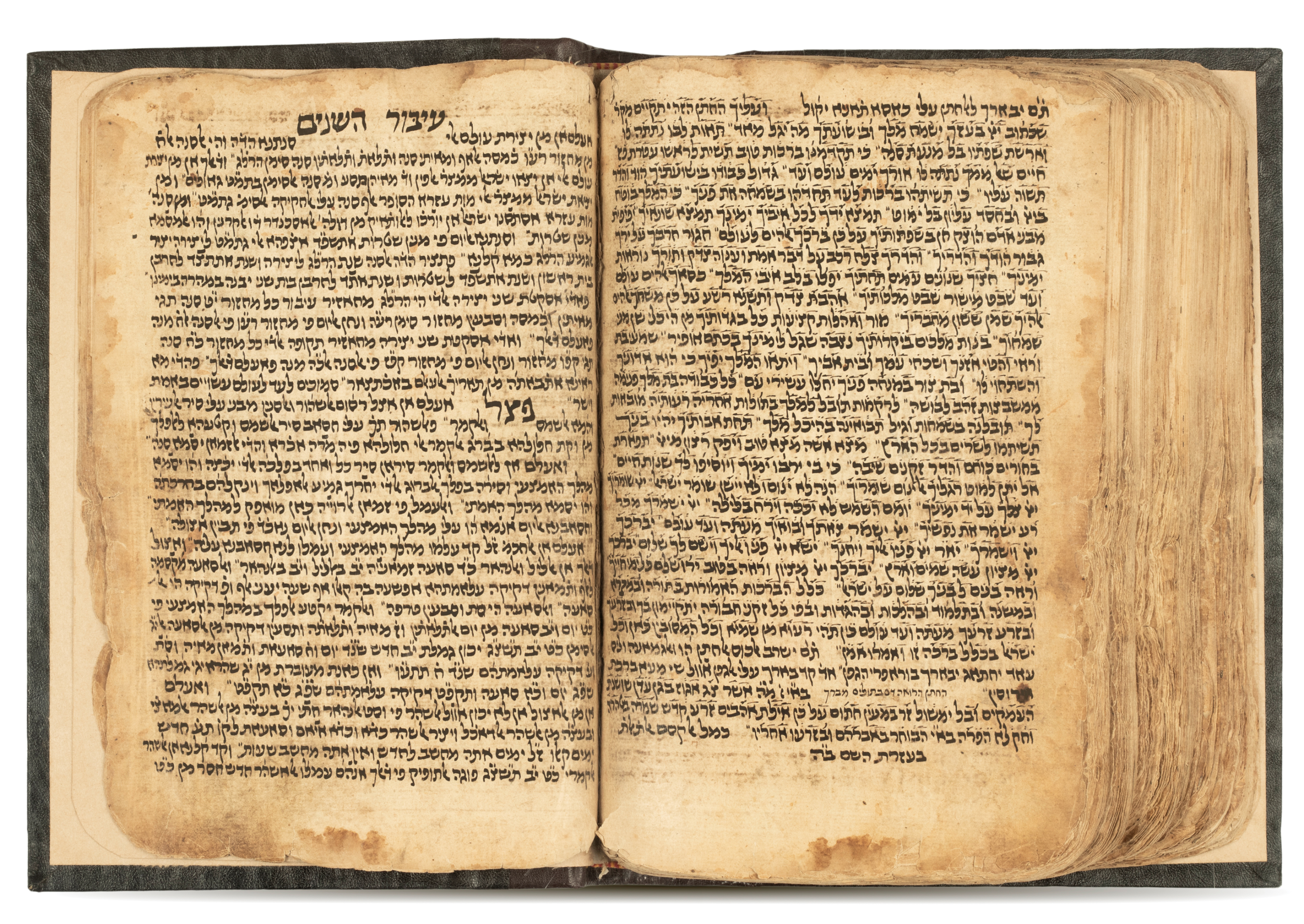
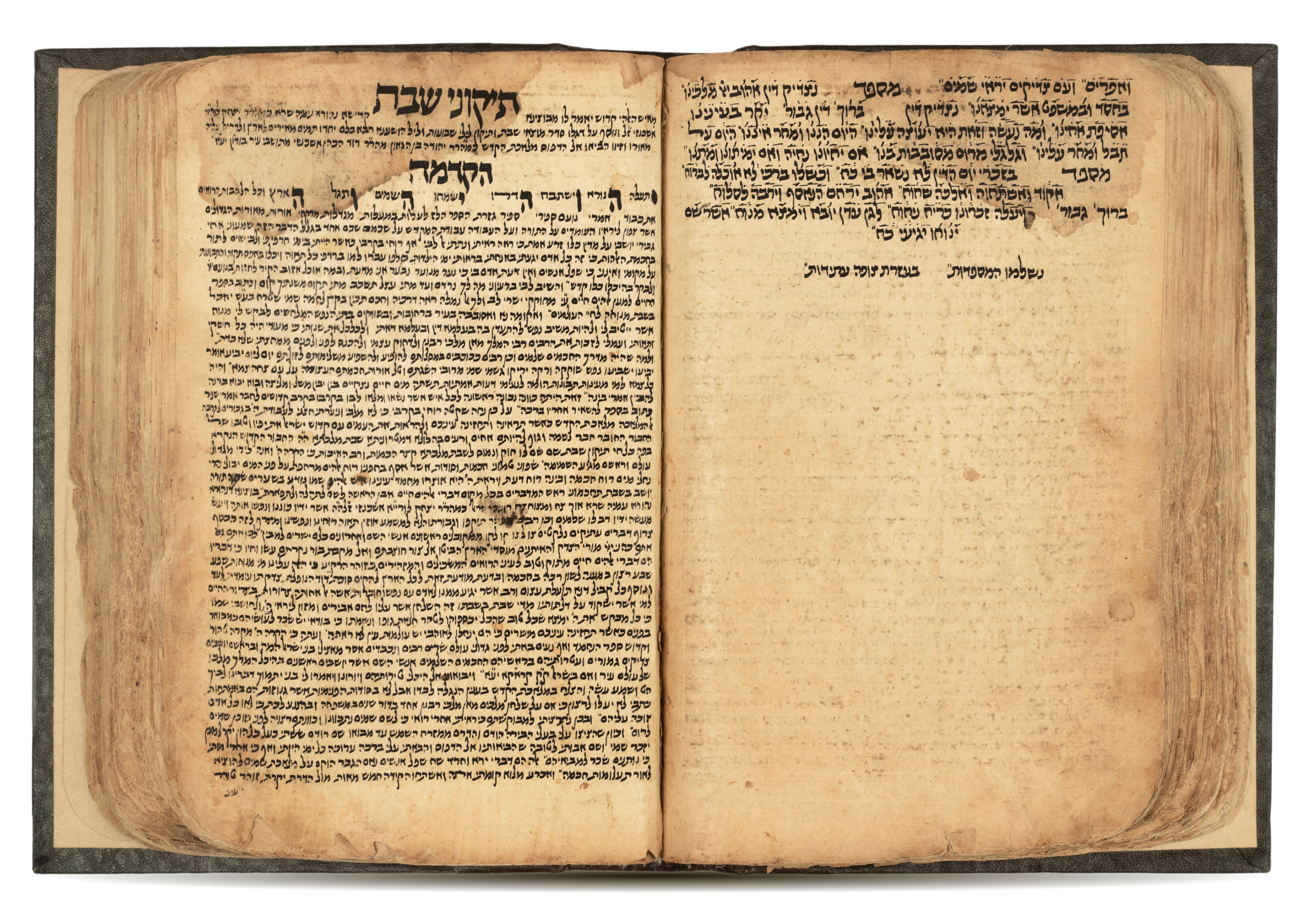
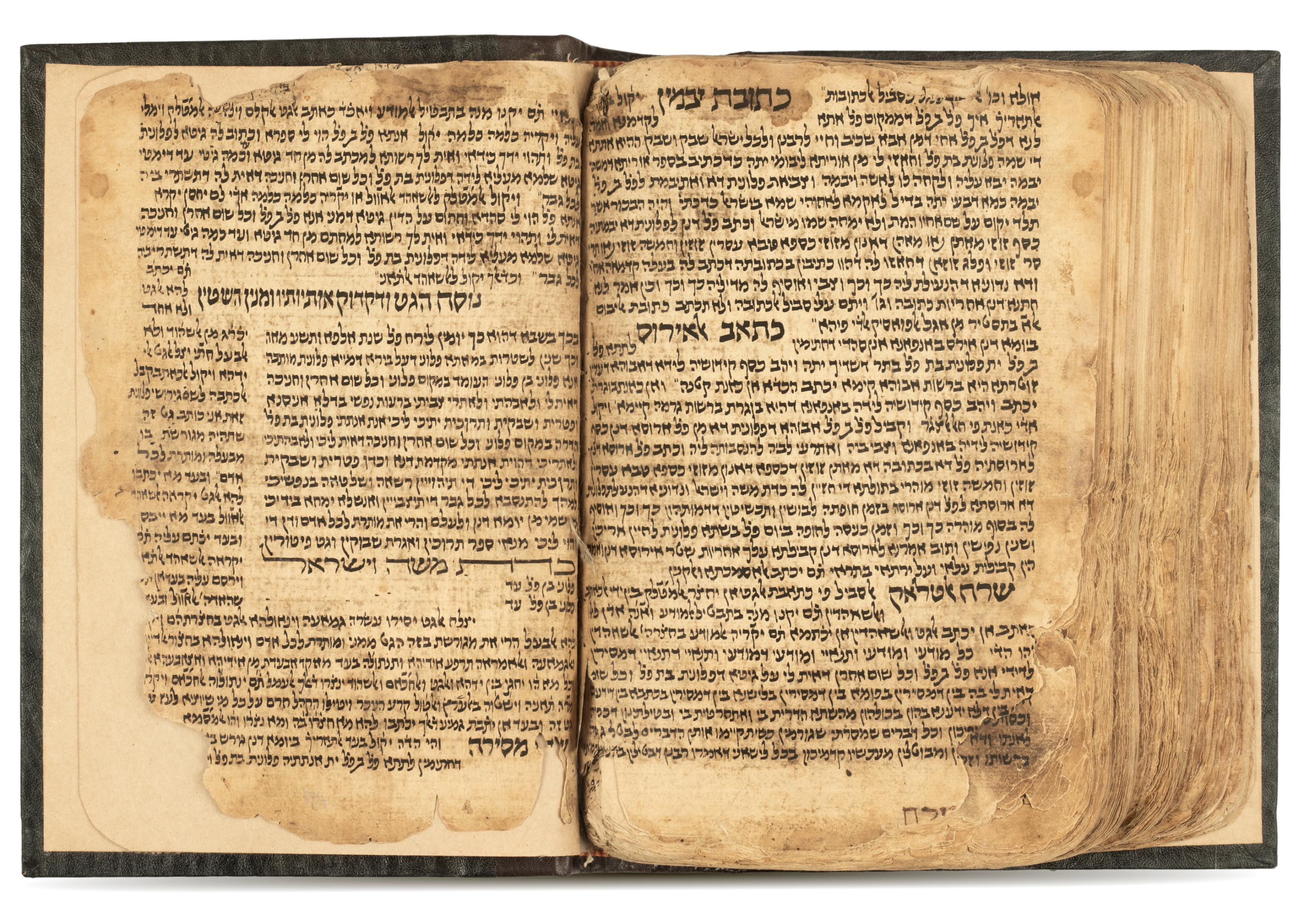
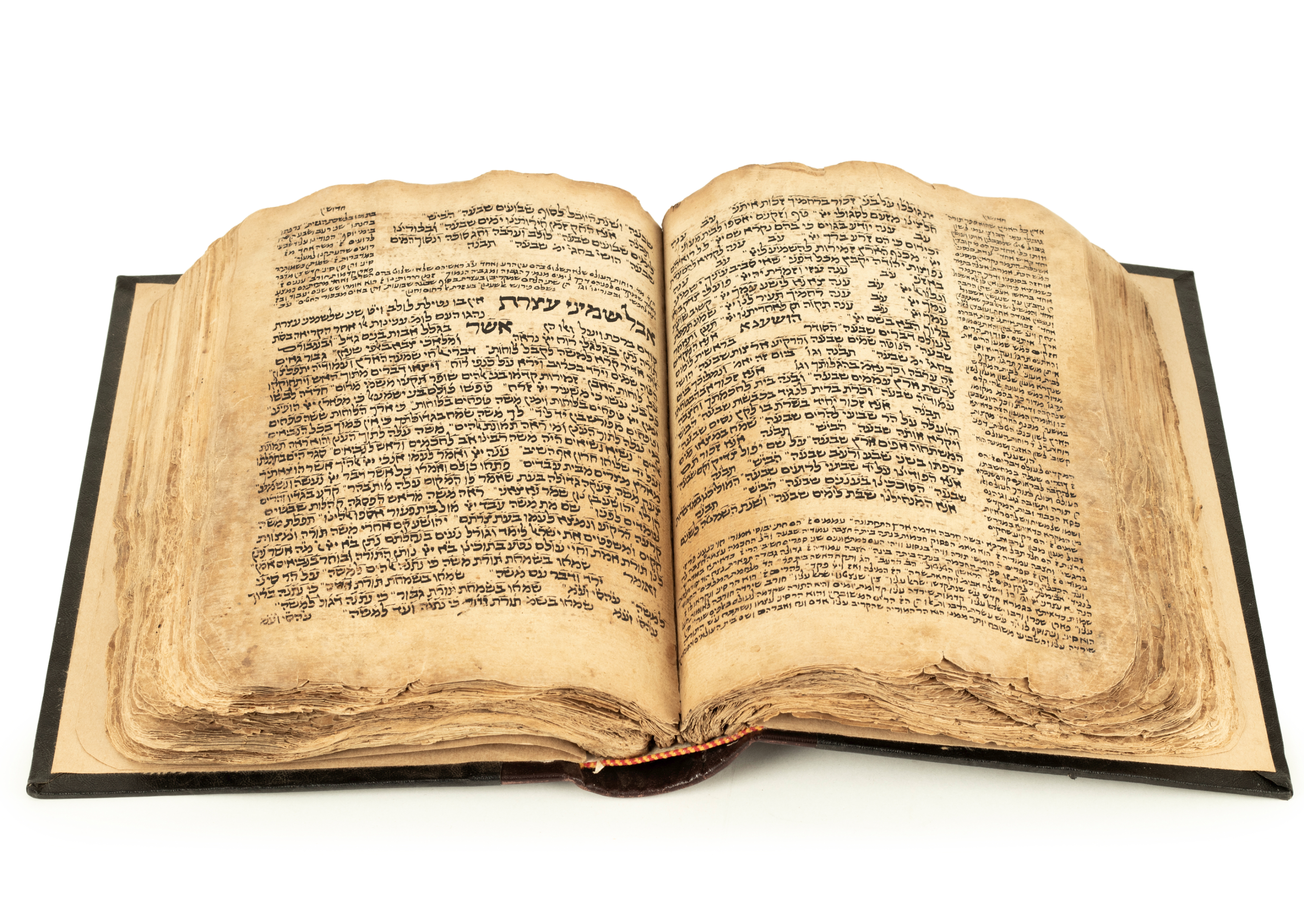
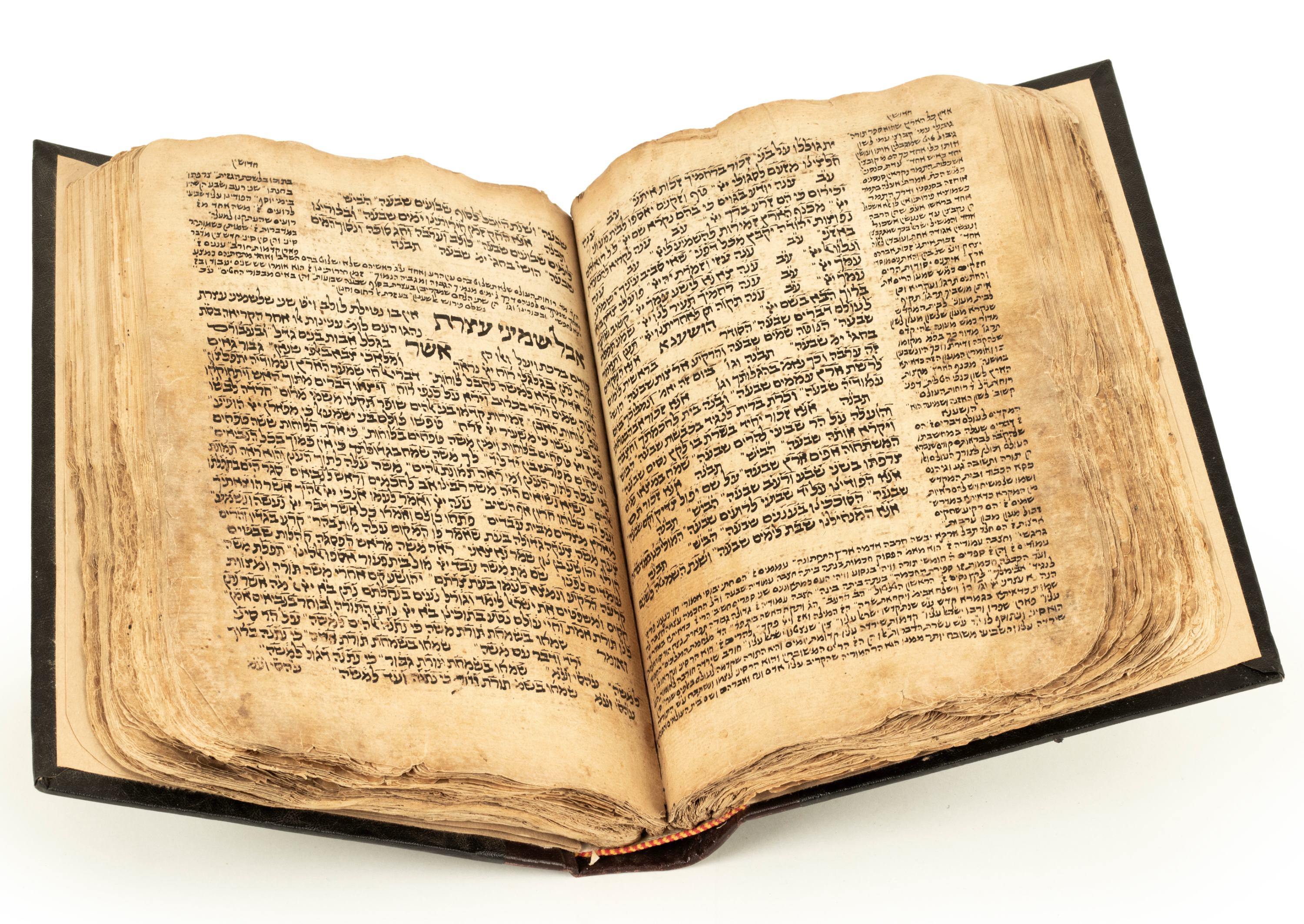
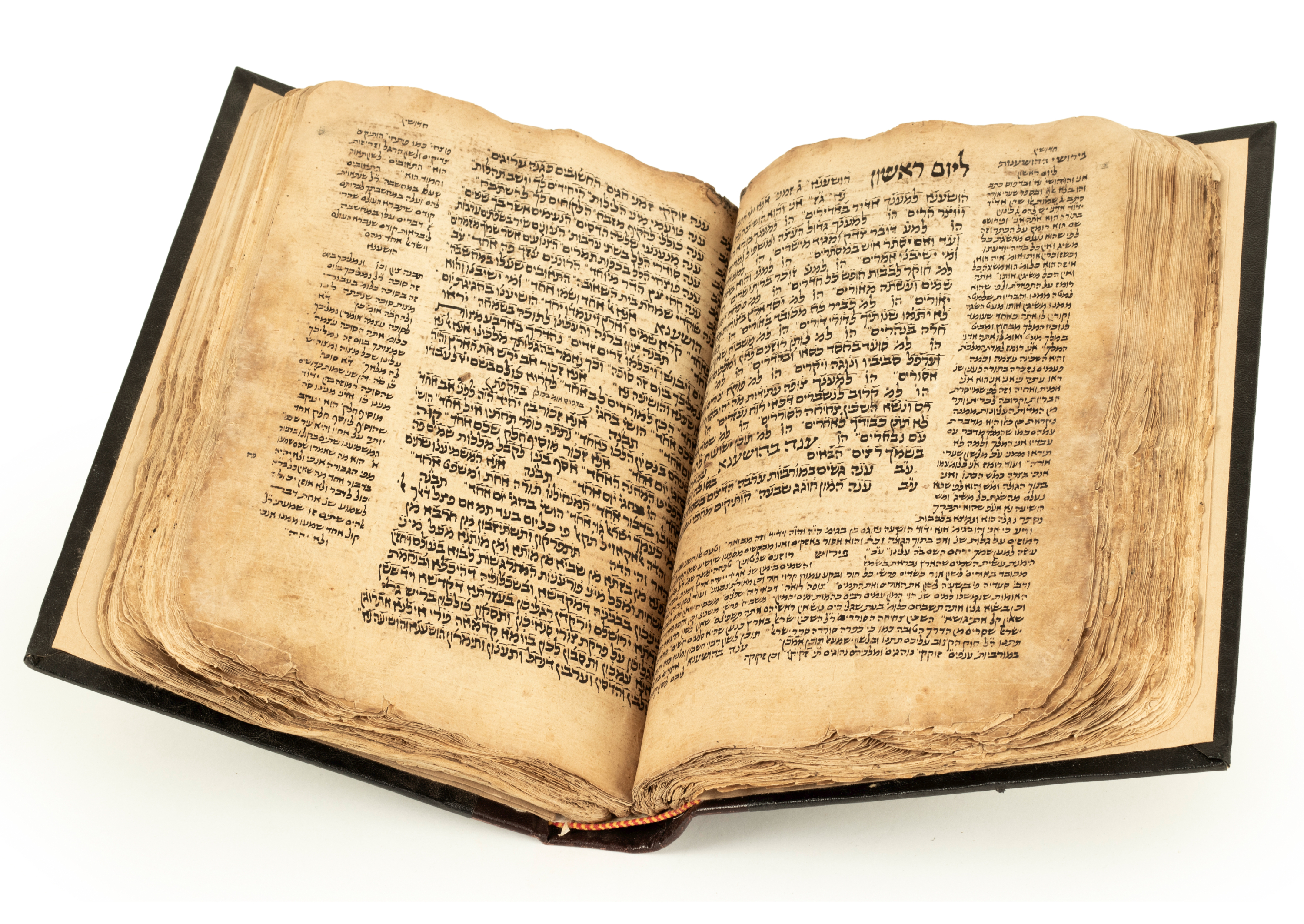
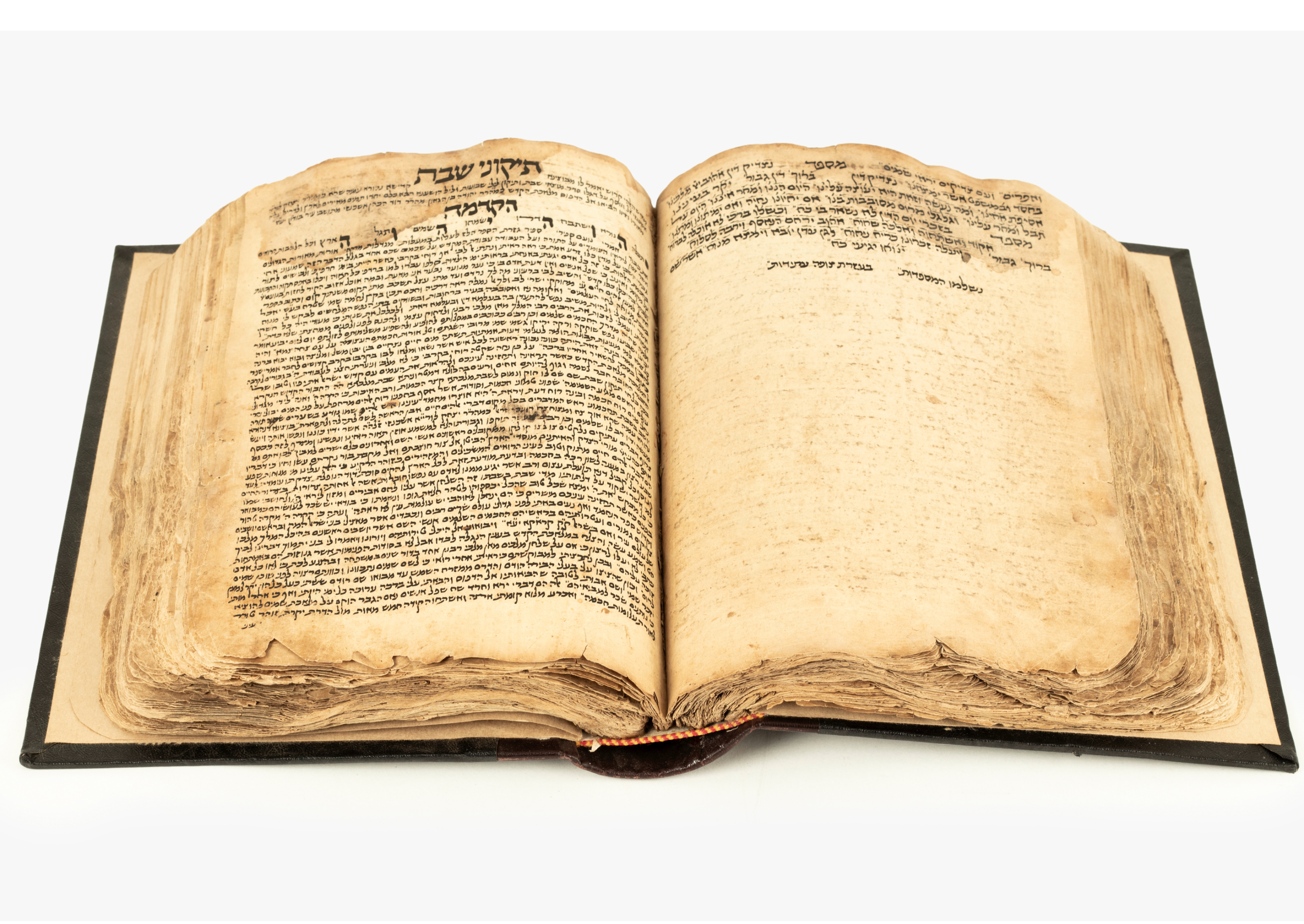
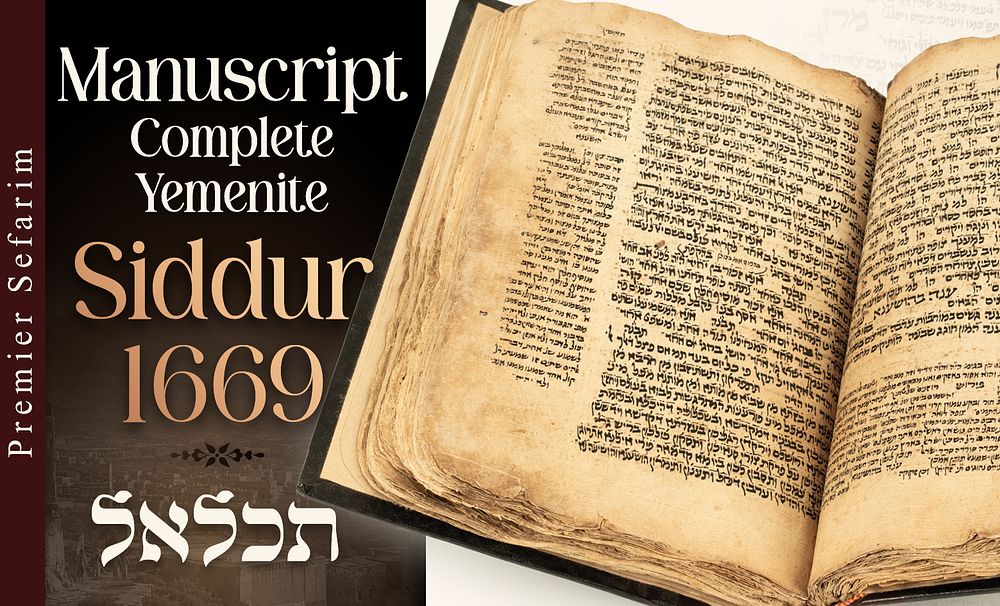
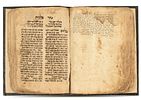
An exceptionally comprehensive siddur encompassing the entire Jewish year: prayers for weekdays and Shabbos, festivals, Yamim Tovim, and fast days, accompanied by an extensive commentary based on all four ways of interpreting the Torah (Pardes), together with halachos and customs by Rabbi Yitzchak Vena, one of the leading sages of Yemen in the sixteenth and seventeenth centuries.
Written in Yemen in 1669.
To this day, the siddur has never been printed in its entirety!
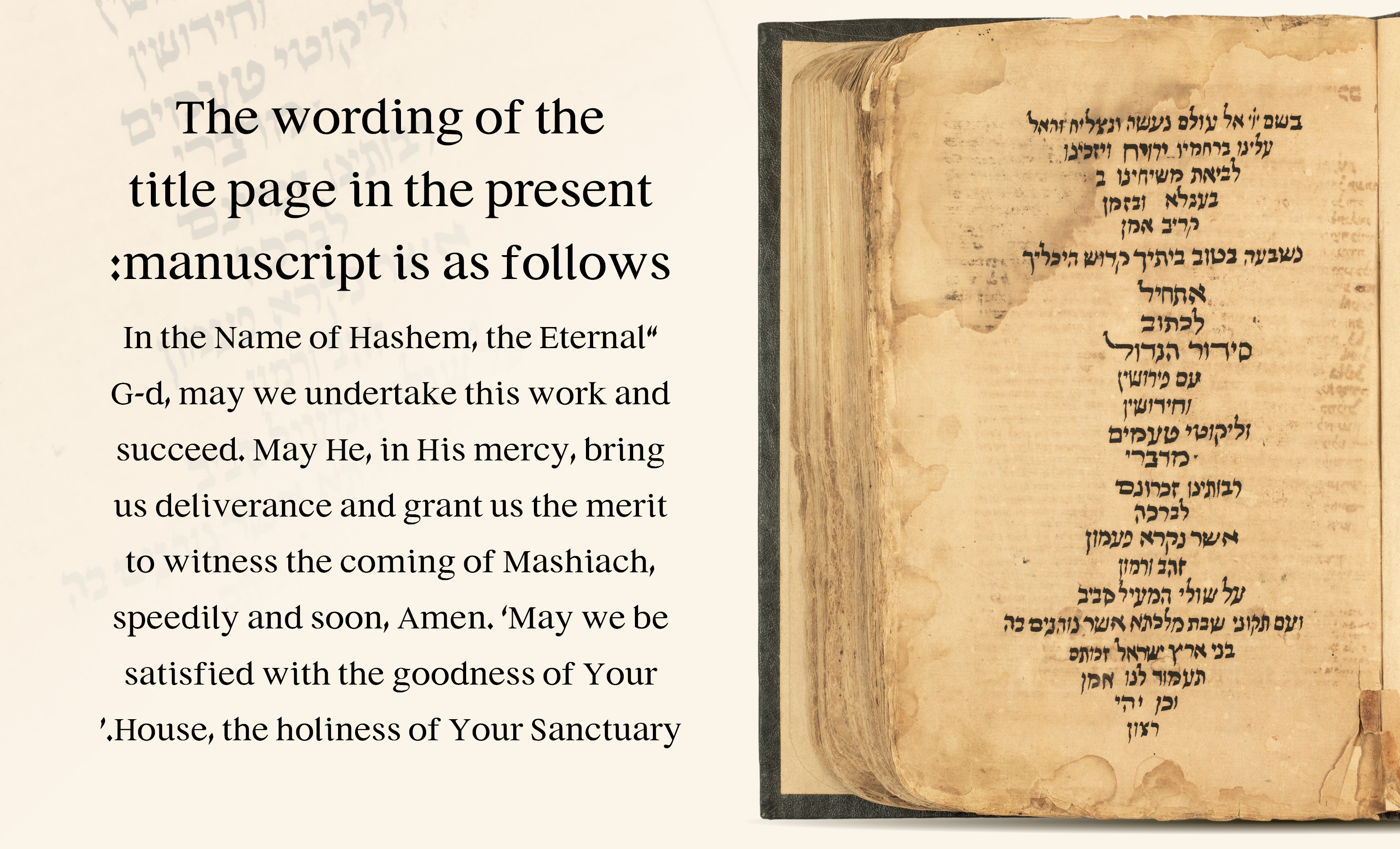
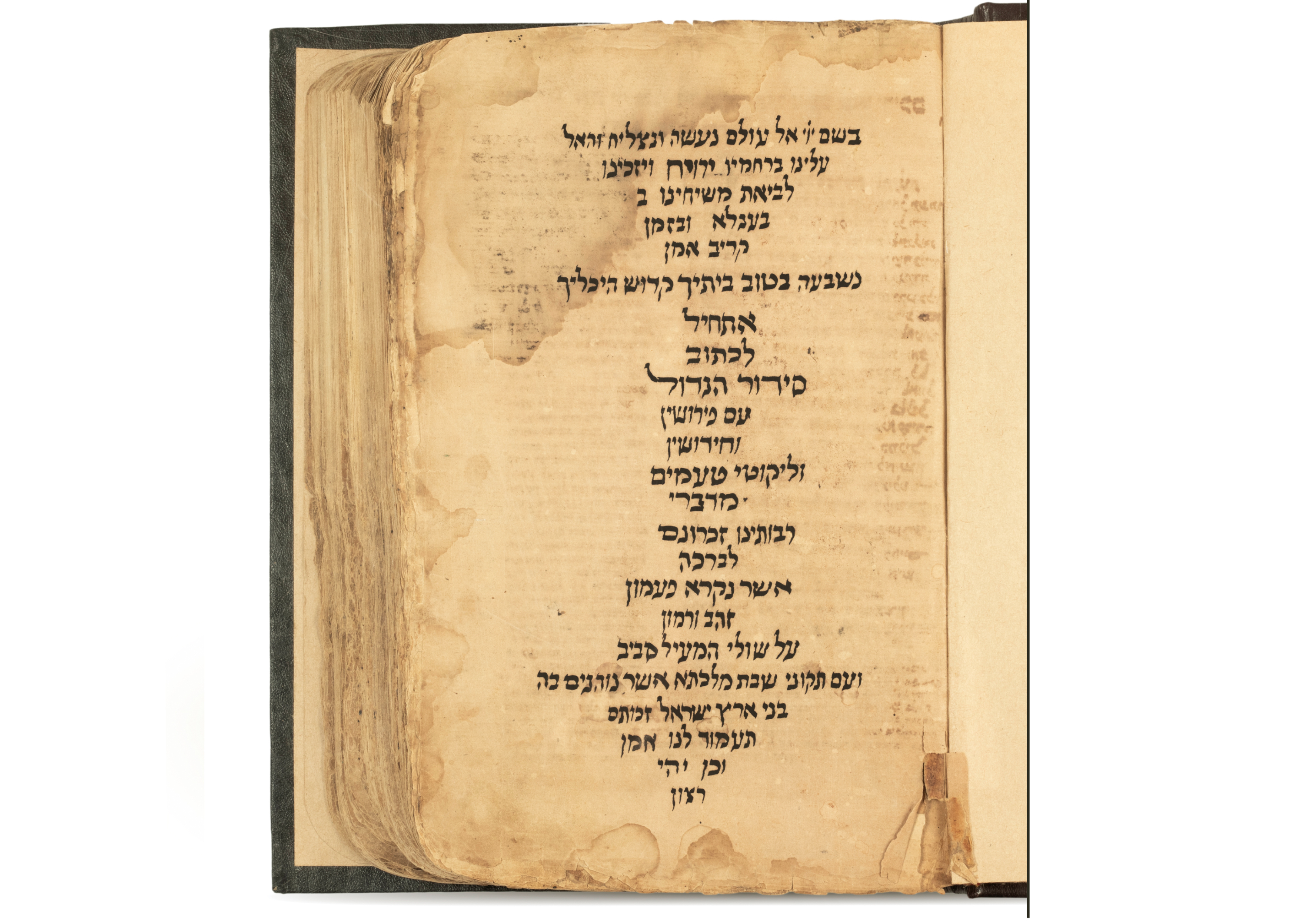
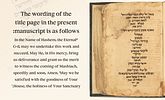
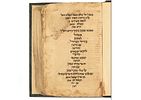
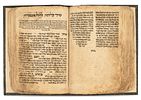
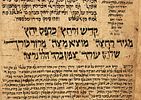
The title page of the siddur states:
“A large Siddur, with commentaries, chiddushim, and collected explanations drawn from the teachings of our Sages of blessed memory. It is entitled Pa’amon Zahav VeRimon. It also includes the Tikkunim of Shabbos as practiced by the Jews of Eretz Yisrael, may their merit protect us.”
(The title pages of these siddurim are rare, as many copies became worn through constant use and are missing their opening or closing leaves.)
Rabbi Yitzchak Vena was the first commentator on the Tichlal, the traditional Yemenite siddur, and was likely the first to provide explanations of the piyutim from Spain by Rabbi Shlomo Ibn Gabirol, Rabbi Avraham Ibn Ezra, and others, which he incorporated into his siddur.
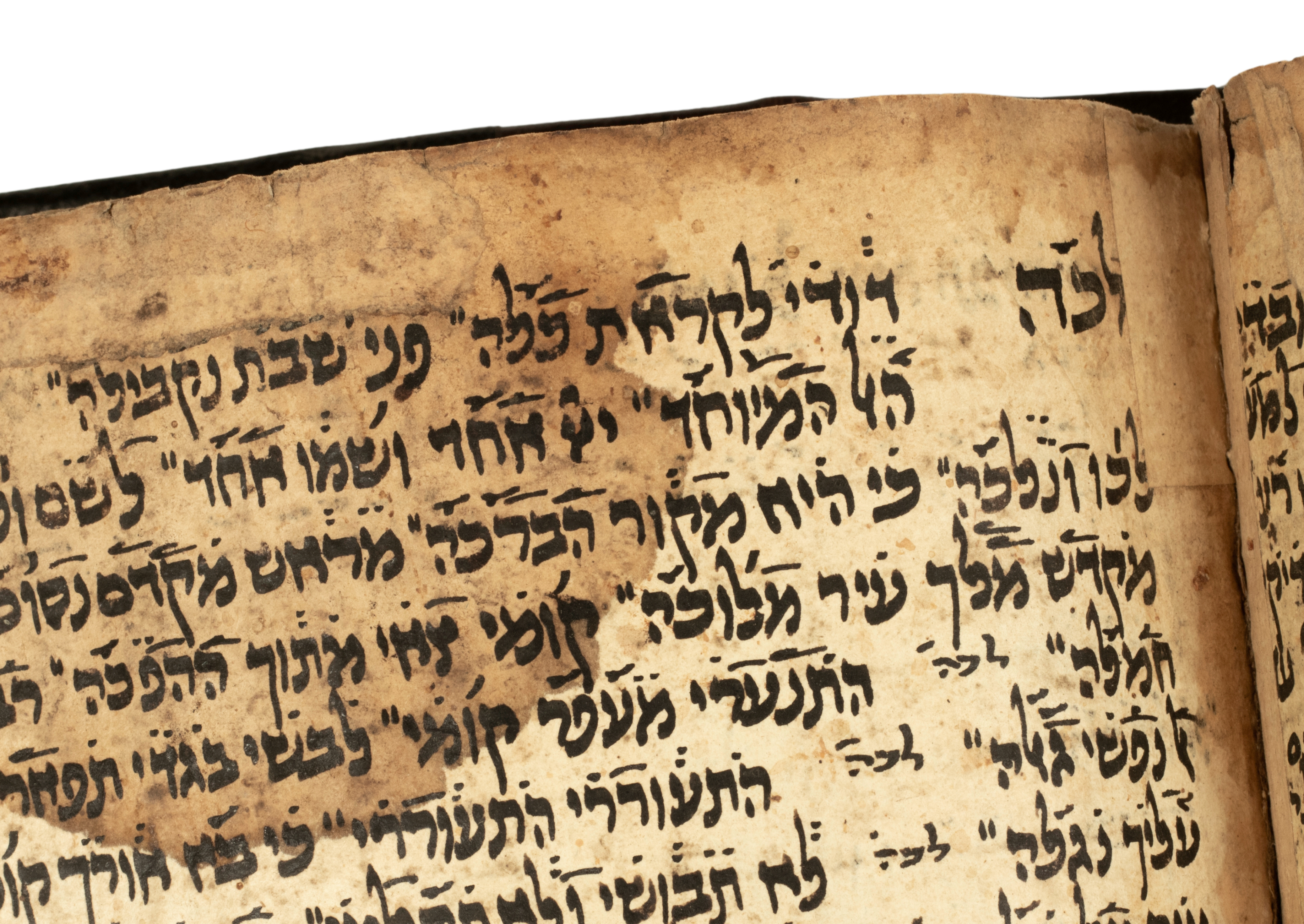
Yet his principal achievement was his pioneering revision of the Yemenite siddur. He incorporated prayers from Sephardic siddurim and created a fusion of the Sephardic and Yemenite nusach. For example, he was the first to introduce Kabbalas Shabbos and Lecha Dodi into Yemenite communities.
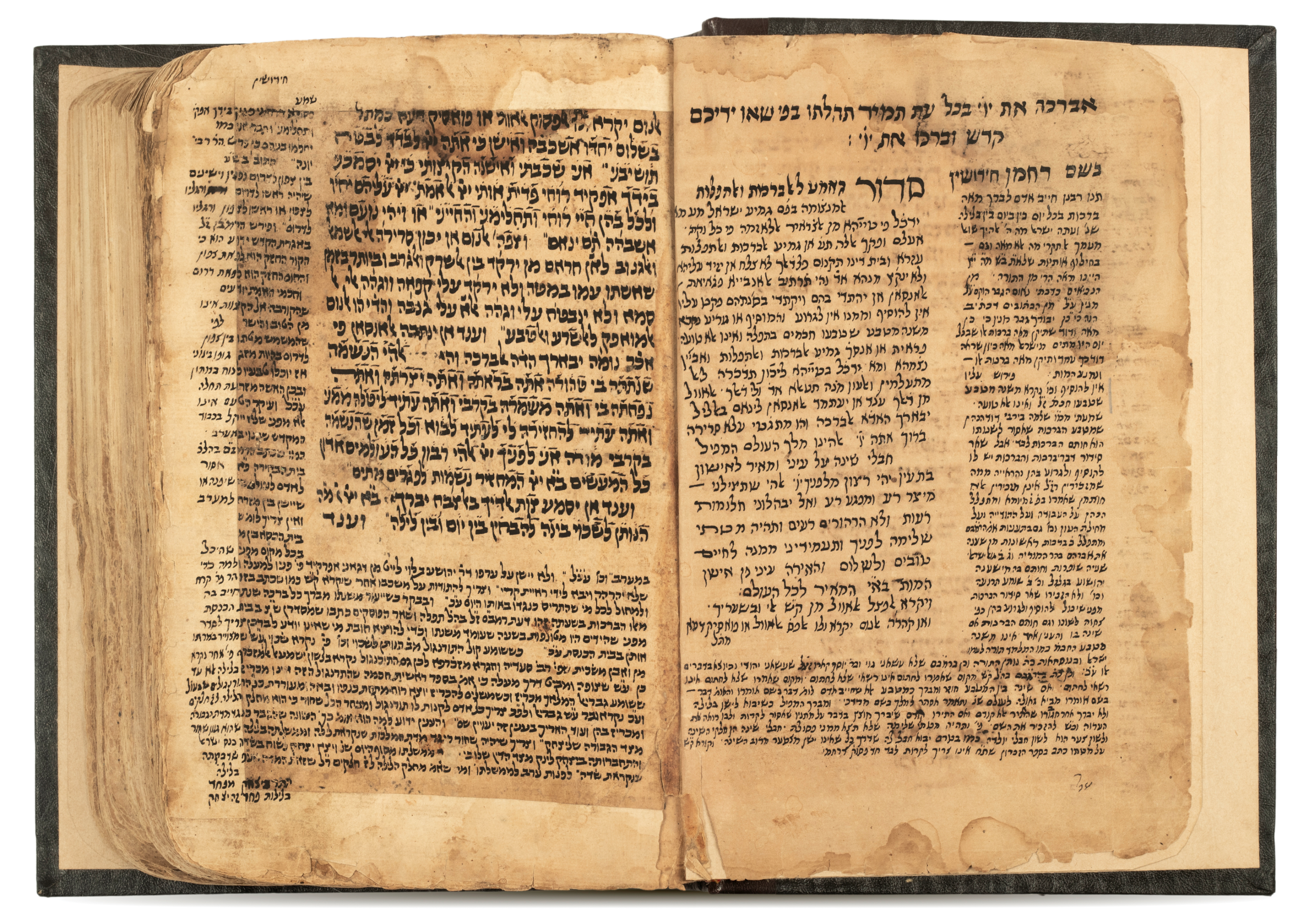
In the introduction to the siddur, which is present here and lacking in many copies, he explains in the name of his teacher, Rabbi Shlomo HaKohen, author of Lechem Shlomo, why these changes do not violate the principle against altering the nusach established by the Sages.
The siddur gained enormous popularity and was widely used throughout Yemen. The leading Yemenite sage, Rabbi Yichya Tzalach, the Maharitz, made extensive use of it in his commentary in his siddur Etz Chaim. Following the publication of the Maharitz’s siddur, however, the influence and circulation of Rabbi Vena’s siddur gradually diminished.
The commentary bears the title ‘Chiddushim, ’ with subsections entitled ‘Hagahah’ and ‘Ta’am.’ In later editions, Rabbi Yitzchak Vena gave his commentaries the collective title ‘Pa’amon Zahav VeRimon’ (see the title-page wording above).
Rabbi Yitzchak Vena (c. 1575–c. 1670, with some placing his passing at an earlier date), was one of the leading sages, poskim, and kabbalists of Yemen. He lived in the city of Ma‘bar in central Yemen. A prolific author in both revealed and hidden Torah, he is remembered primarily for his siddur, which transformed the Yemenite siddur through the integration of Kabbalah and the customs of Eretz Yisrael. He first composed the siddur in 1597 and continued revising and expanding it throughout his life.
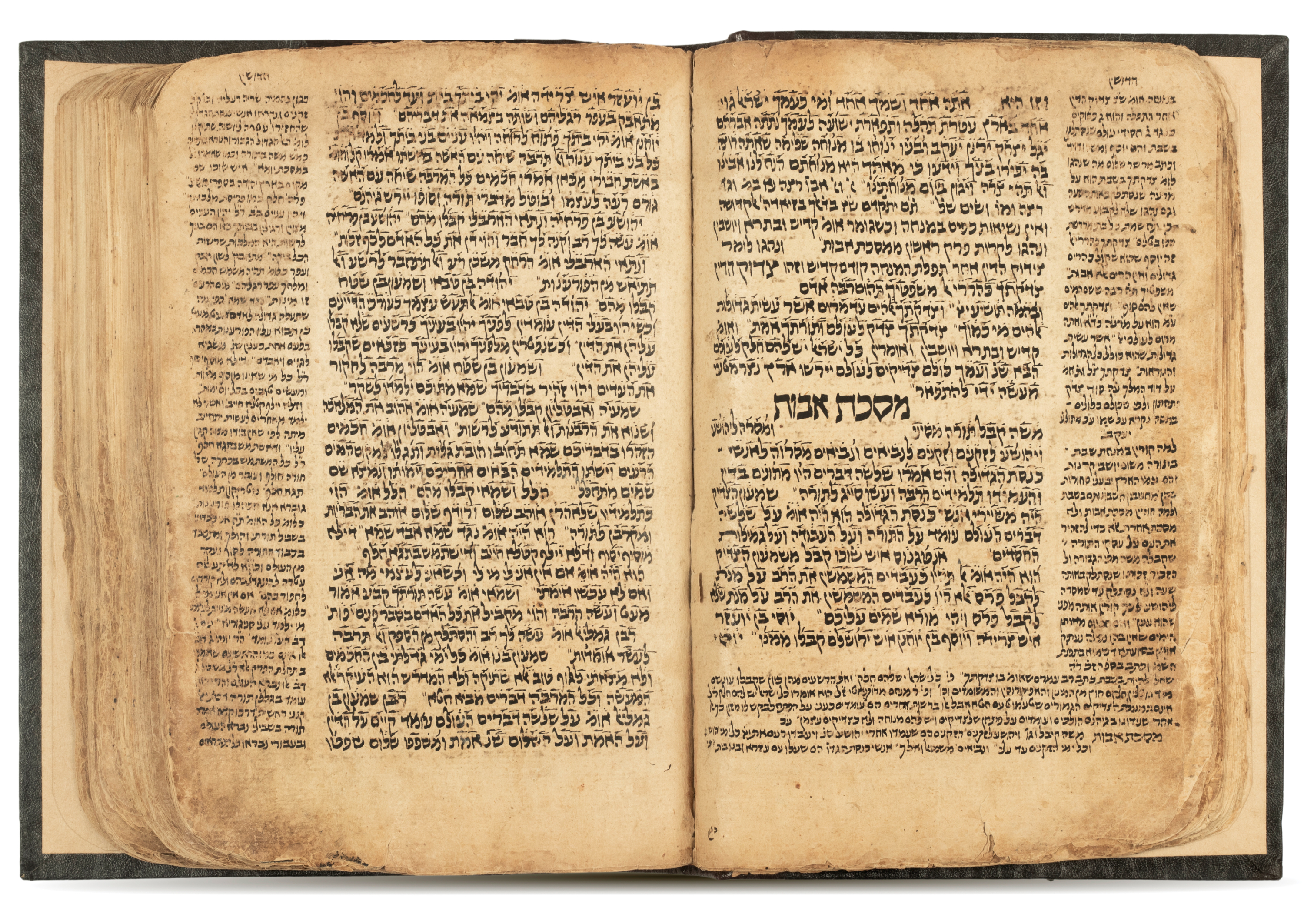
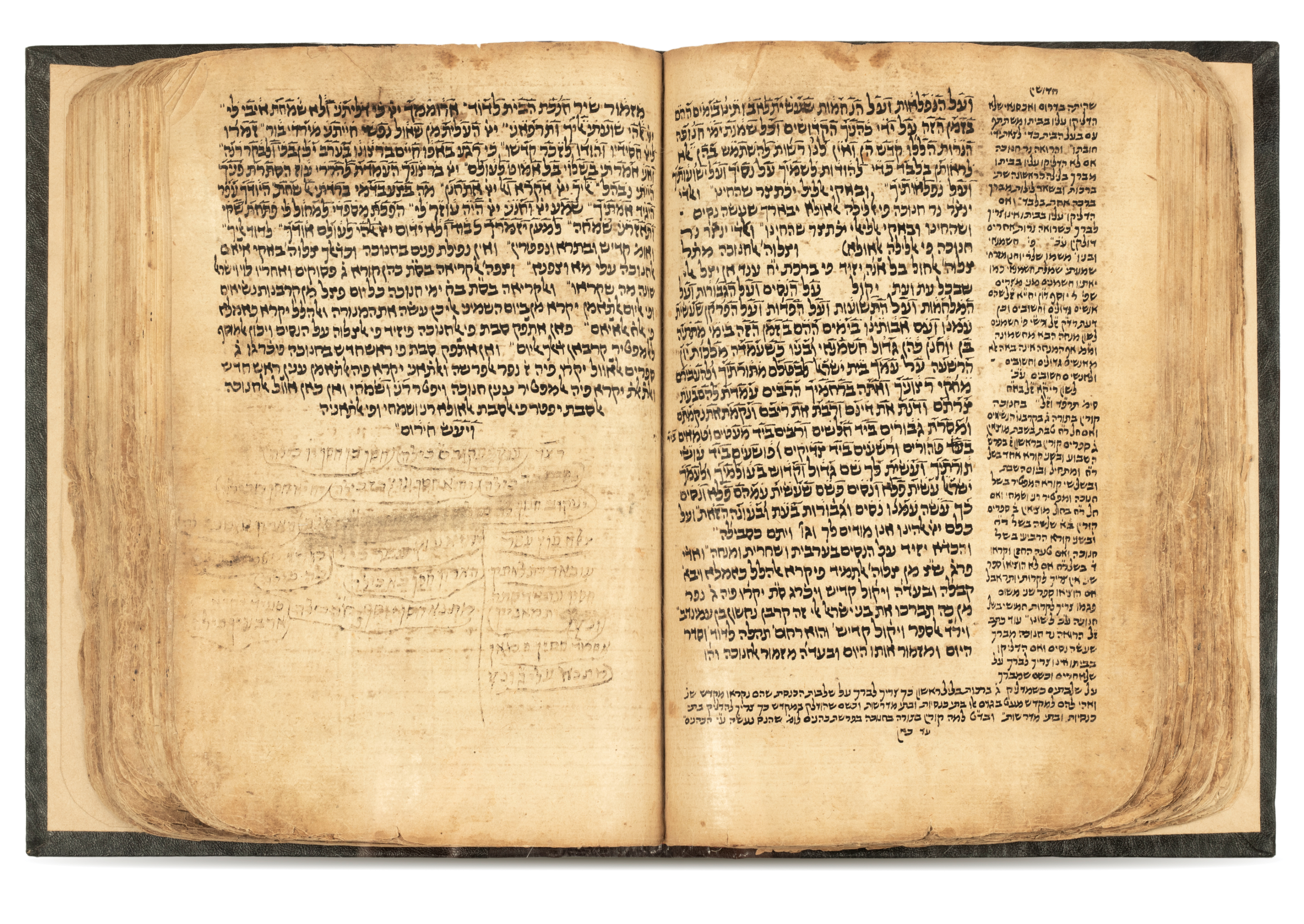
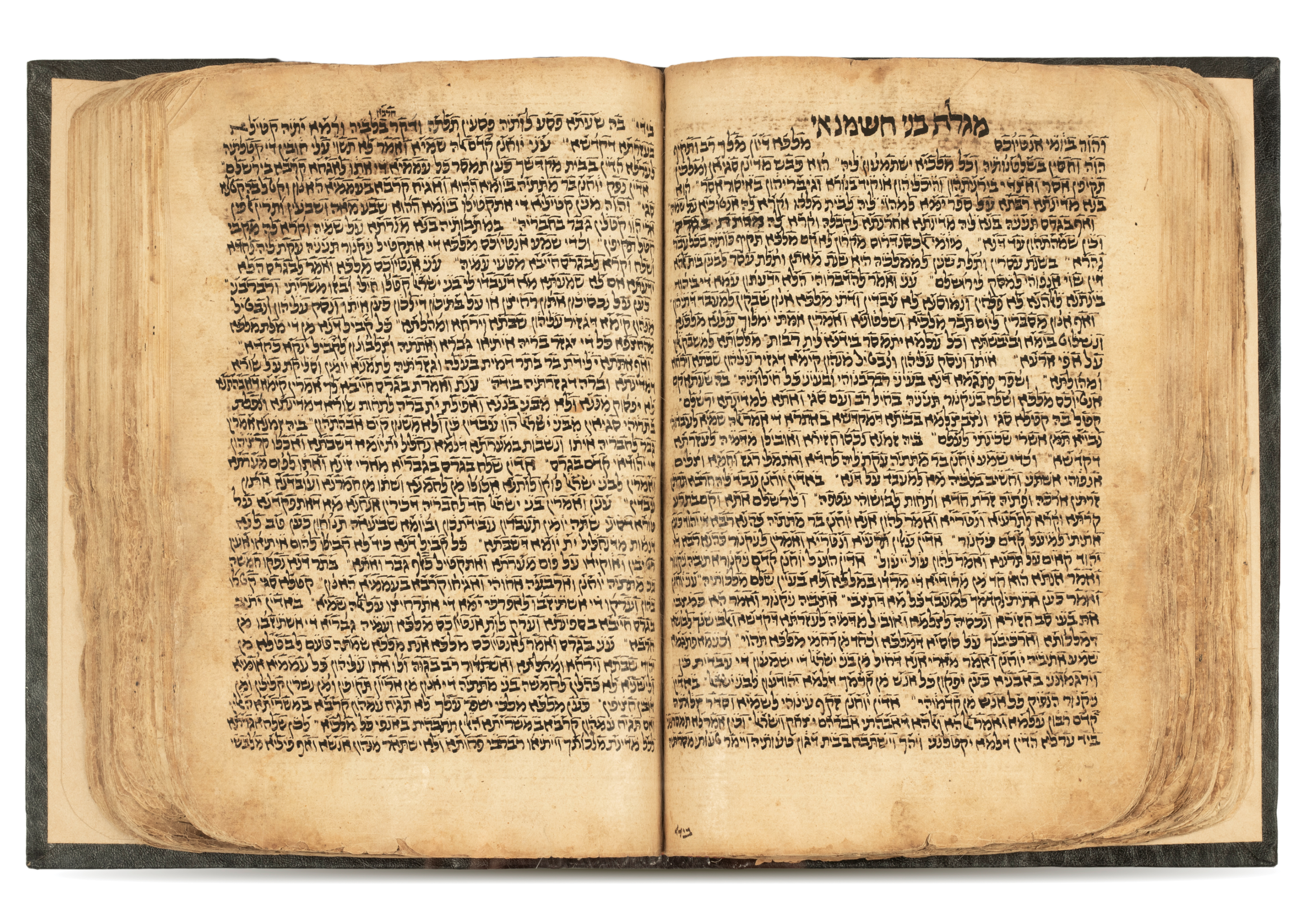
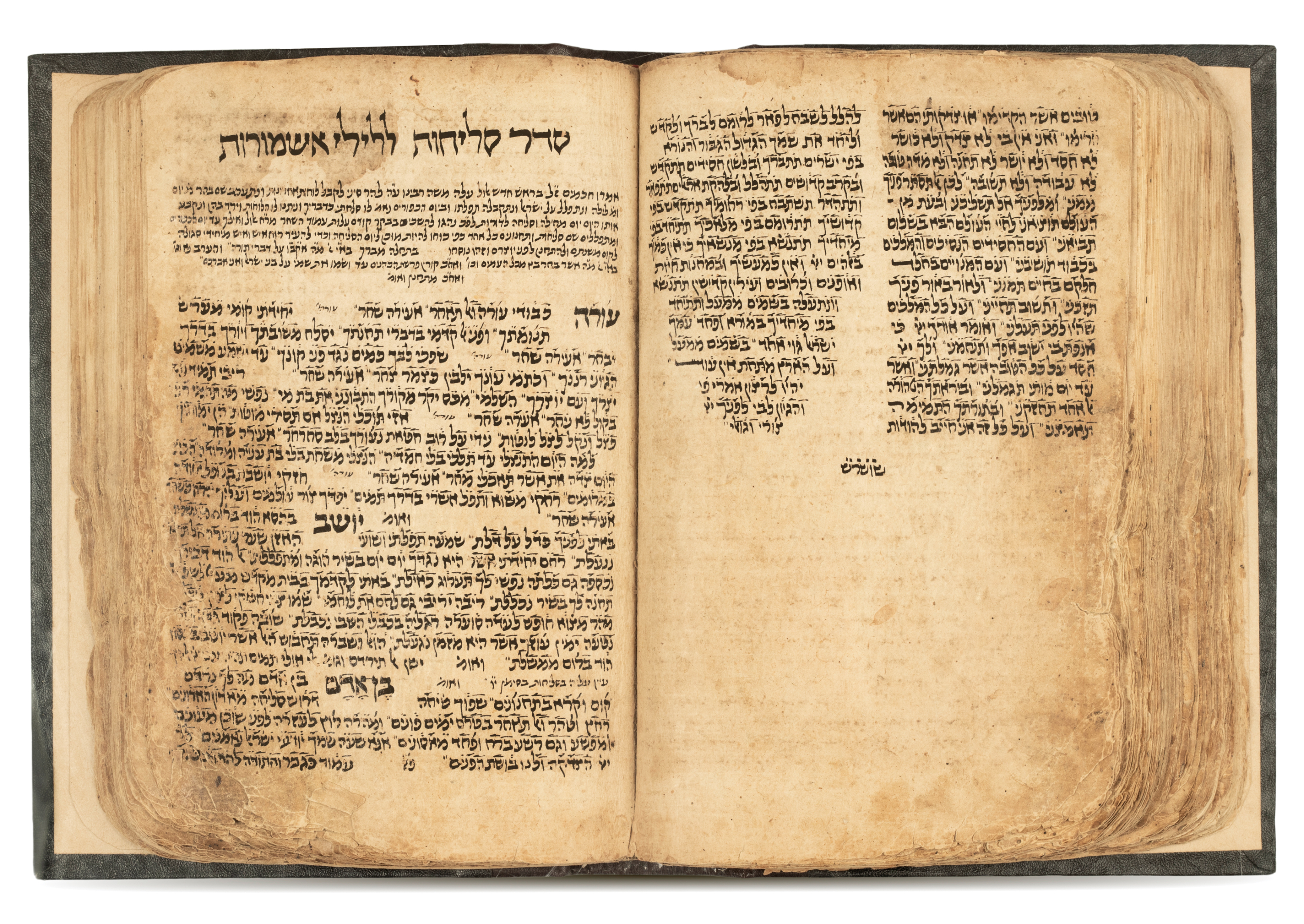
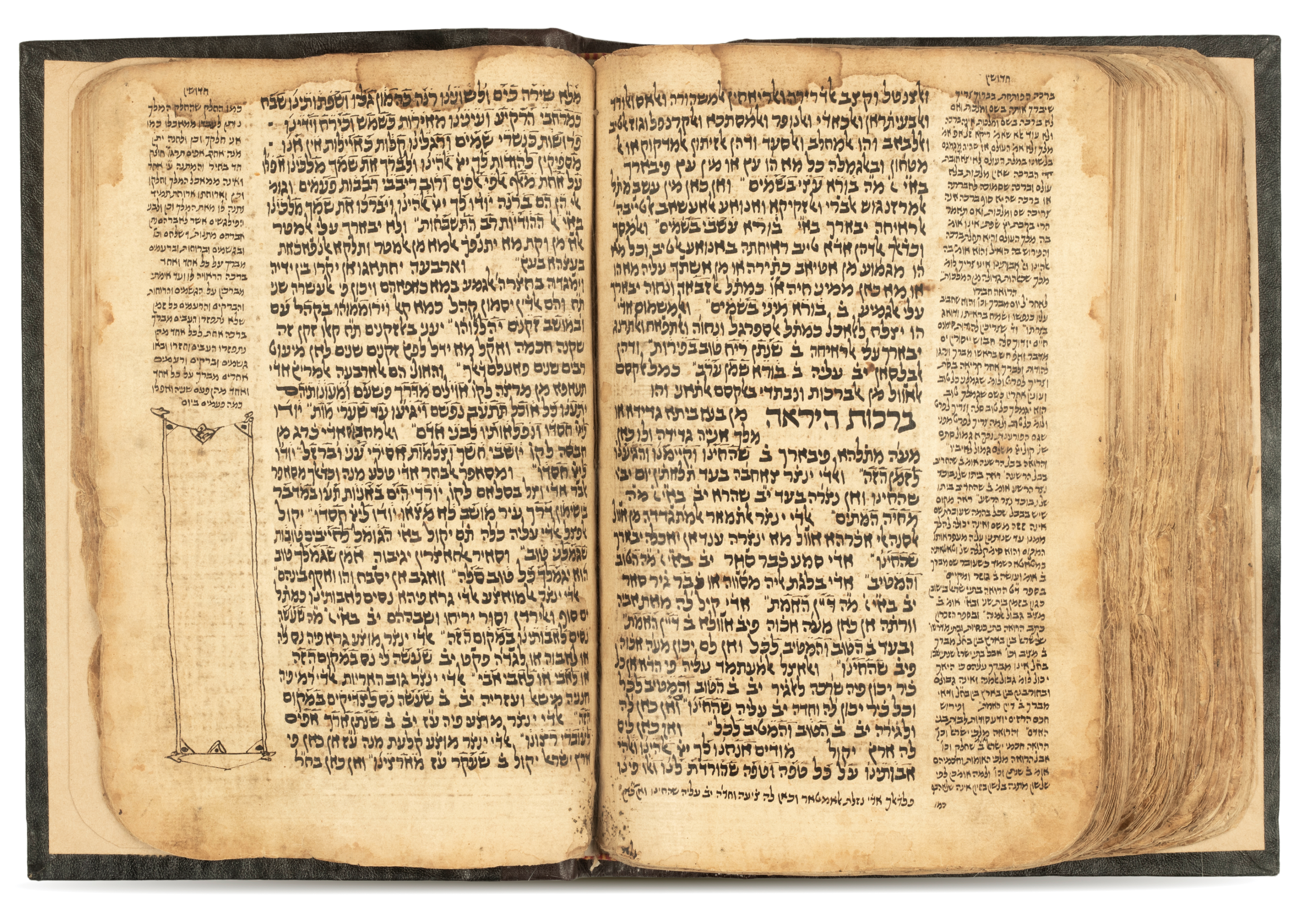
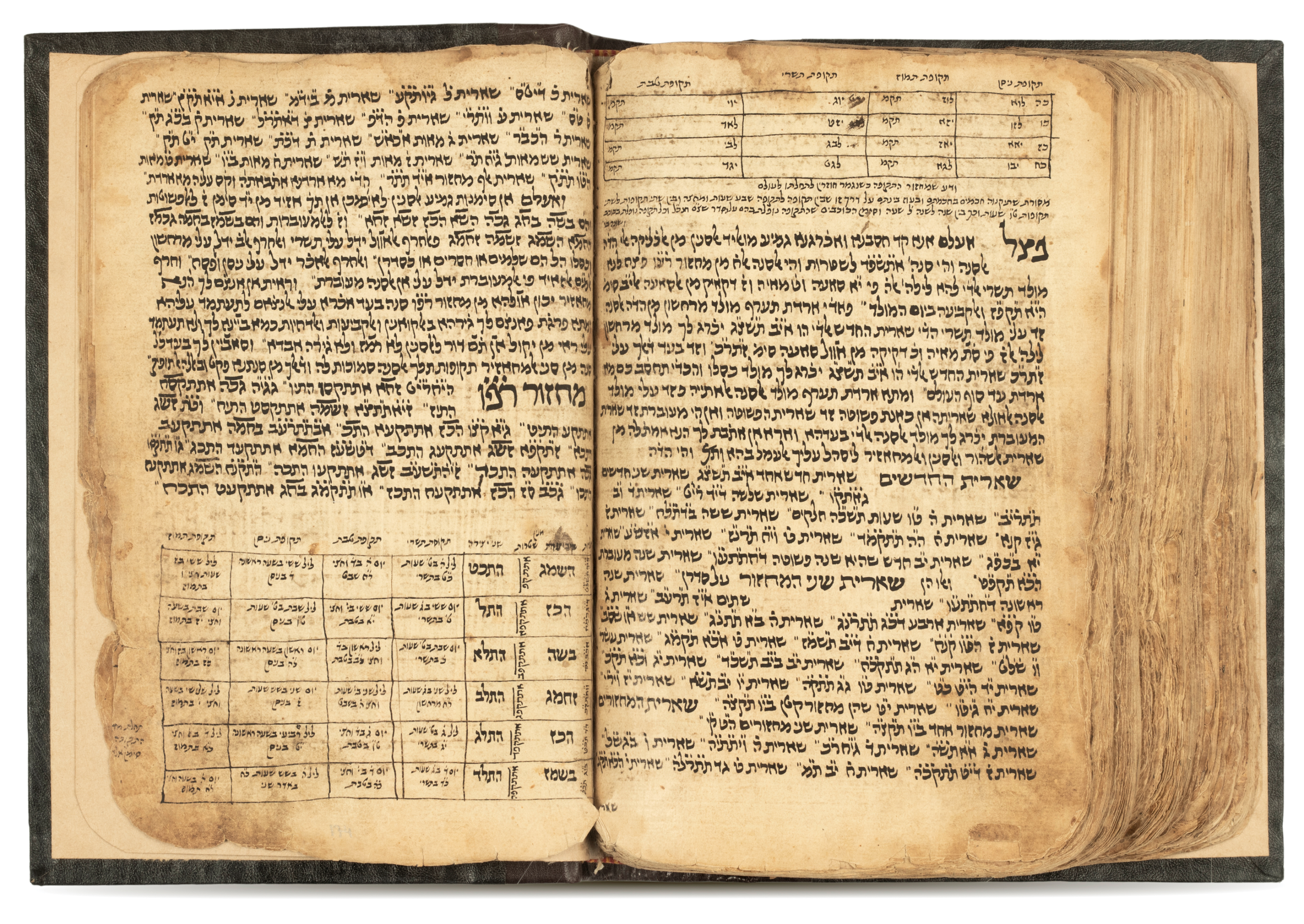
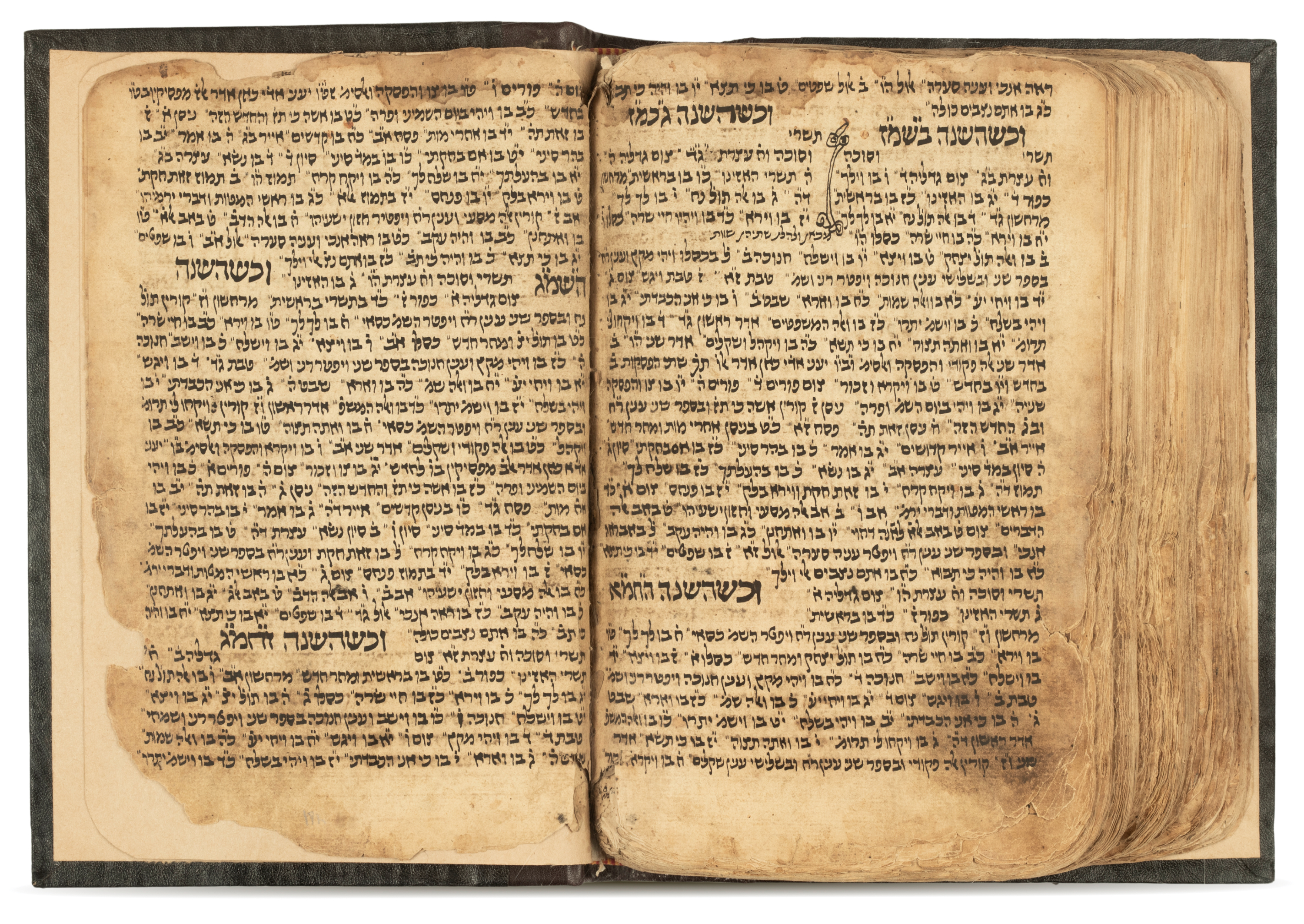
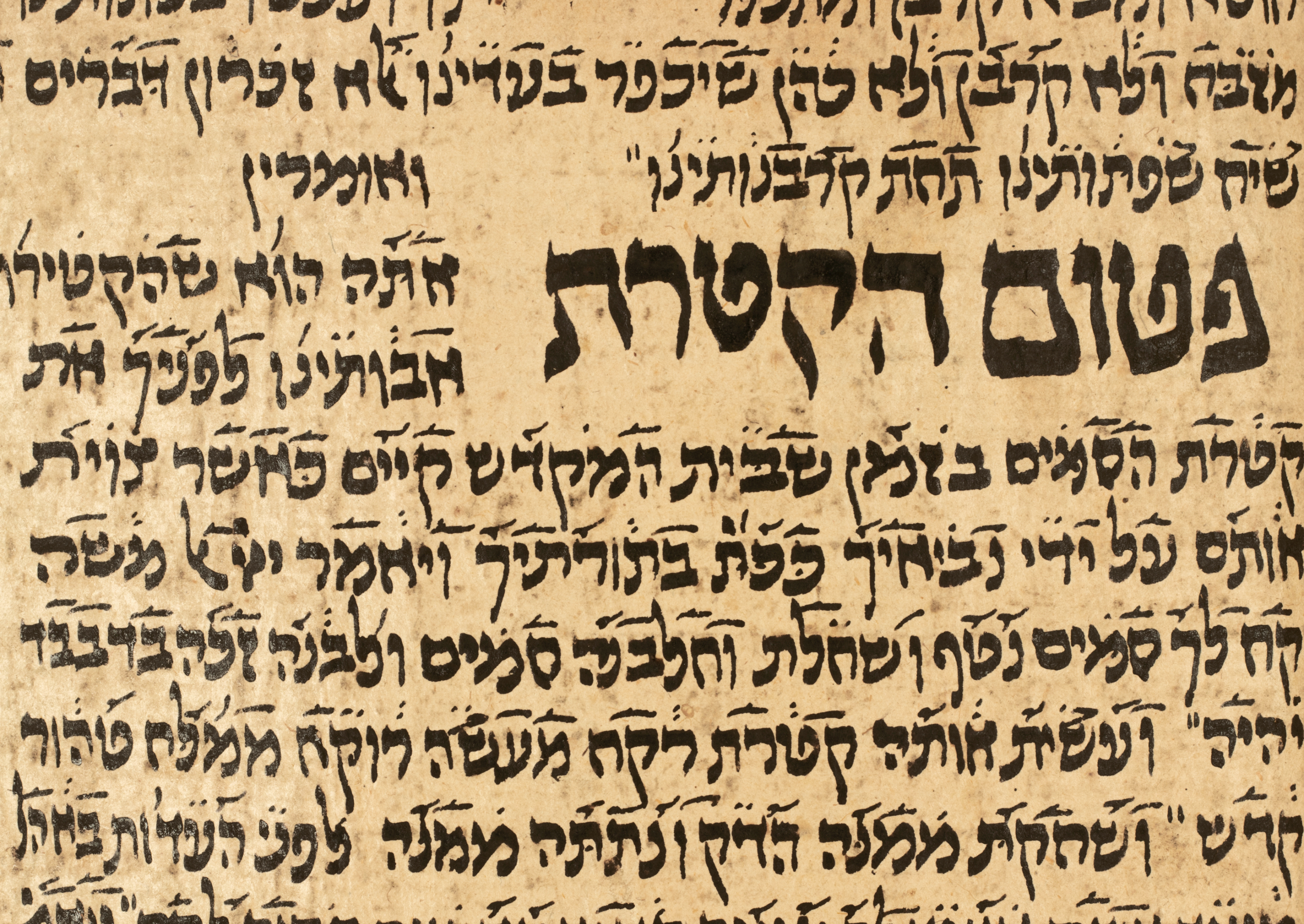
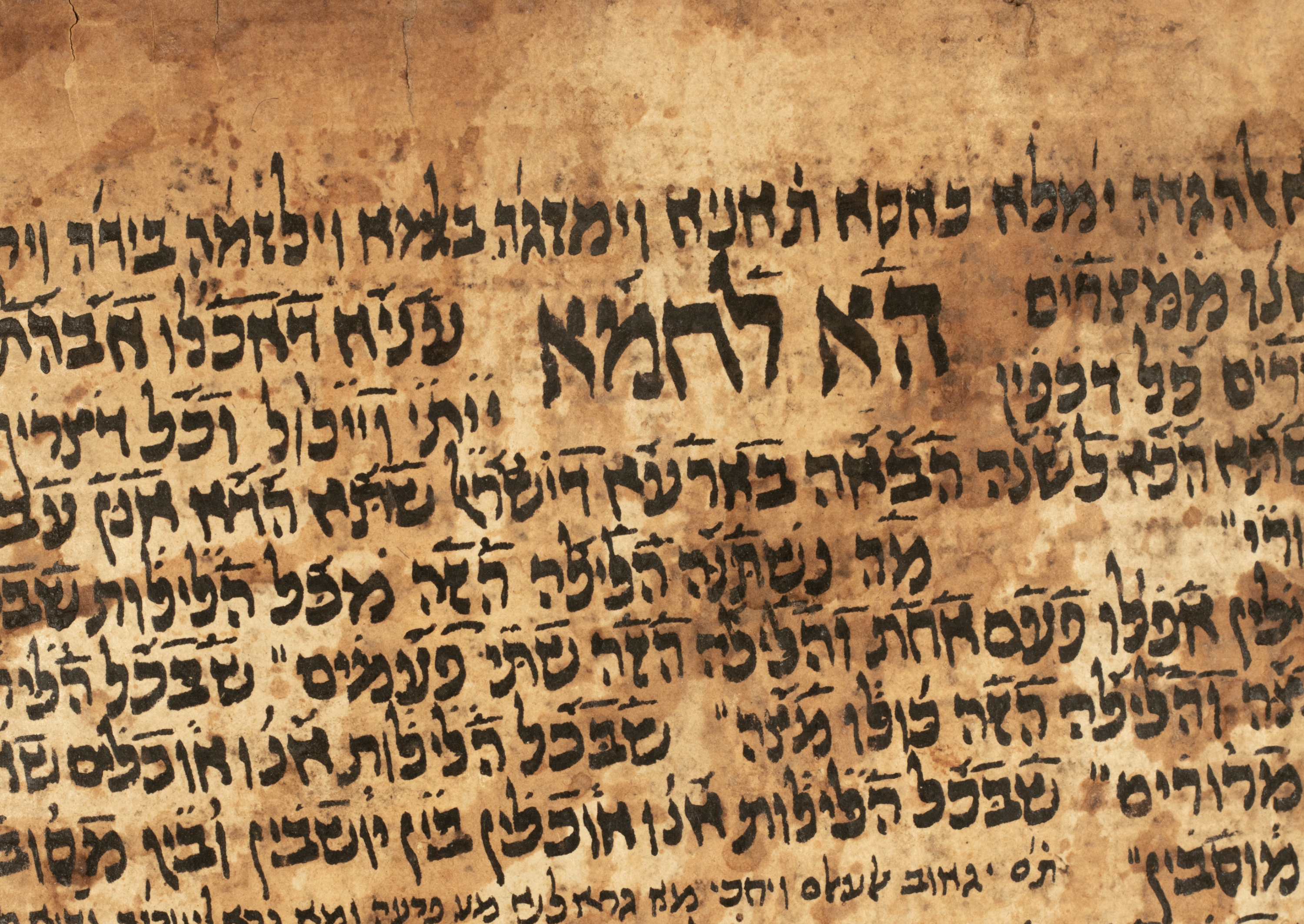
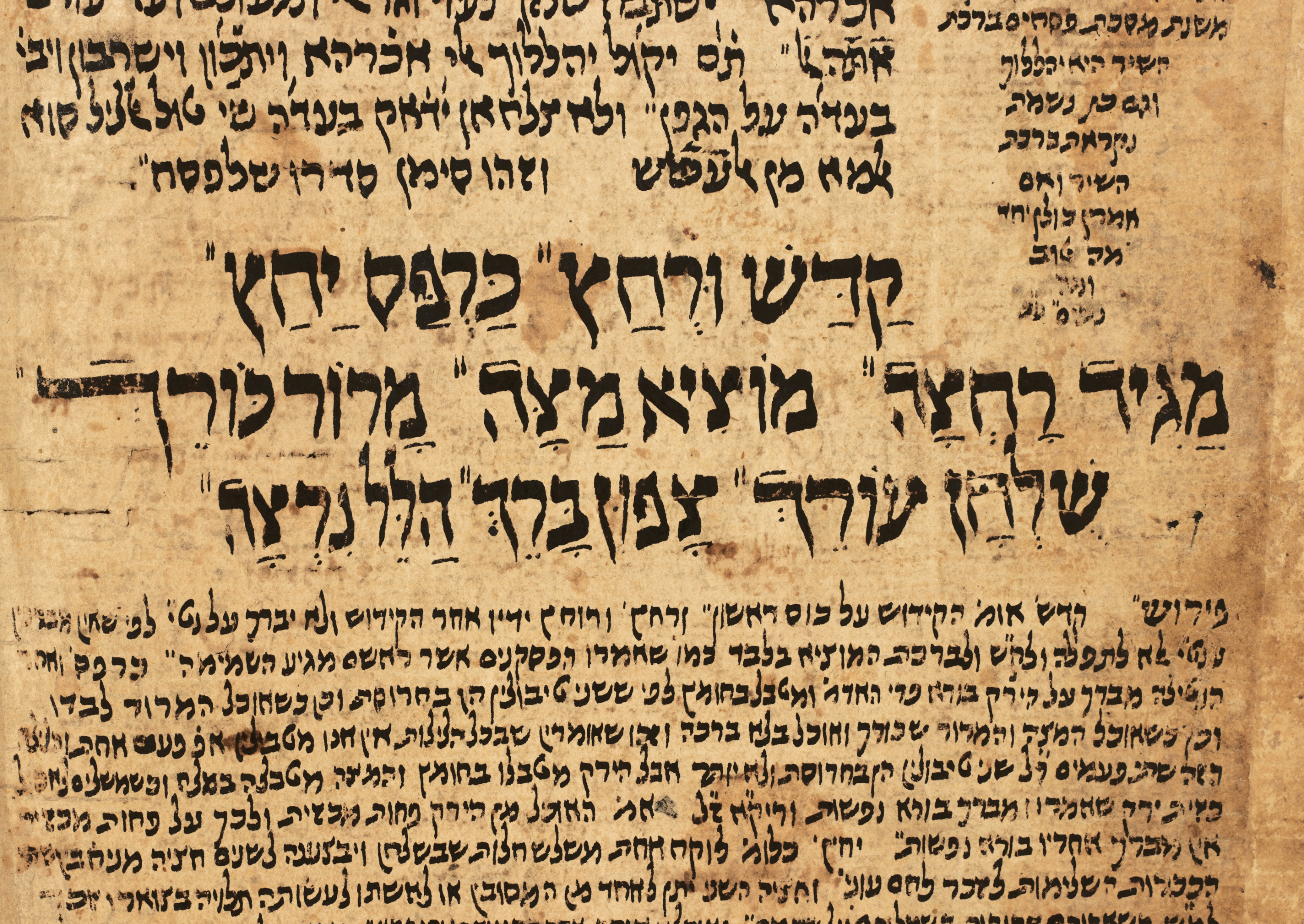
The siddur contains prayers for weekdays and Shabbos; Pirkei Avos with commentary; Shabbos zemiros of the Arizal and the order for Motzaei Shabbos; prayers for Rosh Chodesh; the order for the Seder night [Haggadah]; prayers for Pesach and Shavuos; the Azharos of Rabbi Shlomo Ibn Gabirol; prayers for fast days and Tishah B’Av; Megillas Eichah with the Yemenite Tafsir – an explanatory Judeo-Arabic translation of biblical text – and kinnos for Tishah B’Av; the prayers of Rosh Hashanah and Yom Kippur; Sukkos and Shemini Atzeres with hoshanos and Simchas Torah; blessings for the congregation; Chanukah rites and Megillas Bnei Chashmonai; Tikkun Purim of Rabbi Yehudah HaLevi ben Shmuel and prayers for Purim; orders of mourning and burial, selichos, Kesser Malchus, prayers and supplications, Yom Kippur avodah, blessings and halachic instructions for numerous mitzvos (see Hebrew description), the blessings for wedding, calendrical calculations, and the texts for kesubos, gittin, and legal documents.
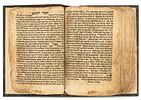
Yemen, 1669. The date of the manuscript, 1669, is established from the calendrical tables on leaf [174a], which begin with the year 1669.
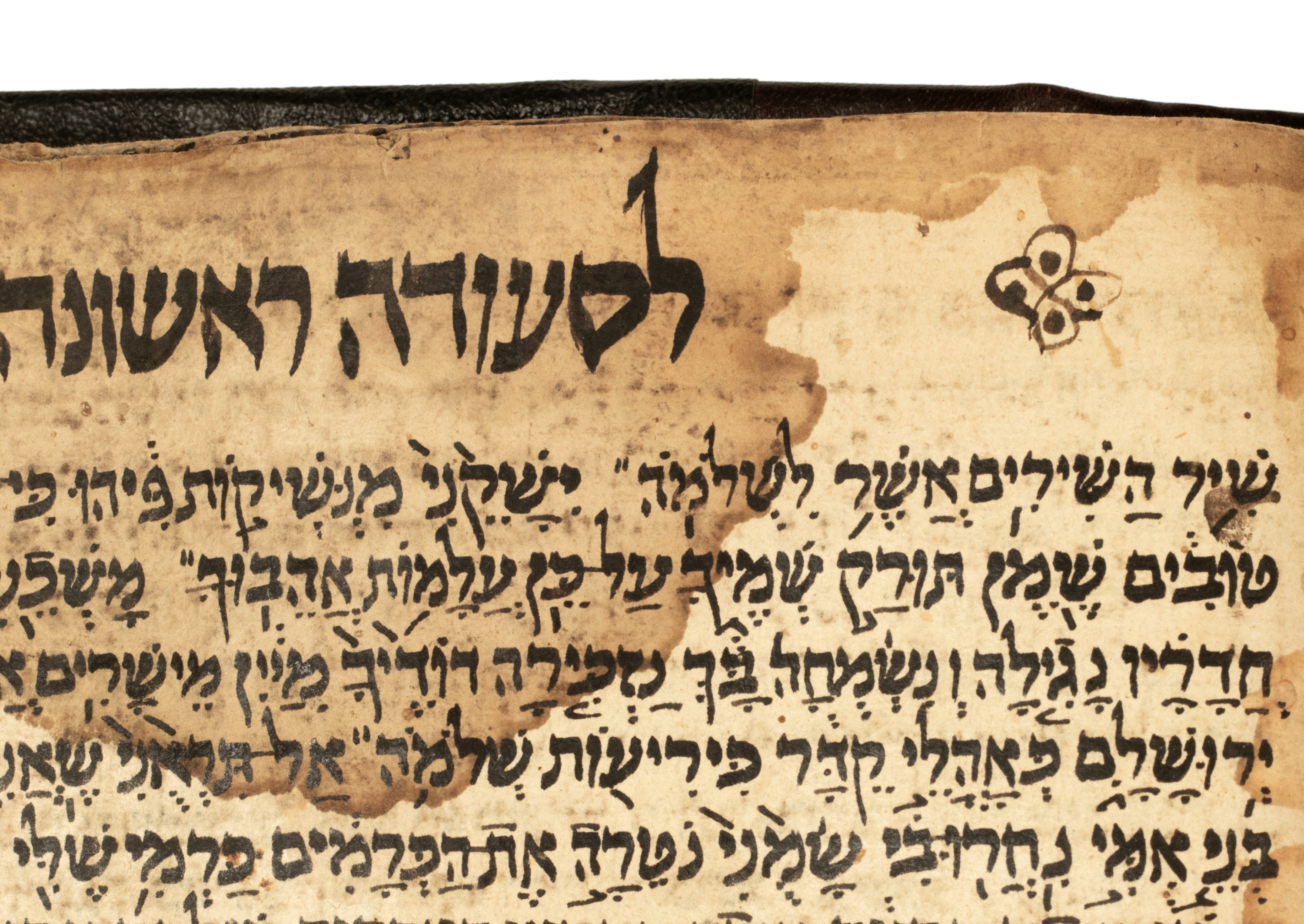
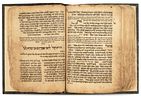
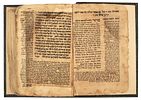
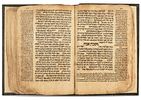
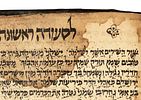
Written in large square script, with vowels placed above the letters (in the traditional Yemenite way); headings appear in larger and more prominent letters.
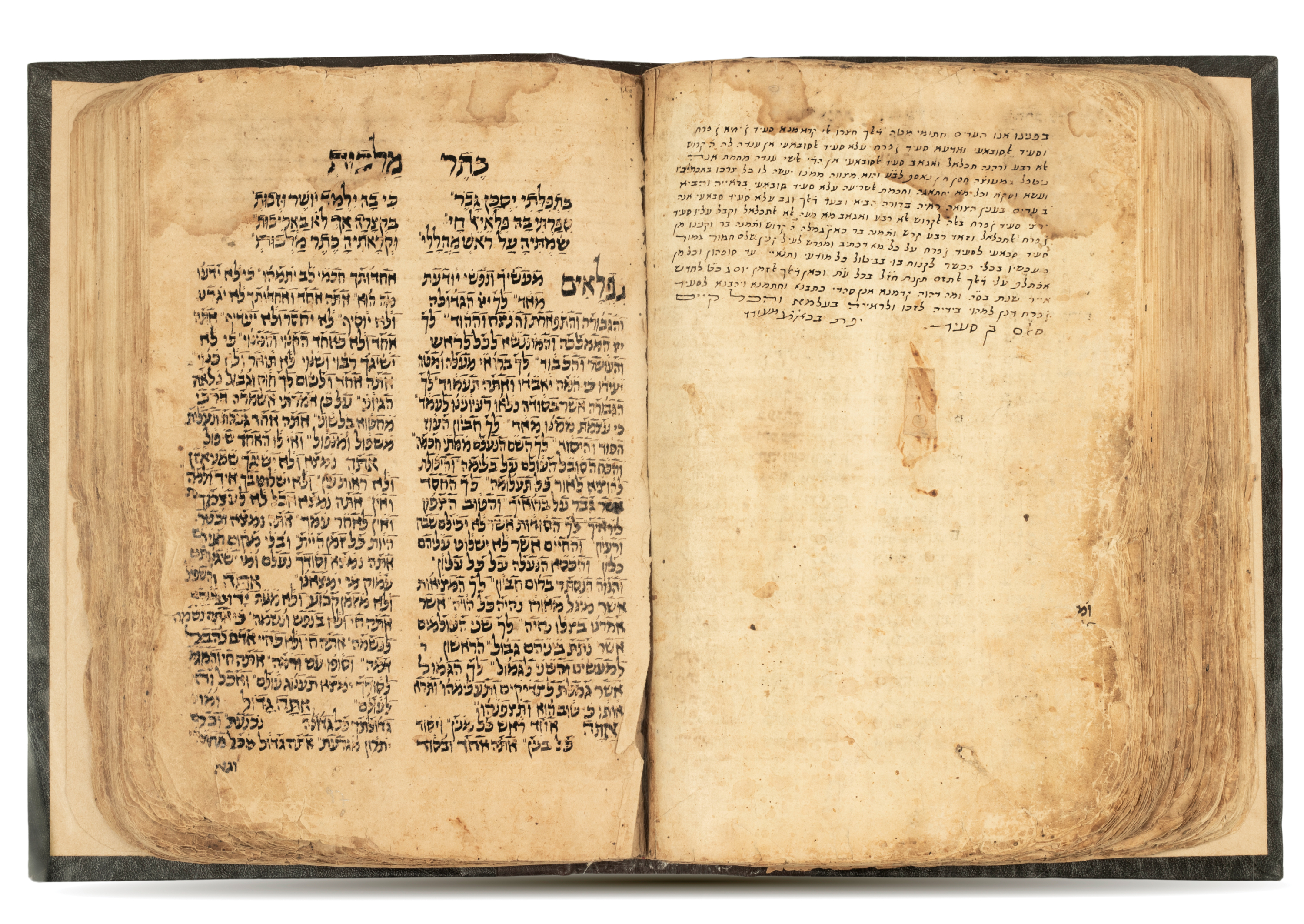
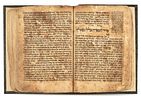
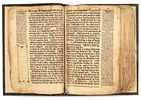
A Judeo-Arabic legal document dated 1754 appears on leaf [96b].
Page Count: [185] leaves.
Size: 18 × 29 cm.
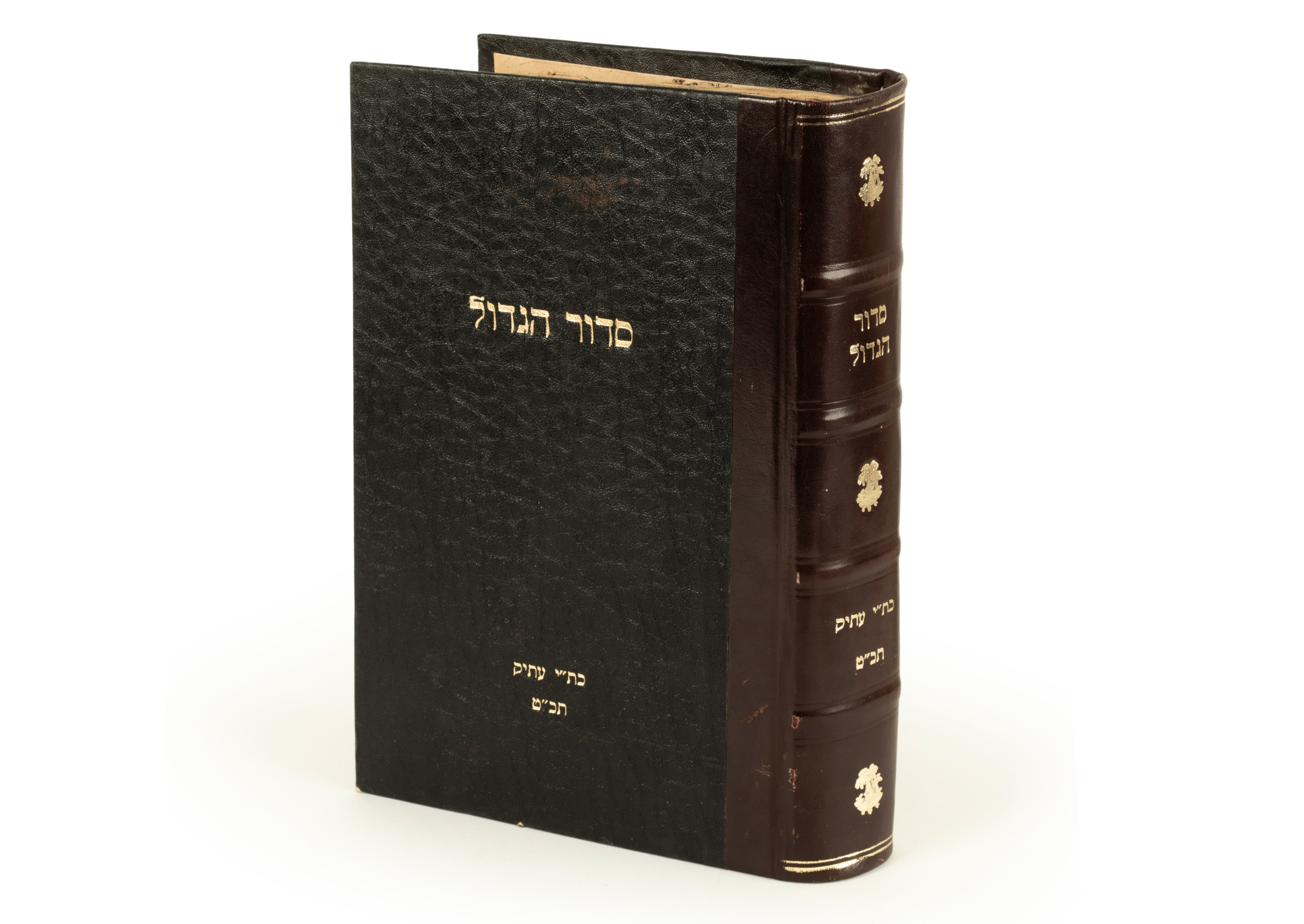
Condition: Numerous signs of use and wear; stains and a few tears; rounded margins; paper losses along the edges; and tears with losses in the final leaves, particularly on the last leaf. New simple binding.
Bibliography: Dr. Moshe Gavra, Lepo‘alo Shel R. Y. Vena BeSidduro, Teima: Journal for the Study of Yemenite Jewry, vol. 4, pp. 55–65; introduction by Rabbi Yitzchak Ratzabi to Rabbi Yitzchak Vena’s Rechev Elokim (Bnei Brak, 1999), chapter 7.
___________
___________
Tichlal
The Yemenite siddur is known as the “Tichlal, ” a term meaning “all-inclusive, ” because it contains all the prayers and blessings recited throughout the Jewish year.
___________
Translation of the Legal Document:
We, the undersigned witnesses, were present when Sa’id son of Yichye son of Perach and Sa’id al-Tzuba’i appeared before us. Sa’id son of Perach claimed against Sa’id al-Tzuba’i that he held on his behalf five gerushim less a quarter, for which a Tichlal had been given as collateral.
Sa’id al-Tzuba’i replied that this matter had come into his possession because he had attended to the affairs of Ma’utza Hassan, of blessed memory. The deceased had instructed him to provide for all his needs, including burial shrouds, the meal of consolation, refreshments, and everything else that was required for him.
The halachic ruling was that Sa’id al-Tzuba’i was required to produce evidence, and he brought two witnesses concerning the instructions of the deceased, thereby presenting clear proof. Nevertheless, it was subsequently ruled that Sa’id al-Tzuba’i was obligated to pay Sa’id son of Perach the amount of those gerushim less a quarter. He replied that he possessed nothing besides the Tichlal.
Sa’id son of Perach then accepted the Tichlal, and an additional quarter of a gerush and one-eighth of a bar were added, bringing the total value to five gerushim and one-eighth.
We acquired from Sa’id al-Tzuba’i, in favor of Sa’id son of Perach, full and binding rights to all that is written and specified above, through a complete and fully valid act of acquisition, effective immediately, by means of a legally valid instrument of acquisition, with all prior declarations and conditions annulled in their entirety. Whoever violates this agreement shall be subject at all times to the enactments of Chazal.
This took place on Tuesday, the twenty-ninth day of the month of Iyar, in the year 1754. Everything that transpired before us, we, the witnesses, have written, signed, and delivered to this Sa’id son of Perach, to serve as proof and evidence in his possession. All is valid and binding.
Salem son of Sa’id
Yefet son of the late Me’oded
Genazym would like to thank Rabbi Avraham Hillel, shlita, for his assistance in translating this document.
