Lot : 66

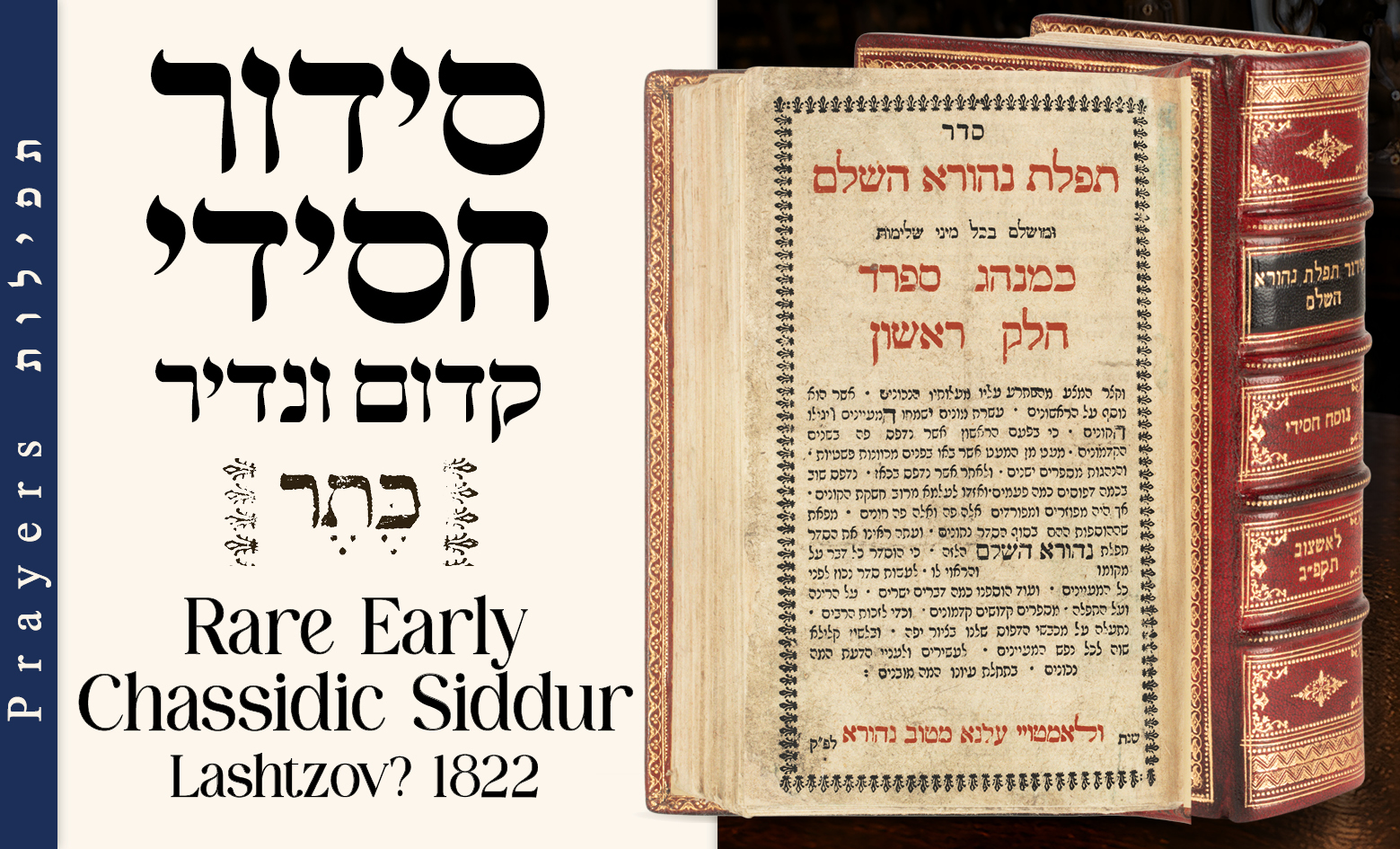
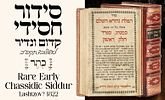
Siddur Tefillas Nehorah – Chassidic Nusach Sefard – Lashtzov? 1822

Images

Siddur Tefillas Nehorah – Chassidic Nusach Sefard – Lashtzov? 1822


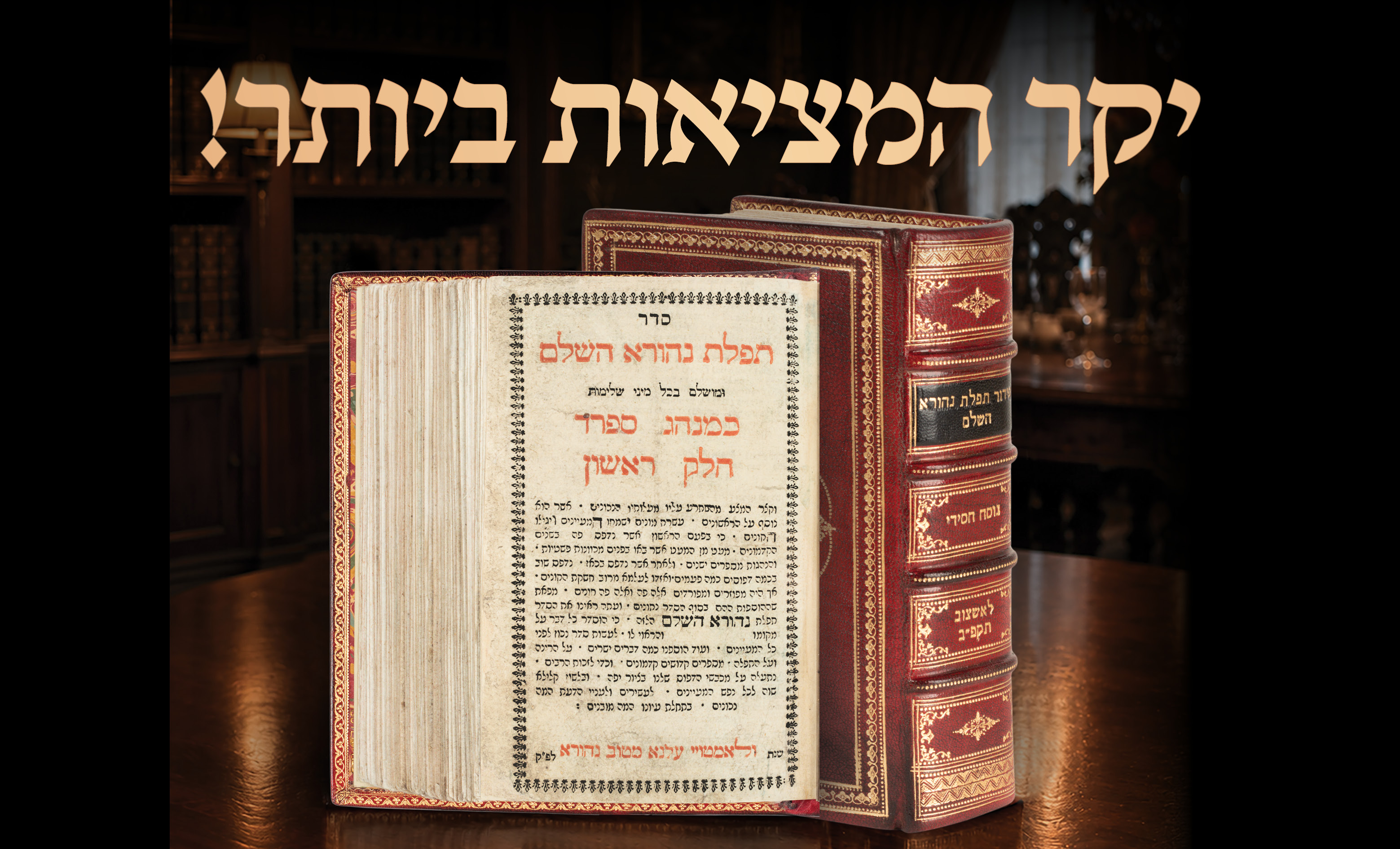
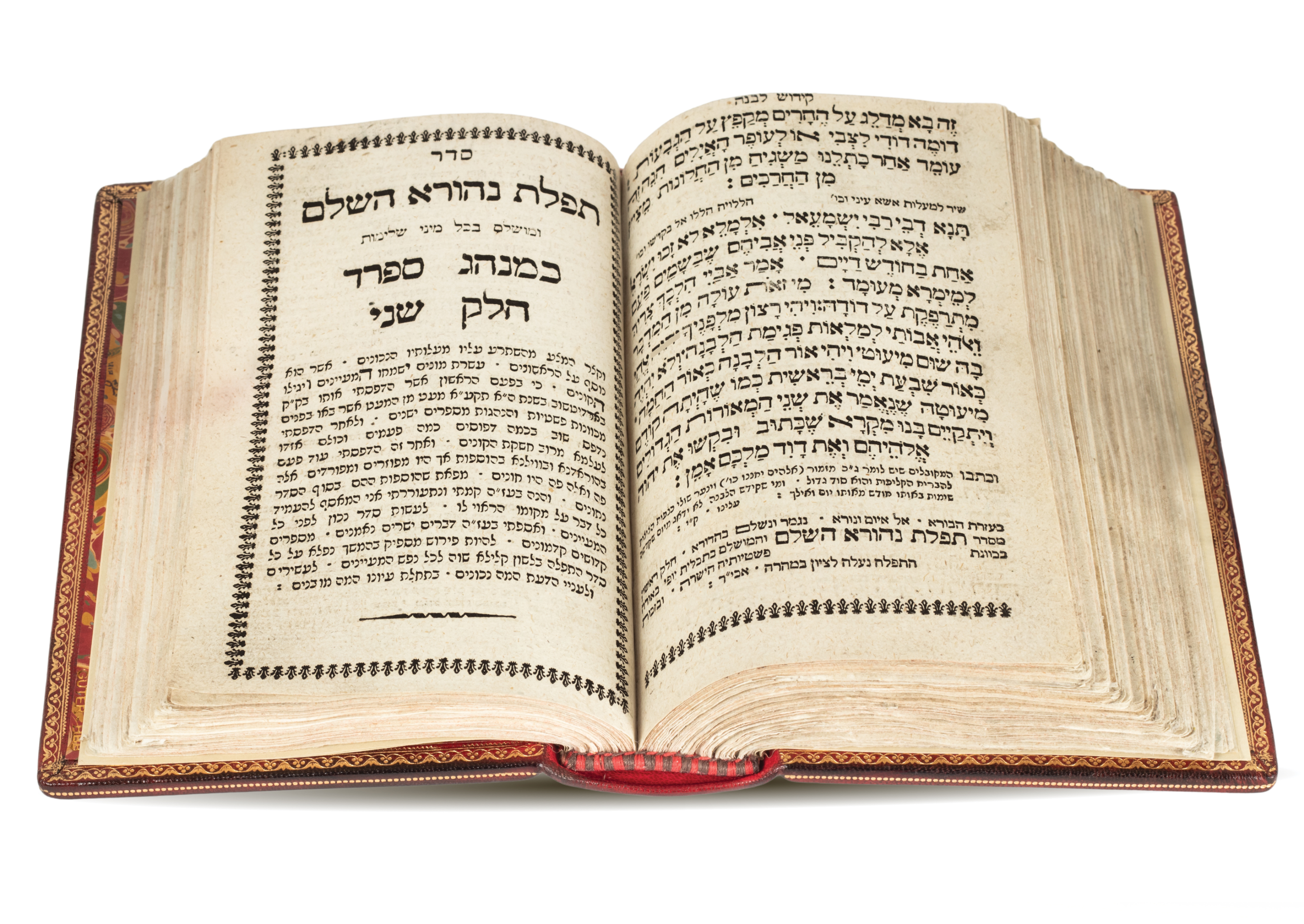
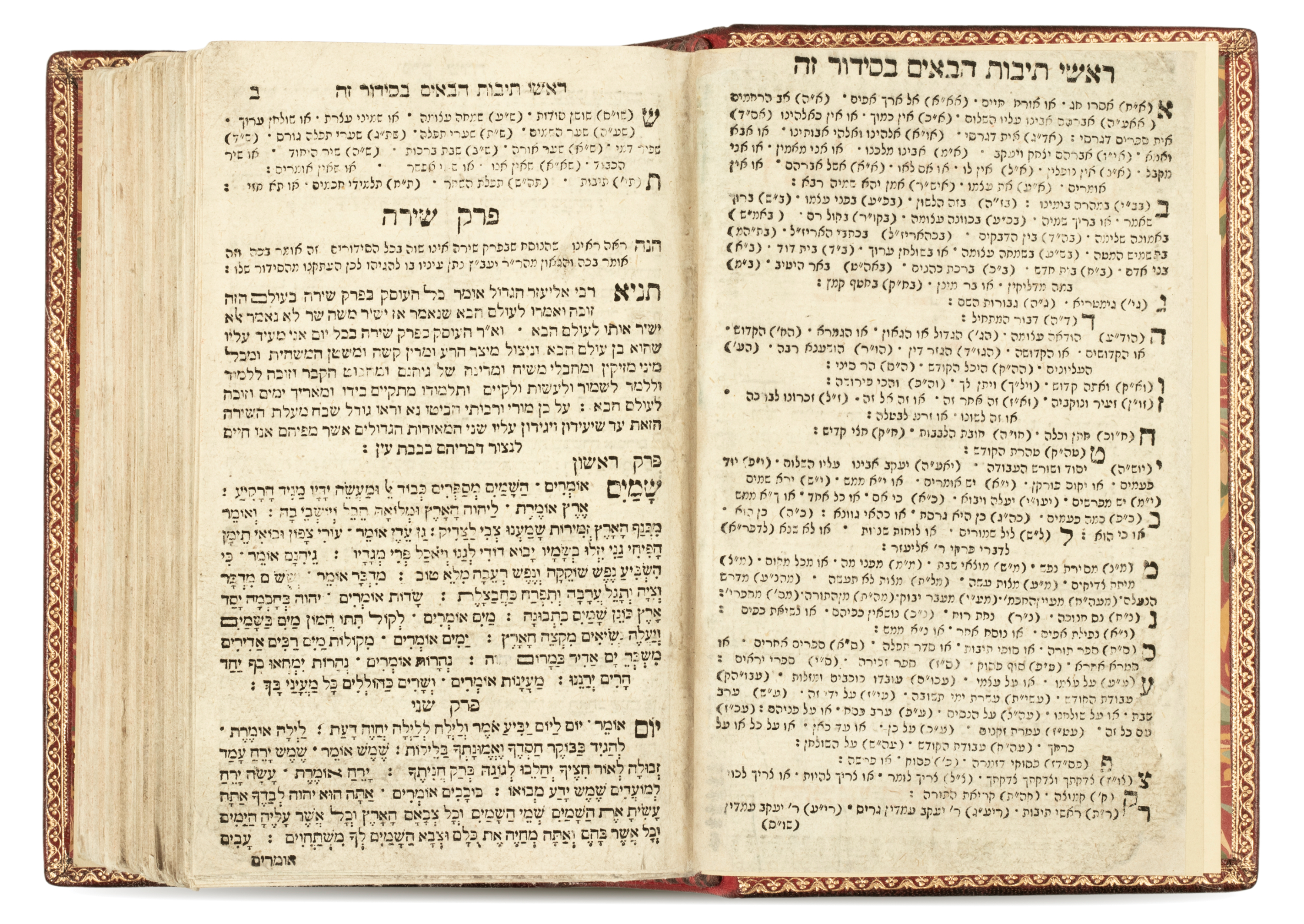
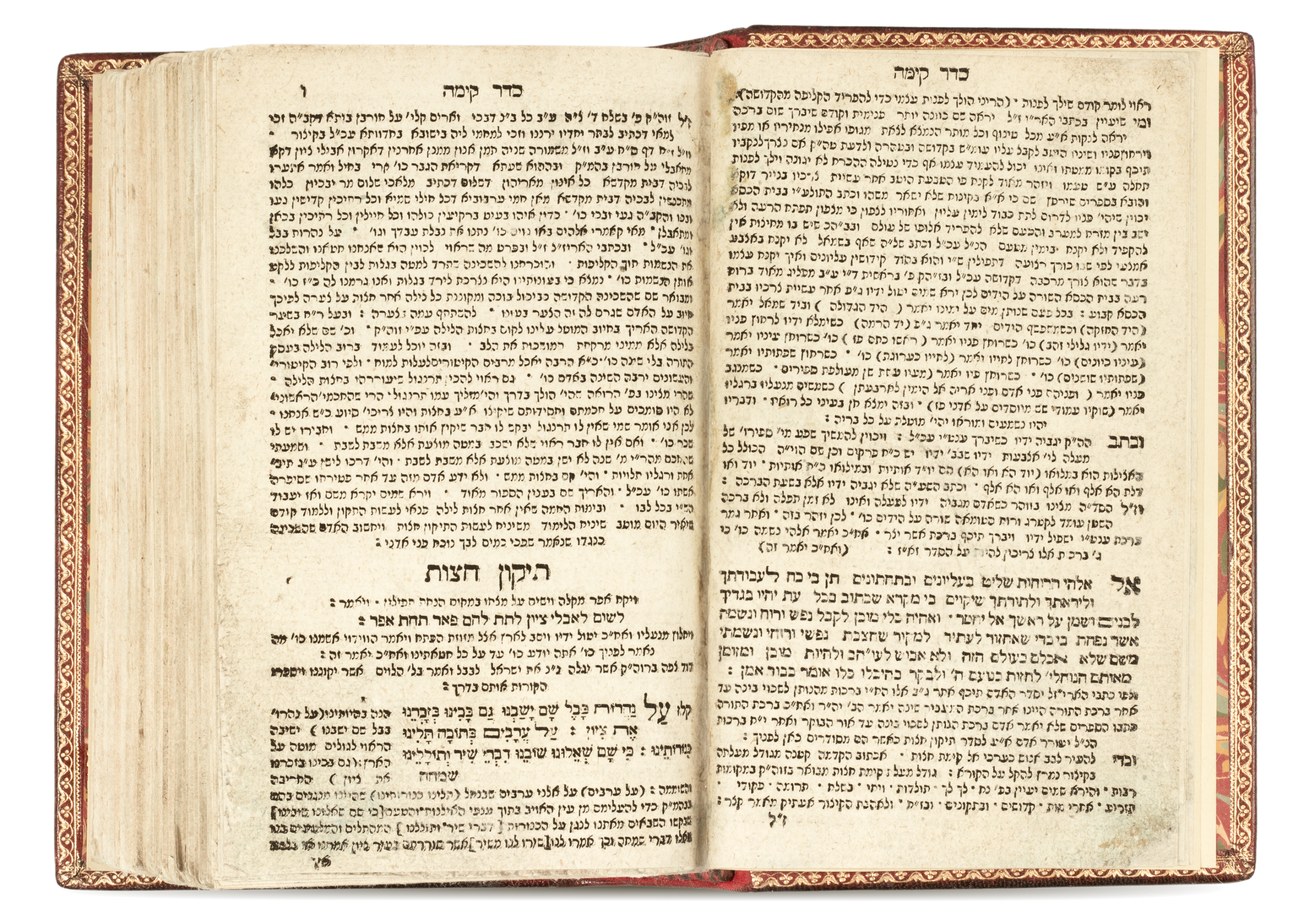
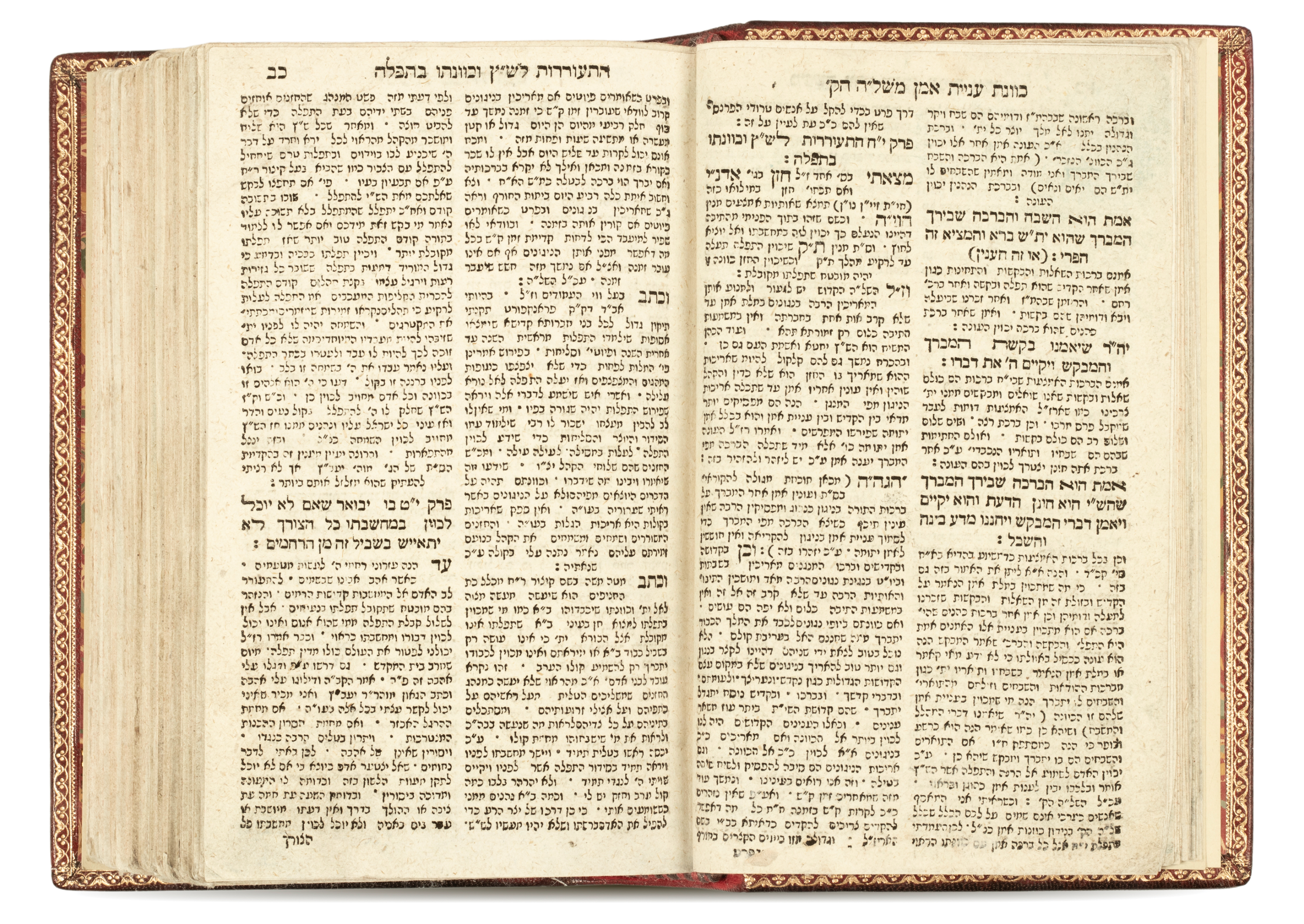
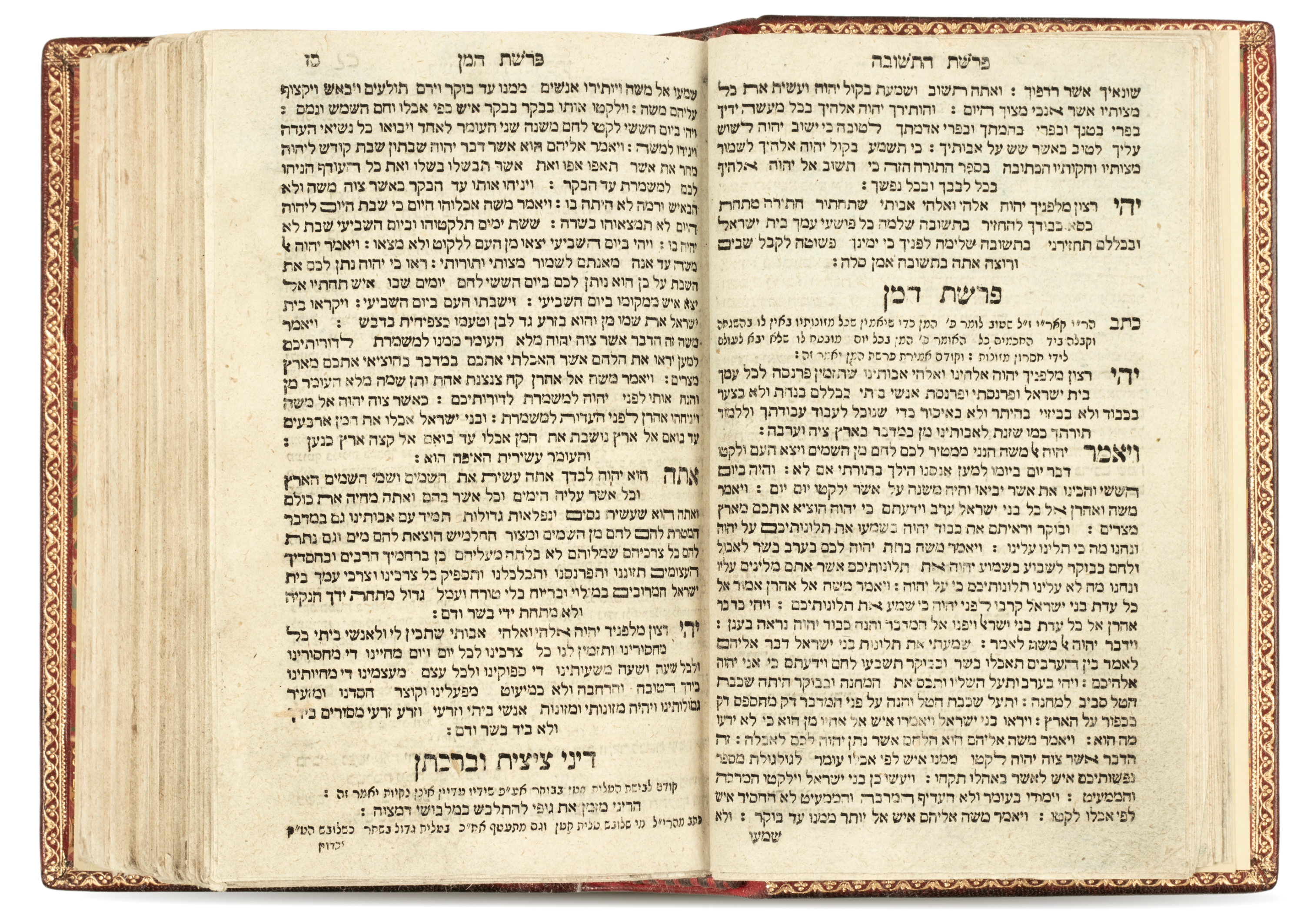
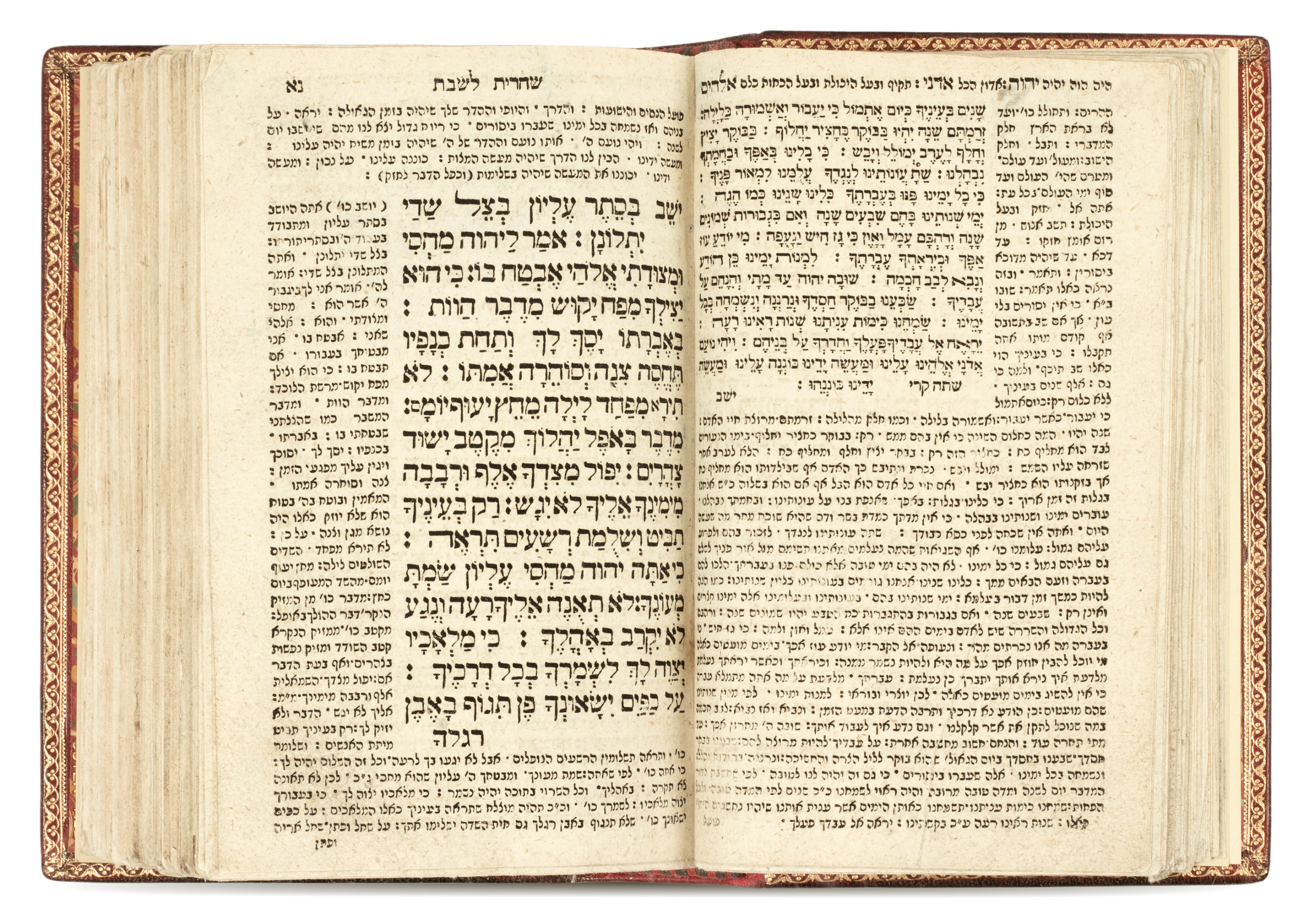
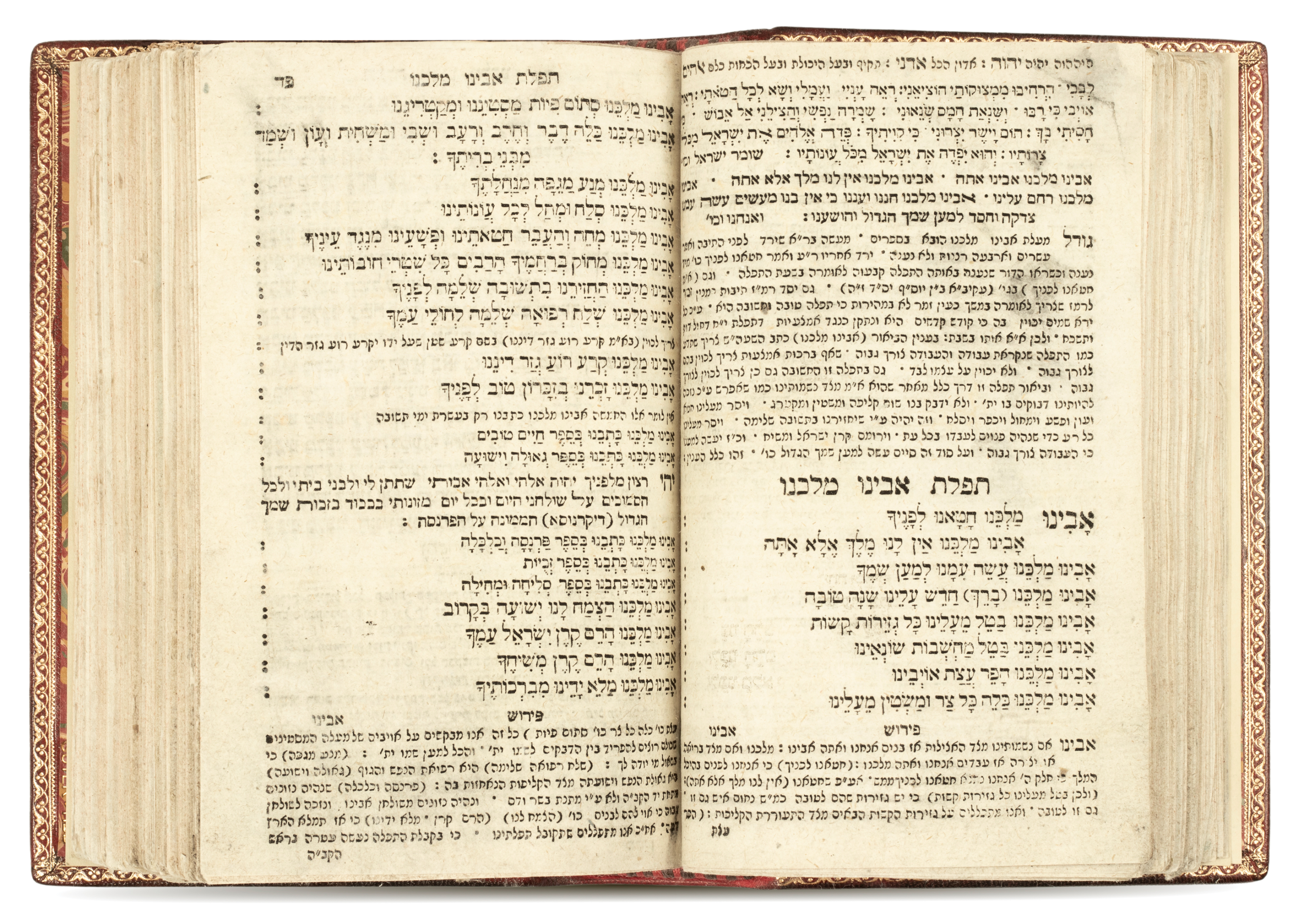
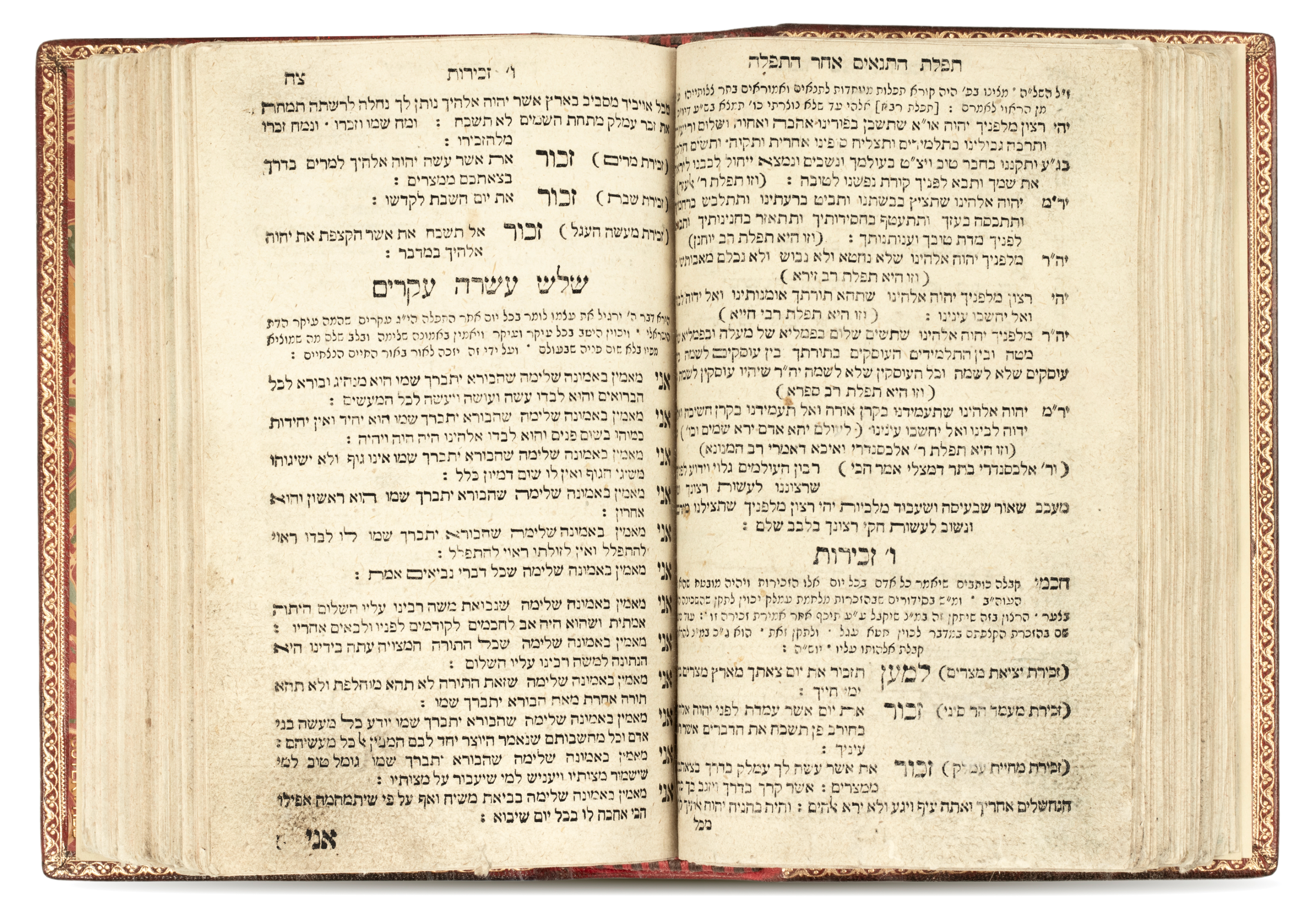
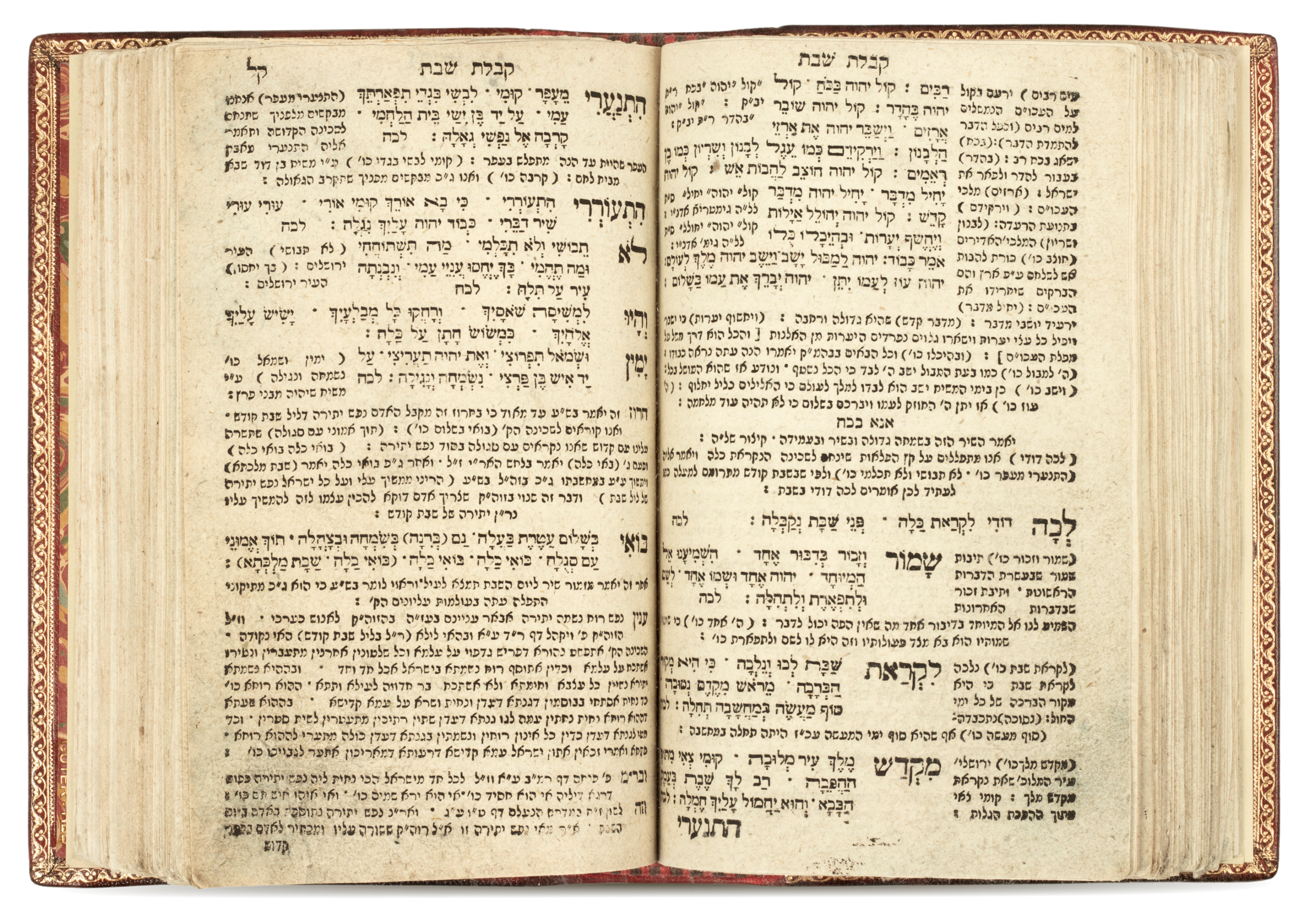
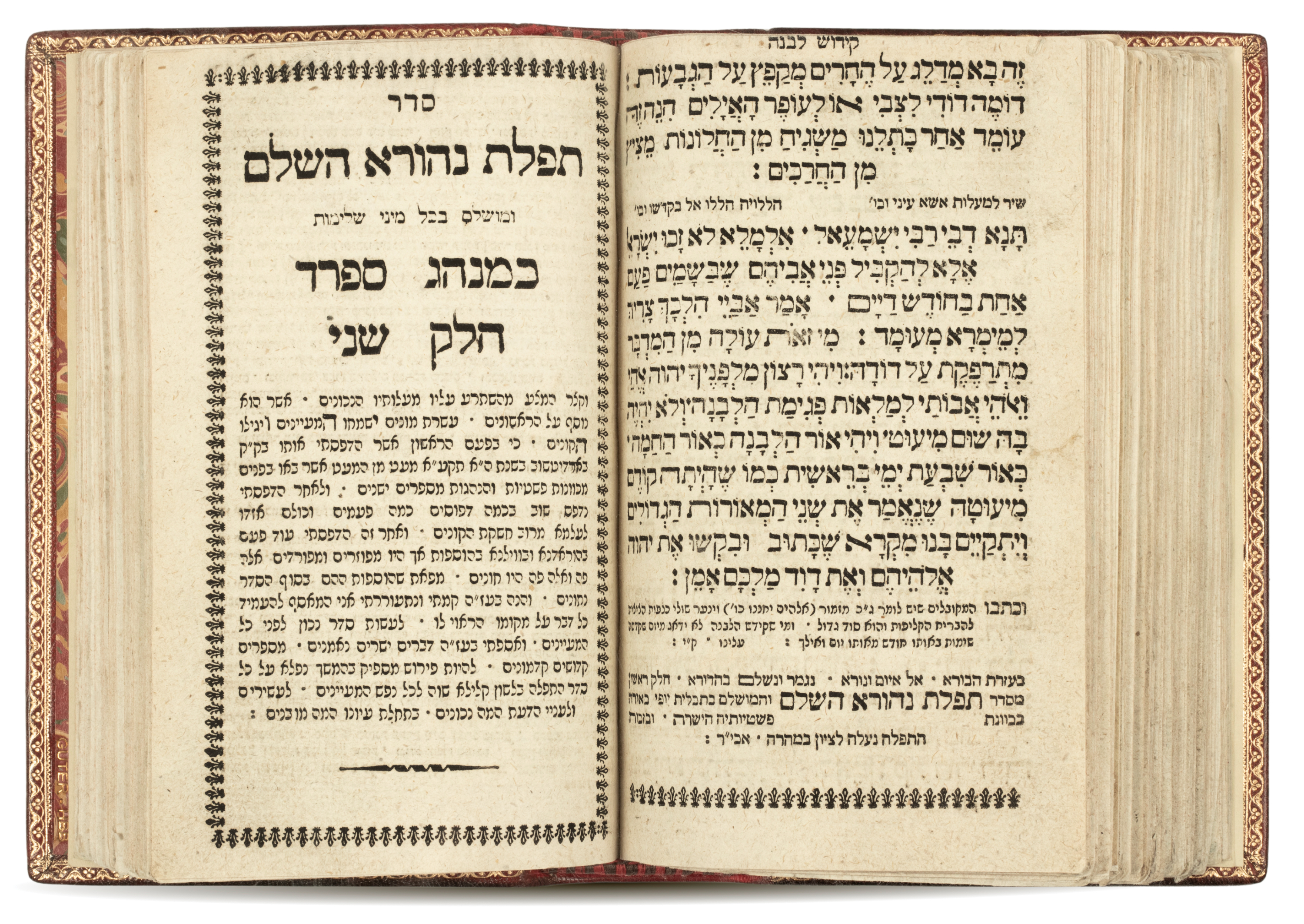
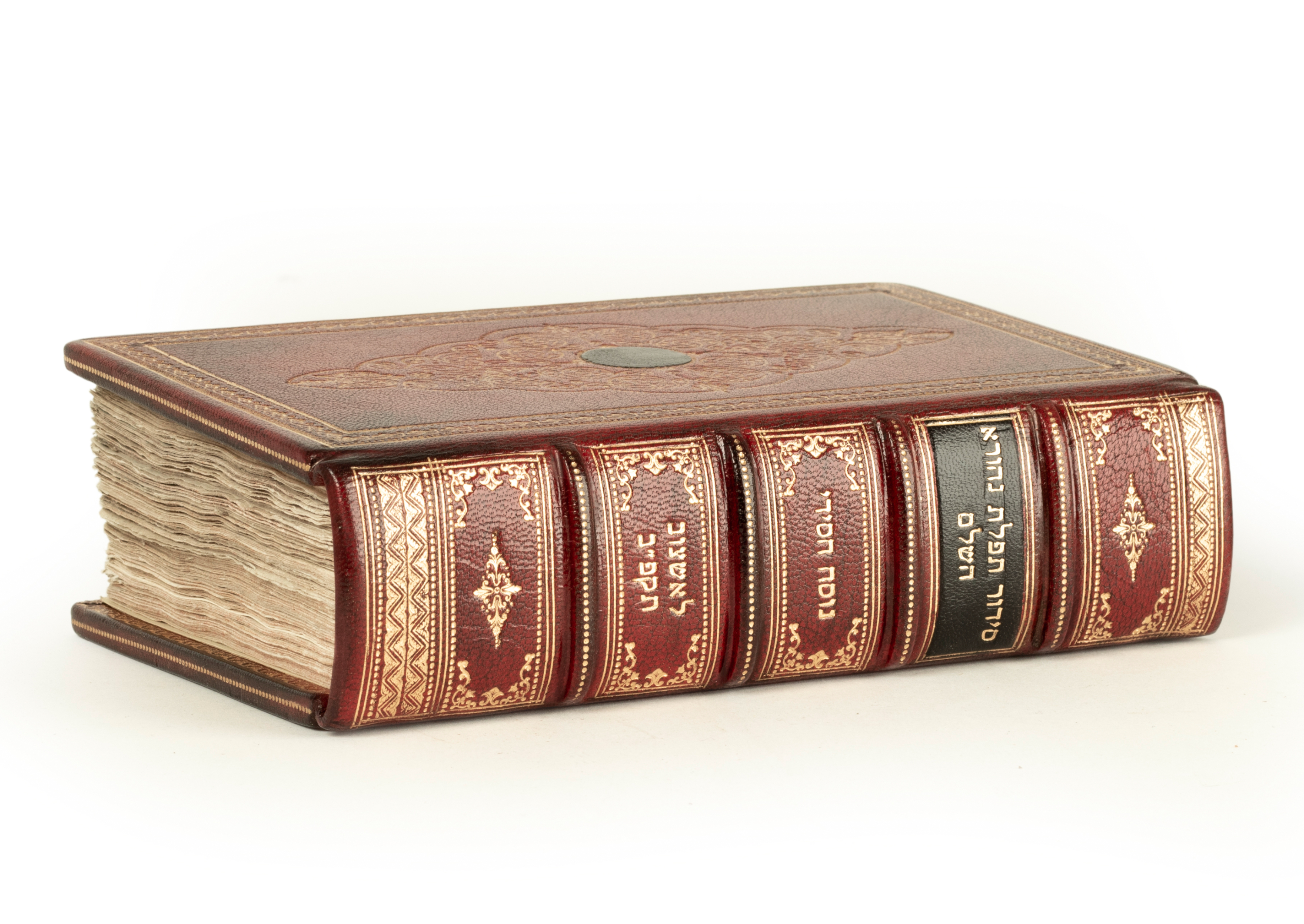
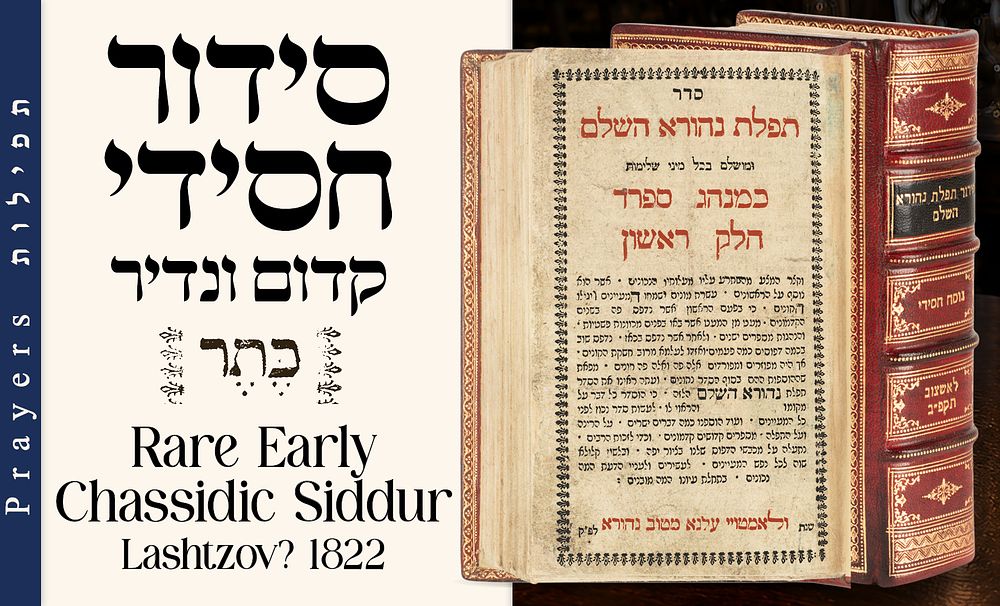
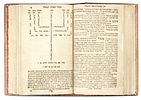
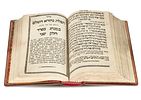
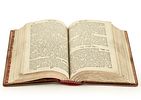
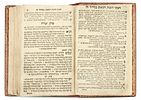
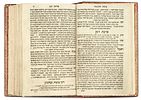
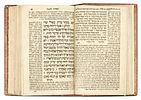
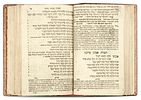
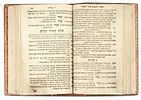
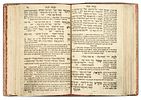
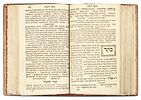
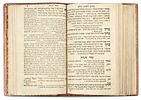
A rare complete edition of the Tefillas Nehorah Siddur in Nusach Sefard (Chassidic), one of the most widely used siddurim among Chassidic communities.

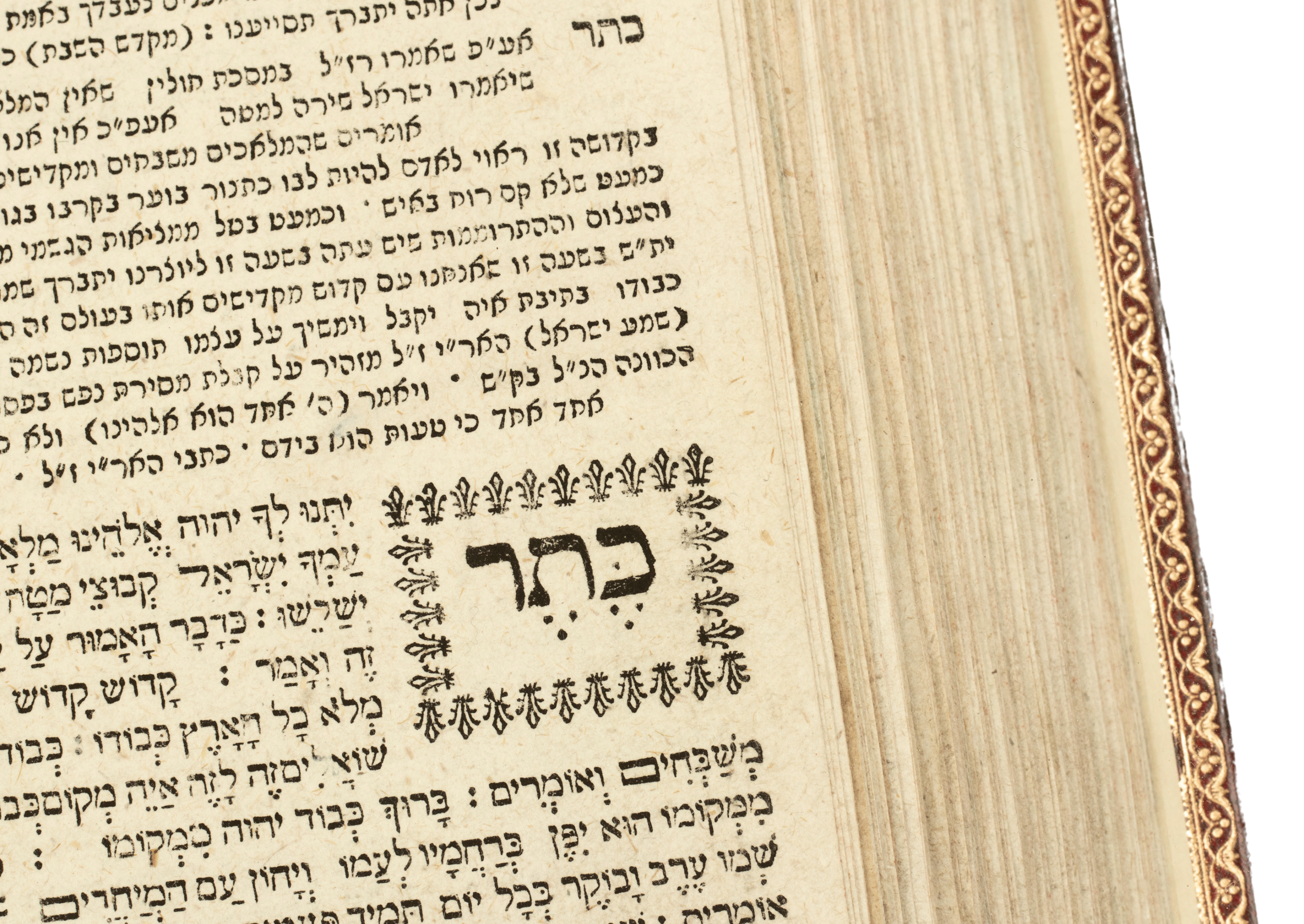
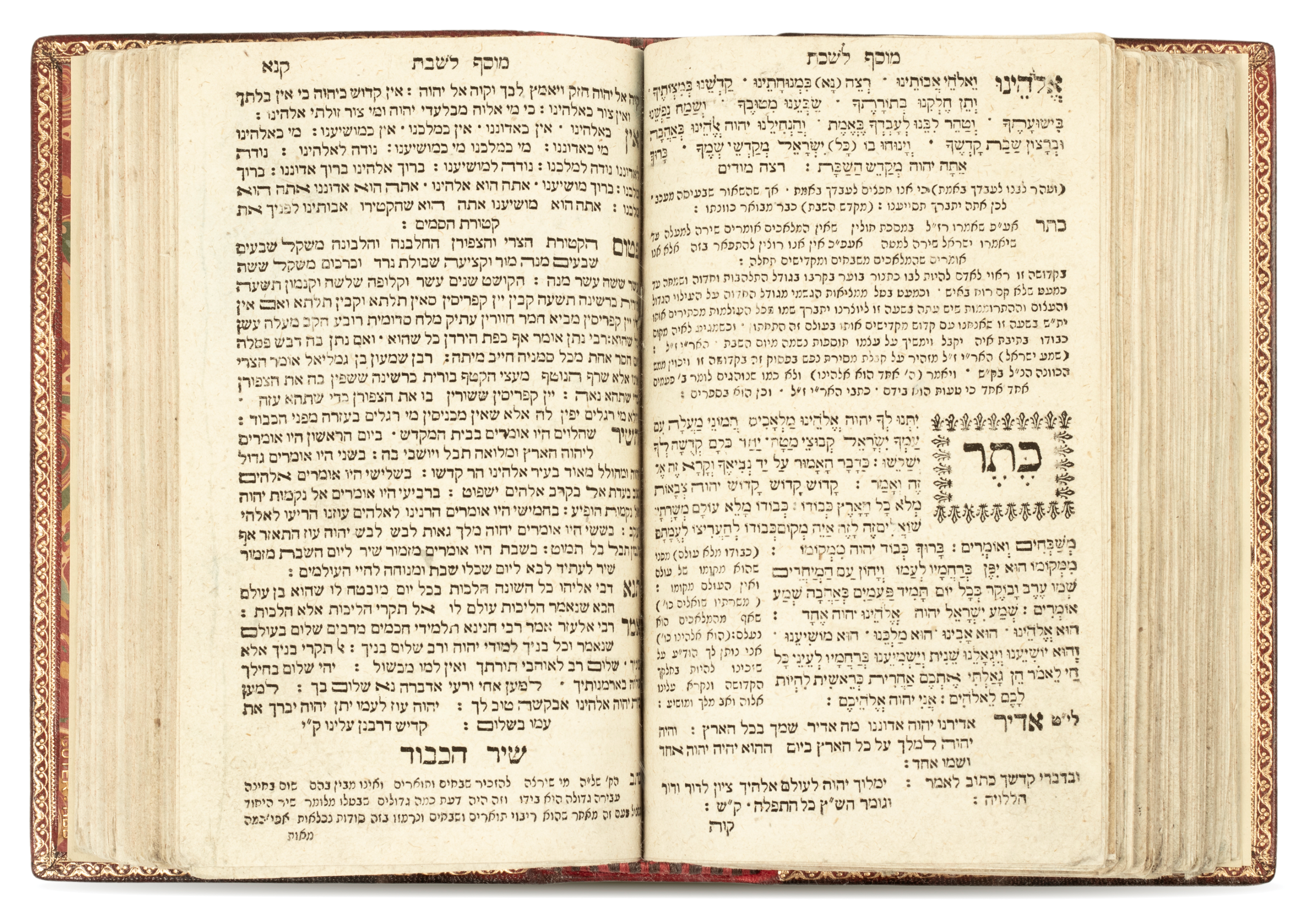
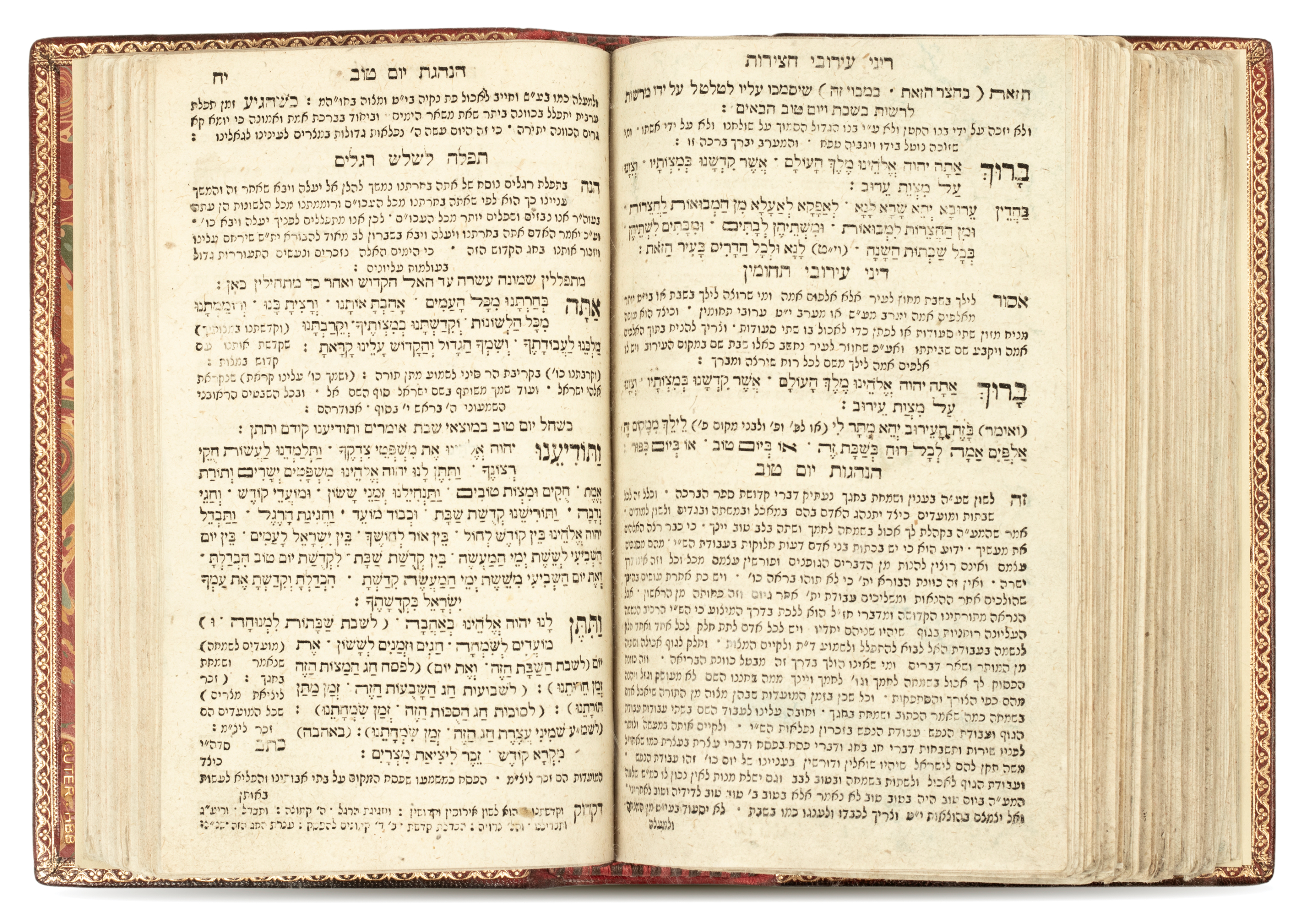
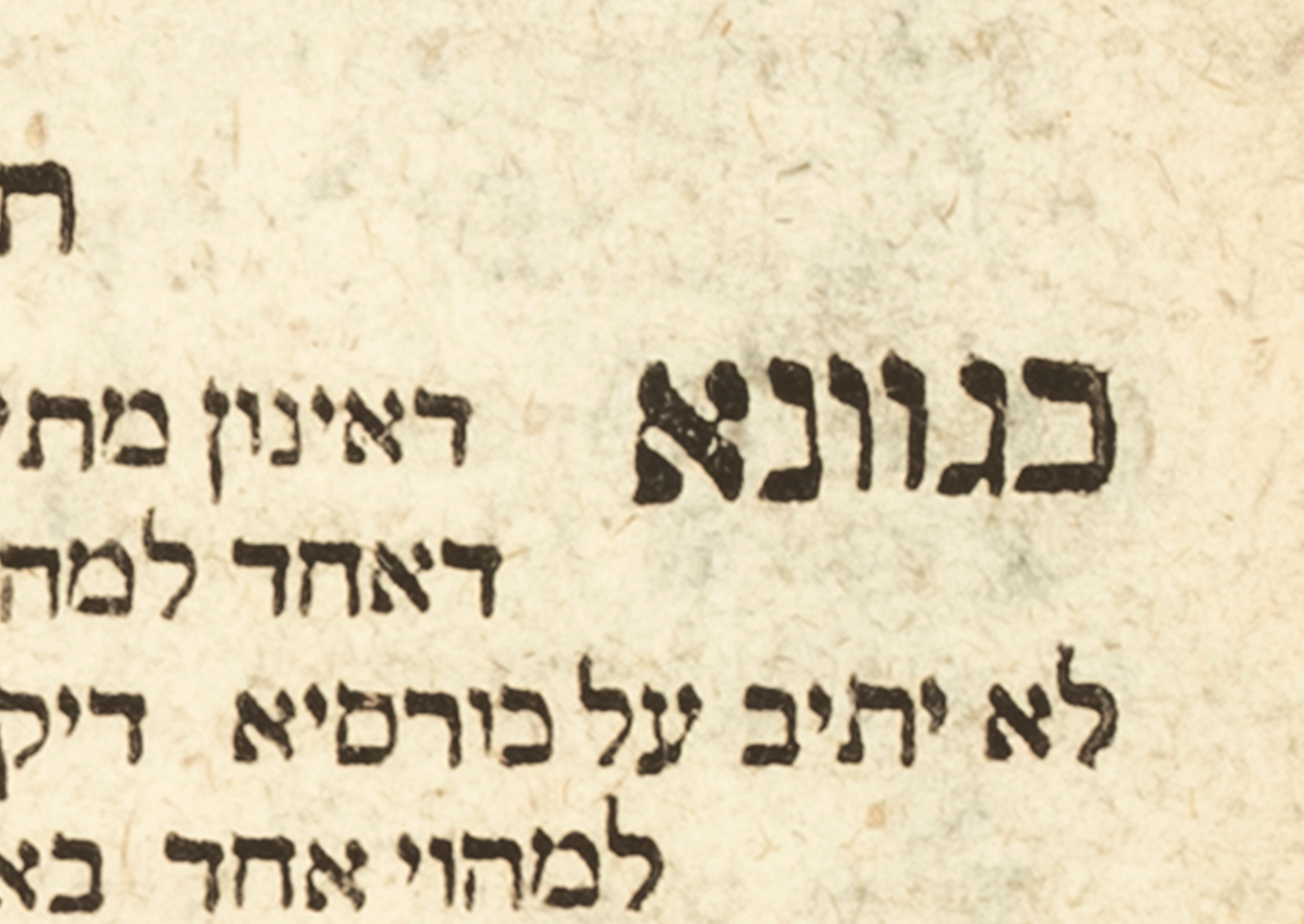
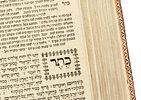
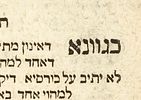
The siddur follows the Chassidic nusach Sefard with all of its distinctive features, including Hodu before Baruch She’amar, Kegavna, Kesser, and others.

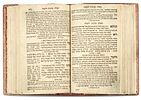
Because it was in constant daily use, copies typically became heavily worn, making complete examples in reasonable condition extremely rare. The present copy is complete and dates from the first decade of the siddur’s publication.

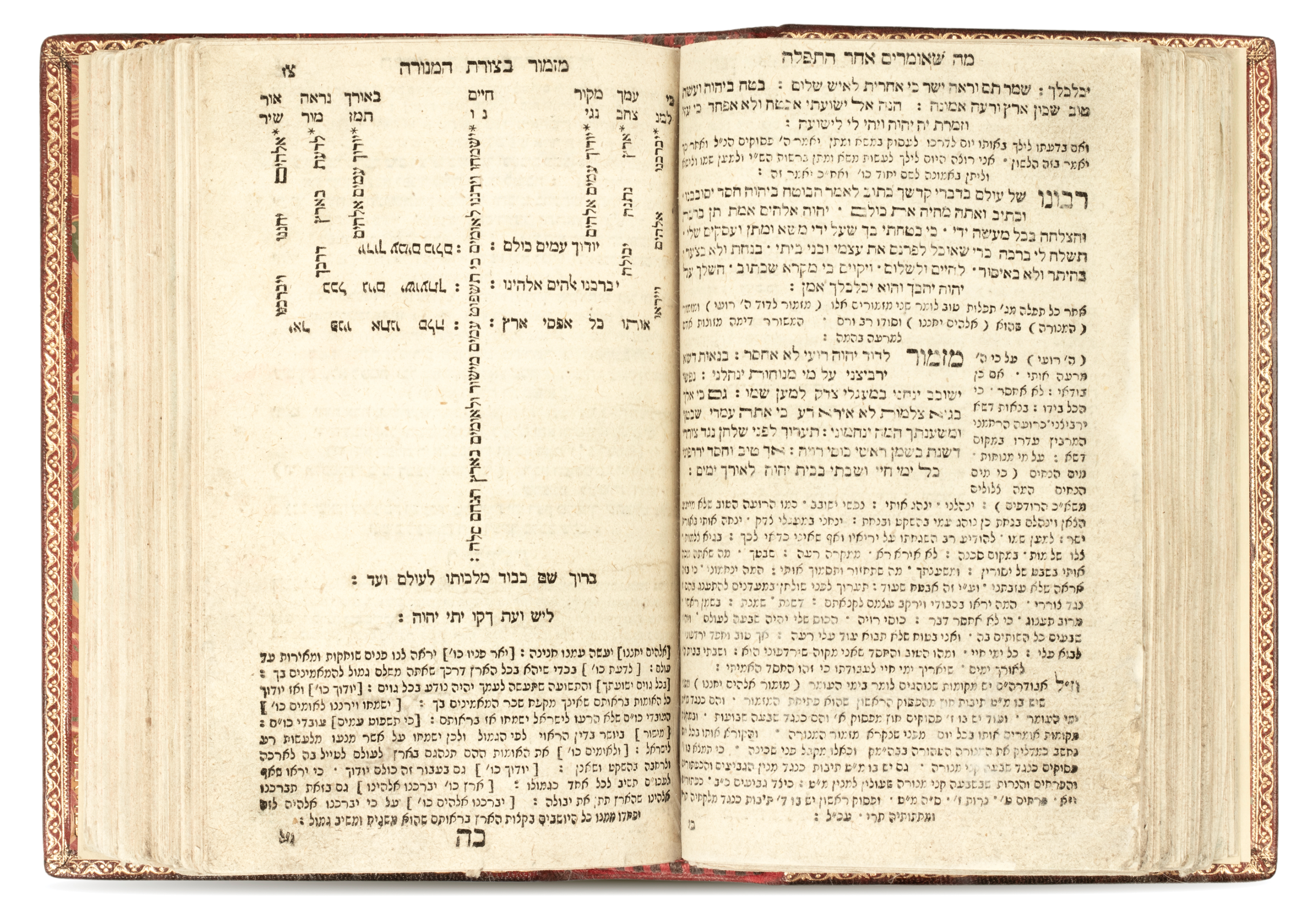
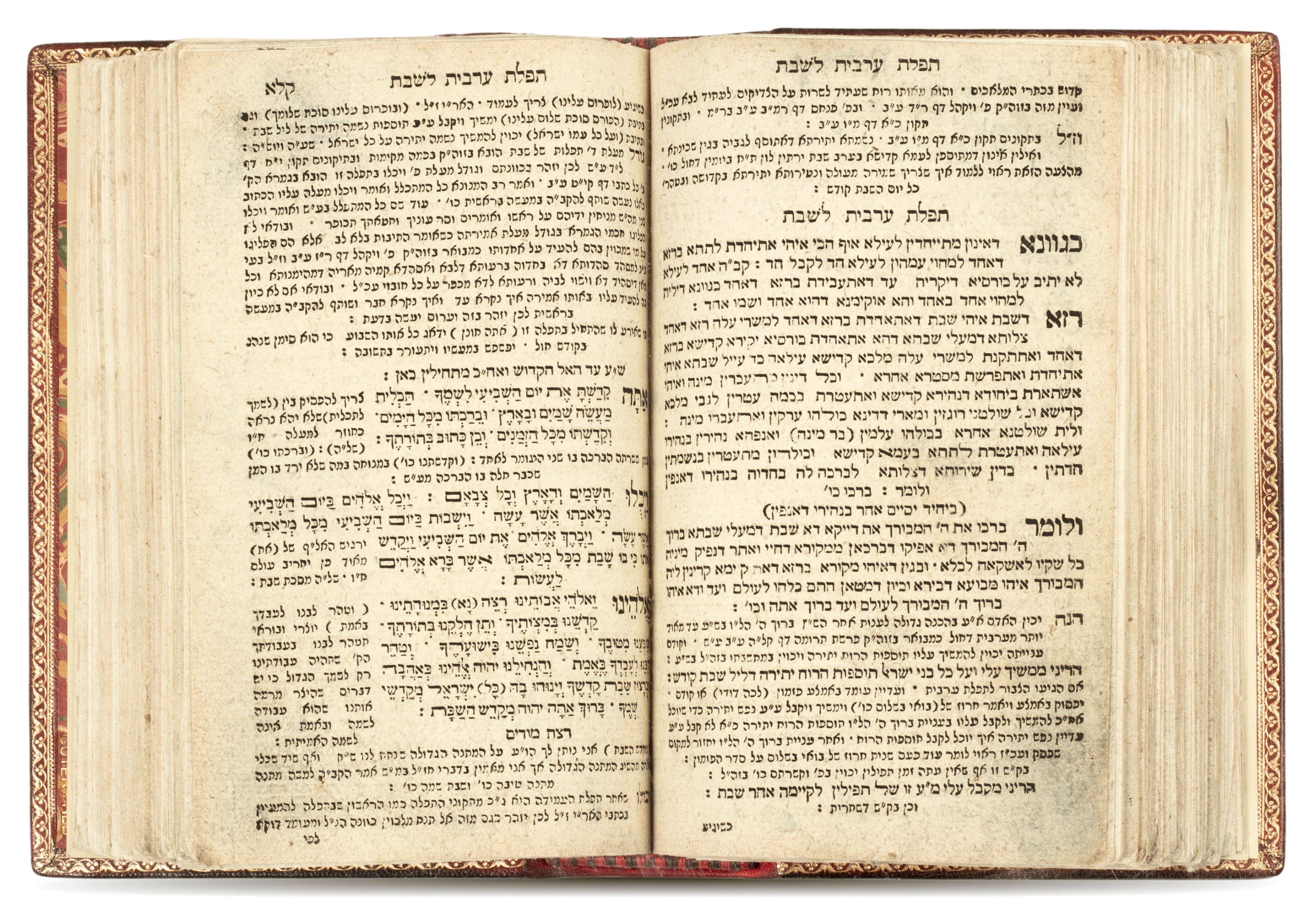
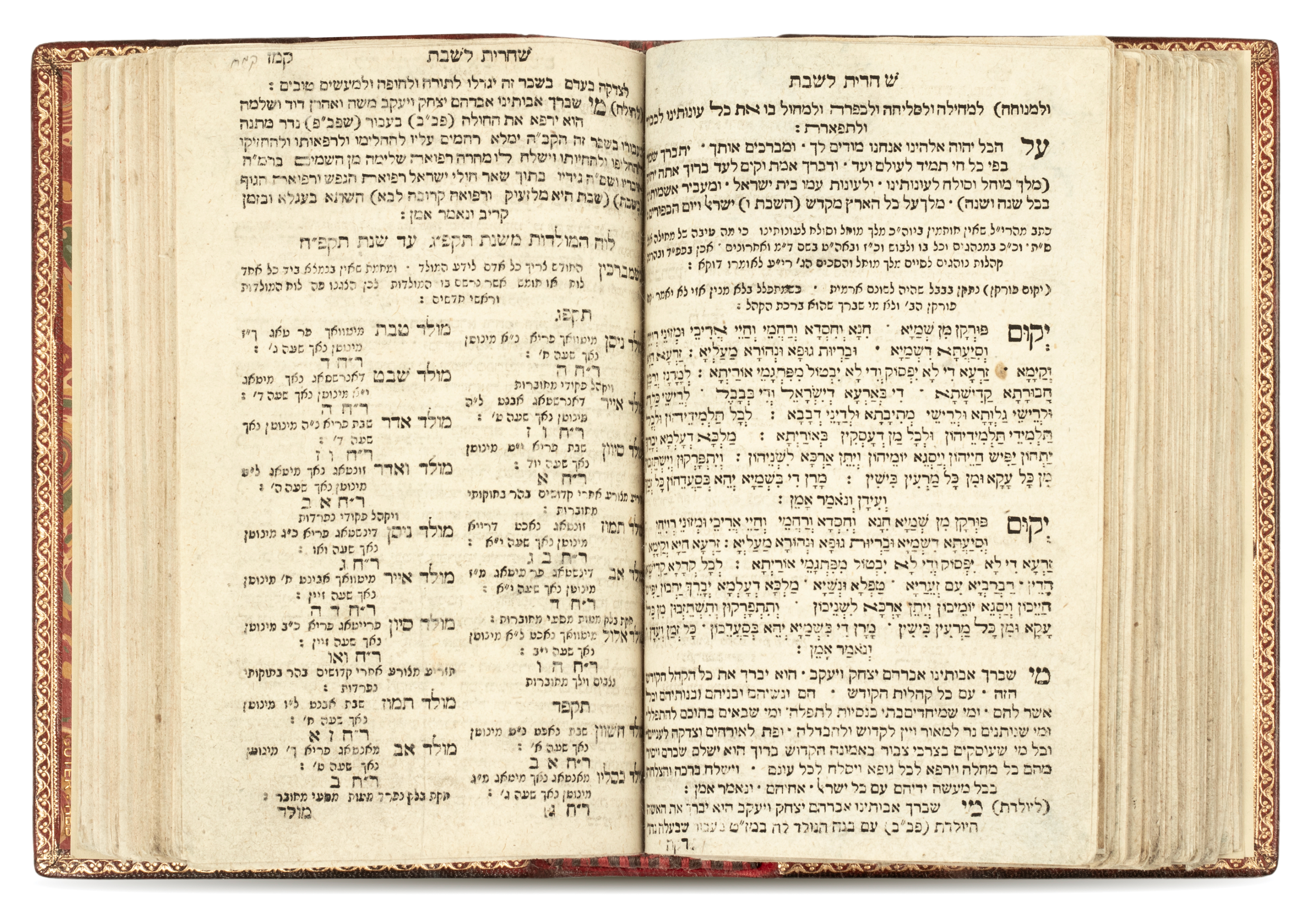
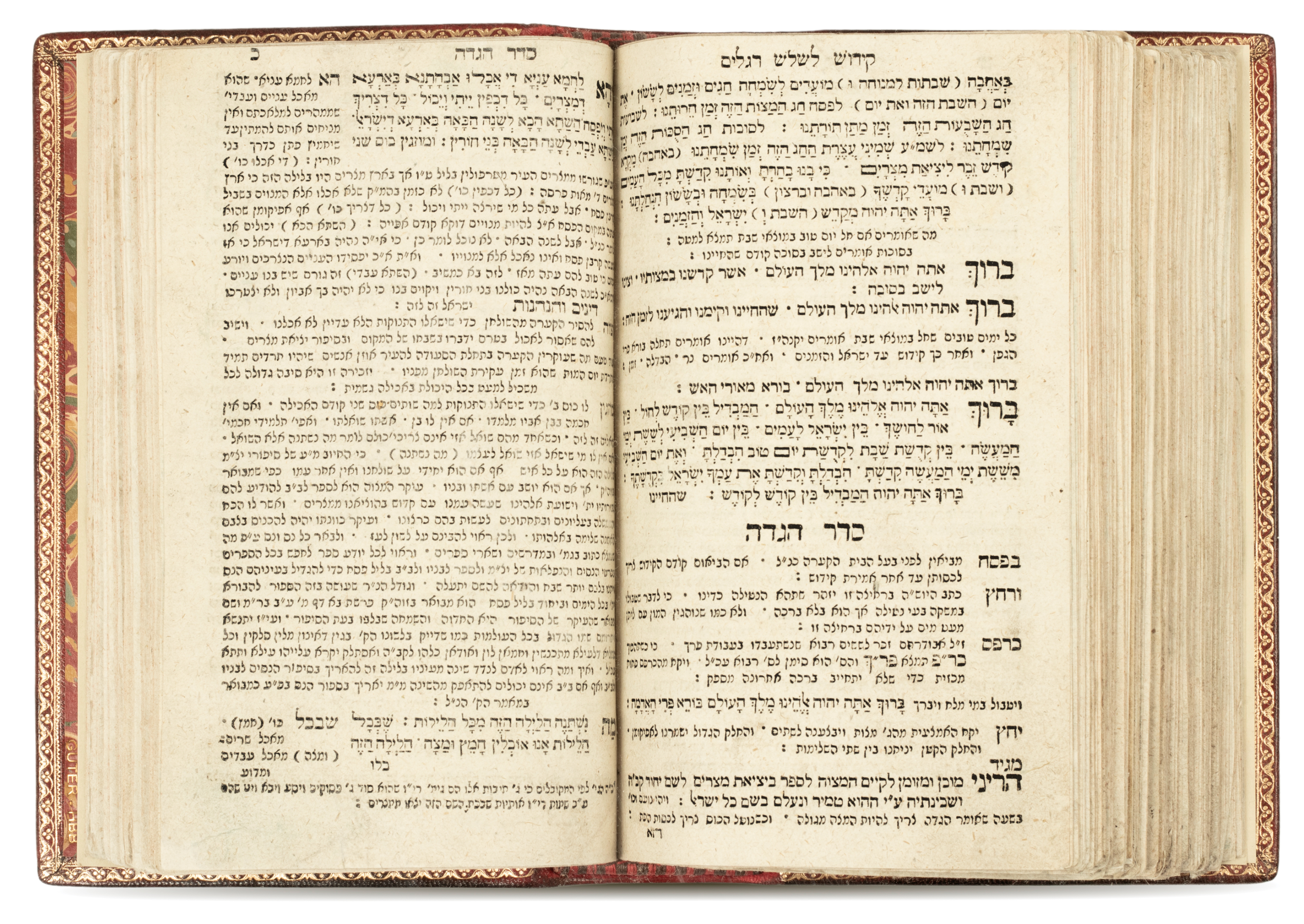
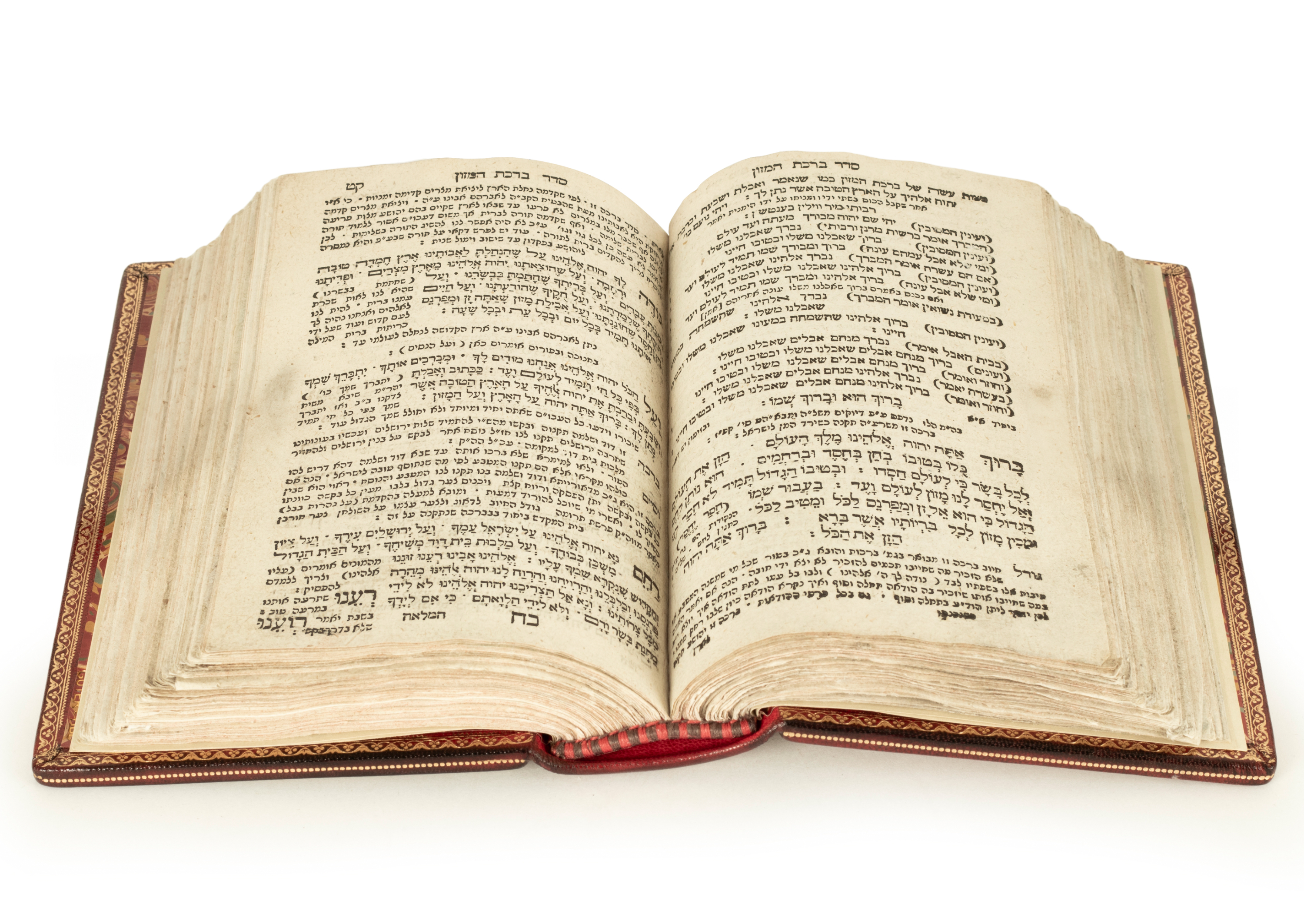
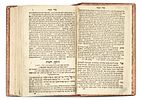
The siddur is an all-inclusive prayer book, containing the prayers for the entire year together with Tikkun Chatzos, Tikkunim for Shabbos, Pirkei Avos, Perek Shirah, the Pesach Haggadah, Yotzros, and much more. It also includes halachic rulings, customs, explanations, ethical teachings, and Kabbalistic material by Rabbi Yechiel Michel, Av Beis Din of Michalishok, and his son, Rabbi Aharon.

The siddur was first printed in Berditchev in 1811, and was later reissued in Vilna-Grodno, and Slavita with additions by the author. The present edition follows the expanded version incorporating all of those additions.

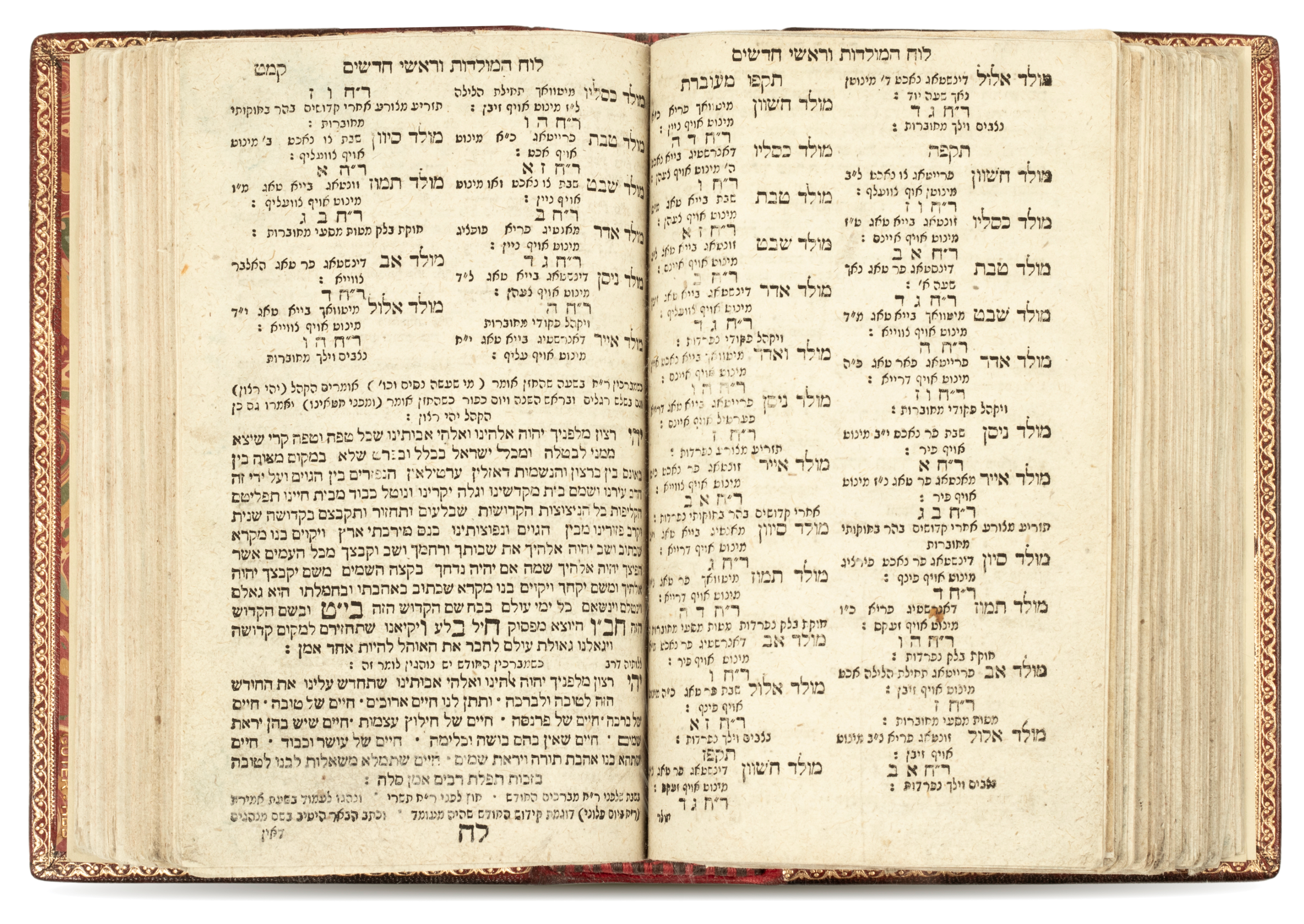
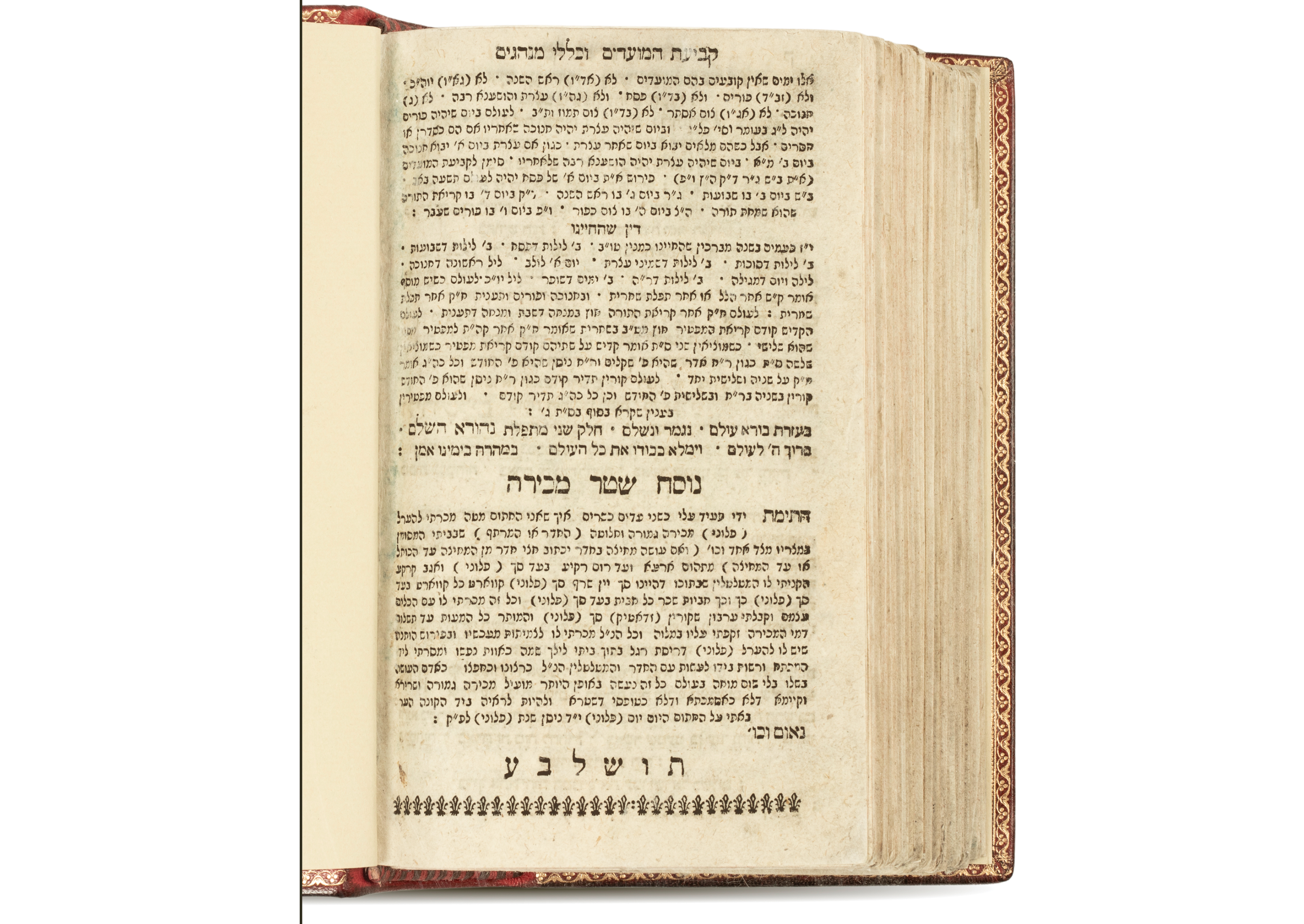
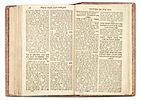
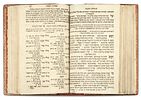
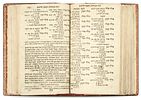
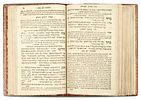
Lashtzov?, 1822. Leaves 148–149 feature a calendar of Molados (new moon calculations) for the years 1823–1827.

Two parts bound together in one volume:

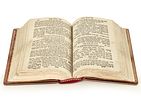
Part I – Weekdays and Sabbaths: 176 leaves.

Part II – Prayers for the Entire Year: 100 leaves.

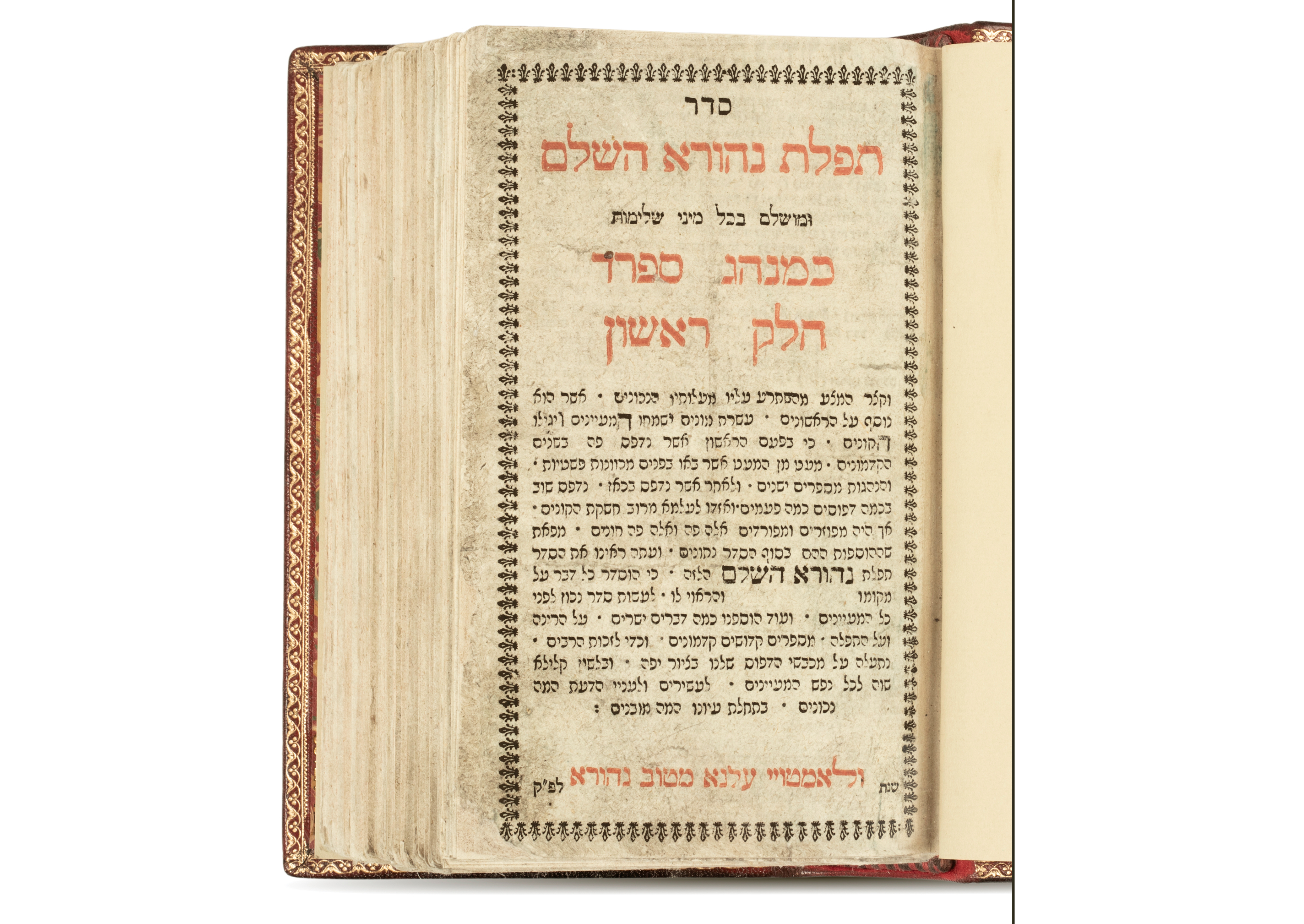
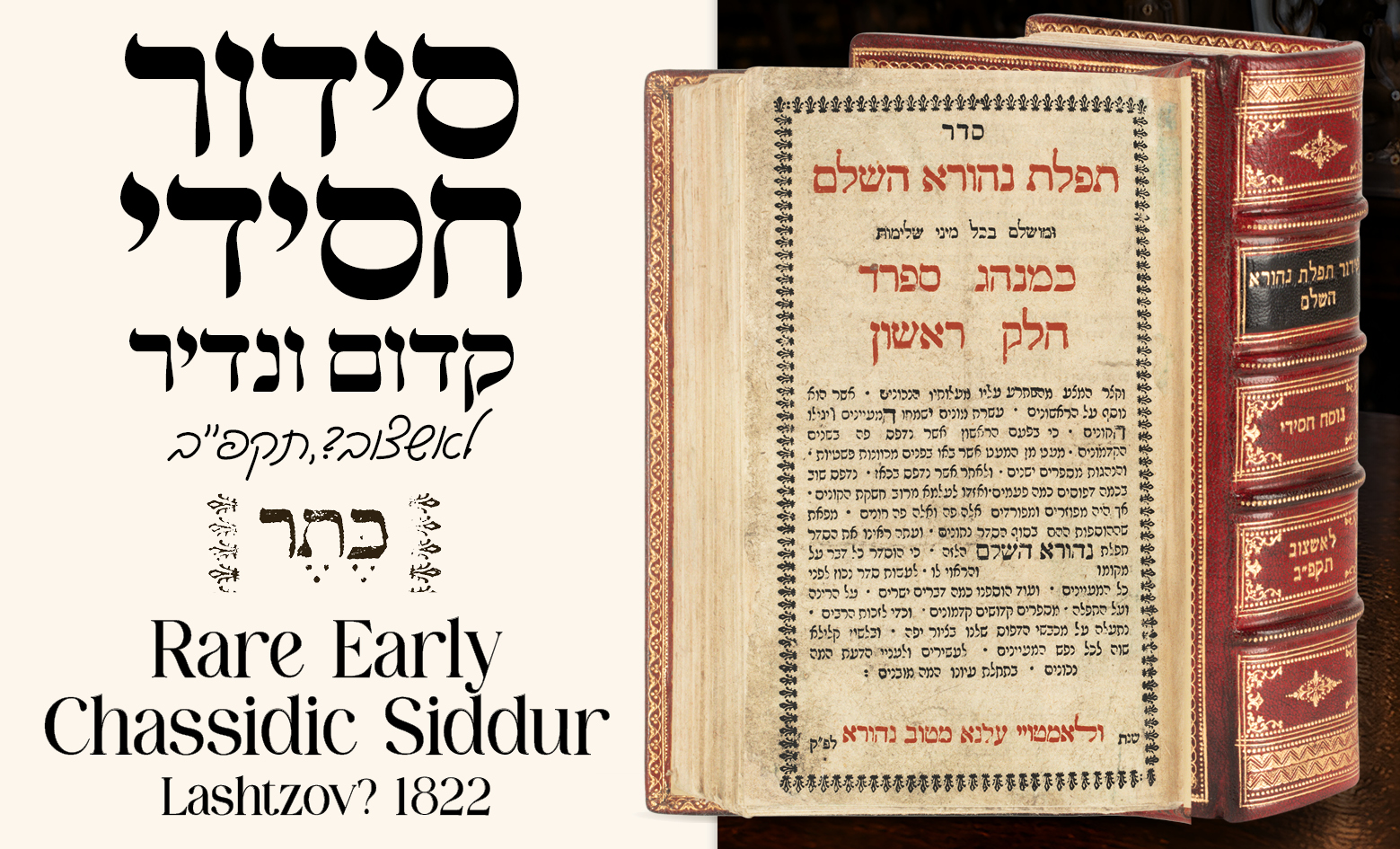
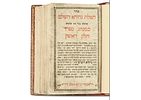
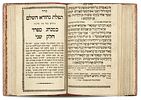
The title page of Part I is printed partly in red ink.

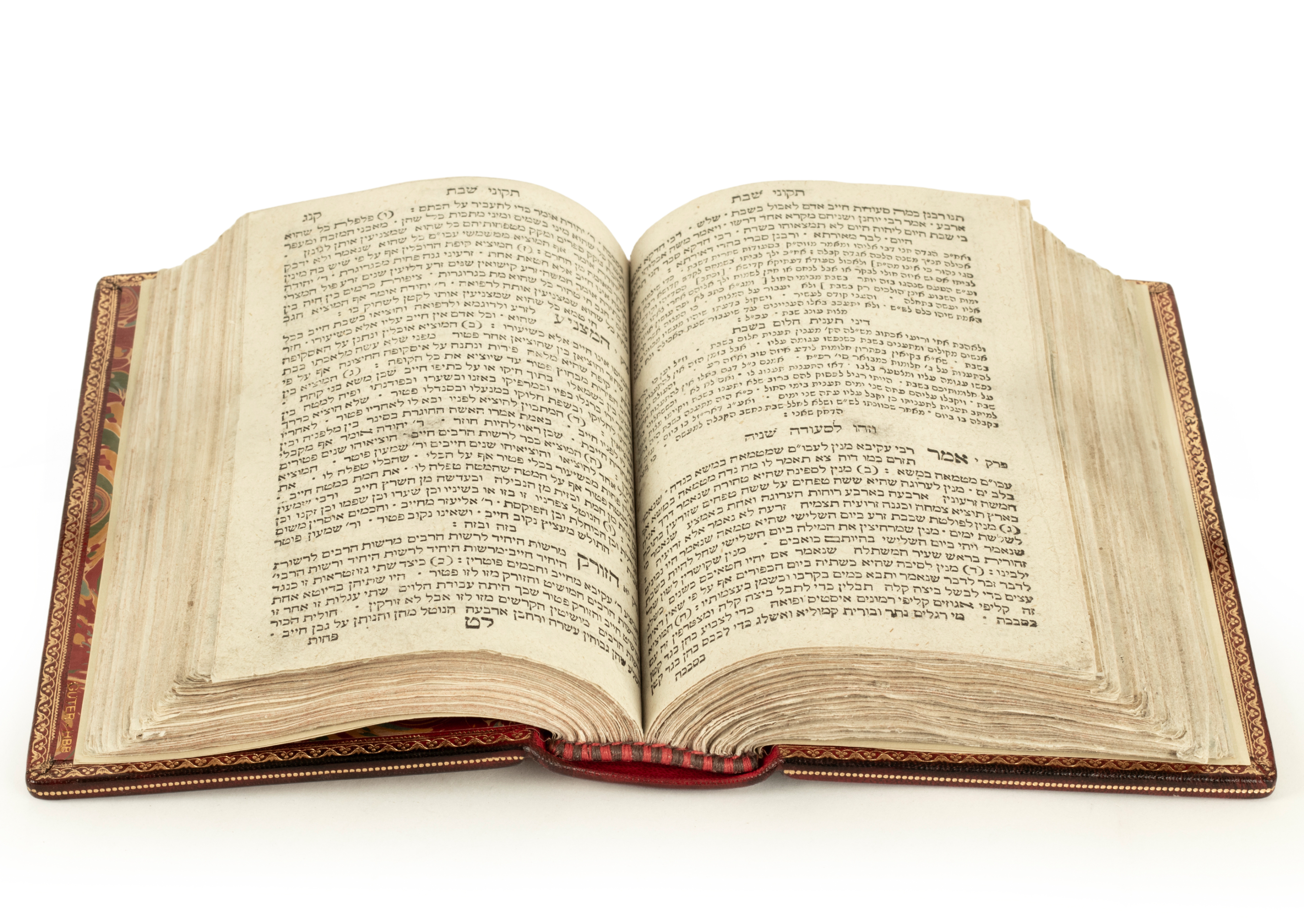
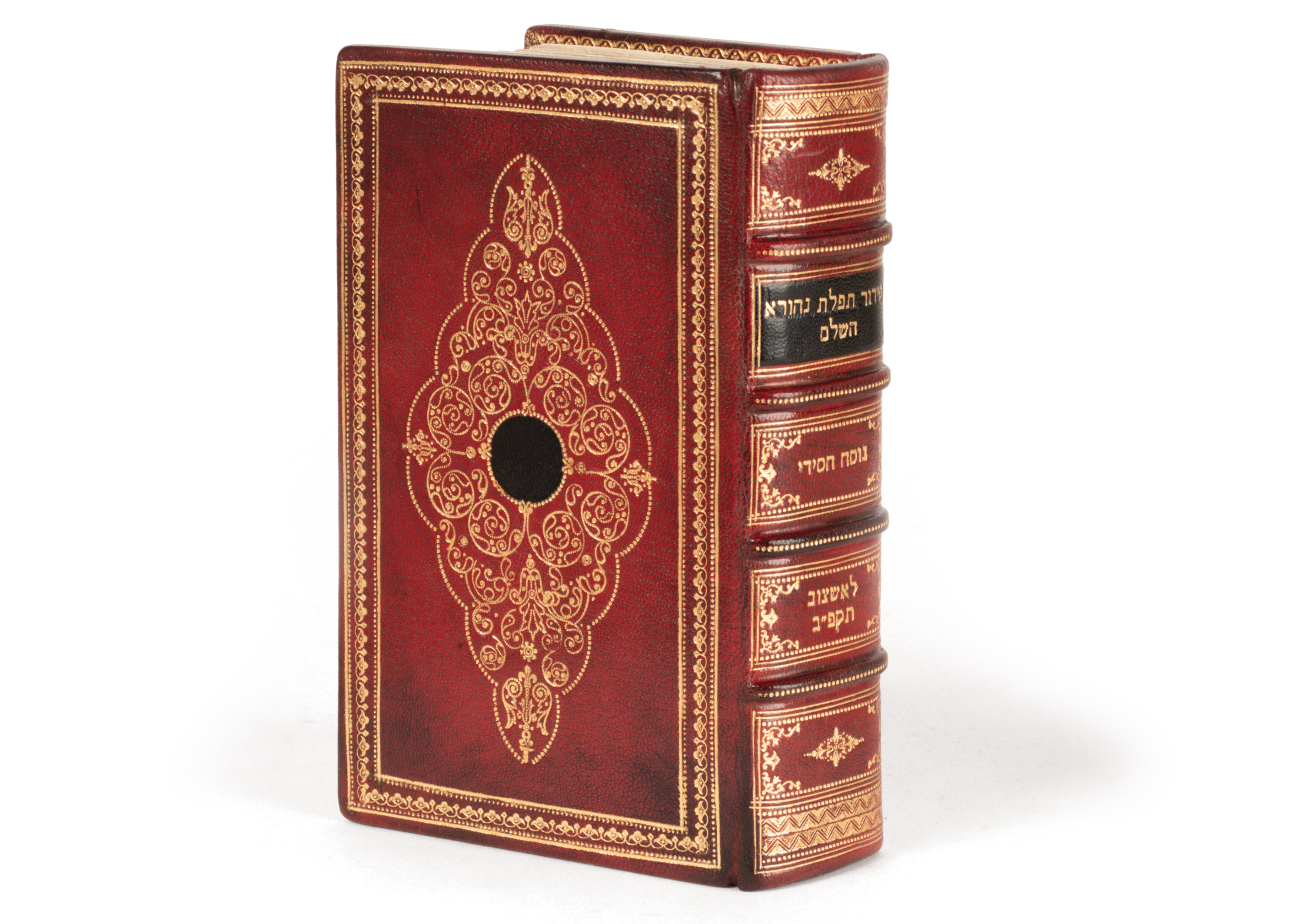
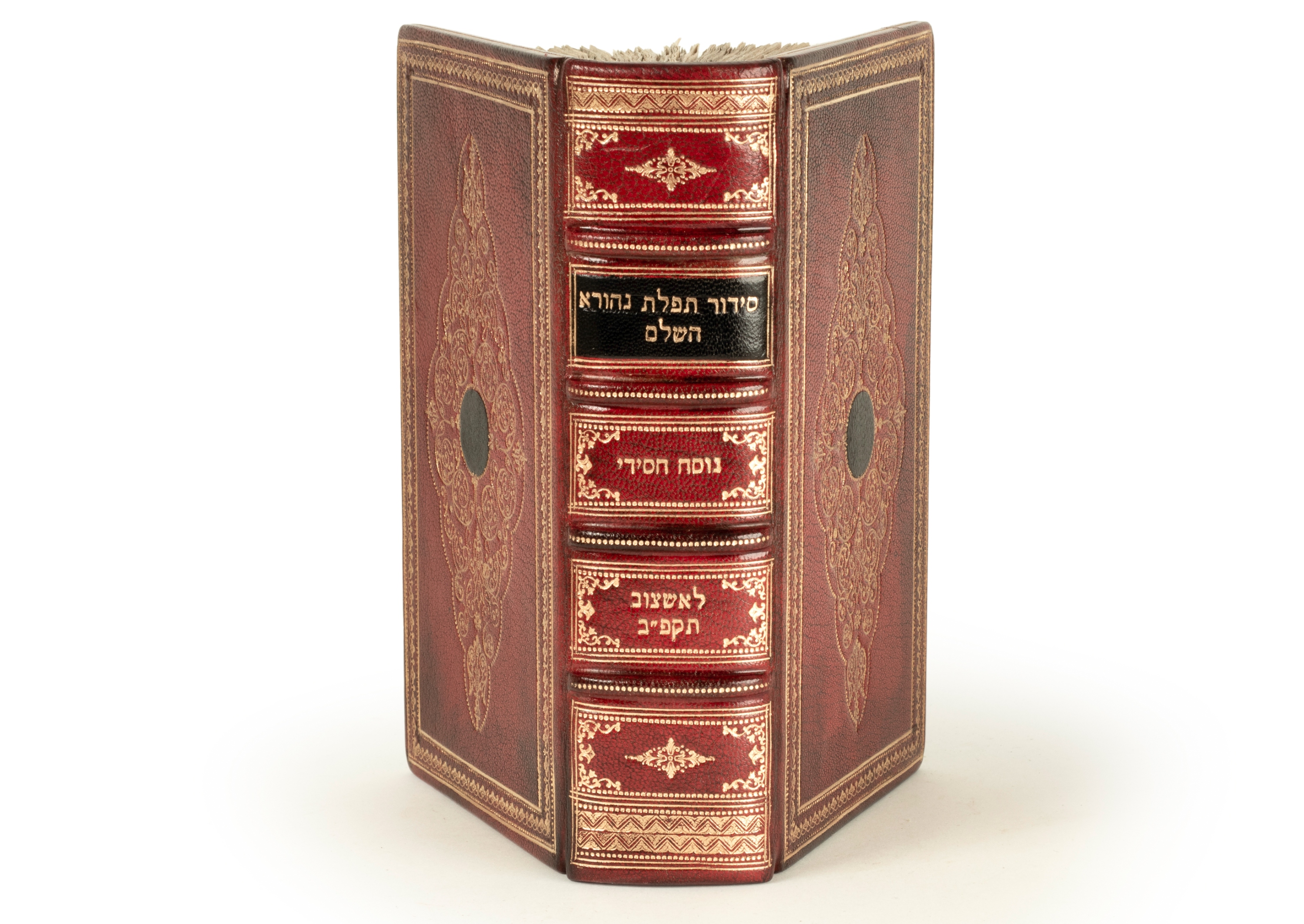
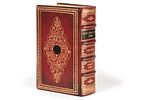
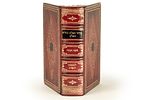
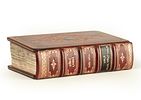
The siddur has undergone professional restoration, with marginal restorations to several leaves. Fine, elegant new leather binding, housed in a protective case.
______________

The Shelf Life of the Tefillas Nehorah Siddur


As noted above, this siddur includes a table of Molados, which covers five years — a relatively short period compared to the calendars found in other siddurim. This may suggest that the printers anticipated that the siddur would remain in use for no more than those few years before requiring replacement.


Lot : 66

Siddur Tefillas Nehorah – Chassidic Nusach Sefard – Lashtzov? 1822

Start price: $30,000
|
Est. Price: $50,000 - $70,000

Siddur Tefillas Nehorah – Chassidic Nusach Sefard – Lashtzov? 1822


A rare complete edition of the Tefillas Nehorah Siddur in Nusach Sefard (Chassidic), one of the most widely used siddurim among Chassidic communities.

The siddur follows the Chassidic nusach Sefard with all of its distinctive features, including Hodu before Baruch She’amar, Kegavna, Kesser, and others.

Because it was in constant daily use, copies typically became heavily worn, making complete examples in reasonable condition extremely rare. The present copy is complete and dates from the first decade of the siddur’s publication.

The siddur is an all-inclusive prayer book, containing the prayers for the entire year together with Tikkun Chatzos, Tikkunim for Shabbos, Pirkei Avos, Perek Shirah, the Pesach Haggadah, Yotzros, and much more. It also includes halachic rulings, customs, explanations, ethical teachings, and Kabbalistic material by Rabbi Yechiel Michel, Av Beis Din of Michalishok, and his son, Rabbi Aharon.

The siddur was first printed in Berditchev in 1811, and was later reissued in Vilna-Grodno, and Slavita with additions by the author. The present edition follows the expanded version incorporating all of those additions.

Lashtzov?, 1822. Leaves 148–149 feature a calendar of Molados (new moon calculations) for the years 1823–1827.

Two parts bound together in one volume:

Part I – Weekdays and Sabbaths: 176 leaves.

Part II – Prayers for the Entire Year: 100 leaves.

The title page of Part I is printed partly in red ink.

The siddur has undergone professional restoration, with marginal restorations to several leaves. Fine, elegant new leather binding, housed in a protective case.
______________

The Shelf Life of the Tefillas Nehorah Siddur


As noted above, this siddur includes a table of Molados, which covers five years — a relatively short period compared to the calendars found in other siddurim. This may suggest that the printers anticipated that the siddur would remain in use for no more than those few years before requiring replacement.


Siddur Tefillas Nehorah – Chassidic Nusach Sefard – Lashtzov? 1822


A rare complete edition of the Tefillas Nehorah Siddur in Nusach Sefard (Chassidic), one of the most widely used siddurim among Chassidic communities.

The siddur follows the Chassidic nusach Sefard with all of its distinctive features, including Hodu before Baruch She’amar, Kegavna, Kesser, and others.

Because it was in constant daily use, copies typically became heavily worn, making complete examples in reasonable condition extremely rare. The present copy is complete and dates from the first decade of the siddur’s publication.

The siddur is an all-inclusive prayer book, containing the prayers for the entire year together with Tikkun Chatzos, Tikkunim for Shabbos, Pirkei Avos, Perek Shirah, the Pesach Haggadah, Yotzros, and much more. It also includes halachic rulings, customs, explanations, ethical teachings, and Kabbalistic material by Rabbi Yechiel Michel, Av Beis Din of Michalishok, and his son, Rabbi Aharon.

The siddur was first printed in Berditchev in 1811, and was later reissued in Vilna-Grodno, and Slavita with additions by the author. The present edition follows the expanded version incorporating all of those additions.

Lashtzov?, 1822. Leaves 148–149 feature a calendar of Molados (new moon calculations) for the years 1823–1827.

Two parts bound together in one volume:

Part I – Weekdays and Sabbaths: 176 leaves.

Part II – Prayers for the Entire Year: 100 leaves.

The title page of Part I is printed partly in red ink.

The siddur has undergone professional restoration, with marginal restorations to several leaves. Fine, elegant new leather binding, housed in a protective case.
______________

The Shelf Life of the Tefillas Nehorah Siddur


As noted above, this siddur includes a table of Molados, which covers five years — a relatively short period compared to the calendars found in other siddurim. This may suggest that the printers anticipated that the siddur would remain in use for no more than those few years before requiring replacement.