






To attend this auction live or leave absentee bids
Lot : 62
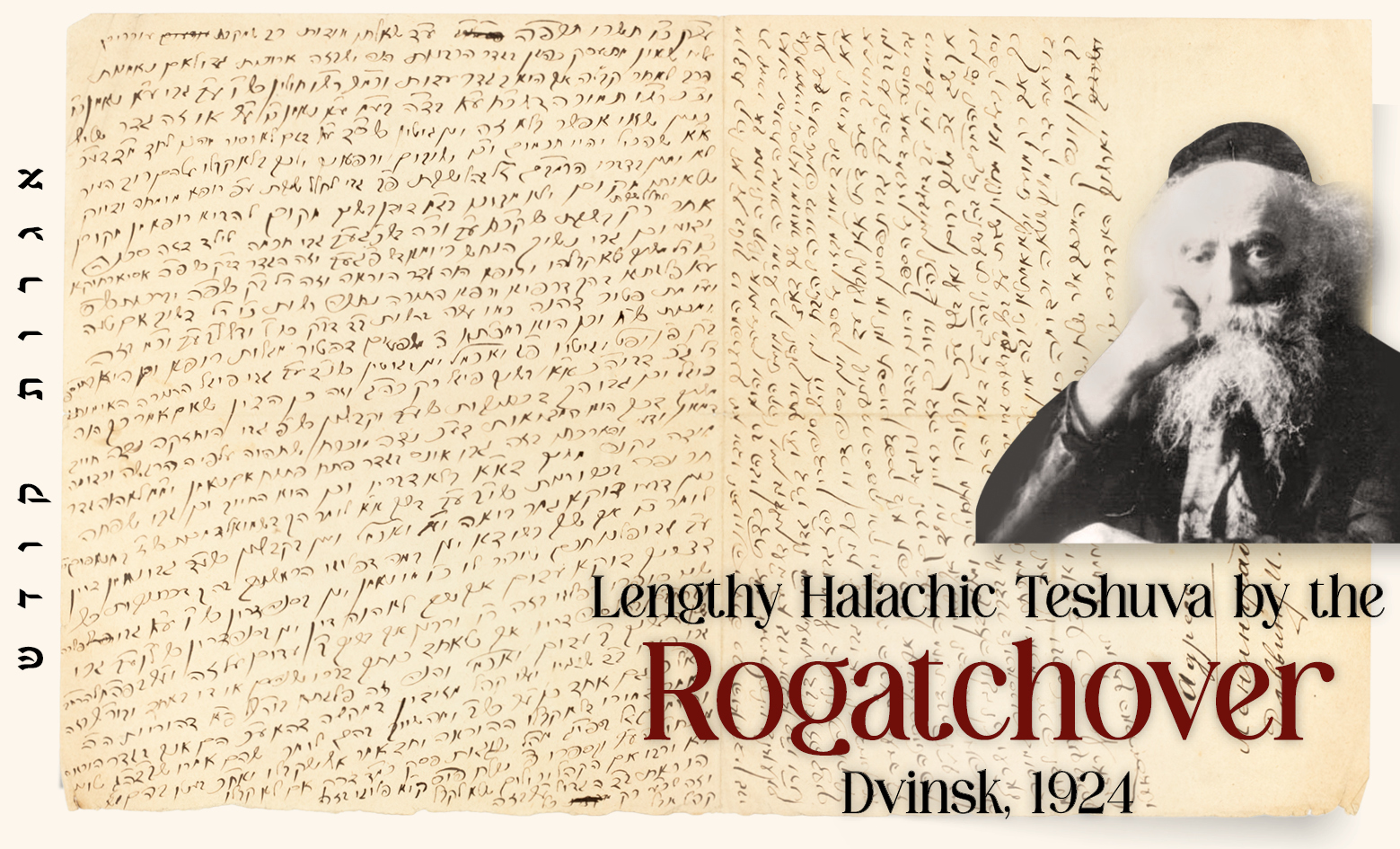
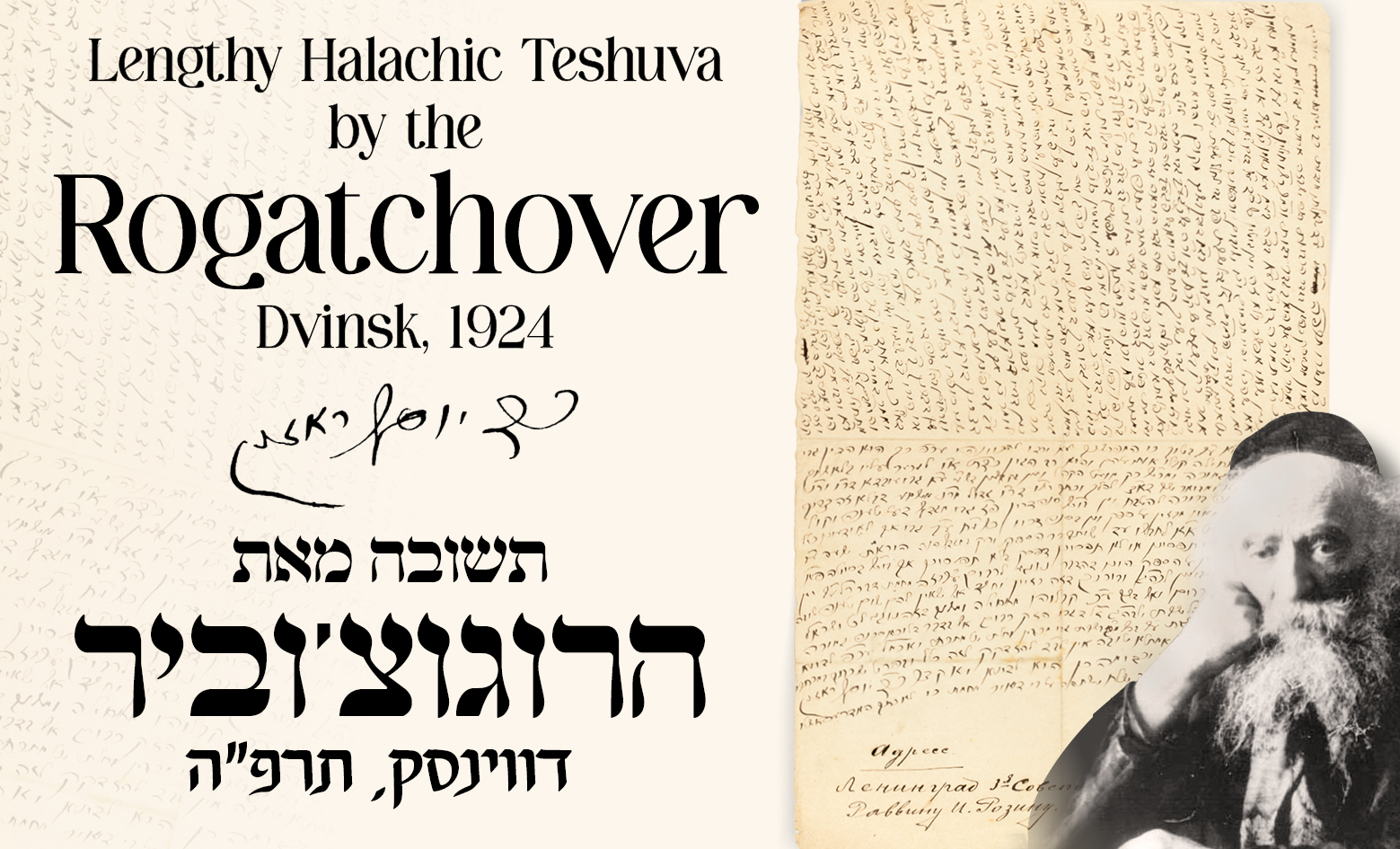
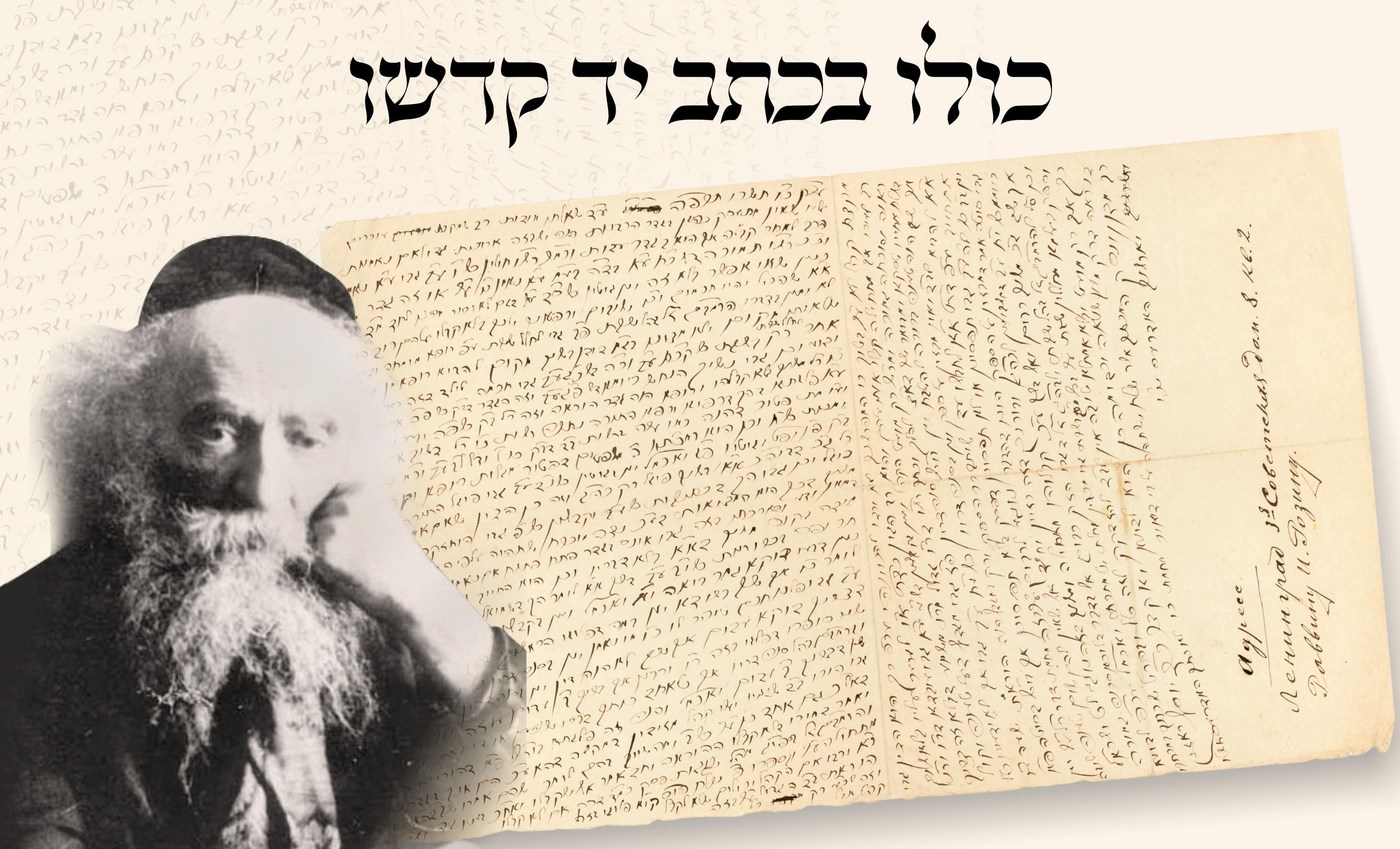
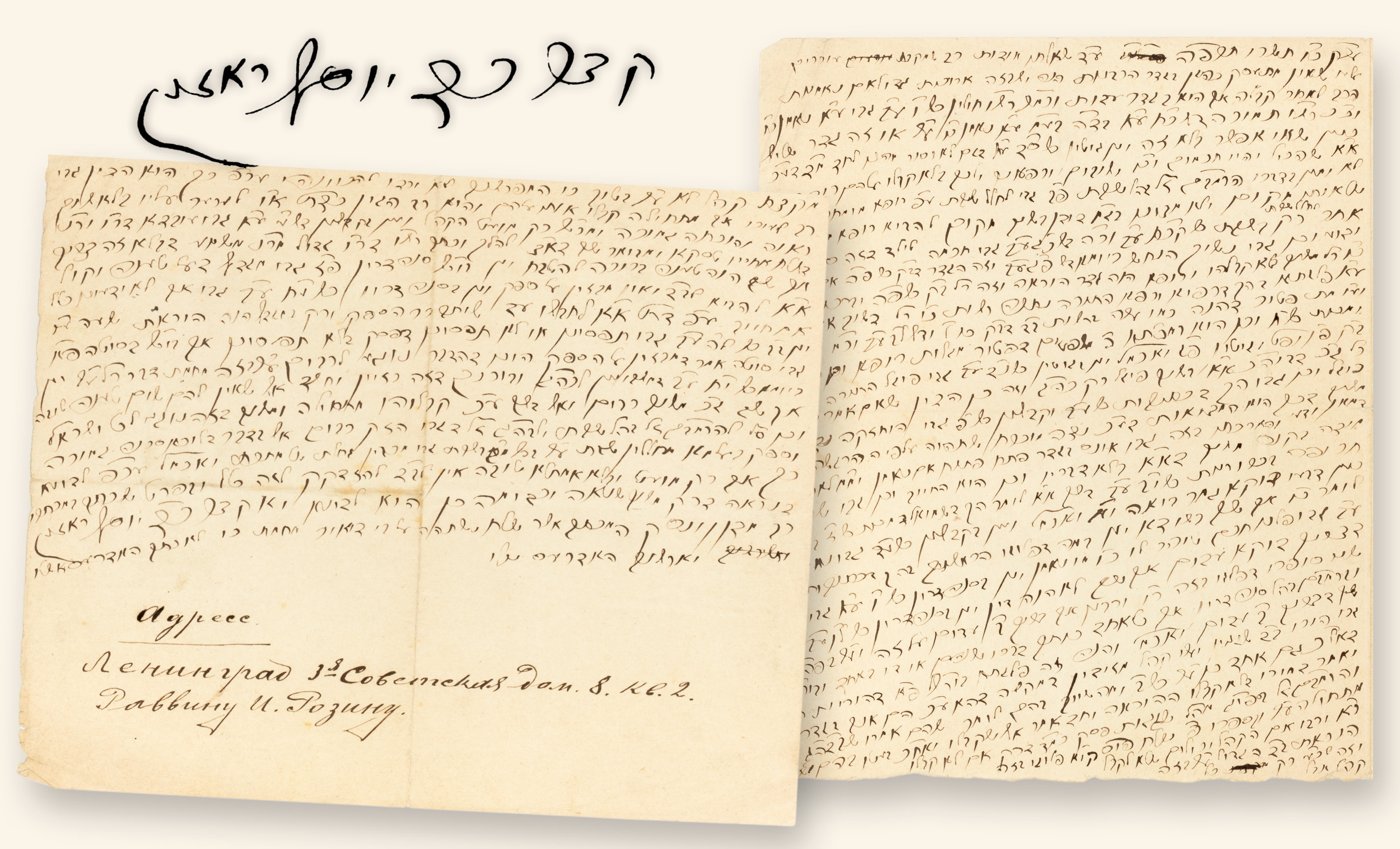
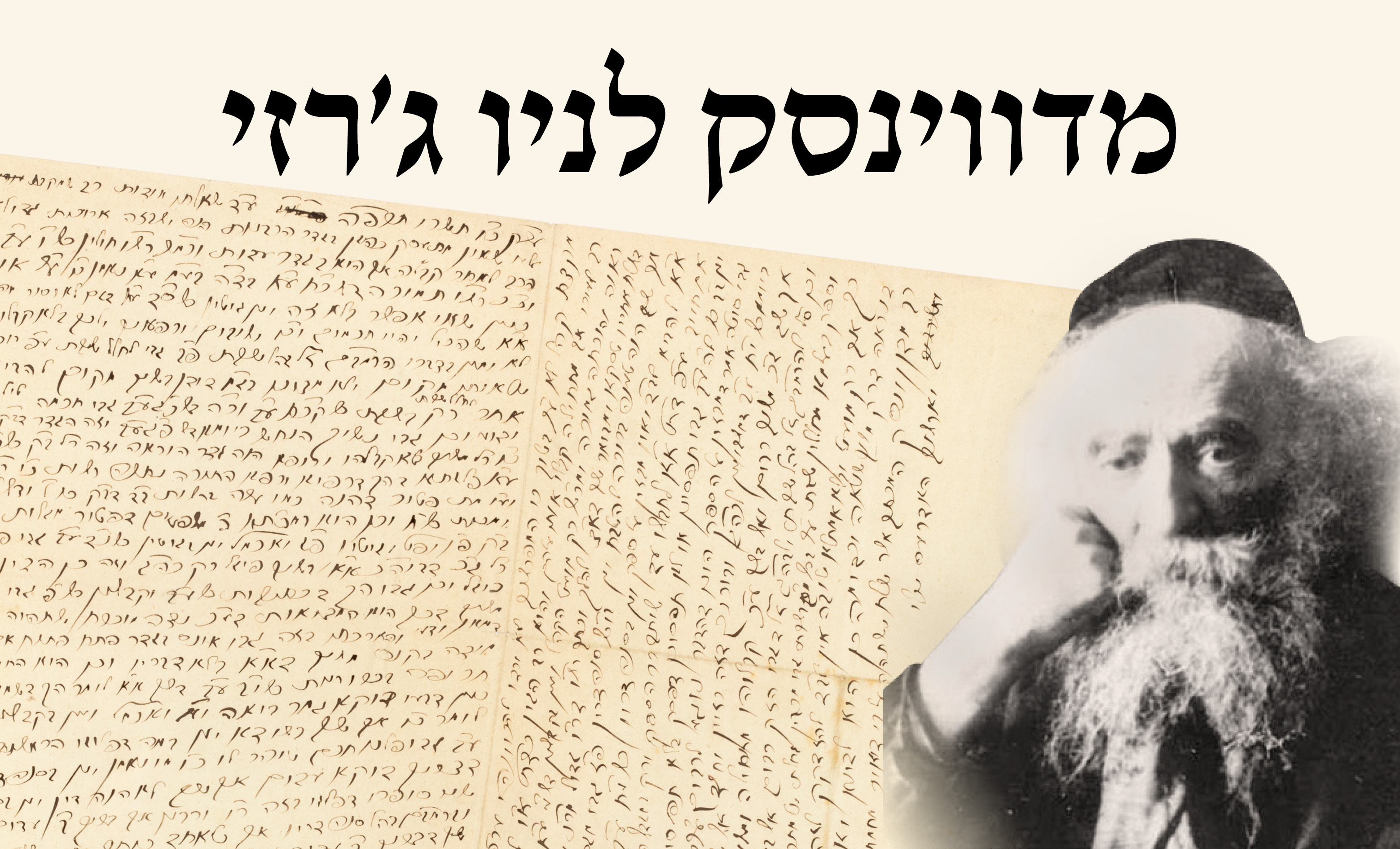
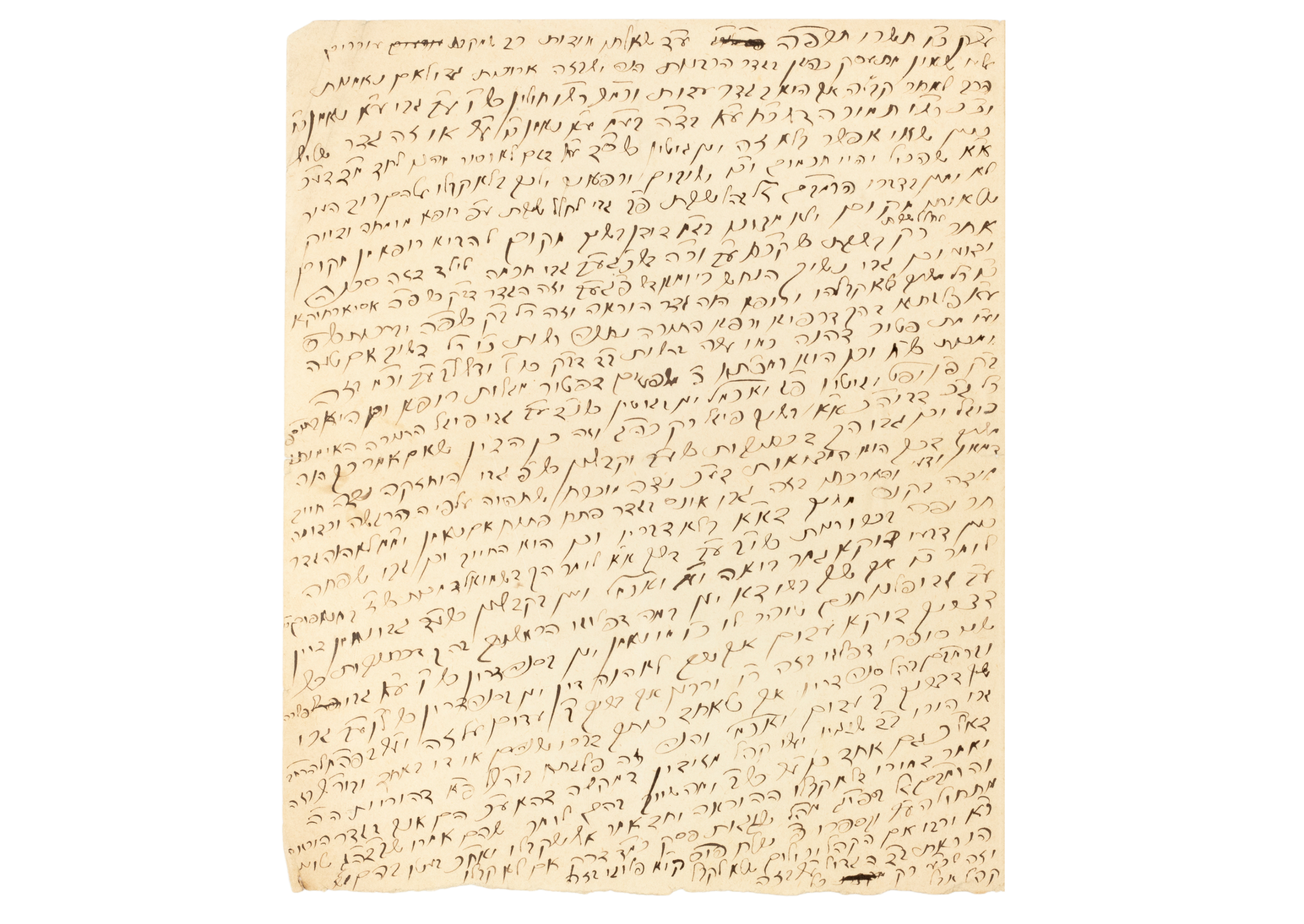
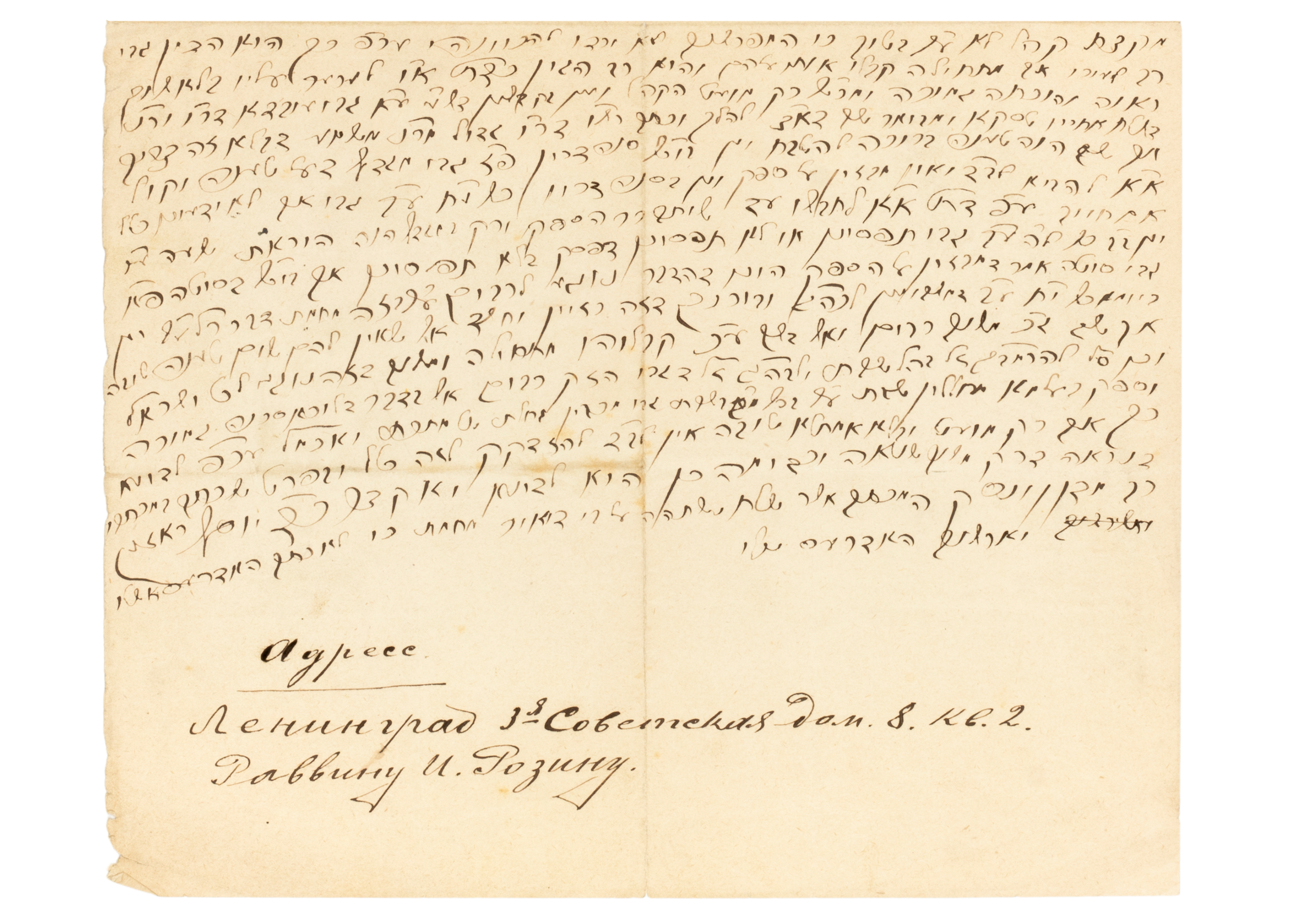
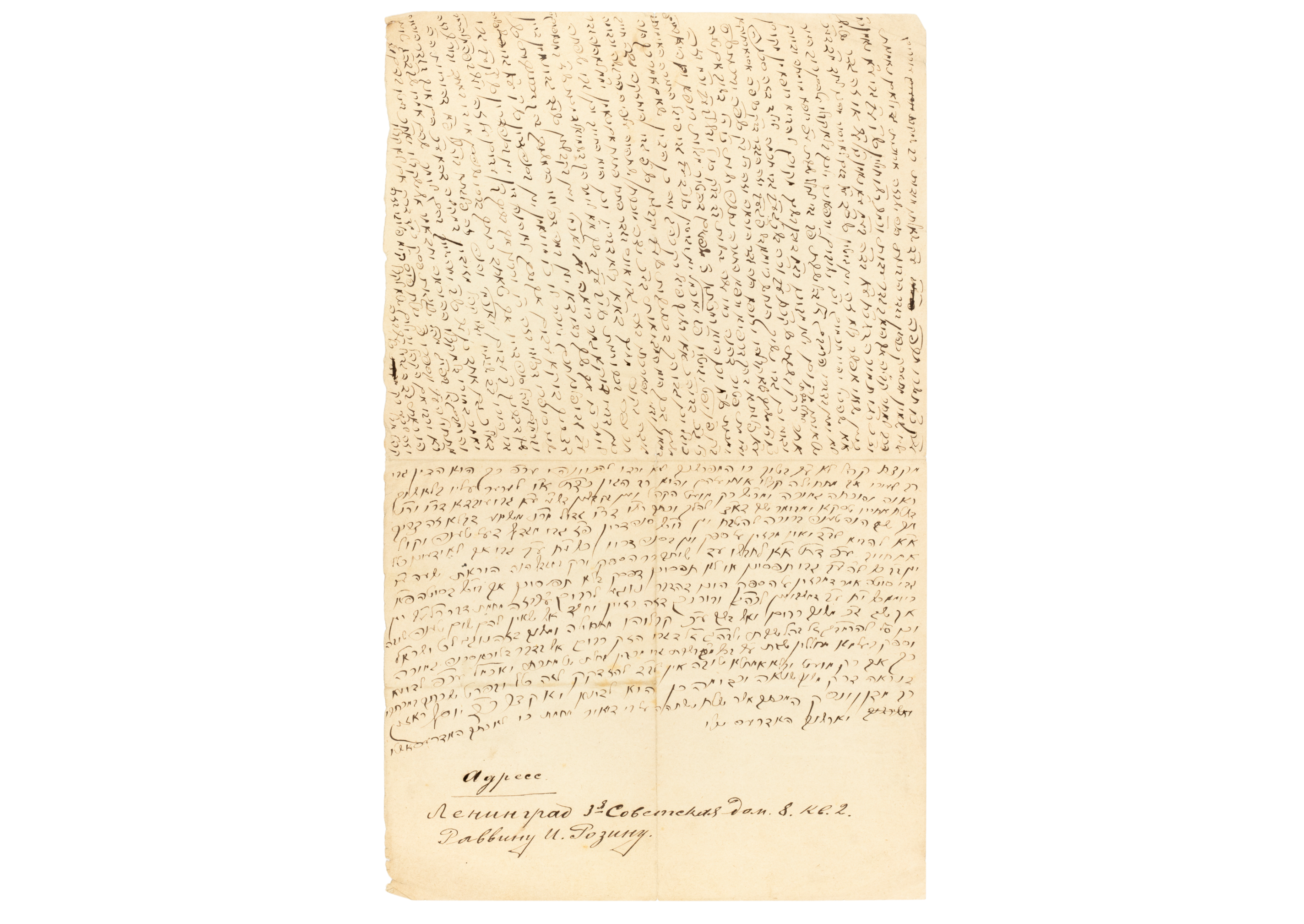
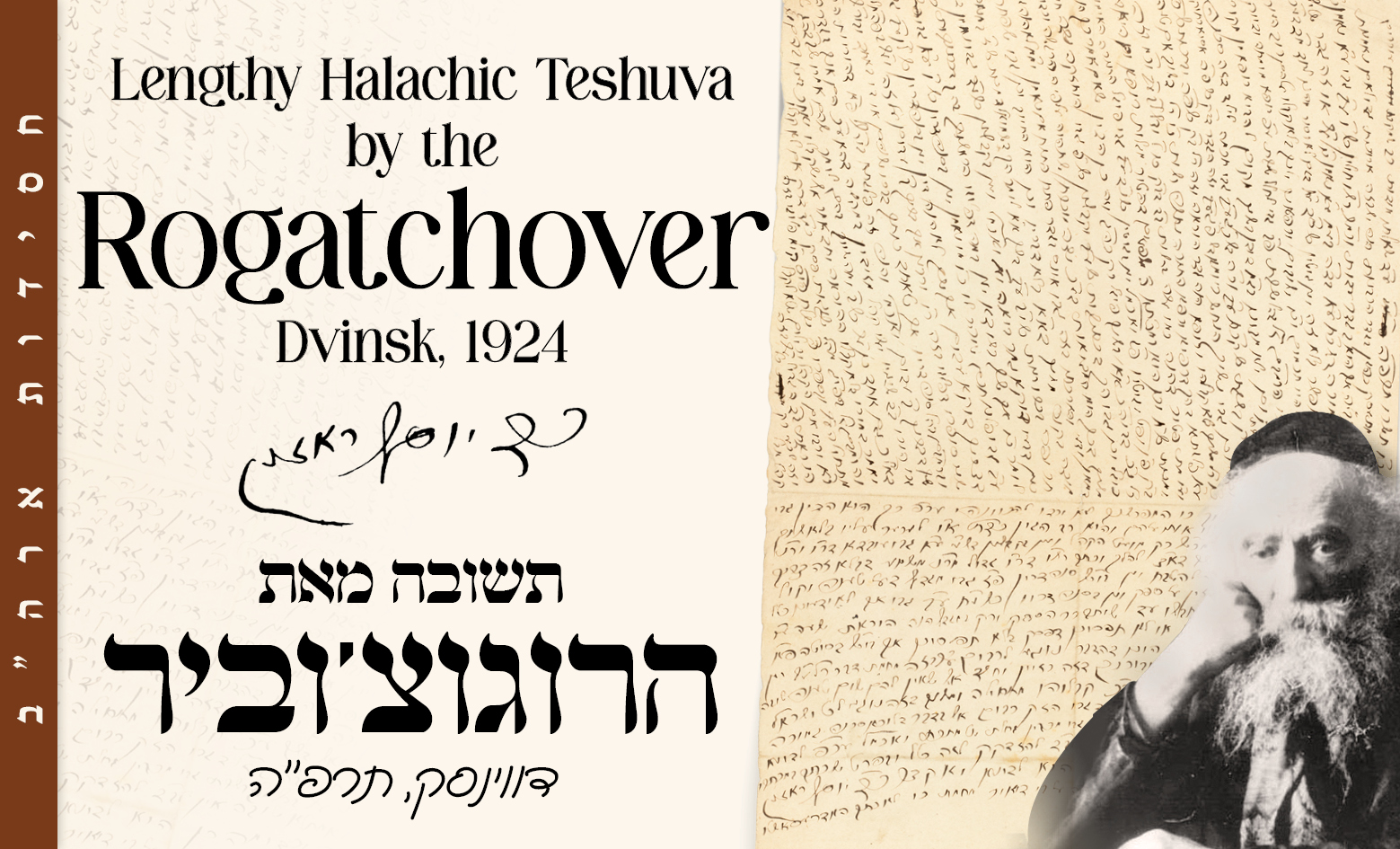
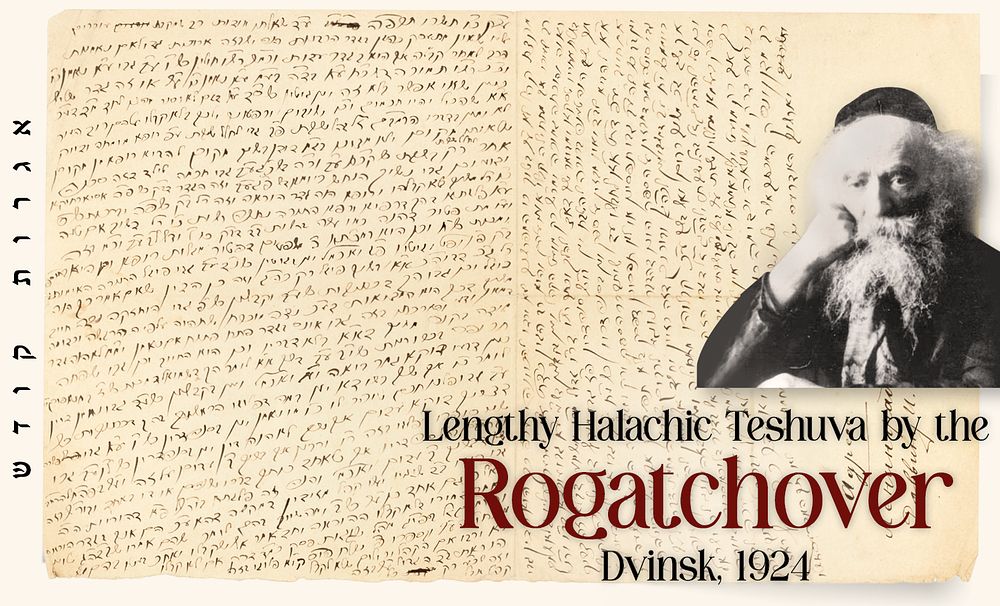
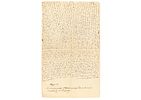
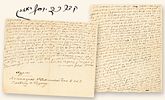
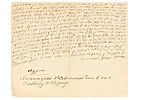
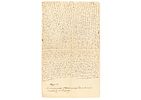
Lengthy Halachic Teshuva in Handwriting of the Rogatchover. Dvinsk, 1924
Lengthy Halachic Teshuva in Handwriting of the Rogatchover. Dvinsk, 1924
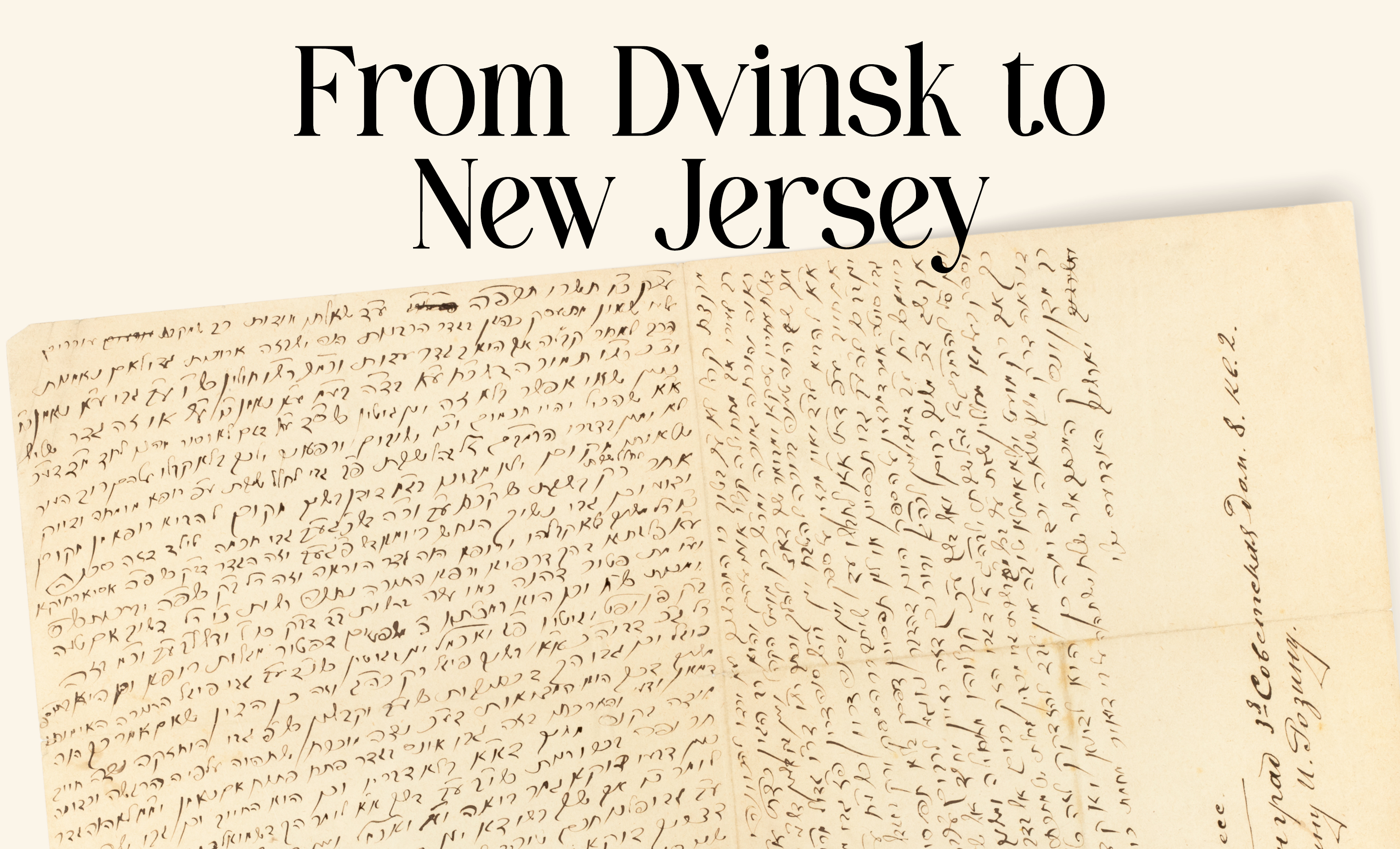
From Dvinsk to New Jersey — a compelling practical halachic responsum prompted by accusations against a community rabbi, in which the Rogatchover firmly vindicates the rabbi and upholds his position.
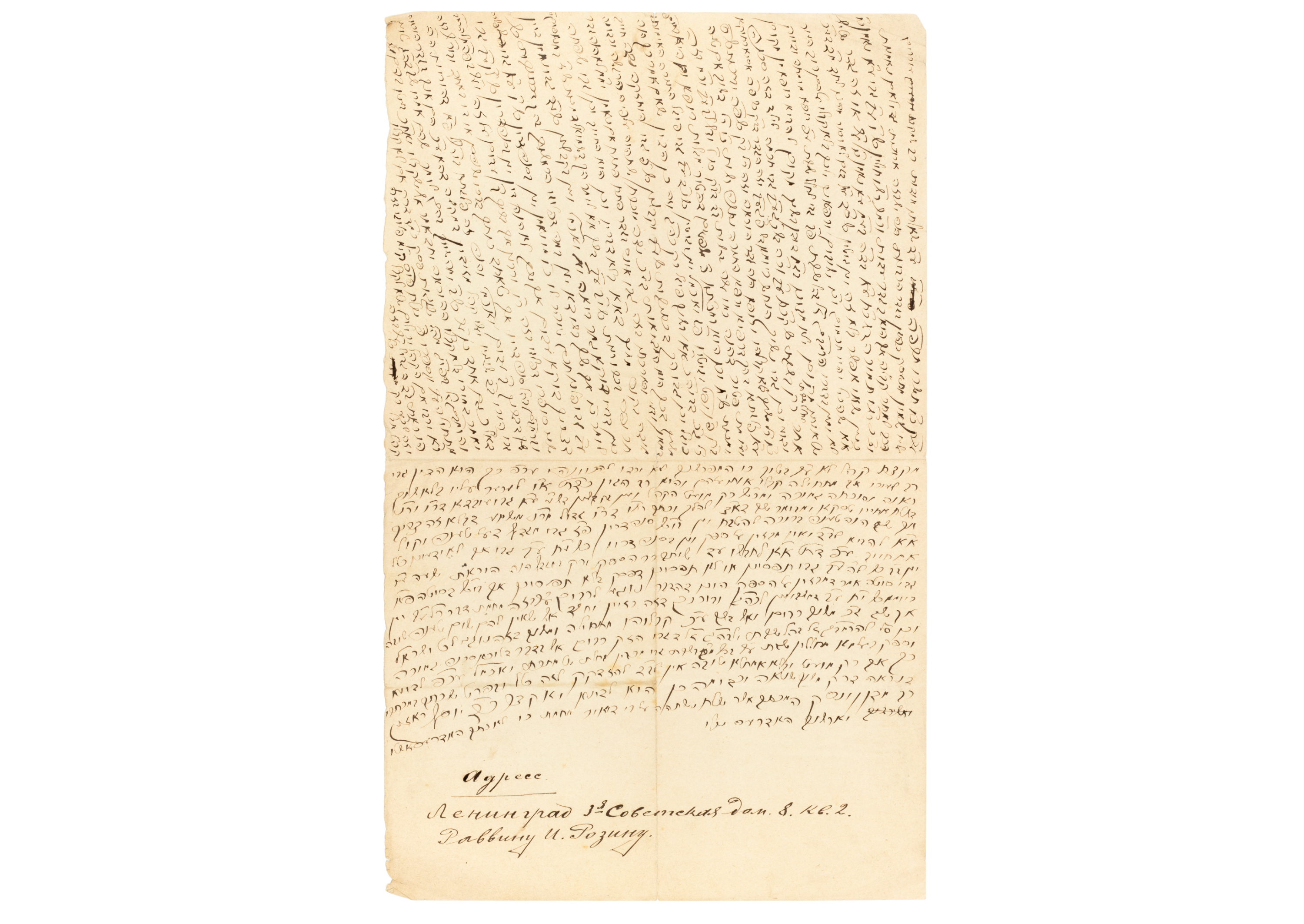
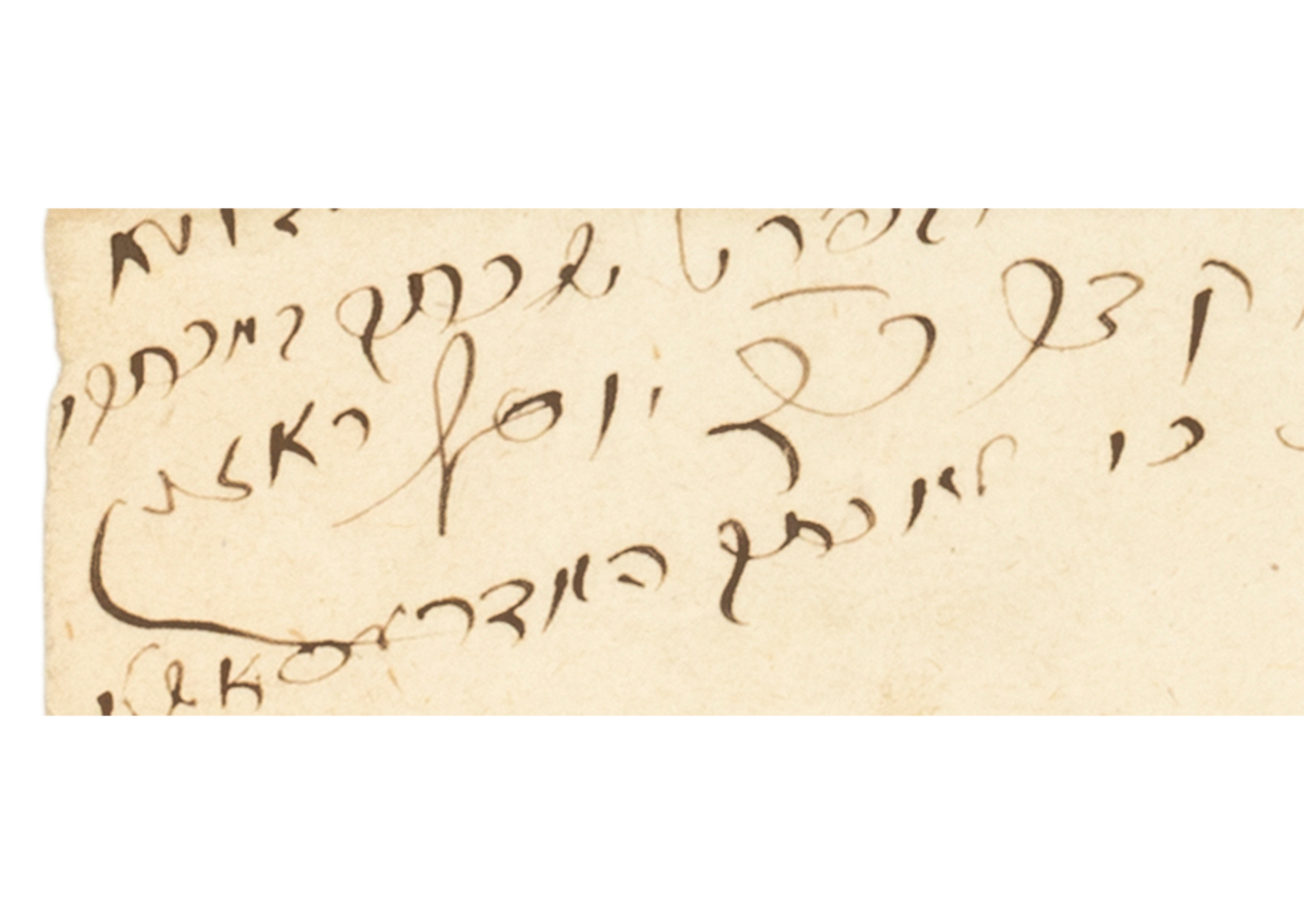
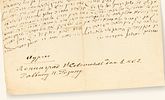
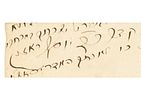
2 pages, 54 wide lines, entirely in the Rogatchover’s holy handwriting and with his signature.
In his teshuva, the Rogatchover rules that “if they took him as their Rav and he is a qualified Rav according to halacha, they cannot protest against him without any proof or conclusive evidence, and certainly not by merely a minority of the congregation, ” and therefore “the beis din should not involve itself in this matter at all… this is the ruling.”
In his characteristic style, the Rogatchover presents a sweeping and deep analysis, establishing clear frameworks and drawing on unexpected sources from all areas of Chazal. In this comprehensive teshuva, the Rogatchover used close to forty sources, drawn from throughout Bavli and Yerushalmi, the Pesikta, Mechilta, Sifrei, and of course the sefarim of the Rambam.
Rabbi Yosef Rosen of Dvinsk, known by all as the “Rogatchover” (1858–1936), was described by Rabbi Meir Shapiro of Lublin as “a treasury of wisdom like one of the Rishonim.” His brilliant chiddushim, unmatched in the literature of the Achronim, were printed in the sefarim Tzofnas on the Rambam and Shu”t.
Something of his extraordinary greatness is related by his son-in-law, Rabbi Abba Dovid Goldfein: “My father-in-law, of blessed memory, was detached from three things: eating, drinking, and sleeping. He washed for a meal only on Shabbos, while during the week he sufficed with only a few grapes. So too in drinking, he drank a little, and he never lay down on his bed to sleep; he only dozed a little… all this was in order not to waste even one moment of Torah learning.”
The teshuva was sent to Rabbi Yaakov Ben Tzion HaKohen Mendelson, Av Beis Din of Newark, New Jersey, and was printed by him in the kuntres Divrei HaRivos (siman 10) at the end of his sefer Mishnas Yaabetz (New York, 1924), and from there in Shu”t Tzofnas Paneach (Jerusalem, 1965), siman 42.
Dvinsk, 26 Tishrei 1924. Folded leaf, 2 written pages. Each page is 18×22 cm. Good condition.
___________________
Transcription of the Letter:
Erev Shabbos, 26 Tishrei 5685 [1924]
Regarding your question about a Rav against whom certain members of the community have raised objections, claiming that he is not properly attending to his rabbinic responsibilities:
There is a great deal to discuss regarding the authority and credibility of a Rav once he has been formally accepted by a community. Is his authority comparable to testimony, as Rashi writes in Chullin 6b regarding the principle that a single witness is believed in matters of prohibition, and similarly in Temurah 28a? Or does it fall into the category of one who has been entrusted with responsibility, since communal life simply cannot function otherwise?
See Gittin 64a, where according to one opinion, this principle applies even in matters of prohibition. After all, it is impossible for everyone to be learned in Torah, or for everyone to serve as a shochet, physician, and the like. Such positions therefore depend upon the community’s acceptance of those entrusted with them. Without acceptance by the majority of the city, however, this would not apply.
See also the Rambam, Hilchos Shabbos, chapter 2, regarding violating Shabbos on the instructions of a qualified physician. The Rambam specifically speaks of a physician recognized in that particular locality. We do not find anywhere in the Gemara that one must bring a physician from elsewhere in order to determine whether Shabbos should be violated. The exceptions are cases of an obvious danger, such as the midwife discussed in Shabbos 128b and Rosh Hashanah 23b, or the case of a snakebite in Yoma 83b.
This also explains the discussion in Bava Kamma 85a concerning a physician brought from a distant place: the issue is that he had not been accepted locally. The position of a physician is, in this respect, comparable to that of one who renders halachic decisions. This is also the meaning of the discussions in Bava Kamma 85a and Brachos 20a concerning the pasuk, “He shall surely heal, ” from which we learn that the Torah granted a physician permission to practice medicine. Once he acts with that authorization, if he makes an error and the patient dies as a result, he is exempt, just as one who acted with the authorization of Beis Din is exempt, as discussed in Bava Kamma 30a and 32b and Makkos 8a. The Mechilta in Parshas Mishpatim likewise states that a physician is exempt from exile, as do the Tosefta in Bava Kamma and Gittin. This is not the place to elaborate.
See also Gittin 54b regarding piggul, where the Gemara states that “the Torah believed him.” The meaning is likewise that on Yom Kippur, piggul can only depend upon the Kohen Gadol himself; consequently, if he declares that such was his intention, the offering is considered piggul.
The same principle applies to the discussion in Kesubos 72a and Kiddushin 80a concerning a woman whose status as a niddah has been established. By the very nature of the matter, this status must depend upon her own knowledge, since no one else can know what she personally experienced.
I have discussed this at length elsewhere regarding the claim of pesach pasuach and whether a person is believed, and why this is nevertheless not considered an admission that would create liability for a penalty. Since the matter cannot possibly be established without his own statement, the law necessarily depends upon his word. The same concept applies to the case of a shifchah charufah in Kerisos 12b. There, the rule stated by Shmuel in Makkos 7a — that witnesses must actually see the parties behaving as adulterers — cannot be applied in the ordinary manner, since in that case the act must specifically have been completed. See there; this is not the place to elaborate.
See also Kiddushin 74a regarding the credibility of a dayan to state what occurred, although that case concerns shuda. See as well the dispute among the Rishonim concerning Kesubos 72a, in the case where someone says, “So-and-so, the chacham, ruled that it was permitted, ” as to who is believed.
In Sanhedrin 6a, regarding a compromise, witnesses are specifically required, although there the matter does not have the status of a formal judgment. See also Sanhedrin 36b regarding the two scribes, where Rabbi Yehudah and the Chachamim disagree whether two are required for this purpose. See the Rambam’s commentary to the Mishnah there, as well as Hilchos Sanhedrin, regarding whether a single scribe may record the statements of both sides. The Yerushalmi there requires two witnesses. This too is not the place for a lengthy discussion.
The underlying issue is also the subject of a dispute in the Yerushalmi, Horayos 1:5, concerning a case in which Beis Din ruled mistakenly and the community knowingly acted contrary to the law. The Yerushalmi asks that if the community is capable of rejecting the ruling, then the ruling seemingly cannot have the full status of an authoritative halachic ruling. It answers that the case concerns people who never accepted the ruling in the first place. Another opinion maintains that this applies even where they initially accepted the ruling but subsequently rejected it.
The Rambam, in chapter 13 of Hilchos Shegagos, rules that this applies only where they did not accept the ruling from the outset.
Similarly, in the Sifrei, Parshas Shelach, on the pasuk “and the Kohen shall atone for the entire congregation, ” Rav Elazar and Rebbe disagree as to whether the community has the ability to refuse to accept a ruling of the Beis Din HaGadol. In any event, even according to the opinions that allow this, it applies only when the community as a whole rejects the ruling — not when merely a portion of the community does so. Study the passage carefully, for the commentators have not fully grasped its intent.
In practical terms, the same principle applies to the Rav of a city. If the community originally accepted him as their Rav, and he is a proper and qualified Rav according to halacha, they cannot subsequently challenge his position without clear evidence and conclusive proof. This is certainly true where the objections come only from a minority of the community.
See Kiddushin 70a regarding the incident involving Rav Yehudah and Rabban Gamliel, where a summons was sent to him. It is evident there that he was not required to appear, and Rashi explains that this was because Rav Yehudah was greater than Rabban Gamliel — implying that otherwise he would indeed have been required to do so. In that case, however, the butcher had presented a definite claim.
See also the Yerushalmi, Sanhedrin chapter 7, regarding a blasphemer, where we find that a person cannot be brought before Beis Din merely on the basis of an allegation or rumor. A person is not subjected to humiliation on the basis of a mere suspicion.
Similarly, Sanhedrin 75b indicates that when it is entirely uncertain whether a person is liable under Torah law, he cannot be imprisoned until the doubt is resolved. The case of the blasphemer was an exceptional temporary measure.
See also Bava Basra 36b regarding whether Beis Din takes possession of property while a matter remains unresolved; the halacha is that it does not. The Yerushalmi in Sotah, chapter 1, however, indicates that humiliation on the basis of suspicion may sometimes be warranted where the matter affects the public at large.
Likewise, Yoma 18b relates that the Kohen Gadol was required to take an oath, and both sides would weep because the oath itself implied suspicion and was therefore humiliating, even though there was no concrete claim against him. There too, however, the reason was that the matter concerned the entire community of Klal Yisrael, even though the Kohen Gadol had unquestionably been accepted for his position beforehand.
A similar principle is reflected in the Rambam’s Hilchos Shabbos and in the Baal Halachos Gedolos regarding a danger to the public. Even where there is no definite danger to life, but only a possibility of public harm, Shabbos may be violated, as discussed in Shabbos 42a regarding extinguishing a burning piece of metal. This is not the place to elaborate further.
In conclusion, where the objections come only from a minority of the community and are not supported by a substantial and credible claim, Beis Din should not become involved in the matter at all. This is especially so in the case you describe, where, as you write, the opposition appears to stem merely from personal animosity or similar considerations.
This is the halacha, and I will be brief.
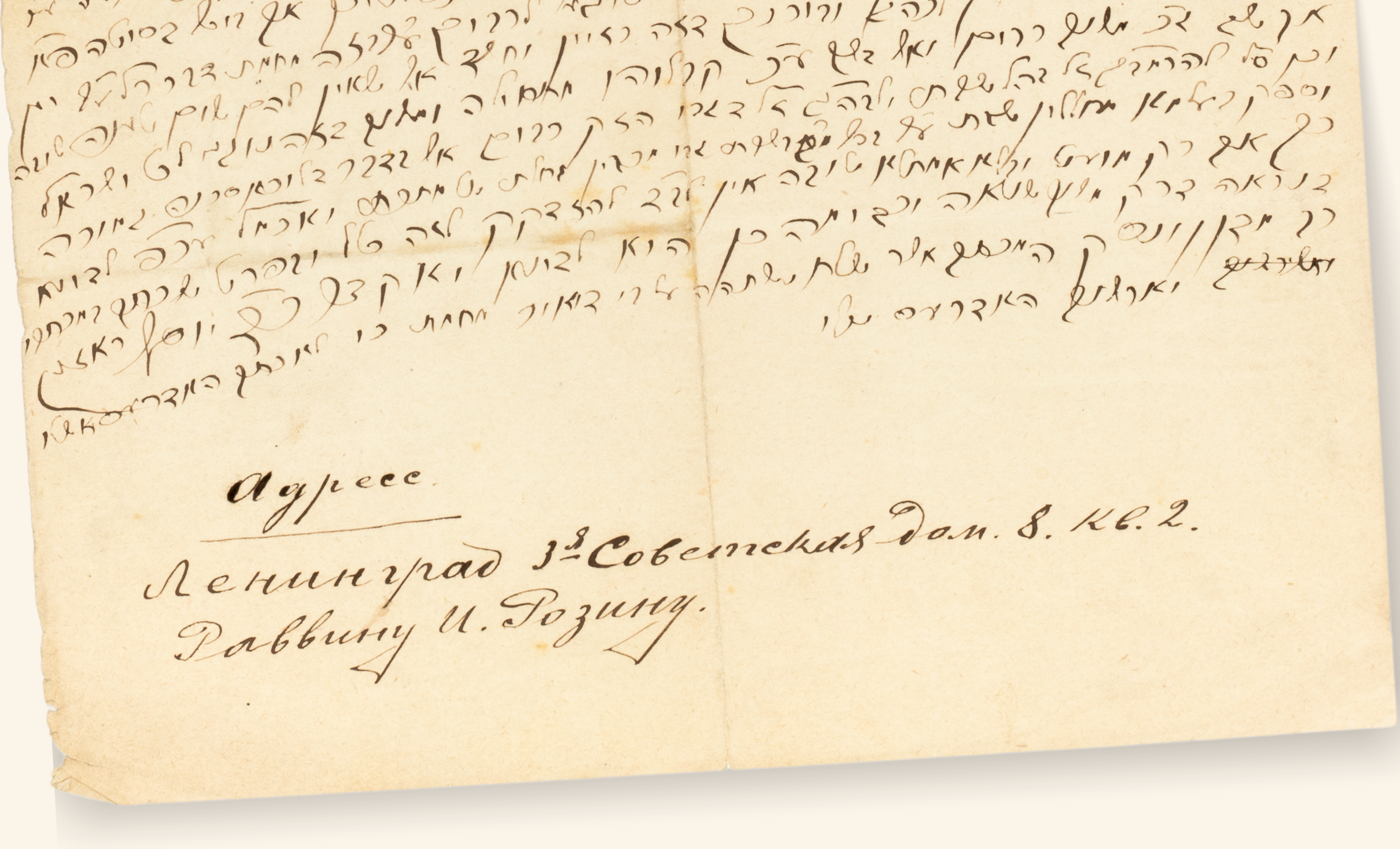
Yosef Rozin
Rav of Dvinsk
The letter will be delayed at the post office because the address in your letter… I will therefore write my own address…
