


To attend this auction live or leave absentee bids
Lot : 50
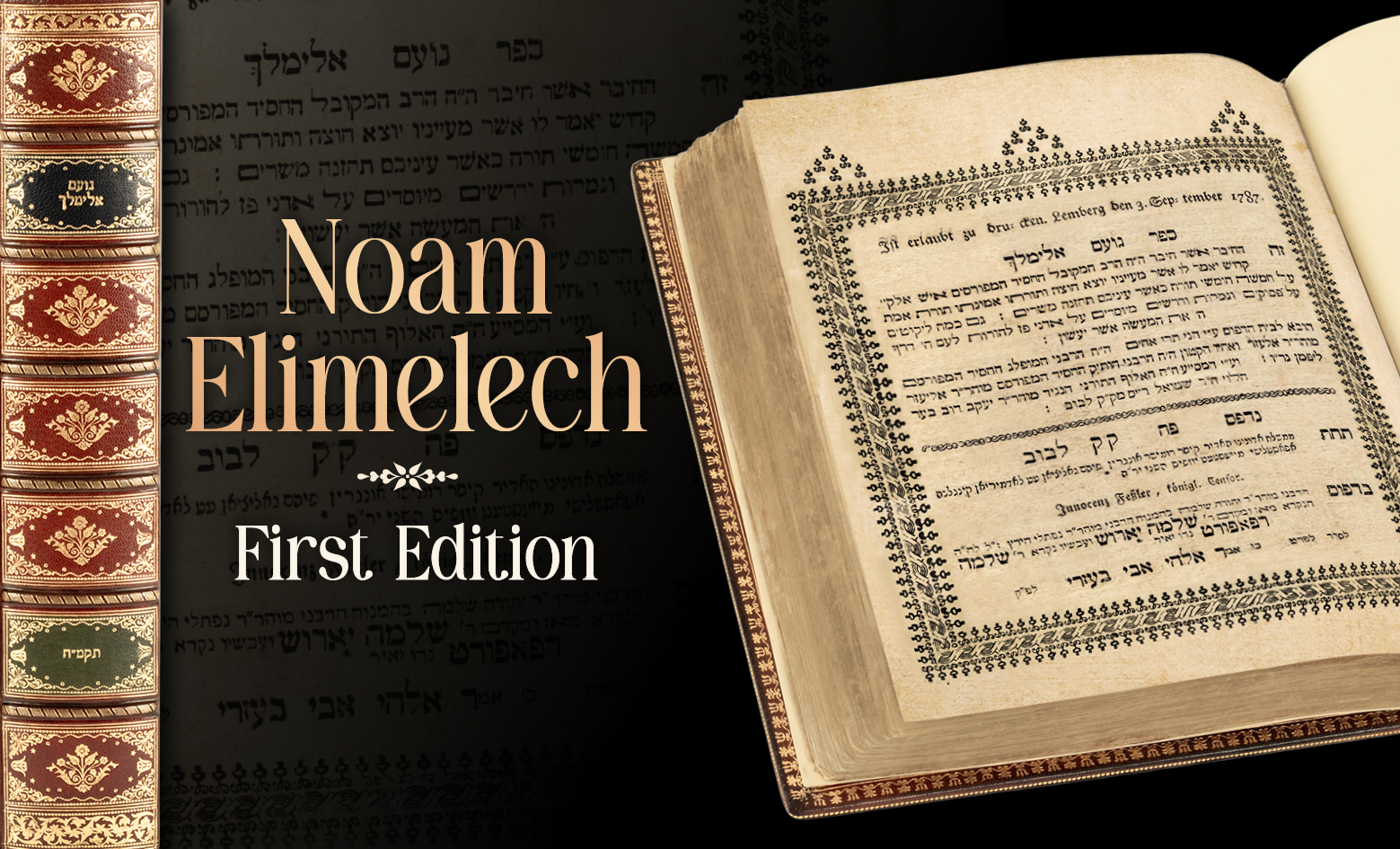
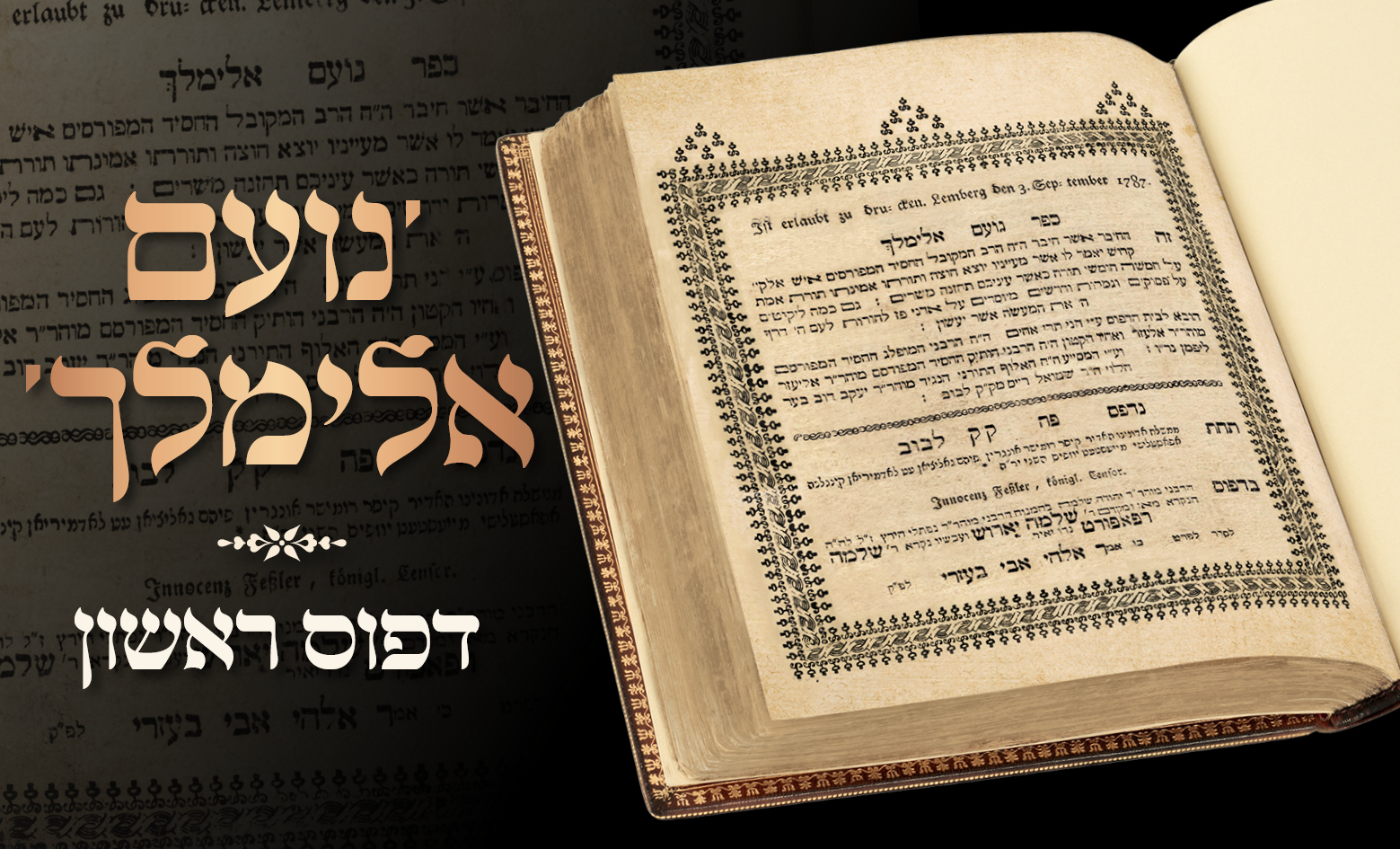
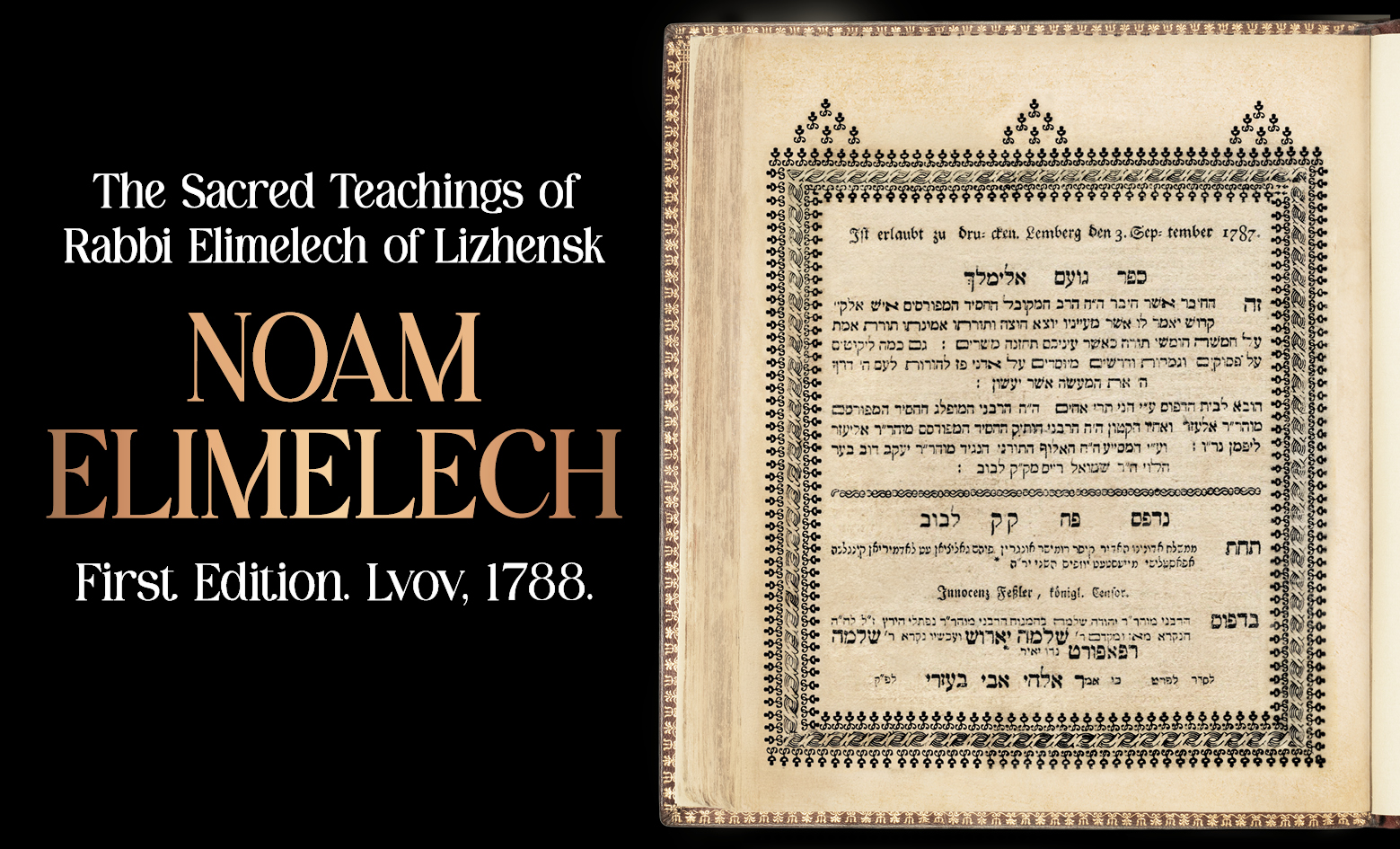
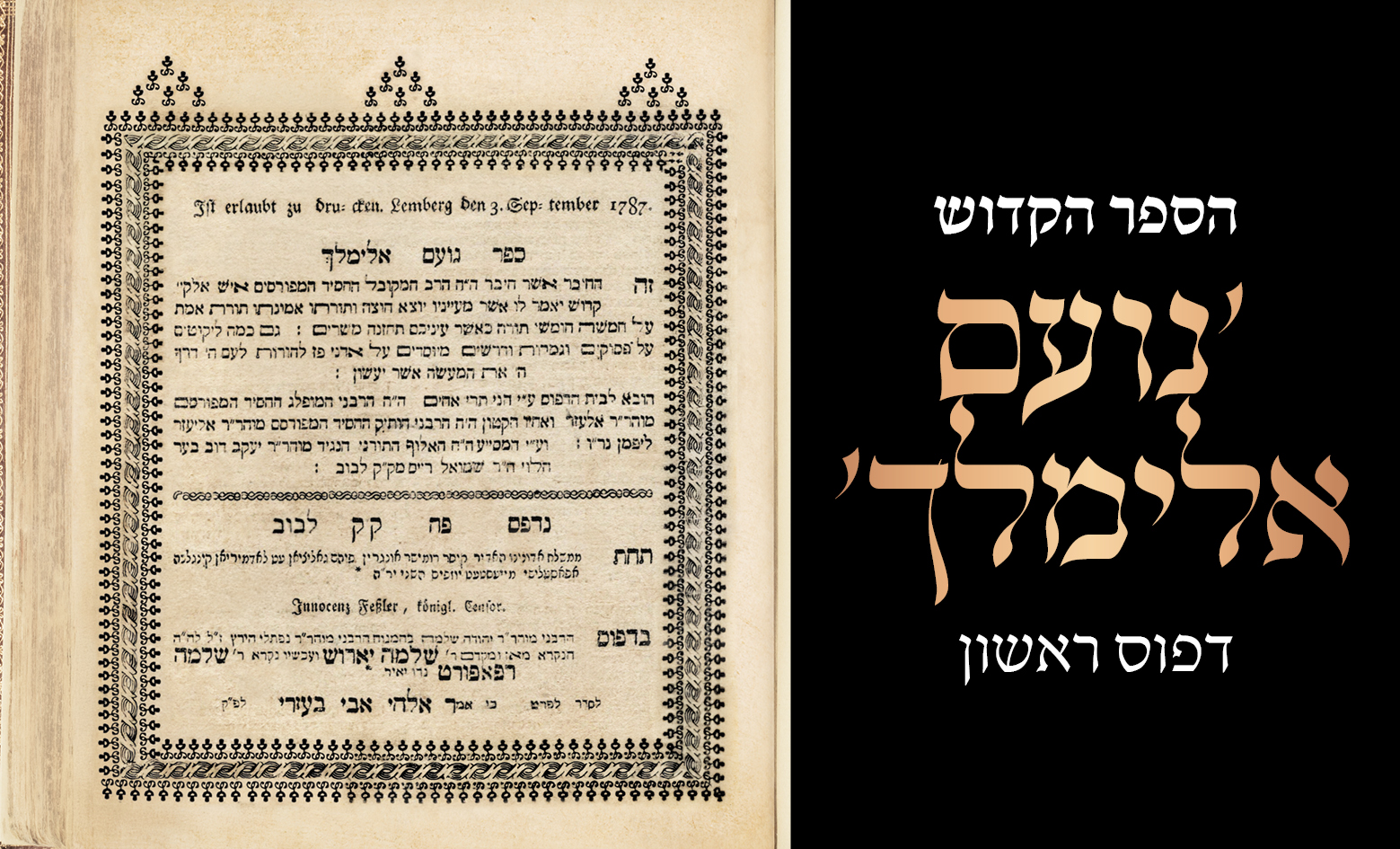
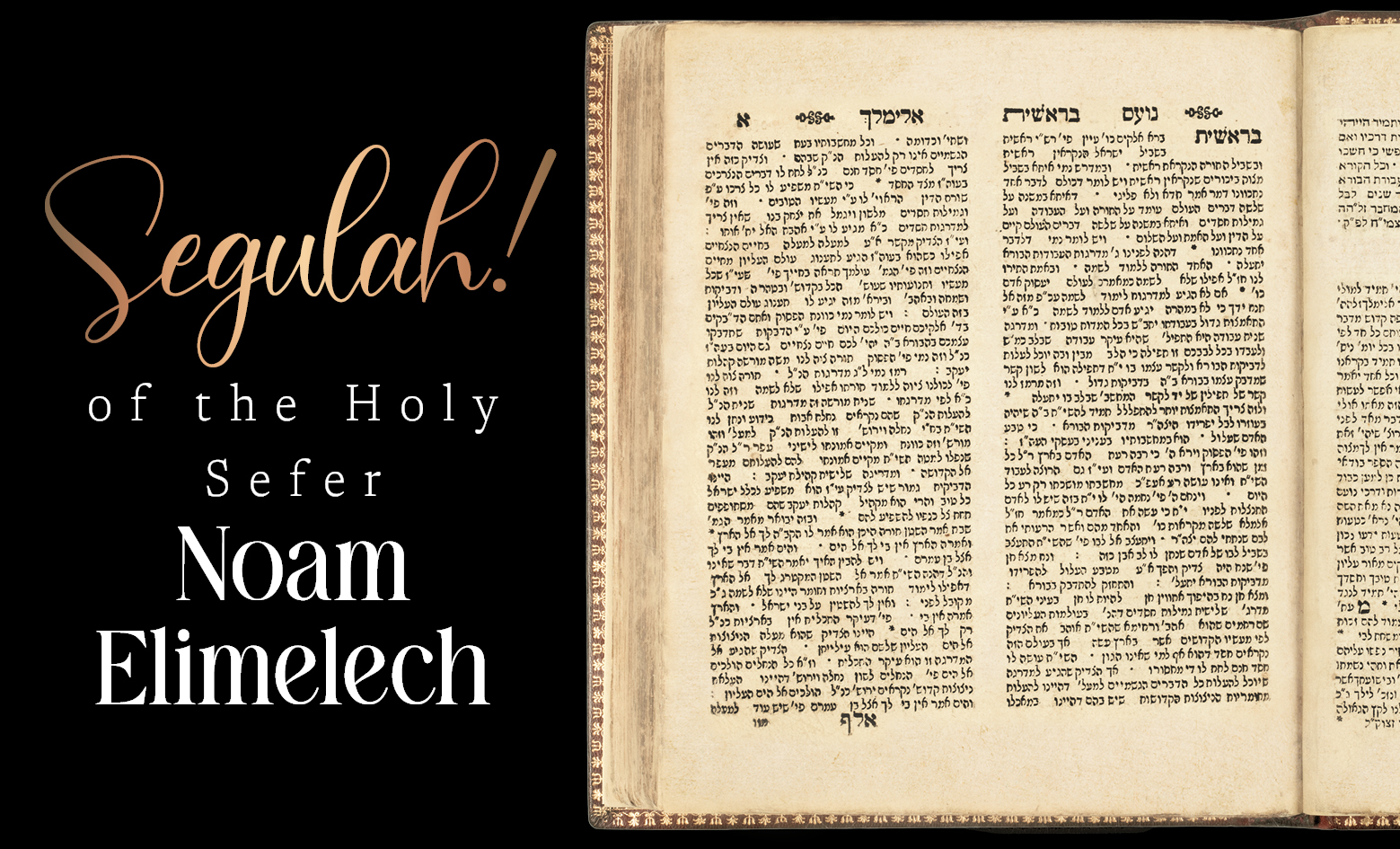
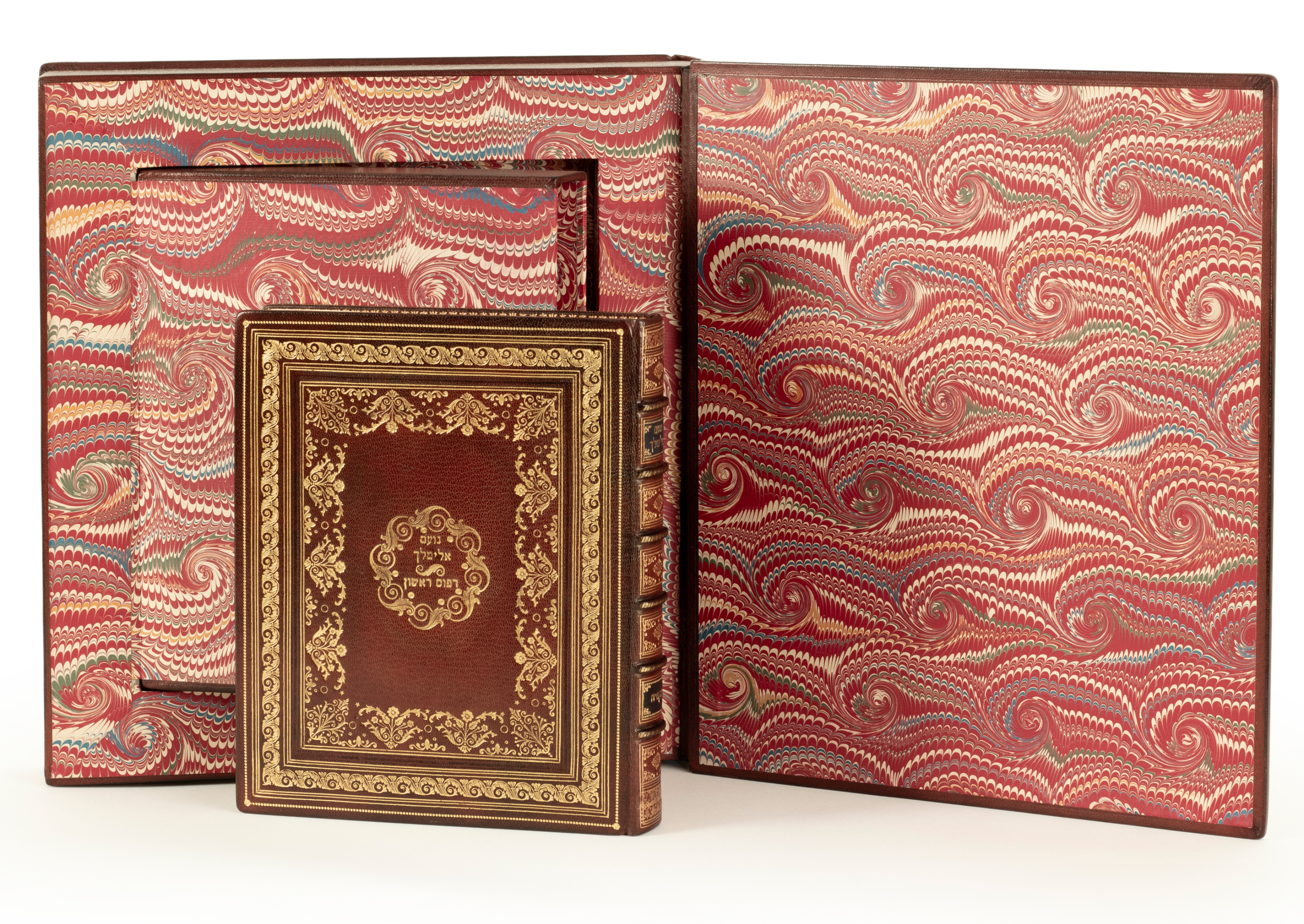
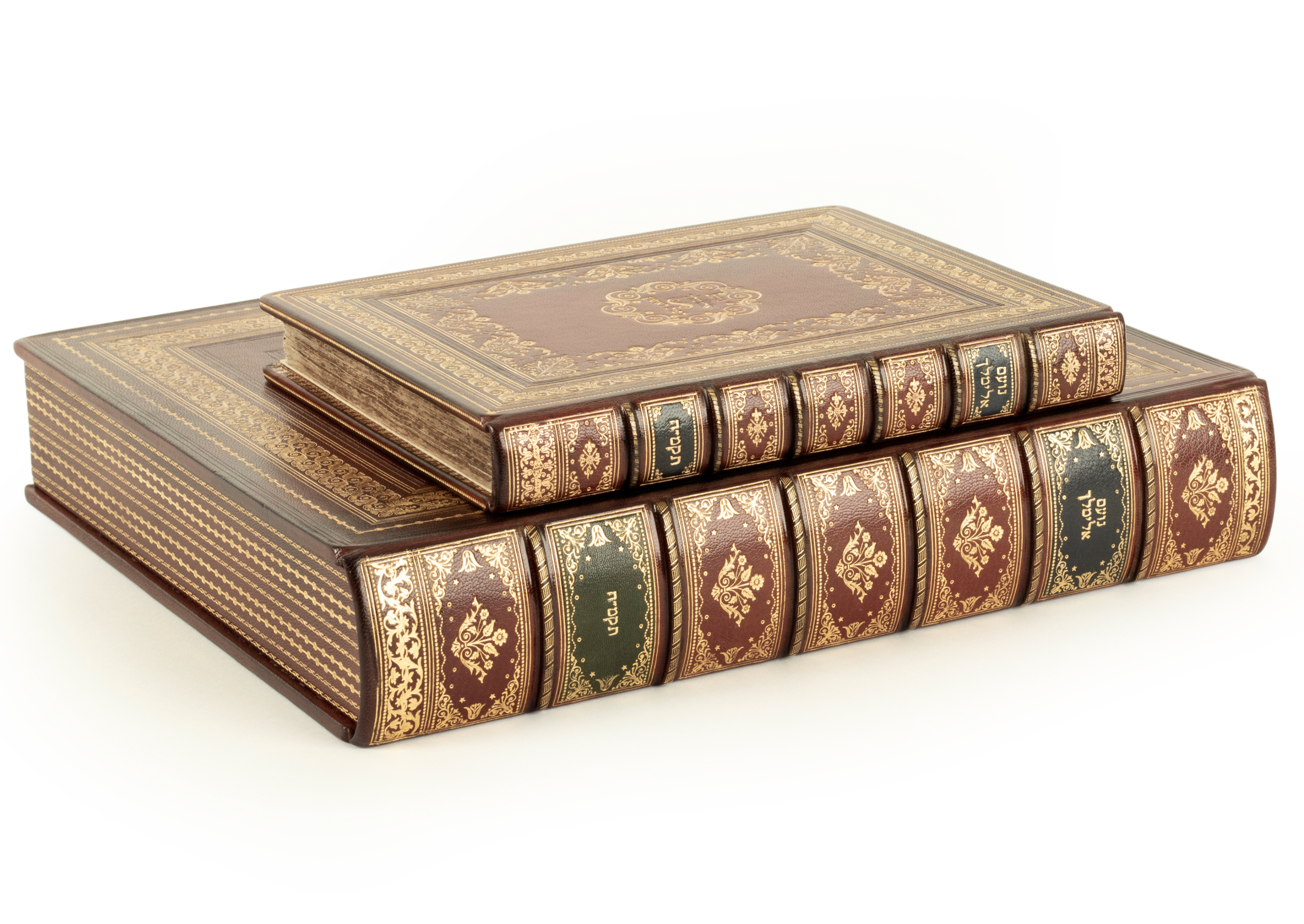
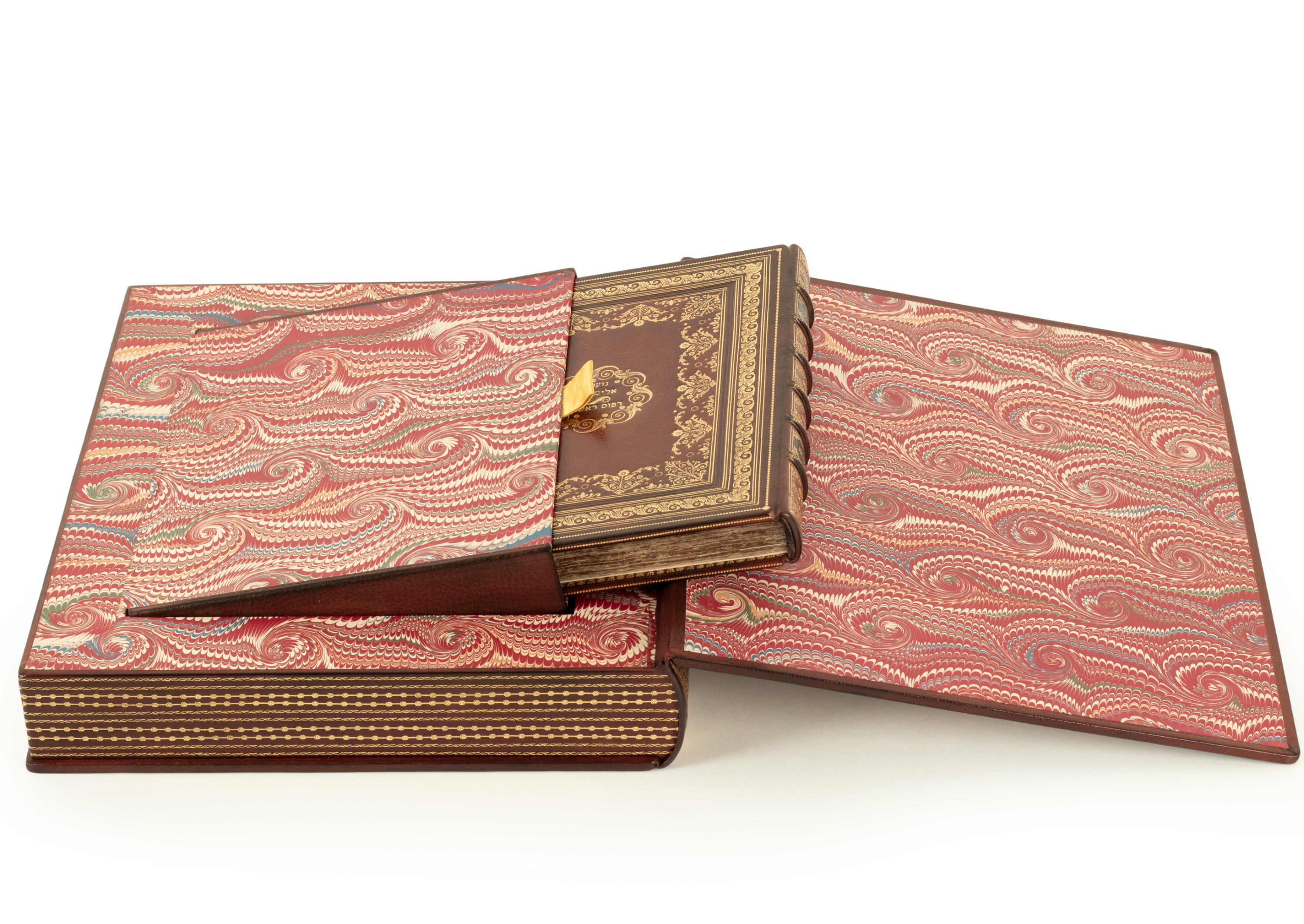
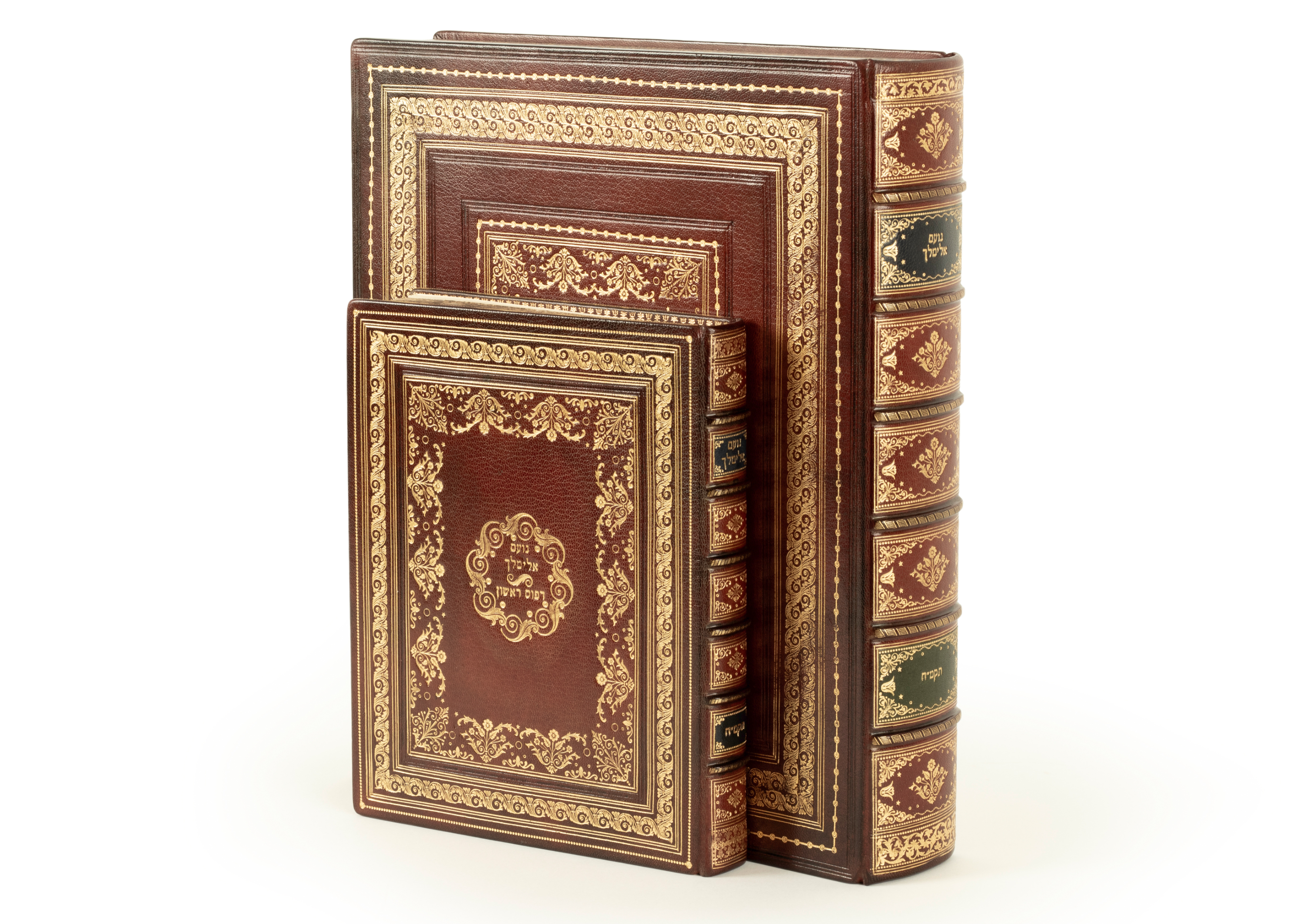
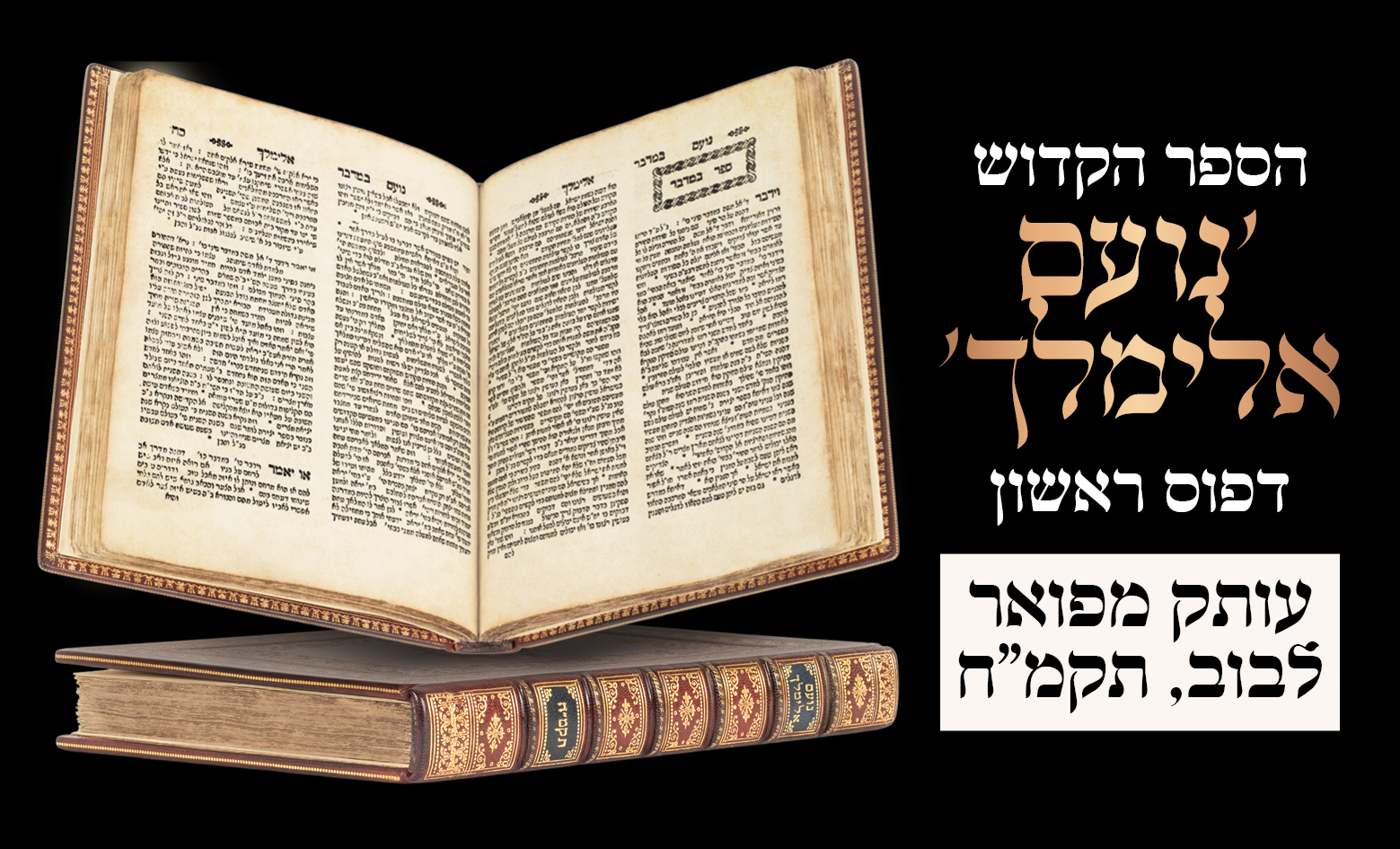
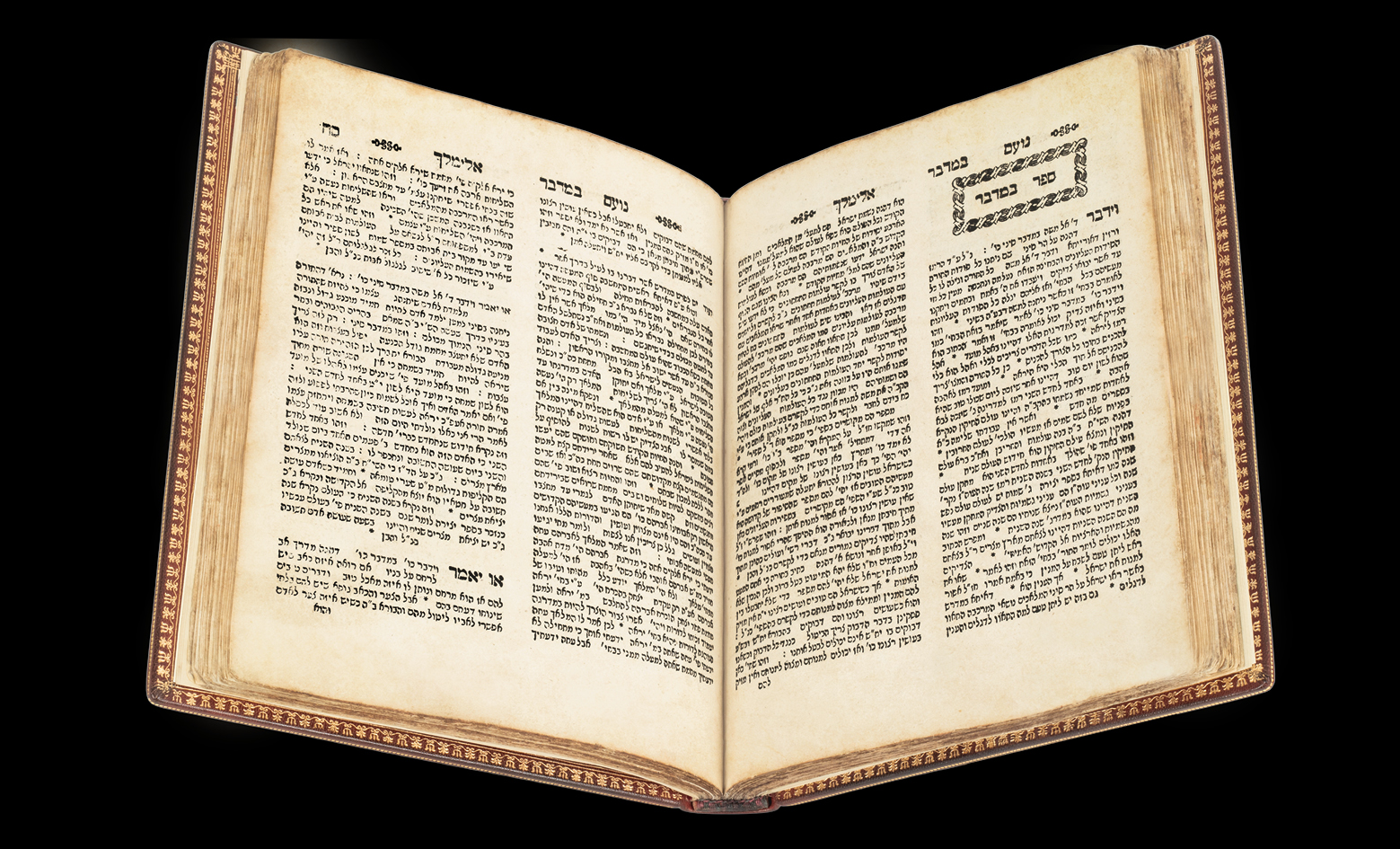
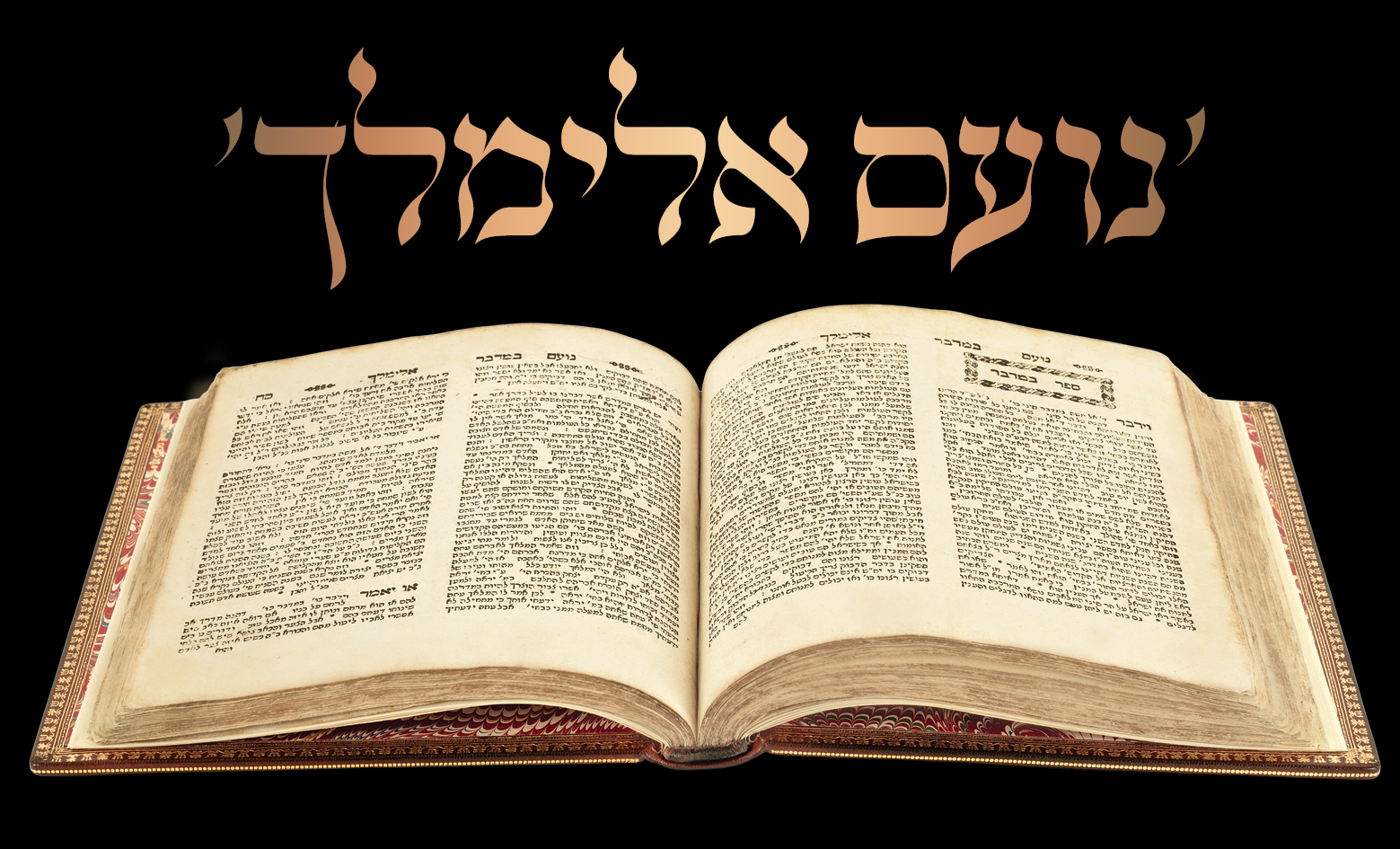
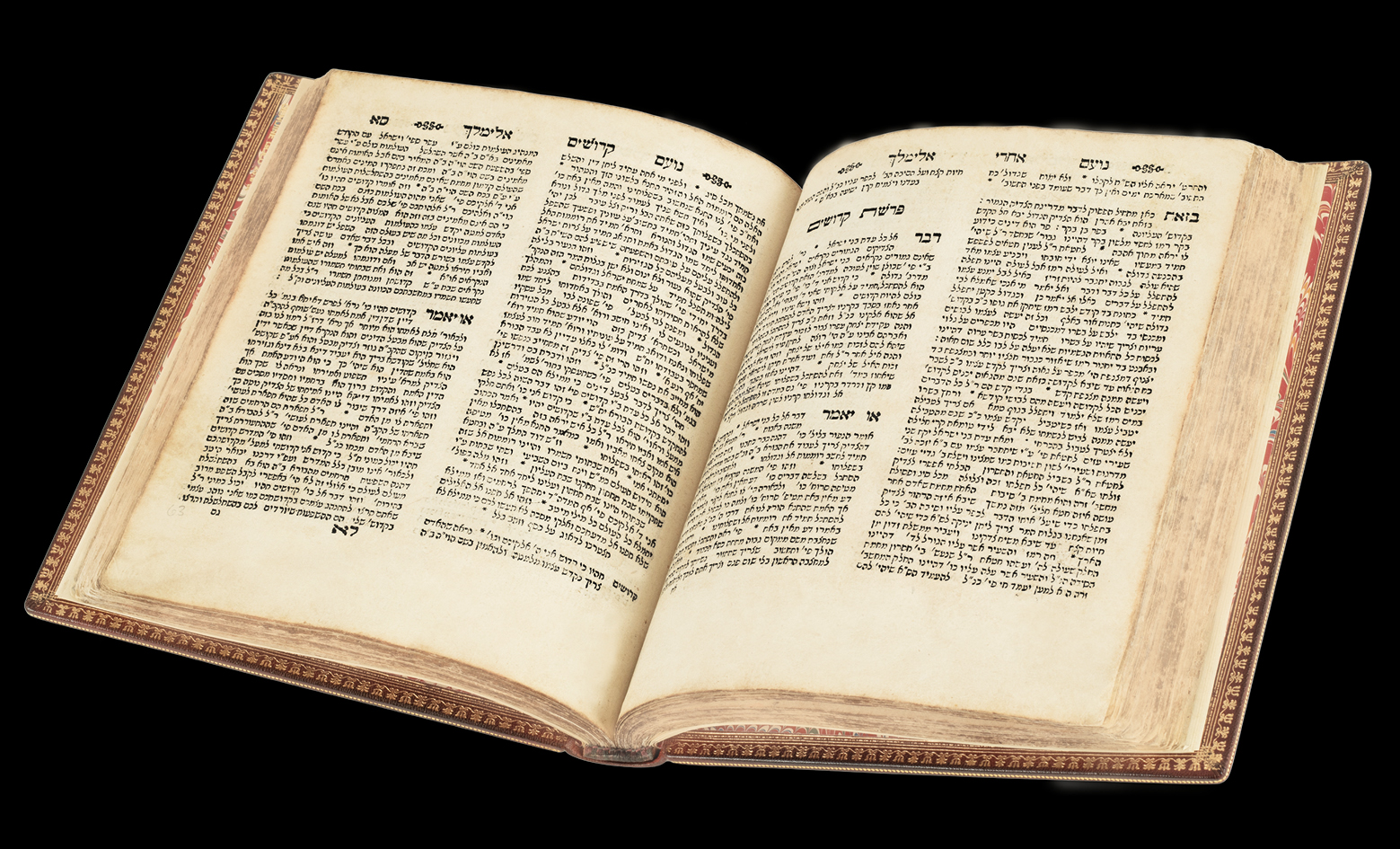
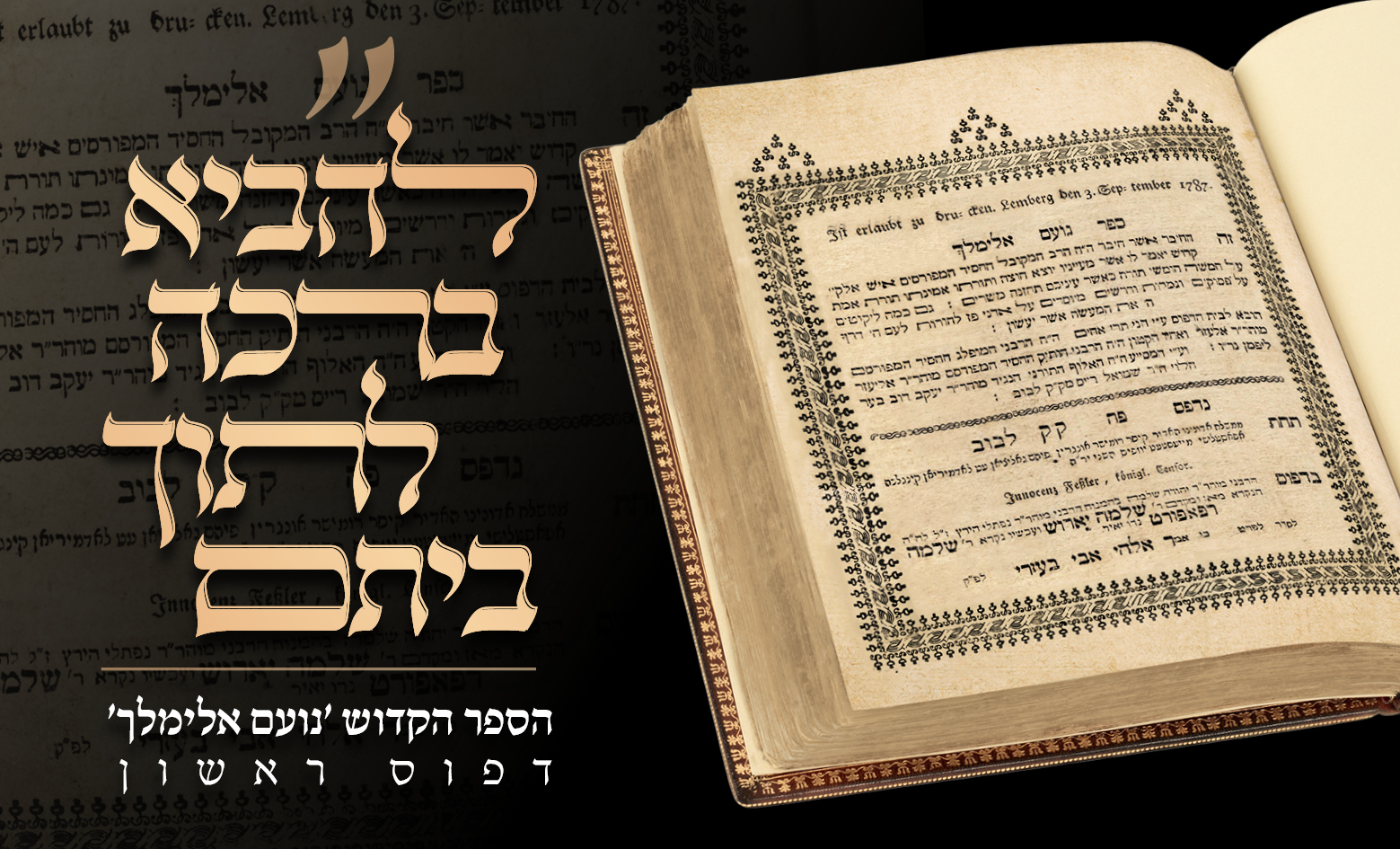
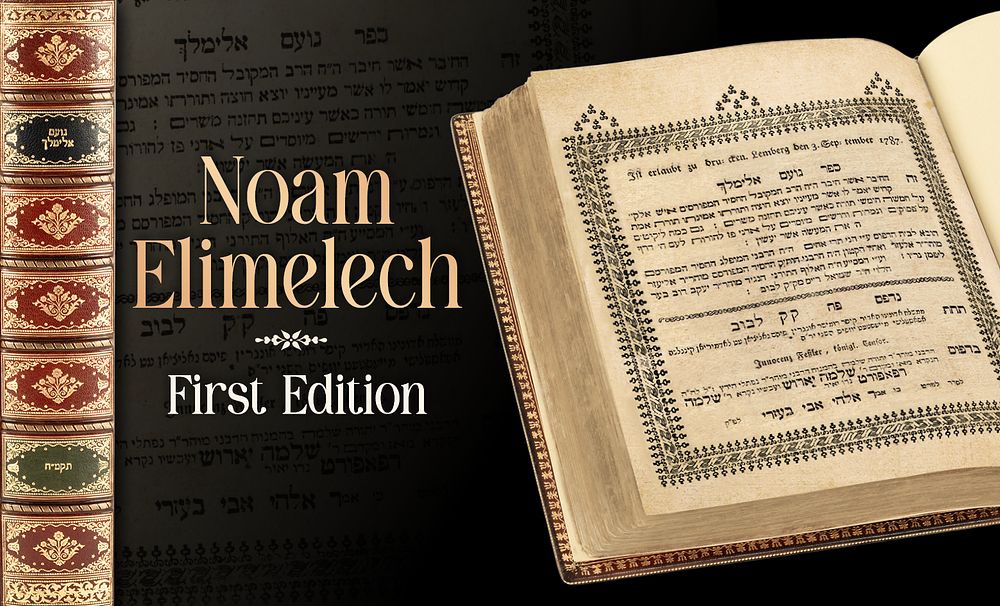
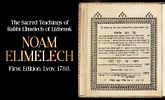
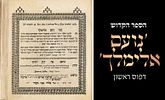
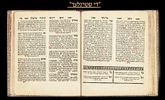
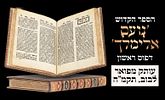
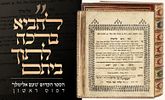
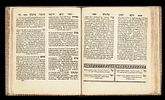
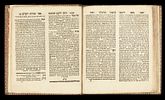
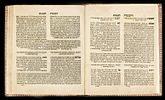
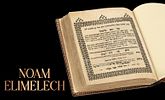
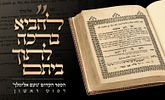
Noam Elimelech.First Edition.
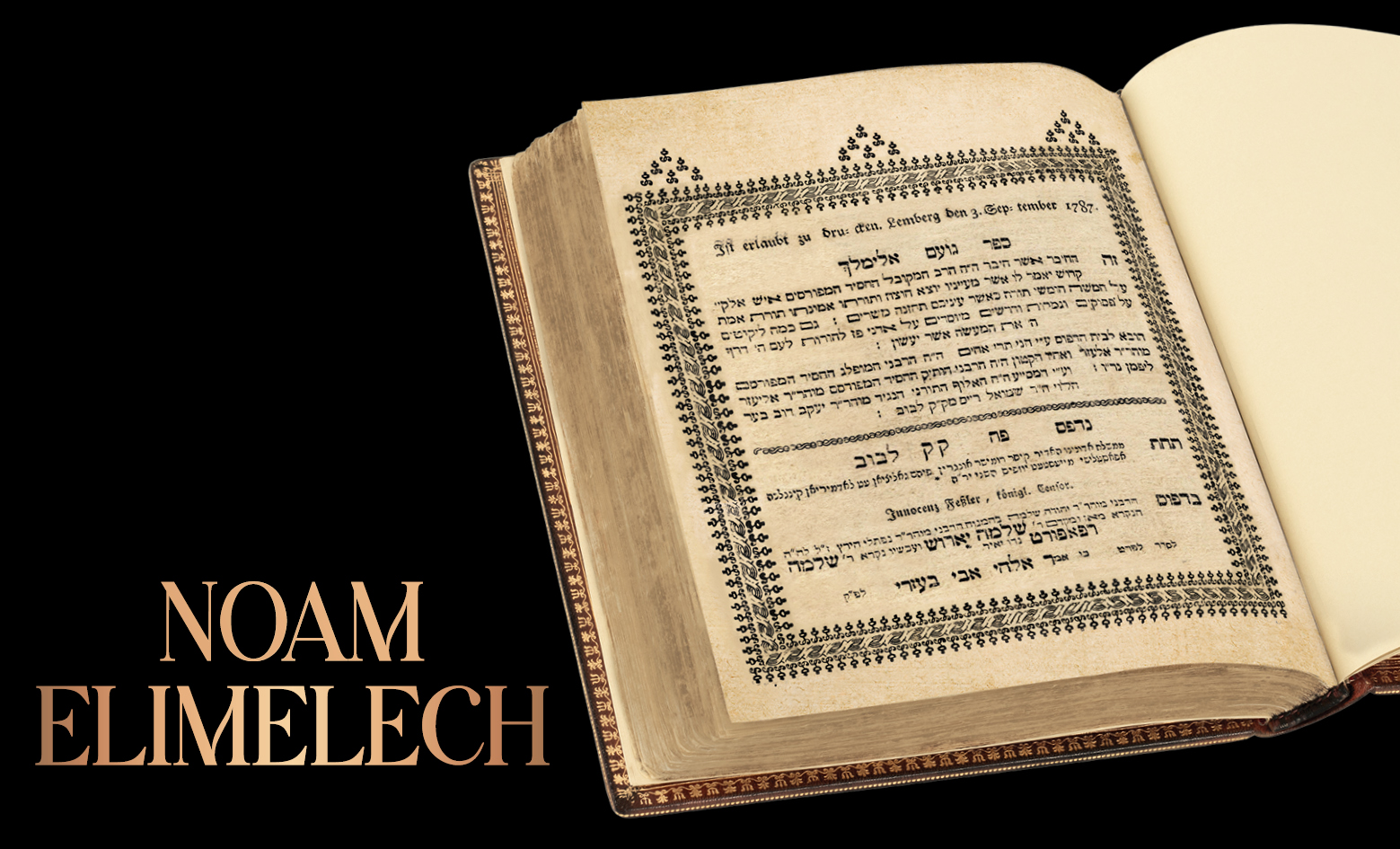
Lvov, 1788.
Noam Elimelech.
First Edition.
Lvov, 1788.
Chassidic commentary on the Chamisha Chumshei Torah by the holy Rabbi Elimelech of Lizhensk, together with Likkutei Shoshanah and Iggros Kodesh.
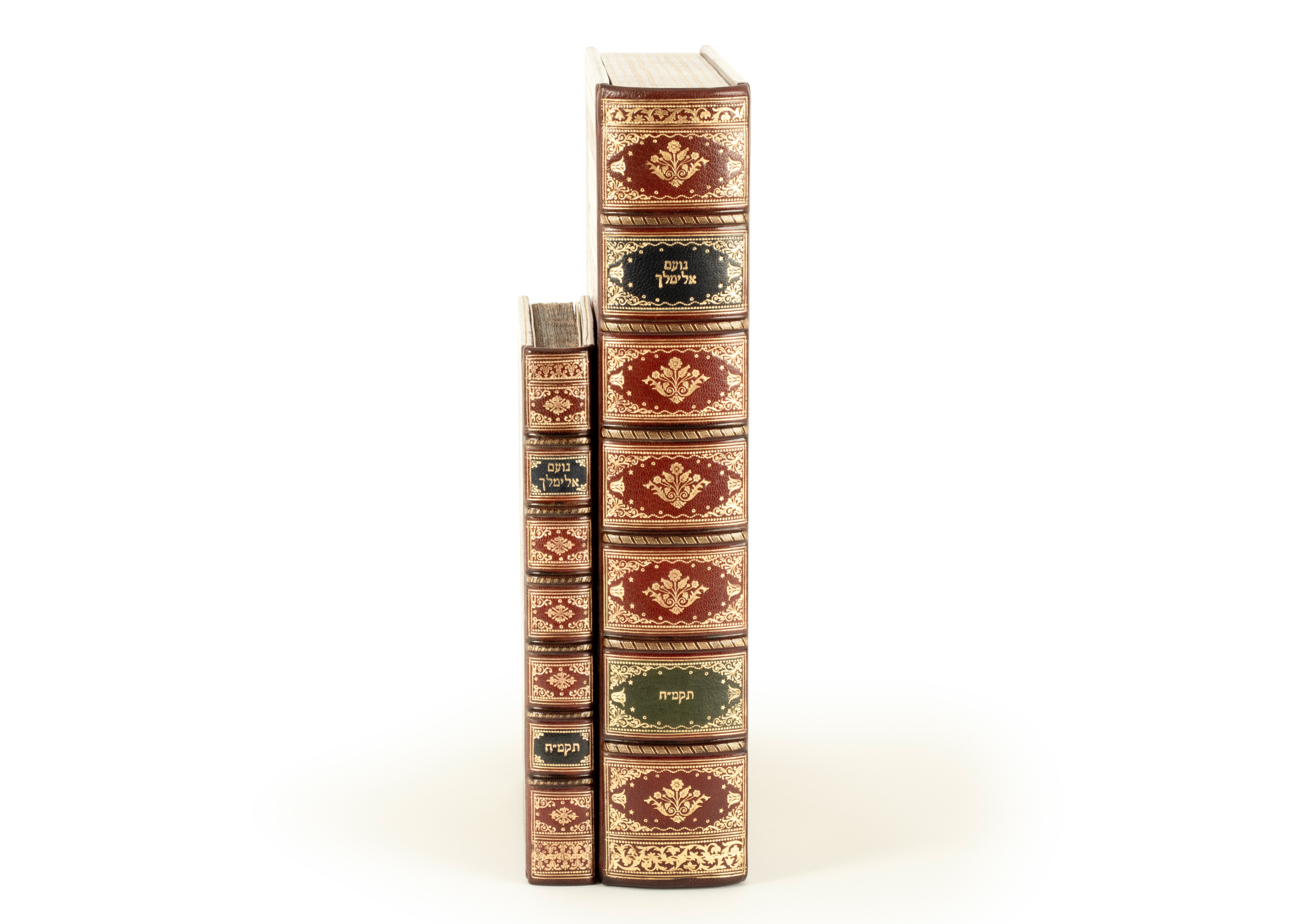
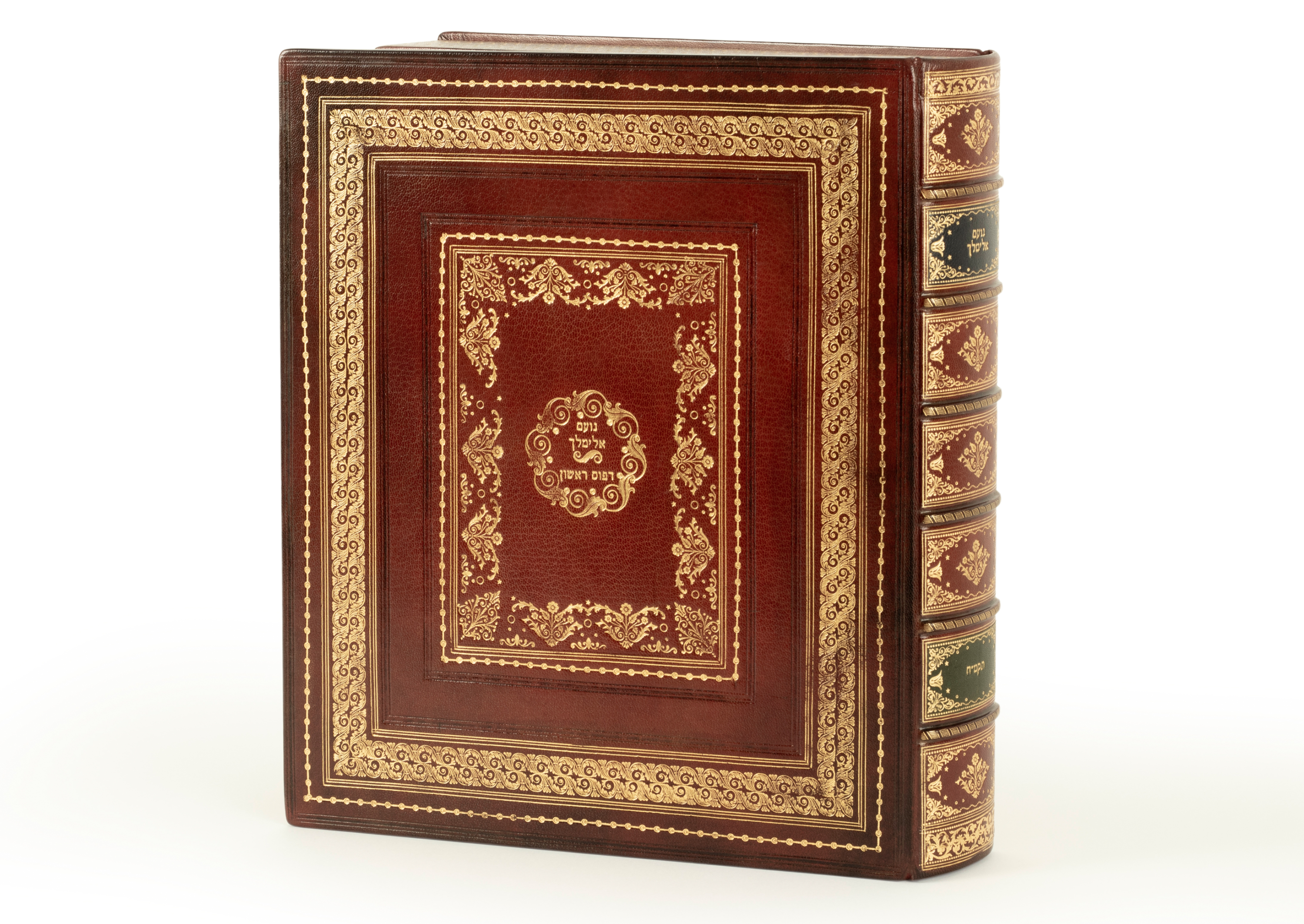
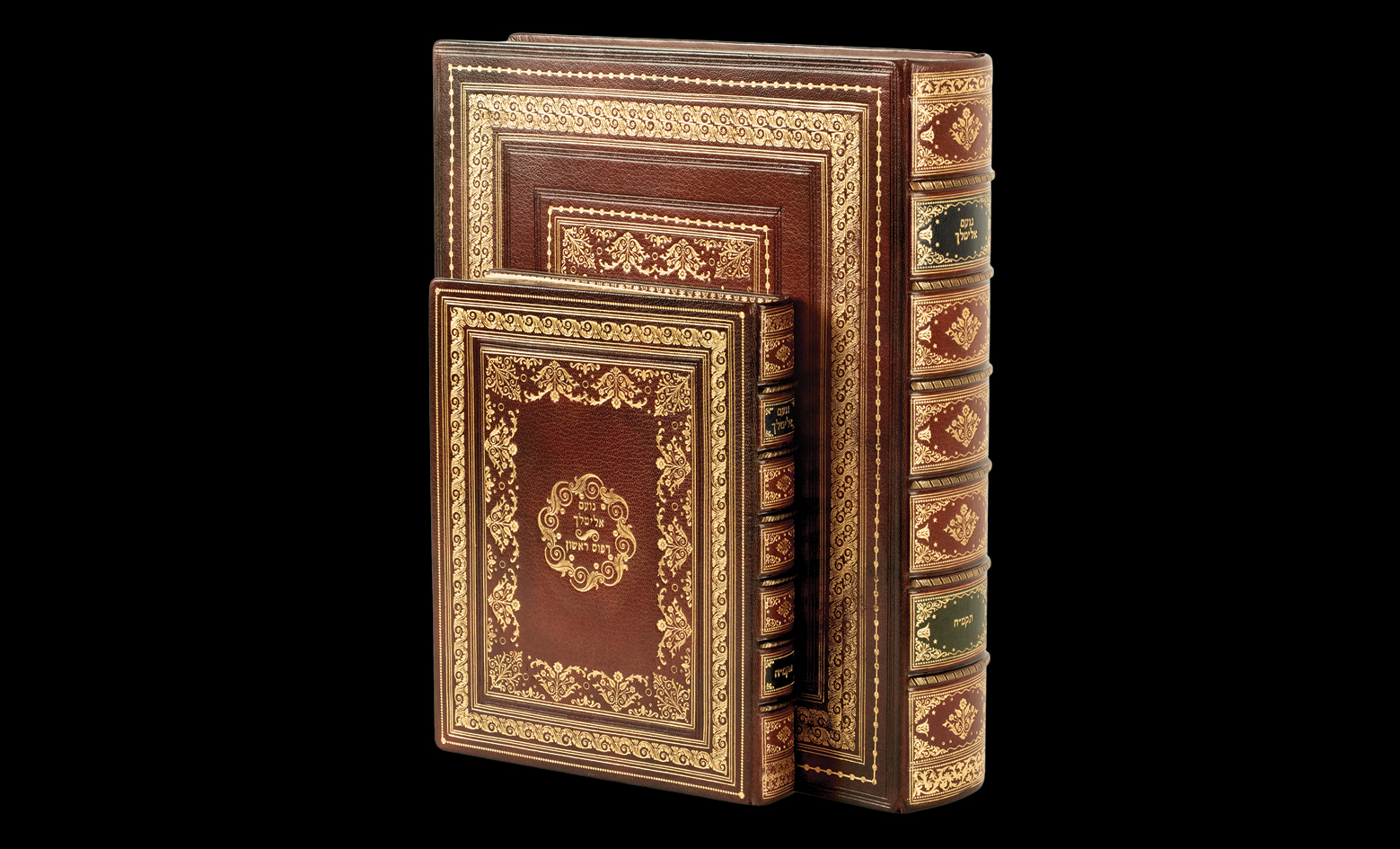
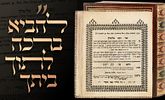
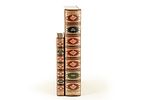
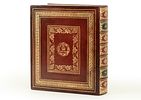
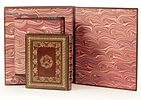
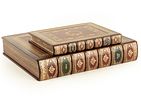
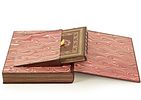
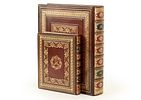
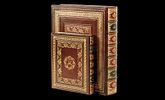
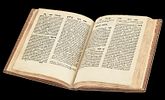
A perfectly complete copy in fine, well-preserved condition.
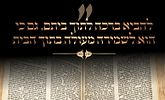
This first edition of the holy sefer Noam Elimelech was published by the author’s son, Rabbi Eliezer, two years after his father’s passing, in fulfillment of his father’s explicit final instruction. As he writes in his introduction: “I was instructed directly by his holy and pure mouth that after his passing, I should take care of publishing it, and he said:
‘There is no greater mitzvah than this…’”
‘There is no greater mitzvah than this…’”
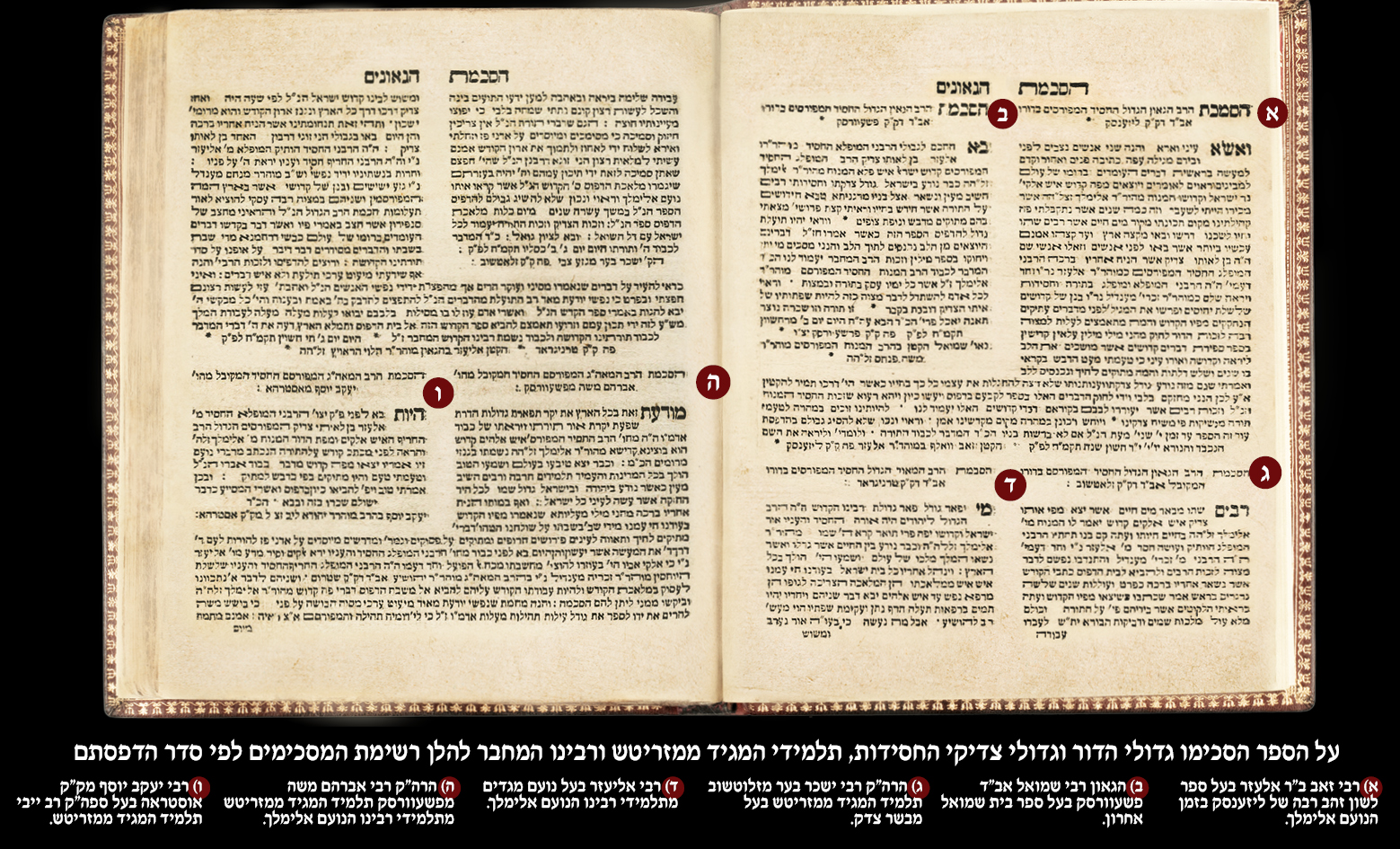
The first edition of Noam Elimelech is renowned for its special segulos (see below) and is the most sought-after Chassidic sefer among chassidim and collectors of Chassidic sefarim. Chassidic Rebbes and tzaddikim throughout the generations longed to add this holy sefer to their personal libraries, sparing no expense to achieve this goal and bring its blessing into their homes.
The Segulos of the Holy Sefer Noam Elimelech
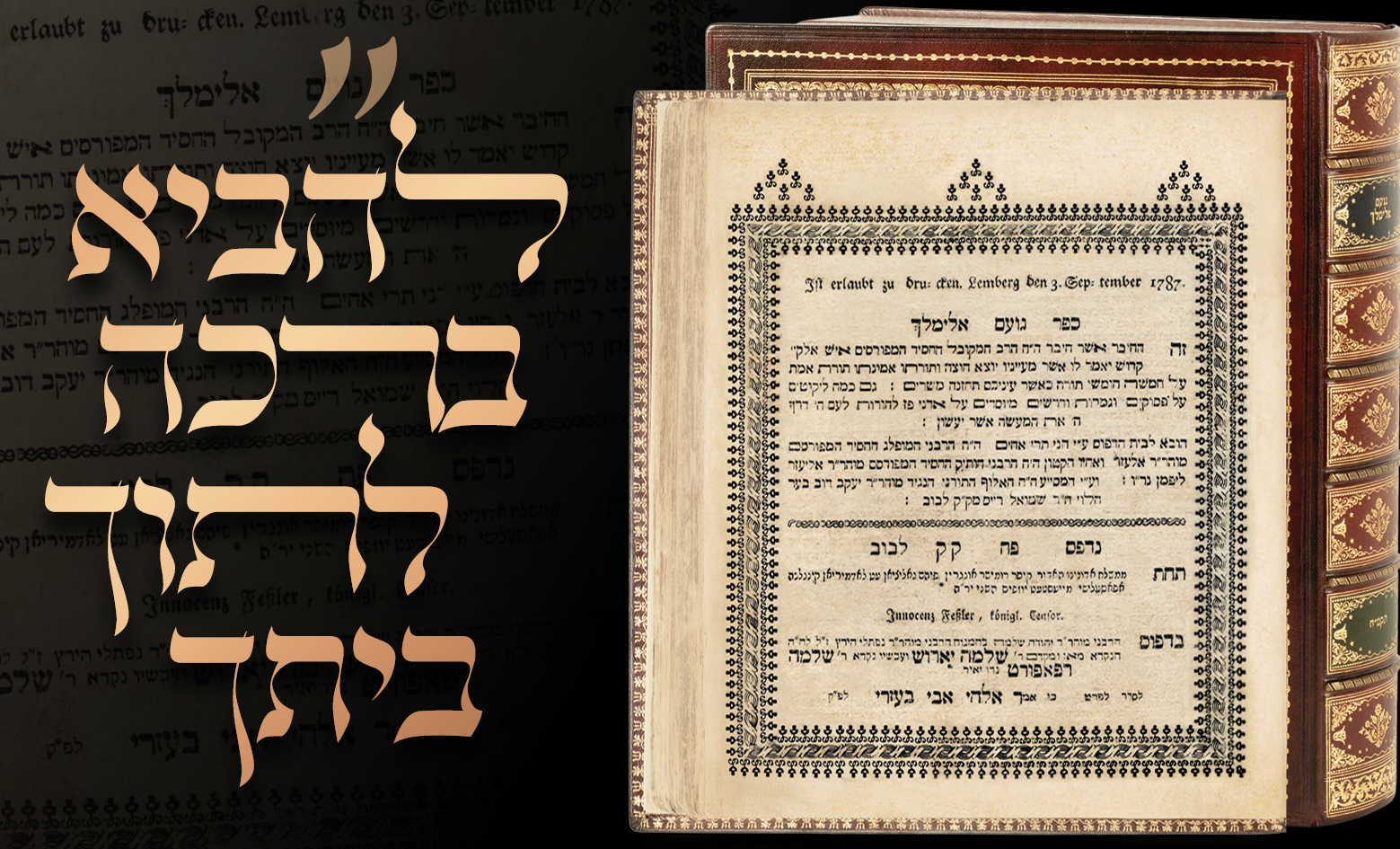
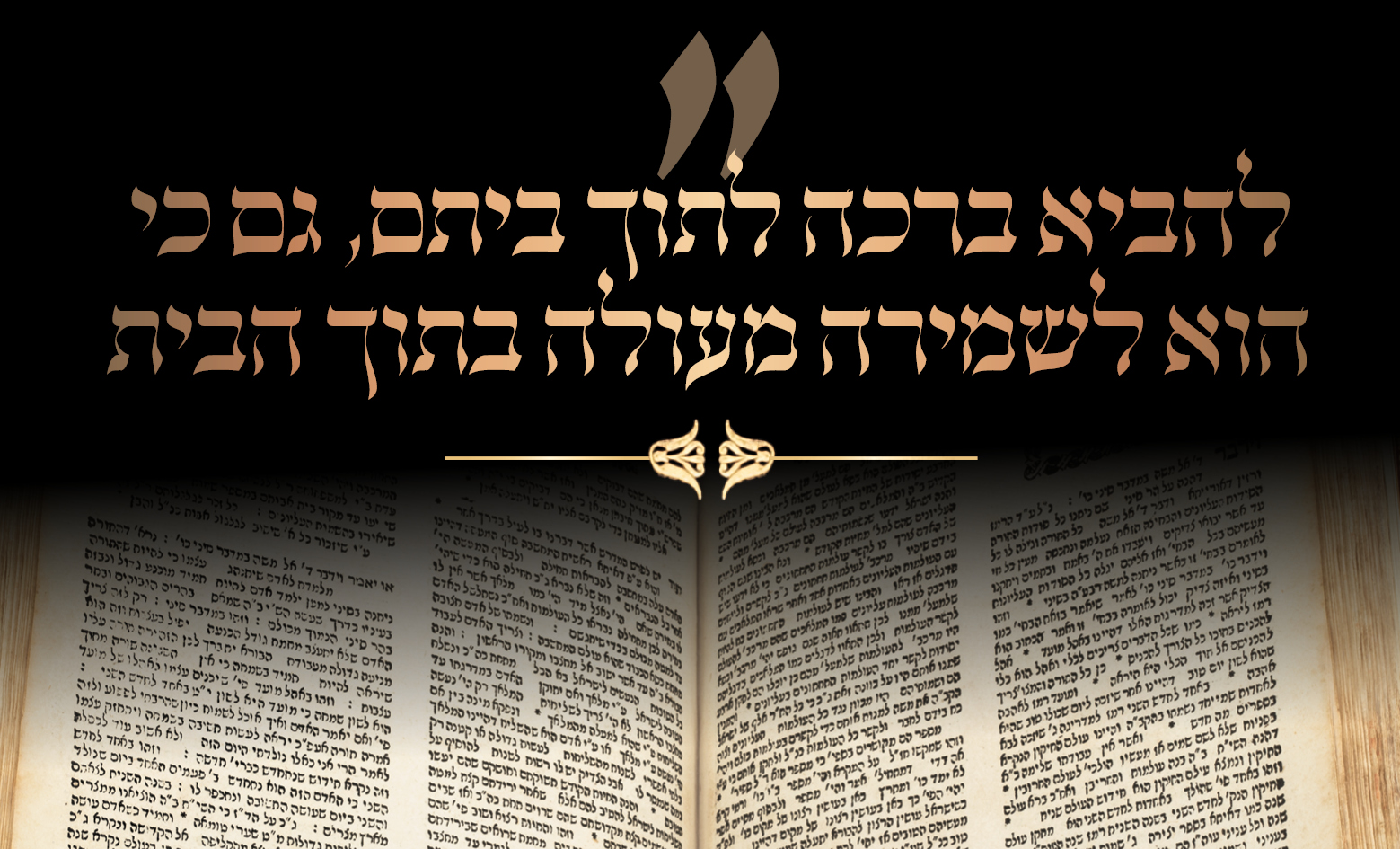
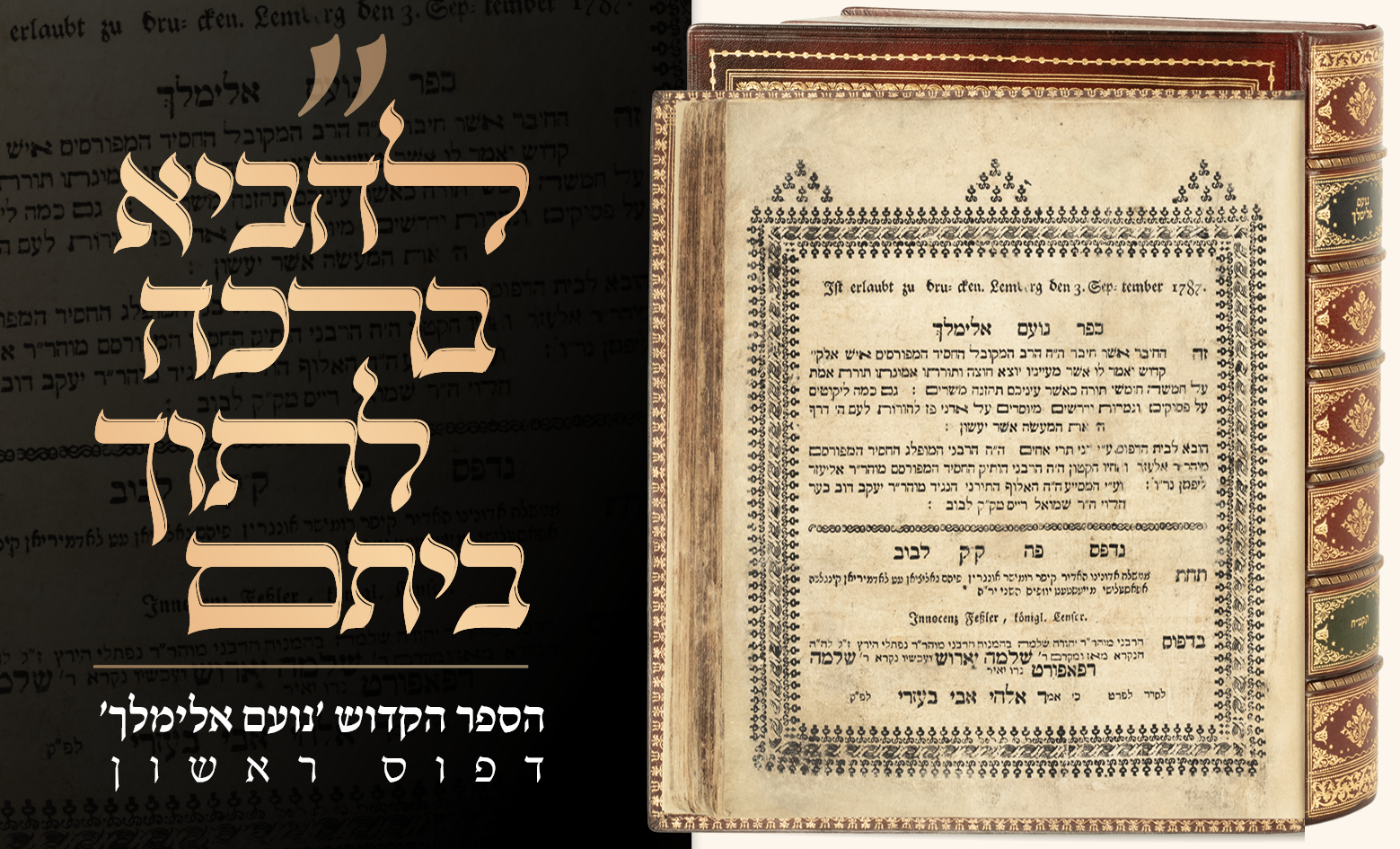
“It will bring blessing into their homes and it is also a powerful protection for the home.”
In the sefer Maor VaShemesh, at the beginning of Parshas Emor, the author writes: “The world was desolate until two great luminaries came to the world: the holy Baal Shem Tov and our master and teacher Rebbe Elimelech zt”l, and they opened a gate to Hashem for tzaddikim to enter through it.”
The Admor Rabbi Elimelech of Lizhensk is the most revered figure in Chassidus, second only to the Baal Shem Tov, and his magnum opus, Noam Elimelech, is the most beloved, learned and praised Chassidic sefer of all times.
The Printers
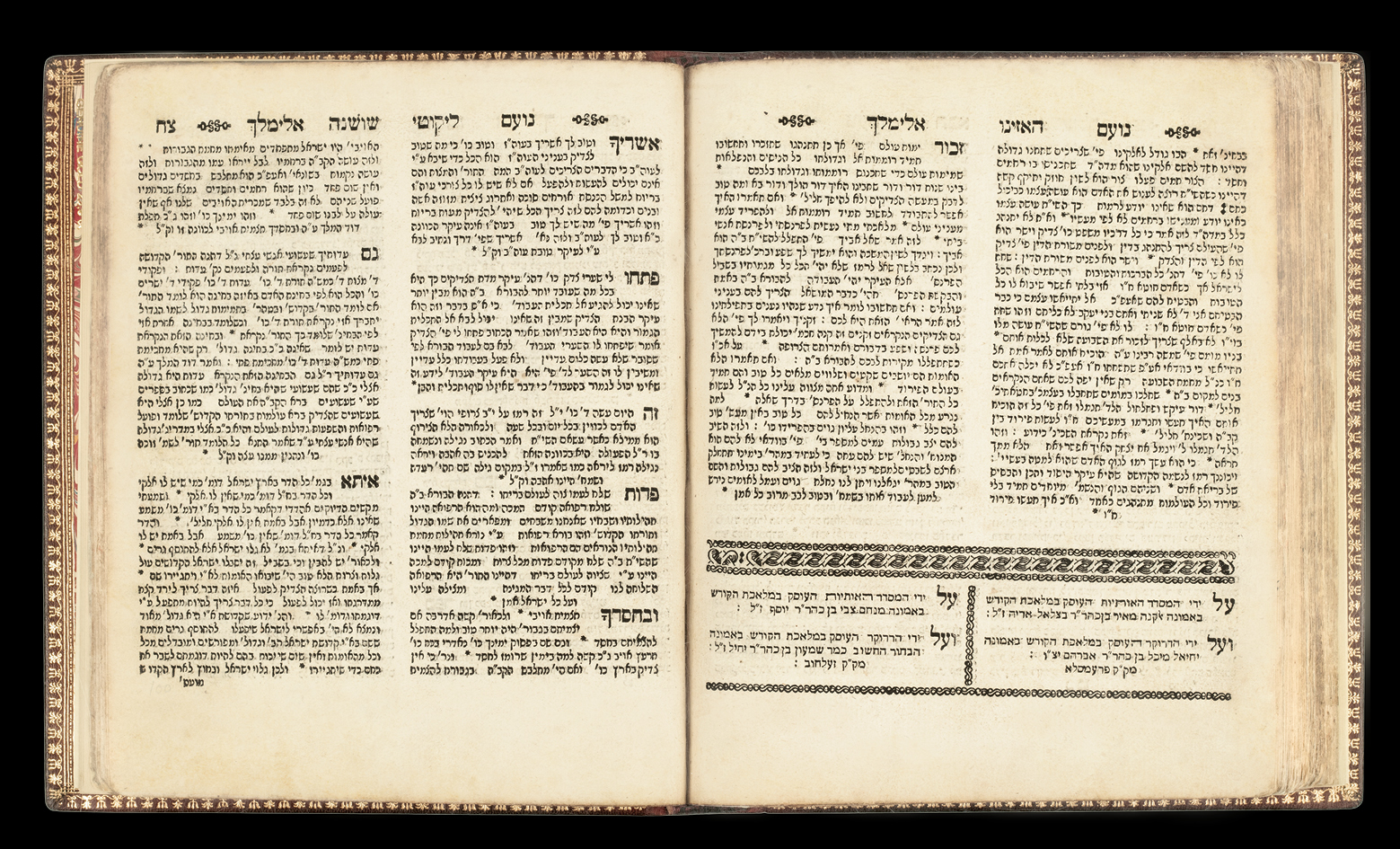
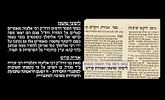
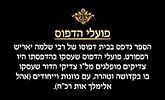
The sefer was printed at the printing press of Rabbi Shlomo Yarish Rappaport. According to Chassidic tradition, the craftsmen involved in its production were exceptional tzaddikim, counted among the thirty-six hidden tzaddikim of the generation, who carried out the printing with holiness and purity, accompanied by lofty kabbalistic intentions and yichudim (Ohel Elimelech, §228).
The Asterisks
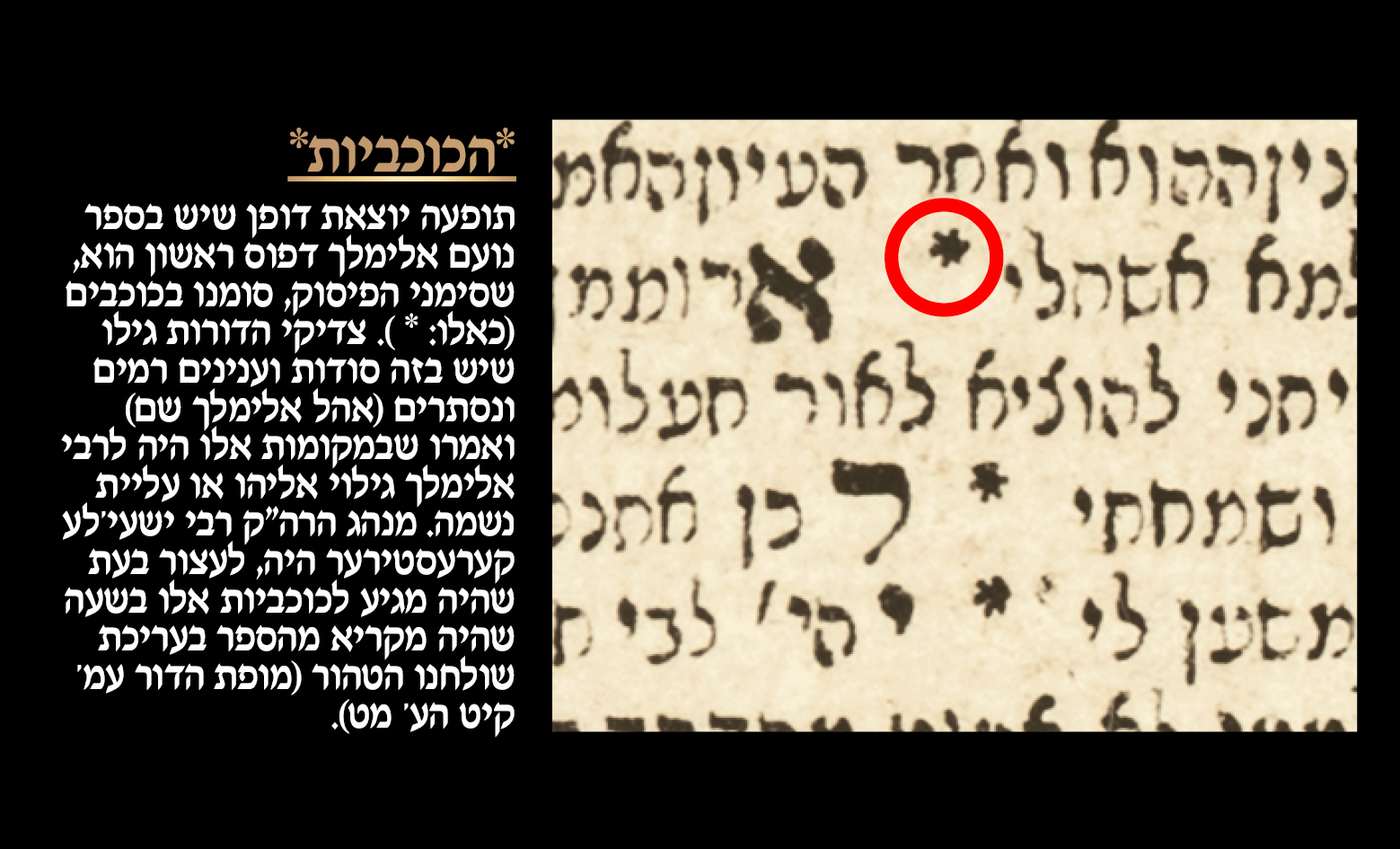
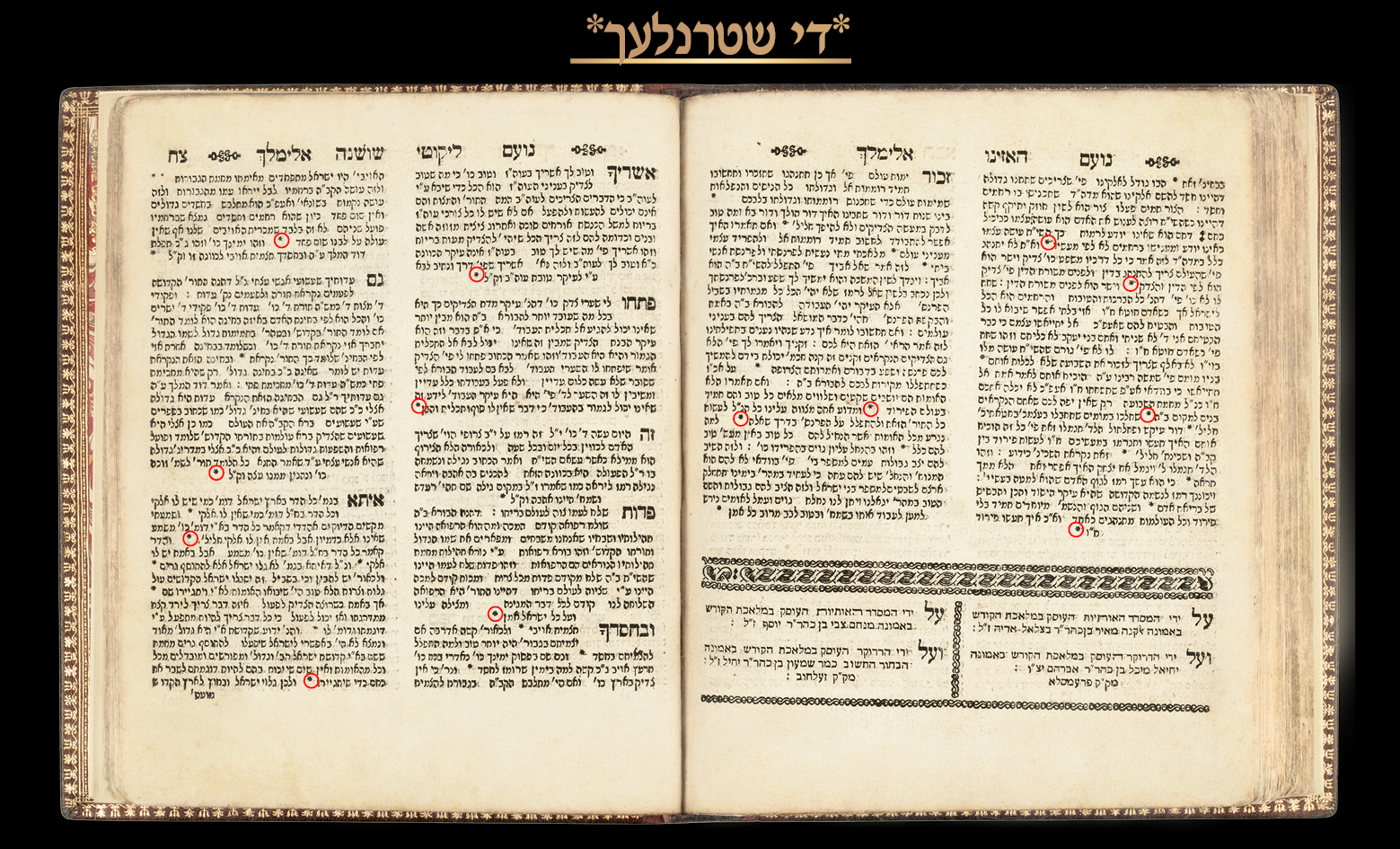
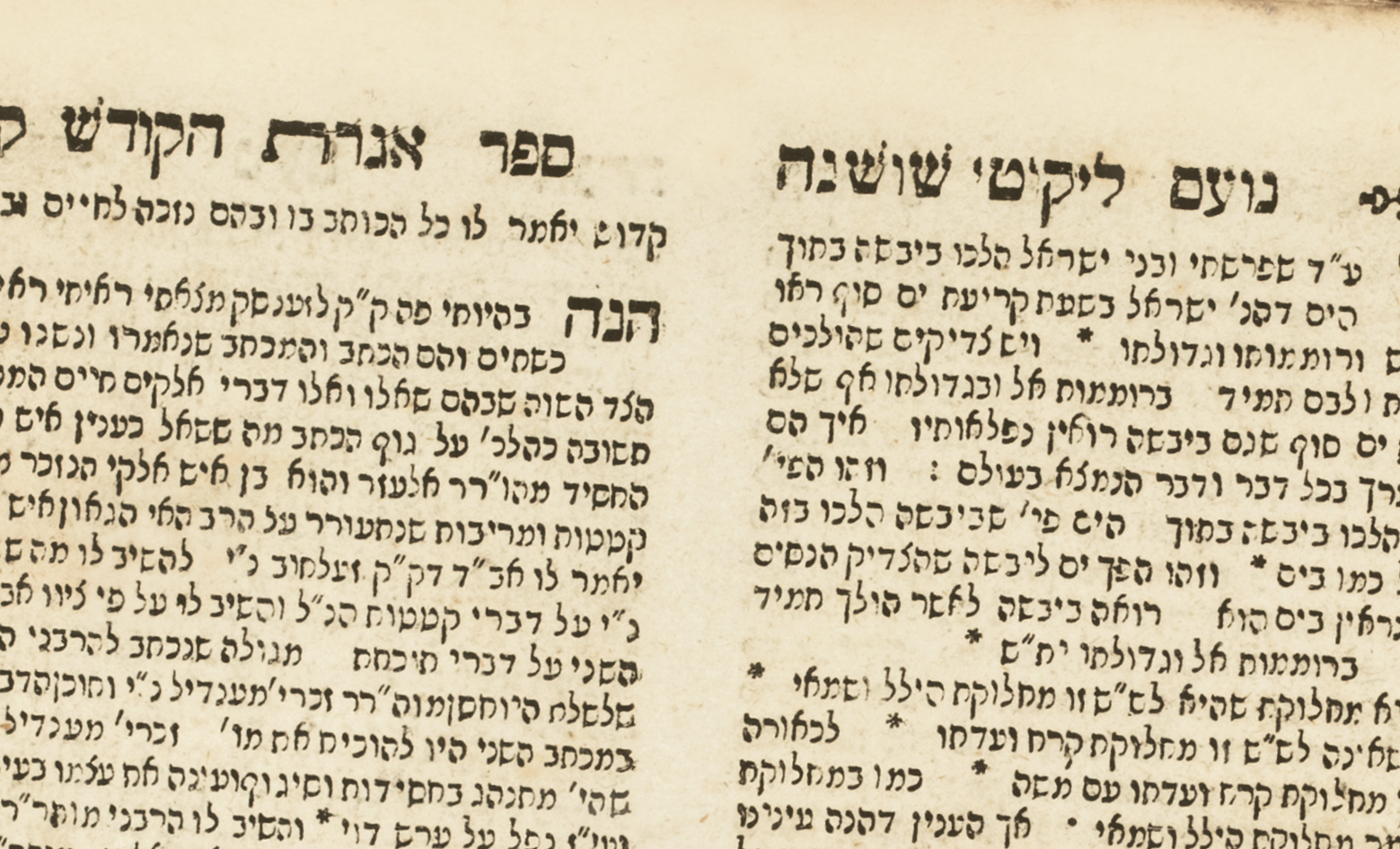
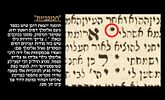
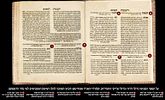
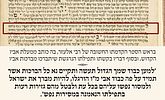
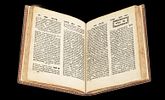
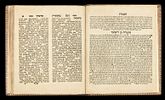
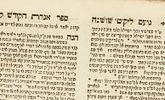
One of the most unique features of the first edition of Noam Elimelech is its unusual punctuation: instead of conventional punctuation marks, many pauses are indicated by asterisks (*). Later tzaddikim revealed that these seemingly simple symbols conceal profound mystical significance (Ohel Elimelech, ibid.), explaining that they mark places where Rabbi Elimelech experienced a revelation of Eliyahu HaNavi or an ascent of the soul. It was the custom of Rabbi Yeshaya’le of Kerestir to pause whenever he reached one of these asterisks while reading aloud from the sefer at his tish (Mofes HaDor, p. 119, note 49).
A Segulah for Protection
It is well known that merely keeping this sefer in one’s home is itself a segulah for protection and success, as the Admor Rabbi Shalom Eliezer Halberstam of Ratzfert, son of the famous Admor Rabbi Chaim of Sanz, wrote in his approbation to a later edition of Noam Elimelech (Munkacs, 1940): “It will bring blessing into their homes, and it is also a powerful protection for the home.”
The Rayatz of Lubavitch wrote regarding printing a new edition of Noam Elimelech: “It is definitely a great endeavor, and with the help of Hashem, there will surely be many buyers,
as it is a safeguard for their success” (Iggros Kodesh Vol. 5 Letter #367).
There were tzaddikim who would never set out on a journey without taking the holy sefer Noam Elimelech with them, either tucked under their arm or placed inside their tallis and tefillin bag (see Noam Elimelech – Gilyonei Mahar"i, p. 8).
A Segulah for Easy Childbirth
It is a proven and tested segulah, well-known among chassidim in the name of tzaddikim of past generations, to place the sefer next to a woman having difficulty in childbirth. This was the practice of the Avnei Nezer when his daughter-in-law, the wife of the Shem MiShmuel, had difficulty during childbirth (Ohel Elimelech, Przemysl 1910, section 289, Derech Tzaddikim, Piotrkow 1912, chapter 7 section 58, Shulchan Melachim, Beregsasz 1931 leaf 38b note 7).
A Segulah for Protection of an Infant
“Some had the custom to place the sefer under the infant’s head on the night before the bris” (Shu"t Be’er Moshe by the Gaon Rabbi Moshe Stern, Chief Rabbi of Debrecen, Part 3 Chapter 177).
A Segulah for Parnassah
“It is known that before his passing, Rabbi Elimelech said that one who learns the Noam Elimelech shall merit parnassah, and one who learns it on Shabbos shall merit a neshamah yeseirah” (Ma’adanei Melech).
A Segulah for Health
The Satmar Rebbe gave a first edition of the holy sefer Noam Elimelech to a patient undergoing surgery as a source of protection (Bneh Beischa, New York, 1993, p. 394, note 42).
The Admor Rabbi Itzik’l of Pshevorsk instructed a chassid to place a kvittel in the sefer Noam Elimelech, Parshas Beshalach p. 39b upon the verse, “All the plague that I placed in Egypt, I shall not place upon you” (Rabbi Chuna Halperin, Yaffeh Sichasan #141).
The sefer Ma’adanei Melech recounts: “It was customary among Chassidim that anyone who was sick would place the sefer Noam Elimelech beneath his head, for his merit is great, and many noble Chassidim and tzaddikim would inscribe a note with their request and place it together with a pidyon between the pages of this sacred sefer.”
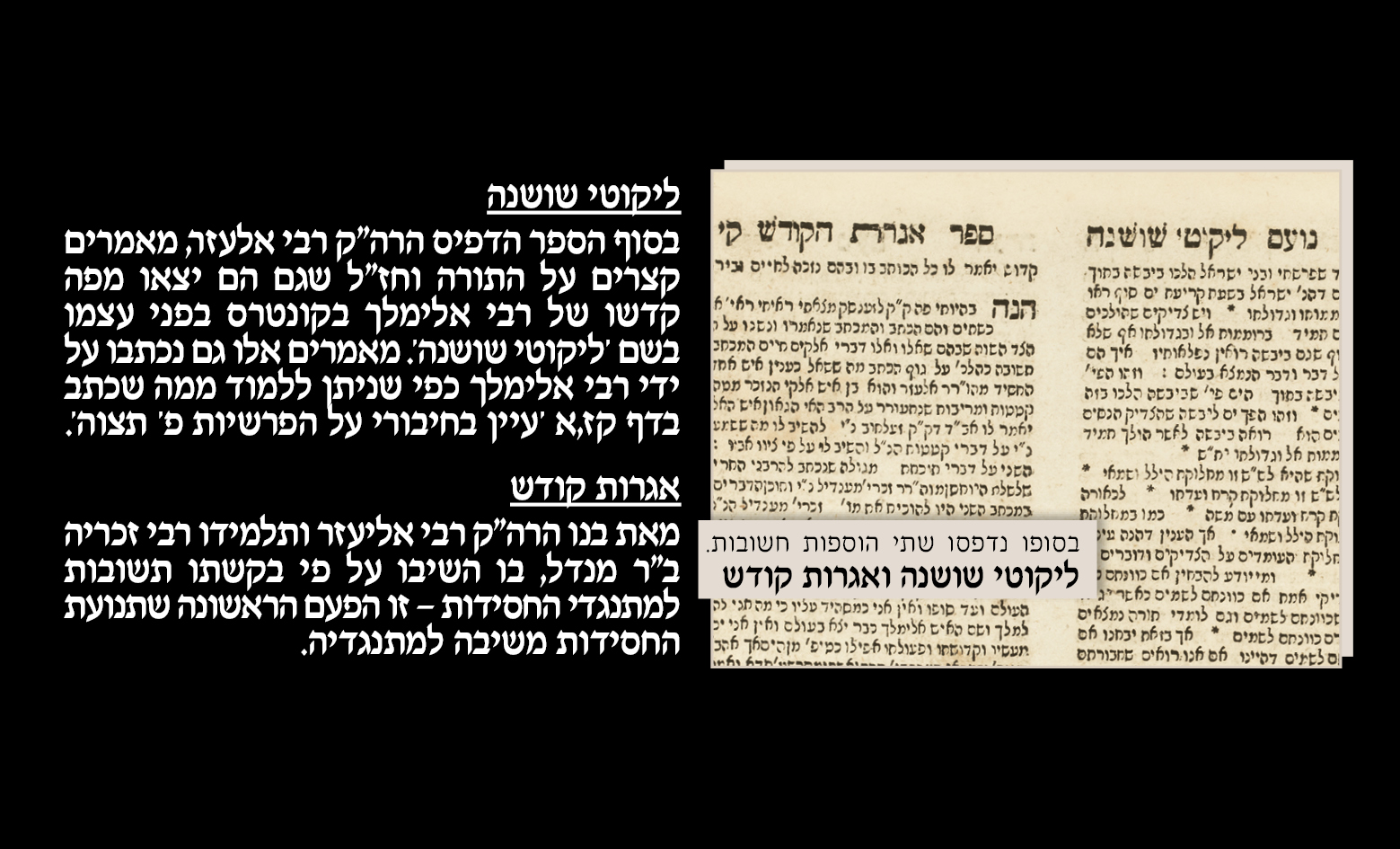
Likkutei Shoshanah and Iggros Kodesh
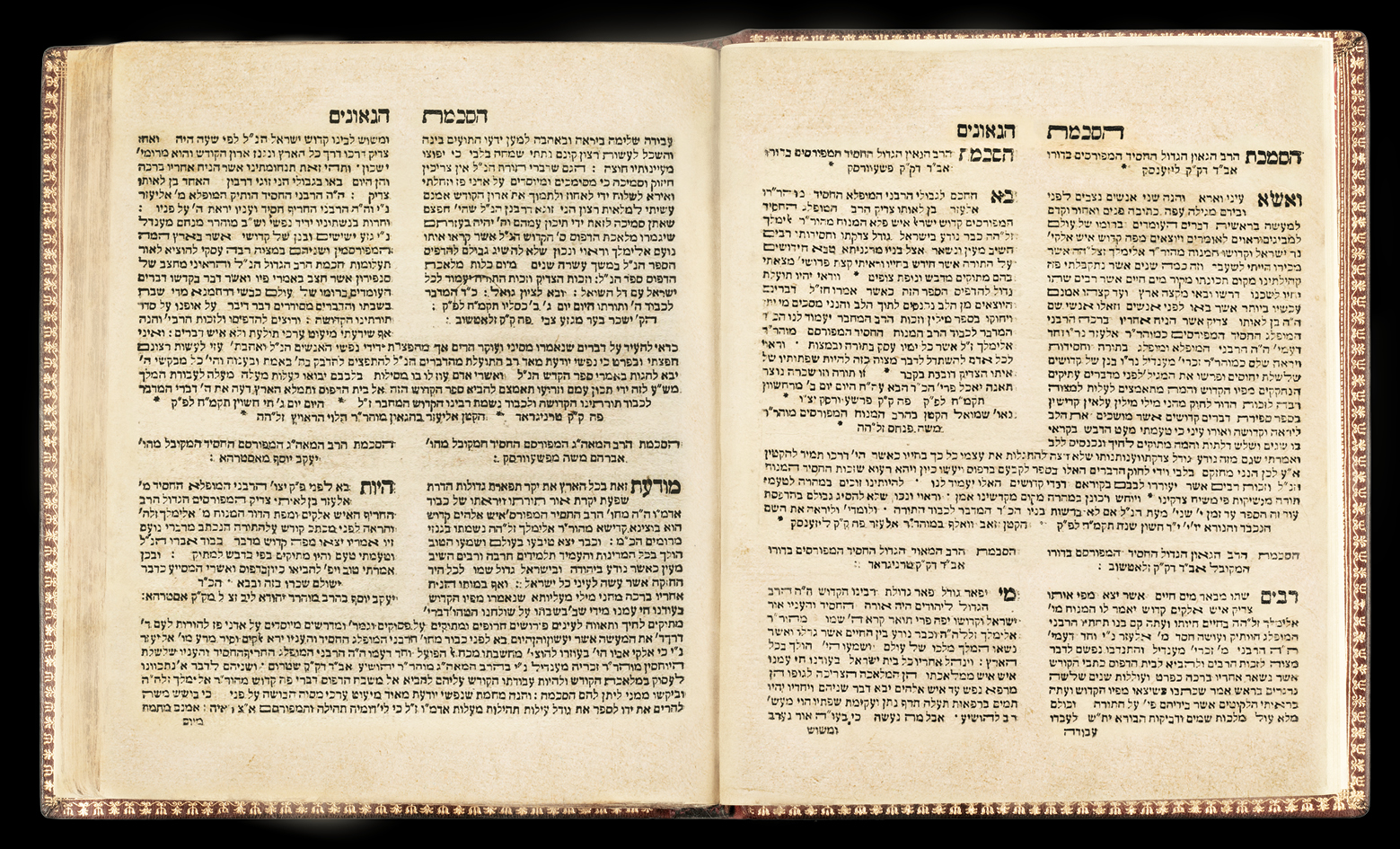
Two important additions appear at the end of this first edition.
1. Likkutei Shoshanah
At the end of the sefer, Rabbi Elazar of Lizhensk printed a collection of brief teachings on the Torah and the words of Chazal, which had likewise been authored by his father, Rabbi Elimelech, as a separate kuntres entitled Likkutei Shoshanah. That these teachings were written by Rabbi Elimelech himself is evident from his own reference on leaf 107a: “See my commentary on the parshiyos, Parshas Tetzaveh.”
That same year, Rabbi Elazar republished Likkutei Shoshanah in Lvov together with Osiyos d’Rabbi Akiva, explaining that he did so because his holy father displayed mesirus nefesh for the sanctification of Hashem’s Name comparable to that of Rabbi Akiva.
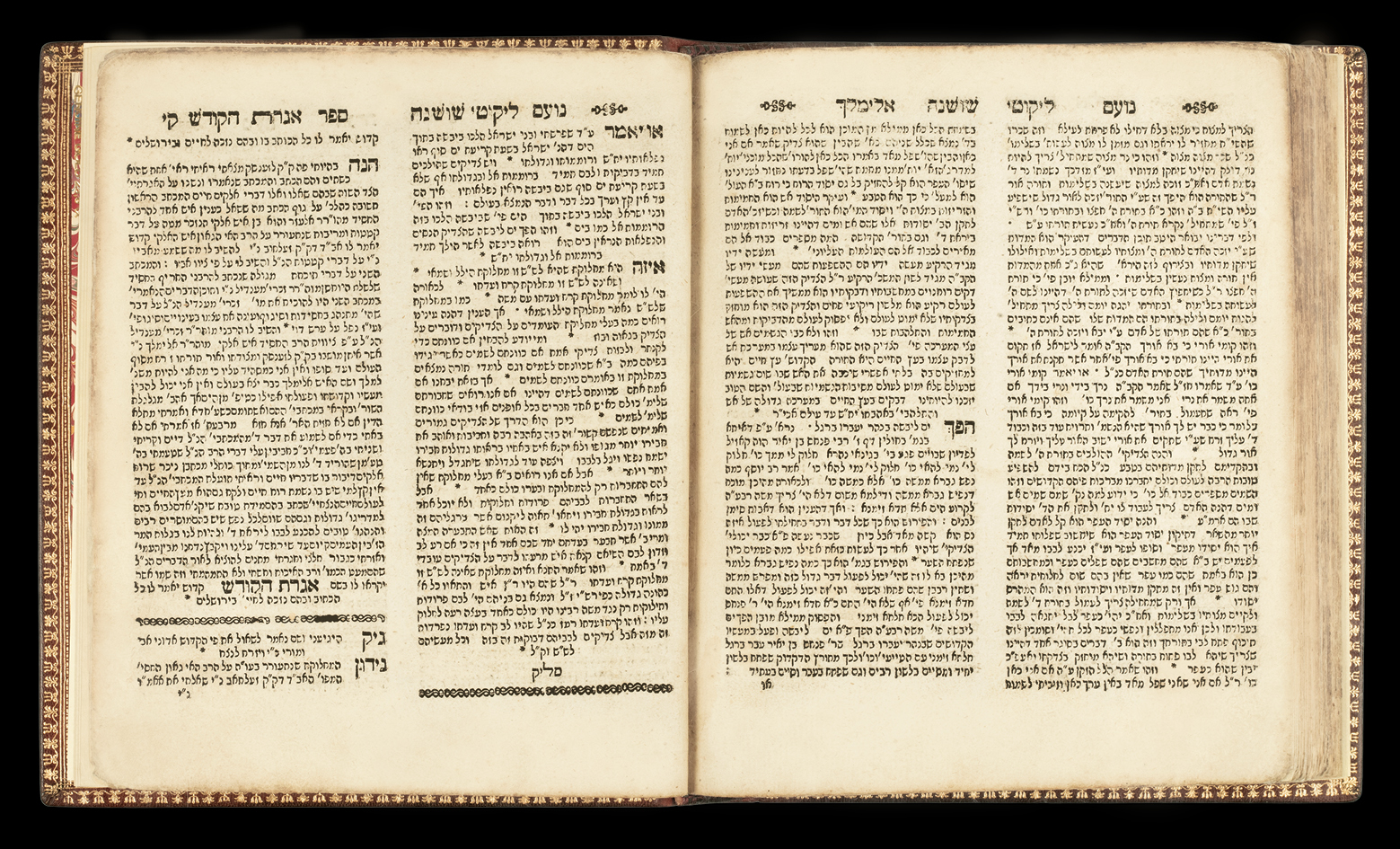
2. Iggros Kodesh
Also included is Iggros Kodesh, written by Rabbi Elimelech’s son, Rabbi Elazar, together with his disciple Rabbi Zechariah ben Rabbi Mendel. At the request of their teacher, they present responses to the opponents of Chassidus — marking the first published defense by the Chassidic movement against its critics.
The Introduction by Rabbi Elazar of Lizhensk
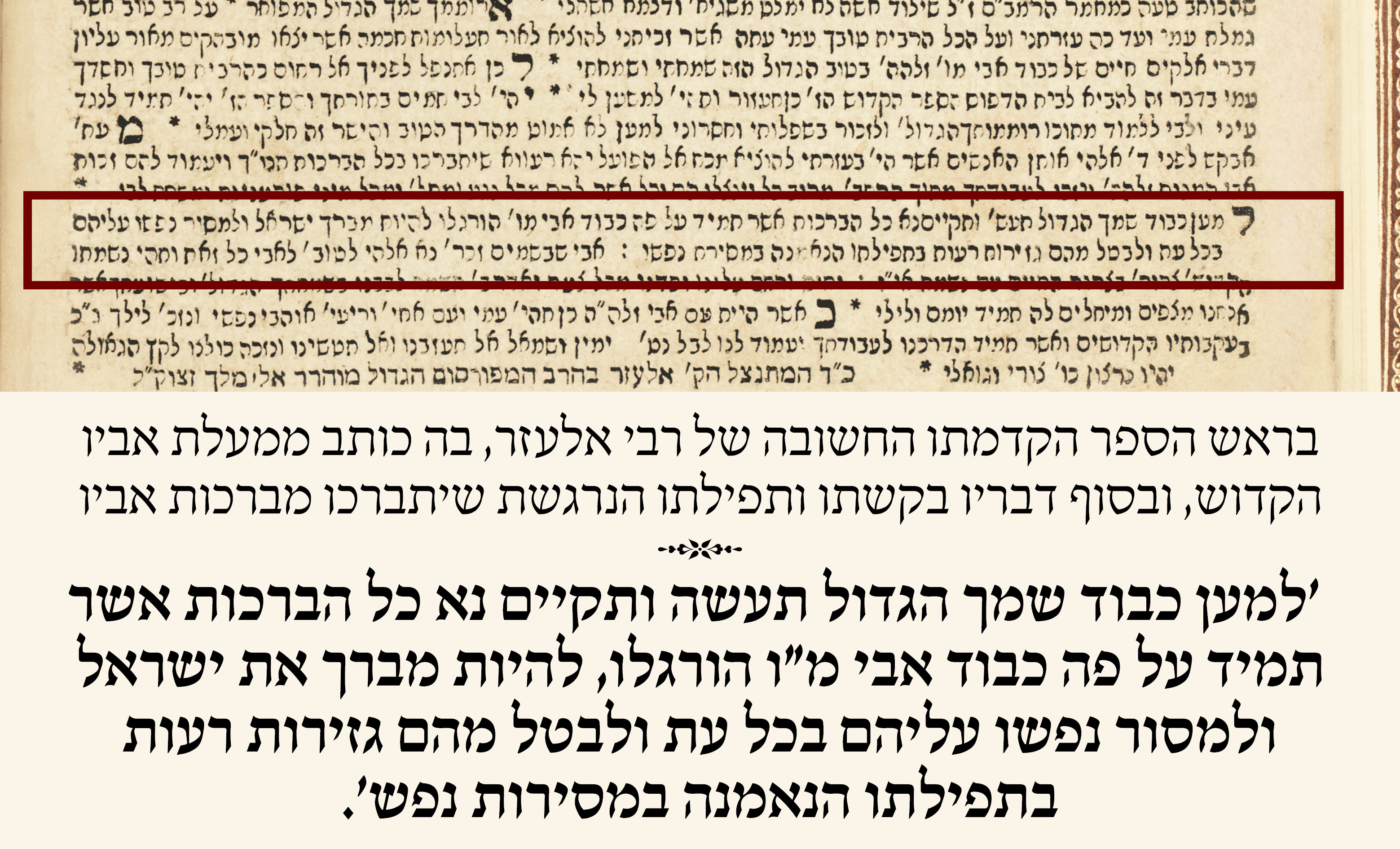
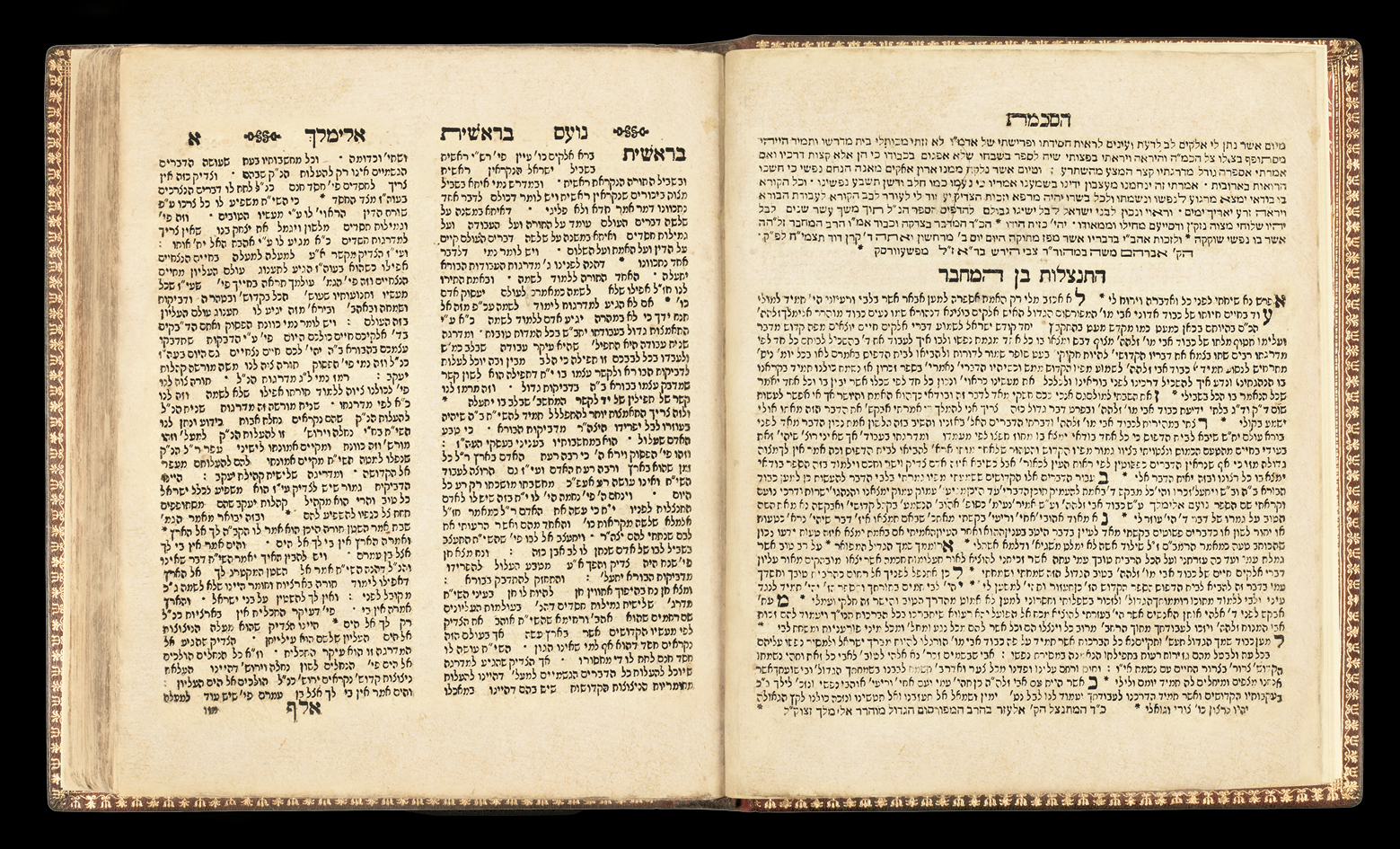
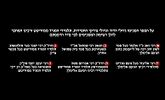
At the beginning of the sefer is the important introduction written by Rabbi Elazar, in which he describes the greatness of his saintly father. He concludes with the prayer:
“For the sake of Your great Name, fulfill all the blessings that were regularly upon the lips of my revered father, who was accustomed to bless the people of Klal Yisrael and to devote himself on their behalf at all times, annulling harsh decrees through his faithful prayers with utmost devotion.”
Rabbi Tzvi Meir of Radomsk related that his father, Rabbi Shlomo HaKohen Rabinowicz of Radomsk, author of Tiferes Shlomo, said that the above passage in the introduction is as dear to him as the sefer Noam Elimelech itself. He criticized later printers for omitting it from subsequent editions (Shaar HaGilgulim, Przemyśl, 1875, leaf 45a).
Lvov, 1788. First edition.
Printed by Rabbi Shlomo Yarish Rappaport (see above).
Size: 22 cm.
Page Count: [2], 112 leaves.
Condition: A complete, fine copy on thick, high-quality paper. Minor restoration to the margins of several leaves. Generally light usage stains.
Page Count: [2], 112 leaves.
Condition: A complete, fine copy on thick, high-quality paper. Minor restoration to the margins of several leaves. Generally light usage stains.
