



To attend this auction live or leave absentee bids
Lot : 49
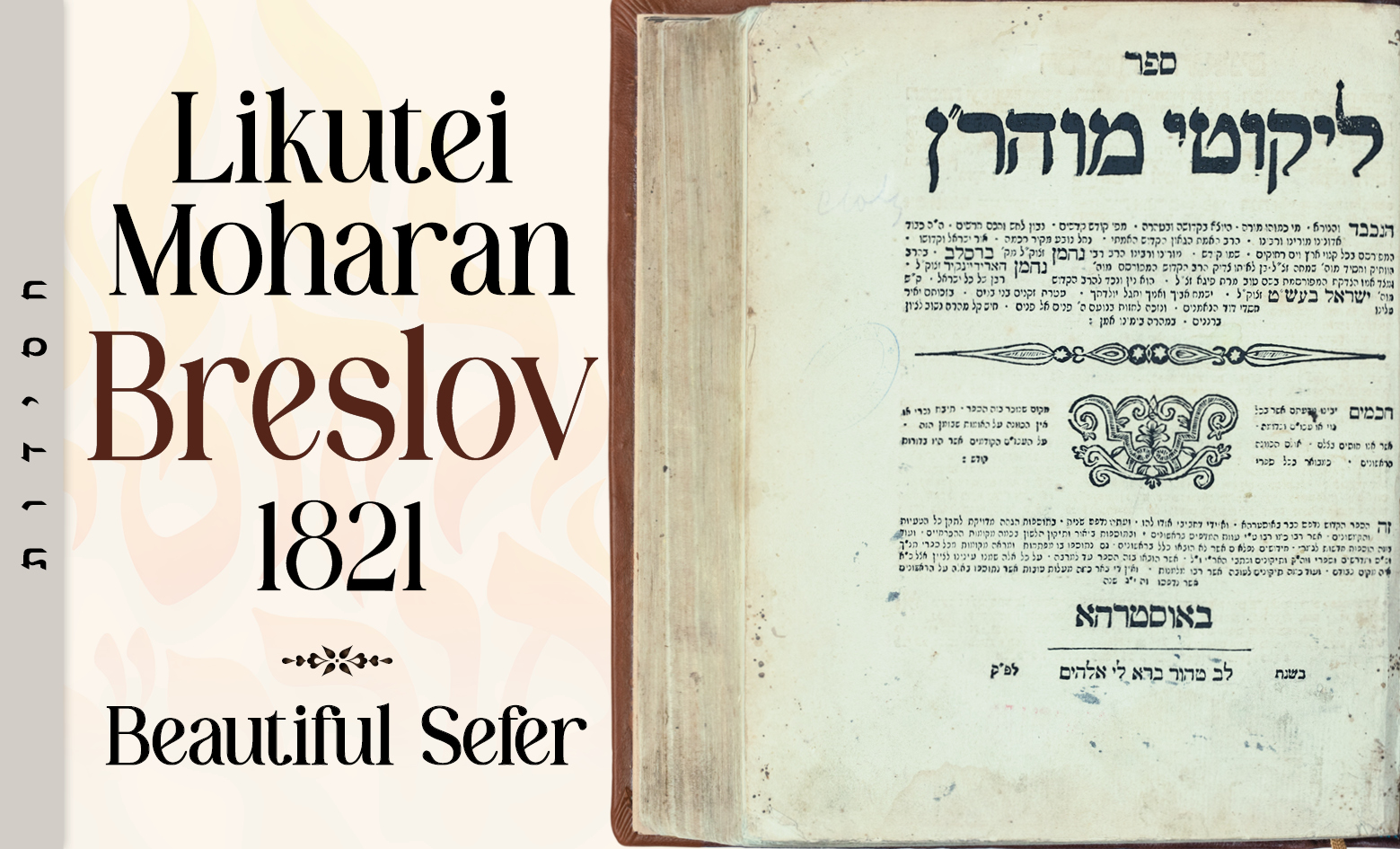
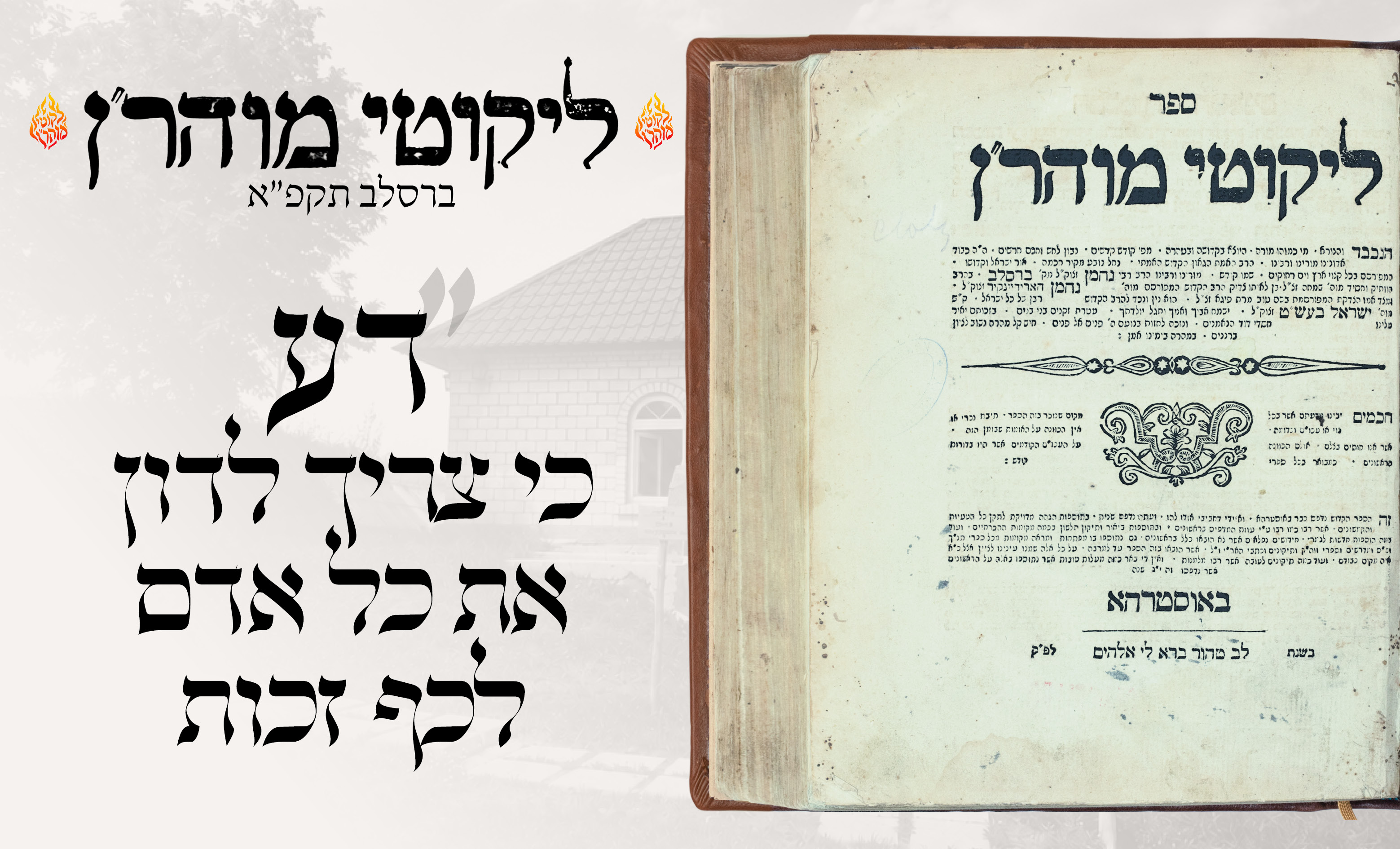
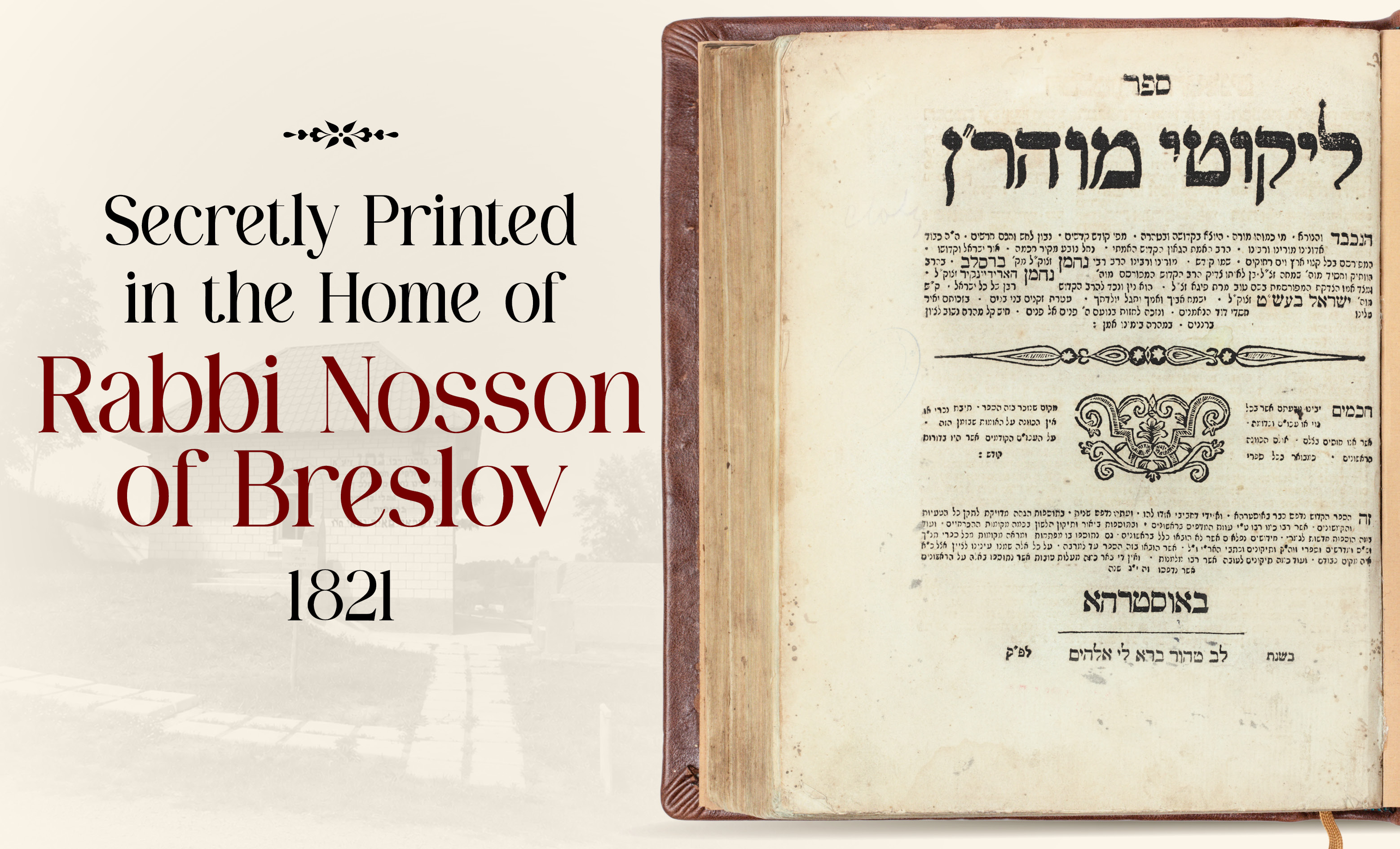
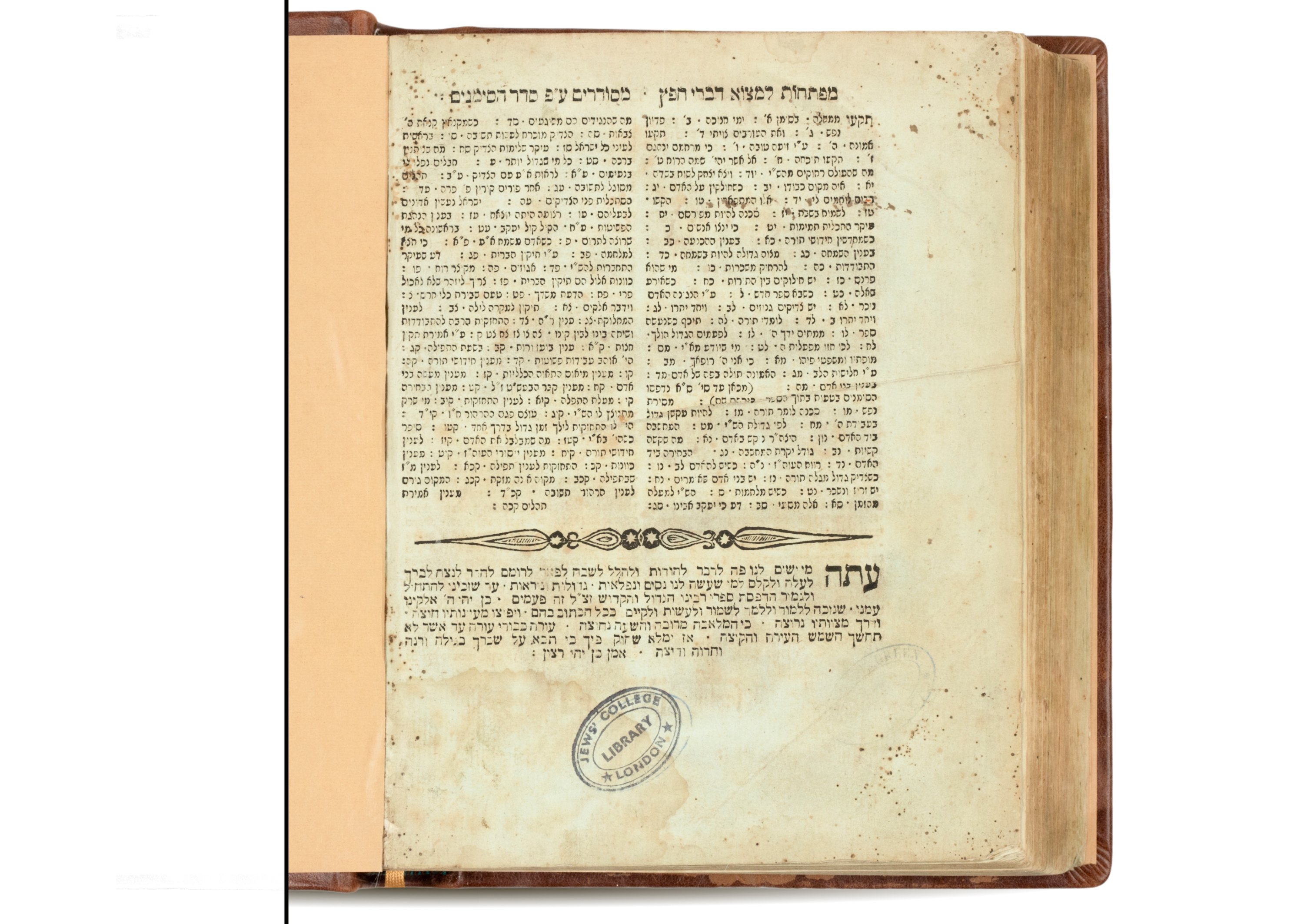
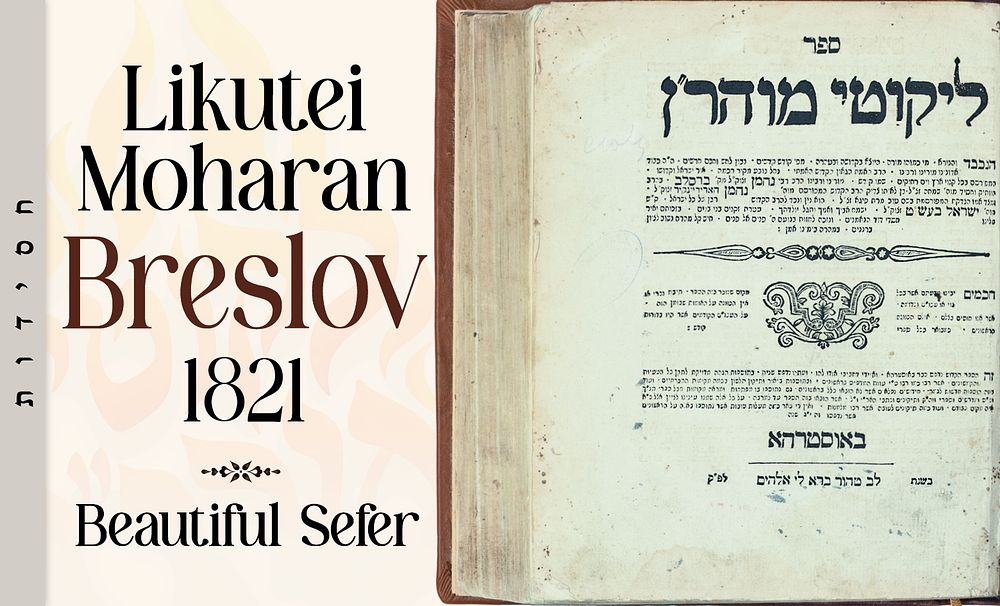
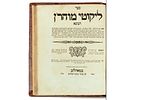
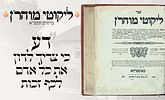
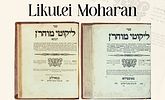
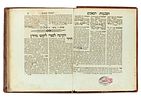
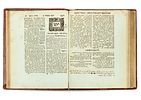
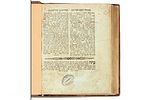
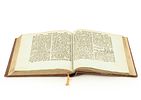
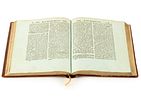
Likutei Moharan: Published in the Home of Rabbi Nosson of Breslov. Magnificent, Wide-Margined Copy.Breslov, 1821
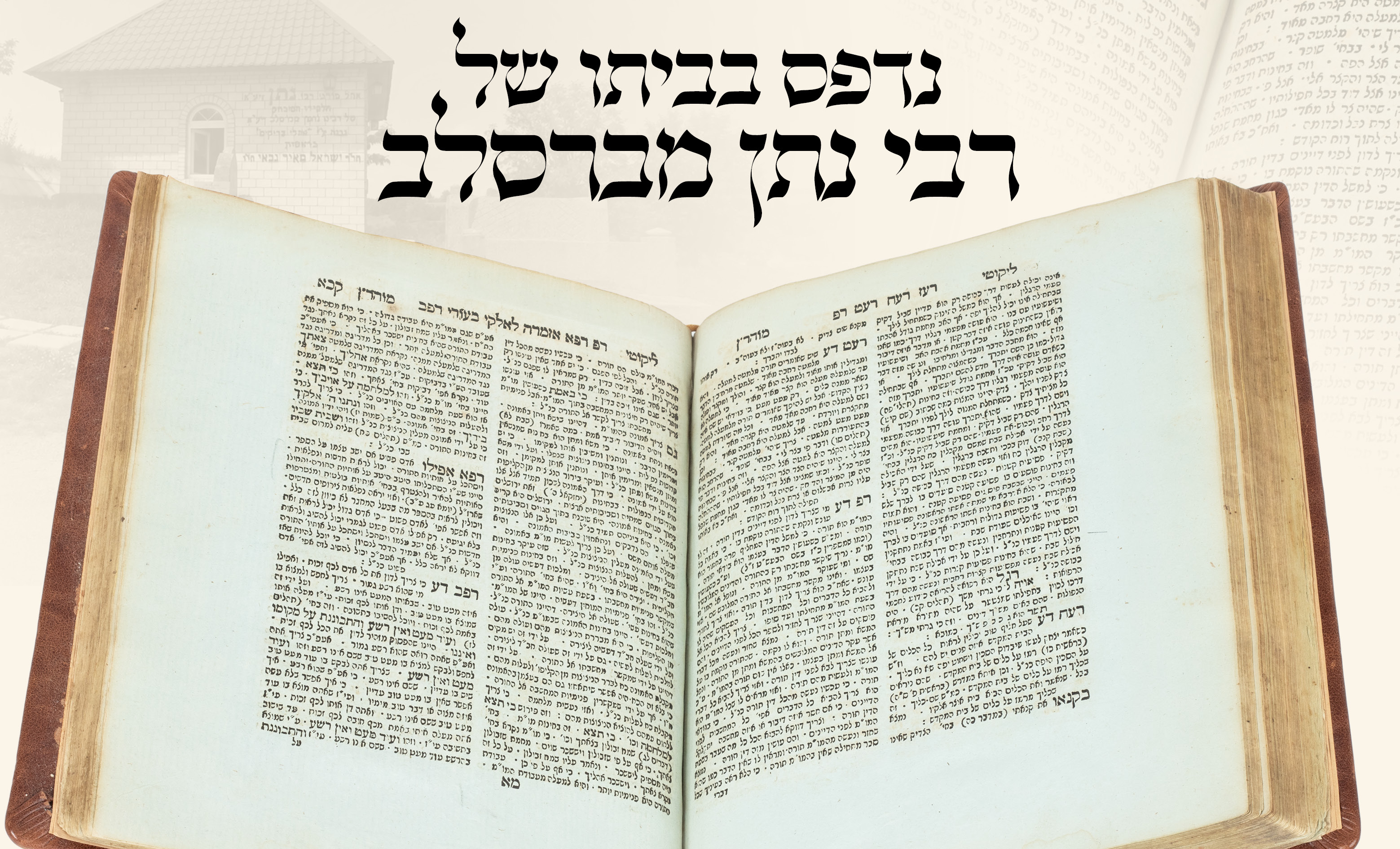
Likutei Moharan: Published in the Home of Rabbi Nosson of Breslov.
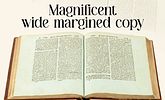
Magnificent, Wide-Margined Copy.
Breslov, 1821
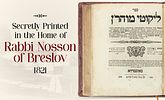
This edition, printed with mesirus nefesh by Rabbi Nosson of Breslov in a printing press he established in his own home,
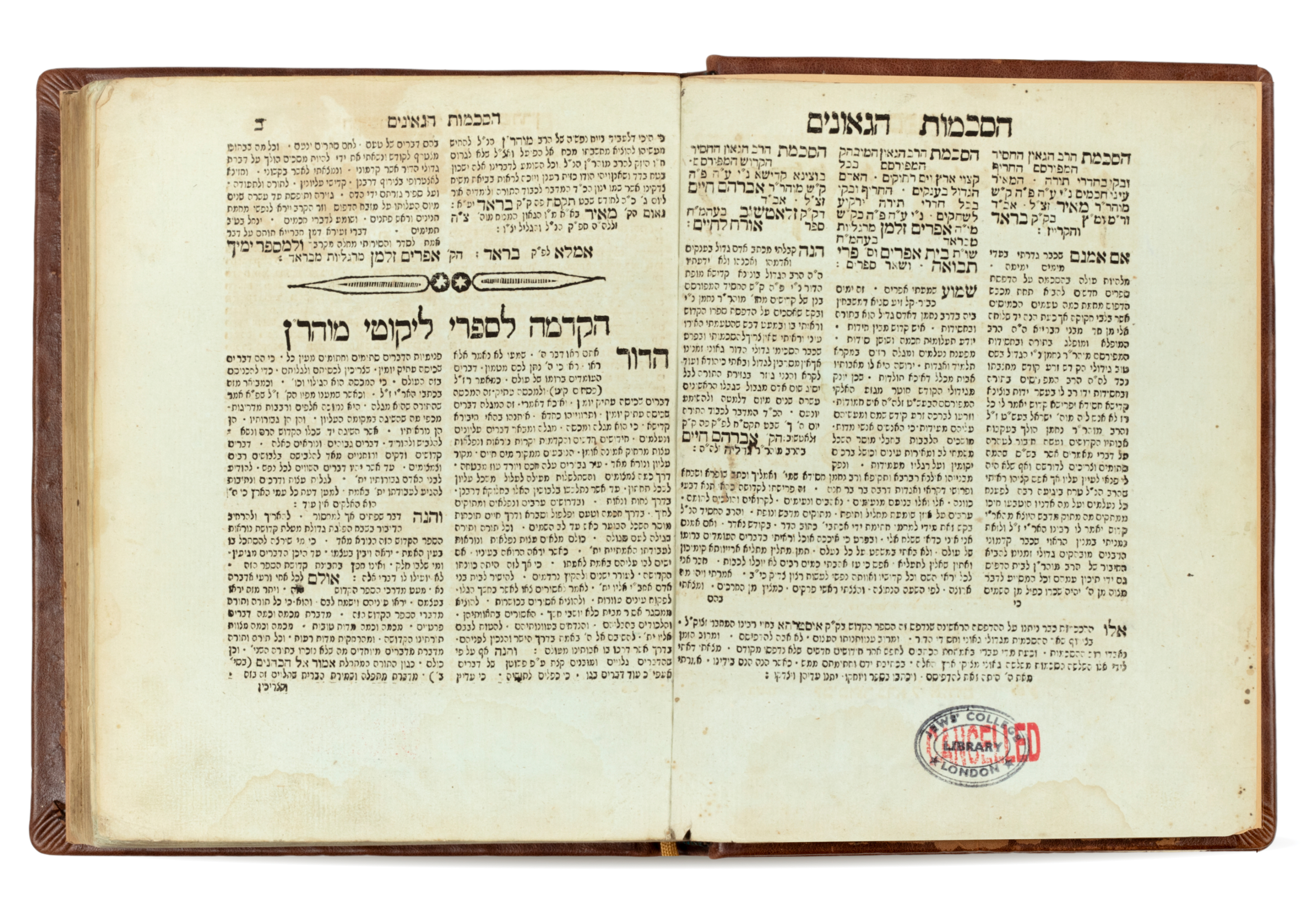
is the complete edition of both parts of the sefer in their entirety. It includes the haskamos, mareh mekomos, and the expanded introduction authored by Rabbi Nosson upon which all subsequent editions of Likutei Moharan were based.
is the complete edition of both parts of the sefer in their entirety. It includes the haskamos, mareh mekomos, and the expanded introduction authored by Rabbi Nosson upon which all subsequent editions of Likutei Moharan were based.
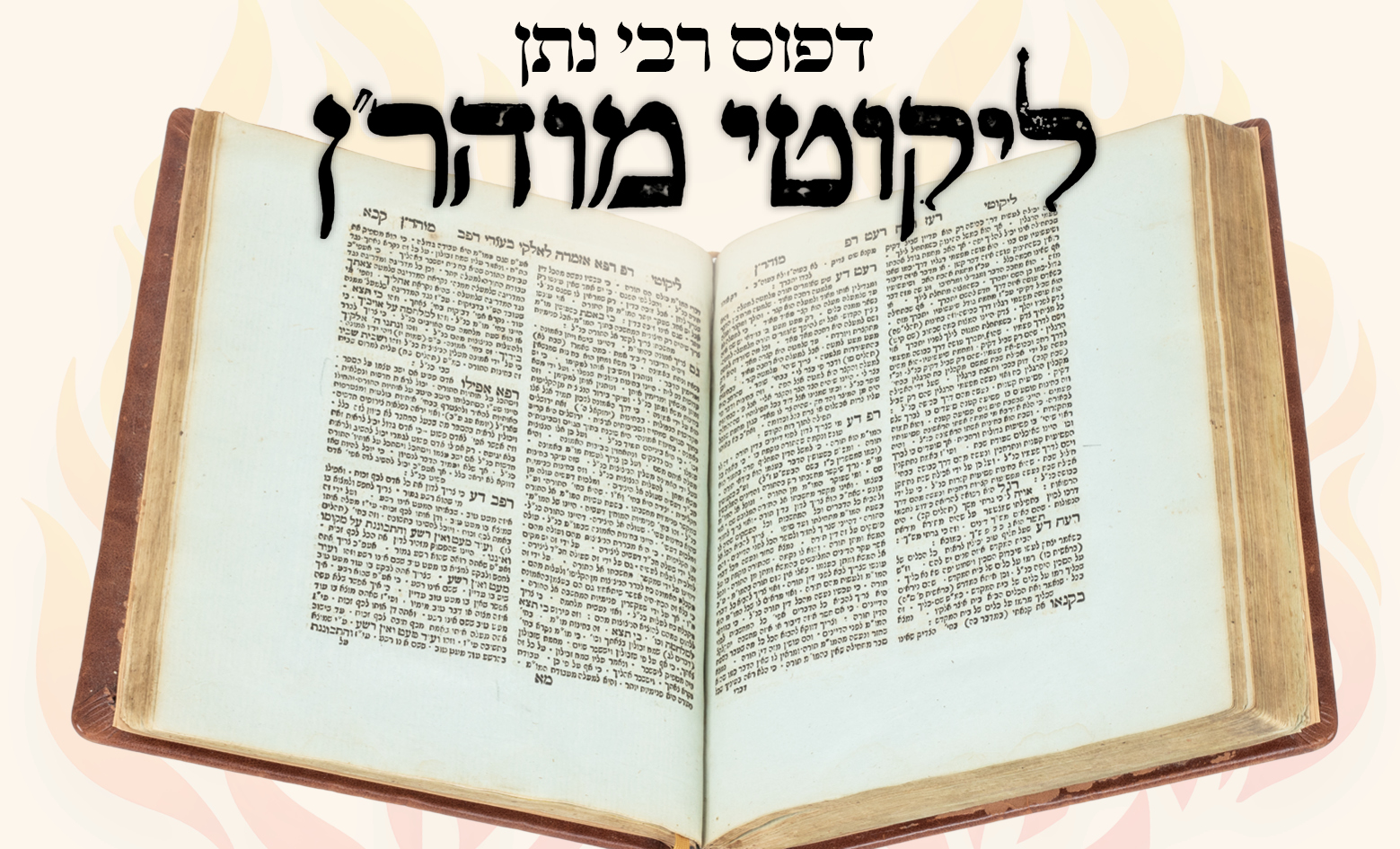
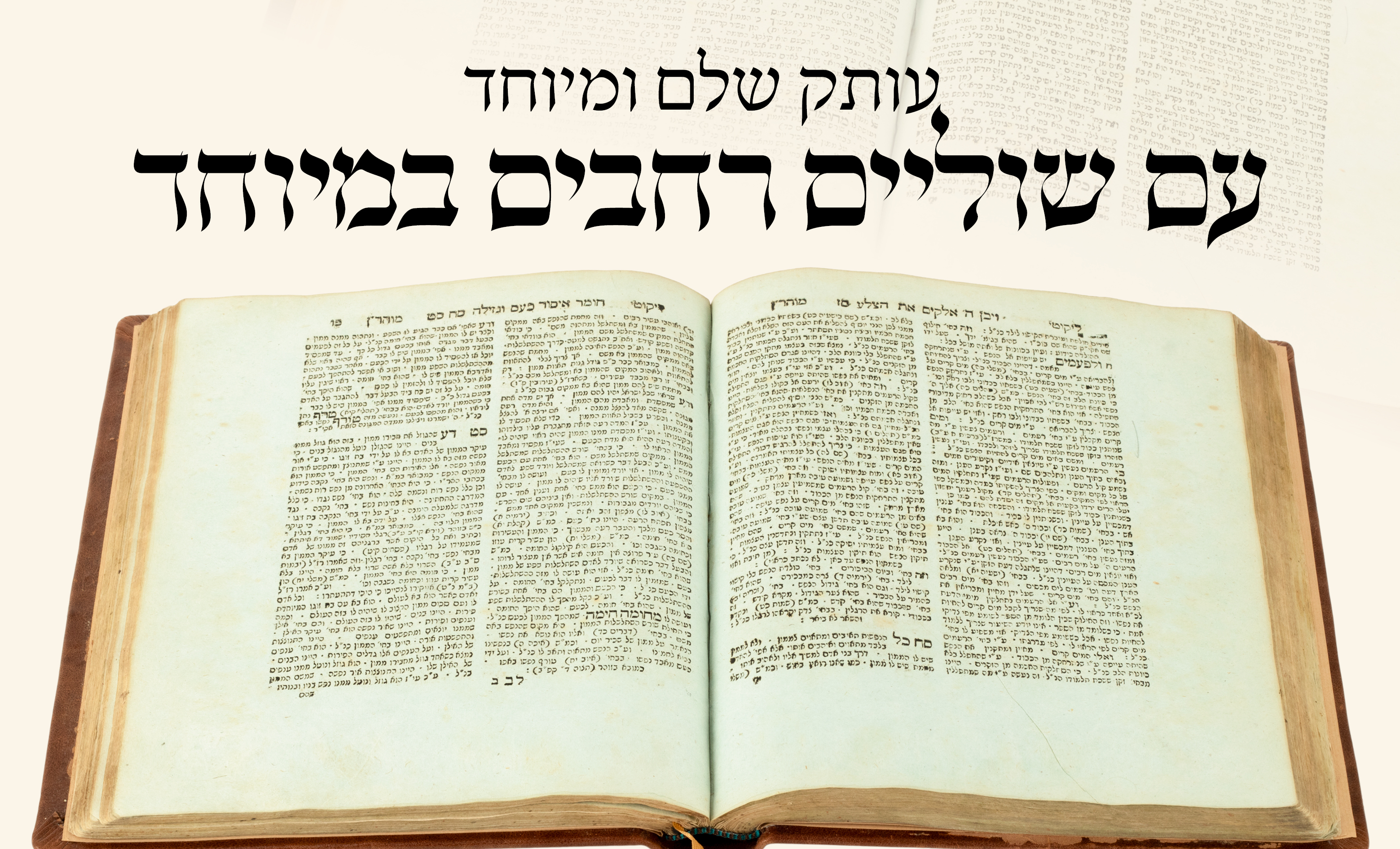
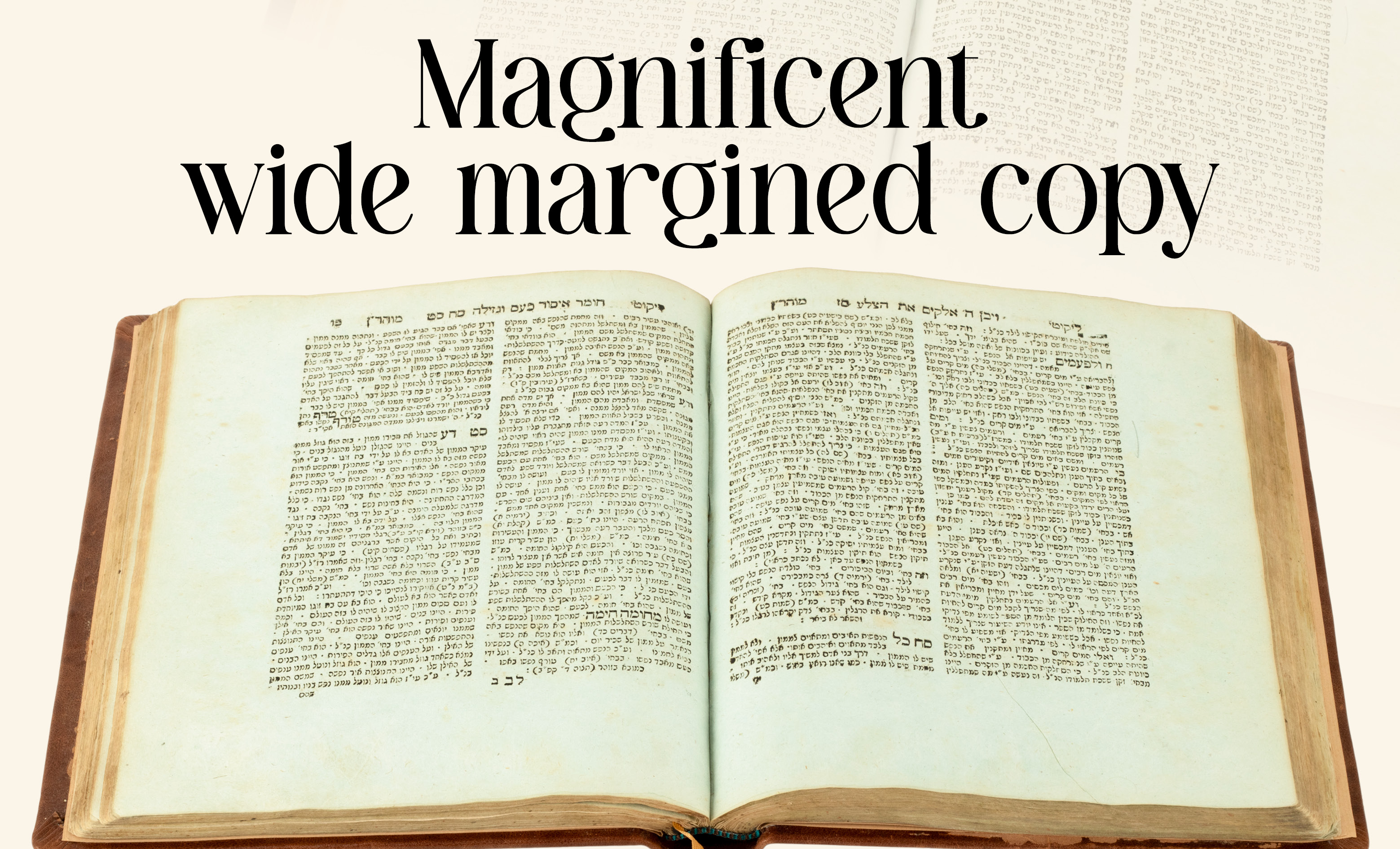
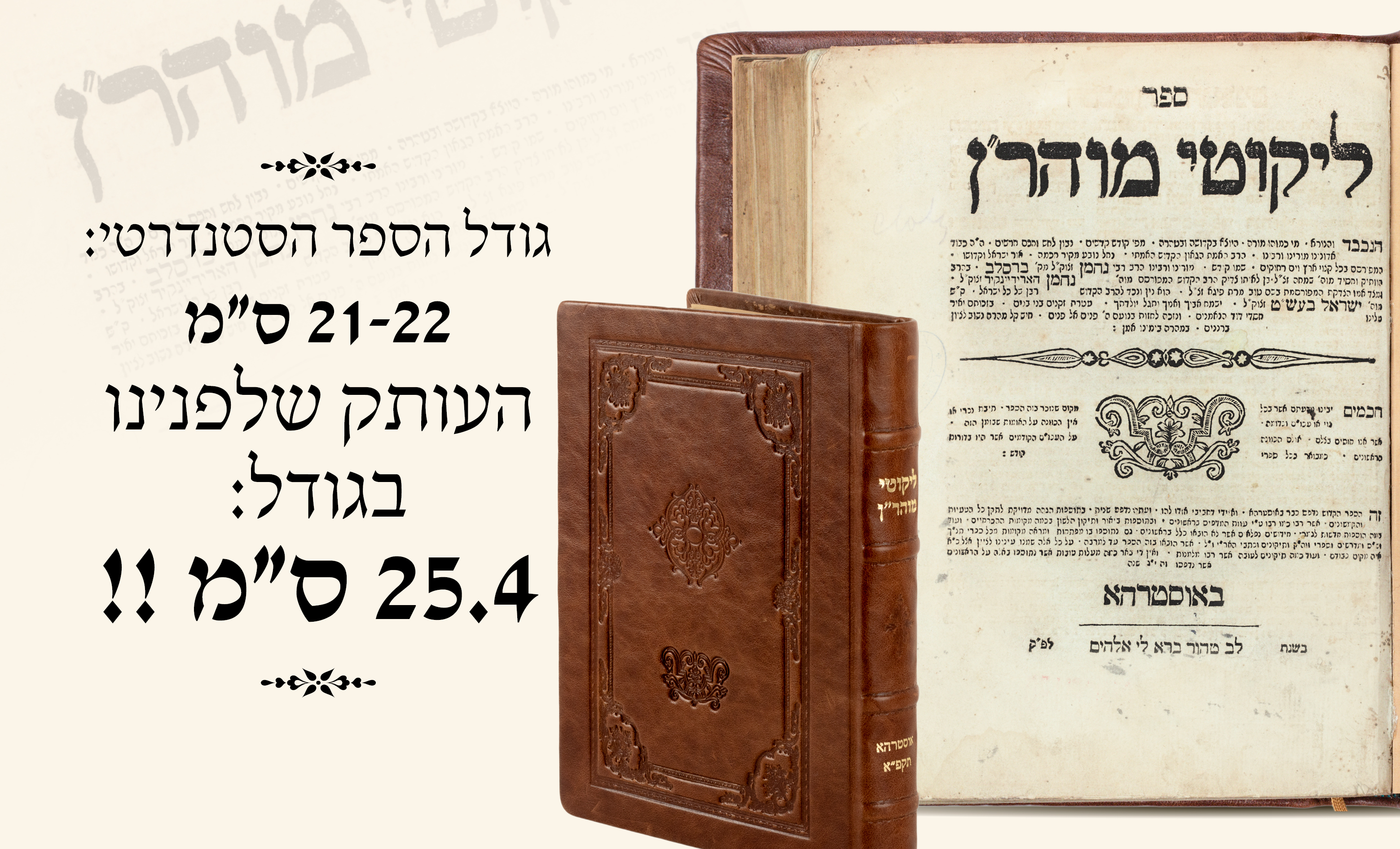
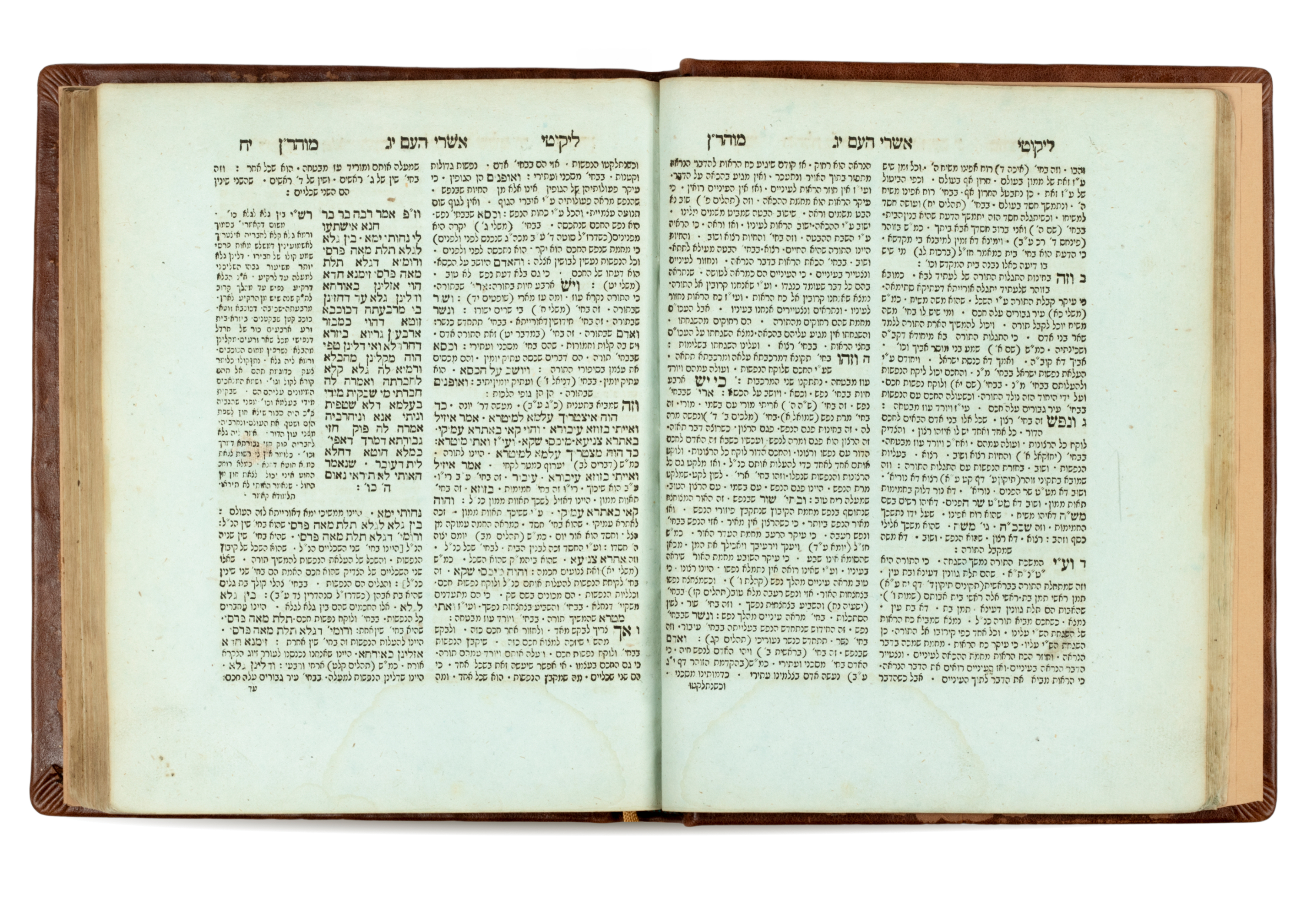
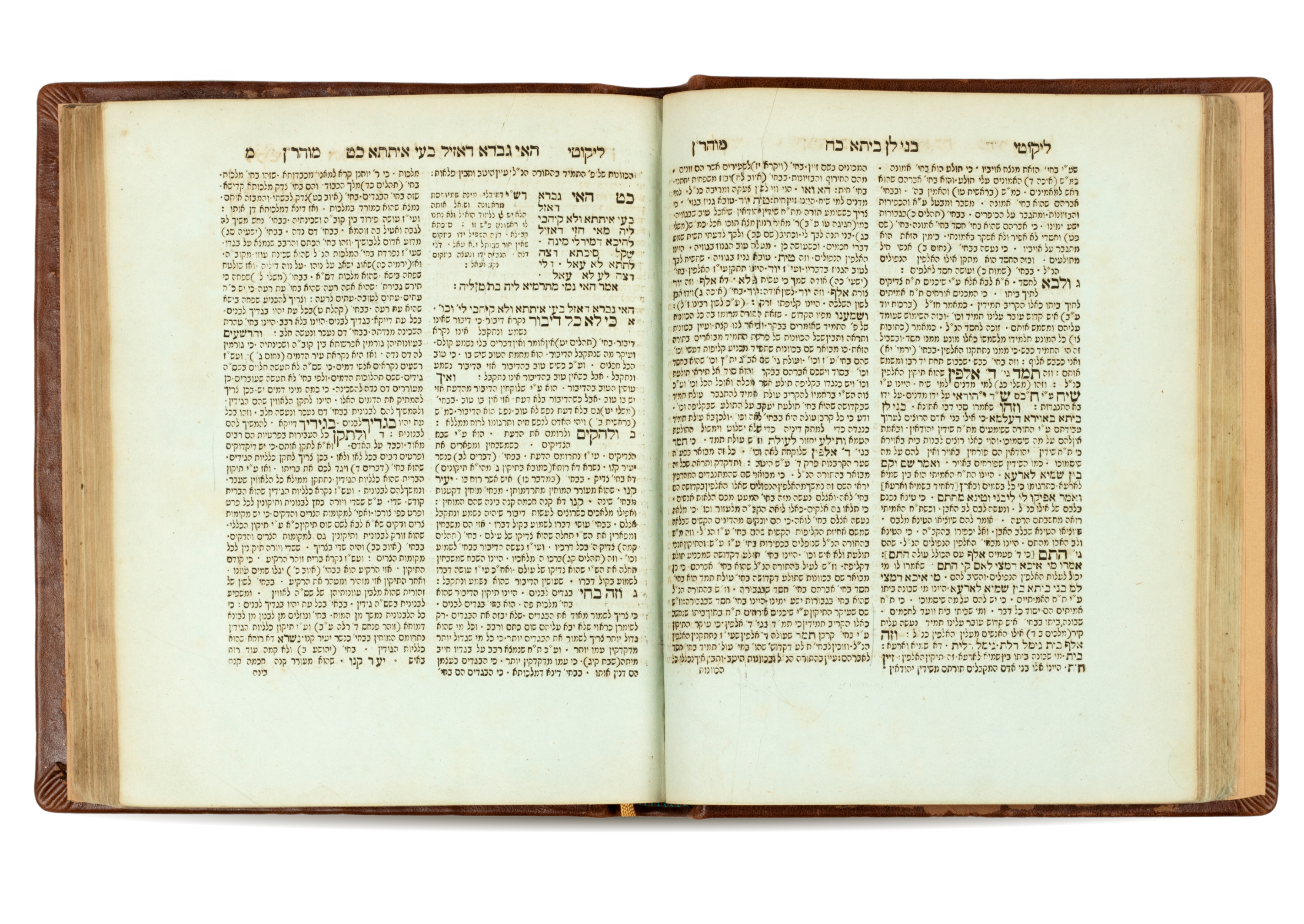
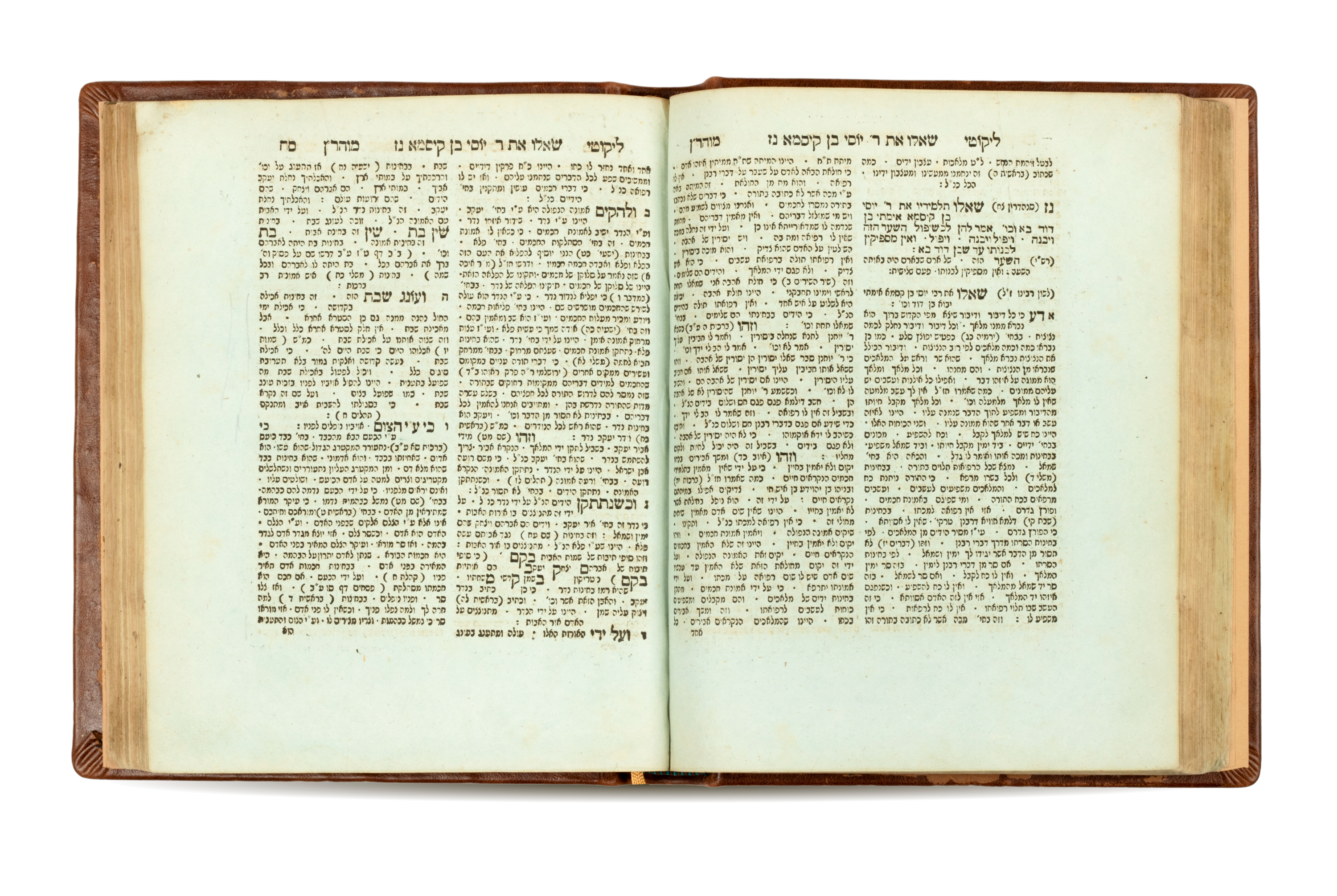
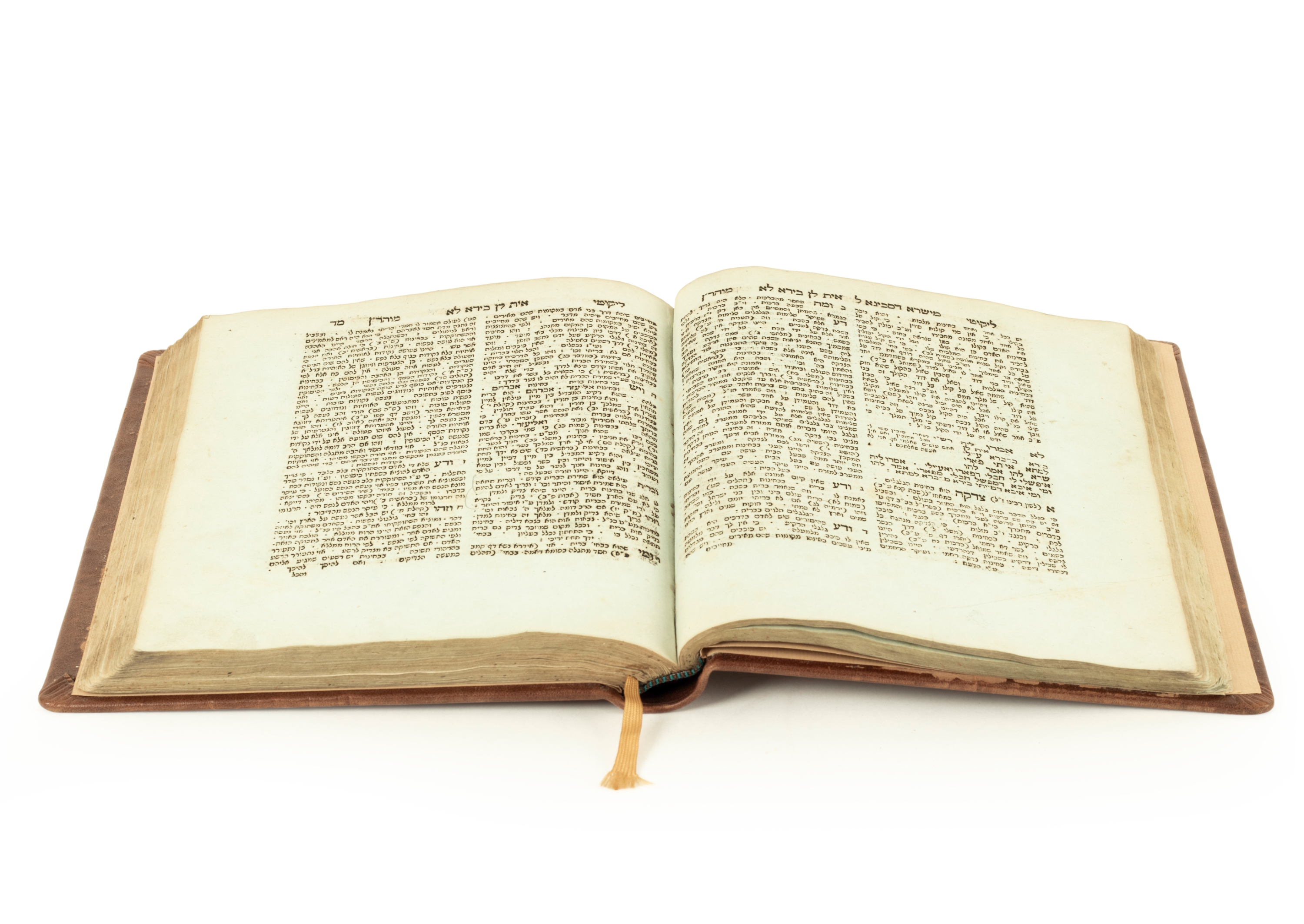
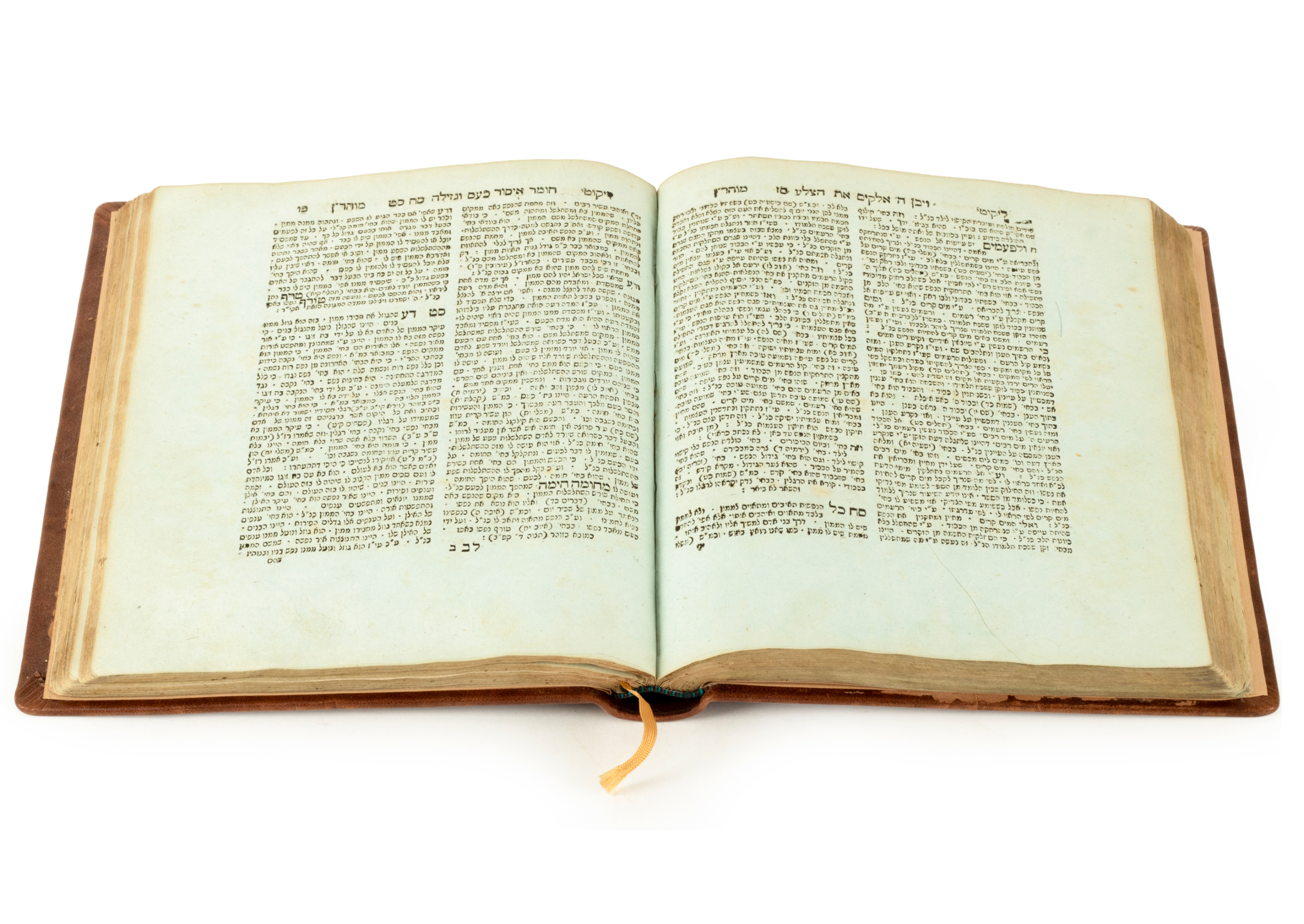
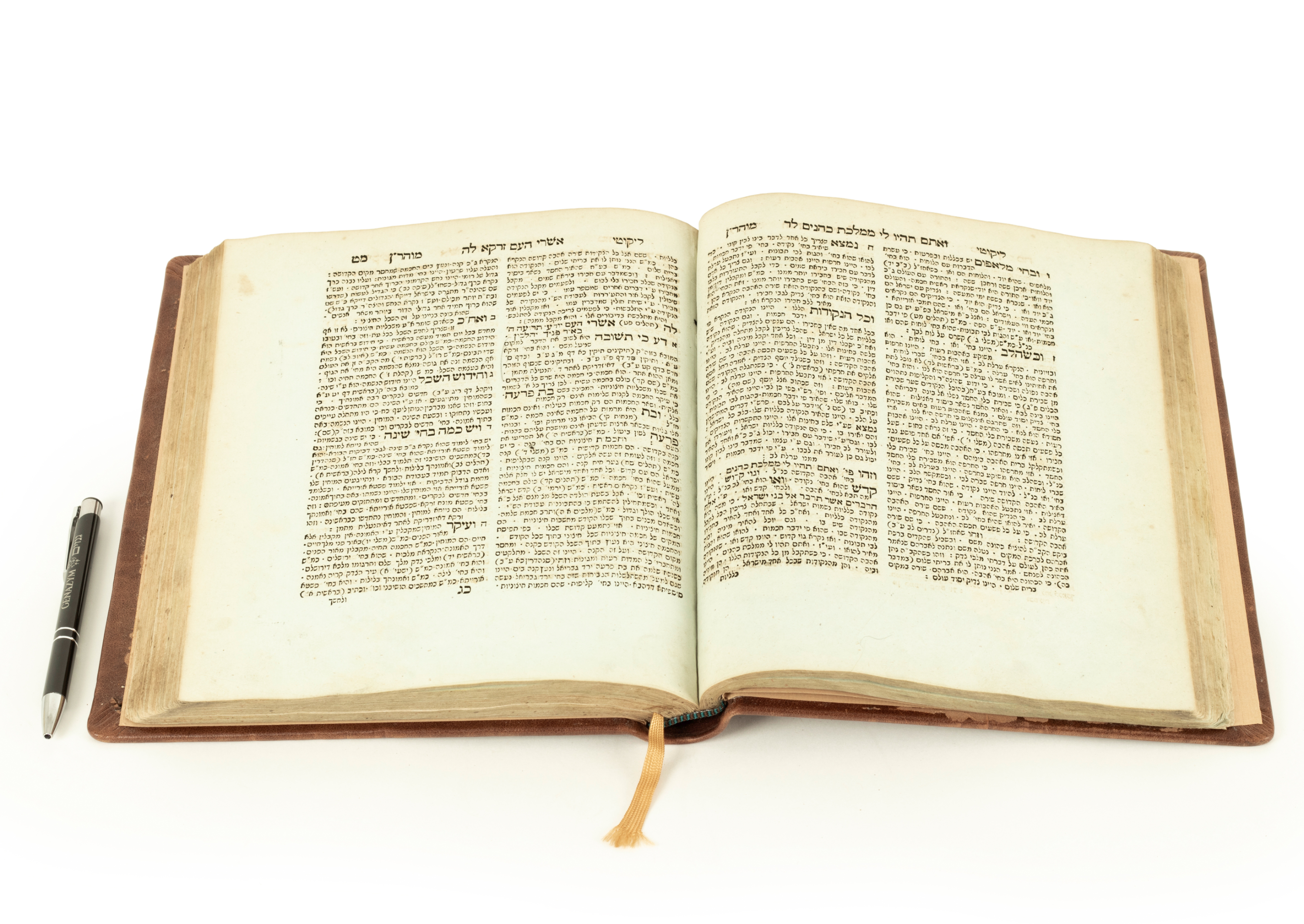
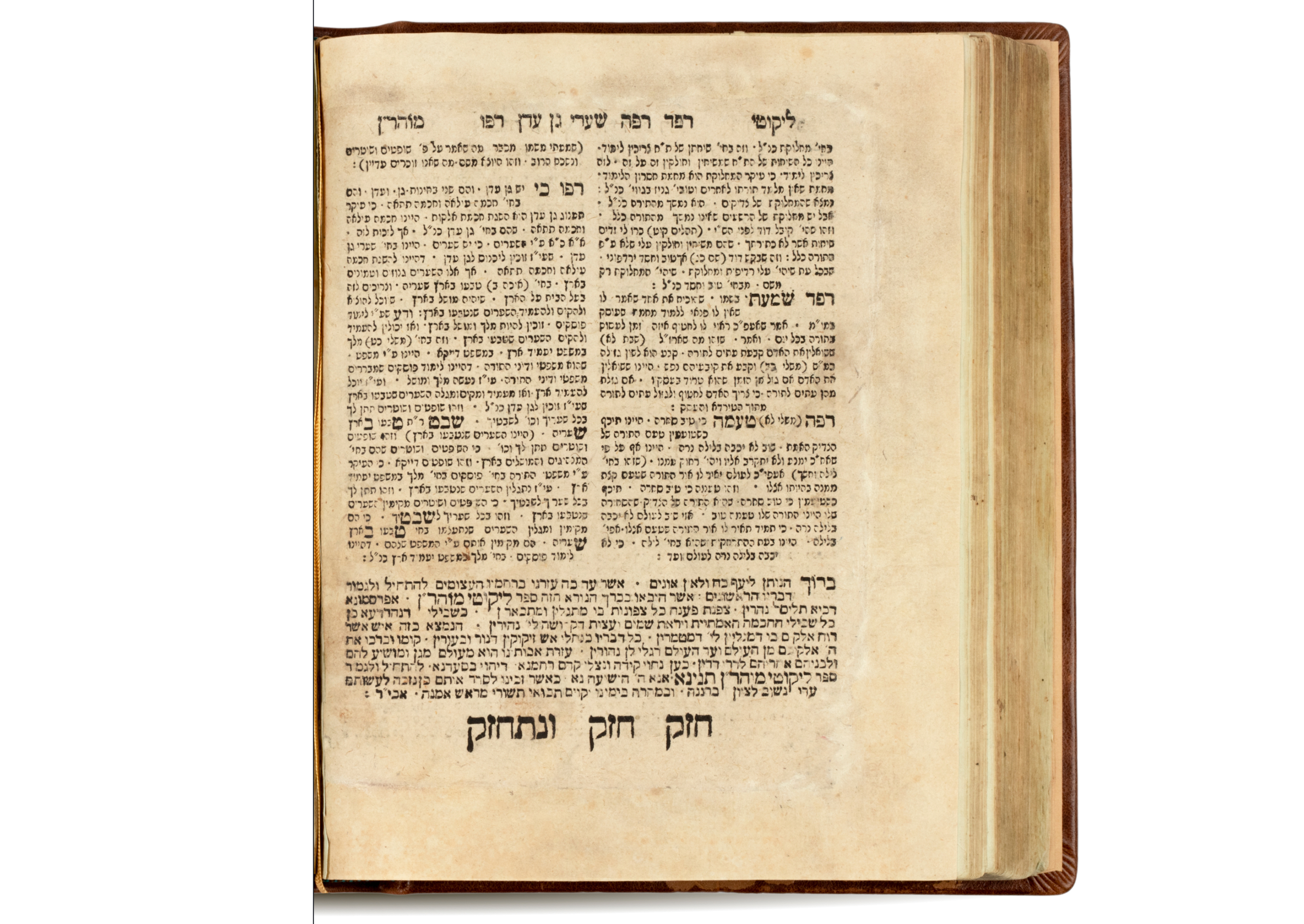
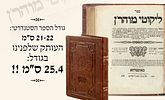
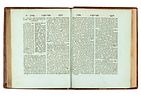
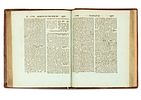
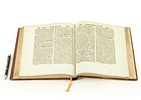
This is a unique copy, with especially wide margins, both at the bottom and along the outer edges. While the standard size of a sefer is 21–22 cm, this copy is 25.4 cm!
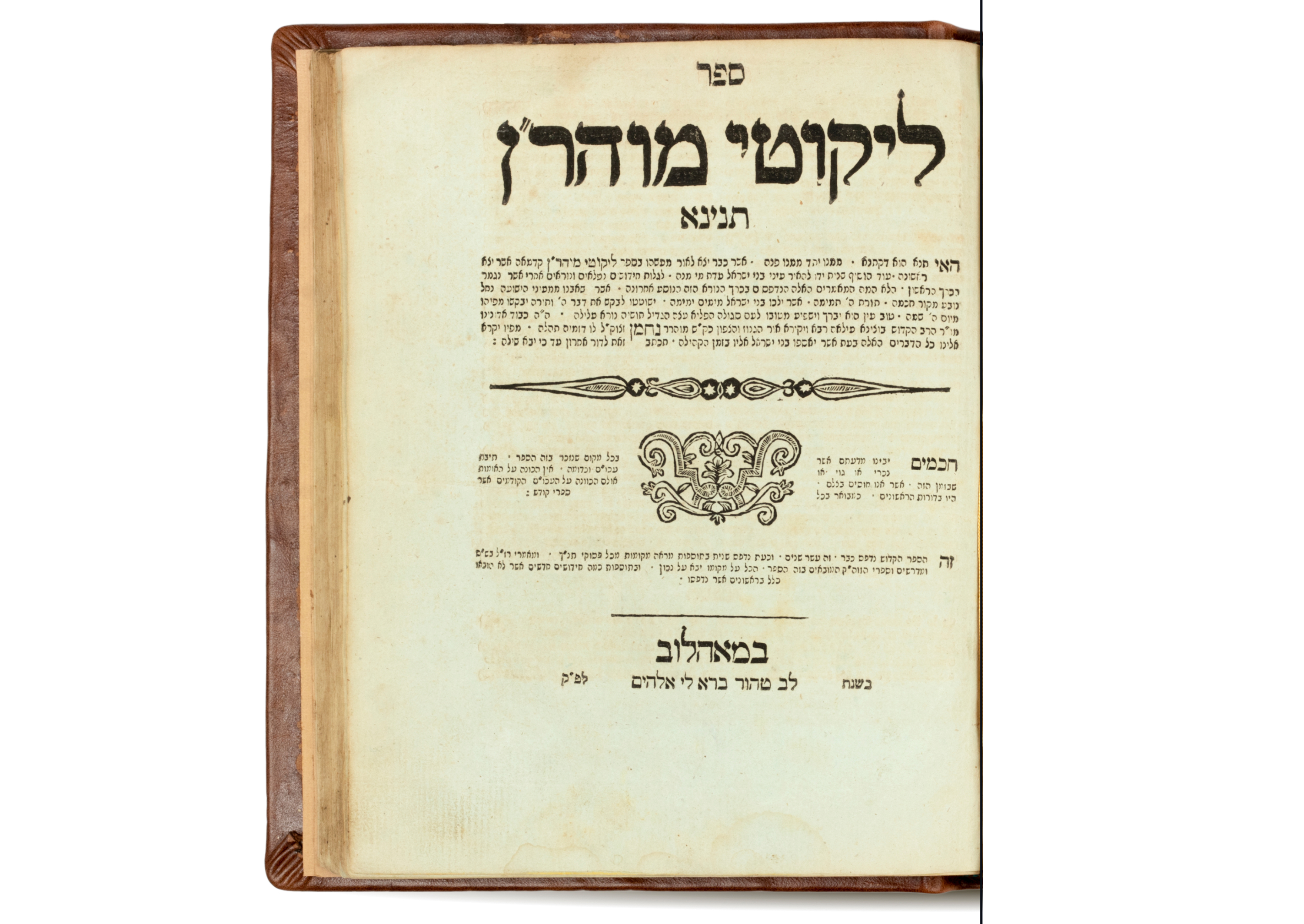
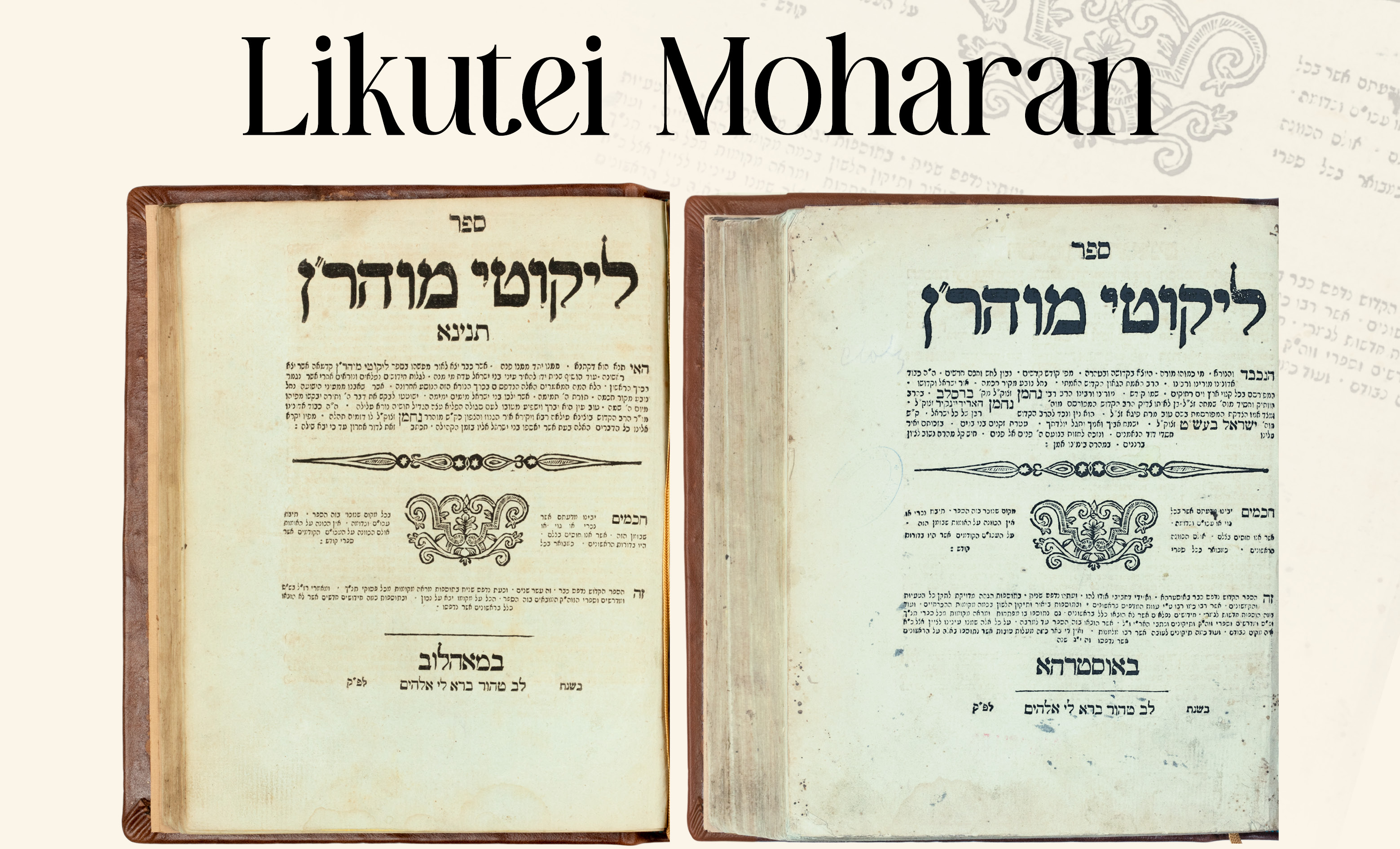
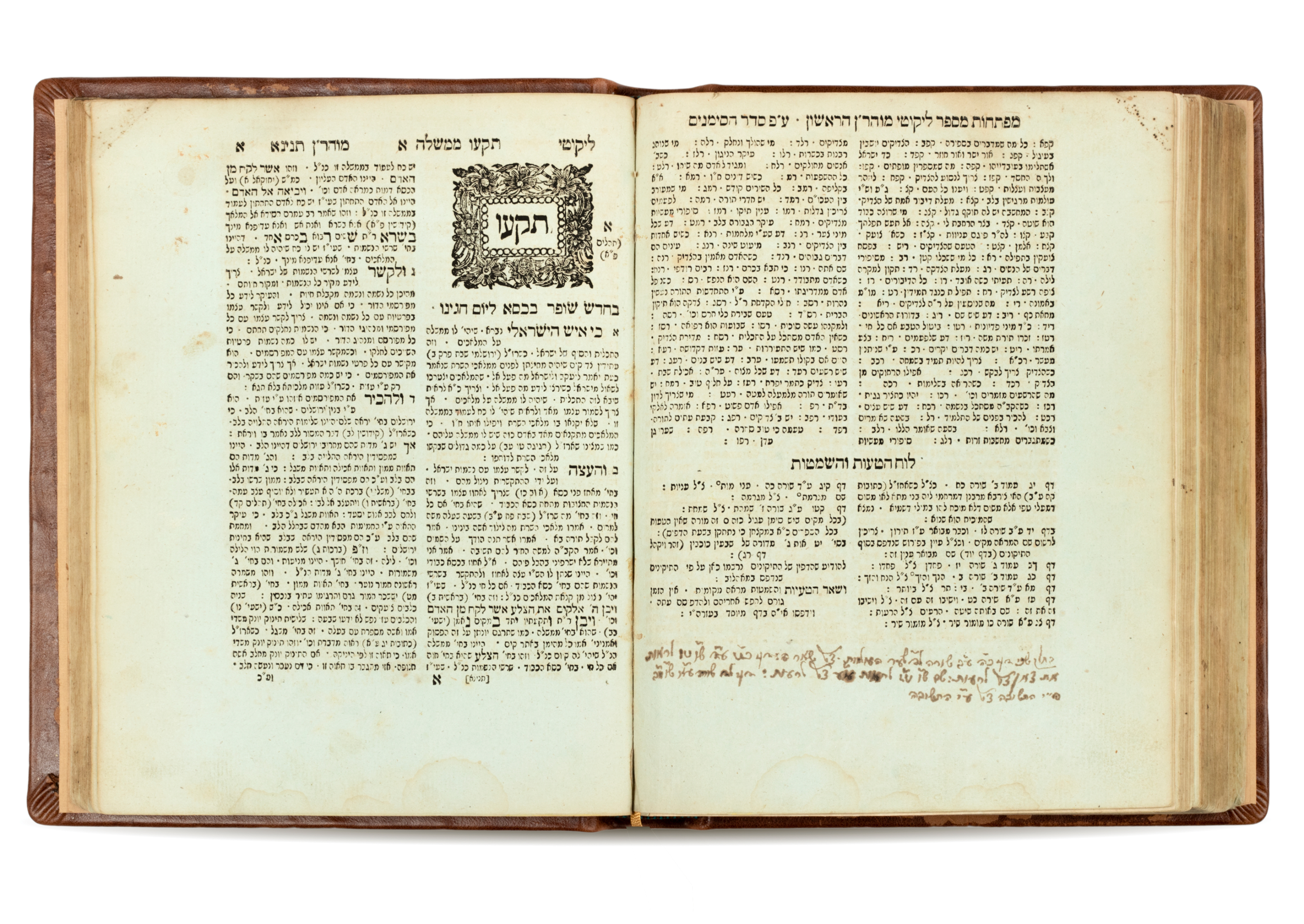
The first part of Likutei Moharan was printed in 1808 and contains 286 essays, while the second part — Likutei Moharan Tinyana — was printed in 1811 and contains 125 essays.
In this edition, printed in Rabbi Nosson’s home in 1821, both parts were printed together for the first time, with the addition of mareh mekomos and a longer introduction.
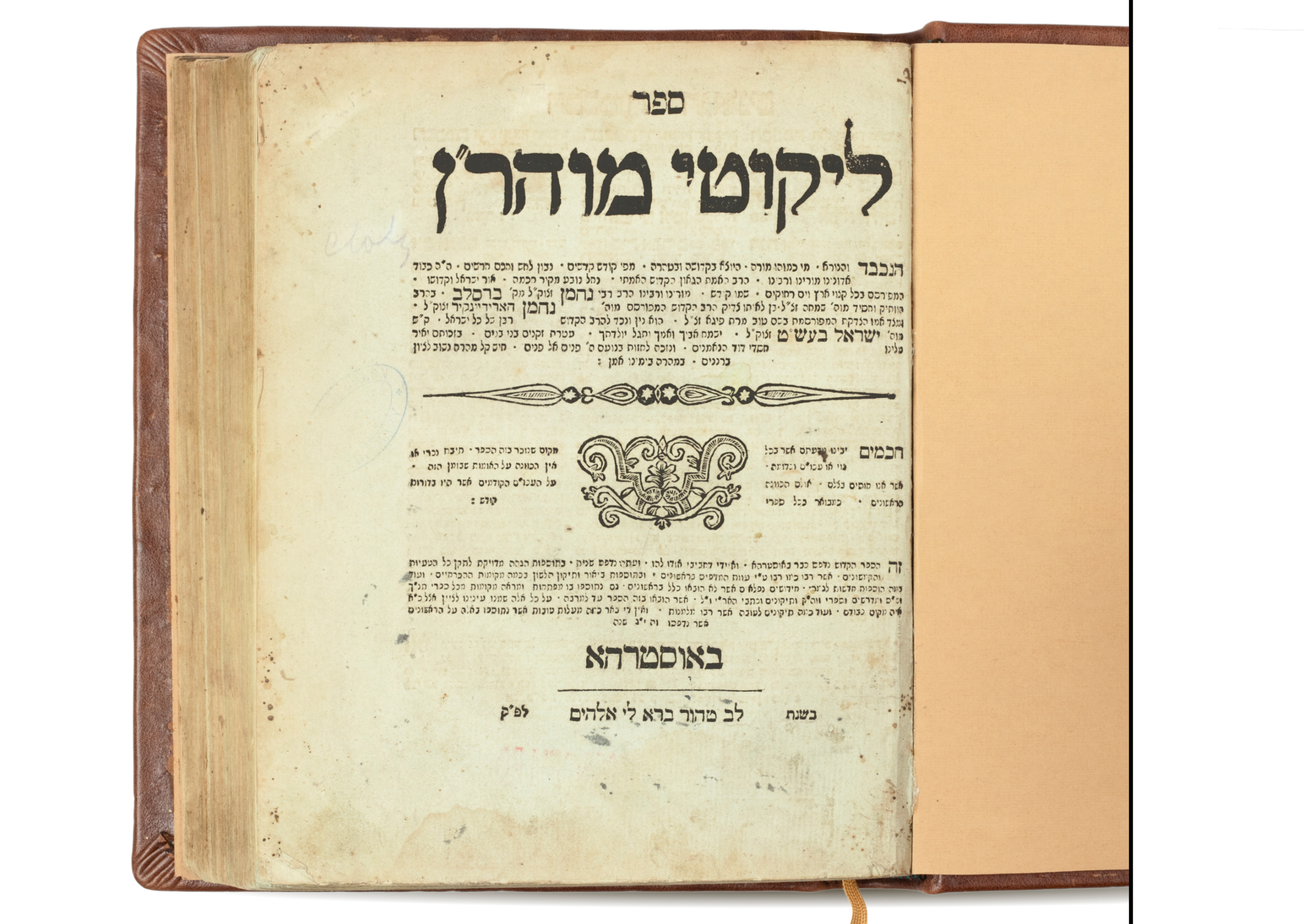
Rabbi Nosson risked his life by printing the sefer in his home in Breslov. Due to severe Czarist restrictions, operating an unlicensed Jewish printing press was a catastrophic risk, punishable by torture and life-threatening prison sentences. Rabbi Nosson defied these laws by printing this work secretly in his Breslov home. To evade these brutal consequences, he disguised the book’s true origins by falsely claiming on the title pages that the first volume was printed in Ostroh and the second in Mogilev—both sites of legitimate earlier editions.
Rabbi Nosson recounts the story of the printing in his sefer Yemei Moharanat (section 99): “In the year 1819, I began working to establish a printing press in my home, in order to reprint his [Rabbi Nachman of Breslov’s] holy sefarim with numerous wonderful corrections. I faced great battles in this endeavor, and many great obstacles, beyond measure. Yet with Hashem’s wondrous help, my efforts were successful, and I completed the work over the course of three years — from 1819 until the end of 1821 — at which point the printing of the holy sefarim Likutei Moharan, both the first part and the second, was successfully completed…”
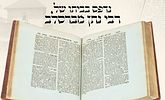
Breslov, 1821. Page Count: 4, 122, [1] (bound after the title page of Part II): [1], 44 leaves.
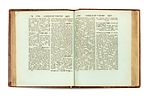
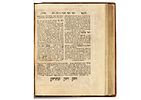
Size: Approx. 25.4 cm. Printed on bluish and greenish paper. Leaf 122 at the end of Part I is on brown paper, supplied from another copy, with margins restored to match the large format of this copy.
In the margins of the errata leaf at the end of Part I, several corrections were added in handwriting from the time of printing. The writer is unknown, but likely one of the holy figures of the time.
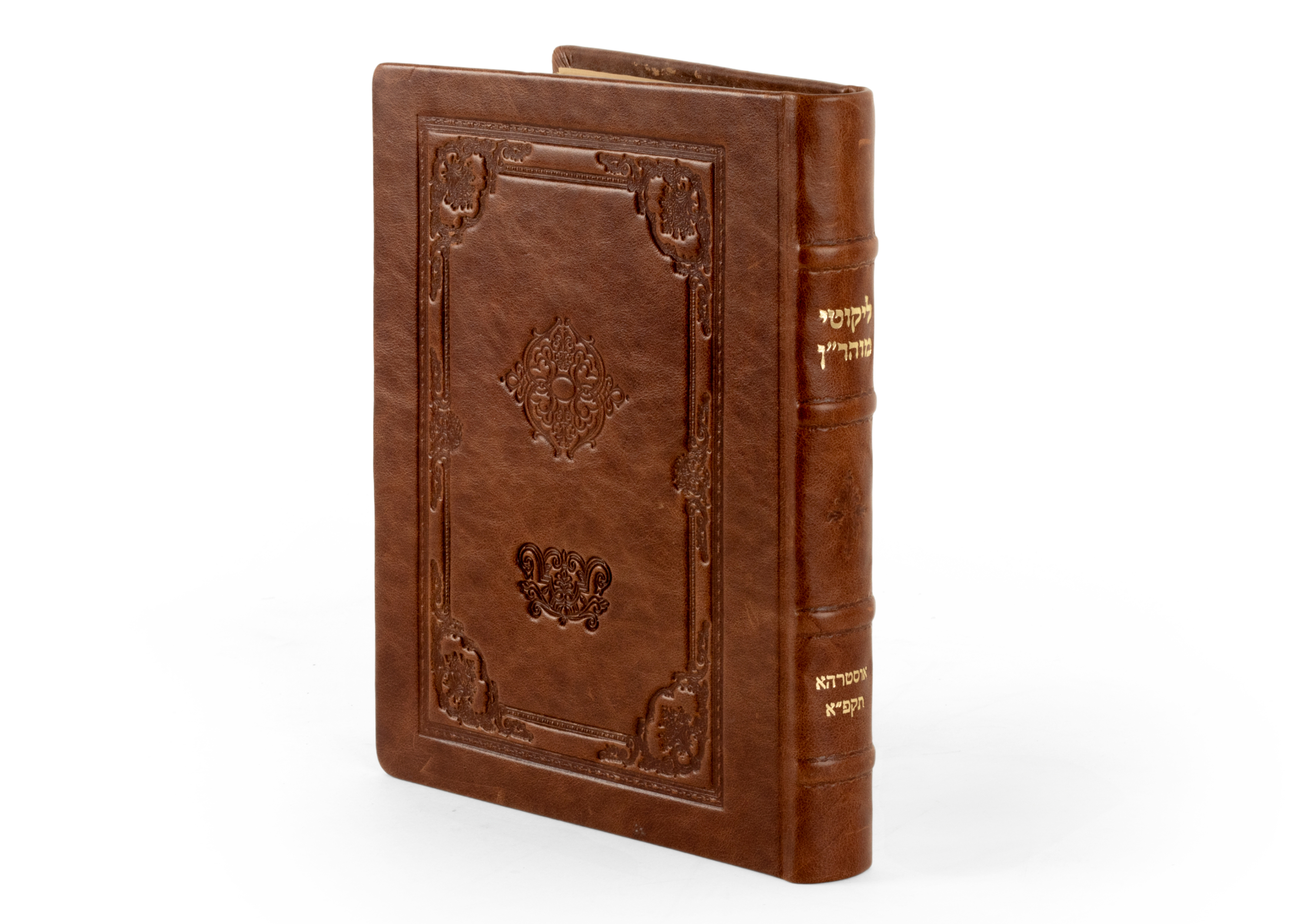
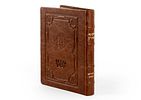
Condition: Good. Some water stains in Part II. New leather binding.
A complete copy in such good condition is exceptionally rare.
Bibliography: Stefansky, Sifrei Chassidus no. 287; Stefansky, Sifrei Yesod no. 386; Koenig, Neveh Tzaddikim, p. 40
.
_______________________
A Segulah for Wealth and Protection
Rabbi Nachman of Breslov himself revealed that merely possessing this sefer in one’s home serves as a segulah for protection and wealth. Rabbi Nosson writes in Chayei Moharan (section 355) in his name:
“One must make a great effort to acquire his sefarim. For even when they lie in a closet, they are of great benefit, for his sefarim provide great protection in the home — as well as guarding a person’s wealth and possessions from all harm. And he mentioned a certain wealthy individual whom he knew, and said that it too would be of great benefit for him that my sefer be in his home, for it will grant him great protection in all matters and preserve his wealth.”
The Importance of Acquiring His Sefarim
“And he [Rabbi Nachman] said that every person must strive to acquire his sefer, and one who lacks the means… should sell even the pillow beneath his head and acquire his sefer…”
“My Fire Will Burn Until the Coming of Mashiach”
“And he said that his sefer would be of very great importance, and that people would seek it and search for it greatly; it would be printed and reprinted many times, and would become exceedingly important” (Chayei Moharan, 349).
The Haskamos in This Edition
Rabbi Nachman received enthusiastic haskamos for the sefer already in 1808, but in his humility, he did not permit them to be printed. At the time of this edition’s printing, Rabbi Nosson found among the manuscripts three haskamos and saw this as a sign from Heaven to include them in print (see his note at the margin of the haskamos). These haskamos are from Rabbi Avraham Chaim of Zlotshov, Rabbi Ephraim Zalman Margolies, author of Beis Ephraim, and Rabbi Meir, Av Beis Din of Brody.
