Lot : 28

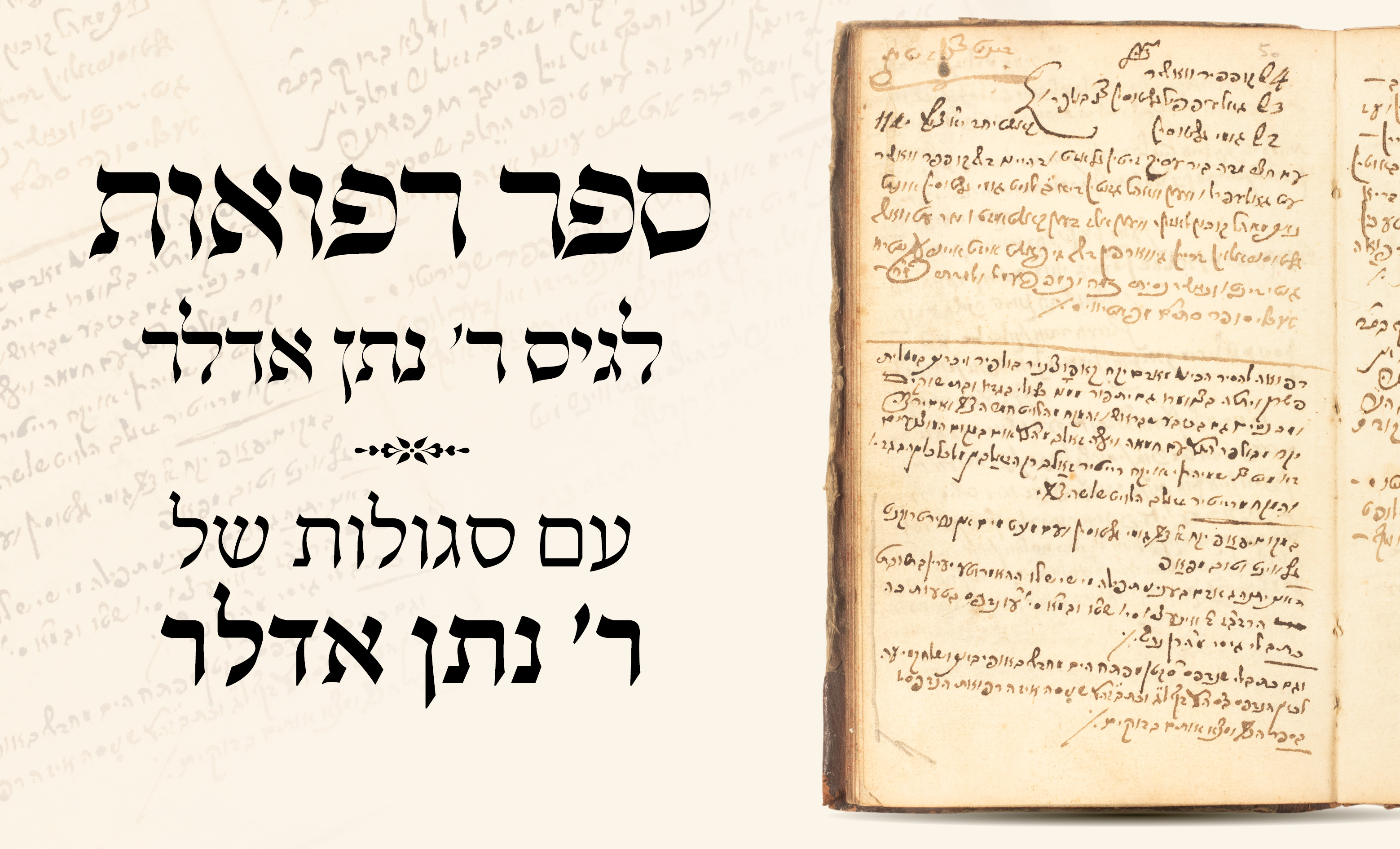
Manuscript: Two Compositions. 

1.Segulos and Remedies of Rabbi Nosson Adler zt”l , 1783.

2. Rare Treatise on Alchemy – Frankfurt, c. 1620 

Images

Manuscript: Two Compositions. 

1.Segulos and Remedies of Rabbi Nosson Adler zt”l , 1783.

2. Rare Treatise on Alchemy – Frankfurt, c. 1620 


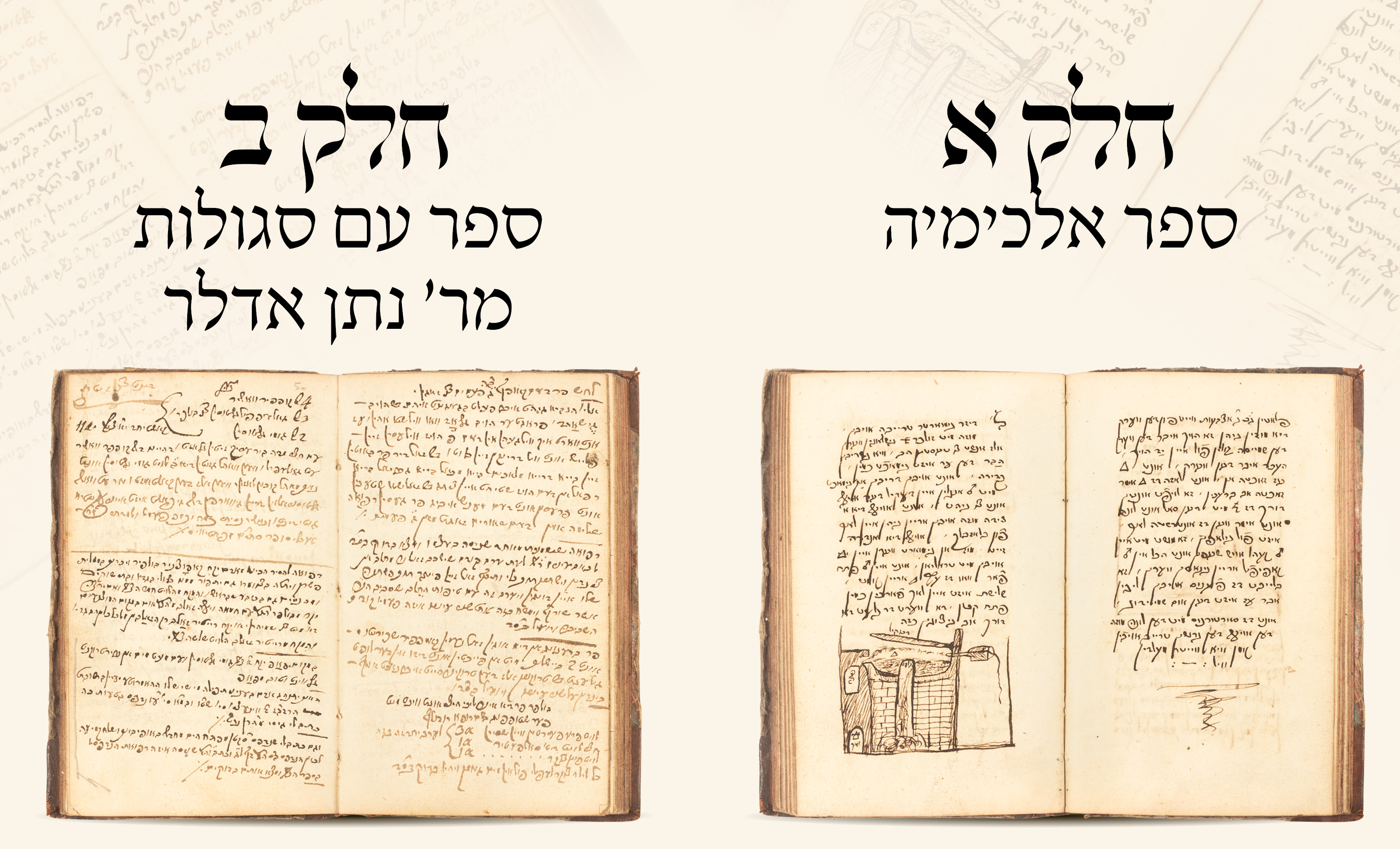
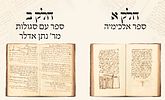
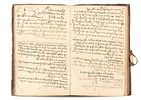
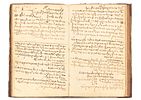
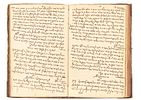
Two manuscripts bound in one volume:

I. Sefer of Segulos and Remedies

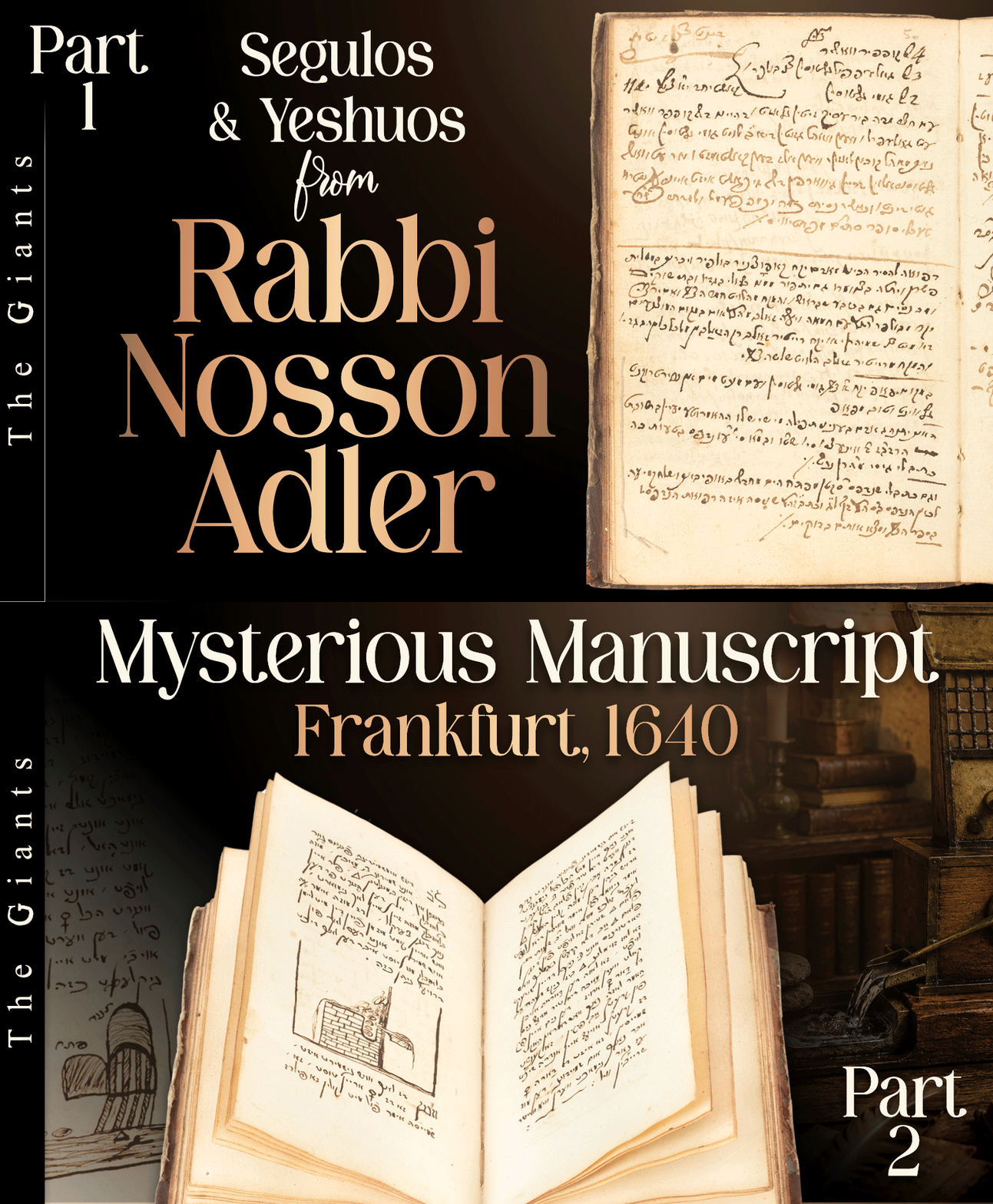
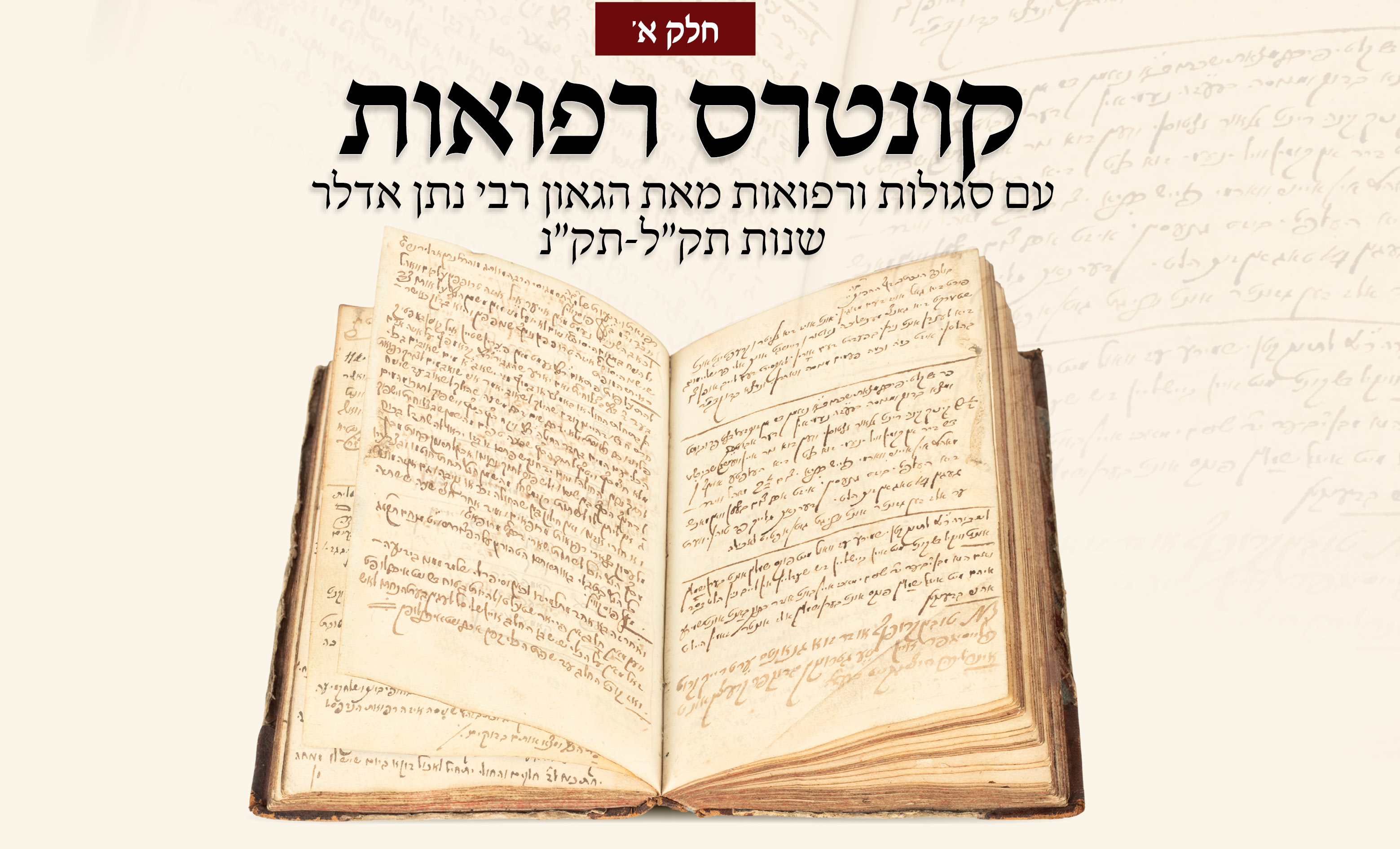
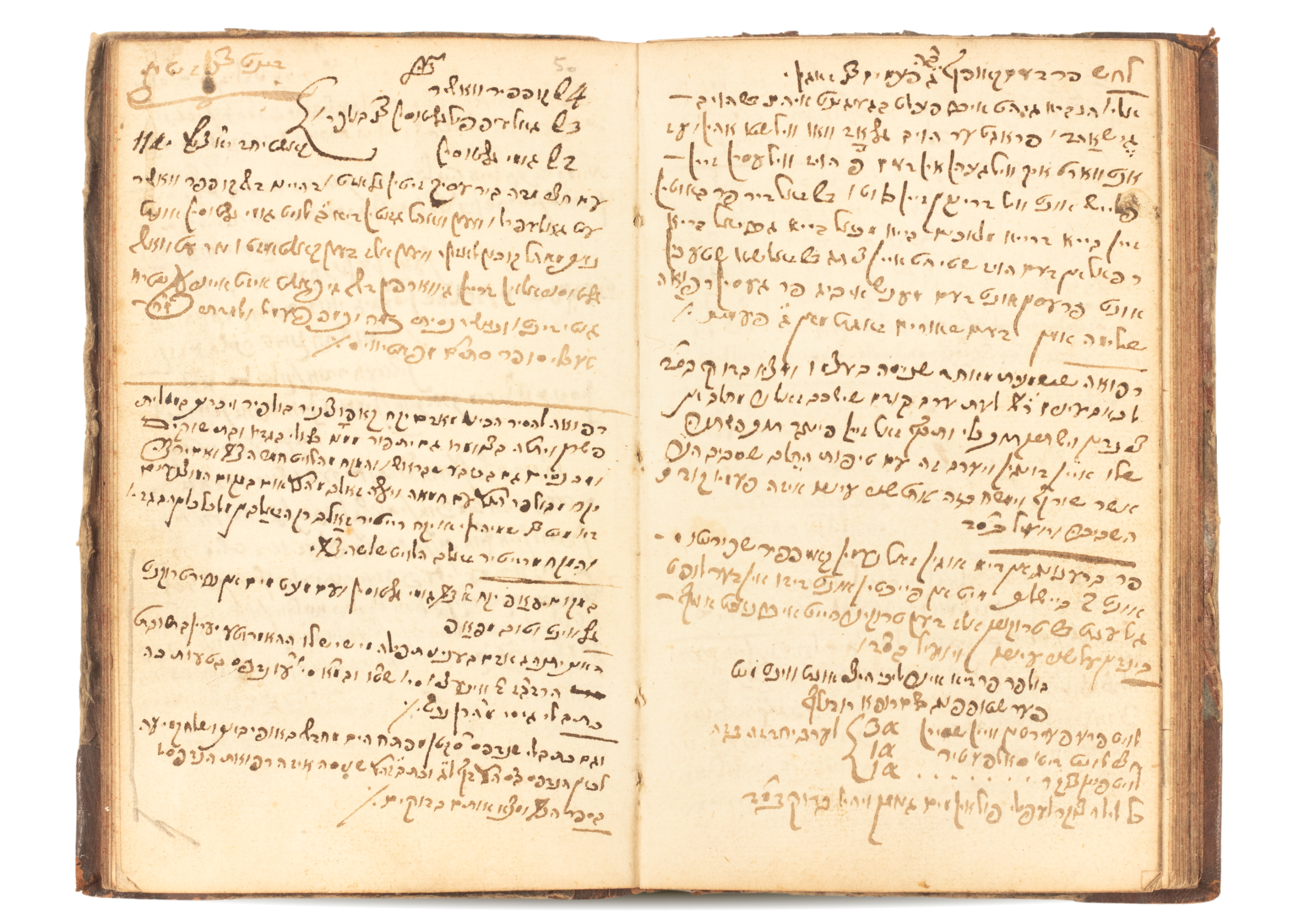
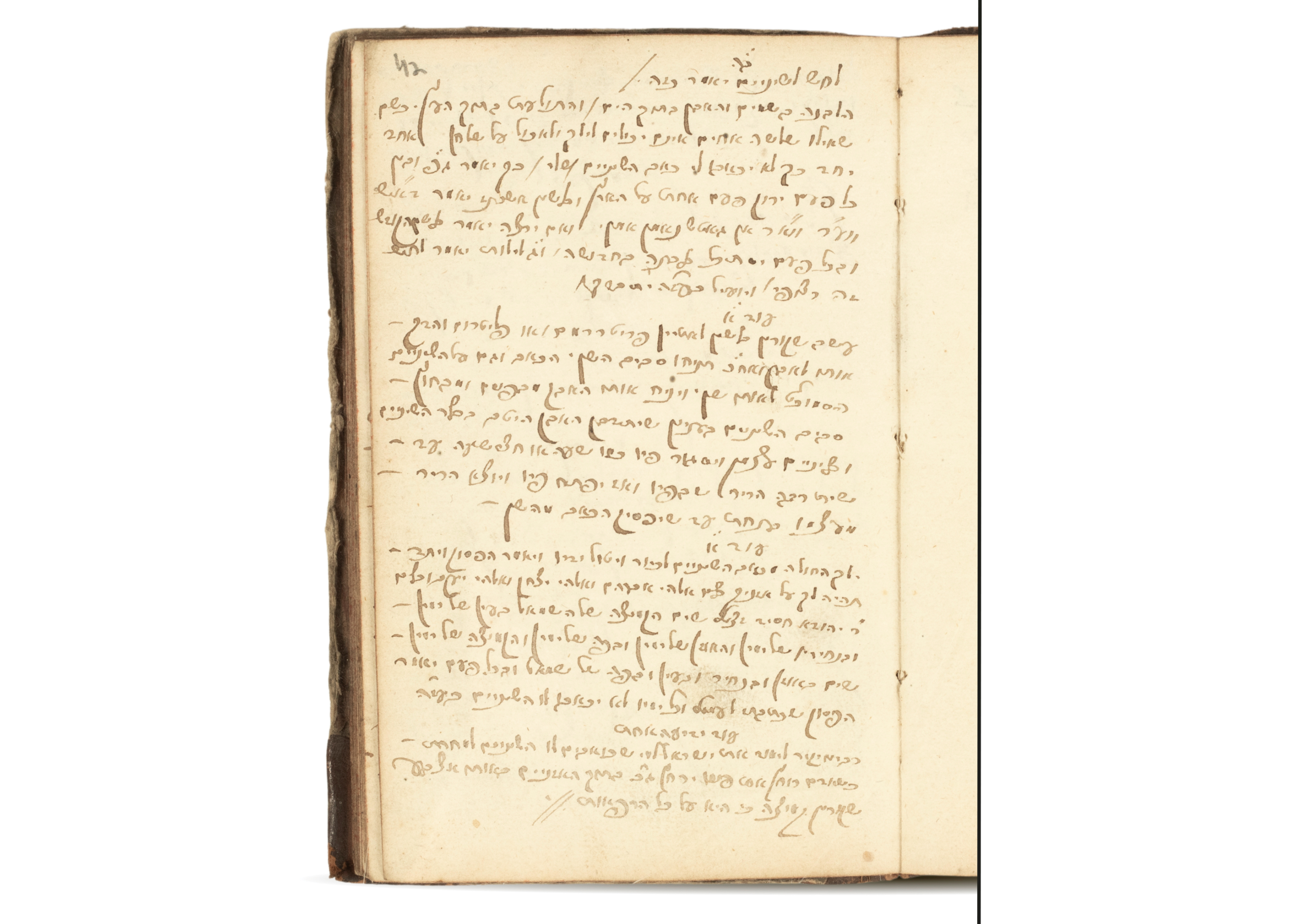
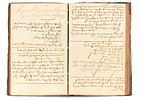
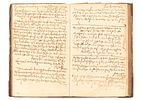
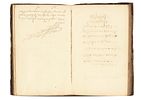
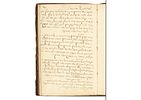
A collection of proven and tested remedies and segulos of the holy gaon Rabbi Nosson Adler, copied from his own handwriting by his brother-in-law, Rabbi David Segal Braunschweig of Fürth. 

The extraordinary reputation of the holy kabbalist Rabbi Nosson Adler as a healer of the sick and downtrodden, renowned for his remedies and amulets (see below), is well documented in numerous sources. The present manuscript offers direct evidence: an amulet sent by Rabbi Nosson himself, together with proven segulos and remedies copied from his very own handwritten manuscript by his brother-in-law. 

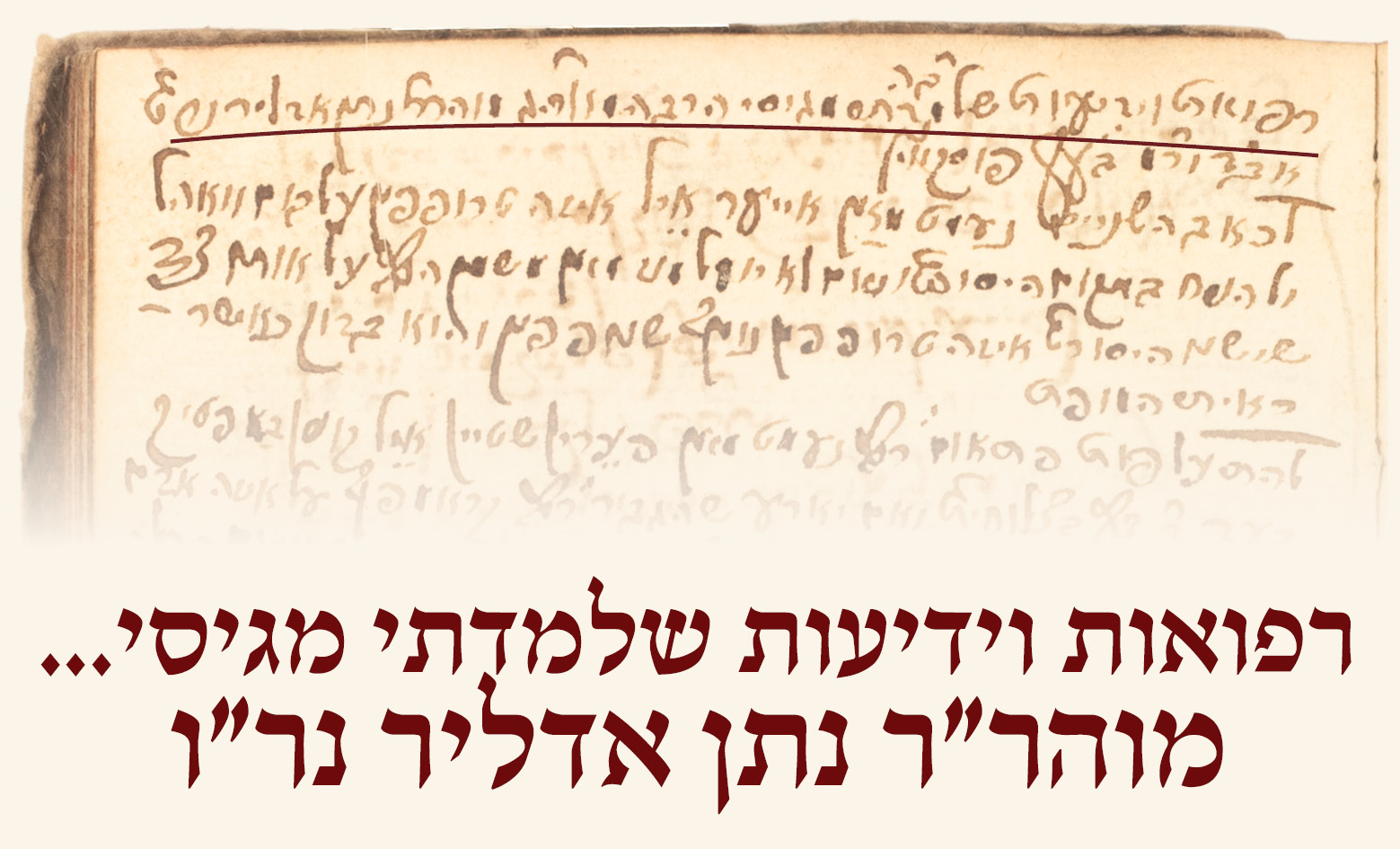
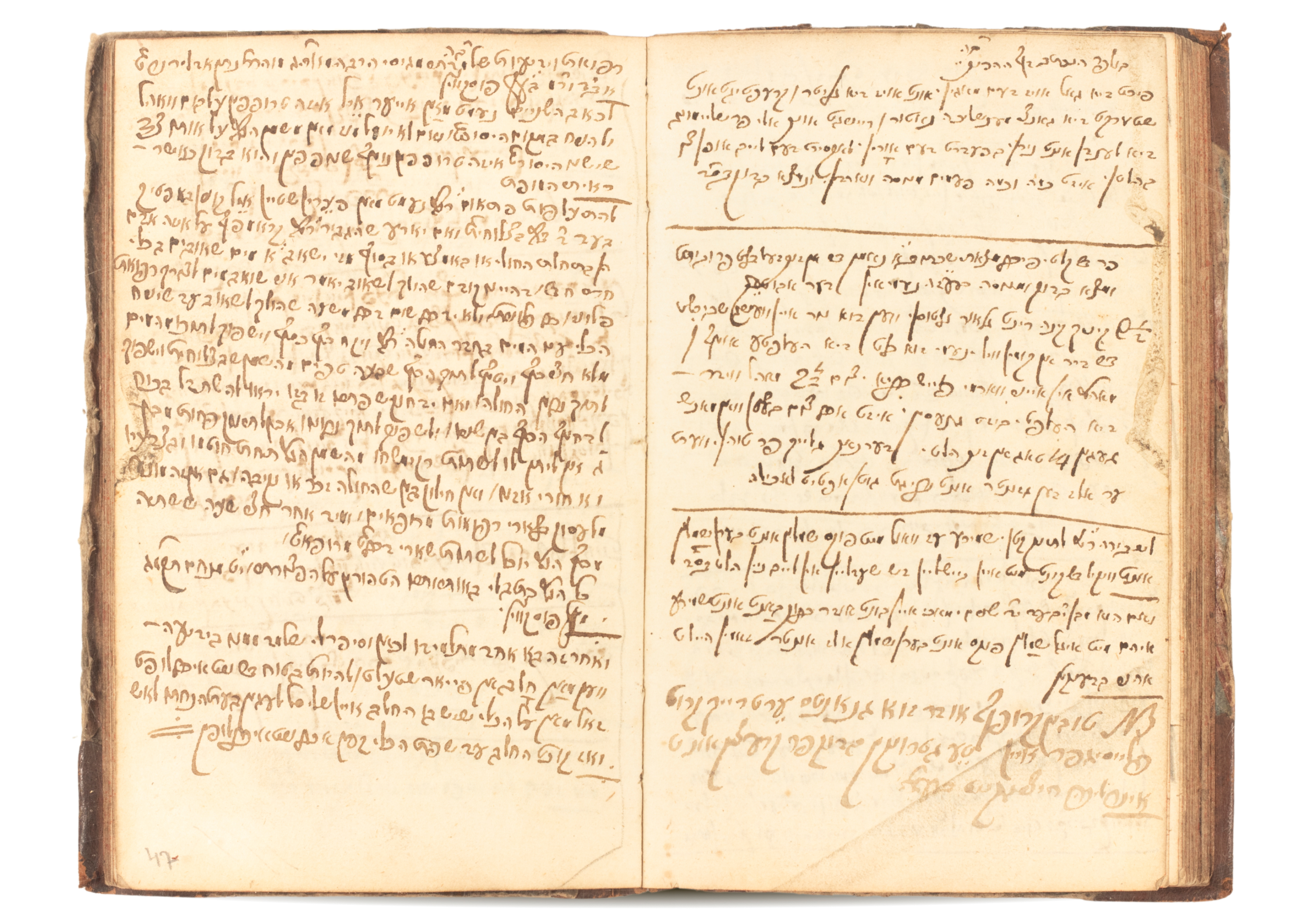
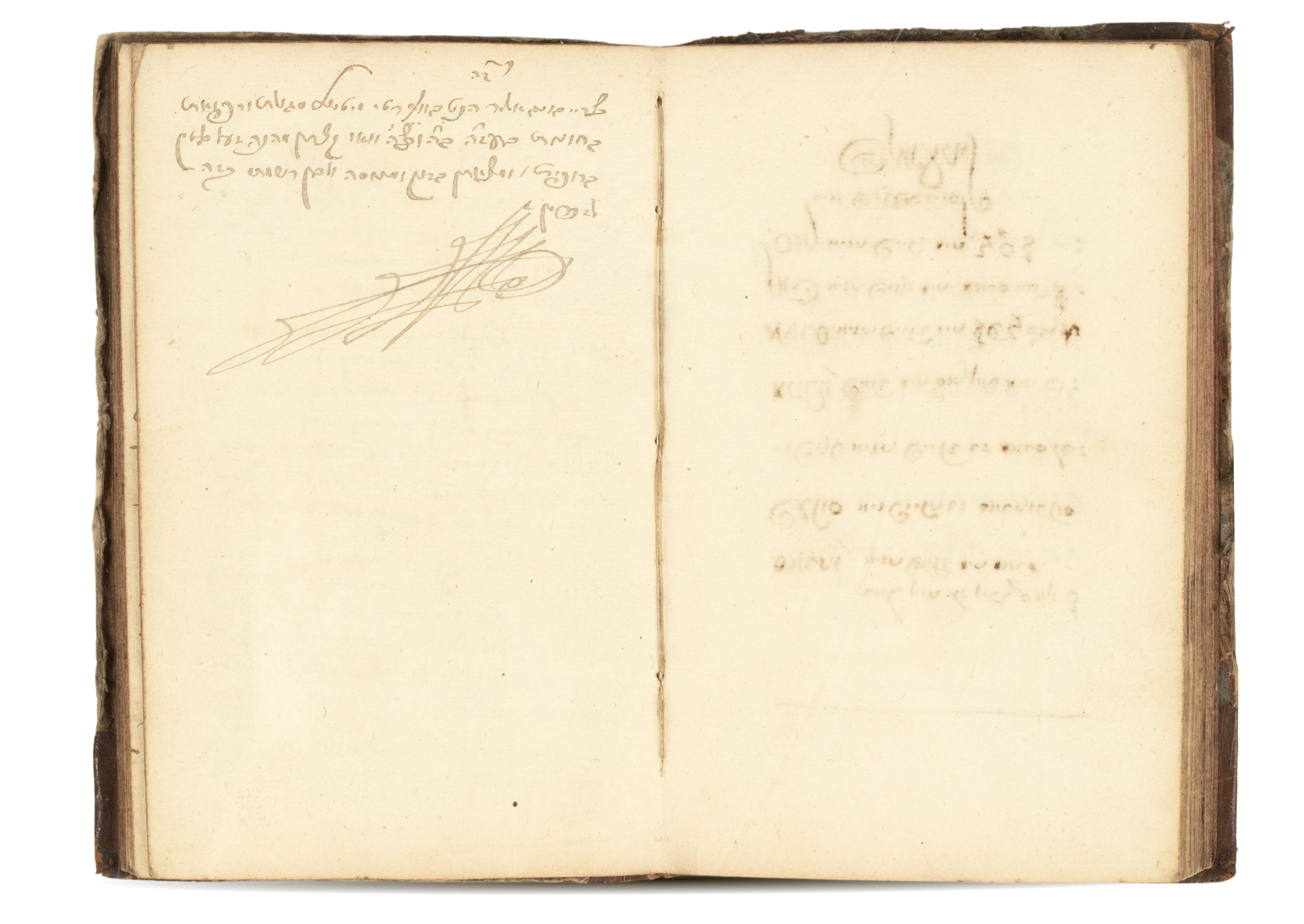
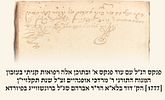
At the top of leaf 47a it is written:

“I learned these remedies and teachings from my brother-in-law, the great gaon Rabbi Nosson Adler, Av Beis Din and Rosh Yeshiva of the holy community of Boskowitz.”

After recording the remedies, he adds:


“All of the above he wrote for me in his pure handwriting at my repeated request, on the nineteenth of Menachem Av, 1783, in the holy community of Boskowitz.”


He then notes:

“Afterward, one of his disciples came here and told me that he had learned this from him…”

(Perhaps this disciple was the Chasam Sofer, who traveled with Rabbi Nosson to Boskowitz.)

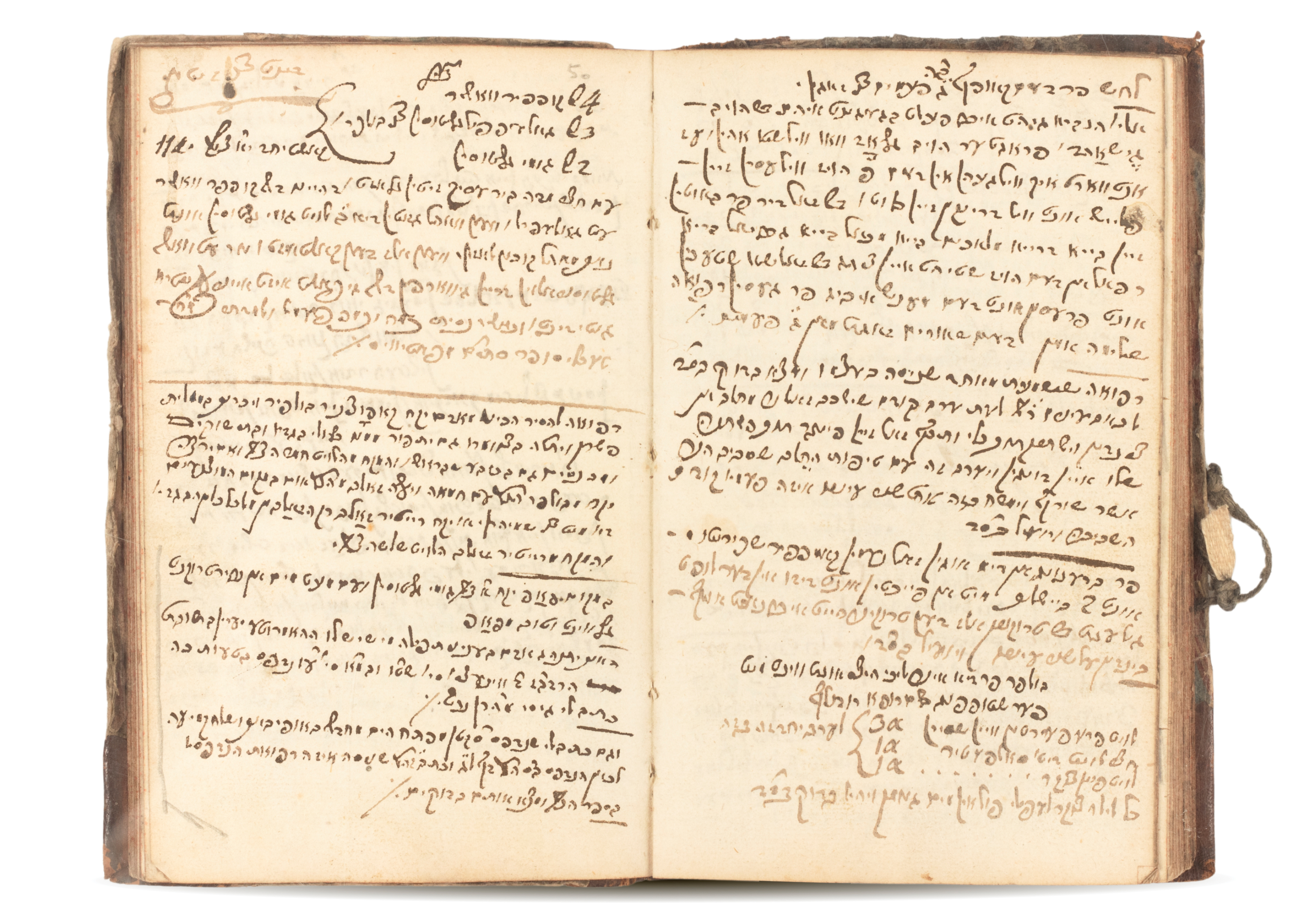
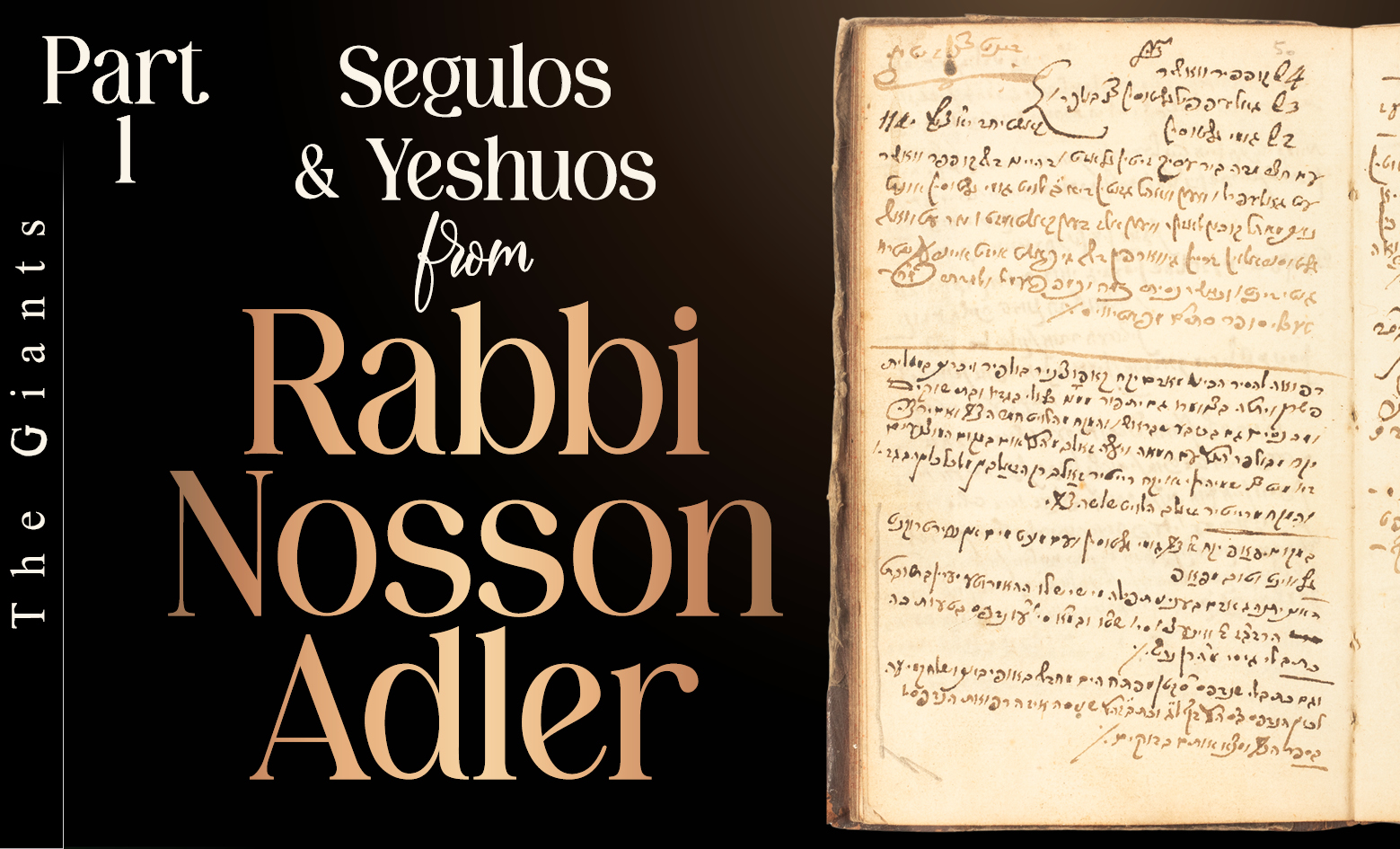
On leaf 50a additional teachings of Rabbi Nosson are recorded, concluding:

“So wrote to me my brother-in-law Rabbi Nosson. He also informed me that a small sefer entitled Mafteach HaYam had recently been printed in Offenbach [1788], and he sent an amulet printed therein on leaf 33, writing as follows: that he had personally tested several of the remedies printed in that sefer and found them to be proven.”

We thus have before us Rabbi Nosson Adler’s own endorsement of the remedies printed in Mafteach HaYam.

****
Rabbi Nosson Adler (1741–1800) was a remarkable gaon, a holy kabbalist and renowned miracle worker, with an aura of mystery that still envelops him today.

From a young age, he conducted himself with exceptional holiness and prishus. His disciple, the Chasam Sofer, described him in his eulogy: “He attained the highest level of chassidus and prishus (abstinence) from worldly matters… No secret was hidden from him and all the gates of Torah stood open before him.”

Aside from his immense greatness in revealed Torah, he was an outstanding kabbalist. The Chasam Sofer testified that he personally witnessed his teacher using Hashem’s Holy Names. Already at a young age, people “marveled at his Torah knowledge and even at his mastery of the natural sciences.” All his conduct followed the teachings of the Arizal.

In addition, he possessed broad knowledge in many sciences. He employed this knowledge in developing remedies and segulos for the sick and afflicted, and his amulets became widely renowned as proven amulets. The memorial register of the community of Frankfurt records: “The man proved himself and the amulet proved itself, having helped and healed many people” (Rabbanim of Frankfurt, p. 311).

Regarding an amulet once in the possession of the Michtav Sofer, received from his father, who had received it from his rebbi Rabbi Nosson Adler, see Iggros Sofrim, letter 30.

Rabbi Nosson’s leading disciple was, of course, the Chasam Sofer, who would often extol his teacher’s holiness and testified of himself: “I never left his side, carefully observing his every practice, his comings and goings” (Shu”t Chasam Sofer, Choshen Mishpat, no. 3). He even moved with him from Frankfurt to Boskowitz, where Rabbi Nosson served as Av Beis Din from late 1782 until the end of 1783.

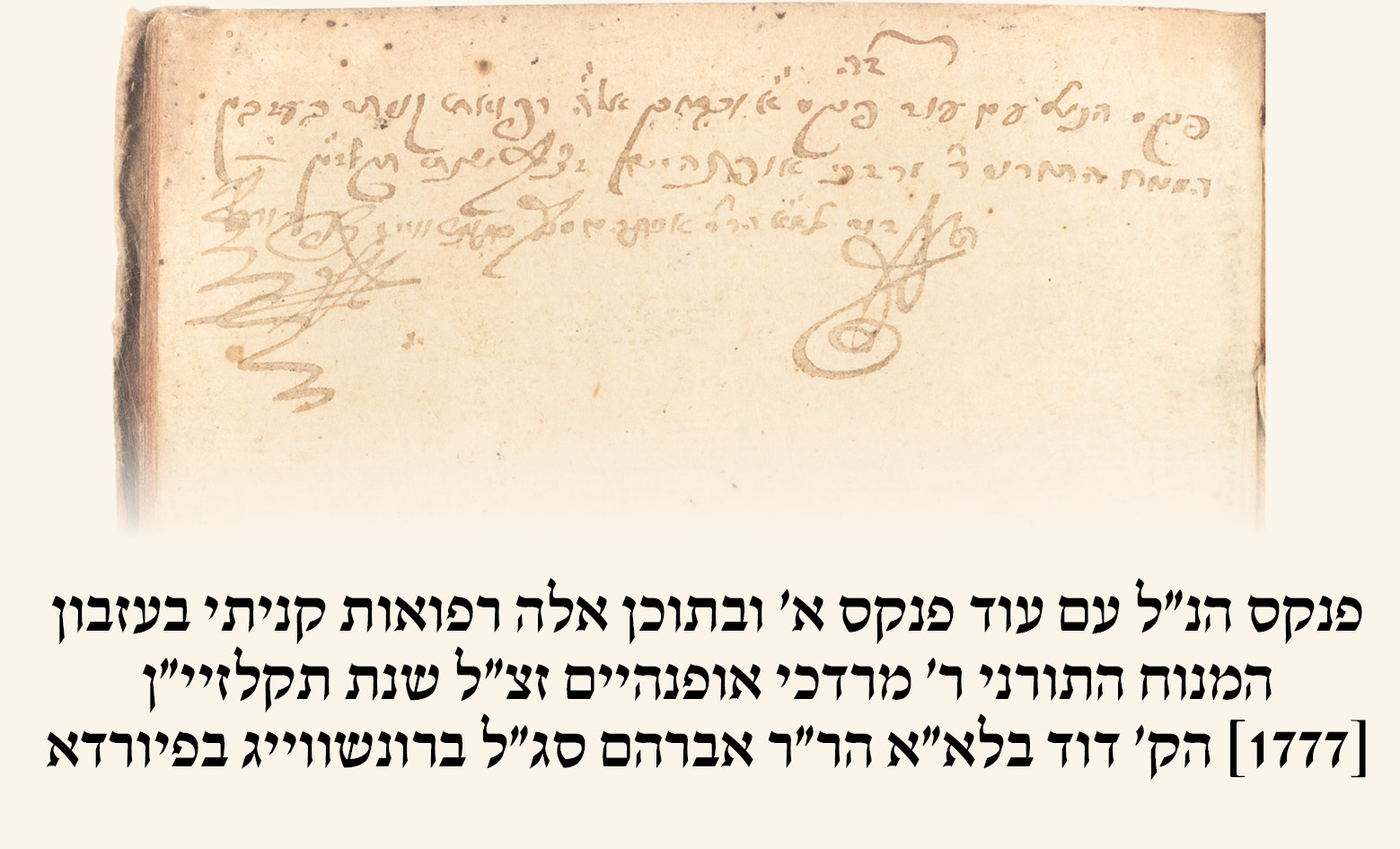
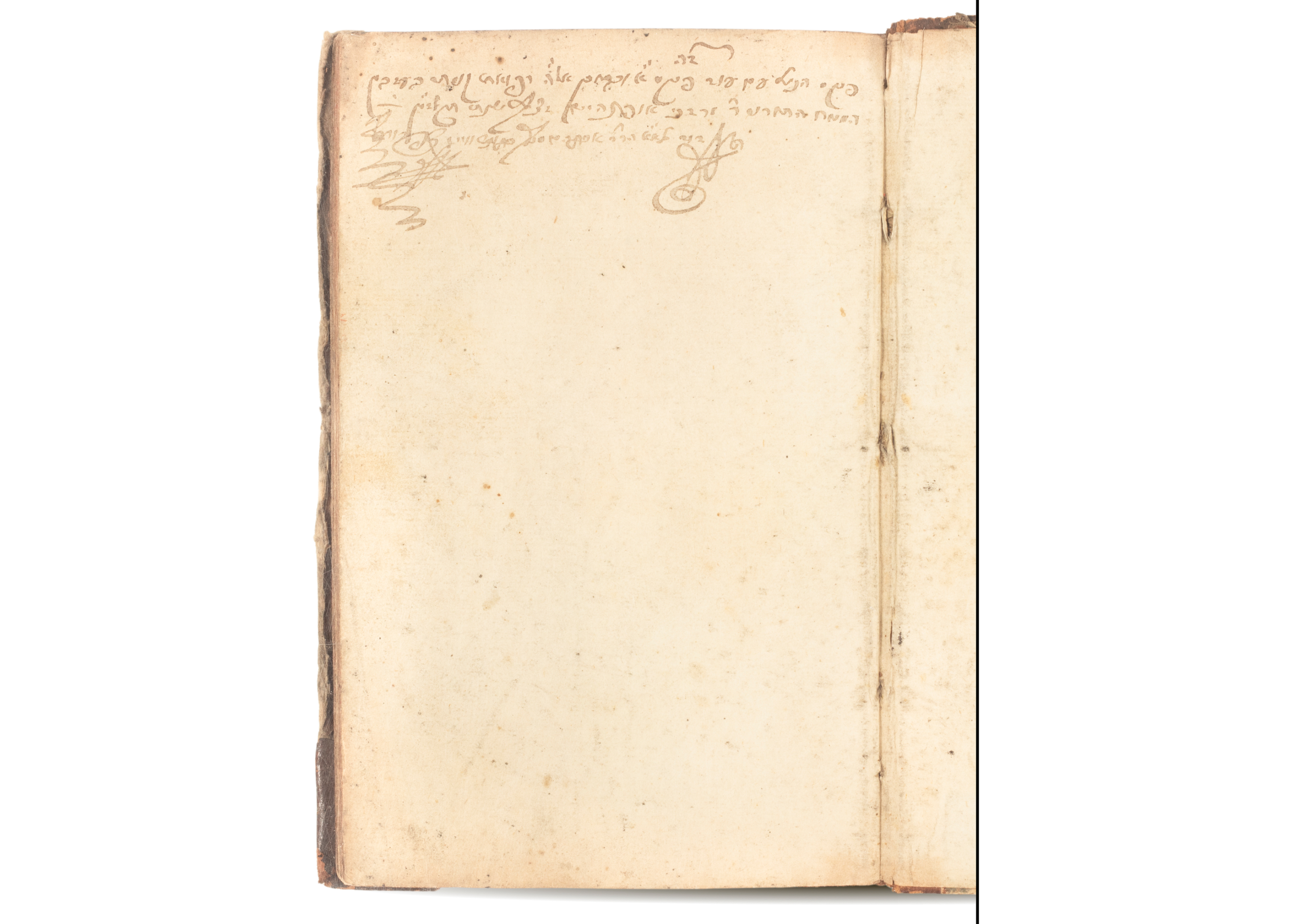
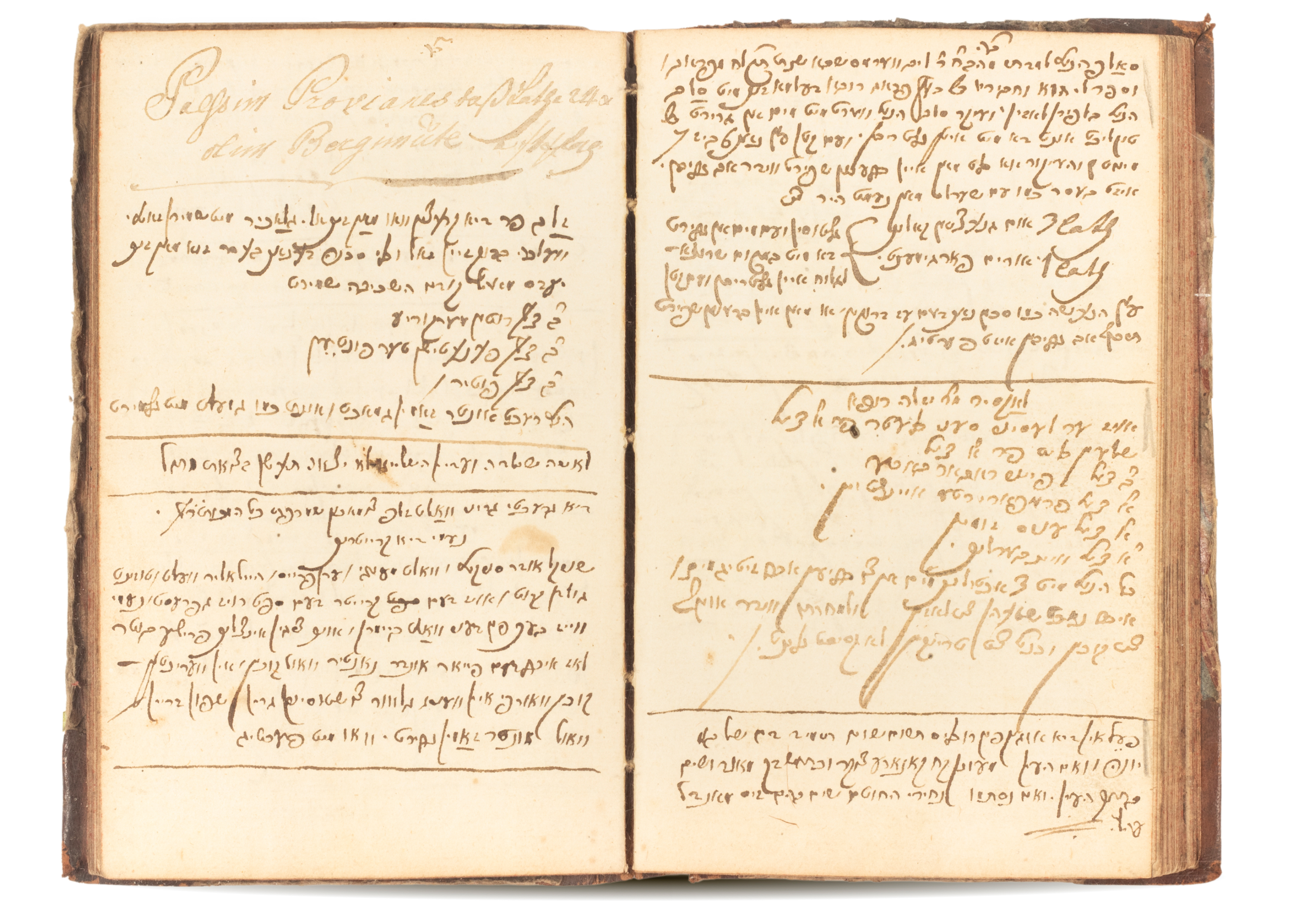
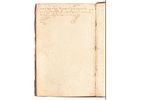
The front flyleaf bears the following ownership inscription:

“The above notebook, together with another notebook, both containing these remedies, I purchased from the estate of the late learned Rabbi Mordechai Oppenheim, of blessed memory, in the year 1777. Hakatan David, son of Rabbi Avraham Segal Braunschweig of Fürth.”

The remedies are written in the same handwriting as this inscription, thereby revealing the identity of Rabbi Nosson Adler’s brother-in-law: Rabbi David Segal Braunschweig.

Rabbi David Segal Braunschweig served as a communal trustee of the Fürth community. A manuscript work of his entitled Zikaron Zeh LeDavid, written between 1783 and 1793, has survived. The work reveals him to have been an outstanding Torah scholar who was deeply troubled by the spiritual condition of the Fürth community. A reproduction of the manuscript is held by the National Library of Israel, no. F22807; for a description, see Y. L. Biller, Min HaGenazim, vol. 2, pp. 29–31.

The volume is bound together with a work of remarkable importance and rarity, for which no comparable example appears to be known. The National Library of Israel holds no other Yiddish–Hebrew alchemical treatise dating from this period. 

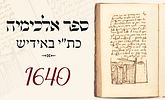
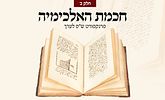
II. Comprehensive Treatise on Alchemy – Frankfurt? c. 1640

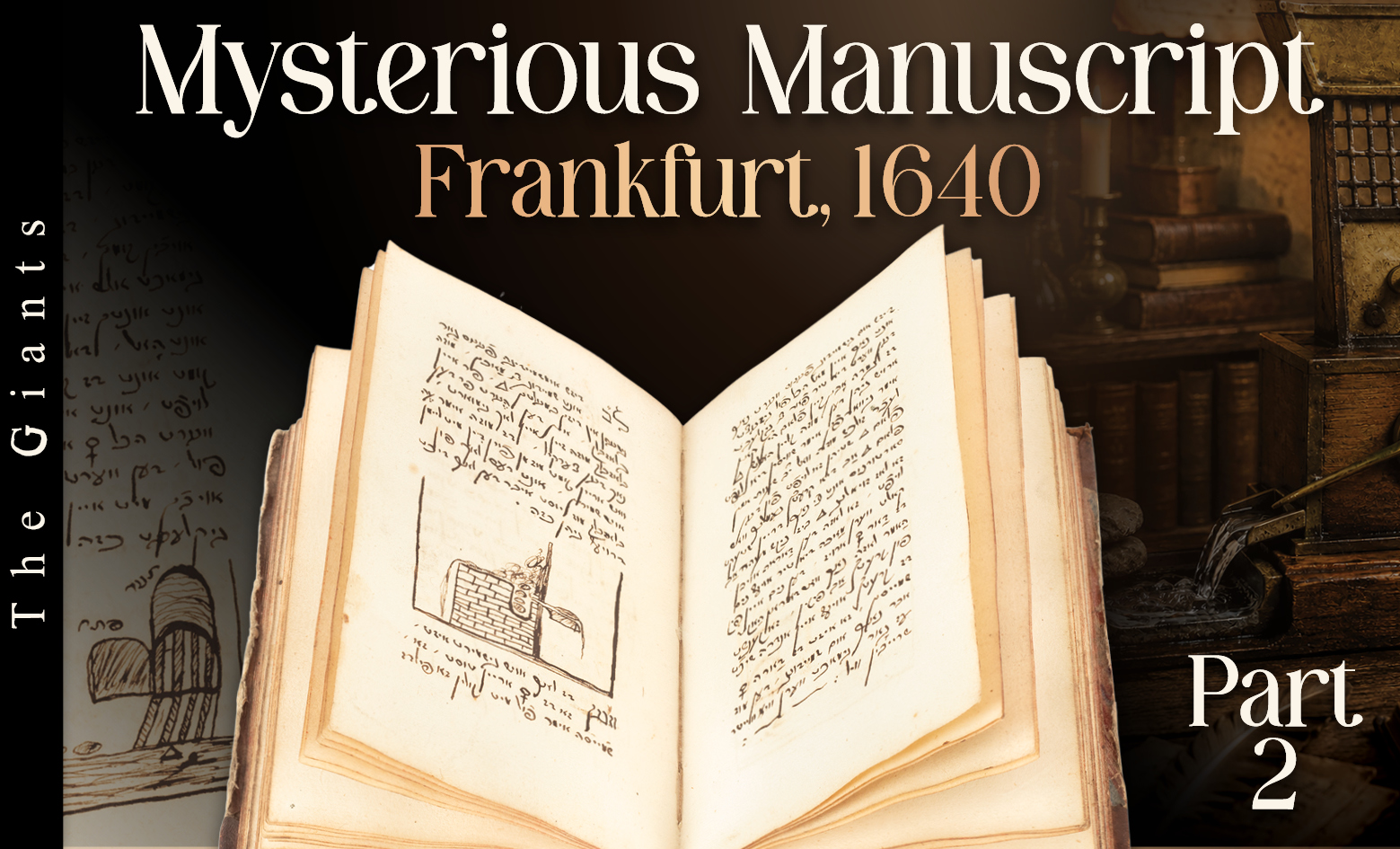
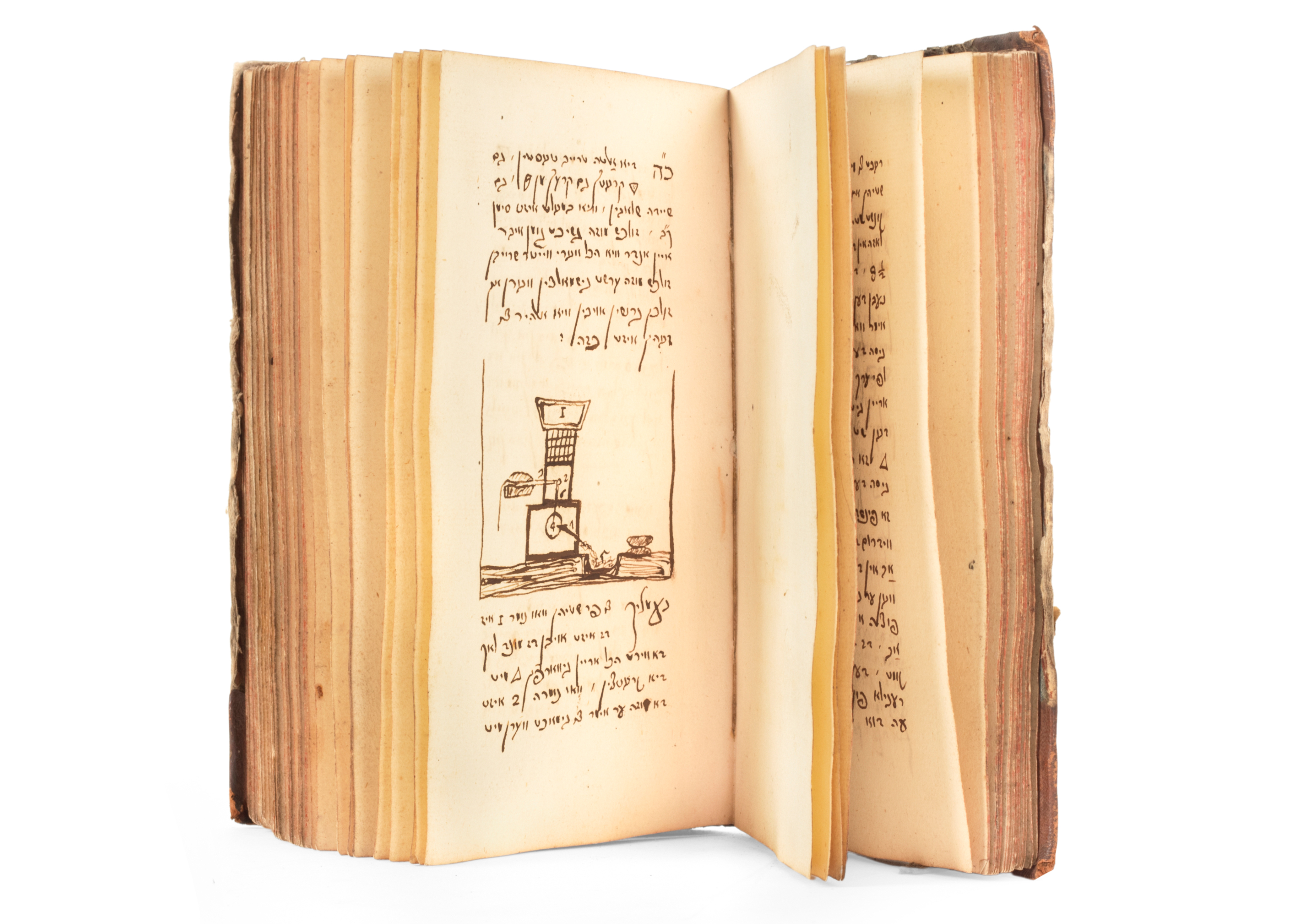
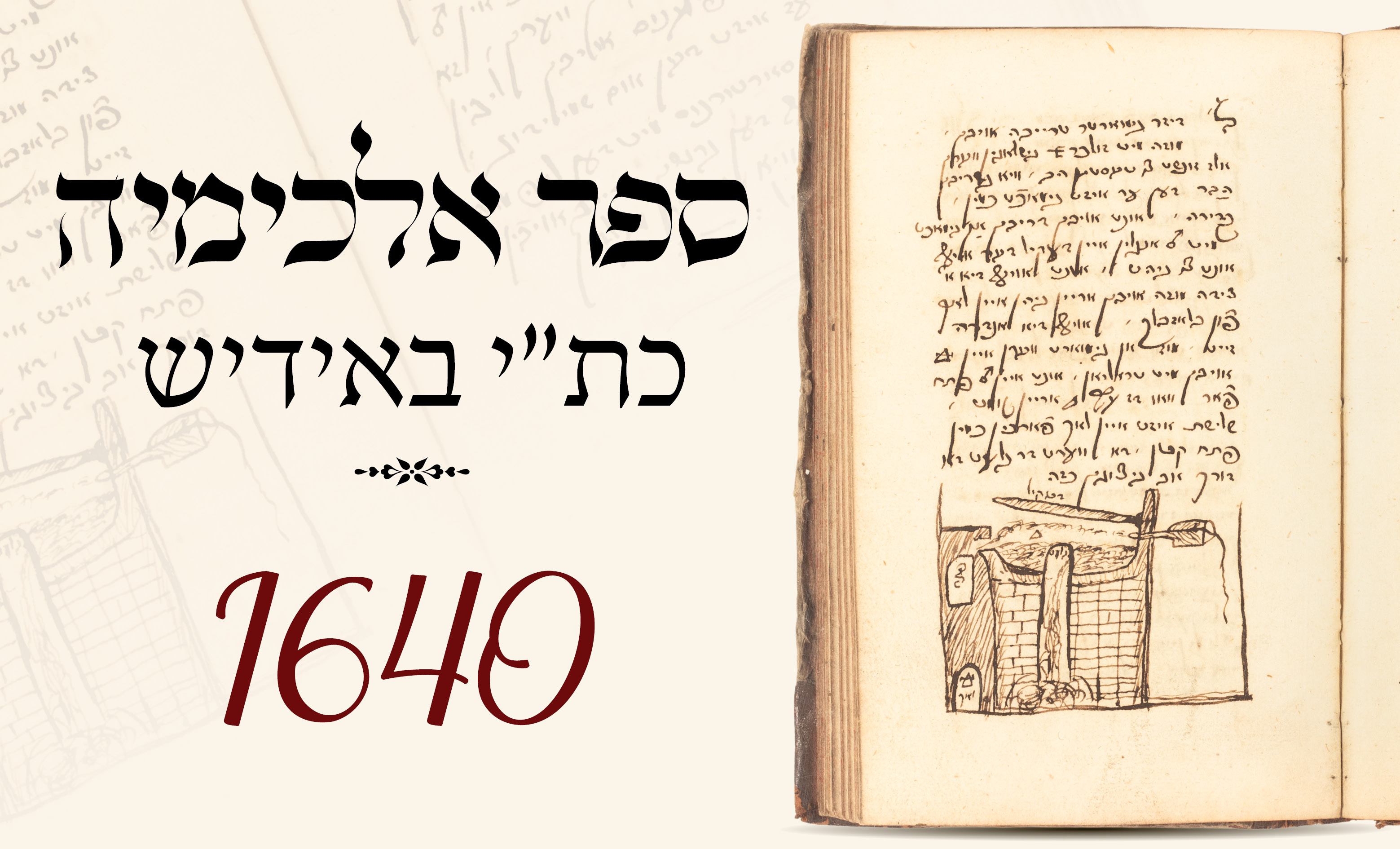
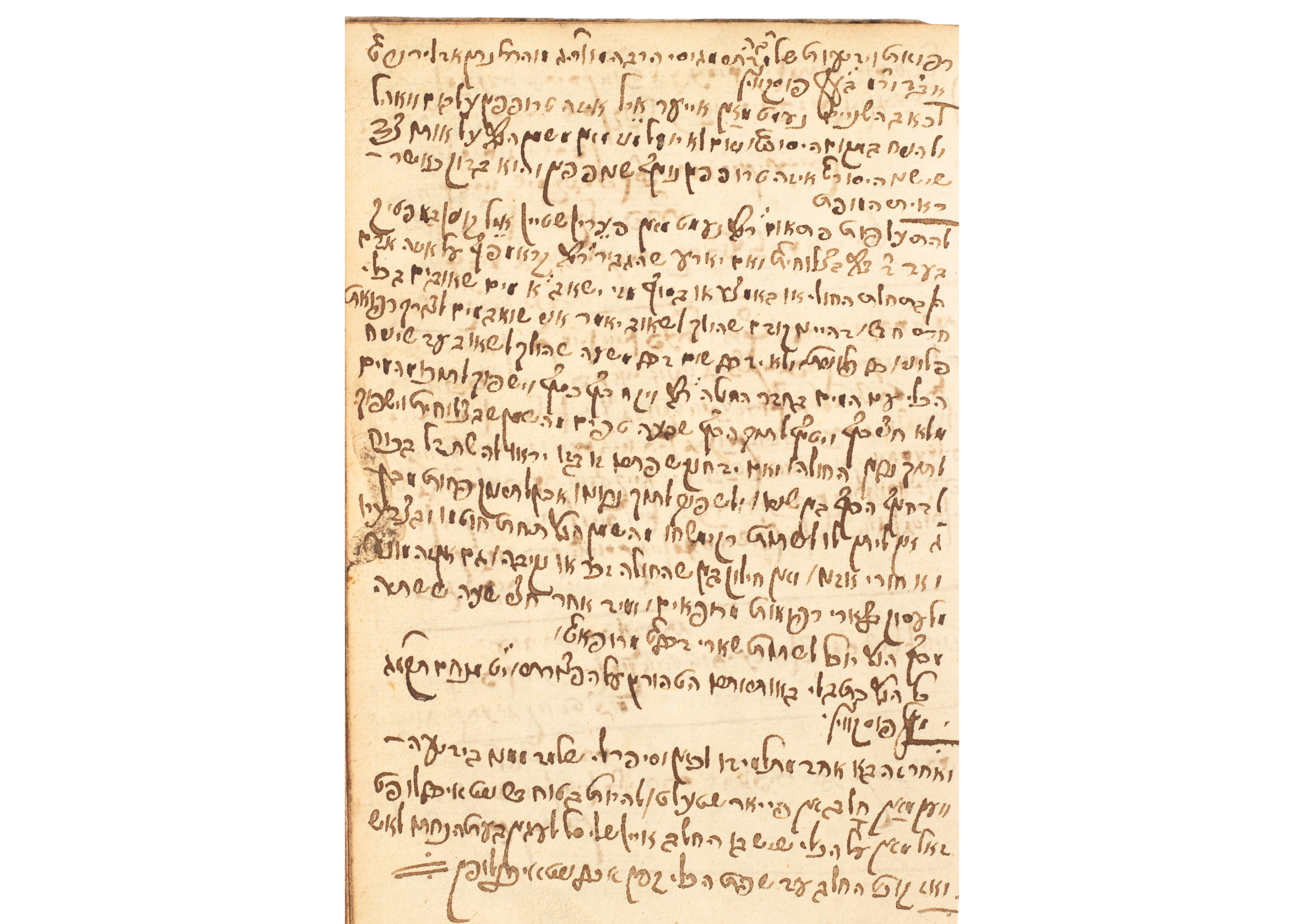
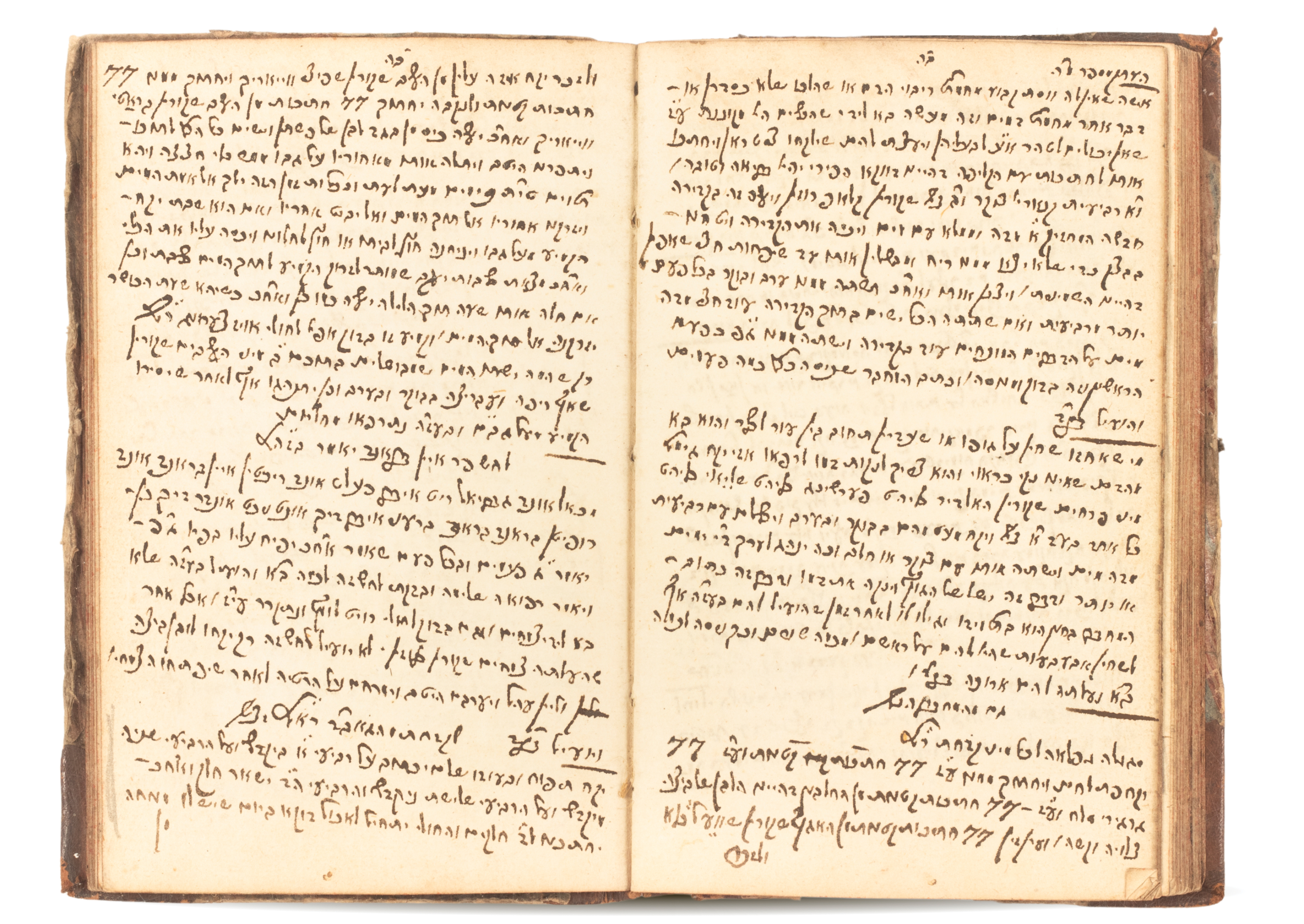
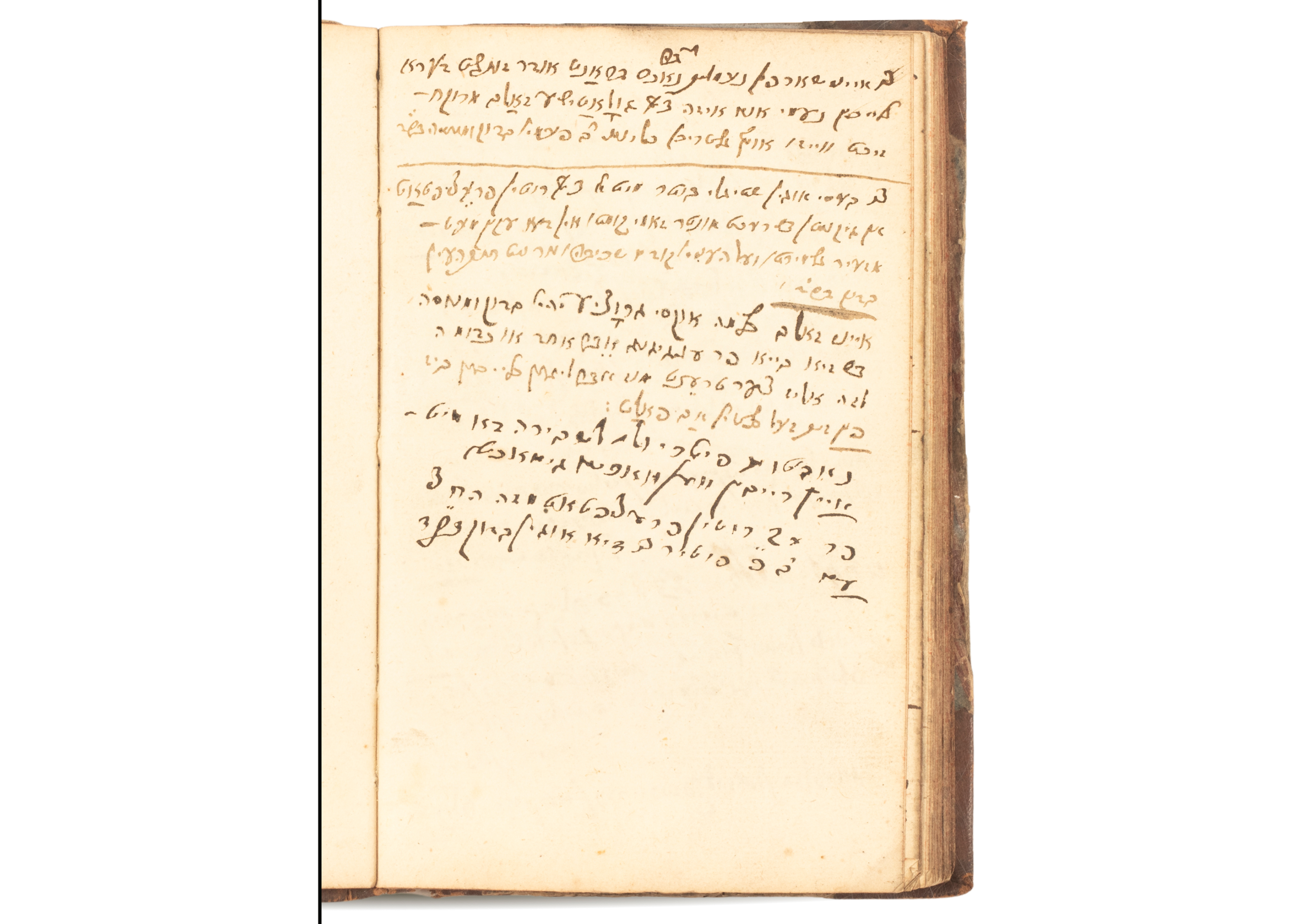
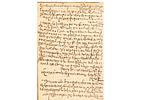
Comprehensive manuscript treatise on the science of alchemy.

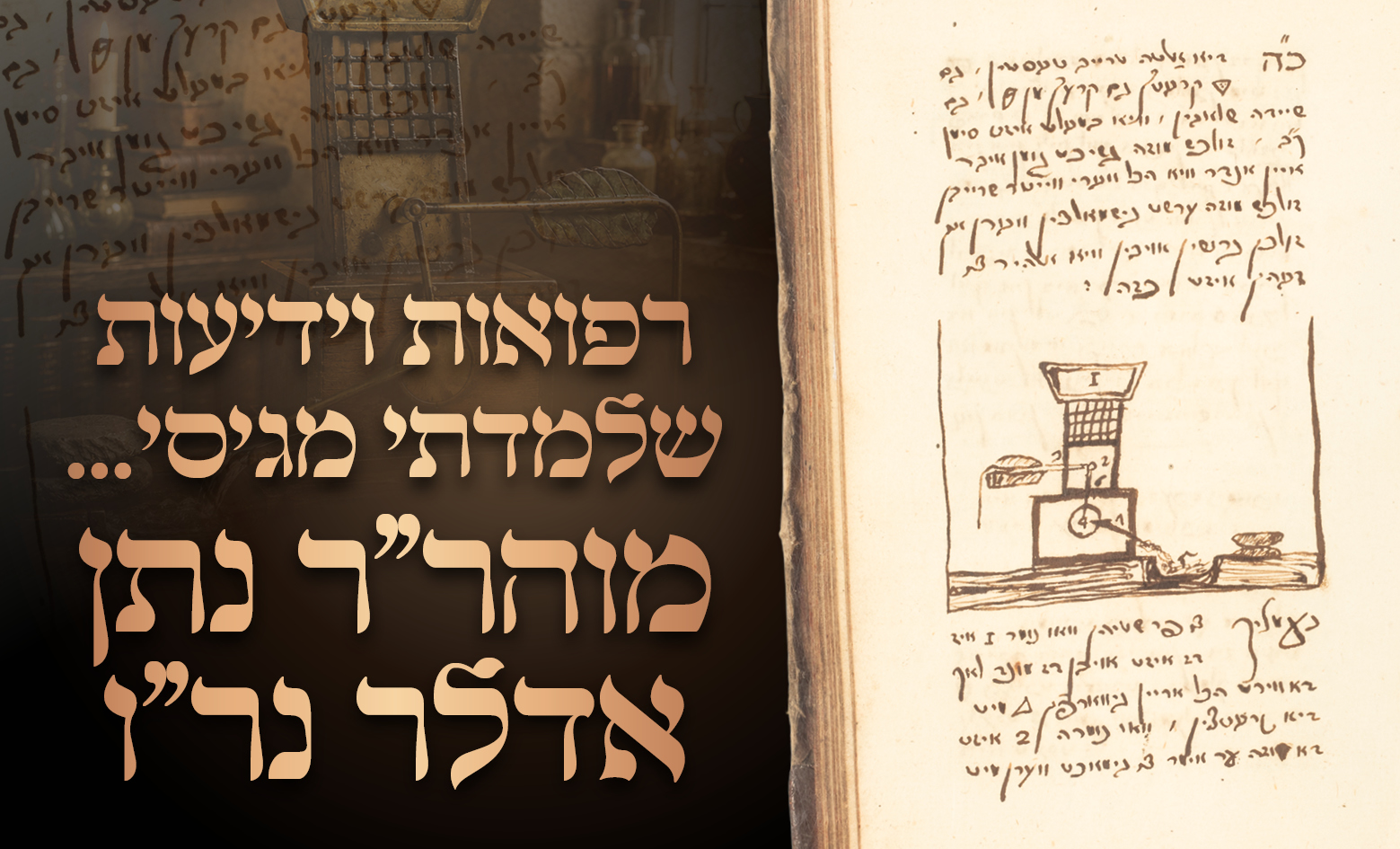
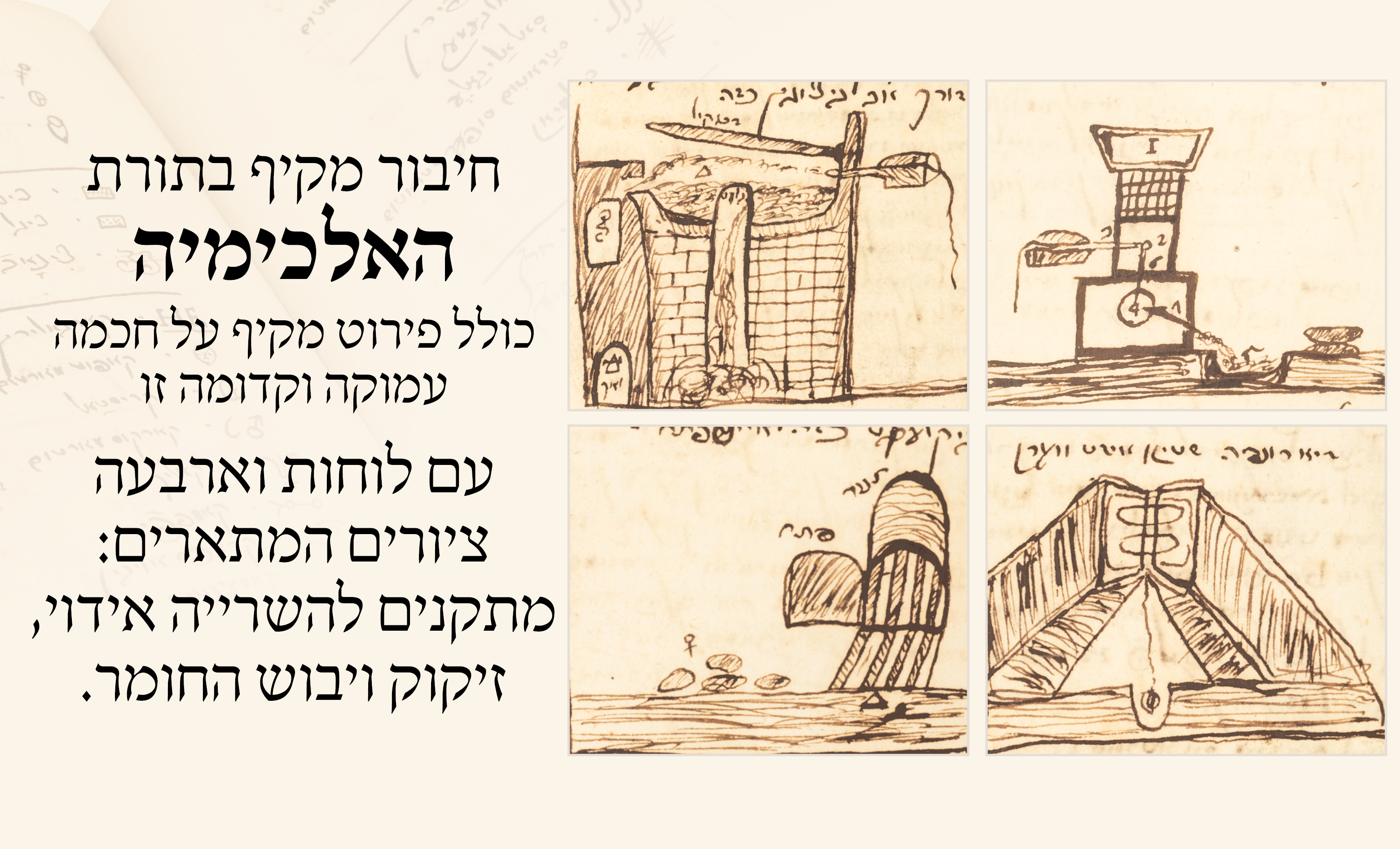
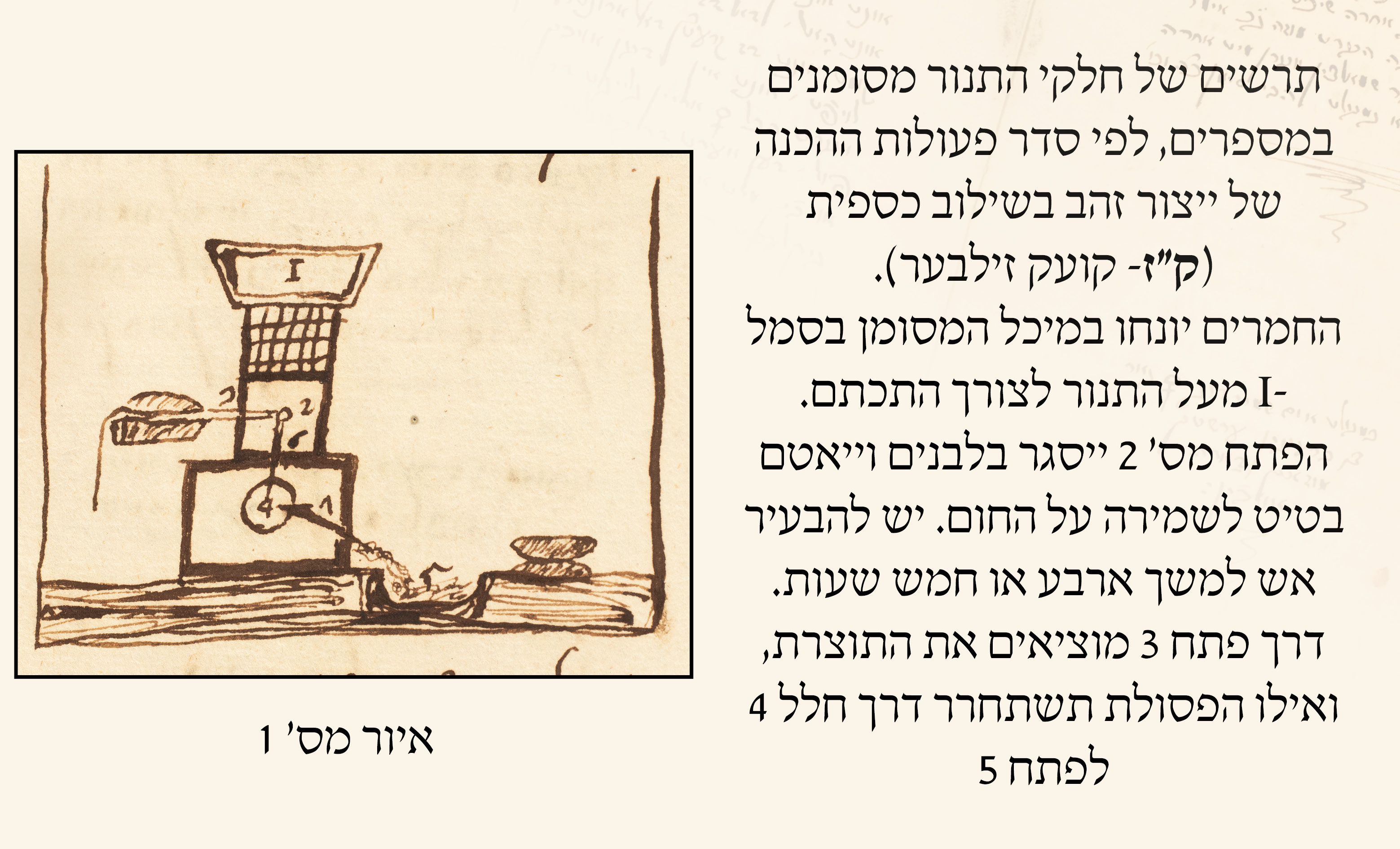
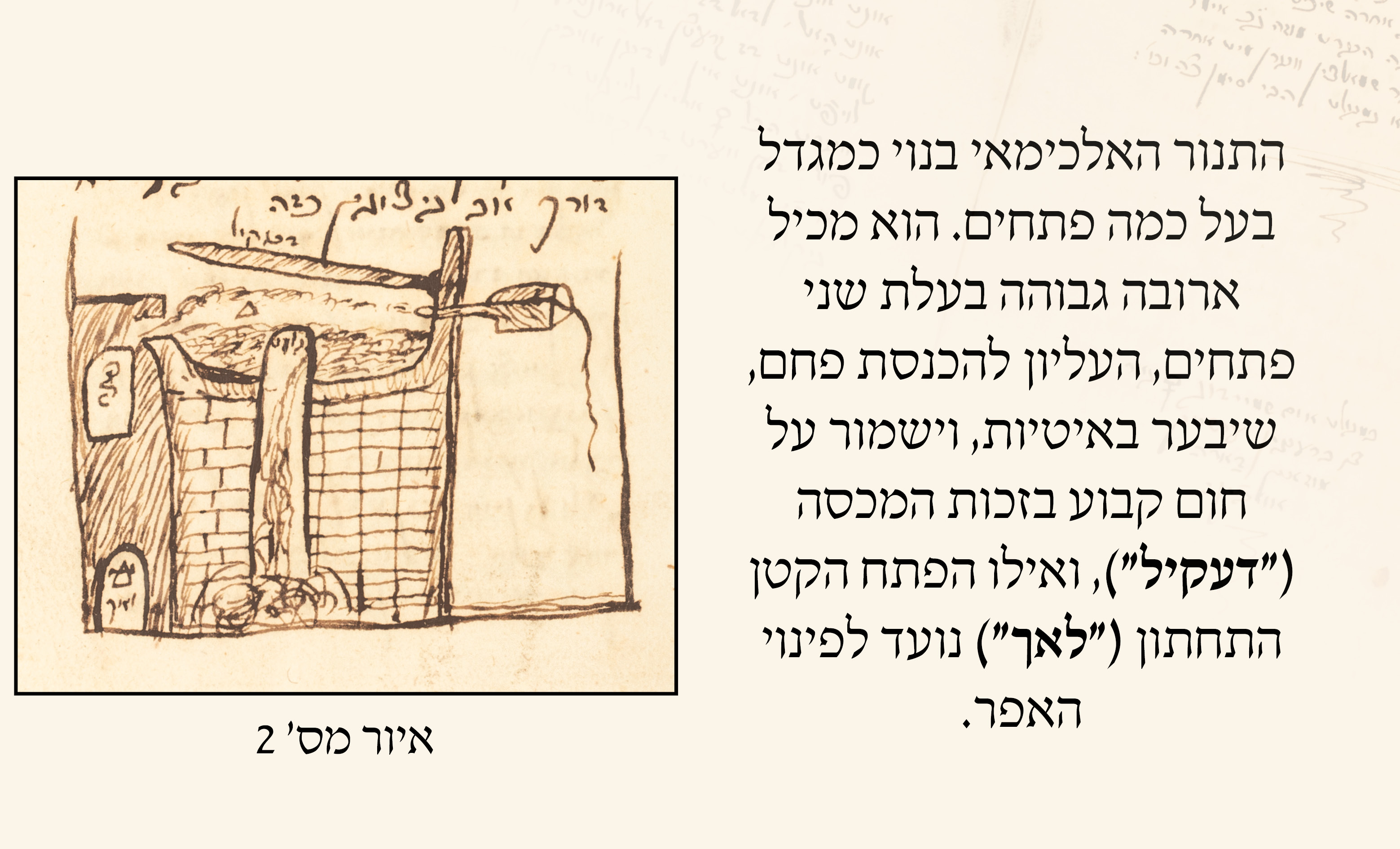
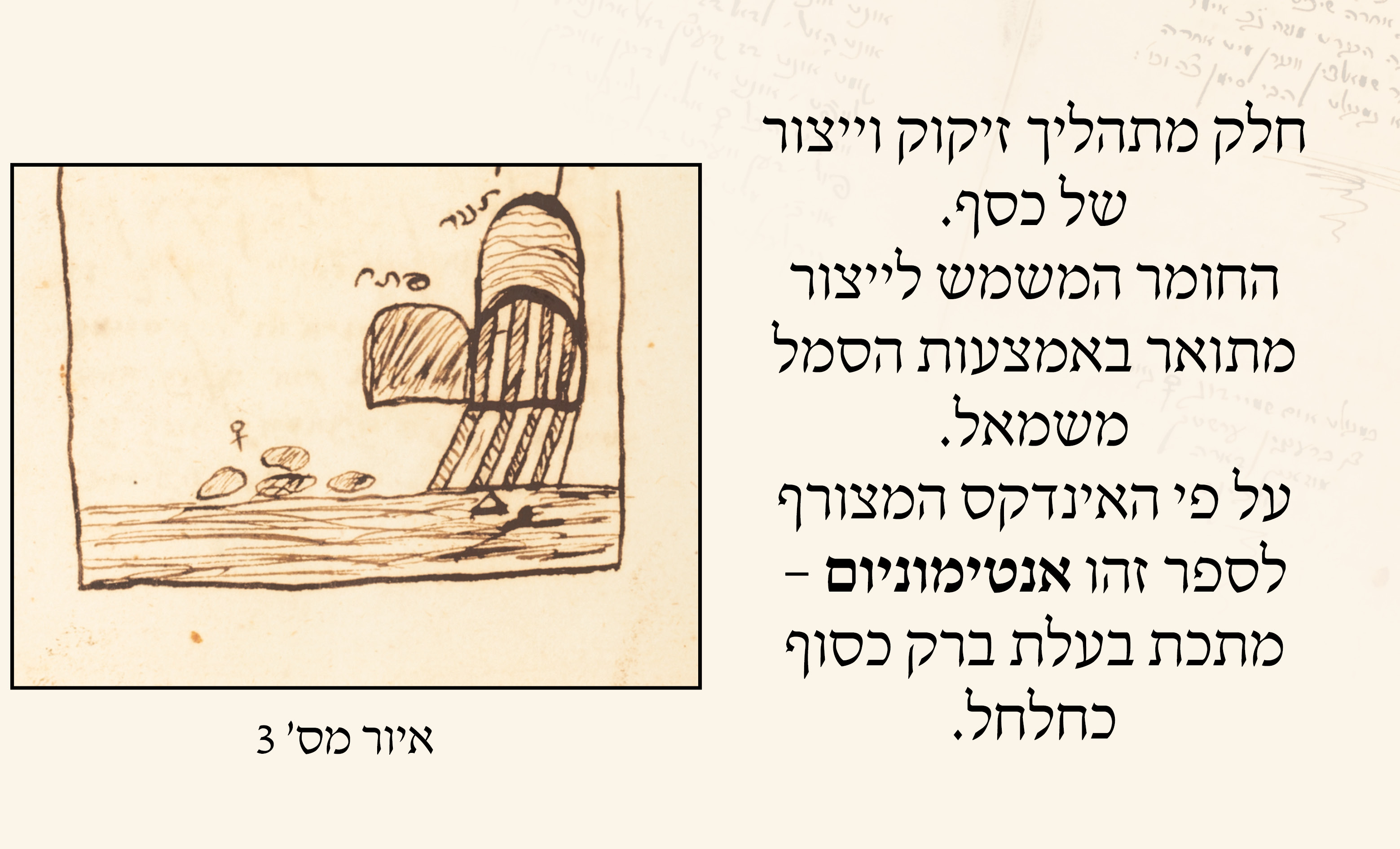
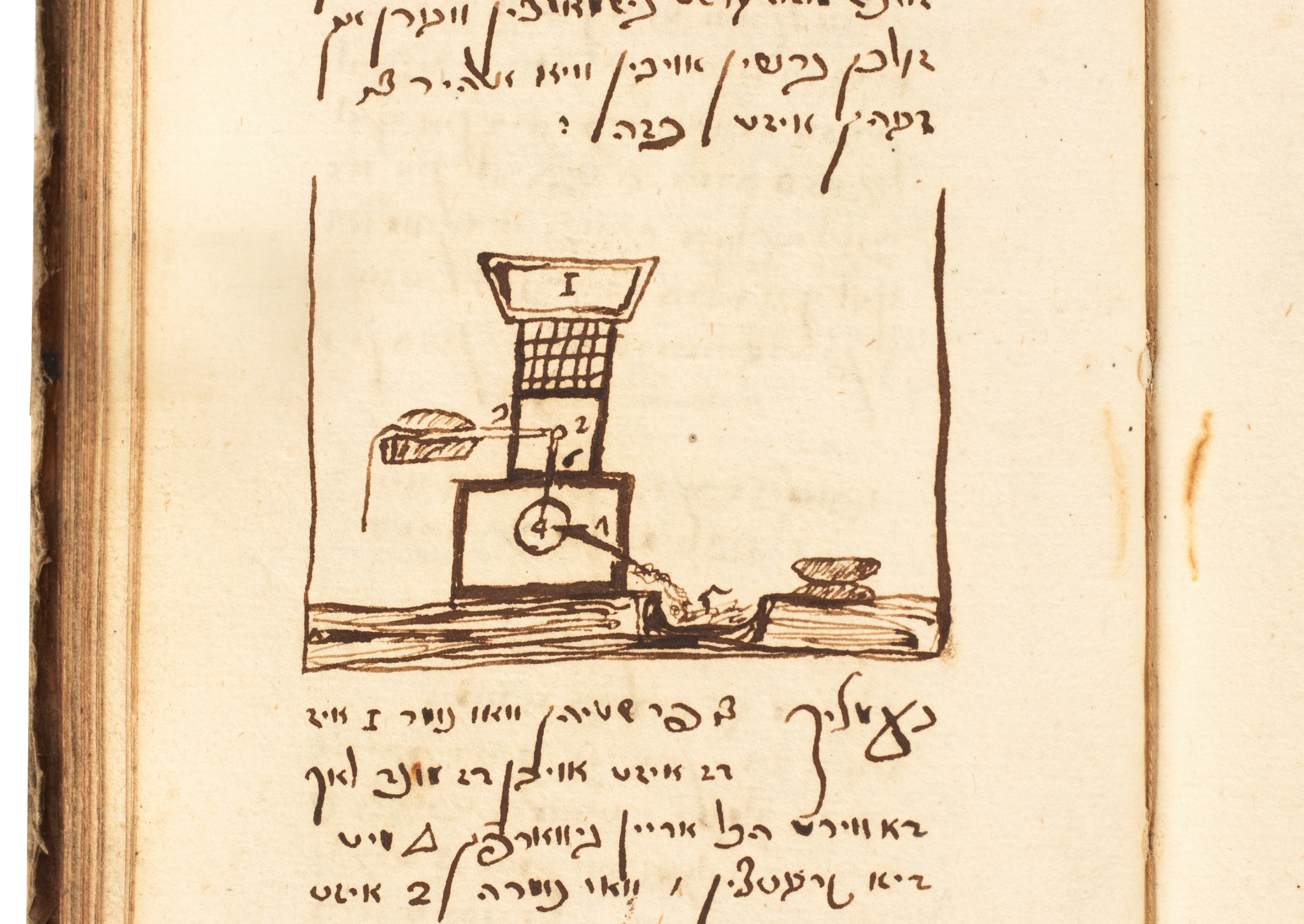
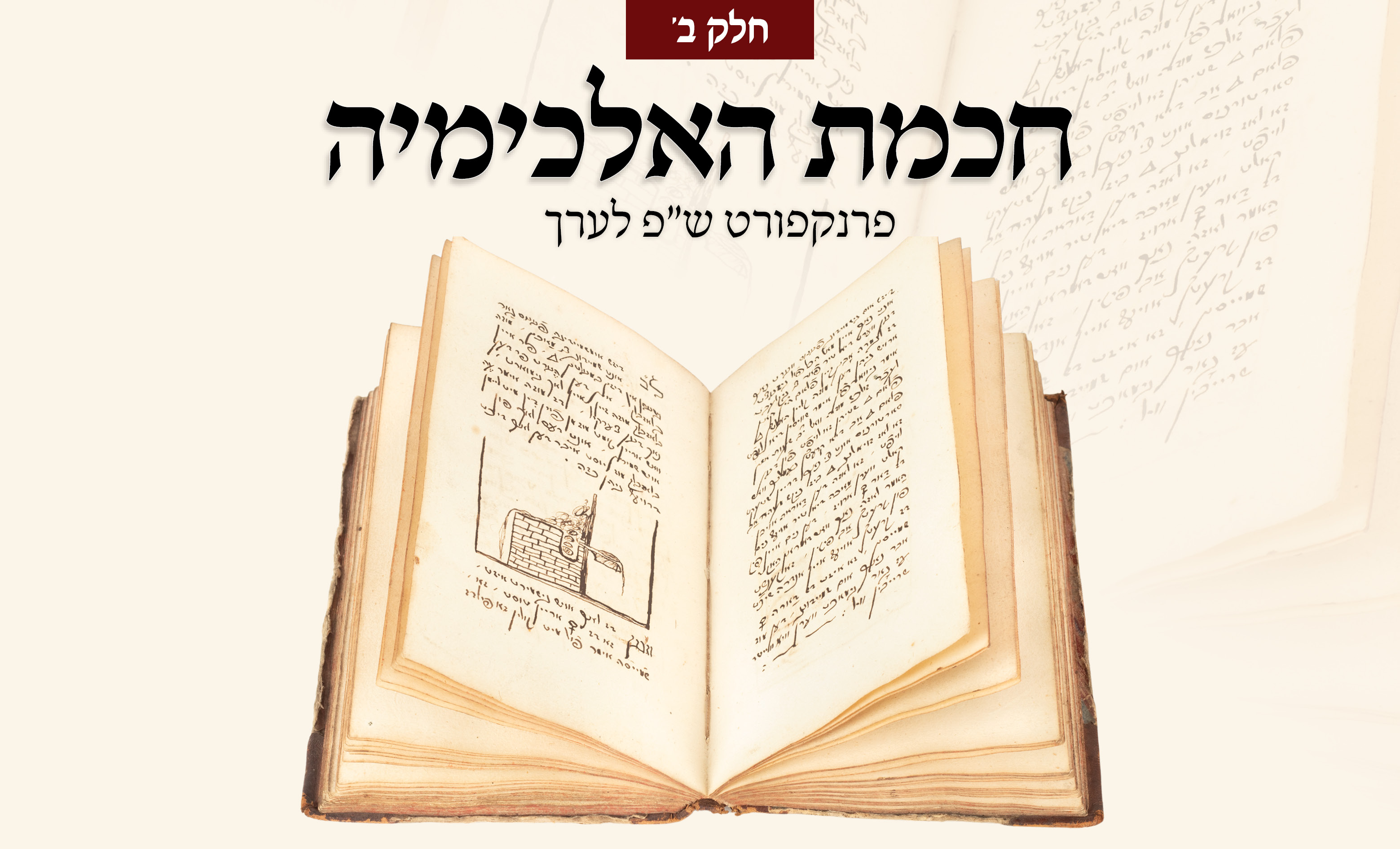
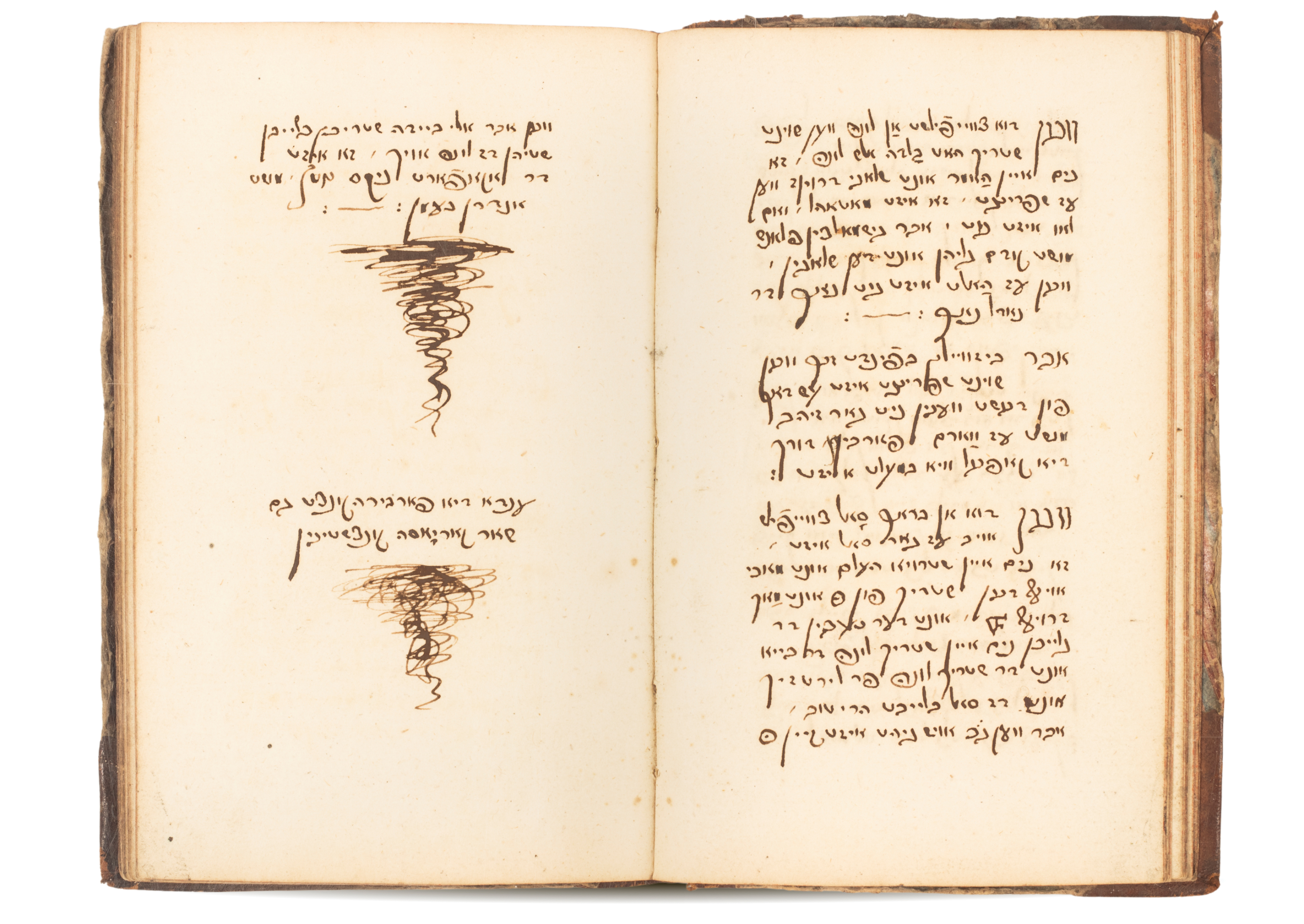
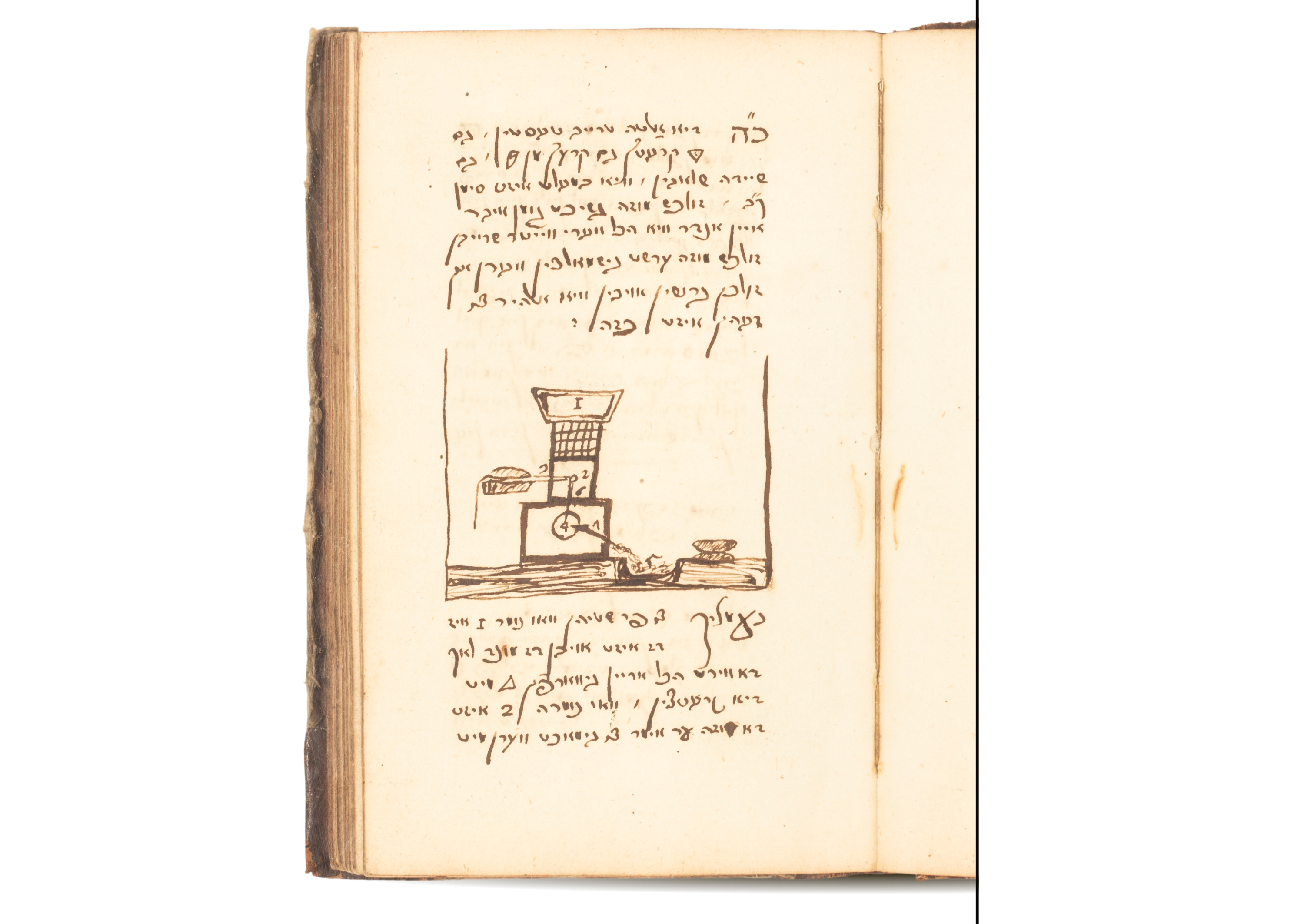
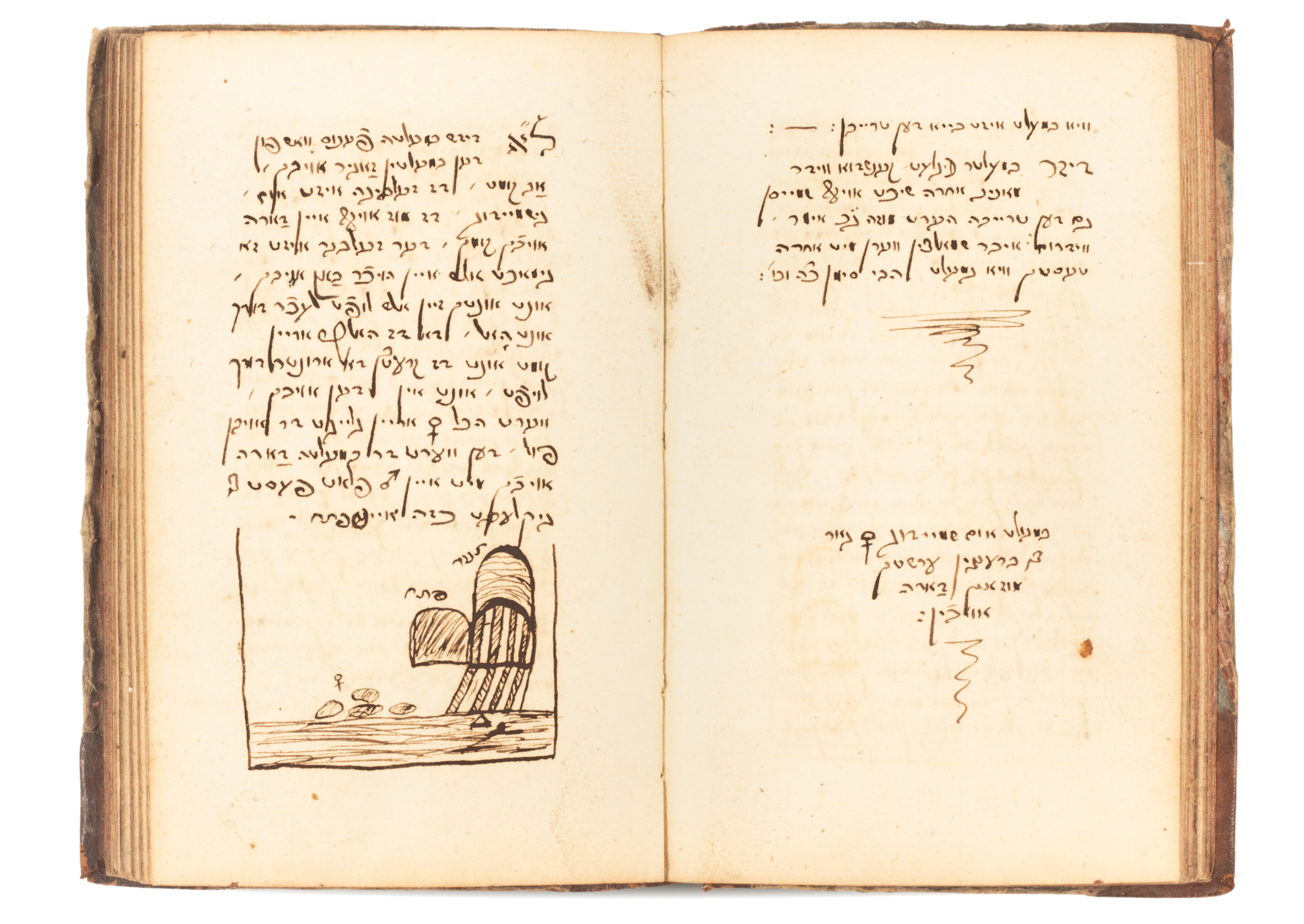
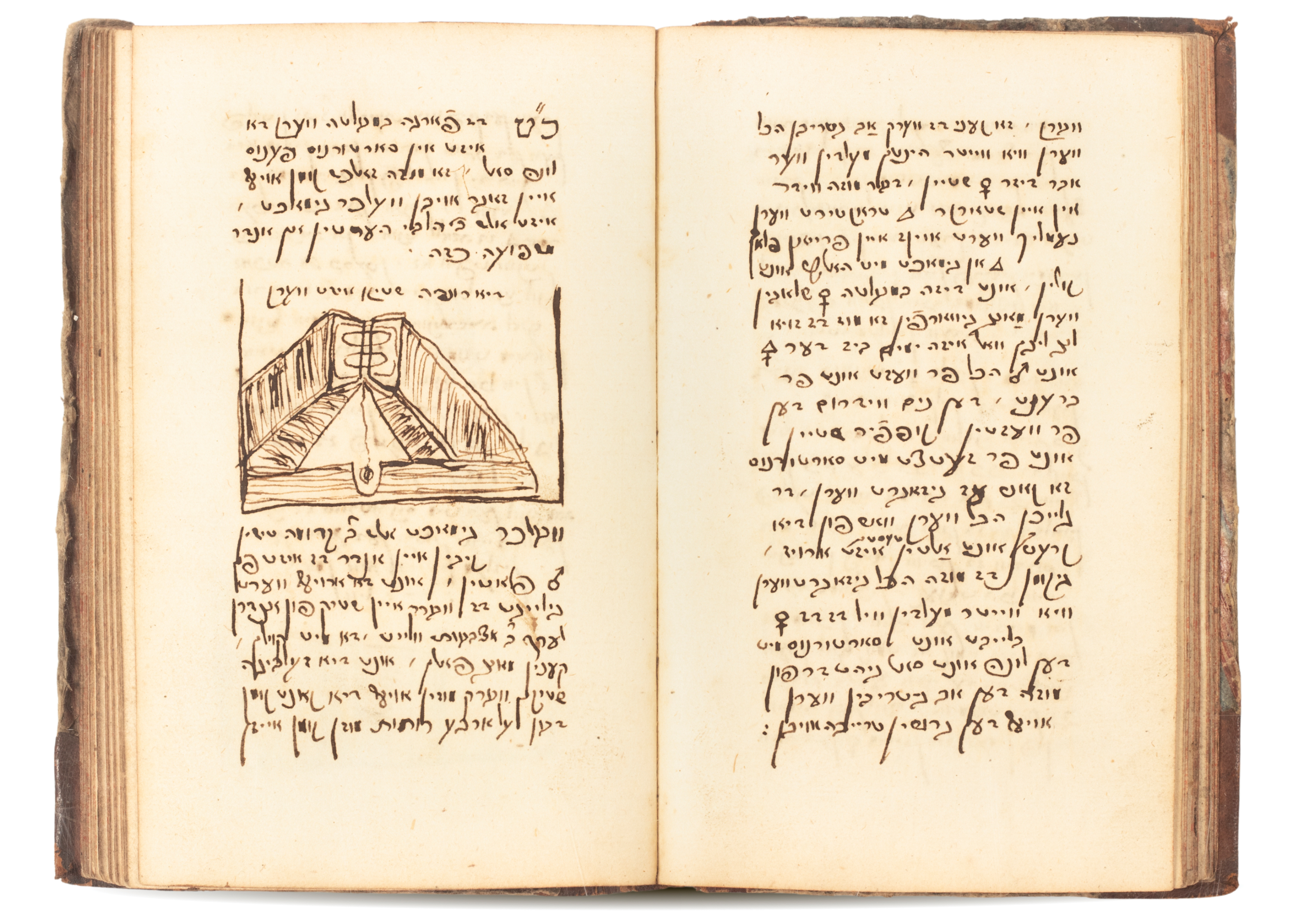
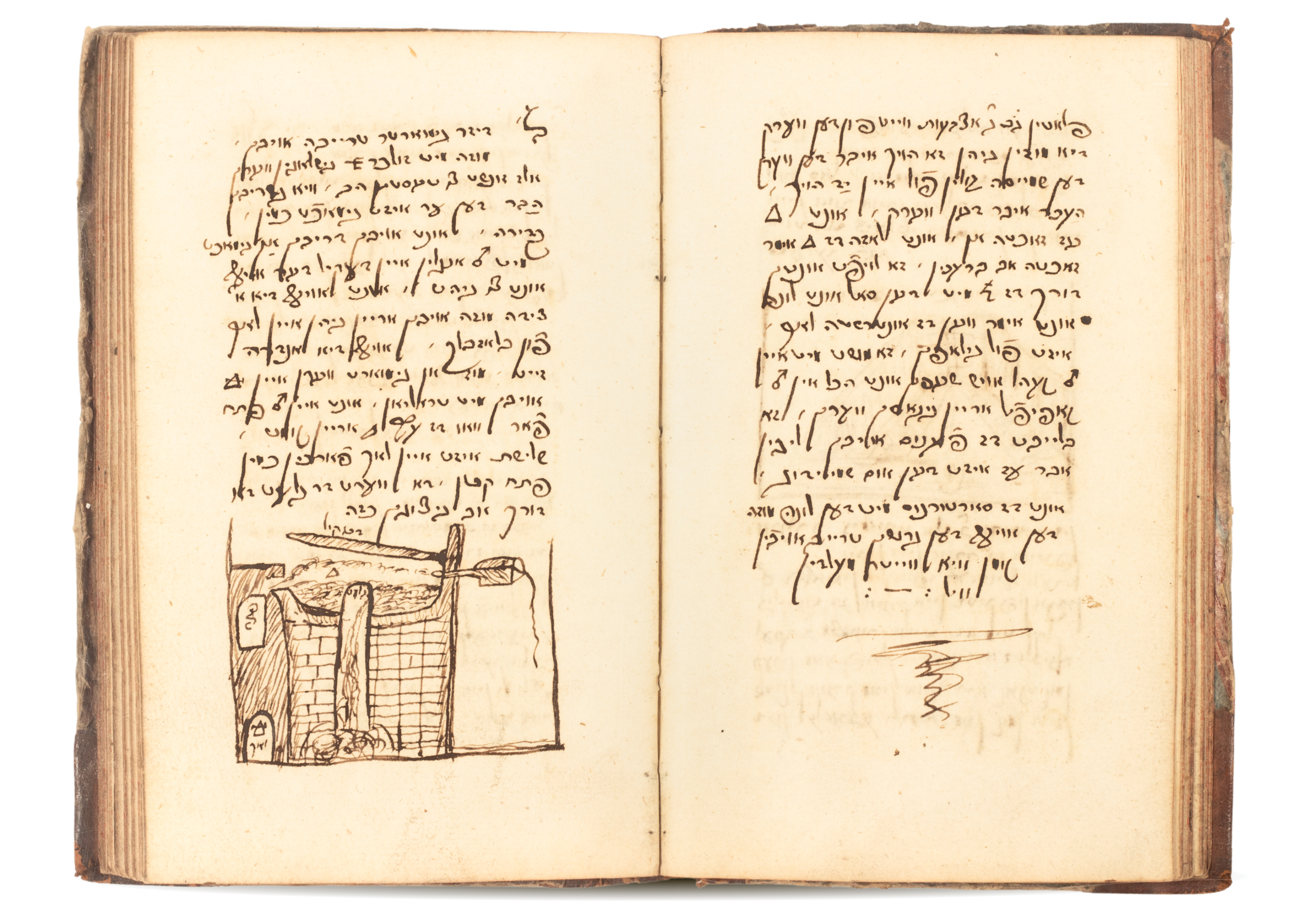
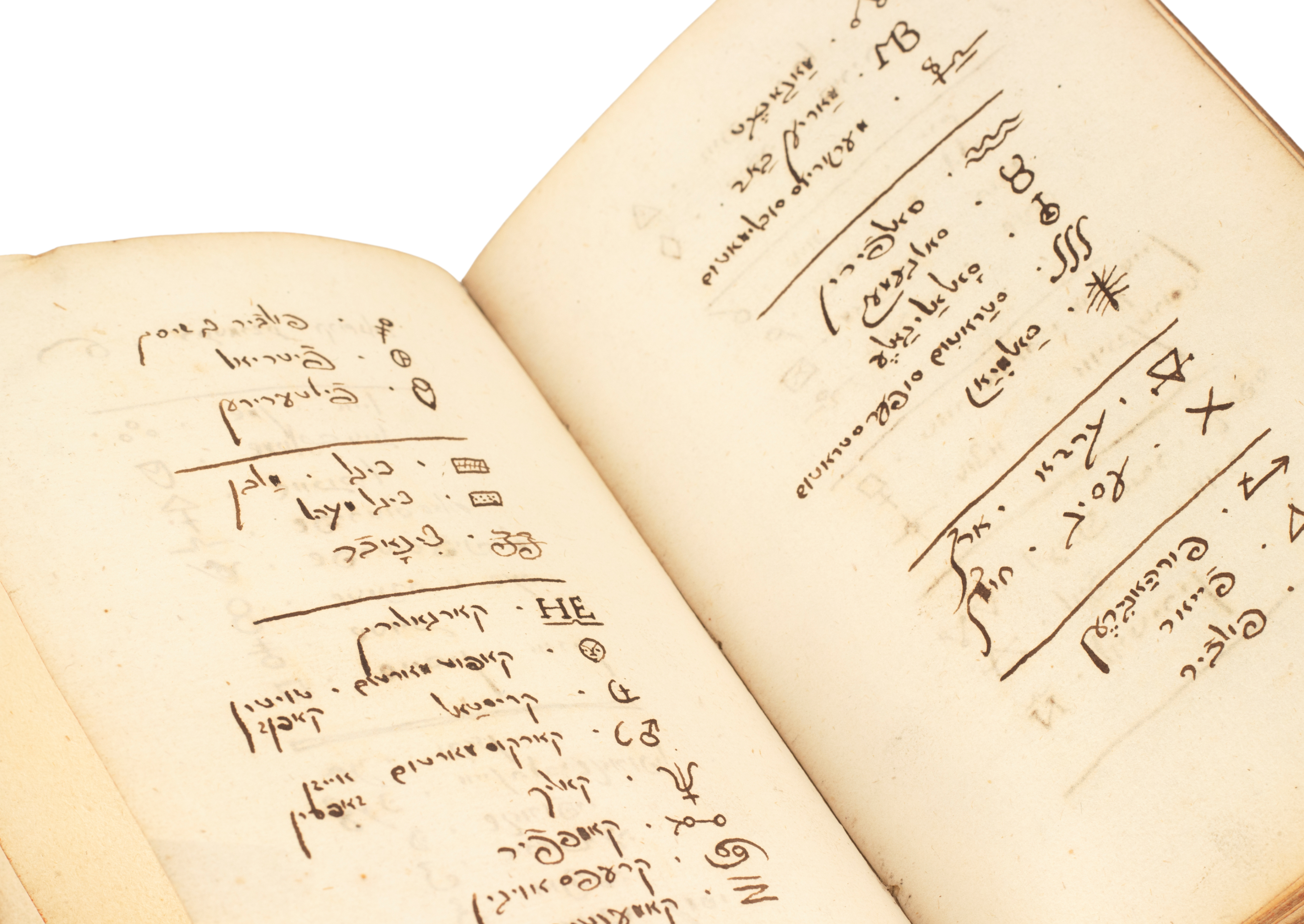
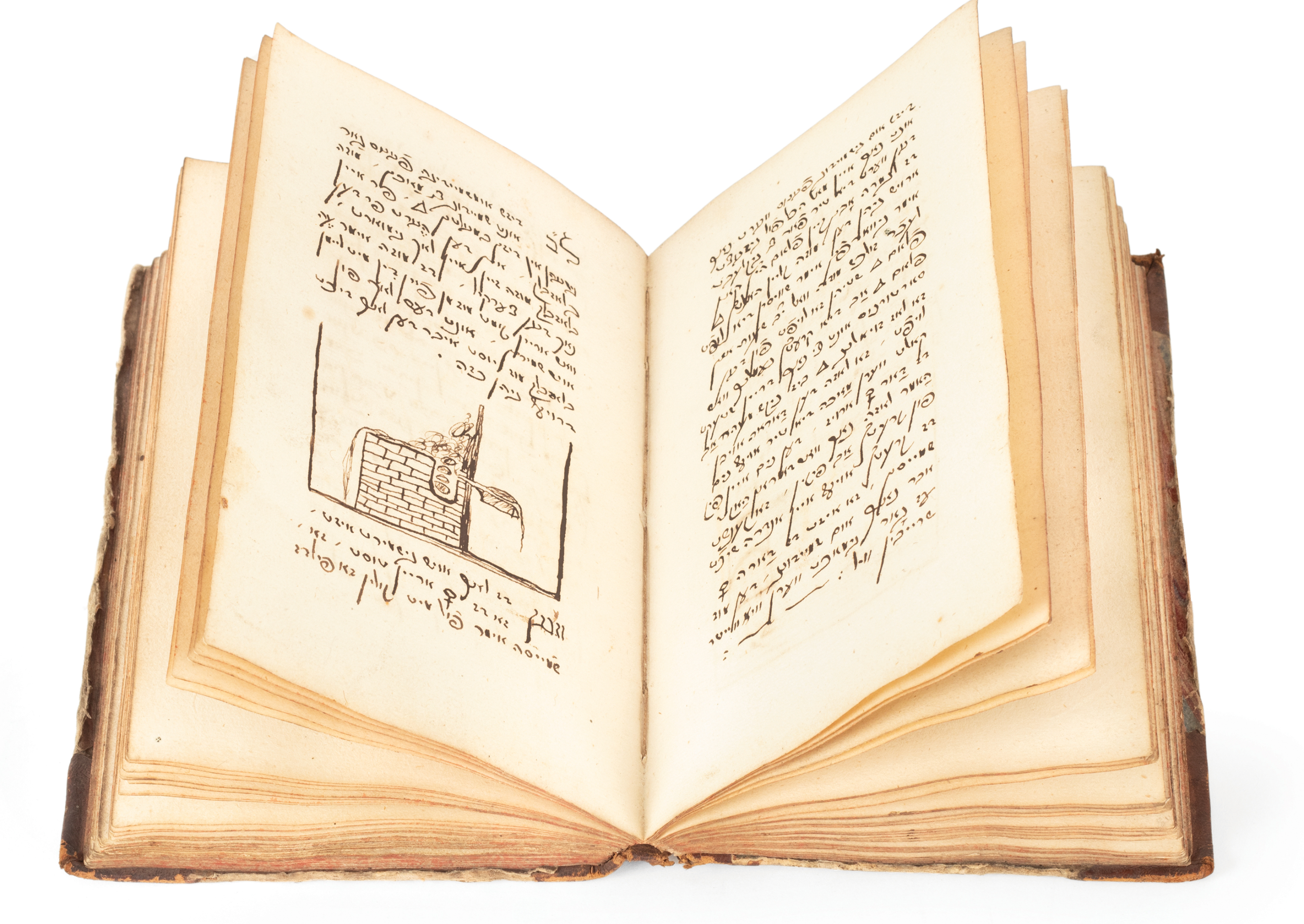
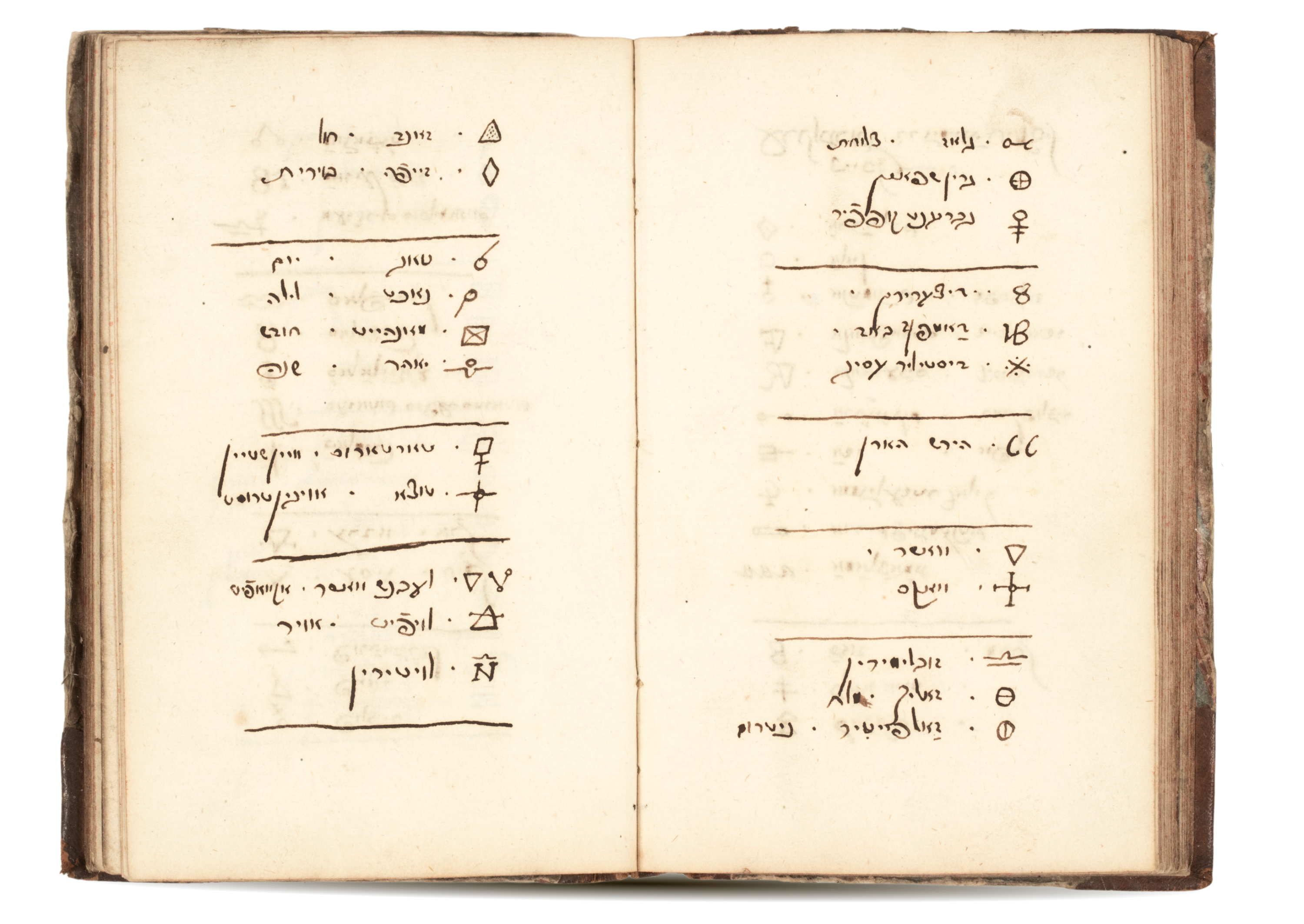
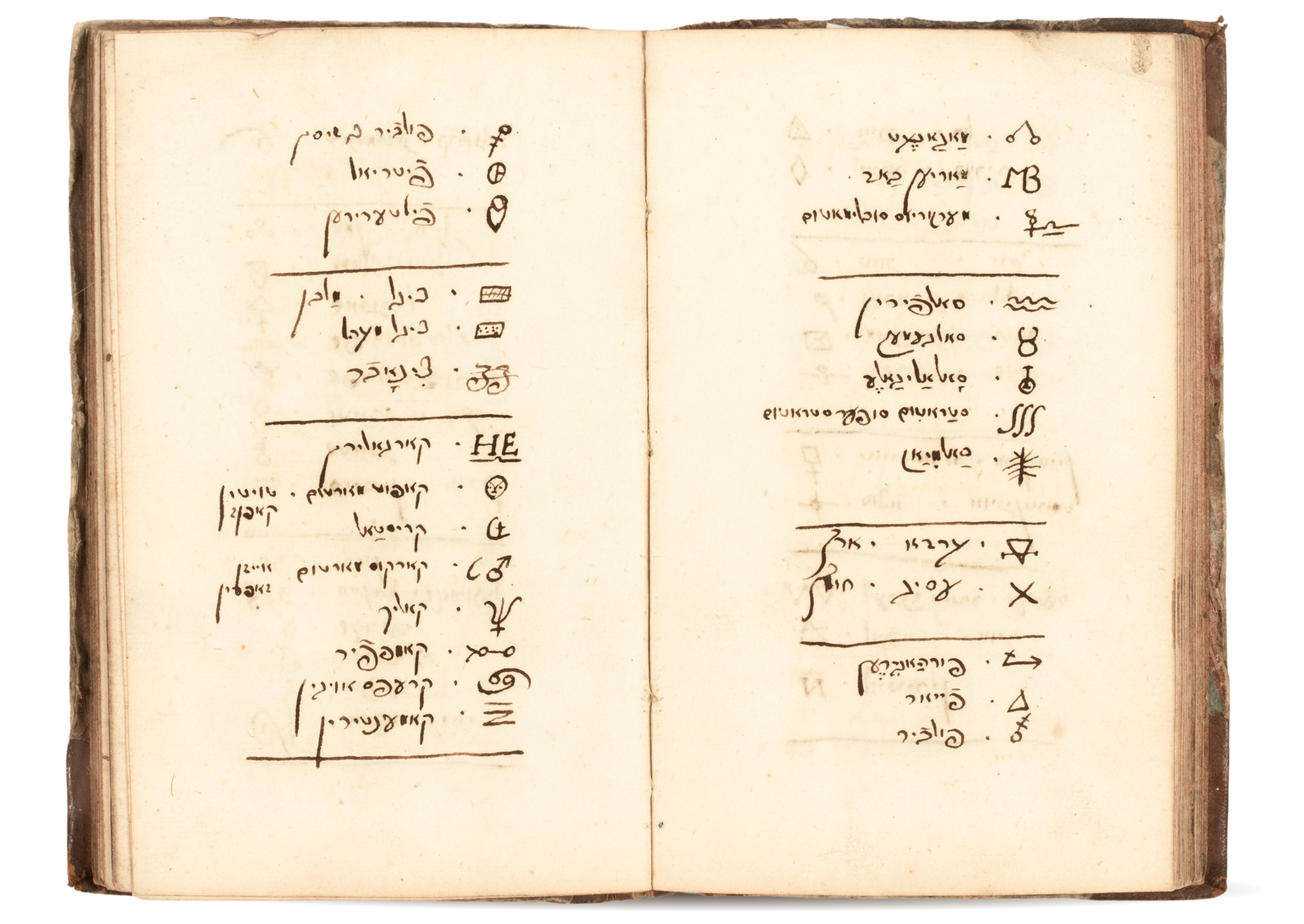
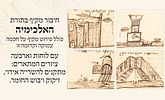
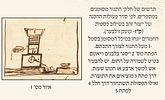
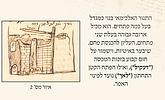
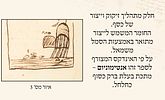
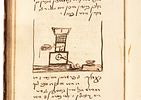
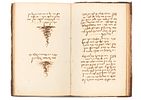
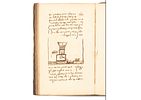
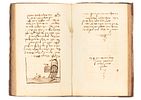
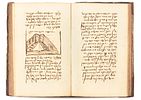
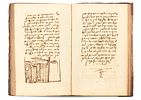
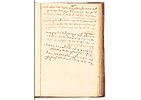
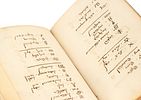
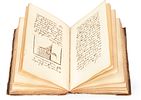
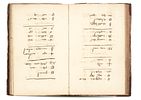
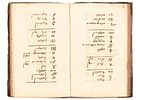
It contains an extensive discussion of this early and profound discipline, together with tables and four drawings depicting apparatus used for soaking, evaporation, distillation, and drying of substances.

The work is written in Western Yiddish, interspersed with numerous Hebrew words and graphic symbols, in a neat and orderly handwriting.

The paper’s watermarks date from approximately 1620–1660.

It is possible that the manuscript originated in Frankfurt, where Jews are known to have engaged secretly in alchemy.

Alchemy

Alchemy is a very ancient discipline whose two principal objectives were:
1. Transforming base metals into precious metals such as silver and gold.
2. Discovering a universal medicine capable of curing all illnesses.

This ancient science, which originated in the Arab world and in which Jews also engaged, is mentioned in Jewish classical sources — sometimes favorably and sometimes critically — by Rabbeinu Bachya, author of Chovos HaLevavos; Rabbi Yehudah HaLevi, author of the Kuzari; Rabbi Avraham Ibn Ezra; Rabbi Yosef Albo; and even Rabbi Chaim Vital, who was an expert in alchemy.

In later centuries, the study of alchemy disappeared entirely and was replaced by the science of chemistry.

The rarity of Jewish alchemical manuscripts can be seen from a letter written by the great Rabbi Yaakov Emden, the Yaabetz, to one of his disciples, in which he requests that he search for a book on this subject:

“For I have neither seen nor heard that any of the Rishonim composed a work on this knowledge in Lashon HaKodesh. Therefore, my soul longs and yearns to know whether perhaps such a book of our own people exists…” (She’eilas Yaabetz, Part I, Altona, 1739, end of no. 41).

Page Count: [53] written leaves and [31] blank leaves. Of these, 33 leaves comprise the treatise on alchemy, and 13 leaves contain the sefer of remedies (in Hebrew and Yiddish).

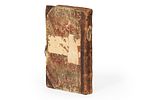
Size: 10 × 17 cm.

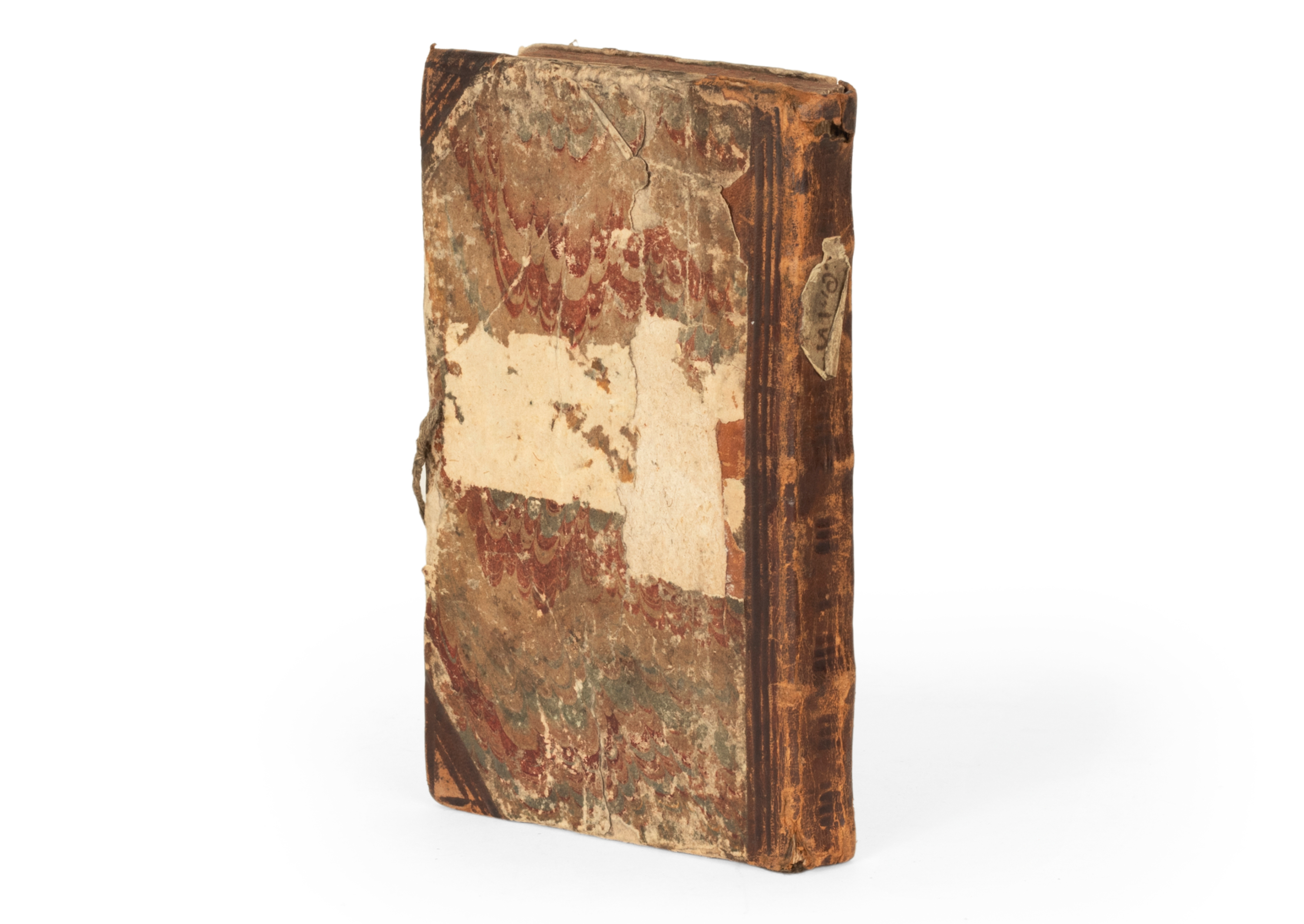
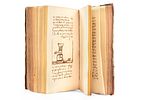
Condition: Good. Bound in cardboard with quarter leather, with leather corners, and cloth ties for tying. An antique spine label bears the title “Remedies.”

The two remedies attributed to Rabbi Nosson Adler on leaf 47a were published in Sofrei HaMelech: Olelos Maran HaChasam Sofer, vol. II, pp. 44–45.

In summary, the present volume contains two important manuscripts:


A. A notebook of segulos and remedies, written approximately between 1770 and 1790 by the brother-in-law of Rabbi Nosson Adler and containing remedies from Rabbi Nosson Adler himself.

B. An exceedingly rare treatise on alchemy dating from the early to mid-seventeenth century.

Attached is an extensive scholarly study of the treatise on alchemy by Mrs. Sarah Zweibel, an expert in Old Yiddish.
Among the entries in the book of remedies are such notes as: “I learned this from Rabbi Isserle Pult, who personally tested the matter and was healed” (42b); “I learned this in 1777 from Rabbi Yizla the physician” (43a–b); “I tested it myself… in 1777” (43b); and “I learned this from the young man Rabbi Leib of Worms, who came from Prague in 1778 and related it to me” (43b).


Lot : 28

Manuscript: Two Compositions. 

1.Segulos and Remedies of Rabbi Nosson Adler zt”l , 1783.

2. Rare Treatise on Alchemy – Frankfurt, c. 1620 

Start price: $8,000
|
Est. Price: $12,000 - $18,000

Manuscript: Two Compositions. 

1.Segulos and Remedies of Rabbi Nosson Adler zt”l , 1783.

2. Rare Treatise on Alchemy – Frankfurt, c. 1620 


Two manuscripts bound in one volume:

I. Sefer of Segulos and Remedies

A collection of proven and tested remedies and segulos of the holy gaon Rabbi Nosson Adler, copied from his own handwriting by his brother-in-law, Rabbi David Segal Braunschweig of Fürth. 

The extraordinary reputation of the holy kabbalist Rabbi Nosson Adler as a healer of the sick and downtrodden, renowned for his remedies and amulets (see below), is well documented in numerous sources. The present manuscript offers direct evidence: an amulet sent by Rabbi Nosson himself, together with proven segulos and remedies copied from his very own handwritten manuscript by his brother-in-law. 

At the top of leaf 47a it is written:

“I learned these remedies and teachings from my brother-in-law, the great gaon Rabbi Nosson Adler, Av Beis Din and Rosh Yeshiva of the holy community of Boskowitz.”

After recording the remedies, he adds:


“All of the above he wrote for me in his pure handwriting at my repeated request, on the nineteenth of Menachem Av, 1783, in the holy community of Boskowitz.”


He then notes:

“Afterward, one of his disciples came here and told me that he had learned this from him…”

(Perhaps this disciple was the Chasam Sofer, who traveled with Rabbi Nosson to Boskowitz.)

On leaf 50a additional teachings of Rabbi Nosson are recorded, concluding:

“So wrote to me my brother-in-law Rabbi Nosson. He also informed me that a small sefer entitled Mafteach HaYam had recently been printed in Offenbach [1788], and he sent an amulet printed therein on leaf 33, writing as follows: that he had personally tested several of the remedies printed in that sefer and found them to be proven.”

We thus have before us Rabbi Nosson Adler’s own endorsement of the remedies printed in Mafteach HaYam.

****
Rabbi Nosson Adler (1741–1800) was a remarkable gaon, a holy kabbalist and renowned miracle worker, with an aura of mystery that still envelops him today.

From a young age, he conducted himself with exceptional holiness and prishus. His disciple, the Chasam Sofer, described him in his eulogy: “He attained the highest level of chassidus and prishus (abstinence) from worldly matters… No secret was hidden from him and all the gates of Torah stood open before him.”

Aside from his immense greatness in revealed Torah, he was an outstanding kabbalist. The Chasam Sofer testified that he personally witnessed his teacher using Hashem’s Holy Names. Already at a young age, people “marveled at his Torah knowledge and even at his mastery of the natural sciences.” All his conduct followed the teachings of the Arizal.

In addition, he possessed broad knowledge in many sciences. He employed this knowledge in developing remedies and segulos for the sick and afflicted, and his amulets became widely renowned as proven amulets. The memorial register of the community of Frankfurt records: “The man proved himself and the amulet proved itself, having helped and healed many people” (Rabbanim of Frankfurt, p. 311).

Regarding an amulet once in the possession of the Michtav Sofer, received from his father, who had received it from his rebbi Rabbi Nosson Adler, see Iggros Sofrim, letter 30.

Rabbi Nosson’s leading disciple was, of course, the Chasam Sofer, who would often extol his teacher’s holiness and testified of himself: “I never left his side, carefully observing his every practice, his comings and goings” (Shu”t Chasam Sofer, Choshen Mishpat, no. 3). He even moved with him from Frankfurt to Boskowitz, where Rabbi Nosson served as Av Beis Din from late 1782 until the end of 1783.

The front flyleaf bears the following ownership inscription:

“The above notebook, together with another notebook, both containing these remedies, I purchased from the estate of the late learned Rabbi Mordechai Oppenheim, of blessed memory, in the year 1777. Hakatan David, son of Rabbi Avraham Segal Braunschweig of Fürth.”

The remedies are written in the same handwriting as this inscription, thereby revealing the identity of Rabbi Nosson Adler’s brother-in-law: Rabbi David Segal Braunschweig.

Rabbi David Segal Braunschweig served as a communal trustee of the Fürth community. A manuscript work of his entitled Zikaron Zeh LeDavid, written between 1783 and 1793, has survived. The work reveals him to have been an outstanding Torah scholar who was deeply troubled by the spiritual condition of the Fürth community. A reproduction of the manuscript is held by the National Library of Israel, no. F22807; for a description, see Y. L. Biller, Min HaGenazim, vol. 2, pp. 29–31.

The volume is bound together with a work of remarkable importance and rarity, for which no comparable example appears to be known. The National Library of Israel holds no other Yiddish–Hebrew alchemical treatise dating from this period. 

II. Comprehensive Treatise on Alchemy – Frankfurt? c. 1640

Comprehensive manuscript treatise on the science of alchemy.

It contains an extensive discussion of this early and profound discipline, together with tables and four drawings depicting apparatus used for soaking, evaporation, distillation, and drying of substances.

The work is written in Western Yiddish, interspersed with numerous Hebrew words and graphic symbols, in a neat and orderly handwriting.

The paper’s watermarks date from approximately 1620–1660.

It is possible that the manuscript originated in Frankfurt, where Jews are known to have engaged secretly in alchemy.

Alchemy

Alchemy is a very ancient discipline whose two principal objectives were:
1. Transforming base metals into precious metals such as silver and gold.
2. Discovering a universal medicine capable of curing all illnesses.

This ancient science, which originated in the Arab world and in which Jews also engaged, is mentioned in Jewish classical sources — sometimes favorably and sometimes critically — by Rabbeinu Bachya, author of Chovos HaLevavos; Rabbi Yehudah HaLevi, author of the Kuzari; Rabbi Avraham Ibn Ezra; Rabbi Yosef Albo; and even Rabbi Chaim Vital, who was an expert in alchemy.

In later centuries, the study of alchemy disappeared entirely and was replaced by the science of chemistry.

The rarity of Jewish alchemical manuscripts can be seen from a letter written by the great Rabbi Yaakov Emden, the Yaabetz, to one of his disciples, in which he requests that he search for a book on this subject:

“For I have neither seen nor heard that any of the Rishonim composed a work on this knowledge in Lashon HaKodesh. Therefore, my soul longs and yearns to know whether perhaps such a book of our own people exists…” (She’eilas Yaabetz, Part I, Altona, 1739, end of no. 41).

Page Count: [53] written leaves and [31] blank leaves. Of these, 33 leaves comprise the treatise on alchemy, and 13 leaves contain the sefer of remedies (in Hebrew and Yiddish).

Size: 10 × 17 cm.

Condition: Good. Bound in cardboard with quarter leather, with leather corners, and cloth ties for tying. An antique spine label bears the title “Remedies.”

The two remedies attributed to Rabbi Nosson Adler on leaf 47a were published in Sofrei HaMelech: Olelos Maran HaChasam Sofer, vol. II, pp. 44–45.

In summary, the present volume contains two important manuscripts:


A. A notebook of segulos and remedies, written approximately between 1770 and 1790 by the brother-in-law of Rabbi Nosson Adler and containing remedies from Rabbi Nosson Adler himself.

B. An exceedingly rare treatise on alchemy dating from the early to mid-seventeenth century.

Attached is an extensive scholarly study of the treatise on alchemy by Mrs. Sarah Zweibel, an expert in Old Yiddish.
Among the entries in the book of remedies are such notes as: “I learned this from Rabbi Isserle Pult, who personally tested the matter and was healed” (42b); “I learned this in 1777 from Rabbi Yizla the physician” (43a–b); “I tested it myself… in 1777” (43b); and “I learned this from the young man Rabbi Leib of Worms, who came from Prague in 1778 and related it to me” (43b).


Manuscript: Two Compositions. 

1.Segulos and Remedies of Rabbi Nosson Adler zt”l , 1783.

2. Rare Treatise on Alchemy – Frankfurt, c. 1620 


Two manuscripts bound in one volume:

I. Sefer of Segulos and Remedies

A collection of proven and tested remedies and segulos of the holy gaon Rabbi Nosson Adler, copied from his own handwriting by his brother-in-law, Rabbi David Segal Braunschweig of Fürth. 

The extraordinary reputation of the holy kabbalist Rabbi Nosson Adler as a healer of the sick and downtrodden, renowned for his remedies and amulets (see below), is well documented in numerous sources. The present manuscript offers direct evidence: an amulet sent by Rabbi Nosson himself, together with proven segulos and remedies copied from his very own handwritten manuscript by his brother-in-law. 

At the top of leaf 47a it is written:

“I learned these remedies and teachings from my brother-in-law, the great gaon Rabbi Nosson Adler, Av Beis Din and Rosh Yeshiva of the holy community of Boskowitz.”

After recording the remedies, he adds:


“All of the above he wrote for me in his pure handwriting at my repeated request, on the nineteenth of Menachem Av, 1783, in the holy community of Boskowitz.”


He then notes:

“Afterward, one of his disciples came here and told me that he had learned this from him…”

(Perhaps this disciple was the Chasam Sofer, who traveled with Rabbi Nosson to Boskowitz.)

On leaf 50a additional teachings of Rabbi Nosson are recorded, concluding:

“So wrote to me my brother-in-law Rabbi Nosson. He also informed me that a small sefer entitled Mafteach HaYam had recently been printed in Offenbach [1788], and he sent an amulet printed therein on leaf 33, writing as follows: that he had personally tested several of the remedies printed in that sefer and found them to be proven.”

We thus have before us Rabbi Nosson Adler’s own endorsement of the remedies printed in Mafteach HaYam.

****
Rabbi Nosson Adler (1741–1800) was a remarkable gaon, a holy kabbalist and renowned miracle worker, with an aura of mystery that still envelops him today.

From a young age, he conducted himself with exceptional holiness and prishus. His disciple, the Chasam Sofer, described him in his eulogy: “He attained the highest level of chassidus and prishus (abstinence) from worldly matters… No secret was hidden from him and all the gates of Torah stood open before him.”

Aside from his immense greatness in revealed Torah, he was an outstanding kabbalist. The Chasam Sofer testified that he personally witnessed his teacher using Hashem’s Holy Names. Already at a young age, people “marveled at his Torah knowledge and even at his mastery of the natural sciences.” All his conduct followed the teachings of the Arizal.

In addition, he possessed broad knowledge in many sciences. He employed this knowledge in developing remedies and segulos for the sick and afflicted, and his amulets became widely renowned as proven amulets. The memorial register of the community of Frankfurt records: “The man proved himself and the amulet proved itself, having helped and healed many people” (Rabbanim of Frankfurt, p. 311).

Regarding an amulet once in the possession of the Michtav Sofer, received from his father, who had received it from his rebbi Rabbi Nosson Adler, see Iggros Sofrim, letter 30.

Rabbi Nosson’s leading disciple was, of course, the Chasam Sofer, who would often extol his teacher’s holiness and testified of himself: “I never left his side, carefully observing his every practice, his comings and goings” (Shu”t Chasam Sofer, Choshen Mishpat, no. 3). He even moved with him from Frankfurt to Boskowitz, where Rabbi Nosson served as Av Beis Din from late 1782 until the end of 1783.

The front flyleaf bears the following ownership inscription:

“The above notebook, together with another notebook, both containing these remedies, I purchased from the estate of the late learned Rabbi Mordechai Oppenheim, of blessed memory, in the year 1777. Hakatan David, son of Rabbi Avraham Segal Braunschweig of Fürth.”

The remedies are written in the same handwriting as this inscription, thereby revealing the identity of Rabbi Nosson Adler’s brother-in-law: Rabbi David Segal Braunschweig.

Rabbi David Segal Braunschweig served as a communal trustee of the Fürth community. A manuscript work of his entitled Zikaron Zeh LeDavid, written between 1783 and 1793, has survived. The work reveals him to have been an outstanding Torah scholar who was deeply troubled by the spiritual condition of the Fürth community. A reproduction of the manuscript is held by the National Library of Israel, no. F22807; for a description, see Y. L. Biller, Min HaGenazim, vol. 2, pp. 29–31.

The volume is bound together with a work of remarkable importance and rarity, for which no comparable example appears to be known. The National Library of Israel holds no other Yiddish–Hebrew alchemical treatise dating from this period. 

II. Comprehensive Treatise on Alchemy – Frankfurt? c. 1640

Comprehensive manuscript treatise on the science of alchemy.

It contains an extensive discussion of this early and profound discipline, together with tables and four drawings depicting apparatus used for soaking, evaporation, distillation, and drying of substances.

The work is written in Western Yiddish, interspersed with numerous Hebrew words and graphic symbols, in a neat and orderly handwriting.

The paper’s watermarks date from approximately 1620–1660.

It is possible that the manuscript originated in Frankfurt, where Jews are known to have engaged secretly in alchemy.

Alchemy

Alchemy is a very ancient discipline whose two principal objectives were:
1. Transforming base metals into precious metals such as silver and gold.
2. Discovering a universal medicine capable of curing all illnesses.

This ancient science, which originated in the Arab world and in which Jews also engaged, is mentioned in Jewish classical sources — sometimes favorably and sometimes critically — by Rabbeinu Bachya, author of Chovos HaLevavos; Rabbi Yehudah HaLevi, author of the Kuzari; Rabbi Avraham Ibn Ezra; Rabbi Yosef Albo; and even Rabbi Chaim Vital, who was an expert in alchemy.

In later centuries, the study of alchemy disappeared entirely and was replaced by the science of chemistry.

The rarity of Jewish alchemical manuscripts can be seen from a letter written by the great Rabbi Yaakov Emden, the Yaabetz, to one of his disciples, in which he requests that he search for a book on this subject:

“For I have neither seen nor heard that any of the Rishonim composed a work on this knowledge in Lashon HaKodesh. Therefore, my soul longs and yearns to know whether perhaps such a book of our own people exists…” (She’eilas Yaabetz, Part I, Altona, 1739, end of no. 41).

Page Count: [53] written leaves and [31] blank leaves. Of these, 33 leaves comprise the treatise on alchemy, and 13 leaves contain the sefer of remedies (in Hebrew and Yiddish).

Size: 10 × 17 cm.

Condition: Good. Bound in cardboard with quarter leather, with leather corners, and cloth ties for tying. An antique spine label bears the title “Remedies.”

The two remedies attributed to Rabbi Nosson Adler on leaf 47a were published in Sofrei HaMelech: Olelos Maran HaChasam Sofer, vol. II, pp. 44–45.

In summary, the present volume contains two important manuscripts:


A. A notebook of segulos and remedies, written approximately between 1770 and 1790 by the brother-in-law of Rabbi Nosson Adler and containing remedies from Rabbi Nosson Adler himself.

B. An exceedingly rare treatise on alchemy dating from the early to mid-seventeenth century.

Attached is an extensive scholarly study of the treatise on alchemy by Mrs. Sarah Zweibel, an expert in Old Yiddish.


Click here to read the full study

________________

Among the entries in the book of remedies are such notes as: “I learned this from Rabbi Isserle Pult, who personally tested the matter and was healed” (42b); “I learned this in 1777 from Rabbi Yizla the physician” (43a–b); “I tested it myself… in 1777” (43b); and “I learned this from the young man Rabbi Leib of Worms, who came from Prague in 1778 and related it to me” (43b).