













Lot : 18

Two Leading Achronim!
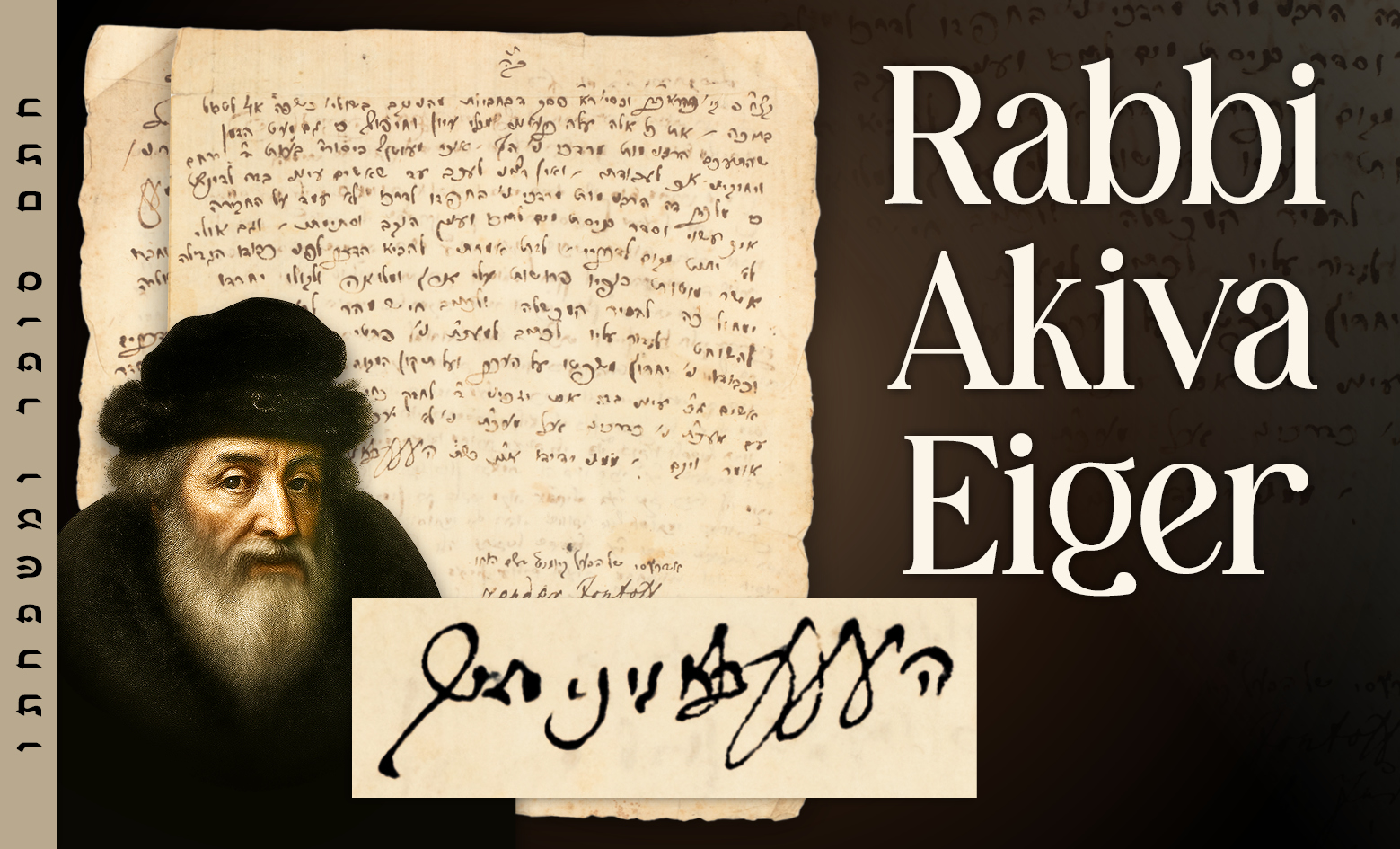
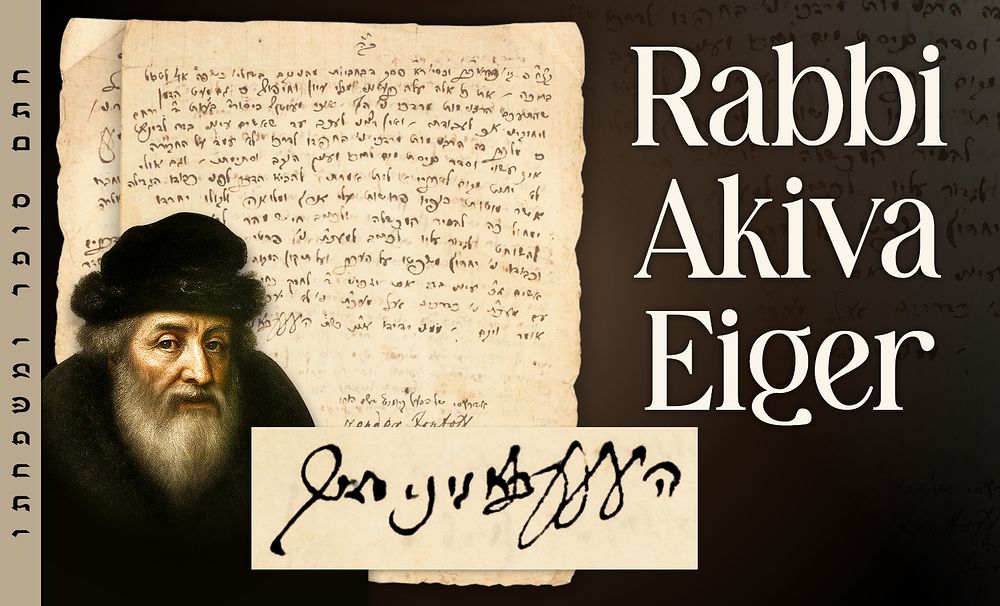
Lengthy Handwritten Letter To the Beis Meir by Rabbi Akiva Eiger, With a Handwritten Annotation by the Beis Meir

Friedland, 1800.

Images

Two Leading Achronim!

Lengthy Handwritten Letter To the Beis Meir by Rabbi Akiva Eiger, With a Handwritten Annotation by the Beis Meir

Friedland, 1800.


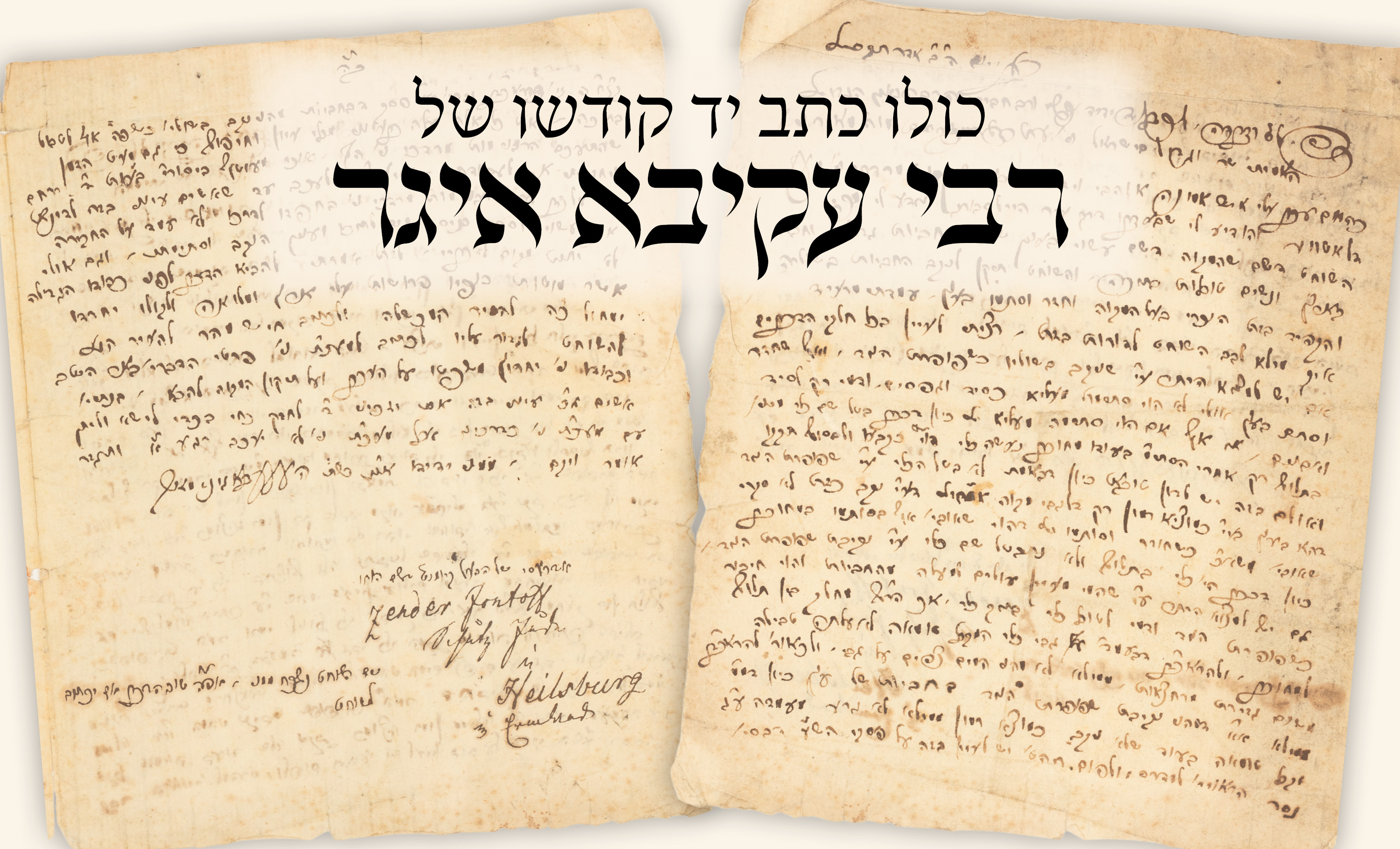
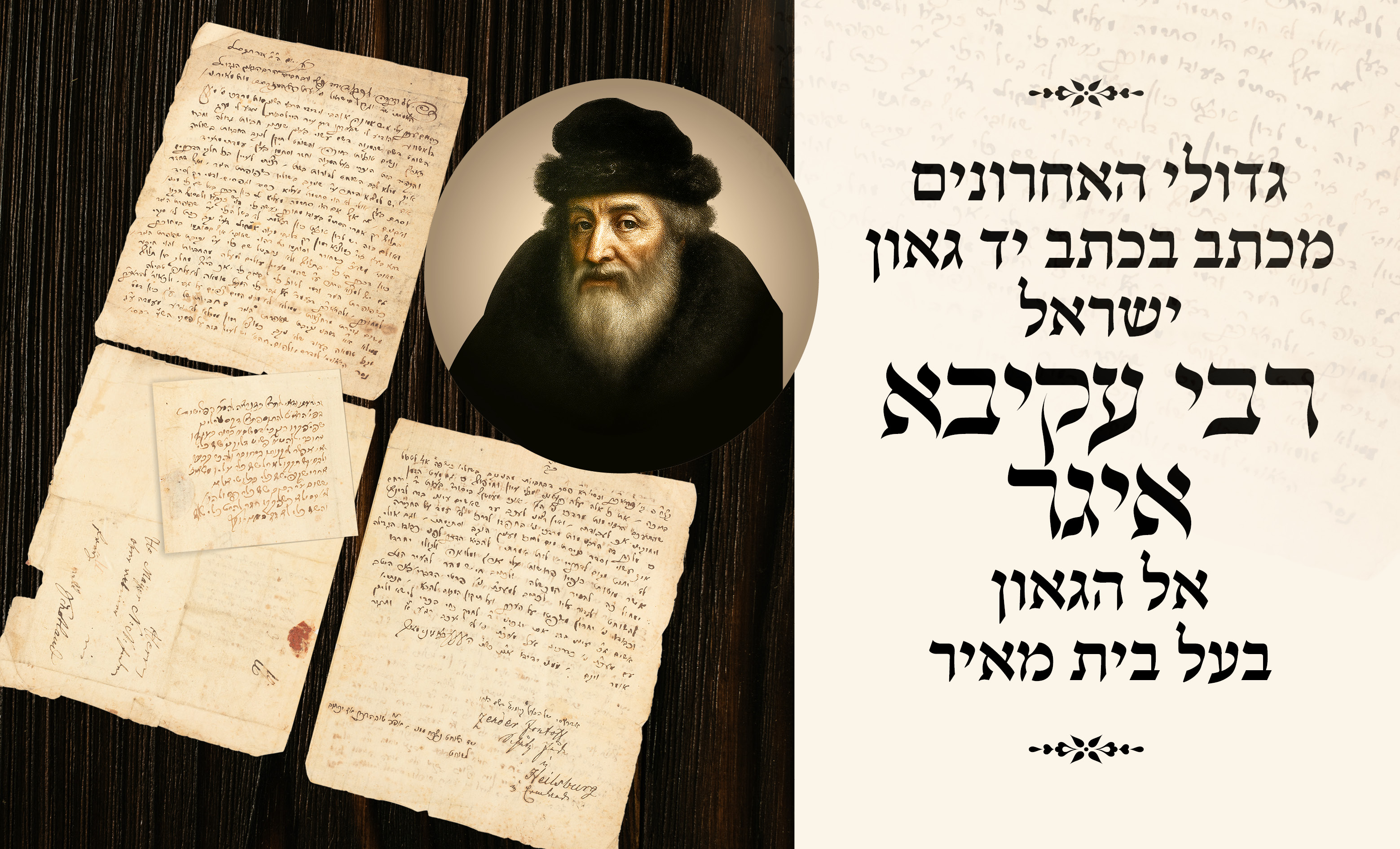
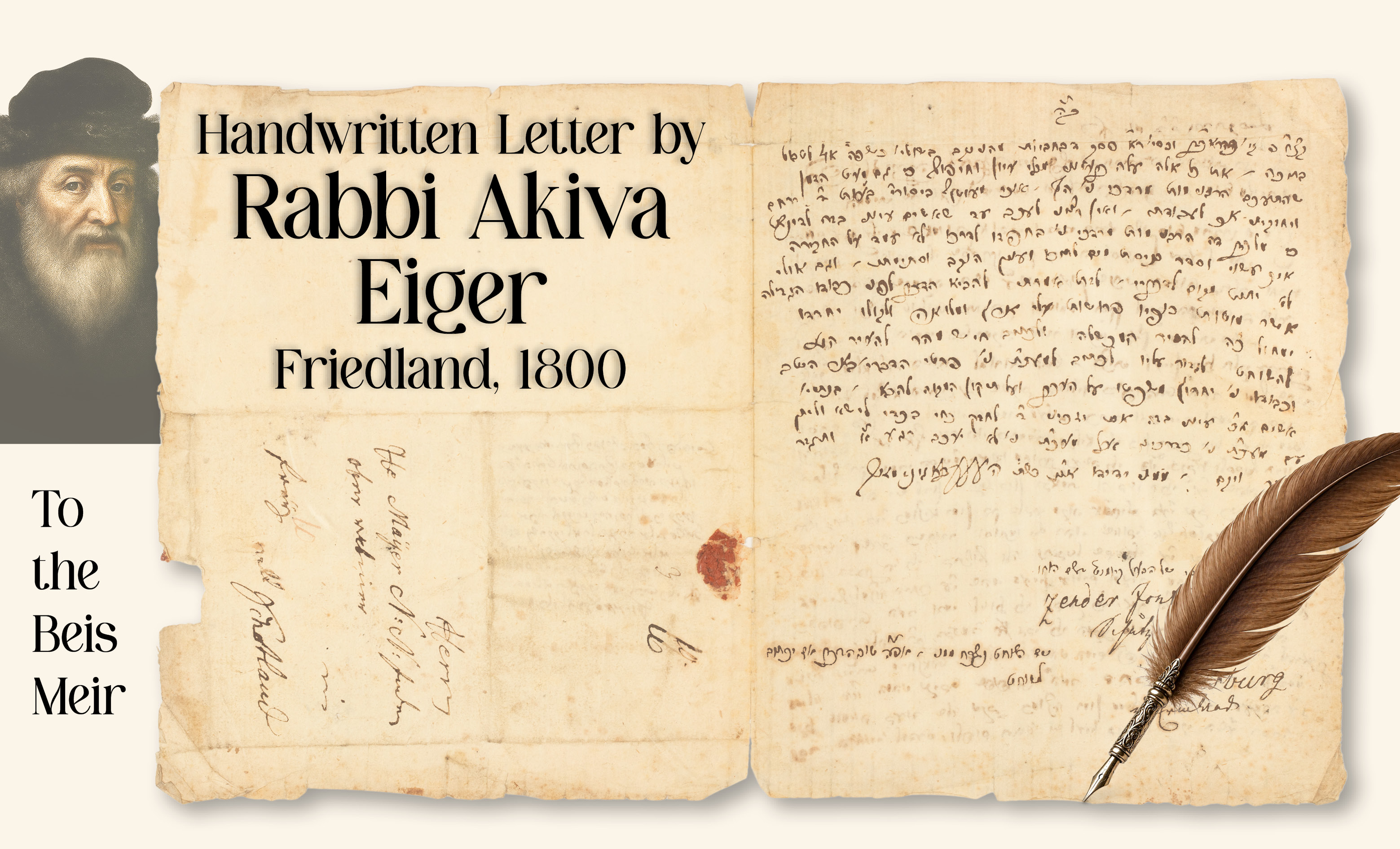
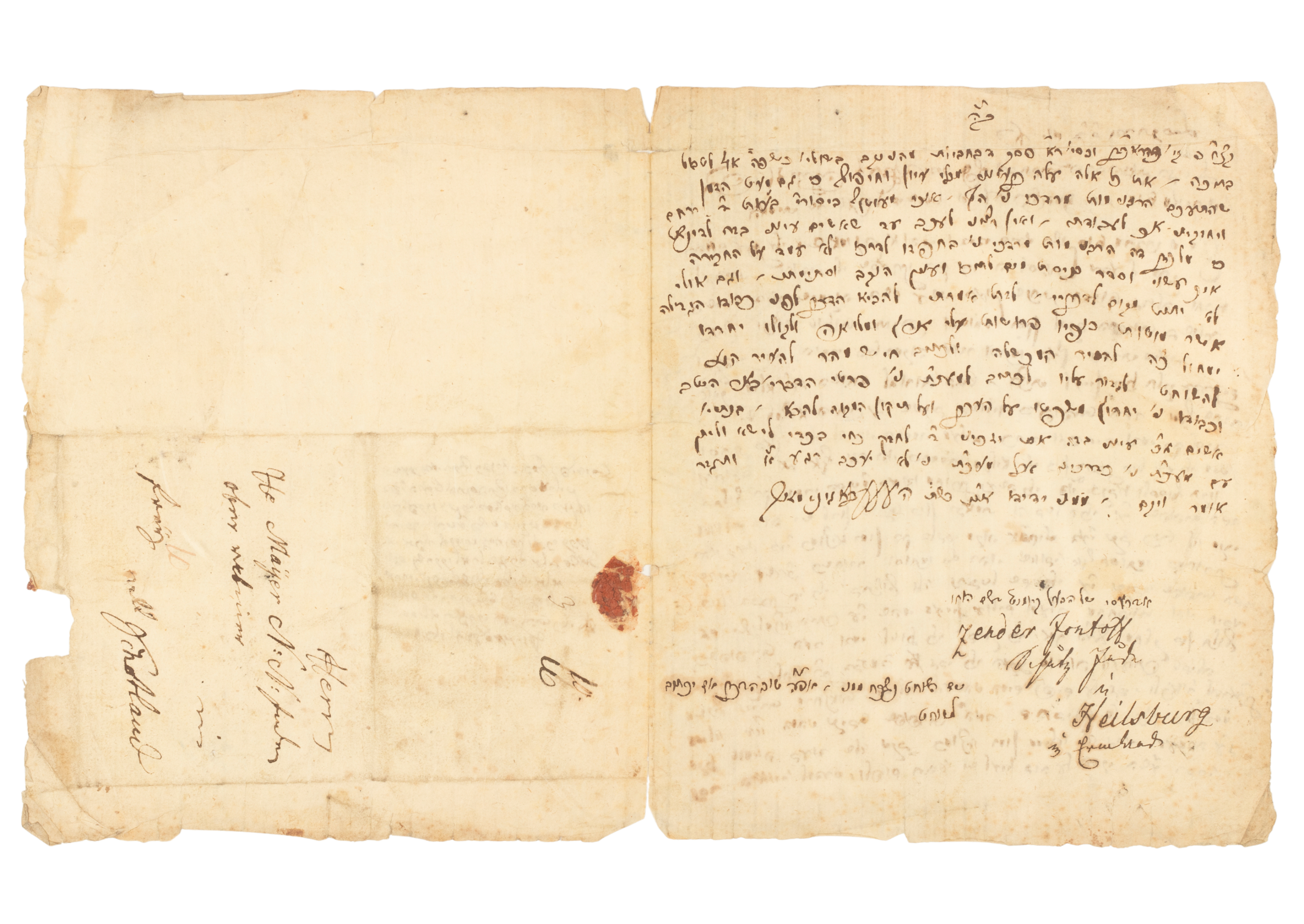
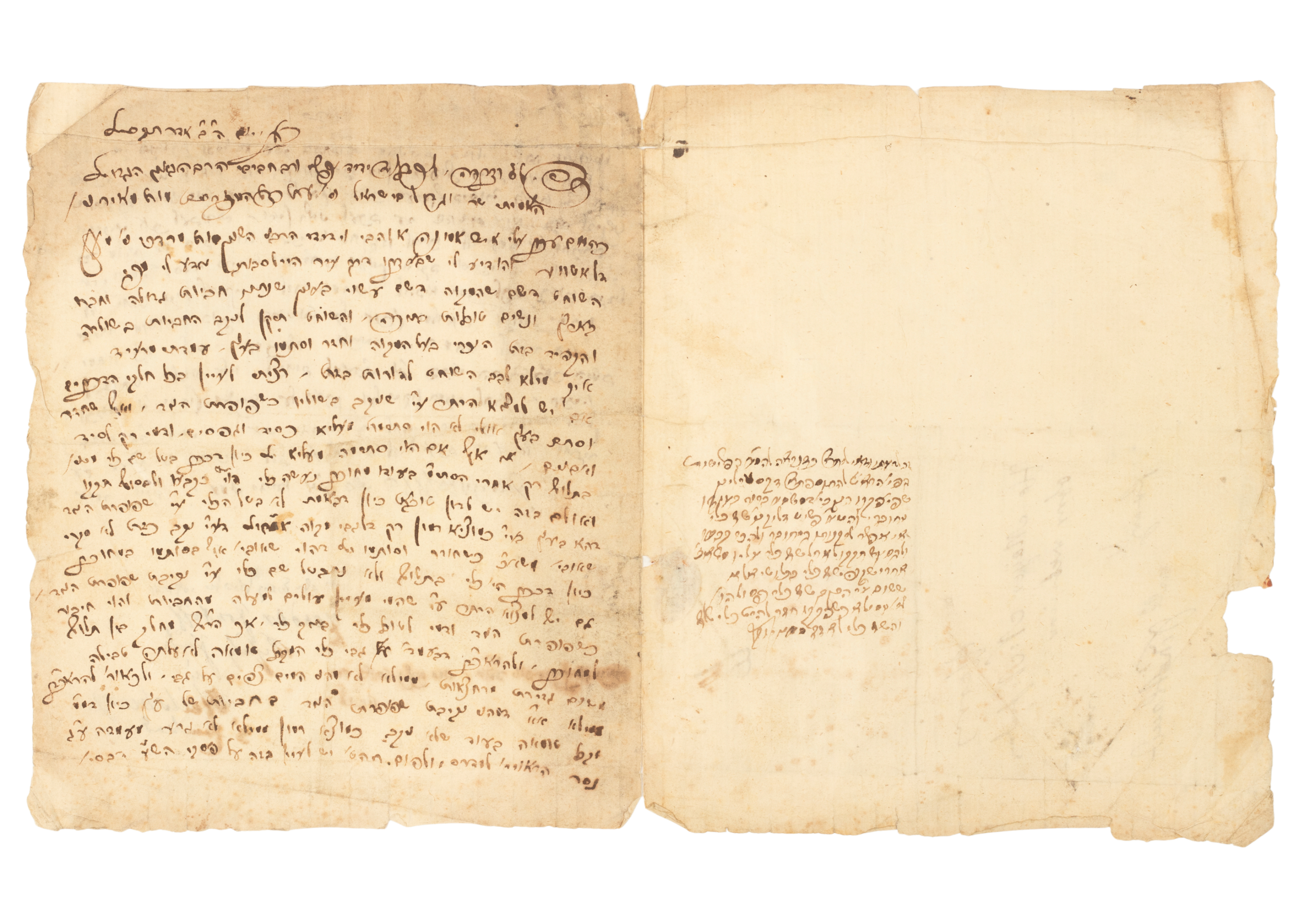
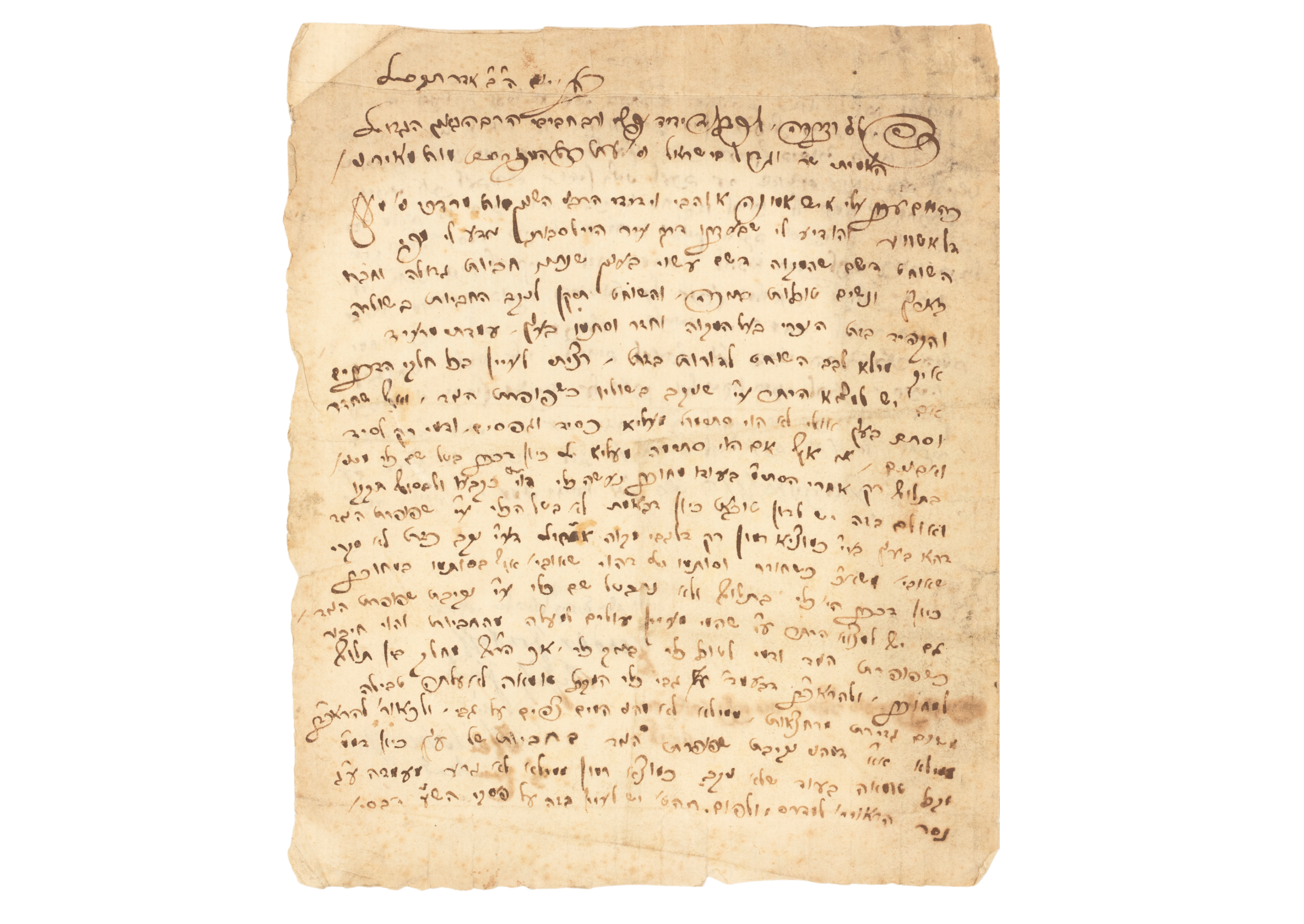
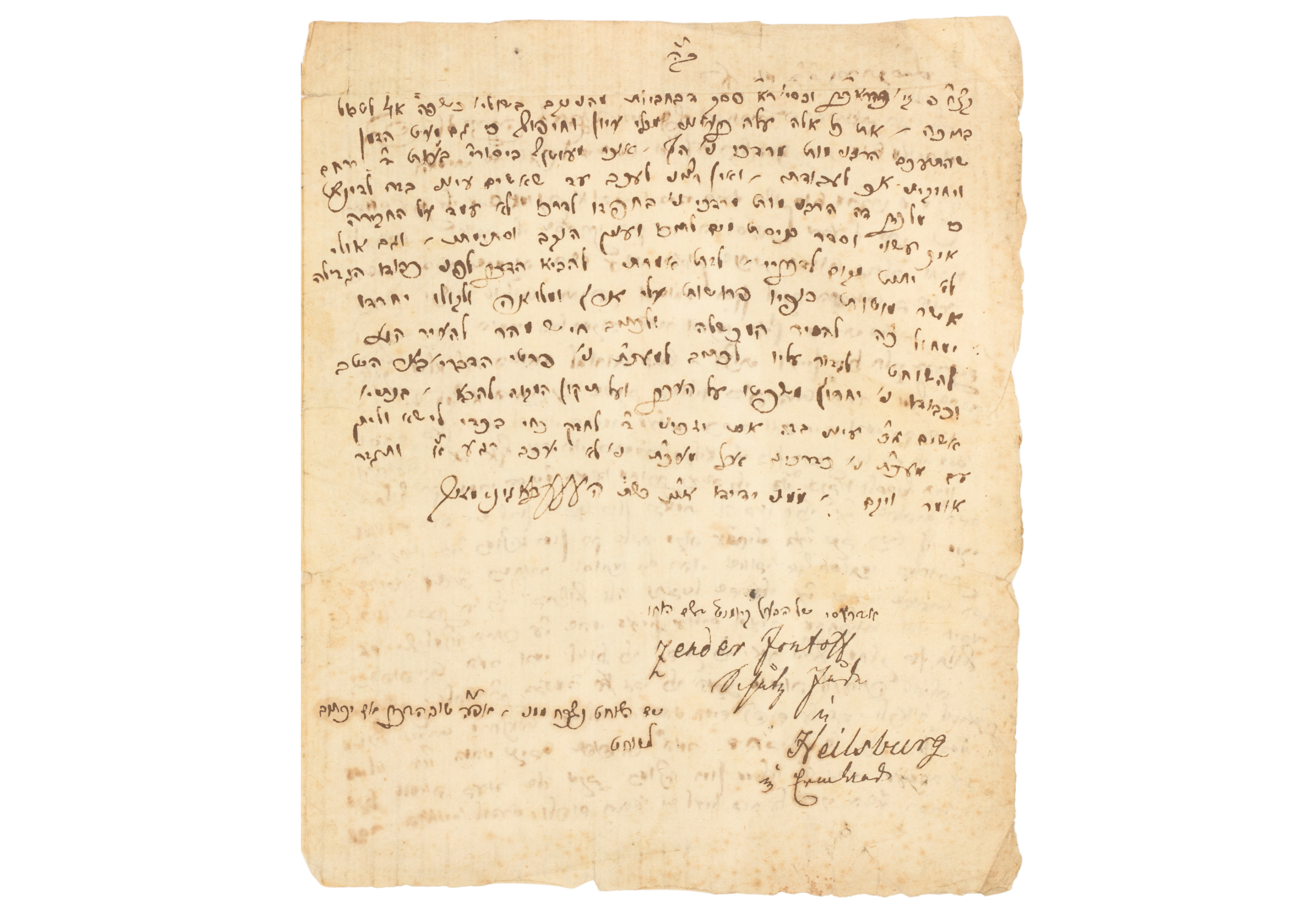
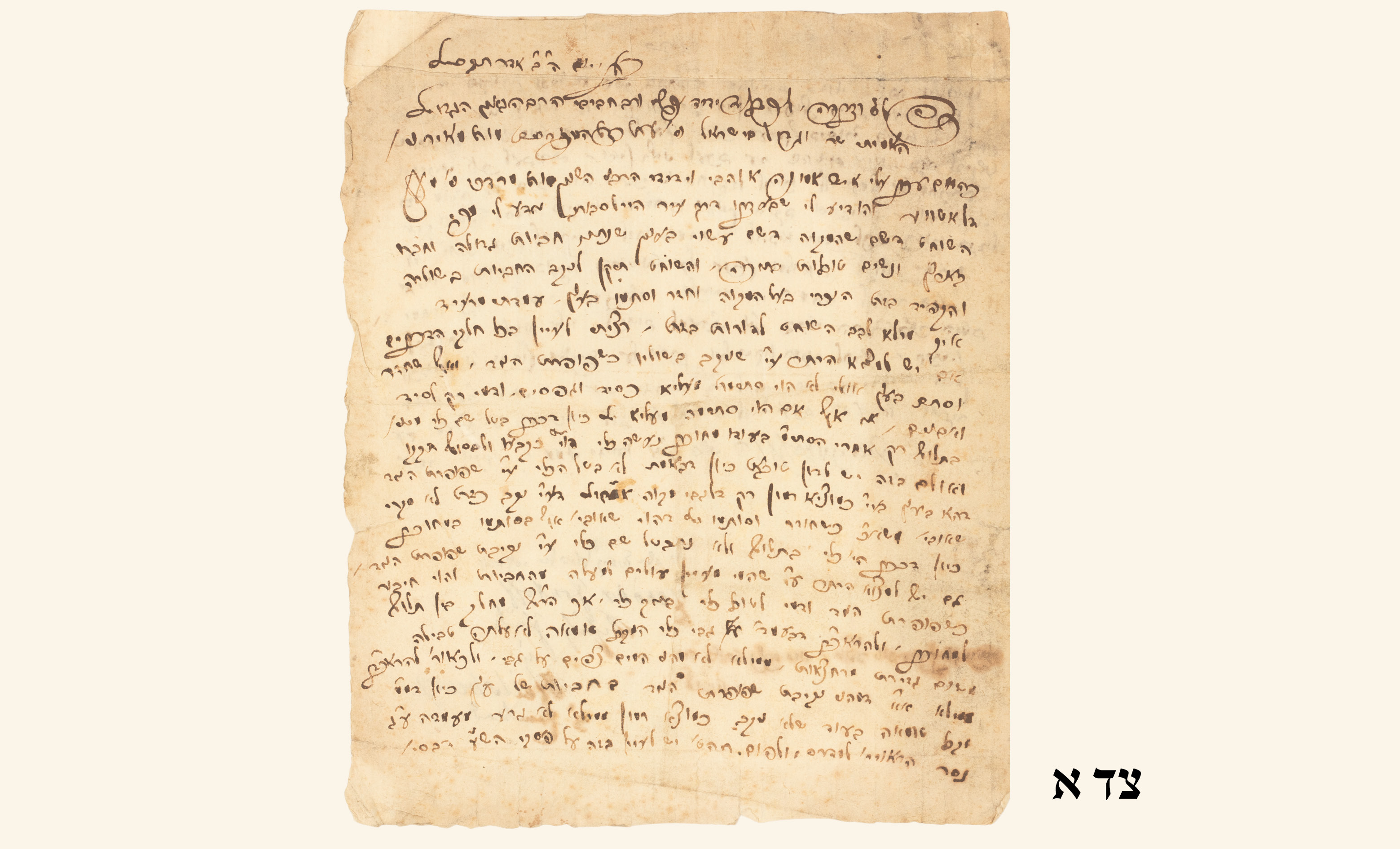
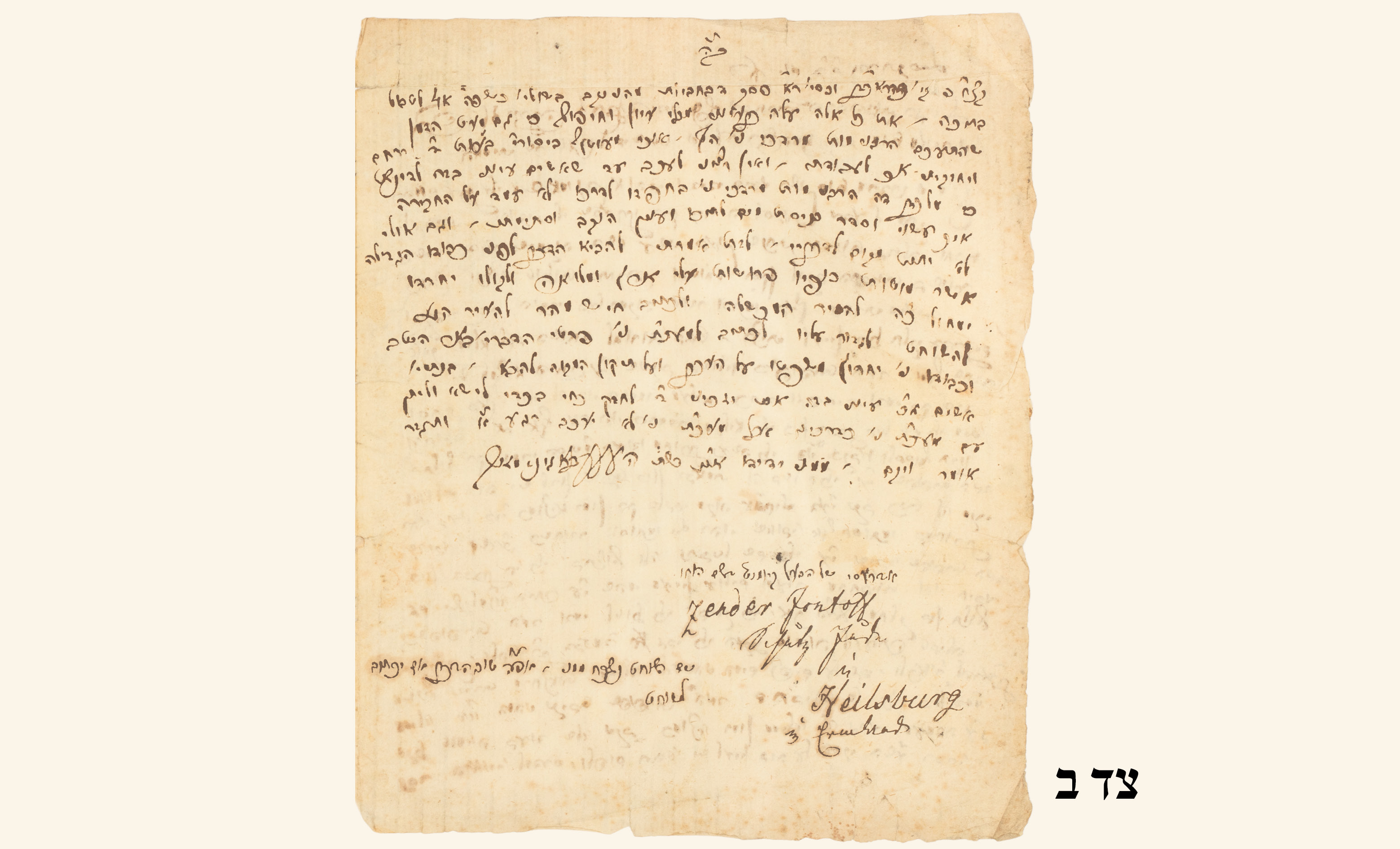
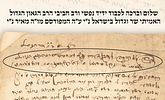
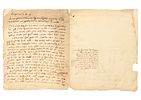
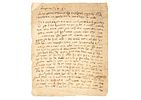
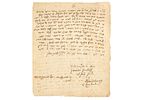
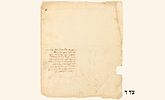
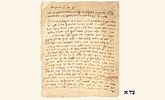
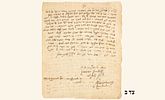
A lengthy two-page handwritten letter by the Gaon of Gaonim, Rabbi Akiva Eiger, Av Beis Din of Posen, addressed to the Gaon Rabbi Meir Posner, author of the sefer Beis Meir. The blank margin bears a lengthy handwritten annotation by the Beis Meir.

The letter contains a halachic teshuva concerning the validity of a mikveh in the town of Heilsberg.

The background to the letter: A friend of Rabbi Akiva Eiger, Rabbi Mordechai of Zlotów, arrived in Friedland and related that while passing through Heilsberg, he had inspected the local mikveh and discovered what he believed to be a serious halachic flaw. He also described the halachic solution the local shochet devised to “validate” the mikveh! Rabbi Akiva Eiger responded with evident alarm:

“I stood trembling — how could the shochet have dared to issue such a ruling?”
After briefly analyzing the issue, he apologizes that he cannot investigate it more thoroughly, writing: 

“Without careful investigation and examination… for I am enveloped in suffering, due to my many sins, may Hashem have mercy upon me and strengthen me.”

He therefore turns to the Beis Meir, acknowledging his supreme halachic authority:

“I therefore resolved to place the matter before Your Honor, whose halachic authority is recognized throughout the Jewish world and whose words are heeded by all. I ask that you write immediately to the shochet, instructing him to provide a complete account of the facts, so that you may render a definitive ruling both regarding what has already taken place and regarding the proper way to correct the mikveh for the future.”

This remarkable letter vividly illustrates Rabbi Akiva Eiger’s profound sense of responsibility for safeguarding halacha far beyond the boundaries of his own rabbinate. Even before reaching the age of forty, he felt compelled to intervene whenever Jewish communal standards were at stake.

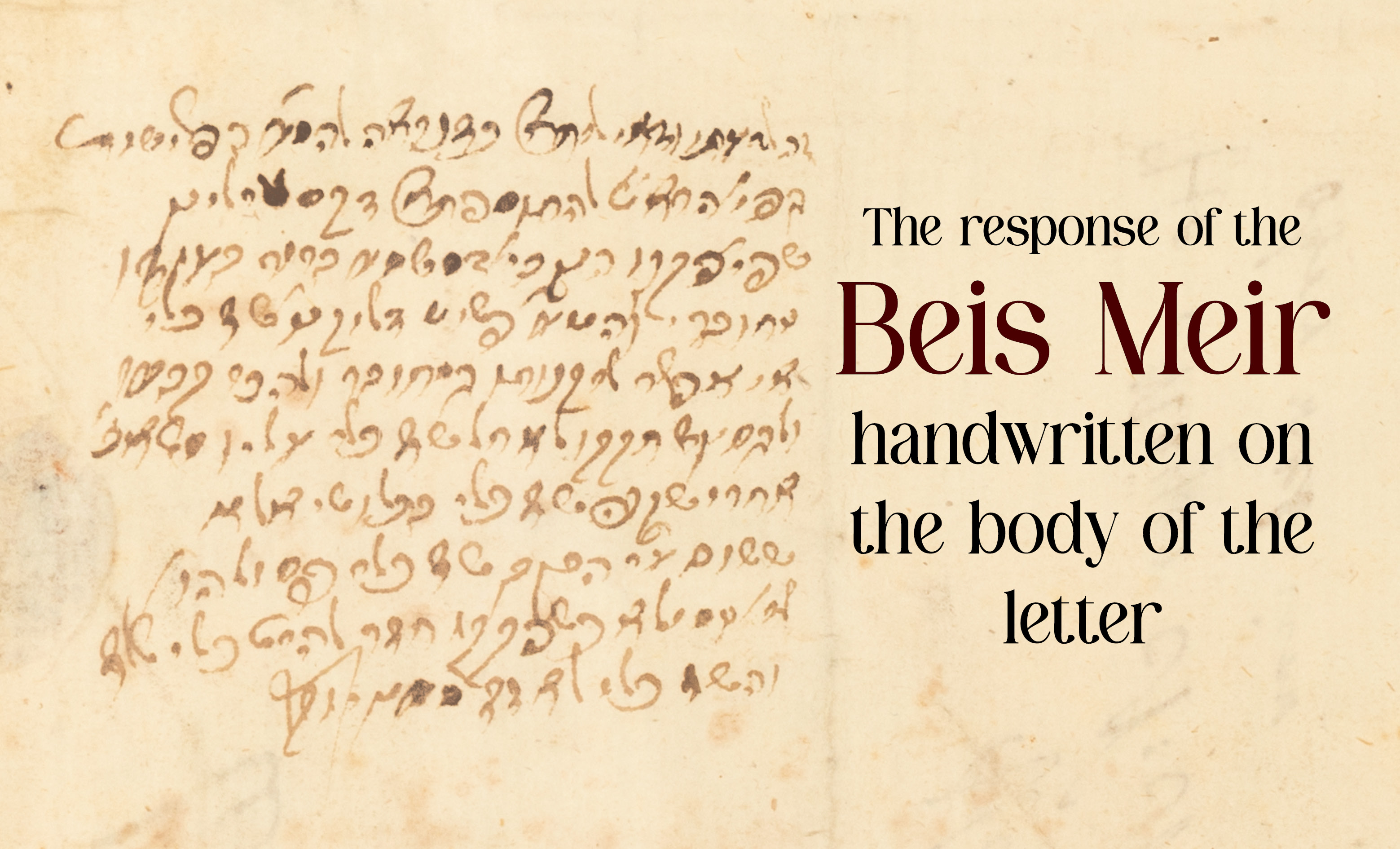
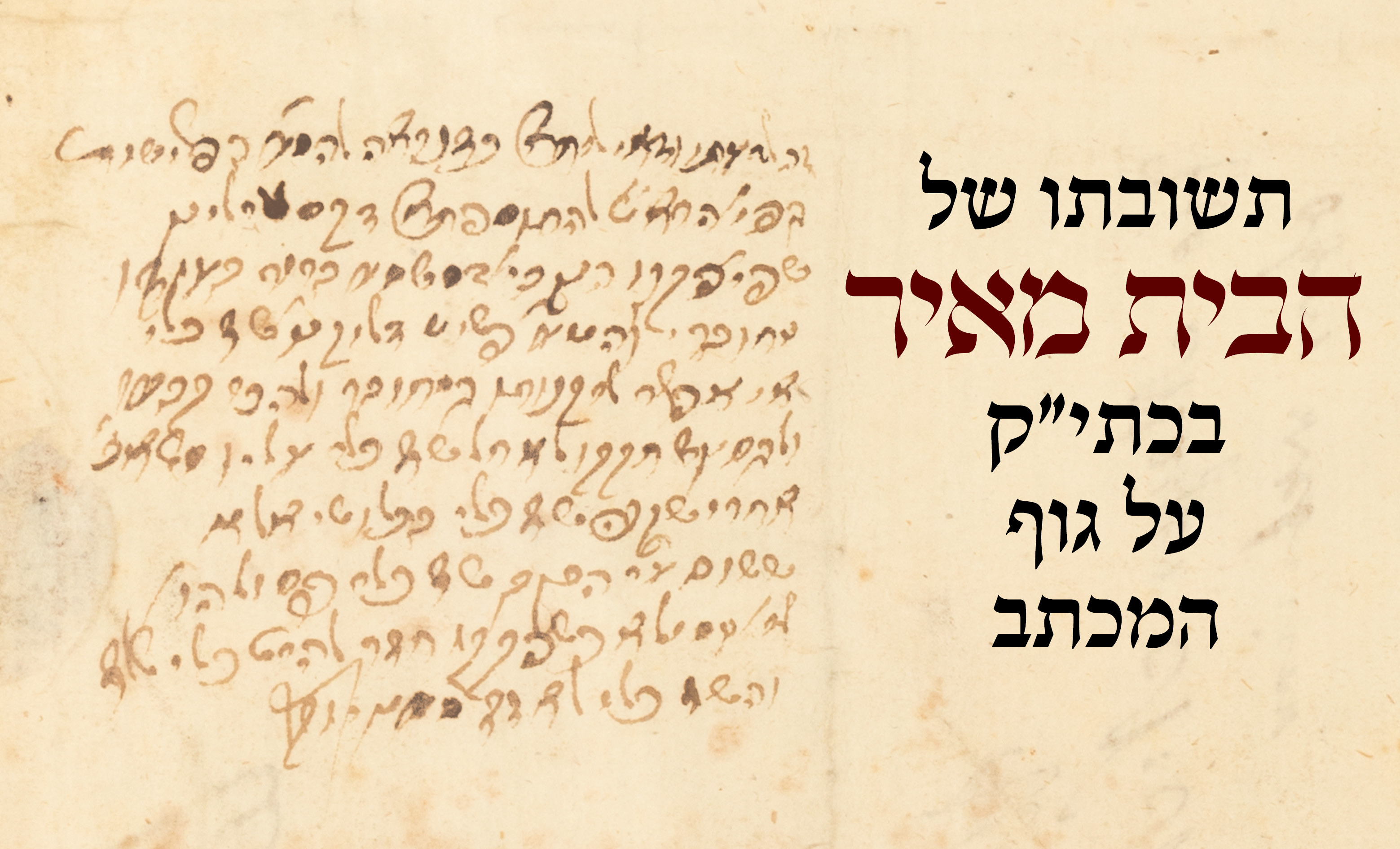
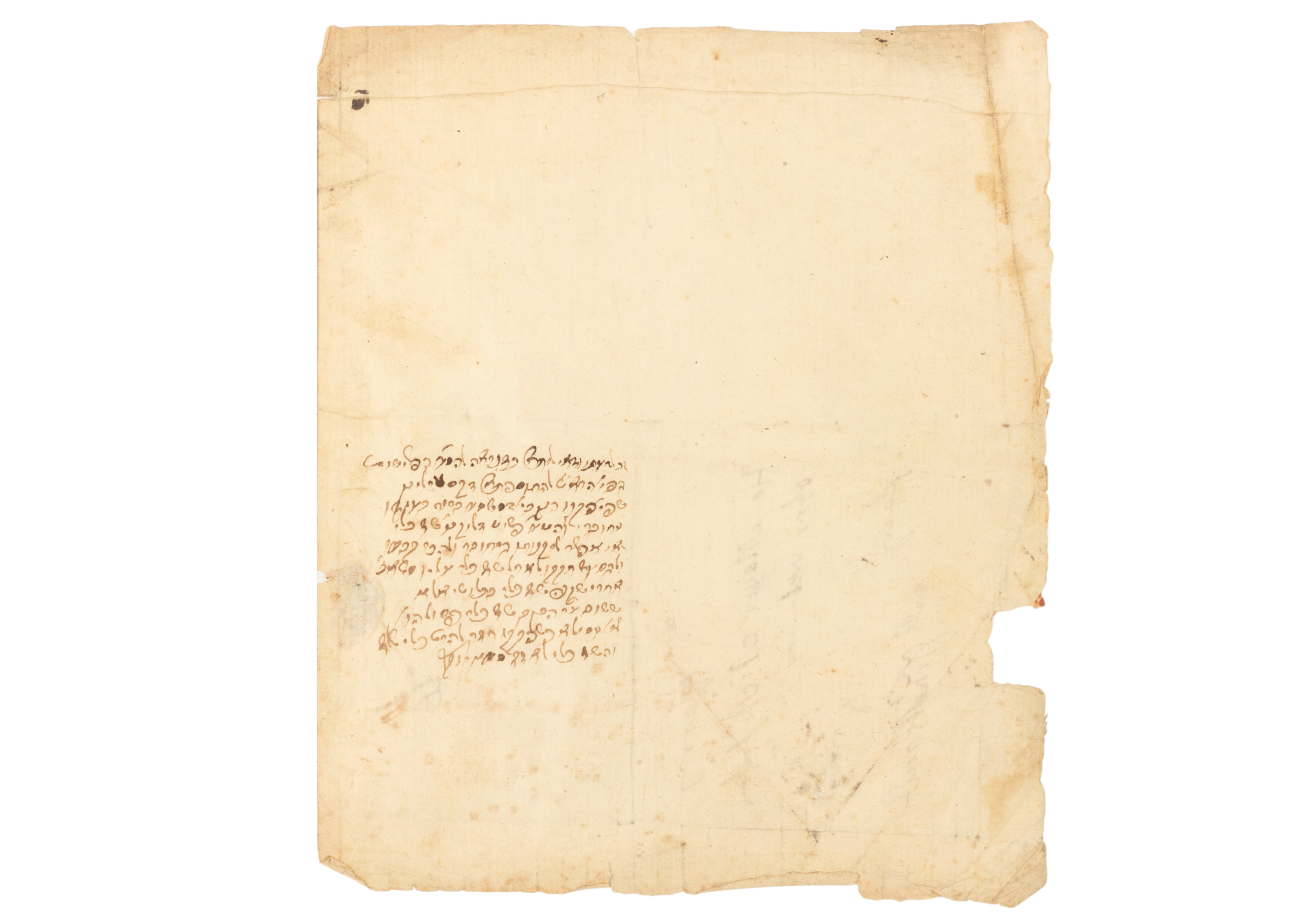
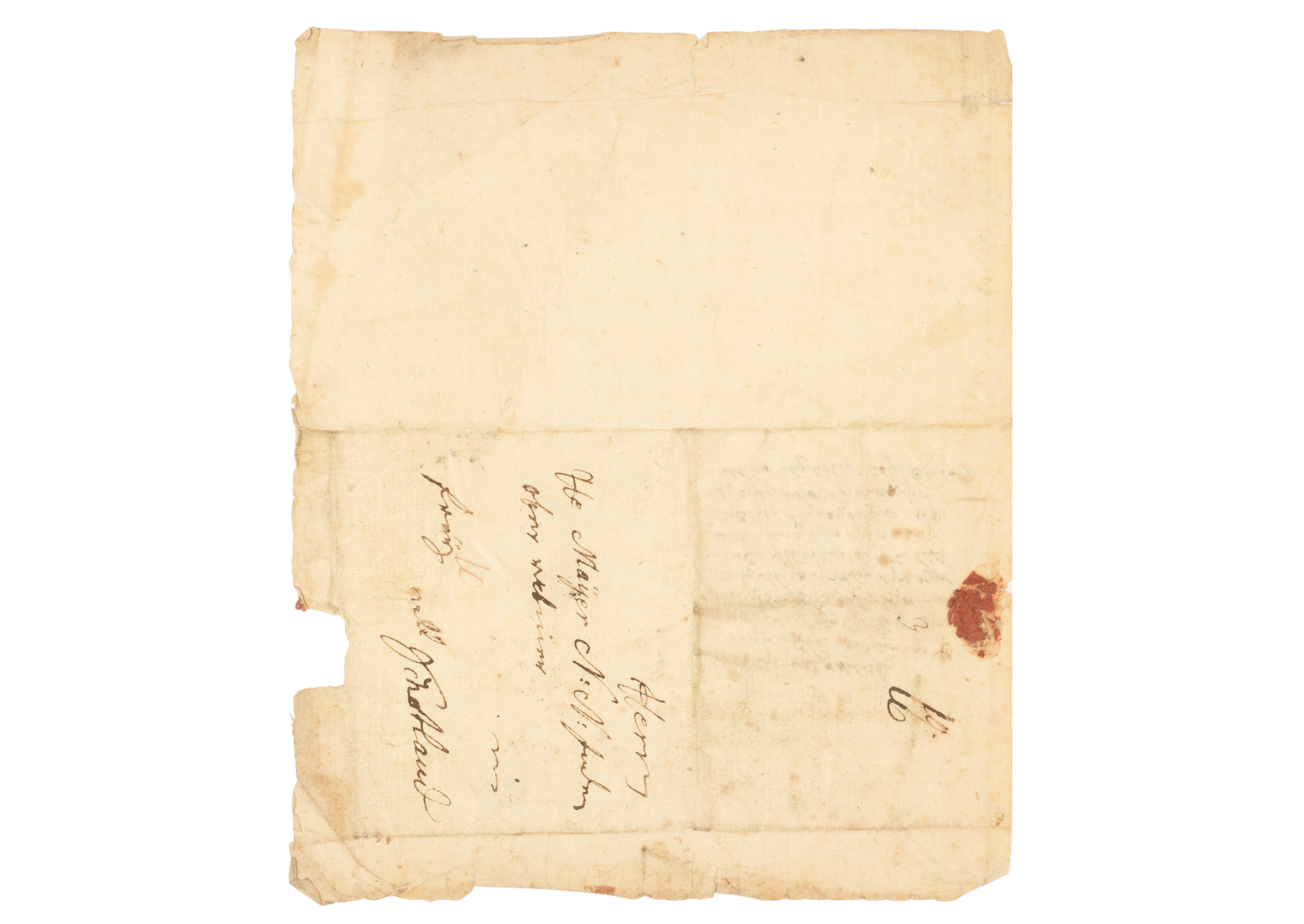
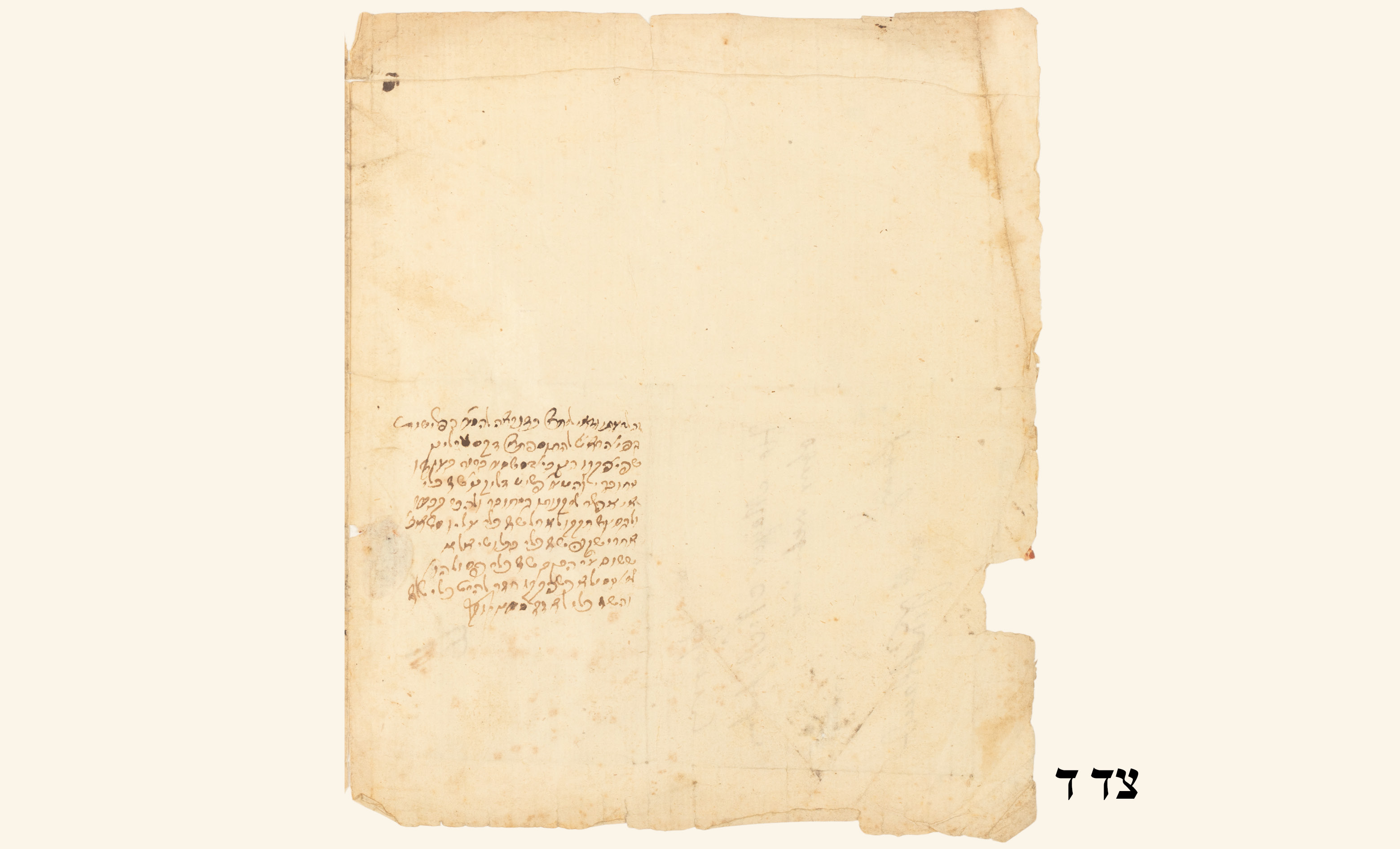
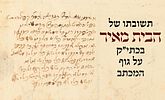
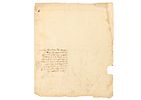
On the blank side of the letter, the Beis Meir penned a lengthy autograph note discussing Rabbi Akiva Eiger’s arguments. (Rabbi Akiva Eiger responded to this annotation in his published Shu"t, Yoreh De’ah, section 39).

Rabbi Akiva Eiger and the Beis Meir

The Beis Meir and Rabbi Akiva Eiger shared a close friendship, despite Rabbi Akiva Eiger being more than twenty years younger than the Beis Meir. They frequently exchanged halachic discussions, and Rabbi Akiva Eiger concludes this letter with the heartfelt wish:

“May Hashem grant me the strength to continue discussing matters of Torah with Your Honor, as has always been our way.”

Rabbi Akiva Eiger held the Beis Meir in extraordinary esteem, addressing him elsewhere as:

“The great and true gaon, the crown of holiness, the leader of his people, the guide of his nation, a radiant light.”

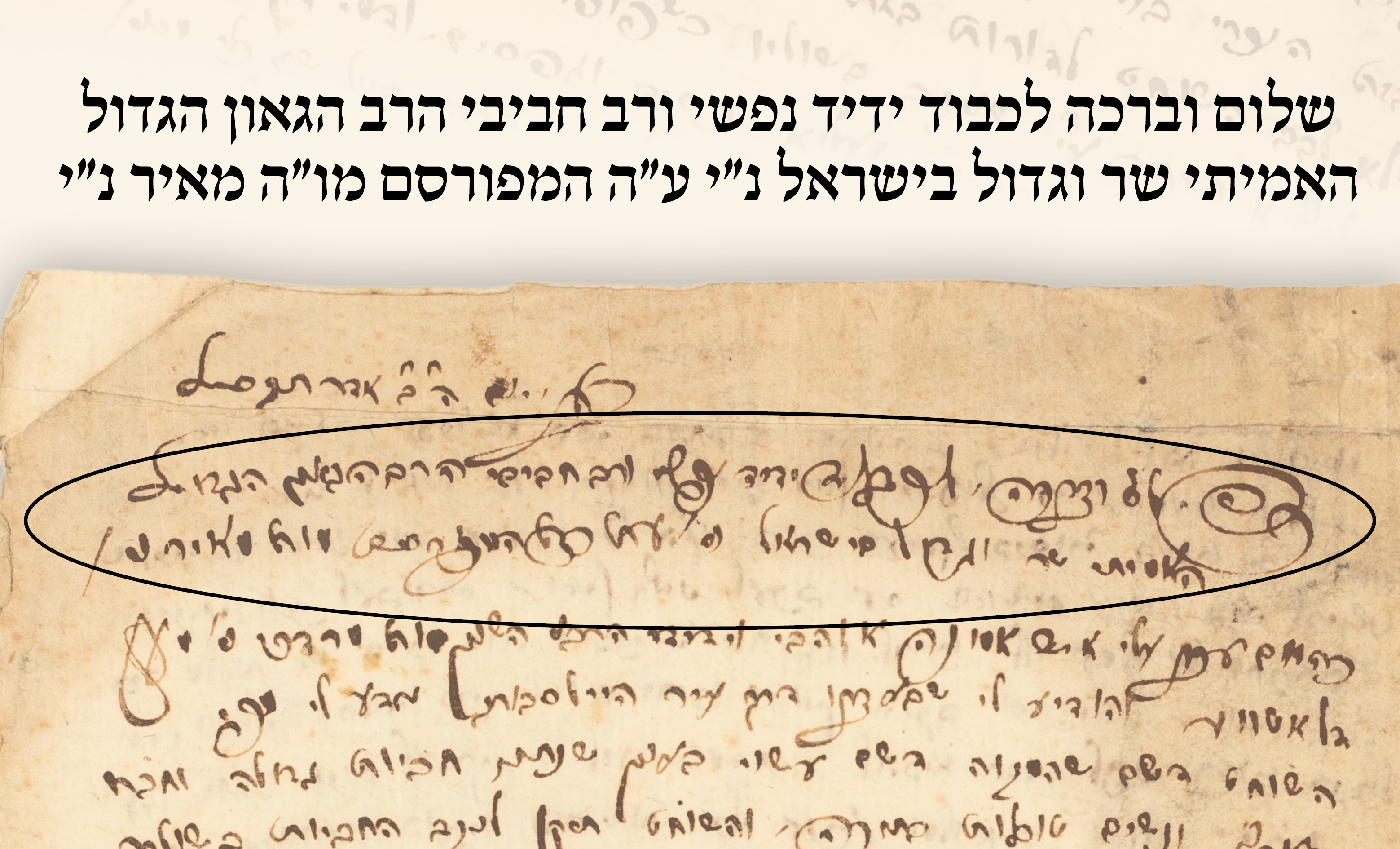
In the present letter, he likewise refers to him as “a prince and great leader in Yisrael.”

Rabbi Akiva Eiger (1761–1837), Av Beis Din of Posen, was one of the greatest of the Achronim. Few figures have left such a lasting imprint upon Torah scholarship. Every line he wrote has been studied with extraordinary reverence, and his questions, chiddushim, and innovative analyses became a cornerstone of Torah study. He served as Av Beis Din of Friedland from 1791 until 1815, when he accepted the rabbinate of Posen.

Rabbi Meir Posner, author of Beis Meir (c. 1725–1807), was described by the Chasam Sofer as “the foremost halachic authority.” He served as a bridge between two generations of Achronim — he addressed halachic inquiries to the Noda B’Yehuda, and provided an approbation for the Pri Megadim’s sefer Ginas Veradim, and was later consulted by the gedolei hador of the next generation, including Rabbi Akiva Eiger, the Chemdas Shlomo, and the Chayei Adam.


Friedland, 1800.

Size: Folded leaf of 18 × 21 cm.
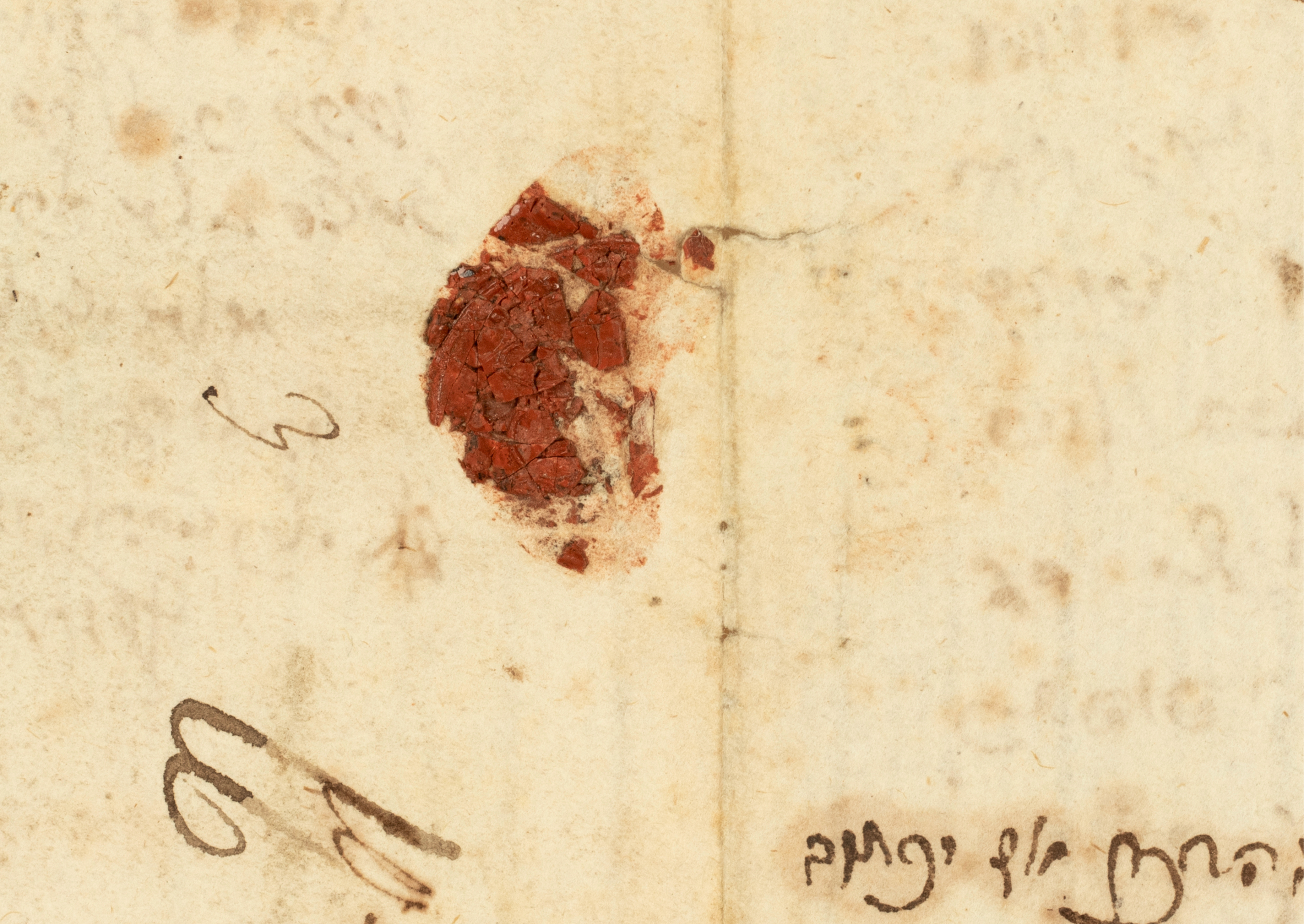
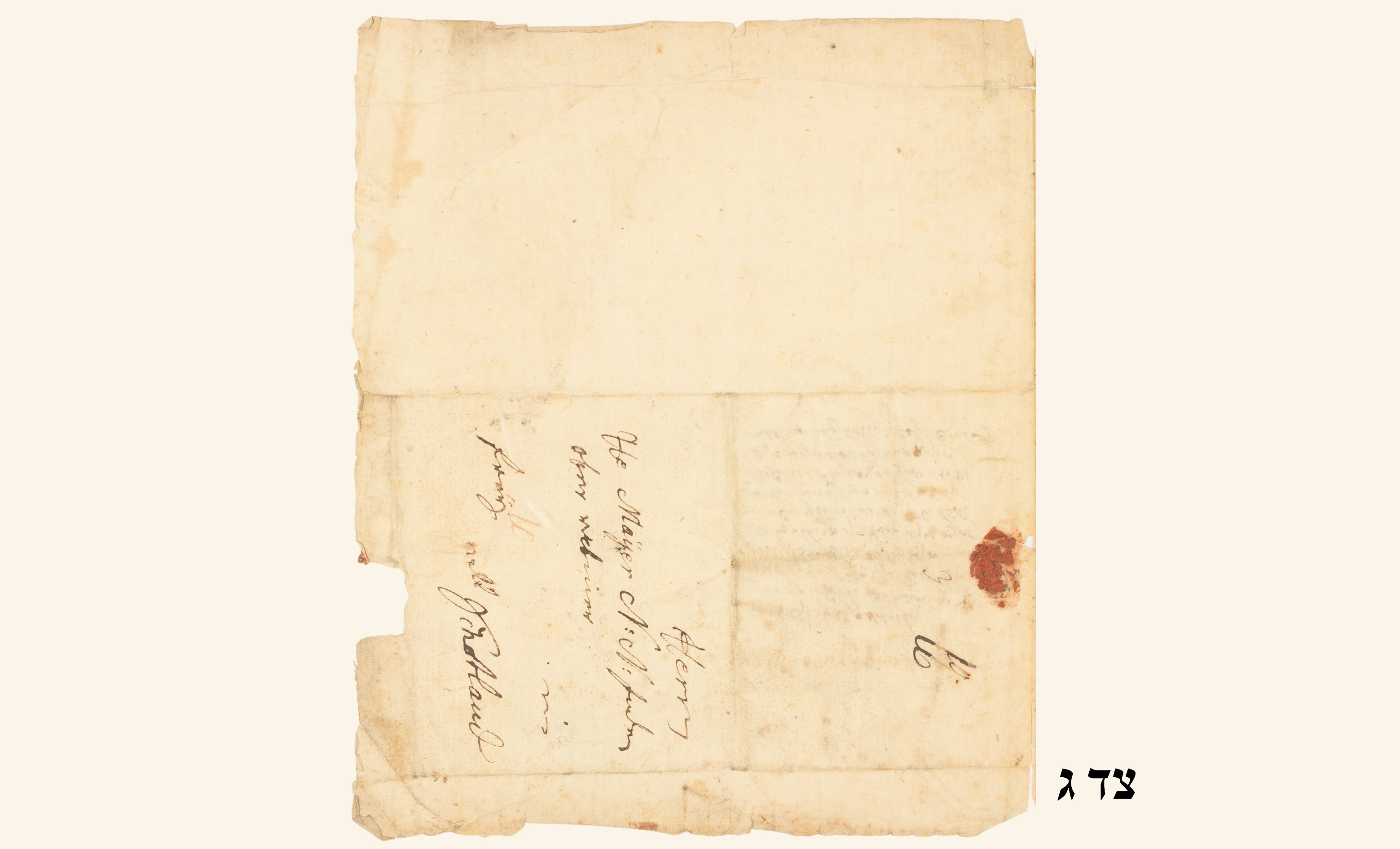
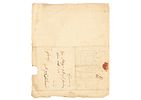
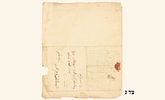
Condition: Two written pages comprising approximately 40 handwritten lines by Rabbi Akiva Eiger, with an additional 10 half-lines in the autograph handwriting of the Beis Meir on the blank margin. Stains, fold marks, and remnants of a wax seal.

Published in Me’oran Shel Yisrael (2011 edition), vol. II, pp. 391–392.

_________________

Transcription of the Letter:

B"H, Thursday, 2 Adar 1800


Greetings to my dear and beloved friend, the renowned Harav Hagaon Rabbi Meir, a towering Torah scholar and one of the great leaders of Klal Yisrael נ"י,

Today I was visited by a trustworthy man, my beloved friend, the learned and brilliant Rabbi Mordechai of Zlotov. He informed me that while passing through the town of Heilsberg, he heard from the local shochet that the mikveh there had been constructed in the following manner: a large barrel was placed and fixed into the ground, and the women immerse themselves inside it. The shochet arranged for a hole to be made in the bottom of the barrel. The non-Jewish owner of the mikveh objected, however, and subsequently plugged the hole with wood.

I was greatly alarmed. How did the shochet take it upon himself to rule on such a matter?

I wanted to examine every aspect of the question to determine whether there might be grounds for permitting it. Perhaps the hole made in the bottom of the barrel, being the size of a shfoferes hanod (the minimum halachic size required to connect the waters), rendered it acceptable, even though it was subsequently plugged with wood, since perhaps such a plug does not constitute a proper sealing like lime and plaster, but is comparable merely to lime and stones. Or perhaps, even if it is considered a proper sealing, once the barrel had ceased to have the status of a vessel while still detached from the ground, and only became a vessel again after the hole was plugged when it was already attached to the ground, it might be comparable to something that was first fixed in place and only afterward hollowed out.

In the lower margin, the Gaon, author of Beis Meir, wrote in his own holy hand:
This is certainly incorrect, as is readily apparent to anyone who examines the Rosh’s explanation of the Tosefta concerning kastilin (a large water receptacle). The Rosh explains that “they plugged the holes, ” which clearly implies that this was done while it was already attached to the ground. The matter is straightforward: an object cannot acquire the status of a vessel while attached to the ground. That is why, when it was first fixed in place and only afterward hollowed out, the status of a vessel never takes effect. Here, however, the barrel had already acquired the status of a vessel while detached. Although making the hole subsequently rendered it unfit as a vessel, once the hole was plugged it again became a complete vessel; its fundamental status as a vessel had never departed. This is easily understood.

There is, however, much room for discussion here. In truth, a hole the size of a shfoferes hanod does not nullify the barrel’s status as a vessel, since in a wooden vessel the hole must be large enough for a pomegranate to pass through. Rather, with regard to a mikveh, Chazal taught that a hole of this size prevents the water from being considered mayim she’uvim. If the hole is subsequently plugged, however, perhaps the water once again becomes she’uvim, even if it was plugged while the barrel was attached to the ground, since the barrel had already been a vessel while detached and the hole the size of a shfoferes hanod never actually removed its status as a vessel.
There may also be grounds for permitting it because the spring water rises above the top of the barrel, thereby creating a connection equivalent to a shfoferes hanod, similar to immersing one vessel inside another. The Rash, however, distinguishes between a detached vessel and one attached to the ground. Furthermore, according to the Raavad, who rules that an immersion is invalid when one stands upon an object susceptible to tumah, because of the rabbinic decree concerning bathhouses, the fact that the water rises above the barrel would seemingly be of no help.

Indeed, according to the Raavad, it would appear that even a hole the size of a shfoferes hanod should not suffice for a wooden barrel. After all, until the hole is large enough for a pomegranate to pass through, the barrel remains susceptible to tumah. It should therefore be no better than standing upon a board suitable for being trodden upon. At first glance, this requires consideration in light of the rulings of the Shulchan Aruch: in siman 198 it follows the Raavad, while in siman 201 it rules that a hole the size of a shfoferes hanod in the bottom of a barrel is sufficient even to permit immersion inside the barrel itself.

All these thoughts occurred to me without having had the opportunity to examine the sources or investigate the matter properly. Even during the short time that Rabbi Mordechai was here, I have, due to my many sins, been beset by suffering. May Hashem have mercy upon me and strengthen me to be able to serve Him.

I do not wish, however, to delay this matter until I am able to study it thoroughly and reach a practical halachic ruling. Moreover, Rabbi Mordechai, who was in a hurry to continue his journey, did not have the opportunity to investigate exactly how the mikveh was constructed, how the water enters it, or the precise details of the hole and how it was plugged. It is also possible that they will not heed what I say.

I therefore decided to bring the matter before your honor, whose authority is recognized far and wide, and whose word is heeded by all.

May your honor please act to remove this stumbling block without delay. Please write immediately to instruct the aforementioned shochet, ordering him to send you a clear and detailed account of precisely how the mikveh is constructed. Your honor can then render a ruling both regarding what has already taken place and regarding the proper repair of the mikveh for the future.

In the meantime, I too will look further into the matter, if Hashem grants me renewed strength, so that I may discuss and deliberate it with your honor, as is our custom. But your honor should not delay even for a moment. Issue your ruling, and it shall be fulfilled.

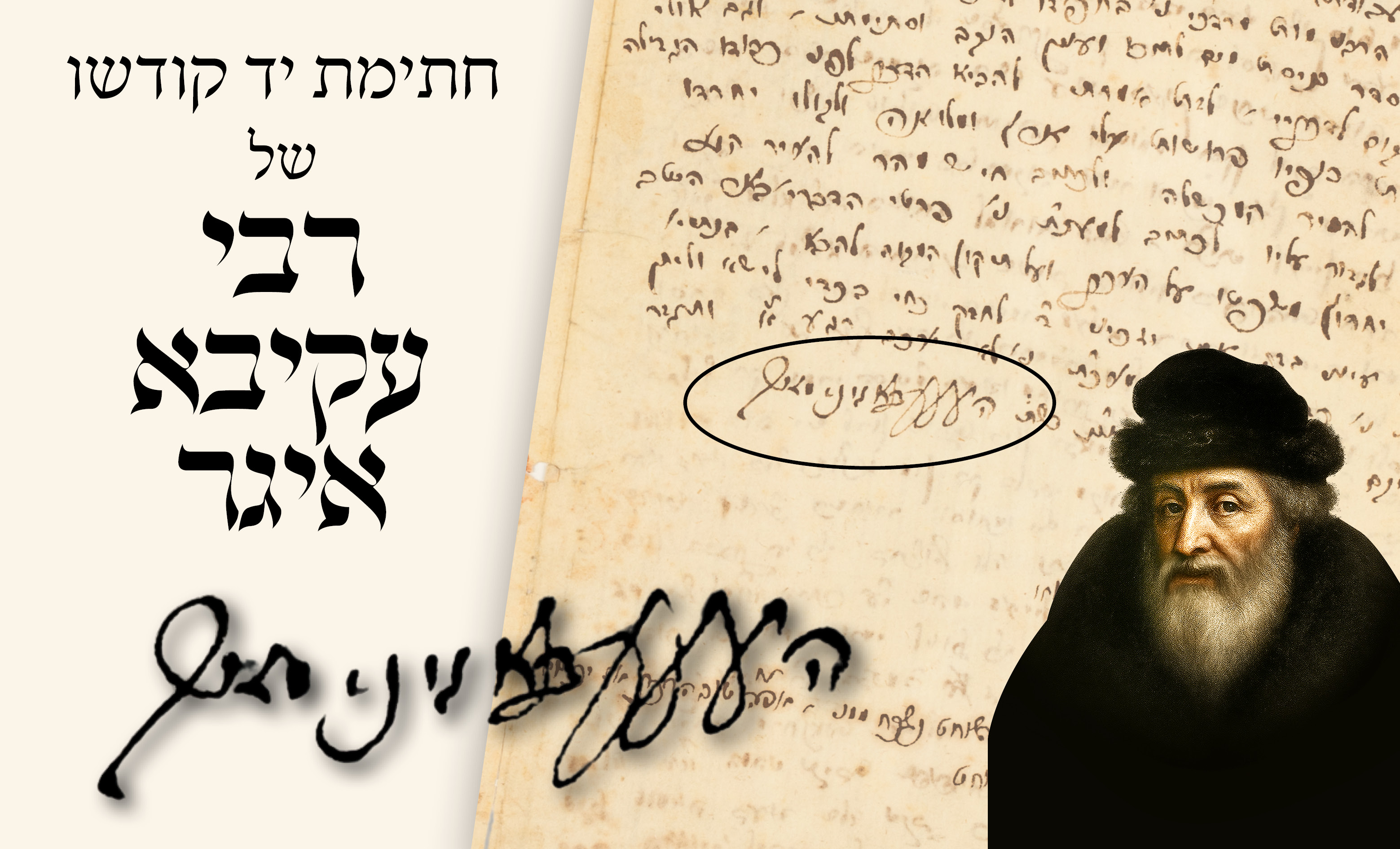
From your devoted friend, with deepest respect,

Hakatan Akiva Güns of Eisenstadt


Lot : 18

Two Leading Achronim!
Lengthy Handwritten Letter To the Beis Meir by Rabbi Akiva Eiger, With a Handwritten Annotation by the Beis Meir

Friedland, 1800.

Start price: $40,000
|
Est. Price: $60,000 - $80,000

Two Leading Achronim!

Lengthy Handwritten Letter To the Beis Meir by Rabbi Akiva Eiger, With a Handwritten Annotation by the Beis Meir

Friedland, 1800.


A lengthy two-page handwritten letter by the Gaon of Gaonim, Rabbi Akiva Eiger, Av Beis Din of Posen, addressed to the Gaon Rabbi Meir Posner, author of the sefer Beis Meir. The blank margin bears a lengthy handwritten annotation by the Beis Meir.

The letter contains a halachic teshuva concerning the validity of a mikveh in the town of Heilsberg.

The background to the letter: A friend of Rabbi Akiva Eiger, Rabbi Mordechai of Zlotów, arrived in Friedland and related that while passing through Heilsberg, he had inspected the local mikveh and discovered what he believed to be a serious halachic flaw. He also described the halachic solution the local shochet devised to “validate” the mikveh! Rabbi Akiva Eiger responded with evident alarm:

“I stood trembling — how could the shochet have dared to issue such a ruling?”
After briefly analyzing the issue, he apologizes that he cannot investigate it more thoroughly, writing: 

“Without careful investigation and examination… for I am enveloped in suffering, due to my many sins, may Hashem have mercy upon me and strengthen me.”

He therefore turns to the Beis Meir, acknowledging his supreme halachic authority:

“I therefore resolved to place the matter before Your Honor, whose halachic authority is recognized throughout the Jewish world and whose words are heeded by all. I ask that you write immediately to the shochet, instructing him to provide a complete account of the facts, so that you may render a definitive ruling both regarding what has already taken place and regarding the proper way to correct the mikveh for the future.”

This remarkable letter vividly illustrates Rabbi Akiva Eiger’s profound sense of responsibility for safeguarding halacha far beyond the boundaries of his own rabbinate. Even before reaching the age of forty, he felt compelled to intervene whenever Jewish communal standards were at stake.

On the blank side of the letter, the Beis Meir penned a lengthy autograph note discussing Rabbi Akiva Eiger’s arguments. (Rabbi Akiva Eiger responded to this annotation in his published Shu"t, Yoreh De’ah, section 39).

Rabbi Akiva Eiger and the Beis Meir

The Beis Meir and Rabbi Akiva Eiger shared a close friendship, despite Rabbi Akiva Eiger being more than twenty years younger than the Beis Meir. They frequently exchanged halachic discussions, and Rabbi Akiva Eiger concludes this letter with the heartfelt wish:

“May Hashem grant me the strength to continue discussing matters of Torah with Your Honor, as has always been our way.”

Rabbi Akiva Eiger held the Beis Meir in extraordinary esteem, addressing him elsewhere as:

“The great and true gaon, the crown of holiness, the leader of his people, the guide of his nation, a radiant light.”

In the present letter, he likewise refers to him as “a prince and great leader in Yisrael.”

Rabbi Akiva Eiger (1761–1837), Av Beis Din of Posen, was one of the greatest of the Achronim. Few figures have left such a lasting imprint upon Torah scholarship. Every line he wrote has been studied with extraordinary reverence, and his questions, chiddushim, and innovative analyses became a cornerstone of Torah study. He served as Av Beis Din of Friedland from 1791 until 1815, when he accepted the rabbinate of Posen.

Rabbi Meir Posner, author of Beis Meir (c. 1725–1807), was described by the Chasam Sofer as “the foremost halachic authority.” He served as a bridge between two generations of Achronim — he addressed halachic inquiries to the Noda B’Yehuda, and provided an approbation for the Pri Megadim’s sefer Ginas Veradim, and was later consulted by the gedolei hador of the next generation, including Rabbi Akiva Eiger, the Chemdas Shlomo, and the Chayei Adam.


Friedland, 1800.

Size: Folded leaf of 18 × 21 cm.
Condition: Two written pages comprising approximately 40 handwritten lines by Rabbi Akiva Eiger, with an additional 10 half-lines in the autograph handwriting of the Beis Meir on the blank margin. Stains, fold marks, and remnants of a wax seal.

Published in Me’oran Shel Yisrael (2011 edition), vol. II, pp. 391–392.

_________________

Transcription of the Letter:

B"H, Thursday, 2 Adar 1800


Greetings to my dear and beloved friend, the renowned Harav Hagaon Rabbi Meir, a towering Torah scholar and one of the great leaders of Klal Yisrael נ"י,

Today I was visited by a trustworthy man, my beloved friend, the learned and brilliant Rabbi Mordechai of Zlotov. He informed me that while passing through the town of Heilsberg, he heard from the local shochet that the mikveh there had been constructed in the following manner: a large barrel was placed and fixed into the ground, and the women immerse themselves inside it. The shochet arranged for a hole to be made in the bottom of the barrel. The non-Jewish owner of the mikveh objected, however, and subsequently plugged the hole with wood.

I was greatly alarmed. How did the shochet take it upon himself to rule on such a matter?

I wanted to examine every aspect of the question to determine whether there might be grounds for permitting it. Perhaps the hole made in the bottom of the barrel, being the size of a shfoferes hanod (the minimum halachic size required to connect the waters), rendered it acceptable, even though it was subsequently plugged with wood, since perhaps such a plug does not constitute a proper sealing like lime and plaster, but is comparable merely to lime and stones. Or perhaps, even if it is considered a proper sealing, once the barrel had ceased to have the status of a vessel while still detached from the ground, and only became a vessel again after the hole was plugged when it was already attached to the ground, it might be comparable to something that was first fixed in place and only afterward hollowed out.

In the lower margin, the Gaon, author of Beis Meir, wrote in his own holy hand:
This is certainly incorrect, as is readily apparent to anyone who examines the Rosh’s explanation of the Tosefta concerning kastilin (a large water receptacle). The Rosh explains that “they plugged the holes, ” which clearly implies that this was done while it was already attached to the ground. The matter is straightforward: an object cannot acquire the status of a vessel while attached to the ground. That is why, when it was first fixed in place and only afterward hollowed out, the status of a vessel never takes effect. Here, however, the barrel had already acquired the status of a vessel while detached. Although making the hole subsequently rendered it unfit as a vessel, once the hole was plugged it again became a complete vessel; its fundamental status as a vessel had never departed. This is easily understood.

There is, however, much room for discussion here. In truth, a hole the size of a shfoferes hanod does not nullify the barrel’s status as a vessel, since in a wooden vessel the hole must be large enough for a pomegranate to pass through. Rather, with regard to a mikveh, Chazal taught that a hole of this size prevents the water from being considered mayim she’uvim. If the hole is subsequently plugged, however, perhaps the water once again becomes she’uvim, even if it was plugged while the barrel was attached to the ground, since the barrel had already been a vessel while detached and the hole the size of a shfoferes hanod never actually removed its status as a vessel.
There may also be grounds for permitting it because the spring water rises above the top of the barrel, thereby creating a connection equivalent to a shfoferes hanod, similar to immersing one vessel inside another. The Rash, however, distinguishes between a detached vessel and one attached to the ground. Furthermore, according to the Raavad, who rules that an immersion is invalid when one stands upon an object susceptible to tumah, because of the rabbinic decree concerning bathhouses, the fact that the water rises above the barrel would seemingly be of no help.

Indeed, according to the Raavad, it would appear that even a hole the size of a shfoferes hanod should not suffice for a wooden barrel. After all, until the hole is large enough for a pomegranate to pass through, the barrel remains susceptible to tumah. It should therefore be no better than standing upon a board suitable for being trodden upon. At first glance, this requires consideration in light of the rulings of the Shulchan Aruch: in siman 198 it follows the Raavad, while in siman 201 it rules that a hole the size of a shfoferes hanod in the bottom of a barrel is sufficient even to permit immersion inside the barrel itself.

All these thoughts occurred to me without having had the opportunity to examine the sources or investigate the matter properly. Even during the short time that Rabbi Mordechai was here, I have, due to my many sins, been beset by suffering. May Hashem have mercy upon me and strengthen me to be able to serve Him.

I do not wish, however, to delay this matter until I am able to study it thoroughly and reach a practical halachic ruling. Moreover, Rabbi Mordechai, who was in a hurry to continue his journey, did not have the opportunity to investigate exactly how the mikveh was constructed, how the water enters it, or the precise details of the hole and how it was plugged. It is also possible that they will not heed what I say.

I therefore decided to bring the matter before your honor, whose authority is recognized far and wide, and whose word is heeded by all.

May your honor please act to remove this stumbling block without delay. Please write immediately to instruct the aforementioned shochet, ordering him to send you a clear and detailed account of precisely how the mikveh is constructed. Your honor can then render a ruling both regarding what has already taken place and regarding the proper repair of the mikveh for the future.

In the meantime, I too will look further into the matter, if Hashem grants me renewed strength, so that I may discuss and deliberate it with your honor, as is our custom. But your honor should not delay even for a moment. Issue your ruling, and it shall be fulfilled.

From your devoted friend, with deepest respect,

Hakatan Akiva Güns of Eisenstadt


Two Leading Achronim!

Lengthy Handwritten Letter To the Beis Meir by Rabbi Akiva Eiger, With a Handwritten Annotation by the Beis Meir

Friedland, 1800.


A lengthy two-page handwritten letter by the Gaon of Gaonim, Rabbi Akiva Eiger, Av Beis Din of Posen, addressed to the Gaon Rabbi Meir Posner, author of the sefer Beis Meir. The blank margin bears a lengthy handwritten annotation by the Beis Meir.

The letter contains a halachic teshuva concerning the validity of a mikveh in the town of Heilsberg.

The background to the letter: A friend of Rabbi Akiva Eiger, Rabbi Mordechai of Zlotów, arrived in Friedland and related that while passing through Heilsberg, he had inspected the local mikveh and discovered what he believed to be a serious halachic flaw. He also described the halachic solution the local shochet devised to “validate” the mikveh! Rabbi Akiva Eiger responded with evident alarm:

“I stood trembling — how could the shochet have dared to issue such a ruling?”
After briefly analyzing the issue, he apologizes that he cannot investigate it more thoroughly, writing: 

“Without careful investigation and examination… for I am enveloped in suffering, due to my many sins, may Hashem have mercy upon me and strengthen me.”

He therefore turns to the Beis Meir, acknowledging his supreme halachic authority:

“I therefore resolved to place the matter before Your Honor, whose halachic authority is recognized throughout the Jewish world and whose words are heeded by all. I ask that you write immediately to the shochet, instructing him to provide a complete account of the facts, so that you may render a definitive ruling both regarding what has already taken place and regarding the proper way to correct the mikveh for the future.”

This remarkable letter vividly illustrates Rabbi Akiva Eiger’s profound sense of responsibility for safeguarding halacha far beyond the boundaries of his own rabbinate. Even before reaching the age of forty, he felt compelled to intervene whenever Jewish communal standards were at stake.

On the blank side of the letter, the Beis Meir penned a lengthy autograph note discussing Rabbi Akiva Eiger’s arguments. (Rabbi Akiva Eiger responded to this annotation in his published Shu"t, Yoreh De’ah, section 39).

Rabbi Akiva Eiger and the Beis Meir

The Beis Meir and Rabbi Akiva Eiger shared a close friendship, despite Rabbi Akiva Eiger being more than twenty years younger than the Beis Meir. They frequently exchanged halachic discussions, and Rabbi Akiva Eiger concludes this letter with the heartfelt wish:

“May Hashem grant me the strength to continue discussing matters of Torah with Your Honor, as has always been our way.”

Rabbi Akiva Eiger held the Beis Meir in extraordinary esteem, addressing him elsewhere as:

“The great and true gaon, the crown of holiness, the leader of his people, the guide of his nation, a radiant light.”

In the present letter, he likewise refers to him as “a prince and great leader in Yisrael.”

Rabbi Akiva Eiger (1761–1837), Av Beis Din of Posen, was one of the greatest of the Achronim. Few figures have left such a lasting imprint upon Torah scholarship. Every line he wrote has been studied with extraordinary reverence, and his questions, chiddushim, and innovative analyses became a cornerstone of Torah study. He served as Av Beis Din of Friedland from 1791 until 1815, when he accepted the rabbinate of Posen.

Rabbi Meir Posner, author of Beis Meir (c. 1725–1807), was described by the Chasam Sofer as “the foremost halachic authority.” He served as a bridge between two generations of Achronim — he addressed halachic inquiries to the Noda B’Yehuda, and provided an approbation for the Pri Megadim’s sefer Ginas Veradim, and was later consulted by the gedolei hador of the next generation, including Rabbi Akiva Eiger, the Chemdas Shlomo, and the Chayei Adam.


Friedland, 1800.

Size: Folded leaf of 18 × 21 cm.
Condition: Two written pages comprising approximately 40 handwritten lines by Rabbi Akiva Eiger, with an additional 10 half-lines in the autograph handwriting of the Beis Meir on the blank margin. Stains, fold marks, and remnants of a wax seal.

Published in Me’oran Shel Yisrael (2011 edition), vol. II, pp. 391–392.

_________________

Transcription of the Letter:

B"H, Thursday, 2 Adar 1800


Greetings to my dear and beloved friend, the renowned Harav Hagaon Rabbi Meir, a towering Torah scholar and one of the great leaders of Klal Yisrael נ"י,

Today I was visited by a trustworthy man, my beloved friend, the learned and brilliant Rabbi Mordechai of Zlotov. He informed me that while passing through the town of Heilsberg, he heard from the local shochet that the mikveh there had been constructed in the following manner: a large barrel was placed and fixed into the ground, and the women immerse themselves inside it. The shochet arranged for a hole to be made in the bottom of the barrel. The non-Jewish owner of the mikveh objected, however, and subsequently plugged the hole with wood.

I was greatly alarmed. How did the shochet take it upon himself to rule on such a matter?

I wanted to examine every aspect of the question to determine whether there might be grounds for permitting it. Perhaps the hole made in the bottom of the barrel, being the size of a shfoferes hanod (the minimum halachic size required to connect the waters), rendered it acceptable, even though it was subsequently plugged with wood, since perhaps such a plug does not constitute a proper sealing like lime and plaster, but is comparable merely to lime and stones. Or perhaps, even if it is considered a proper sealing, once the barrel had ceased to have the status of a vessel while still detached from the ground, and only became a vessel again after the hole was plugged when it was already attached to the ground, it might be comparable to something that was first fixed in place and only afterward hollowed out.

In the lower margin, the Gaon, author of Beis Meir, wrote in his own holy hand:
This is certainly incorrect, as is readily apparent to anyone who examines the Rosh’s explanation of the Tosefta concerning kastilin (a large water receptacle). The Rosh explains that “they plugged the holes, ” which clearly implies that this was done while it was already attached to the ground. The matter is straightforward: an object cannot acquire the status of a vessel while attached to the ground. That is why, when it was first fixed in place and only afterward hollowed out, the status of a vessel never takes effect. Here, however, the barrel had already acquired the status of a vessel while detached. Although making the hole subsequently rendered it unfit as a vessel, once the hole was plugged it again became a complete vessel; its fundamental status as a vessel had never departed. This is easily understood.

There is, however, much room for discussion here. In truth, a hole the size of a shfoferes hanod does not nullify the barrel’s status as a vessel, since in a wooden vessel the hole must be large enough for a pomegranate to pass through. Rather, with regard to a mikveh, Chazal taught that a hole of this size prevents the water from being considered mayim she’uvim. If the hole is subsequently plugged, however, perhaps the water once again becomes she’uvim, even if it was plugged while the barrel was attached to the ground, since the barrel had already been a vessel while detached and the hole the size of a shfoferes hanod never actually removed its status as a vessel.
There may also be grounds for permitting it because the spring water rises above the top of the barrel, thereby creating a connection equivalent to a shfoferes hanod, similar to immersing one vessel inside another. The Rash, however, distinguishes between a detached vessel and one attached to the ground. Furthermore, according to the Raavad, who rules that an immersion is invalid when one stands upon an object susceptible to tumah, because of the rabbinic decree concerning bathhouses, the fact that the water rises above the barrel would seemingly be of no help.

Indeed, according to the Raavad, it would appear that even a hole the size of a shfoferes hanod should not suffice for a wooden barrel. After all, until the hole is large enough for a pomegranate to pass through, the barrel remains susceptible to tumah. It should therefore be no better than standing upon a board suitable for being trodden upon. At first glance, this requires consideration in light of the rulings of the Shulchan Aruch: in siman 198 it follows the Raavad, while in siman 201 it rules that a hole the size of a shfoferes hanod in the bottom of a barrel is sufficient even to permit immersion inside the barrel itself.

All these thoughts occurred to me without having had the opportunity to examine the sources or investigate the matter properly. Even during the short time that Rabbi Mordechai was here, I have, due to my many sins, been beset by suffering. May Hashem have mercy upon me and strengthen me to be able to serve Him.

I do not wish, however, to delay this matter until I am able to study it thoroughly and reach a practical halachic ruling. Moreover, Rabbi Mordechai, who was in a hurry to continue his journey, did not have the opportunity to investigate exactly how the mikveh was constructed, how the water enters it, or the precise details of the hole and how it was plugged. It is also possible that they will not heed what I say.

I therefore decided to bring the matter before your honor, whose authority is recognized far and wide, and whose word is heeded by all.

May your honor please act to remove this stumbling block without delay. Please write immediately to instruct the aforementioned shochet, ordering him to send you a clear and detailed account of precisely how the mikveh is constructed. Your honor can then render a ruling both regarding what has already taken place and regarding the proper repair of the mikveh for the future.

In the meantime, I too will look further into the matter, if Hashem grants me renewed strength, so that I may discuss and deliberate it with your honor, as is our custom. But your honor should not delay even for a moment. Issue your ruling, and it shall be fulfilled.

From your devoted friend, with deepest respect,

Hakatan Akiva Güns of Eisenstadt