












Lot : 11

America's First Hebrew Tanach
Philadelphia, 1814
Complete and Beautiful Set 

Images
America’s First Hebrew Tanach
Philadelphia, 1814
Complete and Beautiful Set 

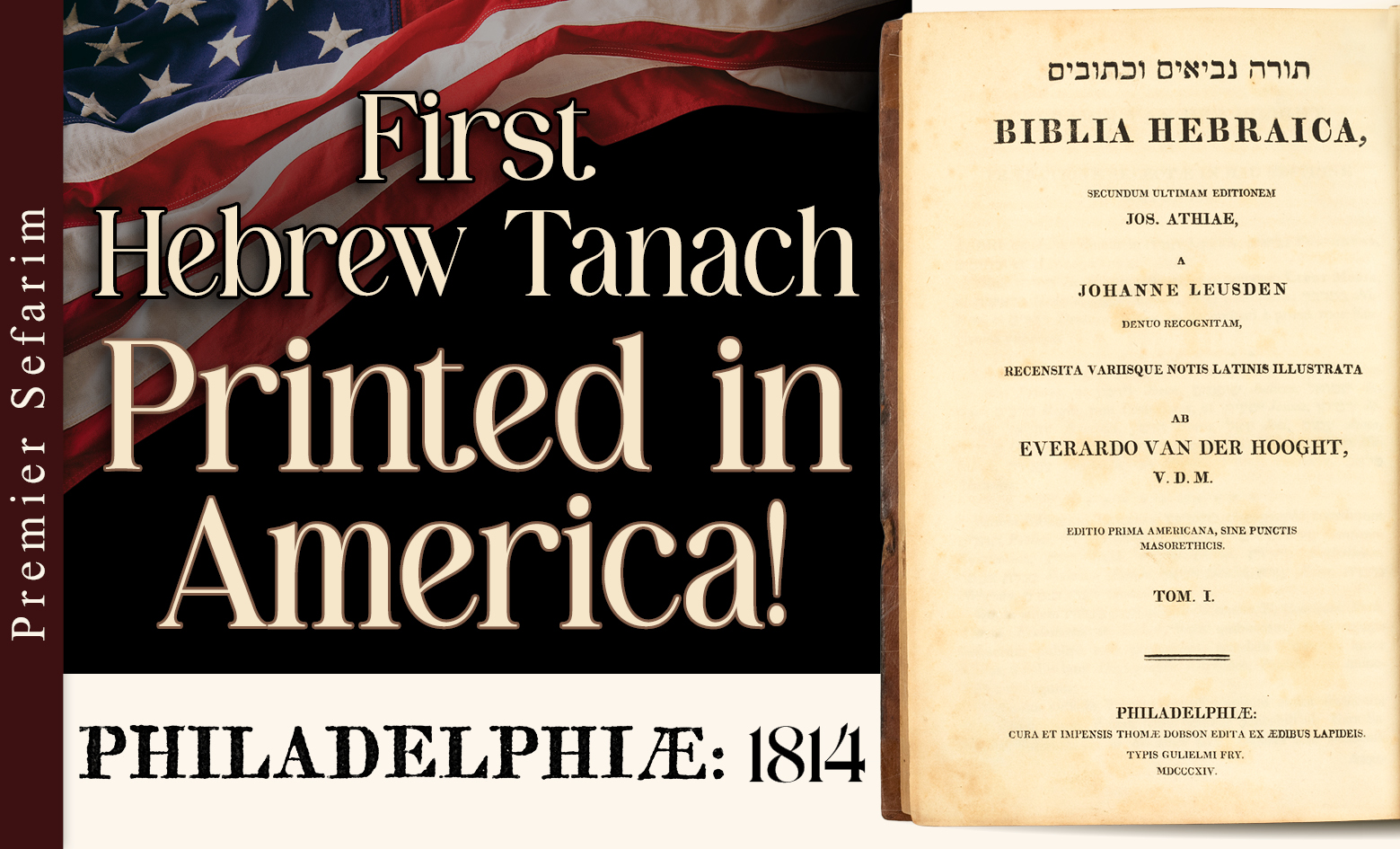
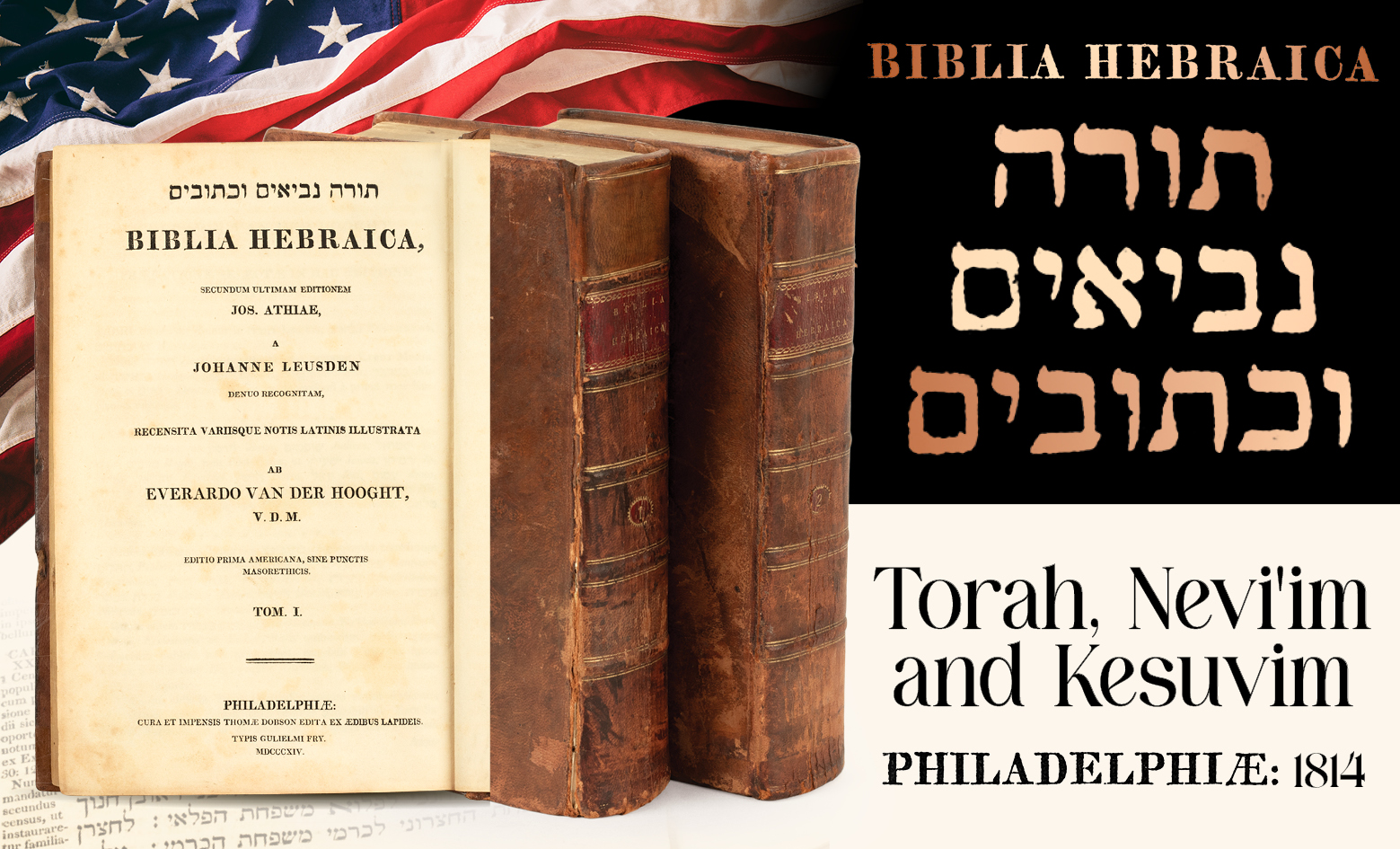
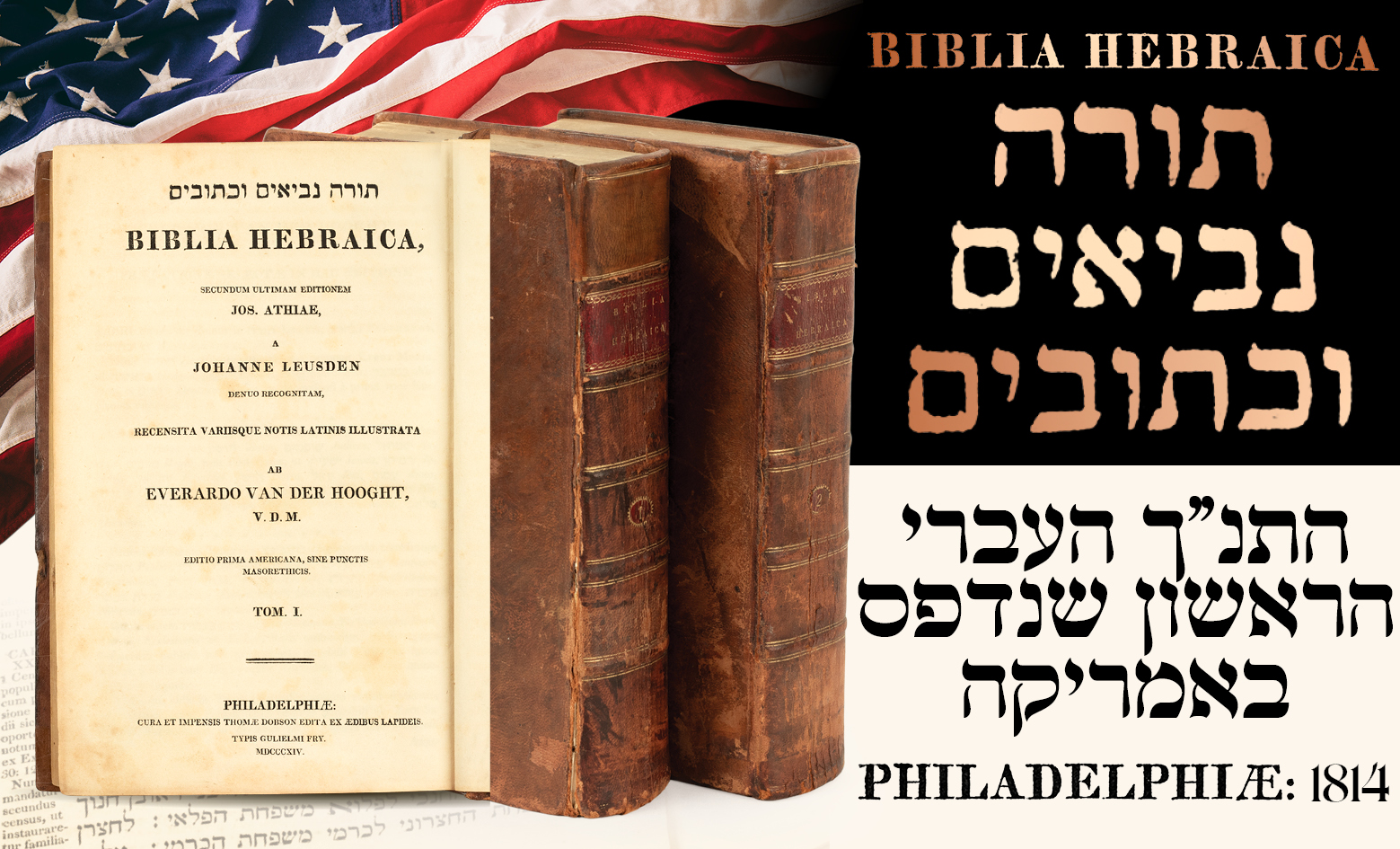
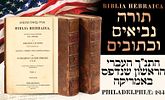
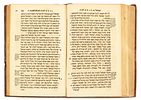
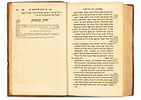
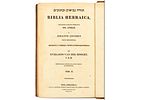
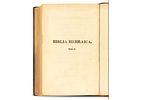
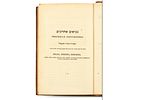
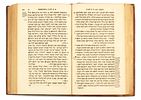
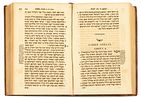
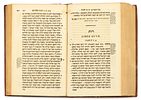
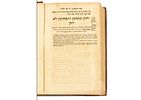
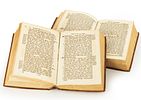
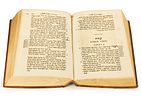
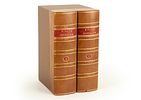
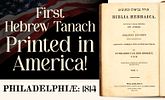
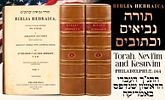
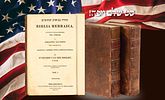
A complete 2-volume set, preserved in remarkable condition, of the first Hebrew Tanach printed in America.

A complete copy in such a state of preservation is exceptionally rare.


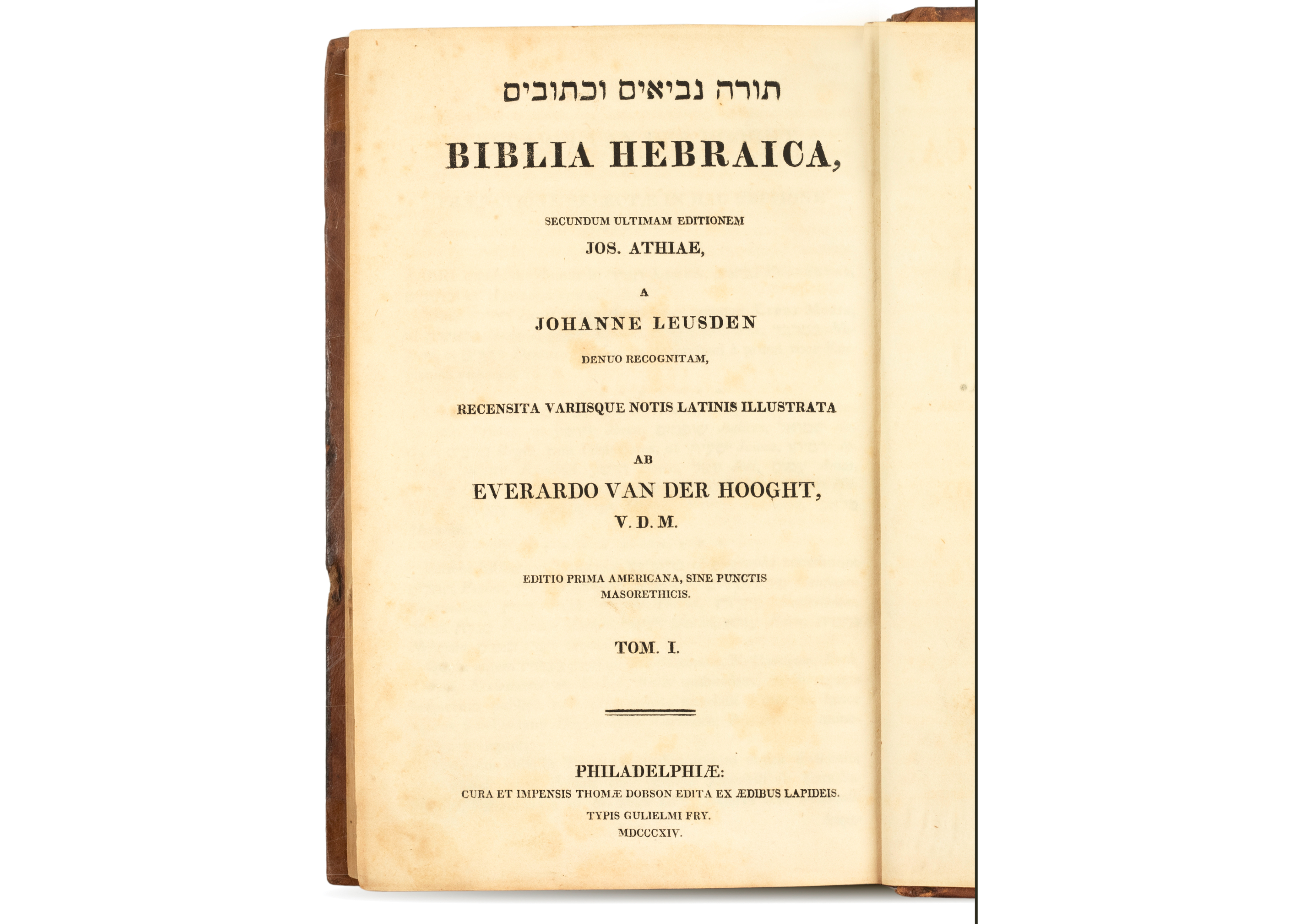
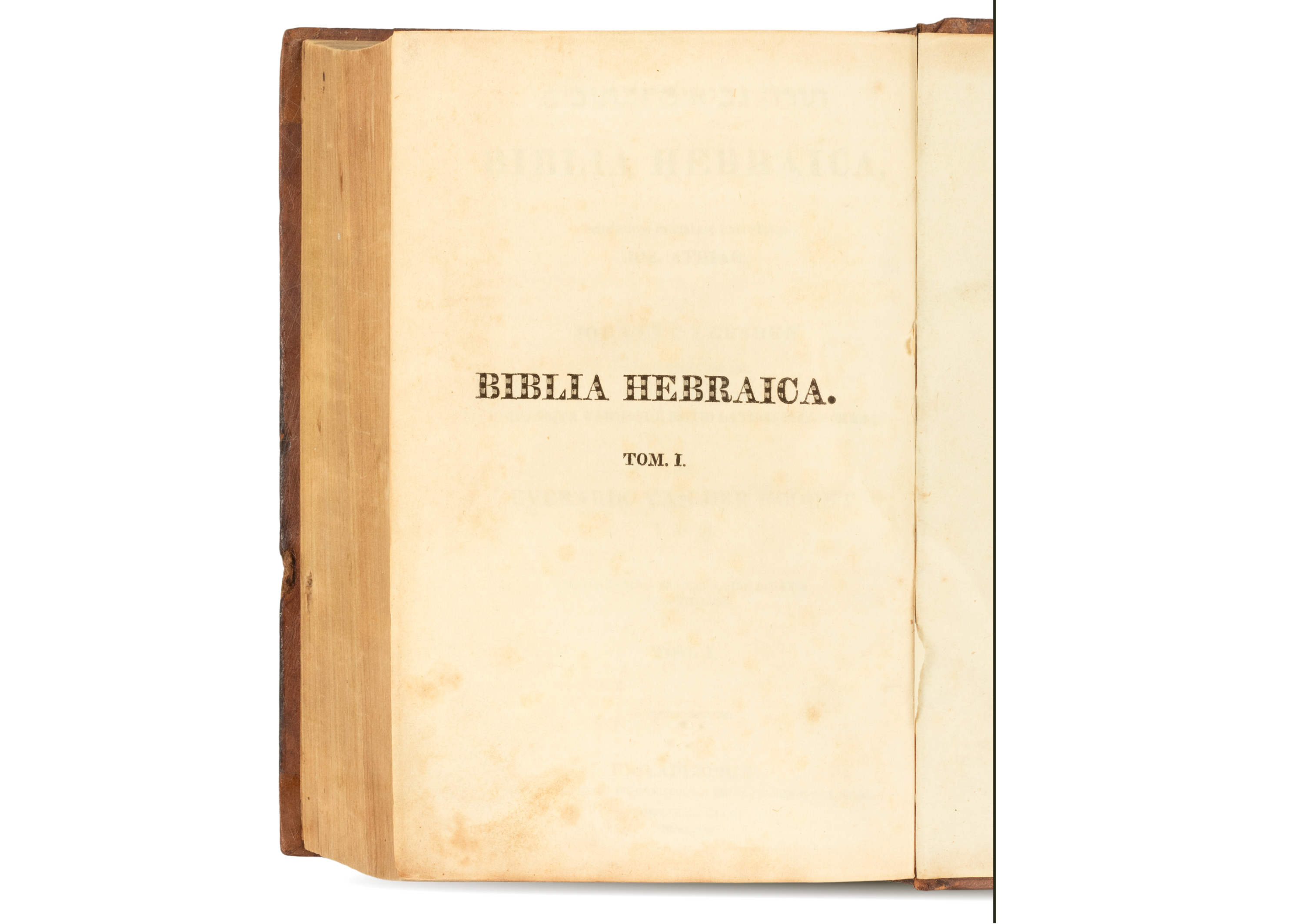
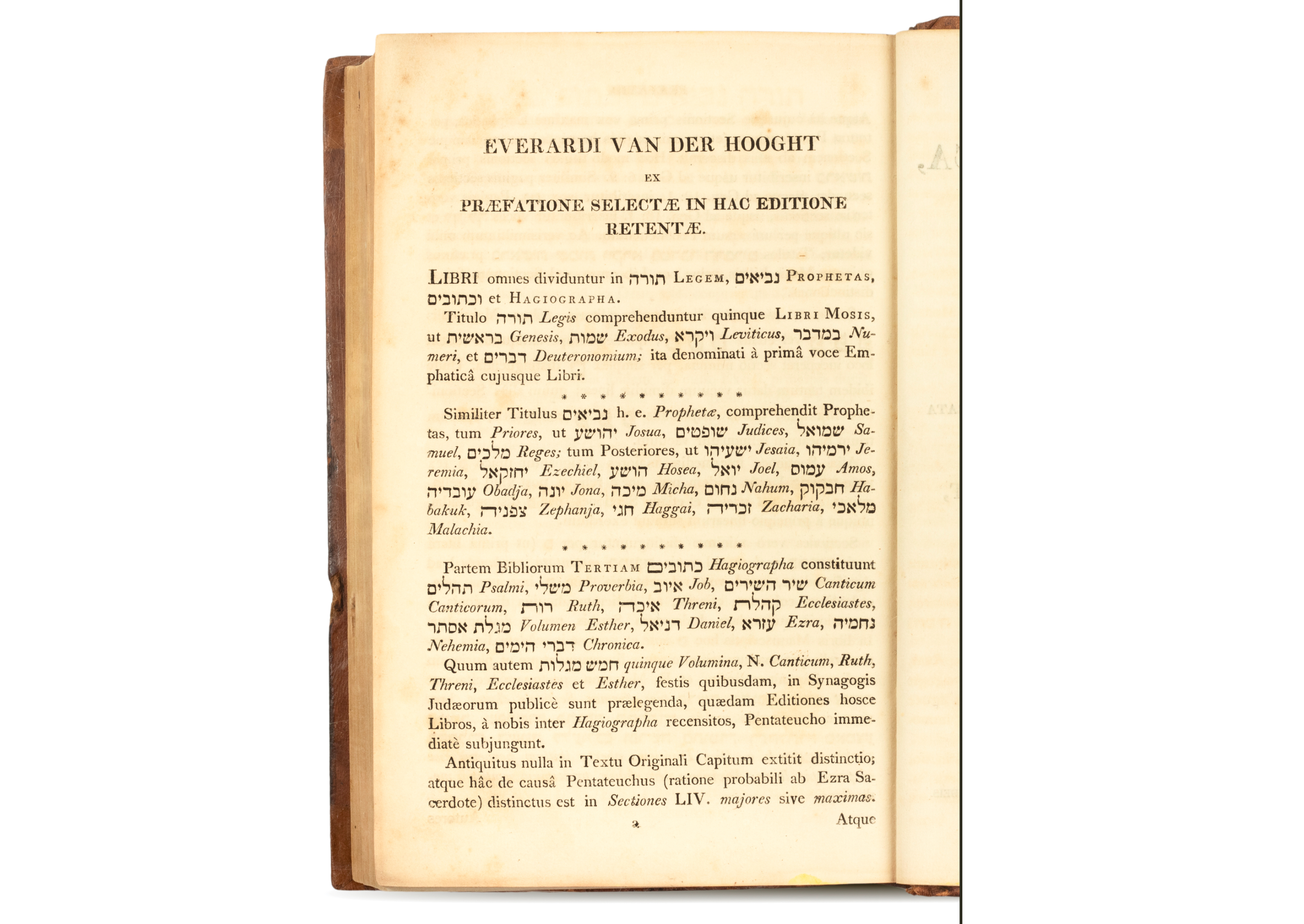
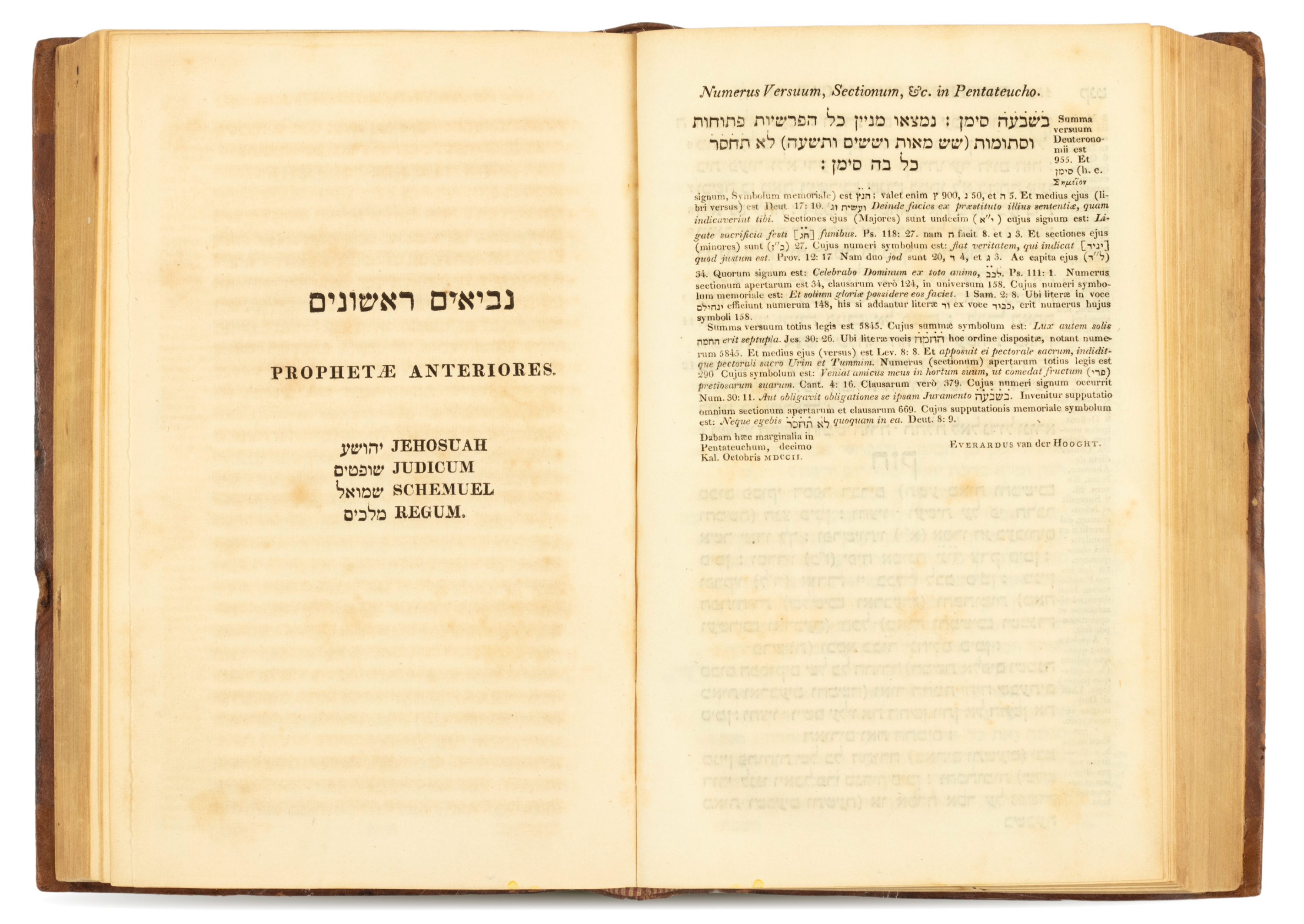
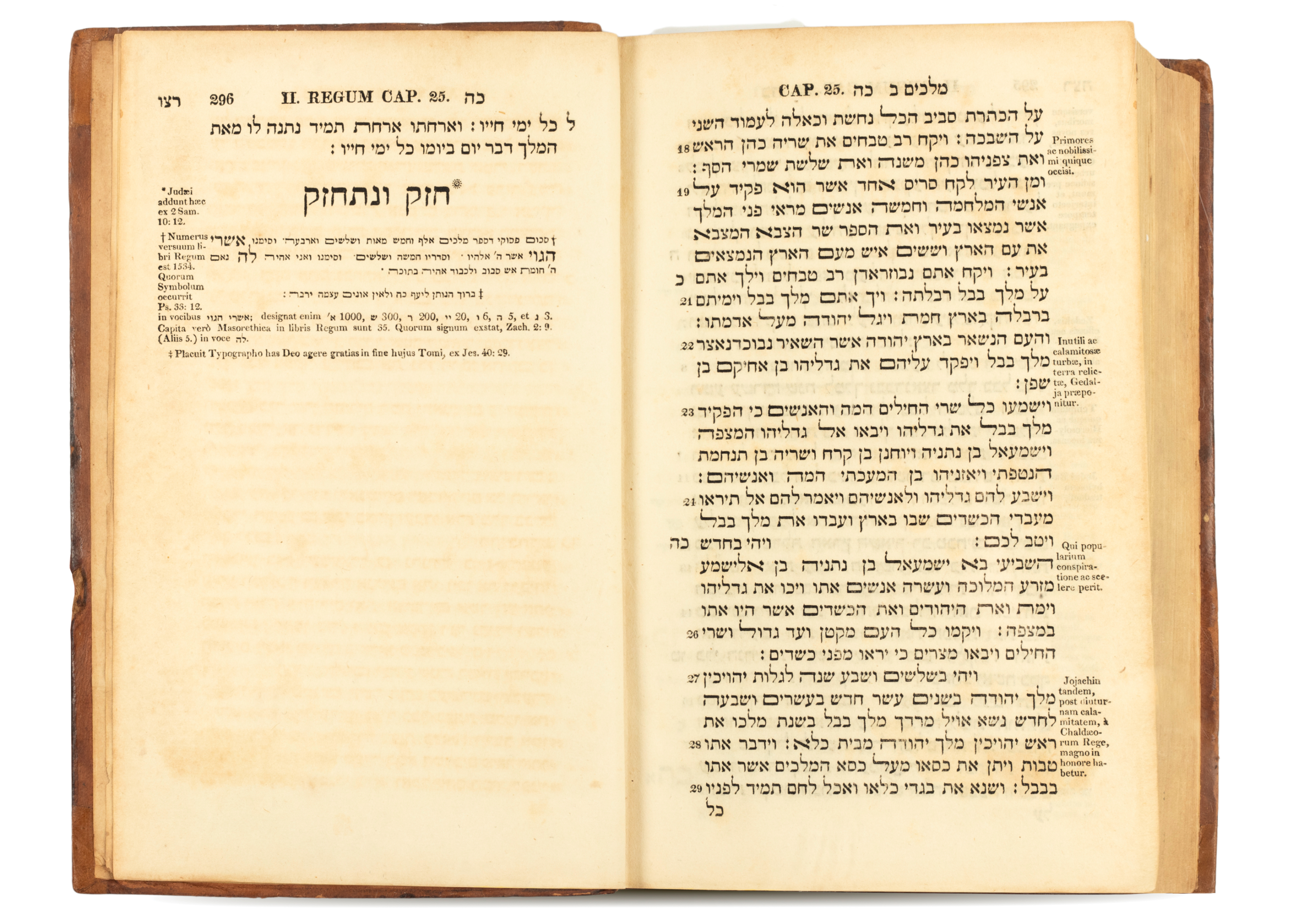
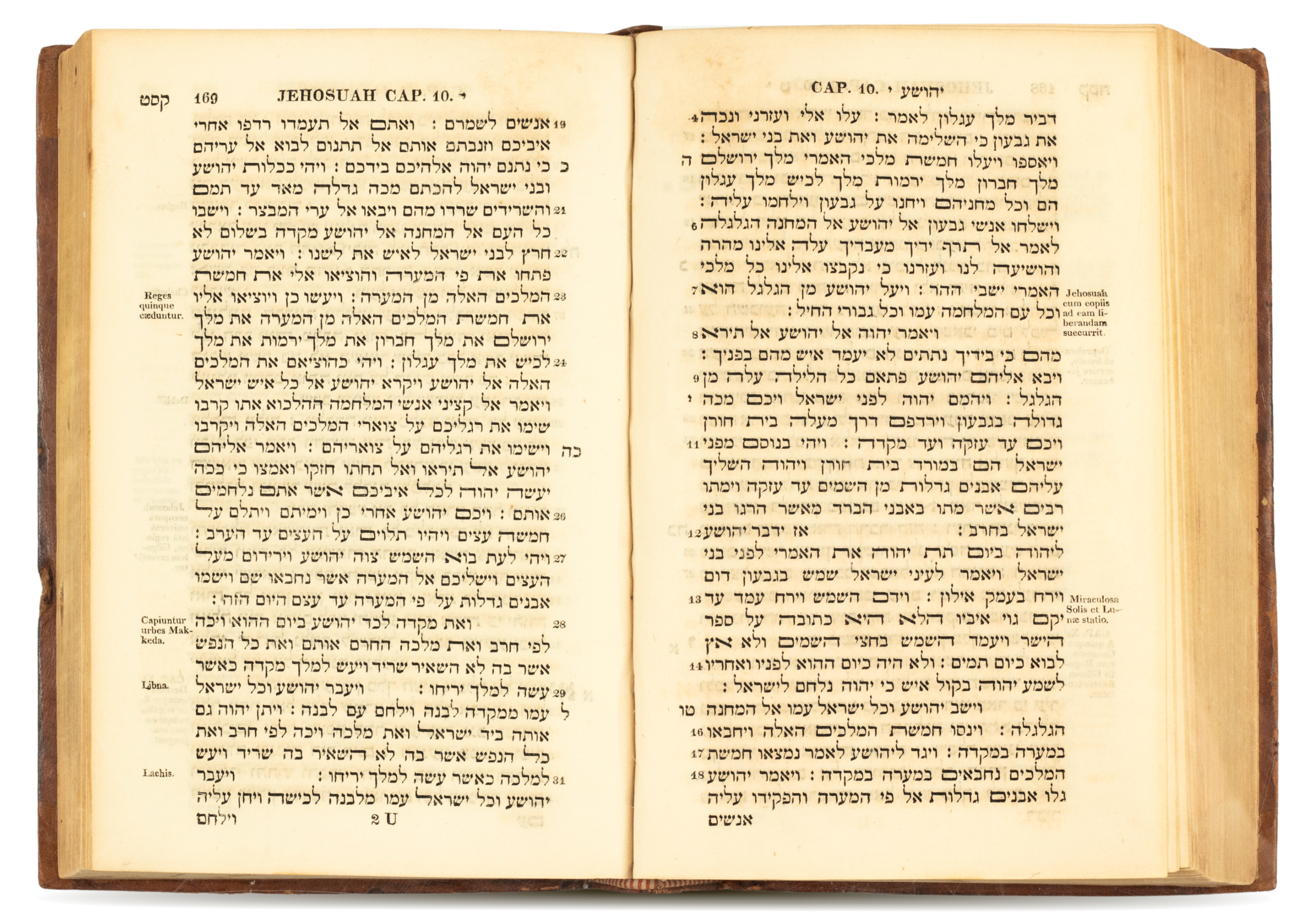
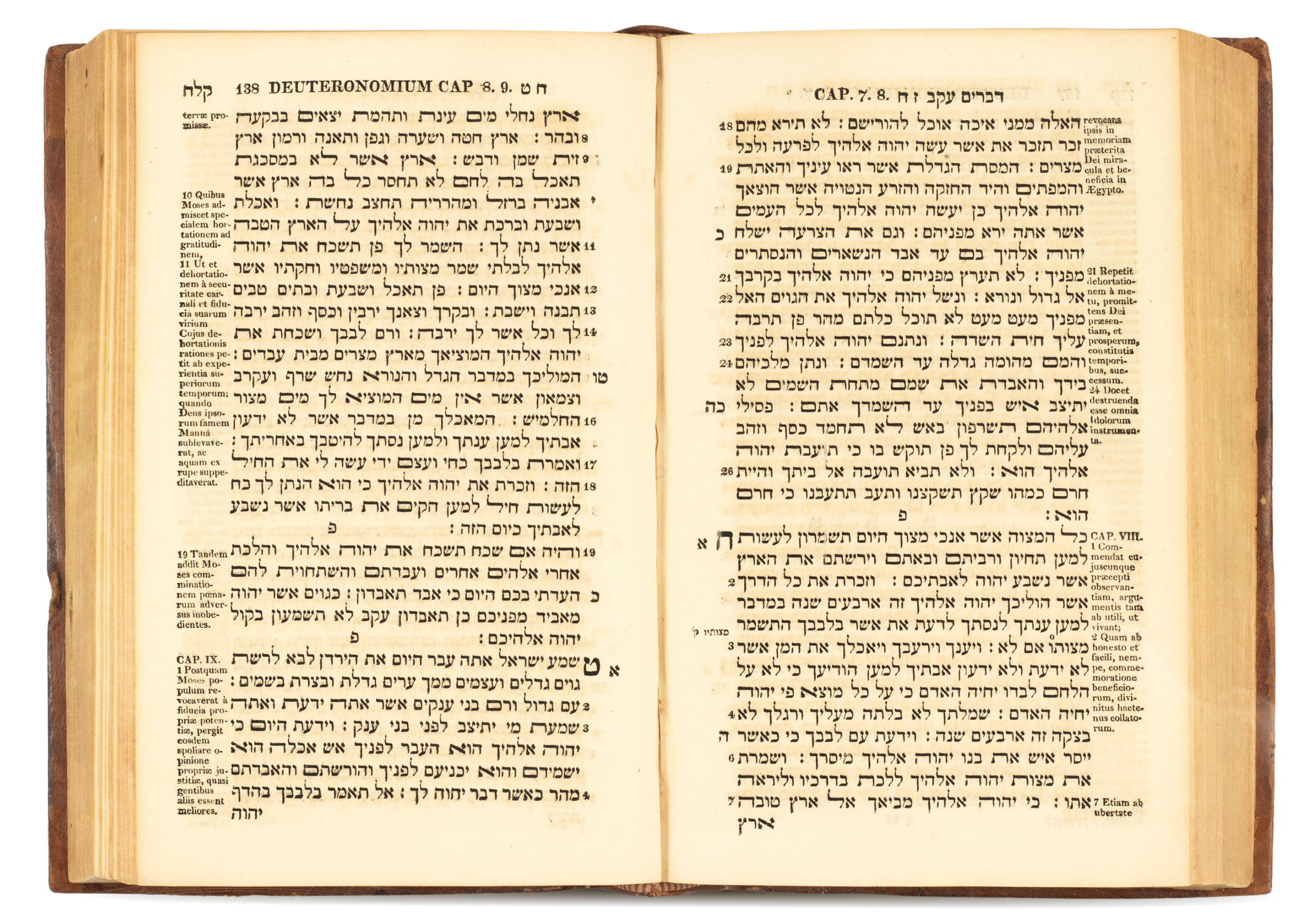
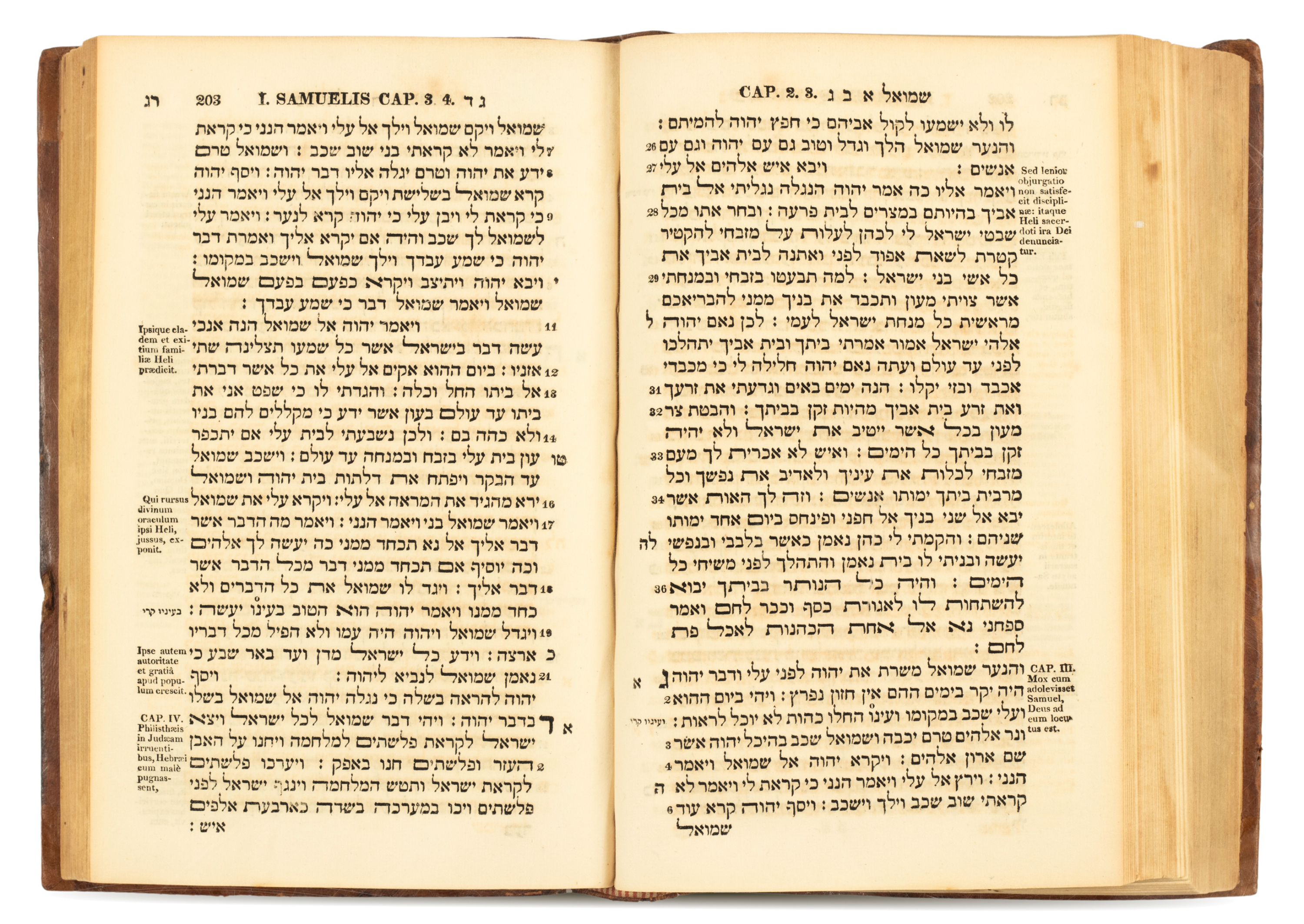
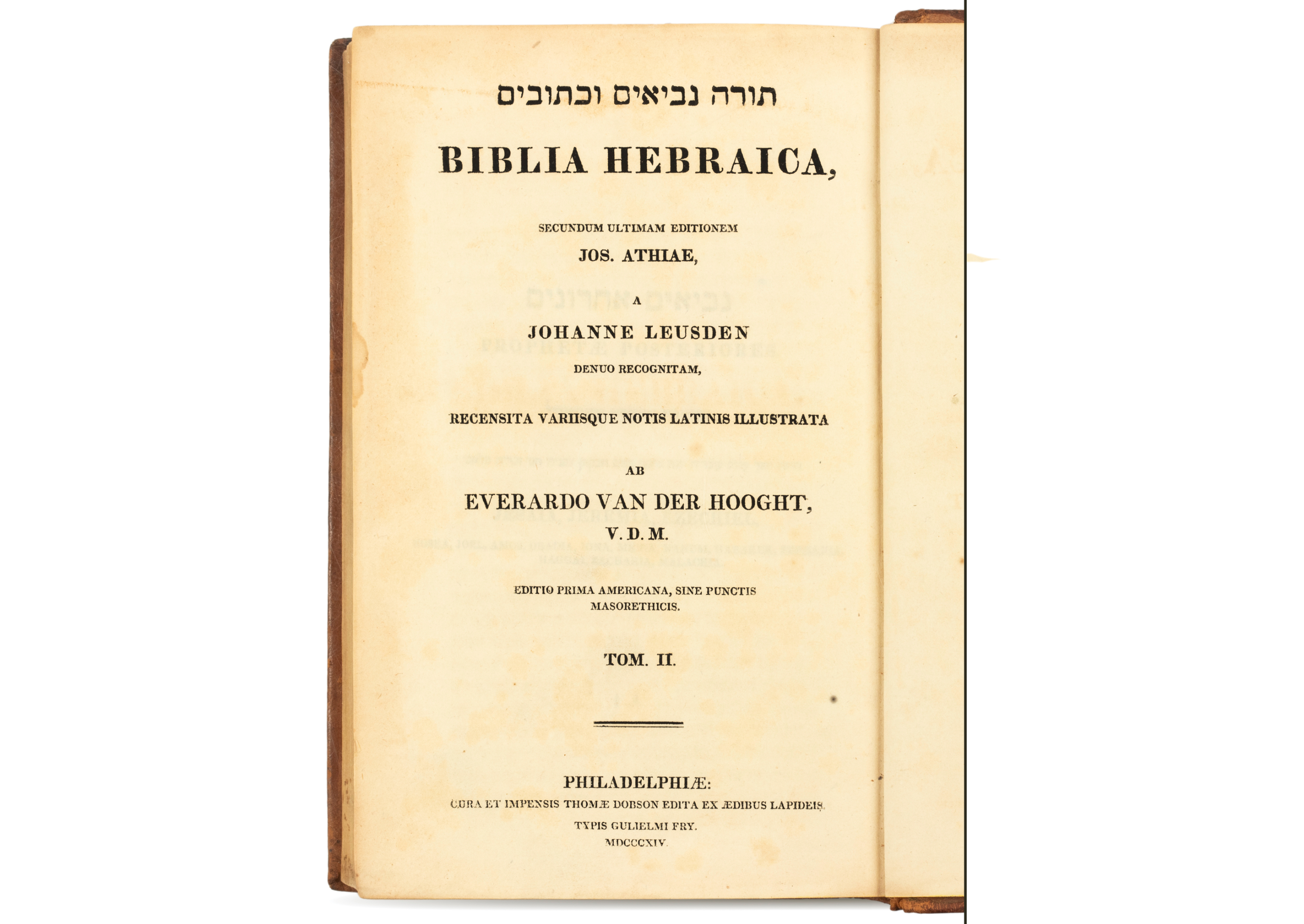
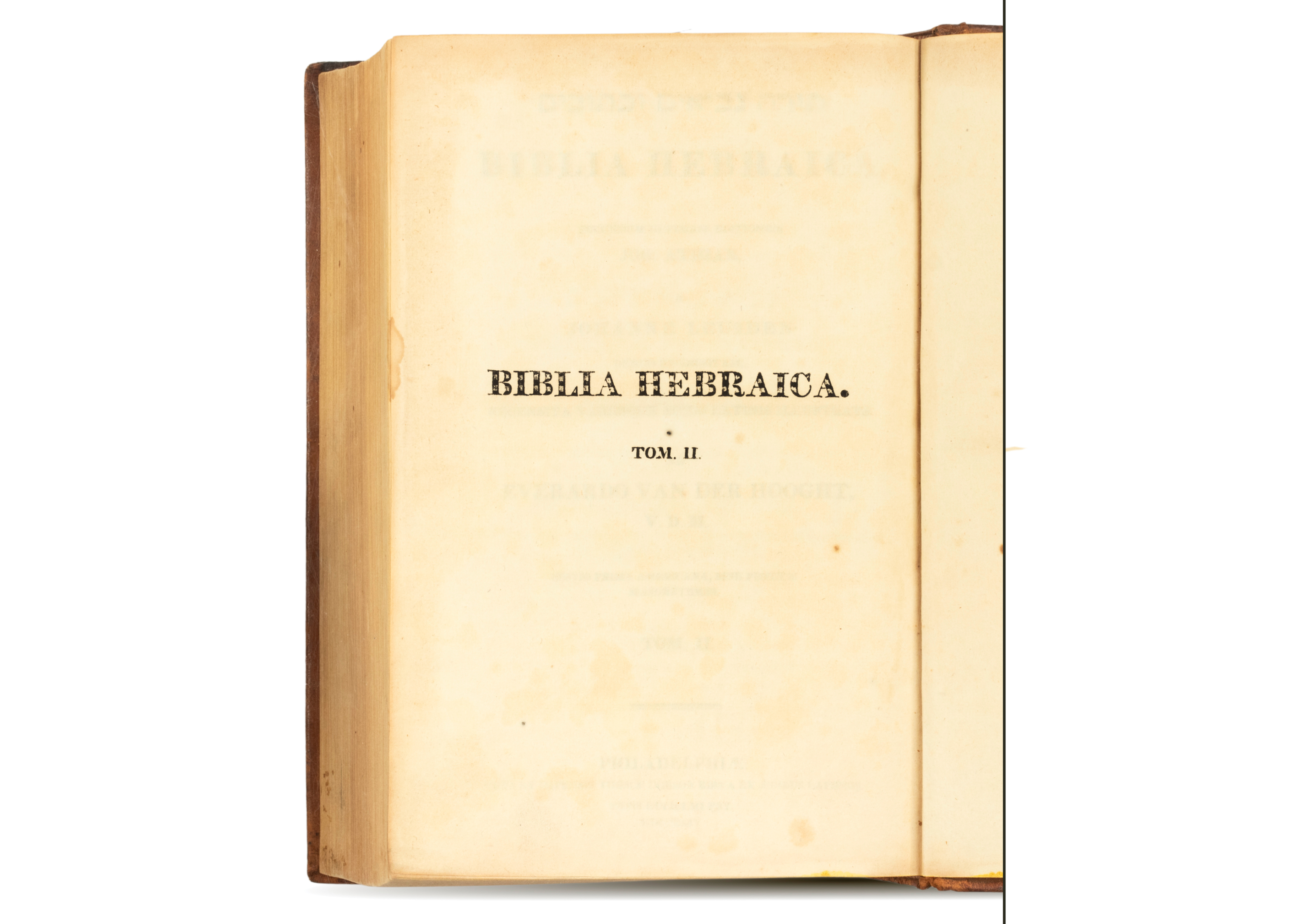
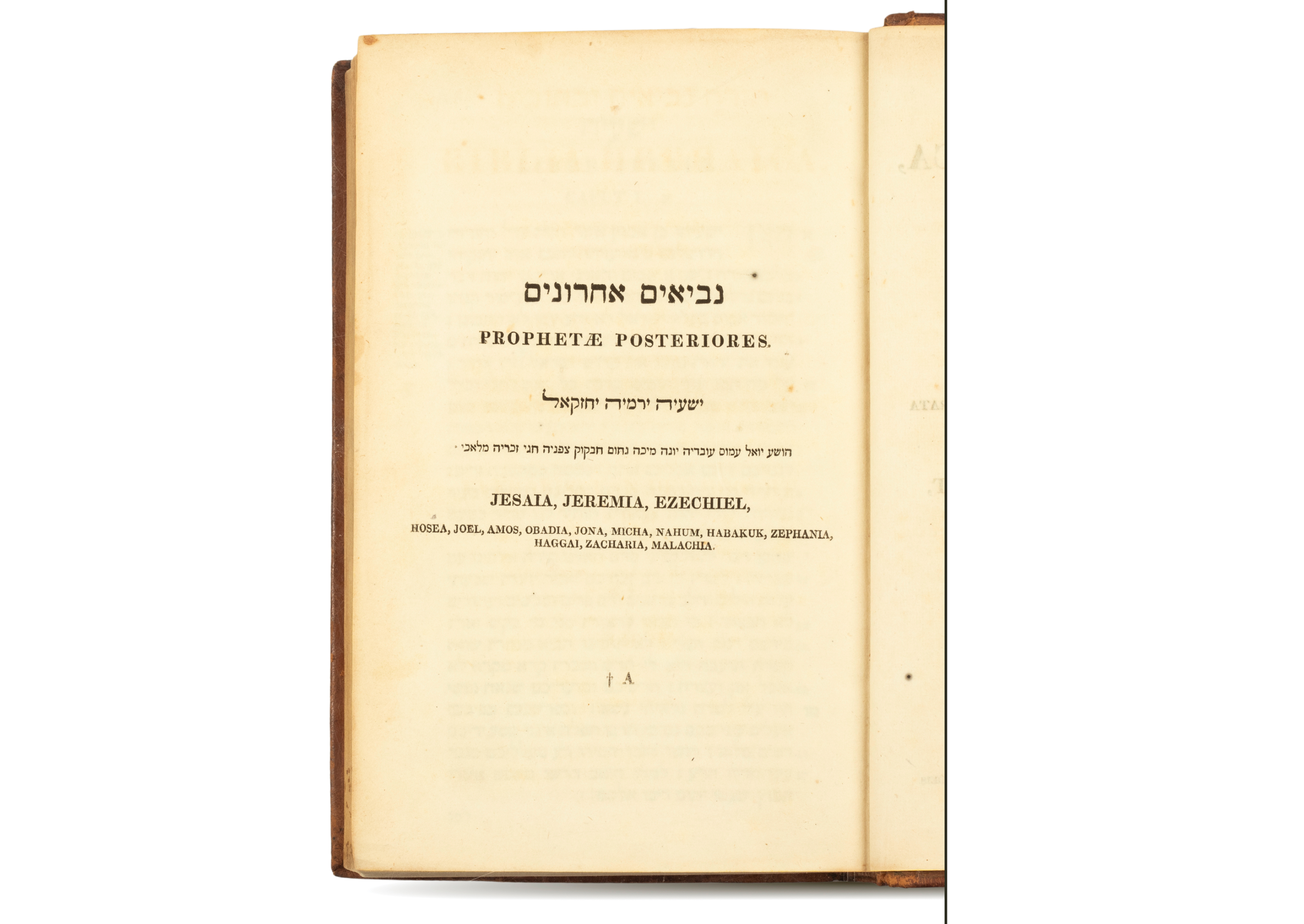
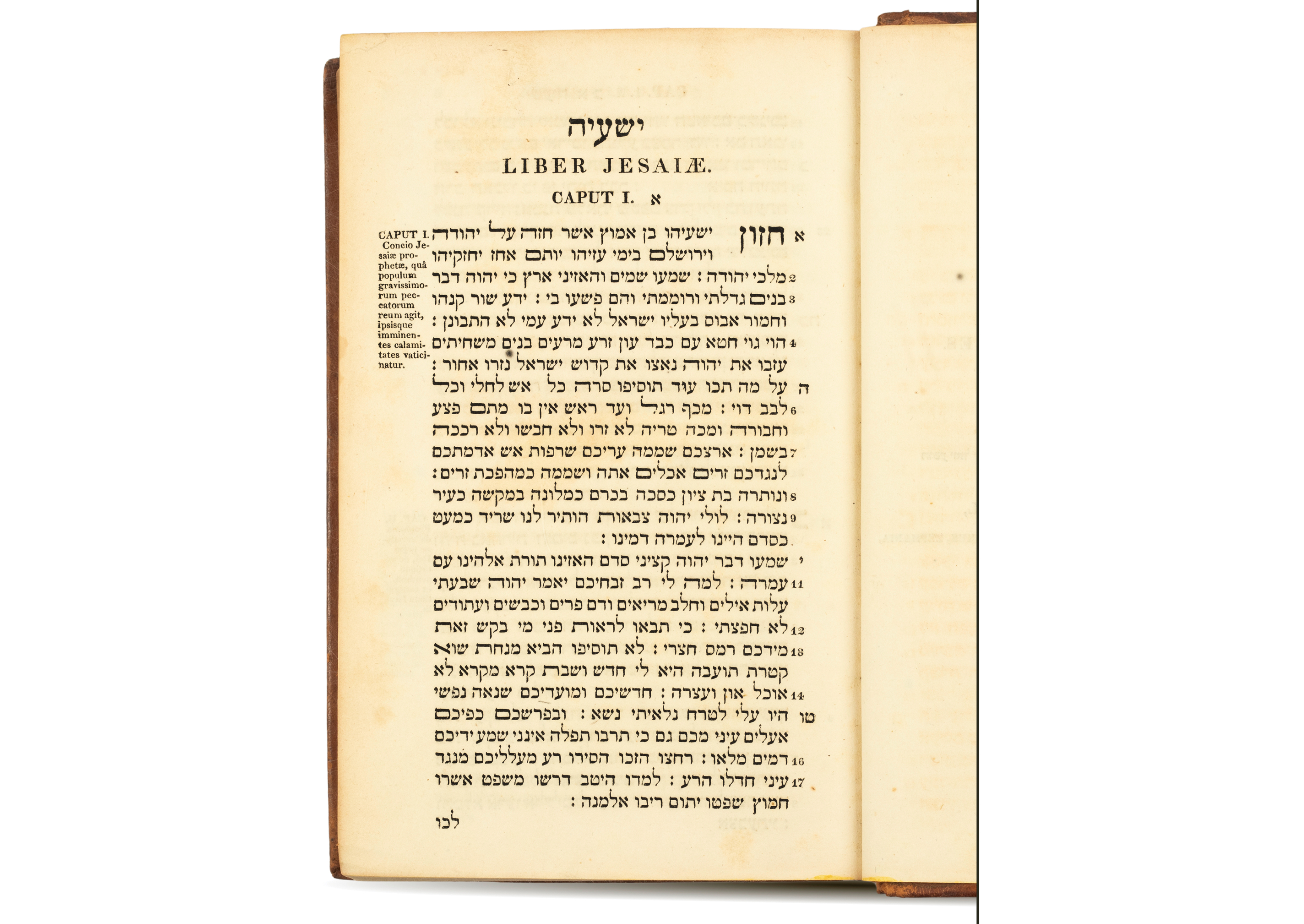
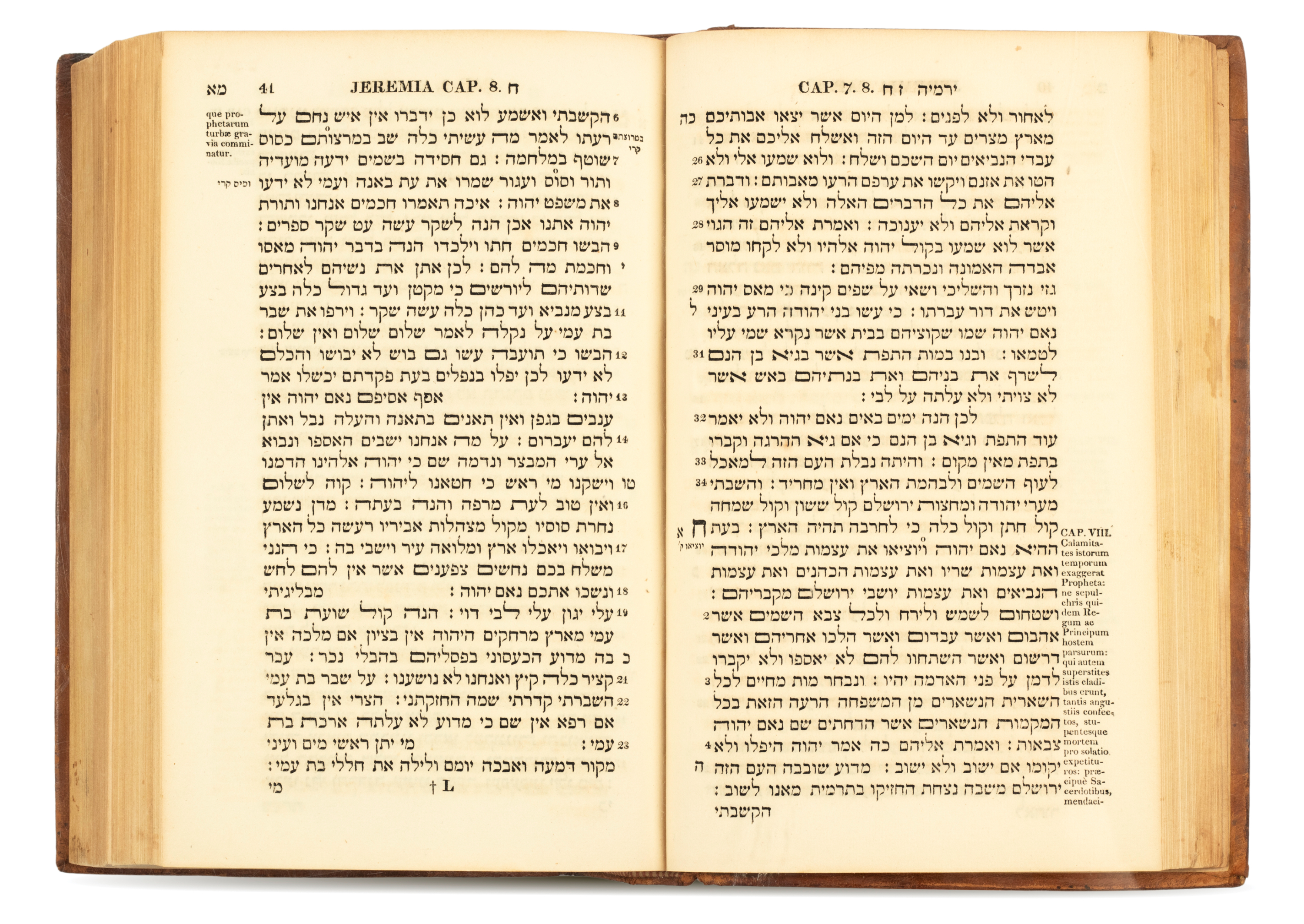
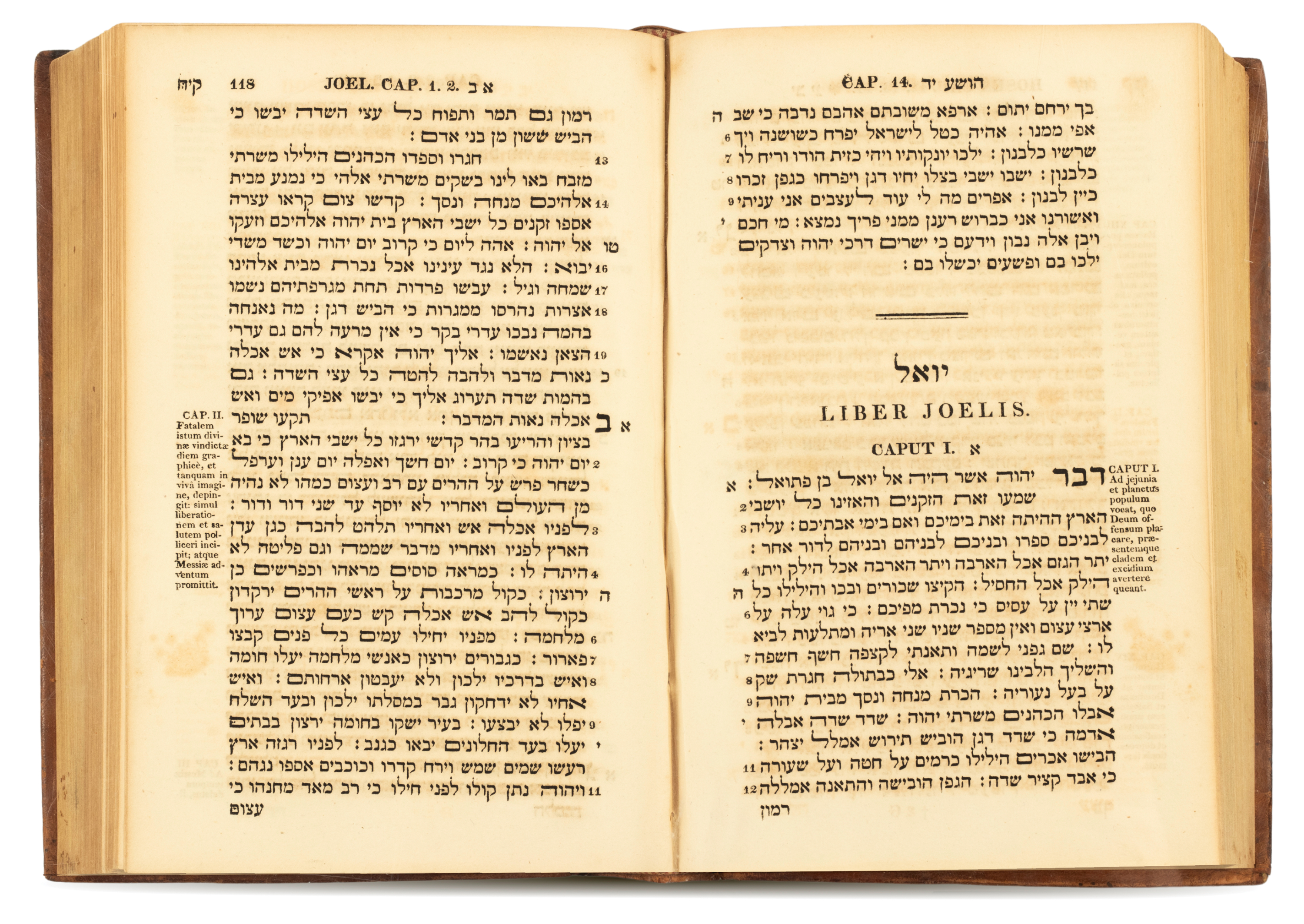
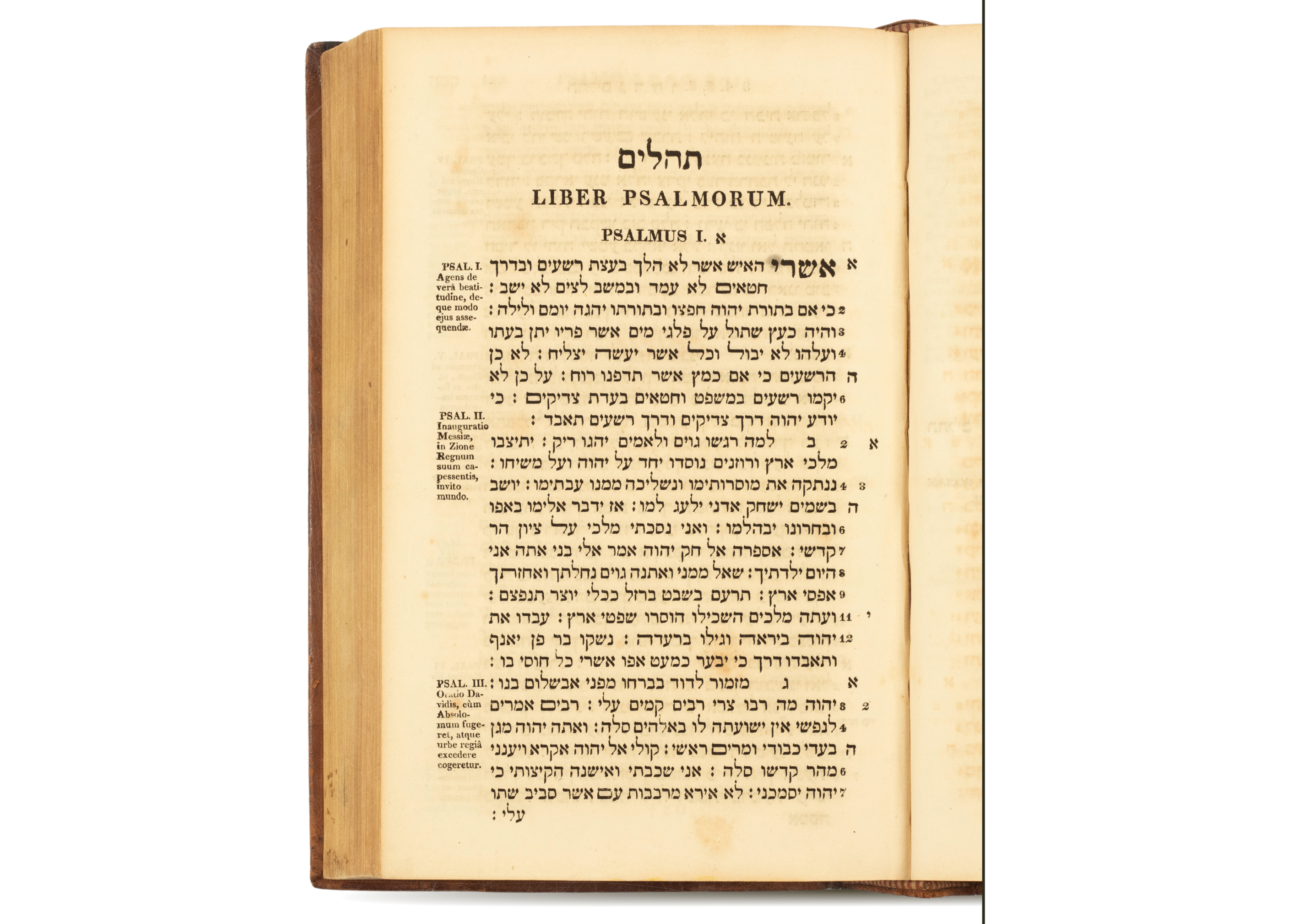
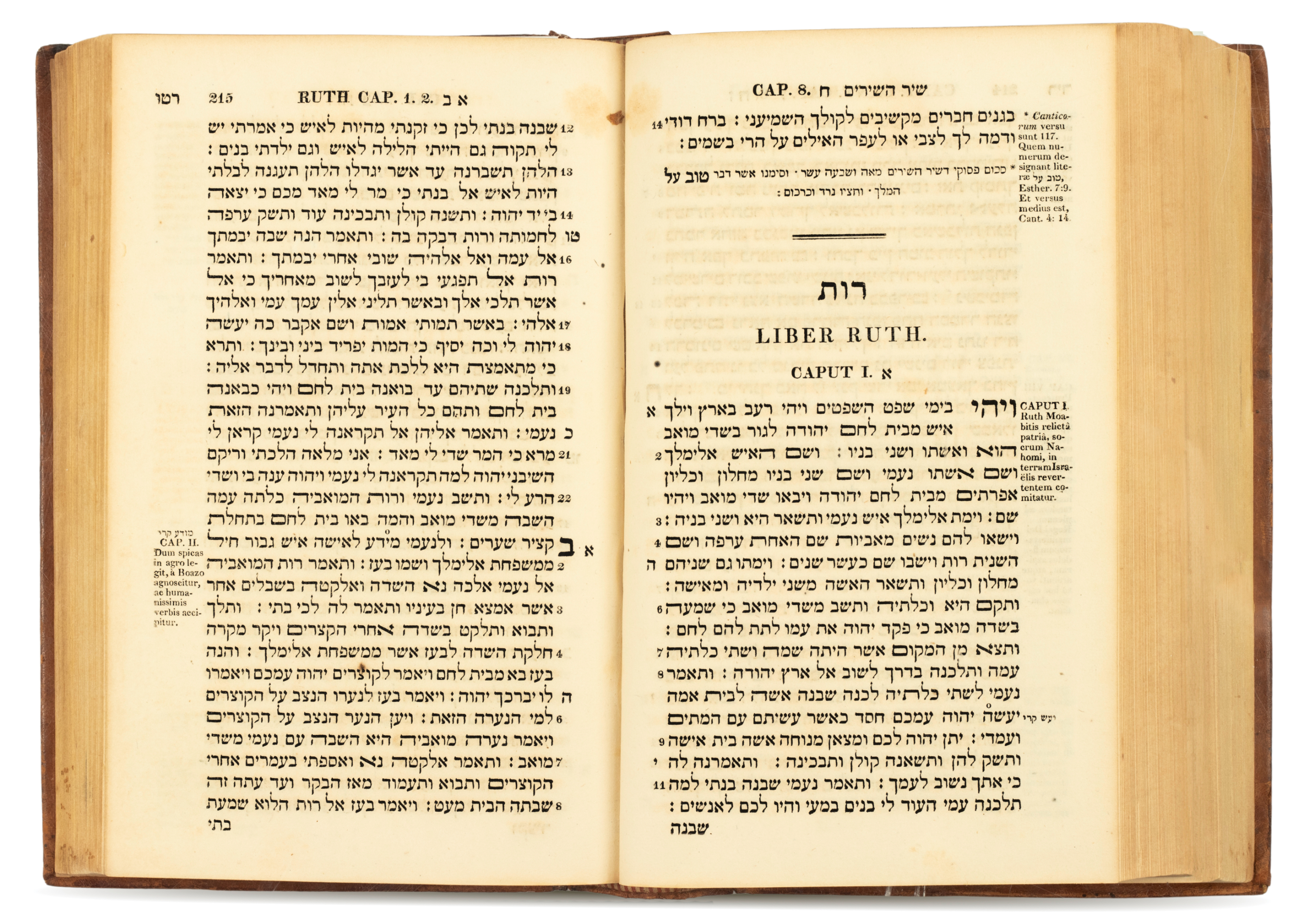
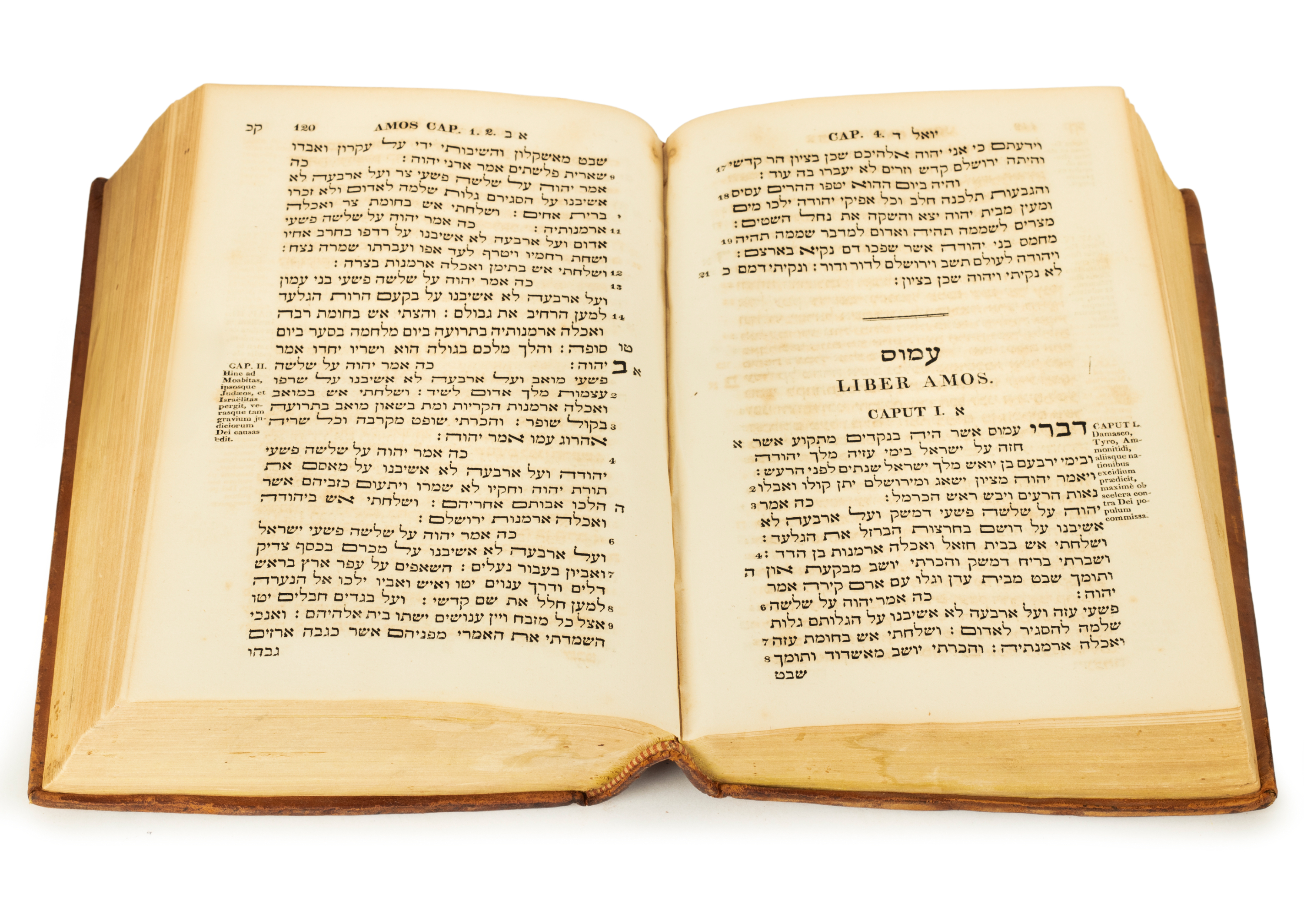
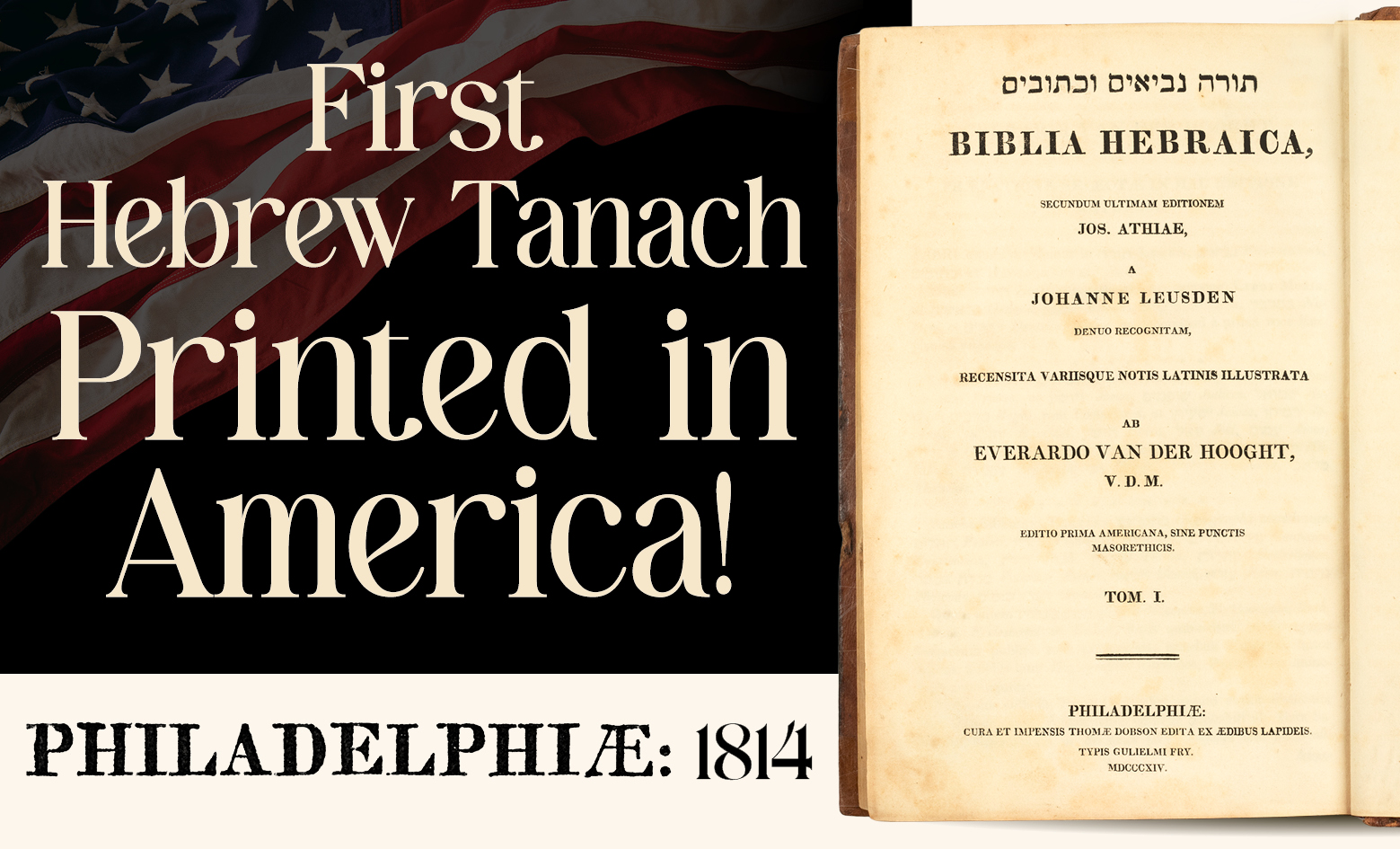
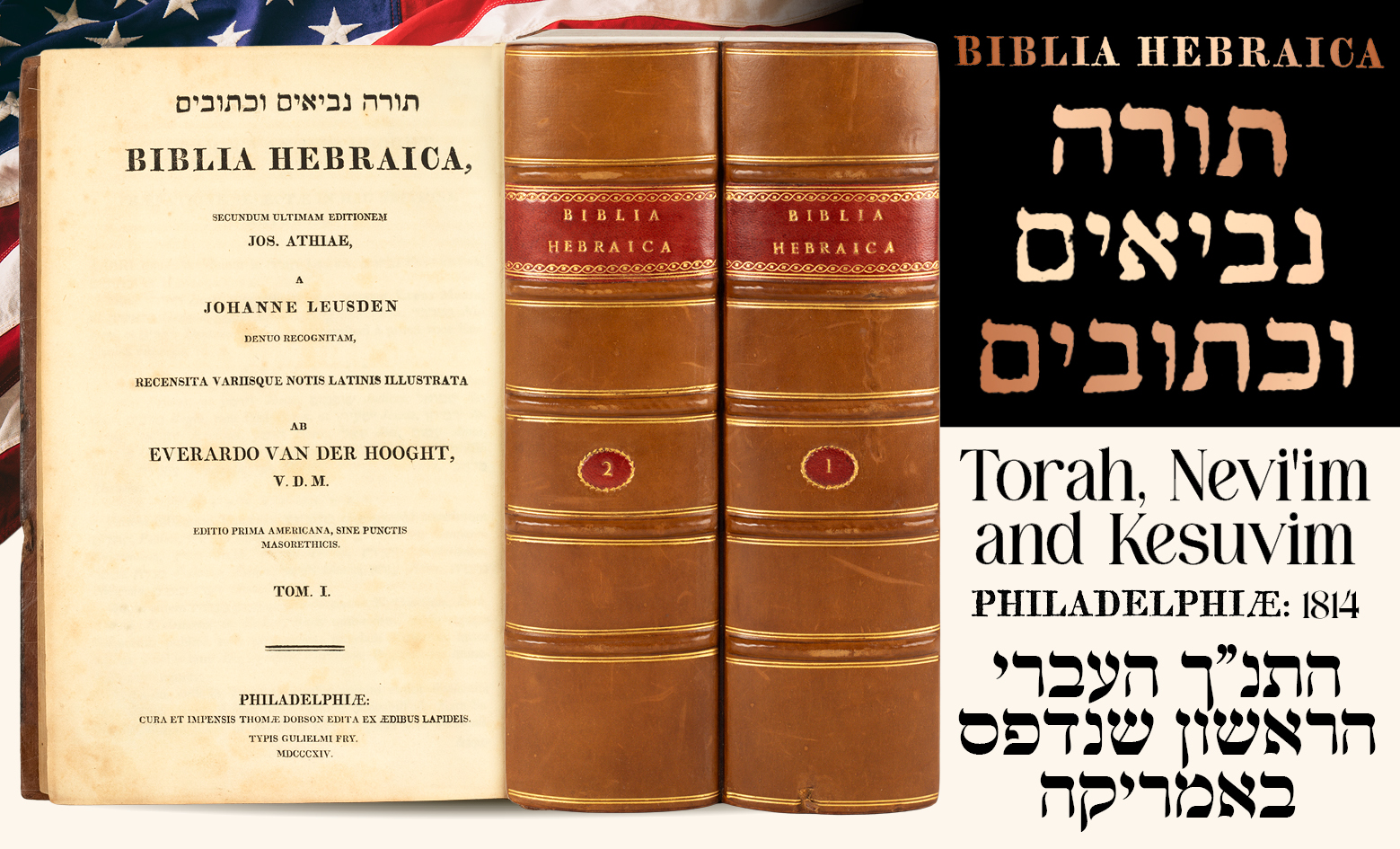
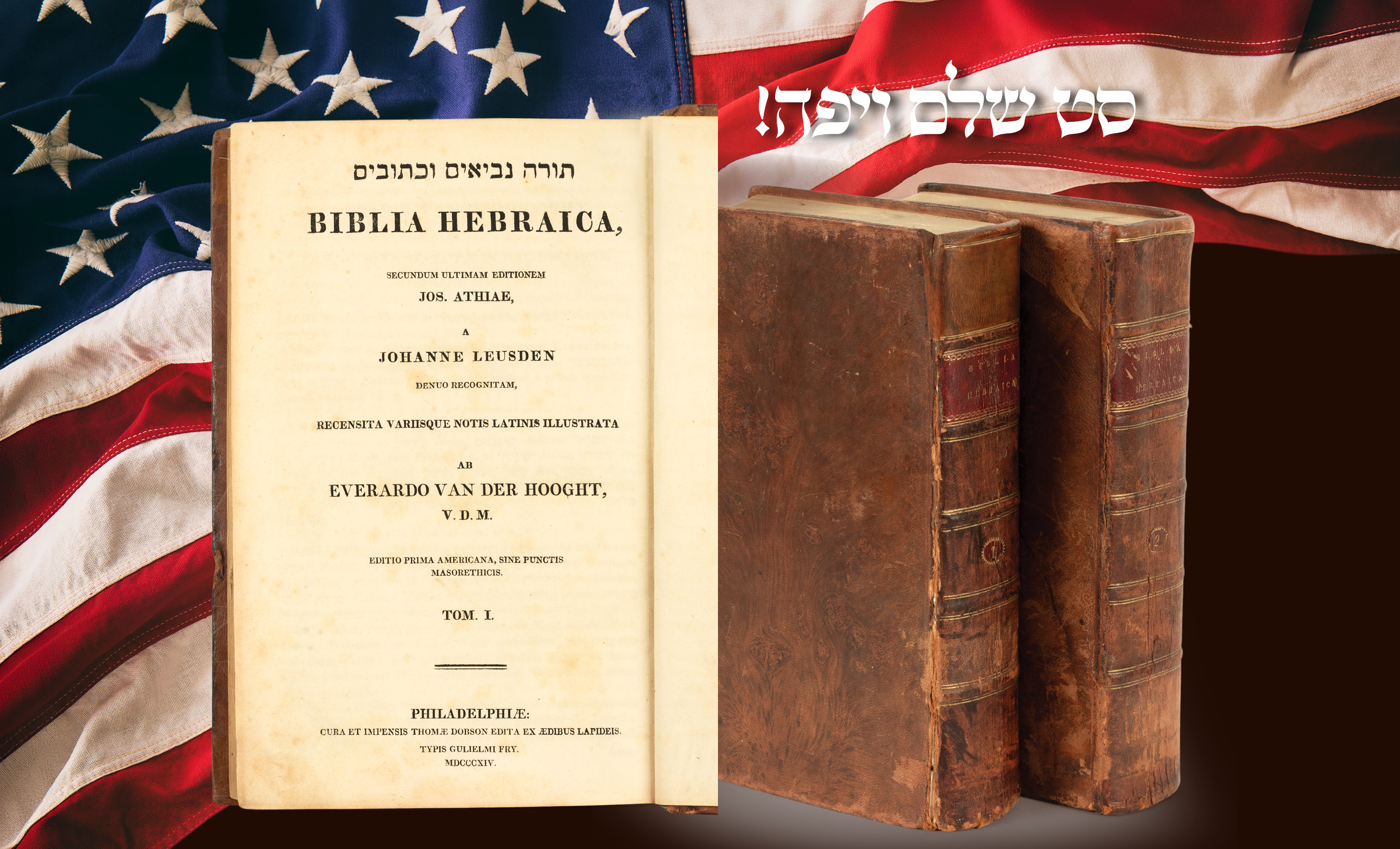
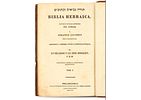
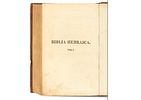
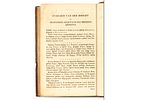
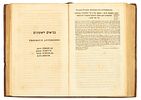
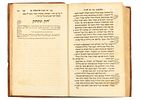
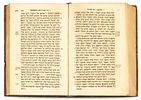
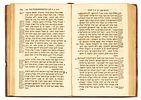
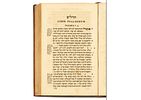
Torah, Nevi’im, and Kesuvim, printed in Hebrew without vowels, with explanatory Latin marginal notes and an introduction by Everard van der Hooght, reproduced from the renowned Amsterdam edition of 1705. 

This is the first Hebrew Tanach ever printed in America.

The Origins of America’s First Hebrew Tanach 

The driving force behind the project was Jonathan Horowitz, a Jew of Polish origin. He had lived in Germany, Holland, and England for thirty years before settling in Philadelphia in 1812. Horowitz aspired to publish and distribute the first complete Hebrew Tanach in America.

In 1812 he even issued a special prospectus announcing the project (see Goldman, no. 2). However, at the same time, publishing companies in New York announced similar plans under the sponsorship of theological institutions. Recognizing the risks of competing with larger publishing ventures, he decided to withdraw from the project and sold his equipment and publishing rights in 1813 to Thomas Dobson, who published it the following year using the Hebrew type that Horowitz had brought from Amsterdam.

Horowitz himself went on to study medicine at the University of Pennsylvania, where he received his M.D. degree in 1815.

This edition marks a milestone in American Jewish history: the first complete Hebrew Bible ever printed in the United States. 

See: M. Vaxer, The First Hebrew Bible Printed in America, Journal of Jewish Bibliography, Vol. II (1940), pp. 20–26.


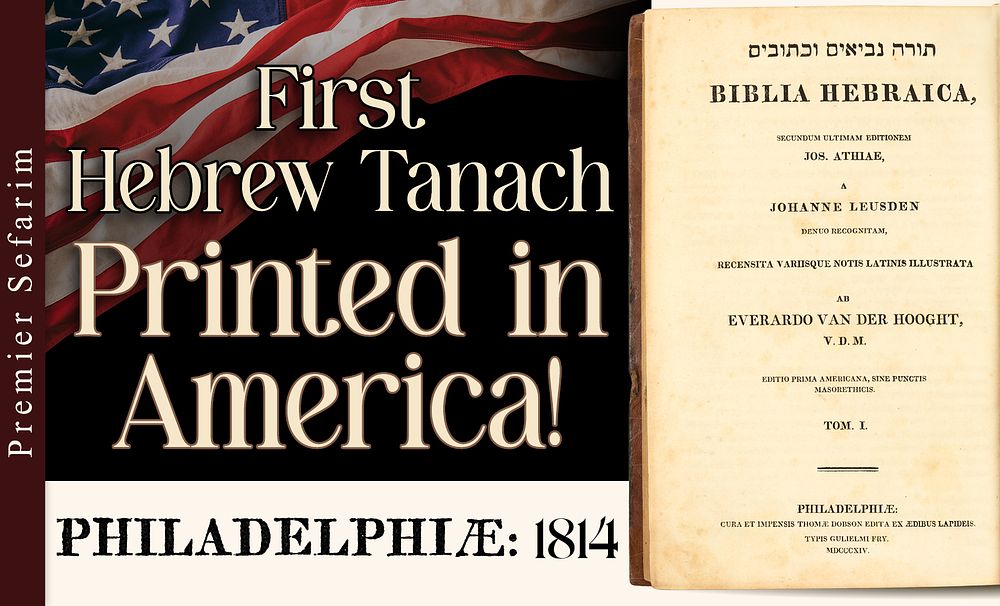
Philadelphia, 1814.
Printed by William Fry. Published by Thomas Dobson.

Two volumes:

Volume I: [7], 296 leaves.
Volume II: [2], 312 leaves.


Size: 21.5 cm.
Condition: Very good.

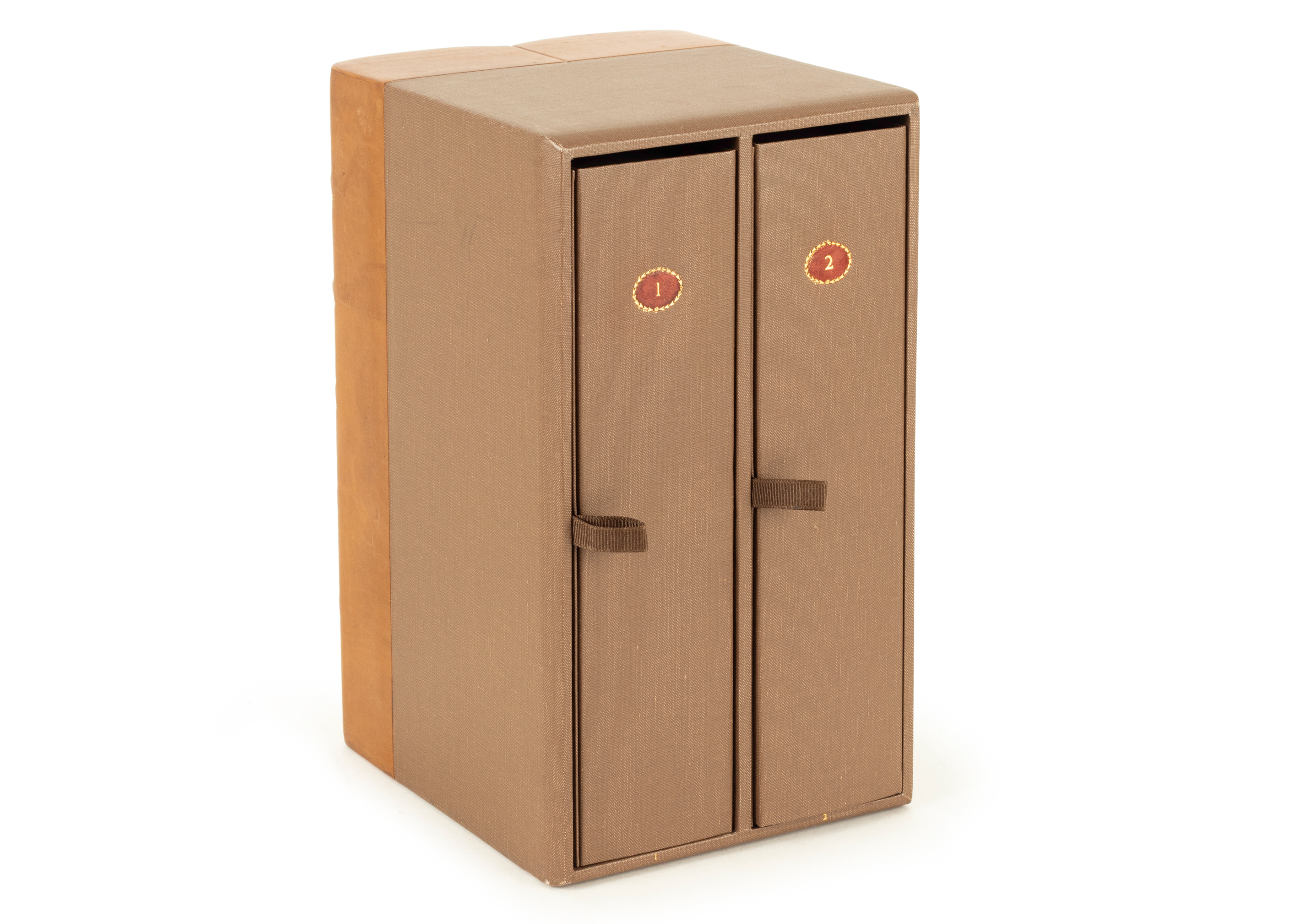
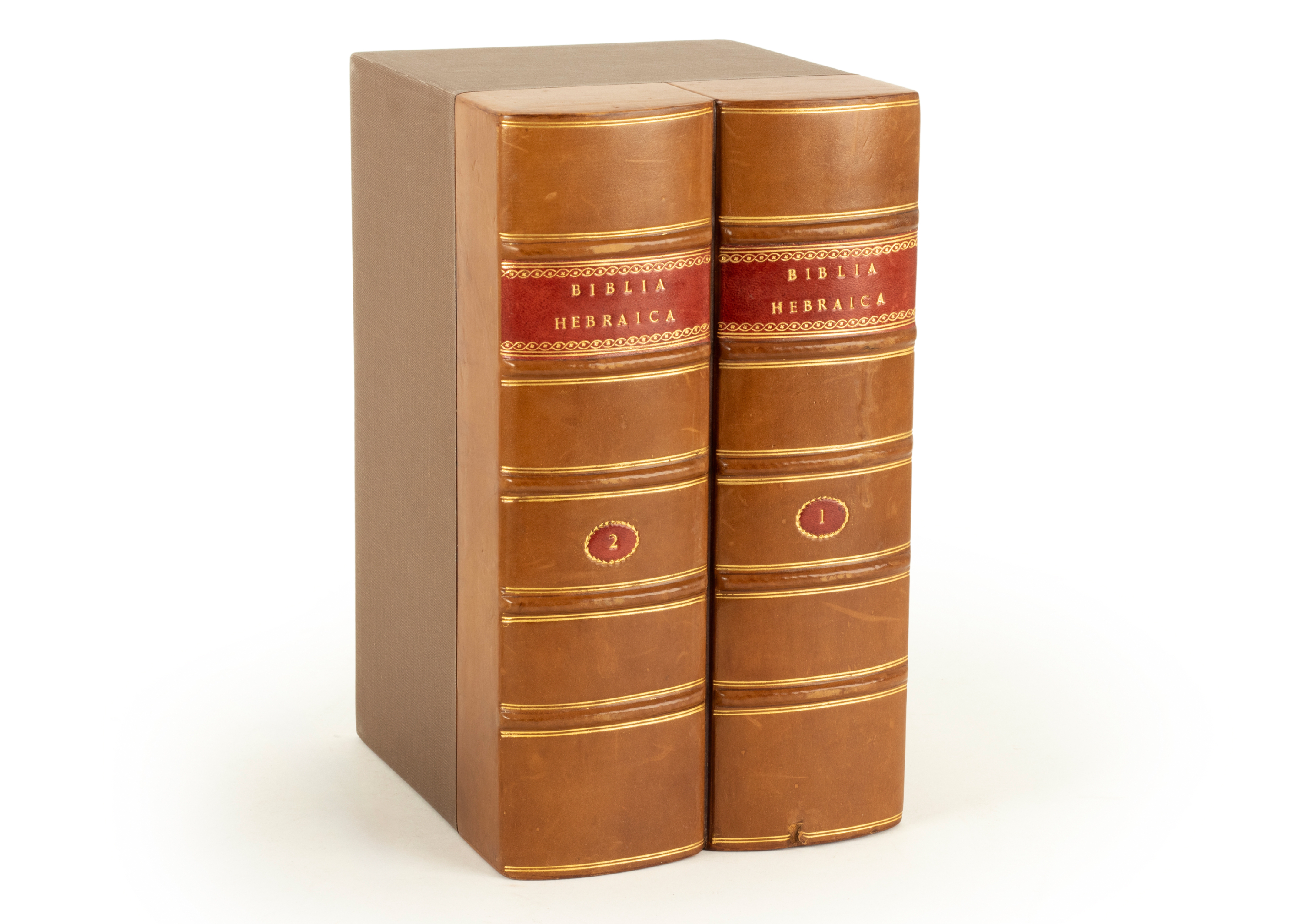
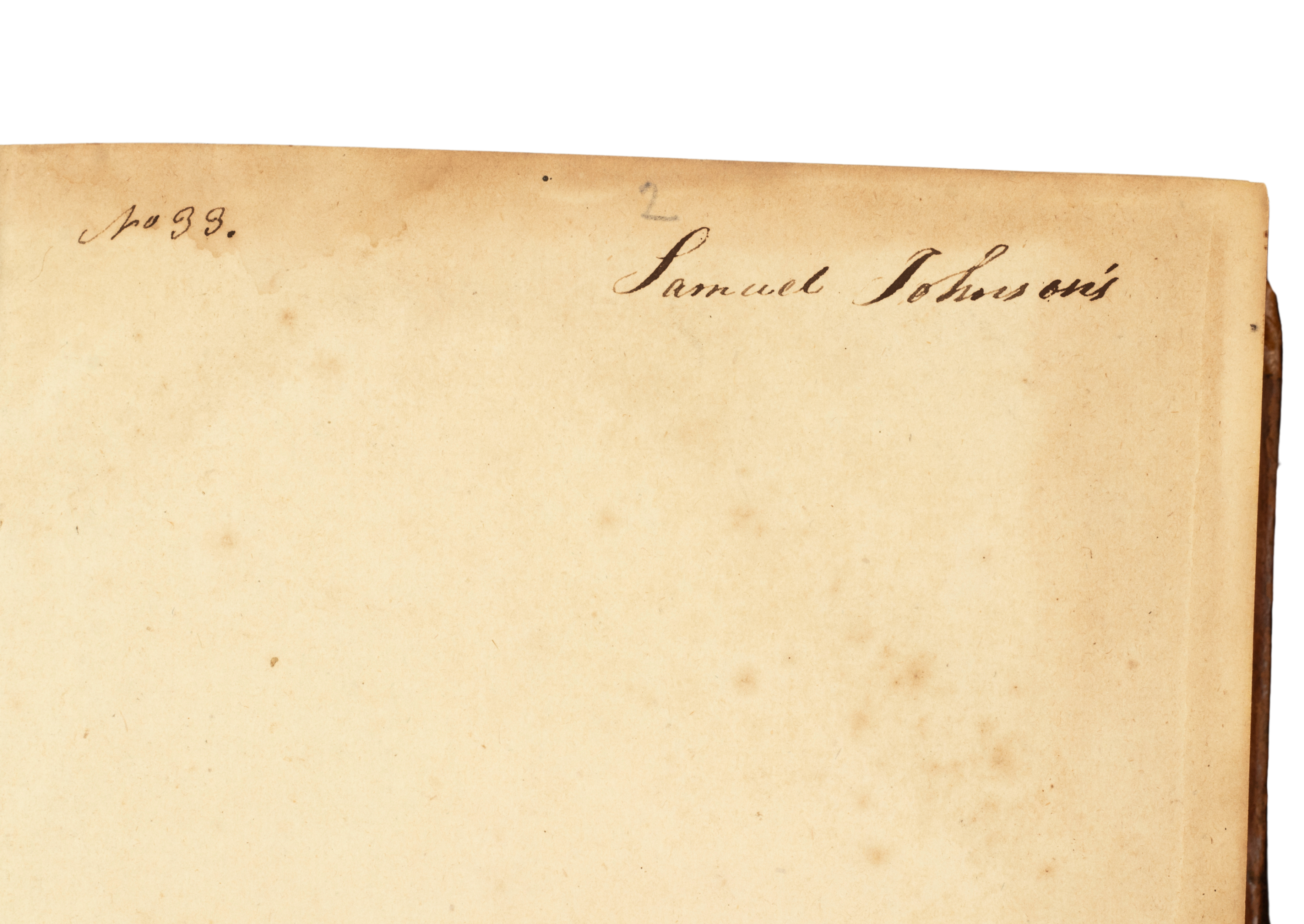
Original leather bindings with gilt spines. Both volumes are preserved in a modern half-leather custom case designed to resemble a binding.

Bibliography: Winograd, Philadelphia 6; Singerman 236; Rosenbach 171; Goldman 3.

———————

Hebrew and the American Revolution

The founders of the American Republic held Hebrew in such high esteem that, during the American Revolution, a rumor circulated that Hebrew was being considered as a replacement for English as the official language of the United States. This stemmed from a combination of deep hostility toward all things associated with England and a symbolic view that compared the revolt against British rule to the Israelites’ struggle against Pharaoh.


Lot : 11

America's First Hebrew Tanach
Philadelphia, 1814
Complete and Beautiful Set 

Start price: $30,000
|
Est. Price: $40,000 - $50,000
America’s First Hebrew Tanach
Philadelphia, 1814
Complete and Beautiful Set 

A complete 2-volume set, preserved in remarkable condition, of the first Hebrew Tanach printed in America.

A complete copy in such a state of preservation is exceptionally rare.


Torah, Nevi’im, and Kesuvim, printed in Hebrew without vowels, with explanatory Latin marginal notes and an introduction by Everard van der Hooght, reproduced from the renowned Amsterdam edition of 1705. 

This is the first Hebrew Tanach ever printed in America.

The Origins of America’s First Hebrew Tanach 

The driving force behind the project was Jonathan Horowitz, a Jew of Polish origin. He had lived in Germany, Holland, and England for thirty years before settling in Philadelphia in 1812. Horowitz aspired to publish and distribute the first complete Hebrew Tanach in America.

In 1812 he even issued a special prospectus announcing the project (see Goldman, no. 2). However, at the same time, publishing companies in New York announced similar plans under the sponsorship of theological institutions. Recognizing the risks of competing with larger publishing ventures, he decided to withdraw from the project and sold his equipment and publishing rights in 1813 to Thomas Dobson, who published it the following year using the Hebrew type that Horowitz had brought from Amsterdam.

Horowitz himself went on to study medicine at the University of Pennsylvania, where he received his M.D. degree in 1815.

This edition marks a milestone in American Jewish history: the first complete Hebrew Bible ever printed in the United States. 

See: M. Vaxer, The First Hebrew Bible Printed in America, Journal of Jewish Bibliography, Vol. II (1940), pp. 20–26.


Philadelphia, 1814.
Printed by William Fry. Published by Thomas Dobson.

Two volumes:

Volume I: [7], 296 leaves.
Volume II: [2], 312 leaves.


Size: 21.5 cm.
Condition: Very good.

Original leather bindings with gilt spines. Both volumes are preserved in a modern half-leather custom case designed to resemble a binding.

Bibliography: Winograd, Philadelphia 6; Singerman 236; Rosenbach 171; Goldman 3.

———————

Hebrew and the American Revolution

The founders of the American Republic held Hebrew in such high esteem that, during the American Revolution, a rumor circulated that Hebrew was being considered as a replacement for English as the official language of the United States. This stemmed from a combination of deep hostility toward all things associated with England and a symbolic view that compared the revolt against British rule to the Israelites’ struggle against Pharaoh.


America’s First Hebrew Tanach
Philadelphia, 1814
Complete and Beautiful Set 

A complete 2-volume set, preserved in remarkable condition, of the first Hebrew Tanach printed in America.

A complete copy in such a state of preservation is exceptionally rare.


Torah, Nevi’im, and Kesuvim, printed in Hebrew without vowels, with explanatory Latin marginal notes and an introduction by Everard van der Hooght, reproduced from the renowned Amsterdam edition of 1705. 

This is the first Hebrew Tanach ever printed in America.

The Origins of America’s First Hebrew Tanach 

The driving force behind the project was Jonathan Horowitz, a Jew of Polish origin. He had lived in Germany, Holland, and England for thirty years before settling in Philadelphia in 1812. Horowitz aspired to publish and distribute the first complete Hebrew Tanach in America.

In 1812 he even issued a special prospectus announcing the project (see Goldman, no. 2). However, at the same time, publishing companies in New York announced similar plans under the sponsorship of theological institutions. Recognizing the risks of competing with larger publishing ventures, he decided to withdraw from the project and sold his equipment and publishing rights in 1813 to Thomas Dobson, who published it the following year using the Hebrew type that Horowitz had brought from Amsterdam.

Horowitz himself went on to study medicine at the University of Pennsylvania, where he received his M.D. degree in 1815.

This edition marks a milestone in American Jewish history: the first complete Hebrew Bible ever printed in the United States. 

See: M. Vaxer, The First Hebrew Bible Printed in America, Journal of Jewish Bibliography, Vol. II (1940), pp. 20–26.


Philadelphia, 1814.
Printed by William Fry. Published by Thomas Dobson.

Two volumes:

Volume I: [7], 296 leaves.
Volume II: [2], 312 leaves.


Size: 21.5 cm.
Condition: Very good.

Original leather bindings with gilt spines. Both volumes are preserved in a modern half-leather custom case designed to resemble a binding.

Bibliography: Winograd, Philadelphia 6; Singerman 236; Rosenbach 171; Goldman 3.

———————

Hebrew and the American Revolution

The founders of the American Republic held Hebrew in such high esteem that, during the American Revolution, a rumor circulated that Hebrew was being considered as a replacement for English as the official language of the United States. This stemmed from a combination of deep hostility toward all things associated with England and a symbolic view that compared the revolt against British rule to the Israelites’ struggle against Pharaoh.