
Lot : 23

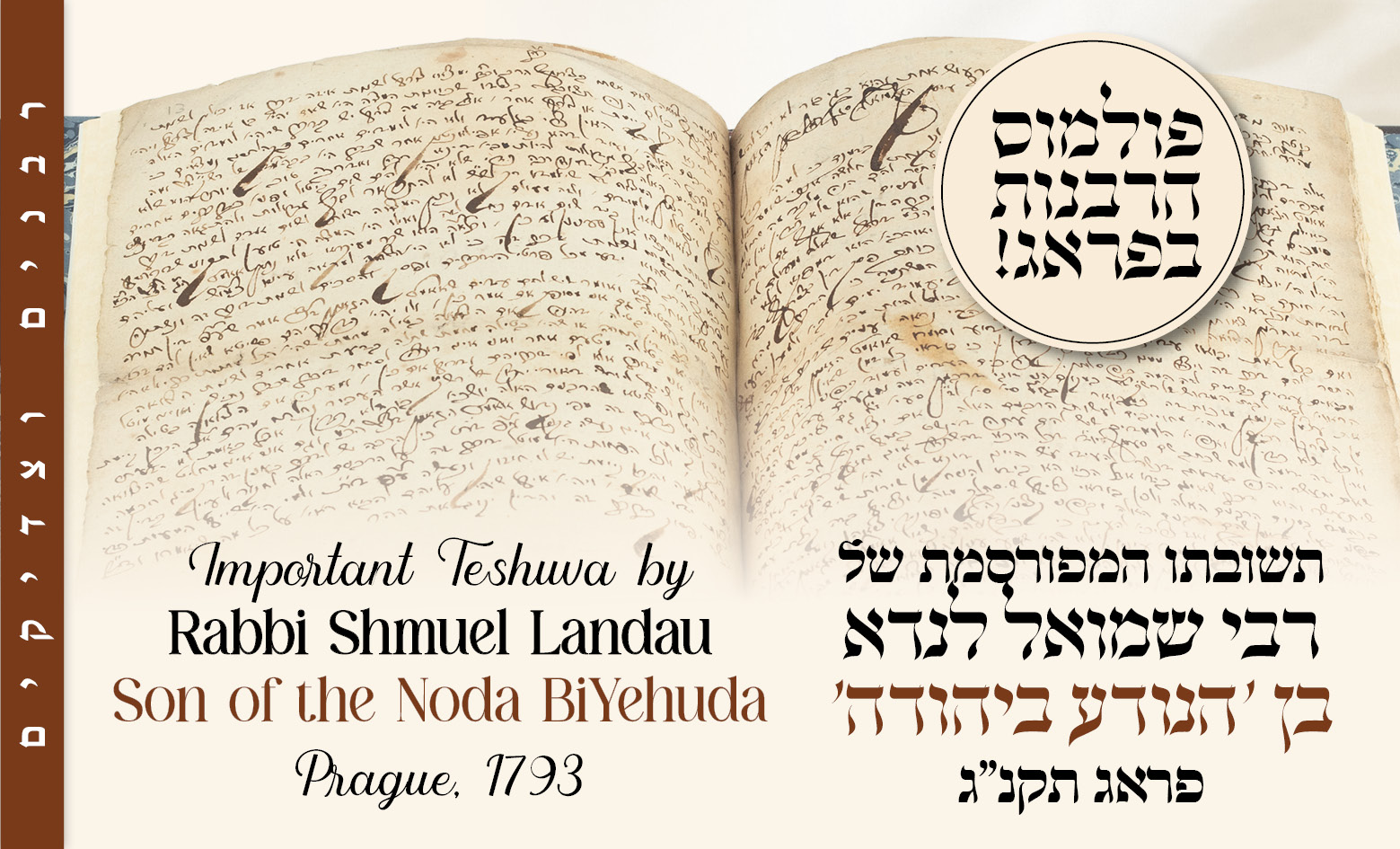
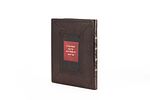
The Famous Kuntres of Rabbi Shmuel Segal Landau.
Prague, 1793

Images

The Famous Kuntres of Rabbi Shmuel Segal Landau.

Prague, 1793

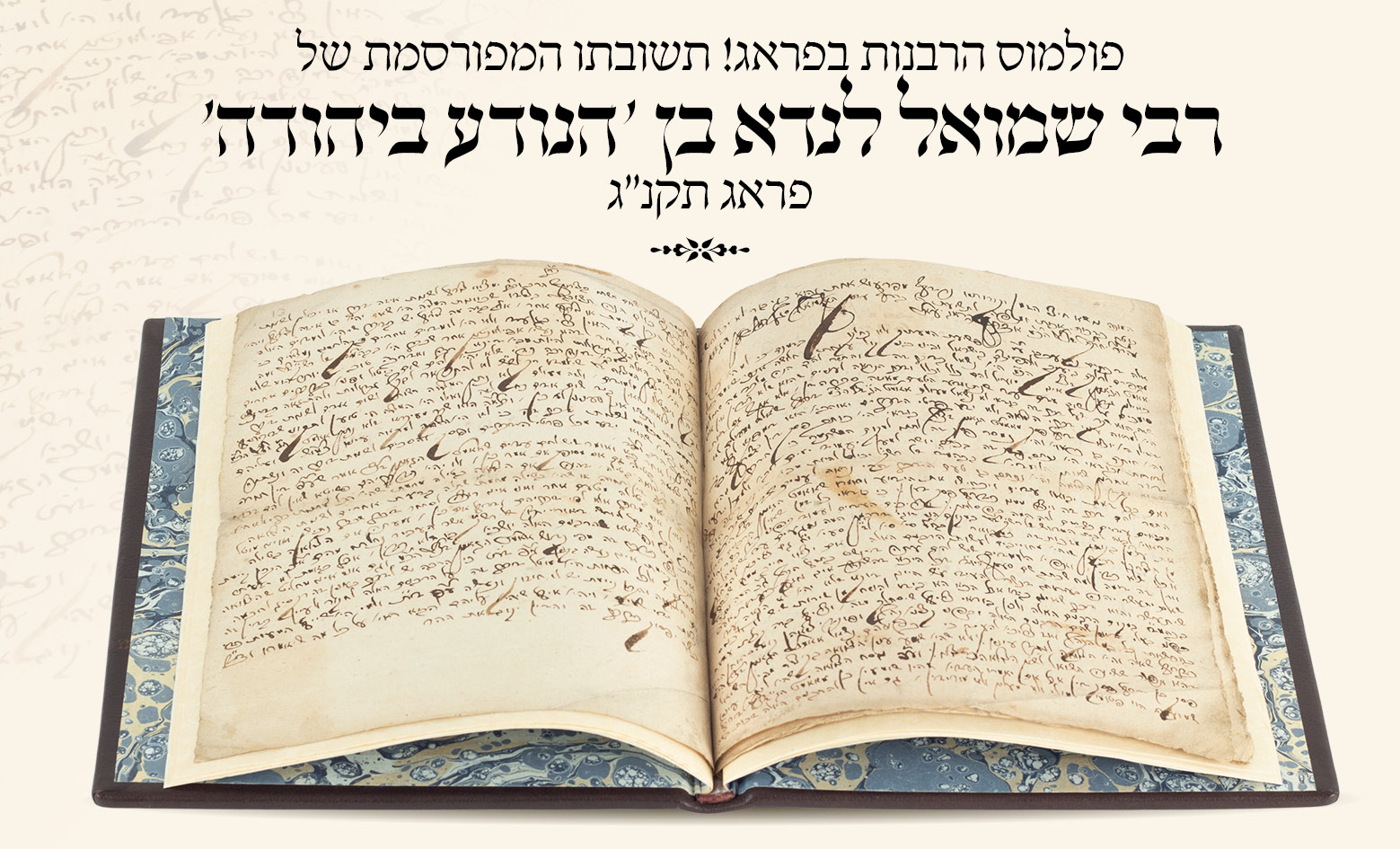
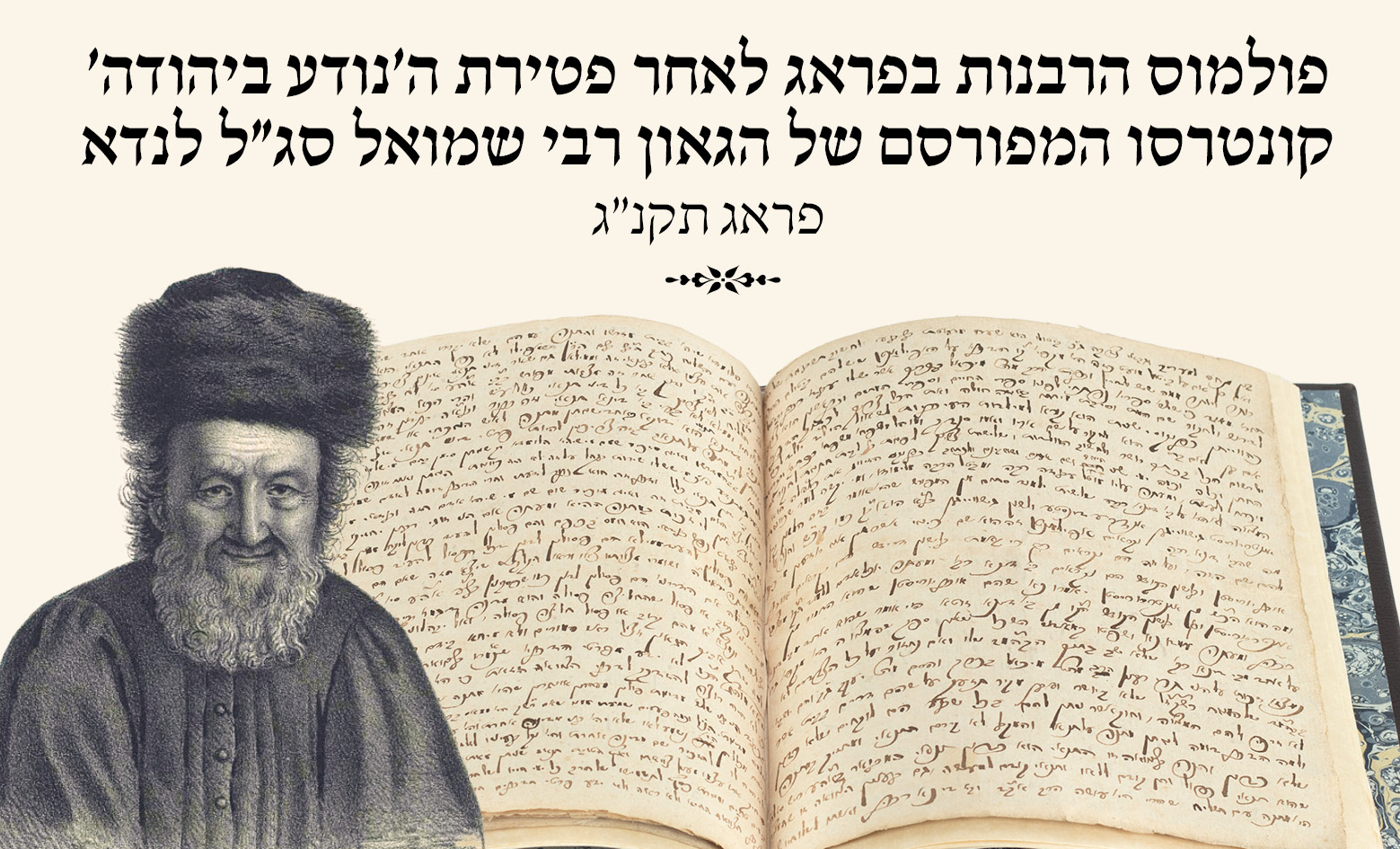
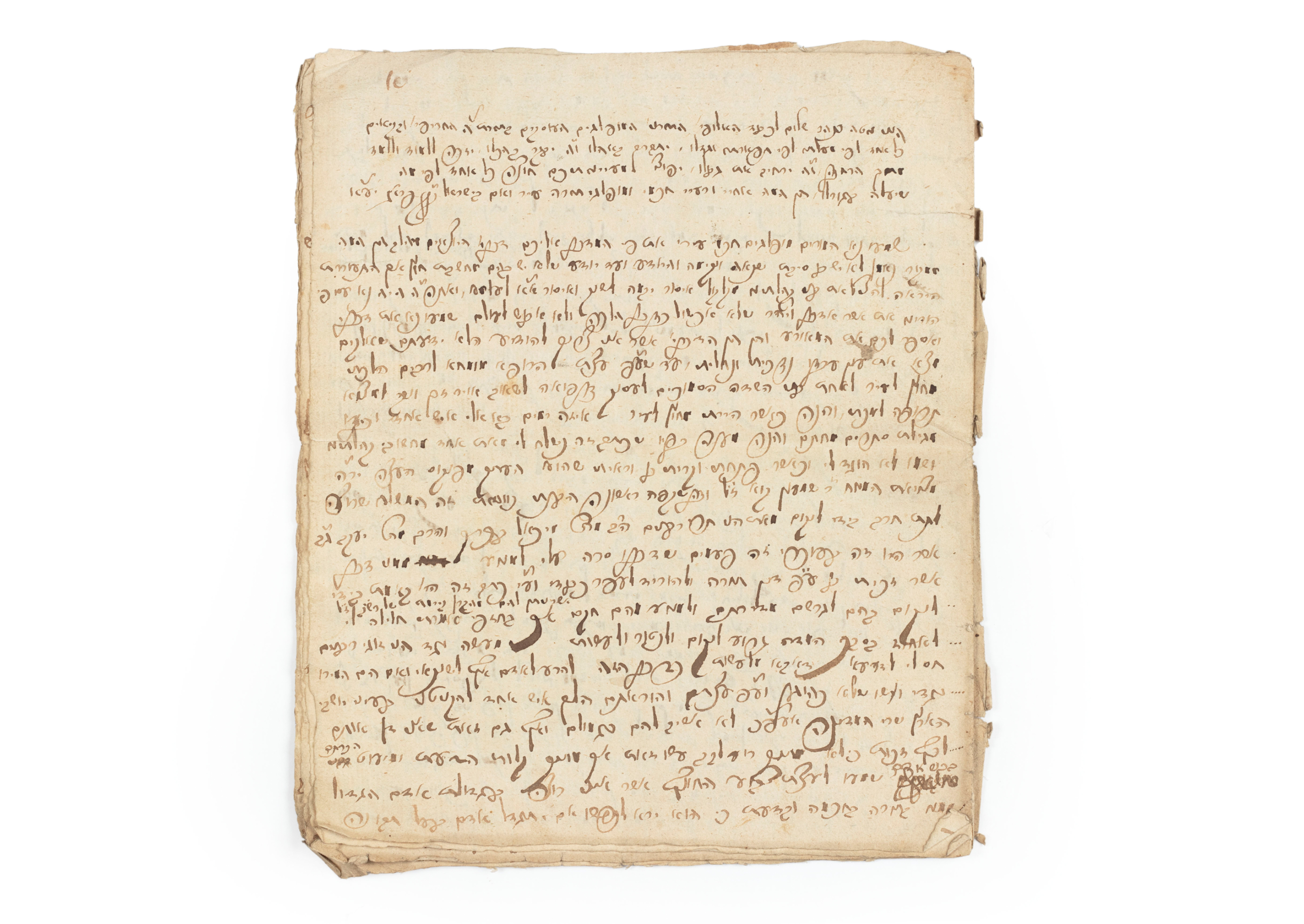
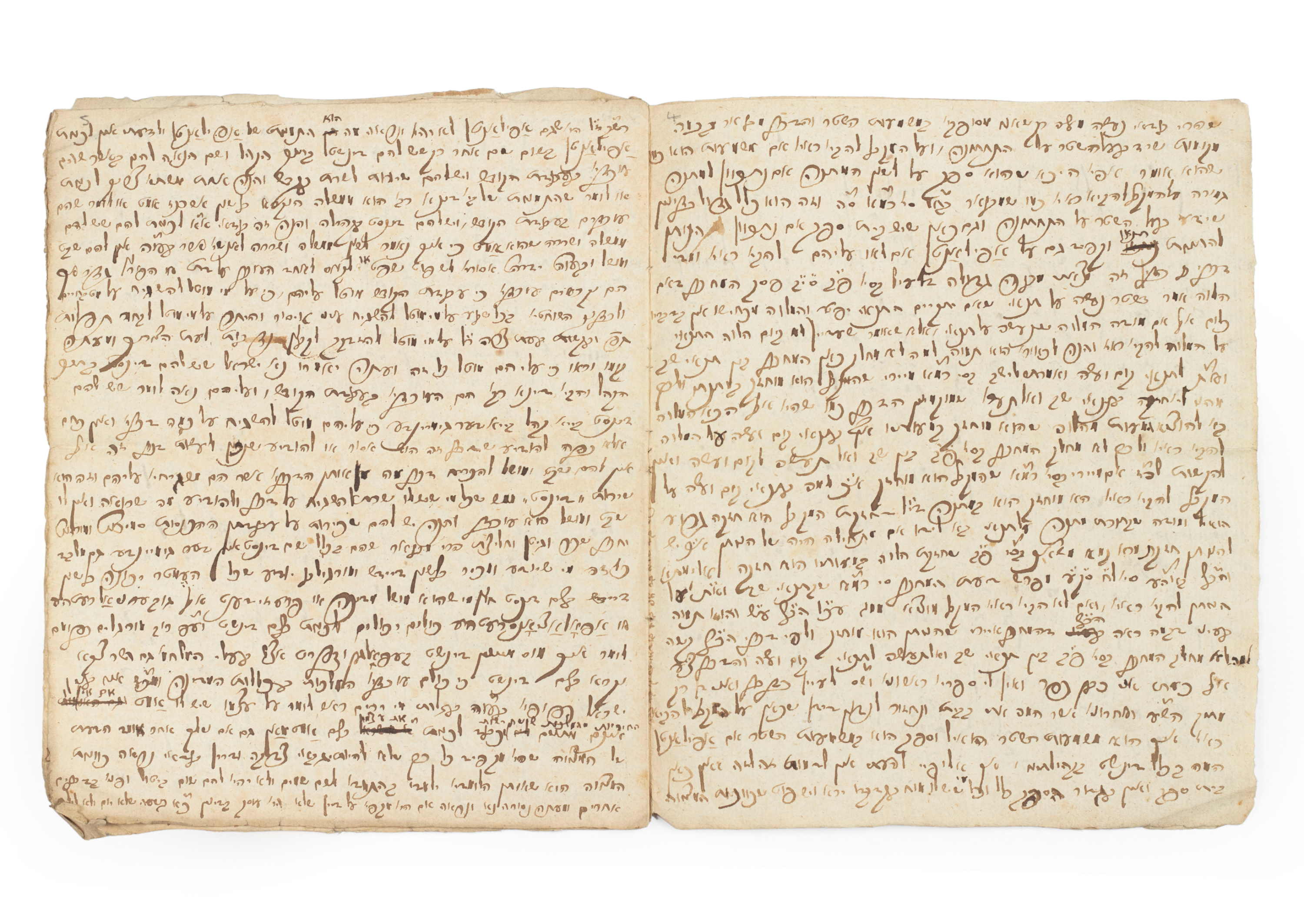
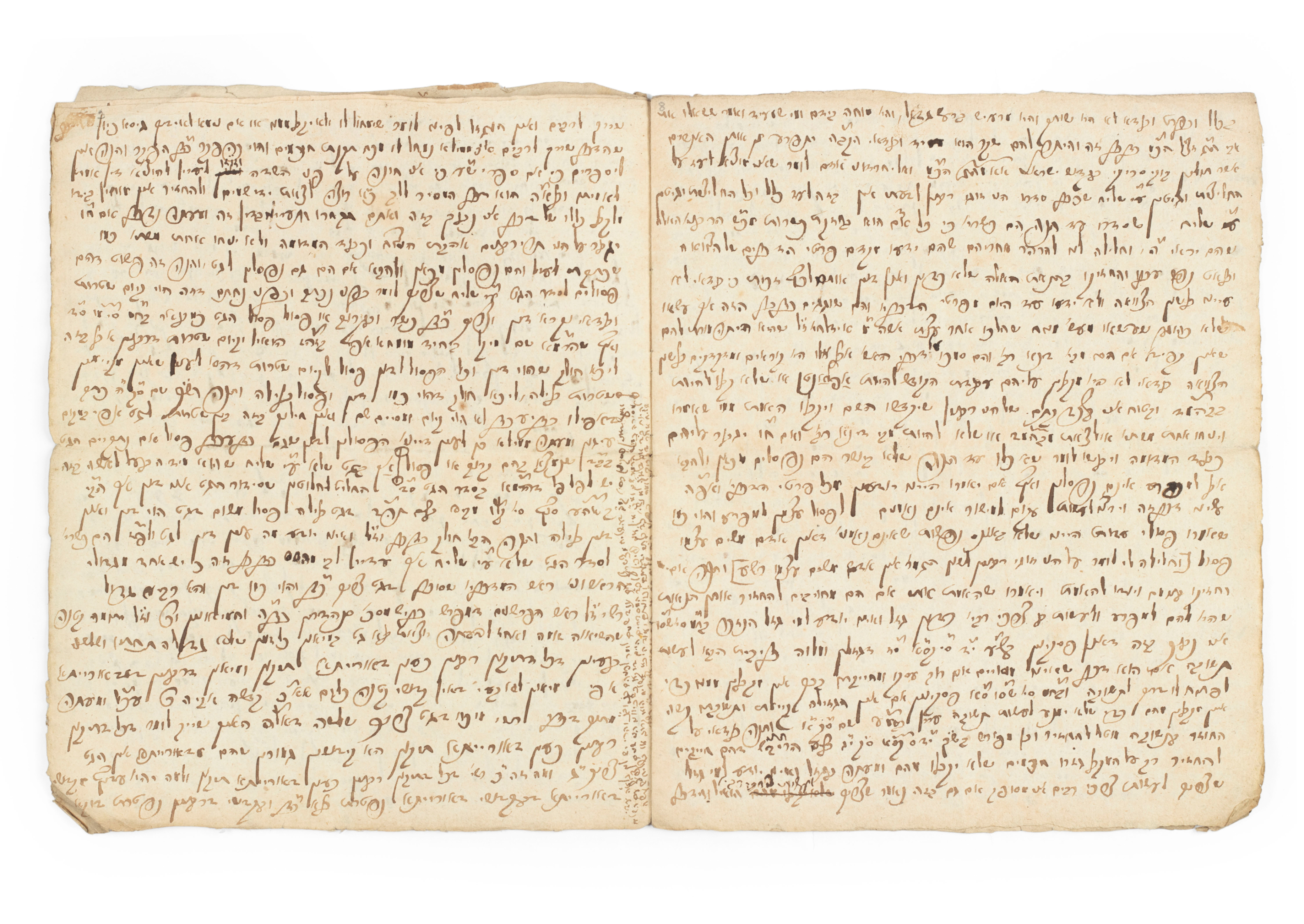
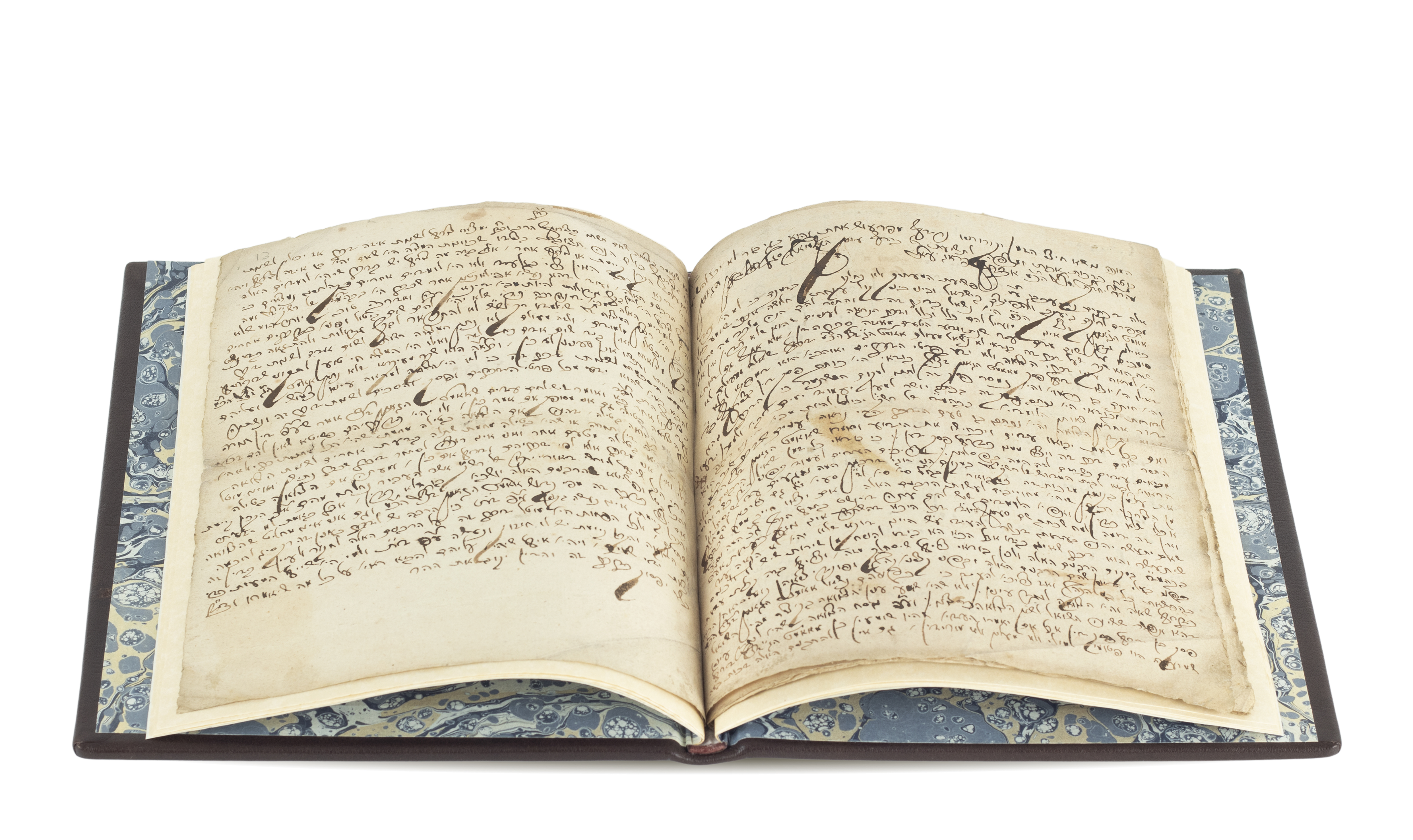
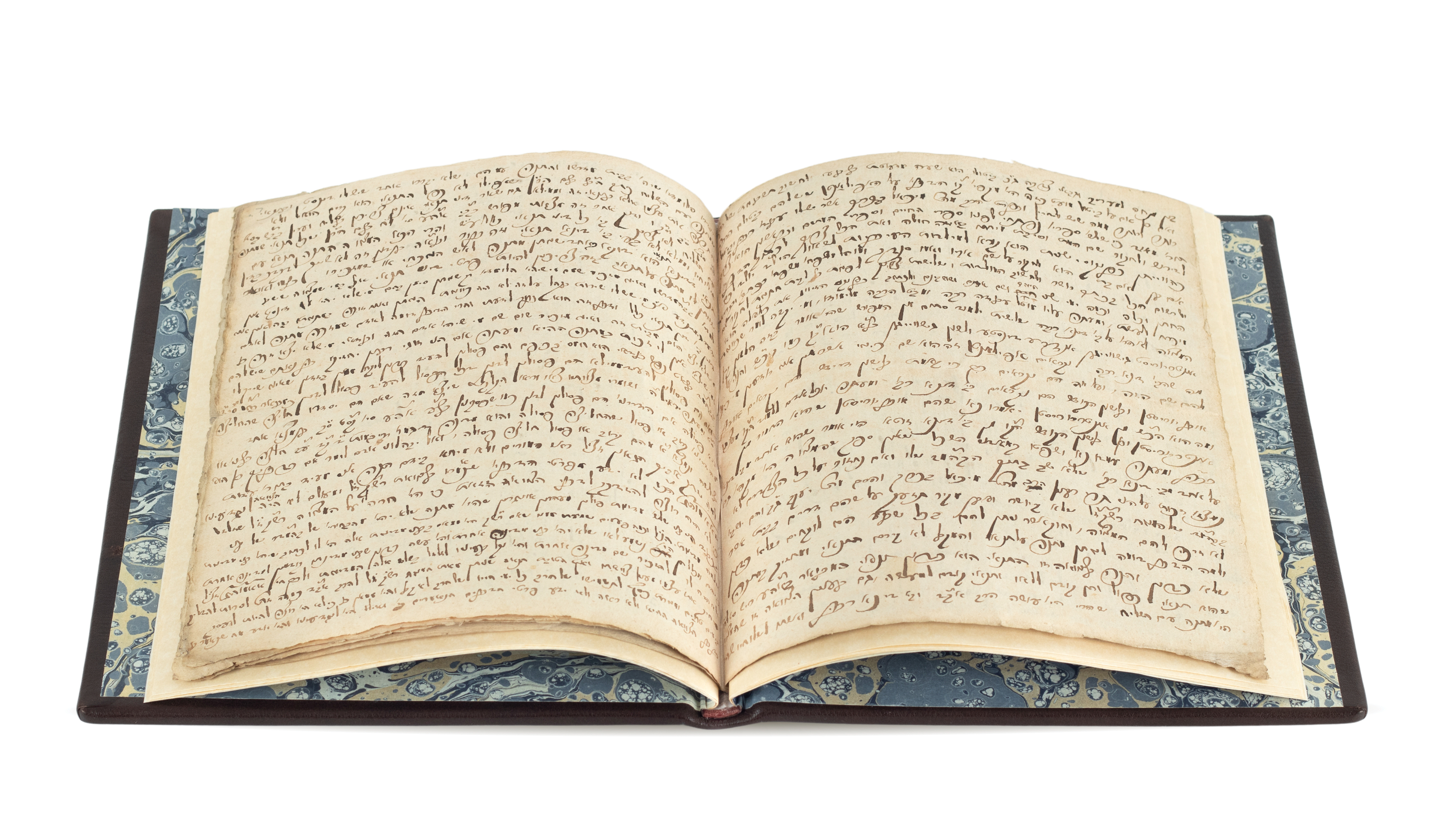
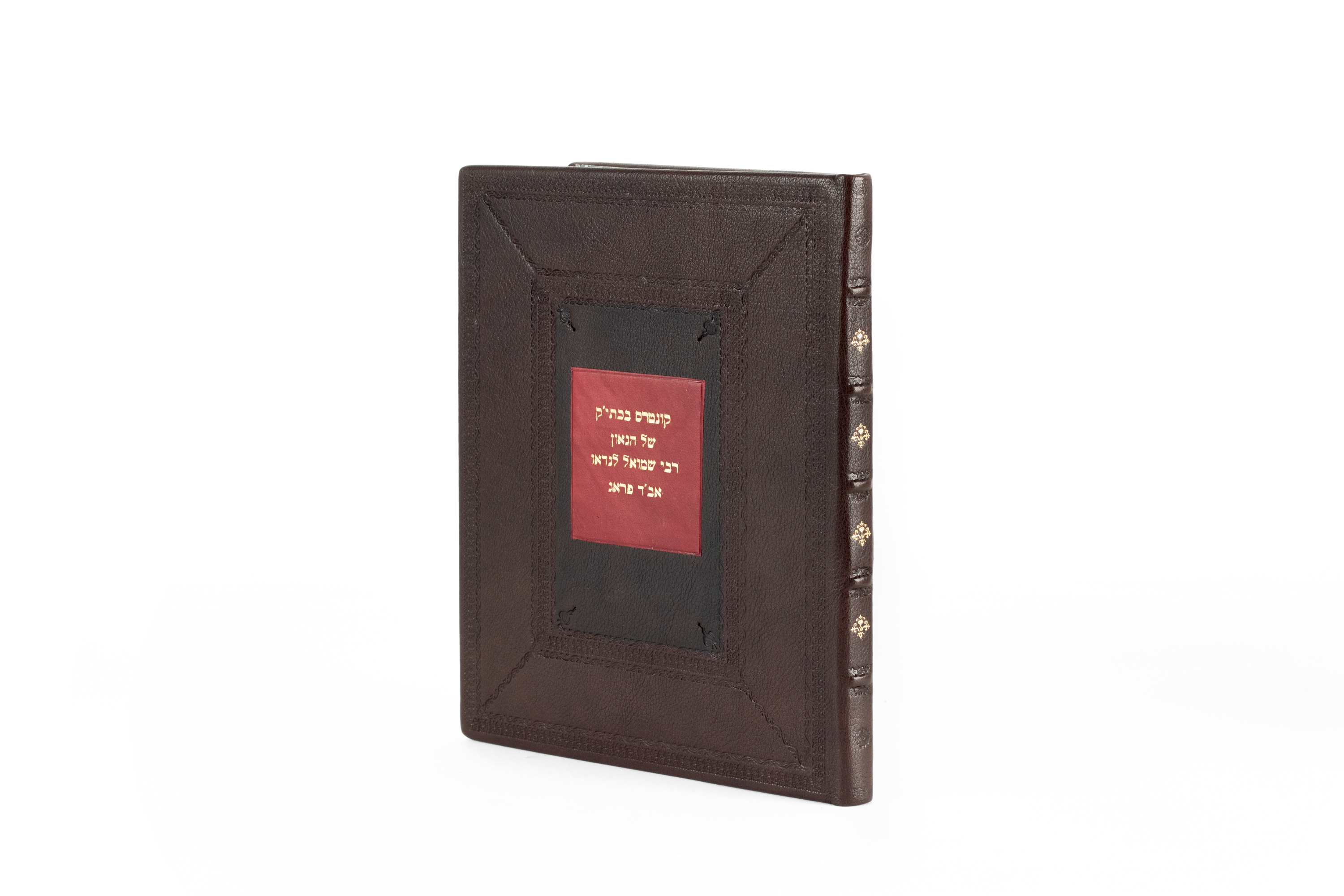
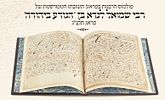
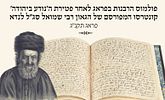
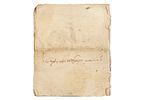
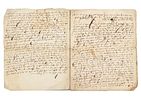
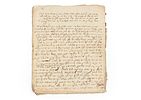
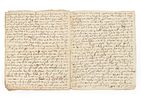
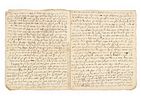
A lengthy handwritten kuntres of thirteen pages containing the famous teshuvah of the Gaon Rabbi Shmuel Segal Landau, Av Beis Din of Prague,
addressing the fierce controversy of who would be appointed to succeed his father, the Gaon author of Noda BiYehudah, as rav of Prague.

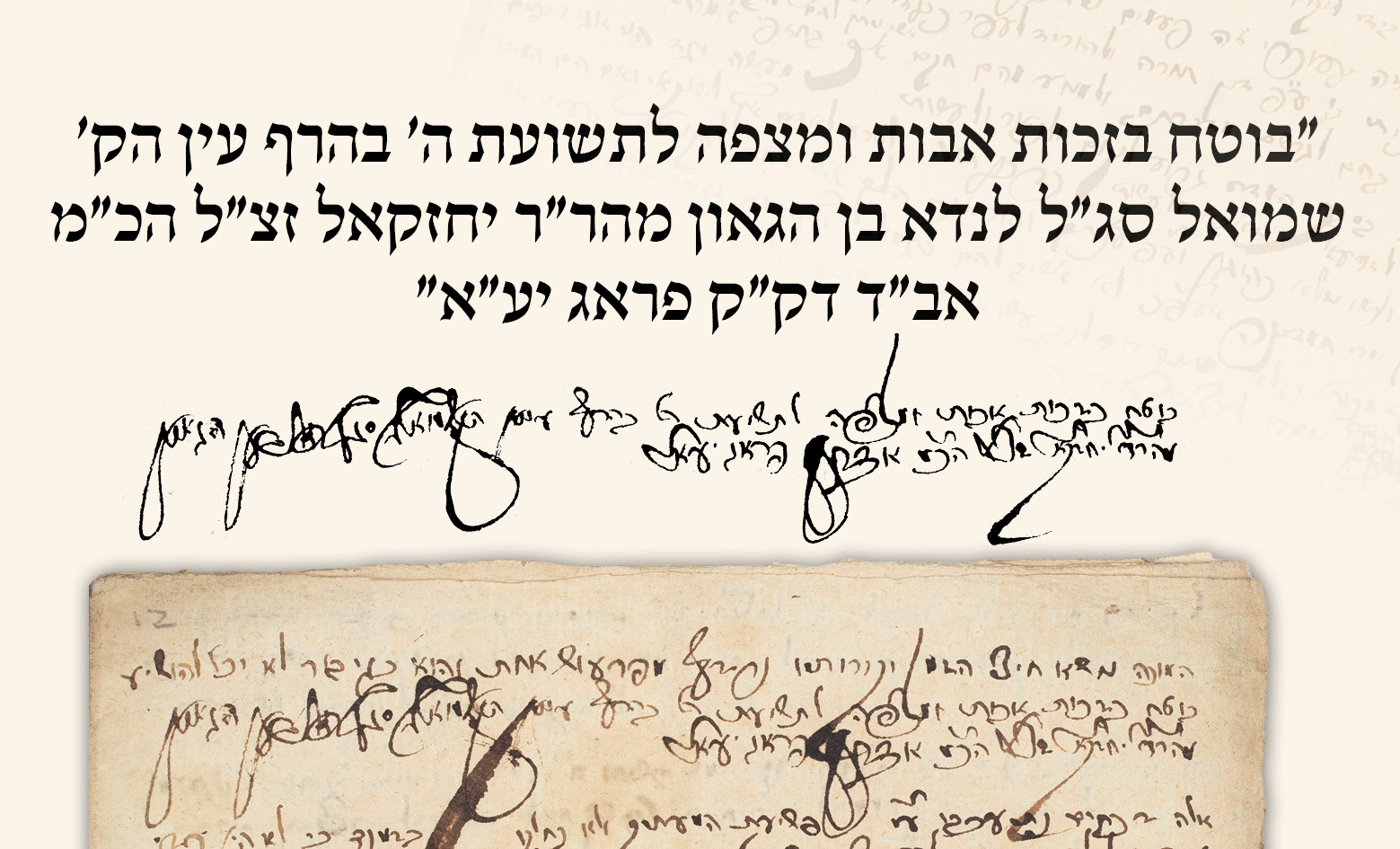
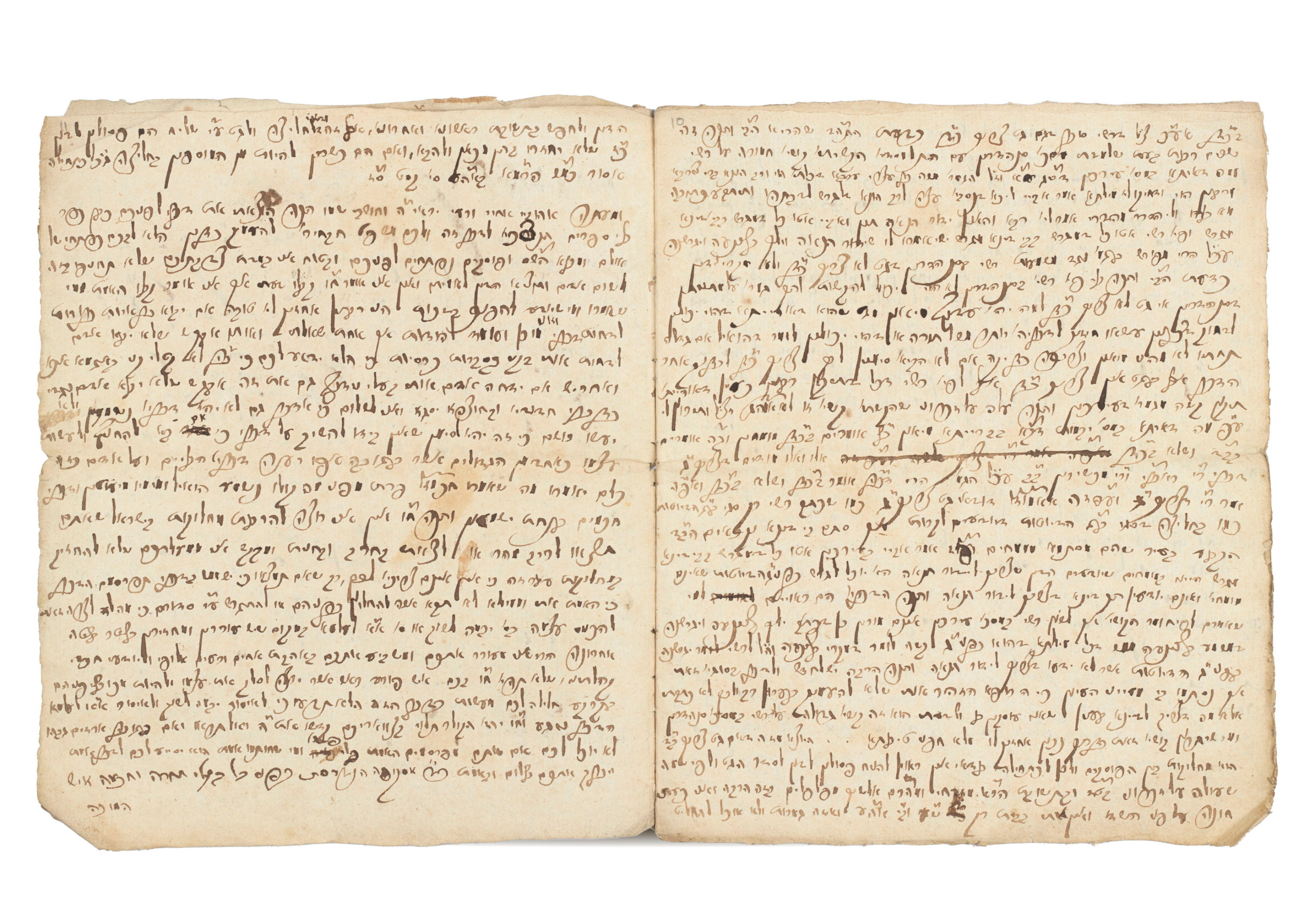
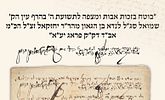
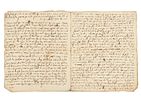
With the addition of two previously unknown pages, entirely in his own hand and bearing his autograph signature.

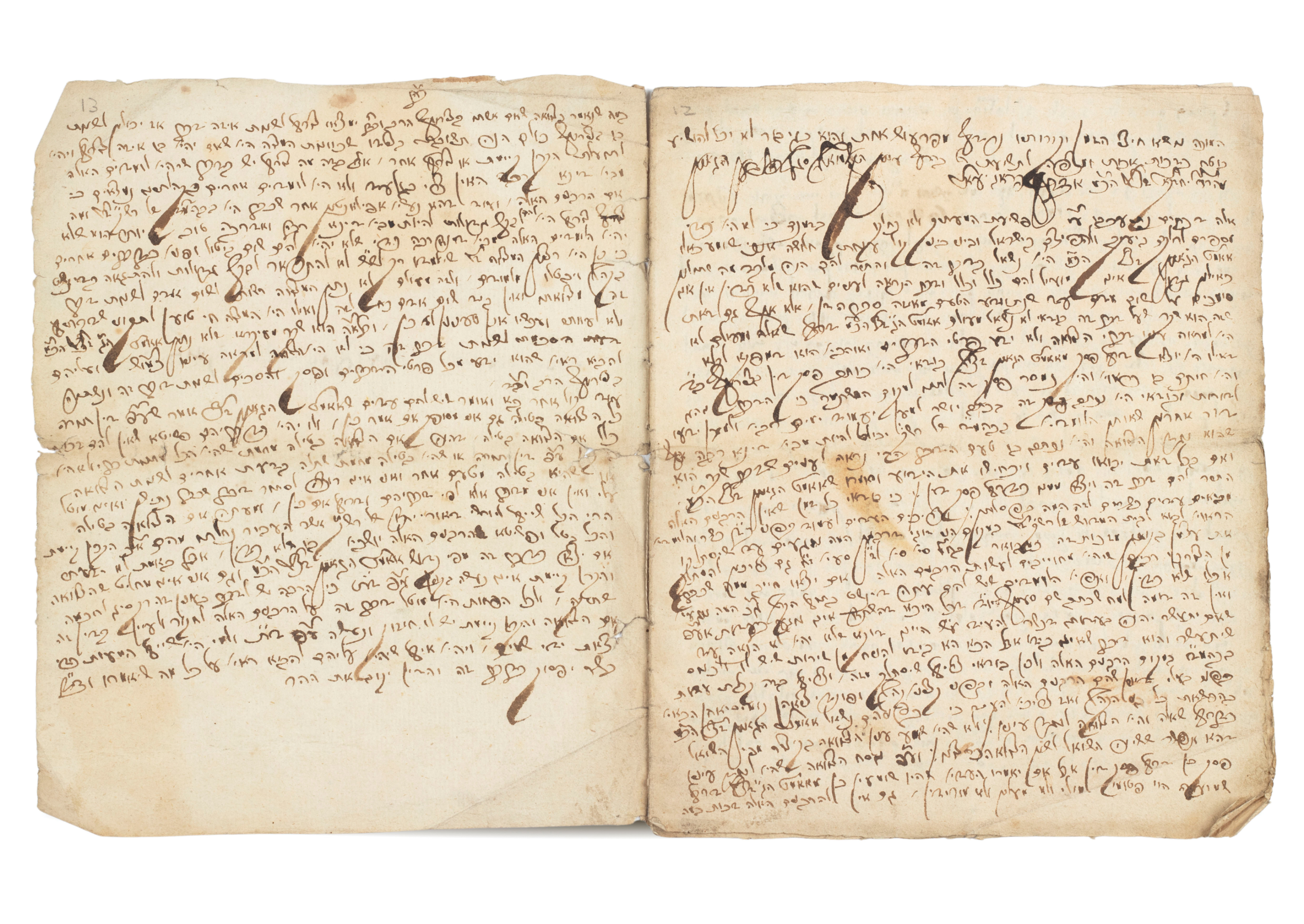
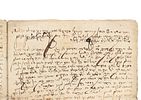
Rabbi Shmuel concludes his pamphlet with an autograph inscription in his own hand:
“Trusting in the merit of my forefathers and awaiting the salvation of Hashem in the blink of an eye, the humble Shmuel Segal Landau, son of the Gaon Mahar”r Yechezkel, zt”l… Av Beis Din of the holy community of Prague, may it be rebuilt and established.”

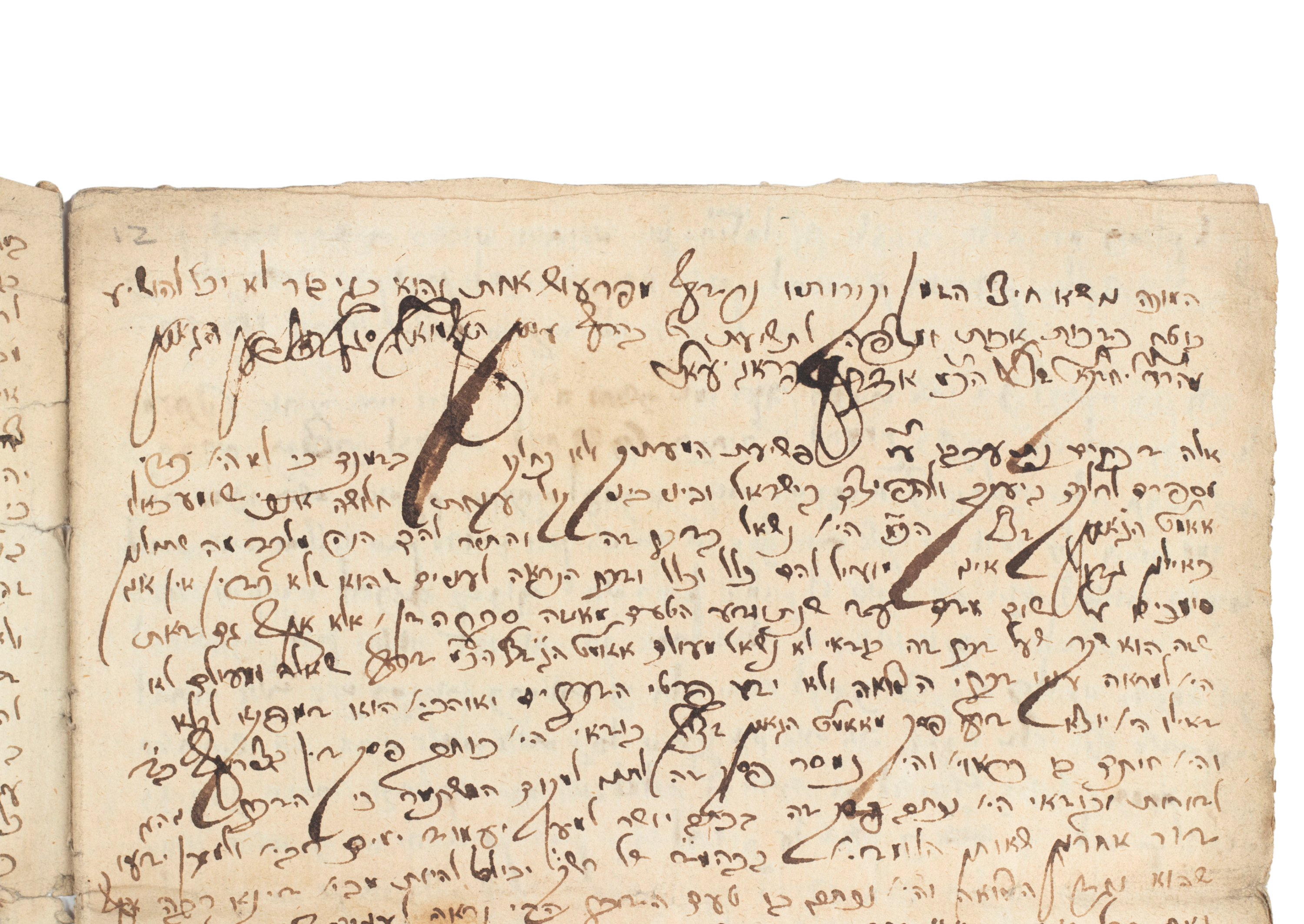
The main body of the pamphlet is in the hand of a scribe; however, the final two pages and the concluding signature are entirely in the handwriting of Rabbi Shmuel Segal Landau himself. In these pages, Rabbi Shmuel refers repeatedly to his great father, the author of Noda BiYehudah (see below).

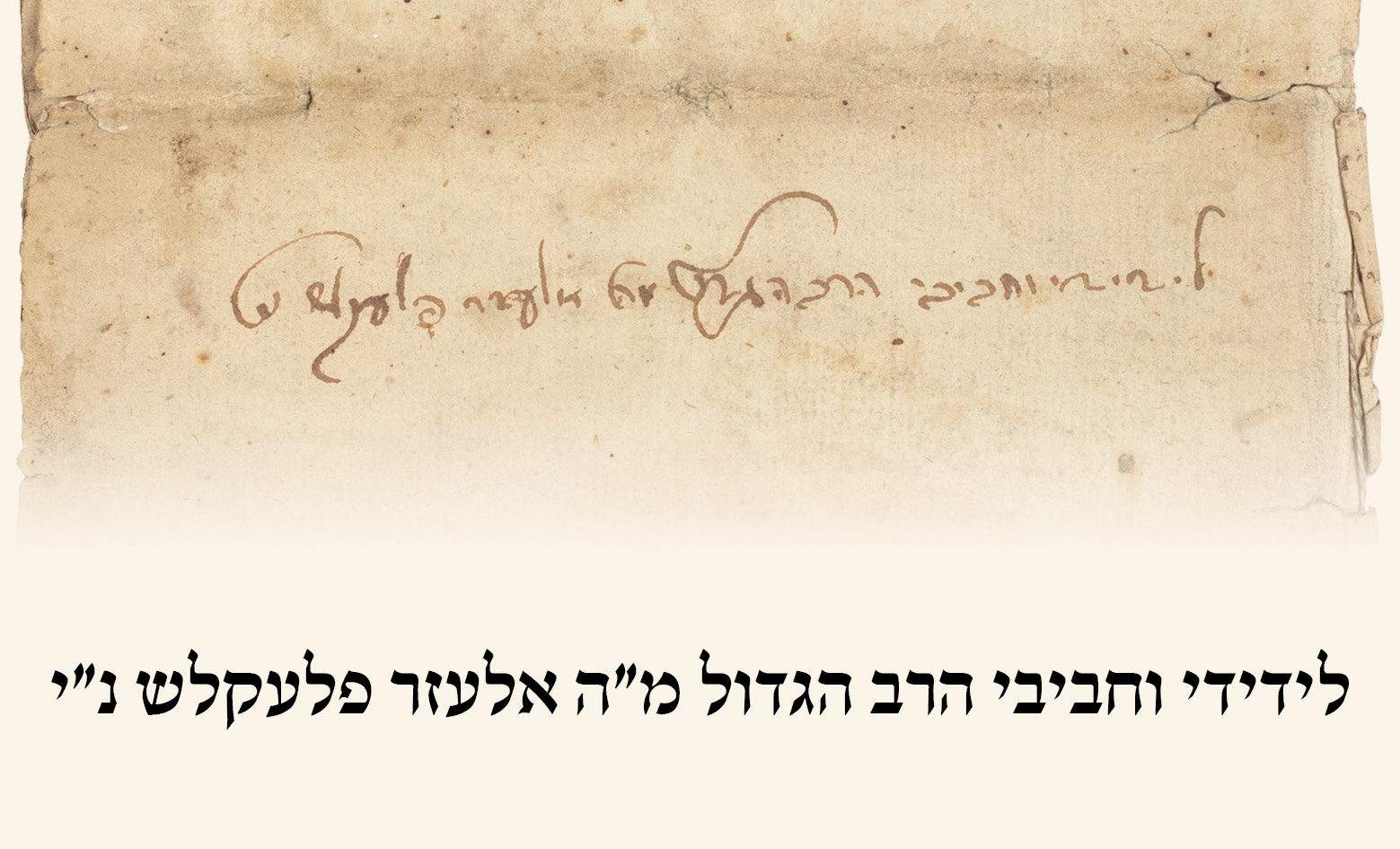
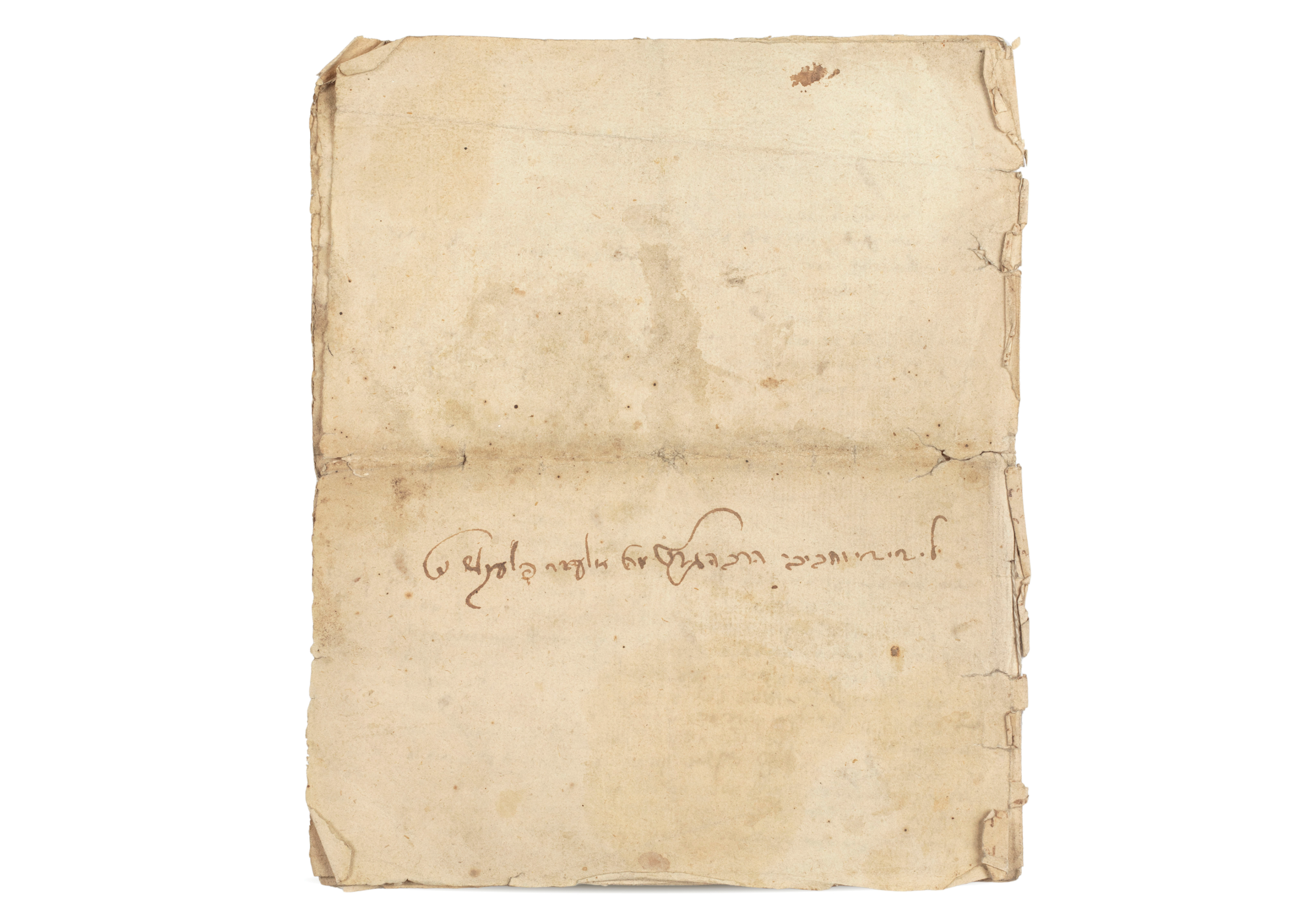
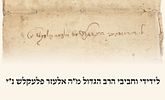
The kuntres was sent to Rabbi Elazar Fleckeles, Ra’avad of Prague, author of Teshuvah Me’Ahavah.

The Background to the Controversy

After the passing of the Noda B’Yehuda in the month of Iyar 1793, his son, Rabbi Shmuel Segal Landau, was appointed as successor to his father as Rav of Prague. However, the appointment did not proceed peacefully. Opponents arose from within the community who stirred machlokes, and even enlisted two of the leading dayanim of the community to their side. These dayanim, who were financially supported in accordance with the will of the wealthy communal leader Rabbi Shimon Kua, went so far as to establish an alternative beis din, thereby circumventing the authority of Rabbi Shmuel.

In the present kuntres, Rabbi Shmuel forcefully demonstrates that the establishment of this beis din was unlawful and runs counter to the plain meaning of the will, according to which the scholars who studied in the beis medrash of the aforementioned benefactor were not to hold any official communal positions. On this basis, he disqualifies all future gittin and chalitzos performed by that beis din, and further rules that so long as they persist in their rebellion, they are benefiting unlawfully from the estate.

The controversy erupted immediately after the passing of the Noda B’Yehuda, and rumors began to circulate regarding what the Noda B’Yehuda’s opinion had been concerning the will. In the kuntres (in particular on the last 2 unknown pages), Rabbi Shmuel emphatically denies various statements that were attributed to his father, the Noda B’Yehuda, regarding the will of Rabbi Shimon Kua. He testifies that he personally heard from his father that the will was displeasing to him — for the reason he explains in the kuntres — and that he never derived any benefit from the funds designated to him in that will.

He writes: “And whoever testifies and claims that they asked my father, the holy gaon, of blessed memory, and that he permitted them — he testifies falsely. Surely the Holy One, blessed be He, will exact retribution from those people who attribute falsehoods to the Holy Rav of Israel, my father, the light of the exile, of blessed memory.”

After some time, relations between the aforementioned dayanim and Rabbi Shmuel were smoothed over. They conducted themselves toward one another with respect, and Rabbi Shmuel led the congregation of Prague with great distinction and all recognized him as the natural successor of his great father.

The kuntres was first printed in the periodical HaMe’asef, volume seven (first booklet for the year 1794), pages 37–57, and later again in the kuntres Ha’Orev. However, in the present kuntres, two final pages were added after the signing of the letter, in which he adds further interesting remarks relating to his father, the Noda B’Yehuda, and his view of the will.

In response to this kuntres, Rabbi Baruch Yitlesh, author of Ta’am HaMelech, launched a vehement attack in his work Ha’Orev, printed anonymously.

Whereas the words of Yitlesh — who, according to some, had his eyes on the rabbinate of Prague — were written in Ha’Orev (Vienna, 1795) with arrogance and contempt, the words of Rabbi Shmuel here are written in a dignified and conciliatory manner, as befitting one of the Gedolei Hador. He attributes their conduct to their being naive people who, “due to their limited understanding of human nature, listened to the counsel of a hypocritical flatterer.”

The kuntres is formally addressed as a general letter, “To the honored and distinguished leaders… the wise and eminent Torah scholars of the holy community of Prague, ” yet in practice it was sent, as recorded on the final page, “to my friend and beloved, the great rav, R’ Elazar Fleckeles.”

Rabbi Shmuel composed the kuntres while staying in one of the villages outside Prague, on doctors’ orders, “to draw in pure and clean air in order to find a remedy for my affliction.” While he was away, reports reached him that a “rebellion” had broken out against him in the city.


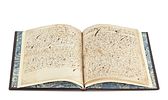
Page Count: [7] leaves, 13 written pages.
Size: 18 × 21 cm.
Condition: Good.
Autograph of Rabbi Shmuel Landau.

For the kuntres Ha’Orev, its author, and the controversy, see Mofes HaDor by R. Y. Kamlaḥer (Piotrków, 1936), p. 96, and the full bibliographic material cited in Kuntres HaTeshuvos HaChadash, no. 986.

Rabbi Shmuel Segal Landau (circa 1750–1838), the son, primary disciple, and right hand of Rabbi Yechezkel Landau, author of Noda B’Yehuda, remained close to his father throughout his life. He assisted him in the leadership of the yeshiva in Prague, and toward the end of his father’s life was appointed as a dayan alongside him in Prague. He also prepared for print the second edition of Noda B’Yehuda, and was known for his glosses and teshuvos printed therein. His teshuvos were published in Shu”t Shivas Tzion (Prague, 1827).

It is noteworthy that the Chasam Sofer relates in one of his teshuvos that he retracted a halachic ruling only twice in his life: once following the words of Rabbi Ephraim Zalman Margolies (and he later retracted that retraction), and a second time following the words of Rabbi Shmuel Segal Landau (see Kovetz Teshuvos Chasam Sofer [1973], siman 65).

Rabbi Shimon HaLevi Kua, the author of the will that stood at the center of this controversy (d. 1774), was one of the prominent communal leaders of Prague and one of its wealthiest individuals. He was one of the signatories of the rabbinic charter of Rabbi Yechezkel Landau, author of Noda B’Yehuda. He established a magnificent beis medrash in Prague and set aside from his fortune a permanent endowment to support the scholars who studied there.


——————————-

Any inquiries about this lot?
We are also available on


Lot : 23

The Famous Kuntres of Rabbi Shmuel Segal Landau.
Prague, 1793

Start price: $7,000
|
Est. Price: $10,000 - $20,000

The Famous Kuntres of Rabbi Shmuel Segal Landau.

Prague, 1793

A lengthy handwritten kuntres of thirteen pages containing the famous teshuvah of the Gaon Rabbi Shmuel Segal Landau, Av Beis Din of Prague,
addressing the fierce controversy of who would be appointed to succeed his father, the Gaon author of Noda BiYehudah, as rav of Prague.

With the addition of two previously unknown pages, entirely in his own hand and bearing his autograph signature.

Rabbi Shmuel concludes his pamphlet with an autograph inscription in his own hand:
“Trusting in the merit of my forefathers and awaiting the salvation of Hashem in the blink of an eye, the humble Shmuel Segal Landau, son of the Gaon Mahar”r Yechezkel, zt”l… Av Beis Din of the holy community of Prague, may it be rebuilt and established.”

The main body of the pamphlet is in the hand of a scribe; however, the final two pages and the concluding signature are entirely in the handwriting of Rabbi Shmuel Segal Landau himself. In these pages, Rabbi Shmuel refers repeatedly to his great father, the author of Noda BiYehudah (see below).

The kuntres was sent to Rabbi Elazar Fleckeles, Ra’avad of Prague, author of Teshuvah Me’Ahavah.

The Background to the Controversy

After the passing of the Noda B’Yehuda in the month of Iyar 1793, his son, Rabbi Shmuel Segal Landau, was appointed as successor to his father as Rav of Prague. However, the appointment did not proceed peacefully. Opponents arose from within the community who stirred machlokes, and even enlisted two of the leading dayanim of the community to their side. These dayanim, who were financially supported in accordance with the will of the wealthy communal leader Rabbi Shimon Kua, went so far as to establish an alternative beis din, thereby circumventing the authority of Rabbi Shmuel.

In the present kuntres, Rabbi Shmuel forcefully demonstrates that the establishment of this beis din was unlawful and runs counter to the plain meaning of the will, according to which the scholars who studied in the beis medrash of the aforementioned benefactor were not to hold any official communal positions. On this basis, he disqualifies all future gittin and chalitzos performed by that beis din, and further rules that so long as they persist in their rebellion, they are benefiting unlawfully from the estate.

The controversy erupted immediately after the passing of the Noda B’Yehuda, and rumors began to circulate regarding what the Noda B’Yehuda’s opinion had been concerning the will. In the kuntres (in particular on the last 2 unknown pages), Rabbi Shmuel emphatically denies various statements that were attributed to his father, the Noda B’Yehuda, regarding the will of Rabbi Shimon Kua. He testifies that he personally heard from his father that the will was displeasing to him — for the reason he explains in the kuntres — and that he never derived any benefit from the funds designated to him in that will.

He writes: “And whoever testifies and claims that they asked my father, the holy gaon, of blessed memory, and that he permitted them — he testifies falsely. Surely the Holy One, blessed be He, will exact retribution from those people who attribute falsehoods to the Holy Rav of Israel, my father, the light of the exile, of blessed memory.”

After some time, relations between the aforementioned dayanim and Rabbi Shmuel were smoothed over. They conducted themselves toward one another with respect, and Rabbi Shmuel led the congregation of Prague with great distinction and all recognized him as the natural successor of his great father.

The kuntres was first printed in the periodical HaMe’asef, volume seven (first booklet for the year 1794), pages 37–57, and later again in the kuntres Ha’Orev. However, in the present kuntres, two final pages were added after the signing of the letter, in which he adds further interesting remarks relating to his father, the Noda B’Yehuda, and his view of the will.

In response to this kuntres, Rabbi Baruch Yitlesh, author of Ta’am HaMelech, launched a vehement attack in his work Ha’Orev, printed anonymously.

Whereas the words of Yitlesh — who, according to some, had his eyes on the rabbinate of Prague — were written in Ha’Orev (Vienna, 1795) with arrogance and contempt, the words of Rabbi Shmuel here are written in a dignified and conciliatory manner, as befitting one of the Gedolei Hador. He attributes their conduct to their being naive people who, “due to their limited understanding of human nature, listened to the counsel of a hypocritical flatterer.”

The kuntres is formally addressed as a general letter, “To the honored and distinguished leaders… the wise and eminent Torah scholars of the holy community of Prague, ” yet in practice it was sent, as recorded on the final page, “to my friend and beloved, the great rav, R’ Elazar Fleckeles.”

Rabbi Shmuel composed the kuntres while staying in one of the villages outside Prague, on doctors’ orders, “to draw in pure and clean air in order to find a remedy for my affliction.” While he was away, reports reached him that a “rebellion” had broken out against him in the city.


Page Count: [7] leaves, 13 written pages.
Size: 18 × 21 cm.
Condition: Good.
Autograph of Rabbi Shmuel Landau.

For the kuntres Ha’Orev, its author, and the controversy, see Mofes HaDor by R. Y. Kamlaḥer (Piotrków, 1936), p. 96, and the full bibliographic material cited in Kuntres HaTeshuvos HaChadash, no. 986.

Rabbi Shmuel Segal Landau (circa 1750–1838), the son, primary disciple, and right hand of Rabbi Yechezkel Landau, author of Noda B’Yehuda, remained close to his father throughout his life. He assisted him in the leadership of the yeshiva in Prague, and toward the end of his father’s life was appointed as a dayan alongside him in Prague. He also prepared for print the second edition of Noda B’Yehuda, and was known for his glosses and teshuvos printed therein. His teshuvos were published in Shu”t Shivas Tzion (Prague, 1827).

It is noteworthy that the Chasam Sofer relates in one of his teshuvos that he retracted a halachic ruling only twice in his life: once following the words of Rabbi Ephraim Zalman Margolies (and he later retracted that retraction), and a second time following the words of Rabbi Shmuel Segal Landau (see Kovetz Teshuvos Chasam Sofer [1973], siman 65).

Rabbi Shimon HaLevi Kua, the author of the will that stood at the center of this controversy (d. 1774), was one of the prominent communal leaders of Prague and one of its wealthiest individuals. He was one of the signatories of the rabbinic charter of Rabbi Yechezkel Landau, author of Noda B’Yehuda. He established a magnificent beis medrash in Prague and set aside from his fortune a permanent endowment to support the scholars who studied there.


——————————-

Any inquiries about this lot?
We are also available on


The Famous Kuntres of Rabbi Shmuel Segal Landau.

Prague, 1793

A lengthy handwritten kuntres of thirteen pages containing the famous teshuvah of the Gaon Rabbi Shmuel Segal Landau, Av Beis Din of Prague,
addressing the fierce controversy of who would be appointed to succeed his father, the Gaon author of Noda BiYehudah, as rav of Prague.

With the addition of two previously unknown pages, entirely in his own hand and bearing his autograph signature.

Rabbi Shmuel concludes his pamphlet with an autograph inscription in his own hand:
“Trusting in the merit of my forefathers and awaiting the salvation of Hashem in the blink of an eye, the humble Shmuel Segal Landau, son of the Gaon Mahar”r Yechezkel, zt”l… Av Beis Din of the holy community of Prague, may it be rebuilt and established.”

The main body of the pamphlet is in the hand of a scribe; however, the final two pages and the concluding signature are entirely in the handwriting of Rabbi Shmuel Segal Landau himself. In these pages, Rabbi Shmuel refers repeatedly to his great father, the author of Noda BiYehudah (see below).

The kuntres was sent to Rabbi Elazar Fleckeles, Ra’avad of Prague, author of Teshuvah Me’Ahavah.

The Background to the Controversy

After the passing of the Noda B’Yehuda in the month of Iyar 1793, his son, Rabbi Shmuel Segal Landau, was appointed as successor to his father as Rav of Prague. However, the appointment did not proceed peacefully. Opponents arose from within the community who stirred machlokes, and even enlisted two of the leading dayanim of the community to their side. These dayanim, who were financially supported in accordance with the will of the wealthy communal leader Rabbi Shimon Kua, went so far as to establish an alternative beis din, thereby circumventing the authority of Rabbi Shmuel.

In the present kuntres, Rabbi Shmuel forcefully demonstrates that the establishment of this beis din was unlawful and runs counter to the plain meaning of the will, according to which the scholars who studied in the beis medrash of the aforementioned benefactor were not to hold any official communal positions. On this basis, he disqualifies all future gittin and chalitzos performed by that beis din, and further rules that so long as they persist in their rebellion, they are benefiting unlawfully from the estate.

The controversy erupted immediately after the passing of the Noda B’Yehuda, and rumors began to circulate regarding what the Noda B’Yehuda’s opinion had been concerning the will. In the kuntres (in particular on the last 2 unknown pages), Rabbi Shmuel emphatically denies various statements that were attributed to his father, the Noda B’Yehuda, regarding the will of Rabbi Shimon Kua. He testifies that he personally heard from his father that the will was displeasing to him — for the reason he explains in the kuntres — and that he never derived any benefit from the funds designated to him in that will.

He writes: “And whoever testifies and claims that they asked my father, the holy gaon, of blessed memory, and that he permitted them — he testifies falsely. Surely the Holy One, blessed be He, will exact retribution from those people who attribute falsehoods to the Holy Rav of Israel, my father, the light of the exile, of blessed memory.”

After some time, relations between the aforementioned dayanim and Rabbi Shmuel were smoothed over. They conducted themselves toward one another with respect, and Rabbi Shmuel led the congregation of Prague with great distinction and all recognized him as the natural successor of his great father.

The kuntres was first printed in the periodical HaMe’asef, volume seven (first booklet for the year 1794), pages 37–57, and later again in the kuntres Ha’Orev. However, in the present kuntres, two final pages were added after the signing of the letter, in which he adds further interesting remarks relating to his father, the Noda B’Yehuda, and his view of the will.

In response to this kuntres, Rabbi Baruch Yitlesh, author of Ta’am HaMelech, launched a vehement attack in his work Ha’Orev, printed anonymously.

Whereas the words of Yitlesh — who, according to some, had his eyes on the rabbinate of Prague — were written in Ha’Orev (Vienna, 1795) with arrogance and contempt, the words of Rabbi Shmuel here are written in a dignified and conciliatory manner, as befitting one of the Gedolei Hador. He attributes their conduct to their being naive people who, “due to their limited understanding of human nature, listened to the counsel of a hypocritical flatterer.”

The kuntres is formally addressed as a general letter, “To the honored and distinguished leaders… the wise and eminent Torah scholars of the holy community of Prague, ” yet in practice it was sent, as recorded on the final page, “to my friend and beloved, the great rav, R’ Elazar Fleckeles.”

Rabbi Shmuel composed the kuntres while staying in one of the villages outside Prague, on doctors’ orders, “to draw in pure and clean air in order to find a remedy for my affliction.” While he was away, reports reached him that a “rebellion” had broken out against him in the city.


Page Count: [7] leaves, 13 written pages.
Size: 18 × 21 cm.
Condition: Good.
Autograph of Rabbi Shmuel Landau.

For the kuntres Ha’Orev, its author, and the controversy, see Mofes HaDor by R. Y. Kamlaḥer (Piotrków, 1936), p. 96, and the full bibliographic material cited in Kuntres HaTeshuvos HaChadash, no. 986.

Rabbi Shmuel Segal Landau (circa 1750–1838), the son, primary disciple, and right hand of Rabbi Yechezkel Landau, author of Noda B’Yehuda, remained close to his father throughout his life. He assisted him in the leadership of the yeshiva in Prague, and toward the end of his father’s life was appointed as a dayan alongside him in Prague. He also prepared for print the second edition of Noda B’Yehuda, and was known for his glosses and teshuvos printed therein. His teshuvos were published in Shu”t Shivas Tzion (Prague, 1827).

It is noteworthy that the Chasam Sofer relates in one of his teshuvos that he retracted a halachic ruling only twice in his life: once following the words of Rabbi Ephraim Zalman Margolies (and he later retracted that retraction), and a second time following the words of Rabbi Shmuel Segal Landau (see Kovetz Teshuvos Chasam Sofer [1973], siman 65).

Rabbi Shimon HaLevi Kua, the author of the will that stood at the center of this controversy (d. 1774), was one of the prominent communal leaders of Prague and one of its wealthiest individuals. He was one of the signatories of the rabbinic charter of Rabbi Yechezkel Landau, author of Noda B’Yehuda. He established a magnificent beis medrash in Prague and set aside from his fortune a permanent endowment to support the scholars who studied there.


Click here – for a podcast from Rabbi Dr. Dovid Katz regarding this lot


——————————-

Any inquiries about this lot?
We are also available on
WhatsApp >>>