




To attend this auction live or leave absentee bids
Lot : 14
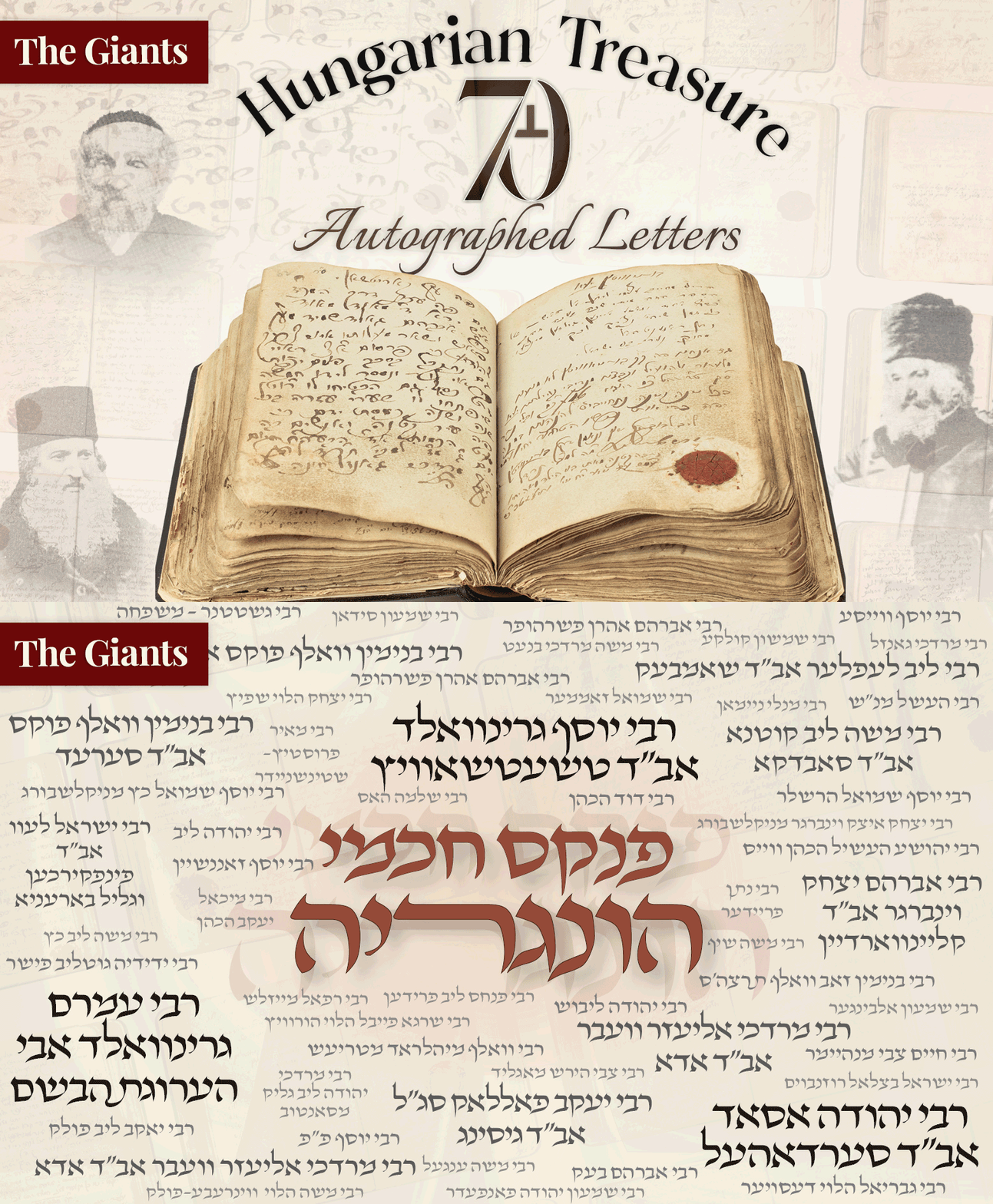
Hidden Treasure of Hungarian Jewish History Vast Collection of Over Seventy Autographed Letters Hungary / Slovakia / Czechia, 1843–1847
Hidden Treasure of Hungarian Jewish History
Vast Collection of Over Seventy Autographed Letters
Hungary / Slovakia / Czechia, 1843–1847
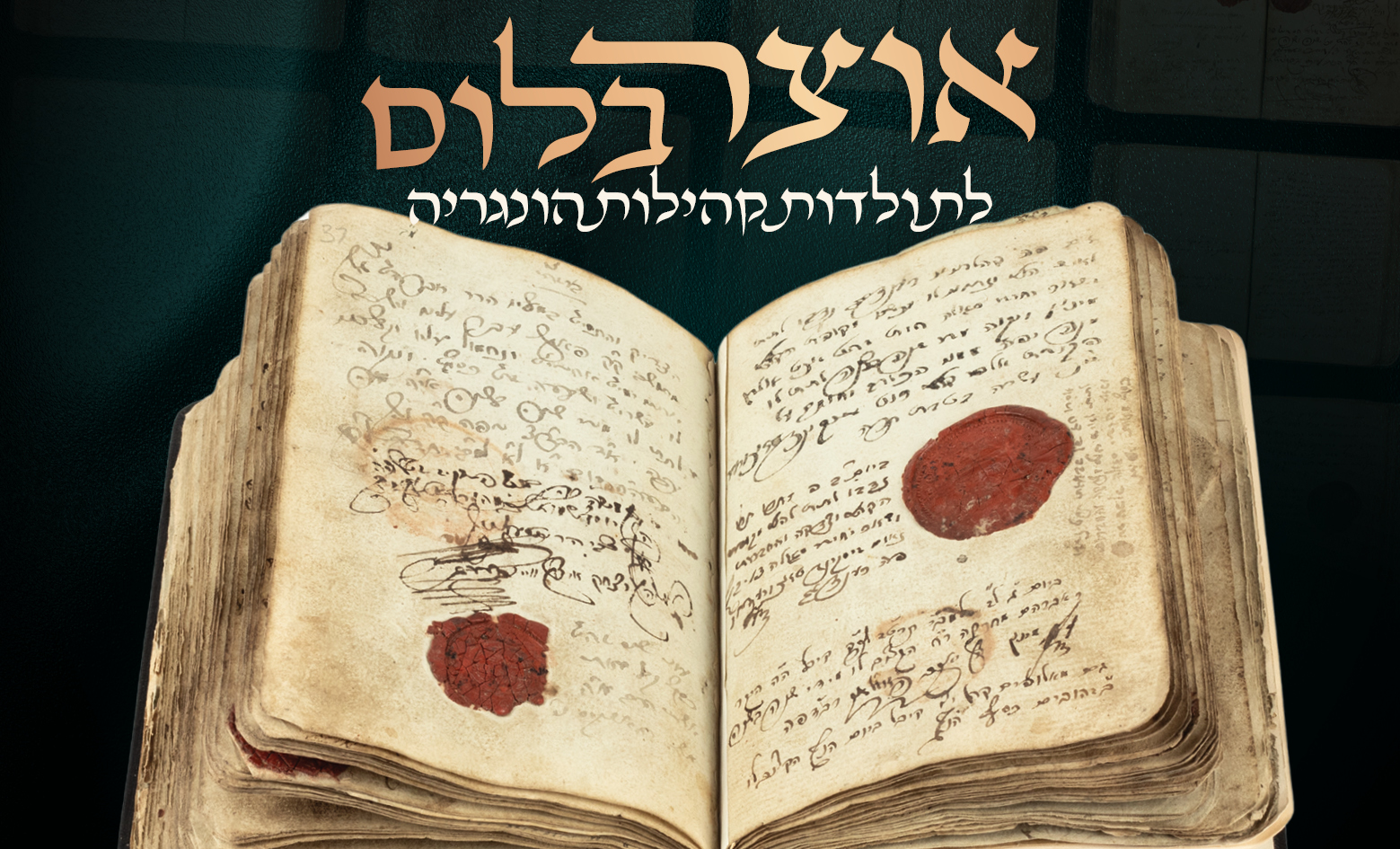
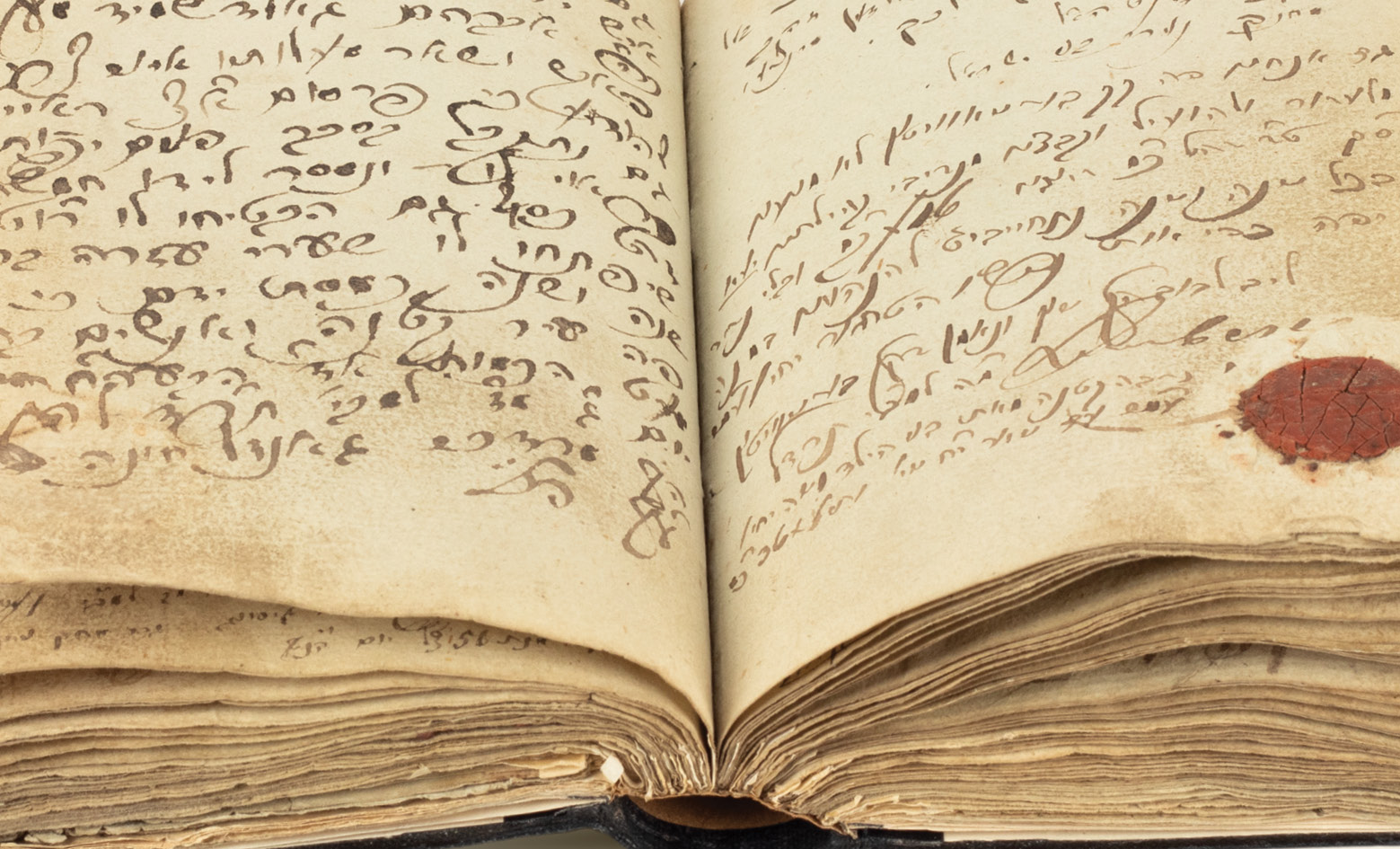
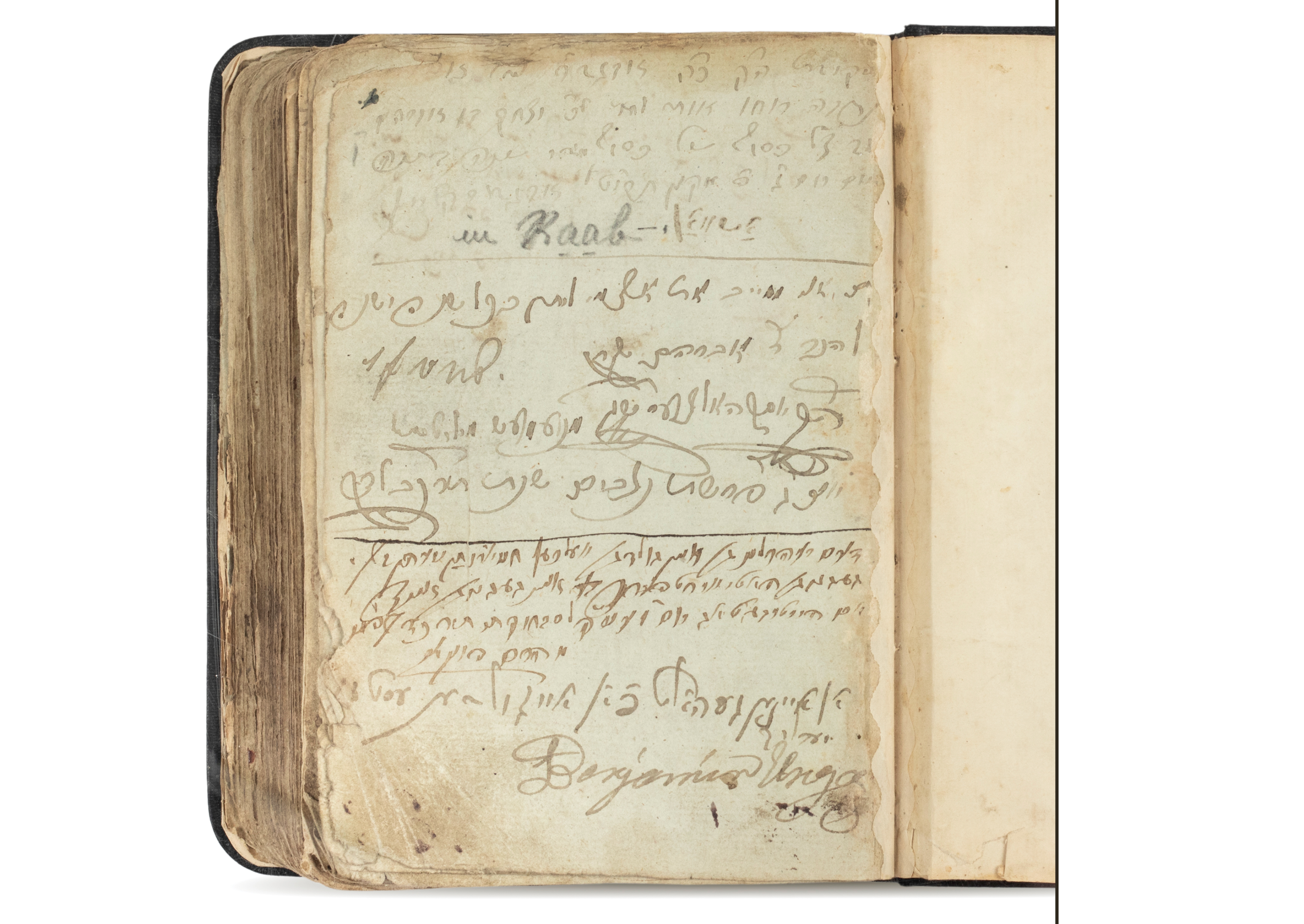
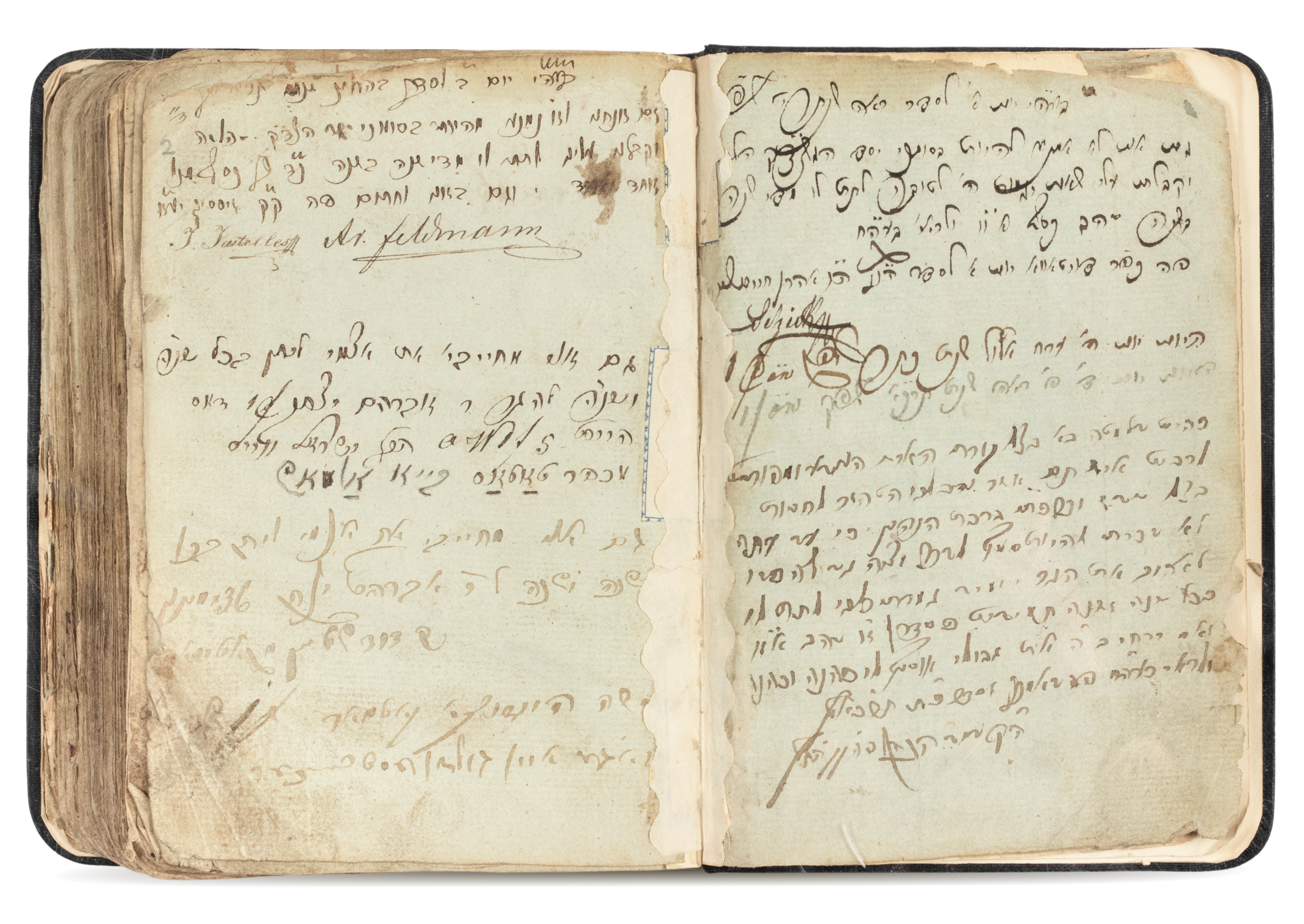
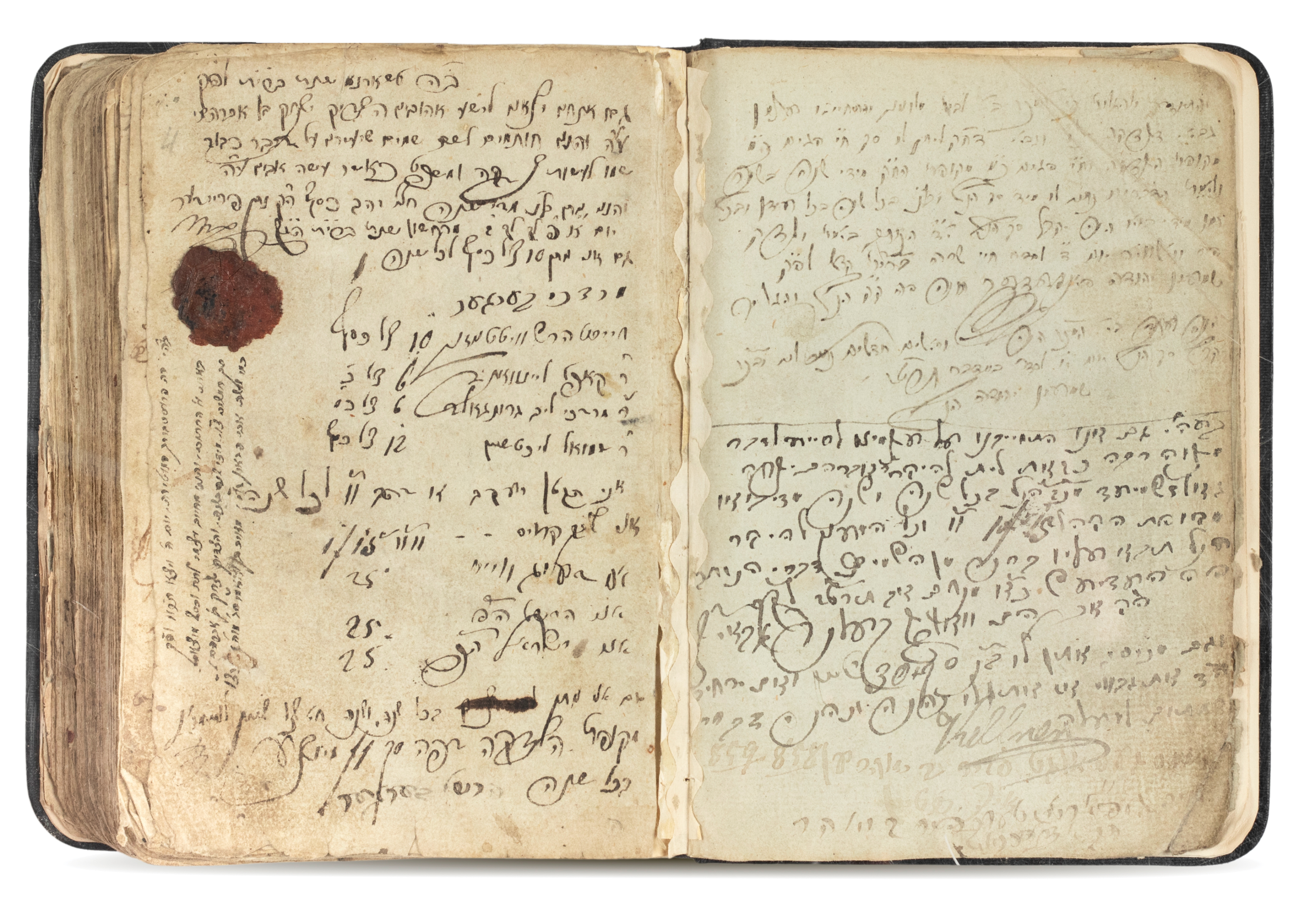
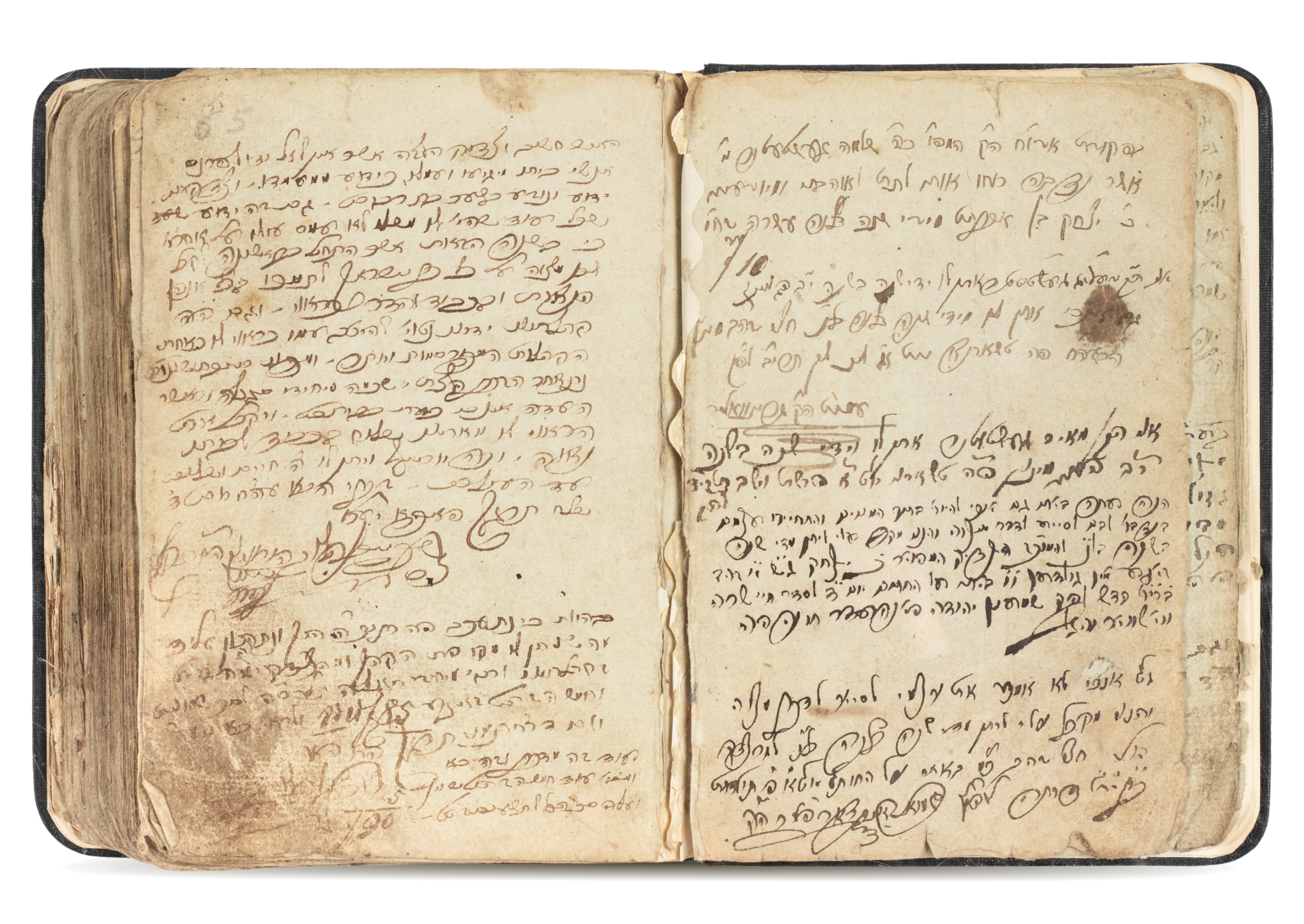
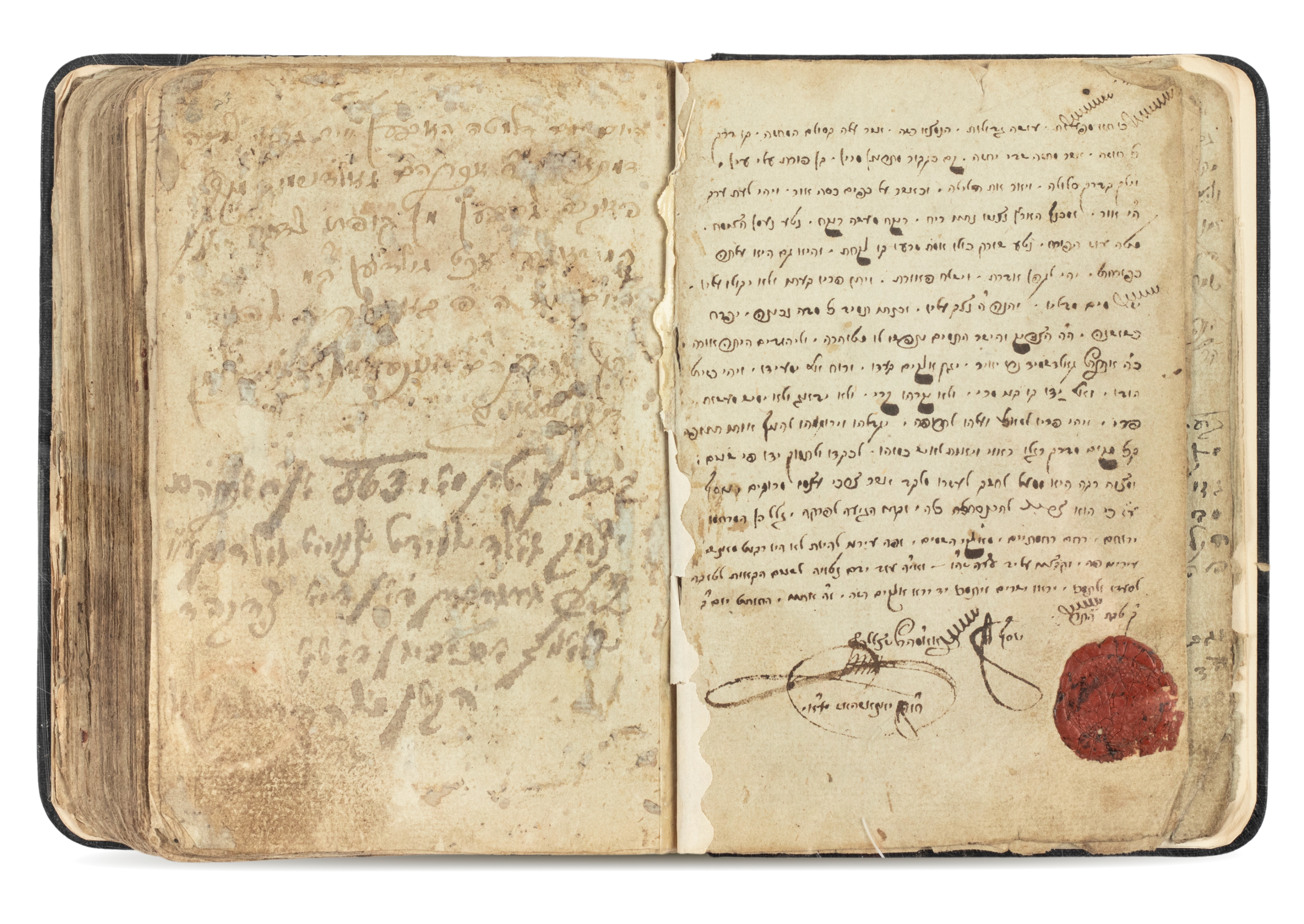
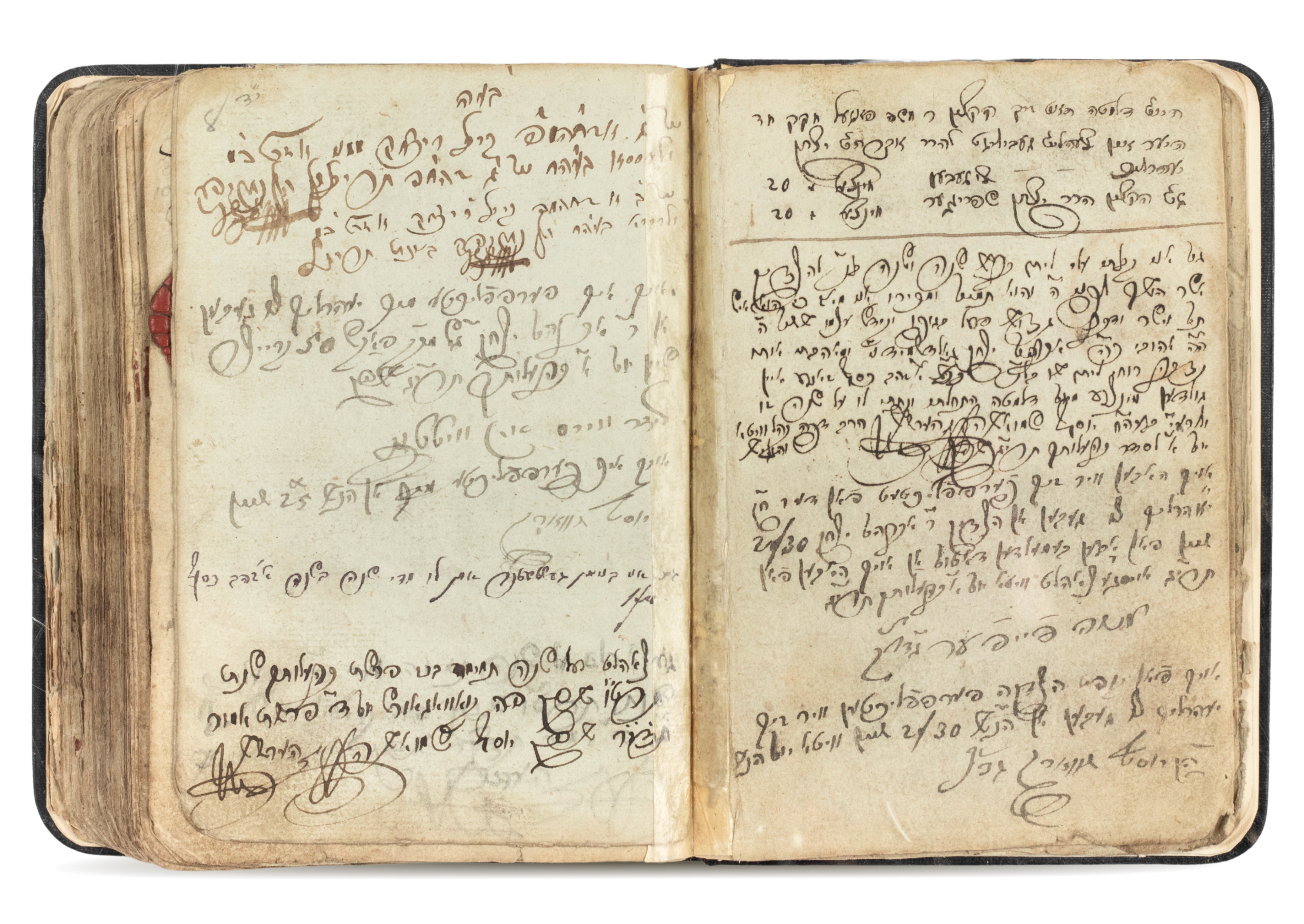
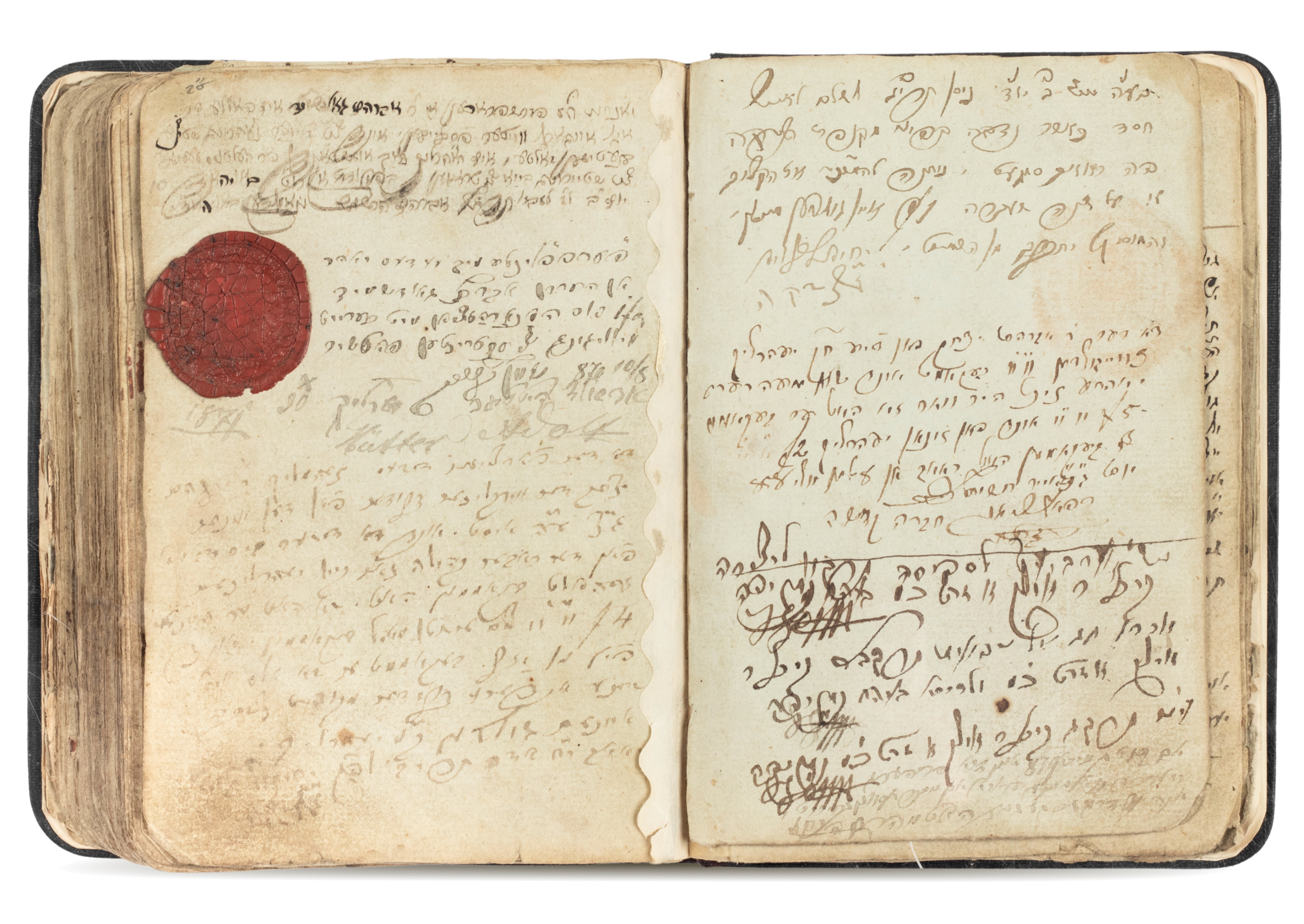
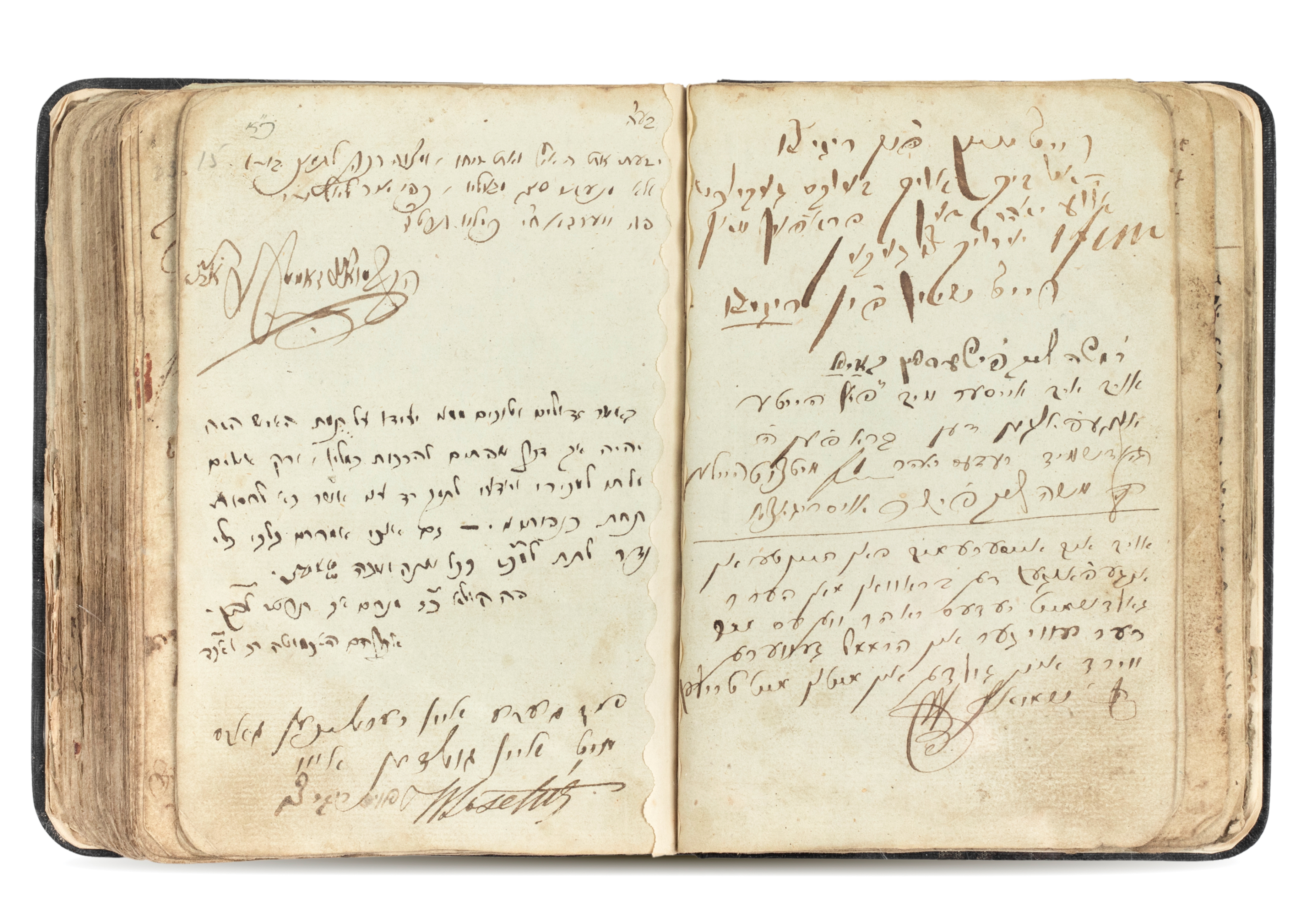
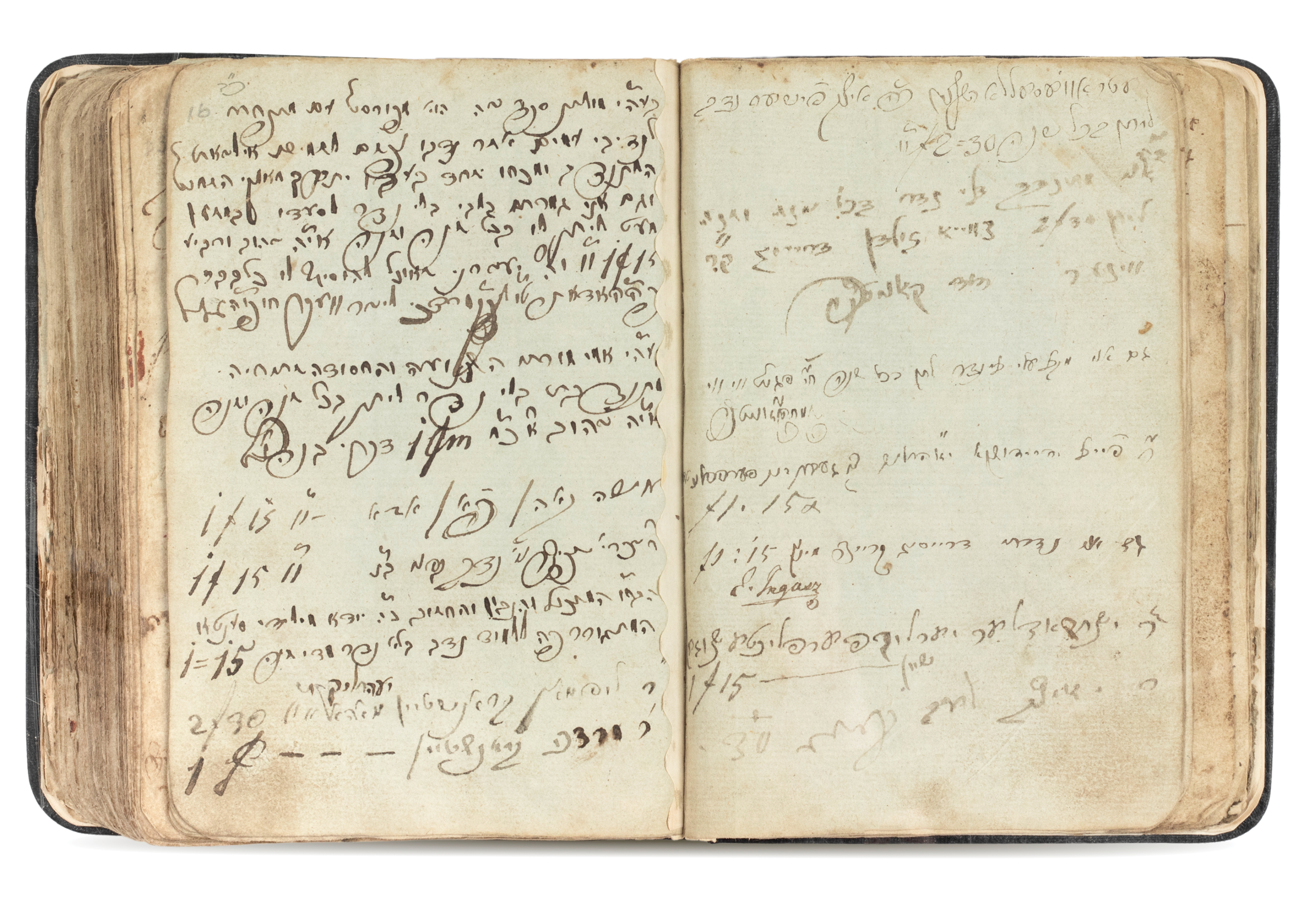
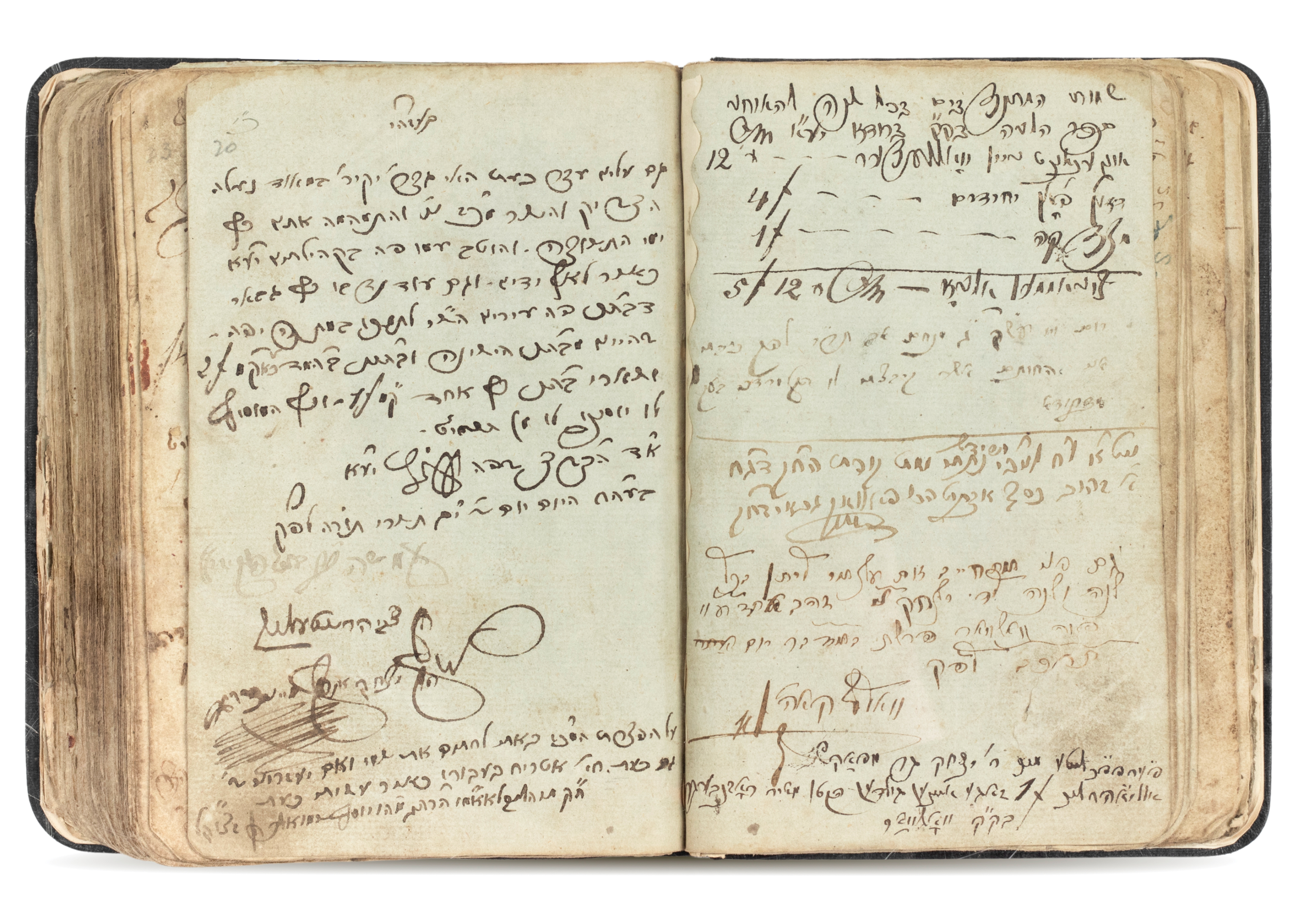
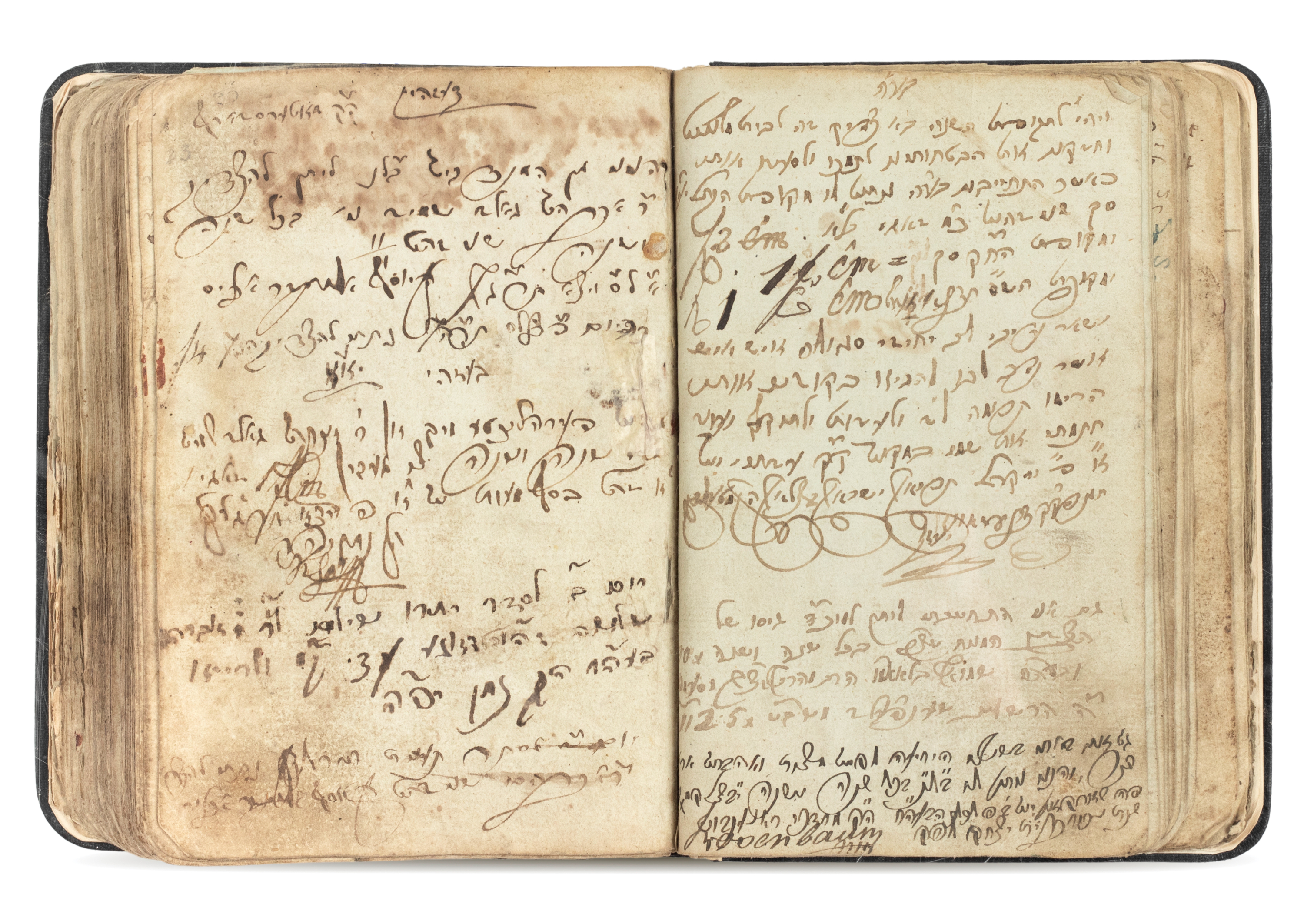
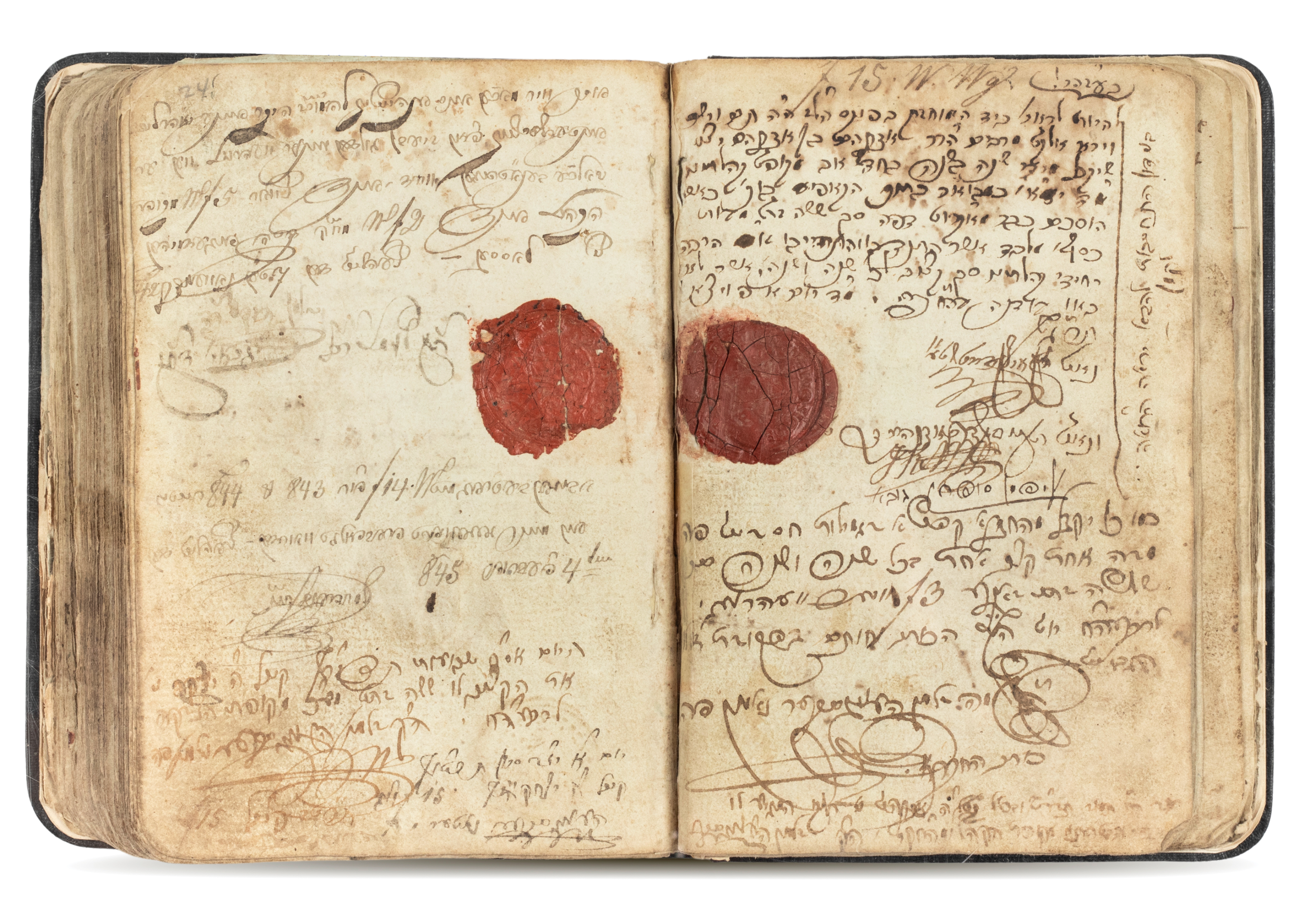
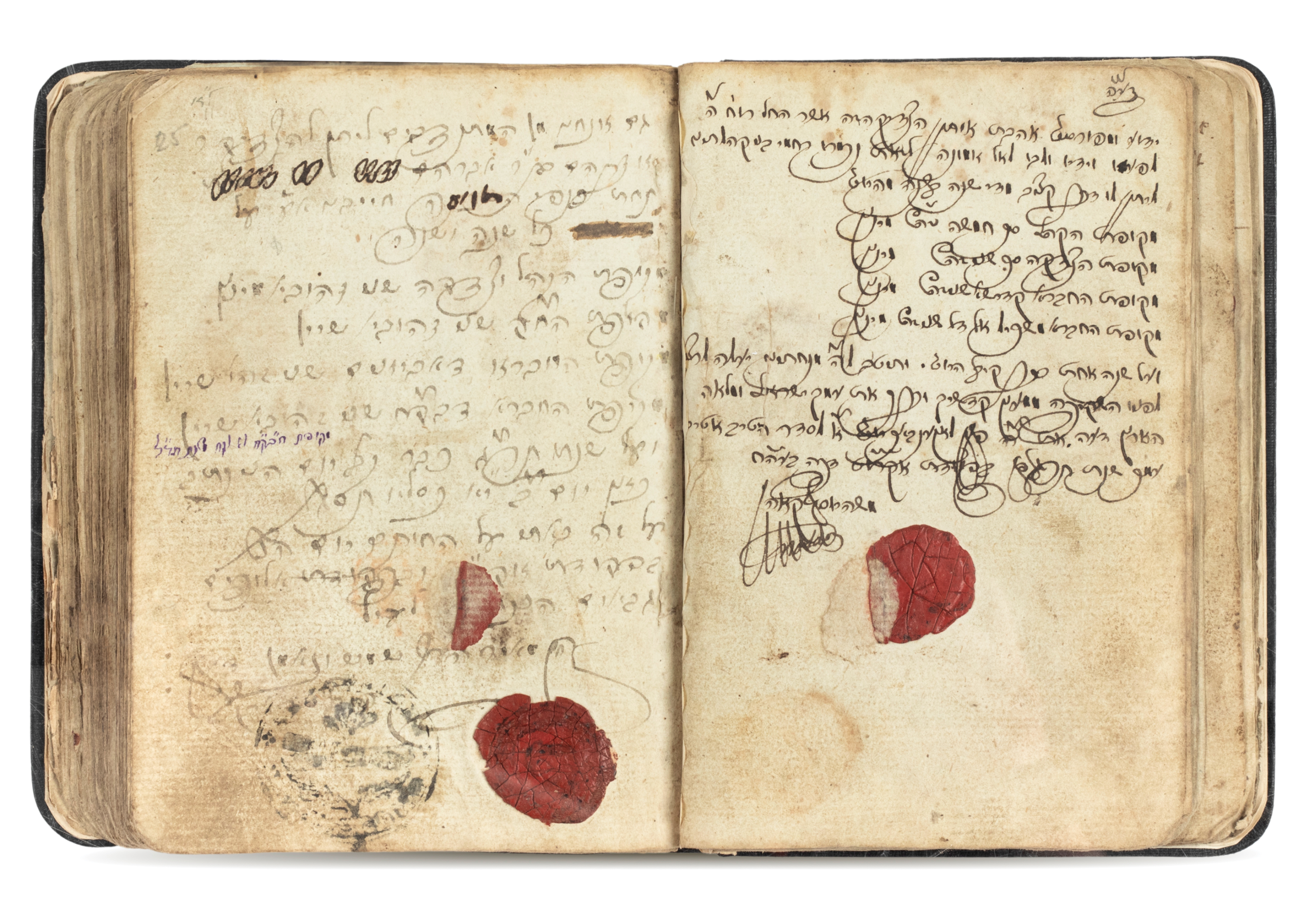
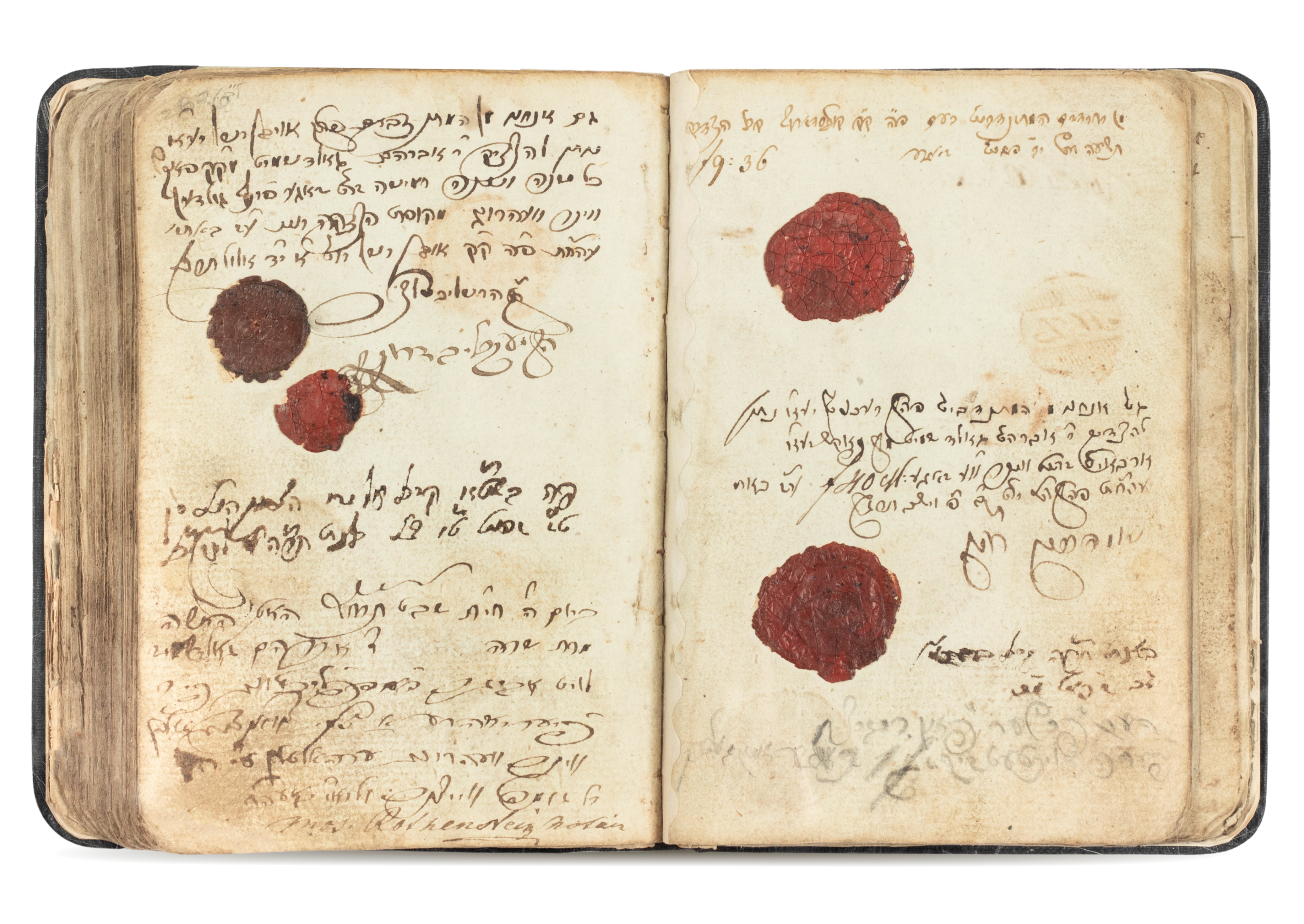
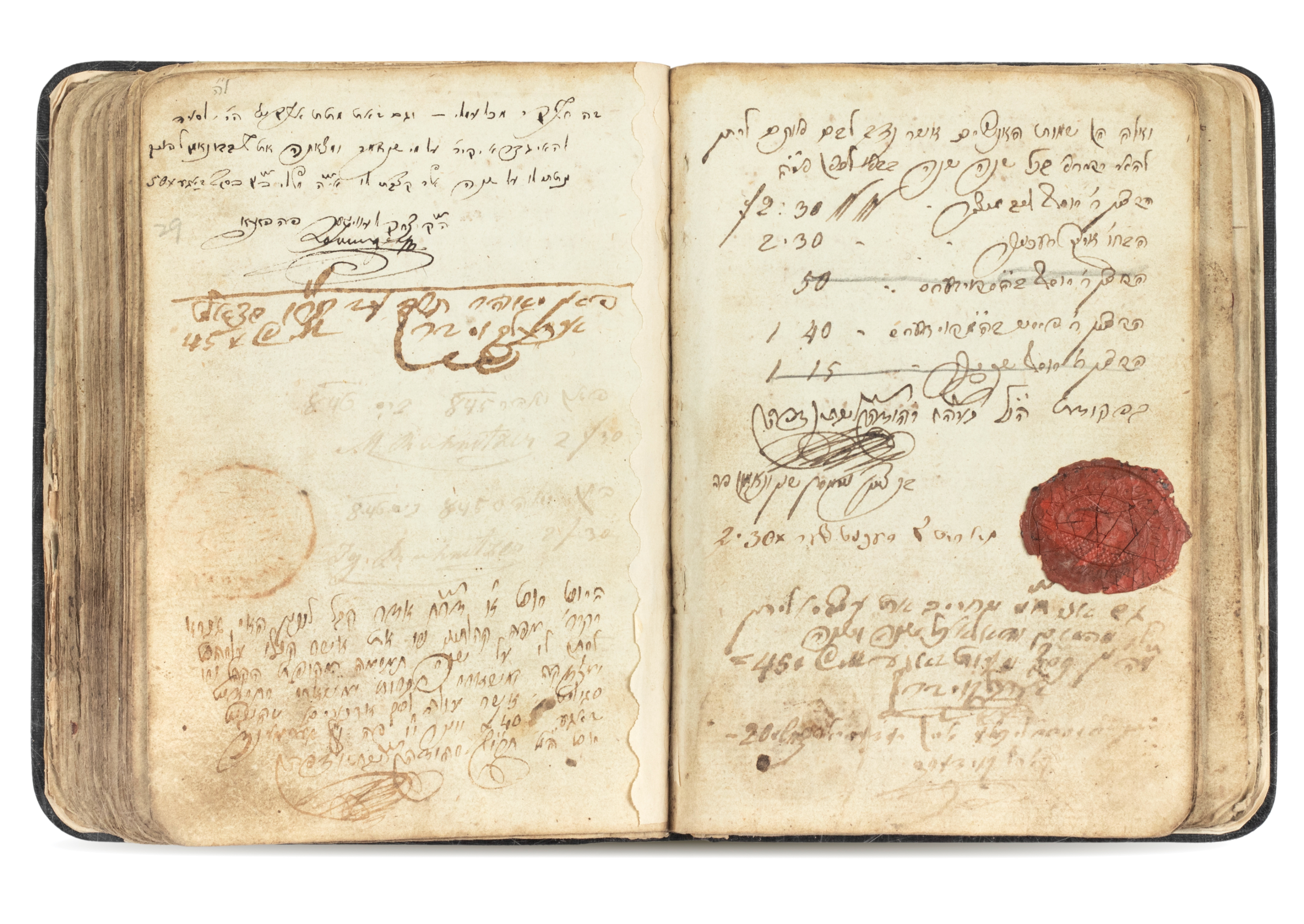
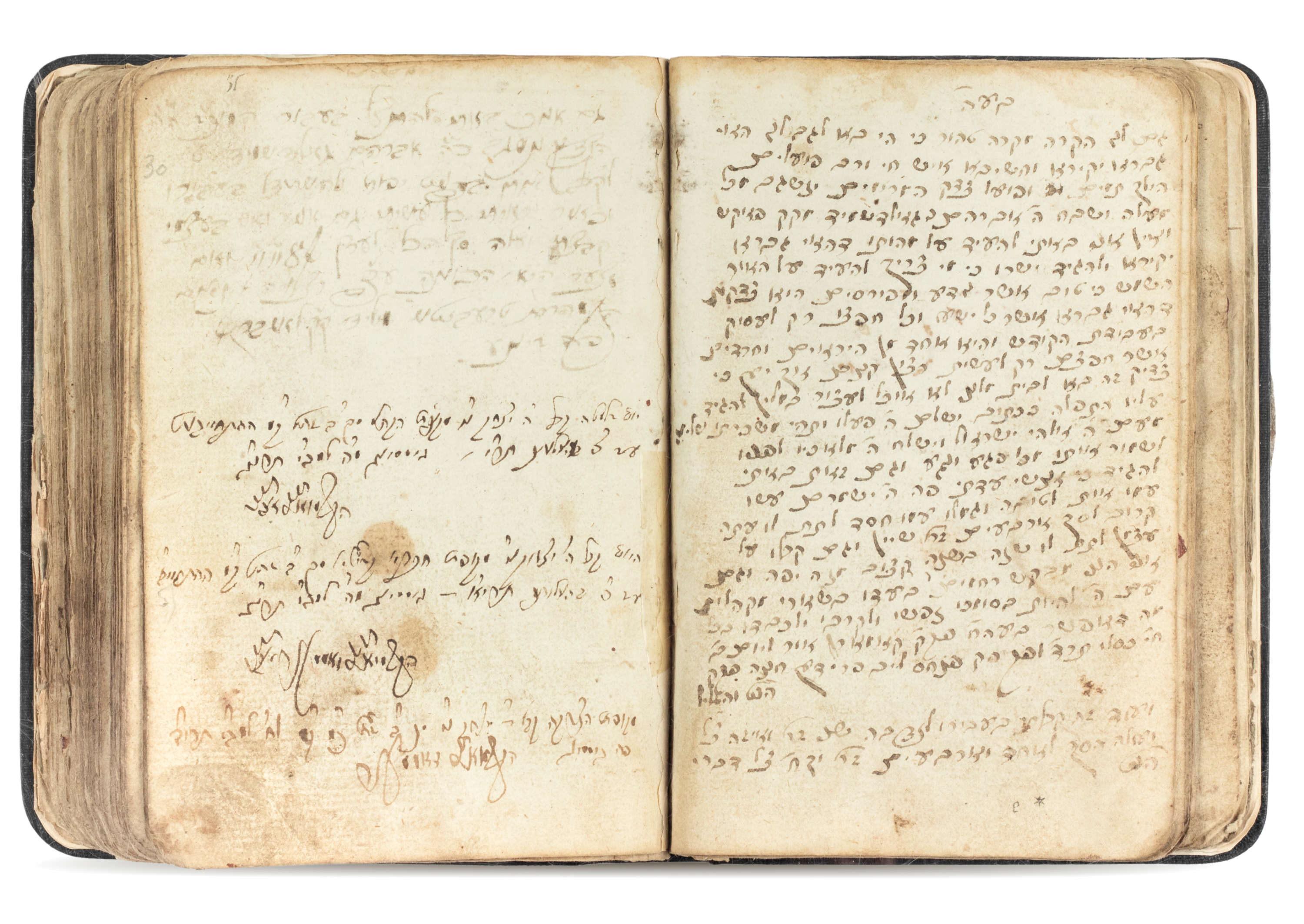
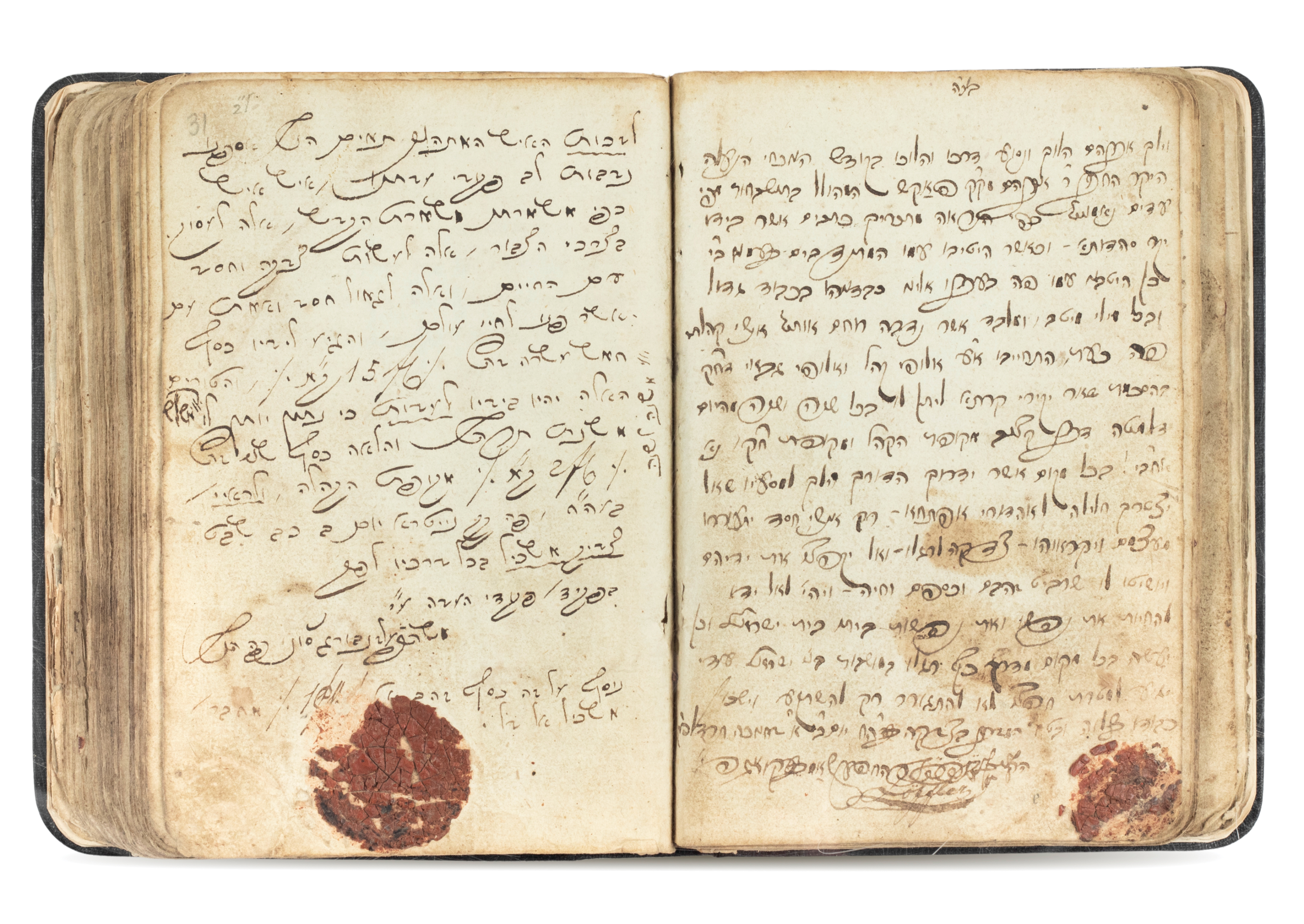
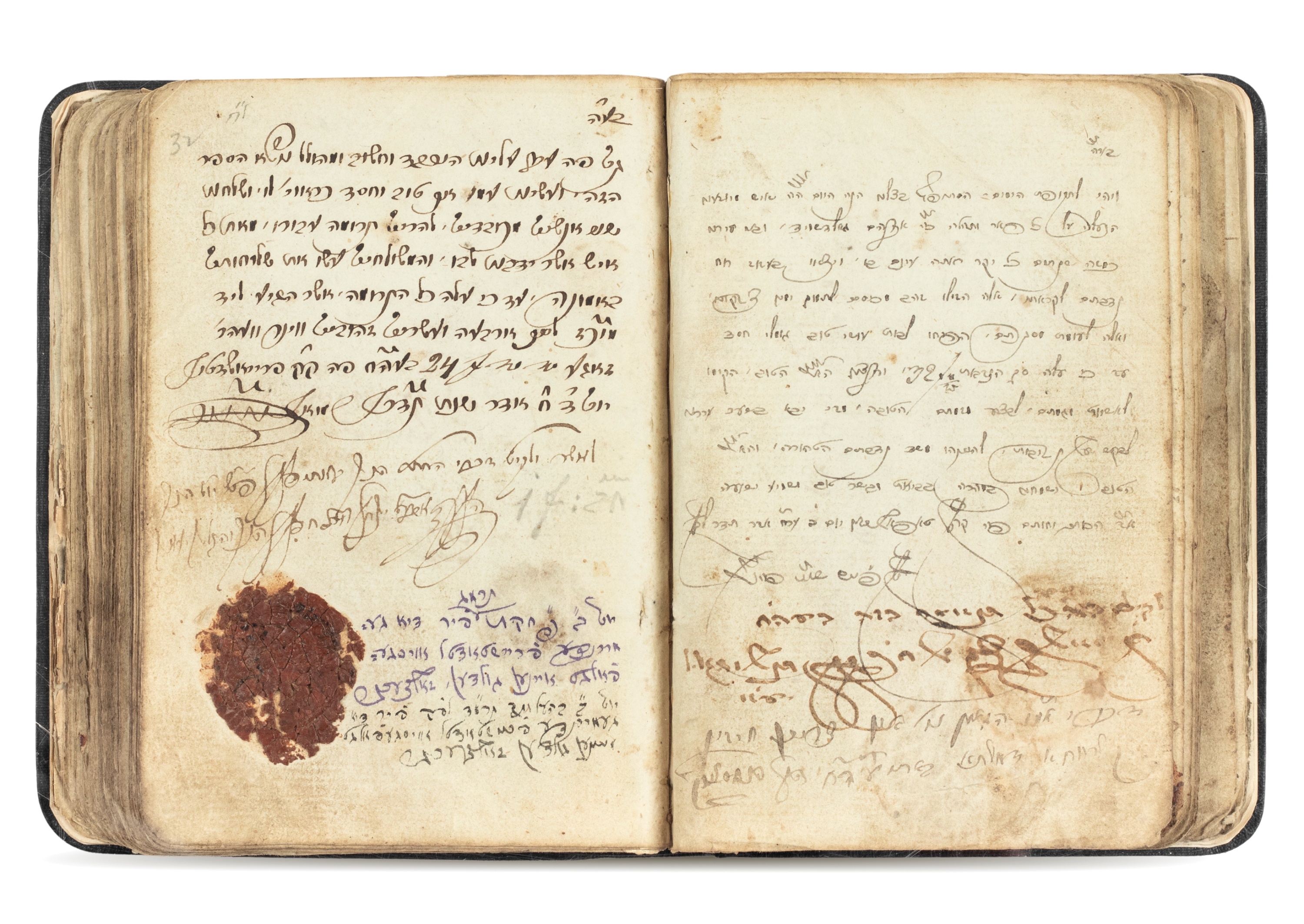
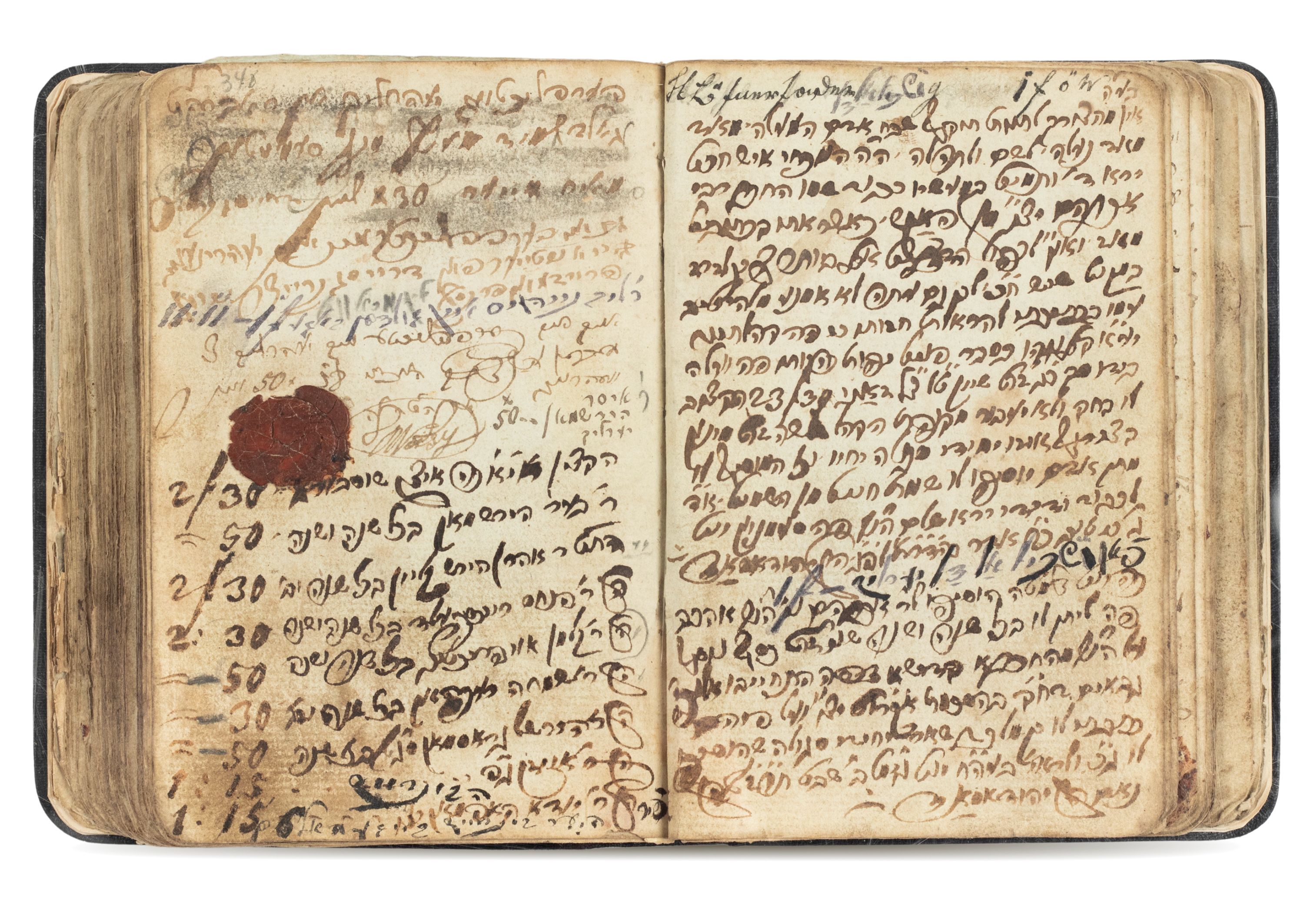
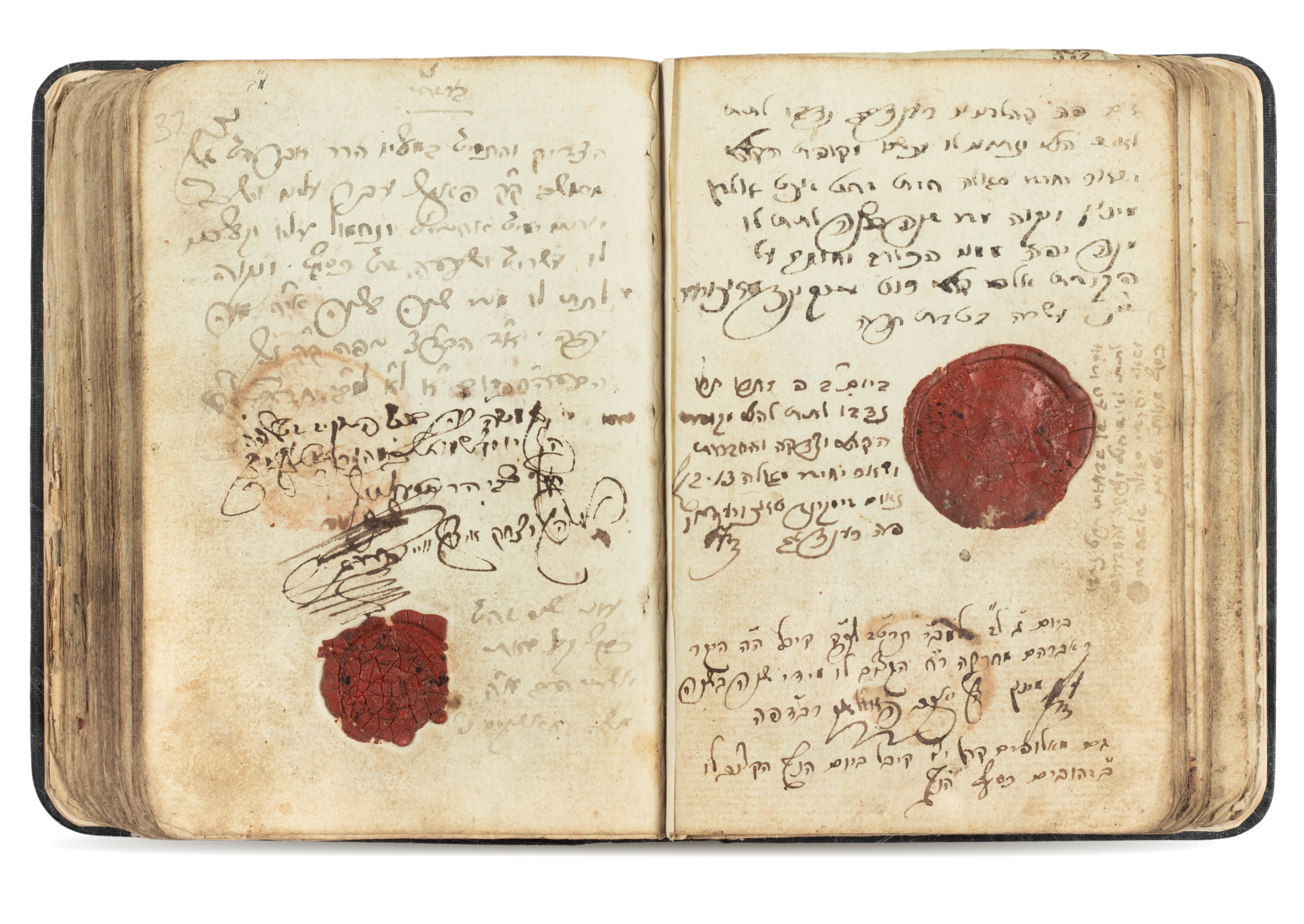
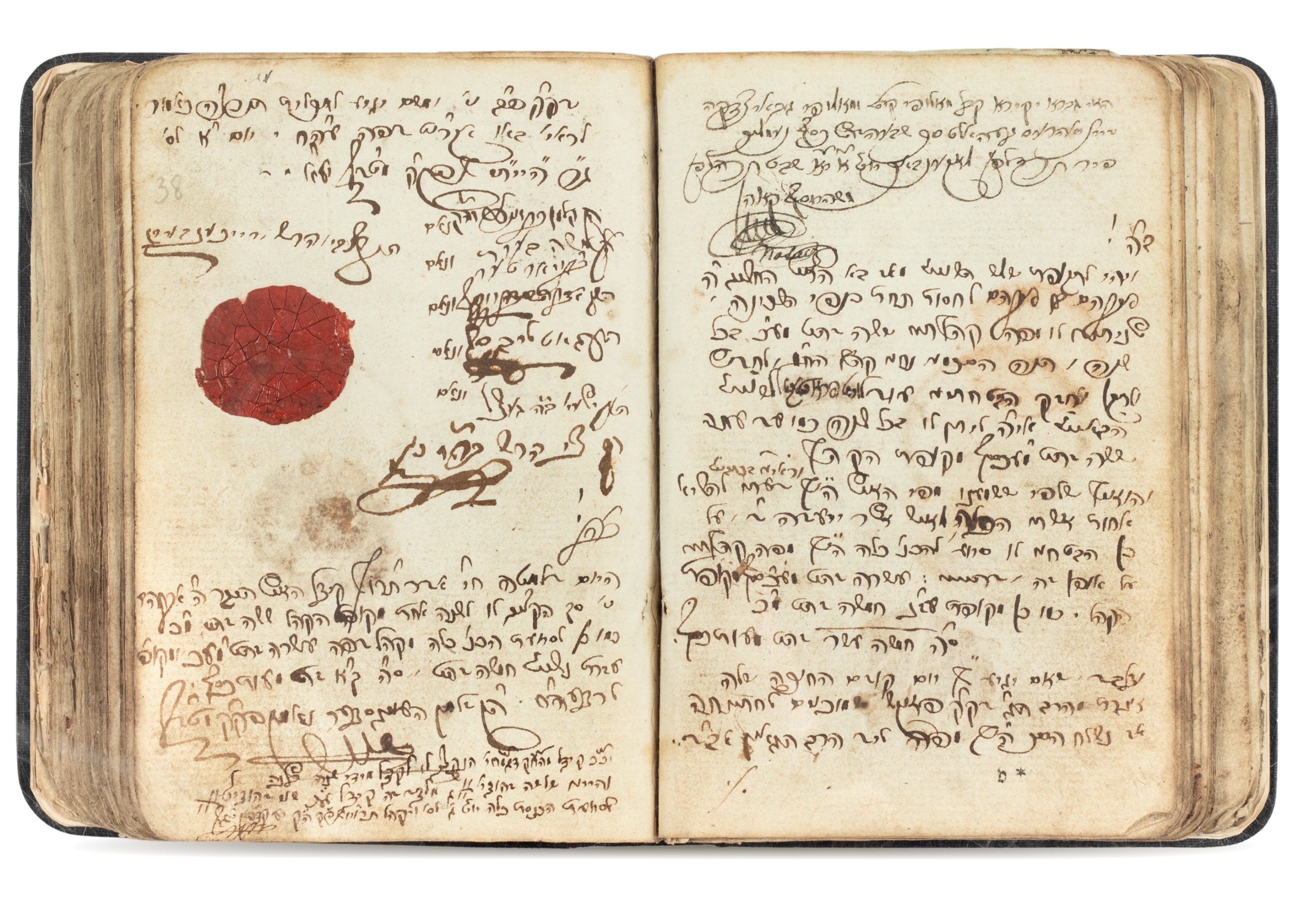
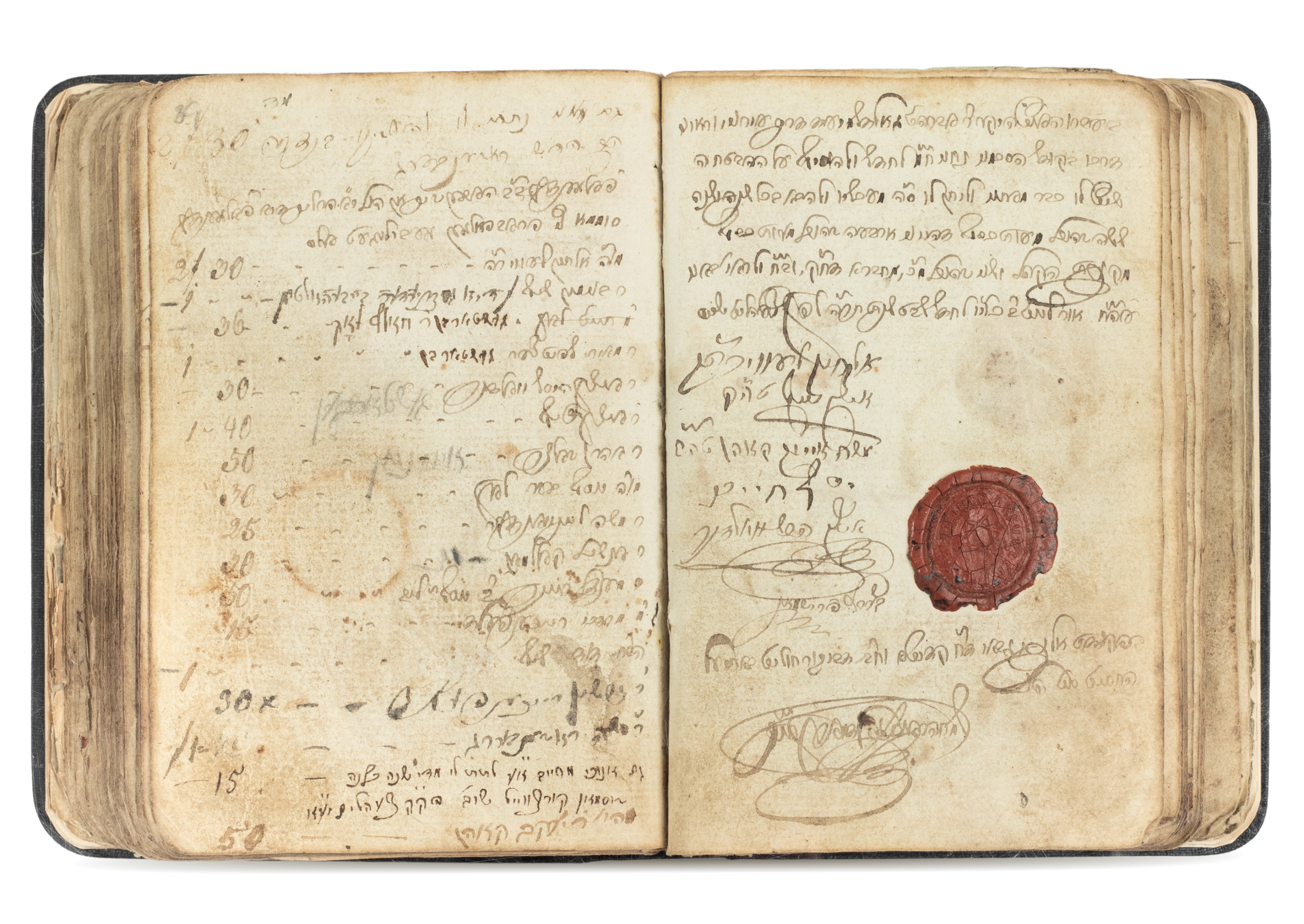
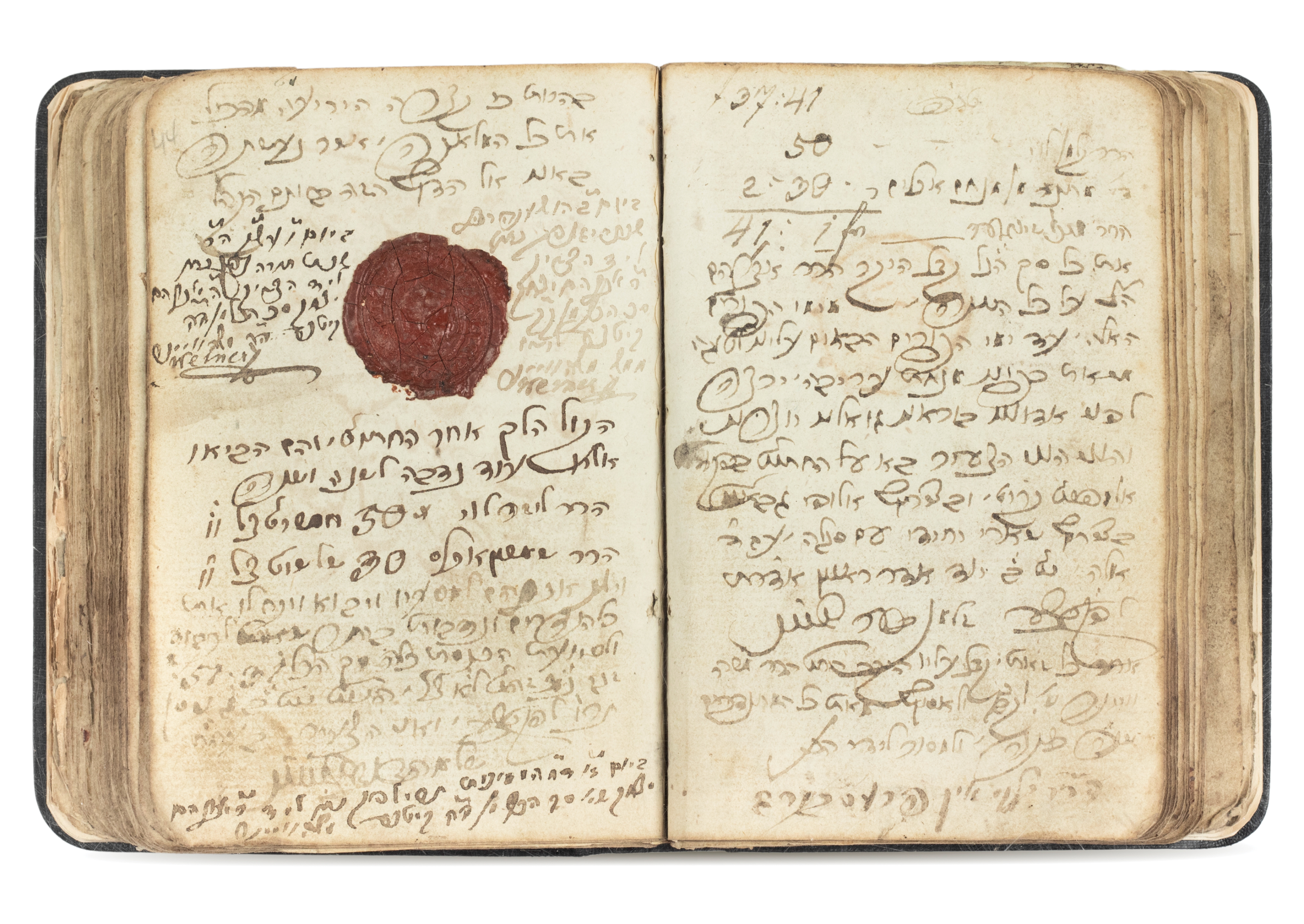
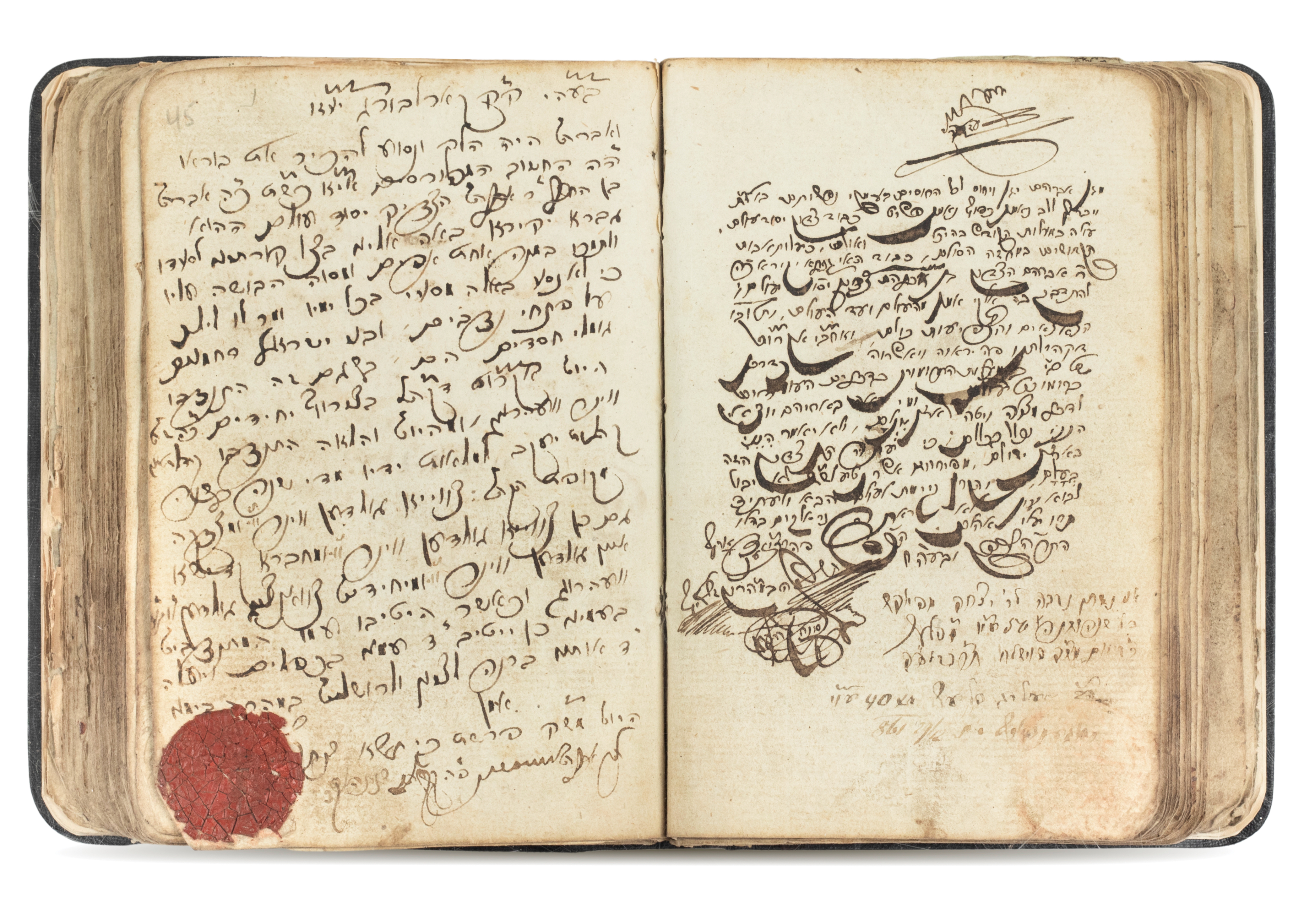
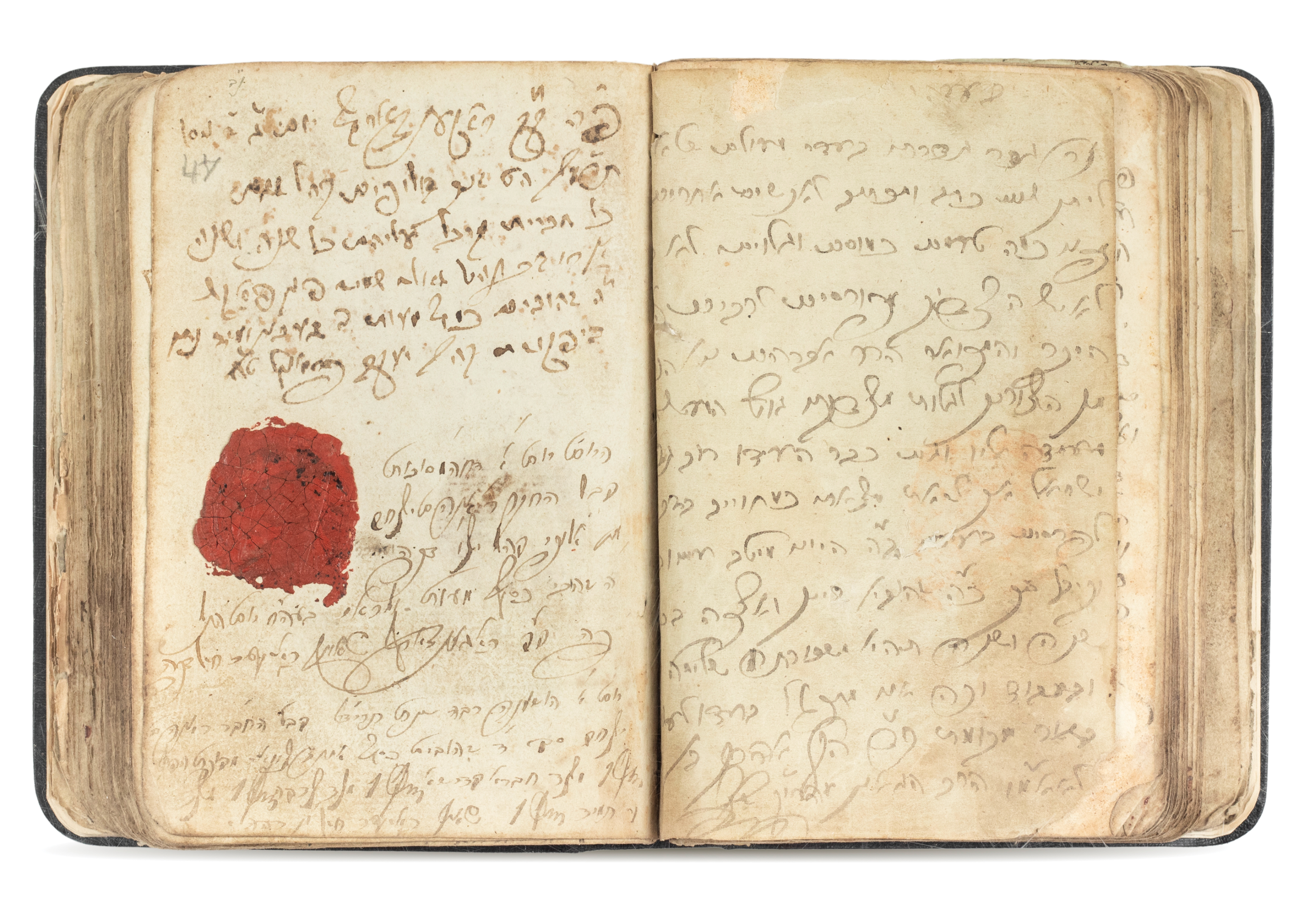
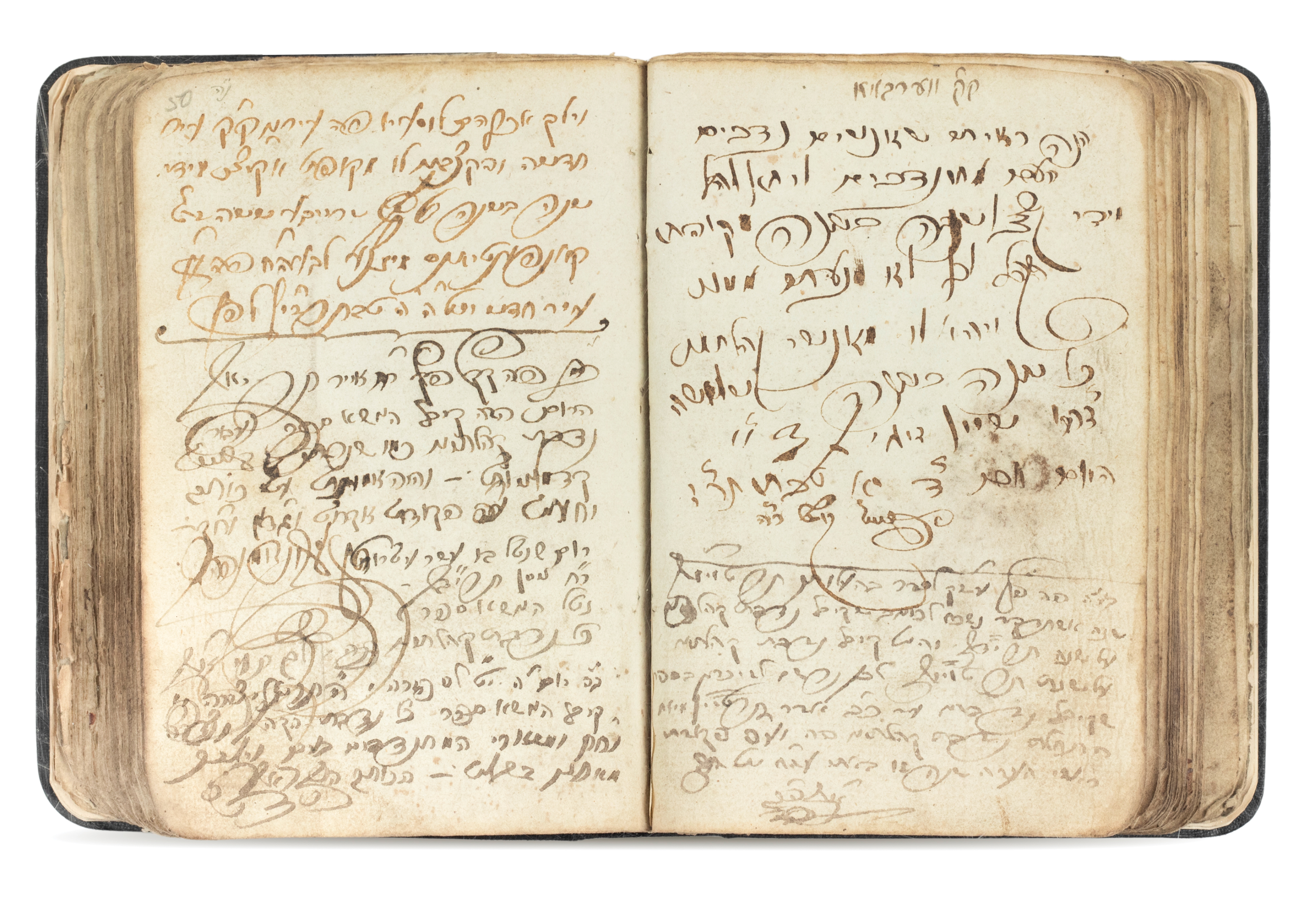
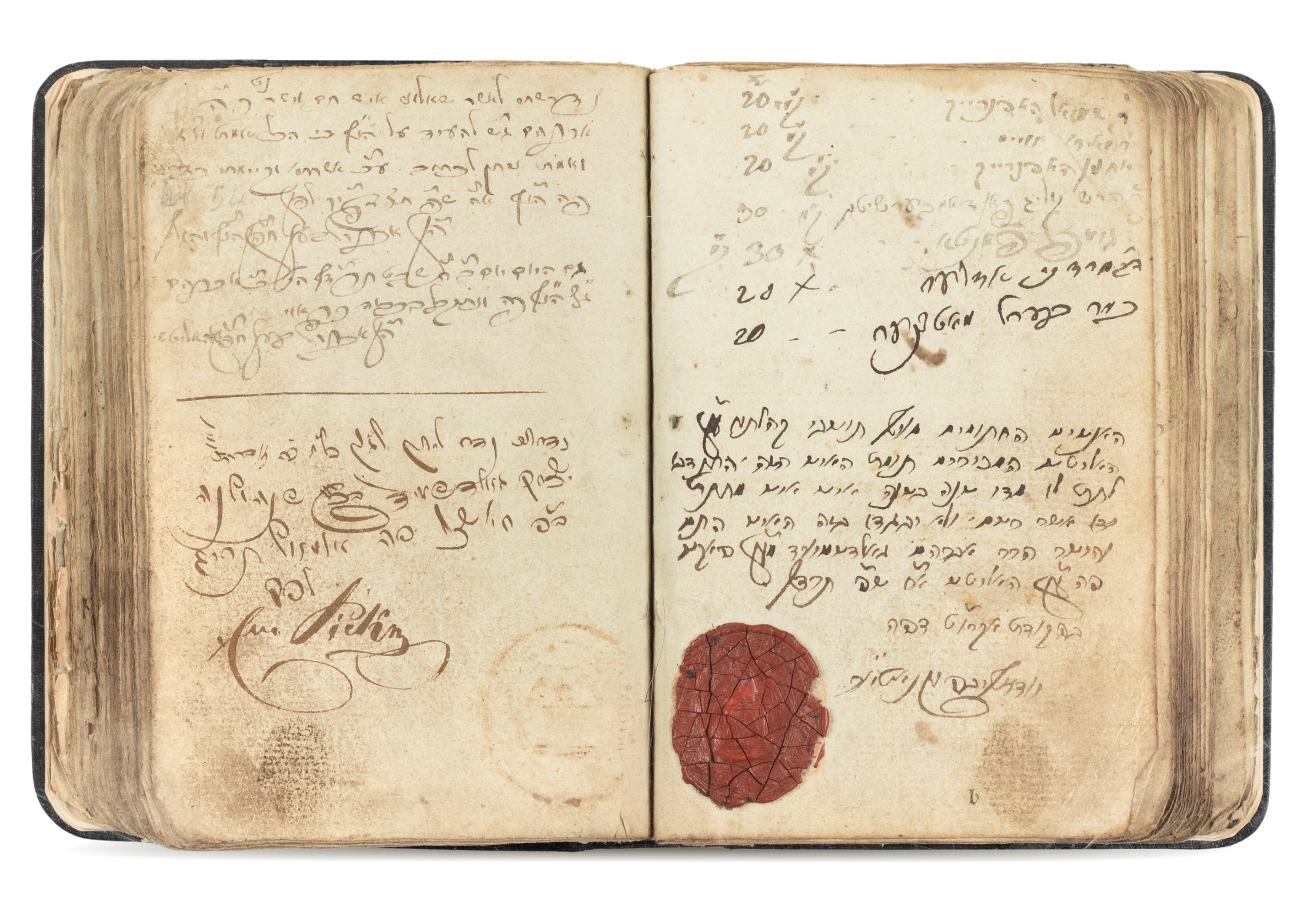
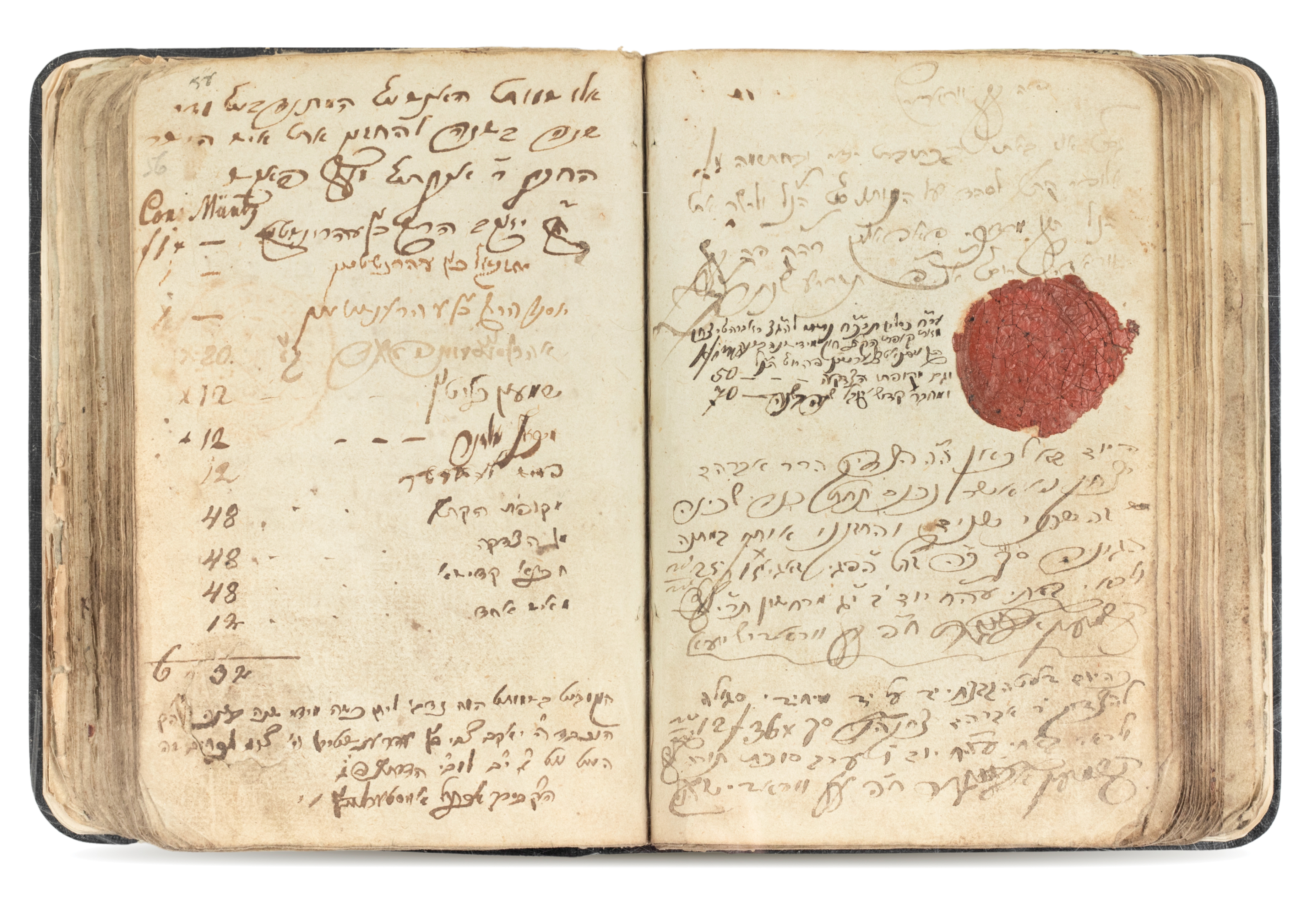
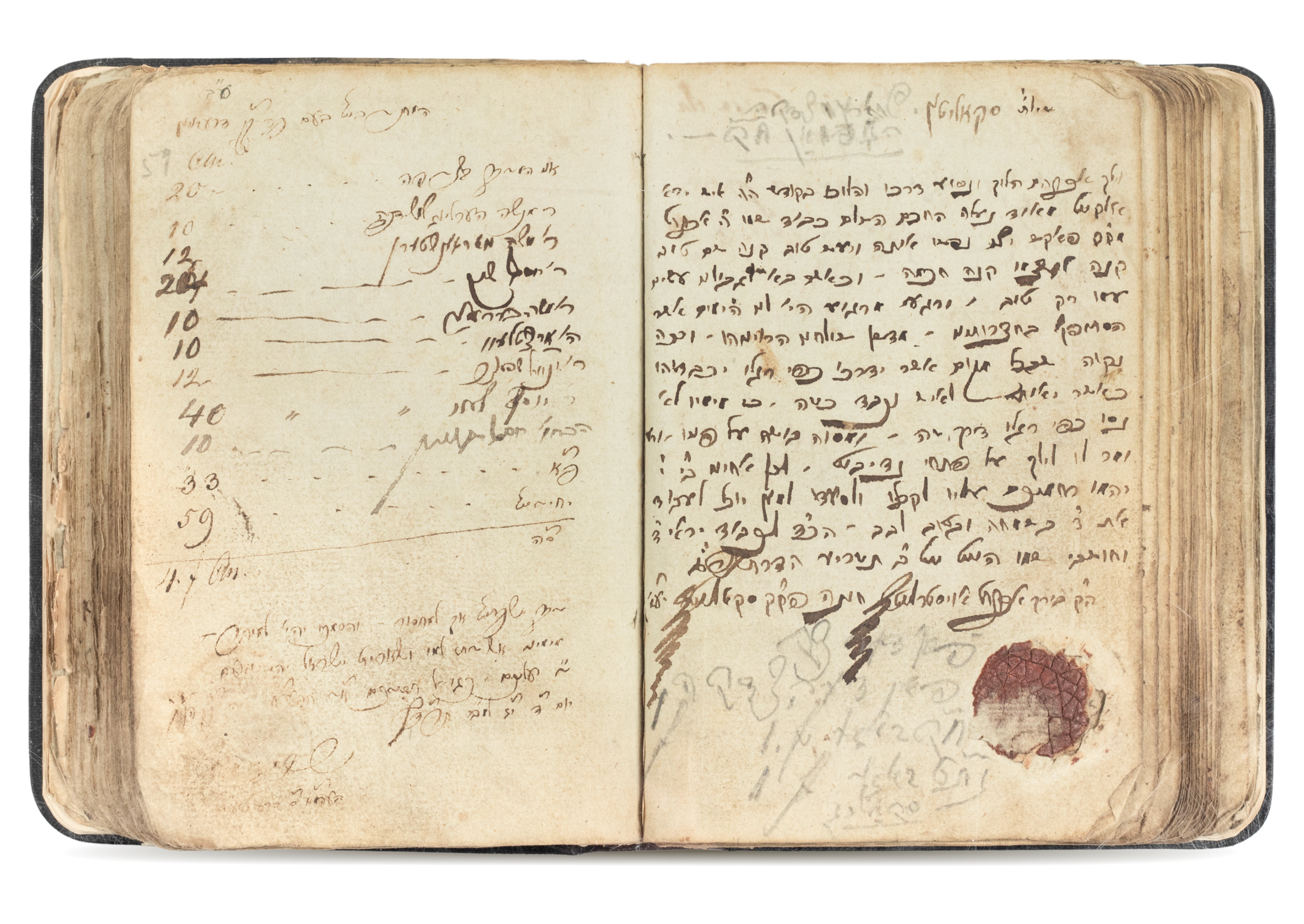
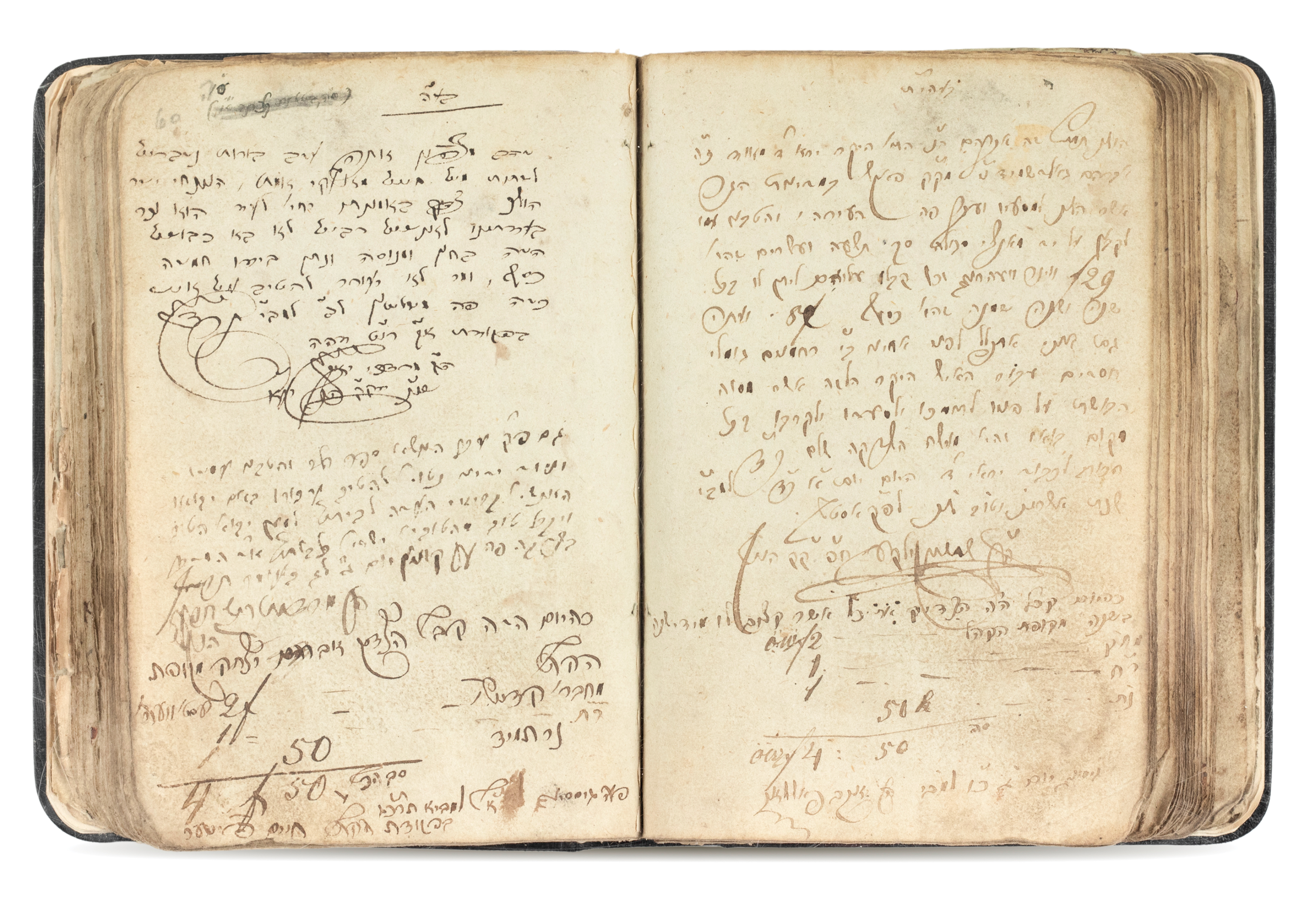
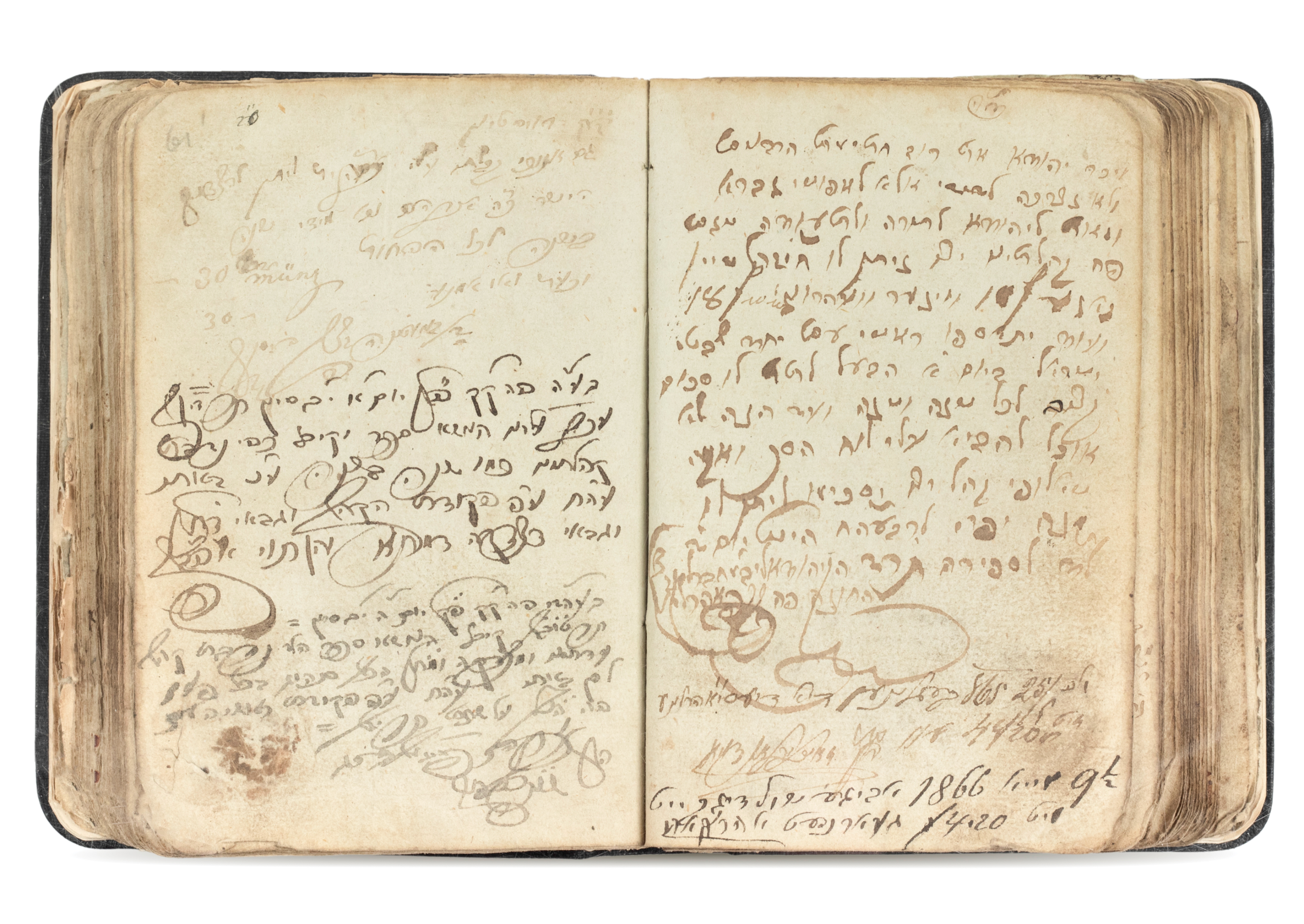
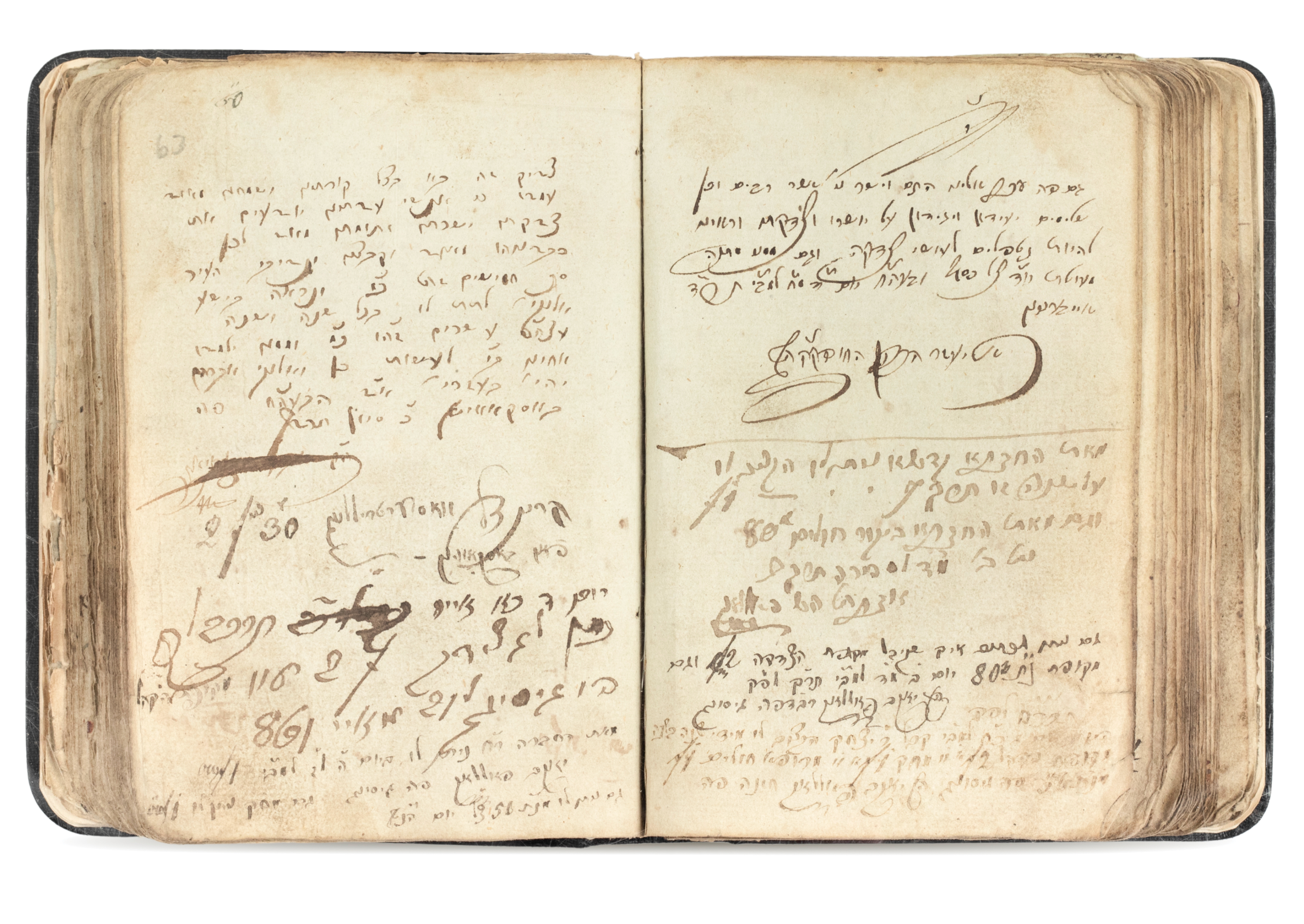
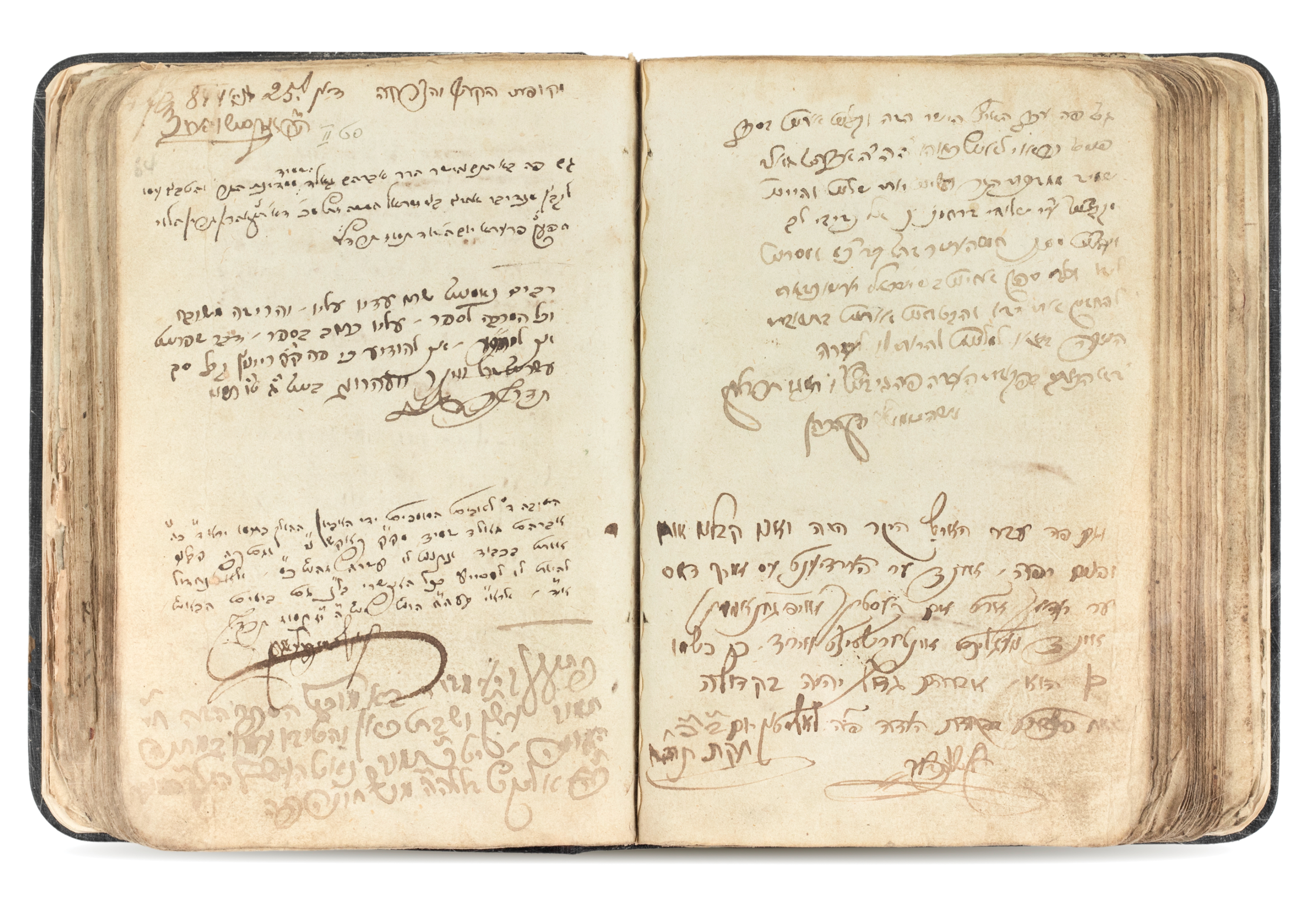
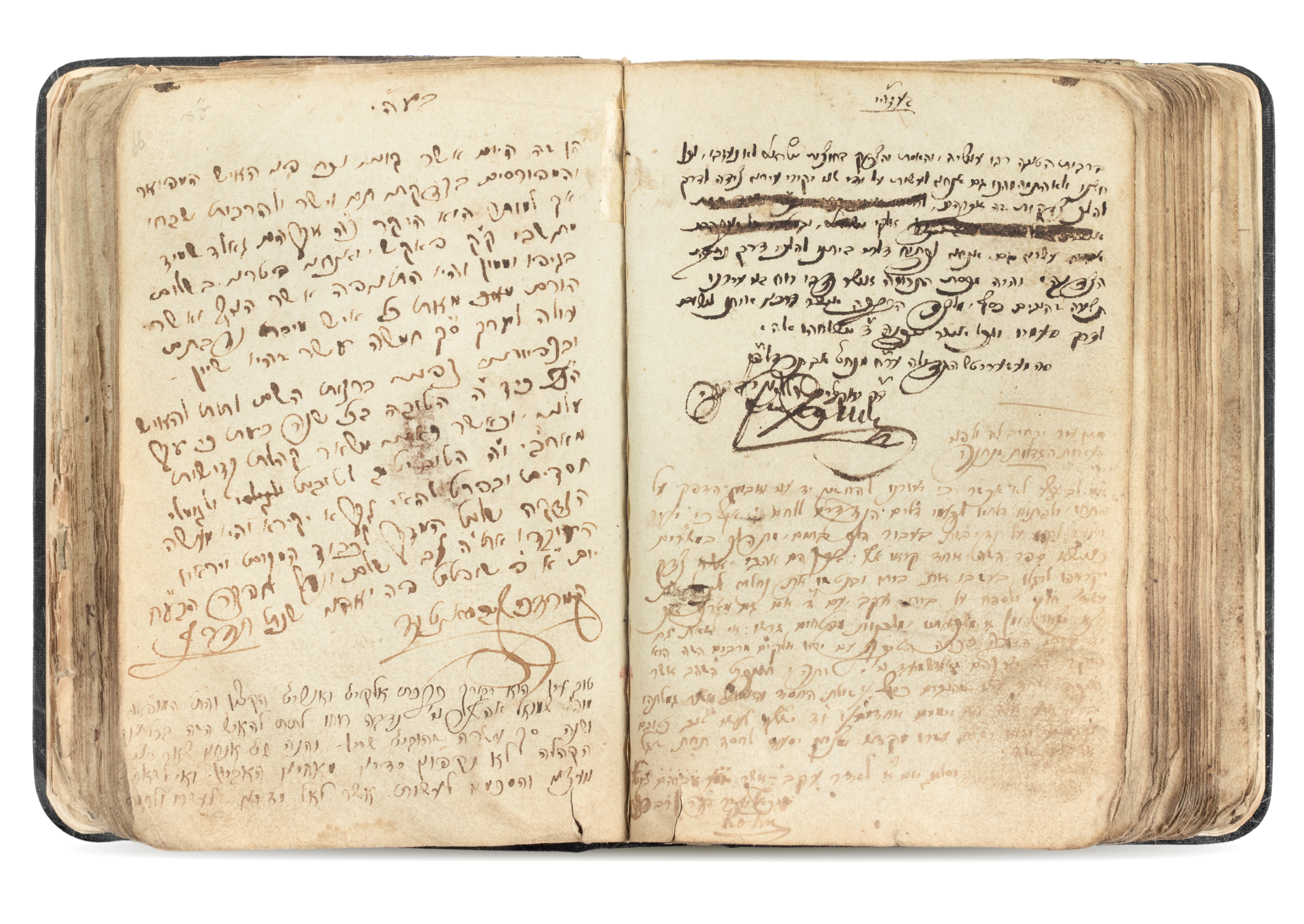
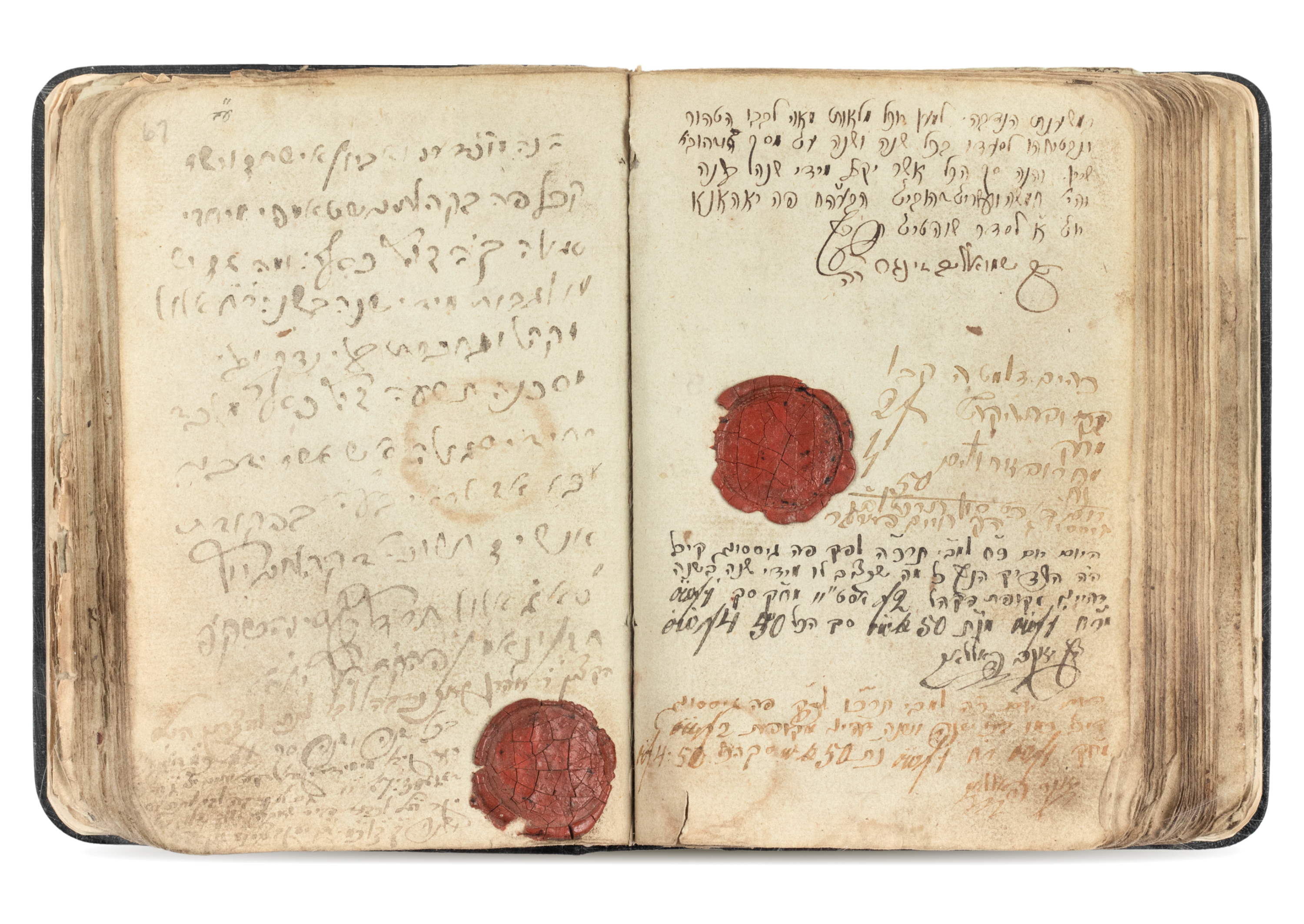
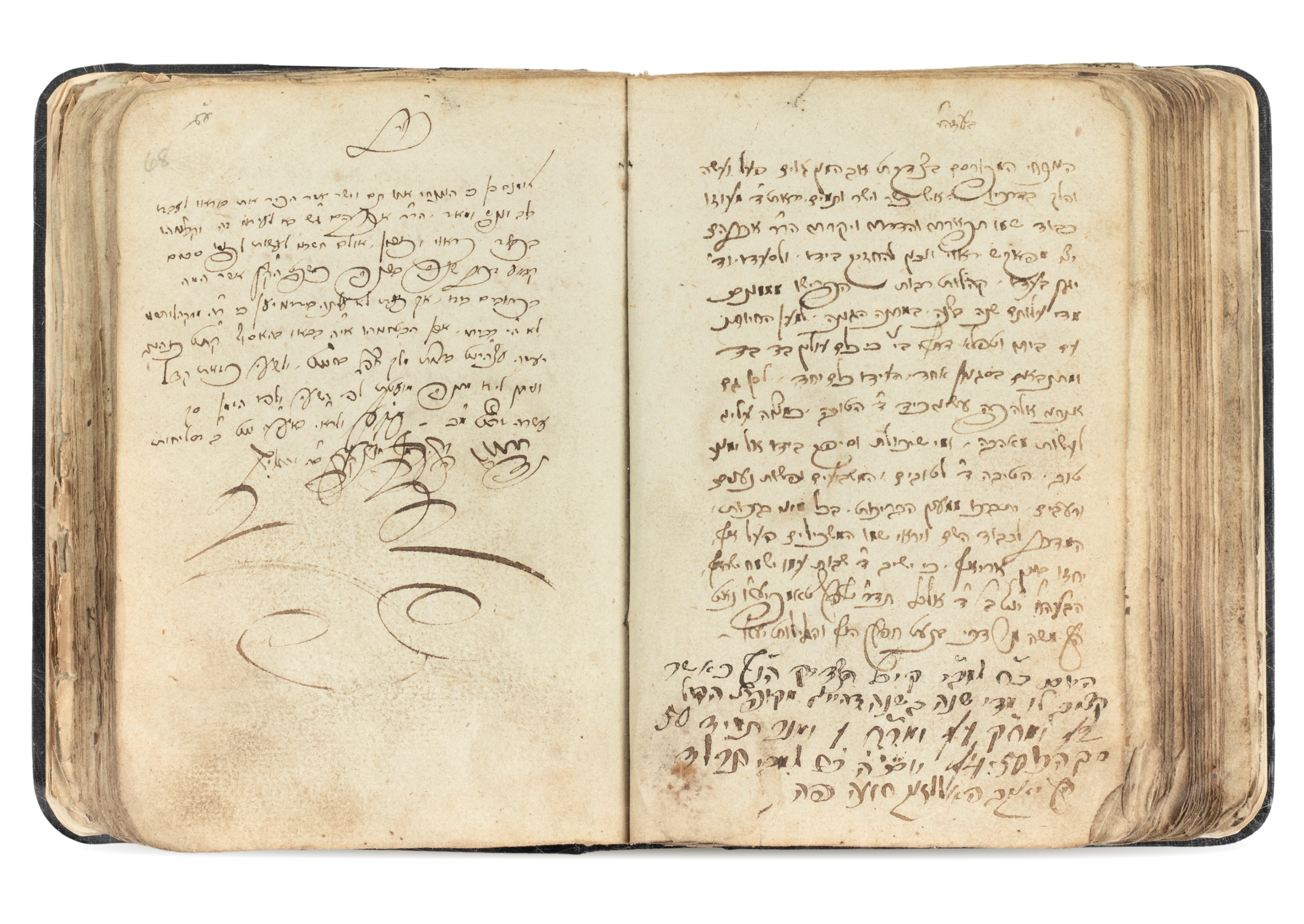
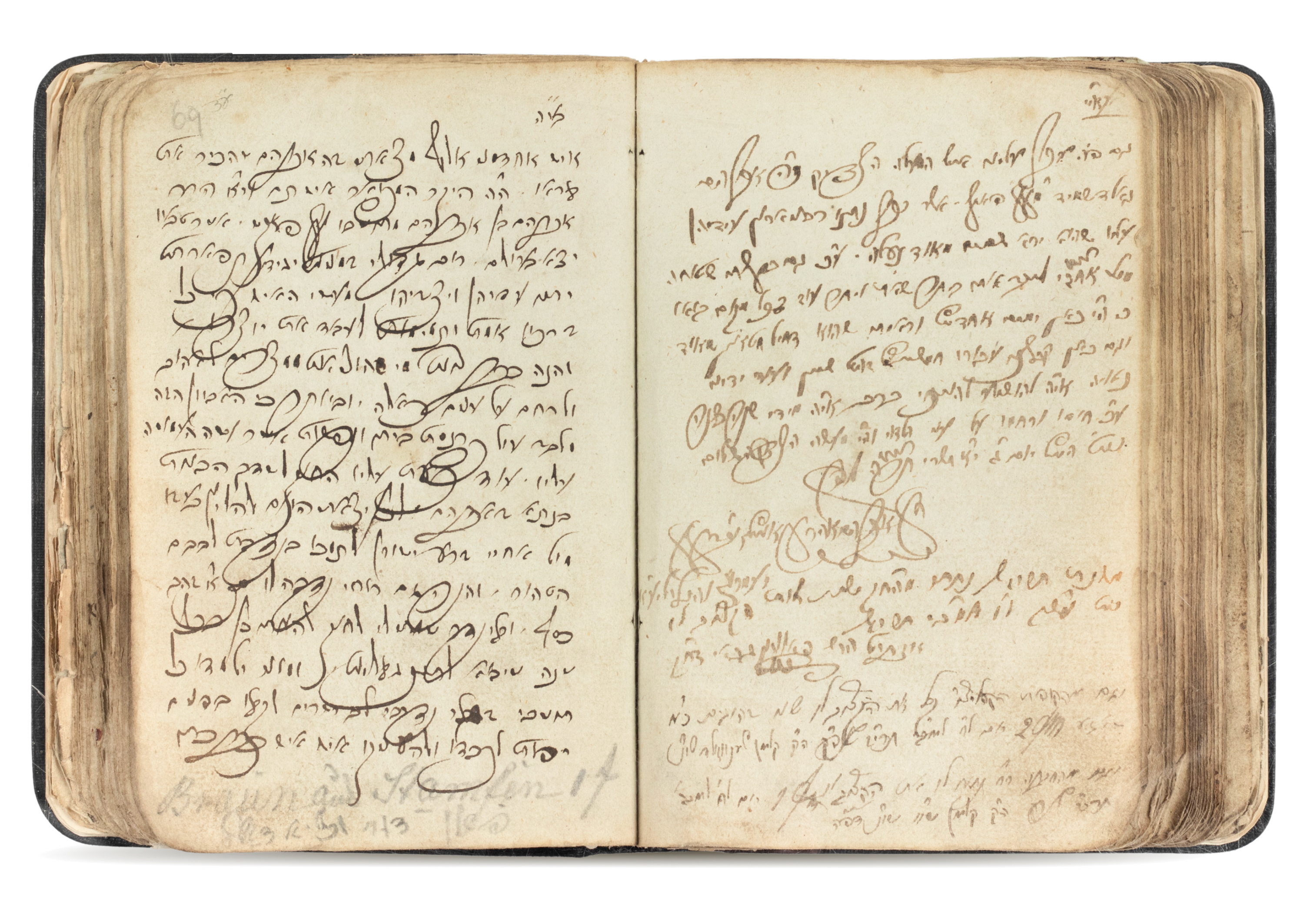
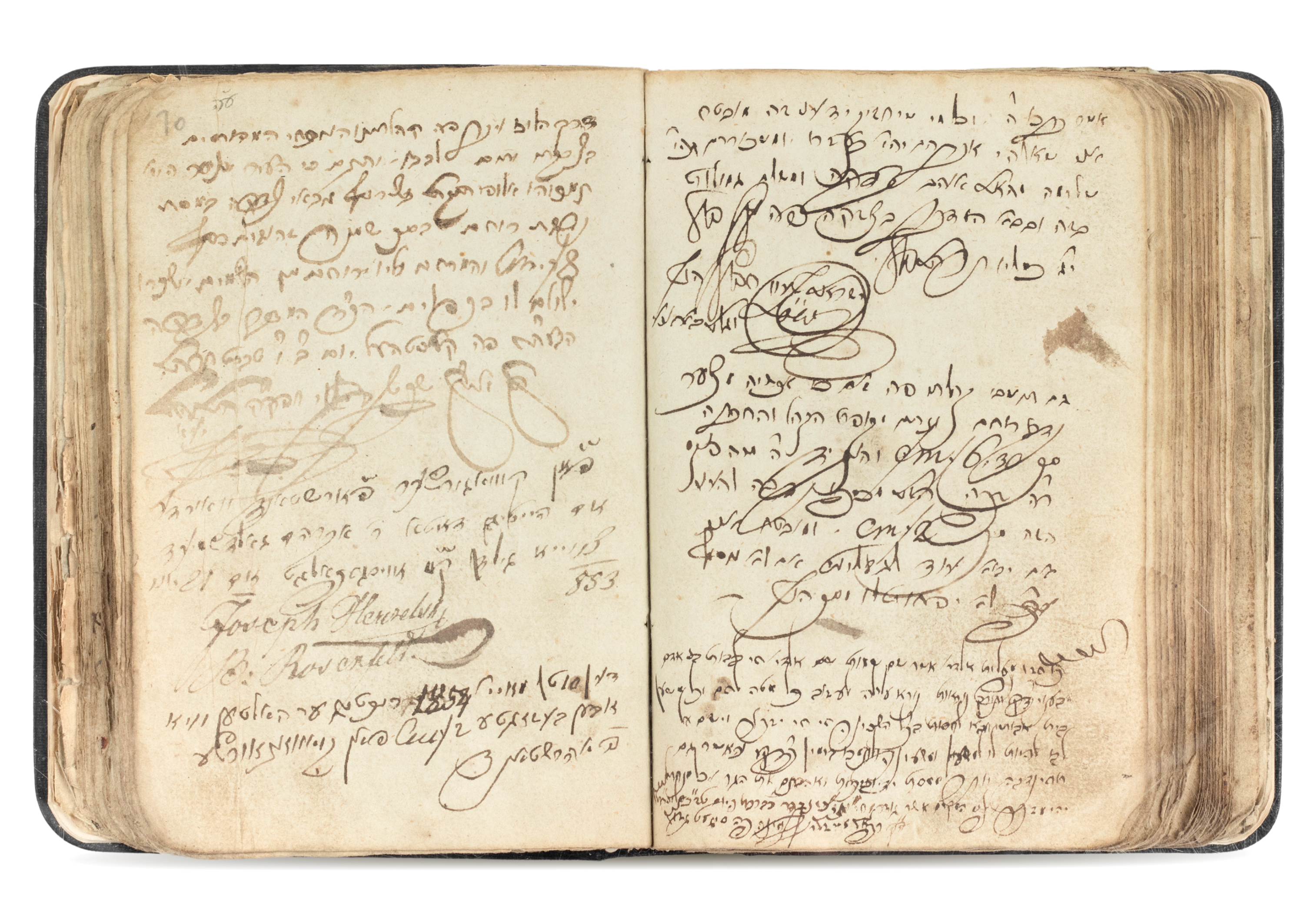
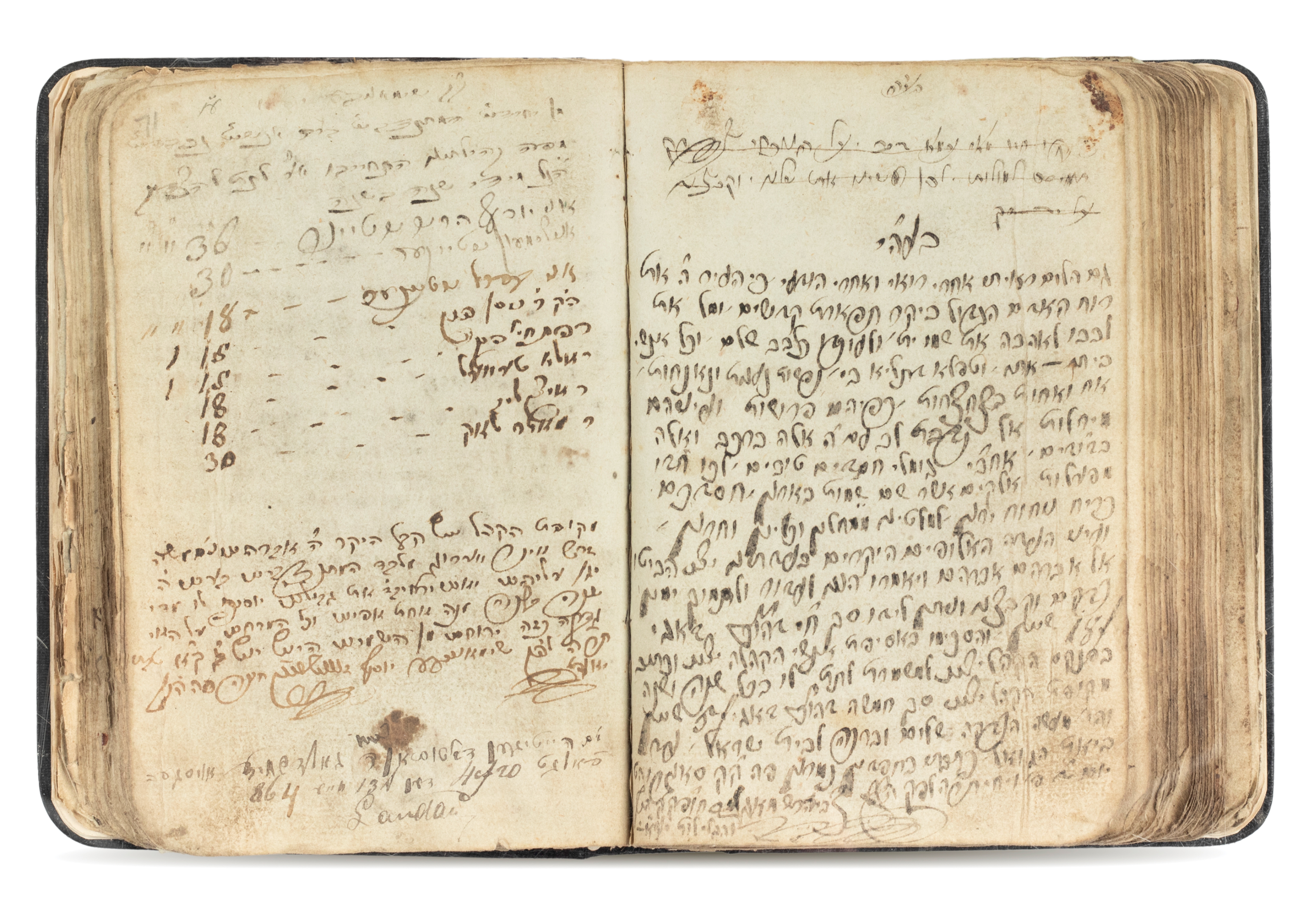
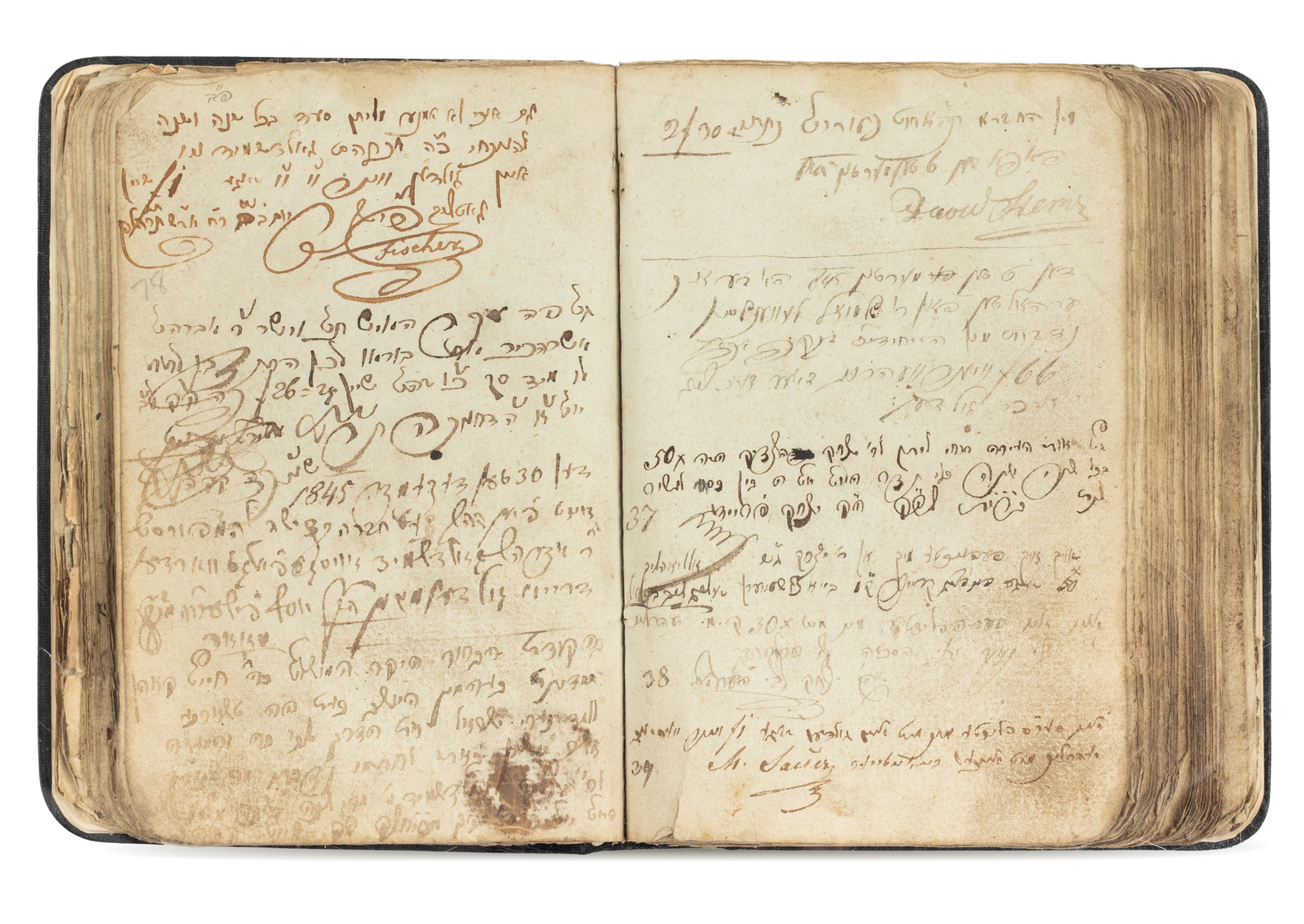
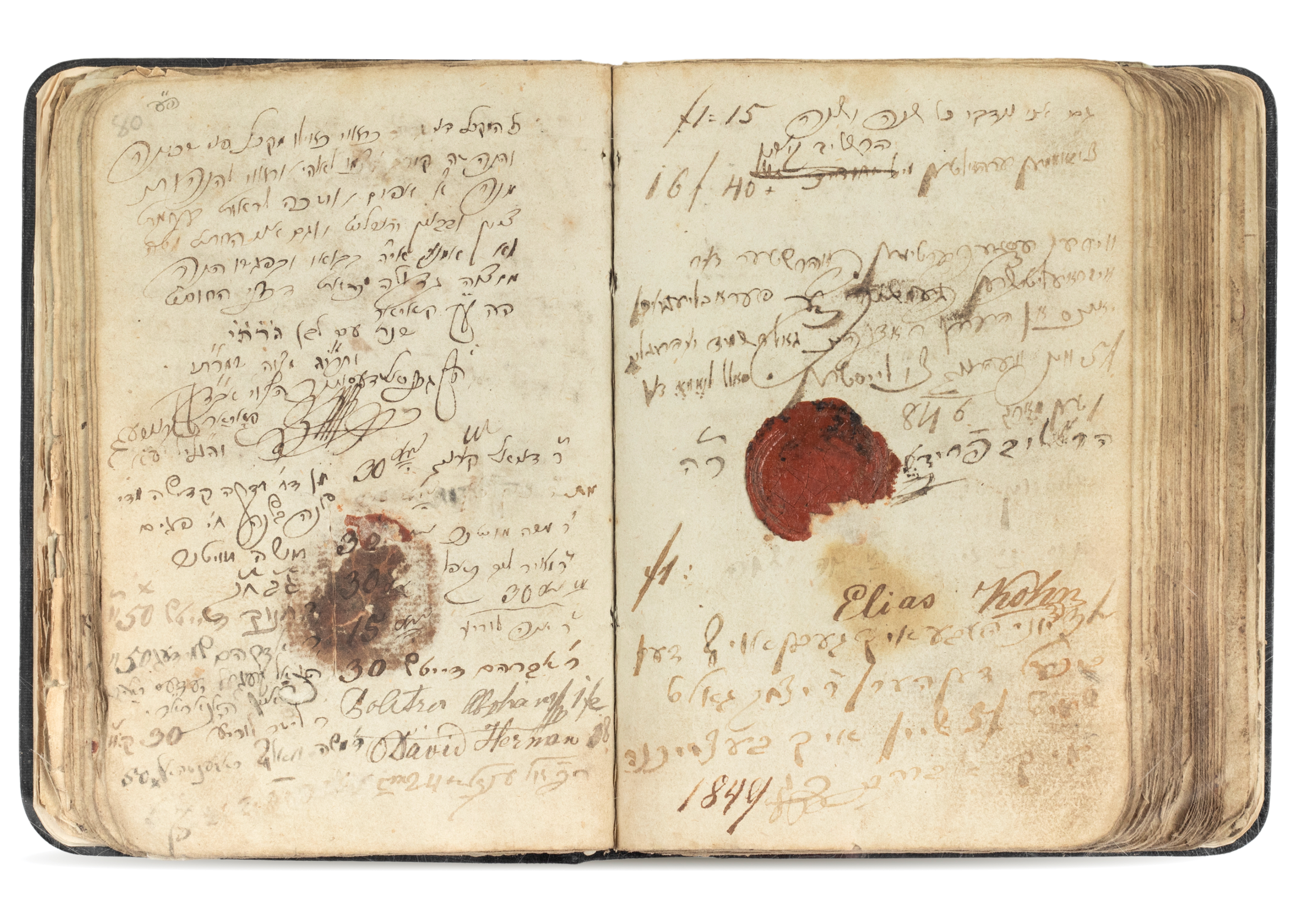
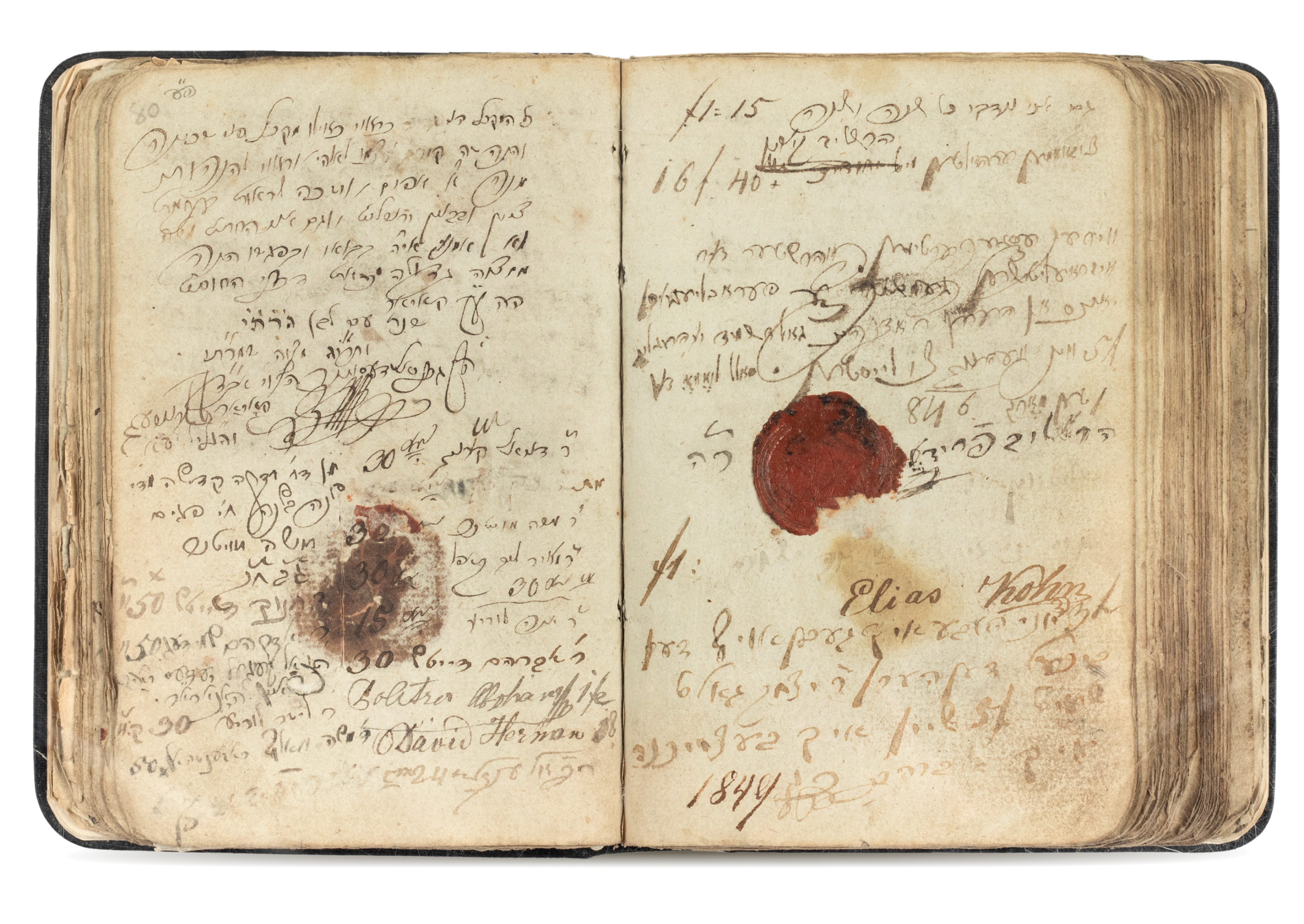
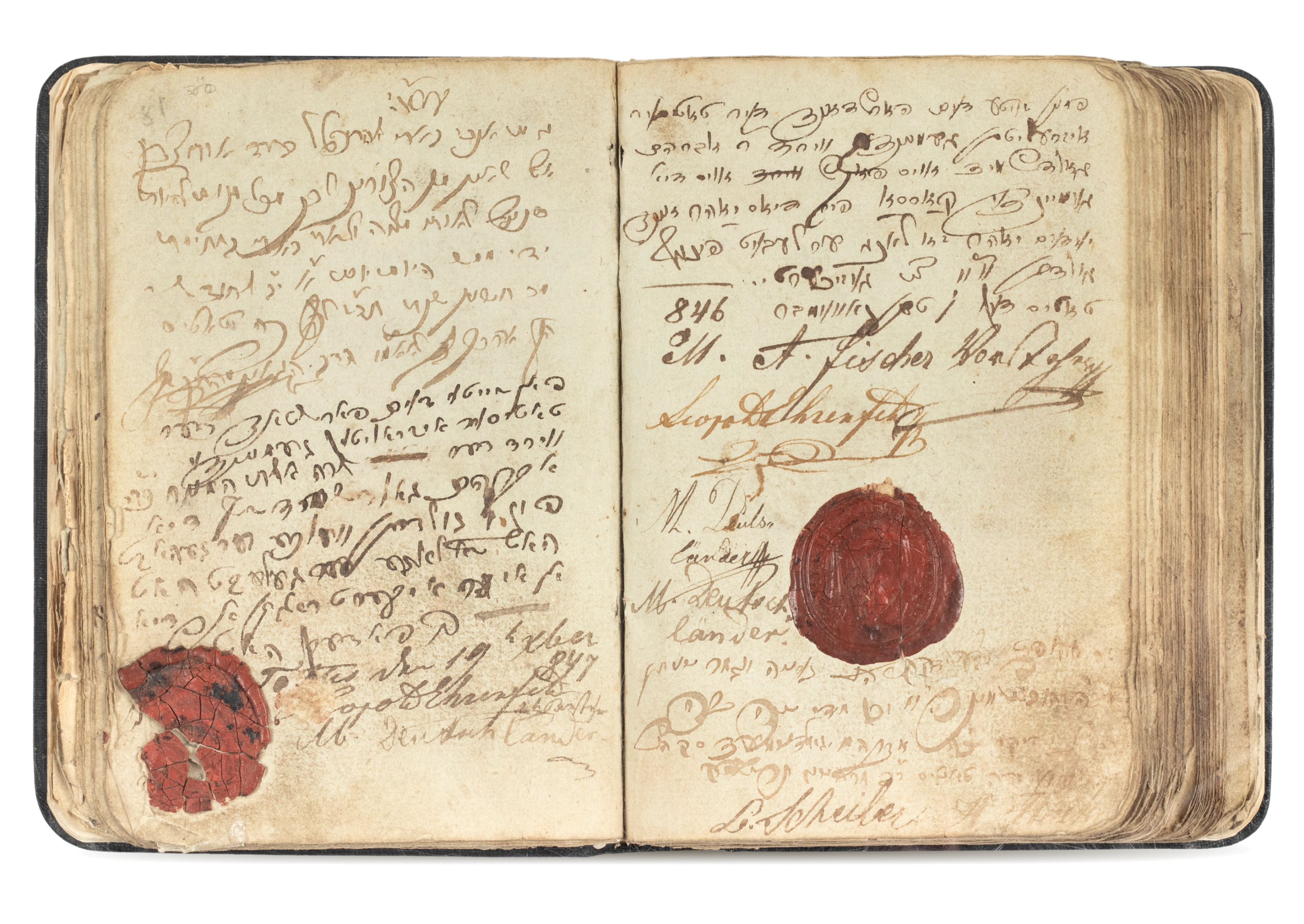
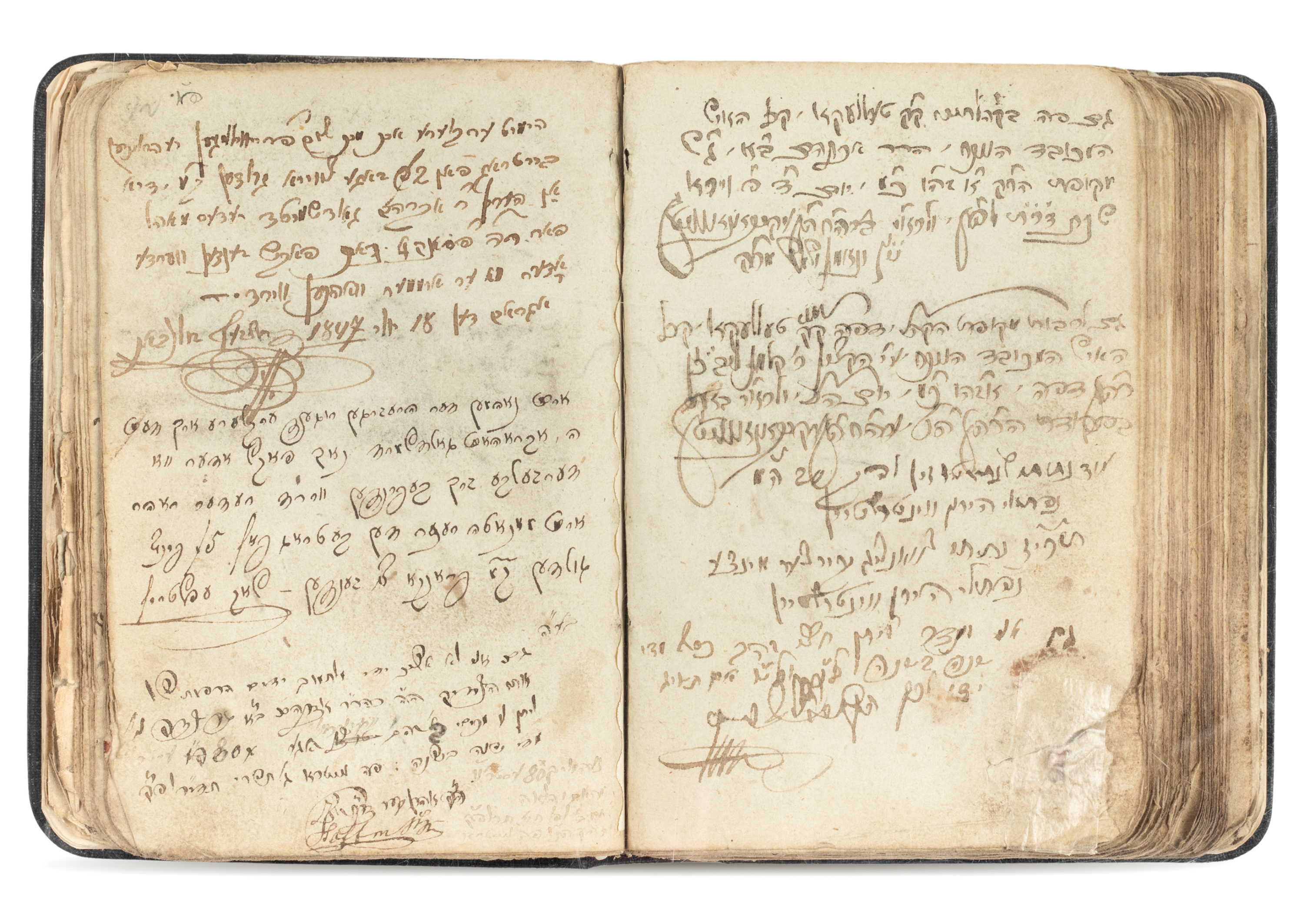
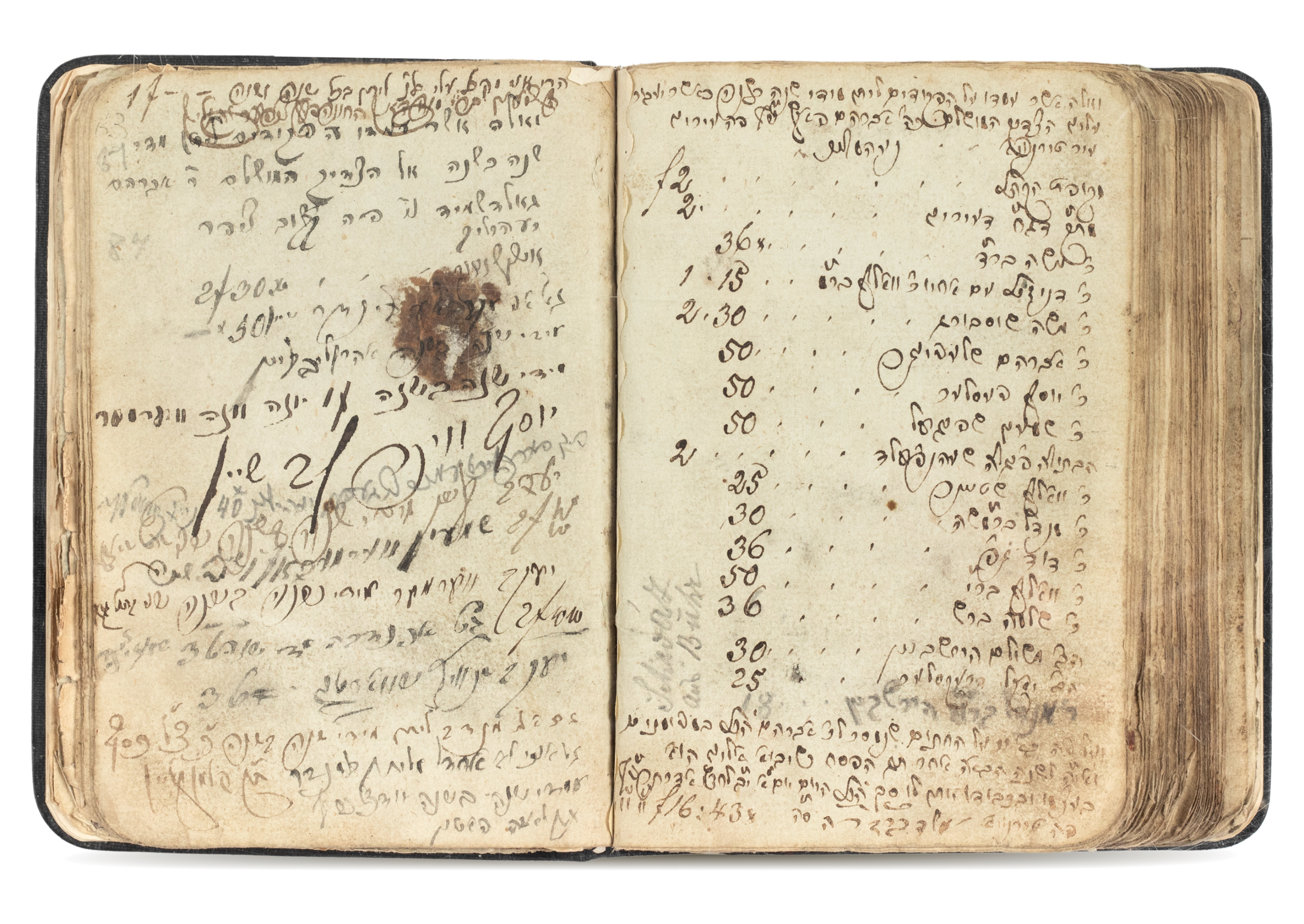
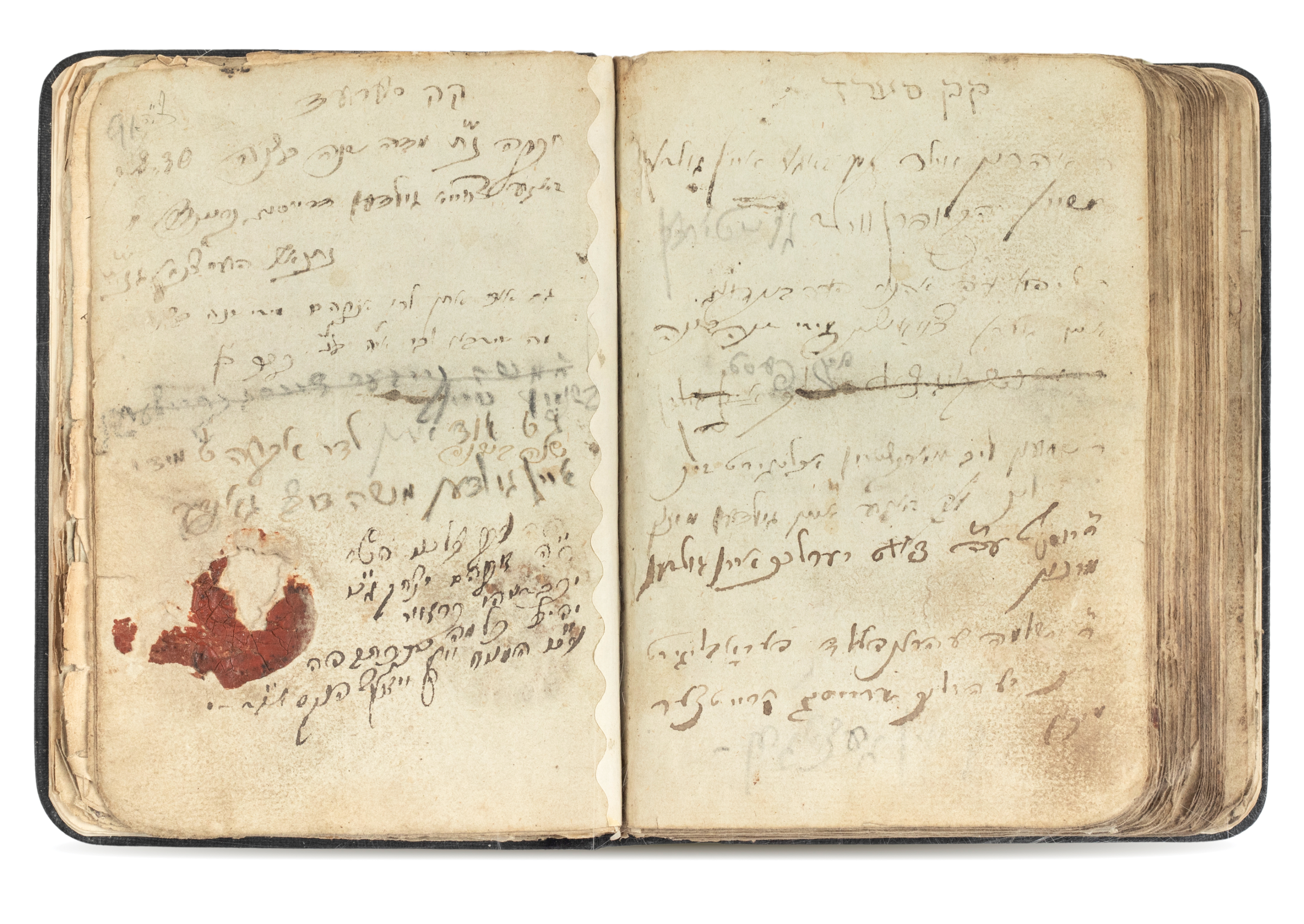
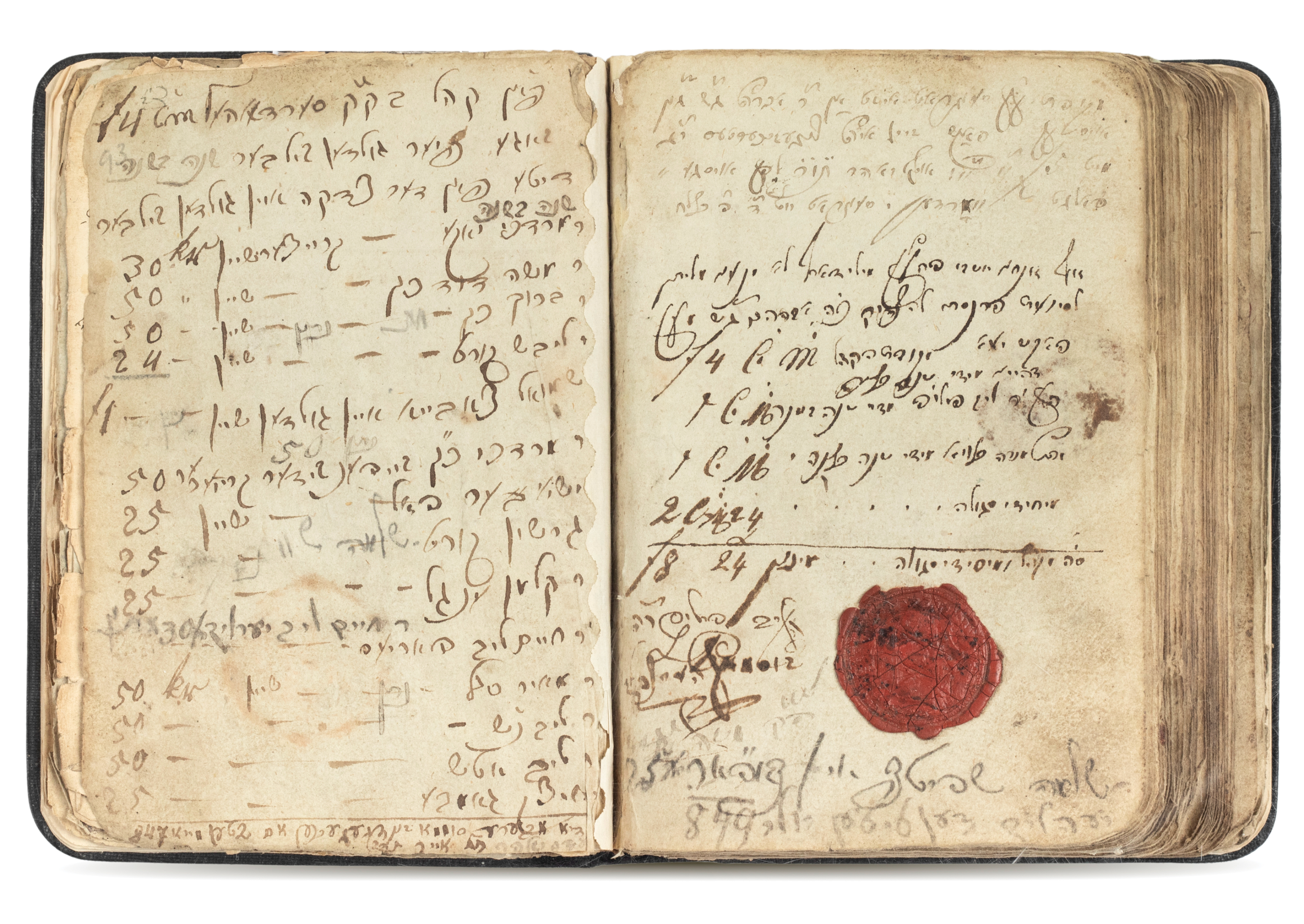
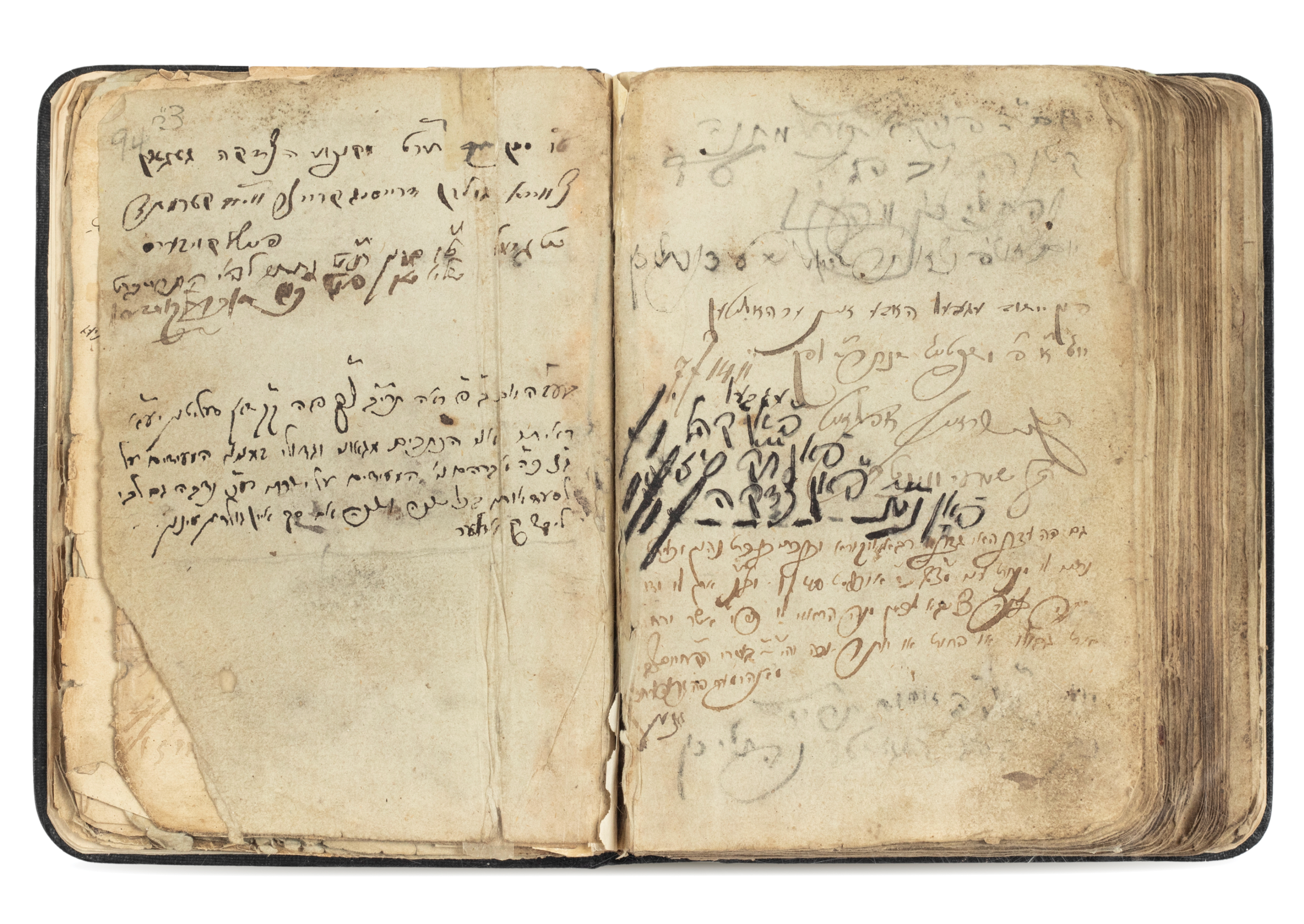
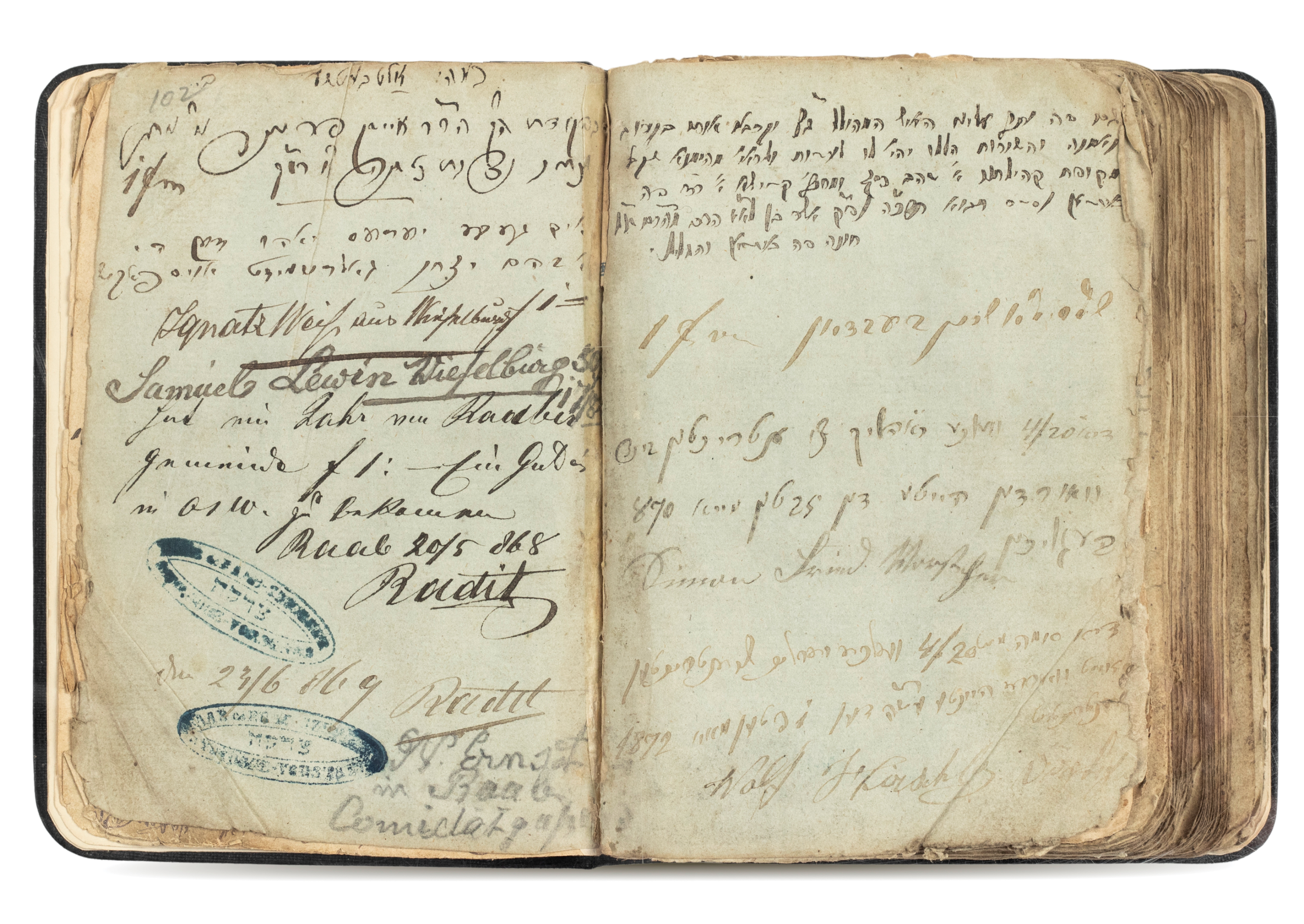
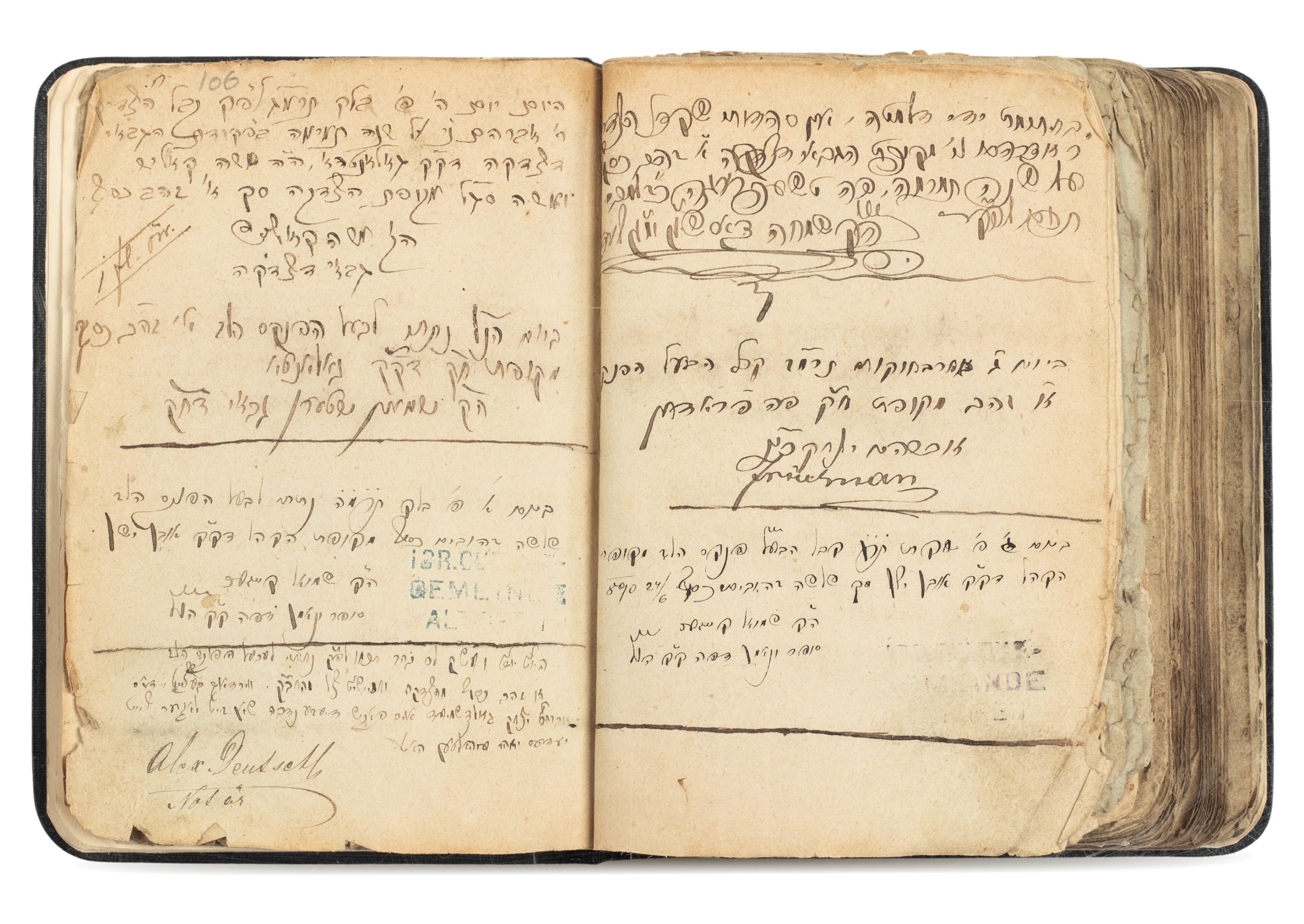
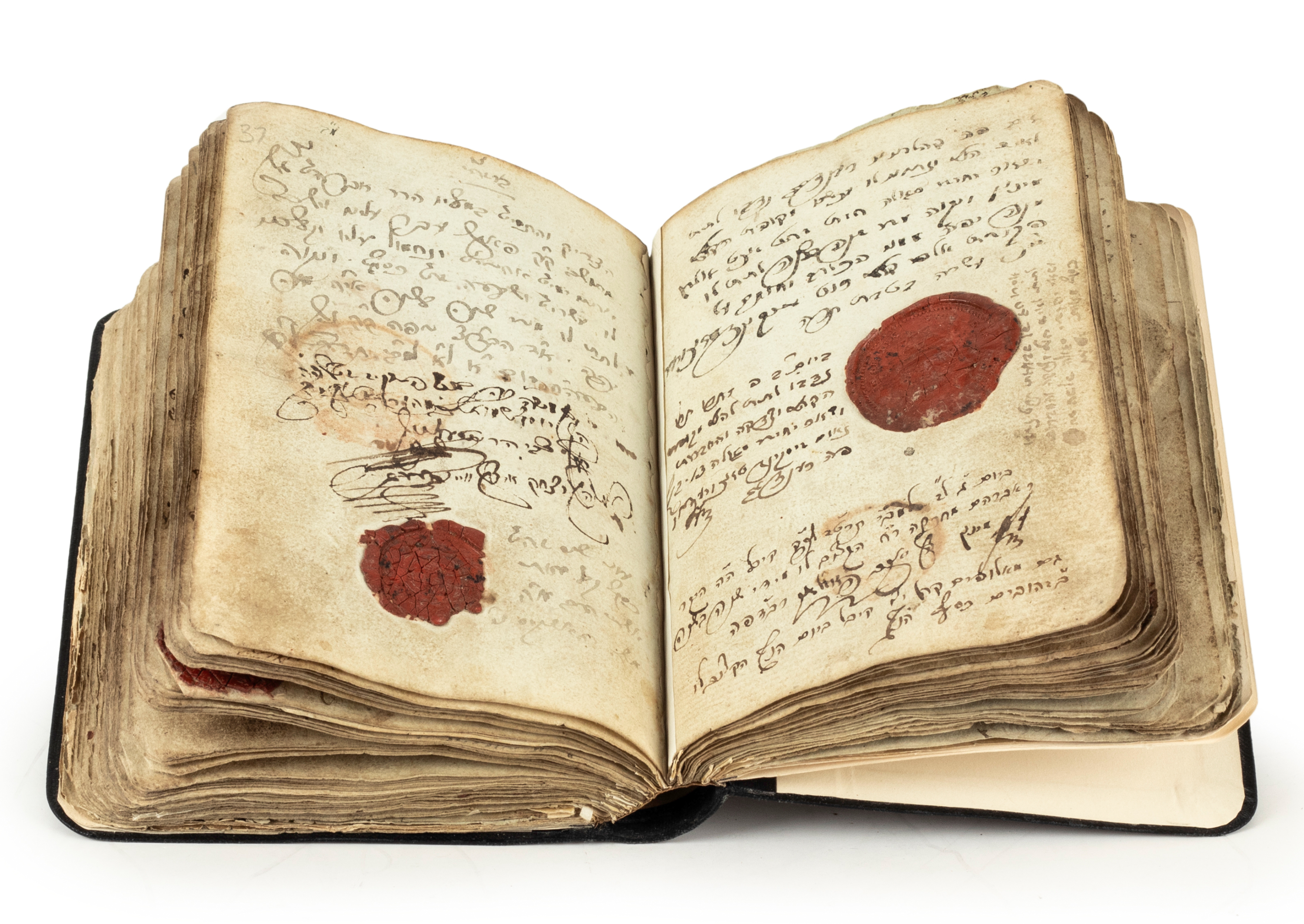
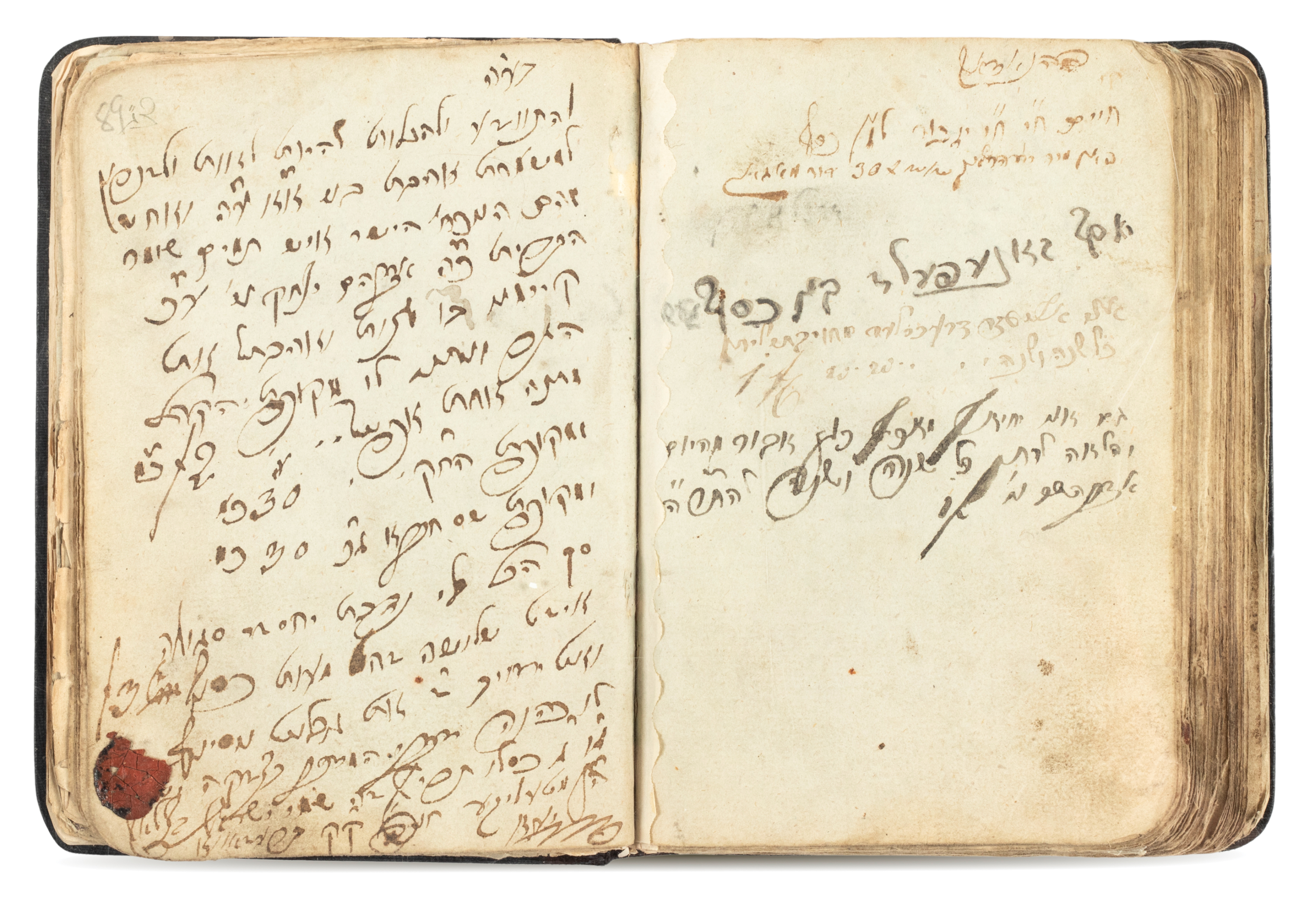
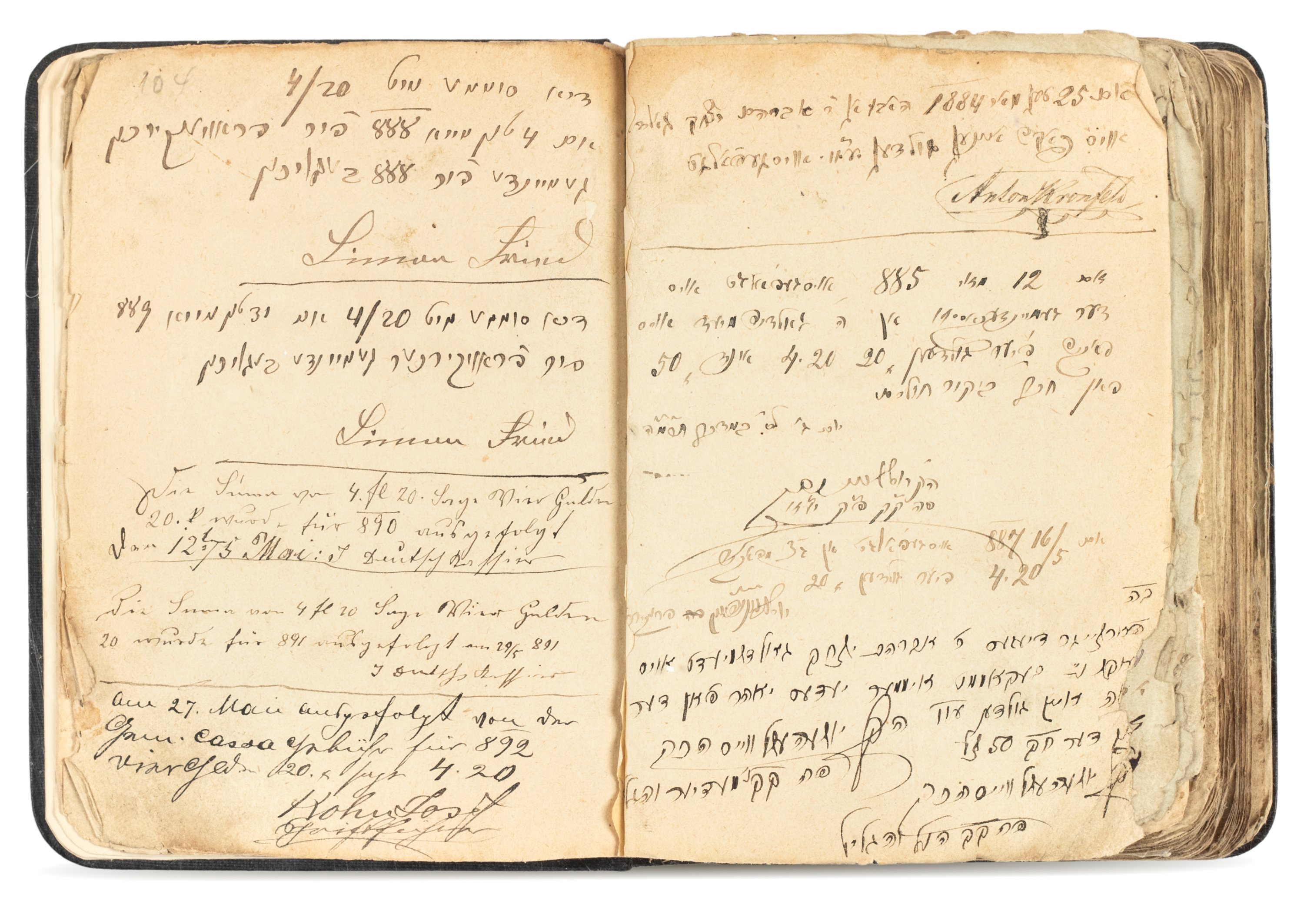
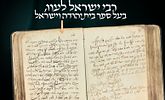
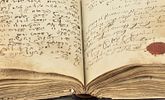
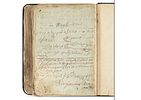
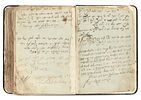
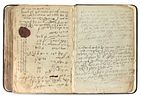
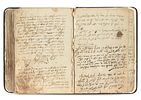
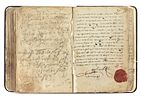
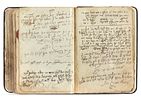
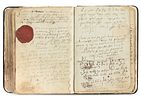
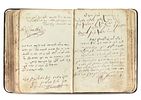
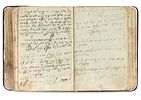
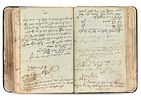
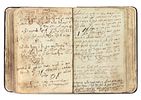
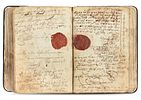
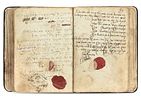
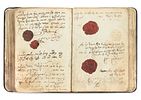
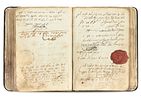
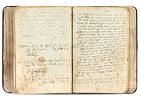
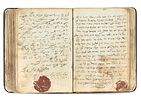
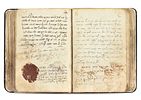
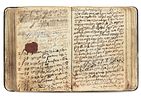
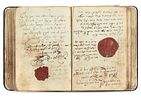
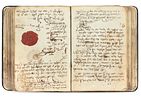
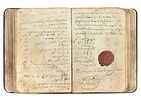
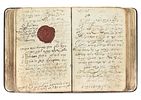
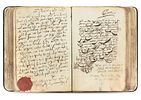
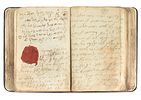
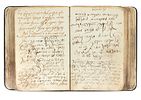
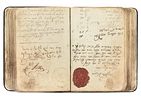
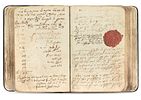
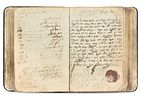
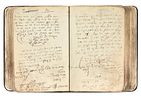
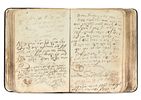
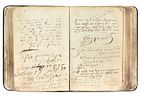
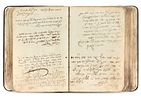
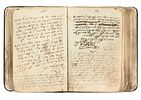
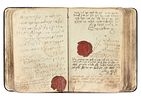
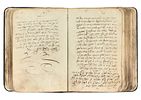
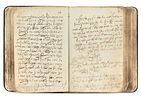
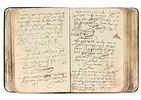
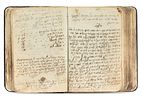
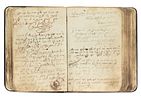
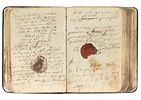
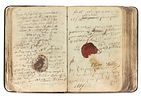
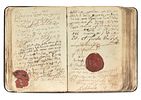
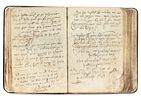
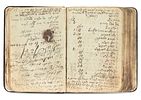
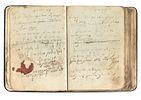
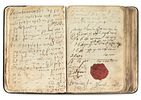
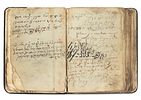
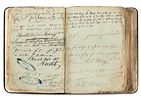
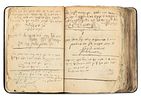
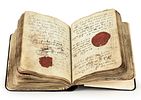
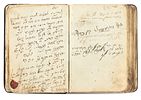
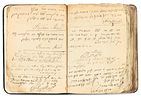
An extraordinary and complete historical notebook of great value, once belonging to a ger tzedek — a righteous convert and G-d-fearing man — who wandered among the Jewish communities of Hungary and Czechia seeking to support his family.
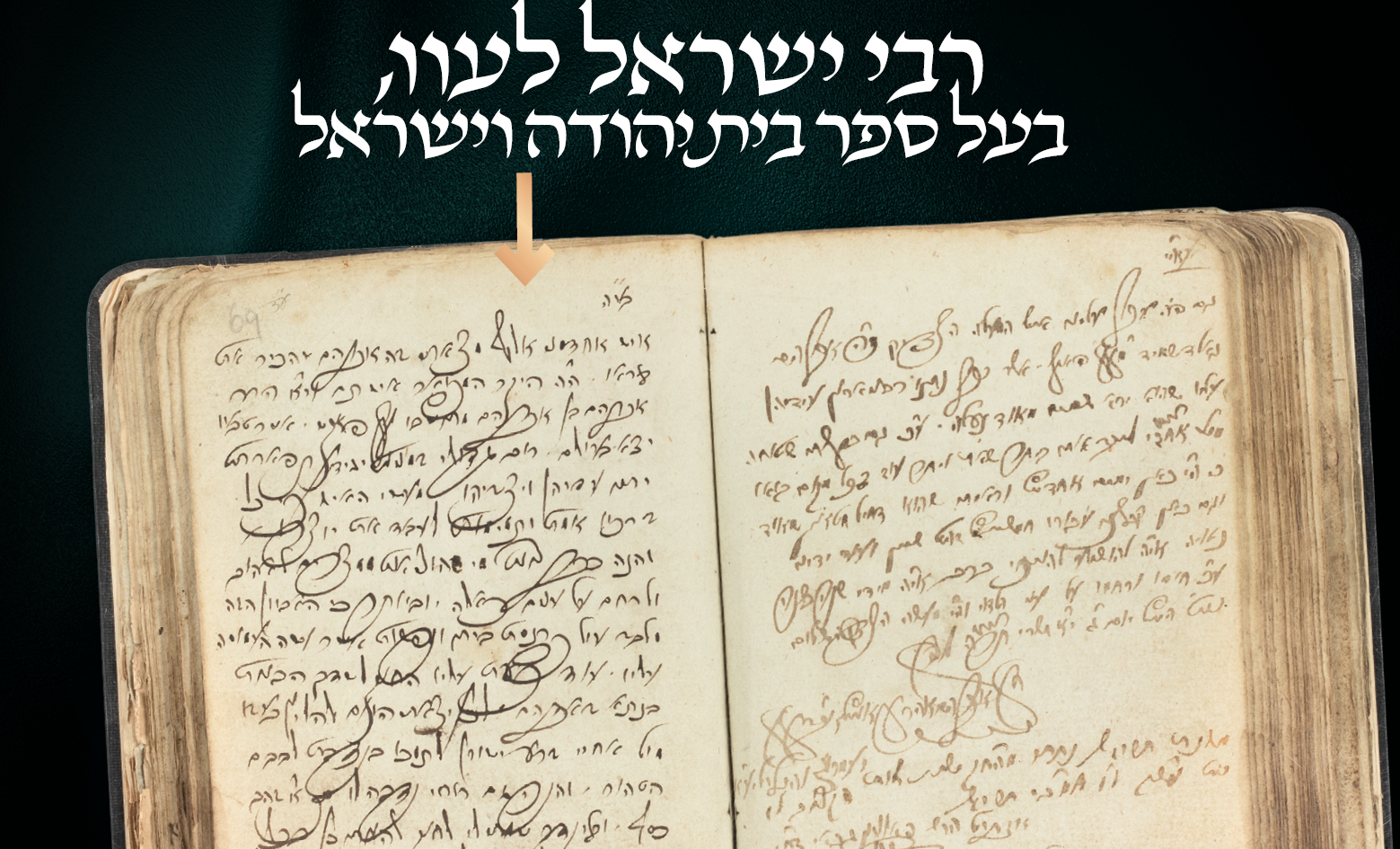
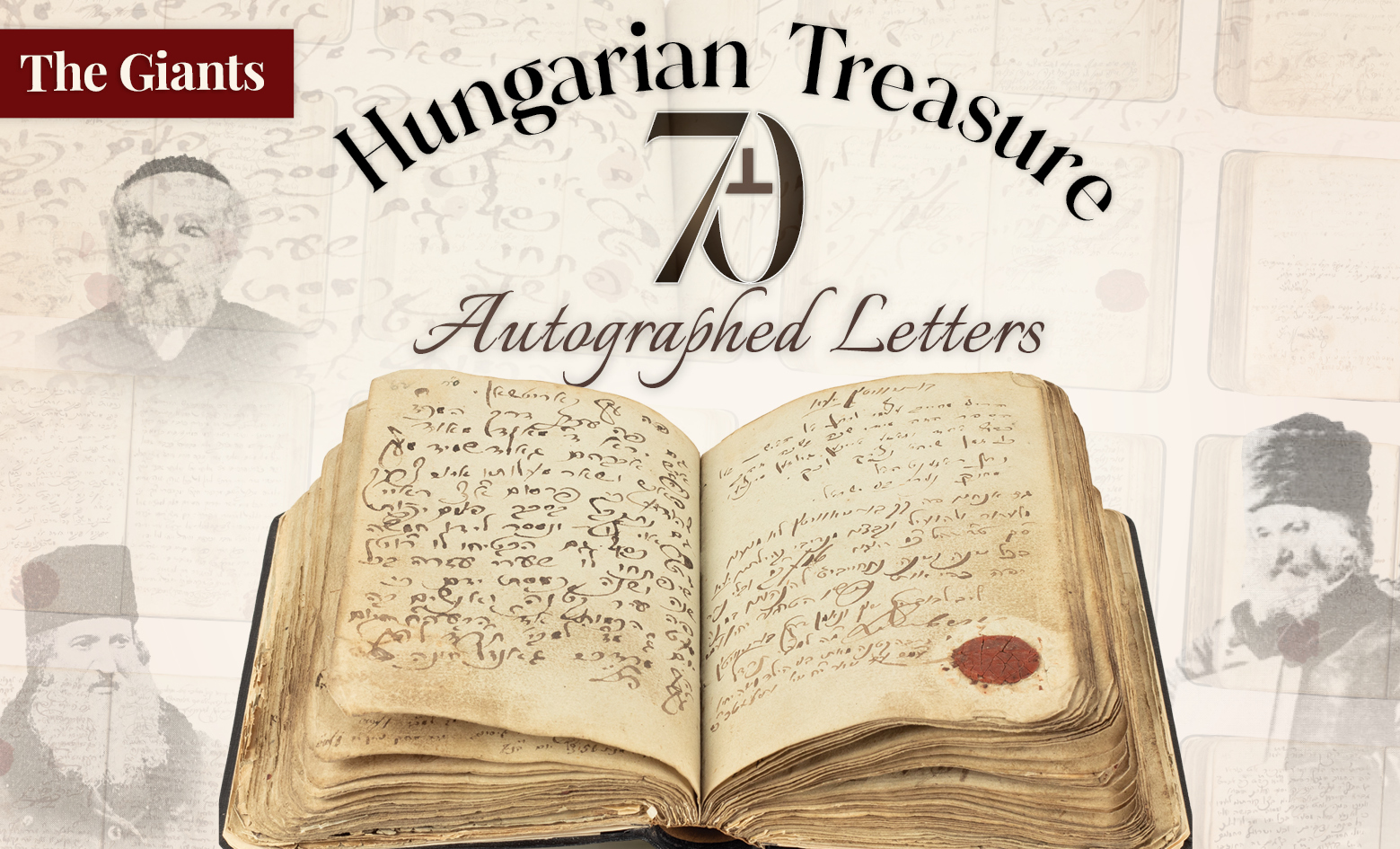
This unique volume preserves not only the personal and fascinating story of a ger tzedek who journeyed across the land to support his household, but also a rare and invaluable collection of dozens of autographs and letters of recommendation from the great Rabbanim of Hungary during and after the era of the Chasam Sofer.
The notebook includes letters from over seventy Rabbanim and records of approximately 150 communities he visited — major cities, small towns, and remote villages — including Mattersdorf, Tzehelim, Pápa, Nitra, Galanta, Verboy, Alt-Ofen, Szerdahely, Kecel, Brod, Lackenbach, Nikolsburg, and many more.
Avraham the Ger
The convert was Rabbi Avraham Goldschmidt, originally from the city of Paks. From the image that emerges from the notebook, he was a remarkable figure and the Rabbanim who met him were deeply impressed by him. They praised him with heartfelt admiration, calling him "a great and precious man", "a wholly righteous individual, upright and G-d-fearing", and "exceedingly elevated in name and renown" (in the words of Rabbi Yehuda Assad); "one who recognized his Creator and served Him with heart and soul" (in the words of Rabbi Lipman Stein, Av Beis Din of Szerdahely).
In 1843, his financial situation deteriorated and he could no longer support his family. His daughter reached marriageable age, and he lacked the means to provide for her hachnasas kallah. Thus, he began a journey throughout the communities of Hungary in an effort to restore his livelihood. His travels began in 1843 and continued for several years across dozens of communities.
His story touched the hearts of Rabbanim and laypeople alike, who gave generously out of a sense of fulfilling the Torah’s commandment to love the ger. Some Rabbanim even note in their letters that they had never before merited to fulfill this mitzvah, and even those who had previously refrained from issuing letters of recommendation made an exception in light of this unusual mitzvah.
In 1847, Reb Avraham passed away. Yet the members of the communities continued to support his widow and family for forty-six years, until the year 1893. Therefore, the notebook is divided into two periods: the first spans the years 1843–1847, the second 1848-1893.
__________
Among the many Rabbanim who penned letters of recommendation in the booklet to stand by the convert in his time of need, were the preeminent Geonim and leaders of Hungarian Jewry:
·
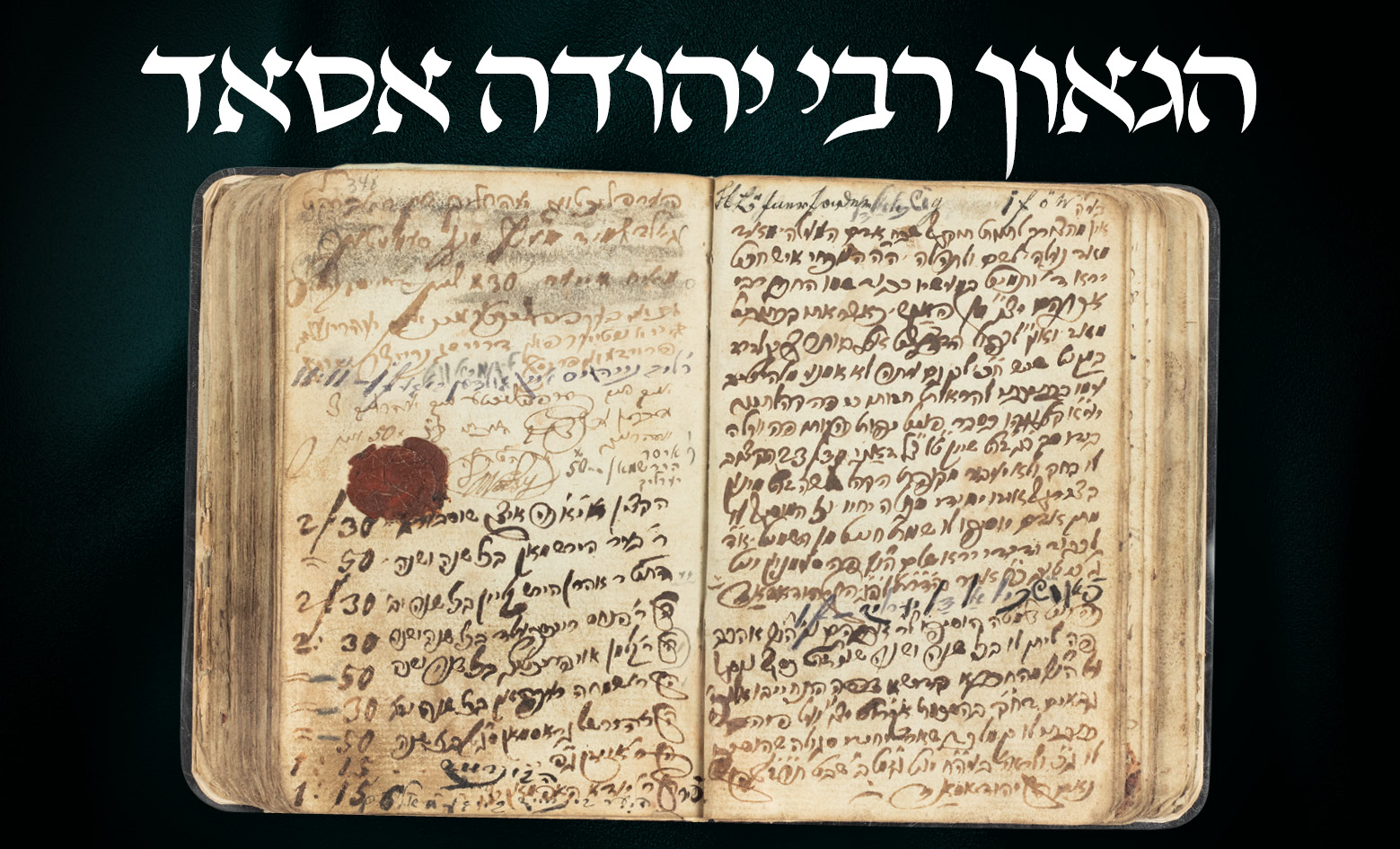
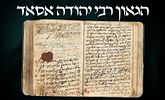
Rabbi Yehuda Assad, Av Beis Din of Szerdahely (1796–1866), author of Shu”t Mahari”a, and one of the foremost Rabbanim and tzaddikim of Hungary. (Two letters from his tenure in Szemnic (1844 and 1847), along with a list of contributors in his handwriting.)
Rabbi Yehuda Assad, Av Beis Din of Szerdahely (1796–1866), author of Shu”t Mahari”a, and one of the foremost Rabbanim and tzaddikim of Hungary. (Two letters from his tenure in Szemnic (1844 and 1847), along with a list of contributors in his handwriting.)
·
Rabbi Chaim Tzvi Mannheimer, Av Beis Din of Ungvar (1814–1886), author of Ein HaBedolach, a talmid of the Chasam Sofer and one of the leading Rabbanim of Hungary. At the time of his signing in the notebook, he was living in his father-in-law’s home in the town of Gropa (Shem HaGedolim MeEretz HaGer, p. 34, Chasam Sofer V’Talmidav, p. 151).
Rabbi Chaim Tzvi Mannheimer, Av Beis Din of Ungvar (1814–1886), author of Ein HaBedolach, a talmid of the Chasam Sofer and one of the leading Rabbanim of Hungary. At the time of his signing in the notebook, he was living in his father-in-law’s home in the town of Gropa (Shem HaGedolim MeEretz HaGer, p. 34, Chasam Sofer V’Talmidav, p. 151).
·
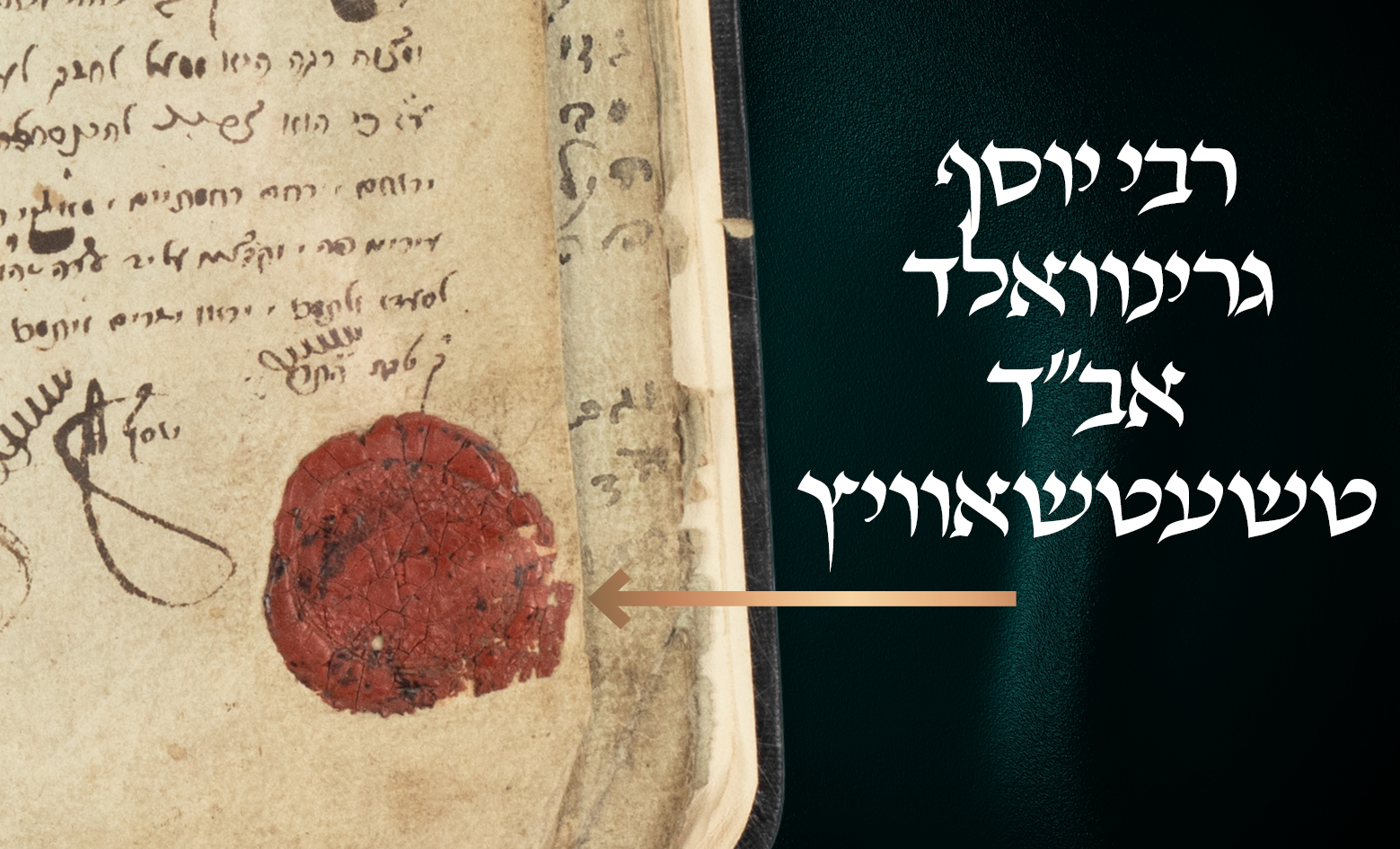
Rabbi Yosef Greenwald, Av Beis Din of Tchechowitz (c. 1805 – 1870), grandfather and teacher of the Arugas HaBosem. He corresponded with the Chasam Sofer and his son the Ksav Sofer (Shem HaGedolim MeEretz HaGer, p. 82; Ishim b’Teshuvos Chasam Sofer, §243).
Rabbi Yosef Greenwald, Av Beis Din of Tchechowitz (c. 1805 – 1870), grandfather and teacher of the Arugas HaBosem. He corresponded with the Chasam Sofer and his son the Ksav Sofer (Shem HaGedolim MeEretz HaGer, p. 82; Ishim b’Teshuvos Chasam Sofer, §243).
·
Rabbi Amram Greenwald of Tcharny (c. 1831 – April 1870), son of the aforementioned Rabbi Yosef, and father of the Arugas HaBosem and Keren LeDavid. A towering Torah scholar and saintly figure, he was a disciple of the Ksav Sofer and Maharam Ash (Shem HaGedolim MeEretz HaGer, vol. 2, p. 50; Chasam Sofer V’Talmidav, p. 532).
Rabbi Amram Greenwald of Tcharny (c. 1831 – April 1870), son of the aforementioned Rabbi Yosef, and father of the Arugas HaBosem and Keren LeDavid. A towering Torah scholar and saintly figure, he was a disciple of the Ksav Sofer and Maharam Ash (Shem HaGedolim MeEretz HaGer, vol. 2, p. 50; Chasam Sofer V’Talmidav, p. 532).
·
Rabbi Aharon Chaim Schick (1828–1863), eldest son of the Maharam Schick and renowned for his greatness in Torah and Yiras Shamayim. He passed away in his prime during his father’s lifetime and is mentioned several times in his father’s teshuvos (Darkei Moshe HaChadash, ed. 2012, p. 185).
Rabbi Aharon Chaim Schick (1828–1863), eldest son of the Maharam Schick and renowned for his greatness in Torah and Yiras Shamayim. He passed away in his prime during his father’s lifetime and is mentioned several times in his father’s teshuvos (Darkei Moshe HaChadash, ed. 2012, p. 185).
·
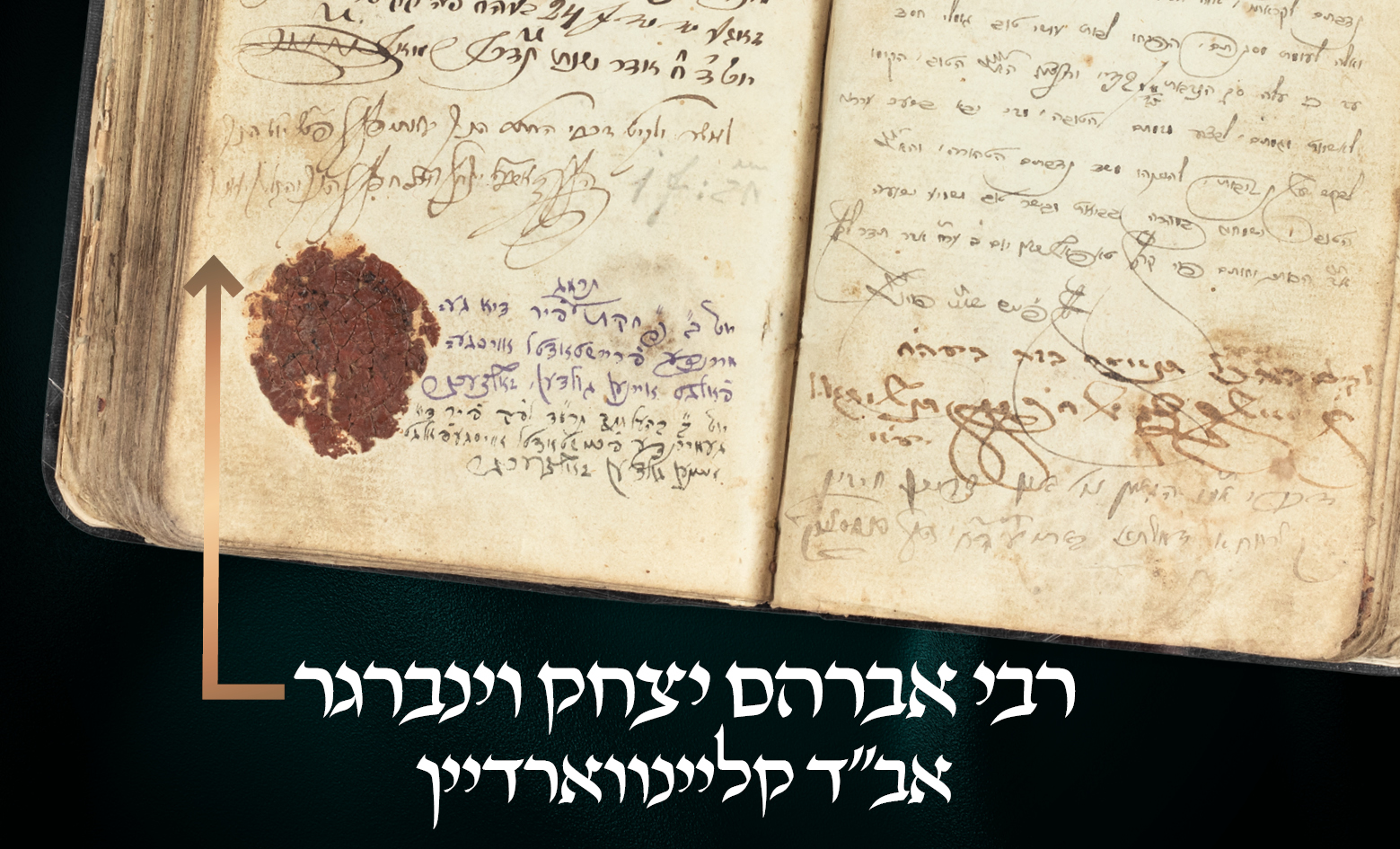
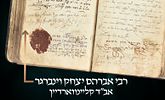
Rabbi Avraham Yitzchak Weinberger, Av Beis Din of Kleinwardein (1805–1885), author of Pnei Yitzchak on Shas and Melel Avraham on the Torah. A talmid and son-in-law of Rabbi Tzvi Hirsch Heller-Charif, he corresponded with the Chasam Sofer, who referred to him as his “step-son-in-law, ” because after the death of Rabbi Weinberger’s father-in-law, the Chasam Sofer married his widow. (Shem HaGedolim MeEretz HaGer, vol. 1, p. 16; Ishim b’Teshuvos Chasam Sofer, §31).
Rabbi Avraham Yitzchak Weinberger, Av Beis Din of Kleinwardein (1805–1885), author of Pnei Yitzchak on Shas and Melel Avraham on the Torah. A talmid and son-in-law of Rabbi Tzvi Hirsch Heller-Charif, he corresponded with the Chasam Sofer, who referred to him as his “step-son-in-law, ” because after the death of Rabbi Weinberger’s father-in-law, the Chasam Sofer married his widow. (Shem HaGedolim MeEretz HaGer, vol. 1, p. 16; Ishim b’Teshuvos Chasam Sofer, §31).
·
Rabbi Mordechai Yehuda Leib Glick of Santov, Av Beis Din of Yahona (–1866), a prime disciple of the Chasam Sofer for fifteen years and a childhood friend of the Ksav Sofer. He corresponded with the Chasam Sofer, the Ksav Sofer, and Rabbi Yehuda Assad. Among his talmidim were Rabbi Mordechai Leib Winkler, Av Beis Din of Mad, author of Levushei Mordechai (Shem HaGedolim MeEretz HaGer, vol. 2, p. 14; Chasam Sofer V’Talmidav, p. 342; Ishim b’Teshuvos Chasam Sofer, §437).
Rabbi Mordechai Yehuda Leib Glick of Santov, Av Beis Din of Yahona (–1866), a prime disciple of the Chasam Sofer for fifteen years and a childhood friend of the Ksav Sofer. He corresponded with the Chasam Sofer, the Ksav Sofer, and Rabbi Yehuda Assad. Among his talmidim were Rabbi Mordechai Leib Winkler, Av Beis Din of Mad, author of Levushei Mordechai (Shem HaGedolim MeEretz HaGer, vol. 2, p. 14; Chasam Sofer V’Talmidav, p. 342; Ishim b’Teshuvos Chasam Sofer, §437).
·
Rabbi Moshe Mordechai Banet, Av Beis Din of Stampi (1732–1850), disciple and relative of Rabbi Mordechai Banet. He corresponded with the Chasam Sofer, and the Ksav Sofer eulogized him saying, “He studied amid suffering… and reviewed Shas every three and four years.” (Ishim b’Teshuvos Chasam Sofer, §499).
Rabbi Moshe Mordechai Banet, Av Beis Din of Stampi (1732–1850), disciple and relative of Rabbi Mordechai Banet. He corresponded with the Chasam Sofer, and the Ksav Sofer eulogized him saying, “He studied amid suffering… and reviewed Shas every three and four years.” (Ishim b’Teshuvos Chasam Sofer, §499).
·
Rabbi Shraga Feivish Halevi Horowitz, Av Beis Din of Papa (1796–1845), a fearless warrior for Hashem and one of the initiators of the Rabbinic Assembly of Páks in 1844. He corresponded with the Chasam Sofer and was eulogized with great praise by the Ksav Sofer (Ishim b’Teshuvos Chasam Sofer, p. 412; Zikaron Páks vol. I, ch. 4).
Rabbi Shraga Feivish Halevi Horowitz, Av Beis Din of Papa (1796–1845), a fearless warrior for Hashem and one of the initiators of the Rabbinic Assembly of Páks in 1844. He corresponded with the Chasam Sofer and was eulogized with great praise by the Ksav Sofer (Ishim b’Teshuvos Chasam Sofer, p. 412; Zikaron Páks vol. I, ch. 4).
·
Rabbi Binyamin Ze’ev Wolf Tirshes, Av Beis Din of Topolchany (1785–1865), described as “a most beloved disciple of the Chasam Sofer” by Rabbi Eliezer Zusman Sofer in his eulogy for him. He authored Tiferes Shabbos and corresponded with his rebbi the Chasam Torah (Shem Hagedolim Me’Eretz HaGer Vol. 1 p. 30, Chasam Sofer V’Talmidav, p. 84).
Rabbi Binyamin Ze’ev Wolf Tirshes, Av Beis Din of Topolchany (1785–1865), described as “a most beloved disciple of the Chasam Sofer” by Rabbi Eliezer Zusman Sofer in his eulogy for him. He authored Tiferes Shabbos and corresponded with his rebbi the Chasam Torah (Shem Hagedolim Me’Eretz HaGer Vol. 1 p. 30, Chasam Sofer V’Talmidav, p. 84).
·
Rabbi Eliezer Lipmann Stein, Av Beis Din of Szerdahely (1738–1851), who served the community from 1841 until his passing. The Chasam Sofer praised him as “a great and renowned Rav”, and his son, the Ksav Sofer, eulogized him, saying: “His rulings were delivered in holiness across several communities in our land.” He authored the sefer Evel Moshe, a eulogy on the Chasam Sofer. (Shem Hagedolim Me’Eretz HaGer Vol. 1 p.126; Ishim b’Teshuvos Chasam Sofer, entry 78).
Rabbi Eliezer Lipmann Stein, Av Beis Din of Szerdahely (1738–1851), who served the community from 1841 until his passing. The Chasam Sofer praised him as “a great and renowned Rav”, and his son, the Ksav Sofer, eulogized him, saying: “His rulings were delivered in holiness across several communities in our land.” He authored the sefer Evel Moshe, a eulogy on the Chasam Sofer. (Shem Hagedolim Me’Eretz HaGer Vol. 1 p.126; Ishim b’Teshuvos Chasam Sofer, entry 78).
·
Rabbi Yedidya Gottlieb Fischer, Av Beis Din of Stuhlweissenburg (1810–1896), a beloved disciple of the Chasam Sofer who received semichah from him and courageously stood against the maskilim. In his later years he resided in Eisenstadt with his son-in-law Rabbi Shalom Kutna (Shem Hagedolim Me’Eretz HaGer Vol. 1 p. 44, Chasam Sofer V’Talmidav, p. 157, Ishim b’Teshuvos Chasam Sofer entry 202).
Rabbi Yedidya Gottlieb Fischer, Av Beis Din of Stuhlweissenburg (1810–1896), a beloved disciple of the Chasam Sofer who received semichah from him and courageously stood against the maskilim. In his later years he resided in Eisenstadt with his son-in-law Rabbi Shalom Kutna (Shem Hagedolim Me’Eretz HaGer Vol. 1 p. 44, Chasam Sofer V’Talmidav, p. 157, Ishim b’Teshuvos Chasam Sofer entry 202).
·
Rabbi Aharon Kutna, Av Beis Din of Tát (1799–1874), author of Mishchas Aharon and Hadras Aharon, among the prominent disciples of the Chasam Sofer, who supported him in his Rabbanus and endorsed his writings (Shem Hagedolim Me’Eretz HaGer Vol. p. 12, Chasam Sofer V’Talmidav, p. 47; Ishim b’Teshuvos Chasam Sofer, entry 53.).
Rabbi Aharon Kutna, Av Beis Din of Tát (1799–1874), author of Mishchas Aharon and Hadras Aharon, among the prominent disciples of the Chasam Sofer, who supported him in his Rabbanus and endorsed his writings (Shem Hagedolim Me’Eretz HaGer Vol. p. 12, Chasam Sofer V’Talmidav, p. 47; Ishim b’Teshuvos Chasam Sofer, entry 53.).
·
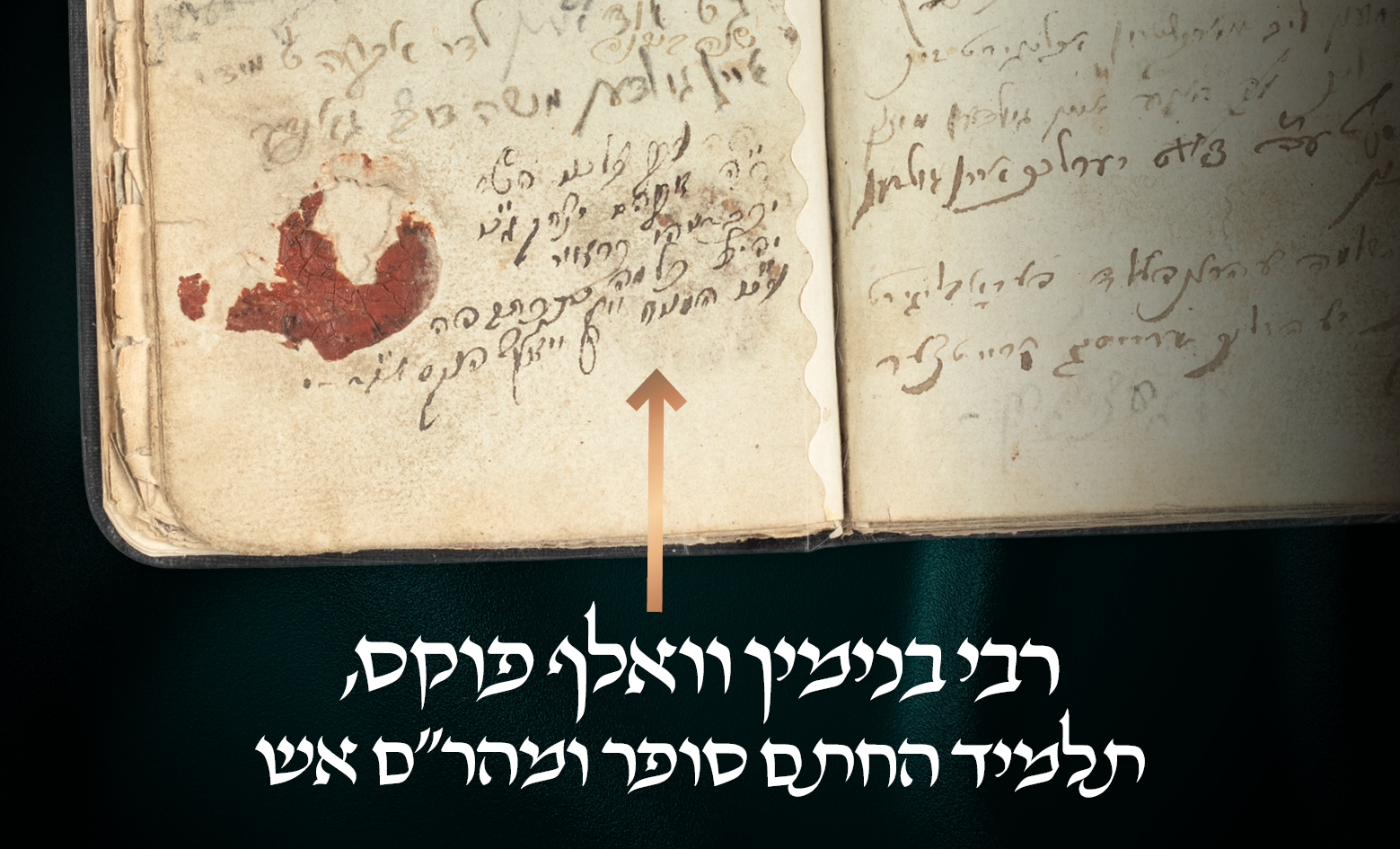
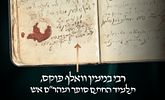
Rabbi Binyamin Ze’ev Wolf Fuchs, Av Beis Din of Sered (1814–1874), a disciple of the Chasam Sofer and Maharam Ash. He corresponded with the Ksav Sofer, Mahari Assad, and Maharam Schick. His son is Rabbi Moshe Tzvi Hirsch Fuchs of Grosswardein, author of Yad Ramah (Shem Hagedolim Me’Eretz HaGer Vol. 1 p. 56 , Chasam Sofer V’Talmidav, p. 90.).
Rabbi Binyamin Ze’ev Wolf Fuchs, Av Beis Din of Sered (1814–1874), a disciple of the Chasam Sofer and Maharam Ash. He corresponded with the Ksav Sofer, Mahari Assad, and Maharam Schick. His son is Rabbi Moshe Tzvi Hirsch Fuchs of Grosswardein, author of Yad Ramah (Shem Hagedolim Me’Eretz HaGer Vol. 1 p. 56 , Chasam Sofer V’Talmidav, p. 90.).
·
Rabbi Avraham Yisrael Betzalel Rosenbaum, Av Beis Din of Brezova (c. 1790–1863), a disciple of the Chasam Sofer (Shem HaGedolim Me’eretz HaGer, Vol. 1, p. 9; Chasam Sofer U’Talmidav, p. 21).
Rabbi Avraham Yisrael Betzalel Rosenbaum, Av Beis Din of Brezova (c. 1790–1863), a disciple of the Chasam Sofer (Shem HaGedolim Me’eretz HaGer, Vol. 1, p. 9; Chasam Sofer U’Talmidav, p. 21).
·
Rabbi Shimon Sidan, Av Beis Din of Tirna (1815–1892), author of Shevet Shimon and other works. He was a disciple of the Chasam Sofer for nine years, ate at his table, merited to serve him, and received semicha from him (see Shem HaGedolim Me’eretz HaGer, section Shin, entry 110; Chasam Sofer U’Talmidav, p. 762).
Rabbi Shimon Sidan, Av Beis Din of Tirna (1815–1892), author of Shevet Shimon and other works. He was a disciple of the Chasam Sofer for nine years, ate at his table, merited to serve him, and received semicha from him (see Shem HaGedolim Me’eretz HaGer, section Shin, entry 110; Chasam Sofer U’Talmidav, p. 762).
·
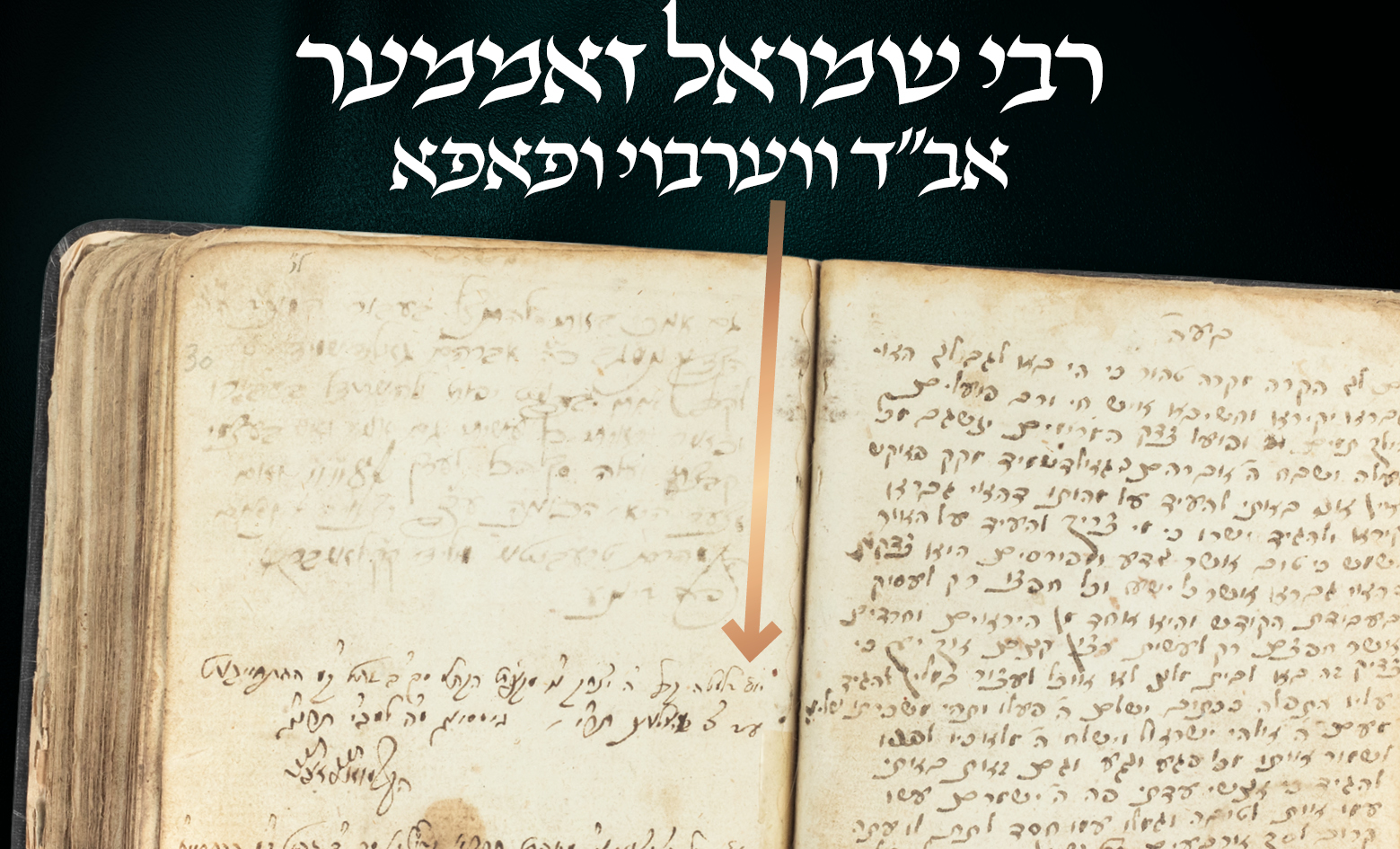
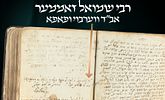
Rabbi Shmuel Sommer, Av Beis Din of Papa (c. 1808–1859), disciple of Rabbi Tzvi Hirsch Heller–Charif. He corresponded with the Chasam Sofer and the Ksav Sofer (Shem HaGedolim Me’eretz HaGer, section Shin, entry 66; Ishim B’Teshuvos Chasam Sofer, letter 631).
Rabbi Shmuel Sommer, Av Beis Din of Papa (c. 1808–1859), disciple of Rabbi Tzvi Hirsch Heller–Charif. He corresponded with the Chasam Sofer and the Ksav Sofer (Shem HaGedolim Me’eretz HaGer, section Shin, entry 66; Ishim B’Teshuvos Chasam Sofer, letter 631).
·
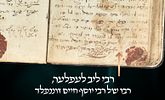
Rabbi Pinchas Leib Frieden, Av Beis Din of Komárno (1802–1872), author of Divrei Pnei Aryeh, a disciple of the author of Seder Mishnah. He exchanged halachic correspondence frequently with the Chasam Sofer and the Ksav Sofer (Shem HaGedolim Me’eretz HaGer, section Pei, entry 34; Ishim B’Teshuvos Chasam Sofer, letter 550).
Rabbi Pinchas Leib Frieden, Av Beis Din of Komárno (1802–1872), author of Divrei Pnei Aryeh, a disciple of the author of Seder Mishnah. He exchanged halachic correspondence frequently with the Chasam Sofer and the Ksav Sofer (Shem HaGedolim Me’eretz HaGer, section Pei, entry 34; Ishim B’Teshuvos Chasam Sofer, letter 550).
·
Rabbi Nosson Freider, Av Beis Din of Tcharnah (1803–1857), also served as Dayan and acting Rav in Tzehelim. Author of Tzemach HaSadeh (Pressburg, 1848), he corresponded with the Chasam Sofer and the Ksav Sofer (Shem HaGedolim Me’eretz HaGer, section Nun, entry 22; Ishim B’Teshuvos Chasam Sofer, letter 520; Kehillas Czeilm V’Chachameha, ch. 9).
Rabbi Nosson Freider, Av Beis Din of Tcharnah (1803–1857), also served as Dayan and acting Rav in Tzehelim. Author of Tzemach HaSadeh (Pressburg, 1848), he corresponded with the Chasam Sofer and the Ksav Sofer (Shem HaGedolim Me’eretz HaGer, section Nun, entry 22; Ishim B’Teshuvos Chasam Sofer, letter 520; Kehillas Czeilm V’Chachameha, ch. 9).
·
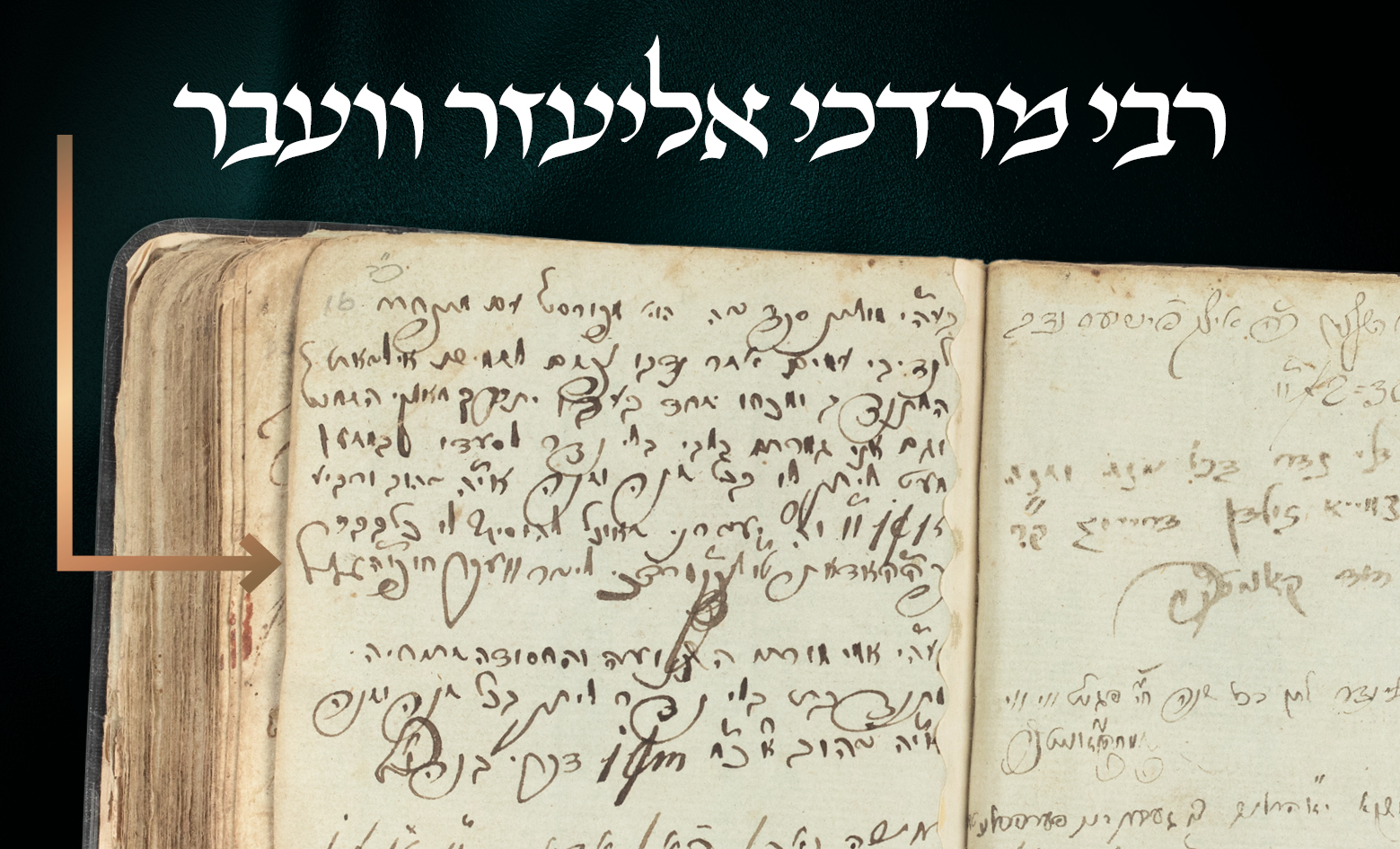
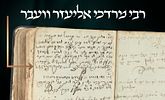
Rabbi Mordechai Eliezer Weber, Av Beis Din of Ada (1822–1892), disciple of the Ksav Sofer and one of the prominent Rabbanim of Hungary. He studied under the holy Rabbi Chaim of Sanz, and upon his directive made aliyah to Jerusalem in 1875. He authored numerous sefarim (Chasam Sofer U’Talmidav, p. 519; Alei Zikaron, vol. 24, pp. 11–13; there is a discussion whether he also studied briefly under the Chasam Sofer).
Rabbi Mordechai Eliezer Weber, Av Beis Din of Ada (1822–1892), disciple of the Ksav Sofer and one of the prominent Rabbanim of Hungary. He studied under the holy Rabbi Chaim of Sanz, and upon his directive made aliyah to Jerusalem in 1875. He authored numerous sefarim (Chasam Sofer U’Talmidav, p. 519; Alei Zikaron, vol. 24, pp. 11–13; there is a discussion whether he also studied briefly under the Chasam Sofer).
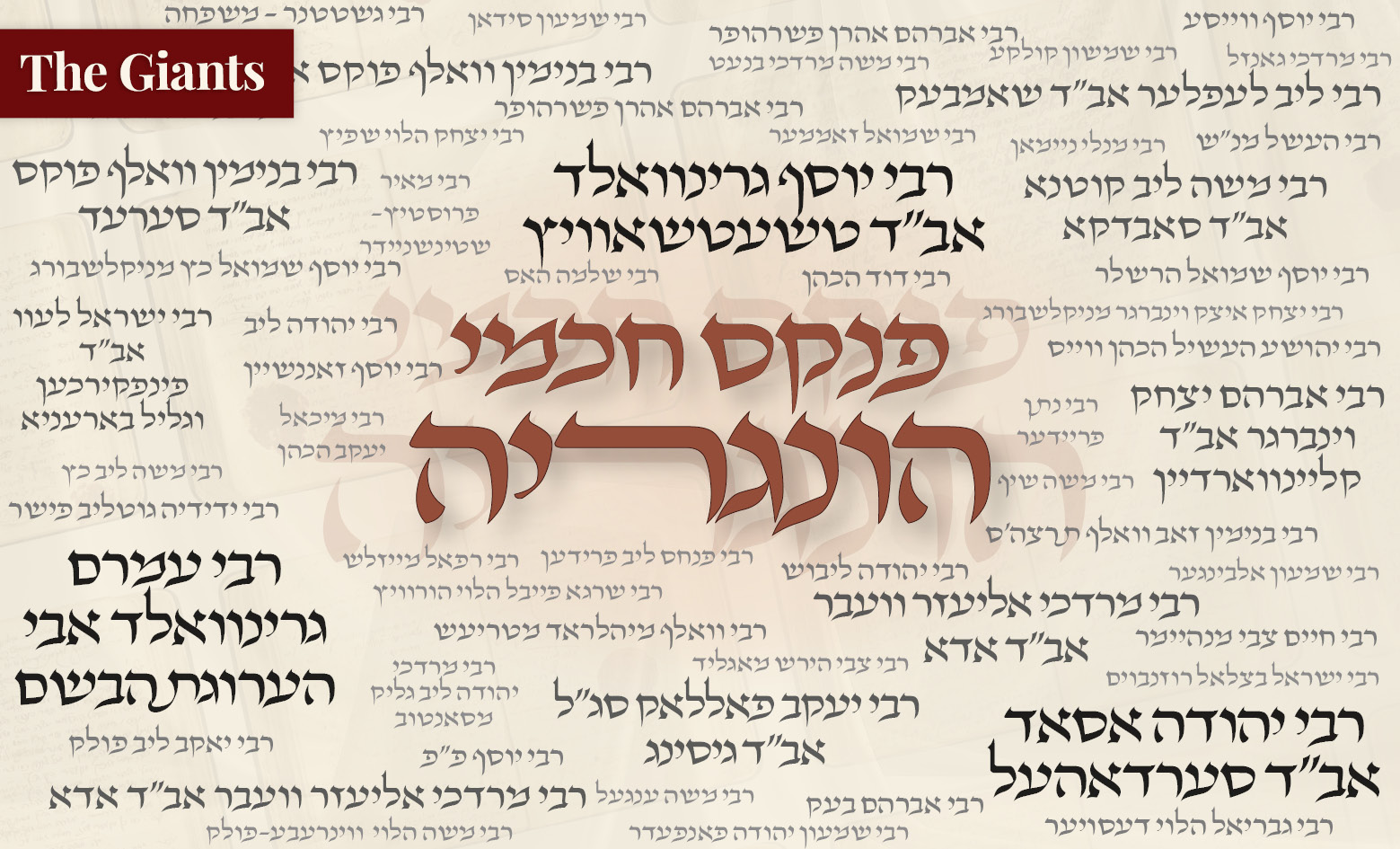
And many more Rabbanim are listed. Among them are approximately fifteen who were direct disciples of the Chasam Sofer, as well as numerous others who corresponded with him on matters of halacha. Included too are disciples of the Baruch Taam, Maharam Banet, the Seder Mishnah, and others.
Attached is the complete list of Rabbanim appearing in the ledger (
Click here), as well as a list of the communities mentioned (
Click here).
Click here), as well as a list of the communities mentioned (
Click here).
Besides the letters of recommendation from community Rabbanim, entries in this ledger also include notes from communal leaders, gabbai’im, heads of charitable and benevolent societies, and private householders — forming a remarkable trove of thousands of names from Hungarian Jewish communities, many of which may be documented here for the only time.
Most of the communities are those now located within present-day Slovakia, Austria, and Czechia.
Hungary–Czechia, 1843–1893
Page Count: 110 leaves, written on both sides.
Size: 11×16 cm.
Condition: Signs of use, age stains, some faded writing, though the vast majority is legible and decipherable.
Size: 11×16 cm.
Condition: Signs of use, age stains, some faded writing, though the vast majority is legible and decipherable.
It is noteworthy that during these years, the Jewish religion was still classified under Hungarian law as a “recognized” religion rather than an “accepted” one. As such, conversion to Judaism by a Christian was forbidden under Hungarian law (see sources in the introduction to Pinkas HaKehillos, Hungary, p. 49; and in Mekorot uKoroʾot, p. 343, note 19).
For the full content of the ledger,
Click here.
Click here.
